
Hybrid cars have become one of the smartest options for people who want fuel savings without letting go of comfort and modern features. While many buyers see these cars as dependable and efficient, there are still big differences in how well they manage heat, both inside and under the hood. Some hybrids are very calm and well-balanced.
They handle heat efficiently and stay reliable during daily use. Others, however, tend to heat up easily, either because of their powertrain design or poor thermal control, and that could lead to expensive repairs or uncomfortable driving experiences.
People buying hybrids today are looking for more than just great gas mileage. They also want a car that stays cool during hot weather, long traffic jams, and extended use. Unfortunately, not all hybrid models are built the same way.
Some cars deal with heat quite well, with systems in place to keep engine and battery temperatures stable. But others perform poorly when the temperature rises, and this can affect battery life, engine durability, and even passenger comfort.
Our list focuses on ten popular hybrid vehicles, dividing them into two groups. The first five are those that remain steady and dependable, no matter the weather or driving conditions. These ones offer smooth cooling, solid battery management, and better performance even when the engine is working hard.
The second group includes hybrids that do not manage heat well. These may seem attractive on the outside or come with nice features, but under pressure, they become too warm too quickly.
The goal here is to help buyers know which hybrid cars are smart choices when it comes to staying cool and which ones are known for heating up during daily use. Let us begin with the models that remain cool-headed no matter the challenge.
5 Hybrids That Stay Cool
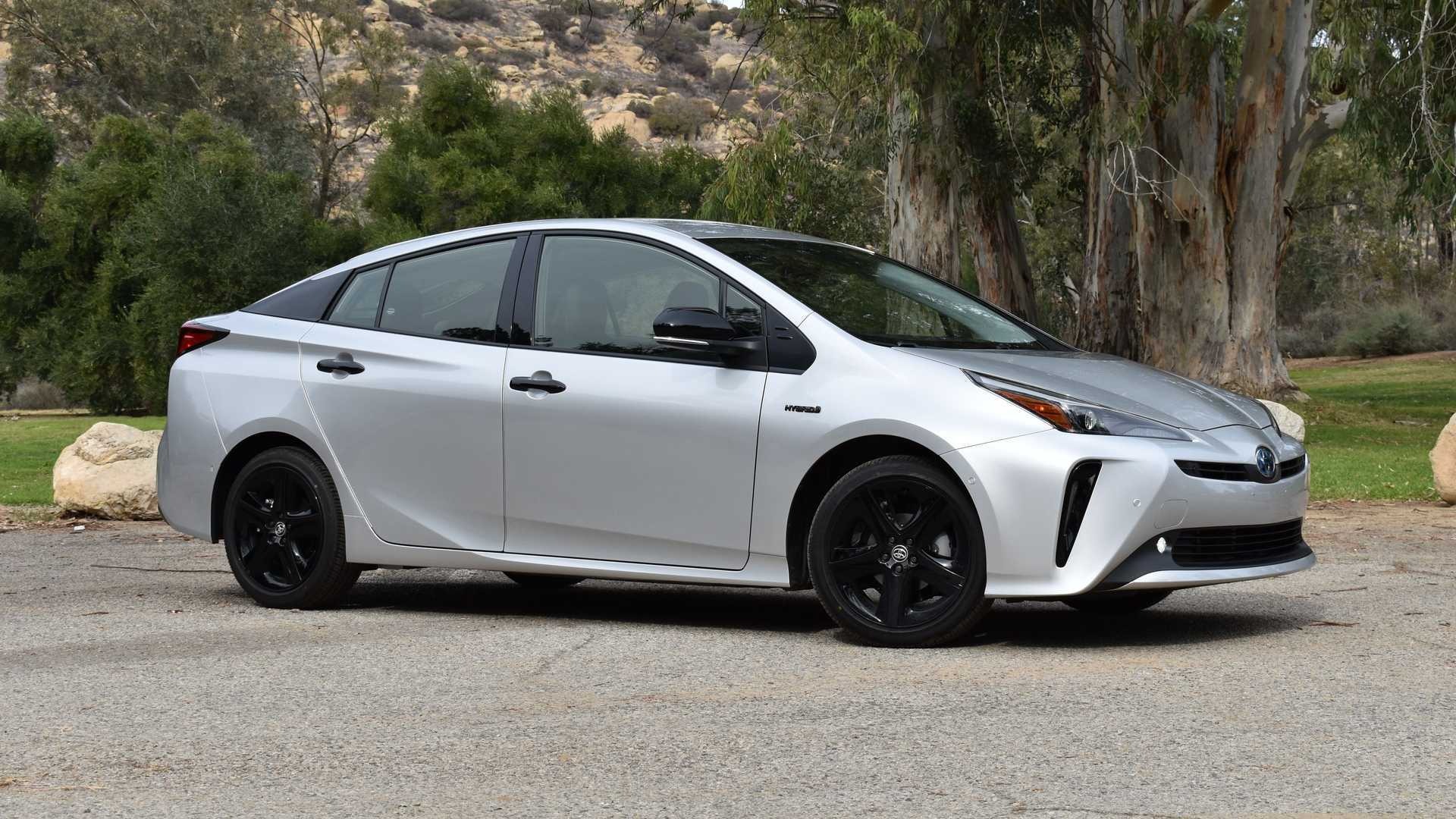
1. Toyota Prius
The Toyota Prius has earned its reputation as one of the most trusted hybrid cars, and one strong reason behind this is how well it handles heat. Whether stuck in traffic under the sun or taking a long trip across state lines, the Prius stays balanced and performs quietly. It uses an efficient cooling system that makes sure both the engine and battery do not overheat, even during heavy use.
This car has been on the road for over two decades and has seen many upgrades. One of the most helpful improvements is its power-split system, which allows the electric motor and gas engine to work together in a way that limits stress. That means the engine doesn’t overwork, and the battery does not get too hot. This system makes the Prius suitable for people who often drive in warm cities or take daily long-distance trips.
The design also includes smart thermal management tools. For instance, the inverter coolant system and engine coolant system operate separately, which means they cool down their areas more effectively. The cooling fans also adjust based on temperature changes, so the car is not using too much energy while still keeping all parts safe.
Inside the cabin, the Prius has comfortable air conditioning that reacts quickly. Even if you leave the car parked under direct sunlight, it cools down fast once you start the engine. That makes it pleasant for passengers, too. For people who care about fuel efficiency and comfort, this model gives both without stress.
Another advantage is that the battery is placed in a spot that does not receive direct heat from the engine or the sun. This decision from the engineers helps extend the battery life and maintain top performance even after many years. So while some hybrids lose strength in the long run, the Prius stays dependable.
Because of these features, the Toyota Prius is perfect for those who want peace of mind while driving, especially in hot locations. It is a strong reminder that good engineering can keep both performance and comfort intact.
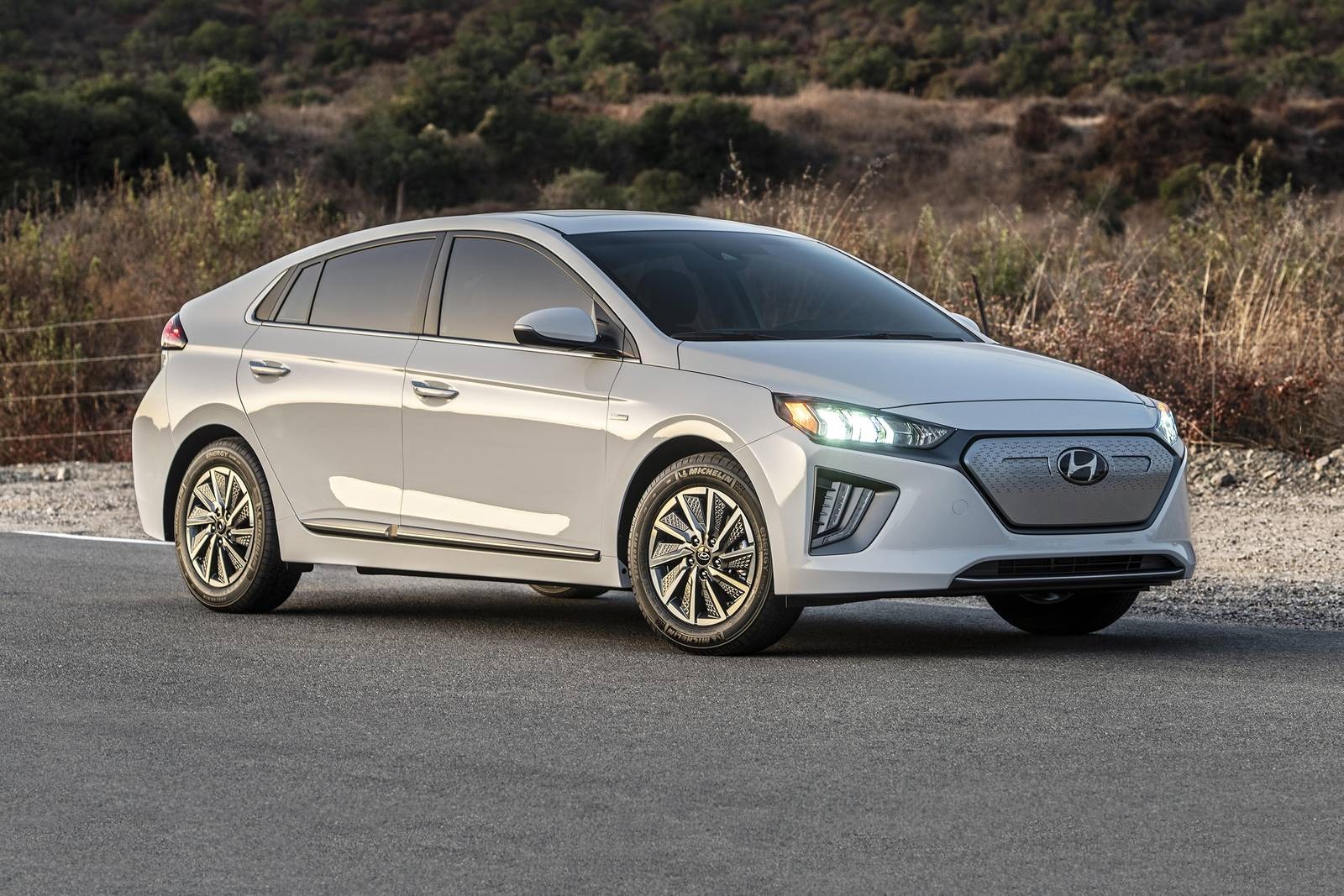
2. Hyundai Ioniq
The Hyundai Ioniq stands out among hybrid cars, not just for its excellent gas mileage, but also for the way it handles temperature control. With a design that supports smooth energy use and cooling systems that work quietly in the background, this hybrid keeps things steady without drawing attention to itself.
This vehicle makes use of a parallel hybrid setup where the electric motor and gas engine assist each other based on driving needs. That setup reduces the load on both systems. Because of this, there is less chance of either one overheating. The car’s engineers also took time to separate the battery cooling system from the engine area, which prevents heat from spreading across important parts.
The Ioniq also includes a specially designed battery thermal control system. This feature works silently to make sure the battery stays at a healthy temperature, even when the weather gets very hot. The result is better battery durability and fewer surprises when driving under the sun.
Inside the car, drivers enjoy a clean air system and powerful air conditioning that responds fast to changes. Whether you are driving in city traffic or on a country road, the cabin stays cool. For families or workers who spend long hours inside the vehicle, this feature adds serious comfort.
The structure of the Ioniq is also quite light. With reduced weight, the car does not demand as much from the engine or motor. Less pressure means less heat, which allows the cooling systems to do their work efficiently. It also helps fuel economy, since the car does not burn energy fighting itself.
Hyundai has made sure that regular drivers do not need to worry about technical breakdowns caused by poor heat control. Even after extended drives, users report that the vehicle remains quiet and stable. There are no sudden fan noises or heat warnings to distract the driver.
For those who are trying to find a hybrid that runs reliably even when the temperature rises, the Hyundai Ioniq is a top contender. It shows that comfort, efficiency, and good heat control can work together in a simple and affordable package.
Also Read: 5 Cars With Best Visibility and 5 With Major Blind Spots
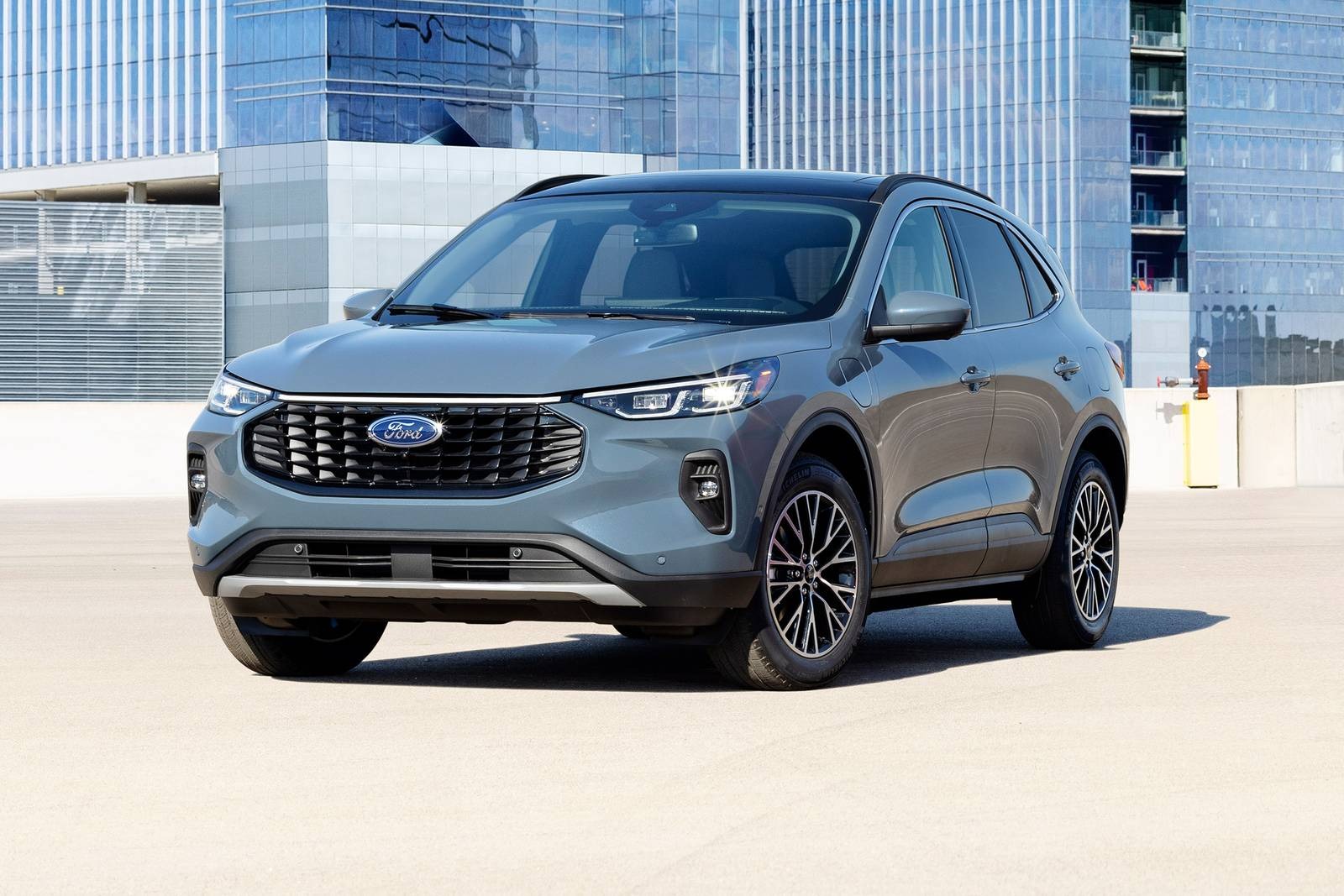
3. Ford Escape Hybrid
The Ford Escape Hybrid is known for delivering solid SUV performance while still acting like a responsible hybrid. One thing many drivers notice early on is how well the car handles heat. It may look like a regular SUV, but behind the design is a system that keeps the temperature steady across different weather conditions.
Unlike many larger vehicles that tend to get hot quickly during uphill drives or long city commutes, the Escape Hybrid uses a cooling method that spreads heat safely. The battery system is placed underneath the back seats, where airflow is constant. This setup helps manage battery temperature even during long drives with a full carload.
The vehicle also makes use of a liquid-cooled battery system that controls the temperature better than older hybrid models. This technique works silently and does not require much maintenance. As a result, the car avoids sudden temperature spikes that can affect performance.
Under the hood, the Escape Hybrid carries a 2.5-liter Atkinson-cycle engine, which is known to run cooler than other engine types. It is paired with a small electric motor that adds power when needed, which reduces stress on both systems. The automatic transmission is programmed to switch gears in a way that avoids engine overheating.
Another helpful feature is the smart air conditioning system. The vents are strong enough to cool down the cabin fast, but quiet enough to avoid discomfort. It adapts quickly when people step into the car after it has been parked outside in hot weather.
What makes this car stand out even more is its smooth driving feel. The ride is not just quiet, it is also steady. The heat does not build up quickly, even after hours of driving through traffic or on open roads. This is one reason families and road trip lovers continue to choose the Escape Hybrid.
If you’re looking for a hybrid SUV that balances power, comfort, and excellent cooling, this Ford model offers all that in one package. It performs like a vehicle that was designed to handle both people and pressure with ease.
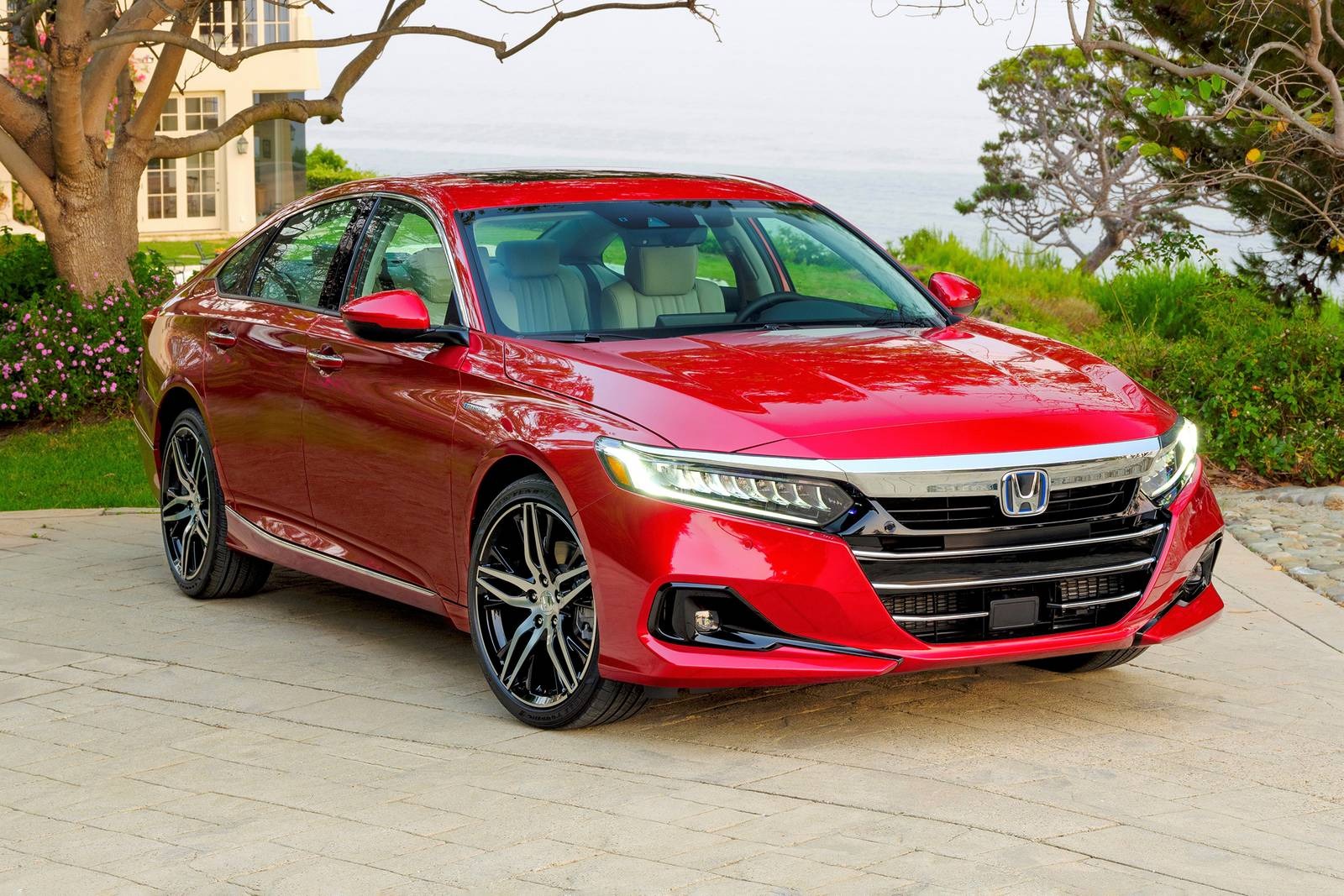
4. Honda Accord Hybrid
The Honda Accord Hybrid has built a strong reputation for being reliable and smooth, and part of that reliability comes from how well it manages heat. Unlike some hybrids that begin to lose performance in warmer conditions, this model remains firm and stable.
One of its major strengths is the way Honda designed the hybrid system. The engine and the electric motor work together but rarely put too much strain on each other. This shared load reduces heat buildup in both areas. Honda’s two-motor hybrid setup allows the car to cruise using only electric power at lower speeds, which helps keep the gas engine cool.
Its 2.0-liter Atkinson-cycle engine is efficient, and it has a built-in cooling system that prevents it from running too hot even when traffic becomes slow or the drive gets long. Many drivers have praised how silent the engine remains, especially after several hours of driving in traffic. That silence is not just about sound, it shows that the car is not overheating or overworking.
The lithium-ion battery pack is placed in a way that it stays protected from both engine heat and direct sunlight. There’s also a fan system that draws cooler air from inside the car’s cabin, helping to regulate battery temperature without making noise. This setup adds comfort and keeps the battery healthy.
Inside the vehicle, the air conditioning system adjusts quickly and gives cool air within seconds, which is perfect for people who park in the sun often. The climate control system also works hand in hand with the hybrid system to keep fuel use low while still cooling the car efficiently.
People who want a midsize sedan that runs cool, even in the heat of summer, usually find the Accord Hybrid very satisfying. The comfort it gives to passengers, the durability of the hybrid system, and the solid temperature control show that it is built with everyday use in mind.
This is a good example of a hybrid that combines smart technology, careful design, and comfort without falling apart under pressure.
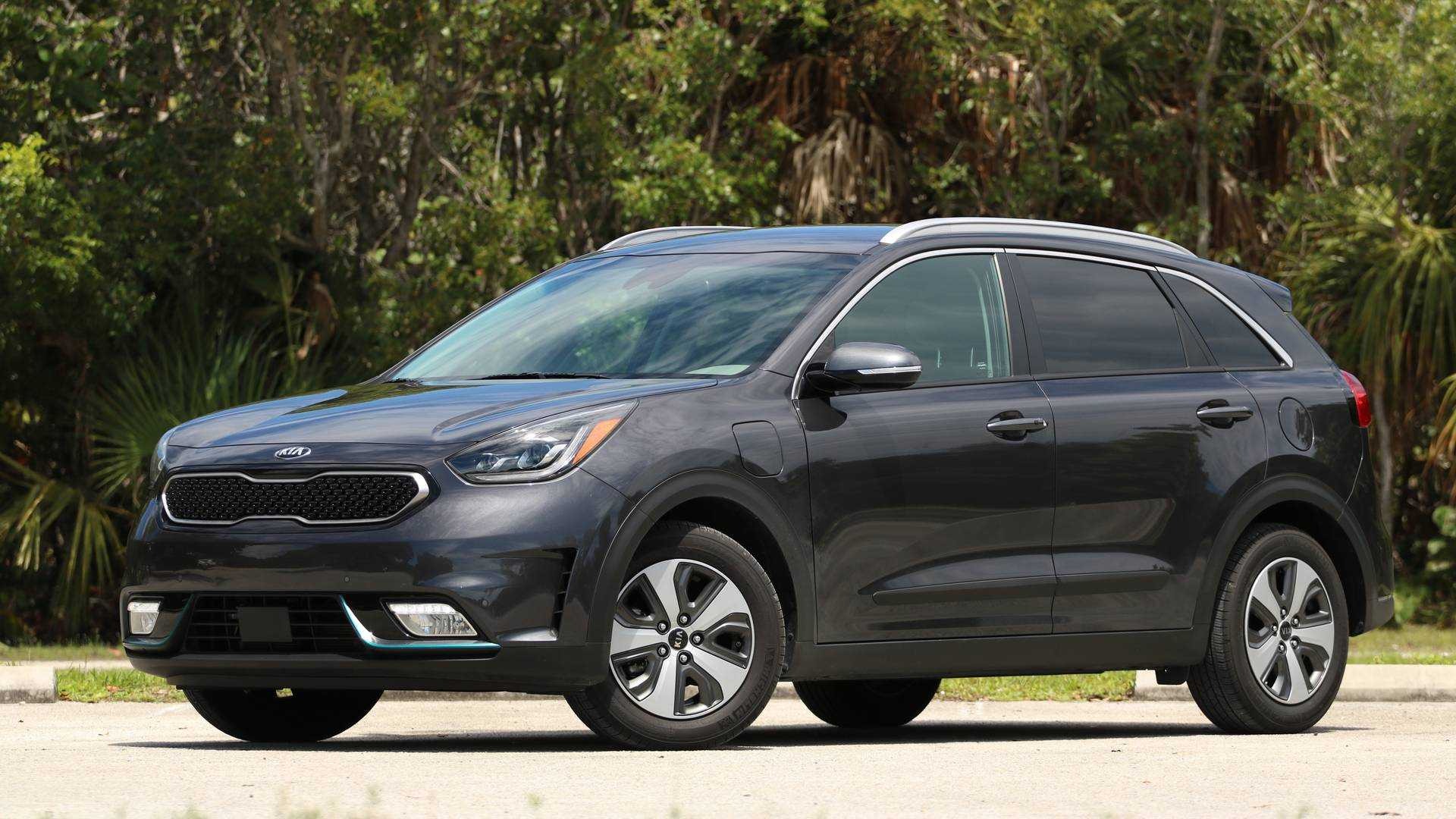
5. Kia Niro
Kia’s Niro hybrid delivers excellent fuel economy, but what makes it even more appealing is how it handles daily heat stress. Whether driving through busy city roads or taking a break under the sun, this car remains cool-headed and dependable.
One of the reasons it works well is because of its small and light build. The Niro does not need to push its engine hard, and this limits how much heat the powertrain produces. The electric motor assists the gas engine only when necessary, so both parts get to rest at intervals, helping them stay cool longer.
The battery cooling system in this model uses cabin air to control temperature. While that may sound simple, it is very effective. Since the interior temperature is already managed by the air conditioner, using the same source to cool the battery avoids extra energy use and lowers the chance of overheating.
The 1.6-liter engine under the hood also helps with cooling. It is not a high-performance engine that gets hot fast. Instead, it runs with balance and keeps its temperature steady during long hours. Pairing it with the dual-clutch transmission also helps, since gear changes happen smoothly without forcing the engine.
People often praise the Niro for how comfortable it stays, even when parked in the sun. The air conditioning system works quickly, and the vents are well placed to spread cool air fast. Rear-seat passengers also get enough airflow, which makes it a good option for family rides.
Kia also used light materials in the body and gave it a clean, aerodynamic shape. These choices lower energy demand and allow the car to stay cooler with less effort. Less heat is produced, which means the cooling systems can do more with less work.
With everything working together quietly in the background, the Kia Niro proves that you do not need a loud or heavy car to enjoy smart hybrid performance. It suits drivers who want efficiency, comfort, and peace of mind when it comes to heat control.
5 Hybrids That Run Hot Easily
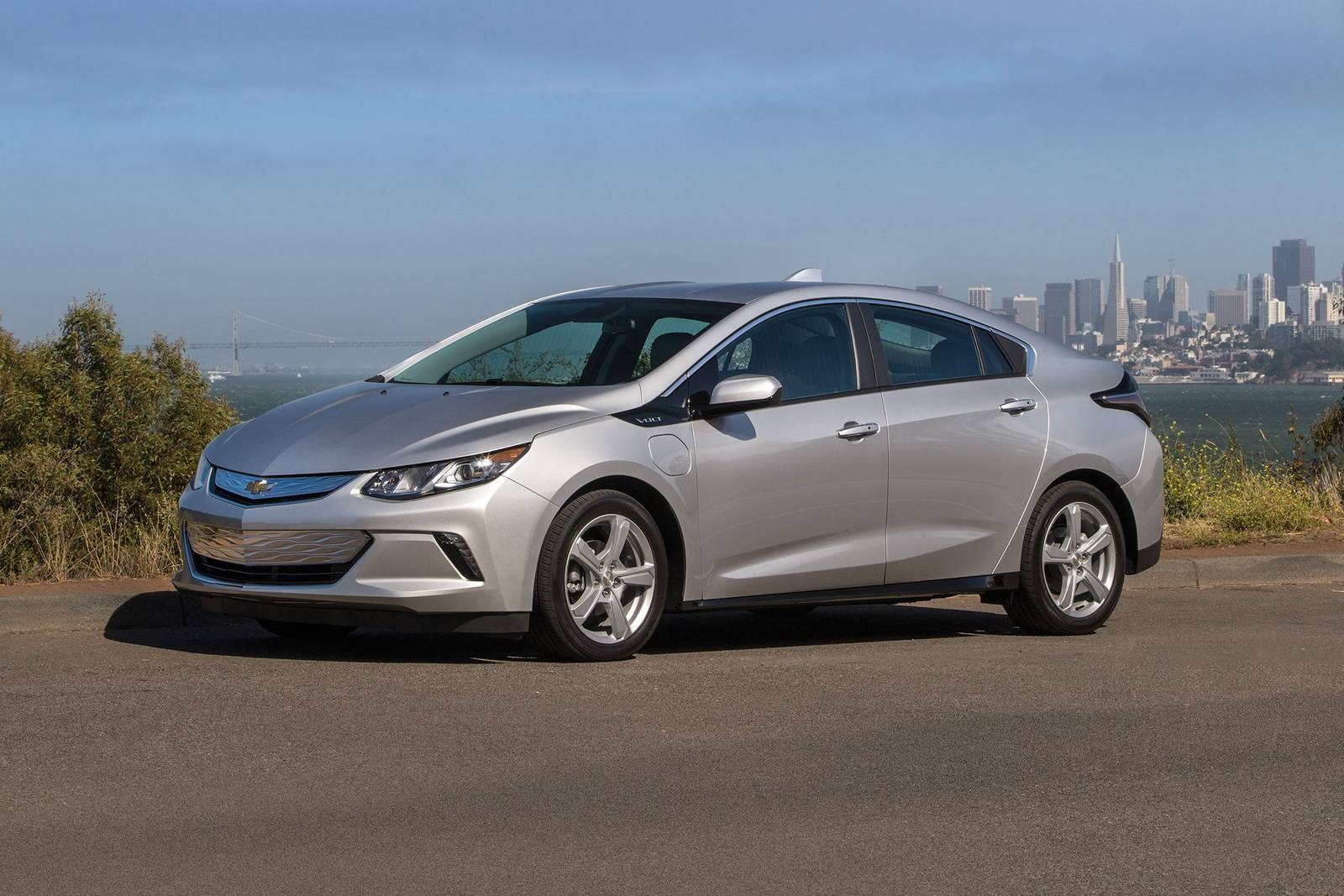
1. Chevrolet Volt
While the Chevrolet Volt has many things going for it, especially its plug-in range and quiet ride, one area where it tends to struggle is heat management. Though early buyers were drawn in by the smooth transition between electric and gas power, some found that during warmer seasons or heavy driving, the car builds up heat more than expected.
The car makes use of a large lithium-ion battery pack, which is great for short electric-only trips. But when the engine kicks in during longer drives or on hilly terrain, both systems run at the same time, creating more heat. The cooling systems inside the Volt can get overwhelmed if the car is being pushed hard or used in very hot places.
There are cooling systems in place, including a liquid-cooled battery pack. However, during extended trips or heavy uphill movement, drivers have reported the engine running hot and sometimes kicking in earlier than expected. In some cases, this results in lower fuel savings and extra wear on the engine.
Even inside the cabin, the air conditioning is not always quick to respond. When parked under the sun for long hours, it can take more time than expected for the interior to become comfortable again. For people who live in areas with very warm weather, this delay can be frustrating.
The car’s weight is another factor. Since it carries both a full battery pack and a gasoline engine, the Volt ends up being heavier than many other hybrids. That added weight means the cooling systems have more work to do, especially during acceleration or hill climbs.
While it remains a good option for short city trips, and it does offer decent comfort in milder climates, the Volt may not be the best pick for drivers in hot places or for those who take long highway trips regularly. Its heat performance needs improvement if compared to newer hybrid designs.
Anyone considering the Volt should keep in mind that while it offers strong electric features, its thermal performance might not always keep up when the road gets tough or the sun is too high.
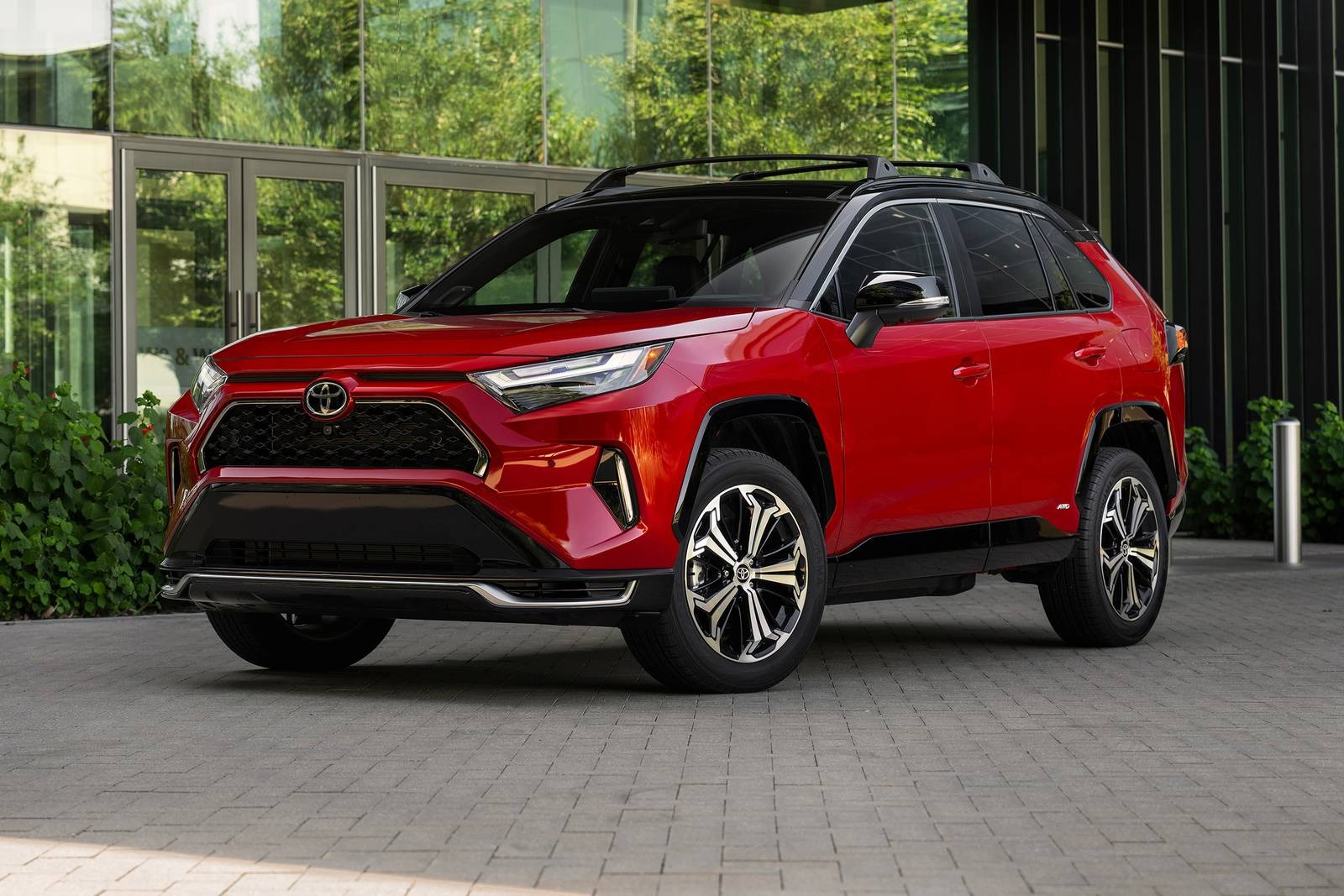
2. Toyota RAV4 Hybrid
The Toyota RAV4 Hybrid offers the space and strength of an SUV, with better gas mileage than its fully gas-powered version. However, its engine and hybrid system tend to heat up when used in demanding ways. While it performs well for light errands and family trips, some drivers have reported heat-related concerns when pushing the car too hard or during long trips on steep roads.
The 2.5-liter gas engine works together with two electric motors, and although this setup gives strong acceleration, it can also build up heat quickly. This is especially true during extended driving in hot climates or when climbing hills. The engine begins to work harder, and the battery support does not fully reduce the stress.
Even though Toyota gave the RAV4 Hybrid a basic cooling system, it lacks the advanced thermal controls found in smaller hybrids like the Prius. The battery is air-cooled using cabin air, which is not always efficient when the car is full of passengers or if the temperature inside rises too quickly. This setup also depends heavily on airflow inside the vehicle, meaning if you’re not using the air conditioner, the battery might heat up faster.
Another concern is the vehicle’s weight. As a compact SUV, the RAV4 Hybrid is heavier than a typical hybrid car. More weight requires more energy, especially when carrying passengers or luggage. That extra load adds pressure on both the engine and battery, which increases heat production.
The cabin cooling system works fine for most days, but after the car has been parked outside under direct sunlight, it can take a while to reach a comfortable level inside. Rear passengers also sometimes report less cooling power in the back seats, making summer rides less pleasant for everyone.
While the RAV4 Hybrid remains a strong seller due to its space, safety features, and fuel economy, its heat control systems are not the best among hybrids. Drivers who often go on long trips or live in hot regions may need to watch the temperature levels carefully or consider lighter models with stronger thermal performance.
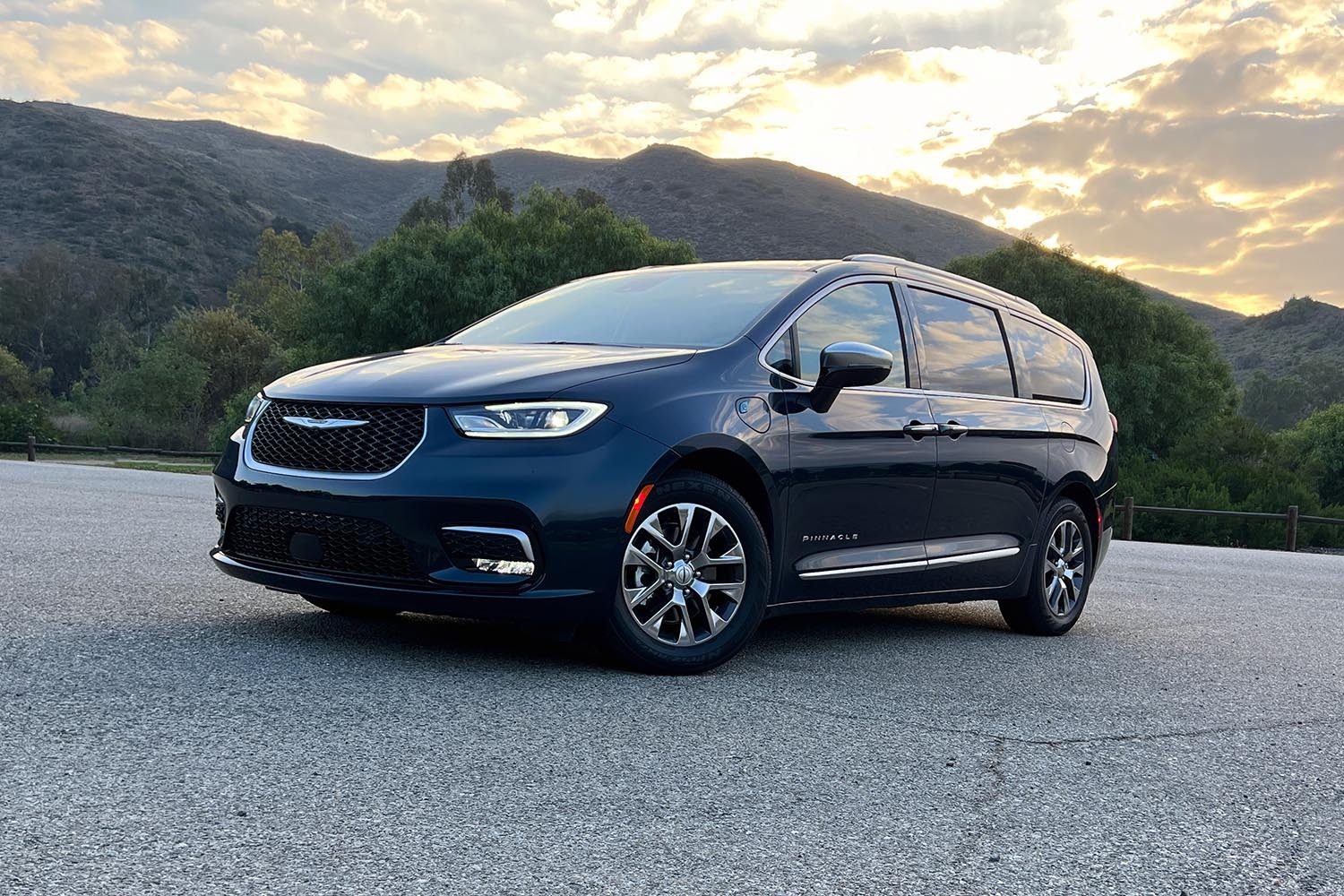
3. Chrysler Pacifica Hybrid
The Chrysler Pacifica Hybrid gives families the chance to enjoy a spacious van with better fuel usage, but it also has some challenges when it comes to heat control, especially during long trips or in hotter regions. It combines a 3.6-liter V6 engine with an electric system, and although this gives it good strength and electric range, the system tends to heat up more than expected.
Because it is a plug-in hybrid, it carries a large battery pack, which allows drivers to go short distances without using any gas. While this is a great feature for school runs or grocery trips, once the battery gets used up and the gas engine takes over for longer highway drives, the car begins to show signs of stress. The engine works harder and stays hot longer.
The vehicle does have a liquid-cooled battery, but the placement of the battery underneath the floor means it can absorb more heat from the road, especially on sunny days. Also, the cabin air conditioning system is stretched thin when the car is full, which can affect both comfort and how the battery cooling functions.
Reports from drivers show that when fully loaded, the Pacifica Hybrid sometimes struggles to keep cabin temperatures down quickly, especially in areas like Arizona or Texas, where outside temperatures climb easily. When idling in traffic, it may also feel like the engine is working more than usual, creating extra heat under the hood.
With the vehicle’s size and weight, it makes sense that the hybrid system is doing more work compared to smaller cars. The electric drive performs smoothly during light usage, but the temperature buildup during longer or heavier drives raises concerns about long-term wear.
Families who love the space and comfort of a minivan may still enjoy what the Pacifica Hybrid offers, but they need to be mindful about its heating behavior during extended summer drives. A few extra minutes of warm-up and cool-down time might be required to protect both the vehicle and the passengers from feeling the heat too soon.
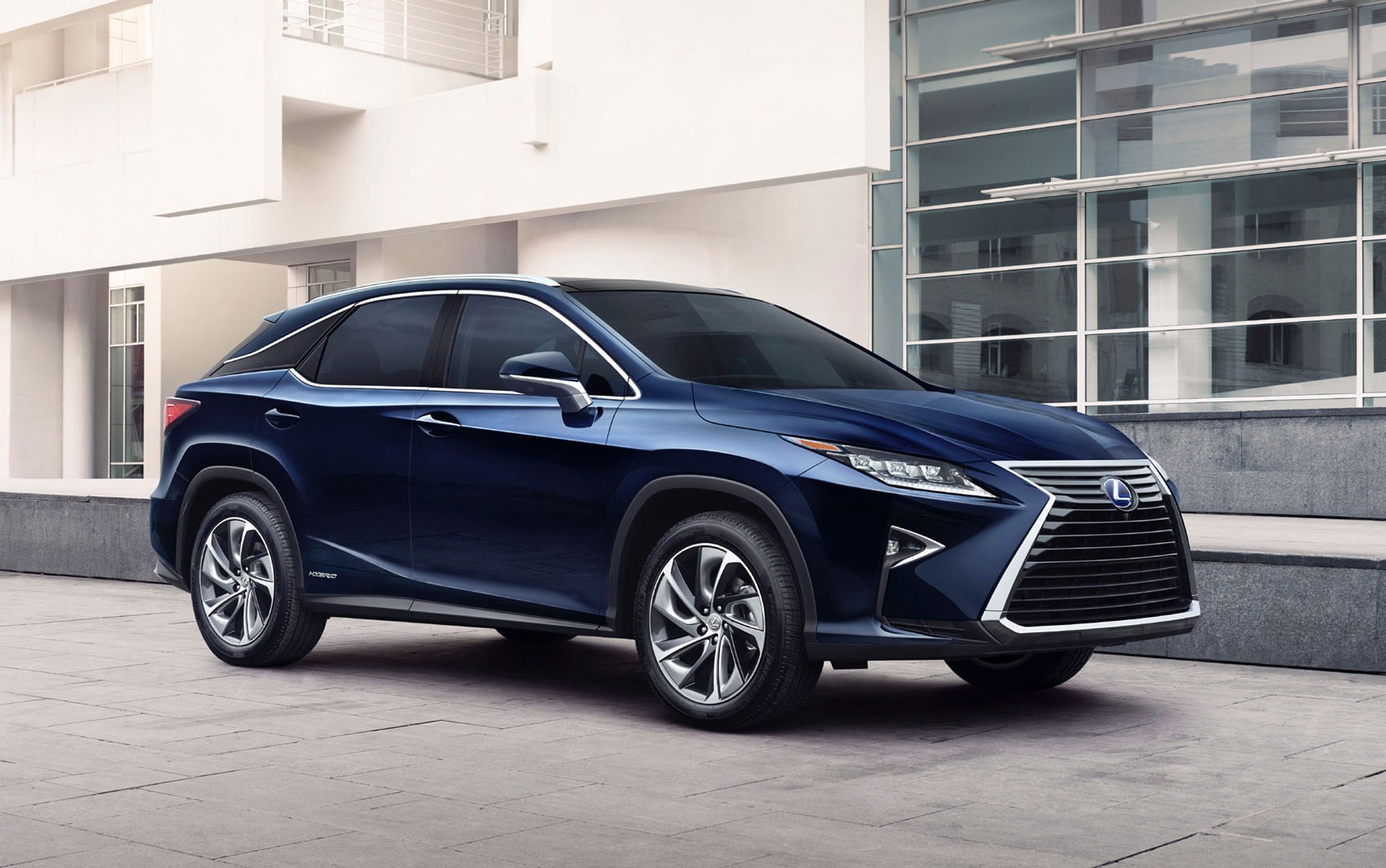
4. Lexus RX 450h
Lexus RX 450h is a luxury hybrid SUV that many people admire for its smooth drive and high-end feel. However, once pushed beyond everyday city use, it tends to warm up faster than expected. For people who like a mix of comfort and style, this model checks those boxes, but its cooling system is not the strongest when the vehicle is under pressure.
It comes with a powerful V6 engine and two electric motors, which gives it more strength than most other hybrids. That strength also brings heat. During fast highway driving, hilly climbs, or full-capacity passenger loads, the engine and battery start to heat up. The cooling system struggles to maintain balance once all parts are in motion.
One factor is that the RX 450h was designed with luxury and quietness in mind, not rough handling or constant pressure. That soft approach means its thermal systems are meant for daily use, not long road adventures or towing tasks. So, drivers who use the car for light duties may not notice any issues, but those who push the car harder begin to see the limits.
Its battery is cooled using cabin air, a system that works well for short drives but can fall behind when the cabin is already hot or full of people. The engine cooling also relies heavily on airflow, so stop-and-go traffic in hot weather can lead to engine temperatures rising faster than usual.
The interior does stay stylish and comfortable, but it sometimes takes longer to cool when the car has been sitting in the sun. If the car was used recently and is still warm, the air conditioning system also needs time to restore its cold.
Though the RX 450h brings quality and elegance, it is not the best choice for those living in very hot regions or those who take long road trips often. The engine and battery can handle everyday driving easily, but under real heat and weight, they show signs of strain.
Also Read: 5 Cars With Easy Entry and 5 Cars With Narrow Door Openings
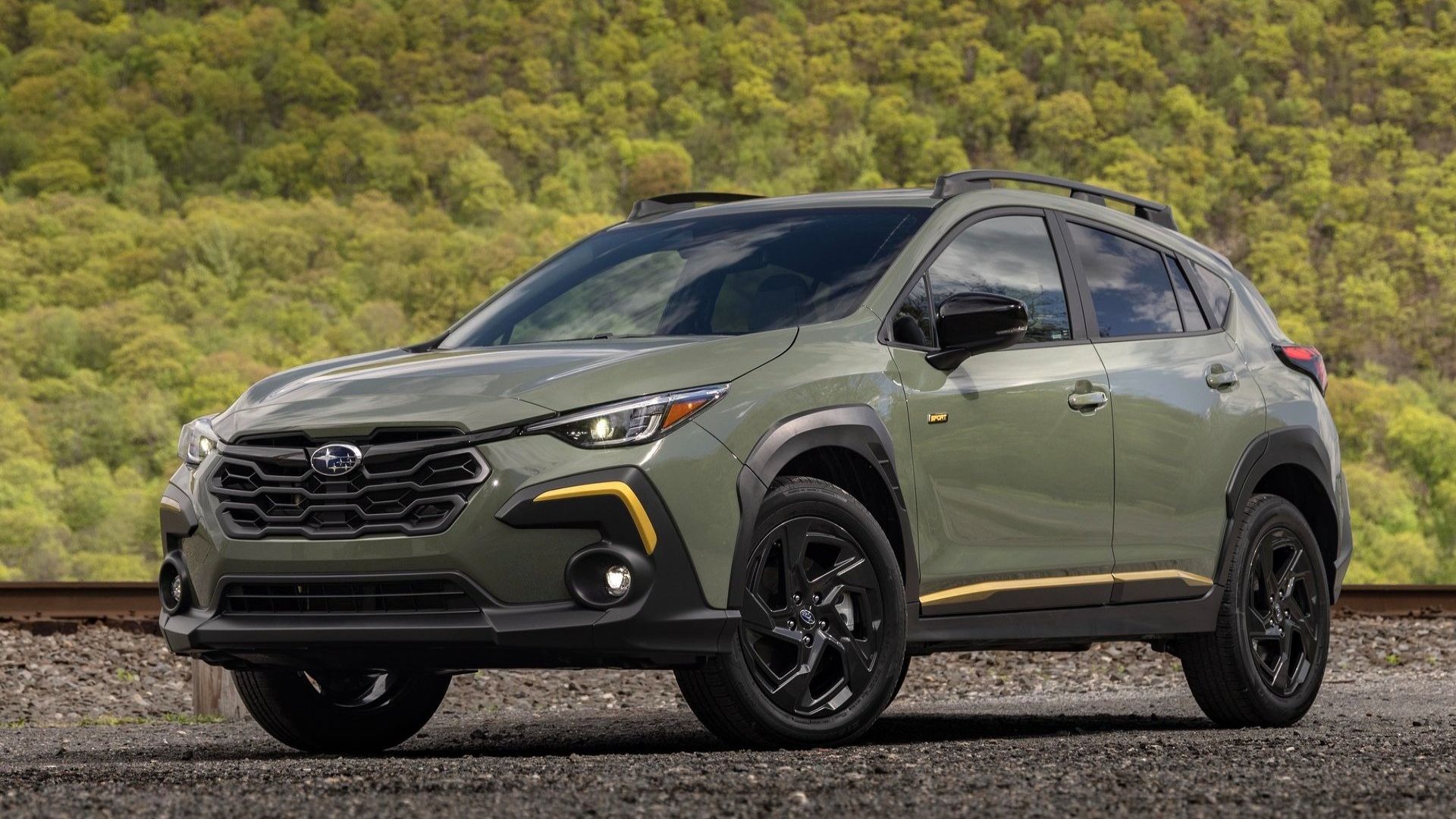
5. Subaru Crosstrek Hybrid
The Subaru Crosstrek Hybrid tries to offer the best of both off-road ability and hybrid fuel savings, but it does come with heat management issues, especially during long trips or under heavy loads. While it appeals to drivers who like adventure and saving fuel, it sometimes falls short in keeping cool.
Its plug-in hybrid system combines a 2.0-liter engine with an electric motor and a modest battery pack. That battery is good enough for short electric-only drives, but once the car goes into gas engine mode, especially on hilly roads or long drives, the engine begins to show signs of getting warm quickly.
The electric motor helps during soft driving, but the gas engine takes most of the work when climbing hills or driving on rough roads. Since the Crosstrek is built with adventure in mind, many people use it for those exact purposes. Unfortunately, the thermal systems don’t seem strong enough to handle this pressure for long periods.
Another issue is the small interior space. While this makes it easier to cool the cabin quickly, it also limits airflow across the battery and engine system, especially when the outside temperature is high. The air conditioning system is okay for regular trips, but doesn’t perform well when the vehicle is hot from hours under the sun.
Its all-wheel-drive feature is great for different road conditions, but it also puts more stress on the engine, leading to higher heat levels. When used for towing or loaded with luggage and passengers, the car runs warmer than most other hybrids in its class.
For city driving and short weekend outings, the Crosstrek Hybrid is still a fine pick. But for people who plan long highway drives or mountain adventures, this car might require extra cooling breaks along the way. It’s a small car with big dreams, but when it comes to heat control under tough conditions, it still has room for improvement.
