
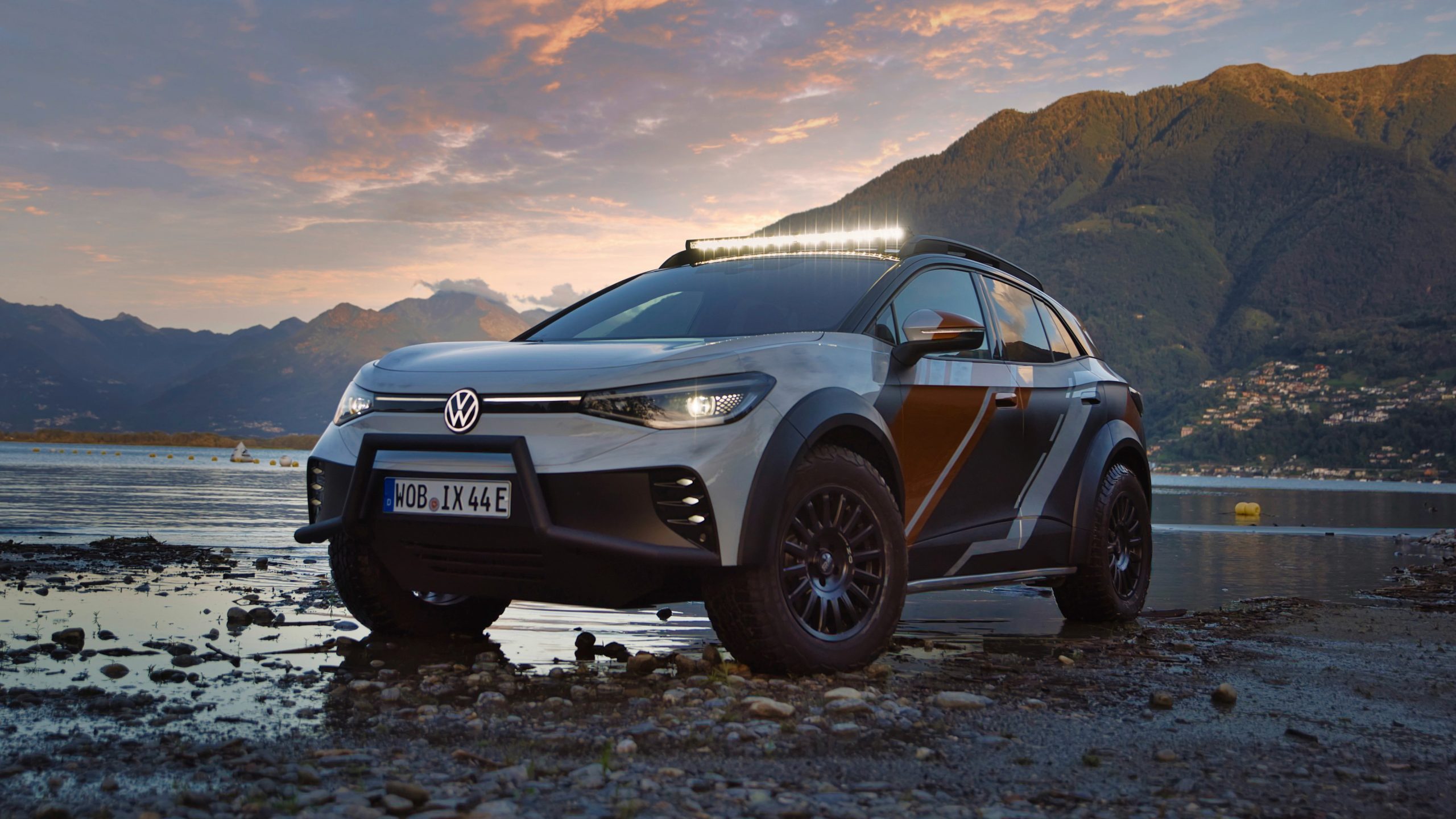
Electric vehicles are gaining ground across many parts of the United States, as more drivers search for alternatives to petrol-powered cars. Many people now care about reducing fuel costs, cutting down emissions, and enjoying new technology. But while plenty of buyers focus on range, charging speed, or tech features, there is one important factor that should not be ignored, i.e., how the vehicle performs on rough roads.
Whether you live in an area with damaged pavement, frequent potholes, or gravel paths, a car’s ability to remain stable and comfortable when driving through such surfaces matters more than most realize. Electric vehicles are built in many shapes and styles, from small hatchbacks to large SUVs.
Some have been developed to handle tough road conditions with ease, while others struggle when they meet potholes, uneven patches, or speed humps. In some electric cars, even a small bump on the road can shake the cabin or disturb the entire drive. That makes it clear that not every EV can take rough terrain without giving the driver problems.
Bad roads are not only found in rural areas. Even inside cities, road quality can be poor due to bad weather, construction work, or years of wear and tear. For people who drive daily through such conditions, it is very important to own a car that can manage those challenges without breaking parts or giving a rough ride.
Suspension quality, ride height, tire size, and how the vehicle distributes weight all play a role in how an EV handles bad roads. Not to worry, because we will present you with five electric vehicles that perform well when driven on rough or broken surfaces.
After that, we will also look at five EVs that are better suited for smooth roads because they struggle badly on anything uneven. Each vehicle has its own way of dealing with the road underneath, and drivers should know what to expect before making their next purchase.
5 EVs That Handle Bad Roads With Ease
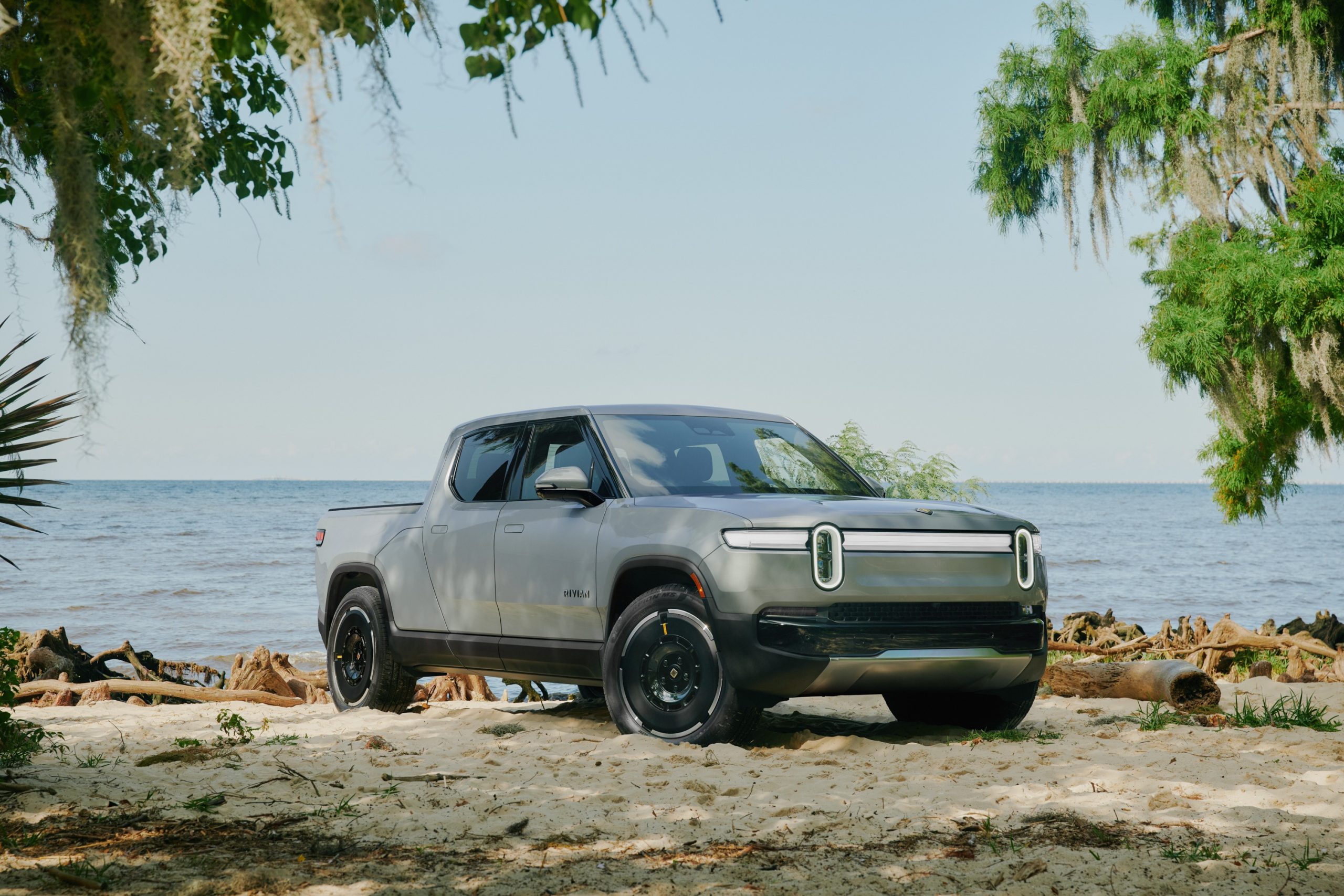
1. Rivian R1T
The Rivian R1T is an electric pickup truck that was designed from the beginning to handle difficult roads and rough ground. This vehicle does more than just carry weight or drive long distances.
It gives drivers the confidence to face any kind of road surface without the usual problems seen in smaller electric cars. One of the strongest parts of the R1T’s build is its adjustable air suspension system. With this, drivers can raise the car to increase ground clearance when driving through rough or uneven paths.
This feature is useful when driving through construction zones, broken city streets, or even areas with large potholes. When raised, the R1T can avoid scraping the bottom of the car or damaging its battery pack.
Since EVs usually have their battery packs beneath the car floor, protecting this area is very important. Rivian’s design makes sure the battery is well guarded from road impacts, giving peace of mind to drivers in places with poor roads.
The R1T also has strong tires that are wider and more durable than most standard EV tires. These tires grip well on gravel, wet roads, or dirt tracks, and they do not wear out quickly when used off paved surfaces. Combined with the vehicle’s all-wheel-drive system, the R1T stays steady and balanced on bumpy routes, reducing the chances of slipping or losing control.
Inside the cabin, the suspension keeps passengers comfortable. Even when driving on roads filled with small holes or ridges, the bumps are not passed sharply into the cabin. The shock absorbers and soft ride setup help remove the uncomfortable shaking and keep the ride smooth.
With its sturdy frame, excellent ground clearance, and smart suspension technology, the Rivian R1T stands as one of the best EVs for handling rough roads in different conditions. Whether you are driving through countryside paths or dealing with rough city routes full of damage, this truck is more than ready for the challenge.
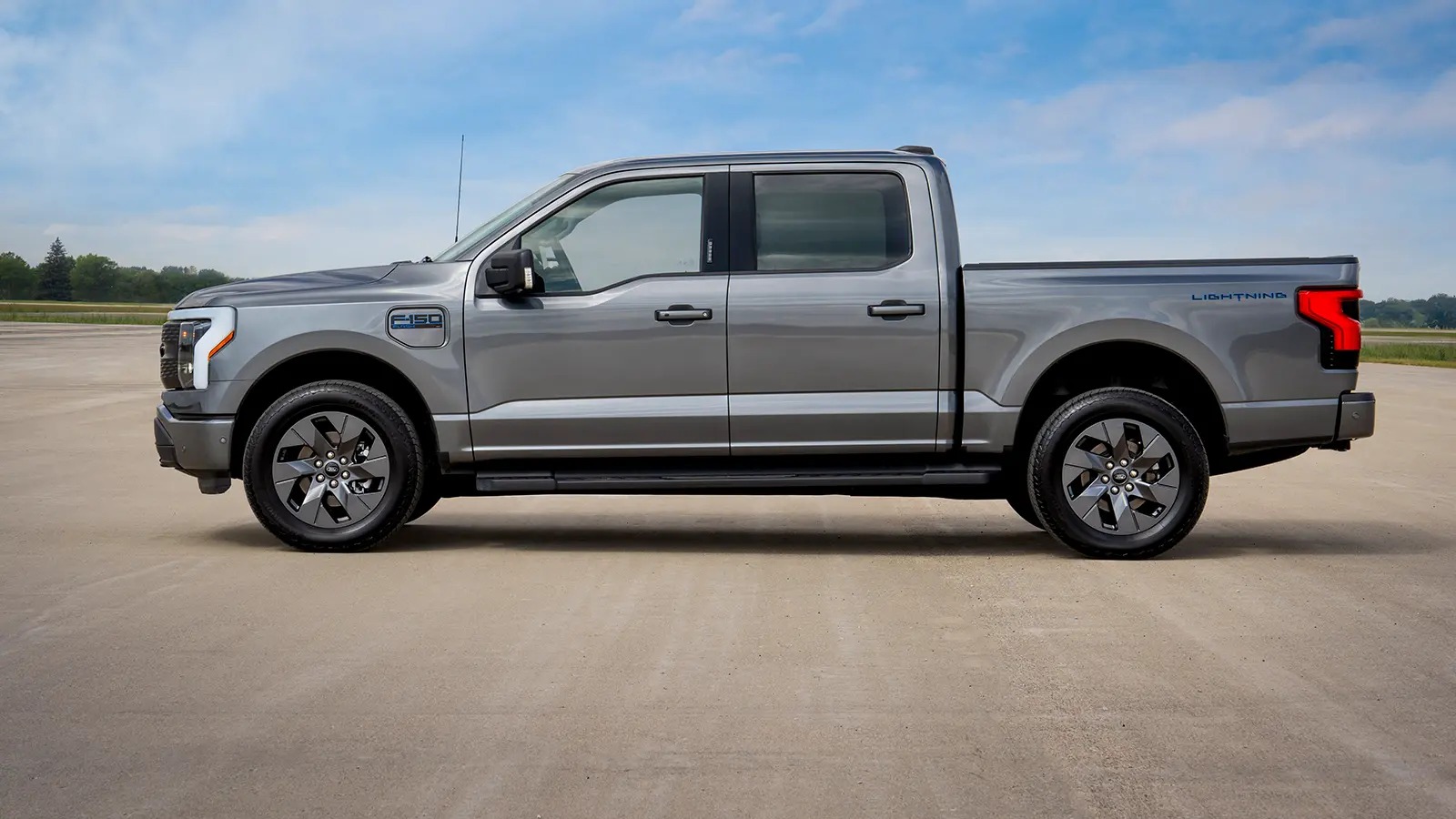
2. Ford F-150 Lightning
Ford’s F-150 Lightning brings electric power into the world of full-size trucks, and its ability to manage broken roads is one of its strongest qualities. Built on the base of the well-known F-150 platform, this electric version carries the same solid body and heavy-duty suspension that helps it survive difficult road conditions.
One of the things that helps this truck handle rough roads well is its ride height. The F-150 Lightning sits high enough to avoid scraping its bottom on rocks, bumps, or sudden dips in the road. This height is especially helpful for people who live in areas with frequent flooding or broken pavement where road surfaces are not flat or predictable.
Its suspension is built to handle heavy loads and changing road surfaces. Whether you are carrying tools, furniture, or just driving through an area with poor road conditions, the truck remains stable and balanced.
The rear suspension, in particular, is designed to absorb road impacts better than most electric SUVs, helping it reduce the bounce that usually comes from potholes or uneven sections of the road.
Another reason the F-150 Lightning performs well on bad roads is its strong body and tough wheels. These parts are not just for looks. The strong wheels and tires reduce damage when driving through gravel or deep cracks in the pavement. Drivers report that the ride stays calm even when they hit a bump that would shake other EVs hard.
Inside the truck, the comfort continues. The seats are built for long-distance trips, and the cabin is well protected from road noise and sudden shaking. Even when driving through poorly maintained roads, the passengers hardly feel strong hits or vibrations.
People looking for an electric truck that can handle different kinds of roads without trouble will find the F-150 Lightning very dependable. It brings both power and comfort to the table, and that combination makes it stand out when talking about rough-road performance.
Also Read: 5 Cars With Lifetime Engine Seals vs 5 That Leak Oil by 100,000 Miles
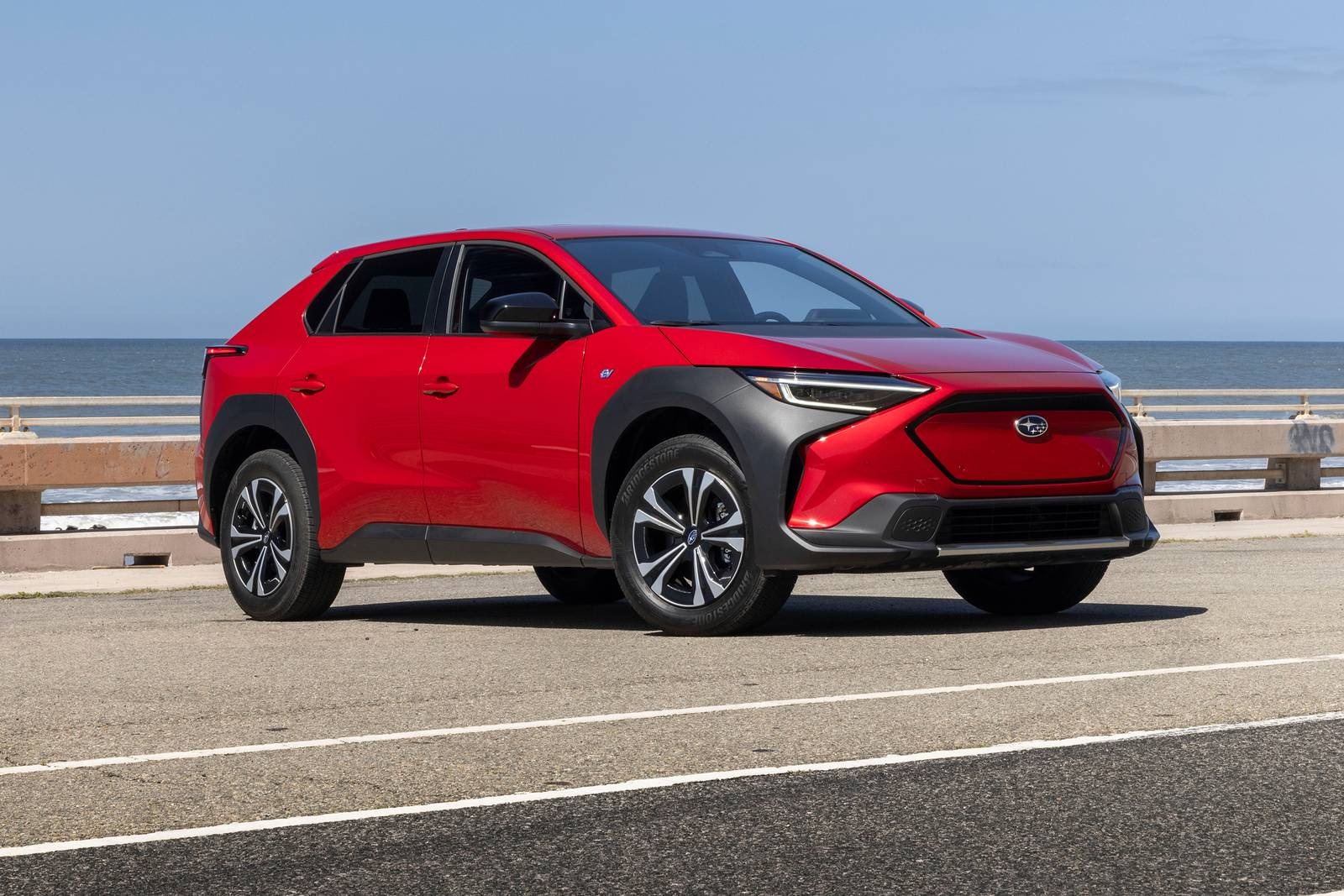
3. Subaru Solterra
The Subaru Solterra may not be the fastest EV on the market, but when it comes to poor road conditions, it shows surprising strength. Built through a partnership between Subaru and Toyota, this vehicle takes after Subaru’s tradition of making cars that perform well on roads that are not always smooth.
One of the main reasons the Solterra handles bad roads well is because of its all-wheel-drive system. This setup helps the car keep its grip even when driving on loose gravel, wet dirt, or uneven roads.
The Solterra stays planted and does not lose balance when turning or braking on rough paths. Its suspension system is another advantage. The shocks and springs are tuned to be soft enough to absorb road bumps without making the car feel weak or wobbly.
As a result, the driver feels more in control while the passengers are protected from most of the shaking that comes from broken roads. Whether the car goes over speed bumps or drives through city potholes, it does not throw its passengers around inside the cabin.
Ground clearance is also a major part of what makes the Solterra reliable on bad roads. It sits higher than many electric crossovers, which means it is less likely to get its underbody scratched or damaged when crossing over ridges or small obstacles. That height also helps it remain calm when moving through snowy or flooded streets.
The tires that come with the Solterra are designed for all conditions. They hold on well to both dry and wet roads, and they do not wear down too fast when driving on poor surfaces. Combined with the car’s quiet electric power, the driving experience feels steady and controlled even in difficult areas.
People who live in places where roads are often full of holes or dirt paths will appreciate the Solterra’s calm and steady handling. It proves that an electric crossover can be both gentle and strong when the road gets rough.
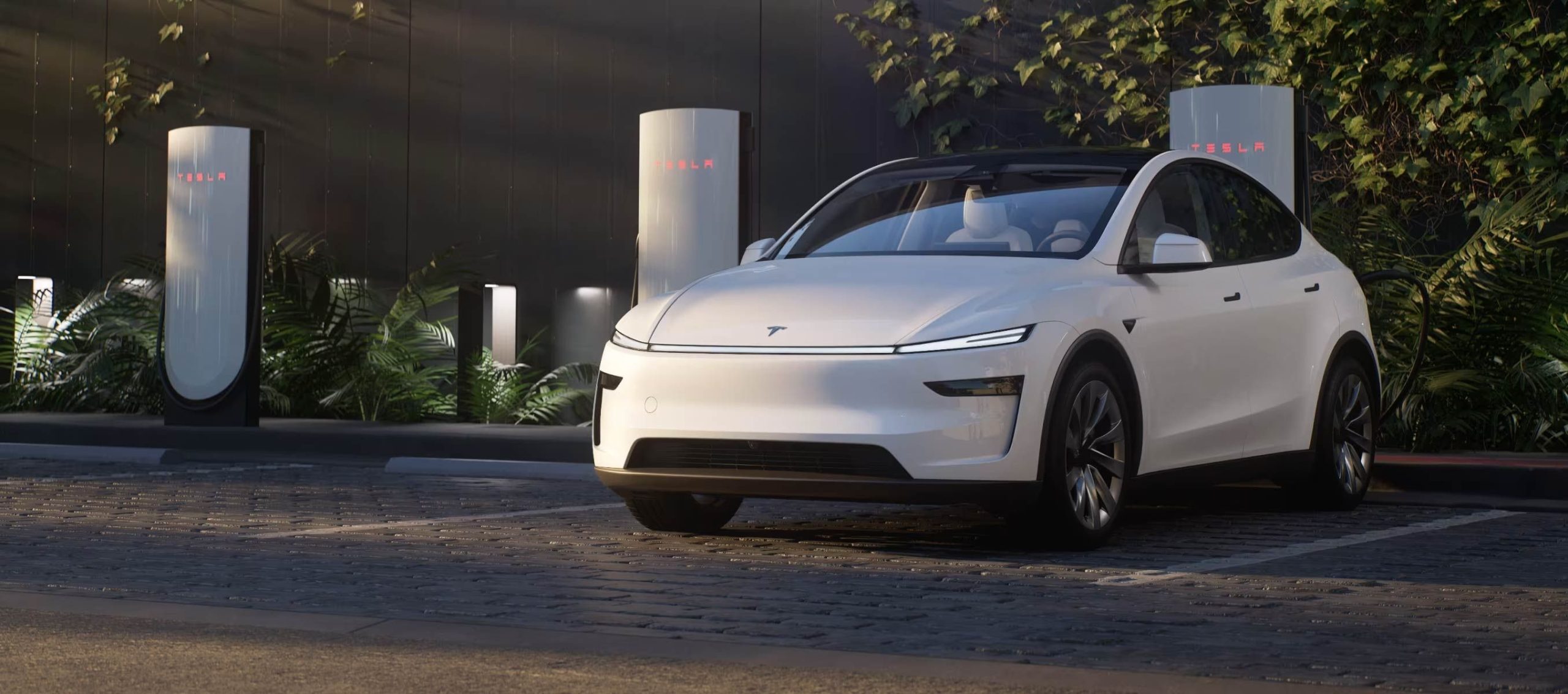
4. Tesla Model Y
Tesla’s Model Y is one of the brand’s most popular vehicles, and while many buyers choose it for range and performance, it also does surprisingly well when it comes to rough roads. Although it is not built for off-road driving, the Model Y still manages broken pavement, gravel, and city potholes better than many other EVs in its class.
One of the reasons behind this strength is the suspension system. Tesla gave the Model Y a soft enough setup to soak up bumps without making the ride feel loose or shaky. The suspension reacts quickly to uneven surfaces, which means the tires stay in contact with the road instead of bouncing over it. That makes driving safer and more comfortable.
The Model Y also has decent ground clearance. While it does not sit as high as a truck, it is higher than many sedans or hatchbacks. This extra clearance helps when driving through construction areas, gravel roads, or cracked city streets. It avoids damage to the battery pack and prevents annoying scraping sounds.
Tire size and wheel options add more help to the mix. When equipped with smaller wheels and thicker tires, the Model Y handles bumps better. Many buyers prefer this setup over the larger wheels because it makes the ride feel softer and reduces road noise. Tesla’s system for controlling traction also plays a role, as it adjusts power to the wheels during sharp turns or when one side of the road is rougher than the other.
Inside, passengers benefit from a quiet and smooth ride. The cabin does not shake much, and the seats provide enough support during uneven sections of the road. All this comes together to give a calm experience even when the road is far from perfect.
Drivers who want electric performance but still need a car that can handle rough areas without worry should consider the Model Y. It brings a balance of comfort, power, and stability that makes bad roads easier to manage.
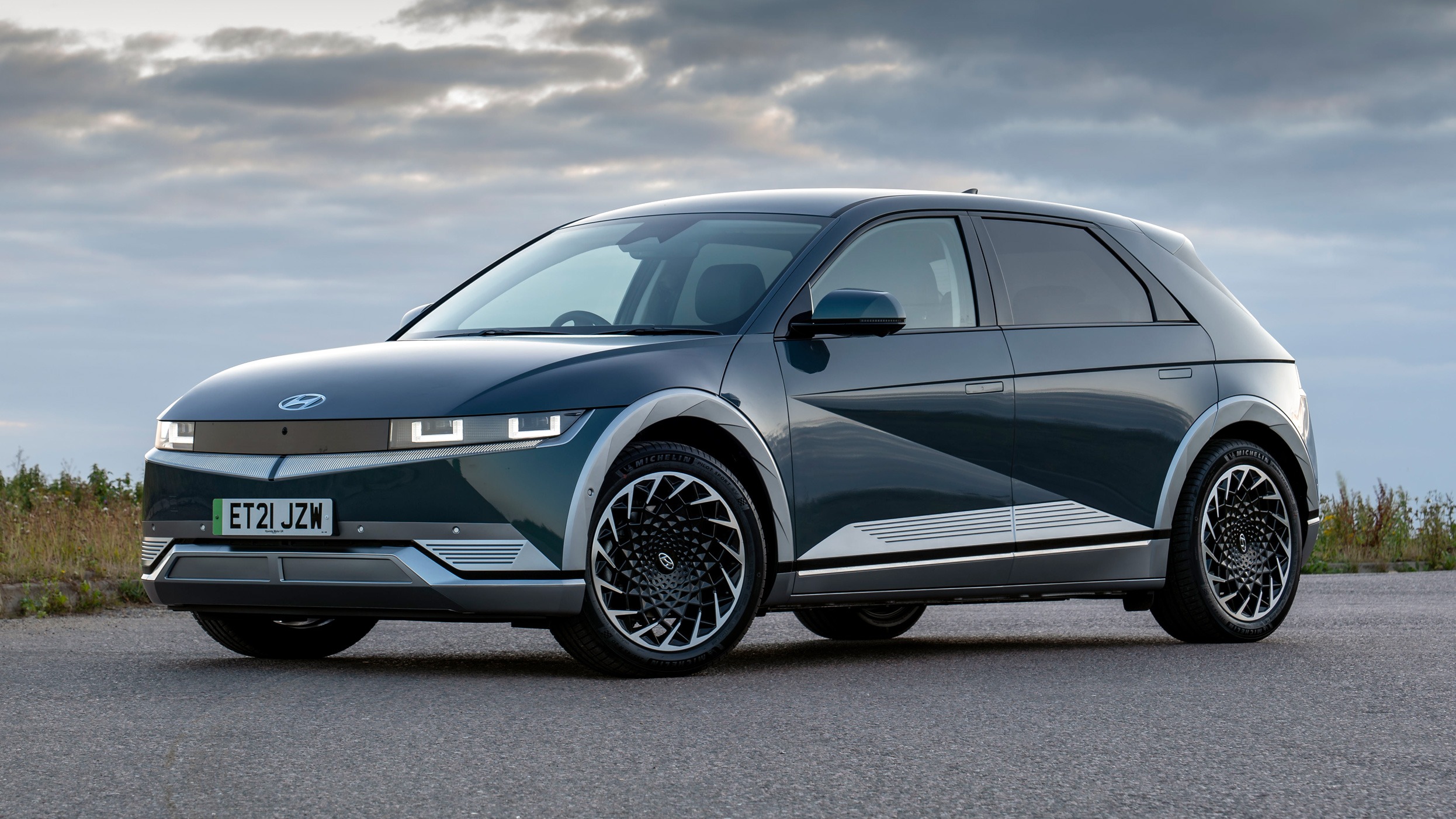
5. Hyundai Ioniq 5
Hyundai’s Ioniq 5 may look futuristic, but it also offers very practical features when it comes to driving through poorly maintained roads. This electric crossover mixes style with strength, and it performs well even when the road beneath it is full of patches, dips, or sharp edges.
The Ioniq 5’s suspension system is tuned to stay soft enough to absorb the impact from small bumps and road cracks. Even on older roads with plenty of holes and rough spots, the car maintains a quiet and comfortable ride. The system also keeps the body stable, so you don’t feel every dip as if you are falling into a hole.
Its ride height is enough to give clearance over most city bumps and low curbs. Although not as high as a truck, it still allows the car to move freely without getting the underside scratched. Hyundai also placed the battery in a way that keeps the car’s weight low but does not sacrifice its ability to cross uneven roads with ease.
The wheels and tires on the Ioniq 5 are part of the reason it handles rough areas so well. With the right tire size, the car feels softer and more balanced. Thicker tires offer better absorption from potholes and make less noise, especially on patched roads or broken pavement.
Even the driving position helps. The raised seat and wide view from the front allow the driver to better judge the road ahead and avoid large obstacles. Inside the cabin, soundproofing materials cut down noise from tires hitting the road, which makes the ride feel more refined.
This car proves that electric vehicles do not have to feel stiff or fragile when moving through rough places. The Ioniq 5 brings a strong mix of design, comfort, and quietness, making it one of the best EVs for everyday driving, even where the roads are not perfect.
5 EVs That Hate Bumps and Struggle on Bad Roads
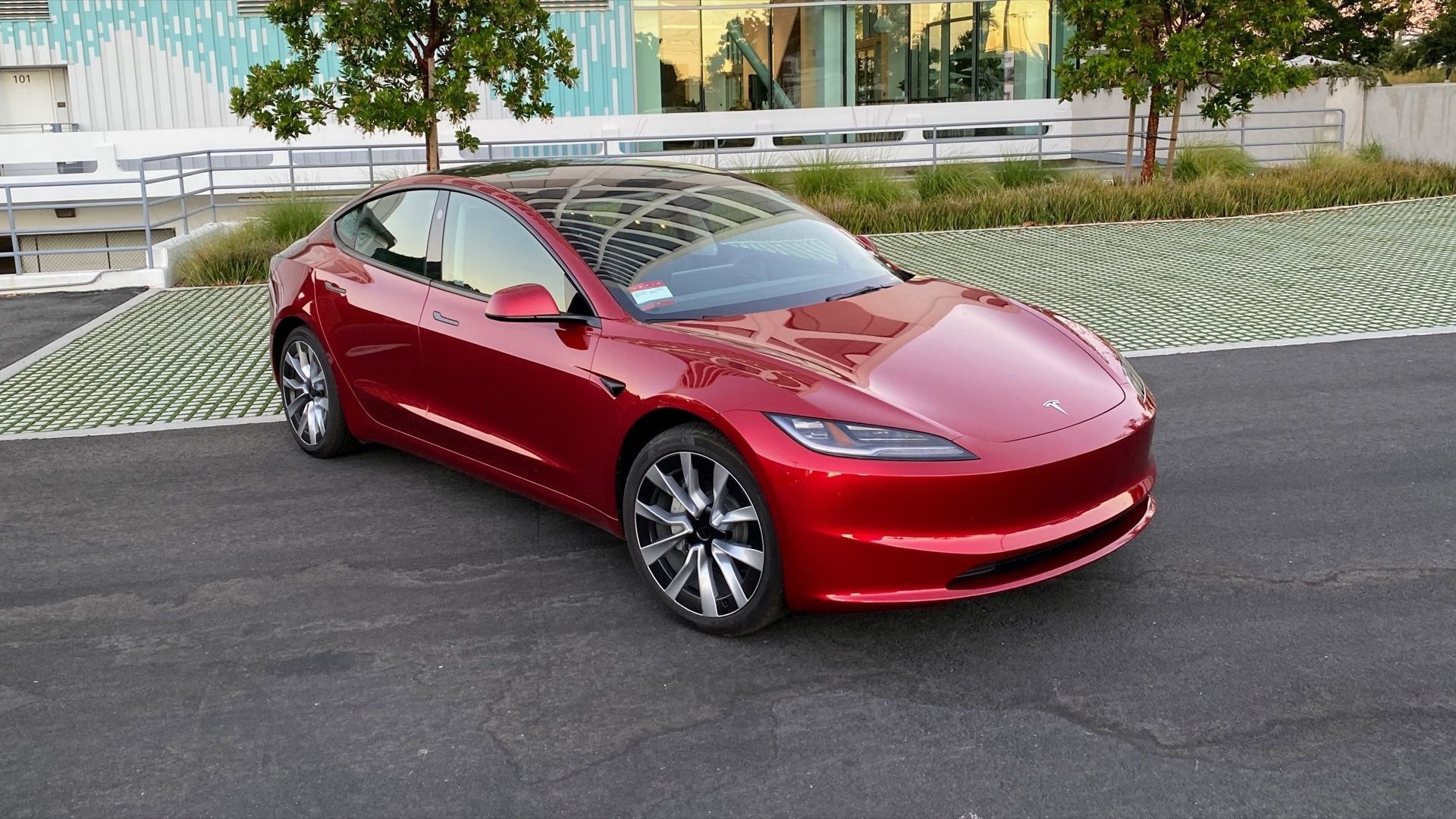
1. Tesla Model 3
While the Tesla Model 3 remains one of the most popular electric cars for its speed, efficiency, and technology, it often disappoints when driven on roads filled with potholes, rough patches, or uneven pavement. One of its biggest challenges is its low ground clearance. The battery pack under the car makes the body sit close to the ground, so even moderate bumps can scrape the bottom or cause the suspension to hit hard.
This issue becomes worse in cities where roads are full of cracks, worn edges, or speed bumps. When driven over such surfaces, the Model 3’s suspension sends strong jolts through the cabin. Passengers may feel uncomfortable as the car shakes and bounces with each hit. The ride often feels stiff, and the shock absorbers struggle to handle rough conditions smoothly.
Tesla designed the Model 3 with a performance focus, which explains its firm suspension and low ride height. While that setup is perfect for fast turns and smooth highways, it does not work well when the road is damaged or uneven. Even light off-pavement driving, such as gravel paths or poorly paved streets, can quickly become frustrating due to the car’s inability to soak up road imperfections.
Tire choice also affects the experience. Many Model 3s come with low-profile tires, which have thinner sidewalls. These tires offer less protection against potholes and sharp edges. When combined with the firm suspension, every bump feels more intense, and wheel damage becomes more likely.
Although software controls like traction management help maintain stability, they do not solve the issue of physical road impact. Drivers who live in areas where roads are often damaged or under construction will notice that the Model 3 becomes uncomfortable very quickly. It was designed for smooth driving surfaces, and once taken away from those, its limits become clear.
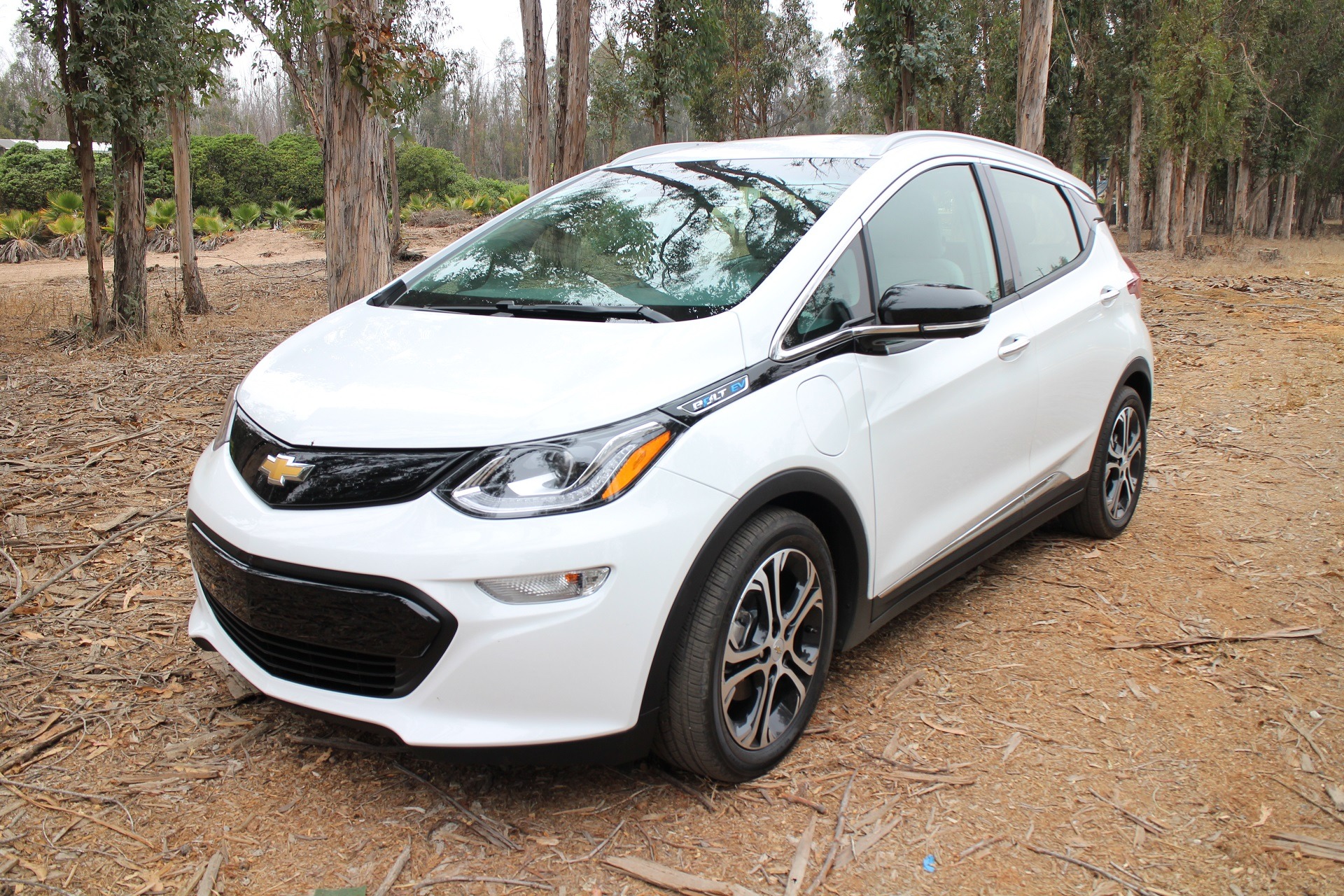
2. Chevrolet Bolt EV
The Chevrolet Bolt EV is a small electric hatchback that was designed mainly for city driving and efficient commutes. While it performs well in those conditions, it struggles once taken to areas with poor roads.
The main issue lies in how it handles bumpy surfaces. The ride quality becomes rough and uncomfortable very quickly, and the car does not do enough to protect passengers from sudden jolts.
One of the causes of this issue is the firm suspension. The car was built to feel stable and planted during regular driving, but that design leaves little room for absorbing sharp bumps or dips in the road. Instead of softening the impact, the suspension transfers most of the force into the cabin, making the ride feel choppy.
In addition to that, the Bolt EV has a short wheelbase, which means the wheels are close together. This makes it harder for the car to keep steady on broken or uneven roads. Small bumps affect the car more deeply, and passengers may feel like they are constantly bouncing up and down.
Ground clearance also plays a role. Although the Bolt EV sits higher than some low-riding sedans, it still scrapes the bottom when going over deep potholes or steep road edges. The underbody protection is limited, and frequent contact with the ground can damage parts of the battery cover.
The tires that come with the car are built for low rolling resistance, which improves efficiency but reduces grip and comfort. On rough roads, they produce more noise and vibration. Drivers often report that the cabin becomes noisy when passing over patched roads or roads full of cracks.
For people who live in areas with mostly smooth streets, the Bolt EV can be a great option. But if your daily drive includes rough pavement, damaged roads, or sudden bumps, the Bolt quickly shows that it is not built for those conditions.
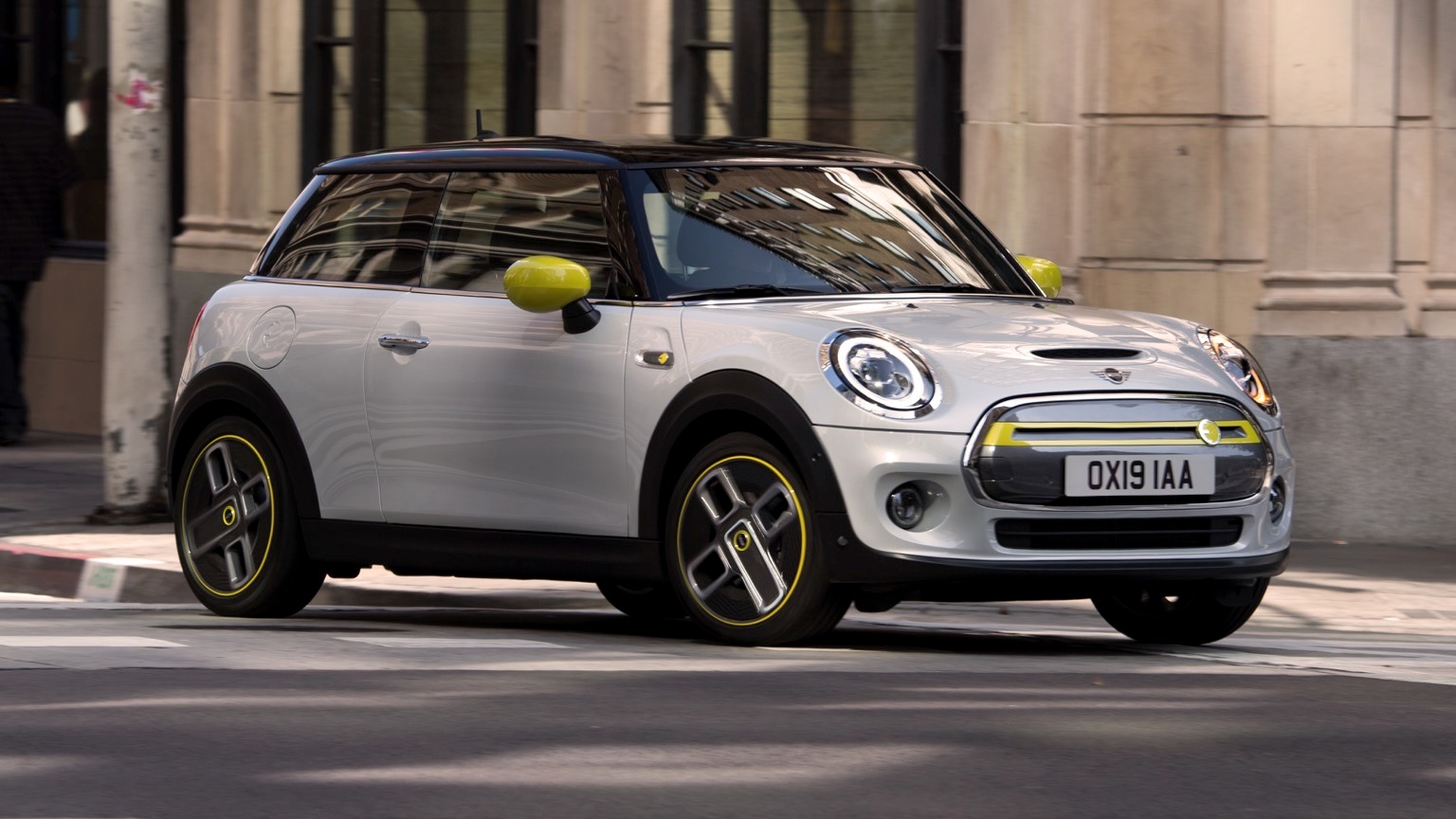
3. Mini Electric (Mini Cooper SE)
The Mini Electric, also called the Mini Cooper SE, brings classic style and urban fun to electric driving. But once taken out of the city and into areas with poor road surfaces, the vehicle begins to lose its shine. This small hatchback does not handle bumps well, and every hit from the road feels much stronger than it should.
The first challenge is the very short wheelbase. This design makes the car feel nimble and quick in tight corners, but it also creates a jumpy ride. When the car hits a bump or pothole, both ends react so quickly that the entire car shakes. Instead of flowing over the rough surface, the Mini bounces over it.
Its suspension is also tuned for sporty driving. That means it is tighter and less forgiving. This setup helps the Mini hug corners and feel sharp on smooth roads, but it turns into a problem when the road is uneven. The tires lose contact with the ground more often, and the driver feels every small crack and dent on the road.
Ground clearance is another issue. The Mini Electric sits low, which limits how much unevenness the car can handle before the underbody scrapes the road. Even a deep pothole or an unexpected speed bump can cause trouble, especially if the car is fully loaded.
The wheels on the Mini Electric are also small, with thin tire sidewalls. That setup offers less cushioning between the car and the road. Without that buffer, the impact from broken pavement transfers straight into the suspension, then into the seats.
People who love how the Mini Electric handles on smooth roads may be surprised at how badly it performs on less-than-perfect surfaces. This car was built for city streets that are in good condition. Once it is driven beyond that kind of road, the fun and comfort reduce very quickly.
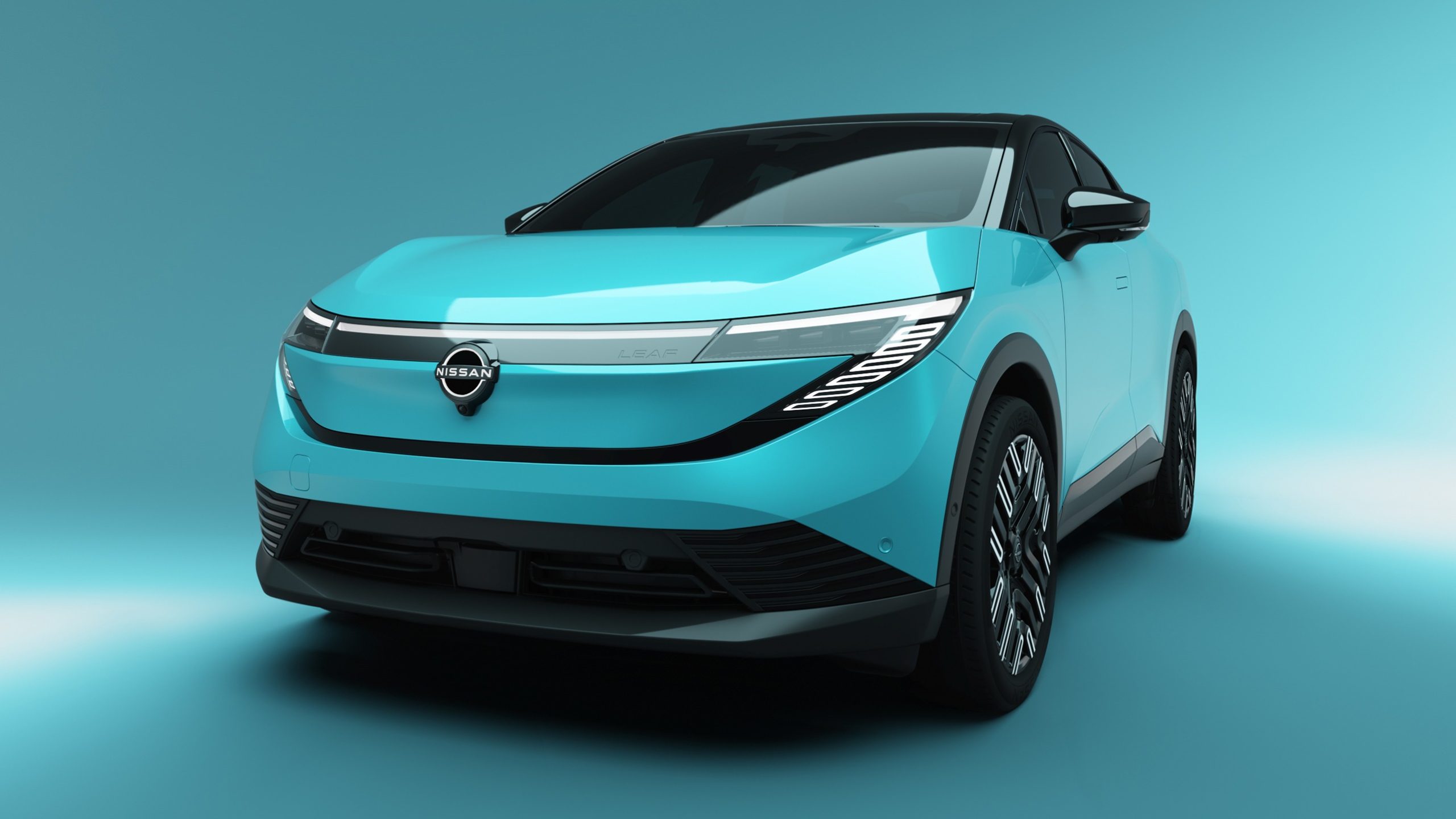
4. Nissan Leaf
The Nissan Leaf has been one of the most recognized electric vehicles for years, but its performance on bad roads is far from ideal. While it offers a calm and quiet ride on smooth streets, it struggles when faced with potholes, speed bumps, and uneven surfaces.
The problem begins with its soft suspension. On the surface, this might sound like a good thing, but in practice, it causes more body movement than needed. When the car hits a bump or dip, it continues to bounce for a while instead of quickly settling. This makes the car feel unstable, especially at higher speeds or on longer rough patches.
Another issue is the Leaf’s low ground clearance. The battery pack sits under the floor, which lowers the center of gravity but also increases the chance of scraping the road when driving over obstacles. Drivers often need to slow down more than usual when approaching humps or holes, otherwise the bottom may hit the ground.
The weight of the battery also plays a part. The Leaf carries extra weight in the middle and back of the car, which causes the rear suspension to feel weaker. When going over sharp dips or cracks in the road, the rear end of the vehicle tends to bounce more. Passengers in the back seat may feel this discomfort the most.
Tires on the Leaf are designed for efficiency and low noise. While they help keep energy use down, they also make the car less comfortable on bad roads. They offer little help in absorbing road shock, and the thin sidewalls pass on most of the vibration into the car.
For daily city drives on clean pavement, the Nissan Leaf is easy to handle. But if your routes involve poorly maintained roads, the comfort level will drop fast. It was not made to deal with broken surfaces or heavy-duty use outside smooth urban areas.
Also Read: 5 Cars That Go 100,000 Miles on Original Brake Pads vs 5 That Burn Through Pads Quickly
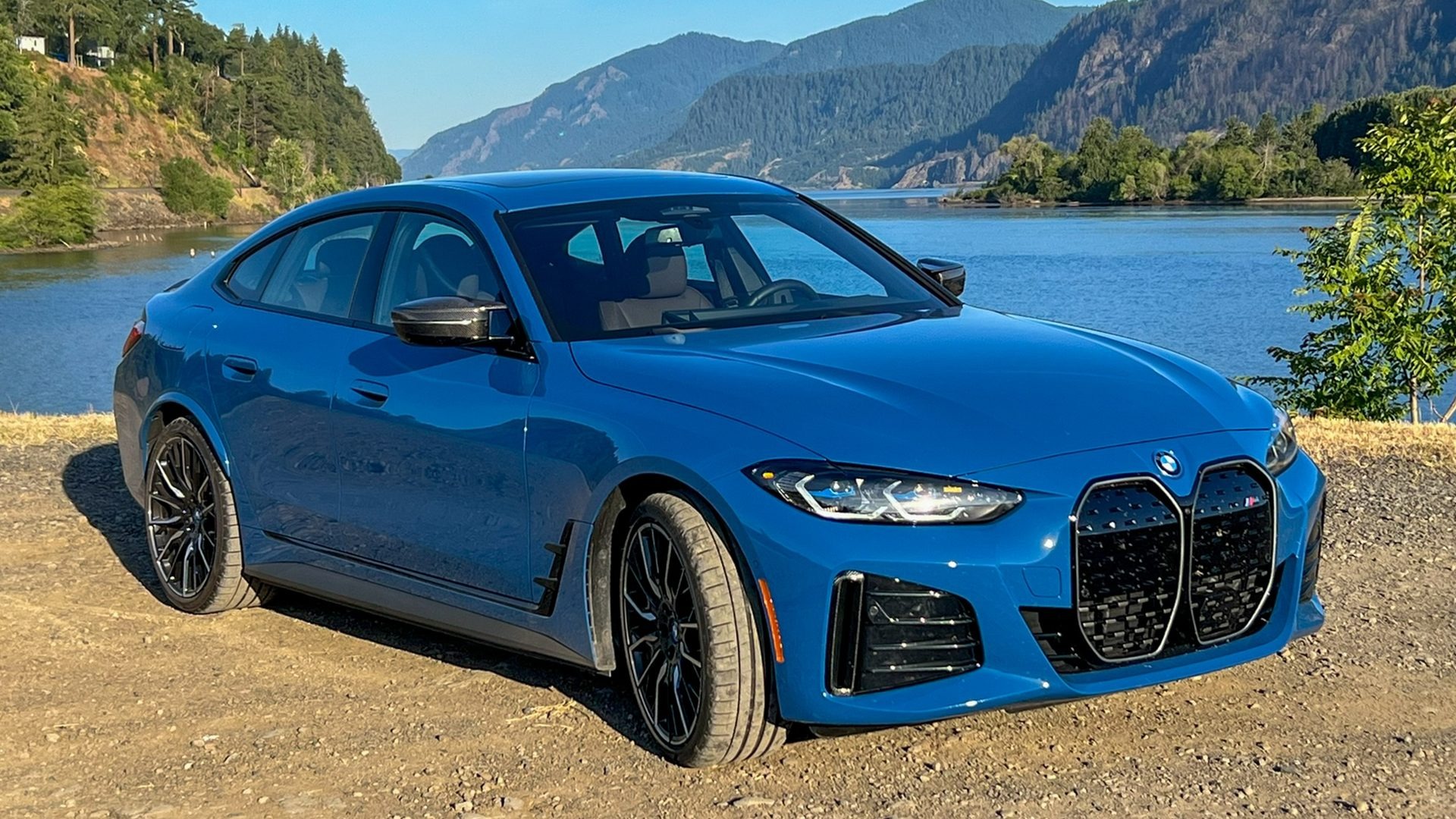
5. BMW i4
The BMW i4 is a sporty electric car with sharp handling, fast acceleration, and plenty of power. But when it comes to road quality, this car prefers only the best. Any attempt to drive through rough roads, cracked streets, or uneven paths quickly exposes its weakness in handling road impact.
BMW tuned the i4 to deliver strong cornering and speed, so the suspension is tight and focused on control. That works well on highways and race tracks, but creates a harsh ride when the car hits potholes or poor pavement. The stiff suspension does not absorb shock well, so passengers feel every dip, bump, and joint in the road.
Ground clearance is also a concern. The i4 sits low for better aerodynamics, which adds to its fast feel. But this design means even average road bumps can pose a challenge. Drivers must be extra careful when going through speed bumps or steep driveways, or risk damaging the underbody or front bumper.
Wheels and tires on the i4 are designed for grip, not comfort. Low-profile tires with large wheels give better performance but very little cushioning. That means more vibrations and stronger impacts felt through the steering wheel and seats when driving over uneven roads.
BMW’s focus on weight balance and driving response also means that comfort was not the highest priority. On bumpy roads, the car feels restless and unsteady, especially at the rear. Long drives on damaged roads can become tiring, as the suspension does not offer much softness.
People who love performance cars will enjoy the i4 on perfect streets, but those who face daily road damage or live in areas with rough pavement should be prepared for discomfort. This car demands the smoothest road to deliver the experience it was built for.
