
When people go shopping for an SUV, many things catch their attention, including how the vehicle looks, the engine performance, the price, and most time, how the inside feels. A vehicle might look sharp and powerful from the outside, but once you enter the cabin, everything can change.
Some SUVs manage to make their interiors feel very rich and well put together, almost like what you’d expect in luxury vehicles. From soft-touch materials and fine leather to well-placed controls and smart technology, these cars make drivers feel like they are getting top value.
However, some other SUVs, even though they carry a good badge or come at a high price, fail to meet expectations inside. The materials used feel cheap, the design looks rushed, and the technology appears outdated.
Once a buyer sits inside, it may feel like they overpaid. For many people, the interior of a car is where most of the experience happens. Whether you’re driving to work every day or taking long family trips, the cabin is where you spend your time. So, it matters a lot.
On this page, we will talk about ten different SUVs. Five of them are doing very well when it comes to interior quality, comfort, and feel. These bring a sense of calm, class, and proper finish when you step inside. The other five, though, fall short in that department.
They might have strong engines or nice exterior shapes, but once you open the door and get inside, the feeling changes fast. This breakdown gives you a clear idea of what you should expect if you are planning to get an SUV and care about the interior just as much as other features. Let’s begin with those that feel premium when you step inside.
5 SUVs That Feel Premium Inside
1. 2025 Hyundai Palisade
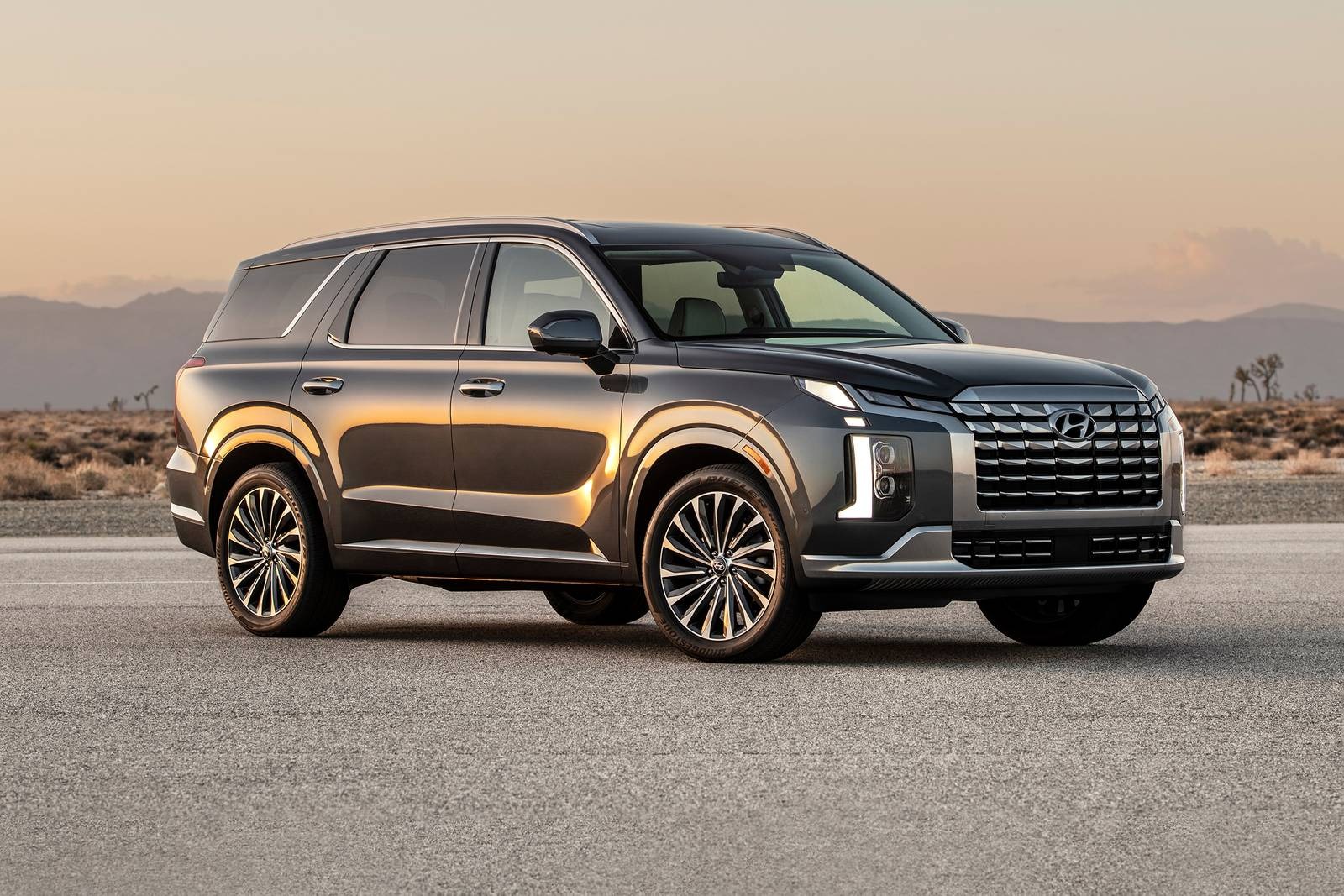
The Hyundai Palisade might not wear a luxury badge, but once you step inside, it is difficult to notice. This SUV was clearly built with comfort, design, and quality in mind. Right from the dashboard to the door trims, the materials used feel soft, thick, and expensive. Even the knobs and switches don’t feel like the plastic you’ll find on a budget car. They feel solid and long-lasting.
The seats are very comfortable, with enough padding to keep you fresh on long drives. In higher trims like the Calligraphy, you’ll find quilted leather, a digital instrument cluster, and ambient lighting that makes night driving more relaxing.
Everything inside the cabin has its own position, and nothing feels forced or misplaced. The space inside also stands out. Whether you are seated in the first row, second row, or even third row, there is enough legroom and headroom. Adults can sit comfortably in the third row, which is not common for many midsize SUVs.
Another impressive area is how quiet it gets when driving. Road noise and wind don’t disturb your peace, even when speeding on the highway. The suspension also works well to absorb bumps and potholes, giving you a smooth experience.
Technology-wise, Hyundai placed a wide touchscreen on the dashboard, with sharp graphics and quick response time. Features like Apple CarPlay, Android Auto, and wireless charging are standard in most trims. There are also USB ports in every row, so all passengers can keep their devices powered. The climate control system works fast and keeps the entire cabin cool or warm, depending on what you set it to.
With everything packed into this SUV, the price remains reasonable compared to luxury competitors like the BMW X5 or Audi Q7. Hyundai showed clearly that you don’t have to spend extra just to enjoy a premium cabin. If what you want is a comfortable and classy space without spending more than you should, the Palisade makes perfect sense.
2. 2025 Volvo XC90
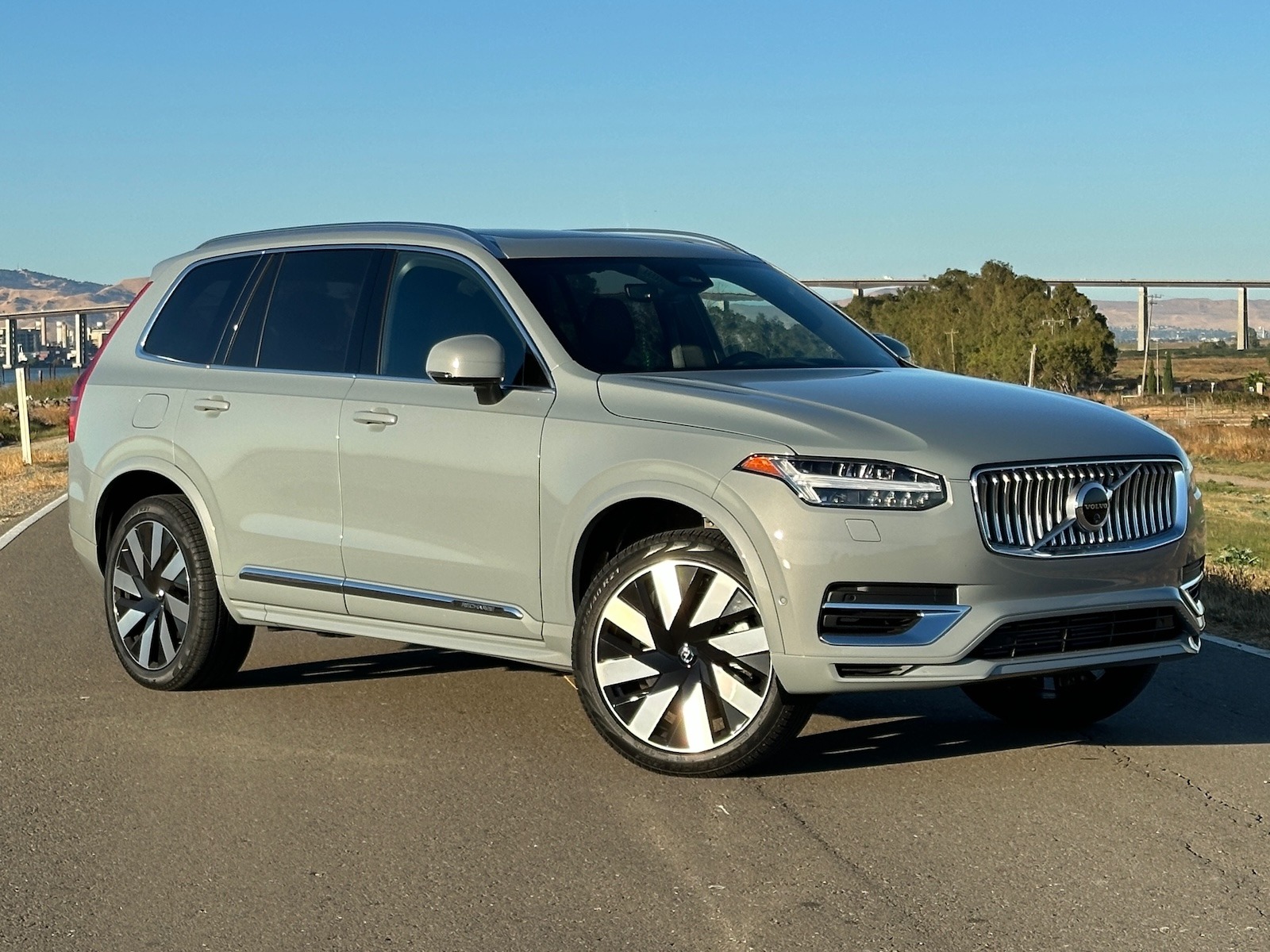
Volvo is known for safety, but the XC90 proves that the brand also understands how to deliver a rich and warm cabin experience. The XC90 gives you clean lines, natural materials, and a very calm space that feels like it was designed to reduce stress.
The inside of this SUV is covered with high-quality materials like open-pore wood, metal trims, and soft leather. Instead of crowding the cabin with flashy lights and loud colors, Volvo used a simple and calm design. The seats are shaped to support your body properly, especially on long trips.
Front seats come with massage and ventilation functions in upper trims, which brings an extra layer of comfort. The second-row seats offer great support too, and the third row, while tighter, still works well for children or short adults.
The dashboard holds a vertical touchscreen that controls most functions. Even though it takes a short while to get used to, once you figure it out, the system is easy to operate. The sound system from Bowers & Wilkins turns the cabin into something that feels like a personal concert space.
This SUV also stays very quiet inside, even when you drive on rough roads or at high speeds. The suspension is tuned to make the ride soft and smooth, and it soaks up road bumps without shaking the whole vehicle.
One thing people often like about the XC90 is how it smells and feels once you enter. The mix of materials and finishes gives a fresh, clean, and expensive vibe. Also, Volvo uses real wood and natural finishes instead of fake materials, which sets the tone for a quality experience.
Safety features are everywhere, and that adds to the relaxed feeling drivers get. From adaptive cruise control to lane keeping and blind spot monitoring, everything works quietly in the background to support your driving.
If you want a luxury SUV that focuses on comfort, safety, and calmness rather than just flash, the XC90 is a perfect example of how it should be done.
Also Read: 5 Cars With Legendary Battery Life and 5 That Need Jumping Weekly
3. 2025 Lexus RX
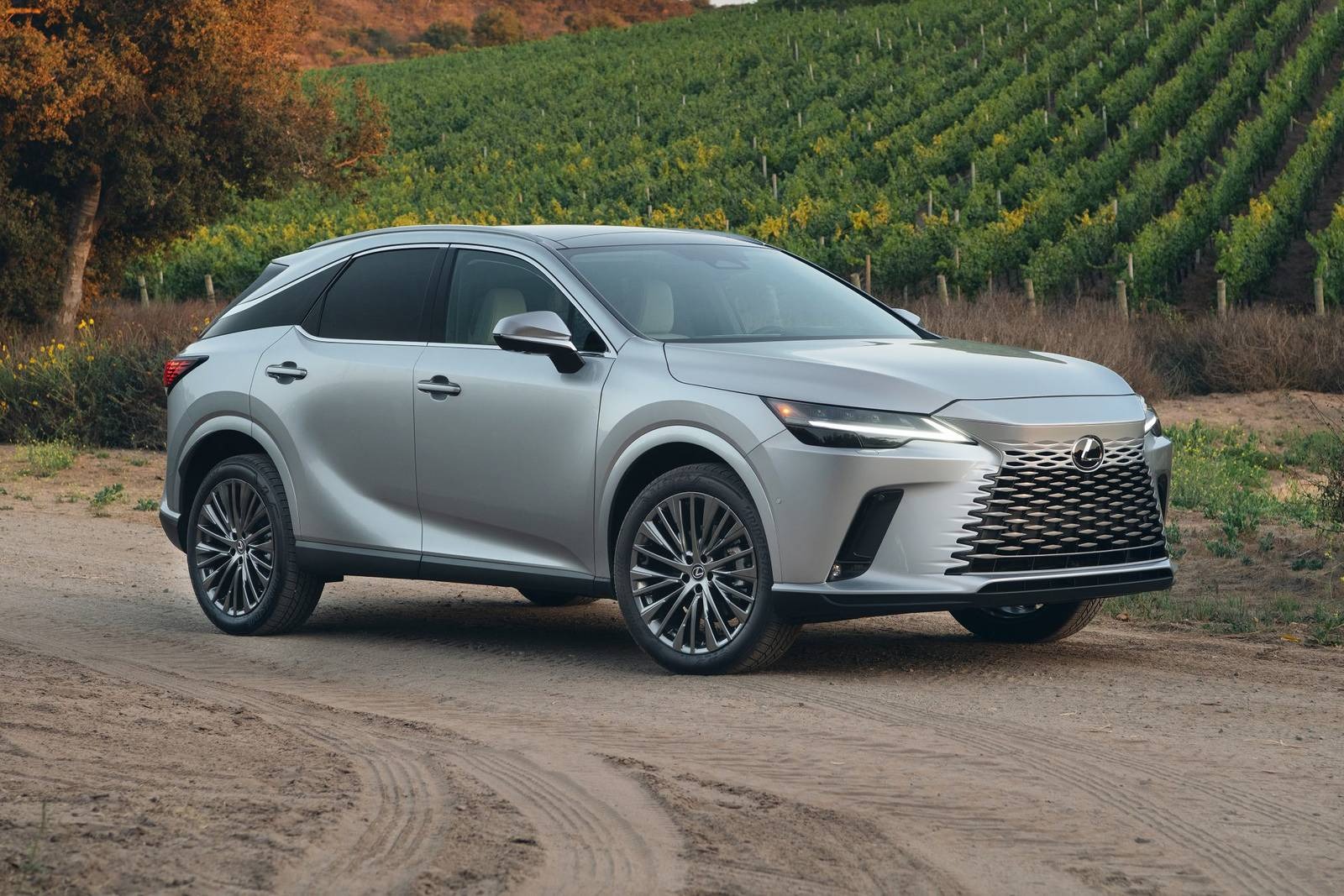
The Lexus RX has been a favorite for many years, and the reason is simple. It gives a very comfortable and quiet experience inside. Lexus paid close attention to every part of the cabin, making sure drivers and passengers feel relaxed while moving from place to place.
This SUV uses very soft and smooth materials across the dashboard, door panels, and center console. The seats are wide and supportive, with enough cushioning to keep you comfortable for hours. Higher trims bring in features like ventilated and heated seats, a panoramic sunroof, and ambient lighting that gives the cabin a soft glow.
One thing Lexus always gets right is quietness. Even when you drive fast or over rough patches, the cabin stays calm. The windows and doors are well-sealed, which keeps out most road noise and wind. This makes phone calls easier and allows passengers to talk without shouting.
Technology inside the RX has been updated, with a large touchscreen that is now more user-friendly than older models. The graphics are clear, the response is fast, and the controls are easy to reach. Lexus also included wireless Apple CarPlay, Android Auto, and a premium Mark Levinson sound system in upper trims, giving audio lovers a real treat.
Even though the RX is not trying to act sporty, it drives very well. The ride quality is soft and smooth, and it never feels harsh, even when the road is not perfect. The suspension was designed for comfort, not cornering.
One smart design move is how all controls are easy to understand. You don’t need to go through menus to find simple settings. Lexus kept things clean and direct.
When you compare the RX with other midsize luxury SUVs, it holds its place well. It might not scream sportiness, but it delivers comfort, calmness, and class better than many of its rivals. For drivers who value quiet rides, easy technology, and soft seats, the Lexus RX is hard to beat.
4. 2025 Genesis GV80
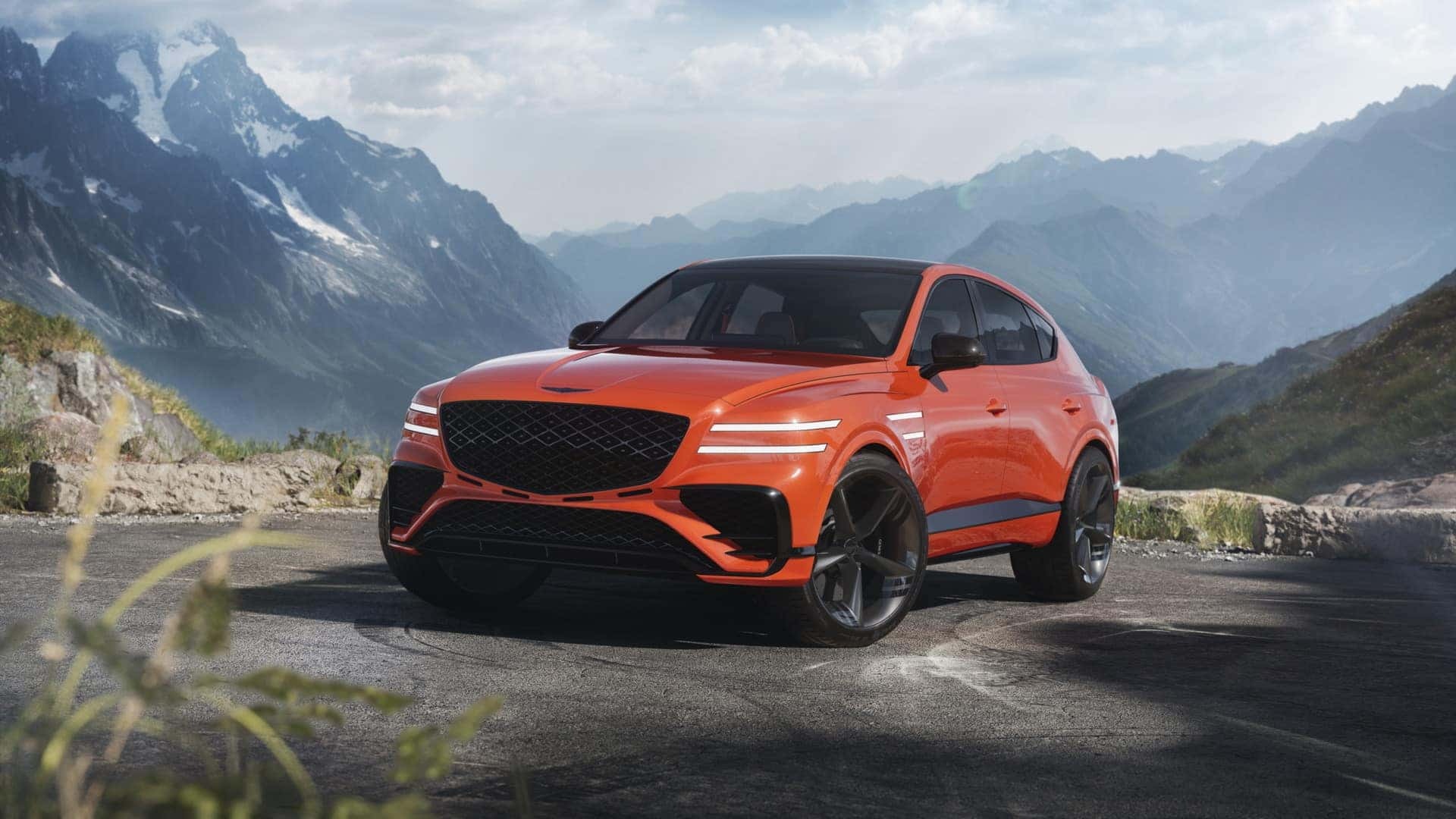
Genesis may still be new to some people, but the GV80 makes a bold statement with its interior. This SUV feels more like something from a high-end European brand. From the moment you sit inside, you’ll notice that everything feels well-made and rich.
The cabin uses materials like Nappa leather, real wood trim, and aluminum finishes. Even the air vents and control knobs feel expensive when touched. The design is clean but bold, with smooth lines that run across the dash and down to the center console. There is also a mix of colors and textures that create a strong impression.
Seats in the GV80 are shaped to support your back and legs perfectly. The front seats come with massage, heating, and ventilation features, especially in the higher trims. Rear seats are also wide and comfortable, with power adjustment available in some models. Space is generous across all rows.
The GV80 also stands out for its quietness. Double-paned windows and extra insulation keep outside sounds away. The result is a calm and peaceful ride, even in traffic or at highway speeds. The suspension system is also impressive. It reads the road and adjusts the ride quality to keep it soft and stable.
Technology is present but not in your face. A wide touchscreen sits on the dashboard, and the controls are easy to understand. The rotary gear shifter and the touch controller for the screen are stylish but also functional. You also get a digital instrument cluster and heads-up display in upper trims.
Genesis added smart driver aids that work in the background without becoming annoying. Adaptive cruise, blind-spot monitoring, and highway driving assist make long drives easier.
Even though it costs less than SUVs from BMW or Mercedes-Benz, the GV80 doesn’t feel cheaper. It delivers a luxury experience with every drive, from the materials to the ride comfort and the quiet cabin. It’s clear that Genesis came to compete, and the GV80 shows they’re serious about doing it right.
5. 2025 BMW X5
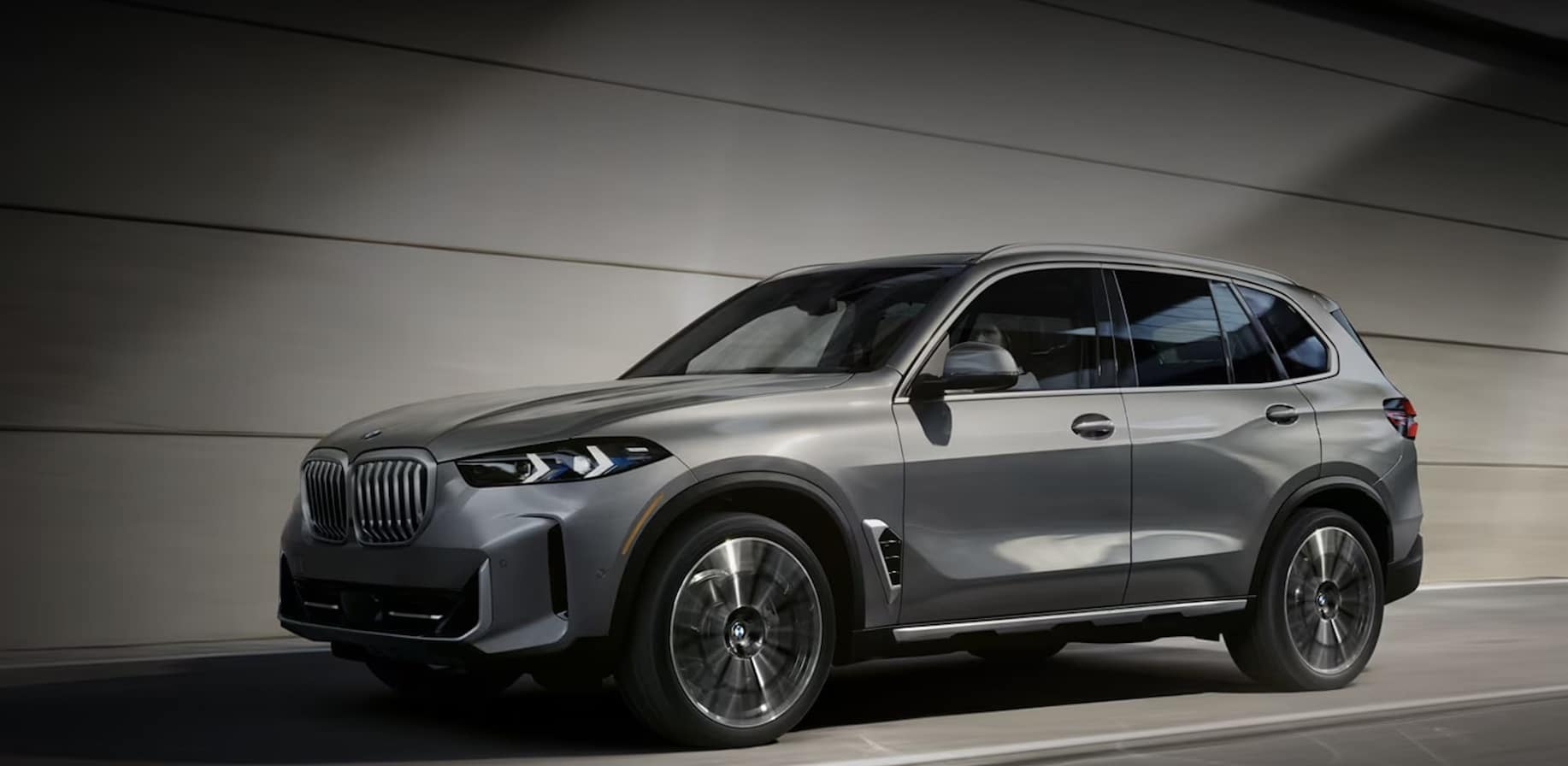
The BMW X5 stands as a strong example of how to mix luxury with performance. The moment you get inside, the cabin welcomes you with a balance of sportiness and high-end comfort. BMW didn’t hold back on materials, design, or technology when building this interior.
Leather seats come as standard, and the texture feels soft and rich. The stitching is detailed and precise, which adds to the feeling of quality. Trim pieces are made from either aluminum, wood, or carbon fiber, depending on the model you choose. All these finishes are not just for show; they also feel solid when touched.
The driver-focused layout helps everything fall into place naturally. The center stack tilts slightly toward the driver, so reaching the controls feels easy and convenient. The screen is sharp and quick to respond, and the digital instrument panel gives you all the information clearly without making things feel too busy.
BMW’s iDrive system controls most of the tech features, and while it may take a little time to master, it is actually one of the most polished systems around. There’s wireless phone charging, Apple CarPlay, Android Auto, and available gesture control. The optional Harman Kardon or Bowers & Wilkins audio systems deliver sharp and deep sound, making every song more enjoyable.
One thing that stands out in the X5 is how tightly everything is built. There are no rattles, no loose panels, and no odd plastic sounds when you tap around. The cabin insulation is excellent too, keeping noise away whether you’re in city traffic or cruising on the freeway.
Even the rear seats feel well-made and supportive, with enough space for adults. Climate controls and charging ports are also available for second-row passengers. The panoramic sunroof adds a sense of space, letting in natural light during the day and showing stars at night.
If you want an SUV that combines sharp handling with a high-end cabin that never feels boring or cheap, the BMW X5 fits perfectly into that category. It makes every ride feel like a special event, whether you’re just going down the road or taking a long trip.
SUVs That Feel Cheap When it Comes to Interior Feel.
1. 2025 Toyota 4Runner
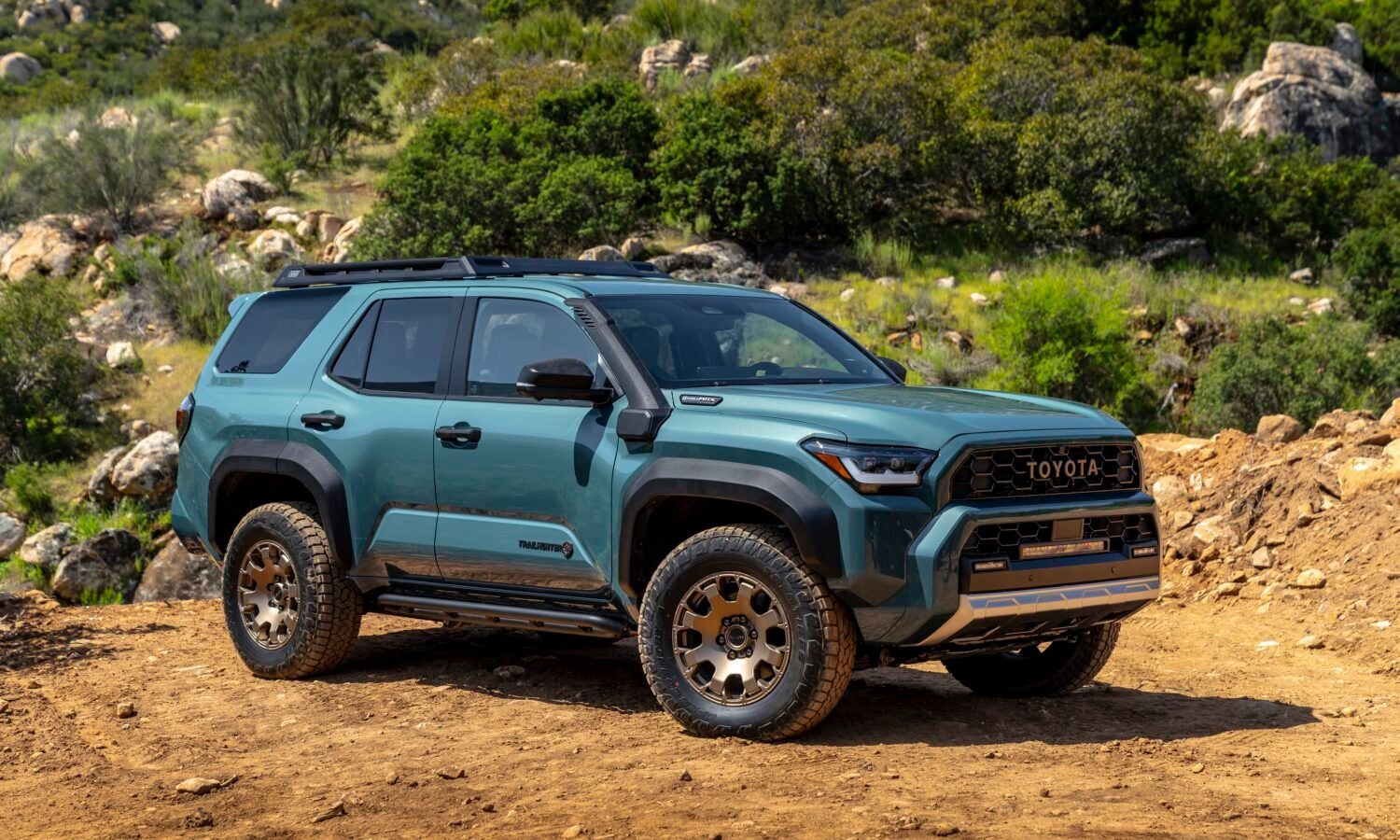
The Toyota 4Runner continues to attract drivers who want off-road strength and a reliable name, but when you enter the cabin, it feels like you’ve stepped back in time. While the 4Runner can take on rough terrains without stress, the same can’t be said for how it feels inside.
First of all, the interior materials fall short for an SUV in this price range. The plastics feel hard and hollow, and the dashboard design looks like something from ten years ago. Unlike newer models that blend function with style, the 4Runner’s cabin looks plain and feels unfinished.
Seats are made with cloth in lower trims, and even the leather in higher trims does not feel soft or rich. The padding on the seats is also quite flat, which can lead to discomfort during long journeys. The rear seats don’t recline much, and passengers in the back don’t get the kind of attention other SUVs in this class offer.
The touchscreen display is smaller compared to what’s now common in many vehicles. It does have Apple CarPlay and Android Auto, but the system feels slow, and the graphics are not as clear as what you’d expect in 2025. The sound system is also average at best, with weak bass and no depth.
Another weak point is the cabin layout. The buttons and switches are large, but they look very old-fashioned. The entire build quality is solid. Toyota vehicles hardly fall apart, but solid does not always mean comfortable or stylish. This SUV was built for function, not feel.
It’s also worth mentioning that the cabin lets in a lot of noise. Road noise, wind, and even the engine can be heard more than they should. This takes away from the comfort, especially on long trips.
If your main goal is to go off-road and you don’t mind a cabin that feels dated, then the 4Runner can serve you well. But if interior quality matters to you as much as power and toughness, you may end up feeling disappointed once you’re inside.
2. 2025 Mitsubishi Outlander Sport
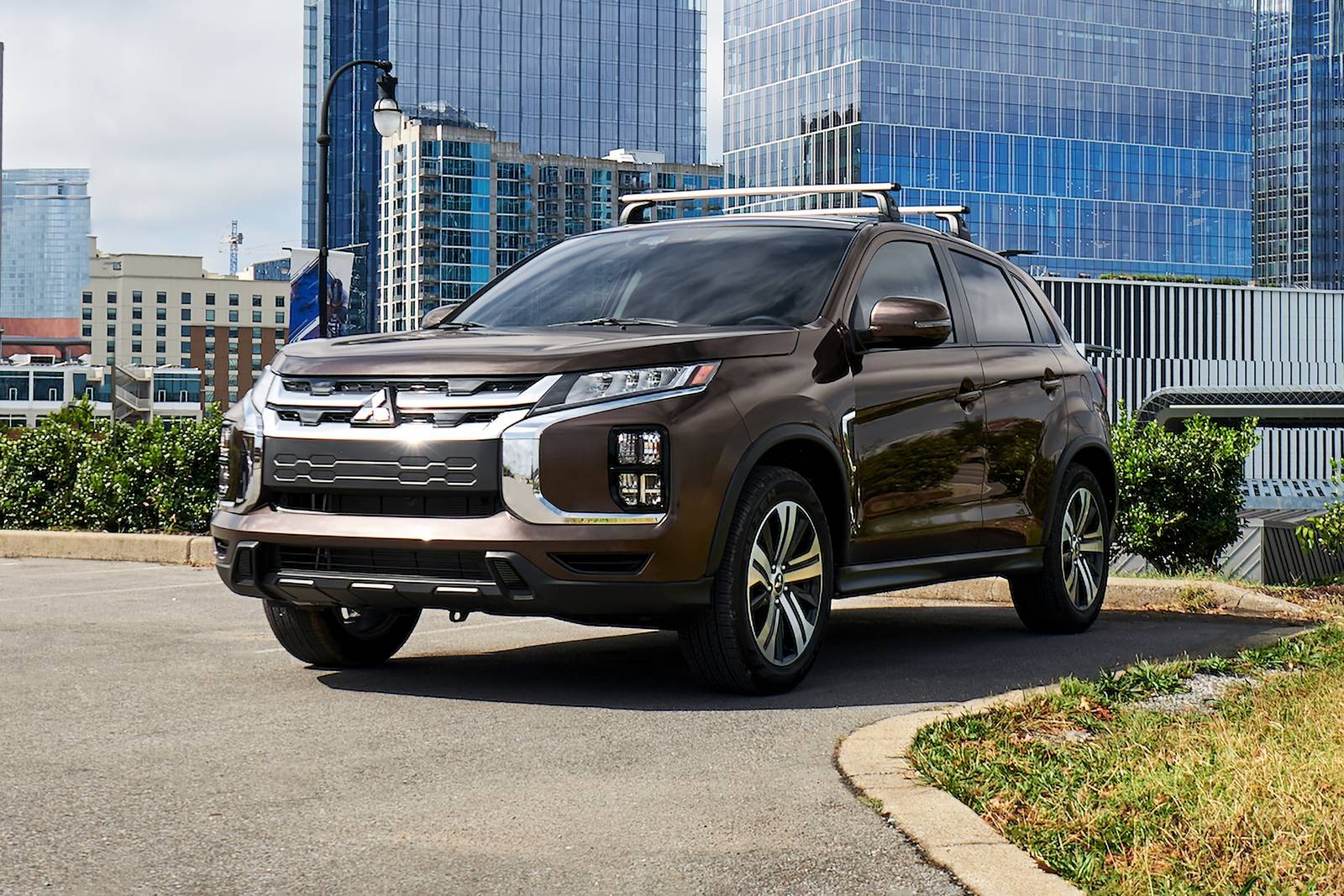
The Mitsubishi Outlander Sport may come with an affordable price tag, but that low price also shows clearly once you sit inside. This SUV’s cabin feels like it was made just to tick boxes, not to give drivers and passengers any level of class or comfort.
Inside the vehicle, you’ll find a heavy use of hard plastics everywhere on the dashboard, the doors, and the center console. Nothing feels soft to the touch. The steering wheel and gear shifter also feel basic, and the seat fabric looks and feels like something pulled from a decade ago.
The entire design is very simple. While some might appreciate the ease of use, it lacks any form of excitement. Even the display screen is small, and although it does offer Apple CarPlay and Android Auto, the system is slow to respond. Graphics are dull, and the speakers produce sound that’s weak and tinny.
When it comes to seating, things don’t get better. The front seats are not very supportive, and long drives can start to feel uncomfortable fast. The rear seats have limited legroom, and the cushioning doesn’t help much either. The focus was on saving cost, not comfort.
There’s also little done in terms of sound insulation. Noise from outside enters the cabin easily. Whether it’s the tires rolling on the road or the wind brushing against the mirrors, you hear it all inside. This kind of experience reduces the joy of traveling in the car.
Climate control is manual in most trims, and there’s no dual-zone system. This makes it harder to keep the cabin balanced, especially when multiple passengers want different temperatures.
While the Outlander Sport might appeal to someone looking for basic transportation at a low price, it does not offer much in the way of style, comfort, or high-end feel. If you’re coming from a more refined SUV, the difference will be very clear the moment you sit inside this one.
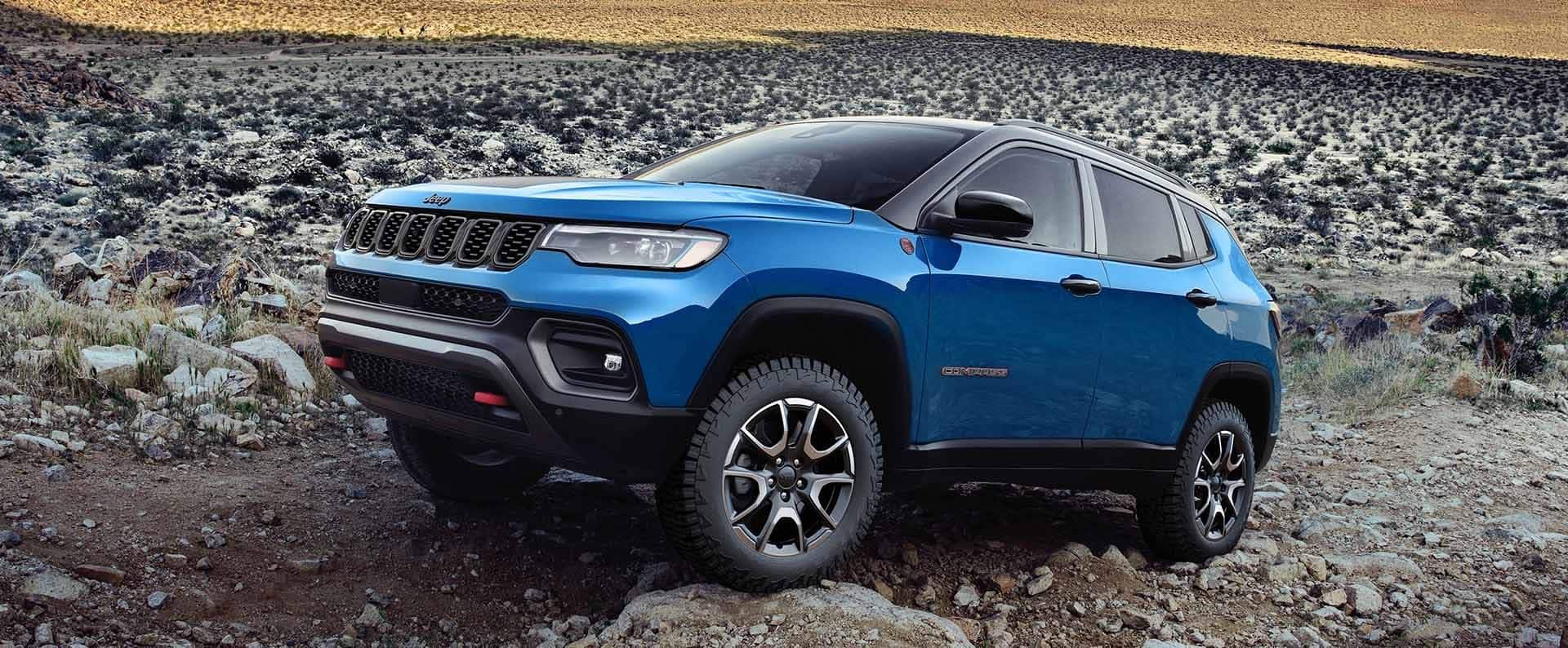
3. 2025 Jeep Compass
Jeep markets the Compass as a small SUV with a big attitude, but the inside of the vehicle doesn’t fully match up with the brand’s bold image. On the outside, the Compass appears rugged and modern, but once you open the door, you might start to notice areas where quality was clearly reduced to save cost.
Even though some trims offer leather seats and a larger touchscreen, the basic versions feel very underwhelming. Hard plastics cover most of the interior, and while the layout tries to look modern, the material choice and build quality don’t match what rivals are offering.
The front seats are average in terms of comfort, and the rear seats feel tight for adults. The cushions are on the thin side, and the backrest angle is not very adjustable. Long trips might lead to aches, especially for taller passengers. Storage inside the cabin is also not very practical. Some bins are too small or too shallow to be useful.
The infotainment system has improved, but even with a larger screen, it still suffers from lag and random freezing. Touch inputs sometimes require repeated presses, and voice commands don’t always work. The standard sound system also lacks depth and clarity.
Another downside is the noise level inside the cabin. While the Compass rides well on smooth roads, it tends to let in road and engine noise. On highways, conversations often require raised voices. That kind of interior noise isn’t something people expect when they’re paying SUV prices.
Jeep did include safety tech like lane-keeping and blind-spot monitoring, but even these don’t make the interior feel any richer or more enjoyable. The Compass is a vehicle that looks more refined from the outside than it feels once you’re inside.
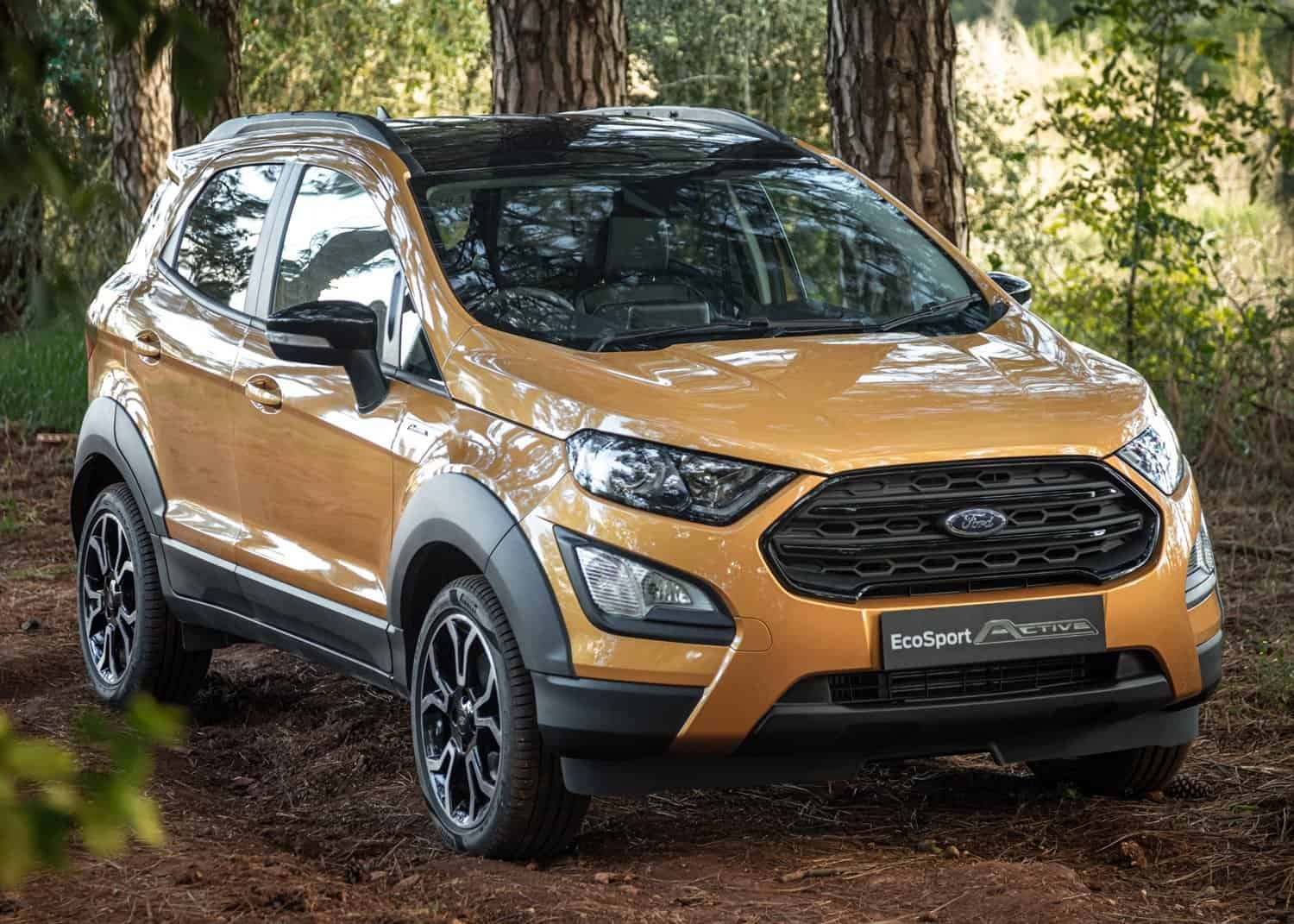
4. 2025 Ford EcoSport
The Ford EcoSport was created to be a compact SUV with city-friendly size, but its cabin experience falls short in several important areas. For buyers who care about what it feels like to sit inside a vehicle every day, this SUV may disappoint, even with its attractive badge and affordable pricing.
When you step into the EcoSport, the first thing you’ll notice is how cramped the interior feels, especially for taller passengers. The front seats offer basic comfort, but the rear seats are too tight for adults. Legroom and headroom are limited, which makes long drives less enjoyable, particularly if you have more than two passengers.
Materials used across the cabin feel cheap and uninspired. There’s a heavy use of hard plastics, and the dashboard design doesn’t show much attention to detail. While Ford included some brushed metal-like trim pieces to break the monotony, they don’t help much because they still feel fake and hollow when touched.
The infotainment screen is small in the lower trims, and even in higher trims, the resolution and response time are average at best. The user interface can lag, and the entire tech experience doesn’t match what other brands offer in the same price range. There’s Apple CarPlay and Android Auto, but the speakers deliver sound that feels flat and lacks depth.
One major drawback is how noisy the cabin gets. The engine is loud, especially during acceleration, and wind noise becomes noticeable at highway speeds. The suspension also doesn’t handle rough patches very well, so bumps and potholes make the ride feel harsh.
Storage inside the EcoSport is not practical either. The door pockets are small, and the cargo area is not very deep, making it hard to pack large suitcases or grocery bags. The side-opening rear door, instead of a liftgate, also makes loading and unloading more difficult in tight parking spots.
The EcoSport may work as a small, fuel-efficient car for short city trips, but it struggles to provide the comfort, quietness, and cabin finish that many shoppers expect from a modern SUV.
Also Read: 5 Forgotten GM Cars That Run vs 5 Recent GM Models With Major Issues
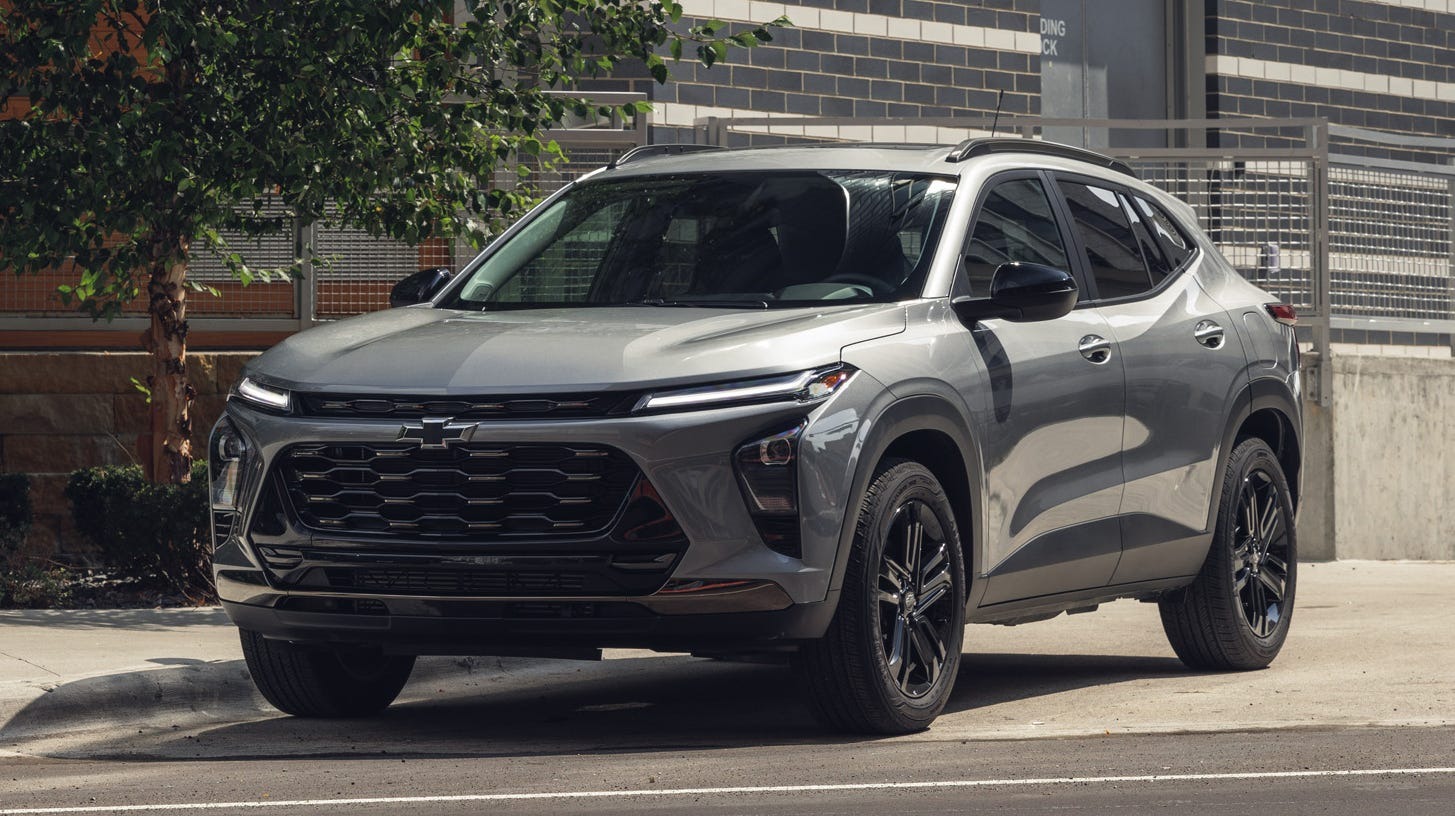
5. 2025 Chevrolet Trax
The 2025 Chevrolet Trax has gone through a redesign, and from the outside, it looks far more modern than previous versions. But once you enter the cabin, especially in the lower trims, that positive impression begins to fade. Chevrolet worked hard to refresh the exterior, but inside, the effort didn’t go far enough.
The dashboard uses simple shapes, which some may like for being easy to understand, but the materials give off a budget feel. Hard plastics are used almost everywhere, and there’s not much to separate the Trax from smaller, older hatchbacks in terms of interior touch and finish. Even in trims that claim to offer a more premium experience, you’ll still notice the absence of soft surfaces.
Seats are another area where comfort is sacrificed. The front seats are just okay for short drives, but they start to feel flat and unsupportive after a while. The cloth upholstery looks thin, and there’s not much padding underneath. Rear-seat passengers don’t get much room either, so it can feel tight if the front seats are pushed back.
The infotainment system, while slightly better than before, still falls behind rivals. The screen is small in the base trims, and the software can be sluggish. The speaker quality is weak, with little bass or sharpness. USB ports are few, and the climate controls feel outdated.
When driving, the cabin also gets noisy quickly. The engine makes a loud hum under pressure, and road noise enters easily. Sound insulation appears to be minimal, which makes it hard to hold a quiet conversation, especially at higher speeds.
Cargo space is limited, too. The trunk doesn’t offer enough depth, and folding down the rear seats doesn’t create a flat surface. So if you’re planning to carry big items, it becomes a hassle. The ride quality is not the worst, but it doesn’t feel composed either.
While the new Trax has improved styling and offers better tech on paper, it still feels like cost-cutting took priority once you go inside. Drivers who want comfort and cabin richness will likely be happier with other choices in this price bracket.
