
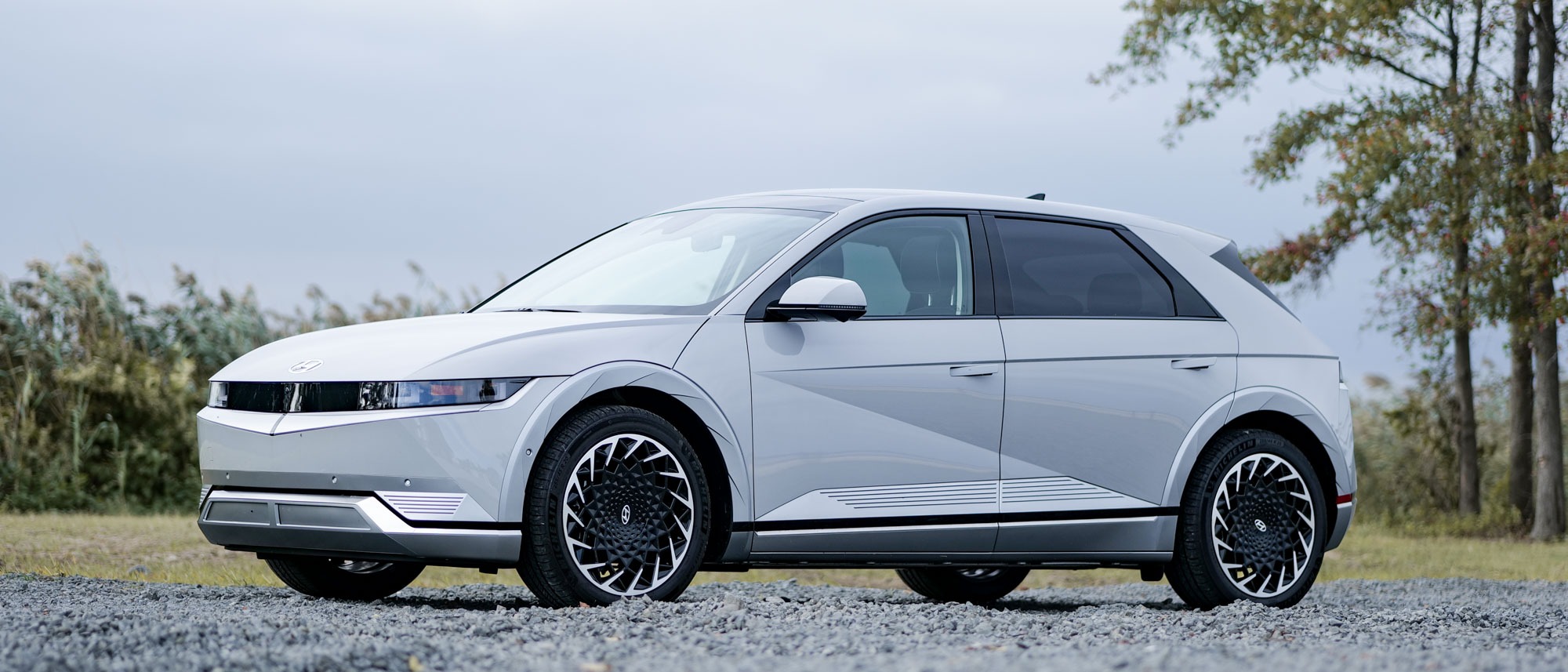
Electric vehicles are growing in popularity across the United States, and buyers now have more choices than ever. But beyond range, battery size, and charging speed, one thing that separates one EV from another is how the vehicle makes you feel when you’re inside or behind the wheel.
Some EVs offer high levels of comfort, top materials, and a sense of attention to detail that reminds people of luxury brands. These cars feel thoughtfully designed and well-crafted. Their buttons, screens, seats, and even the way the doors close give off the feeling that they were made with extra care.
At the same time, other EVs, though useful and practical, come across as plain or too basic. They feel more like machines built just to get from one place to another without adding any real joy or excitement to the trip.
These types often give off a feeling of being rushed or mass-produced. Their interiors may lack texture or softness. Their steering and ride might be too soft or too numb. For some drivers, these details matter a lot, especially when spending tens of thousands of dollars on a vehicle expected to last many years.
The experience you get when driving or sitting in an EV can shape your entire opinion of it. Some make you look forward to your drive, while others feel forgettable. For people who care about how the car feels from the inside out, it is worth knowing which EVs bring that premium feeling and which ones fall short.
Now, let’s go through five electric vehicles that provide a high-end experience from top to bottom. They look and feel refined. After that, we will also look at five electric vehicles that do not give that polished feel and instead operate more like home appliances on wheels.
5 EVs That Feel Premium
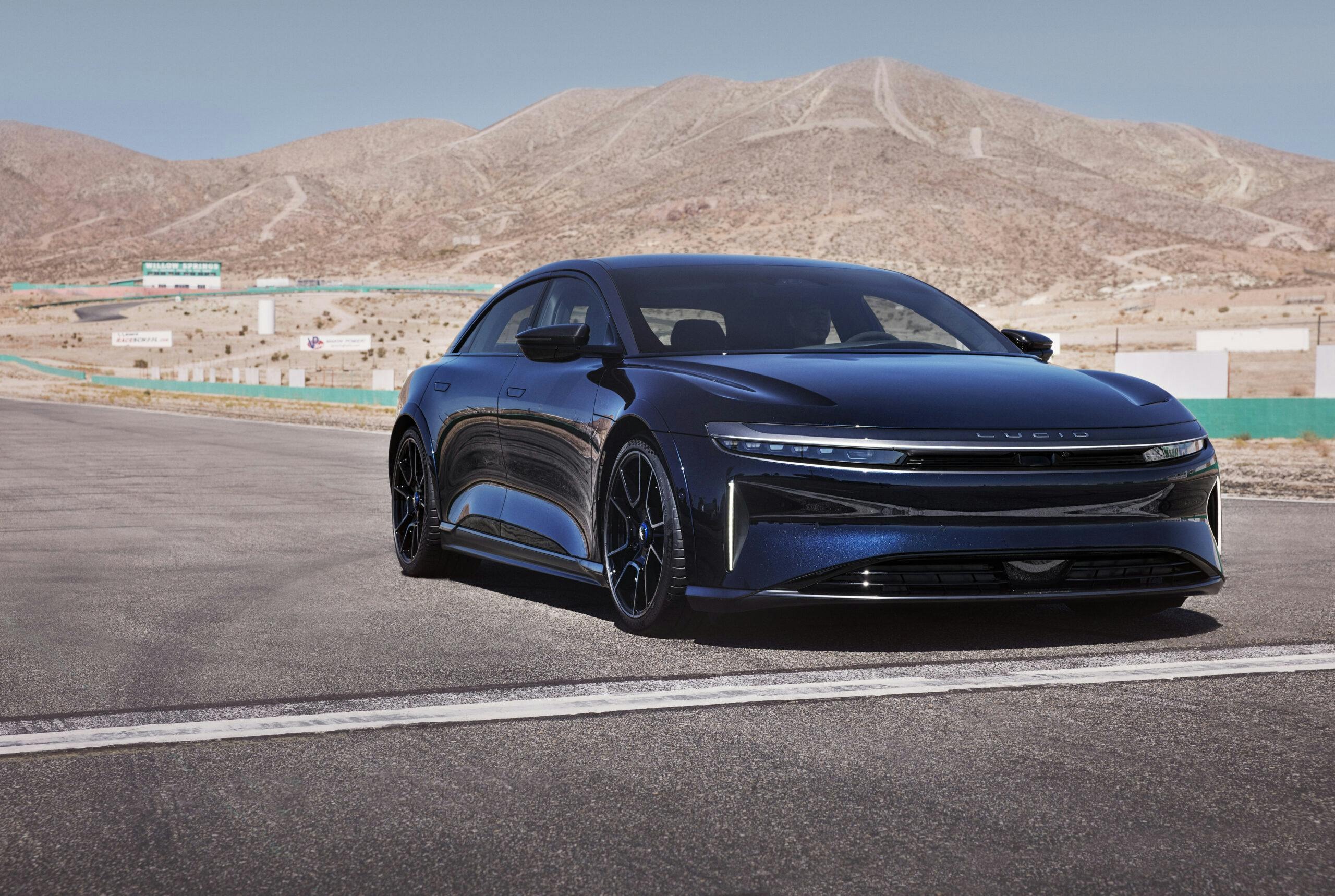
1. Lucid Air
The Lucid Air is a strong example of what it means for an EV to feel premium. From the first moment you step into the cabin, there is a clear difference. The materials used throughout the interior are of high quality. You will find soft-touch panels, real metal trim, and a clean design that does not feel cluttered. The wide glass roof adds to the open feel of the cabin, making it feel larger than it already is.
Seats in the Lucid Air provide proper support for long drives, and they are designed in such a way that both the driver and passengers can relax without strain. Controls are placed where you expect them to be, and nothing feels out of place. Even the buttons and switches have a solid feel when pressed. This kind of detail shows that the brand wanted everything to be right, not just functional.
The driving experience also supports the idea that the Lucid Air is a premium car. The steering is direct without being too sharp, and the ride is quiet even on rough roads. The electric powertrain is very smooth, and there is little to no noise from the motor or tires at city speeds. That silence, combined with the fine materials, gives the impression of being inside something more than just a regular car.
Technology in the Lucid Air is also refined. The digital displays are clear, and the interface does not lag. Touch responses are fast, and the system is easy to understand even for someone who is not used to driving EVs. Many of the controls are customizable, and the voice assistant responds well to natural commands.
What also helps this car stand out is that the premium feeling continues even in the back seats. Many EVs focus only on the front cabin, but in the Lucid Air, passengers in the back also enjoy the same level of quality and comfort.
This car sets a high standard for what a premium EV should feel like. From the design and build quality to the ride and tech, everything comes together to create a special experience.
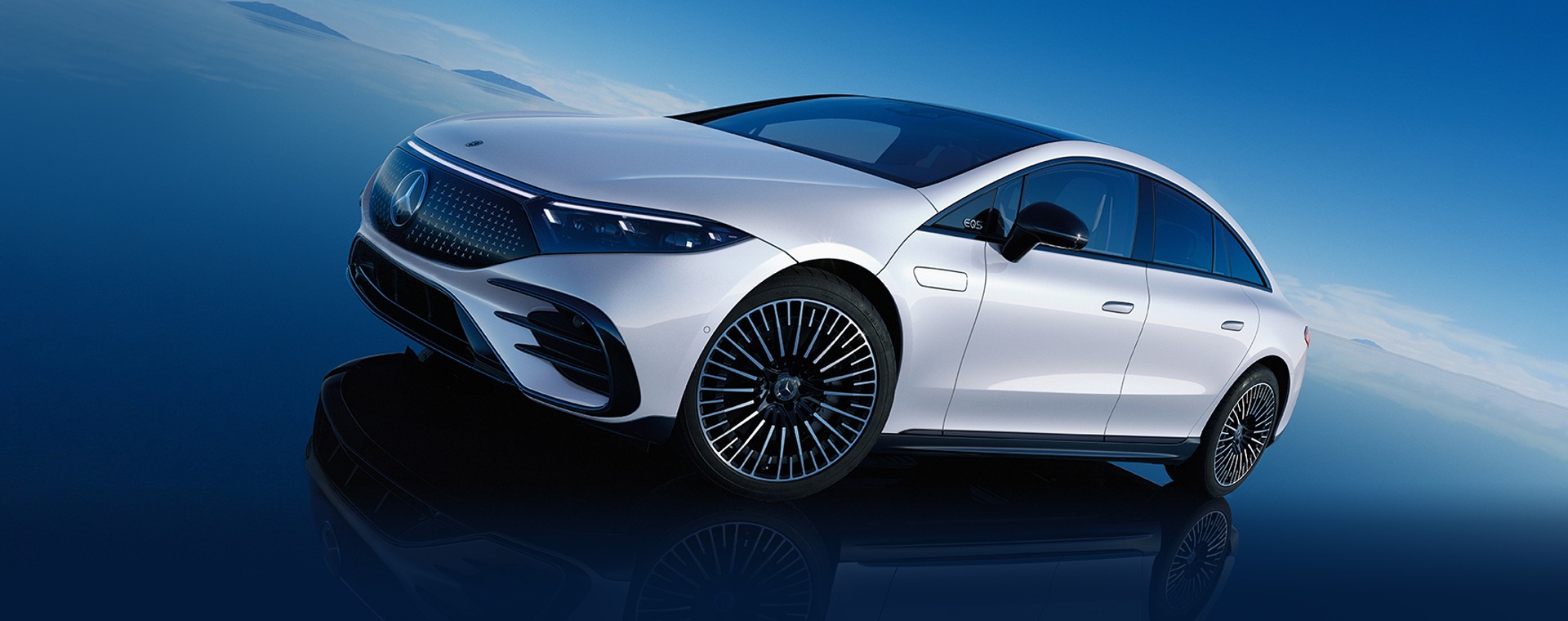
2. Mercedes-Benz EQS
The Mercedes-Benz EQS delivers the kind of feeling expected from a long-standing luxury brand. The moment the door closes, the car isolates you from outside noise. It feels as though the world outside is far away.
That quietness, combined with soft seating and high-end materials, creates a calm space where every part of the cabin feels carefully planned and nicely finished. The EQS offers a modern design but still keeps that touch of classic luxury. Inside, the dashboard flows smoothly from one side to the other.
A large digital display, called the Hyperscreen, stretches across almost the entire front. But it is not just about looking good. This screen works quickly, responds well to touch, and makes it easy to manage all the car’s systems without frustration.
Driving the EQS also adds to its premium character. The ride is smooth and soft, especially when driving on bad roads. The air suspension keeps the car steady even when the road is not. Steering is light but accurate, and the cabin stays quiet even when the car is moving fast. There is very little road or wind noise, which makes conversations easier and makes driving more enjoyable.
Seats are another area where the EQS shows quality. They naturally support the body, and the materials used on them feel rich and soft. Even the rear seats are given attention, with enough space and comfort for adult passengers. Controls are placed carefully, and everything works as expected.
Ambient lighting runs through the car, and it changes color based on settings or conditions. This helps create a mood inside the cabin. Little details like the texture of the steering wheel, the weight of the door, and the design of the air vents show that this car was made for people who value quality.
The EQS provides a smooth experience on every level. From quiet comfort to advanced tech, it shows what can happen when a brand known for quality decides to build a full electric car from the ground up.
Also Read: 5 EVs That Last for Decades and 5 That Don’t See Year Five
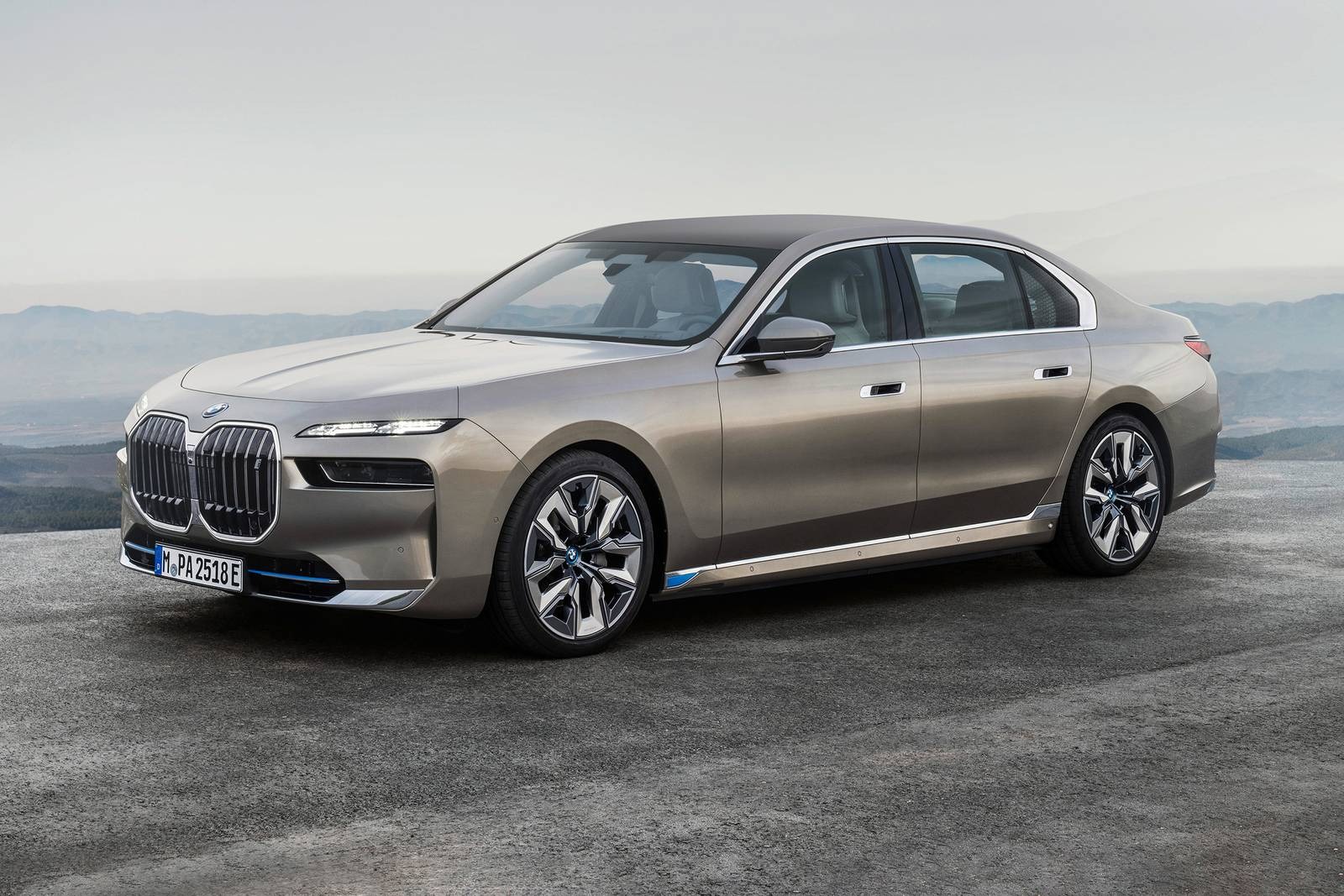
3. BMW i7
The BMW i7 combines strong performance with a level of quality that gives it a luxury feel. The moment you get inside, the design and material choices tell you this car was built for comfort and class. The seats are shaped to support your body, and soft leather is used throughout the cabin. Every surface that your hand touches feels refined and carefully chosen.
The i7 uses both screens and physical buttons smartly. While many electric cars now remove physical controls completely, BMW keeps some familiar buttons while still offering large digital displays. This mix makes it easier for drivers to get used to the car without needing to relearn everything.
Ride comfort is another area where the i7 impresses. The suspension handles rough roads without shaking passengers. Even on bumpy city streets, the car keeps its balance. At high speeds, the cabin remains quiet, and the car feels strong but controlled. The driving position is adjustable to many levels, allowing you to set it exactly the way you like.
Technology in the i7 is rich and advanced, but not confusing. There is a theater screen available in the back for passengers to enjoy movies or shows. Voice control and gesture features help drivers manage controls without taking their eyes off the road. The touchscreen responds fast and has clear menus.
Ambient lighting, sound insulation, and even the way the seats warm up during cold mornings all come together to make the i7 feel polished. The doors close with a firm sound, and the frame feels solid. That kind of small detail plays a role in creating a premium impression.
When you combine ride comfort, cabin materials, useful tech, and quiet power, you get a car that feels more than just modern. It feels carefully put together to provide lasting quality. The i7 proves that a performance car can also offer high-end comfort every day.
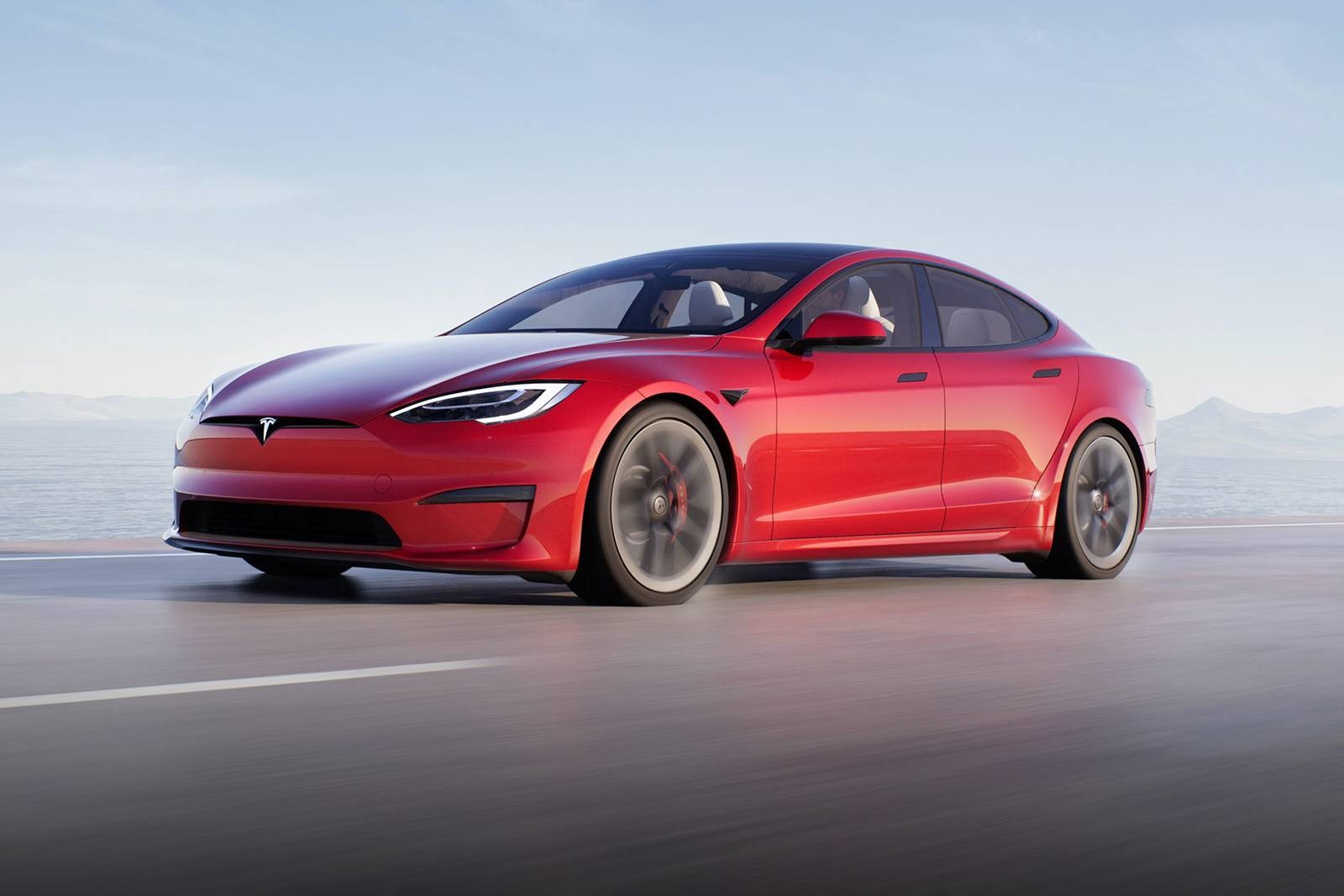
4. Tesla Model S Plaid
The Tesla Model S Plaid is best known for its fast acceleration, but it also gives a feel that many drivers would call premium. Its cabin design is minimal, but the materials and layout are clean and modern. The large center screen gives control over nearly every system, and the interface is both smooth and easy to understand.
One thing that sets the Model S apart is how quiet it is inside. Even when driving fast, there is little wind or road noise. The seats are firm but well-shaped, making them comfortable during long drives. While the materials may not match old-style luxury brands like Mercedes, the car still gives a strong sense of value and innovation.
The steering wheel is shaped differently from other cars, and while that may take time to get used to, it does add to the modern look. The materials inside are not flashy, but they feel like they belong in a car at this price point. The fit and finish are clean, and nothing feels loose or out of place.
Driving the Model S Plaid is a strong part of the experience. The power comes smoothly, and the steering is responsive. Even though the car is very fast, it does not feel rough or uncomfortable. The suspension keeps the ride balanced, and the car remains easy to drive even at low speeds.
The rear seats offer enough comfort for passengers, and the large glass roof brings in light, making the cabin feel more spacious. The sound system is also well-tuned, with deep bass and clear highs that make music sound better than expected.
While some critics say Tesla’s build quality can vary from car to car, the Model S Plaid still offers a premium feel that makes it more than just a fast machine. It gives a mix of tech, speed, and design that appeals to those who want a different kind of luxury.
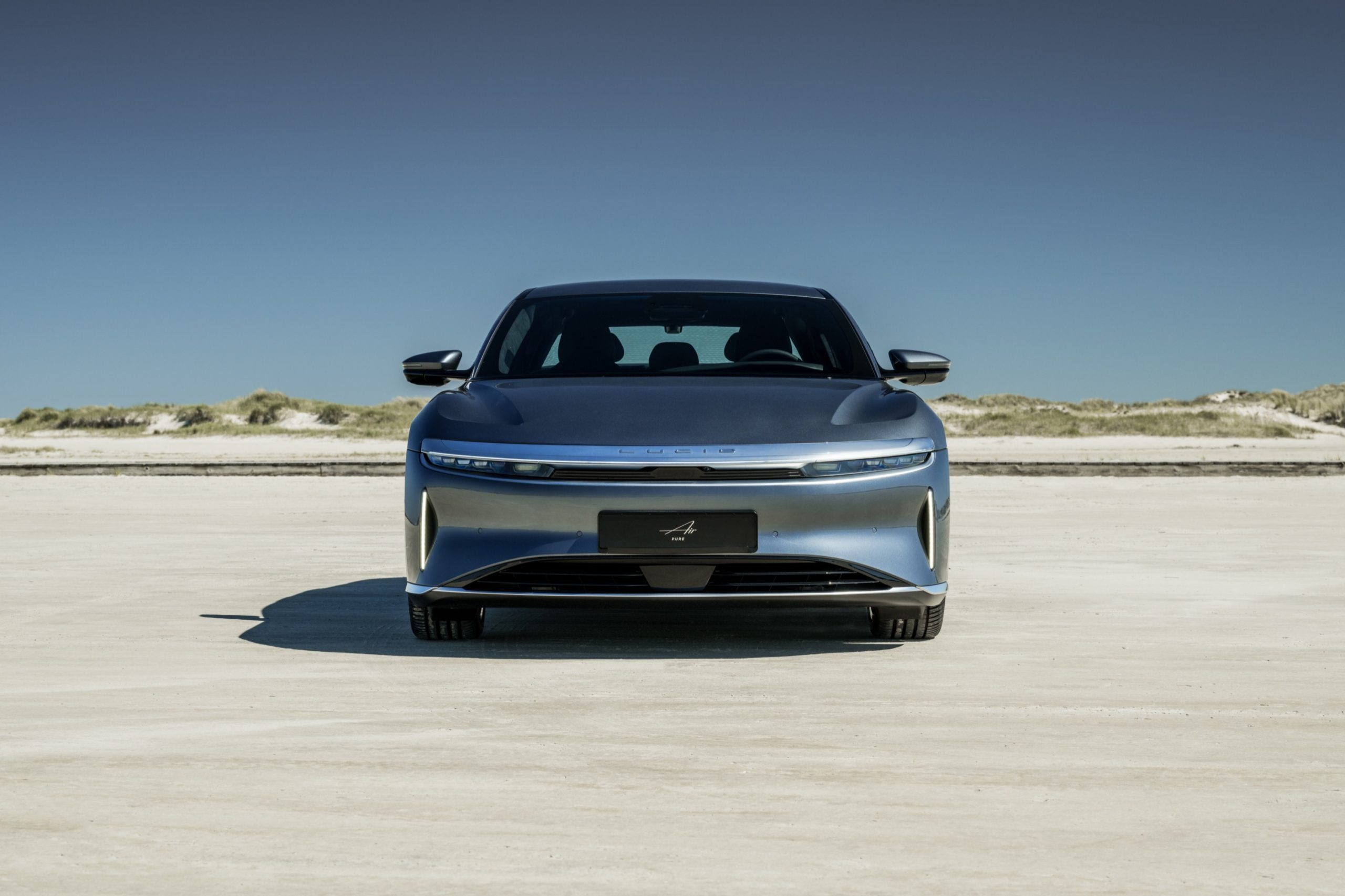
5. Lucid Air
The Lucid Air delivers an experience that stands above the ordinary, blending clean design with high-end performance in a way that avoids the extremes of flashiness or noise. Built by a relatively new American automaker, this sedan shows that premium quality does not always have to come from a long-established brand. Every detail inside and outside the Lucid Air speaks to careful planning and a desire to offer comfort, elegance, and performance without sacrificing one for the other.
The cabin makes a strong impression with its open layout, clean lines, and wide use of real metal, leather, and wood trim. The materials inside do not just feel upscale; they carry the kind of finish often expected in high-end European cars.
Large glass surfaces let in natural light, giving the interior a bright and calm feeling. The design avoids unnecessary clutter and sticks to well-integrated tech, including a smoothly operating central touchscreen and a digital gauge cluster that doesn’t distract from the driving experience.
Driving the Lucid Air leaves no doubt about its position among premium EVs. The ride remains calm and controlled even over broken pavement. The suspension absorbs bumps quietly, and road noise stays outside, making the cabin feel peaceful at any speed. Power delivery is quick but always smooth, never jerky. Even at higher speeds, the car stays composed, offering strong confidence on highways and winding roads alike.
The Lucid Air also delivers a long driving range, meaning owners do not have to worry often about charging. That adds to the relaxed experience of using the car. From build quality to ride feel to interior comfort, the Lucid Air competes easily with other luxury EVs and often feels more polished.
5 EVs That Feel Like Appliances
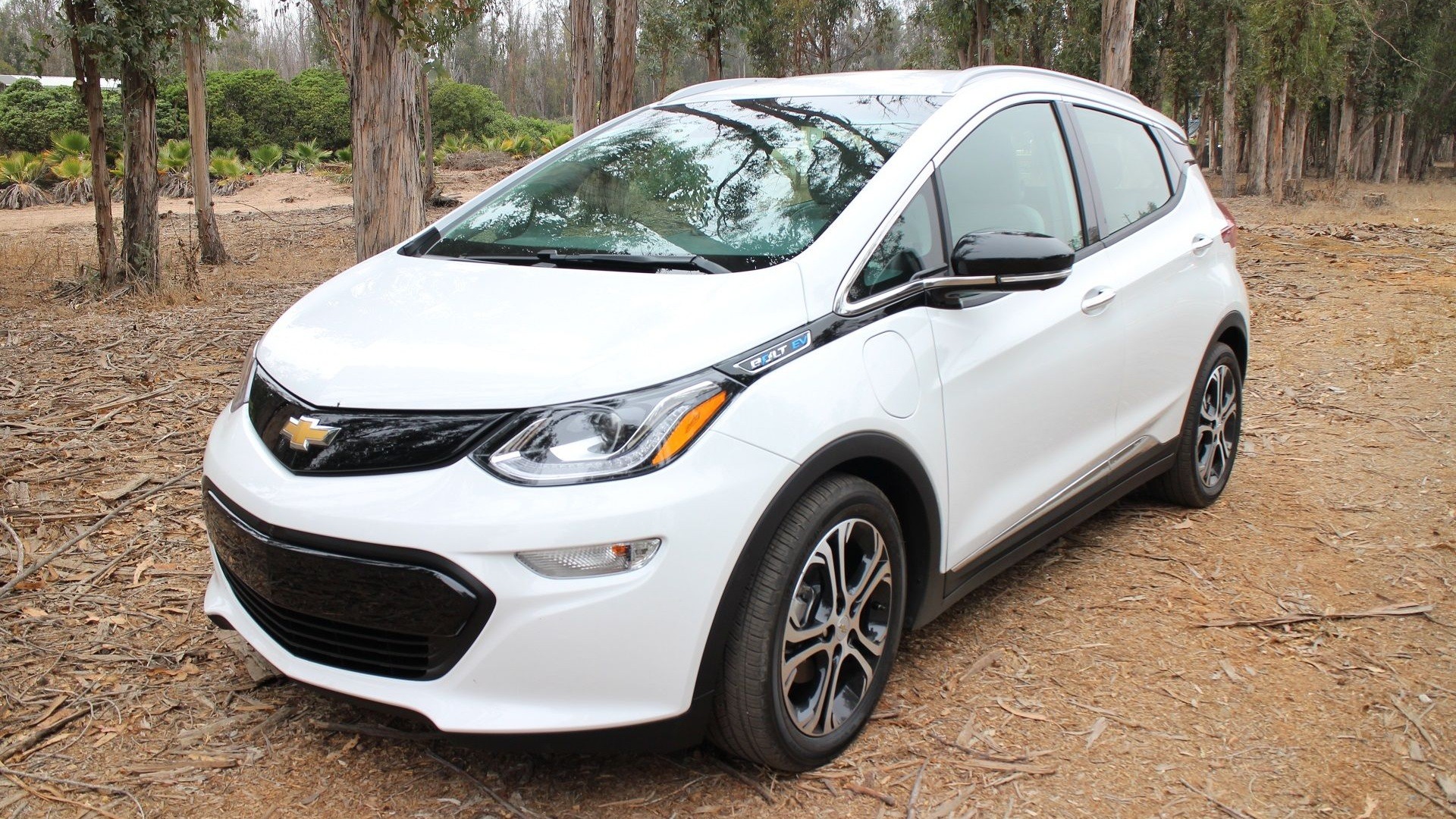
1. Chevrolet Bolt EV
The Chevrolet Bolt EV is built for daily use and offers one of the lowest starting prices among electric vehicles. While it delivers good value for the cost and enough range for most commutes, it does not leave drivers with a sense of excitement or comfort.
Many people who buy the Bolt do so because of the price, but when it comes to the driving feel and interior design, the car often reminds users of a basic household item rather than something enjoyable.
The materials used in the cabin are plain. Most surfaces are hard plastic, and very few elements give a feeling of warmth or design. The seats are shaped to fit most people, but they lack proper support for long trips. The seat fabric feels basic, and there are limited color options. Nothing inside the car stands out or draws attention.
Technology in the Bolt is simple. It has a touchscreen with standard features like navigation and smartphone connection, but the graphics and speed are far behind what is found in more refined electric vehicles. The screen looks like something from a few years ago, and the software sometimes responds slowly. Buttons and controls feel light and cheap when pressed, which adds to the appliance-like feel.
The drive itself is quiet enough, but the suspension feels stiff, and the car does not absorb bumps very well. The steering is light, but not very engaging. It gets the job done, but there is no emotion to it. When driving the Bolt, most people describe it as transportation and nothing more.
Even the charging experience is simple but not inspiring. There are no special features, and the charging port feels basic. The cabin design and driving experience both focus on practicality, leaving out the feel of enjoyment or care.
While the Bolt EV is reliable and affordable, it often comes across as something designed only to meet requirements. It starts, runs, and stops just fine, but it does not add anything extra. That makes it feel more like a tool than a car made with personality.
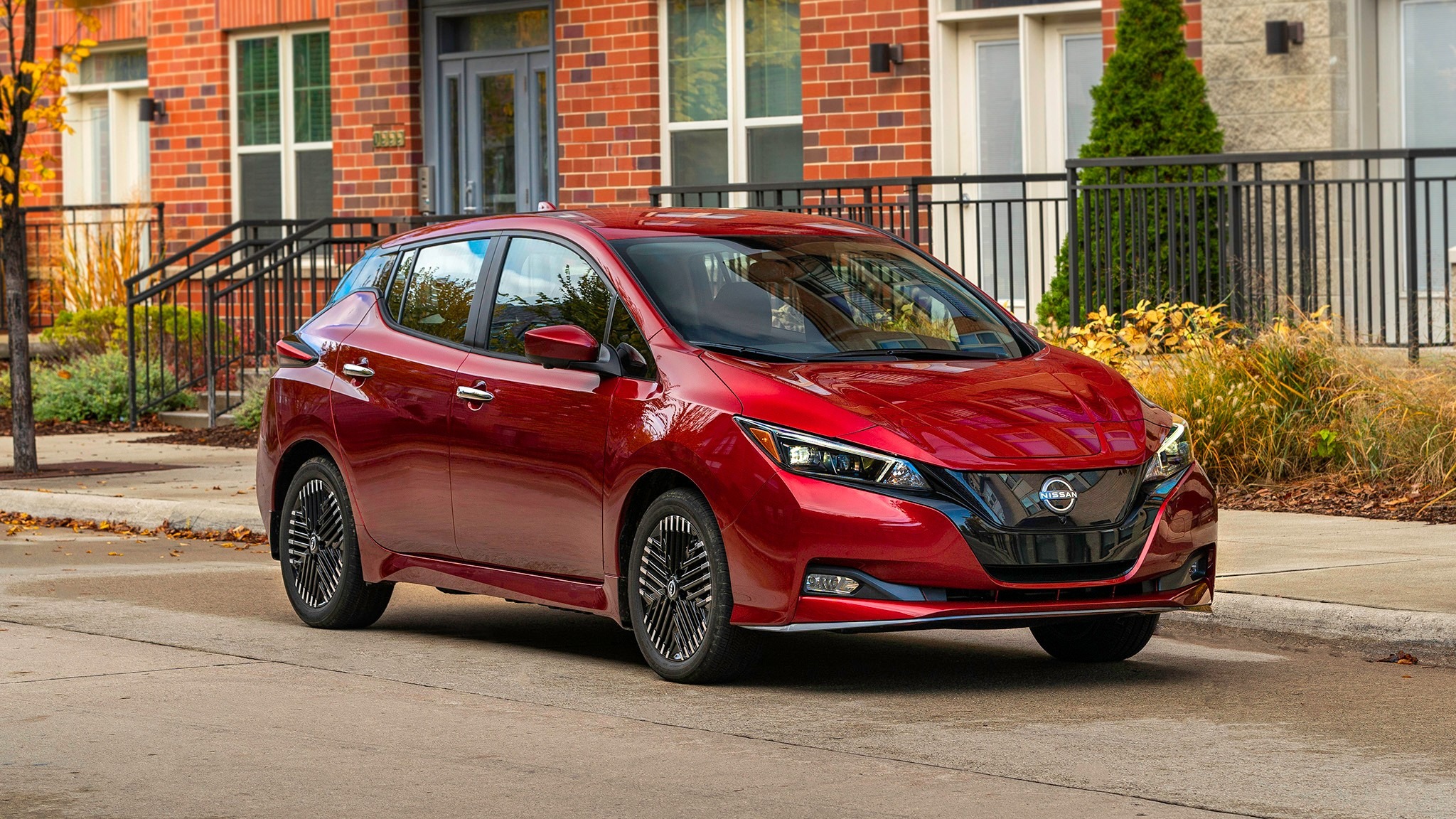
2. Nissan Leaf
The Nissan Leaf helped start the electric car movement, but newer options have now passed it by. Today’s version of the Leaf still works for short city trips, but the moment you step inside, it feels old and basic. The materials, design, and drive experience all point to something that was built for function without much attention to style or comfort.
The dashboard and seats are made from simple materials, and they feel more like items chosen for cost than for comfort. The plastic used in the cabin is hard and plain, and the design does not stand out in any way. The cabin is clean and neat, but it lacks the touches that give some EVs a premium feel.
The touchscreen is small by modern standards and does not respond as quickly as others in the same price range. While it has basic features like Apple CarPlay and Android Auto, the system often looks outdated and sometimes takes a few seconds to respond. This delay can make the driver feel like they are using an older device rather than a modern electric vehicle.
Driving the Leaf is smooth enough at low speeds, and it is very quiet during short city runs. But when taken on highways, it starts to show weakness. The acceleration is soft, and the steering feels distant. It is not the kind of car that makes you want to take a long way home. Instead, it feels like it was built to go from one place to another with no extras.
The charging system works well enough, but it lacks newer technology found in other electric vehicles. The older CHAdeMO port is now less common, and finding fast chargers that support it can sometimes be a challenge in certain areas.
For someone looking for a basic EV that covers the distance, the Leaf still works. But for drivers who want a car that feels modern or pleasant to drive, the Leaf comes across as cold and mechanical, much like a kitchen appliance that does its job but nothing more.
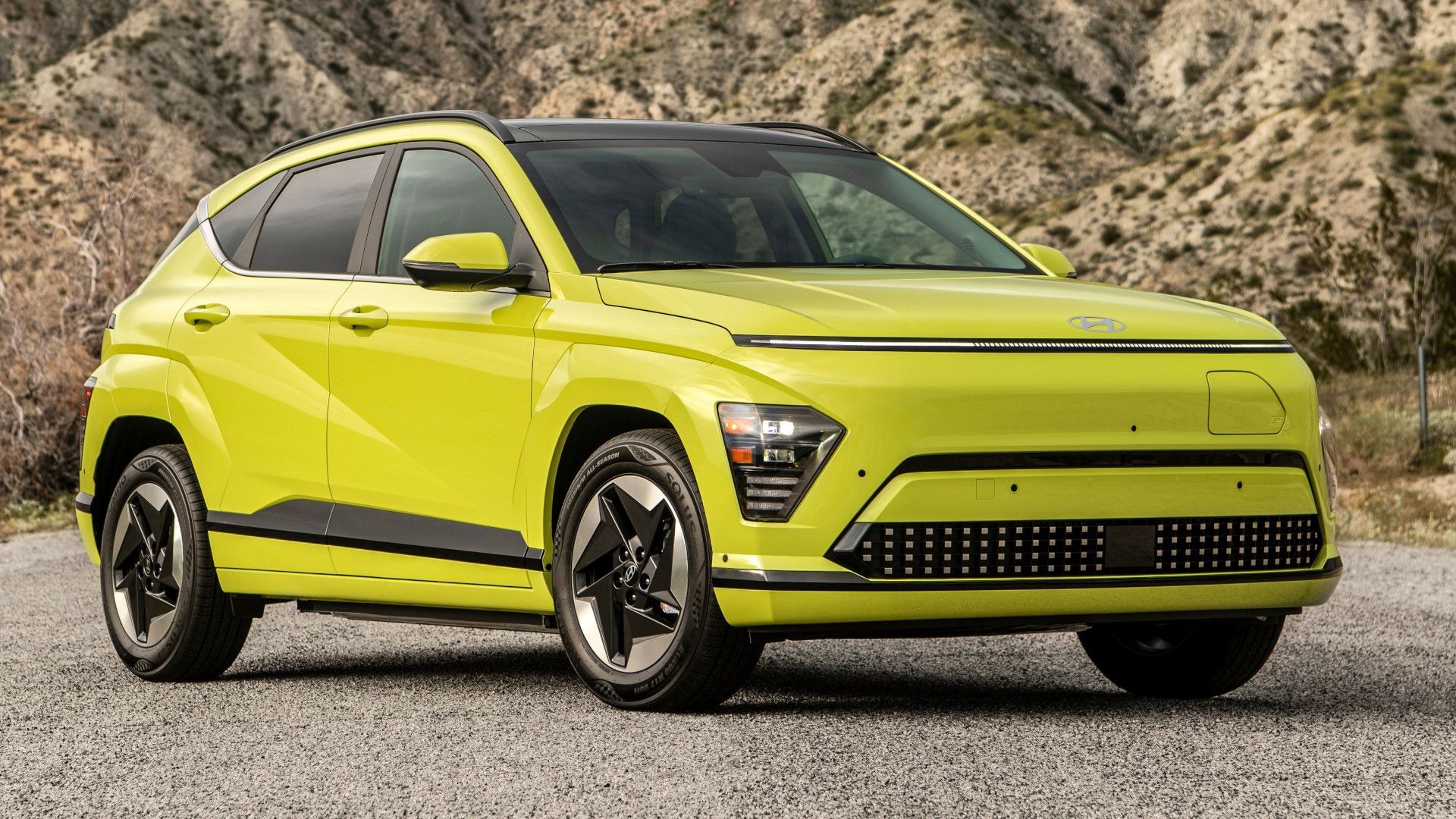
3. Hyundai Kona Electric
The Hyundai Kona Electric has good range and pricing, which makes it popular among drivers looking for an affordable EV. But when it comes to how the car feels inside or on the road, it leans more toward practical than personal. From the seats to the way it drives, the Kona Electric gives off a feeling of being functional rather than enjoyable.
The inside of the Kona is neat and organized, but it is filled with plastic materials that look and feel average. Some small soft-touch sections are present, but most surfaces feel hard and basic. The seat material does not stand out, and long trips can become uncomfortable due to the lack of proper support.
The touchscreen works as expected, and it does come with modern connection options. However, the screen size is small and the response time is just okay. The graphics look simple, and the menus are not as polished as those found in more premium models. The center console has many buttons, but the look is more utility-based than stylish.
Driving the Kona Electric is quiet and clean, but not exciting. The steering feels numb, and the car does not respond sharply when taking turns or avoiding potholes. The ride is slightly rough, especially when the road surface is not smooth. This can make the experience less relaxing, especially over long distances.
The car performs well for people who want to get from place to place without surprises. It starts, moves, and stops just fine. But it does not make the driver feel anything special while doing it. The entire feel of the car is more about finishing a task rather than enjoying a drive.
Even though the Kona Electric comes with a good battery and decent tech, it still feels more like a tool. It is a car made to work reliably without causing problems, but it lacks charm. It reminds people of a home device that functions as promised but does not inspire.
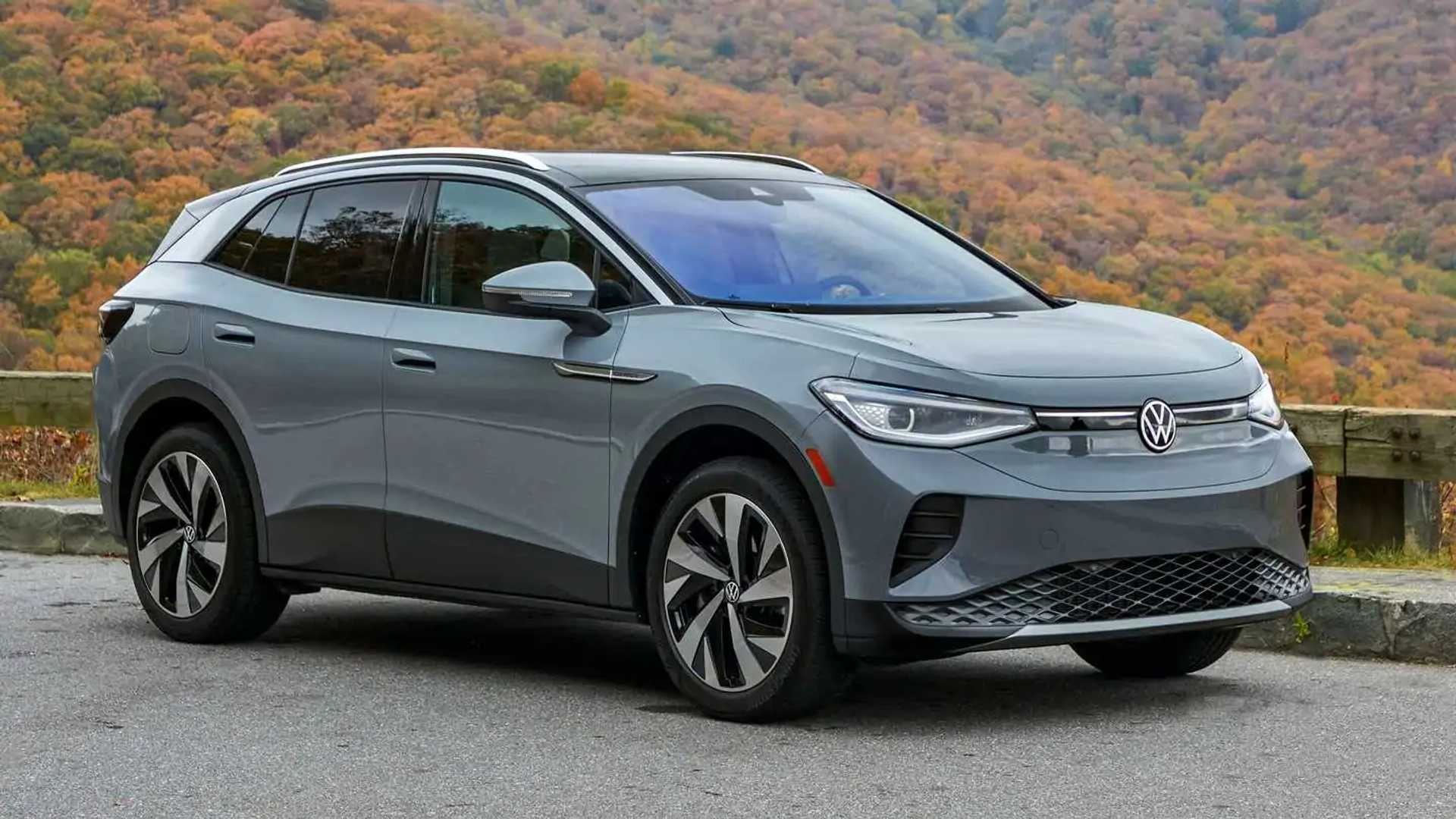
4. Volkswagen ID.4
The Volkswagen ID.4 was expected to offer something modern and stylish, but many drivers have found it to be more practical than polished. From the way the cabin looks to how it behaves on the road, the ID.4 feels like a car made to serve a purpose without trying to impress.
Inside the cabin, the design is clean but very simple. Touch surfaces and materials do not feel rich. Most of the plastic areas are hard, and the colors used are plain. The seats are comfortable enough for everyday trips, but the shape and support feel basic. The fabric used is durable but not soft or upscale.
The main control screen is large, but it is not very easy to use. It sometimes responds slowly, and the menu layout can be confusing. Volkswagen replaced most physical buttons with touch-sensitive ones, which do not always respond the way they should. This choice has frustrated many users who prefer controls they can feel and press confidently.
The driving experience is average. The ID.4 moves smoothly at city speeds, but the steering does not give clear feedback. When driving at higher speeds or on curves, the car feels heavy and less controlled. There is also some road noise that enters the cabin, which reduces the comfort during longer drives.
Although the ID.4 has good range and supports fast charging, the feel of the vehicle is more like a home appliance. It delivers on the promise of electric driving, but it does not offer much in terms of excitement or comfort. Many owners find that it gets the job done, but does not give the sense of enjoyment or detail that more premium models offer.
For people looking for a car that is just practical and quiet, the ID.4 is a strong option. But for those who want a vehicle that feels carefully designed or brings a sense of fun, this one may come across as dull.
Also Read: 5 EVs That Stay Safe and 5 That Get Recall Notices
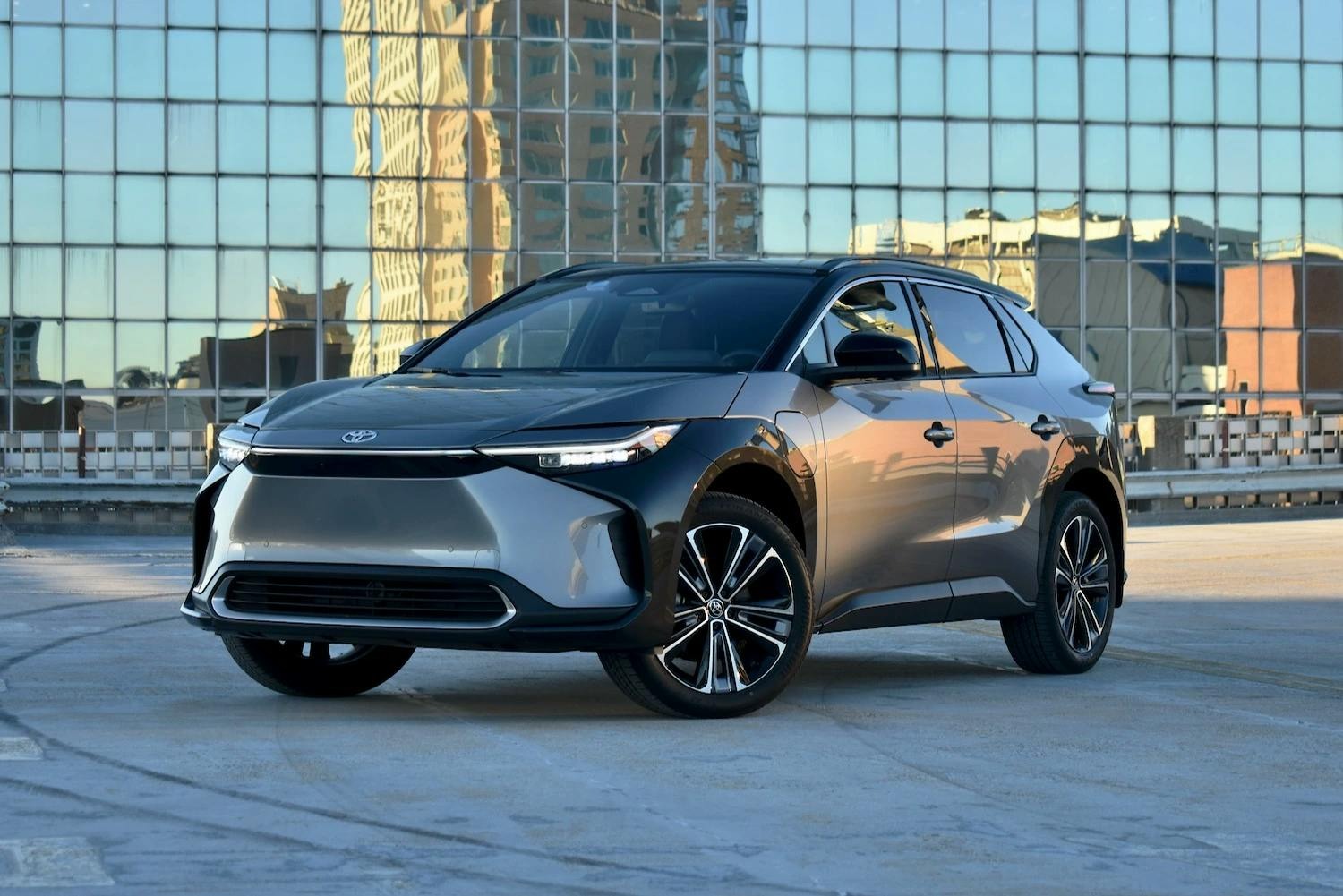
5. Toyota bZ4X
Toyota’s bZ4X shows that the brand is trying to move into the electric space, but this first attempt does not bring the kind of driving or design feel that many expected. The car works as planned, but the inside and the driving feel are both very plain. Many drivers say the car feels more like an appliance than something they want to spend time in.
The interior uses many hard surfaces, and most of the materials look and feel budget-friendly. While the layout is clean, there is little effort made to add comfort or beauty to the space. The seats are wide but do not hold the body firmly, and longer drives can become tiring due to poor support. Colors inside the cabin are safe and predictable, lacking any creativity.
The touchscreen has basic features and a simple layout, but the response is slower than some would expect from a modern electric car. Some menu paths are hidden deep within the system, making it harder to change settings without stopping the car. The rest of the controls also feel like they were made for basic use, without extra thought for the user experience.
When driving the bZ4X, the feeling is smooth but not inspiring. The car is quiet, which is good for daily trips, but it does not offer the kind of power or control that makes a drive enjoyable. Steering is soft, and there is no excitement when changing direction or picking up speed.
Charging works well enough, but there is nothing special about the process. The port is standard, and the car accepts a decent rate, but there are no advanced features or extra controls that help guide the session.
The bZ4X is fine for drivers who care mostly about reliability and basic electric driving. But for those who want a little more personality or comfort, this vehicle does not deliver. It does what it is meant to do, but feels empty when it comes to style or presence.
