
Ford has long been associated with rugged trucks and SUVs, many of which are marketed for their off-road capabilities. However, not all Fords are built to handle mud, rocks, and deep ruts. Some models are perfectly at home off the beaten path, while others are far better suited for highway cruising and daily commutes.
For U.S. buyers considering a Ford vehicle and debating off-road readiness, here’s a look at five that thrive off-road and five that should stay on pavement.
Fords That Survive Off-Road Life
When the pavement ends, not every vehicle is built to keep going. From rocky mountain passes to mud-choked trails, certain Fords don’t just survive the off-road, they thrive in it.
These machines are more than daily drivers; they’re battle-tested, trail-hardened, and engineered to handle what most vehicles can’t. If you’re looking for Fords that laugh in the face of rough terrain, you’re in the right place.
1. Ford Bronco (2021–Present)
The revived Ford Bronco was engineered specifically for off-road adventures.
Offered with multiple 4×4 systems, optional locking front and rear differentials, a disconnecting sway bar, and massive tire options, the Bronco rivals the Jeep Wrangler for off-road supremacy.
The 2021 Ford Bronco is a serious contender in the off-road SUV segment, delivering outstanding all-terrain performance with only minor compromises when it comes to driving on pavement.
Its drawbacks include underwhelming fuel efficiency, noticeable wind noise at highway speeds, long braking distances, and some interior materials that feel a bit cheap.
Still, the Bronco proves to be a joy to drive and a practical everyday vehicle. With its distinct styling, purpose-built drive modes, and the wide availability of off-road packages, it stands out as the top choice for many buyers in its class.
Like Hollywood reboots, Ford isn’t shy about bringing back old favorites. The 2021 Ford Bronco marks the return of a legendary nameplate and reintroduces it as a rugged, go-anywhere SUV.
After more than two decades off the market, this iconic 4×4 makes a strong comeback, channeling the bold character of the original 1966 model.
With impressive off-road chops, modern tech features, and loads of customization options, the new Bronco stands as a serious challenger to off-road veterans like the Jeep Wrangler, Toyota 4Runner, and Land Rover Defender.
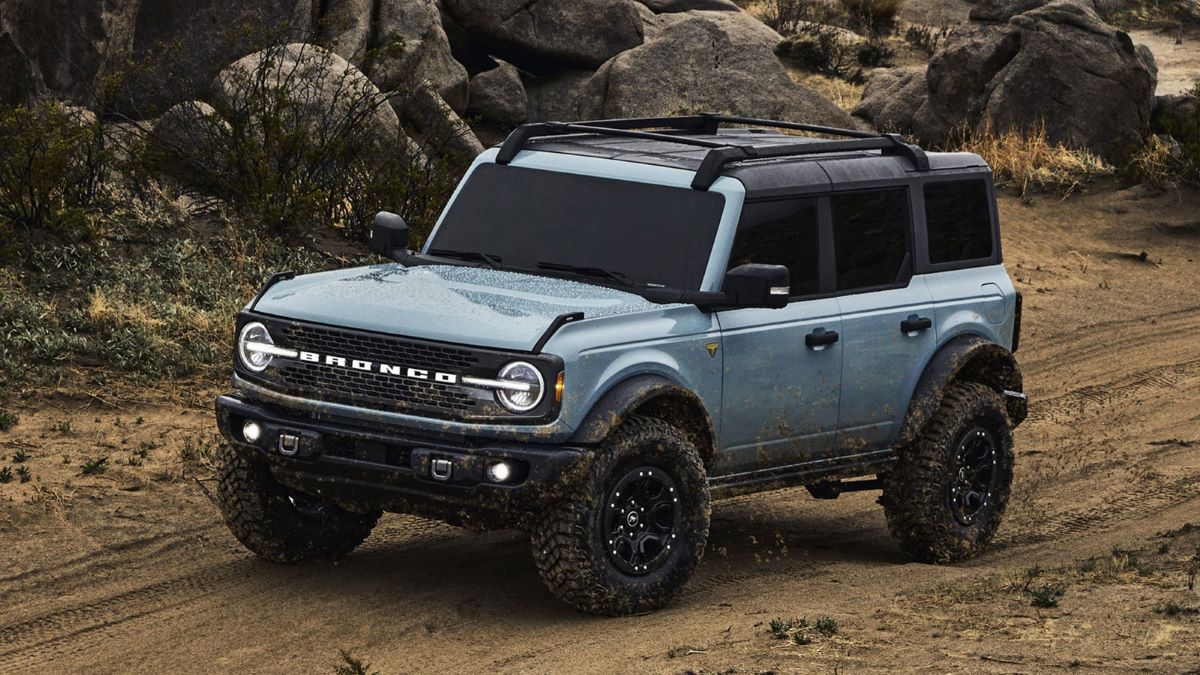
Models like the Wildtrak and Badlands trims come ready to conquer rocky trails and desert runs straight from the factory, and the Sasquatch Package ups the ante even further with 35-inch tires and Bilstein shocks.
In the U.S., the Bronco has become a go-to for weekend overlanders and off-road enthusiasts alike.
Also Read: 10 Cars That Americans Will Never Stop Buying
2. Ford F-150 Raptor
The F-150 Raptor is not just a high-performance truck; it’s an off-road monster.
With long-travel Fox Live Valve shocks, 4WD, terrain management systems, and an aggressive suspension setup, it’s designed for high-speed desert running and serious trail work.
Its wide body, high ground clearance, and powerful twin-turbo V6 (or supercharged V8 in the Raptor R) give it excellent capability in sand, snow, and rock.
It’s a favorite in regions like the American Southwest where off-road terrain is plentiful.
After a busy 2024 refresh that brought updated styling, new Fox Dual Live Valve shocks, wider front tow hooks, and redesigned headlamps, the 2025 Ford F-150 Raptor returns with no major changes.
Ford continues to offer the F-150 Raptor exclusively in a crew-cab configuration, known as the SuperCrew in Ford terminology. When deciding between the standard twin-turbo V6 Raptor and the high-powered V8 Raptor R, it really depends on your priorities.
On paper, the Raptor R carries a roughly 40% higher base price compared to the regular Raptor but it also delivers about 55% more horsepower.
If what you want is jaw-dropping acceleration and top-tier performance, then the Raptor R is the obvious choice.
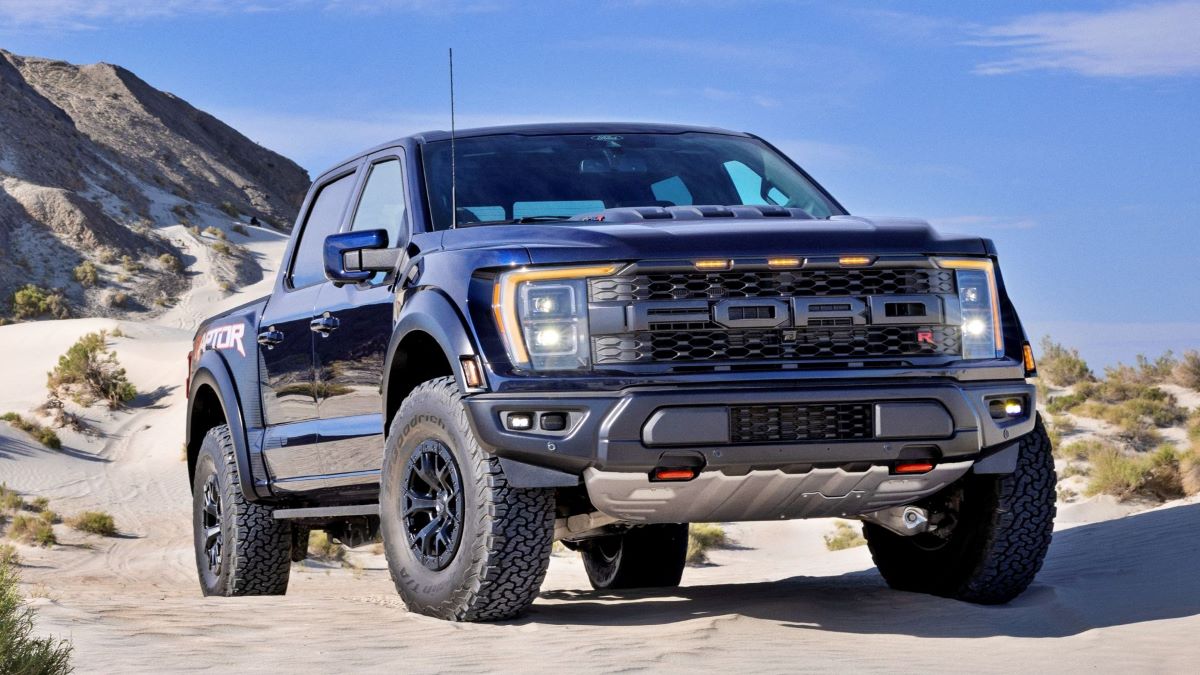
Beyond raw power, it also comes with exclusive Raptor R graphics, appliques, and badging, and it unlocks optional upgrades like the Raptor Carbon Fiber package. And let’s be honest: the fierce, supercharged V8 roar is worth the price of admission alone.
3. Ford Ranger Tremor
While the standard Ford Ranger is more road-oriented, the Tremor off-road package transforms it into a serious trail machine.
This version includes skid plates, off-road tuned suspension, 32-inch all-terrain tires, and a terrain management system.
The Ford Ranger Tremor offers a relatively affordable way to get into a factory-built off-road-ready Ranger. From the compact Maverick to the heavy-duty Super Duty, Ford has given nearly every truck in its lineup the Tremor treatment, and the results have consistently delivered both in looks and off-road performance.
To clarify: there is a 2024 Ford Ranger Raptor, but there’s been no official confirmation yet of a new-generation 2024 Ranger Tremor.
We think there will be, Ford sells the heck out of these, and there’s even a Tremor version available overseas. But given that the U.S. market is only just now getting its first Ranger Raptor, it’s hard to say how that introduction will affect Ford’s positioning of the Tremor model.
That said, it would be genuinely surprising if Ford pulled the plug on the Ranger Tremor altogether. The coexistence of the F-150 Raptor and F-150 Tremor models suggests there’s room for both versions in the Ranger lineup too.
The original version of the document reportedly referenced the Tremor model and a 2.7-liter twin-turbocharged V6.
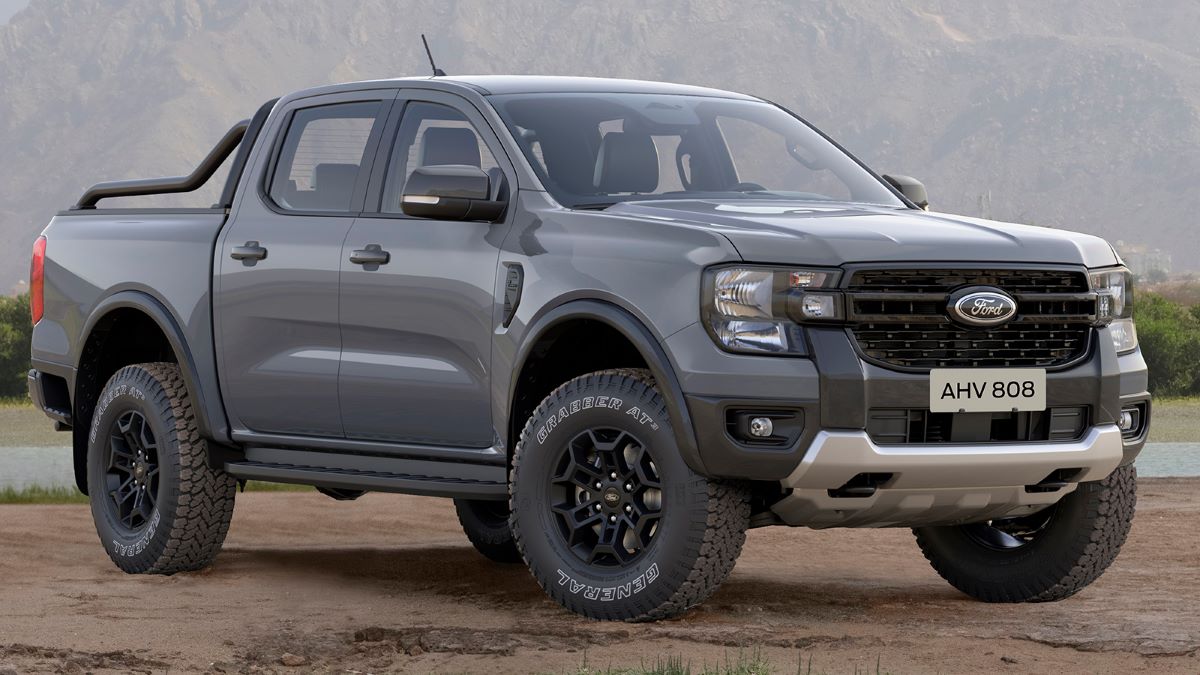
It’s smaller than the F-150, making it more nimble on tight trails, and is a good fit for those who want a midsize truck that’s ready to tackle moderate off-roading without breaking the bank.
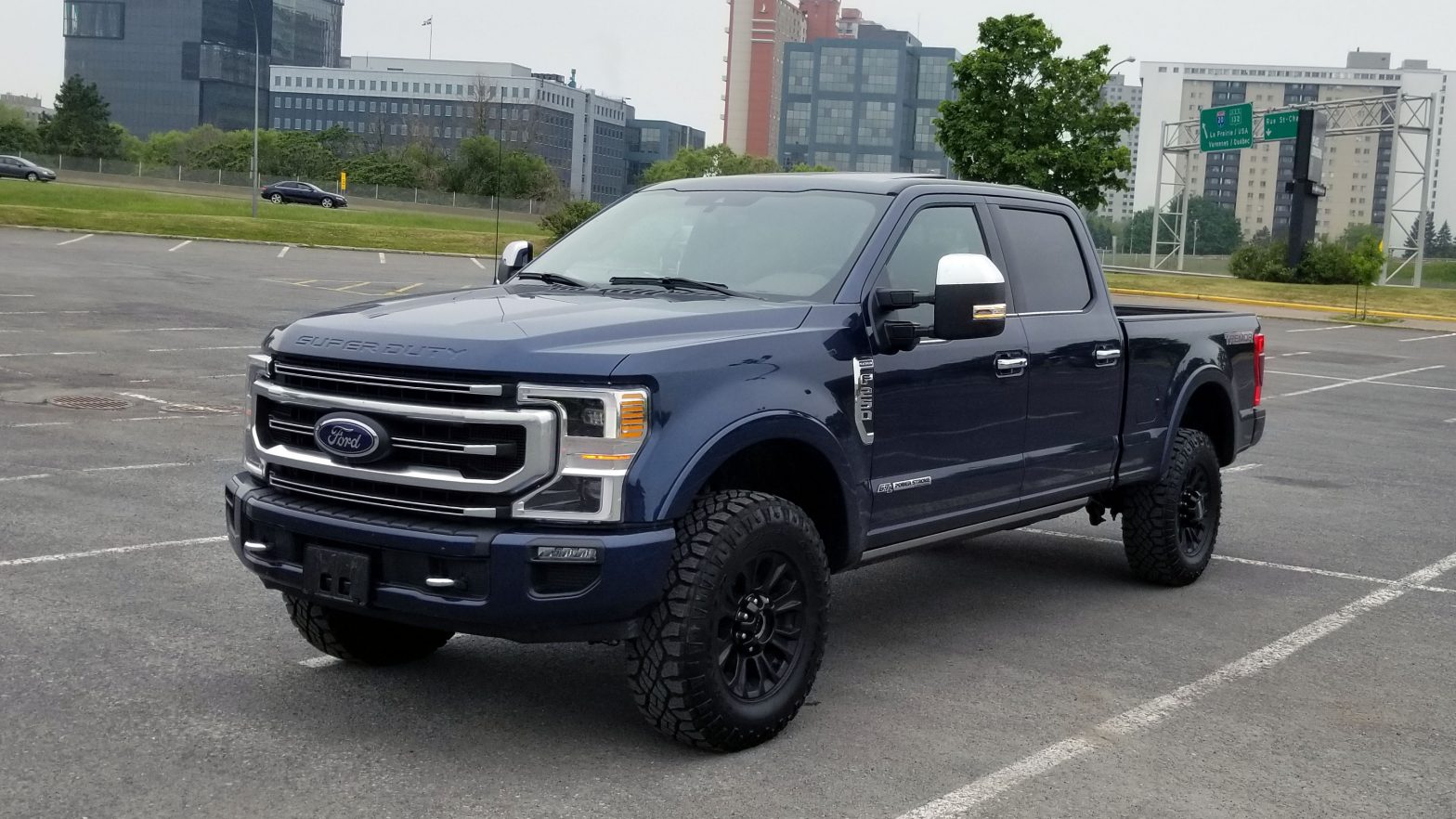
4. Ford Super Duty Tremor (F-250/F-350)
The heavy-duty Ford Super Duty Tremor blends work-truck power with genuine off-road chops.
With 35-inch tires, a factory lift, trail control, and an optional 6.7L Power Stroke diesel or 7.3L V8 gas engine, it can muscle through tough terrain while hauling a trailer or work gear.
It’s designed for serious off-road utility rather than play, making it ideal for rural or jobsite use where trails aren’t just fun they’re part of the job.
To get it, you’ll need to order the truck with either the burly 7.3L “Godzilla” gas engine or the updated 6.7L diesel, but for just under four grand, it’s a seriously compelling factory upgrade.
The TREMOR package includes a full suite of off-road gear: 35-inch Goodyear Wrangler tires (LT285/75R18E AT), low-gloss black 18-inch wheels, skid plates, off-road-tuned suspension front and rear, custom 1.7-inch twin-tube dampers, and Selectable Rock Crawl and Trail Control modes. You also get a comfortable 8-way power driver’s seat.
The idea is simple: instead of buying a brand-new truck and immediately swapping parts for aftermarket components, the TREMOR package gives you a go-anywhere setup right off the showroom floor.
It’s built to crawl rocks and wade rivers the moment you drive it off the lot, and you don’t lose peace of mind doing it, because everything in the package is covered under Ford’s 3-year / 36,000-mile bumper-to-bumper warranty.
Much like the power packages offered on the Mustang GT, this off-road setup delivers serious value, and saves serious time, for buyers who want a factory-warrantied monster truck without the hassle of custom builds.
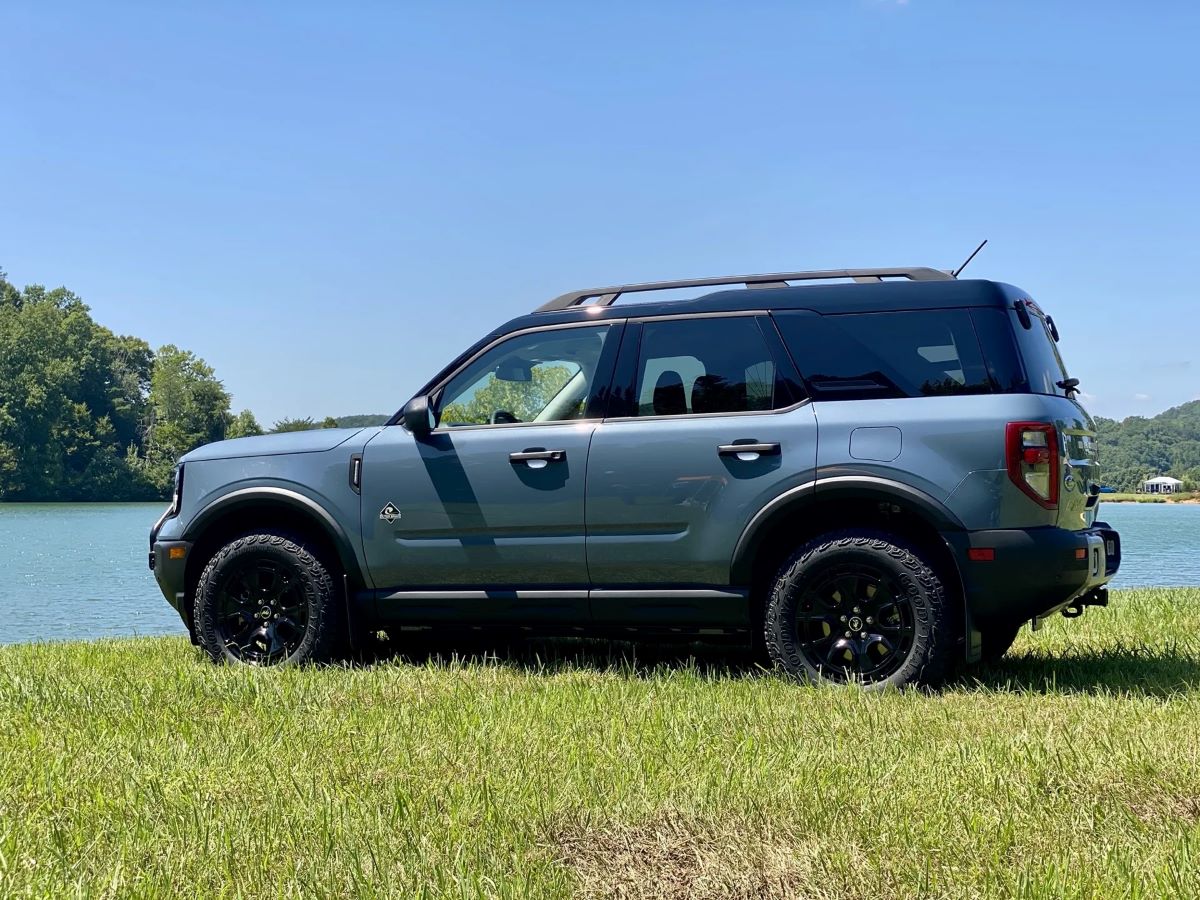
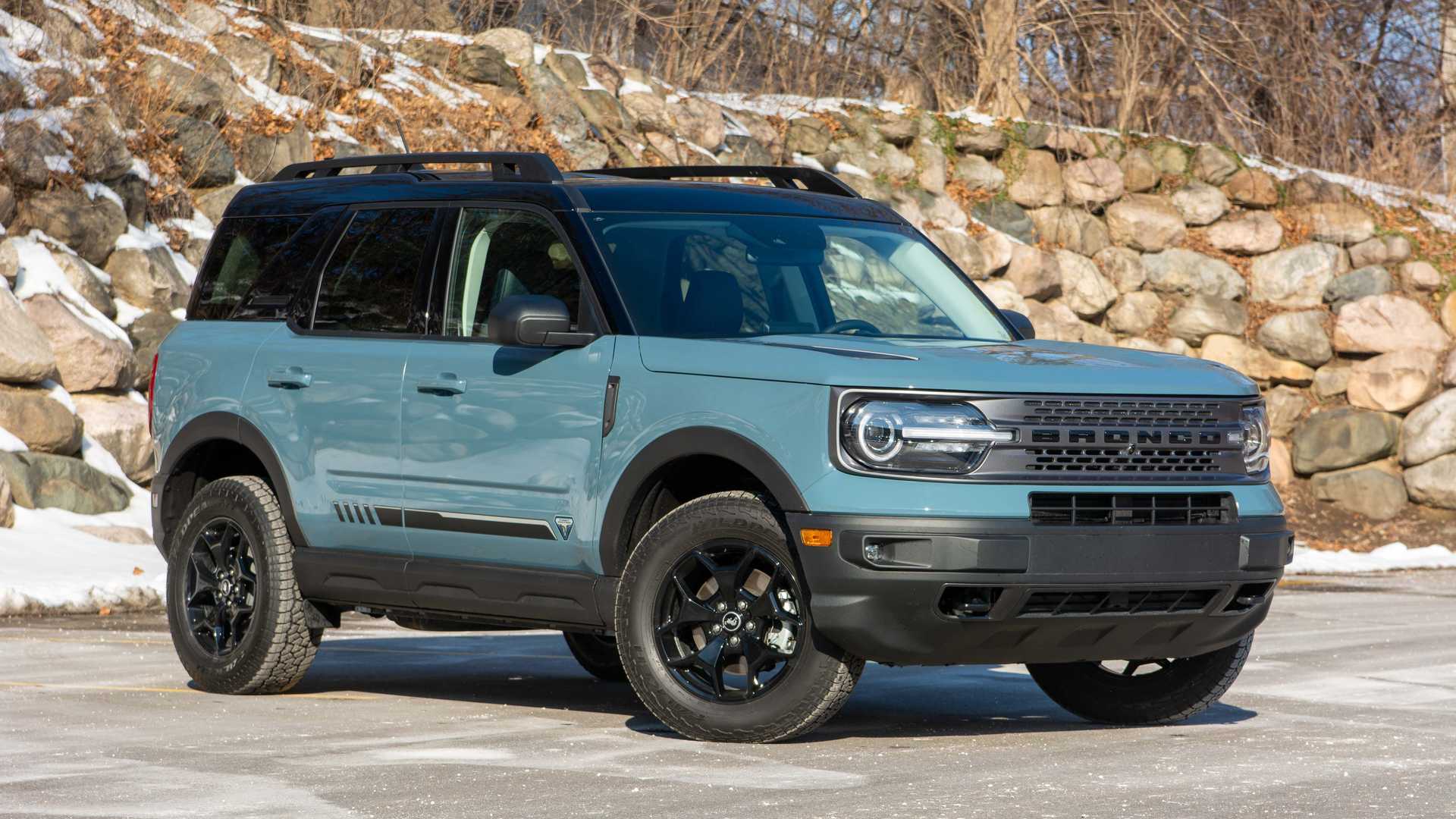
5. Ford Bronco Sport Badlands
While not as hardcore as its big brother, the Bronco Sport Badlands trim punches above its weight.
It features a twin-clutch rear drive unit that simulates a locking differential, specialized off-road suspension, and the same G.O.A.T. Modes found in the larger Bronco.
Also standard on the Badlands are skid plates protecting the powertrain and fuel tank, a low-speed off-road cruise control system (usable up to 20 mph), a front-facing camera, front tow hooks, steering-wheel-mounted paddle shifters, and 28.5-inch all-terrain tires.
The stock rubber comes in the form of Pirelli Scorpion A/Ts, though the test vehicle in question was equipped with optional 235/65R-17 Falken WildPeaks, a $495 upgrade. These tires are slightly wider and half an inch taller than stock, with a noticeably more aggressive tread.
Their chunky appearance fills out the wheel wells nicely, mounted on 17-inch wheels designed to resemble classic steelies, though they’re actually aluminum.
According to a Ford engineer, owners can size up to 30.5-inch tires without any clearance issues, but anything larger, like 31s, will require a suspension lift to fit properly.
It’s surprisingly capable for its size and price, making it a solid option for weekend dirt-road exploration, national parks, or camping trips in regions like the Rockies or Appalachians.
Fords That Should Stay on Pavement
Not every Ford is cut out for mud, boulders, and backcountry abuse, and that’s okay. Some are built for the smooth, civilized world of asphalt, where comfort, fuel efficiency, and street manners matter more than ground clearance or skid plates.
These are the Fords that prefer the suburbs over the summit, the commute over the climb. If you’re thinking about taking them off-road, don’t. Here’s a look at the Blue Ovals that are better left on the pavement where they belong.
1. Ford Mustang (All Trims)
While the Mustang is an American icon, it’s entirely pavement-focused. With rear-wheel drive, low ground clearance, and stiff suspension, it’s built for performance driving on smooth surfaces not trail duty.
The 2024 Mustang EcoBoost Fastback features a sleek, fixed roof and is powered by Ford’s 2.3-liter turbocharged EcoBoost inline-four engine. Unlike previous years, the manual transmission is no longer available; a ten-speed automatic is now the only transmission option for this model.
Despite the streamlined drivetrain choices, the EcoBoost Fastback comes well-equipped with a generous list of standard features.
These include Sync 4 with a 13.2-inch Centerstack Touchscreen, Ford Co-Pilot360 with lane-keeping assist, automatic high-beam headlights, and pre-collision assist with emergency braking, a 6-speaker sound system, a 3.15 rear axle ratio with a limited-slip differential, and of course, the 10-speed automatic transmission.
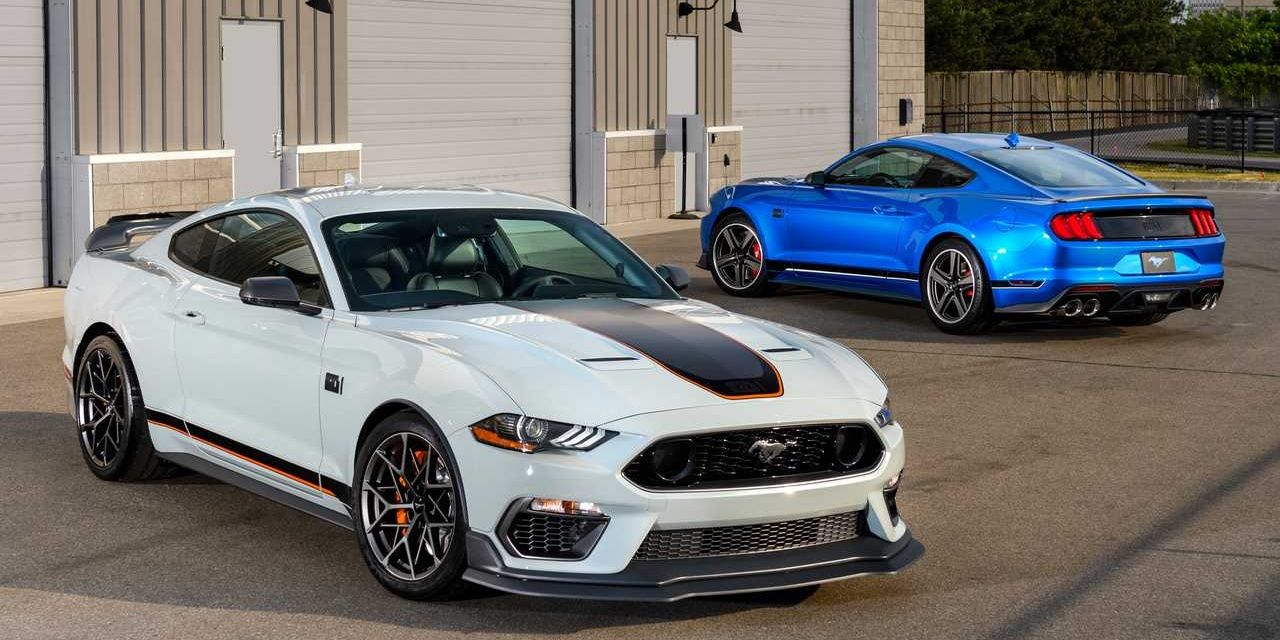
Taking a Mustang off-road, even on gravel, risks underbody damage and compromised control. It shines on highways, twisty backroads, and drag strips, not dirt paths or forest roads.
Also Read: 5 BMWs That Survive Winters vs 5 That Can’t Handle Snow
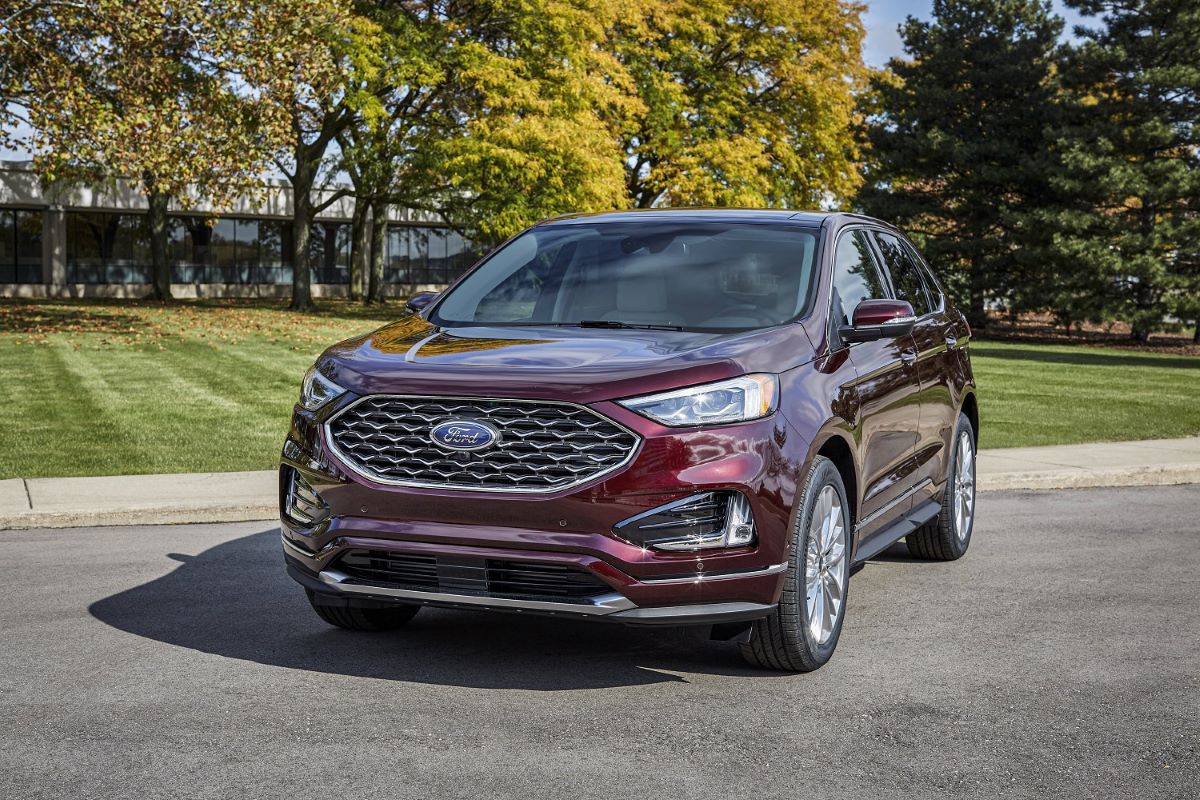
2. Ford Edge
The Edge is a mid-size crossover that leans heavily toward on-road comfort and urban utility.
While all-wheel-drive versions can handle snow or gravel roads, it lacks the ground clearance, approach angles, and underbody protection needed for real off-roading.
It’s a solid family car or commuter SUV, best left to paved roads and occasional light trail parking lots.
The 2024 Ford Edge sits in the mid-size SUV category, but unlike its larger sibling, the Explorer, it skips the third row in favor of a two-row layout that emphasizes comfort and spaciousness.
Inside, the cabin is straightforward yet well-equipped, offering a roomy trunk and solid performance from its standard four-cylinder engine. The Edge also benefits from a sharp, attractive exterior design.
However, having remained largely unchanged since its 2019 refresh, it’s beginning to feel dated when compared to fresher rivals like the Hyundai Santa Fe, Honda Passport, and Jeep Grand Cherokee.
That challenge is compounded by the Edge’s starting price, which actually exceeds that of several well-regarded three-row SUVs such as the Kia Telluride and Hyundai Palisade.
For those seeking more power, the Edge does offer a sporty ST trim, which boasts a 335-horsepower twin-turbo V6 and adds a more athletic edge to the driving experience.
Still, with a price tag that lands it in the same territory as the Lincoln Nautilus, Ford’s more luxurious corporate cousin, the ST can be a tough sell, especially considering the Nautilus delivers more power, a more upscale design, and a significantly more refined cabin.
As for what’s new in 2024, the Edge returns with almost no physical changes. The only updates involve extended access to subscription-based features.
Built-in navigation is now complimentary for three years instead of one, and Ford’s streaming service is free for a full year, an upgrade from the previous 30-day trial period.
3. Ford Fusion (Discontinued)
Though now discontinued, the Ford Fusion remains common on U.S. roads. As a mid-size sedan, it’s built purely for road driving.
he current-generation Ford Fusion has been on the market for nearly a decade, debuting back in 2013. Now, with the 2020 model year, it may be nearing the end of its road.
Ford has officially announced plans to move away from passenger cars, focusing instead on building only trucks and SUVs in the future. That decision places sedans like the Fusion on the path to extinction. However, that doesn’t mean the 2020 Fusion is a throwaway model lacking in value.
Despite its age and the fact that it’s on the verge of being discontinued, the Fusion remains a compelling choice in the midsize sedan segment. For 2020, the model drops the turbocharged V6 Sport trim from its lineup, but still offers a pair of turbocharged engines: a 1.5-liter and a more powerful 2.0-liter.
Both deliver respectable performance, and all-wheel drive is still available on certain trims. Standard safety features include blind-spot monitoring, lane-keeping assist, and forward collision mitigation, helping the Fusion hold its own in a tech-focused market.
Behind the wheel, the Fusion impresses with its quiet and spacious interior, as well as a balanced ride that offers both comfort and handling poise. The trunk is also generous in size, making it a practical choice for daily driving or road trips.
That said, shoppers should consider checking out some key rivals. The Honda Accord and Mazda 6 offer a more refined and engaging drive, while the Hyundai Sonata and Kia Optima tend to deliver stronger value at similar price points.
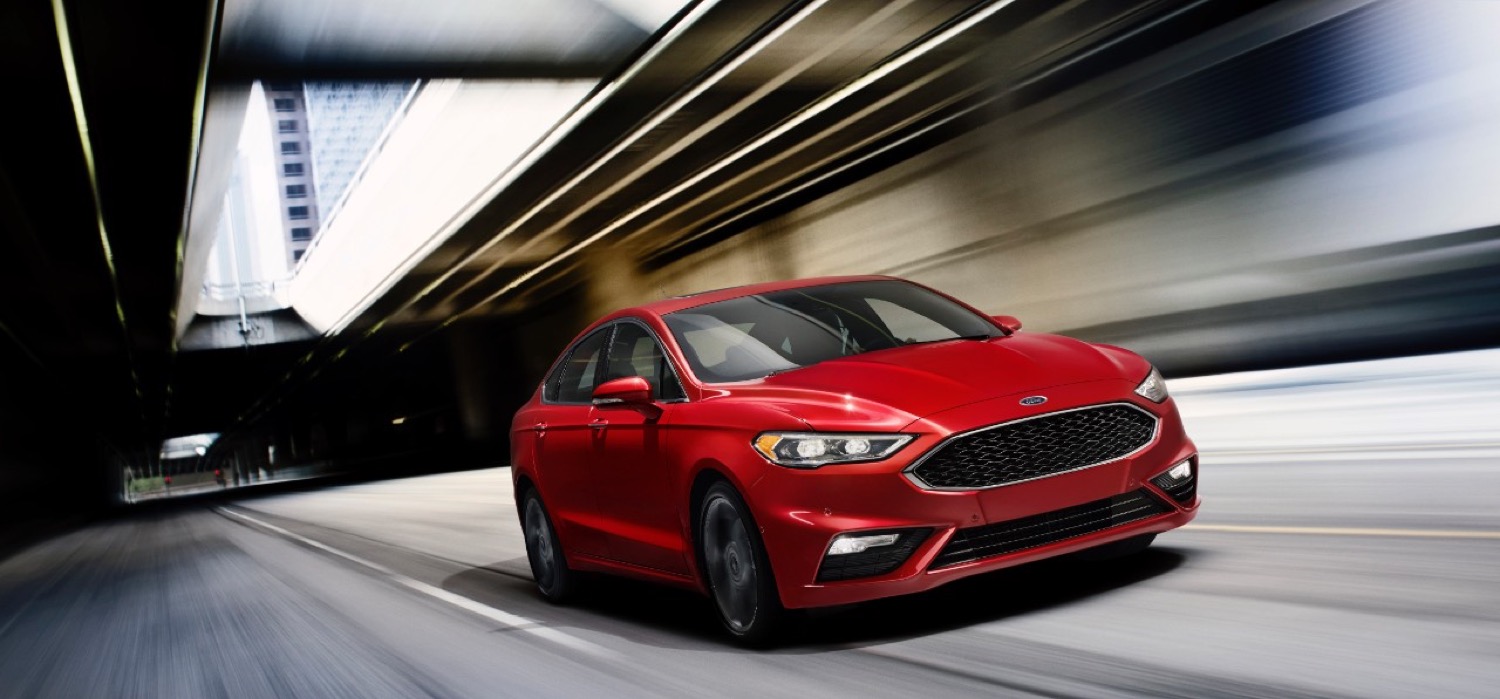
Even though some AWD versions were sold, they were intended for wet or snowy conditions, not trail use. A Fusion on anything more rugged than a gravel road risks scraping its low bumper and getting stuck quickly.
4. Ford Escape
The Ford Escape is another crossover that’s designed for comfort and fuel economy, not trail-busting.
Ford introduced the current, fourth-generation Escape for the 2020 model year, and by 2022, the only notable changes were a few new color options, all in shades of blue.
The fresh additions include Atlas Blue Metallic, Flight Blue Metallic, and Iced Blue Metallic. Alongside the conventional gas-powered version, the Escape is also available as a hybrid and a plug-in hybrid, offering buyers more flexibility in how they want to drive.
Positioned in the highly competitive compact SUV segment, the Escape goes up against long-standing rivals like the Toyota RAV4, Honda CR-V, and Nissan Rogue.
In such a crowded class, the Escape still manages to carve out a bit of identity. Ford’s available 2.0-liter turbocharged four-cylinder engine delivers strong acceleration and helps the Escape feel peppy and responsive.
On the flip side, the standard turbocharged three-cylinder struggles with refinement and doesn’t feel as polished.
Still, no matter which engine you choose, the Escape feels light on its feet when driven with enthusiasm. Ride quality is generally comfortable, though large bumps can send noticeable vibrations through the body.
Inside, the cabin offers decent space, but it’s hard for the Escape to compete with the smart packaging of top-tier competitors like the Honda CR-V. That said, Ford scores points with its sliding second-row bench seat, which allows for flexible adjustments between rear legroom and cargo space.
The Sync 3 infotainment system is user-friendly and responsive, although it’s starting to show its age, an upgrade to Sync 4 would be a welcome improvement.
Despite the practicality and capable dynamics, the Escape stumbles in areas of interior quality. There’s an overuse of hard plastics, and the seats feel underpadded and lacking in support, which hurts long-distance comfort.
Overall, the Escape remains a solid, functional choice in the compact SUV segment, but many of its competitors offer more refinement and a higher-quality feel. If you’re set on buying an Escape, we recommend going with the hybrid, which offers better efficiency and makes the most of the platform’s strengths.
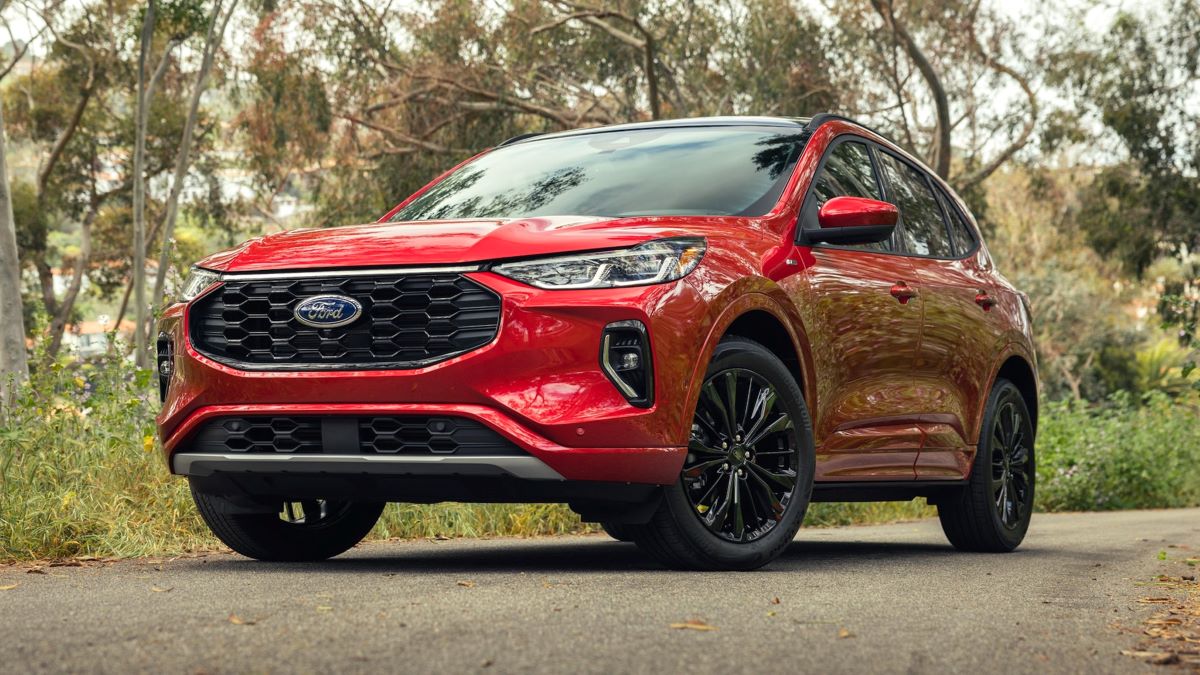
While modern Escapes offer AWD and drive modes for slippery roads, their soft suspension, modest clearance, and limited off-road features mean they’re best kept to city roads, highways, and occasional dirt driveways. Even “rugged” trims lack true off-road hardware.
5. Ford Explorer (Base and Street-Oriented Trims)
The Explorer has off-road-ready trims like the Timberline, but most Explorers especially the base and street-oriented trims like the ST are optimized for on-road performance.
The 2025 Ford Explorer SUV continues its role as a suburban family shuttle with a few minor cosmetic updates and some new tech to keep things fresh. The lineup has been culled, with the Base, Limited, King Ranch, and Timberline trims exiled.
The Explorer’s strong point is its family-friendly interior and third-row functionality. While that back row is not as comfortable as in some rivals, just knowing that it’s there for when you need it buys some peace of mind. Fold it down, and it reveals a reasonable amount of cargo space.
The 2025 Explorer is the first Ford to implement the Ford Digital Experience, a fancy name for its new software system that is designed to easily integrate a user’s favorite apps and provide native streaming and internet browsing while parked.
With the mid-level Limited model gone for 2025, we think the ST-Line makes the most sense. It has the sporty cosmetic features of the ST and keeps the standard 300-hp turbo four-cylinder, but it’s also nearly $11K less expensive.
It also rolls on standard 20-inch painted alloy wheels (the Active has 18s), tows the same 5000 pounds as the V-6-equipped Explorers, and opens the door to the optional BlueCruise and black painted roof, which aren’t available on the base Active.
It also includes a 12-speaker Bang & Olufsen audio system, a flat-bottom ST steering wheel, heated second-row seats, and power folding mirrors. We’d also add all-wheel drive for $2000.
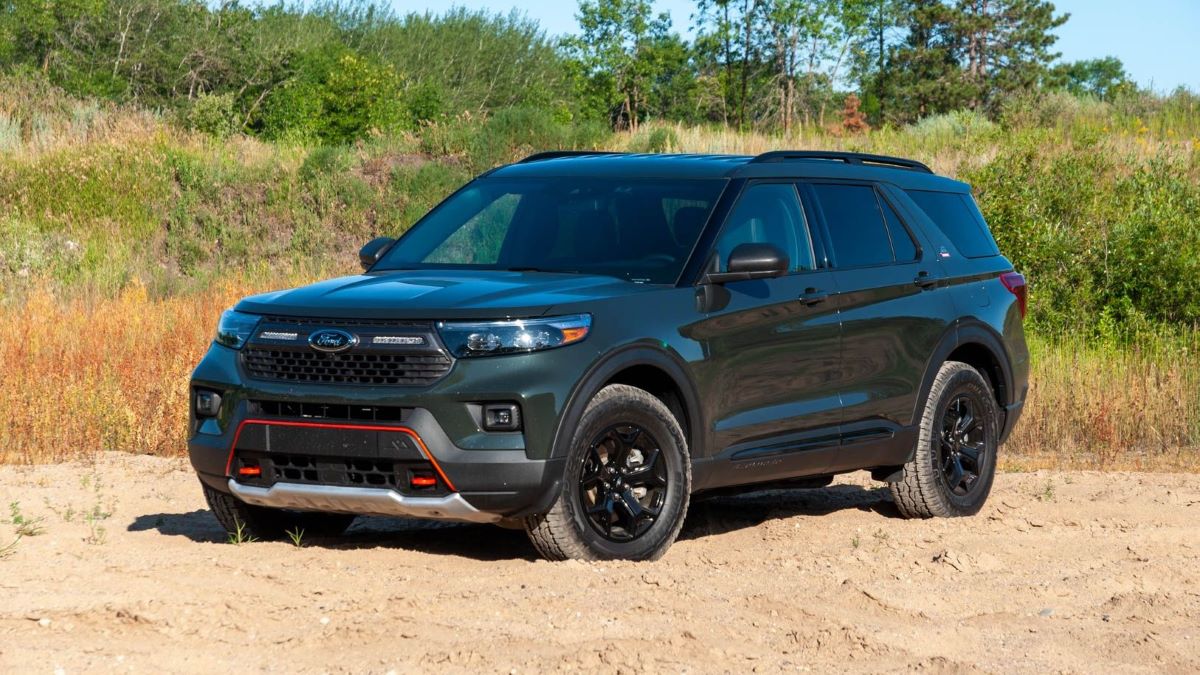
With their large wheels, low-profile tires, and stiff suspension tuning, these variants aren’t equipped to deal with rocky or muddy environments. They’re great for suburban life and road trips but lack the chops for real off-road use.
Ford offers a broad range of vehicles for American buyers, from trail-rated Broncos and Raptors to urban-friendly Escapes and Mustangs.
Knowing the difference between a model designed for dirt and one meant for asphalt is critical not just for performance, but also to avoid costly repairs.
Whether you’re planning weekend trail runs in Utah or just need a reliable daily driver in Chicago, choosing the right Ford for your lifestyle makes all the difference.
