
The evolution of the U.S. auto industry is filled with innovation, but only a handful of vehicles have truly redefined what Americans drive and how they drive it. These ten iconic cars didn’t just perform well, they reshaped industries, set safety standards, revolutionized manufacturing, and created entire new segments.
From the invention of the SUV to electric car breakthroughs and turbocharged engines, these machines marked critical shifts in U.S. transportation.
Their influence extends far beyond the showroom floor, affecting culture, economics, and infrastructure. Let’s explore the ten most influential cars that left a permanent mark on America’s roads and lifestyle.
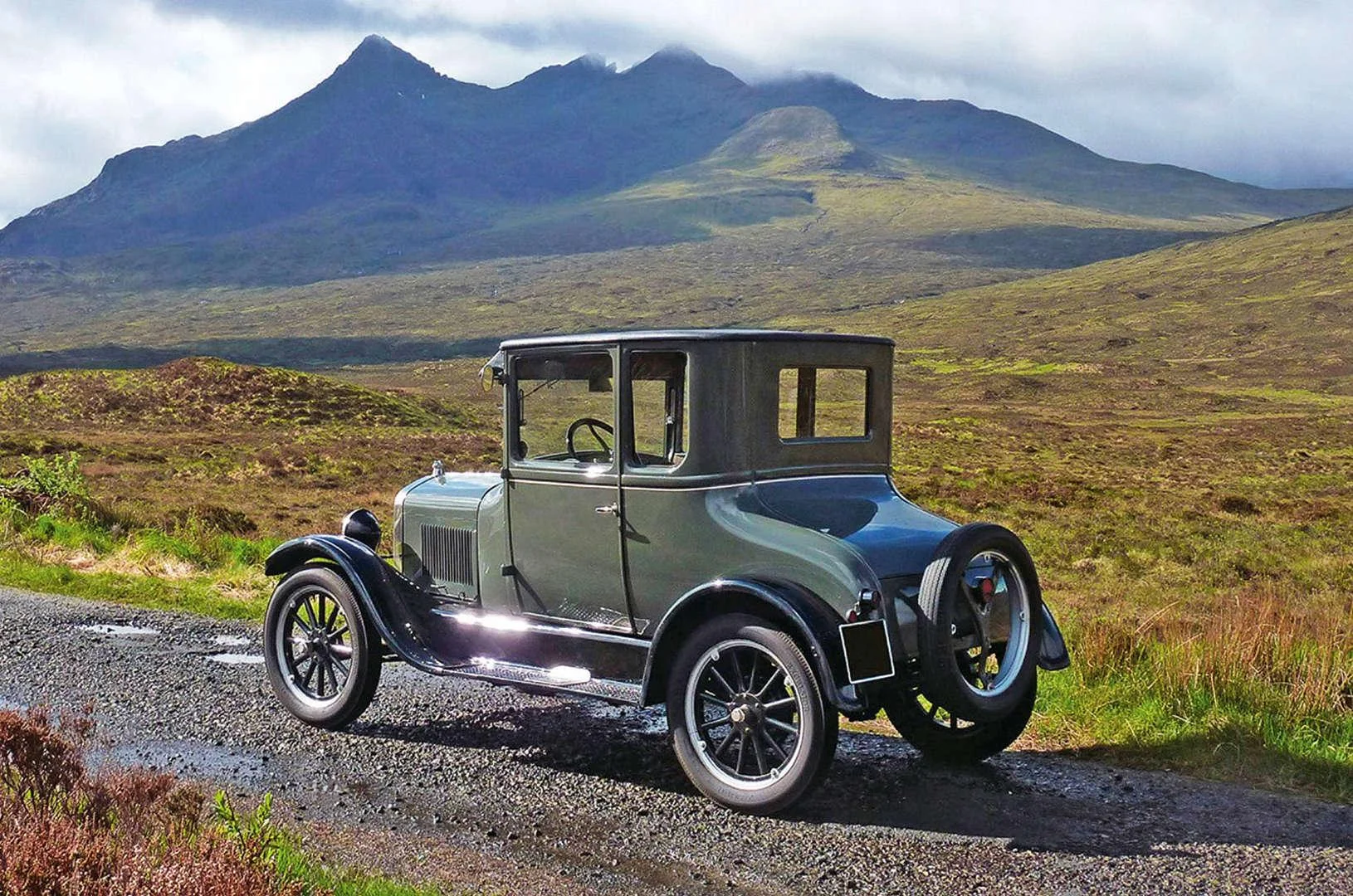
1. Ford Model T (1908): The People’s Car
No car has had a bigger impact on American mobility than the Ford Model T. Debuting in 1908, it was the first vehicle built using assembly line production, drastically cutting production time and cost. This innovation made car ownership possible for average Americans, dropping the price to just $250, around $4,700 in today’s money.
By the 1920s, half of all cars on Earth were Model Ts. Its affordability, simplicity, and durability revolutionized transportation and manufacturing. Henry Ford’s system became the blueprint for mass production across multiple industries. It remains one of the most influential vehicles ever built.
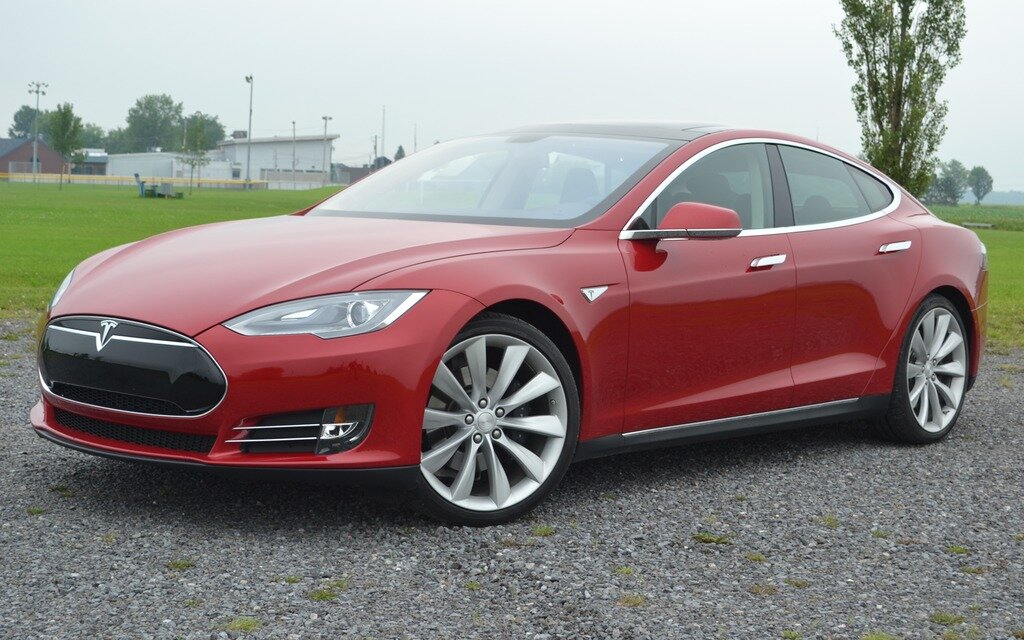
2. Tesla Model S (2013): Electric Becomes Everyday
Before the Tesla Model S, electric vehicles were dismissed as impractical novelties. Most could barely cover 100 miles per charge. The Model S changed that, offering a sleek design, luxury features, and a usable 250-mile range. This made EVs a real choice for daily driving in the U.S., even if charging speeds were still improving.
It proved that electric cars could be fast, stylish, and functional. The Model S reshaped public perception of EVs and forced the auto industry to accelerate electric development. Today’s EV market boom wouldn’t exist without Tesla’s bold redefinition of what an electric car could be.
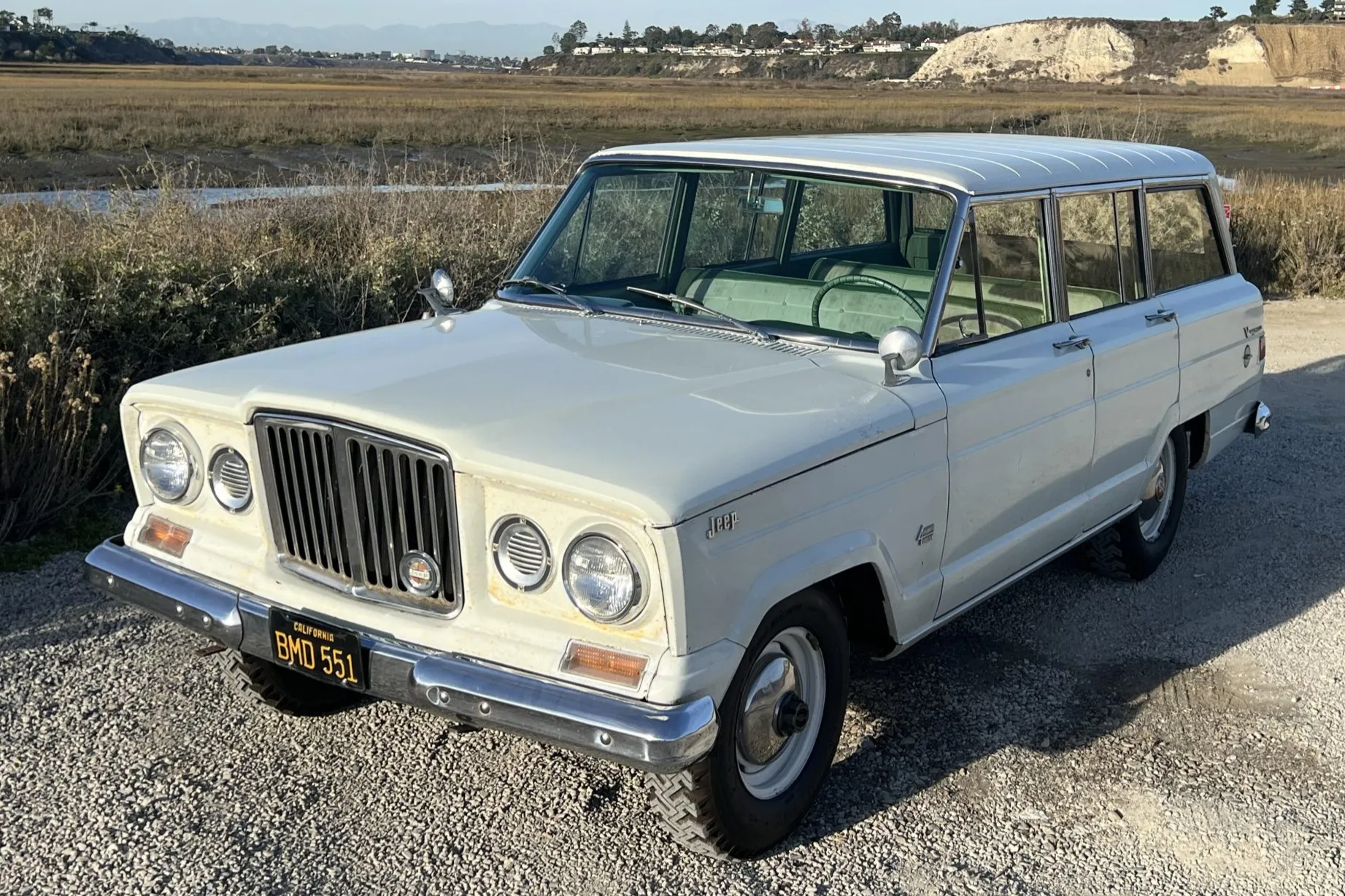
3. Jeep Wagoneer (1963): America’s First SUV
The 1963 Jeep Wagoneer was the vehicle that launched the sport utility vehicle (SUV) craze in the United States. Unlike its off-road predecessors, the Wagoneer combined rugged 4×4 capability with on-road comfort and family-friendly features.
Its 3.8-liter inline-six delivered 140 horsepower and 215 lb-ft of torque, making it capable both on pavement and dirt trails. With a refined ride and spacious cabin, it was decades ahead of its time.
The SUV has since evolved into the dominant vehicle type in America, but it all started with this game-changing model. The Wagoneer defined versatility long before it became mainstream.
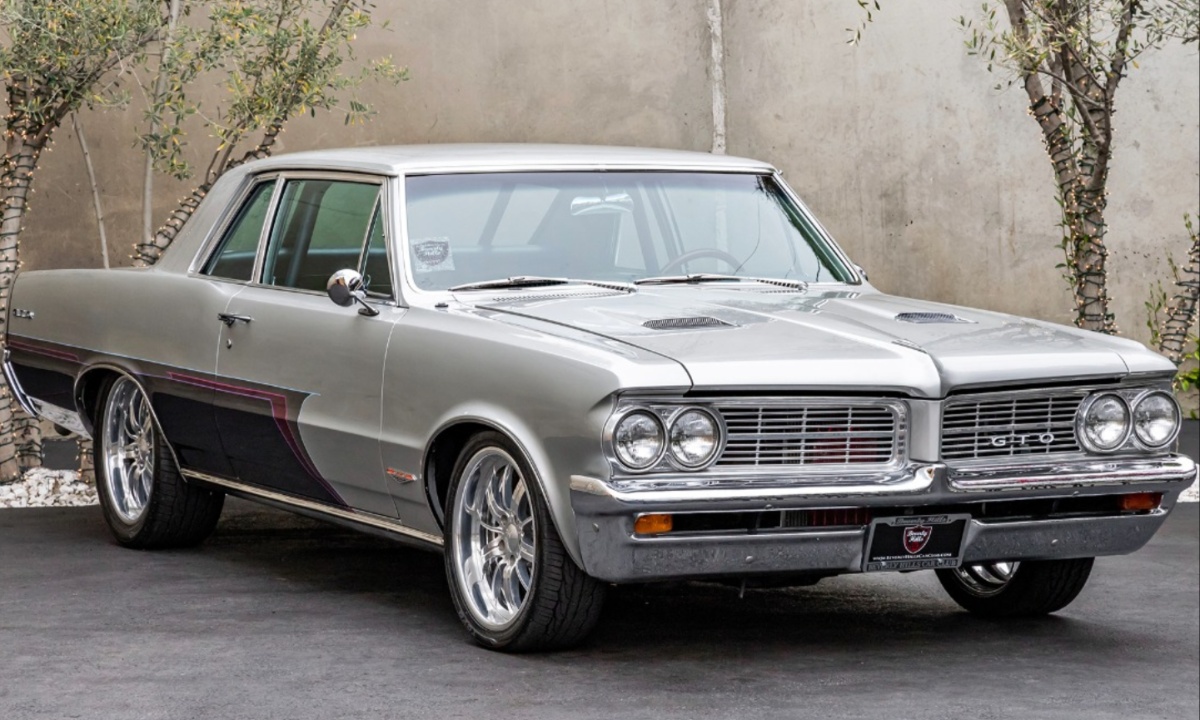
4. Pontiac GTO (1964): The Muscle Car Era Ignites
Often called the original muscle car, the 1964 Pontiac GTO brought big performance to the masses. Packing a 6.4-liter V8 with 325 horsepower and 428 lb-ft of torque, it was built for straight-line speed. Based on the Pontiac Le Mans, it had upgraded suspension and aggressive styling to match its raw power.
The GTO’s instant popularity kicked off the American muscle car era, leading to competitors like the Dodge Charger and Chevy Chevelle. It captured the youthful, rebellious spirit of the ’60s and made high-performance cars an accessible dream for the average American. The GTO’s legacy is still felt today.
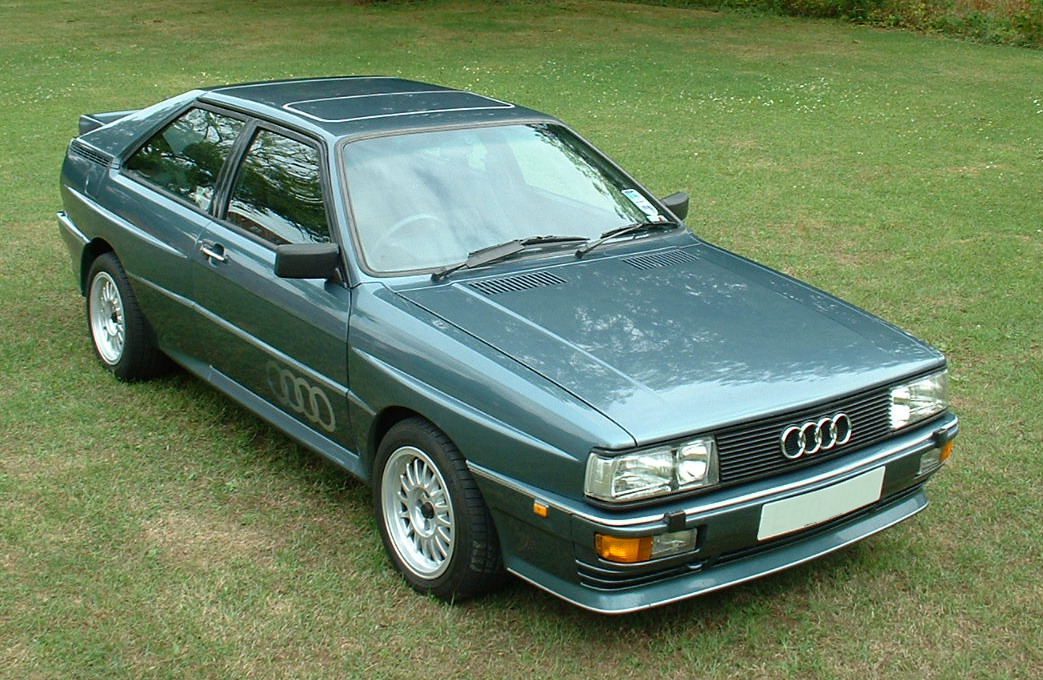
5. Audi Quattro (1980): Redefining Traction on U.S. Roads
Though a German creation, the 1980 Audi Quattro transformed how Americans viewed all-wheel drive (AWD) on regular cars. Before this, AWD was mostly reserved for trucks and off-roaders.
The Quattro proved its value in high-performance road cars with its 2.1-liter I5 engine pushing 197 horsepower and rally-winning AWD grip. It inspired American automakers to incorporate AWD in sedans and sports cars alike, enhancing year-round usability and performance in diverse climates.
Especially in snow-prone regions of the U.S., AWD became a game-changer. Thanks to the Quattro, AWD is now a staple for safety and control in modern American driving.
Also Read: 5 Cars With Easy-to-Operate Controls vs 5 With Sticky Buttons
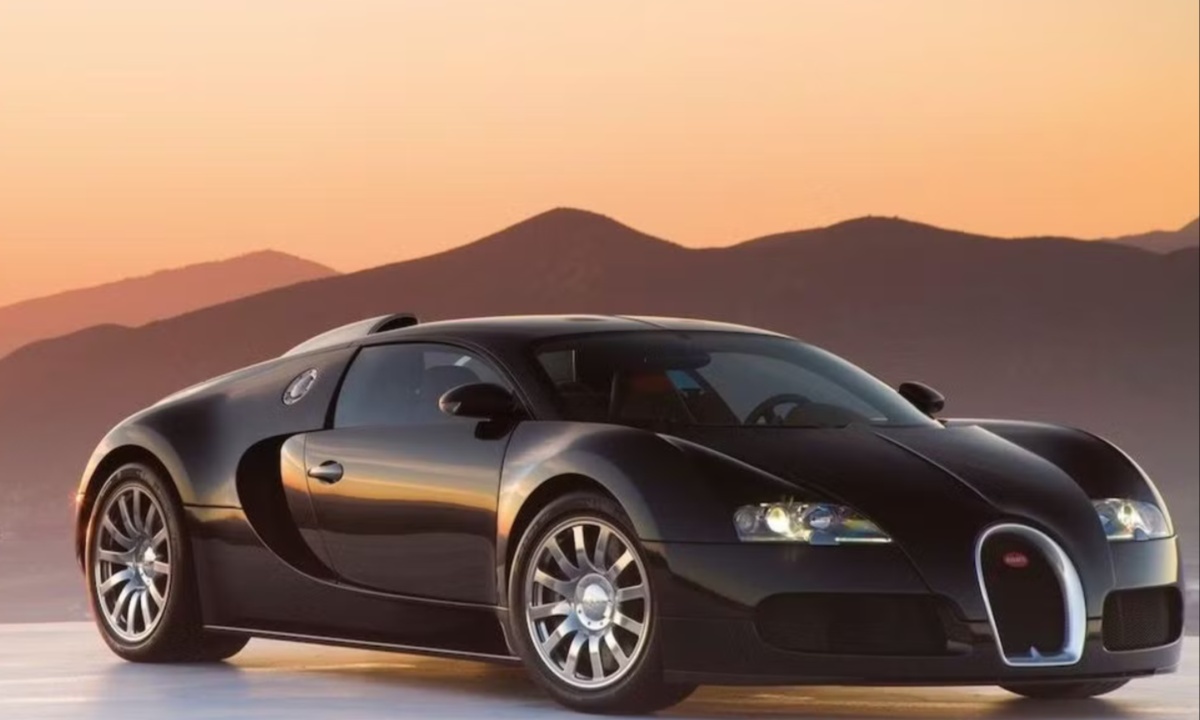
6. Bugatti Veyron (2005): Supercar to Hypercar
Although created by a French manufacturer, the 2005 Bugatti Veyron completely redefined global performance standards, including those in the United States, where it played a key role in introducing the concept of the “hypercar.”
Its quad-turbocharged 8.0-liter W16 engine delivered an incredible 1,001 horsepower and reached a top speed of 252 mph. The Veyron offered more than just raw speed; it combined cutting-edge engineering, exceptional craftsmanship, and high-end luxury.
This groundbreaking machine set a new level for what high-performance vehicles could achieve. In response, American enthusiasts and manufacturers began to push their own limits in automotive design and capability.
7. Ford Mustang (1964): The Original Pony Car
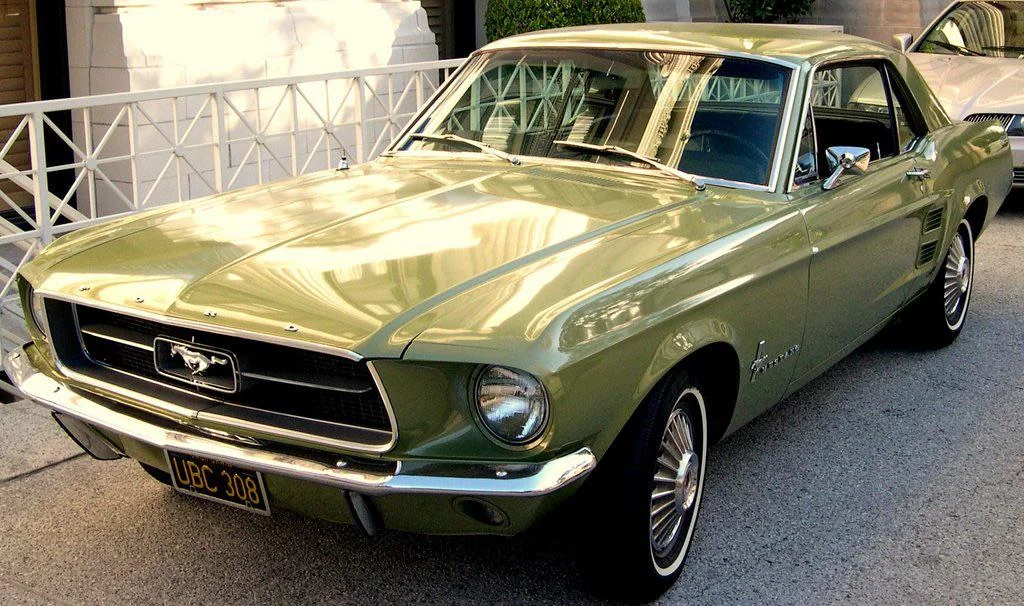
Launched in 1964, the Ford Mustang created a brand-new segment: the pony car. It was stylish, affordable, and came with several performance options, including a robust V8 engine with 210 horsepower. Ford’s marketing brilliance targeted younger Americans who wanted excitement without breaking the bank.
The Mustang’s immediate success, with over 400,000 units sold in its first year, shocked the industry. It set a template for cars like the Chevy Camaro and Dodge Challenger. More than just a car, the Mustang became a cultural icon, appearing in films, songs, and garages nationwide. Its influence still gallops across U.S. roads today.
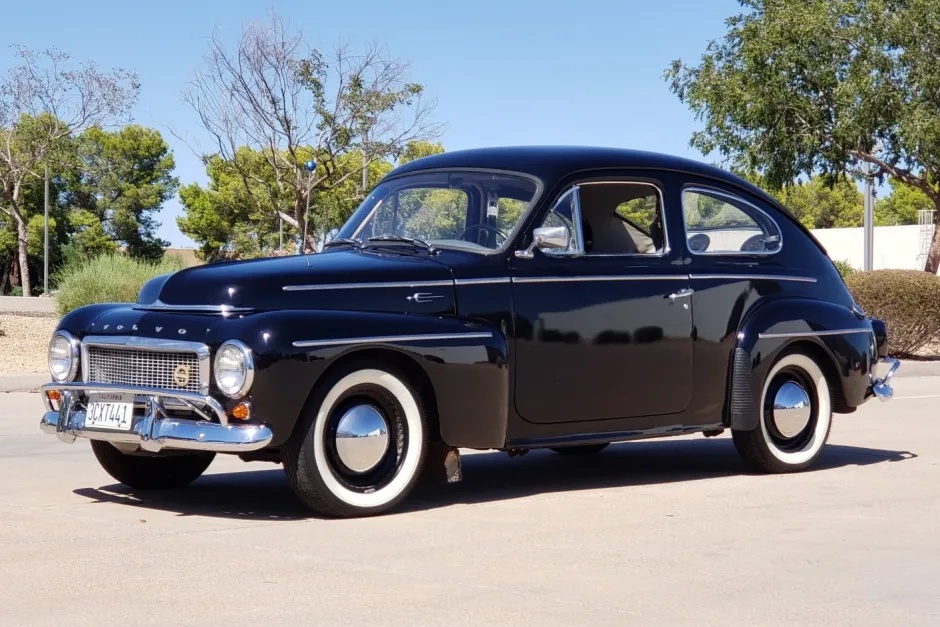
8. Volvo PV544 (1959): Safety First, Always
Volvo made history in 1959 with the PV544, the first car equipped with a standard three-point seatbelt. Engineered by Nils Bohlin, this innovation revolutionized car safety by dramatically reducing fatalities in crashes.
While early seatbelts were often lap-only and rarely used, Volvo’s new design was comfortable, effective, and soon adopted industry-wide. In an admirable move, Volvo refused to patent the system, allowing all manufacturers to use it freely.
This small, unassuming Swedish car played a massive role in transforming how American drivers view safety. It set the precedent for regulations that now govern U.S. automotive safety standards.
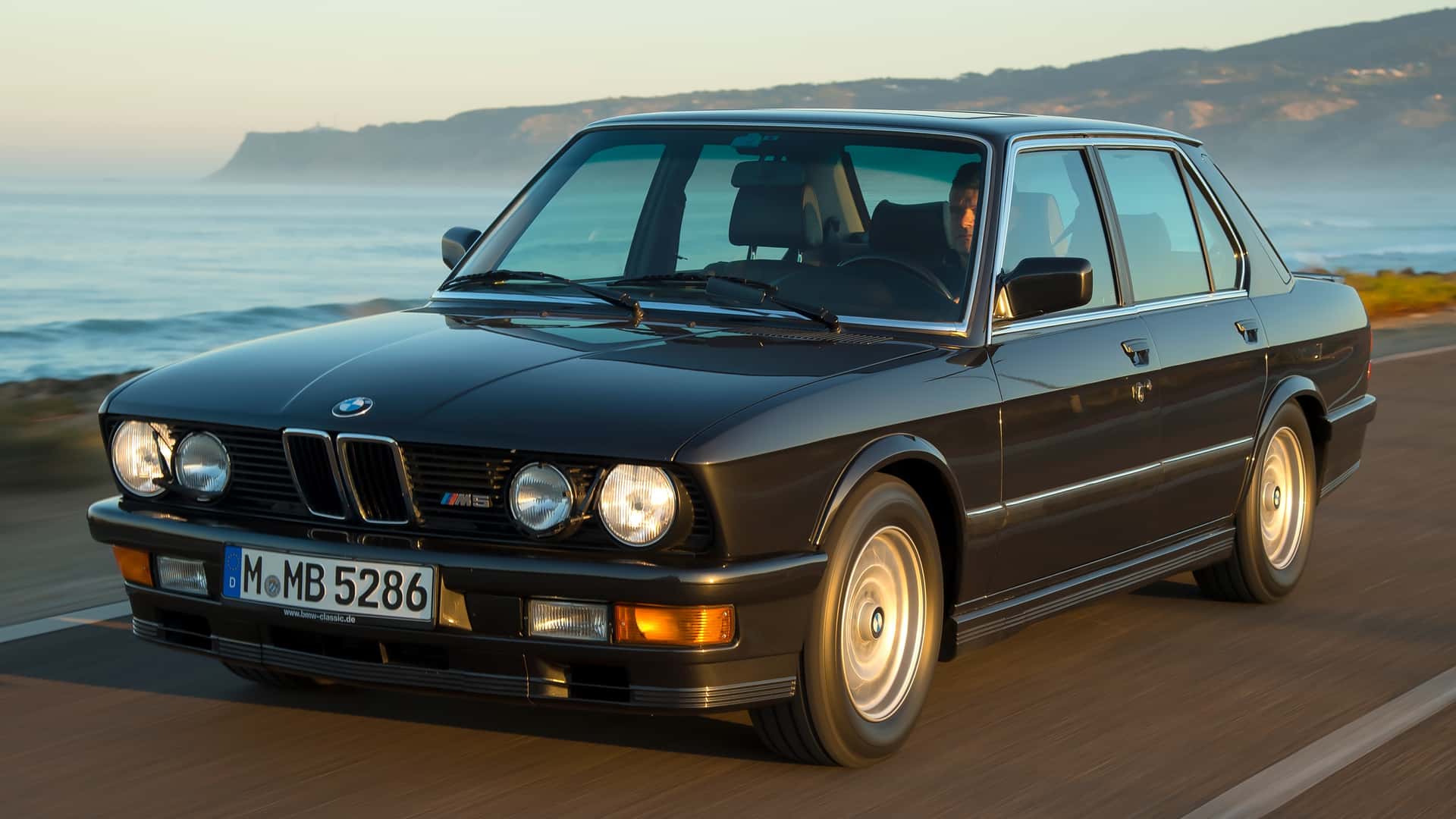
9. BMW M5 (1985): Performance Meets Practicality
The 1985 BMW M5 proved that performance didn’t have to come at the cost of comfort. Combining a sports car’s soul with a family sedan’s practicality, it introduced the U.S. to the concept of a true performance sedan. It’s a 3.5-liter inline-six that delivers 286 horsepower, and it comes with tuned suspension and upgraded brakes.
For Americans wanting thrilling drives without compromising on daily usability, the M5 was a revelation. It reshaped expectations for what a four-door vehicle could do. Today’s market is full of powerful sedans, but the M5 was the original blueprint for this genre of cars in the U.S.
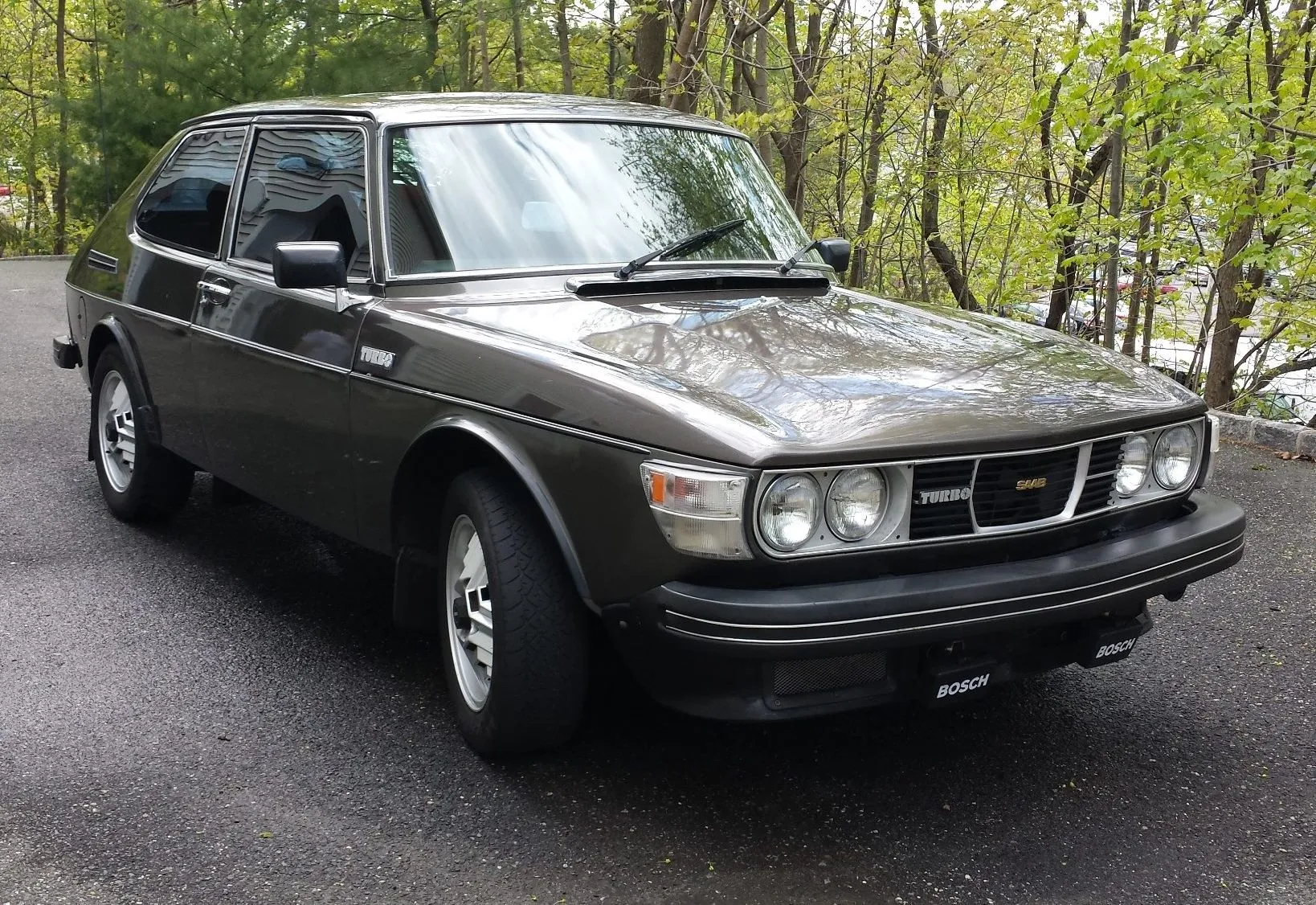
10. Saab 99 Turbo (1978): Turbocharging Goes Mainstream
The 1978 Saab 99 Turbo introduced Americans to a new kind of engine performance. While turbochargers had been used in racing, Saab was the first to successfully apply the tech to a mass-produced, road-friendly car.
Its 2.0-liter turbocharged engine produced 145 horsepower and 173 lb-ft of torque, delivering a noticeable performance boost without sacrificing fuel economy or daily drivability.
The 99 Turbo opened the floodgates, influencing American brands to experiment with forced induction. Today, most U.S. cars, from sedans to pickups, use turbocharging to meet power and efficiency demands. It all started with Saab’s bold little turbo.
These ten vehicles didn’t just transport people; they shifted expectations of what automobiles could offer. From the efficient production of the Model T to the electric innovation of Tesla and the SUV movement sparked by the Wagoneer, each one altered how Americans view and use their cars.
They broke new ground, introduced important technologies, and often gave rise to entirely new types of vehicles. Their impact is still felt in today’s automotive world. Whether you’re driving a powerful sports car or a practical SUV, it’s likely that the features you enjoy were influenced by one of these groundbreaking models.
Also Read: 10 Cars With the Easiest DIY Maintenance