For millions of Americans, the daily grind involves long stretches of highway driving sometimes 50, 70, even over 100 miles a day.
In these scenarios, comfort, fuel economy, reliability, and advanced driver assistance features become crucial.
The right commuter car can make all the difference between arriving at work refreshed or feeling like you’ve been through a marathon.
Here’s a look at 8 vehicles that are perfect for long highway commutes, offering the right mix of efficiency, ride quality, and tech.
1. Toyota Camry Hybrid
When it comes to long-distance commuting, the Toyota Camry Hybrid is a king of consistency. It offers up to 52 mpg combined (in LE trim), which means fewer fuel stops and more money saved over time.
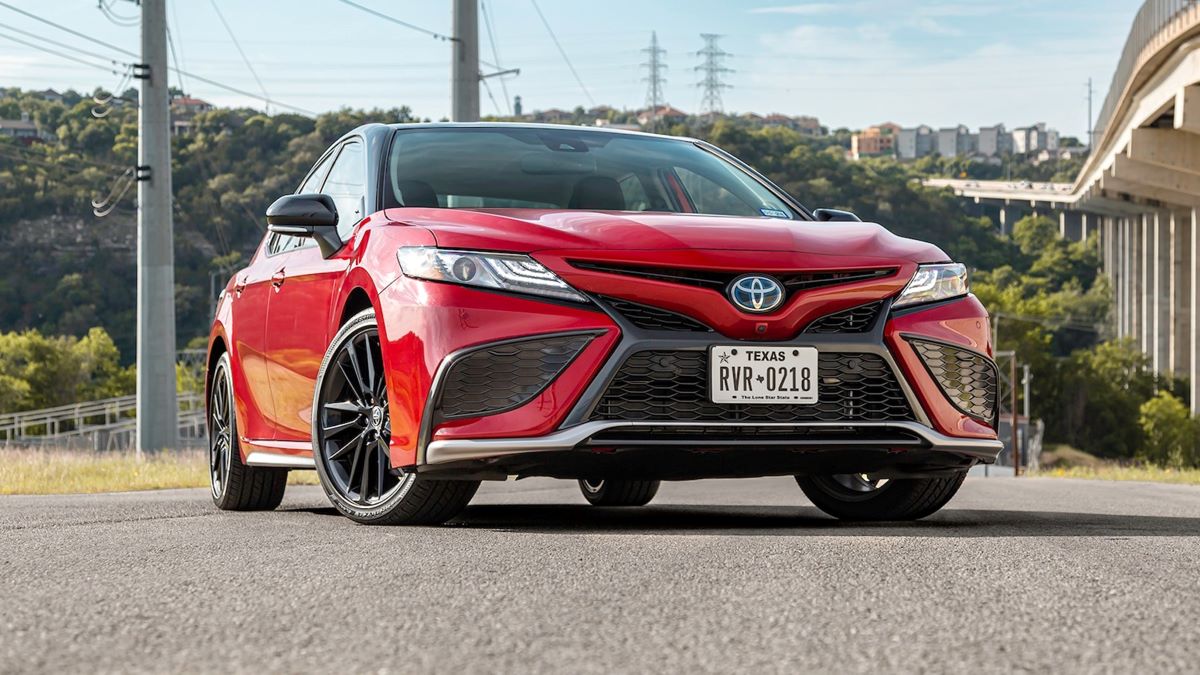
The seats are built for comfort, with good lumbar support, and Toyota’s Safety Sense suite includes adaptive cruise control and lane-keeping assist great for easing the stress of highway driving.
The Camry is also quiet at speed, making it ideal for podcasts or calls on the road.
The Toyota Camry Hybrid is a four-door sedan that stands out as one of the most fuel-efficient vehicles on the market. Achieving close to 50 mpg in combined city and highway driving is easily attainable, unless you tend to treat your daily commute like a Formula One qualifying lap.
Beyond its exceptional fuel economy, the Camry Hybrid retains all the strengths of the standard Camry, offering spacious and comfortable seating, a smooth ride, and an easygoing driving character that makes it appealing for a wide range of drivers.
While some automakers have abandoned sedans in favor of SUVs, there are still several hybrid sedan options available. Toyota now offers the Crown, which is larger, more powerful, and still delivers respectable fuel efficiency.
The 2023 Prius has been redesigned with sleek styling and even better fuel economy, while Honda has introduced a new hybrid-powered Accord.
Against these more attention-grabbing entries, the Camry Hybrid may seem like a bit of a wallflower, but it remains a strong choice for those who want a straightforward, dependable sedan that excels at maximizing miles per gallon.
Also Read: 10 Best Cars That Feel Expensive But Cost Pennies
2. Honda Accord
The Honda Accord remains one of the most well-rounded midsize sedans for commuters. With ample legroom, a smooth ride, and excellent visibility, it ticks all the boxes.
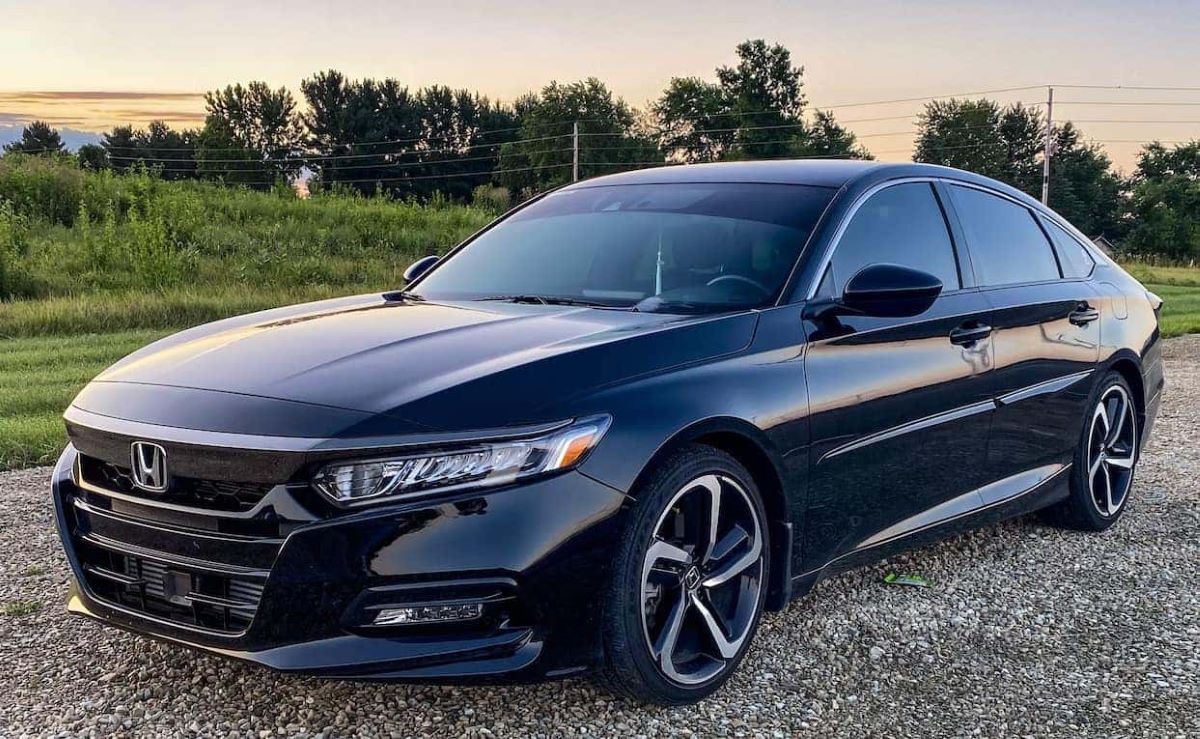
The turbocharged 1.5L engine delivers strong fuel efficiency at up to 38 mpg on the highway, while the 2.0L option offers more punch for those who prefer responsive acceleration. Honda Sensing comes standard, providing a full suite of driver aids.
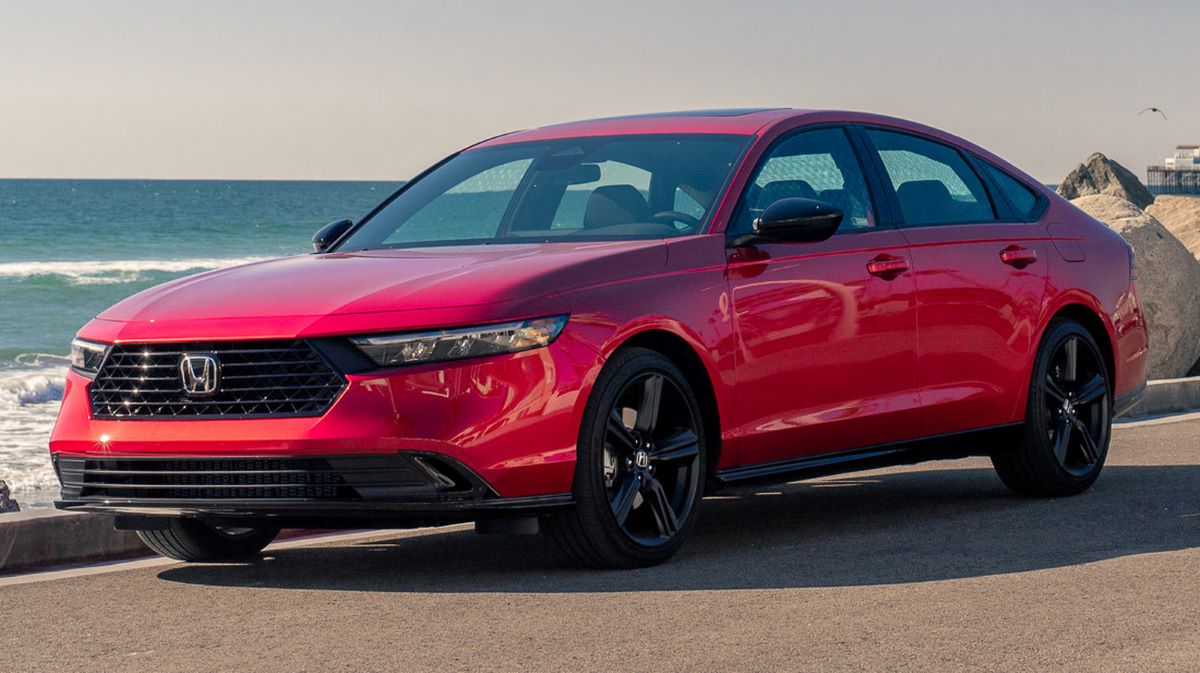
The 2026 Honda Accord Hybrid remains one of the best midsize sedans on the market—especially if you choose the hybrid version. While the entire Accord lineup is solid, the hybrid powertrain offers noticeably stronger acceleration than past gas-only models and delivers a more refined driving experience overall.
The Accord Hybrid first debuted in 2005, and for 2026, it’s expected to receive a few updates to keep pace with competitors like the Toyota Camry Hybrid and Hyundai Sonata Hybrid. If Honda follows its usual product cycle, the 2026 model will see a midcycle refresh, bringing updated front and rear styling, fresh paint colors, and new wheel designs.
The Accord Hybrid continues to impress with excellent fuel efficiency, outperforming most rivals in the midsize hybrid sedan class.
It’s also quicker than some competitors, delivering an energetic launch, though the initial surge fades as speeds climb, keeping it from being truly sporty. Power delivery is smooth, pairing well with composed handling and a comfortable ride.
It absorbs rough pavement with ease, but wind and road noise are more noticeable than ideal, and additional cabin insulation would be welcome. Steering feel is less engaging than the previous generation, while braking is predictable and easy to control, though the pedal could use a firmer feel.
Inside, the Accord Hybrid offers one of the most refined interiors in the model’s history. The intuitive control layout, generous passenger space, and a 12.3-inch touchscreen as the central display all add to its appeal, though the sloping roofline trims some rear headroom.
Trunk space remains generous. While the current Accord isn’t as quick as its predecessor and some desirable features are locked behind the top Touring trim, a situation that could change with the 2026 update, it still stands out as a well-rounded, compelling choice in the midsize hybrid sedan segment.
3. Hyundai Ioniq 6
For those considering an EV for their highway commute, the Hyundai Ioniq 6 is hard to beat. It offers over 360 miles of range in its Long Range trim, ultra-fast charging, and an aerodynamic design that reduces wind noise and boosts efficiency.
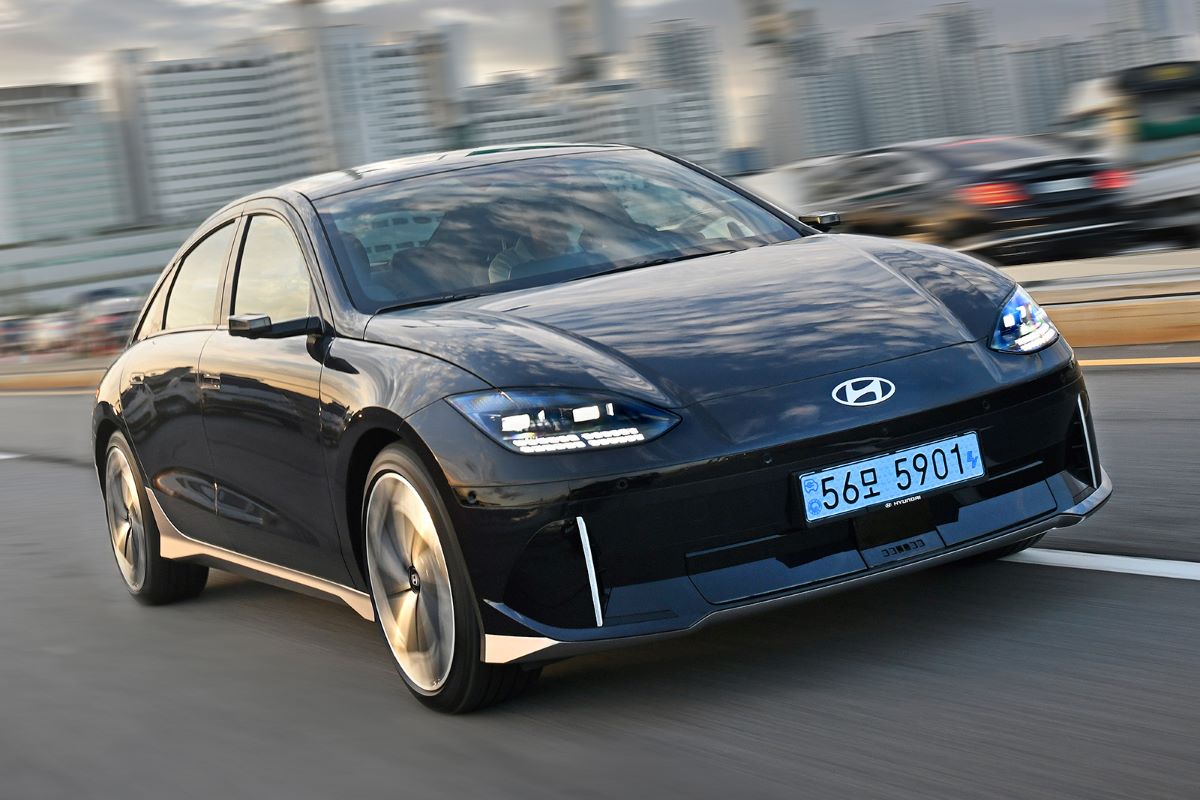
The interior is minimalist but comfortable, with seats designed for longer trips and a spacious cabin. Its Highway Driving Assist system adds semi-autonomous capabilities, ideal for long-haul stretches.
The 2025 Hyundai Ioniq 6 could almost be called the Iconic 6, given how much it impresses. From its sleek, aerodynamic profile to its impressive EPA-estimated 342-mile maximum range, this all-electric sedan blends style, performance, and value in a way that demands attention.
It shares much of its underlying hardware with its SUV sibling, the Ioniq 5, a pairing that’s earned back-to-back EV of the Year awards, with the Ioniq 5 winning in 2022 and the Ioniq 6 taking the honor in 2023. Still, the sedan carves its own design path, trading some cargo capacity and rear headroom for a bolder, coupe-like silhouette.
Buyers can choose between rear- or all-wheel drive and two battery pack sizes. The magic combination, found in the SE Long Range model, pairs the larger battery with a single rear motor, delivering the headline 342-mile range figure.
While real-world results may come in slightly lower, the Ioniq 6 still sits in a sweet spot where range, performance, charging speed, and pricing intersect. Its modern styling is just the cherry on top, and it earns a place on the 2025 Editors’ Choice list for electric sedans.
For 2025, the Limited trim gains a head-up display, while the Digital Green paint option disappears. Pricing ranges from $39,095 for the SE Standard Range to $52,345 for the Limited.
The SE Long Range rear-wheel-drive model remains the best value pick, it not only has the longest range of the lineup but also delivers more horsepower than the Standard Range base model. SEL and Limited trims come only with the larger battery, and all-wheel drive is available as a 320-hp dual-motor setup.
Underneath, the Ioniq 6 shares its platform and much of its powertrain with the Ioniq 5. The base single-motor version produces 149 horsepower with rear-wheel drive, while Long Range single-motor models increase output to 225 horsepower.
Opting for the dual-motor all-wheel-drive configuration boosts output to 320 horsepower and adds front-axle propulsion.
On the road, the Ioniq 6 delivers a smooth, quiet ride with a planted feel in corners thanks to its low center of gravity. Steering-wheel paddles allow drivers to adjust regenerative braking levels on the fly, making the experience both efficient and engaging.
4. Subaru Legacy
The Subaru Legacy might fly under the radar, but it’s a commuter’s secret weapon. It comes standard with all-wheel drive, which is a huge plus in colder regions.
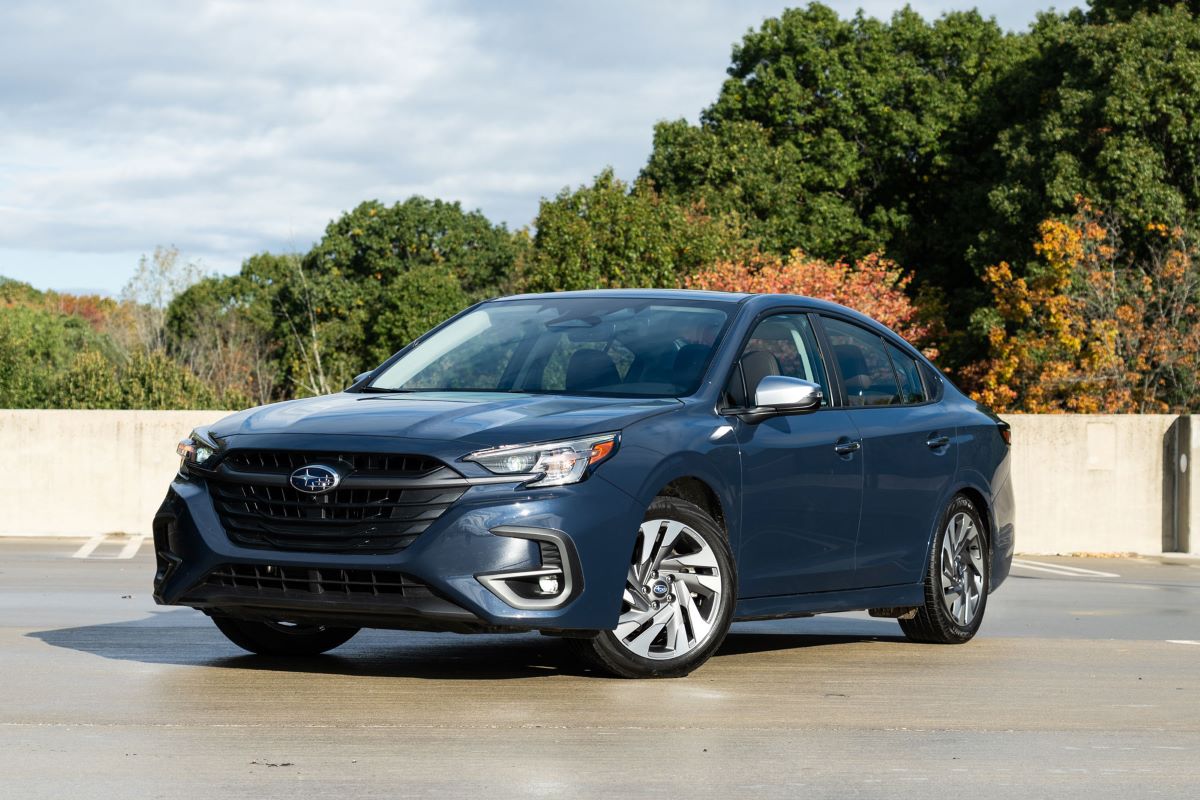
The ride is composed and quiet, the seats are comfortable for the long haul, and Subaru’s EyeSight driver assist tech is included across the lineup.
Fuel economy is respectable at up to 35 mpg highway, and the infotainment system is straightforward and responsive.
The 2025 Subaru Legacy stands out in the midsize sedan segment as one of the few to offer standard all-wheel drive, a feature usually reserved for luxury models or SUVs. Add in an available turbocharged engine, and the Legacy brings more performance potential than its sensible, understated image might suggest.
Inside, it delivers a spacious, comfortable cabin with upscale touches that give it a premium feel. While its starting price is a bit higher than some competitors, the standard AWD and solid feature set help justify the cost.
However, this year marks the end of the line for the Legacy. After 36 years, six generations, and over 1.3 million sales, Subaru has confirmed that the 2025 model will be the sedan’s swan song.
The shift in buyer preference toward SUVs ultimately sealed its fate, with the closely related Outback, originally sold as the Legacy Outback, outselling it more than five to one.
Still, the final model year could bring attractive deals for buyers who appreciate the Legacy’s blend of capability, comfort, and all-weather confidence. In a market increasingly dominated by crossovers, the Legacy bows out as a quietly capable sedan that always punched above its weight in practicality.
Also Read: 5 BMWs That Can Actually Be Daily Drivers vs 5 That Belong in the Garage
5. Tesla Model 3 Long Range
Another standout for electric commuters, the Tesla Model 3 Long Range offers over 350 miles of range and excellent highway manners.
Its minimalist interior, paired with Autopilot and optional Full Self-Driving features, makes it one of the least tiring vehicles for long trips.
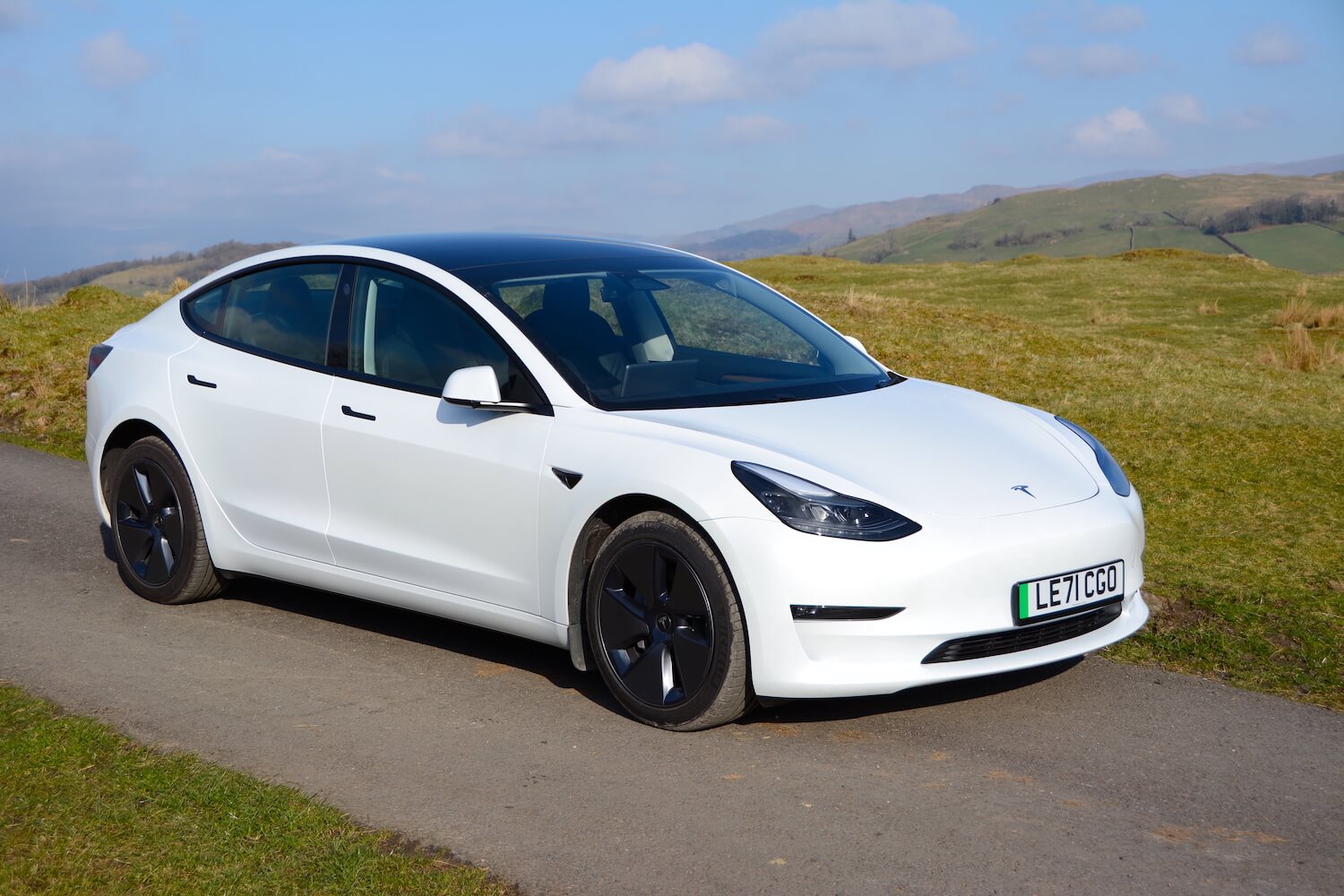
With instant torque and low running costs, it’s ideal for tech-savvy drivers who log serious miles. Over-the-air updates ensure the tech always feels fresh, and the Supercharger network eases any range anxiety.
The Tesla Model 3 has been one of the biggest drivers of electric vehicles moving into the mainstream, making EV ownership a realistic option for everyday buyers.
Last year, Tesla gave the Model 3 a substantial update, adding sleeker headlights, a quieter and more refined interior, and a smoother ride quality. For 2025, changes are minimal, but Tesla is known for making midyear tweaks and improvements via software updates, so features and capabilities can evolve without notice.
In terms of range, the Model 3 continues to set a high bar in its segment. The Long Range Rear-Wheel Drive variant boasts an EPA-estimated 363 miles on a single charge. Performance is equally impressive, with the Long Range model hitting 0–60 mph in just 4.2 seconds, and the Performance trim delivering a blistering 3.0-second sprint that rivals supercars.
6. Mazda CX-5
For those who prefer a small SUV for better visibility and cargo space, the Mazda CX-5 hits a sweet spot.
The ride is smooth and controlled, with high-quality cabin materials that rival some luxury brands. The available turbo engine offers strong highway performance, while the base 2.5L model still gets up to 31 mpg highway.
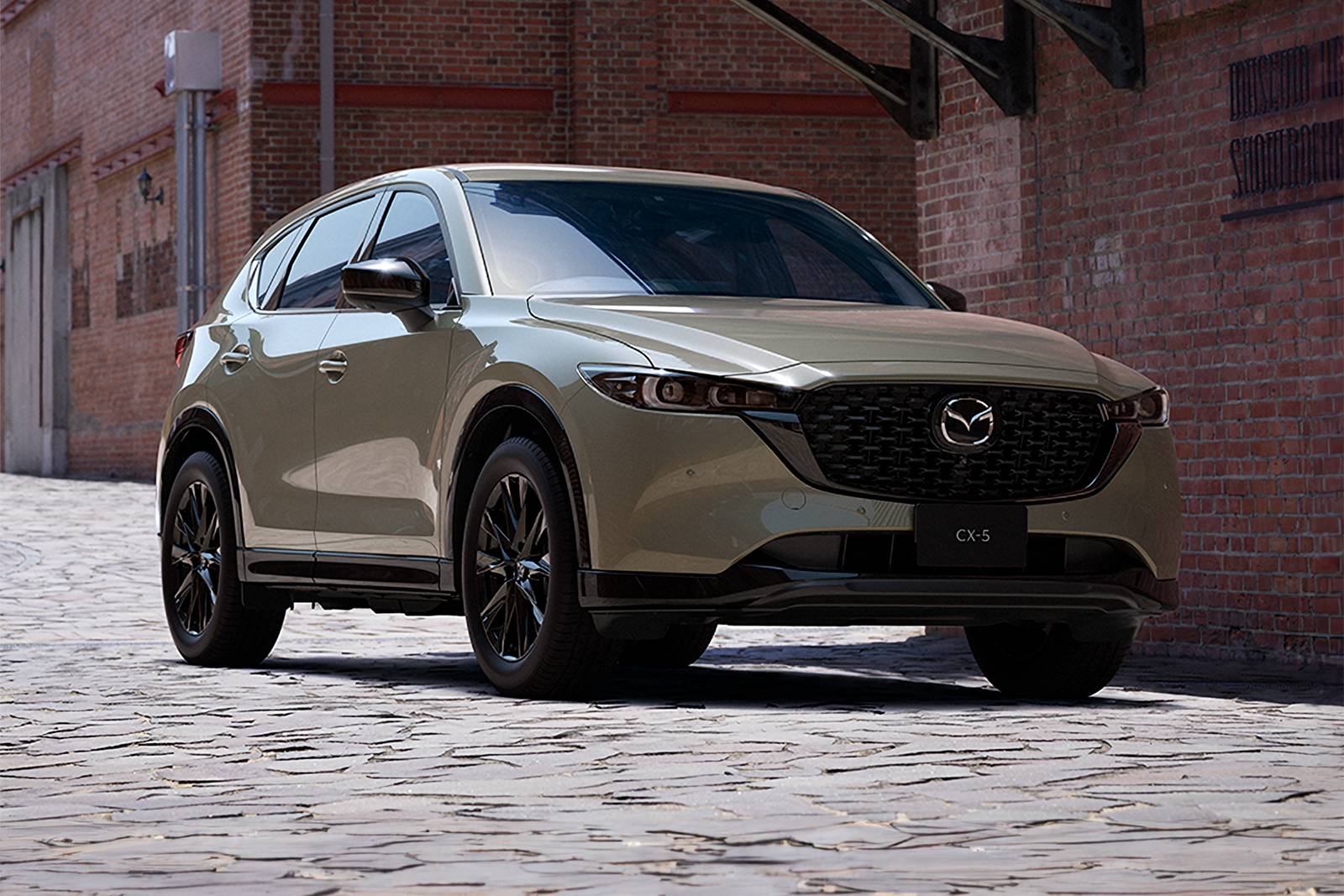
It’s quiet, composed, and comes with standard adaptive cruise control and lane-keeping assist.
The all-new third-generation Mazda CX-5 has officially debuted in European, U.S., and Australian markets as of July 10, 2025, bringing with it a slightly larger footprint, bolder styling cues, unfortunately for traditionalists, a near-complete elimination of physical buttons in favor of a more streamlined, tech-focused cabin.
Mazda has been riding a wave of strong sales, building on a record-breaking 2024 in North America. In the first half of 2025 alone, Mazda North American Operations (MNAO) sold over 210,000 units in the U.S., marking a 3.9% increase over the same period last year.
The 2025 model is the first to feature the brand’s updated Kodo design language, which will influence Mazda’s future lineup. In the U.S., the CX-5 will continue to be positioned as the urban, refined choice, while the CX-50 serves as the rugged, adventure-ready alternative.
However, there’s one drawback for the CX-5: unlike the CX-50, which already offers a Toyota-sourced hybrid system built in America, the CX-5 will not launch with a hybrid option.
7. Chevrolet Malibu
The Chevrolet Malibu offers a roomy cabin, smooth ride, and competitive pricing. Its 1.5L turbocharged engine returns up to 36 mpg on the highway, and the car feels stable and planted at speed.
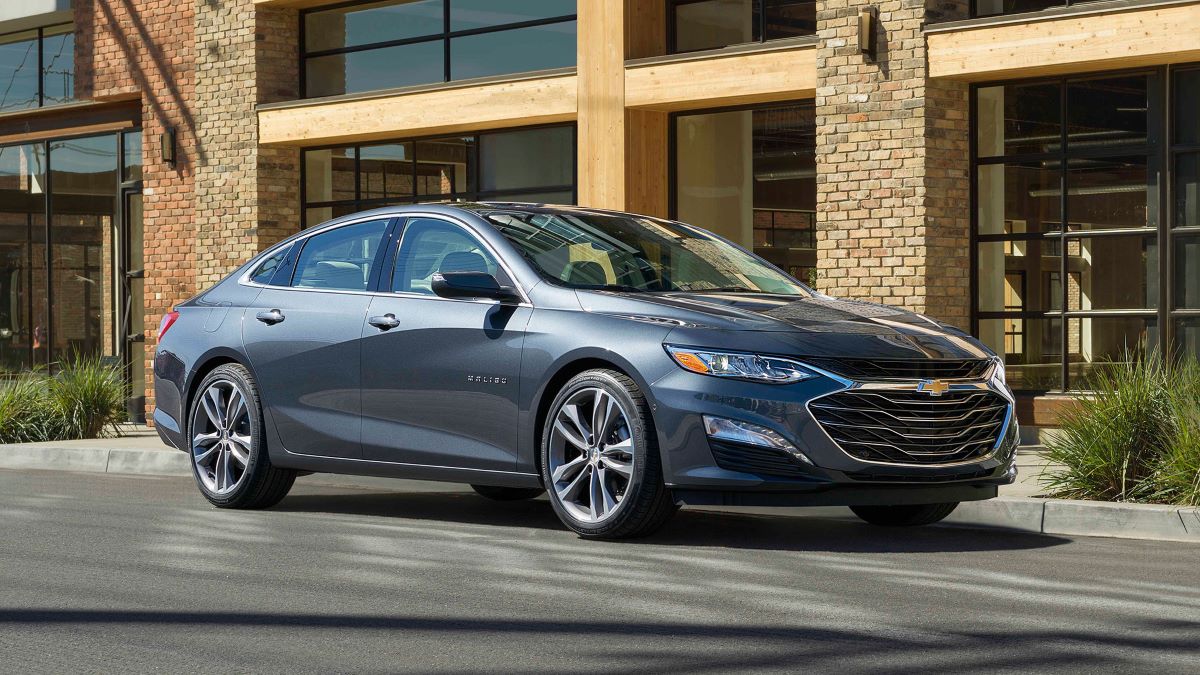
Affordable, practical sedans are now a rare breed in the U.S., especially those sticking to the classic three-box design. Even fewer are built domestically. The 2025 Chevrolet Malibu is among this dwindling number, but its run is nearly over.
Chevrolet can’t quite match the cost-to-quality balance its rivals have nailed, namely the Toyota Camry and Honda Accord. Both offer more power than the Malibu’s 160-hp turbocharged four-cylinder, despite Chevy’s muscle car legacy, and they manage to do it at a lower cost.
A strong list of features may still draw budget-conscious shoppers, and its decent cabin space for a midsize sedan means it’s not without merit.
While this might be the Malibu’s farewell year, the 2025 edition brings no notable new features. The only change is a fresh metallic paint option, “Night Shade.”
Price matters most in this segment, and at $25,800 MSRP, the Malibu LS is priced competitively alongside smaller cars.
Stepping up to the RS adds a few minor upgrades for an extra $1,000, while the 1LT comes in at $28,100. At the top, the 2LT is $31,500, with a significantly better feature set. All prices exclude Chevy’s $1,195 destination fee.
As nice as the 2LT’s feature set is, once you’re crossing the $30,000 mark, it makes sense to start looking at larger or better-equipped base models elsewhere.
For the best mix of cost and amenities, the RS trim is the sweet spot — with power-adjustable front seats, a leather-wrapped steering wheel, and a slightly sportier look for only $1,000 more than the base model.
When the budget is tight, function tends to beat form — though the Malibu’s dashboard, while plainly styled, is at least tidy. Materials, however, make no effort to disguise their low cost.
Chevrolet keeps the Malibu’s interior straightforward. The small touchscreen and basic physical controls feel dated, especially compared to Japanese competitors, but simplicity works for an aging platform. The car tries to project a premium feel, but it ultimately reads as basic.
If cheaper plastics were hidden away from touchpoints, the cabin would feel more refined. Still, the Malibu uses its space well, although thick rear pillars do hurt visibility.
Officially a five-seater, the Malibu isn’t suited for three adults in the rear — shoulder room is too tight. It’s better to think of it as a 2+2 setup.
Headroom and legroom are fine for adults in both rows, though the sloping rear roofline can make entry a bit awkward. Base models get manual front seat adjustment, with power adjustment available from the RS trim upward.
At 15.7 cubic feet, trunk space is perfectly adequate for a sedan, though not class-leading. Grocery runs and school gear will fit fine, but rivals offer a bit more. The split-folding rear seats help with longer items.
Smaller storage solutions are decent, a roomy armrest bin, a large glove box, deep door pockets, and four cupholders in total. Material quality improves slightly up the trims but never feels truly premium. Cloth upholstery is standard, except on the 2LT, which gets perforated leather.
Color choices vary by trim, with Jet Black standard and gray or wheat combinations available depending on the model. Higher trims replace some plastics with faux wood veneer.
Even at the low end, the Malibu comes with expected basics: keyless entry, push-button start, a 12V outlet, manual A/C, and a standard eight-inch touchscreen with wireless Apple CarPlay, Android Auto, Wi-Fi hotspot, and Bluetooth streaming.
Trim upgrades add features like heated seats, dual-zone climate control, a heated steering wheel, ventilated seats, navigation, and a nine-speaker Bose system but these top-tier items are limited to the 2LT.
The Malibu’s 1.5-liter turbo-four makes 160 hp and 184 lb-ft, with power going to the front wheels through a CVT. Acceleration to 60 mph takes about eight seconds, making it one of the slower midsize sedans. There’s no AWD or hybrid option, and the CVT does little to liven the experience.
Handling is predictable but uninspiring, with light steering and decent ride comfort. Brakes are strong, but driving enjoyment is not the Malibu’s selling point.
8. Kia K5
The Kia K5 brings style and substance to the commuter sedan game. It stands out with its aggressive design, intuitive tech interface, and refined highway ride.
Fuel economy is strong at up to 37 mpg on the highway, and the front seats are among the most supportive in the segment.
The Kia K5, introduced in 2021 as the successor to the Optima, brings striking, coupe-like styling to the midsize sedan segment, proving that family cars don’t have to look dull.
Built in West Point, Georgia alongside the Telluride SUV, the K5 offers buyers a choice between two turbocharged engines and available all-wheel drive, competing head-on with stalwarts like the Honda Accord, Toyota Camry, and its corporate cousin, the Hyundai Sonata.
For 2022, Kia added its updated badge across all trims, made second-row USB ports standard on the LXS trim, and equipped the GT-Line with a wireless charger. A 10.3-inch infotainment display is now standard on GT-Line, EX, and GT models, while higher trims get access to a 360-degree camera system and optional brown interior upholstery on the GT.
Performance varies sharply by trim. Most models use a 1.6-liter turbo-four producing 180 hp and 195 lb-ft of torque, paired with an eight-speed automatic and capable of 27–29 mpg city and 37–38 mpg highway.
The range-topping GT swaps in a potent 2.5-liter turbo with 290 hp and 311 lb-ft, dropping 0–60 mph times to just 5.4 seconds, though at the expense of fuel efficiency. Ride quality in the GT is sportier but firmer, while lower trims deliver a more comfort-oriented drive, albeit with less steering engagement.
Inside, the K5 impresses with a spacious front row, sharp styling, and modern tech, though rear-seat headroom trails some rivals and material quality is merely average. Cargo space matches the Sonata at 16 cubic feet, and most trims offer split-folding rear seats for added versatility.
Tech highlights include wireless Apple CarPlay and Android Auto on the base 8-inch screen, while larger 10.3-inch setups require a wired connection but add built-in navigation. Premium trims bring Bose audio, extra USB ports, and the 360-degree parking camera.
Its combination of sporty looks, agile handling, competitive pricing, and solid tech make it a compelling alternative, especially for those who value design flair and driving character over class-leading refinement. While it can’t quite match the Accord’s polish and spaciousness, the K5 injects much-needed personality into a segment often criticized for being bland.
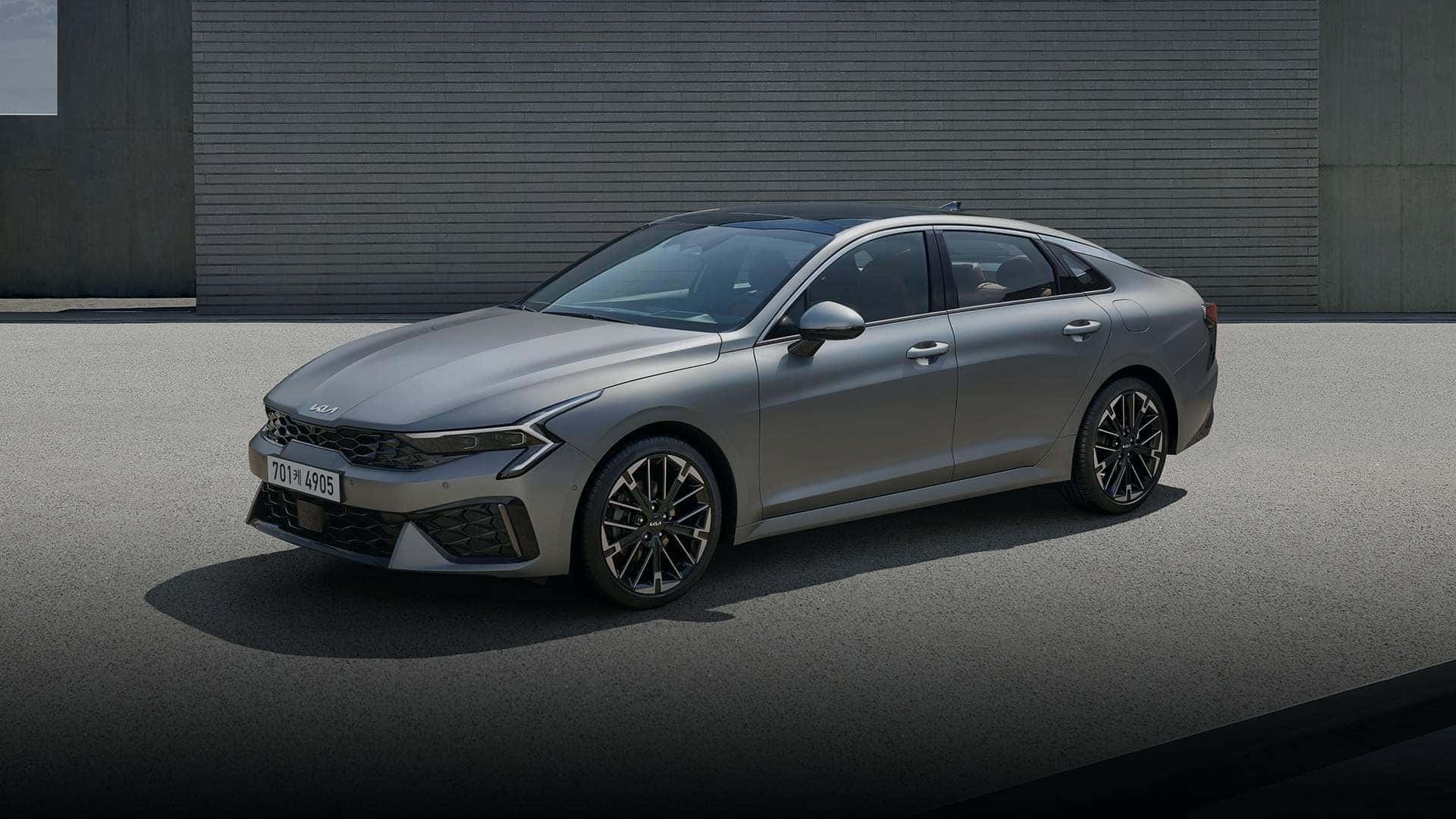
Highway Driving Assist and Smart Cruise Control make traffic-snarled commutes less stressful, and the interior quality is among the best in its class.
Whether you’re looking for hybrid efficiency, EV range, or SUV comfort, these eight vehicles offer the best balance of fuel economy, comfort, and technology for long highway commutes.
With the right model, your daily drive can feel less like a chore and more like your personal time to decompress or get mentally ready for the day. Choose smart, and your car might just become your favorite coworker.