
When you’re considering your next vehicle, overall reliability and peace of mind are often just as important as style or performance.
Anyone who has ever flinched at a repair bill or dreaded an unwanted trip to the mechanic knows that maintenance costs can add up much faster than expected. While purchasing a car is a significant investment, the expenses don’t stop at the dealership.
Oil changes, brake jobs, tire rotations, and the occasional unforeseen breakdown can suddenly transform an affordable vehicle into a costly burden. This is why it’s crucial to pay close attention not just to the sticker price but also to how well a car holds up over time when it comes to maintenance.
Some cars seem almost bulletproof, consistently running with minimal fuss and manageable upkeep, while others become notorious money pits as the miles climb.
Smart buyers look at more than just initial quality ratings, delving into real-world ownership experiences to find vehicles that are celebrated for their longevity, affordable upkeep, and resistance to excessive repairs.
Fortunately, a select group of cars, SUVs, and trucks have proven themselves with real owners and in third-party reliability studies. These models sidestep many of the headaches that so many drivers face as their vehicles age.
So which vehicles truly excel at keeping costs reasonable year after year? In this 3-part guide, you’ll discover 12 cars, SUVs, and trucks that are widely regarded for their easy-to-manage maintenance bills and reliability track records.
Every choice here has earned its place thanks to strong owner satisfaction and data-driven analysis. If you want a car that looks after your wallet just as well as it gets you from point A to B, read on for a thorough look at options that make long-term ownership less stressful and more affordable.
Also Read: 5 Pickups With Heavy-Duty Parts and 5 That Use Weak Components
1. Toyota Corolla
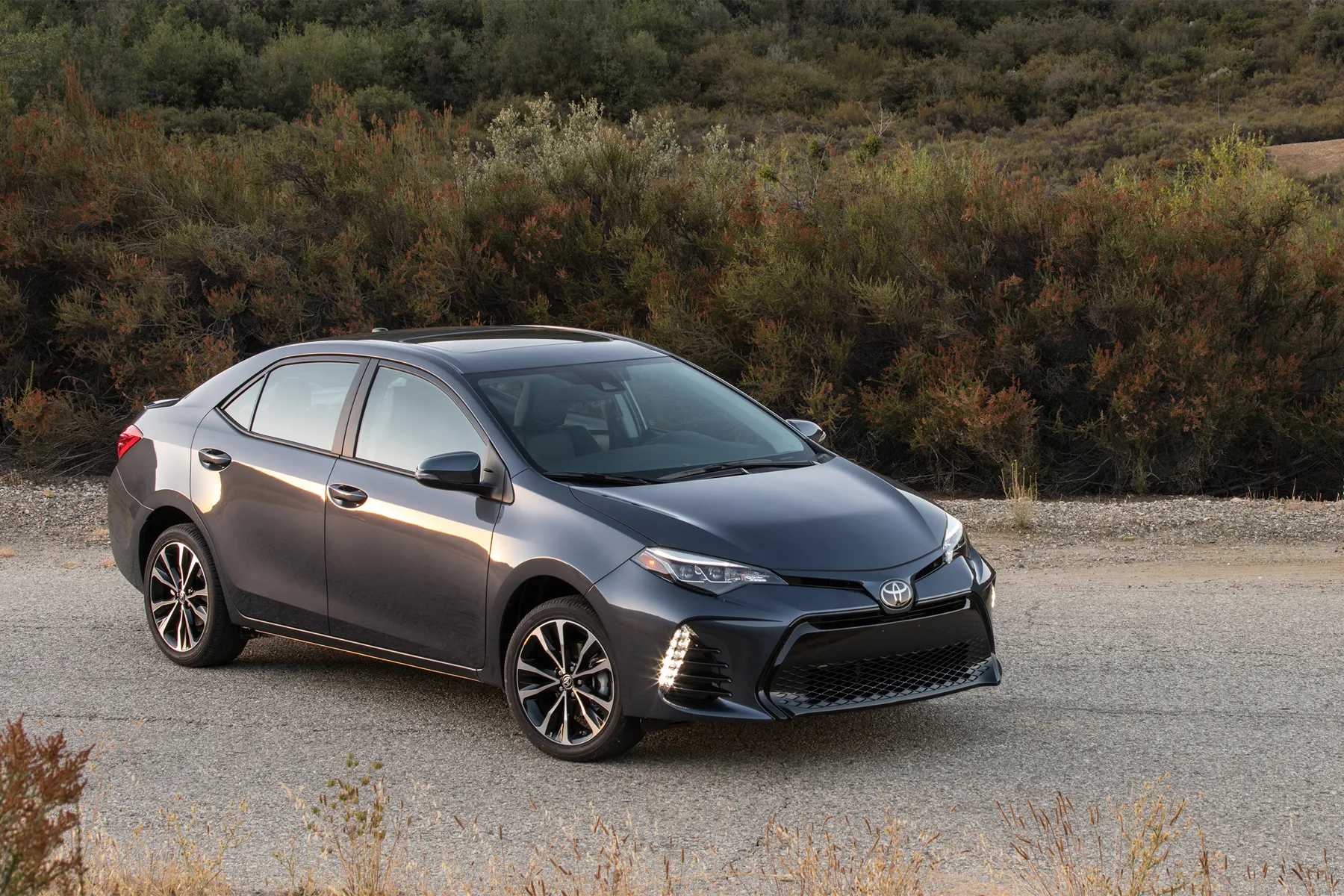
The Toyota Corolla consistently makes shortlists for reliability and low maintenance costs. Its reputation comes from decades of design refinement and a wide network of affordable parts and service providers.
The Corolla’s simple yet effective engineering means fewer things go wrong, contributing to its lower lifetime cost of ownership. Many owners report clocking 200,000 miles or more with only periodic attention to standard maintenance needs.
Genuine parts are widely available and tend to be less expensive compared to many competitors.
Basic repairs such as brake replacements, alternators, and starter motors are easier and cheaper since the Corolla is a favorite among mechanics, who are deeply familiar with its components. Insurance rates for the Corolla also tend to remain reasonable due to its strong record in safety and crash tests.
Additionally, Toyota’s attention to build quality and their legendary approach to customer service makes the Corolla a secure pick for buyers seeking long-term value.
As hybrids have joined the lineup, routine hybrid battery and component costs remain competitive with other entry-level models, further solidifying the Corolla’s legacy as a practical everyday vehicle that’s kind on both your budget and your nerves.
2. Honda Civic
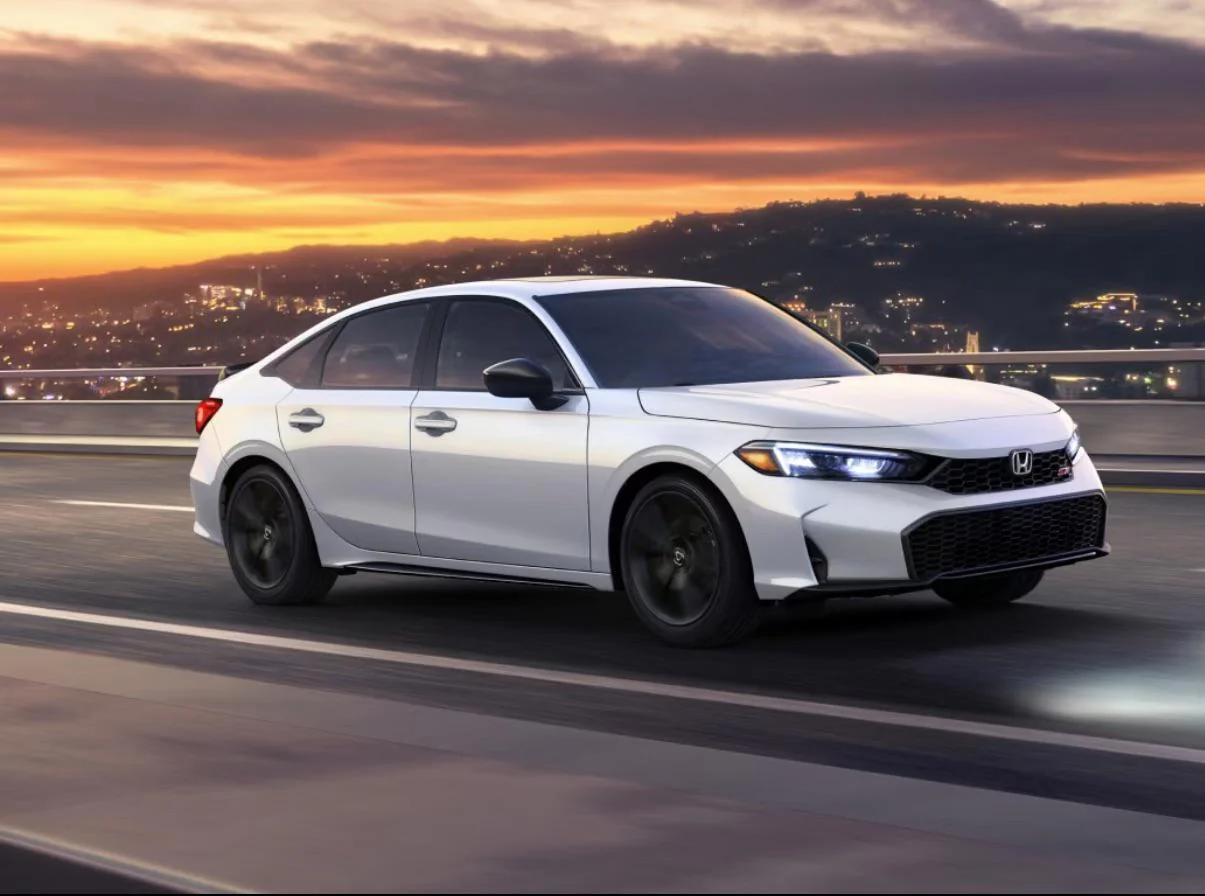
The Honda Civic has established a great reputation on the basis of its impressive durability and cost-effectiveness over time.
This compact sedan and hatchback range is famous for its resilient engines and transmissions, which rarely need major repairs when properly maintained. Owners consistently report low out-of-pocket costs for routine maintenance such as oil changes, filters, fluids, and tire rotations.
A major factor keeping Civic maintenance costs manageable is the car’s straightforward design. Honda engineers prioritise ease of service, which reduces labor charges. Civic parts both original and aftermarket, are widely available at competitive prices. This availability lowers expenses, not just for routine maintenance but also for more significant repairs.
The Civic’s popularity also encourages a vast community of mechanics and enthusiastic owners who regularly share tips on affordable upkeep.
Used Civics maintain strong resale values, partly because buyers know they’re unlikely to face many unpleasant surprises after the sale.
With routine attention, Civics easily surpass the 150,000 to 200,000-mile mark, often requiring nothing more than minor maintenance, making them a perennial favorite for budget-conscious drivers.
3. Toyota Camry
The Toyota Camry stands as one of the most dependable midsize sedans on the road and has been recognised by countless organizations for its mechanical reliability and reasonable maintenance bills. Its engines and transmissions are renowned for their long-term durability, while its robust construction helps preserve interior and exterior quality over many miles.
Thanks to its ubiquity on American roads, finding replacement parts and knowledgeable service technicians for the Camry is rarely an issue.
The cost of routine services like changing oil, replacing brake pads, and servicing cooling systems remains among the lowest in its class.
Furthermore, because Toyota often uses tried-and-true components across different models, the Camry benefits from economies of scale, keeping repair and service prices modest.
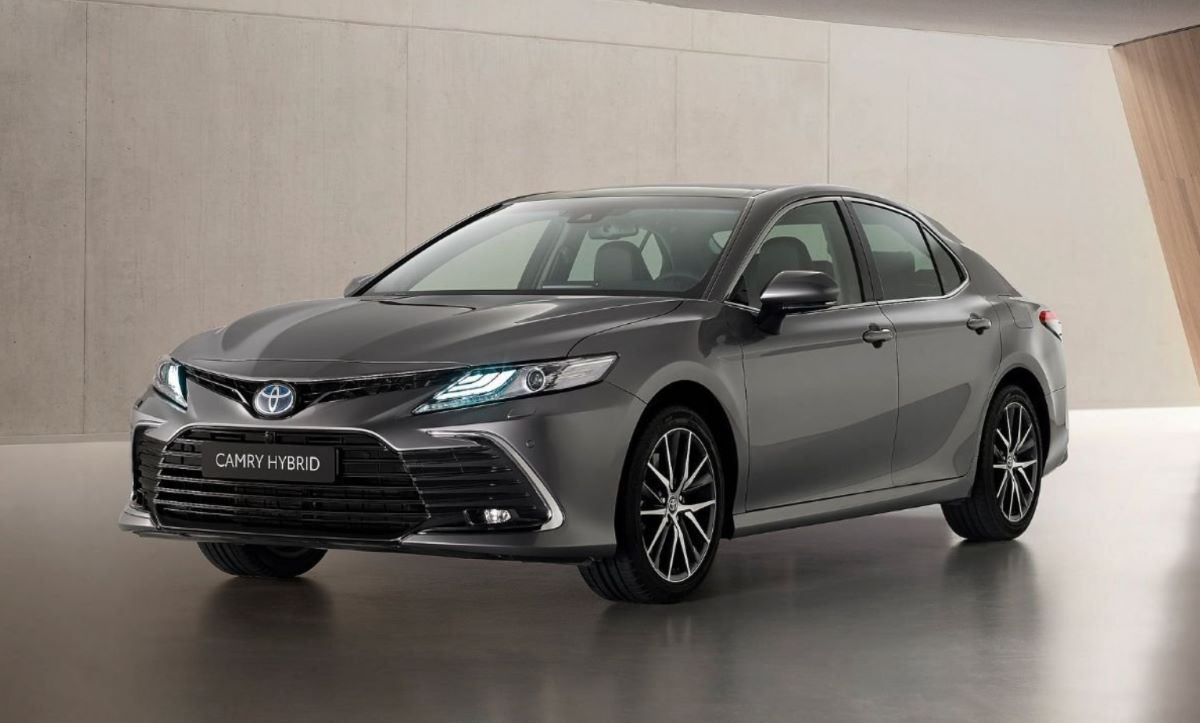
Hybrid and conventional gasoline Camrys alike maintain a reputation for easy maintenance and impressive dependability.
This combines with consistently high owner satisfaction scores to make the Camry an obvious choice for anyone searching for a sedan that will avoid major mechanical surprises and unnecessary expenses throughout its lifespan.
4. Honda Accord
The Honda Accord is celebrated for blending comfort, performance, and outstanding longevity without racking up high maintenance bills.
Over the years, the Accord has been engineered for painless upkeep routine repairs rarely require specialized tools, and the under-the-hood layout is considered user-friendly by professionals and DIY tinkerers alike.
Owners benefit from the Accord’s robust engine choices, which typically run well with just basic periodic service. Transmission repairs are infrequent, and most essential mechanical systems have proven reliable across multiple generations.
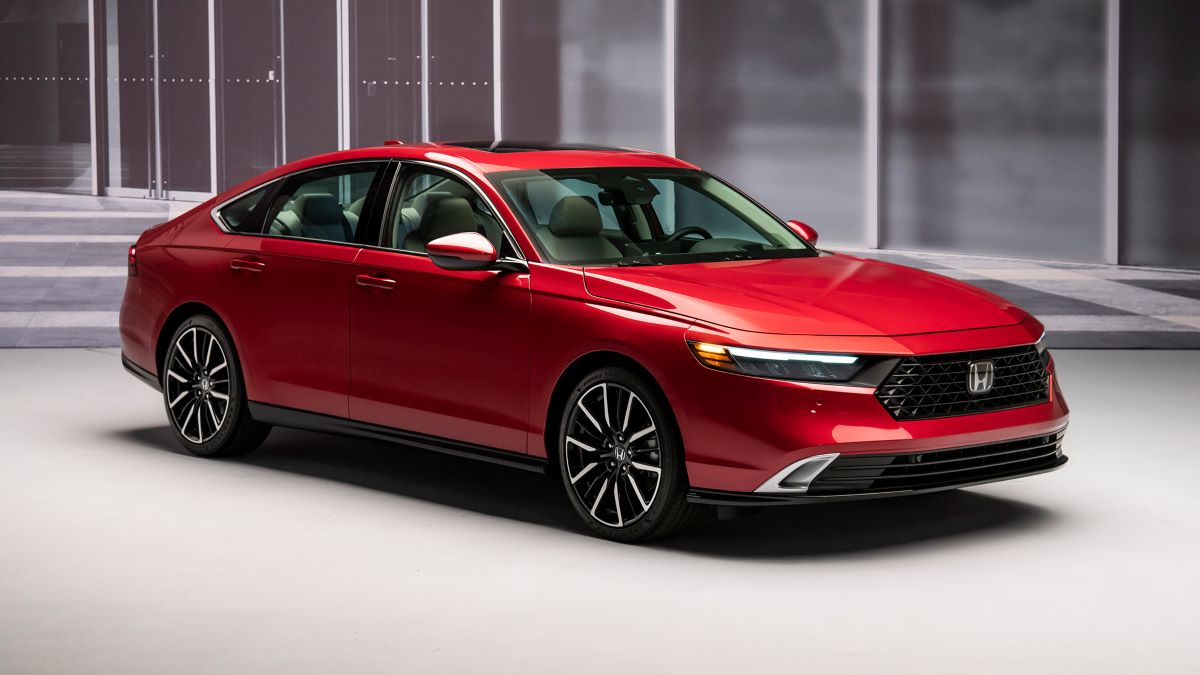
The high number of Accords on the road also ensures that parts are accessible at fair prices, limiting both downtime and expense. Scheduled maintenance, oil, filter, and timing belt changes can be managed for less than the industry average for a midsize car.
Honda’s clarity in maintenance guidelines and transparent documentation further assists owners in maintaining their vehicles without unexpected complications.
The Accord is thus not only a wise investment for initial buyers but also retains value well, supported by its low costs and trustworthy performance year after year.
5. Toyota Prius
The Toyota Prius is known worldwide as the pioneer of hybrid cars and continues to be celebrated for its minimal maintenance demands.
While some buyers worry about hybrid-specific costs such as battery replacements, the Prius defies these fears with strong records for battery longevity and affordable servicing.
Real-world experiences and studies show its hybrid batteries frequently last well beyond 150,000 miles, and replacement costs have dropped as technology has advanced and more used parts are available.
Basic tasks like brakes, tires, oil changes, and HVAC repairs land on the low end of the cost spectrum thanks to the Prius’s streamlined, carefully considered design.
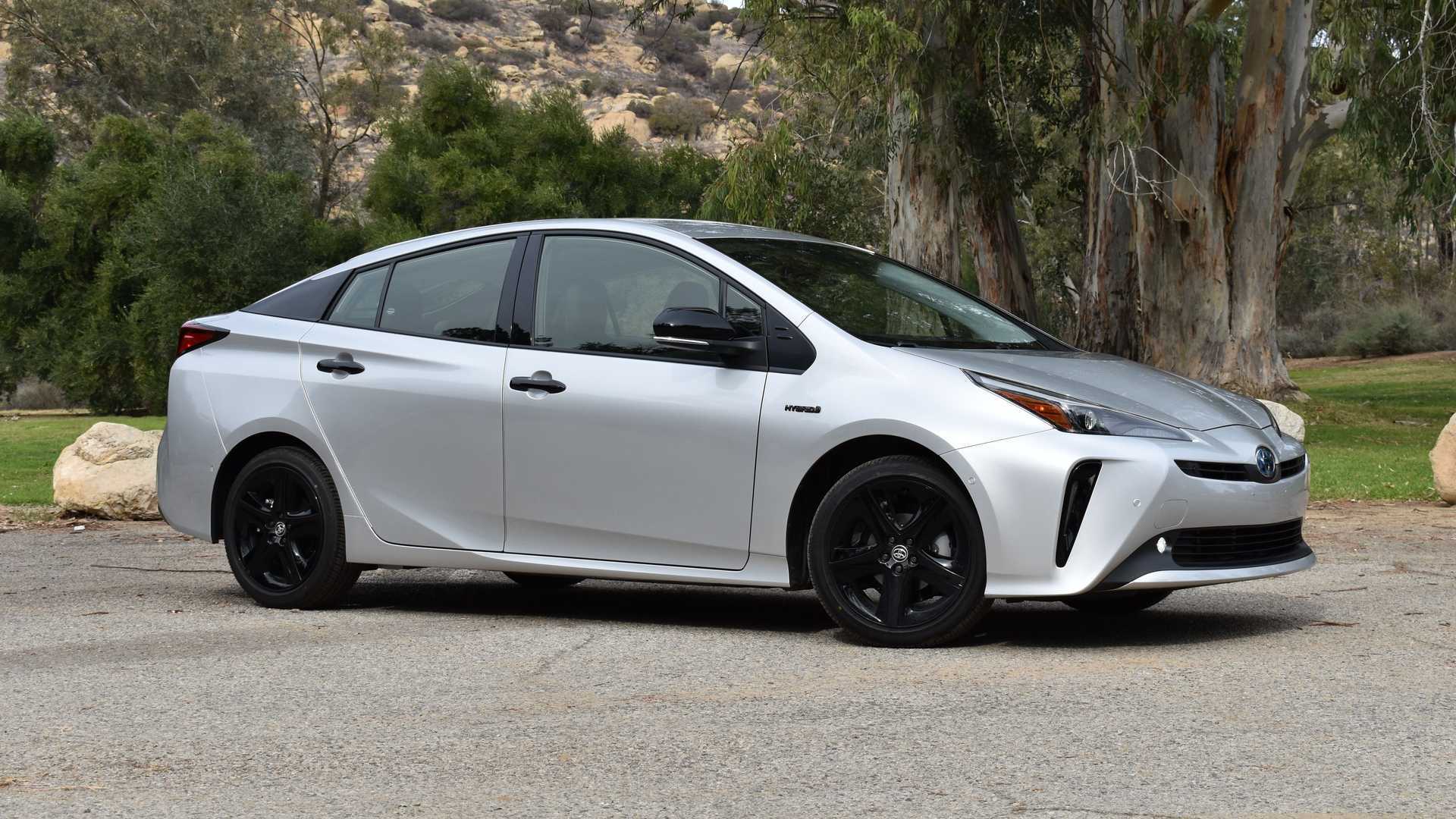
Even non-hybrid repairs are simplified, and widely available components keep prices in check. This has made the Prius a frequent winner in ownership cost surveys and reliability indexes.
Whatever variant you choose, Prime or standard hybrid you gain the peace of mind of a car designed not only for fuel economy but also for long-term durability, without the worry of burdensome upkeep.
6. Mazda3
The Mazda3 stands out by offering an engaging drive while keeping ownership expenses low. Mazda focuses on engineering that emphasizes both reliability and serviceability.
Many Mazda3 owners are surprised by how rarely major repairs are needed, with most visits to the shop revolving around regular wear-and-tear items.
Mazda’s engine and transmission designs avoid over-complication, making scheduled maintenance straightforward and affordable.
Brake jobs, filter replacements, and suspension work on the Mazda3 are often less expensive than on rivals thanks to the car’s mechanical simplicity and widespread use of shared components throughout Mazda’s lineup.
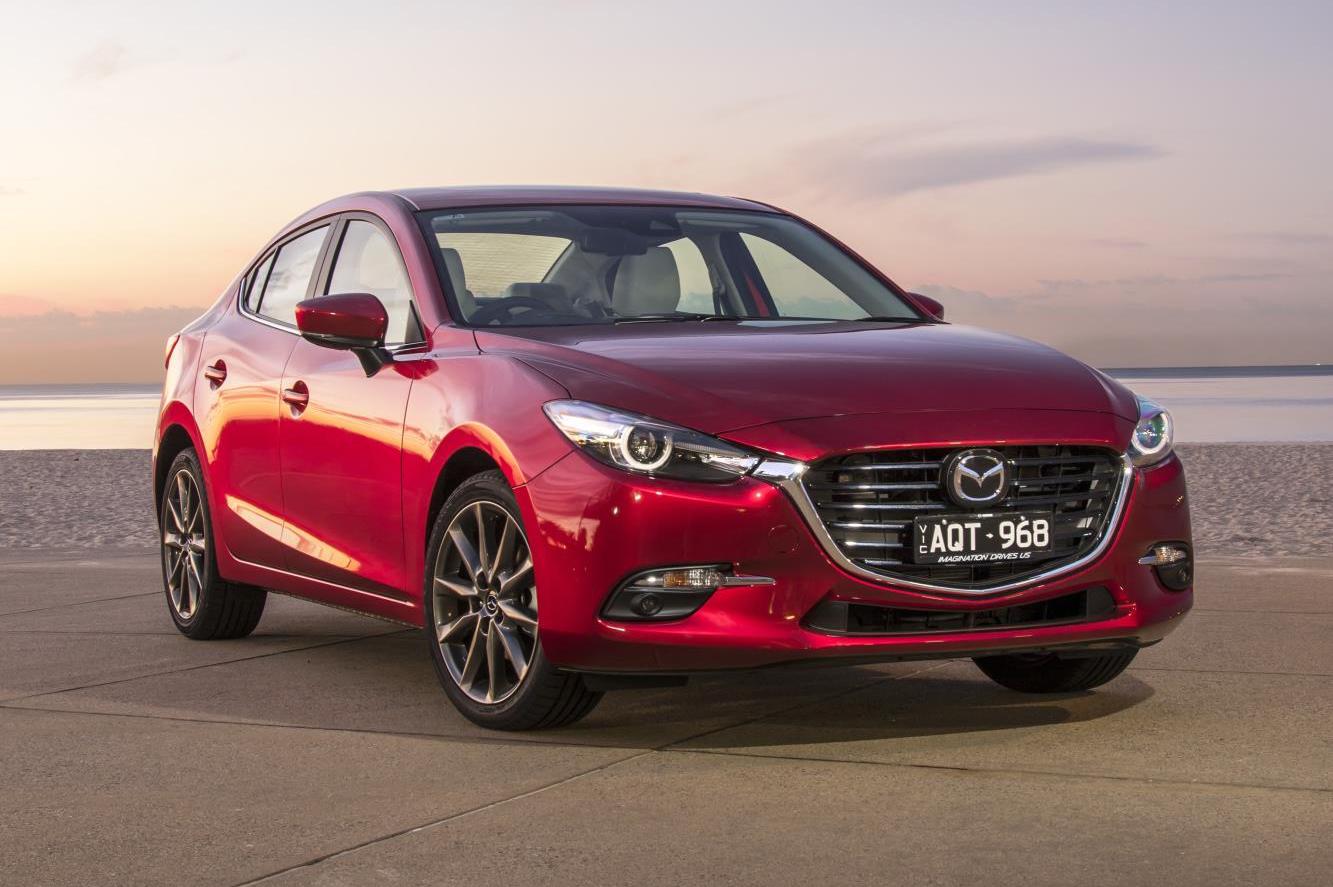
The car’s high build quality extends to the interior and exterior, meaning you’re less likely to need cosmetic repairs or replacements as the model ages.
Its steadfast reliability, combined with a rewarding driving experience and friendly maintenance bills, has built the Mazda3 a loyal and growing following among motorists seeking an economical yet spirited compact car.
7. Subaru Outback
The Subaru Outback has long appealed to drivers who value both practicality and reliability. Known for its standard all-wheel-drive system and wagon-like versatility, the Outback combines rugged utility with reasonable maintenance demands.
Subaru’s engineering emphasizes long-lasting components, and major mechanical failures are less common when the car is properly serviced on schedule.
Routine upkeep costs such as oil changes, brake servicing, and tire rotations are competitive with other midsize vehicles, and parts availability is excellent through both dealer and aftermarket channels.
Many owners find that the Outback’s durable boxer engine and linear transmission setup contribute to minimal long-term repair expenses.
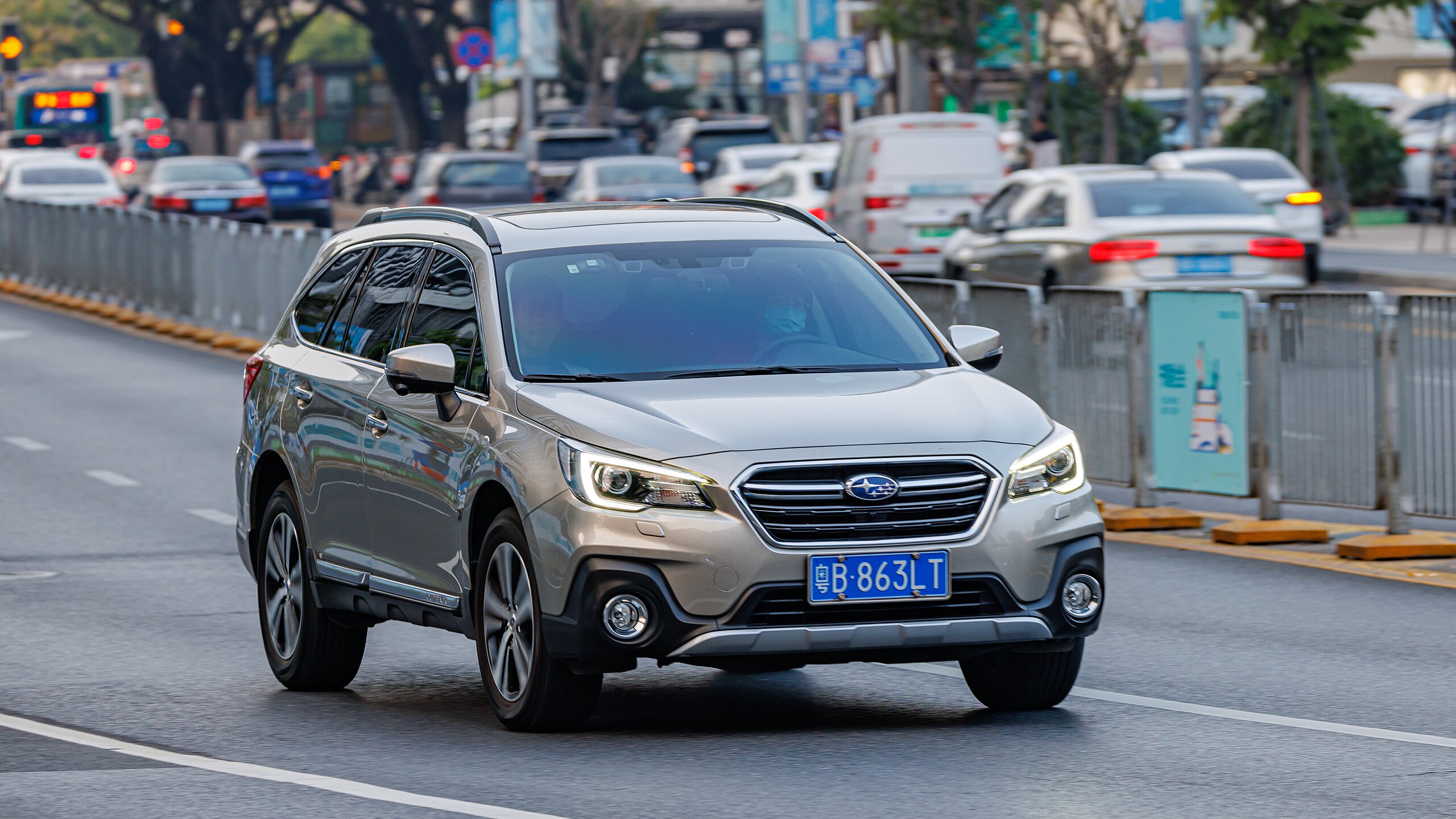
While AWD systems can sometimes increase service costs compared to two-wheel-drive vehicles, Subaru’s design has proven to be robust and cost-efficient.
Owner reports often include stories of surpassing 200,000 miles with consistent maintenance and without financially draining repairs.
Additionally, the Outback’s strong resale value reinforces its reputation as a sensible buy for budget-conscious adventurers who want a dependable vehicle without looming service nightmares.
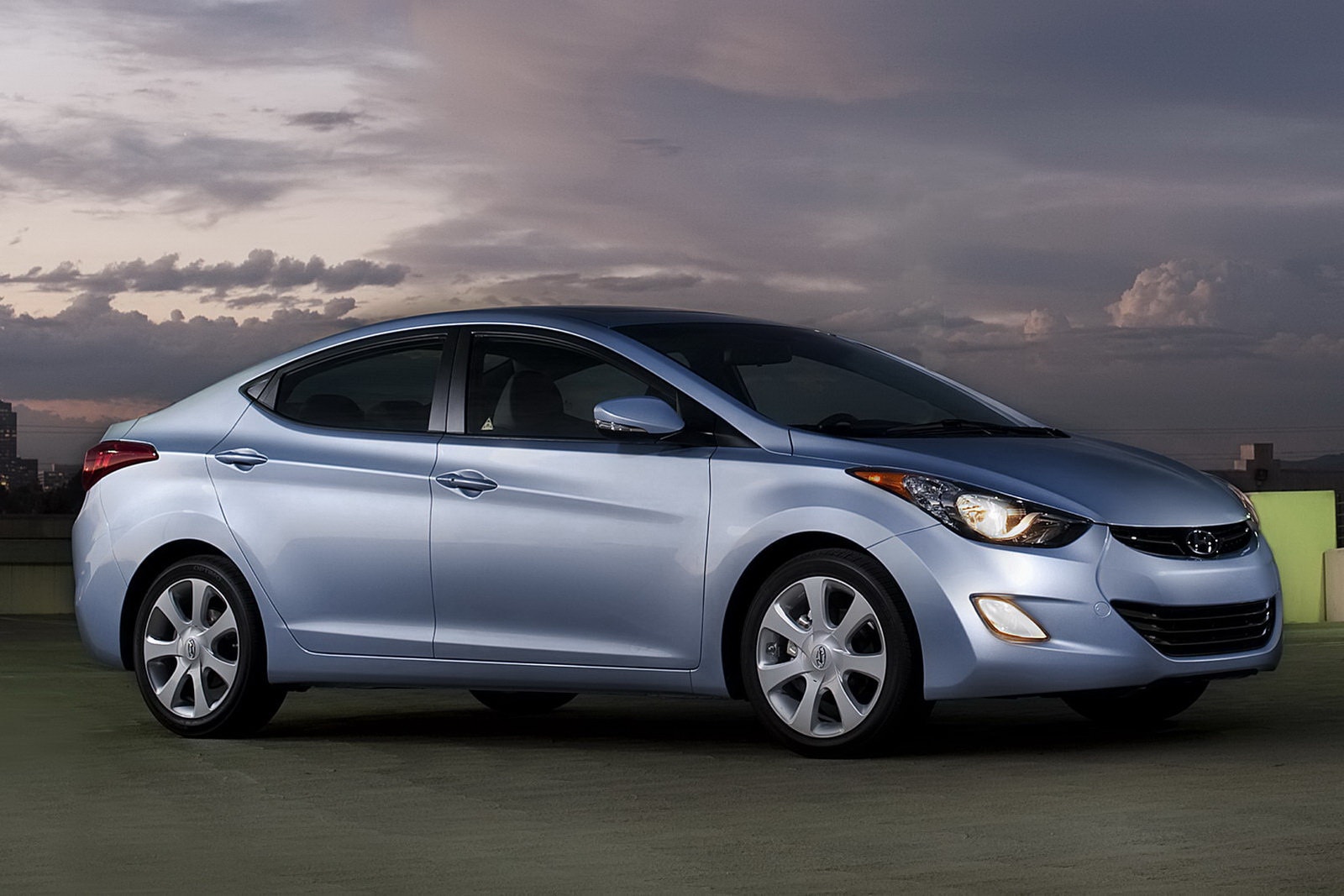
8. Hyundai Elantra
The Hyundai Elantra has earned a spot in conversations about affordable long-term ownership thanks to its combination of reliability, warranty coverage, and low service charges. Over the past decade, Hyundai has invested heavily in improving build quality and mechanical durability, and the Elantra is a prime example of that commitment.
Many common repairs are inexpensive due to the abundance of compatible parts, and Hyundai’s straightforward engineering ensures routine maintenance is quick and easy.
Brake work, battery swaps, and belt replacements often cost less here than on similarly equipped competitors. The Elantra’s fuel-efficient engines place minimal strain on components, which reduces the likelihood of costly breakdowns.
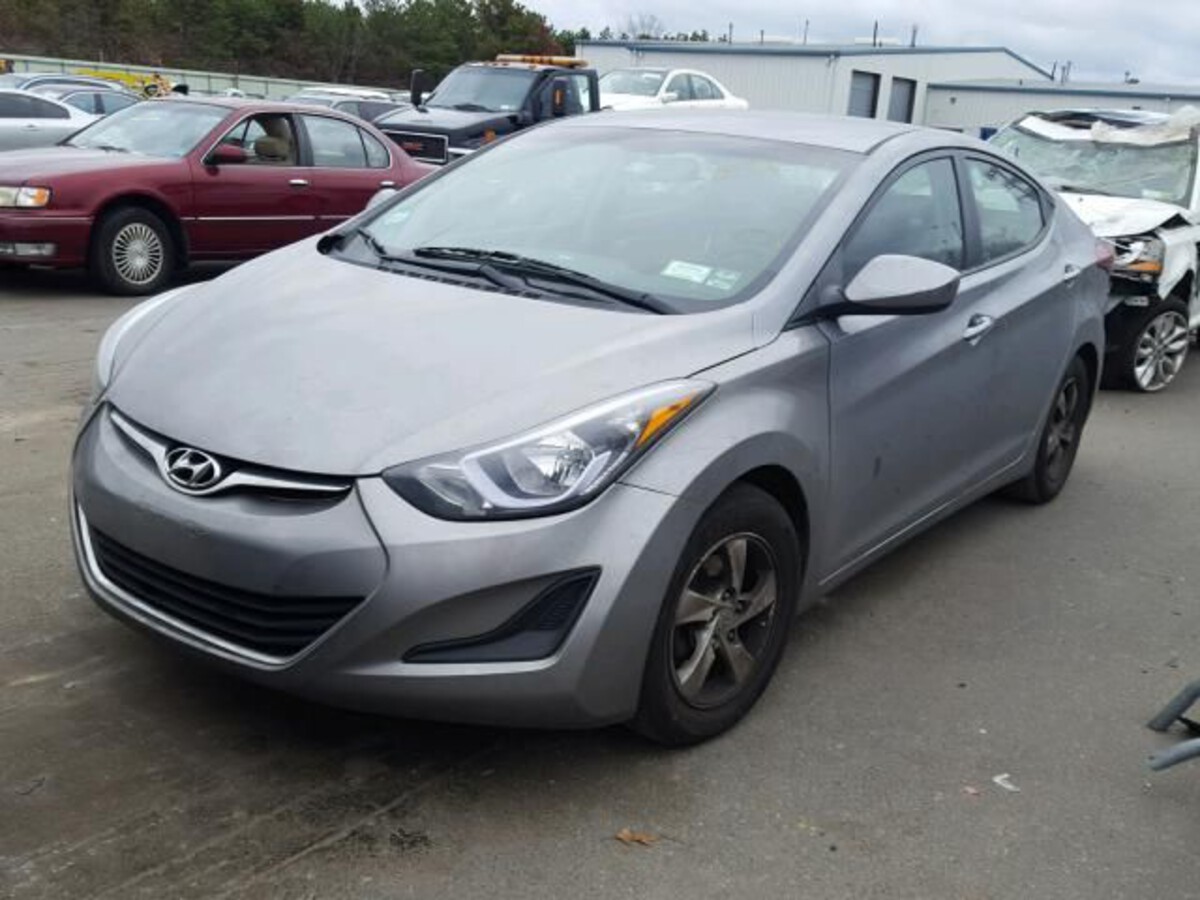
Hyundai’s industry-leading warranty also means that significant repairs during the first years of ownership can be completely covered, easing the cost burden for new buyers.
Even after warranty expiration, owner data suggests maintenance costs remain comfortably below average, making the Elantra ideal for those seeking value and dependability without compromising modern features.
9. Ford Fusion
The Ford Fusion offers a strong balance between style, comfort, and affordable upkeep, particularly in its four-cylinder configurations.
Throughout its production years, Ford made efforts to keep repair and maintenance costs reasonable by using parts and systems common to other popular Ford models.
Basic service items such as oil changes, brake pads, and air filters can be performed at modest costs due to wide parts availability and mechanical accessibility.
The Fusion’s engines, especially the naturally aspirated variants, are widely known for their resilience when maintained with regular oil and fluid changes. Furthermore, its robust transmission and sturdy suspension components translate to fewer high-cost interventions over the vehicle’s lifespan.
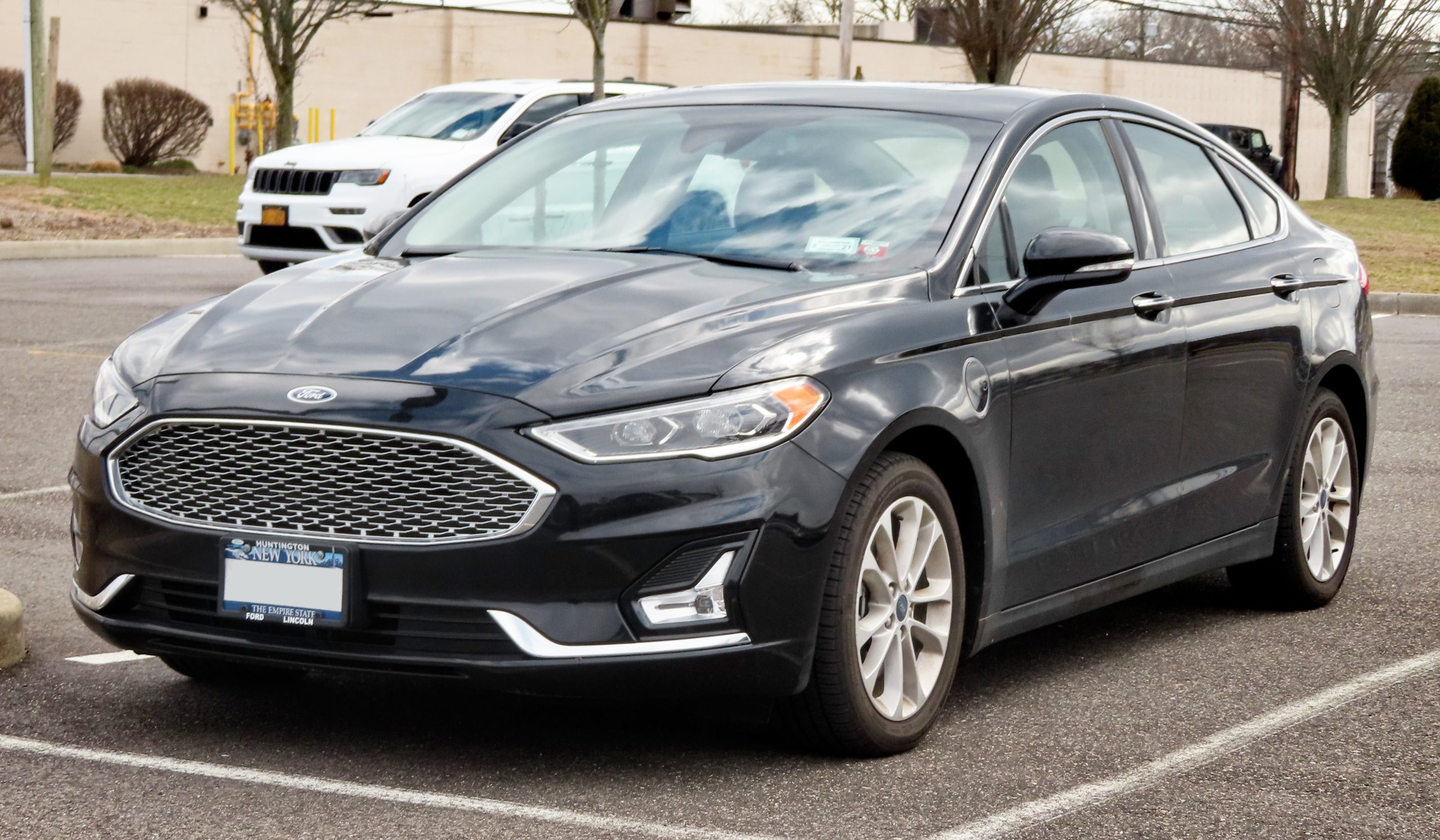
A large number of independent repair shops are familiar with the Fusion, which helps avoid dealership pricing for maintenance tasks. This mix of familiarity, durability, and manageable costs has made it a solid choice for budget-conscious midsize sedan buyers.
10. Kia Soul
The Kia Soul distinguishes itself through its unique design, roomy interior, and reputation for low ownership costs.
Kia has devoted significant attention to ensuring that both running costs and repair expenses are lower than average for its class. The Soul’s simple yet efficient engine and drivetrain contribute to its track record for longevity.
Maintenance tasks like spark plug replacements, air filter changes, and brake servicing remain wallet-friendly in most regions.
Its widespread popularity means spare parts are abundant and competitively priced. Additionally, Kia’s industry-leading warranty coverage protects buyers from early ownership expenses that might plague other vehicles.
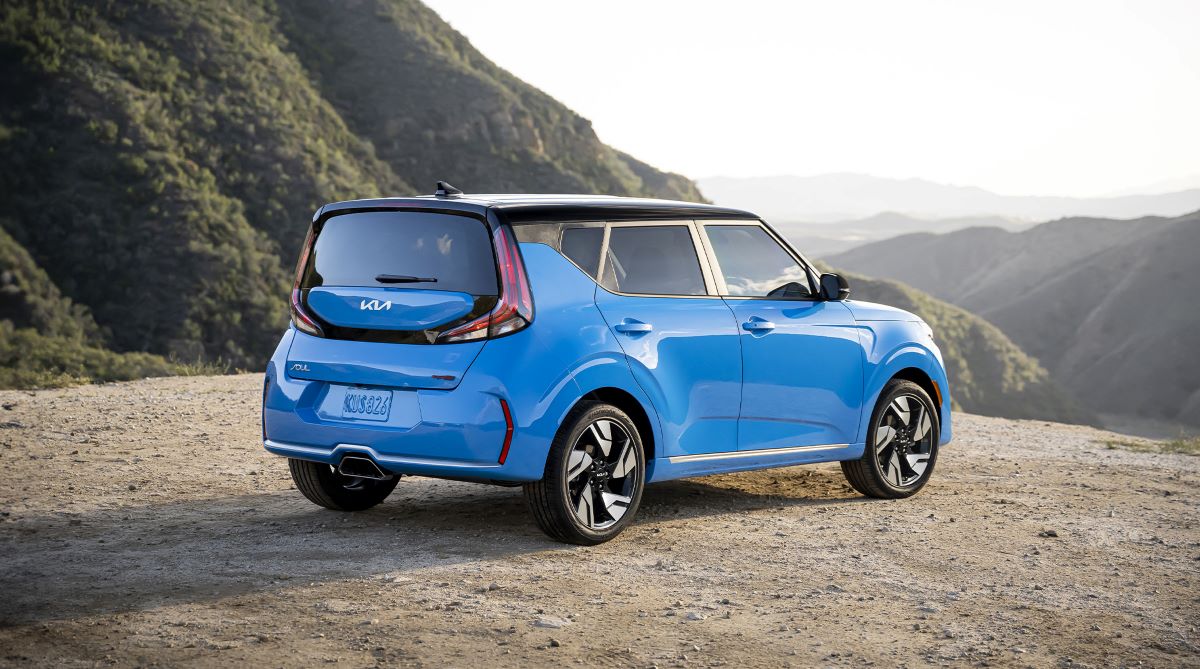
The Soul’s durability is such that many owners report little more than routine upkeep costs until well past 100,000 miles.
Its elevated seating position and practical dimensions make it an appealing option for those who want the feel of a compact crossover without the costlier upkeep sometimes associated with SUVs.
11. Chevrolet Impala
The Chevrolet Impala, especially in its later sedan generations, stands out for spacious comfort paired with a manageable cost of ownership.
The Impala’s workhorse V6 engine is widely considered reliable when given basic care, and its drivetrain components are shared with other GM models, which keeps parts pricing in check.
Routine services such as oil changes, coolant flushes, and brake pad replacements are straightforward and affordable.
The large number of Impalas in circulation ensures plentiful knowledge among mechanics, which means faster turnaround times and reduced labor charges. Its sturdy frame and suspension system tend to resist costly repairs even after years of use.
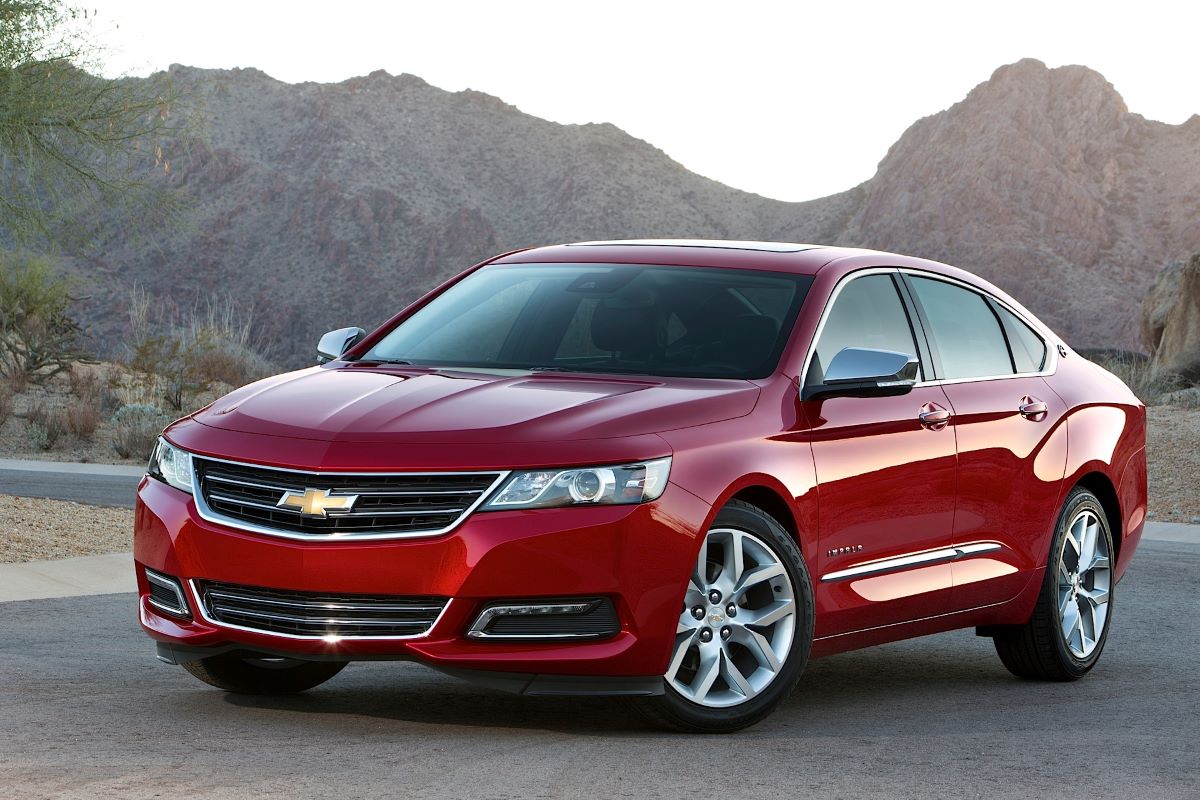
Because the Impala also enjoys strong availability of aftermarket components, owners have flexibility in choosing cost-effective repair options, extending the value of ownership over time.
This dependable model has been a staple for families and fleets alike, and it continues to offer strong value on the pre-owned market.
12. Nissan Altima
The Nissan Altima rounds out our list with a reputation for dependable performance and fair maintenance costs. Known for its comfortable ride and efficient drivetrain, the Altima often surpasses 150,000 miles with ease when maintenance schedules are adhered to.
Oil changes, belt replacements, and brake servicing fall toward the lower end of the cost spectrum, due in part to the Altima’s mechanical simplicity and widespread availability of components.
While past CVT transmission designs have received scrutiny, Nissan has made incremental improvements, and consistent fluid servicing has proven to extend transmission life significantly.
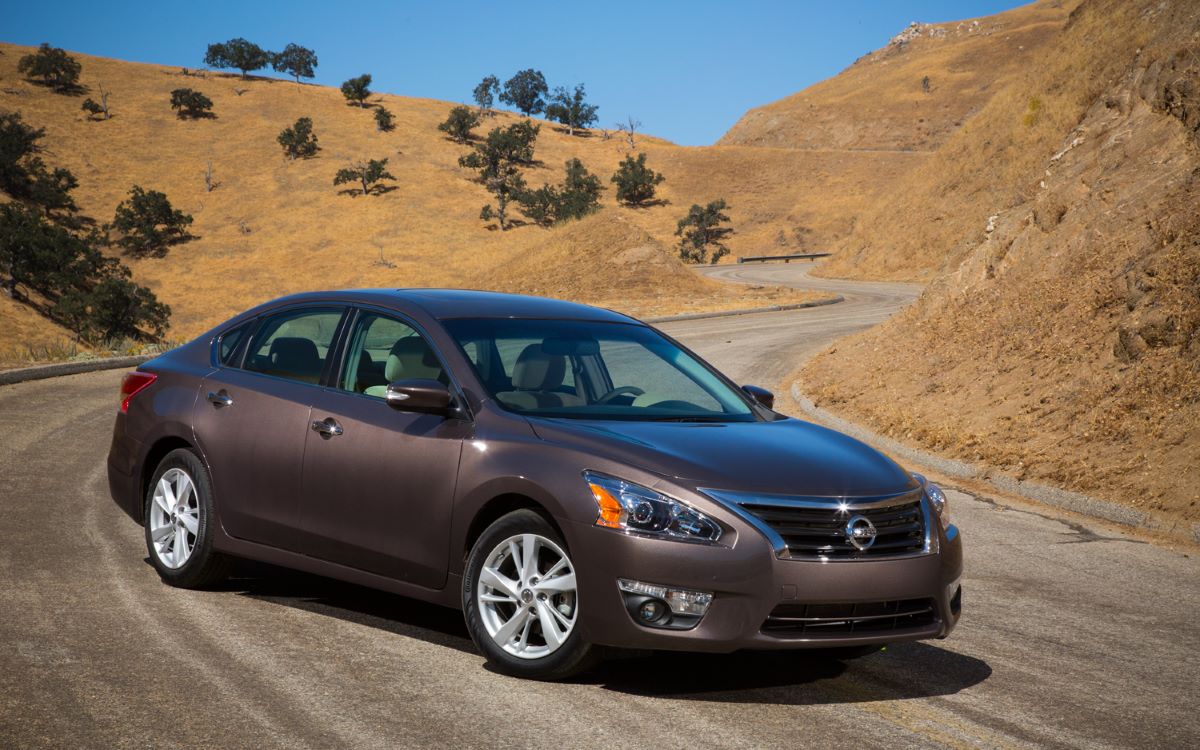
The Altima’s popularity across North America means dealerships and independent mechanics know the model well, reducing diagnostic and labor costs.
For buyers seeking a well-rounded, affordable-to-maintain midsize sedan, the Altima delivers consistent value without straining long-term budgets.
When choosing a car, it’s not just the purchase price that matters ongoing maintenance can make or break ownership satisfaction.
Repairs, service visits, and parts replacement can quickly add up, so buyers often seek models that are easy and affordable to keep on the road.
This article identified 12 vehicles that stand out for their long‑term reliability, affordable parts, and straightforward servicing, ensuring manageable upkeep costs for years.
The Toyota Corolla is renowned for simplicity and dependability, using proven engineering and widely available parts. Routine work is inexpensive, and many reach well over 200,000 miles with only regular servicing.
The Honda Civic is famous for engine and transmission longevity, offering low‑priced routine maintenance. Its popularity means abundant affordable parts and a robust owner community for support.
The Toyota Camry, a midsize sedan with durable powertrains, benefits from Toyota’s parts‑sharing across models, keeping service costs modest. Both hybrid and gas versions maintain strong reliability.
The Honda Accord delivers long‑lasting performance and easy maintenance access. Replacement parts are plentiful, and routine service costs are low for its vehicle size.
The Toyota Prius, the hybrid pioneer, maintains low service bills with batteries that often last 150k+ miles. Non‑hybrid‑specific repairs remain affordable, making it an ideal budget‑minded eco‑choice.
The Mazda3 balances driving fun with low upkeep. Its mechanical simplicity, shared components, and solid build quality keep repair costs reasonable.
The Subaru Outback offers rugged practicality with long‑lasting AWD systems and engines. While AWD can raise costs on some vehicles, Subaru’s efficient design keeps them in check.
The Hyundai Elantra benefits from improved build quality and generous warranty coverage, making it affordable to maintain. Its straightforward engineering keeps service bills low even after the warranty expires.
The Ford Fusion uses familiar parts shared with other Ford models, allowing low‑cost repairs, especially for four‑cylinder variants. Many mechanics can work on it without specialty rates.
The Kia Soul is known for durability and low‑cost maintenance. Abundant parts, simple design, and an industry‑leading warranty keep ownership costs predictable.
The Chevrolet Impala offers spacious comfort with affordable service. Shared GM components and robust construction help it avoid major repair bills.
The Nissan Altima combines comfort, efficiency, and easy servicing. Routine work is inexpensive, especially with proper CVT maintenance to extend transmission life.
These models excel because they combine reliability, affordable parts, and mechanic familiarity. Fewer breakdowns mean fewer big repair bills. Parts are widely available, both OEM and aftermarket, and most vehicles are well‑understood by independent shops, lowering labor costs.
Brands like Toyota and Honda dominate thanks to decades of proven durability. Mazda and Subaru earn their place with mechanical simplicity and ruggedness.
Hyundai and Kia provide reassurance through top‑tier warranty coverage. Ford, Chevrolet, and Nissan stay cost‑friendly due to mass‑market parts and service knowledge.
Annual maintenance for these vehicles generally ranges from $350 to $600, depending on driving habits and location. Oil changes, brake jobs, and tire rotations are cheaper than industry averages, and longer service intervals mean fewer trips to the shop.
To maintain these savings, owners should stick to manufacturer schedules, use quality replacement parts, change fluids on time, protect against rust, keep tires properly inflated, and address warning lights promptly to prevent problems from escalating.
Owning a dependable, low‑maintenance vehicle means predictable costs and reduced stress. All 12 models here have strong reputations for affordable upkeep without sacrificing comfort, safety, or resale value. Choosing wisely and maintaining consistently allows drivers to enjoy years of reliable service without breaking their budgets.
Also Read: 10 Cars That Survive Stop-and-Go Traffic Without Complaints
