
Choosing a car involves considering many factors, and fuel cost is one of the most significant. While some vehicles require premium fuel, which can be expensive, others perform well on regular gasoline, helping owners save money over time.
Using premium fuel when it’s not necessary adds an unnecessary expense without improving performance. This makes cars that run efficiently on regular fuel a smart choice for budget-conscious drivers.
Regular fuel, typically 87 octane in the United States, is widely available and more affordable compared to premium options, which usually have an octane rating of 91 or higher. Premium fuel is often recommended for high-performance or luxury cars with engines that have higher compression ratios.
However, modern engineering has advanced so much that many vehicles designed for everyday driving today can deliver excellent efficiency and power using regular fuel. They are built to optimize combustion and maintain performance without the need for expensive fuel.
In this article, we focus on ten cars that are known for their ability to operate well on regular gasoline. These cars combine reliability, fuel efficiency, and good performance without the premium fuel price tag.
Whether you’re looking for a compact car, sedan, or SUV, this list covers a variety of options suited for different lifestyles. After reading about them, you might find your next vehicle could be one that saves you hundreds a year on fueling costs alone.
Now, let’s look at the ten cars that don’t require premium fuel and understand what makes them economical and effective for regular drivers.
Also Read: 10 Cars That Made the Switch From Luxury to Mainstream
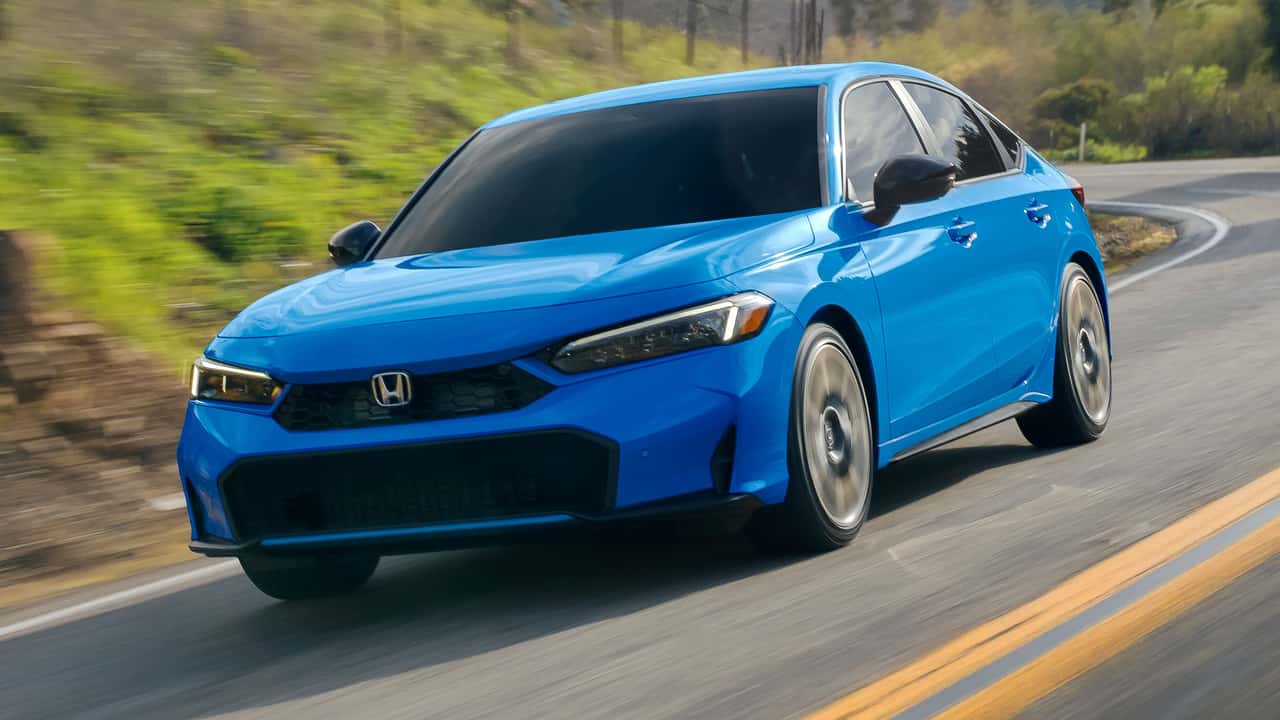
1. Honda Civic
The Honda Civic has long been praised for its practicality, reliability, and affordability. A standout feature that makes the Civic an economical choice is its ability to run efficiently on regular unleaded gasoline without sacrificing performance.
Whether you choose the traditional gasoline models or the newer turbocharged variants, most Civics are engineered to handle 87-octane fuel comfortably.
Under the hood, the Honda Civic balances power and fuel efficiency thanks to its well-tuned engines. The 2.0-liter inline-4 engine found in many base models delivers a smooth driving experience with ample horsepower for city and highway travel.
For those who want a bit more pep, the 1.5-liter turbocharged engine offers enhanced throttle response with no need for premium fuel.
Honda’s engineering focuses on maximizing combustion efficiency through advanced fuel injection and variable valve timing, ensuring that the engine performs optimally on standard fuel.
Beyond fuel requirements, the Civic stands out for providing outstanding fuel economy, often achieving more than 30 miles per gallon in combined driving conditions.
This efficiency contributes directly to lower fuel expenses over the car’s lifespan. Maintenance costs are also generally low, meaning the Civic is one of the least expensive vehicles to own in its class.
The Civic’s interior offers a comfortable and user-friendly space, blending modern technology with ergonomic design. Safety features are plentiful, including Honda Sensing, a suite of driver-assistive technologies, emphasizing the Civic’s suitability as a daily commuter vehicle.
For drivers interested in a car that won’t demand premium gas yet delivers reliability and great mileage, the Honda Civic represents an ideal crossover between affordability and performance.
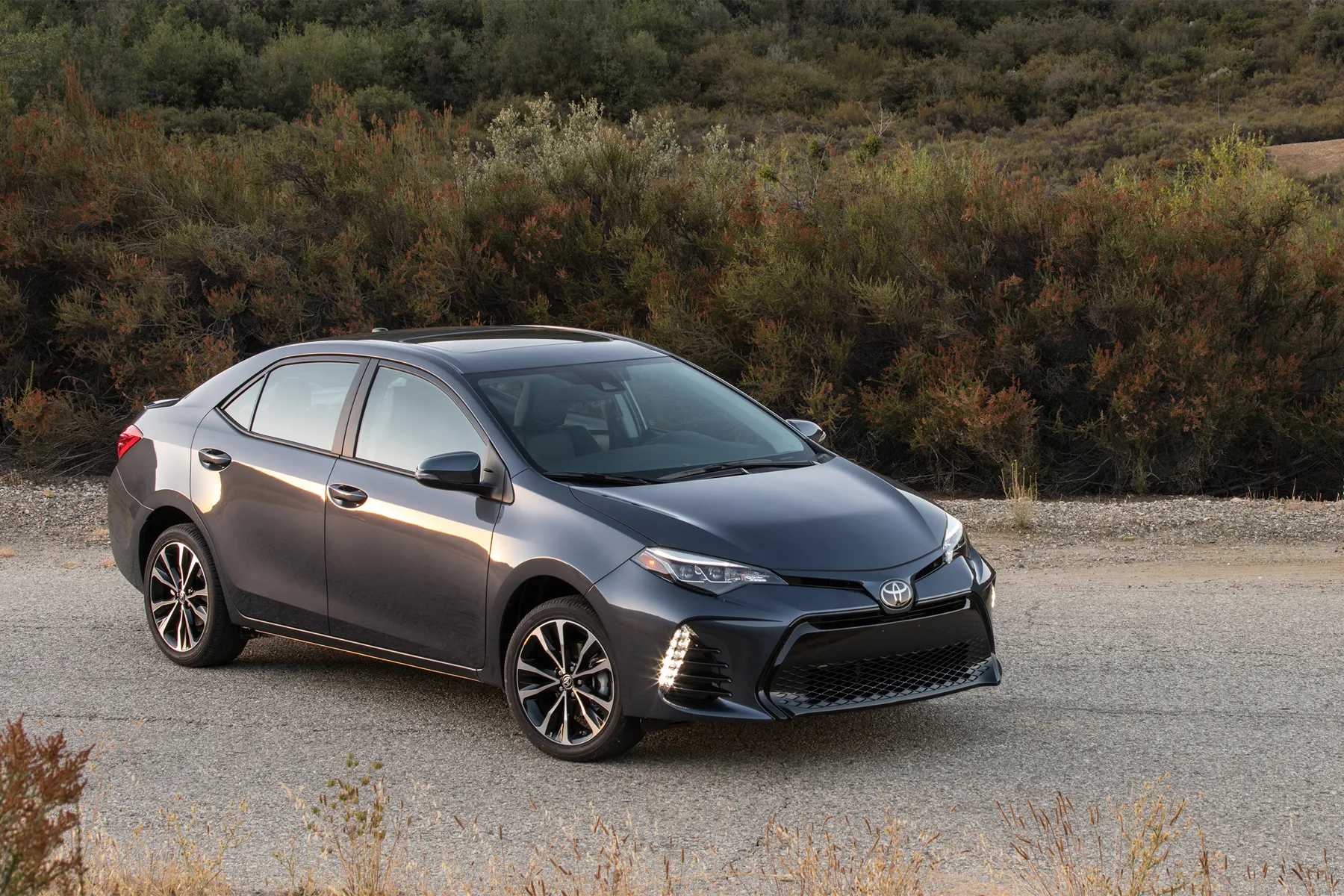
2. Toyota Corolla
Known for its legendary reliability, the Toyota Corolla continues to impress as a practical choice for drivers looking to avoid the higher costs that come with premium fuel.
The Corolla runs well on regular gasoline and combines this with excellent fuel economy and long-term durability, two traits that Toyota has refined over multiple generations.
Corolla models mostly use naturally aspirated or small turbocharged four-cylinder engines designed to operate efficiently on 87-octane fuel. This includes the popular 1.8-liter and 2.0-liter engine options, which provide a good balance of power and fuel savings.
The engine’s design incorporates modern fuel management systems that optimize fuel-air mixture and timing, making the most of regular gas while minimizing knocking or pinging, which are often reasons premium fuel is recommended in other cars.
Fuel efficiency remains a strong point, with many Corolla trims achieving up to or exceeding 30 MPG combined.
The hybrid version takes this even further, offering outstanding mileage without any need for premium fuel. This makes the Corolla a favorite among commuters who prioritize saving on everyday travel costs.
Besides its powertrain, the Corolla offers a spacious and comfortable cabin with advanced infotainment and safety features included as standard or optional upgrades.
Toyota Safety Sense, the suite of active safety technologies, makes the Corolla a dependable choice for families and individuals alike.
In short, the Toyota Corolla demonstrates that a car doesn’t have to demand premium fuel to deliver quality, comfort, and long-term savings.
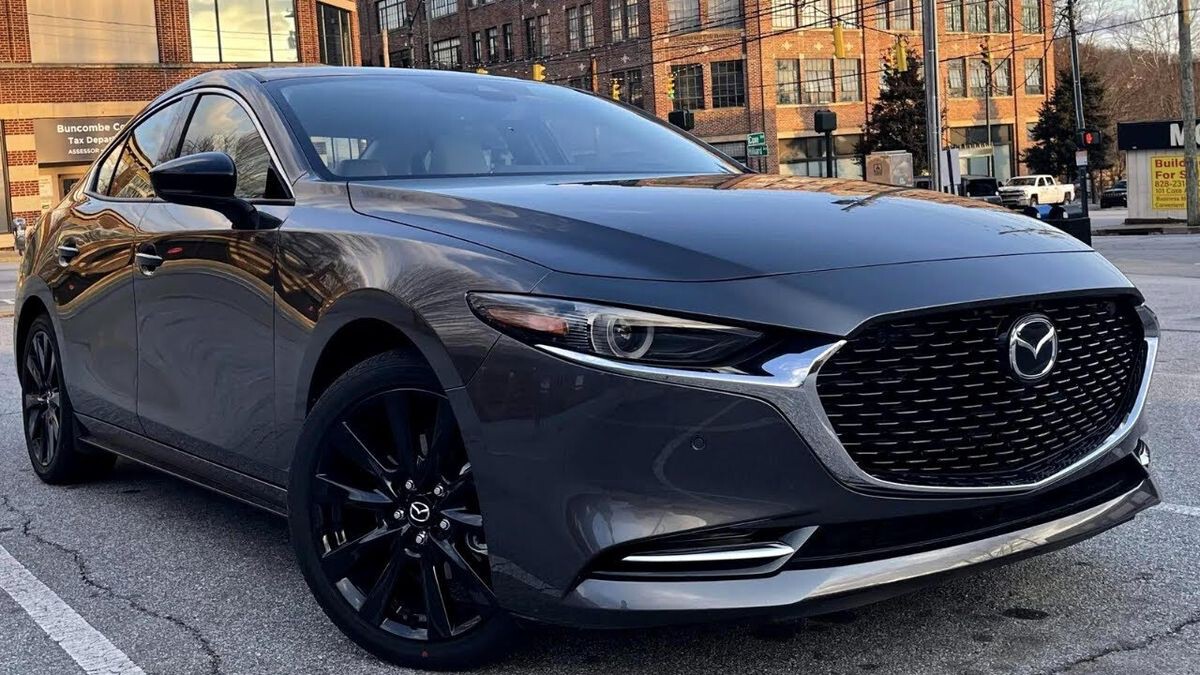
3. Mazda3
The Mazda3 is another standout vehicle celebrated for delivering spirited driving experience without a premium fuel requirement. Mazda’s distinctive approach to engineering focuses on creating engines that marry performance with fuel economy, and the Mazda3 is a prime example of this philosophy.
The Mazda3 typically features a Skyactiv-G engine, a technology series designed to improve fuel combustion efficiency on regular gasoline.
The 2.0-liter and 2.5-liter inline-4 engines in this model are tuned to run smoothly on 87 octane fuel, offering drivers a sporty feel without the burden of expensive fuel costs.
The Skyactiv technology uses higher compression ratios than typical engines, optimizes combustion chamber shape, and enhances fuel injection management, which collectively refine power delivery and fuel use.
Driving the Mazda3 offers a dynamic experience with sharp handling and responsive acceleration, qualities sometimes found missing in other non-premium fuel cars.
Fuel economy is also competitive, with the model often achieving more than 28 MPG combined, contributing to lower operational costs.
Interior quality in the Mazda3 is among the best in its class, featuring premium materials, an intuitive infotainment system, and comfortable seating.
Its design emphasizes driver engagement while maintaining comfort for passengers. Safety is assured with standard features such as blind-spot monitoring and adaptive cruise control, adding peace of mind on longer journeys.
For drivers seeking a blend of excitement and economy, the Mazda3 offers an impressive package that thrives on regular gas.
4. Hyundai Elantra
The Hyundai Elantra offers an appealing mix of affordability, style, and fuel efficiency, making it a popular choice for cost-conscious drivers. One of its key attributes is the ability to run effectively on regular unleaded gasoline without compromising performance.
The Elantra’s engine lineup includes naturally aspirated and turbocharged four-cylinder options, both designed to maximize power and economy with 87-octane fuel.
Under the hood, the 2.0-liter four-cylinder engine delivers a well-rounded balance of power and efficiency suitable for daily commuting and highway driving.
For drivers seeking more spirited performance, the turbocharged 1.6-liter engine provides a lively driving experience while still maintaining compatibility with regular fuel.
Hyundai uses advanced technologies like Continuously Variable Valve Timing (CVVT) and precise fuel injection to enhance combustion efficiency, ensuring the engine operates smoothly on standard gas.
Fuel economy is impressive, with many Elantra models achieving over 30 miles per gallon combined, which helps keep running costs down. Maintenance and repair costs tend to be reasonable, adding to the overall value proposition.
The Elantra also boasts a well-appointed interior loaded with user-friendly tech features such as a touchscreen infotainment system, smartphone connectivity, and a suite of safety technologies including forward collision warning and lane-keeping assist.
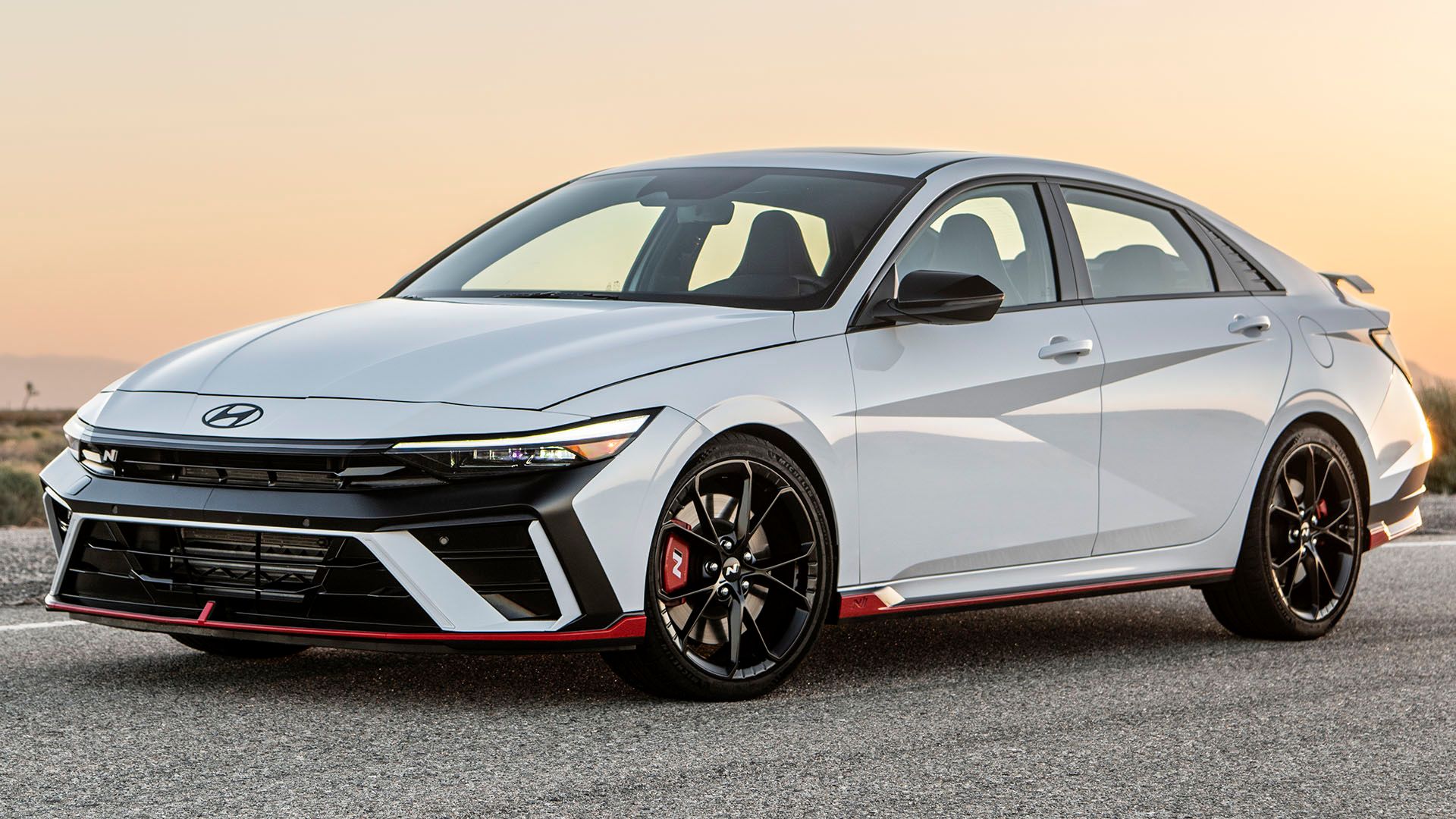
Hyundai’s warranty coverage is among the best in the industry, giving buyers peace of mind about long-term ownership costs. The Elantra shows that drivers don’t need to spend extra on premium fuel to enjoy a comfortable, efficient, and enjoyable ride.
5. Kia Forte
The Kia Forte is another excellent option for those seeking a stylish, practical car that doesn’t require premium fuel. It incorporates many of the same modern fuel-saving technologies found in its corporate cousin, the Hyundai Elantra.
The Forte’s engines, including a 2.0-liter naturally aspirated four-cylinder and a turbocharged 1.6-liter version, are calibrated to perform efficiently on 87-octane gasoline.
The Forte provides a smooth and responsive driving experience with good throttle response and adequate power for everyday driving.
Features like dual overhead camshafts and advanced fuel injection systems help optimize combustion, allowing the car to make the most of regular fuel.
The turbocharged model adds an extra layer of excitement for those who want to spice up their drive while still benefiting from lower fuel costs.
Fuel efficiency remains strong, often delivering combined mileage exceeding 30 miles per gallon. The interiors are spacious and used quality materials, making the Forte a comfortable companion for daily commutes or longer trips.
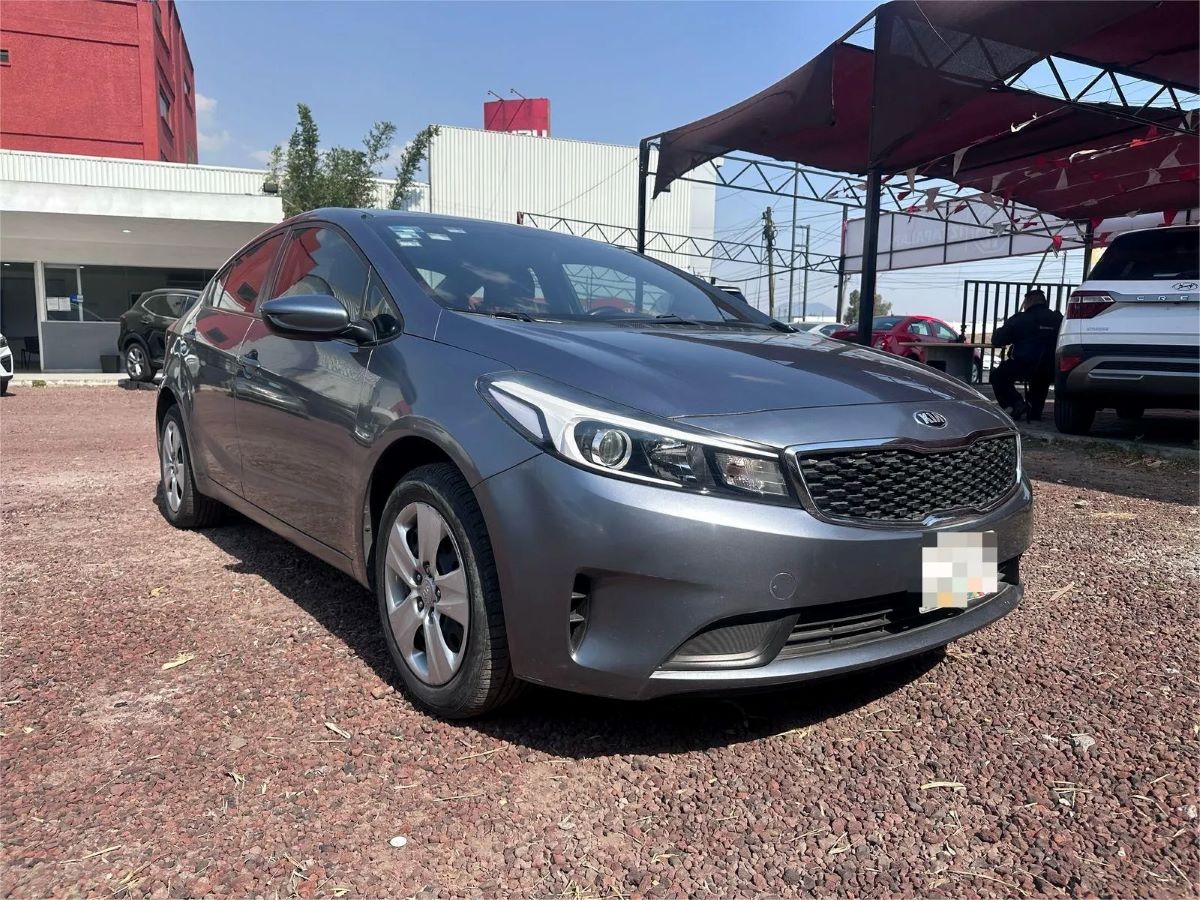
Standard and available tech features are abundant, ranging from smartphone integration to advanced driver assist features like blind-spot detection.
Kia’s industry-leading warranty coverage further enhances the appeal of the Forte, making it a smart pick for buyers looking to avoid the often unnecessary expense of premium fuel without sacrificing style, comfort, or reliability.
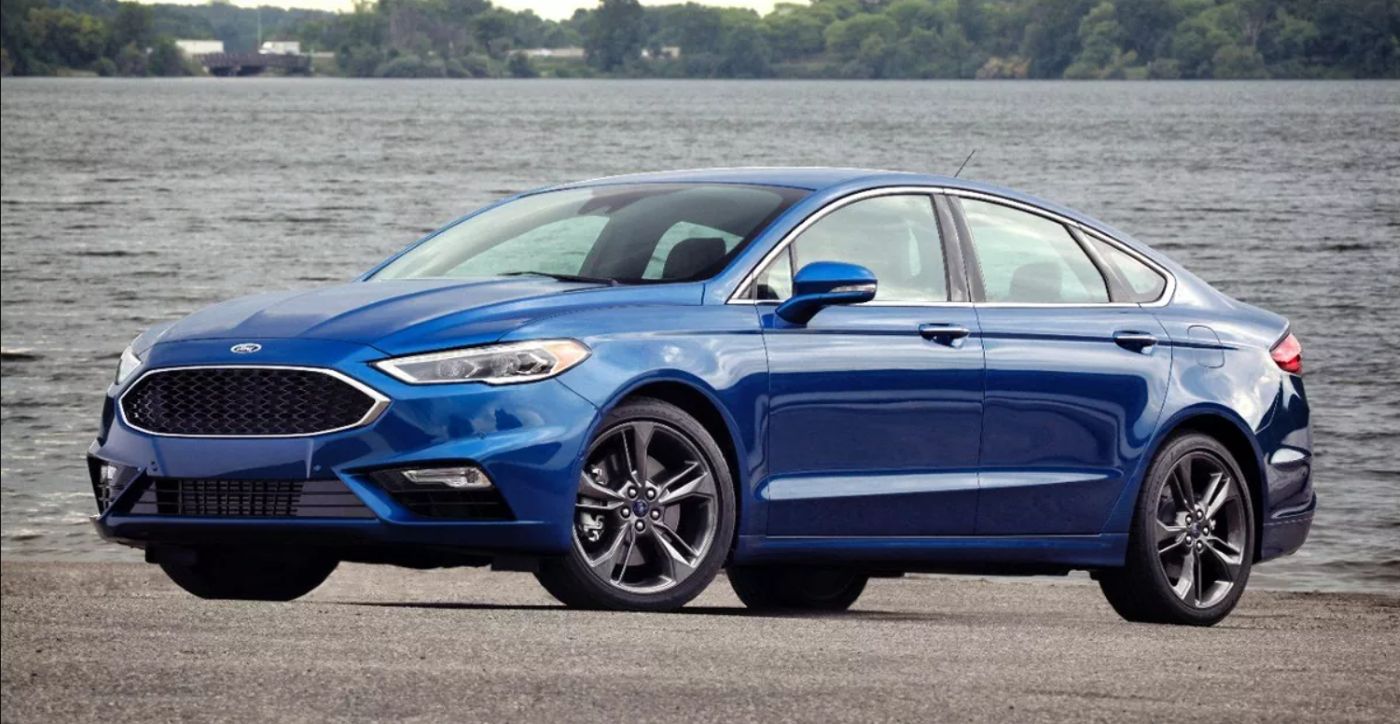
6. Ford Fusion
The Ford Fusion is a midsize sedan that stands out for its blend of practicality, performance, and fuel flexibility. Many Fusion models are designed to operate efficiently on regular unleaded gasoline, an attractive feature for those looking to reduce fuel expenses.
The sedan offers several engine choices including naturally aspirated and EcoBoost turbocharged four-cylinders, most of which can run on 87-octane fuel.
The 2.5-liter four-cylinder engine provides a smooth, reliable power output ideal for day-to-day driving.
For drivers wanting a little more power and turbocharged efficiency, the 1.5-liter and 2.0-litre EcoBoost engines deliver sharp acceleration and better fuel economy, both without the need for premium fuel.
Ford’s direct fuel injection and turbocharging technologies enhance power delivery while maintaining fuel economy on regular gas.
Fuel economy varies across engine options but generally delivers competitive mileage in the midsize sedan segment, often surpassing 25 miles per gallon combined.
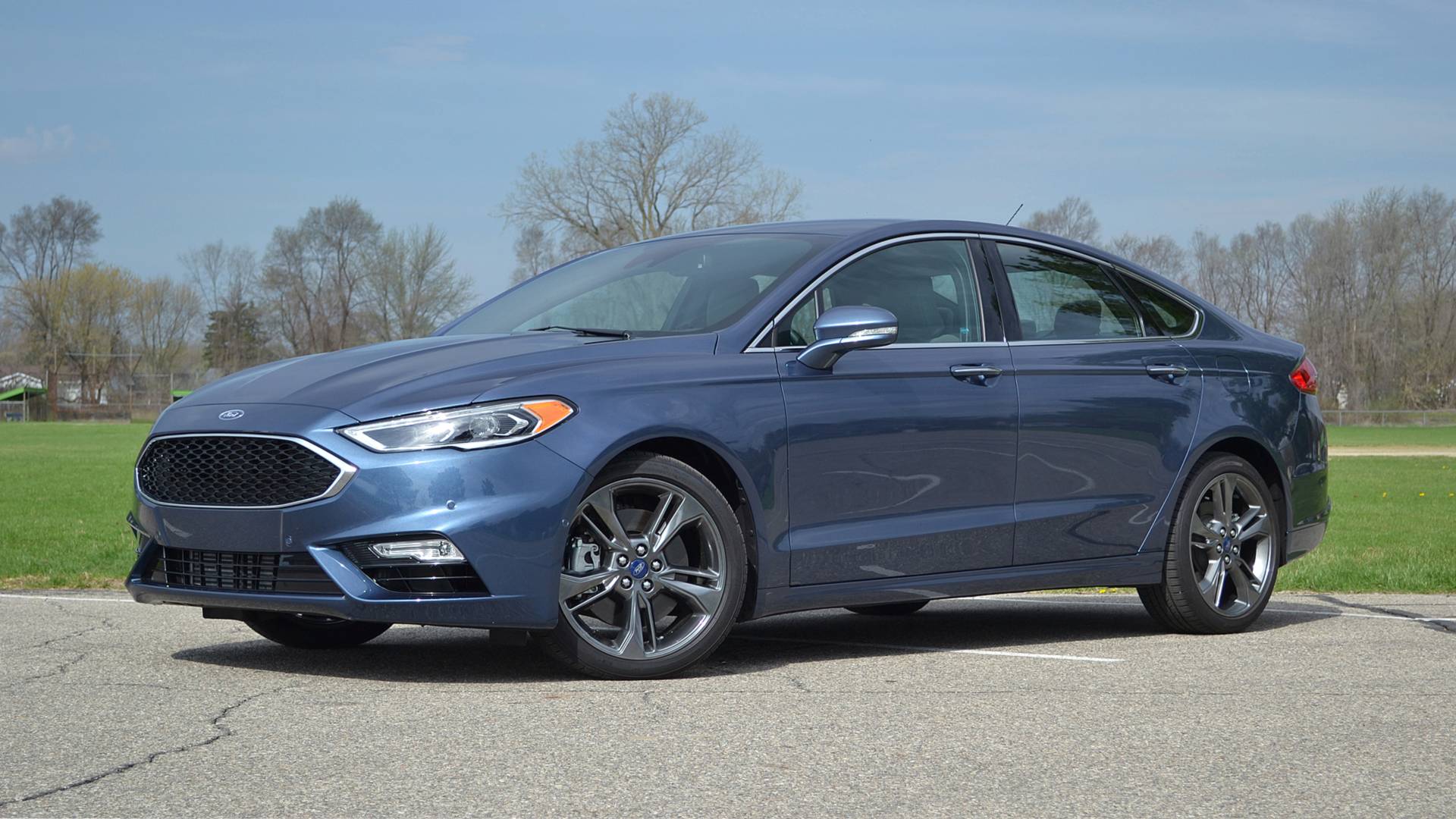
The Fusion’s cabin is spacious and comfortable with well-designed controls and premium features in higher trims. Safety is a priority, with available driver assistance technologies like adaptive cruise control, blind-spot monitoring, and lane-keeping assist.
The Ford Fusion appeals to buyers who want a reliable, efficient, and comfortable sedan capable of running on everyday fuel without extra cost.
7. Chevrolet Malibu
The Chevrolet Malibu offers midsize sedan buyers an attractive package of comfort, advanced technology, and fuel efficiency. A major advantage of the Malibu is its ability to run smoothly on regular unleaded gasoline, which keeps fueling expenses manageable.
The Malibu comes with several engine options, including a 1.5-liter turbocharged four-cylinder and a naturally aspirated 2.5-liter four-cylinder, both tuned for efficient operation on 87-octane fuel.
The 1.5-liter turbocharged engine balances power and fuel economy well, making it suitable for both city commutes and highway cruising without insisting on premium fuel.
Advanced engineering features such as direct injection and turbocharging improve combustion and energy conversion efficiency, helping the Malibu deliver a responsive driving experience. The 2.5-liter engine offers a bit more power while still maintaining compatibility with standard fuel.
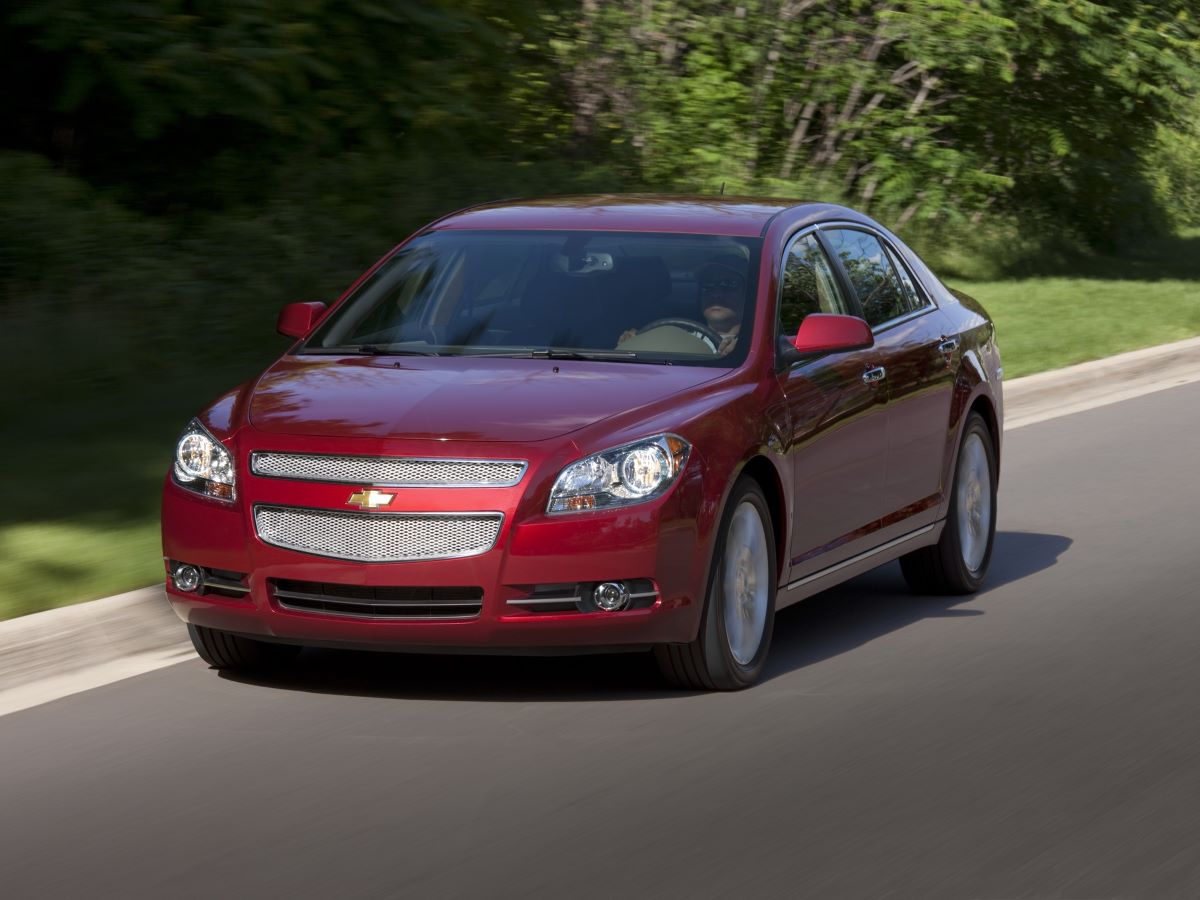
Fuel economy for the Malibu generally ranges in the high 20s to low 30s miles per gallon combined, depending on the engine and transmission choice.
The interior provides a comfortable ride with spacious seats and a user-friendly infotainment system, supporting smartphone integration and advanced driver assistance features like forward collision alert and lane keep assist.
Overall, the Malibu offers a strong value proposition by combining comfort, technology, and fuel savings without requiring costly premium fuel.
8. Volkswagen Jetta
The Volkswagen Jetta is a compact sedan known for its European design flair, efficient engines, and practicality. One of its appealing traits is that many Jetta models operate well using regular gasoline, removing the need for premium fuel expenses.
VW’s 1.4-liter and 1.5-liter turbocharged four-cylinder engines in the Jetta are optimized to run efficiently on 87 octane, providing a balance of power, refinement, and fuel economy.
Engineering innovations like direct fuel injection, turbocharging, and variable valve timing enhance combustion and performance under regular fuel conditions. This makes the Jetta a daily driver that offers lively performance without a premium fuel penalty.
Fuel economy ratings for the Jetta often exceed 30 miles per gallon combined, making it an economical choice for commuters.
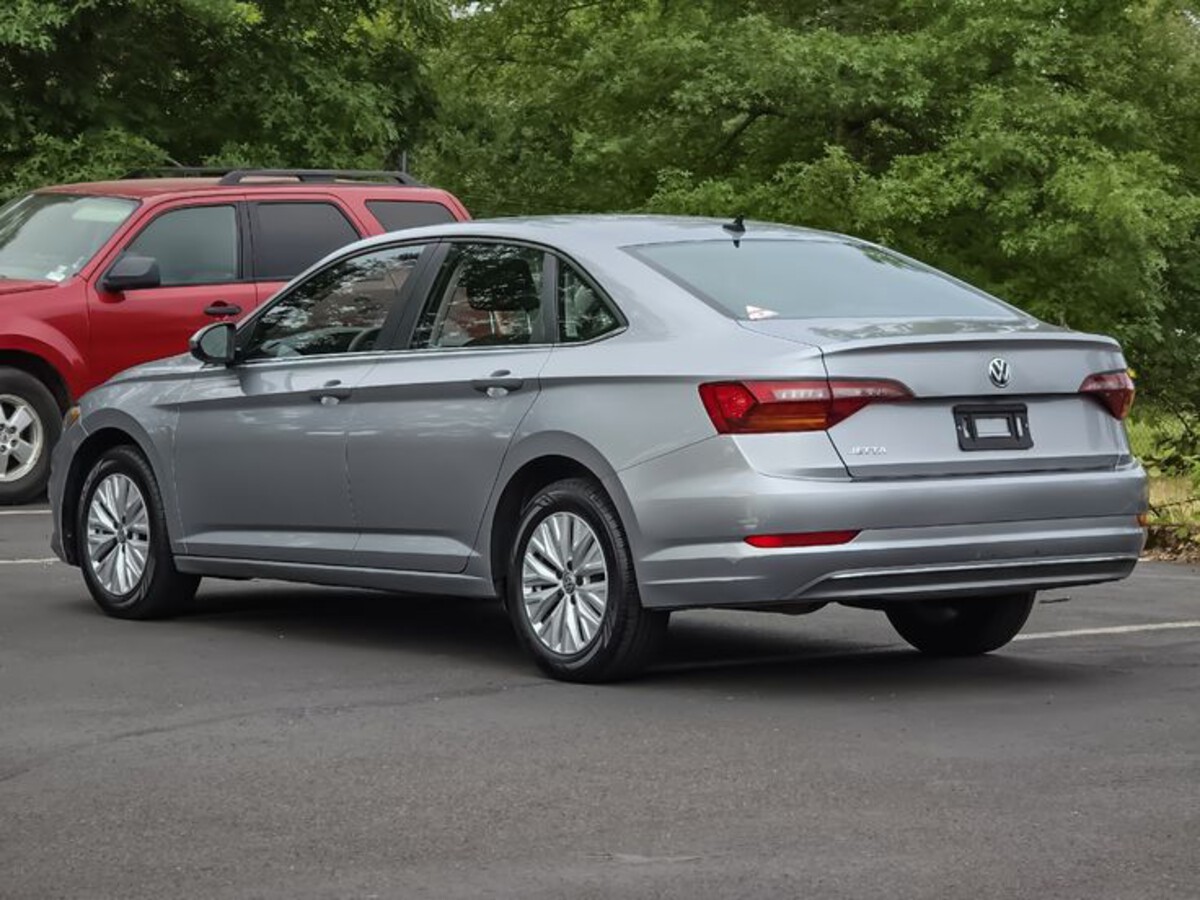
The cabin is well-appointed with quality materials and offers features such as a digital instrument cluster, touchscreen infotainment, and driver assistance options including blind spot monitoring and rear cross-traffic alert.
Drivers who want a compact car with style and efficiency, but without the added cost of premium fuel, will find the Volkswagen Jetta a compelling option.
9. Subaru Impreza
The Subaru Impreza stands out for its all-wheel-drive capability combined with efficient fuel use on regular gasoline.
Unlike many AWD vehicles that may require premium fuel due to their engine designs, the Impreza’s Boxer engine is engineered for compatibility with 87-octane fuel, making it a practical choice for drivers facing diverse driving conditions and climates.
The Impreza’s 2.0-liter four-cylinder Boxer engine is tuned for smooth power delivery and efficient combustion on regular gas. This engine design helps lower the car’s center of gravity, contributing to its excellent handling and stability.
Fuel economy is competitive, with combined ratings often around the high 20s miles per gallon. While AWD can increase fuel consumption slightly compared to two-wheel-drive cars, the Impreza balances this with engineering efficiencies that mitigate excessive fuel use.

Inside, the Impreza offers a comfortable cabin with modern tech features, including Subaru’s EyeSight safety suite, which includes adaptive cruise control and automatic emergency braking. The Impreza is ideal for those who want dependable AWD performance without the worry of spending extra on fuel.
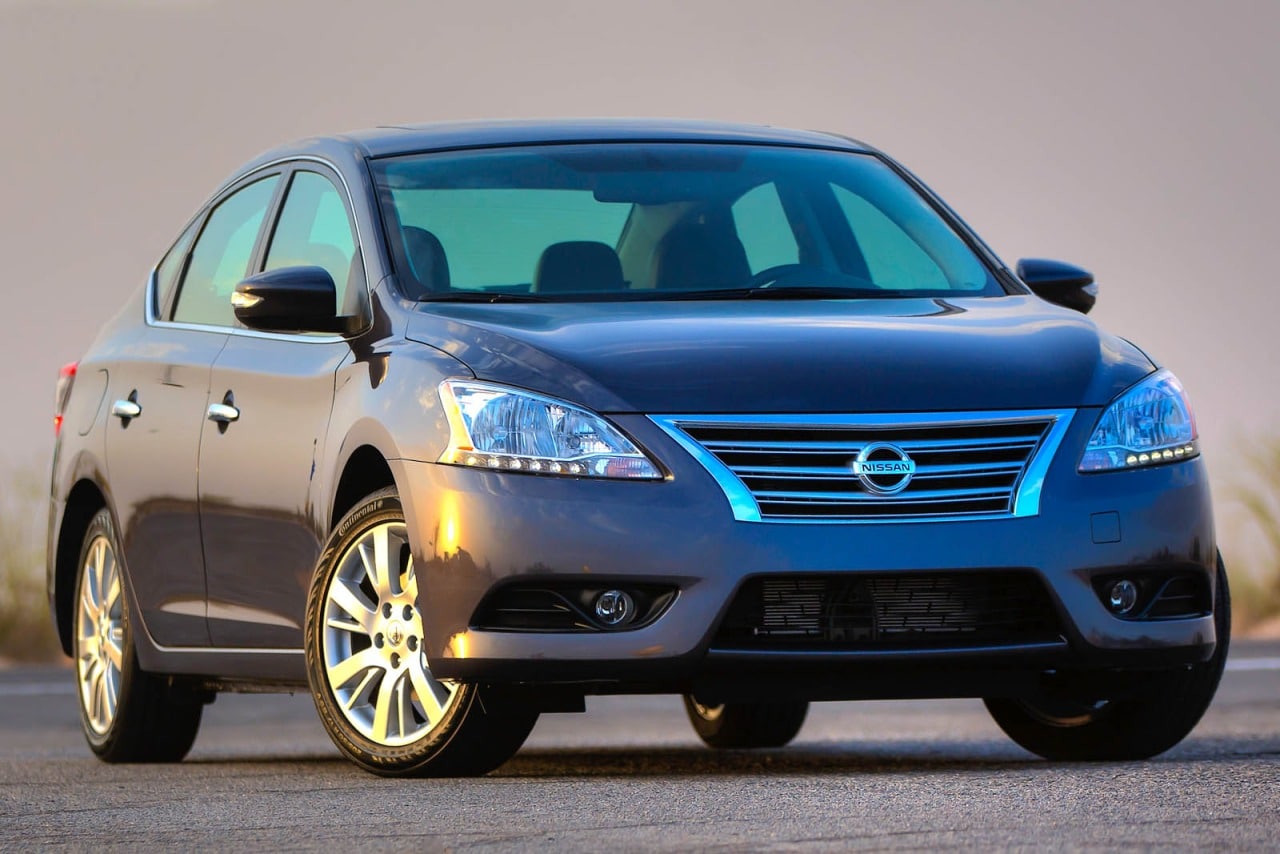
10. Nissan Sentra
The Nissan Sentra is a well-rounded compact sedan that emphasizes affordability, comfort, and fuel efficiency. A key highlight is its ability to run on regular unleaded gasoline, avoiding the higher costs associated with premium fuel.
The Sentra is powered by a 2.0-liter four-cylinder engine designed to optimize fuel combustion and power output on 87-octane fuel.
The Sentra engine employs advanced fuel injection and variable valve timing technologies, which help maximize power delivery while keeping fuel consumption low.
This results in a smooth and responsive driving experience suitable for city streets and highways alike.
Fuel economy for the Sentra typically reaches the low 30s miles per gallon combined, making it an economical choice for everyday drivers.
The interior boasts a quiet, comfortable cabin with an intuitive infotainment system and a range of safety features like blind-spot monitoring and rear cross-traffic alert.
For those seeking an affordable, reliable compact sedan that does not require premium fuel, the Nissan Sentra offers a compelling blend of value and efficiency.
Fuel prices are a major concern for many drivers, especially as some cars require premium-grade gasoline that costs significantly more than regular unleaded. Not all vehicles demand this higher octane fuel, however.
Many manufacturers have built reliable, high-performing cars that run perfectly on standard 87-octane gasoline.
Picking one of these cars means lower running costs without sacrificing durability, efficiency, or driving satisfaction. In this summary, we’ll look at ten top options for owners who want to avoid paying extra for premium.
Honda Civic is a classic example of a smart, practical car that delivers fantastic reliability and fuel economy on regular unleaded gas.
Whether drivers choose the tried-and-true 2.0-liter engine or the turbocharged 1.5-liter version, Civics are designed to get the best out of regular fuel. Comfort, modern technology, and advanced safety features help make it one of the most consistently recommended cars for everyday use.
Toyota Corolla holds legendary status in the compact sedan segment, in great part thanks to its reputation for avoiding unnecessary maintenance or fueling costs.
With efficient 1.8-liter and 2.0-liter engines, the Corolla strikes a fine balance between dependable performance and fuel savings. Comfort and safety offerings have stepped up in recent years, yet the car maintains its straightforward approach to long-term reliability.
Mazda3 stands out as a driver-focused compact with premium quality touches and engaging handling. Its Skyactiv-G engines a focal point in Mazda’s powertrain lineup are engineered to run on regular gas, even with higher compression ratios.
The car offers sporty dynamics, attractive styling, and a rewarding driving experience, all without the fuel premium surcharge.
Hyundai Elantra combines style, affordability, and technology with its line of efficient regular-fuel engines.
Available with both naturally aspirated and turbocharged four-cylinders, Elantra models maximize power and economy using modern fuel management systems.
The value proposition is strengthened by Hyundai’s generous warranty and user-friendly tech features.
Kia Forte is another robust offering for budget-minded drivers. Related to the Elantra under the hood, the Forte provides smooth driving with engines designed for regular fuel.
Its spacious cabin, abundant tech features, and impressive warranty coverage add to the appeal, making it an excellent choice for those looking to minimize ownership costs.
Ford Fusion delivers midsize sedan comfort and versatility. Its EcoBoost engines are designed for efficiency and power on regular gas rather than premium. The Fusion’s focus on safety, technology, and ride comfort makes it a solid choice for families or commuters.
Chevrolet Malibu gives buyers a comfortable, contemporary midsize option with efficient powerplants. Whether choosing the turbocharged or naturally aspirated engine, drivers enjoy responsive performance on standard fuel.
The Malibu’s spacious interior, advanced tech, and competitive fuel economy complement its cost-saving character.
Volkswagen Jetta brings European flavor to the compact sedan market, offering stylish design and efficient regular-fuel engines. VW’s turbocharged units in the Jetta respond quickly without requiring higher-octane gasoline, delivering both driving enjoyment and wallet-friendly operation.
Subaru Impreza is unique for being the only standard all-wheel-drive vehicle on this list that proudly runs on regular gas. Its Boxer engine and rugged engineering allow for efficient fuel use and reliable traction, making it a popular choice in regions with tough weather or varied driving conditions.
Nissan Sentra rounds out the group with a well-equipped, affordable compact sedan. Powered by a 2.0-liter engine tuned for regular gasoline, the Sentra offers smooth handling, low fuel consumption, and a comfortable interior. Modern safety and infotainment features complete its value-driven package.
Each of these ten cars showcases advances in engineering that allow everyday drivers to skip premium fuel and still enjoy impressive comfort, safety, and performance.
For budget-conscious buyers, these models mean decades of reliability without the pain of inflated gas prices. Whether needing all-wheel-drive versatility, compact manoeuvrability, or spacious midsize comfort, there’s a regular-fuel car to fit every lifestyle.
Also Read: 5 Affordable Cars That Drive Like Luxury and 5 That Feel Like Toys
