
Some cars become legends not because they boast the flashiest design or the quickest acceleration, but because they stand the test of time. The real measure of a vehicle’s durability is how well it keeps rolling decade after decade.
Vehicles that are known for their reliability, build quality, and ease of maintenance often become beloved by drivers who see them as more than just modes of transport they become trusted companions on the road.
For many, these enduring automobiles represent value, dependability, and a sensible investment. Rather than constantly chasing the latest model, the appeal lies in owning a car that simply keeps on going without frequent breakdowns, costly repairs, or modern electronics prone to failure.
This article presents a list of ten cars celebrated for their longevity and ability to stay on the road year after year. These models have earned a reputation for durability through solid engineering and often clever simplicity.
From rugged trucks to practical sedans, each car on this list has qualities that make it a preferred choice for those who want the confidence of a vehicle that can handle the long haul. You’ll find these cars admired by mechanics, collectors, and everyday drivers around the world.
What sets these vehicles apart is not just how long they last, but how well they perform throughout their long service lives. Each model has its unique story and engineering attributes that contribute to its lasting success.
Whether you’re a car enthusiast, someone looking for a dependable vehicle, or simply curious about what makes a car endure, the following profiles offer valuable insights into some of the most enduring cars ever made.
Also Read: 10 Cars That Americans Will Never Stop Buying
1. Toyota Land Cruiser
The Toyota Land Cruiser is widely renowned for its exceptional durability and off-road capability. Since its introduction over 60 years ago, the Land Cruiser has built a reputation as one of the toughest SUVs on the planet.
Its body-on-frame construction provides a rugged foundation that can withstand rough terrain and harsh conditions. Toyota’s relentless focus on quality control and engineering excellence means that Land Cruisers can often exceed 300,000 miles with basic maintenance.
One of the key reasons behind the Land Cruiser’s longevity is its simple yet effective mechanical components.
Early models, like the 60 Series and 80 Series, feature a robust inline six-cylinder engine and a rigid suspension that are not only strong but also relatively easy to work on.
Even with the introduction of more modern features, Toyota has managed to maintain reliability by using proven technology and avoiding unnecessary complexity.
In addition to mechanical durability, the Land Cruiser’s corrosion resistance is a major factor in its extended life. Rust is a common problem in many vehicles, but the Land Cruiser’s high-quality paint, protective coatings, and robust frame design help prevent rust related failures.
This means many Land Cruisers keep their structural integrity for decades, even in challenging climates.
Another advantage of the Land Cruiser is the worldwide availability of parts and experienced mechanics. In regions where the terrain is tough and resources are limited, the Land Cruiser is often the preferred vehicle for its ease of repair and maintenance.
Owners frequently praise how straightforward it is to find replacement parts and maintain the vehicle over many years.
Owners also benefit from a loyal community of enthusiasts who share tips, maintenance advice, and restoration guidance, further contributing to the ongoing popularity and longevity of the Land Cruiser.
Known for reliability in emergencies and extreme conditions, this vehicle is often trusted by adventurers, aid organizations, and military personnel alike.
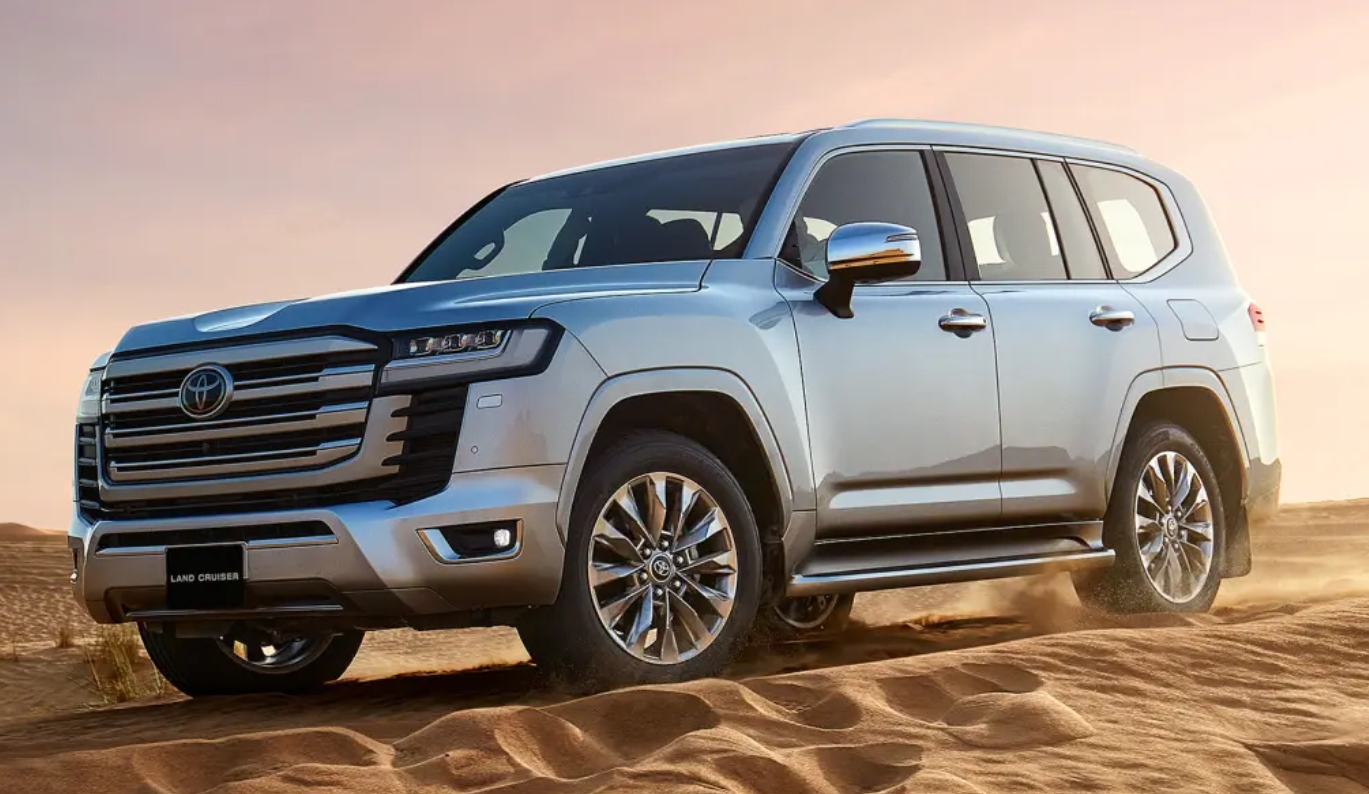
The Land Cruiser represents a balance of ruggedness, reliability, and comfort, making it a prized vehicle for those who expect their car to perform without fail, year after year.
Its ability to stay on the road for decades is a testament to Toyota’s engineering philosophy and commitment to quality. This makes it a standout in the durable vehicles world that maintains their value and performance for the long term.
2. Honda Accord
The Honda Accord is a household name for reliability and longevity across multiple generations. First introduced in 1976, the Accord quickly established itself as a benchmark for efficiency, practicality, and dependability.
The core of the Accord’s reputation lies in Honda’s renowned attention to detail and rigorous engineering standards.
One of the standout qualities of the Accord is its simple yet effective design philosophy. Honda focuses on using high-quality materials and time-tested mechanical components.
Earlier generations of the Accord feature naturally aspirated engines with straightforward layouts, making them easier to maintain compared to more modern, complex powertrains.
The transmissions, both manual and automatic, are known to last hundreds of thousands of miles if maintained properly, and many older Accords are still running smoothly on their original gearboxes.
Throughout its evolution, Honda has maintained consistency in the Accord’s build quality. The model’s unibody construction assures solid structural integrity, which helps it withstand years of regular use and even occasional accidents without significant issues.
Rust prevention and resistance have also been priorities for Honda, especially in models sold in regions with harsh winters.
Another key reason the Accord stays on the road for so long is its cost-effectiveness in ownership. Replacement parts are widely available and reasonably priced, making repairs affordable for even budget-minded owners.
Routine maintenance tasks such as changing oil, replacing brake pads, and servicing suspension parts are straightforward and can often be completed by DIY enthusiasts. The large enthusiast community surrounding the Accord offers a wealth of maintenance tips and support for troubleshooting persistent issues.
Honda’s reputation for producing reliable engines is evident in the Accord. Engine designs such as the popular inline-four and V6 options found in various generations have won accolades for longevity.
These engines often exceed 200,000 miles without the need for major overhauls, provided they receive regular fluid changes and scheduled maintenance.
The Accord’s enduring popularity has also been supported by its practicality as a daily driver. Owners appreciate its comfortable cabin, efficient fuel economy, and responsive handling. Families, commuters, and students alike have relied on the Accord for years, making it one of the best-selling cars in North America and beyond.
In recent years, Honda has continued to refine the formula without straying too far from the car’s roots. Even as newer Accords incorporate more sophisticated technology and safety features, Honda maintains the reliability that early models are known for.
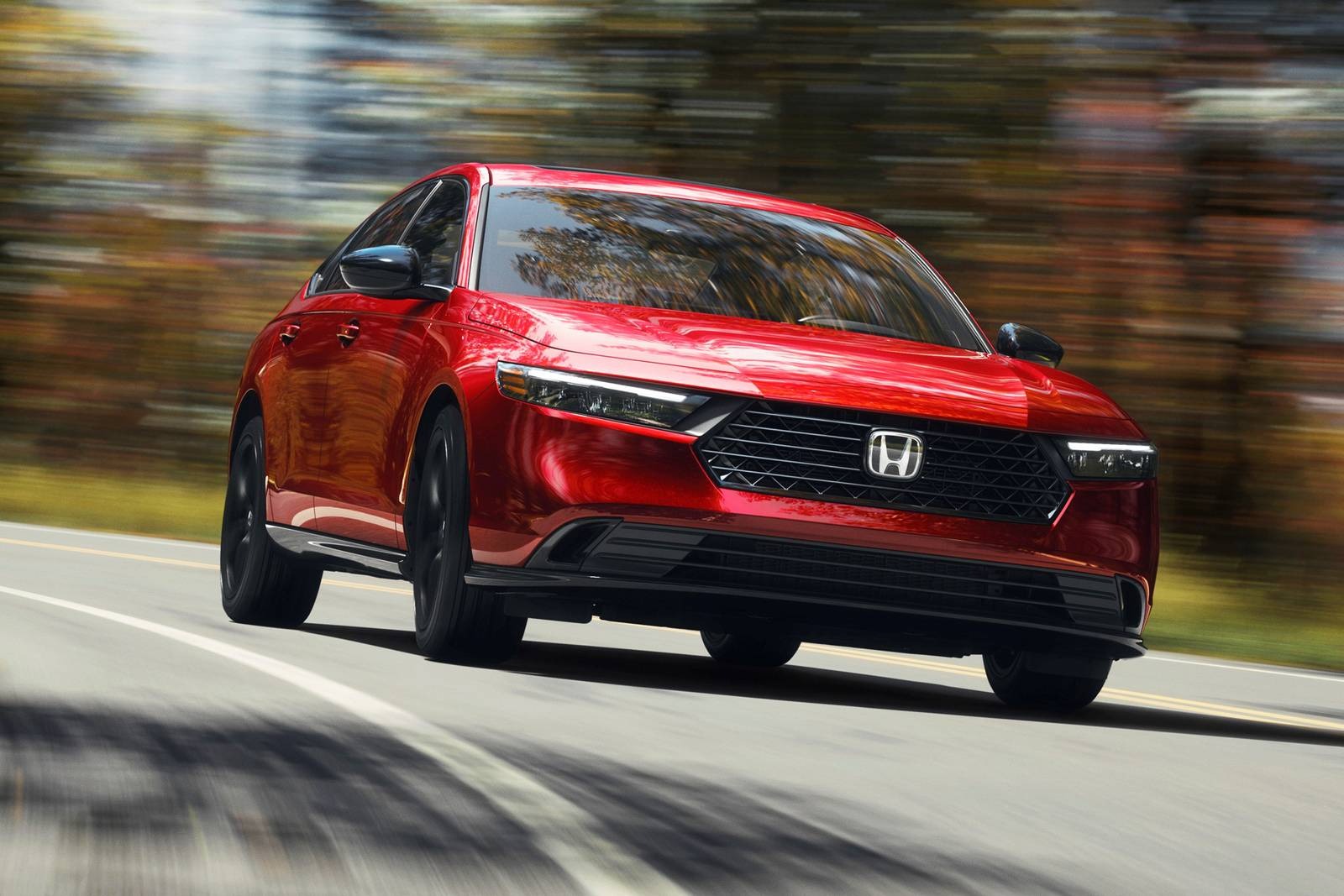
Today, it’s common to see Accords from the 1990s and early 2000s still in regular use, testament to their remarkable durability.
The Accord’s legacy is its ability to balance comfort, efficiency, and dependability without excessive cost or complexity.
If you’re seeking a sedan that stands up to the rigors of time whether for short commutes or long road trips, the Honda Accord is a prime example of a car that stays on the road decade after decade.
3. Volvo 240
The Volvo 240 has earned its reputation as a quintessential example of automotive resilience. Manufactured from 1974 to 1993, the 240 series became an icon not just for its reliable engineering but also for its enduring practicality.
Often found still running in various corners of the globe, the 240 is cherished by families, college students, and enthusiasts who admire its unpretentious charm and steadfast reliability.
One of the most recognizable features of the Volvo 240 is its sturdy, boxy design. The car’s unibody construction and extensive use of high-strength steel provide excellent safety and structural integrity.
Volvo engineered these cars to withstand impact and stress, which means they hold up remarkably well even as the years pass. The simplicity of its shape made repairs straightforward, and body panels are surprisingly easy to source or fabricate, even decades after production.
Under the hood, the Volvo 240’s engines most notably the B21, B23, and B230 four-cylinder units, are some of the most durable ever produced.
These engines are known for their ability to run reliably for hundreds of thousands of miles, requiring only basic upkeep like oil changes and timing belt replacements.
The robust design includes forged internals and a conservative output, prioritizing longevity over raw power. Owners often note that these engines are surprisingly tolerant of neglect, yet thrive with routine maintenance.
Volvo’s commitment to safety played a substantial role in the 240’s lasting appeal. The car came equipped with numerous safety innovations for its time, such as reinforced passenger compartments, energy-absorbing bumpers, and advanced crumple zones.
This focus on occupant protection made the 240 a favorite among families who valued both reliability and safety.
Another standout aspect of the Volvo 240 is its straightforward electrical and mechanical systems. Volvo intentionally kept the technology accessible and easy to diagnose, allowing for easy repairs.
Whether the need is for suspension work, a brake job, or a simple tune-up, parts are readily available and mechanics familiar with older Volvos can typically address issues with confidence. The car’s simple interior and switchgear rarely fail, so many drivers find all original components functioning even after decades of use.
The Volvo 240 also holds a special place in the hearts of enthusiasts who enjoy modifying and maintaining their vehicles. Its layout and mechanical accessibility make it an ideal platform for upgrades or restoration projects.
This has contributed to a robust online community, where owners share knowledge about maintenance, upgrades, and preservation techniques. The sense of camaraderie among Volvo owners adds much to the car’s enduring popularity.
Volvo’s legendary durability is further burnished by stories of 240s covering more than half a million miles with only minor issues. They remain popular in regions with harsh winters and challenging road conditions thanks to their excellent heating systems, solid traction, and rust resistance.
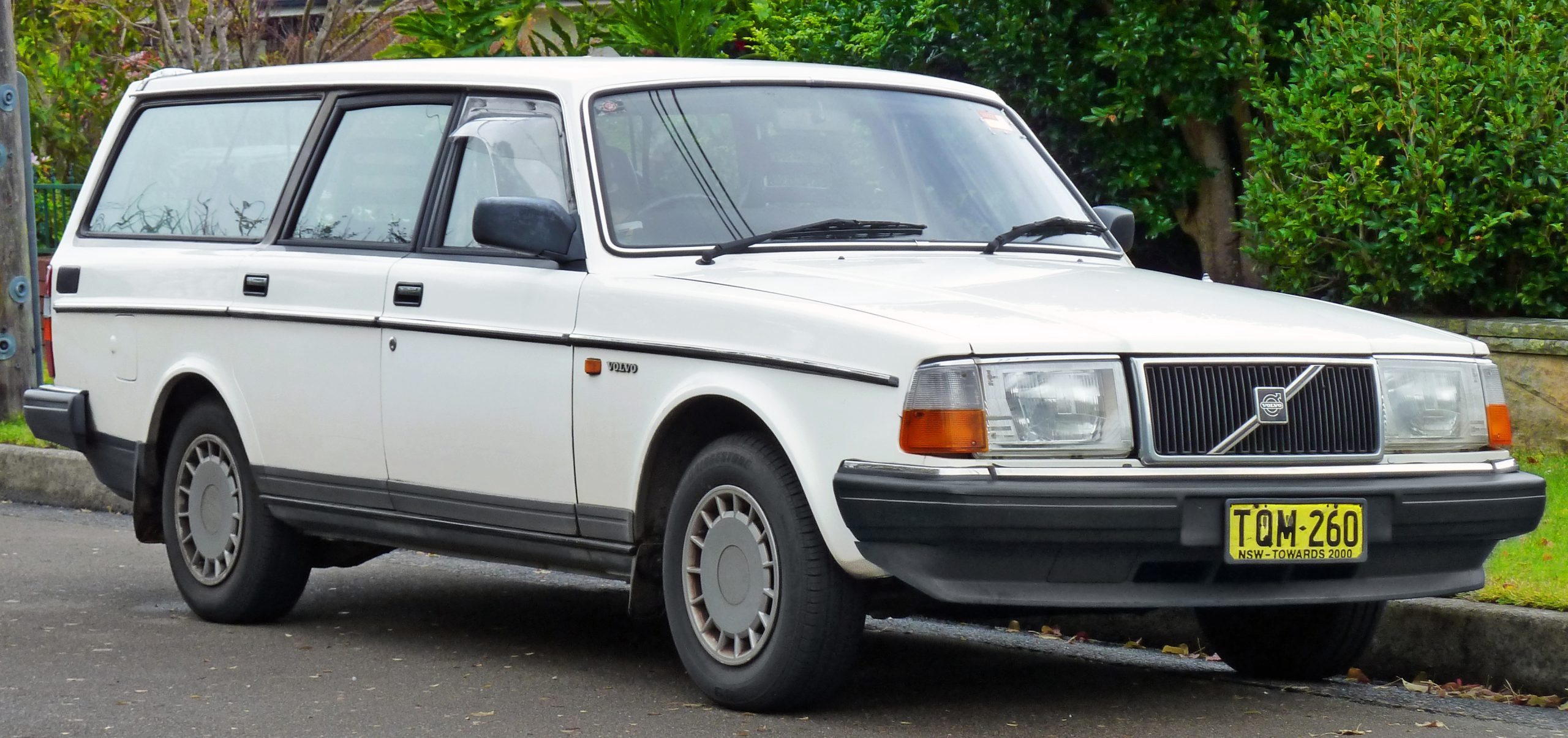
Ultimately, the Volvo 240 is celebrated as much for its understated charm as for its technical merits. Its design philosophy emphasizes practicality, reliability, and an unyielding focus on driver and passenger safety.
For many, driving a 240 isn’t just about getting from point A to point B it’s about enjoying peace of mind knowing their vehicle will perform admirably, year after year.
Decades after production ceased, the Volvo 240 stands as a testament to automotive durability and the value of thoughtful engineering.
4. Mercedes-Benz W123
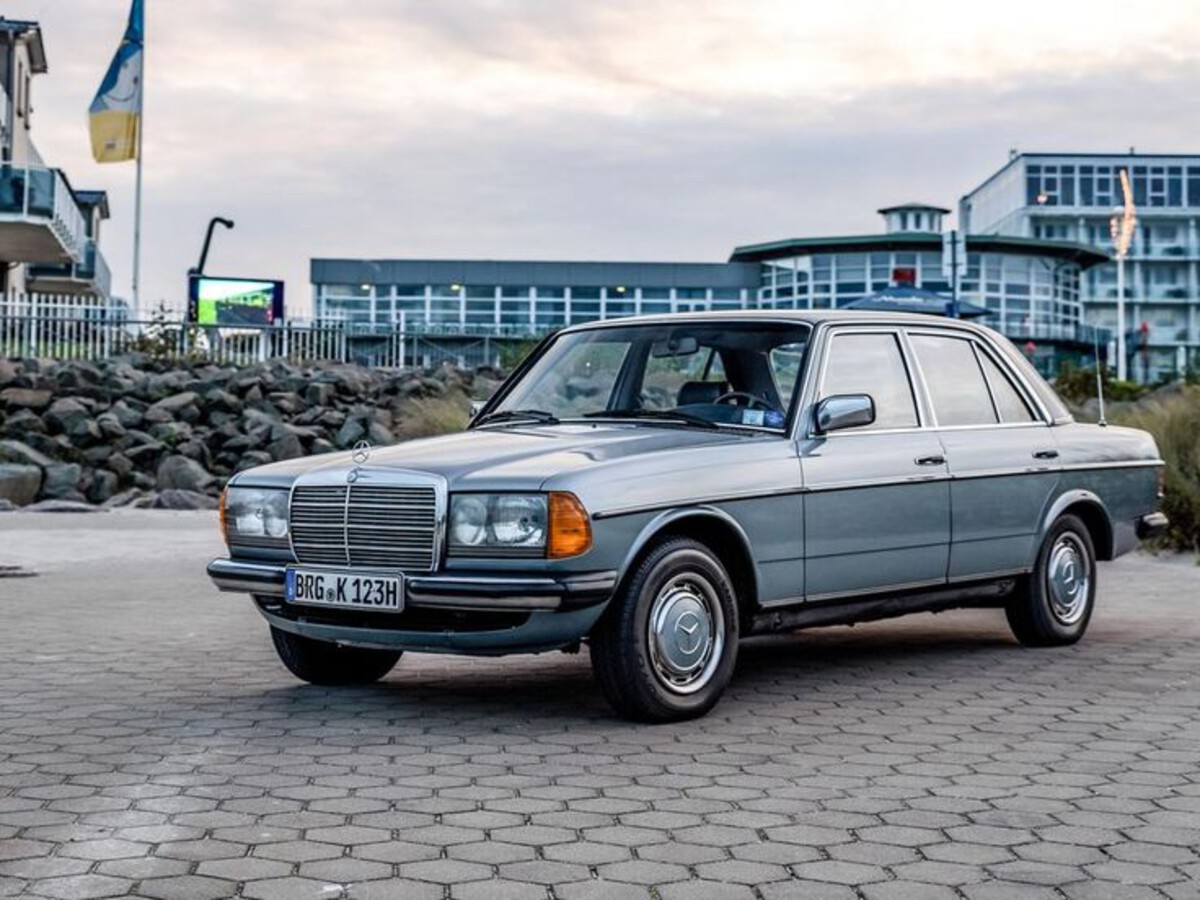
When discussing vehicles renowned for longevity, the Mercedes-Benz W123 series commands immense respect. Produced from 1976 to 1985, the W123 line includes sedans, coupes, and wagons that have built a devoted following across the globe.
This model is frequently cited by mechanics, taxi drivers, and collectors as one of the most durable cars ever made, thanks to a combination of meticulous engineering and an unwavering commitment to quality.
One of the W123’s signature features is its overbuilt chassis and suspension system. Mercedes engineers designed the car to survive punishing conditions found in markets as diverse as Europe, Africa, and the Middle East.
The body structure consists of thick steel panels, and the overall construction emphasizes solidity and repairability. As a result, it is common to see these cars being used as daily drivers in places where many other vehicles would prematurely retire due to poor roads and constant wear.
The longevity of the W123 is further underpinned by its legendary engines, particularly the OM617 five-cylinder diesel. These powerplants are widely considered some of the most reliable ever built.
With straightforward fuel injection, extremely robust internal components, and a knack for running on a wide variety of diesel fuels, the OM617 has regularly crossed the half-million-mile mark in taxis, government vehicles, and family cars.
Even the gasoline engines offered with the W123 hold a reputation for longevity, requiring only routine maintenance to remain in good shape.
Mercedes-Benz approached the W123’s maintenance philosophy with a view to the long term. The cars feature clear service manuals, accessible engine bays, and modular components, allowing owners to perform complex repairs without needing costly diagnostic equipment.
Common replacement parts such as suspension bushings, window regulators, and brake components often remain in production due to the ongoing demand from W123 owners.
In fact, the supply of parts is one of the main reasons these cars remain so popular with those looking for hassle-free ownership decades after they rolled off the assembly line.
The interior of the W123 is remarkably sturdy. Materials such as MB-Tex vinyl and wood trim were engineered to withstand both wear and environmental damage.
Many W123s still feature original upholstery and dashboard components that look nearly new, even after years of exposure to sunlight and fluctuating temperatures.
The car’s electrical systems, including the climate control, gauges, and switchgear, have proven very reliable, minimizing the risk of annoying failures that can plague aging vehicles.
One of the W123’s greatest strengths is its worldwide network of enthusiasts and specialists. There are entire businesses dedicated to maintaining, restoring, and supplying parts for these classics.
Owners have access to comprehensive resources, forums, and mechanics who understand the nuances of keeping a W123 roadworthy. The robust community ensures that even rare models or components can be repaired or replaced.
The Mercedes-Benz W123’s significance stretches beyond durability. It has become a symbol of timeless automotive design and engineering. Its understated but elegant lines, solid ride quality, and unyielding dependability have made it beloved by generations of drivers.
Whether shuttling people in city traffic, traversing rural landscapes, or serving as cherished classics, the W123 represents a remarkable chapter in automotive history one that continues to write new stories every day on roads across the world.
5. Toyota Corolla
Few vehicles can rival the Toyota Corolla’s legacy of dependability. Launched in 1966, this compact sedan quickly gained a reputation for being affordable, economical, and incredibly reliable.
It’s no coincidence that the Corolla has become one of the best-selling cars in history, with generations of owners keeping their cars on the road for decades.
What makes the Corolla so enduring is its straightforward engineering and emphasis on simplicity.
Toyota designed the Corolla to be easy to maintain with robust, well-proven engines, efficient transmissions, and minimal electronic complexity, especially through the 1980s and 1990s models.
Components such as the 1.6-litre and 1.8-litre inline-four engines found in popular generations were reliable across a broad range of climates and driving styles.
Routine maintenance tasks, including oil changes and belt replacements, are easily performed by both professionals and weekend mechanics, contributing to the longevity of these vehicles.
Durability isn’t just about the mechanicals. The Corolla’s chassis resists rust better than most in its class, thanks to quality paintwork and anti-corrosion measures.
The interiors, while utilitarian, hold up surprisingly well, and the switchgear, seat fabrics, and dashboard materials don’t show excessive wear even after years of use. Many owners note that their Corollas still look and function well after hundreds of thousands of miles.
Affordability has also played a huge role in the Corolla’s sustained popularity. Low operating costs, easily available spare parts, and wide service networks mean that keeping a Corolla roadworthy never breaks the bank.
Even older models from the late 1980s and 1990s are frequently spotted running reliably in countries all over the world.
The Corolla’s reputation is further supported by a massive global community of drivers and enthusiasts who exchange advice, repair guides, and parts sources.
This camaraderie ensures that nearly any problem can be fixed, and often affordably. The car’s versatility means it serves as a practical family sedan, reliable commuter, or even a first car for new drivers.
Toyota’s commitment to quality and reliability hasn’t faltered in newer generations either. While newer Corollas have adopted more technology and safety features, they still inherit the mechanical integrity of their predecessors.
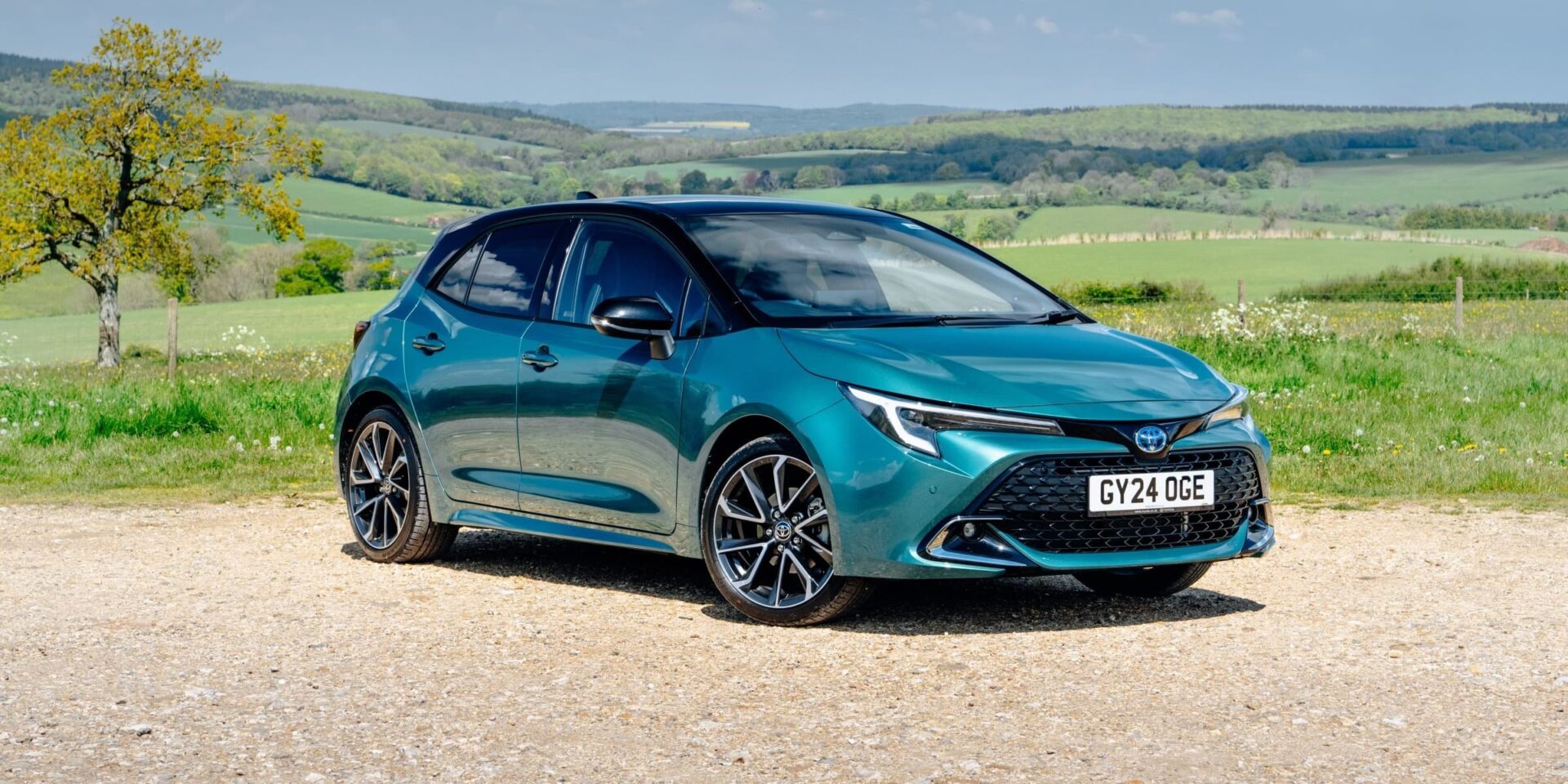
For many, the Corolla remains a trusted companion, known for refusing to quit even in demanding conditions. It is not uncommon to find multi-generational households with more than one Corolla in their fleet.
The Toyota Corolla stands as a model of what sensible, reliable motoring should look like. Its ability to stay on the road, decade after decade, speaks volumes about Toyota’s engineering expertise and understanding of the real needs of drivers everywhere.
6. Ford F-150
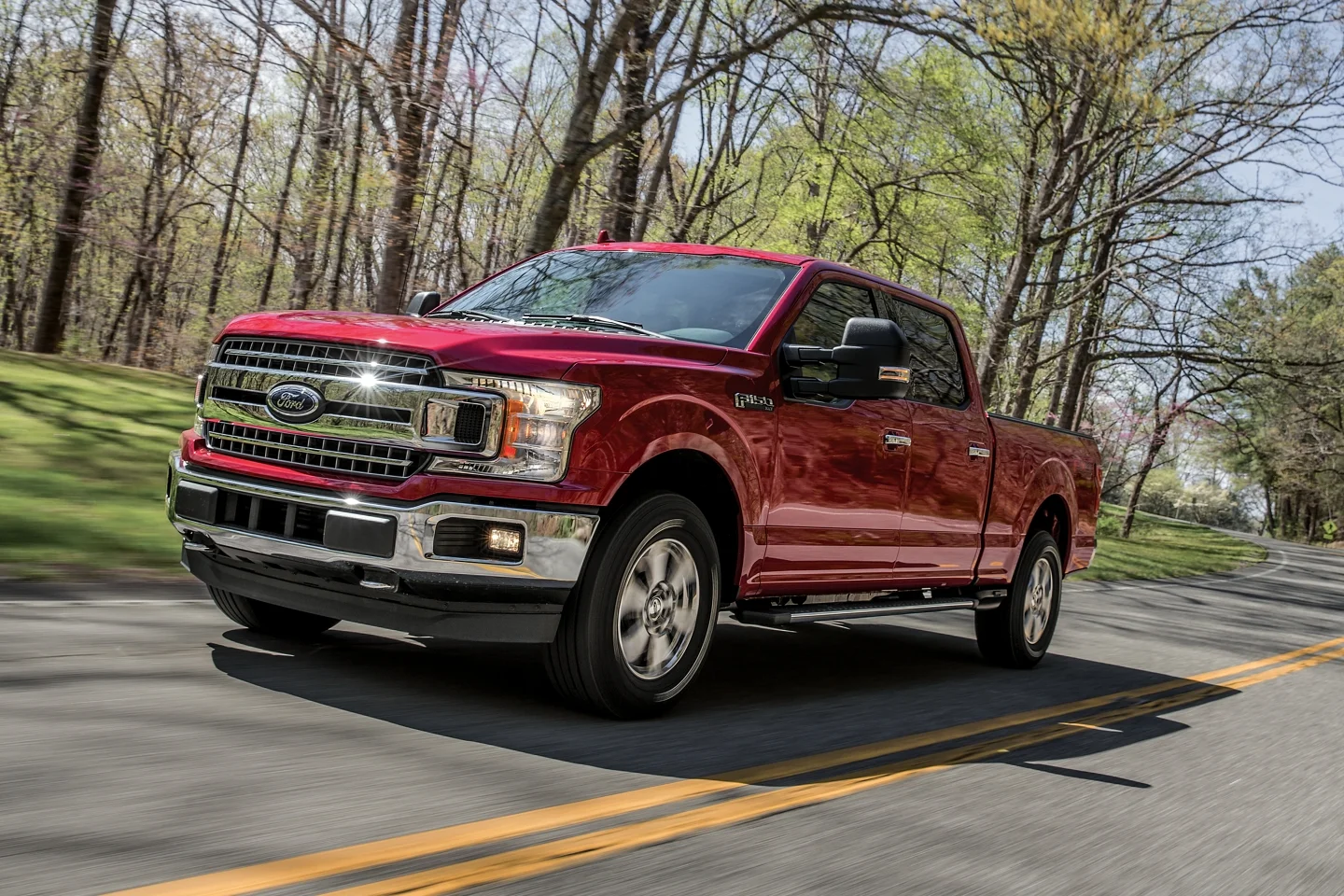
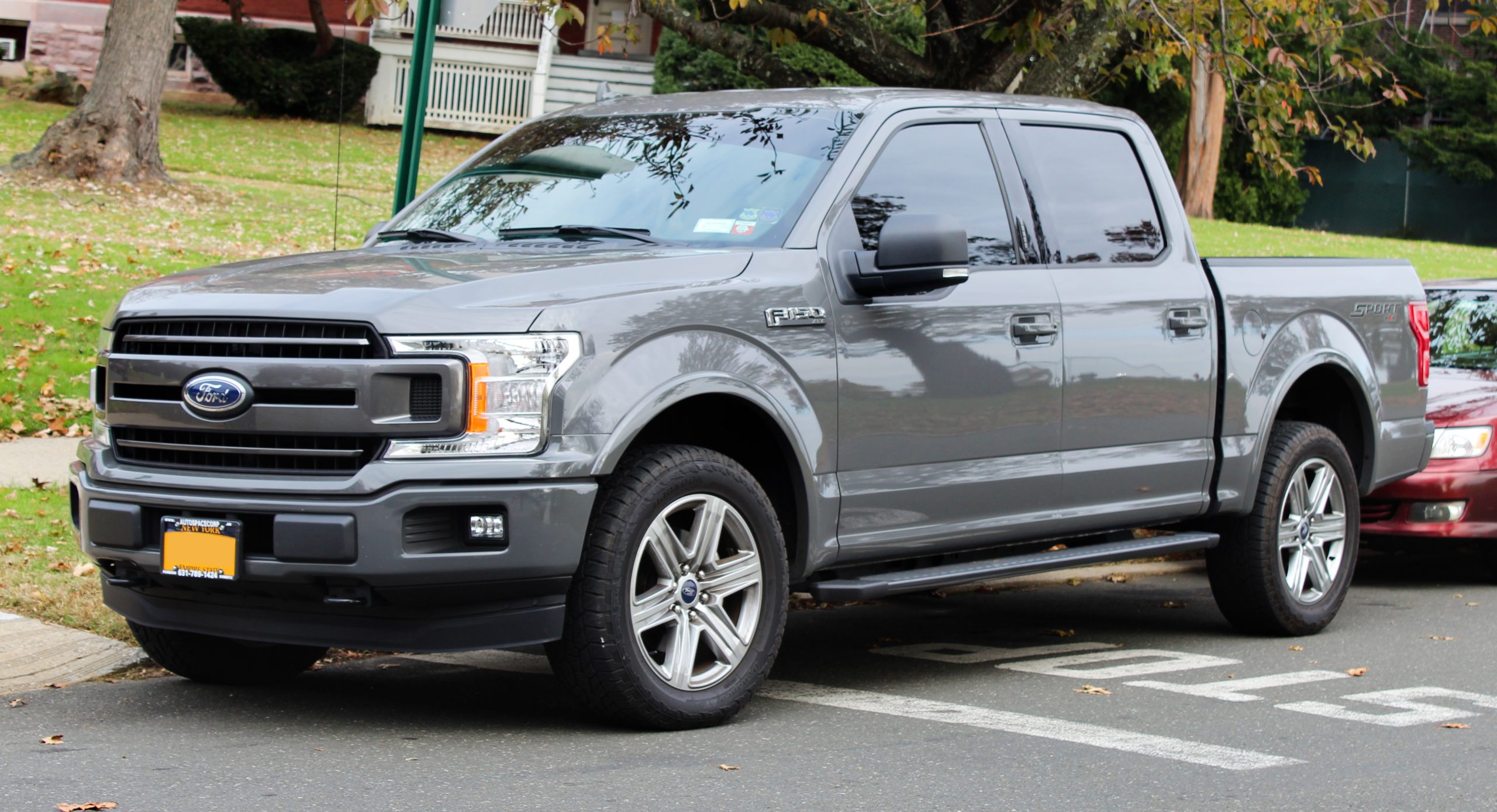
The Ford F-150 is an American icon a truck built to endure hard work, tough terrain, and the rigors of daily life. Since its debut in 1975, the F-150 has consistently been America’s best-selling vehicle, famed for its rugged construction, adaptability, and unmatched longevity.
A big part of the F-150’s staying power lies in its sturdy body-on-frame design. Built to withstand heavy loads and towing duties, each generation of the truck features thick steel frames, robust axles, and dependable suspension systems. While Ford has refined the F-150 over the decades, it’s never abandoned its tradition of overbuilt engineering.
Reliability runs deep in the F-150’s powertrains. The truck has benefited from generations of trusted engines, from the classic Windsor V8s and straight-sixes to more recent modular V8s and EcoBoost turbos.
These engines are designed for longevity, easily racking up high mileage when maintained. Many owners report reaching 300,000 miles, especially with regular fluid changes and basic service.
The truck’s mechanical simplicity, especially in older models, makes it a favorite among DIY mechanics, commercial fleets, and rural drivers alike.
Parts are widely available and relatively inexpensive, and the design allows most repairs and upgrades to be completed without specialized tools. This accessibility means the F-150 keeps rolling even as other vehicles falter due to high service costs or lack of spare parts.
Ford’s focus on utility also extends to the F-150’s cabin and features. Interiors are built for practical use, with durable materials and straightforward controls.
Whether serving as a workhorse in construction, a family vehicle in the suburbs, or a recreational tow vehicle, the F-150 has always been adaptable to changing needs.
Another reason the F-150 endures is Ford’s massive support network. Dealerships, independent garages, and specialized parts suppliers can be found in nearly every city and town across North America. This ensures that drivers never struggle to find a mechanic or parts, regardless of the truck’s age.
Beyond its engineering, the F-150 has become a part of American culture, connecting communities of truck fans, classic restorers, and professional drivers. The truck’s versatility and dependability ensure it remains relevant decade after decade.
Whether you value reliability, capability, or tradition, the Ford F-150 represents what it means to own a vehicle that’s truly built to last.
Also Read: 5 GMCs That Rarely Need Suspension Work vs 5 That Constantly Fail
