
Cars are essential companions that carry us through daily life and long adventures. While the allure of high-tech features and flashy designs often grabs attention, many vehicles prove that longevity comes down to straightforward, consistent care.
Basic maintenance regular oil changes, tire rotations, fluid checks, and timely replacements of wear items can ensure a car runs smoothly for many years, sometimes even hundreds of thousands of miles.
This approach demands neither expensive repairs nor constant trips to the mechanic, just attention to the fundamentals of keeping an engine and its components in good working condition.
Some vehicles stand out because their engineering, reliability, and durable parts allow them to thrive with basic upkeep.
These models often have a robust design, widely available replacement parts, and community-tested routines for maintenance that keep owners on the road trouble-free.
Investing a little time and care regularly beats the strain of costly fixes or early replacements. Cars that embody this philosophy offer peace of mind and demonstrate how longevity can be simple, reliable, and rewarding.
Following are seven cars that demonstrate basic maintenance is enough to last, proving that a solid mechanical foundation combined with regular upkeep will keep drivers moving forward year after year.
Also Read: 5 Kias That Rarely Fail Tech vs 5 That Always Have Glitches
1. Toyota Corolla
The Toyota Corolla is a standout for its reputation as one of the most reliable and durable cars available. Since its debut in the 1960s, the Corolla has built a legacy as a practical daily driver that benefits greatly from consistent, basic maintenance.
Its straightforward engineering and high-quality build contribute to its longevity, with many Corollas surpassing 200,000 miles without major issues when owners keep up with routine oil changes, brake inspections, and timing belt replacements.
One of the key reasons the Corolla lasts so well is Toyota’s focus on reliable and simple components.
Unlike more complex vehicles packed with expensive electronics, the Corolla relies on tried-and-true mechanical parts that are easy to service and affordable to replace.
This means owners can maintain their cars independently or with basic mechanic services, keeping maintenance costs manageable.
Routine tasks such as oil and filter changes every 5,000 to 7,500 miles, transmitting fluid checks, and regular tire rotations prevent common issues and promote smoother performance.
The Corolla’s four-cylinder engines, known for balance and durability, rarely require unexpected visits to the shop when cared for properly. Spark plug changes and air filter replacements every 30,000 miles also keep the engine running efficiently.
Beyond the mechanical strength, the Corolla boasts a strong aftermarket support system, with readily available parts that help owners retain their vehicles rather than replace them.
The car’s minimalistic design avoids unnecessary stress on parts, which can wear out faster in more complicated vehicles.
The interiors, while not luxurious, are made with durable materials that stand the test of time, reflecting the car’s overall resilience.
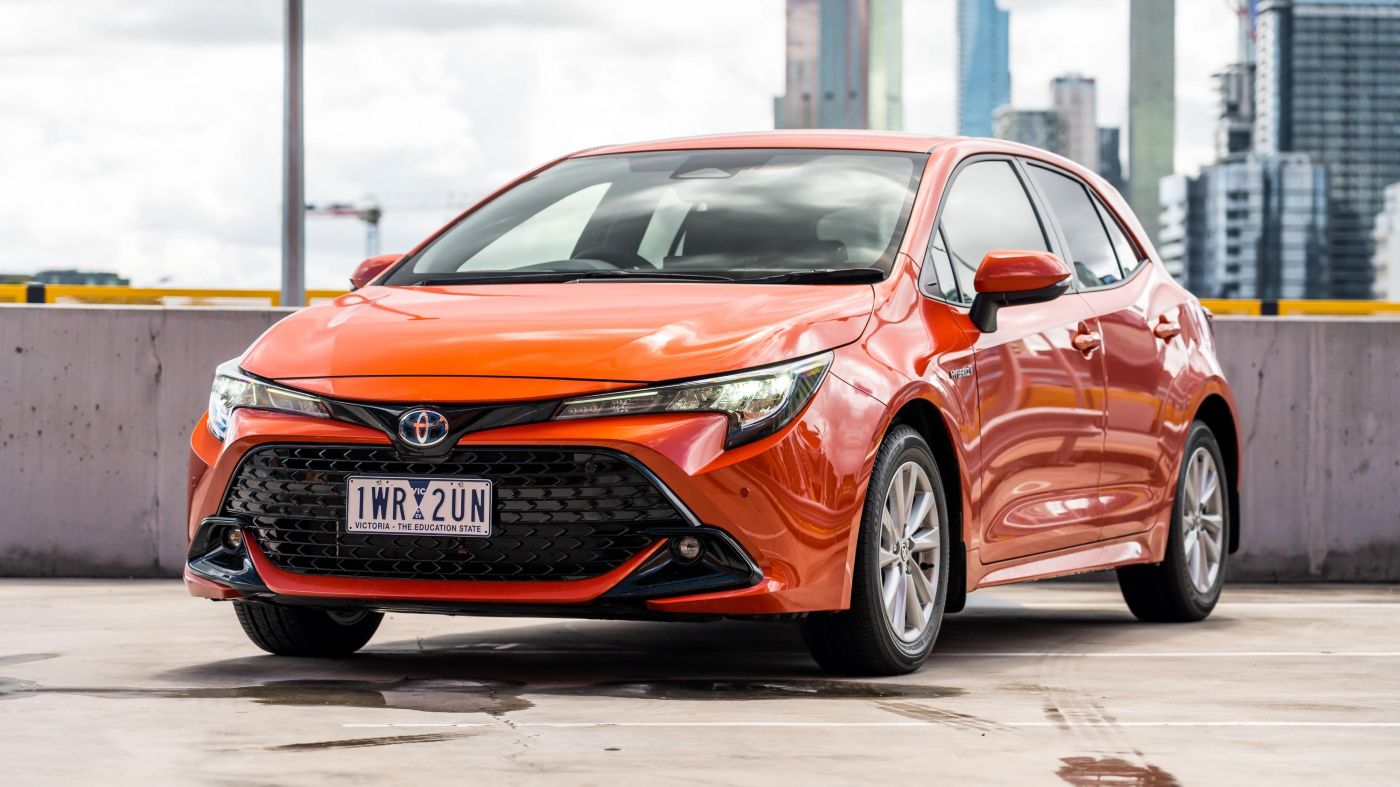
This combination of mechanical reliability and ease of upkeep means the Toyota Corolla remains a favorite for those who want a hassle-free car that simply keeps going.
The Corolla’s longevity story is not just about mileage; it’s about user experience motorists report trouble-free years and straightforward maintenance schedules that anyone can follow.
This approach ensures the vehicle maintains its value and functionality through decades, making it a proven example of how basic maintenance is more than enough to last in modern automobiles.
2. Honda Civic
The Honda Civic is widely celebrated for its durability and ability to last well beyond 200,000 miles with basic maintenance. Since its introduction in the early 1970s, the Civic has cultivated a loyal following due to its dependable performance and relatively low upkeep costs.
Many owners attest that with regular oil changes, timely timing belt replacements, and routine brake and fluid checks, a Civic can easily reach 200,000 to 300,000 miles or more.
Honda’s engineering emphasizes reliability and simplicity, which makes the Civic well-suited to last for decades when cared for properly.
The engines, typically four-cylinder units, are designed to be fuel-efficient and robust, and the mechanical components are less prone to costly failures if maintained on schedule.
Key maintenance includes changing the timing belt approximately every 60,000 to 100,000 miles, regular oil and filter changes every 5,000 to 7,500 miles, and periodic replacement of spark plugs and air filters every 30,000 miles or so.
Real-world experiences show Civics enduring 15 to 20 years of use without major repairs when basic upkeep is observed.
This longevity paired with readily available and affordable parts makes the Civic a prime example of a vehicle that requires only fundamental maintenance to remain reliable and functional for a long time.
While urban driving conditions and environmental factors like rust can affect longevity, keeping regularly scheduled maintenance appointments is generally enough to keep a Civic running smoothly well past the 200,000-mile mark.
Owners also appreciate the Civic for its consistent, trouble-free reliability over the years, reporting fewer unexpected repairs compared to many rivals.
This reputation for lasting performance with straightforward care cements the Honda Civic as one of the top choices for drivers who want a vehicle that simply lasts.
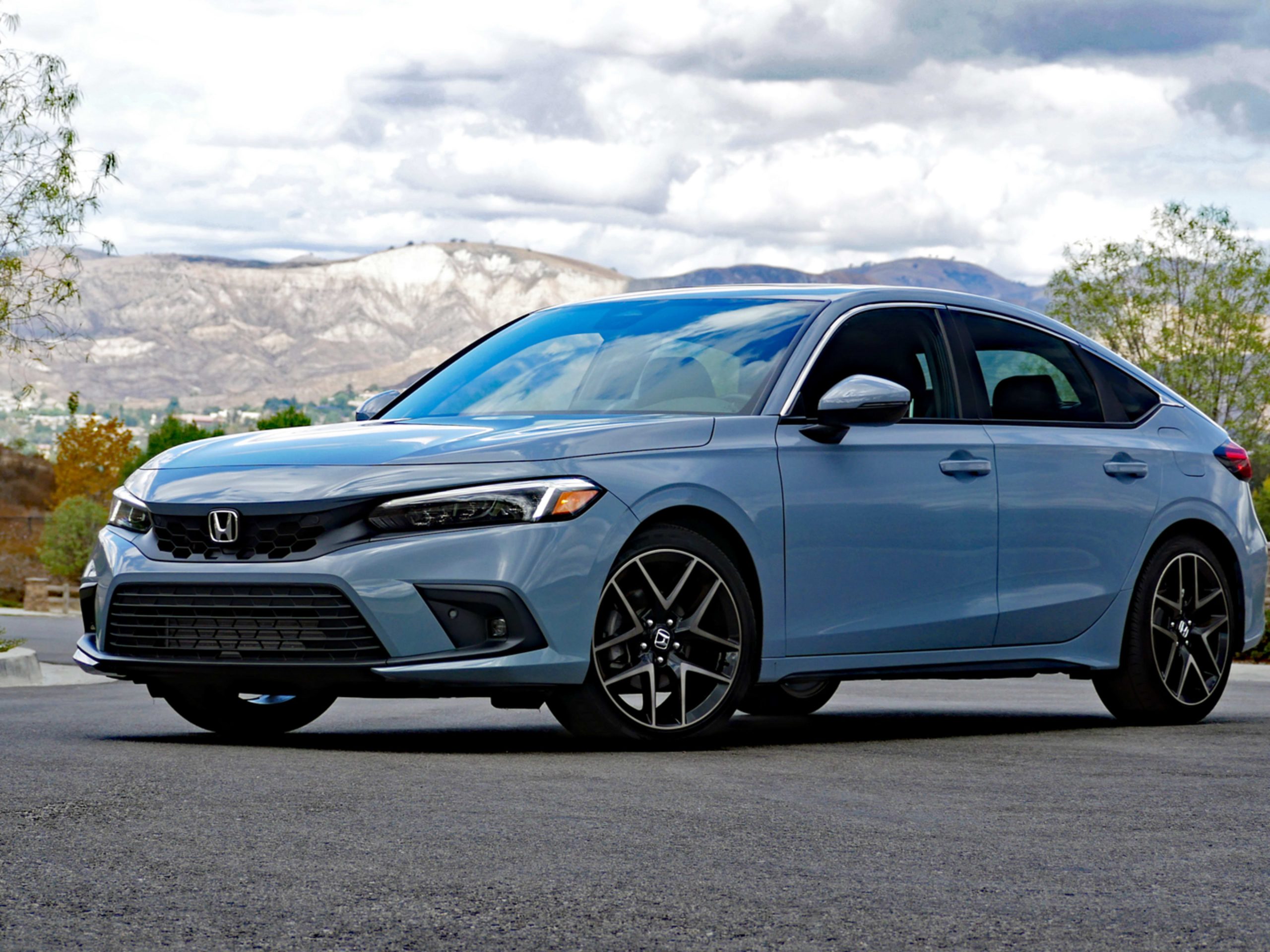
In addition to mechanical durability, the Civic offers an accessible and user-friendly layout that suits DIY enthusiasts as well as professional mechanics, which saves money on labor and encourages proactive care.
The model’s fuel economy remains a strong draw, helping owners keep operational costs low. The Civic’s robust resale value and wide availability of parts make it a cherished choice among used car buyers.
3. Ford F-150
The Ford F-150 stands as one of the most iconic and durable trucks in the United States, renowned for its toughness and ability to endure heavy use over many years. Basic maintenance is the key to the F-150’s long-lasting reputation, enabling many trucks to surpass 200,000 miles.
Routine maintenance essentials include oil changes every 5,000 to 7,500 miles, tire rotations at similar intervals to ensure even wear, and frequent checks of key fluids such as brake fluid, transmission fluid, and engine coolant to prevent overheating and wear.
Brake pad inspection every 10,000 miles and periodic battery checks are also necessary to prevent common issues.
At higher mileages, typically beyond 60,000 miles, tasks like spark plug replacement, throttle body cleaning, and inspection of the timing chain or belt become critical to sustaining the engine’s health.
The F-150’s design balances power and reliability, making it capable of handling daily driving as well as rigorous workloads with proper maintenance. Staying on top of these basic and intermediate upkeep tasks minimizes the risk of costly repairs and helps maintain the truck’s performance and resale value.
Due to its wide use and popularity, parts and service options are widely available and affordable, supporting owners who prefer routine DIY maintenance or standard mechanic visits. When the maintenance schedule is followed, an F-150 can serve owners reliably for well over a decade and beyond 200,000 miles.
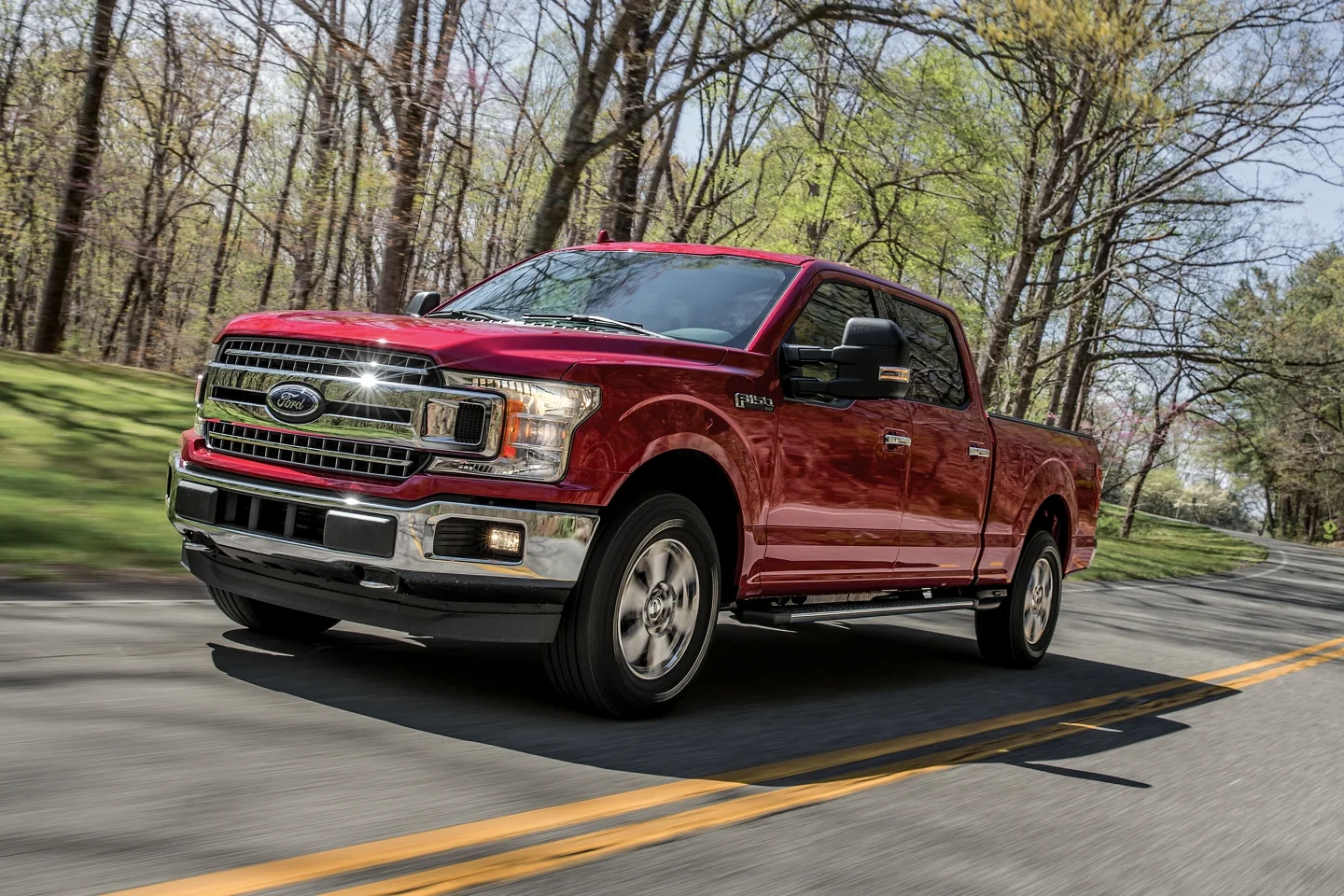
It’s also worth noting the community of F-150 owners who often share tips on maintenance and troubleshooting, which makes upkeep even more manageable and cost-effective.
The truck’s strong towing capacity and off-road capabilities do not come at the expense of durability when the maintenance plan is respected. This blend of rugged function and straightforward care explains the F-150’s continuing popularity among both commercial users and family drivers.
4. Subaru Outback
Known for its rugged capability and all-wheel-drive system, the Subaru Outback also proves that consistent basic maintenance is sufficient for long-term reliability.
With routine oil changes, timely tire rotations every 6,000 to 7,500 miles, and scheduled fluid flushes, Outbacks can easily reach 200,000 to 300,000 miles.
Subaru’s boxer engines require attention to the timing belt (or chain in newer models), which should be replaced according to the manufacturer’s schedule to avoid engine damage. Brake inspections and replacement as needed also contribute to longevity.
Proper rust protection and garage parking can extend the vehicle’s life, especially in regions where winters expose vehicles to salt and moisture.
Many owners report ten or more trouble-free years when following the recommended maintenance plan, highlighting the Outback’s resilience under regular care. Responsible driving habits further extend its lifespan by minimizing undue stress on the engine and drivetrain.
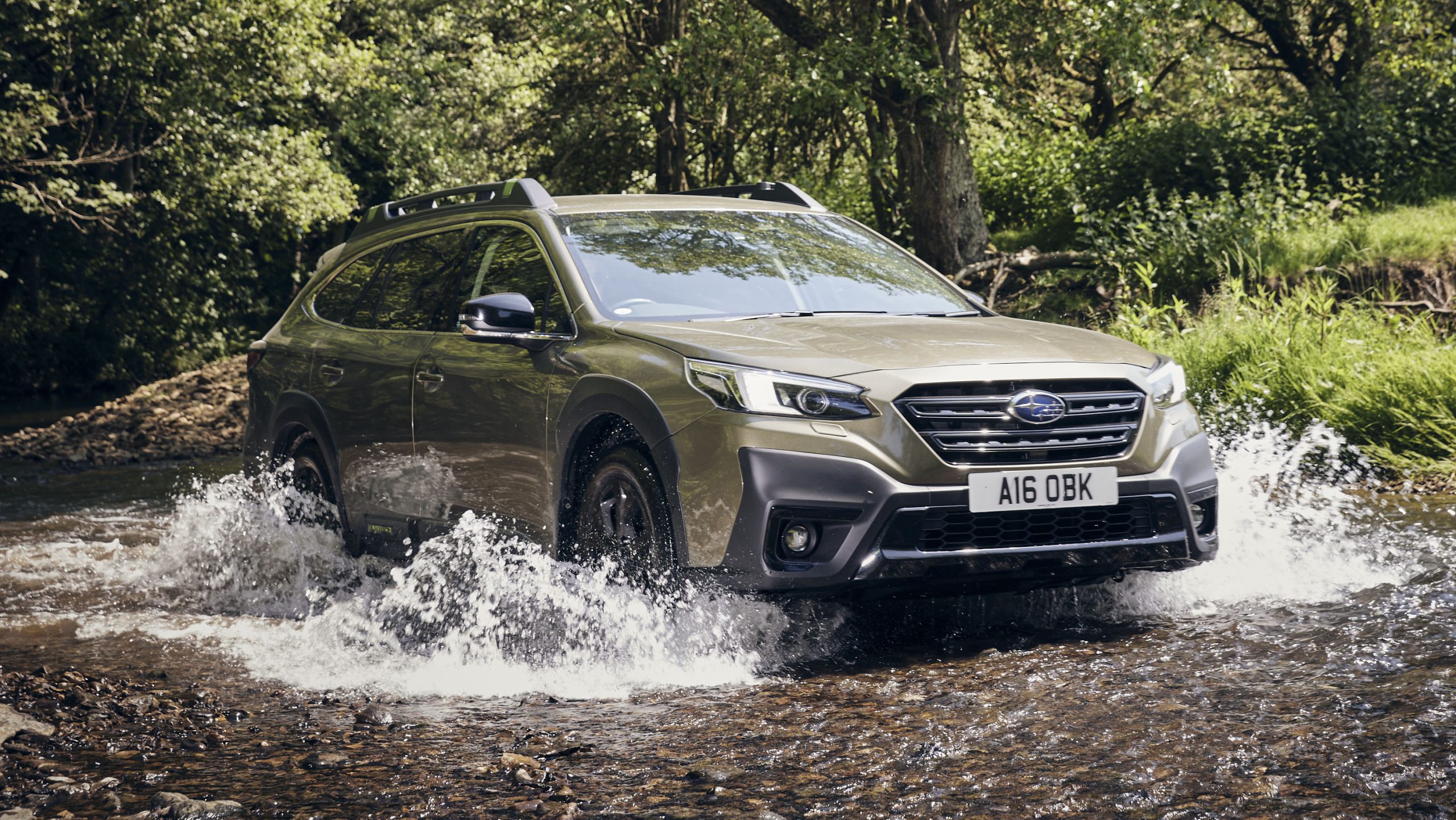
While some recent complaints mention expensive repairs or electronics issues, these are generally less frequent when owners stick to maintenance routines. Overall, the Subaru Outback stands as a solid example of a vehicle that benefits greatly from basic, regular care to remain dependable for the long haul.
The Outback’s versatility for both city driving and off-road excursions also increases its appeal, but this versatility depends on preventive maintenance to keep all systems functioning well.
The car’s AWD system demands timely service to keep differentials and transfer cases lubricated and functioning properly. Despite that, the overall maintenance schedule remains manageable and affordable.
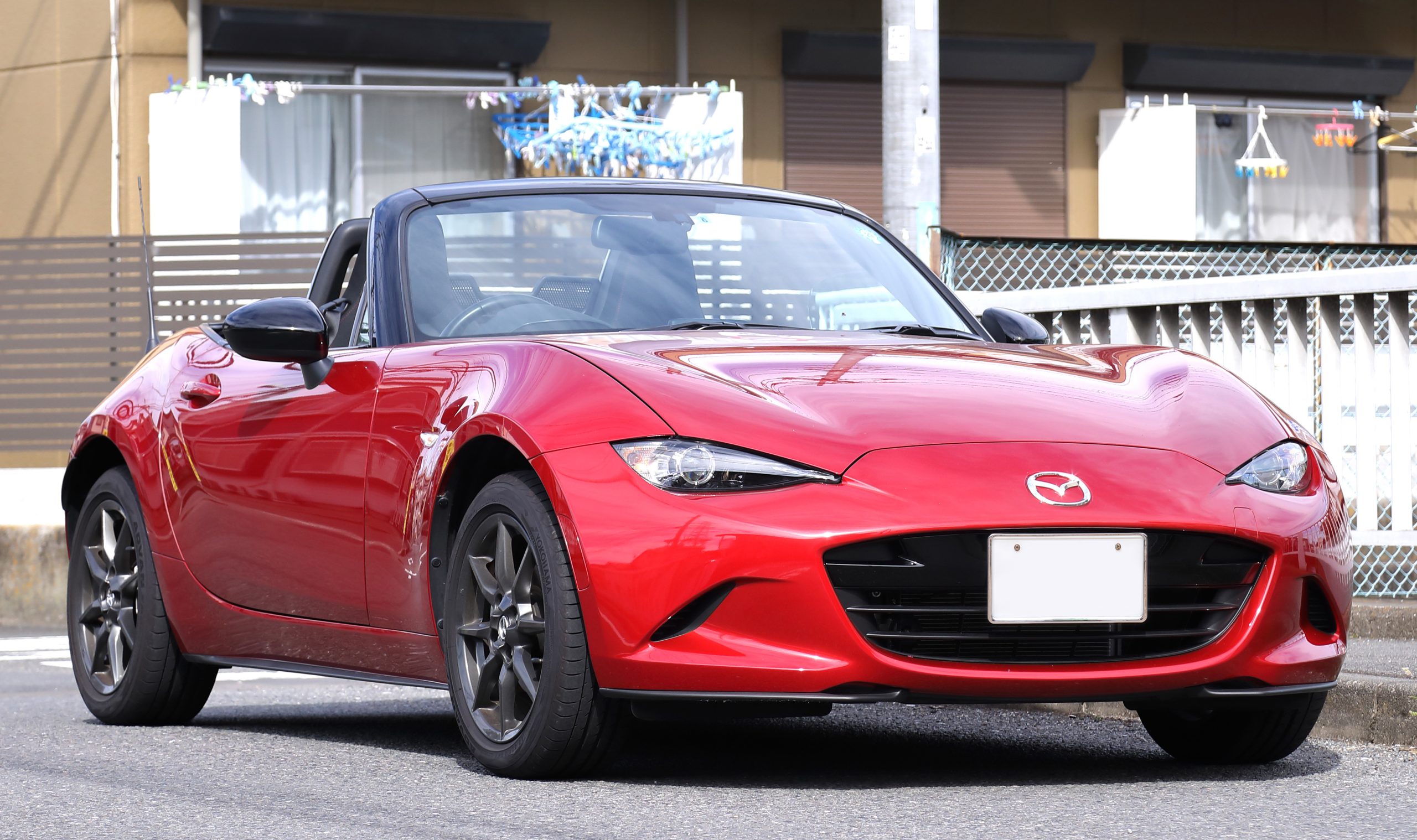
5. Mazda MX-5 Miata
The Mazda MX-5 Miata’s simple, lightweight design and proven mechanical components support a longevity that can surpass traditional expectations with proper maintenance. Mazda recommends oil changes every 7,500 miles or annually, tire rotations at the same interval, and brake inspections every 15,000 miles.
Major maintenance includes timing belt or chain replacements every 60,000 to 100,000 miles along with related components like water pumps and seals. Spark plugs and air filters should also be changed regularly to keep the engine running efficiently.
Due to its straightforward engineering and availability of inexpensive parts, the Miata rarely suffers from unexpected breakdowns if maintained appropriately. Miata owners often report engines lasting hundreds of thousands of miles, sometimes even with performance modifications, emphasizing the car’s durability.
The MX-5 Miata exemplifies how basic maintenance focused on scheduled intervals of oil changes, belt replacements, and fluid checks can keep a fun and reliable sports car on the road for decades.
The car’s enthusiastic owner community also contributes by sharing low-cost maintenance tips and effective troubleshooting techniques, which helps extend the life of these sporty vehicles even further.
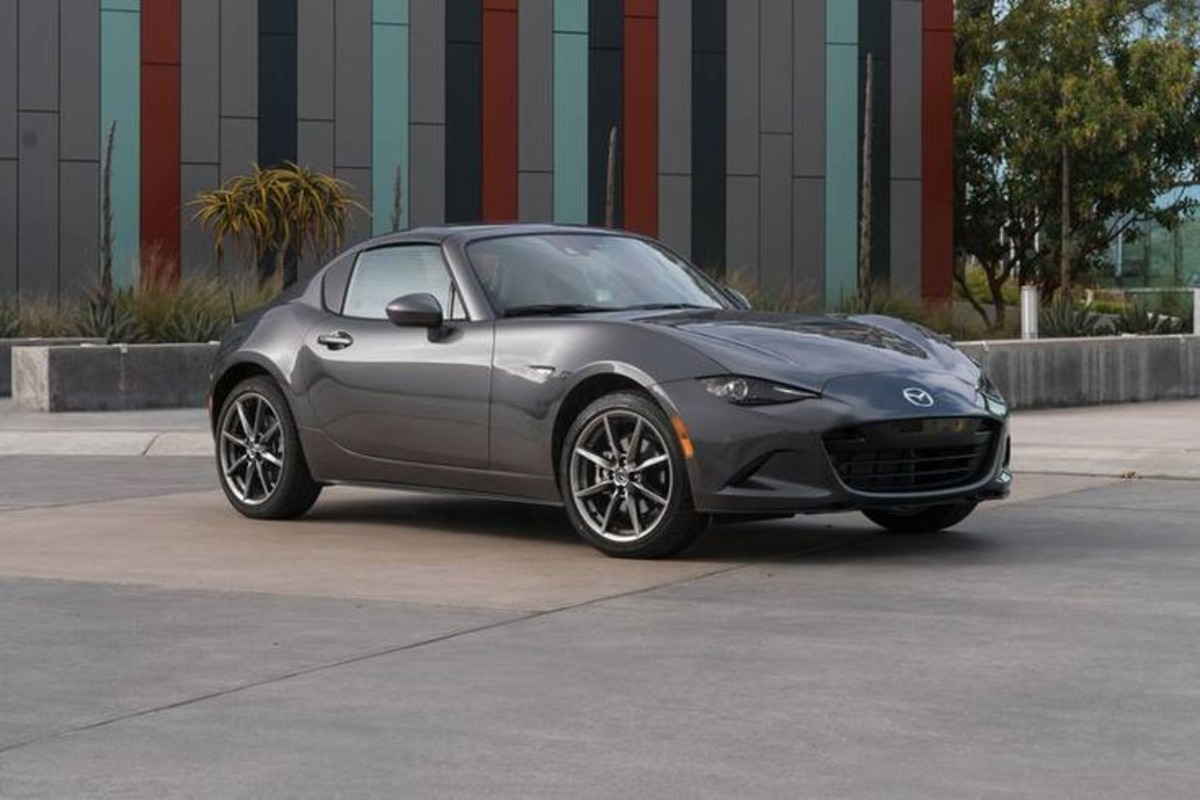
Its lightweight frame puts less strain on suspension parts, and the straightforward design reduces complexity in repairs. Overall, the Miata balances spirited driving enjoyment with a surprisingly durable mechanical foundation.
6. Lexus LS
Lexus, as Toyota’s luxury division, combines premium features with long-lasting reliability, making the Lexus LS an excellent example of longevity sustained through routine maintenance rather than expensive repairs.
Regular oil changes every 5,000 miles or according to the owner’s manual, tire rotations every 5,000 to 7,500 miles, and brake system maintenance annually or as needed are critical to preserving performance. Using high-quality synthetic oil and genuine parts ensures optimal engine health and durability.
Owners can expect the Lexus LS to reliably serve well beyond 250,000 miles with attentive care. Preventive maintenance including coolant replacement, transmission fluid checks, and interior upkeep also support this extended lifespan.
Lexus vehicles are known for pairing luxury with durability, and the LS’s service schedules reflect a focus on consistent, modest maintenance to avoid major repairs. This translates into years of smooth driving and retention of value.
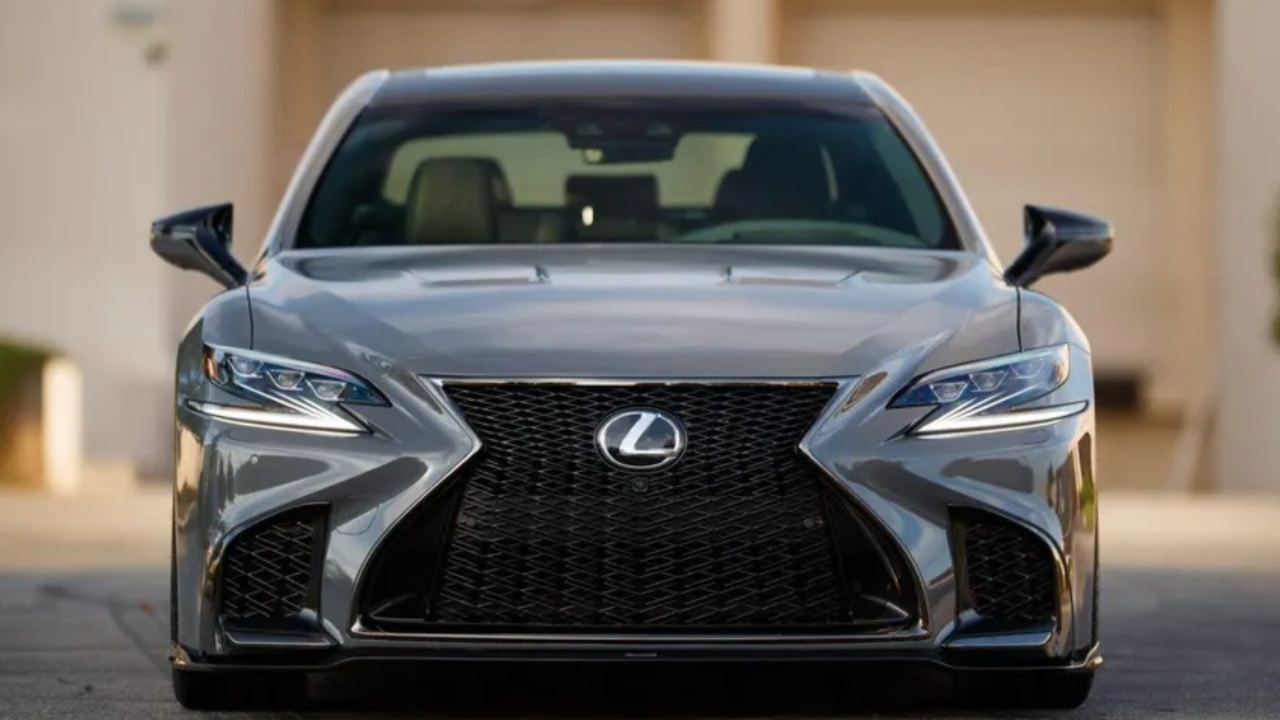
Beyond fundamentals, the LS features advanced engineering that requires no frequent complicated servicing. Its robust V8 engines and sound chassis design maintain their integrity with routine care.
Meticulous owners often report minimal issues, with electrical systems holding up well over time when basic checks are incorporated annually.
7. Toyota Camry
Toyota Camry’s widespread reputation is built on years of dependable performance paired with low-cost basic maintenance. Many Camry models from early 2000s to current years reach 200,000 miles and beyond when owners follow routine oil changes, brake checks, and timely part replacements.
While some older models experienced minor issues such as transmission or oil consumption problems, these are often resolved with consistent maintenance. Newer models show fewer complications, maintaining Toyota’s hallmark reliability.
Basic upkeep involves oil and filter changes every 5,000 to 7,500 miles, tire rotations, brake inspections, and periodic replacements of spark plugs and air filters. Observing Toyota’s maintenance schedule helps prevent wear on critical components like the engine and transmission, extending the vehicle’s life.
Owner experiences consistently reflect strong satisfaction with the Camry’s ability to run smoothly for many years, making it a recommended choice for those valuing reliability through straightforward care.
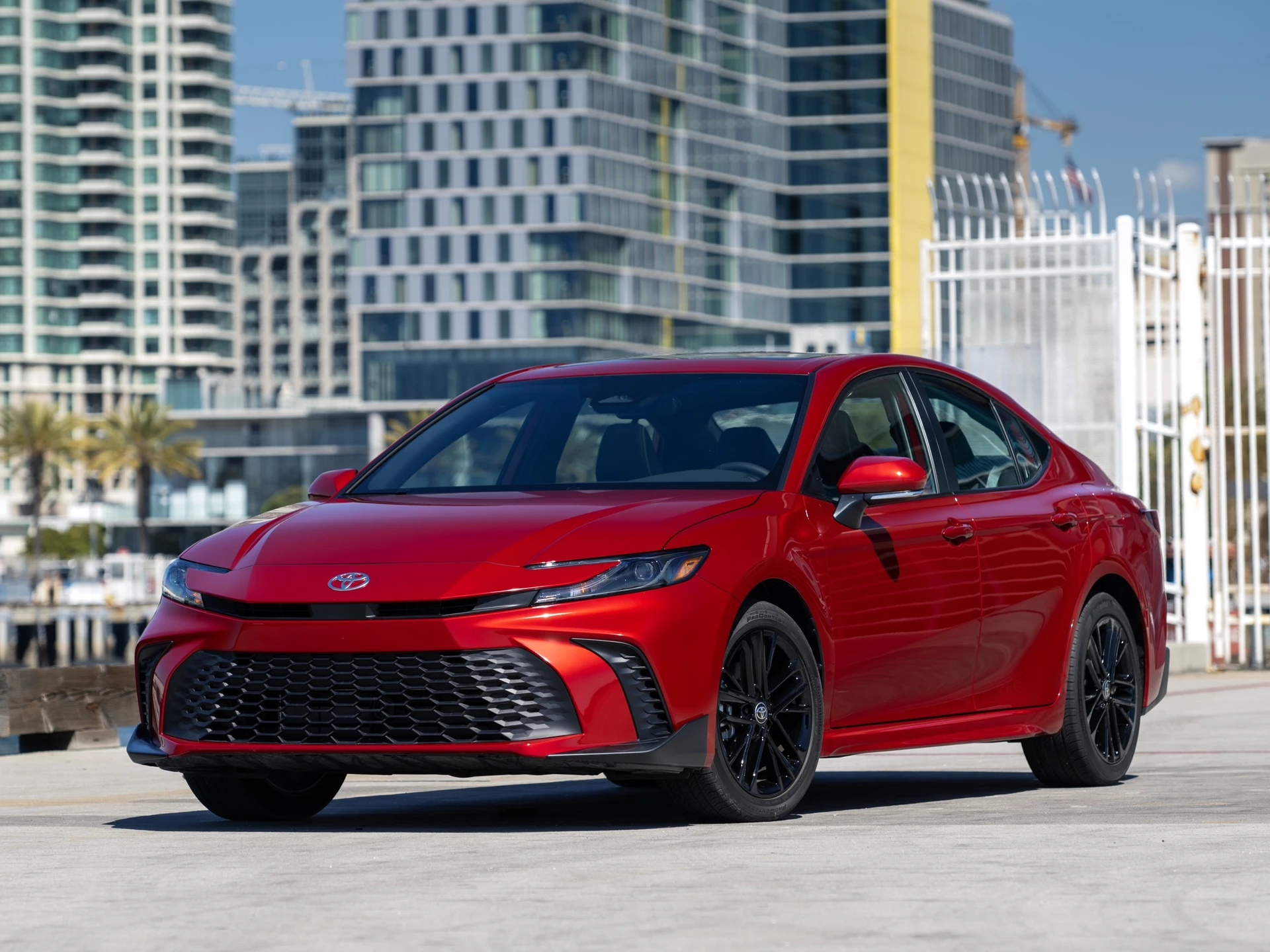
Moreover, the Camry’s sedan format often provides a more comfortable driving experience, but this comfort does not come at the expense of durability. Regular checks of suspension and cooling systems contribute to smooth handling and engine longevity.
Its balanced design avoids overcomplicated technology that might add maintenance burdens, making it an ideal choice for those who appreciate straightforward reliability.
Many cars today do not require expensive repairs or complicated upkeep to provide long-term reliability.
Instead, a number of vehicles demonstrate that consistent basic maintenance, including timely oil changes, brake inspections, fluid checks, and periodic replacements of wear items like spark plugs and timing belts, is enough to keep them running smoothly for hundreds of thousands of miles.
This practical approach emphasizes straightforward care without relying on high-tech complexities or costly fixes.
Among these vehicles, the Toyota Corolla stands out as a symbol of reliability. Since the 1960s, it has earned a reputation for durability thanks to its simple engineering and accessible parts.
Owners report many Corollas lasting well beyond 200,000 miles when regular maintenance schedules are followed.
The Corolla’s efficient four-cylinder engines and robust mechanical components reduce the frequency of unexpected repairs. Its fuel economy, ease of upkeep, and affordable replacement parts contribute to its lasting appeal.
Similarly, the Honda Civic is celebrated for its ability to surpass 200,000 miles with basic care. Its consistent reliability stems from Honda’s proven engine design and emphasis on simple, durable parts.
Planned maintenance such as timing belt replacements every 60,000 to 100,000 miles paired with oil changes and fluid inspections ensure smooth operation for 15 to 20 years or more.
Many Civic owners highlight minimal repair needs and the availability of affordable parts, reinforcing its status as a dependable vehicle.
The Ford F-150, a staple in American pickup trucks, shows that toughness and longevity come from sticking to routine maintenance. With regular oil changes, tire rotations, brake checks, and fluid replacements, many F-150s reach or exceed the 200,000-mile mark.
Its design balances rugged capability with straightforward upkeep, making it popular for both work and family use. The extensive owner community also helps share maintenance tips, contributing to cost-effective care.
The Subaru Outback offers versatility along with durability when basic upkeep like oil changes, tire rotations, and timing belt replacements are maintained.
While its all-wheel-drive system requires attentive fluid service, owners report trouble-free use beyond 200,000 miles with regular care. Rust protection measures and responsible driving further extend its functional life, balancing city and off-road abilities.
For sports car enthusiasts, the Mazda MX-5 Miata proves that basic maintenance ensures longevity even in performance-focused vehicles.
Its lightweight, simple mechanical layout requires standard service intervals for oil, brakes, and belts, with many owners reporting engines that last hundreds of thousands of miles. The Miata’s affordable parts and active owner community bolster its reputation for durable enjoyment.
Lexus LS combines luxury with Toyota’s reliability, resulting in a premium vehicle that thrives on routine oil changes, brake maintenance, and fluid checks.
Owners often experience over 250,000 miles of trouble-free use when adhering to maintenance schedules. The LS’s robust engineering and use of quality components allow it to avoid costly repairs while maintaining comfort and refinement.
Lastly, the Toyota Camry embodies dependable daily driving with low-cost maintenance. Models from various generations exceed 200,000 miles when owners perform regular oil changes, brake inspections, and part replacements.
Its balanced design prioritizes reliability over complicated technology, making it a wise choice for drivers valuing a smooth, trouble-free experience over time.
These seven vehicles collectively illustrate that attentive basic maintenance alone is sufficient to sustain performance and durability across decades.
Their simple, reliable engineering and availability of affordable parts allow owners to keep these cars on the road for many years without costly interventions. This reinforces the value of fundamental maintenance practices in achieving long vehicle lifespans.
Also Read: 15 Most-Owned Vehicles in America and What Drivers Really Think
