
Car ownership comes with its fair share of responsibilities, and among the most dreaded ones is the need for an engine overhaul. This major repair task can be a costly and time-consuming experience for many vehicle owners.
However, not all cars suffer from engine overhaul horrors, as some models have proven to be remarkably reliable and durable, sparing their owners from such headaches.
In this article, we highlight 10 cars revered for their long-lasting engines that rarely require a complete overhaul. These vehicles stand out not just for their performance but also for their engineering excellence, maintenance-friendly design, and robust build quality.
Many factors contribute to a car’s engine longevity, including the quality of materials used, precision manufacturing, and routine maintenance.
Engine longevity reduces not only the repair expenses but also the stress and inconvenience related to car breakdowns and repairs.
Whether you are a daily commuter, weekend traveler, or a car enthusiast looking for dependable options, knowing which cars have an exceptional track record in avoiding engine overhaul nightmares can help guide your purchase decision.
The 10 cars featured in the following sections are well-known for their resilience and reliability. Owners of these vehicles frequently report fewer engine troubles and longer intervals between major servicing tasks.
These cars come from a variety of manufacturers and different market segments, but a common thread among them is their ability to deliver worry-free driving experiences for many miles. We take a detailed look at each car model to understand what makes its engine stand the test of time and avoid the dreaded overhaul ordeal.
Also Read: 5 Fords That Survive Off‑Road Life vs 5 That Should Stay on Pavement
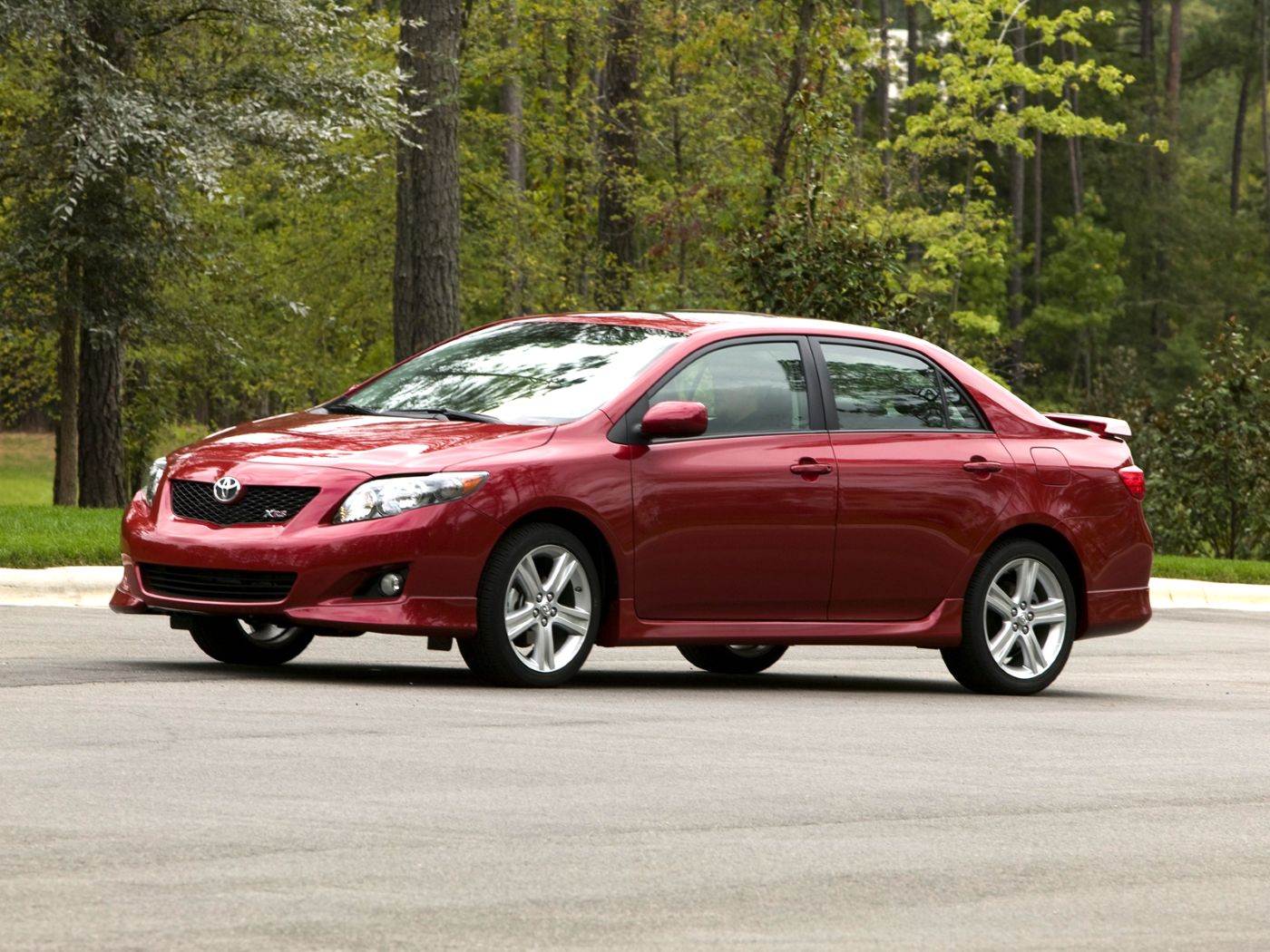
1. Toyota Corolla
The Toyota Corolla is one of the most successful and dependable compact cars globally. Renowned for its bulletproof engine, it has earned a reputation for requiring minimal maintenance and rarely facing engine overhaul issues.
The Corolla’s engines, particularly the 1.8-liter 4-cylinder variants, are engineered with reliability as a top priority. Features such as strong internal components, efficient cooling systems, and meticulous assembly standards contribute to this reliability.
Owners commonly report surpassing 200,000 miles without ever needing an engine rebuild. Regular oil changes and basic upkeep keep the engine running smoothly.
Toyota’s superior quality control and conservative tuning also help reduce engine wear and tear. These factors make the Corolla ideal for those seeking a low-maintenance vehicle with proven long-term performance.
Beyond the mechanical advantages, the Corolla benefits from widely available parts and service centers, which simplifies preventive maintenance.
Additionally, its fuel-efficient engines experience less stress during operation, further prolonging engine life. The Corolla’s consistent performance and durable engine make it a dependable choice where engine overhaul horror stories are notably scarce.
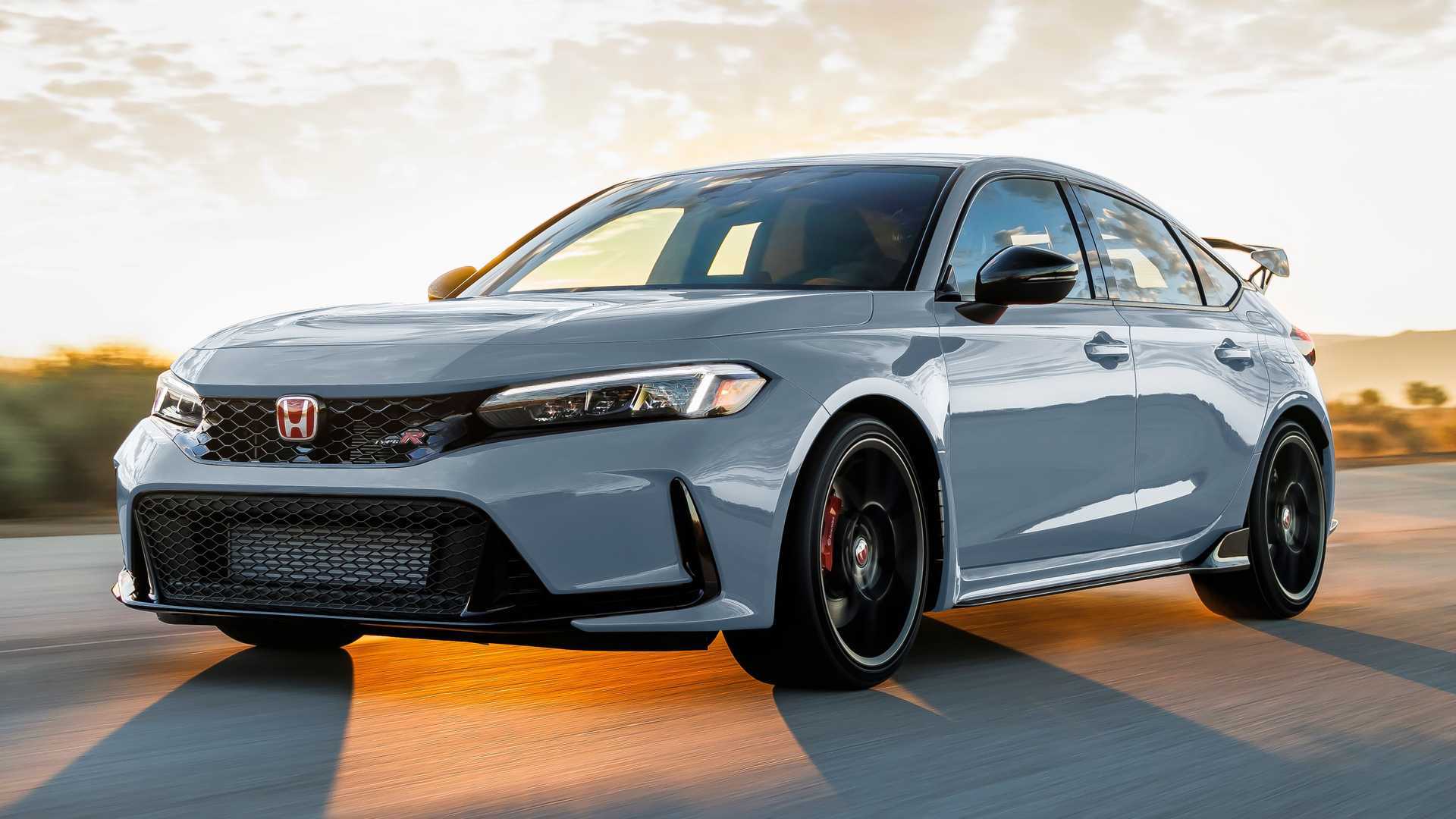
2. Honda Civic
The Honda Civic is celebrated for its refined engineering and long-lasting engines. Over decades, the Civic has built a solid legacy of reliability, consistently ranking high in durability and owner satisfaction surveys.
Its engines, particularly the robust 1.6 to 2.0-liter 4-cylinder configurations, are designed to strike a balance between efficiency and longevity.
One key to Civic’s engine endurance is Honda’s use of high-quality materials coupled with meticulous engineering that minimizes internal friction and improves cooling. Many Civic engines are known to easily exceed 200,000 miles with timely maintenance, rarely demanding a costly overhaul.
Unlike some cars that push engine performance at the expense of longevity, the Civic’s engines are tuned for steady, reliable operation.
The advanced VTEC system, introduced by Honda, optimizes valve timing for performance without jeopardising durability. Service intervals recommended by Honda ensure that the engine components stay well lubricated and free from excessive wear.
In addition, Civics have a large enthusiast community which facilitates access to maintenance knowledge and affordable parts. This widespread support network encourages owners to maintain their vehicles meticulously, further preventing engine deterioration.
3. Subaru Outback
The Subaru Outback is distinguished by its unique boxer engine layout that contributes to a low center of gravity and inherent balance. The horizontally opposed engines used in Outbacks are loved not only for handling advantages but also for their longevity and reliability.
Subaru’s boxer engines are designed with a durable construction and straightforward maintenance in mind.
Many Outback owners report engines that have run smoothly beyond 200,000 miles without an overhaul. The even firing order and balanced design reduce engine vibrations and strain on components, extending engine life.

Routine oil changes and coolant flushes are crucial with the Outback, as with any vehicle, but the engineering robustness reduces the frequency of major repairs. Subaru also continually improved its timing belt and chain systems in later models, which helps avoid premature engine failure.
The Subaru Outback stands out as a spacious, capable vehicle with a stellar reputation for engine durability, making it a smart choice for buyers wanting to avoid overhaul nightmares while enjoying rugged performance.
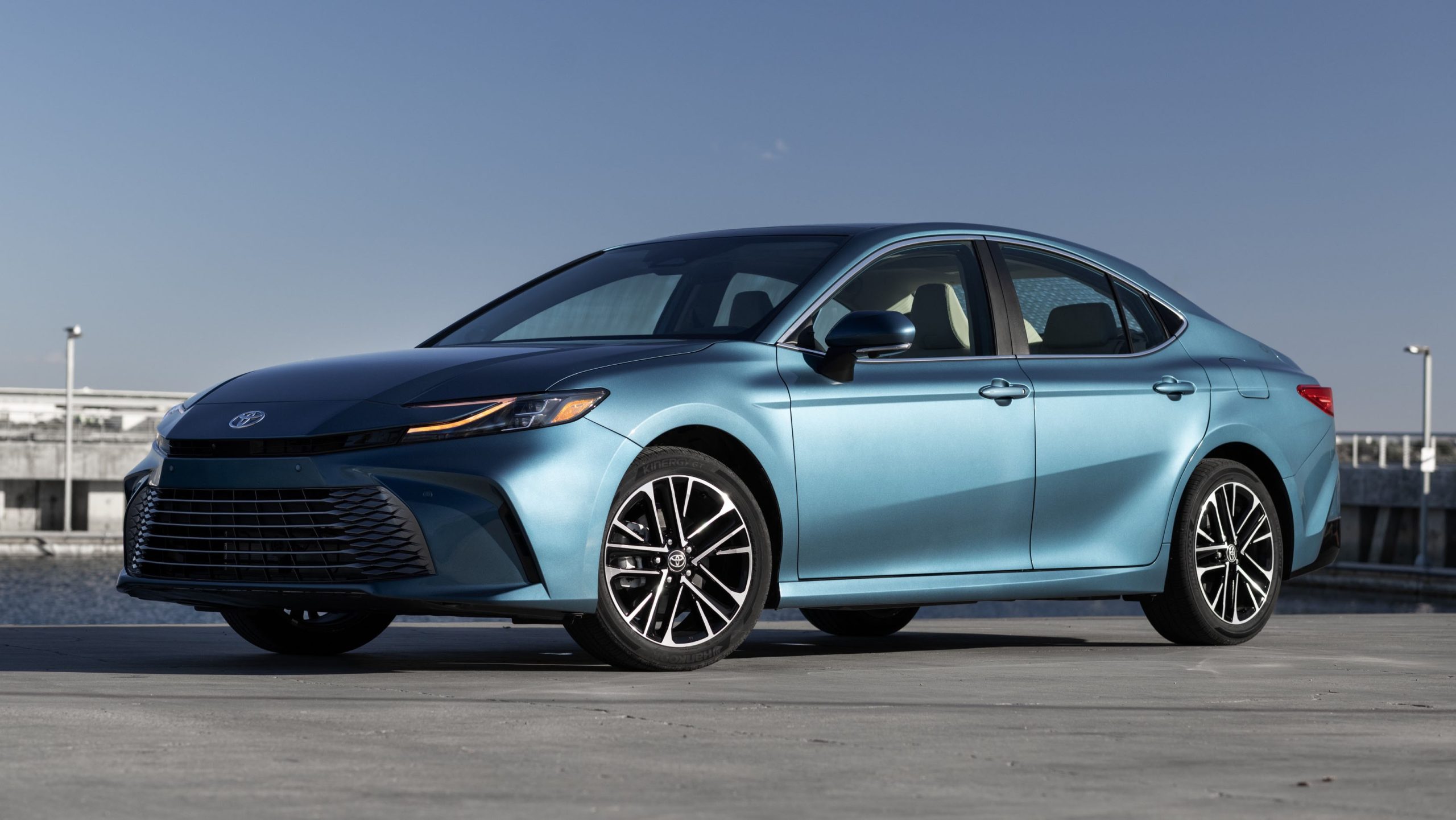
4. Toyota Camry
The Toyota Camry is one of the most trusted midsize sedans in automotive history, and a key reason behind its status is its exceptionally durable engine.
Whether it’s the legendary 2.5-liter 4-cylinder or the smooth 3.5-liter V6, the Camry has proven time and again that it can withstand years of daily driving without succumbing to costly engine overhauls.
Toyota has consistently prioritized engineering simplicity and proven technology in the Camry’s engines, avoiding experimental designs that might compromise reliability.
The engines are built with precise tolerances, forged or high-strength internals where necessary, and efficient cooling systems that prevent excessive heat-related wear. Owners frequently reach 250,000 miles or more with only routine maintenance.
One of the biggest advantages for Camry owners is the brand’s parts availability and affordability. Since the Camry has been a high-volume seller for decades, replacement components are easy to find, keeping preventative maintenance accessible.
The engines run on regular fuel and have forgiving tuning that prioritizes longevity over maximum performance output.
Regular oil changes, timely timing belt or timing chain maintenance, and fluid replacement are typically all it takes to keep a Camry’s engine running trouble-free for decades.
The car’s predictable reliability makes it a preferred choice not only for families and commuters but also for taxi fleets in various countries, where engines often run for years with minimal issues.
For those seeking a comfortable, efficient sedan that delivers worry-free operation year after year, the Toyota Camry sets the standard. Engine failures are incredibly rare when the factory service schedule is followed, making engine overhaul nightmares almost unheard of.
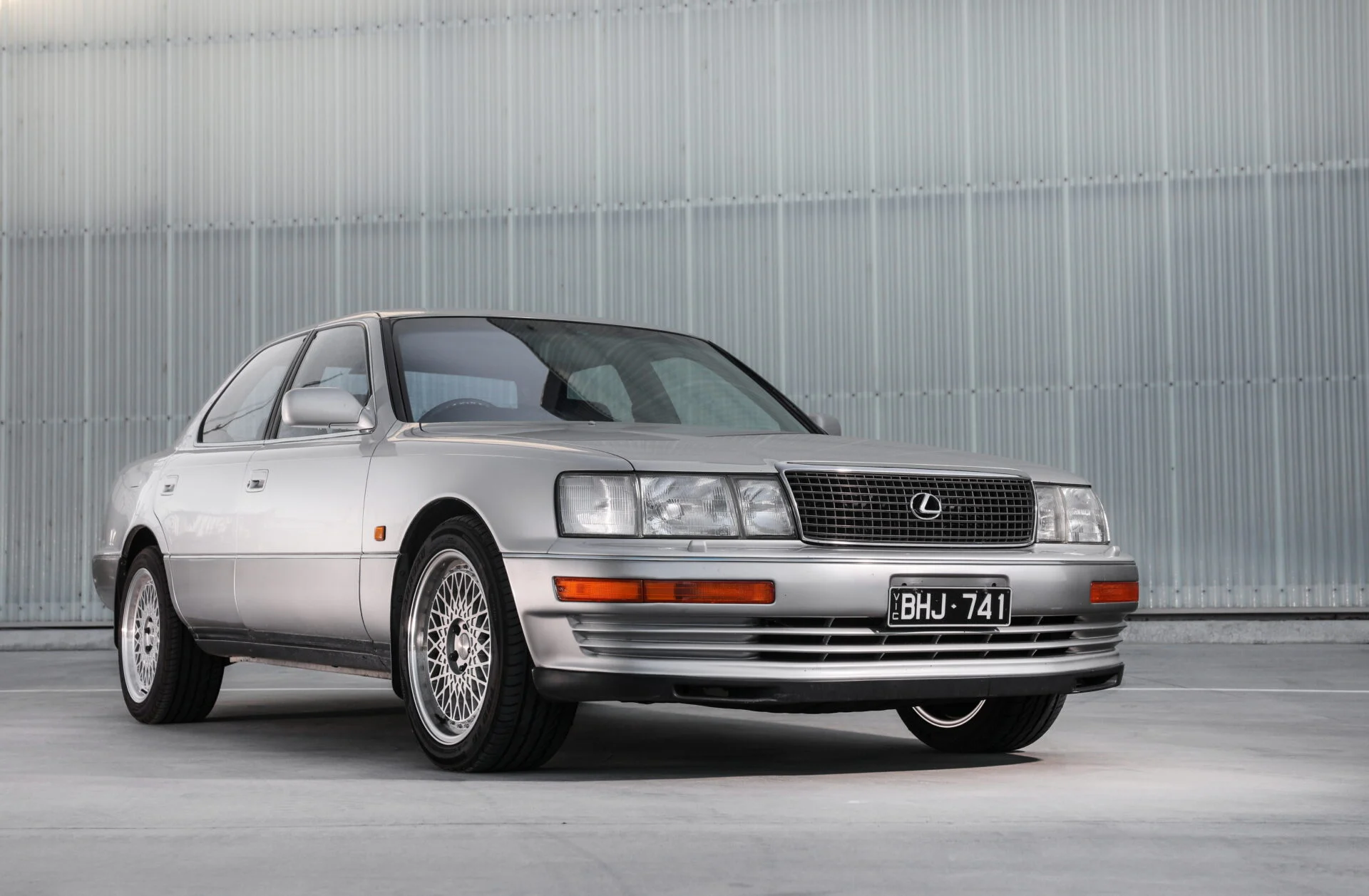
5. Lexus LS400
The first-generation Lexus LS400, introduced in the late 1980s, became an instant benchmark in luxury sedan engineering, and a big part of that reputation comes from its powerhouse: the 4.0-liter 1UZ-FE V8 engine.
Built with an obsessive focus on quality, the LS400’s engine was so over-engineered that it can endure hundreds of thousands of miles without any sign of requiring a rebuild.
The 1UZ-FE V8 uses a cast aluminum block with steel cylinder liners, robust forged internals, and a design meant to run smoothly with minimal vibration.
Even under tough conditions, the engine is known for remarkable wear resistance. There are reports of LS400s crossing the 500,000-mile mark while still running on the original engine without internal repairs.
Lexus engineered this motor to run quietly and efficiently while maintaining great thermal management. Its cooling system is robust enough to prevent overheating, which is one of the most common causes of engine damage in other vehicles.
Additionally, the V8 is not highly stressed; it delivers plenty of power without being tuned to its absolute limit. That conservatism pays off in extended longevity.
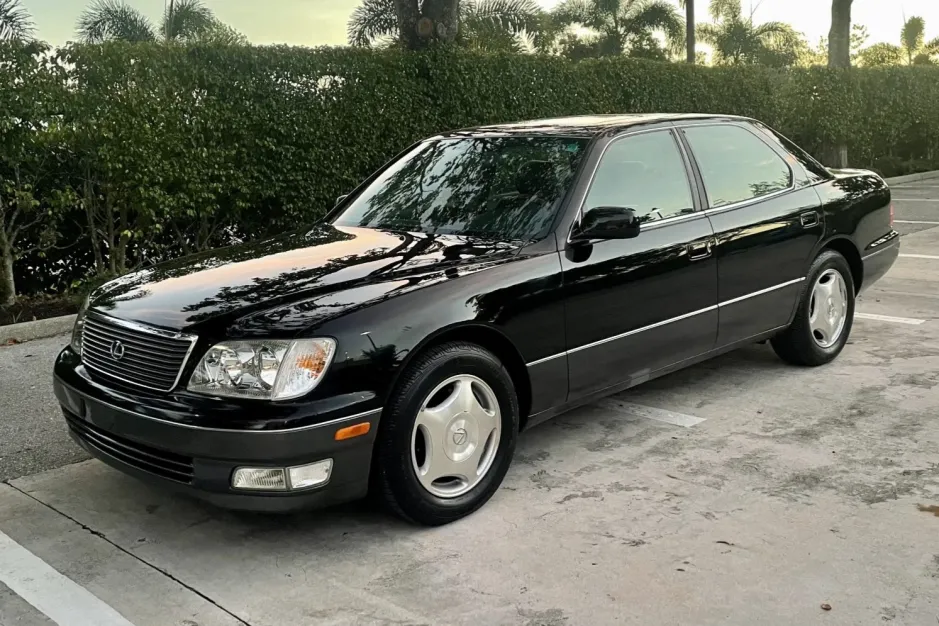
The LS400 also benefits from Toyota’s legacy of easy parts sourcing, which ensures that even decades later, keeping the engine in perfect condition is straightforward. Many mechanics consider it one of the best-built production engines of its time, a reputation that still holds up today.
For anyone seeking an affordable used luxury sedan that can outlast almost anything on the road, the LS400 is a prime example. It’s proof that meticulous engineering and conservative tuning can result in a drivetrain that avoids engine overhaul nightmares for decades.
6. Honda Accord
The Honda Accord has built its reputation as a stalwart of the midsize segment. Its long-running popularity is in part due to the impressive reliability of its engines, especially the 2.4-liter four-cylinder and 3.5-liter V6 units found in different generations.
Both configurations have proven their ability to withstand years of use with only basic maintenance, avoiding the most expensive and dreaded engine overhauls.
Honda designs their Accord engines for real-world durability. Components such as timing chains (instead of belts in newer generations), low-friction pistons, and high-quality gasket materials promote longevity.
Mechanics and owners routinely share stories of Accord engines staying strong for well over 200,000 miles, a testament to consistent engineering and thoughtful design.
Owners praise the Accord not just for its power or efficiency, but for how rarely the engine gives them serious trouble. The maintenance schedule is simple: regular oil changes, timely spark plug replacements, coolant flushes, and adherence to basic service intervals.
And since Honda has sold millions of Accords, parts and service expertise are widely available, making it easier for drivers to keep their engines healthy for the long haul.
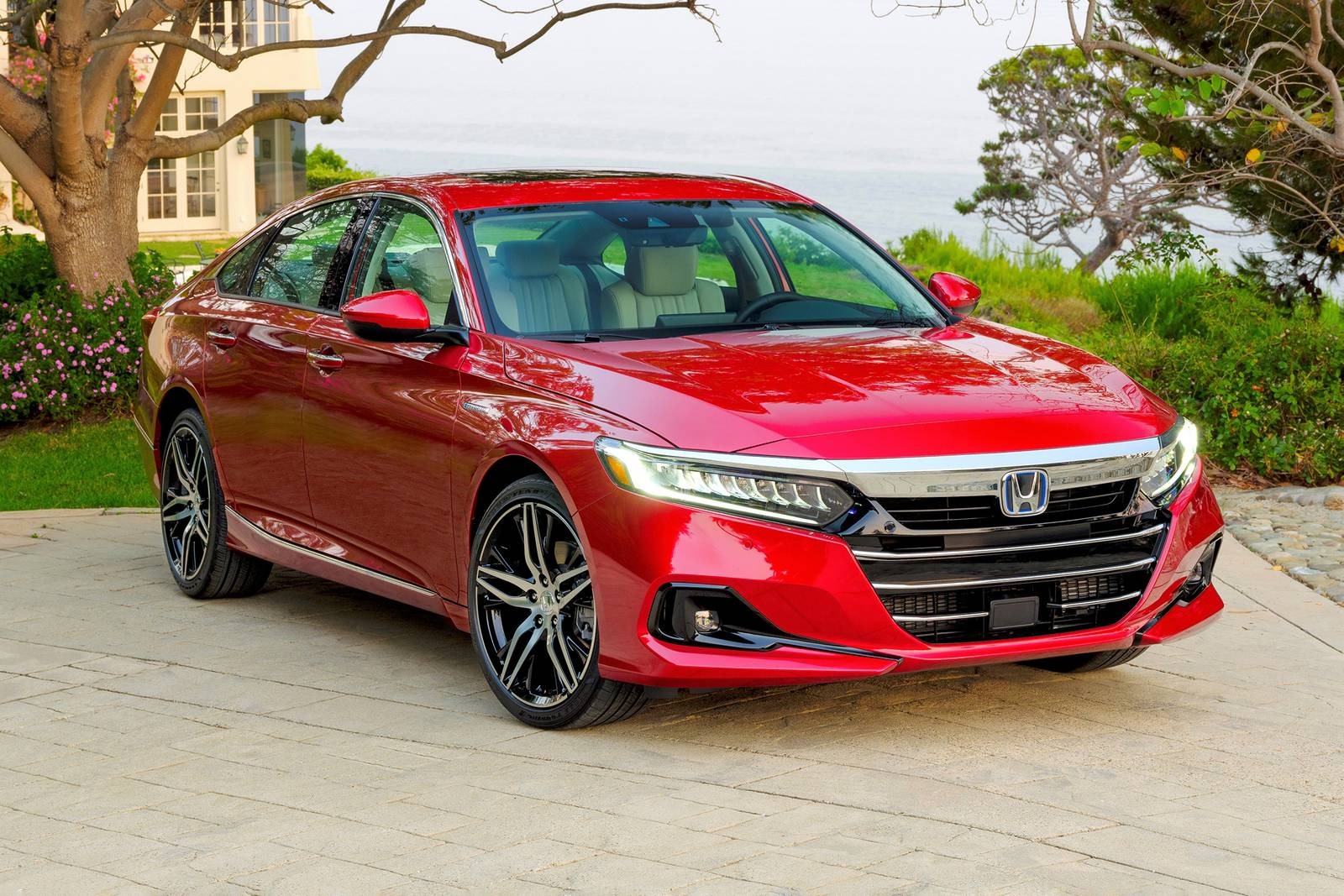
Accords fare well across climates and driving styles, whether as daily commuters, taxi cabs, or family road trip vehicles.
Reports of catastrophic engine failures are extremely rare among owners who follow basic preventive care, highlighting why the Accord continues to be a top choice for those who value peace of mind in their vehicle ownership.
Much like its sibling, the Civic, the Accord stands out not just for reliability in general but particularly for its powertrain’s resilience against engine overhaul stories.
7. Mazda MX-5 Miata
The Mazda MX-5 Miata isn’t just celebrated for its fun-loving roadster personality but is also renowned among enthusiasts and mechanics for its extraordinarily dependable engine.
Regardless of generation, from the early 1.6-liter models to the newer 2.0-liter units, Miatas rarely find themselves in the shop for dramatic engine surgery.
Mazda’s design philosophy emphasizes simplicity and quality over complexity. The MX-5’s four-cylinder engines are naturally aspirated and don’t rely on high-stress forced induction, which helps improve lifespan and reduce the risk of major failures.
Internally, robust construction paired with efficient cooling and lubrication systems helps keep the engine from wearing out prematurely.
Owners often report logging more than 200,000 trouble-free miles, with the car occasionally requiring timing belt or chain swaps and standard tune-ups.
Since the MX-5 is a major hit in the enthusiast community, parts are plentiful, do-it-yourself repair resources are widely available, and regular maintenance is easy to perform, even for those inexperienced with wrench work.
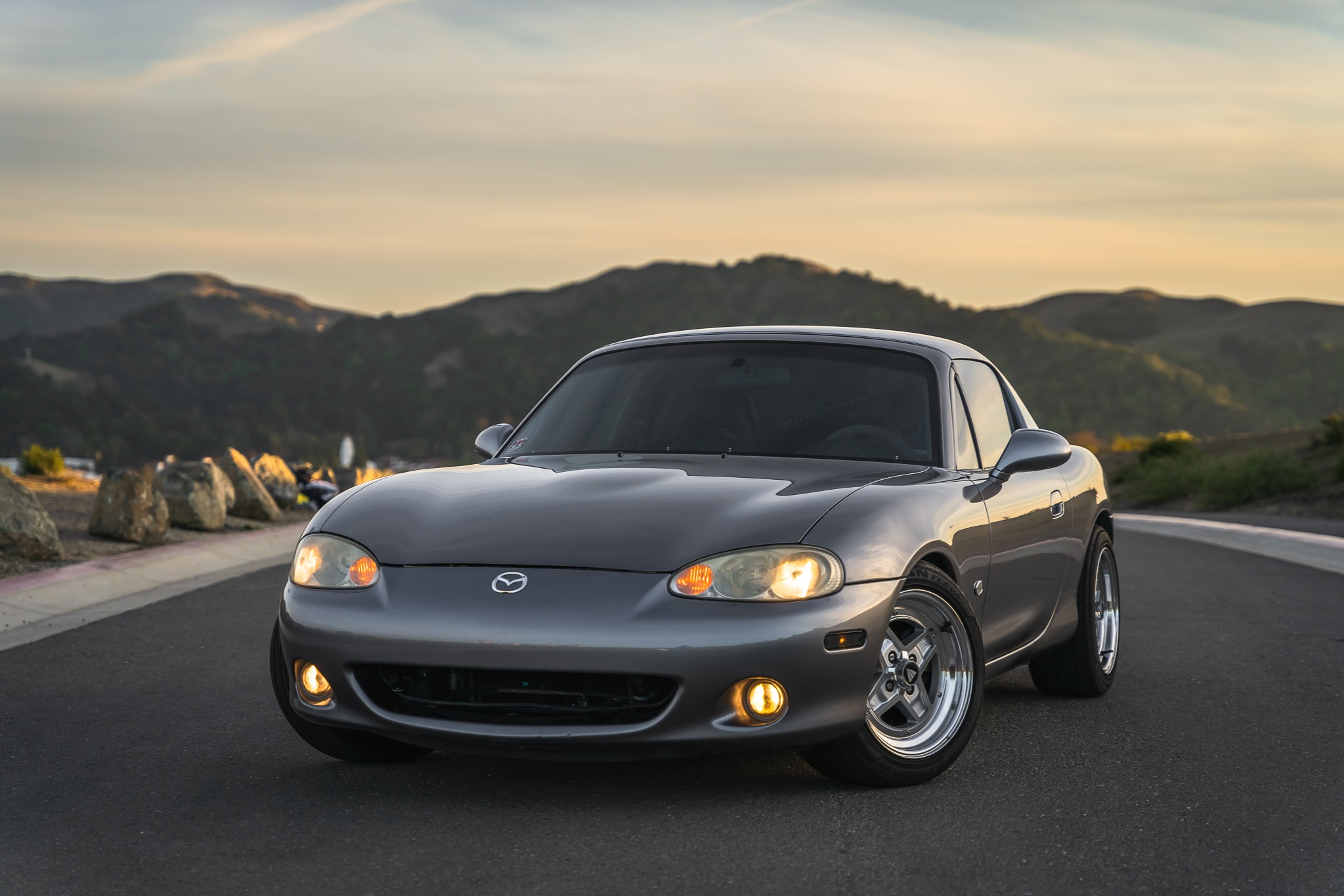
Another factor in the Miata’s endurance is its low weight and modest power output. The engine isn’t overtaxed, and the car’s lightweight chassis demands less of the motor during acceleration and cruising. This further reduces wear and promotes longevity.
With the MX-5 Miata, horror stories of engine overhauls are rare exceptions rather than the rule. For a sporty car that’s also reliable enough for years of use with minimal drama, the Miata’s engine is a prime example of why simplicity and quality engineering go hand in hand.
8. Volvo 240
The Volvo 240 is legendary, especially in the classic cars world, for engines that just keep running. Introduced in the mid-1970s and produced through the early 1990s, the 240’s four-cylinder “Red Block” engines set new standards for durability.
Whether installed in a sedan, wagon, or even a taxi, Red Block motors routinely rack up hundreds of thousands of miles without the need for a teardown.
Their iron block construction, simple overhead cam design, and forgiving tolerances make them difficult to wear out. Many Volvo 240s still commute, run deliveries, or haul families around with original engines that have experienced only basic part replacements like belts, hoses, and water pumps.
Maintenance for the 240 is famously straightforward. Oil changes, periodic valve clearance adjustments, and replacing aging rubber components are about the extent of necessary engine care.
The car’s robust cooling and relatively low-power outputs mean that internal stresses are minimal, further promoting a long, healthy engine life.
Mechanics and owners alike have lauded the Red Block for its “indestructible” reputation. Some have driven their 240s well past 300,000 or even 400,000 miles with no sign of engine overhaul drama. For those interested in a classic that won’t drain their wallet with surprise engine bills, the Volvo 240 is a smart choice.
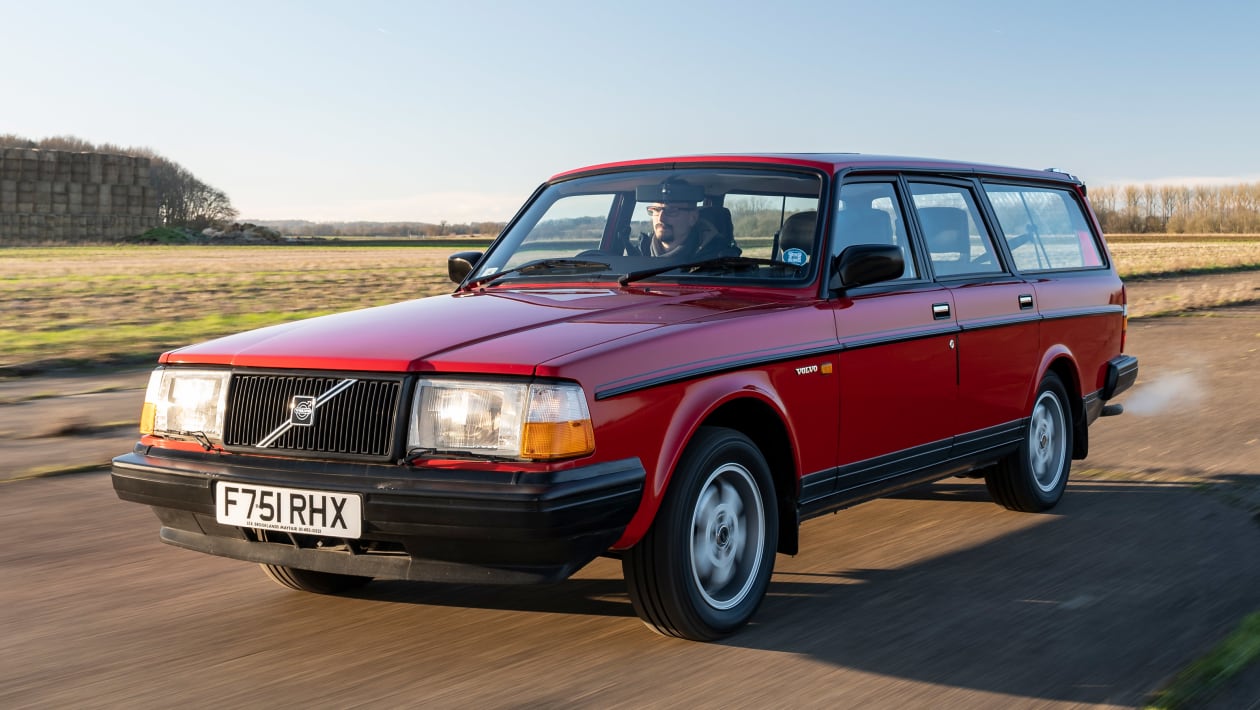
If there’s a single word to sum up the 240’s approach to longevity, it’s “stubborn.” These engines are hard to kill, making the prospect of an engine overhaul something most owners never have to worry about.
9. Ford Crown Victoria
Recognised as the backbone of American police fleets and taxi operations for decades, the Ford Crown Victoria is a prime example of a full-size sedan built to endure extreme use.
Central to its reliability is the bulletproof 4.6-liter “Modular” V8 engine, which delivers everything from long-term durability to ease of maintenance.
Mechanics appreciate this engine for its simple overhead cam architecture and sturdy iron block construction. Many Crown Victorias have spent years covering city miles as taxis or patrol cars, regularly accumulating 300,000 to 400,000 miles without an engine overhaul.
With consistent fluids and filter maintenance, internal engine wear is minimal. The design avoids high-compression setups or turbocharged stress, instead relying on moderate power delivery that doesn’t push the engine to its limits.
The Crown Victoria’s powertrain is also known for its resilience against neglected maintenance.
Even with demanding workloads and less-than-ideal service histories, the 4.6-liter V8 often keeps running. Large oil pans and effective cooling further aid this longevity, along with an abundance of affordable replacement parts.
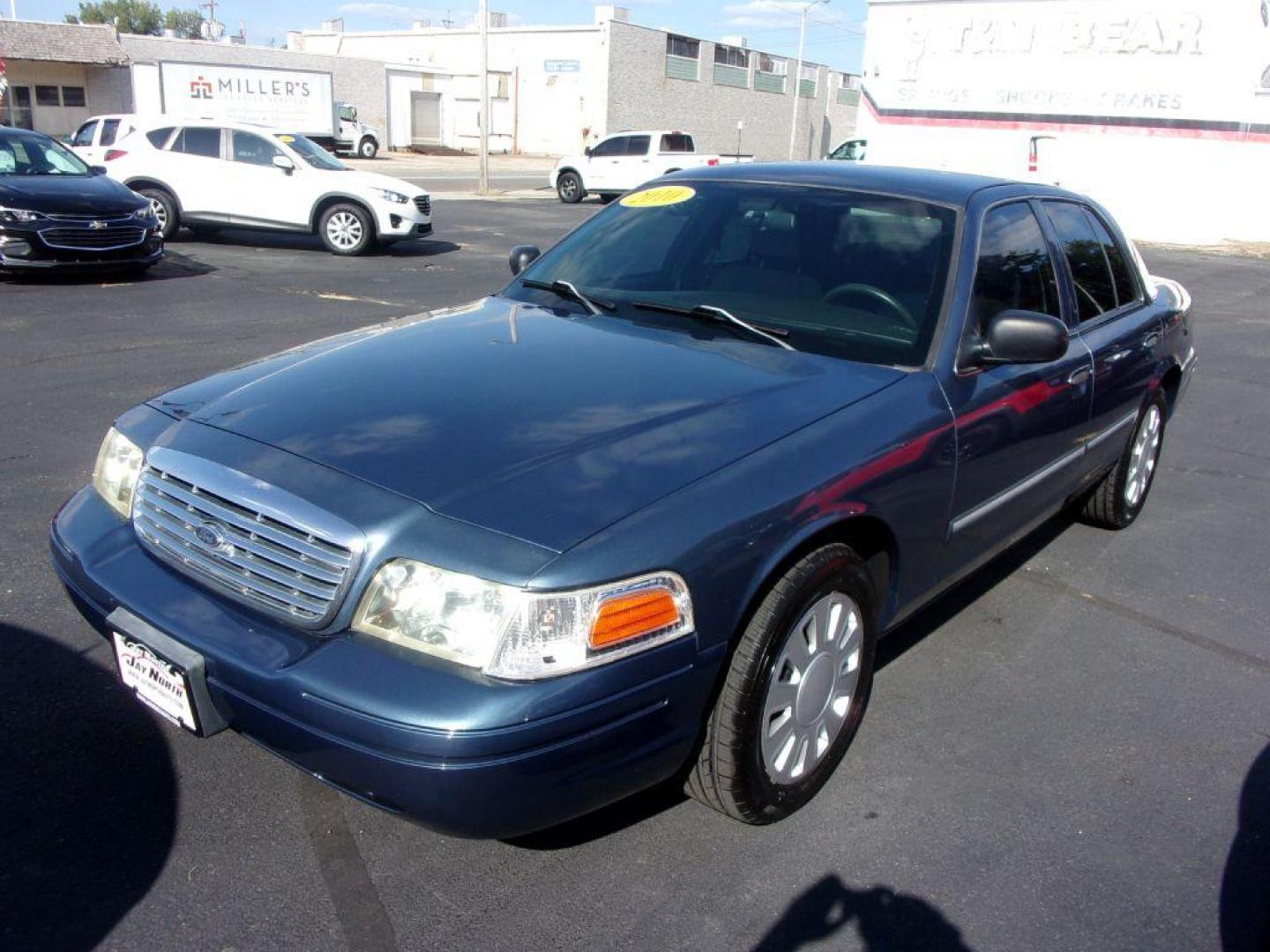
Fleet mechanics love the Crown Vic for another reason: it’s straightforward to work on. From spark plug replacements to major gasket swaps, few vehicles are better documented or easier to service than the Crown Victoria.
Owners enjoy a driving experience with the comfort of knowing that their engine is unlikely to cost them a small fortune in repairs. Its reputation for reliability means engine overhaul horror stories among Crown Victoria drivers are nearly unheard of.
10. Mercedes-Benz W123
The Mercedes-Benz W123, produced from the mid-1970s to the mid-1980s, is a standout in the classic durability world. Known for both gasoline and diesel variants, the W123’s engines are famous for lasting lifetimes with little need for major internal repairs.
Diesel versions, especially the 3.0-litre five-cylinder OM617, enjoy a nearly mythical reputation. Taxi drivers in Europe, the Middle East, and Africa regularly push these engines past half a million miles with only modest maintenance.
Their low-revving, under-stressed design and heavy-duty components make them particularly robust. Meanwhile, the gasoline models inline-four and inline-six, benefit from Mercedes’s focus on longevity over outright performance.
A key feature of the W123 powerplant is accessibility for repairs and preventative care. Routine oil changes, fuel filter replacements, and valve adjustments keep these legendary engines running their best. The simple mechanical fuel injection and old-school ignition systems mean there’s less to go wrong.
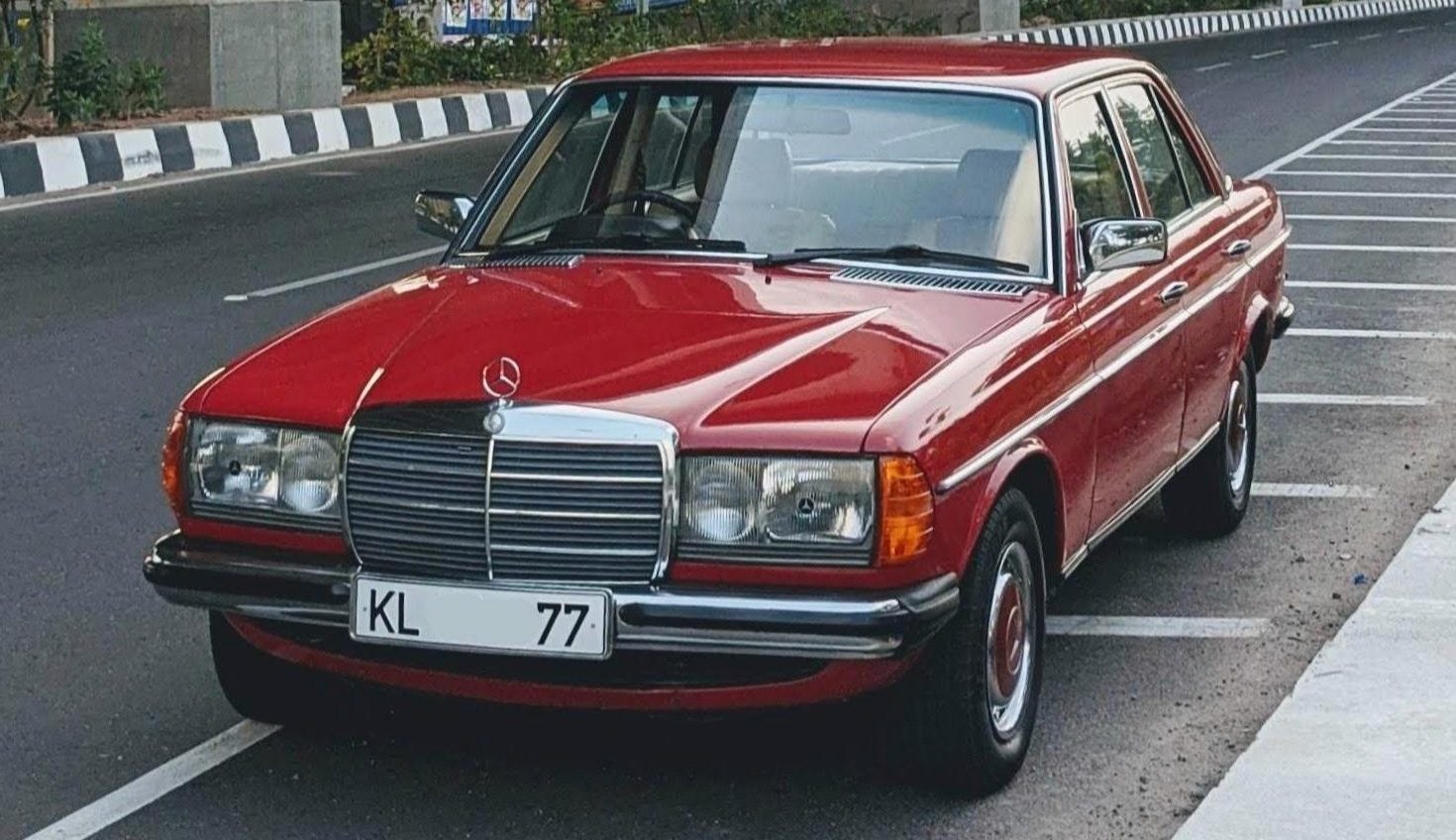
Ownership is also supported by a large network of enthusiasts and parts suppliers, which keeps the cost of repairs manageable and knowledge about longevity widespread.
Owners of W123s cherish the confidence that comes with cars whose engines seem almost immune to catastrophic failure.
The Mercedes-Benz W123 stands as proof that quality engineering from previous decades can translate to extraordinary durability. For anyone looking at a classic Mercedes, the W123 often means engine overhaul horror stories are simply not part of the equation.
Owning a car can be a rewarding experience, but it also brings anxiety about long-term reliability and costly repairs, particularly dreaded engine overhauls. For many drivers, an engine rebuild can turn a trusted vehicle into a financial nightmare.
The good news is that some cars have proven their resilience over many years and miles, consistently avoiding the need for major internal repairs.
This article spotlights ten vehicles recognized for their exceptional engine longevity, minimal hassle with breakdowns, and ability to keep driving for hundreds of thousands of miles, provided basic preventative maintenance is followed.
The list begins with the Toyota Corolla, a model celebrated worldwide for its bulletproof reliability. Whether driven as a commuter, family car, or ride-hailing workhorse, the Corolla’s engines routinely eclipse 200,000-mile milestones with little more than regular oil changes.
Similarly, the Honda Civic follows close behind, blending simple yet effective engineering with a huge support network. Civic drivers can expect impressive lifespans from their powertrains as long as fundamental maintenance is respected.
Subaru’s Outback earns its place with a robust boxer engine design, which promotes balance and reduces vibrational stress on components.
The Outback’s straightforward engineering and reliable cooling systems contribute to its famously long engine lives, whether used on highways or more adventurous terrain.
The Toyota Camry is another pillar of the midsize sedan world, prioritising proven technology and conservative engine tuning. Owners frequently surpass 250,000 miles, especially thanks to the ready availability of affordable parts and solid service infrastructure.
For luxury buyers, the Lexus LS400 stands out. Its over-engineered 4.0-litre V8 is built for lasting quiet performance rather than racing, with engines documented at 500,000 miles without internal repairs.
This model showcases the payoff of obsessive attention to manufacturing detail and durability.
The Honda Accord mirrors the Civic’s strengths with bigger engines for family and commuter roles. Reliable timing chains, strong internals, and simple maintenance requirements help Accord owners sidestep expensive engine work even after years of use.
Moving to sports models, the Mazda MX-5 Miata proves that fun-to-drive cars can also be exceptionally reliable. Its naturally aspirated four-cylinder engines benefit from Mazda’s philosophy of keeping things simple, leading to legendary endurance among driving enthusiasts.
Classic car fans respect the Volvo 240 for its infamous “Red Block” four-cylinder engines, revered for their near-indestructible build. Many 240s run original motors for several hundred thousand miles, requiring only the most basic repairs along the way.
Fleet vehicles like the Ford Crown Victoria showcase how simplicity and robust engineering pay off for those who rack up serious mileage.
Taxis and police departments trust the 4.6-liter Modular V8 to run reliably under extreme use, contributing to the model’s reputation as one of the most dependable American sedans ever produced.
Rounding out the list is the Mercedes-Benz W123, particularly beloved for its diesel engine variants that thrive in tough climates and demanding work.
Accessible repairs, conservative power output, and the legacy of classic Benz engineering bring owners peace of mind and the freedom from catastrophic engine failure stories.
These ten vehicles are united by their quality materials, proven engineering approaches, and strong owner support networks.
Drivers who choose wisely from these models enjoy years, even decades, of stress-free driving, with engine overhaul nightmares kept far at bay.
The keys to their success are not just their brands, but the careful design choices and straightforward maintenance schedules that underpin their reputation for lasting reliability.
Also Read: 5 Hybrids That Are Mechanic-Approved vs 5 That Mechanics Hate
