
Across the last century, America’s identity has been deeply intertwined with its cars. Each decade brought social shifts, technological leaps, and cultural revolutions reflected in the cars Americans built, bought, and admired.
Some vehicles were so influential that they defined their eras entirely, shaping not only automotive history but also popular culture. This article explores eight American cars that stood out as more than machines; they became icons of their time.
By reshuffling the timeline and viewing these icons through a cultural lens, we gain a fresh perspective on how deeply the automobile is ingrained in American life.
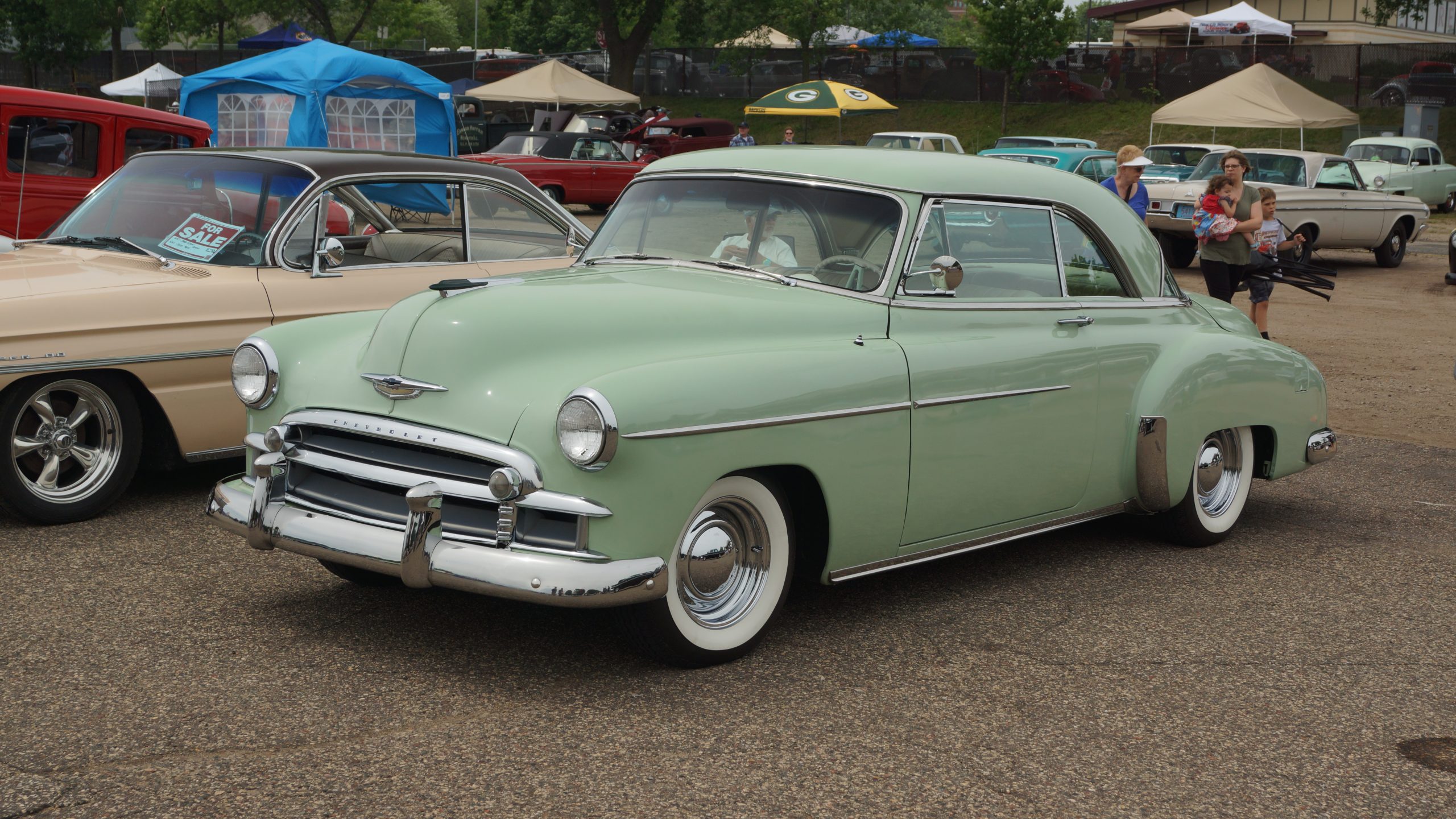
1. 1950s: Chevrolet Bel Air – Mid-Century Elegance on the Move
The Chevrolet Bel Air captured the vibrant optimism of post-war America. With its bold chrome, tailfins, and two-tone paint jobs, the Bel Air became the dream car of suburban families embracing a modern lifestyle.
Available in multiple body styles and powered by a robust V8, it embodied the promise of style and speed within reach of the middle class. It was a rolling expression of American prosperity, heavily featured in films, music, and advertising.
During an era of drive-in theaters and highway expansion, the Bel Air became the symbol of freedom, optimism, and mobility for millions.
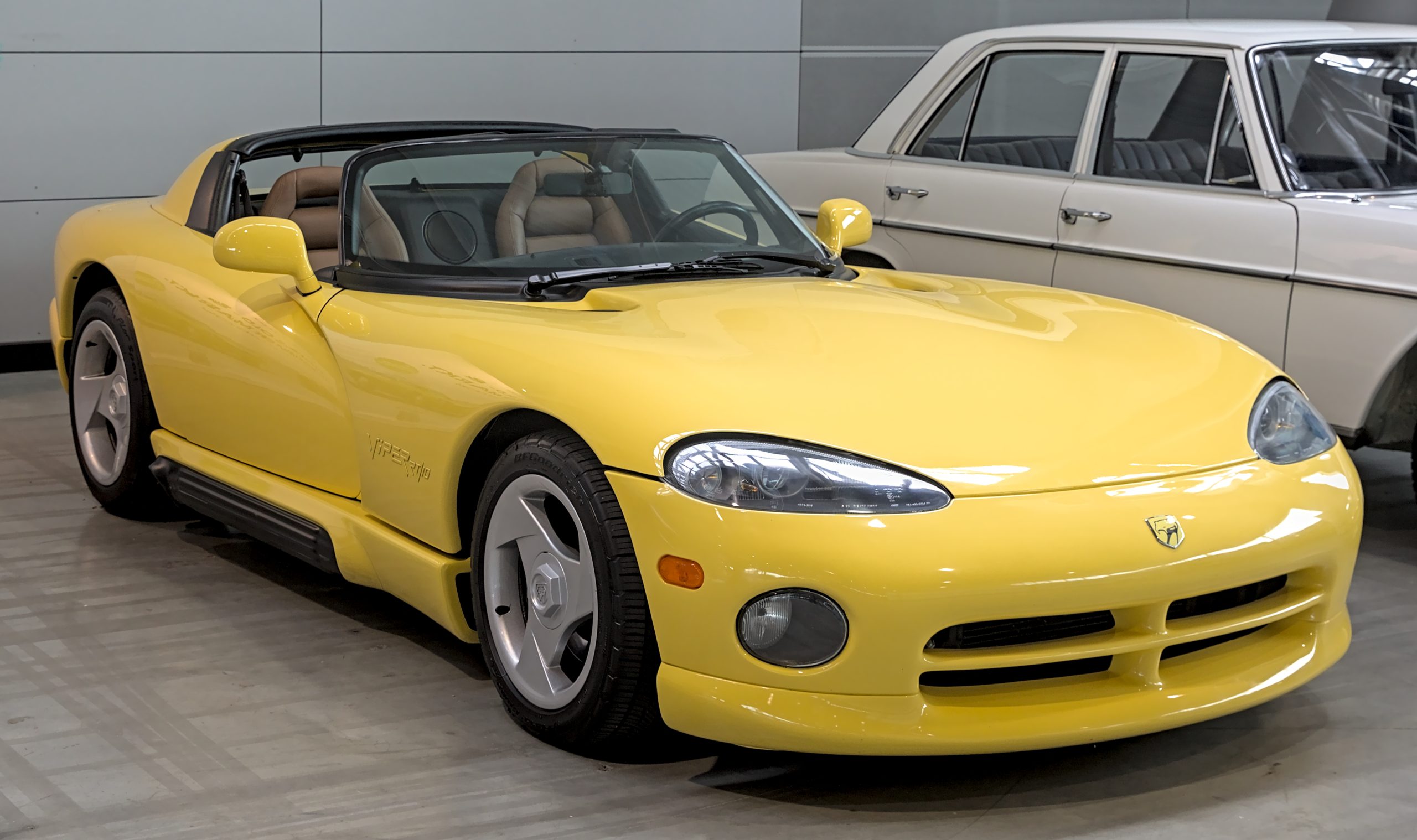
2. 1990s: Dodge Viper – A Muscle Revival in a Tech Age
Amid a wave of refined, computer-aided performance cars in the 1990s, the Dodge Viper stood out for its raw aggression. With an 8.0-liter V10 engine, no traction control, and a stripped-down cockpit, the Viper was an unapologetic throwback to the golden age of muscle.
Its long hood and menacing stance evoked power and rebellion, tapping into a nostalgia Americans didn’t know they missed. At a time when Japanese imports dominated the sports car narrative, the Viper screamed that brute American force still had a place. It reignited national pride in U.S. performance engineering.
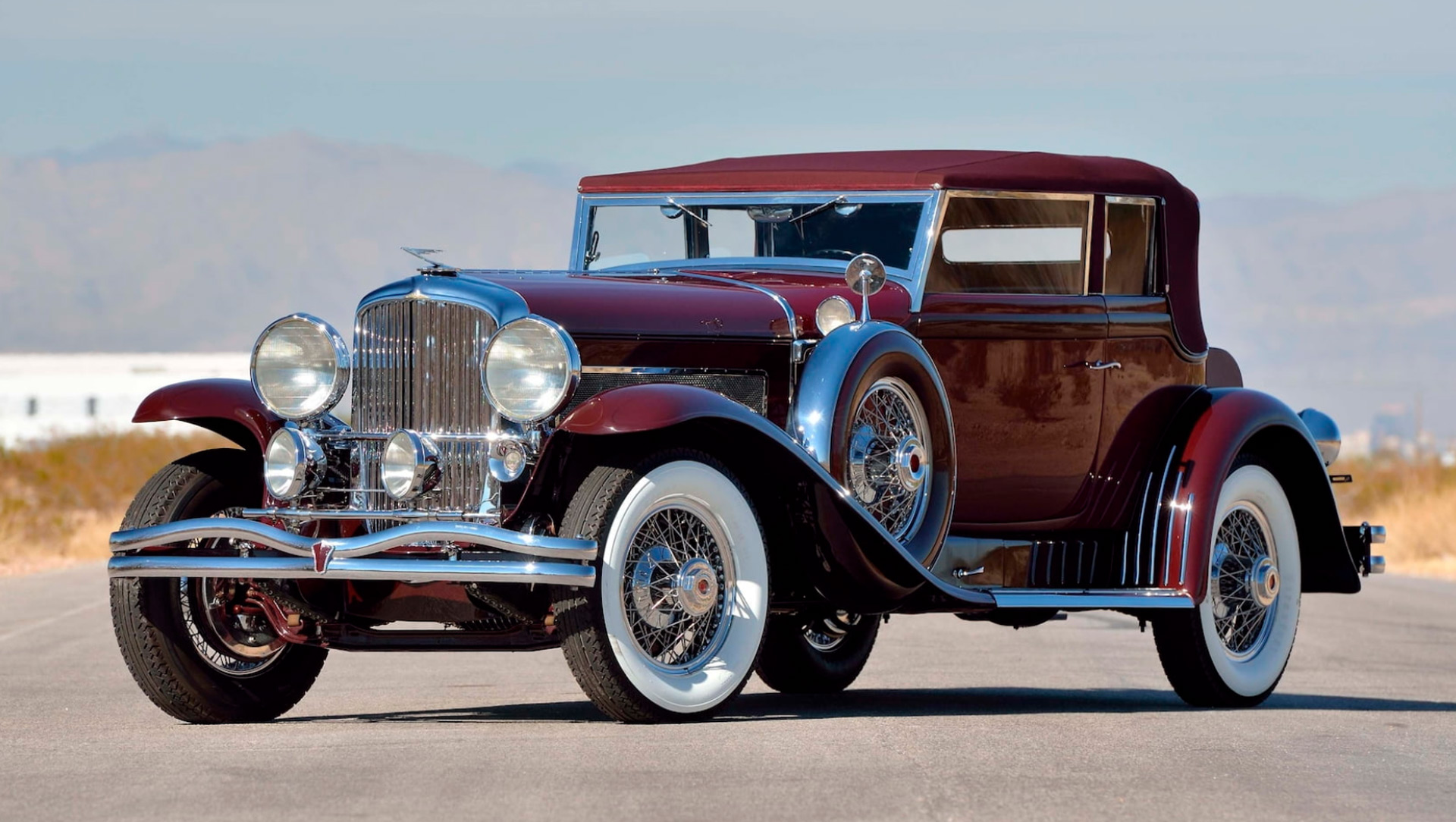
3. 1930s: Duesenberg Model SJ – Opulence in the Eye of the Storm
As the Great Depression devastated the country, the Duesenberg Model SJ stood in dramatic contrast to the hardship faced by most Americans. This supercharged luxury car, boasting 320 horsepower, was a marvel of engineering and extravagance.
It appealed to the ultra-wealthy elite, including celebrities and industrialists, symbolizing the glaring divide between social classes during the 1930s. Its performance and luxury were unmatched, but so was its price.
As Duesenberg eventually went bankrupt by decade’s end, the Model SJ became a cautionary tale, an icon of excess in a time of struggle, frozen in time like the gilded dreams of a fading era.
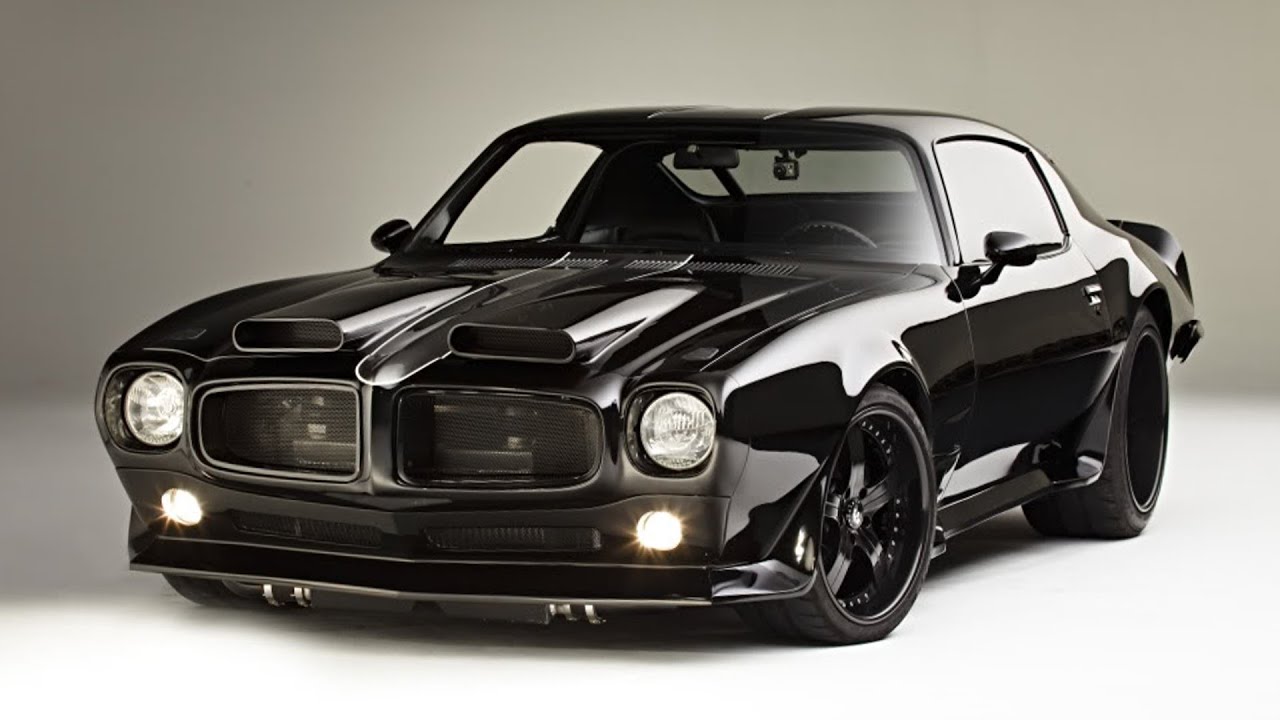
4. 1970s: Pontiac Firebird – Muscle, Style, and Pop Culture Power
Few cars from the 1970s achieved the pop culture status of the Pontiac Firebird, especially the Trans Am. With its outlandish “screaming chicken” hood decal, flared fenders, and gold-on-black color scheme, it exuded attitude.
The Firebird became an icon after appearing in Smokey and the Bandit, blending muscle car tradition with Hollywood glamour. As emissions regulations and oil crises took their toll on performance cars, the Firebird defiantly held onto its flamboyance and V8 growl.
It wasn’t just a car, it was a statement, representing a final stand for old-school American swagger before the industry shifted to more practical concerns.
Also Read: 5 Cars That Keep Their Steering Tight vs 5 That Get Sloppy Fast
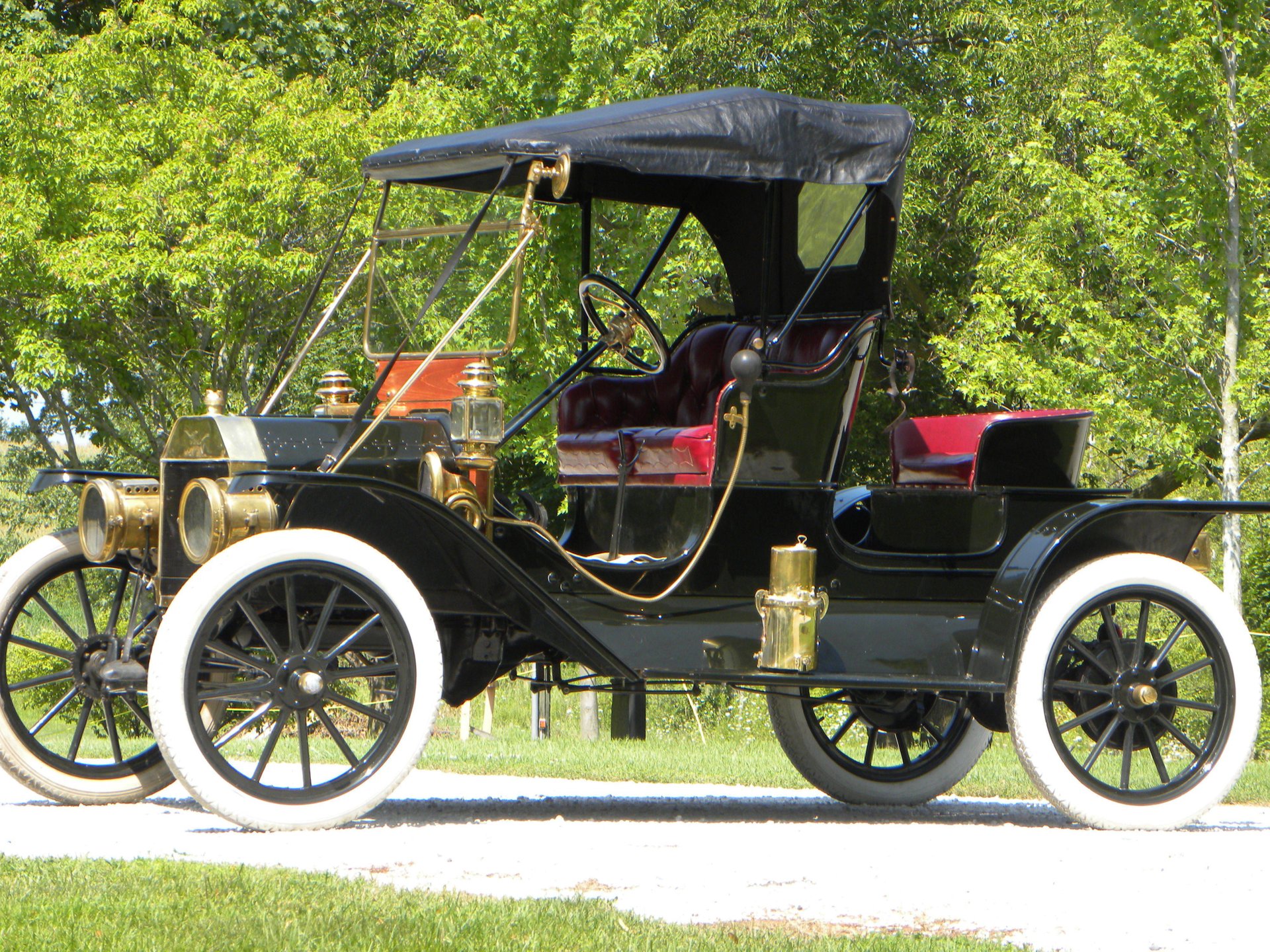
5. 1910s: Ford Model T – America’s First Car for the People
The Ford Model T didn’t just define the 1910s; it changed the world. Using assembly line production, Henry Ford made the automobile affordable for the average American. Suddenly, travel wasn’t a luxury; it was a part of everyday life.
Durable, simple to maintain, and reliable, the Model T revolutionized transportation and catalyzed America’s transformation into a mobile society. It empowered rural families, enabled economic growth, and even influenced infrastructure.
With over 15 million sold, the Model T wasn’t just a car of its time; it was a cultural shift on wheels that launched America into the age of personal freedom.
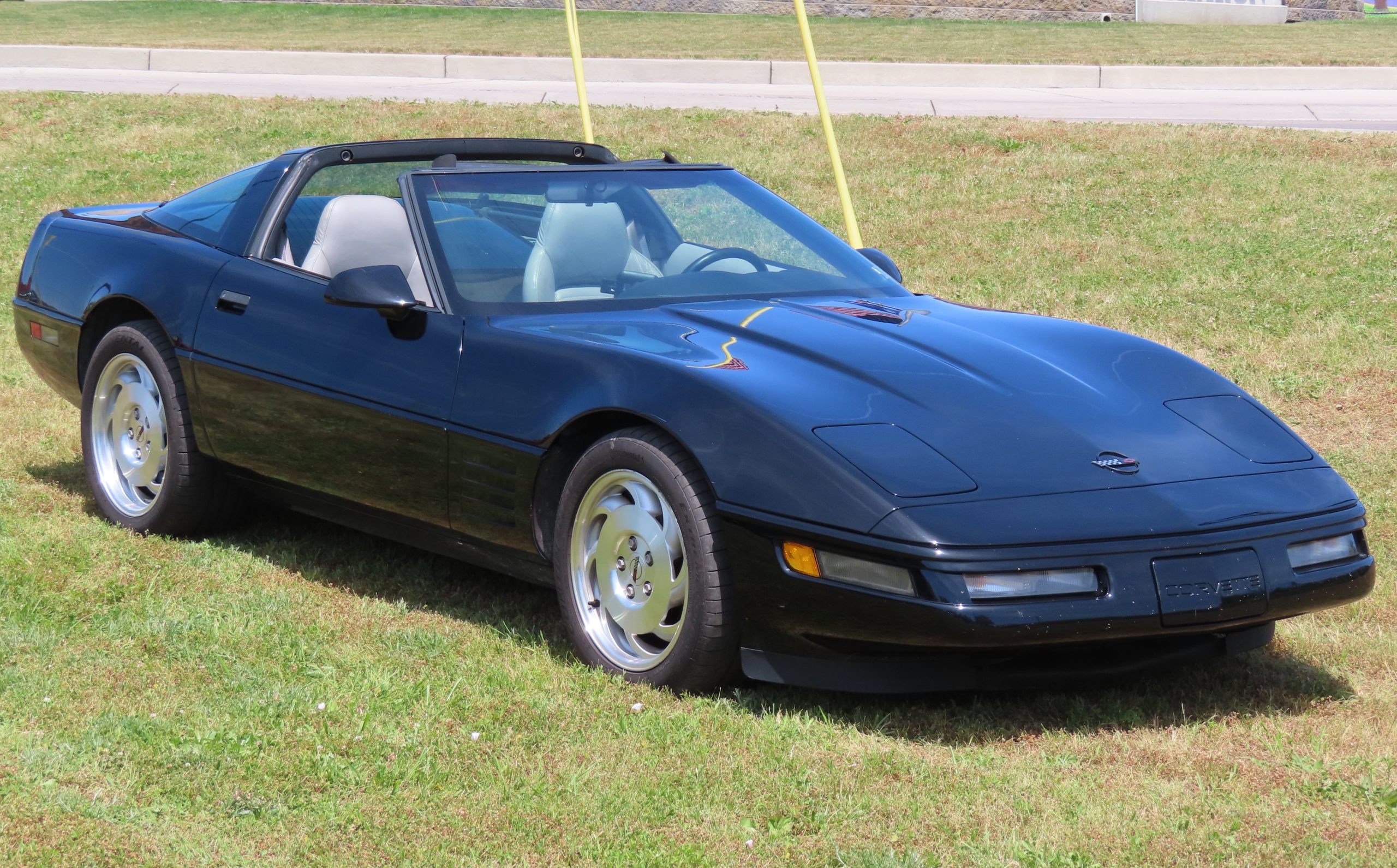
6. 1980s: Chevrolet Corvette C4 – Reinventing the American Icon
While European exotics made headlines, the Chevrolet Corvette C4 quietly redefined American performance in the 1980s. Introduced in 1984, the C4 was a complete reinvention, sleeker, faster, and far more capable than its predecessor.
It embraced modernity with digital dashboards, advanced suspension, and aerospace-inspired design. Though overshadowed by poster cars like the Countach, the Corvette C4 provided everyday enthusiasts with high performance and cutting-edge technology.
It marked a rebirth for America’s most storied sports car and showcased the domestic industry’s willingness to innovate and compete on a global stage once again.
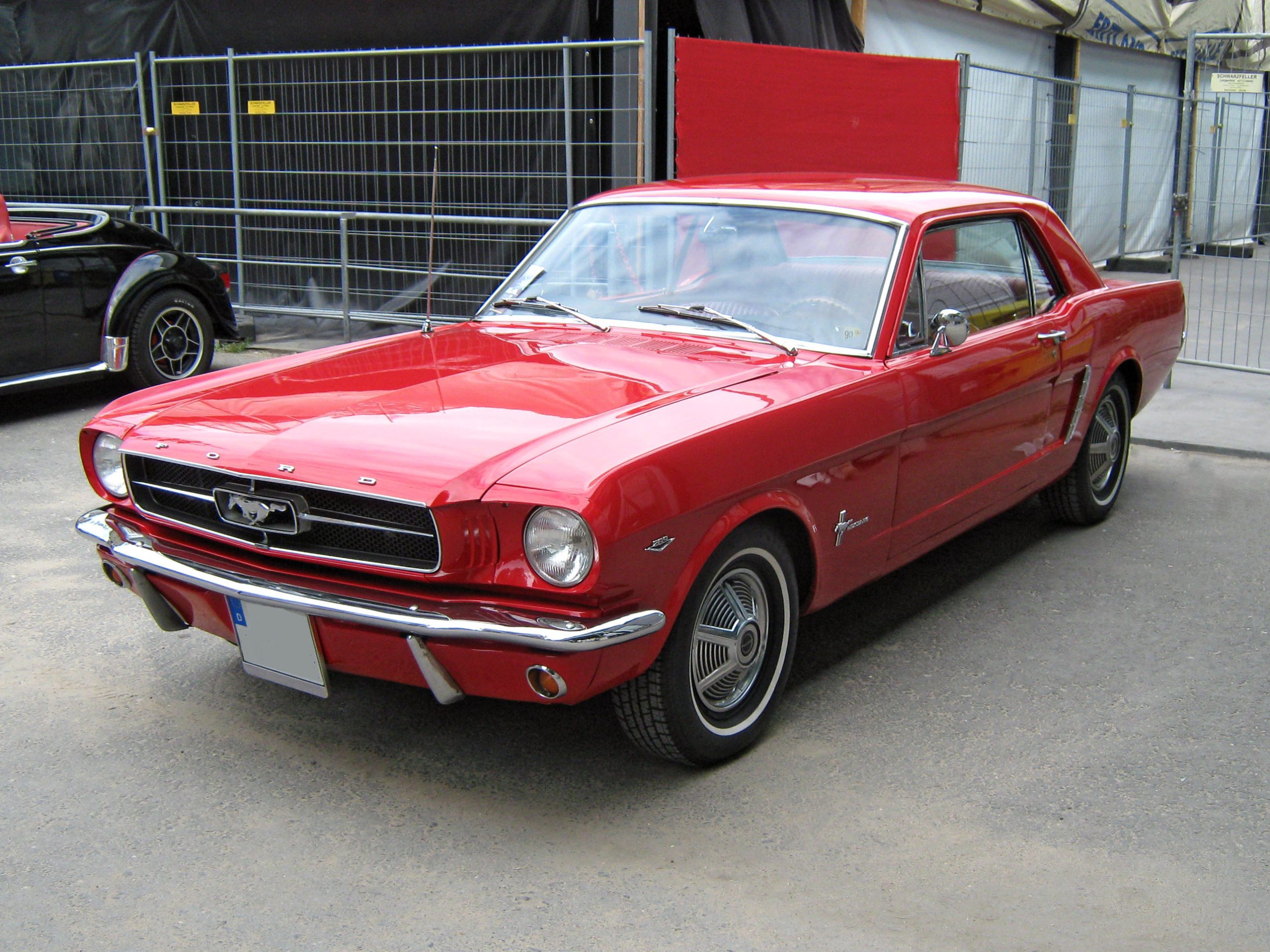
7. 1960s: Ford Mustang – Revolution on Wheels
The 1960s were a time of cultural rebellion, and the Ford Mustang arrived in 1964 as its perfect automotive symbol. Affordable, sporty, and endlessly customizable, the Mustang kicked off the pony car craze. It appealed to baby boomers hungry for individuality, speed, and style, offering excitement without the luxury price tag.
It became embedded in music, movies, and social movements, blurring the line between machine and cultural icon. As the decade embraced experimentation and counterculture, the Mustang proved that cars could be more than transport; they could be self-expression. Its legacy endures as one of the most beloved American cars ever.
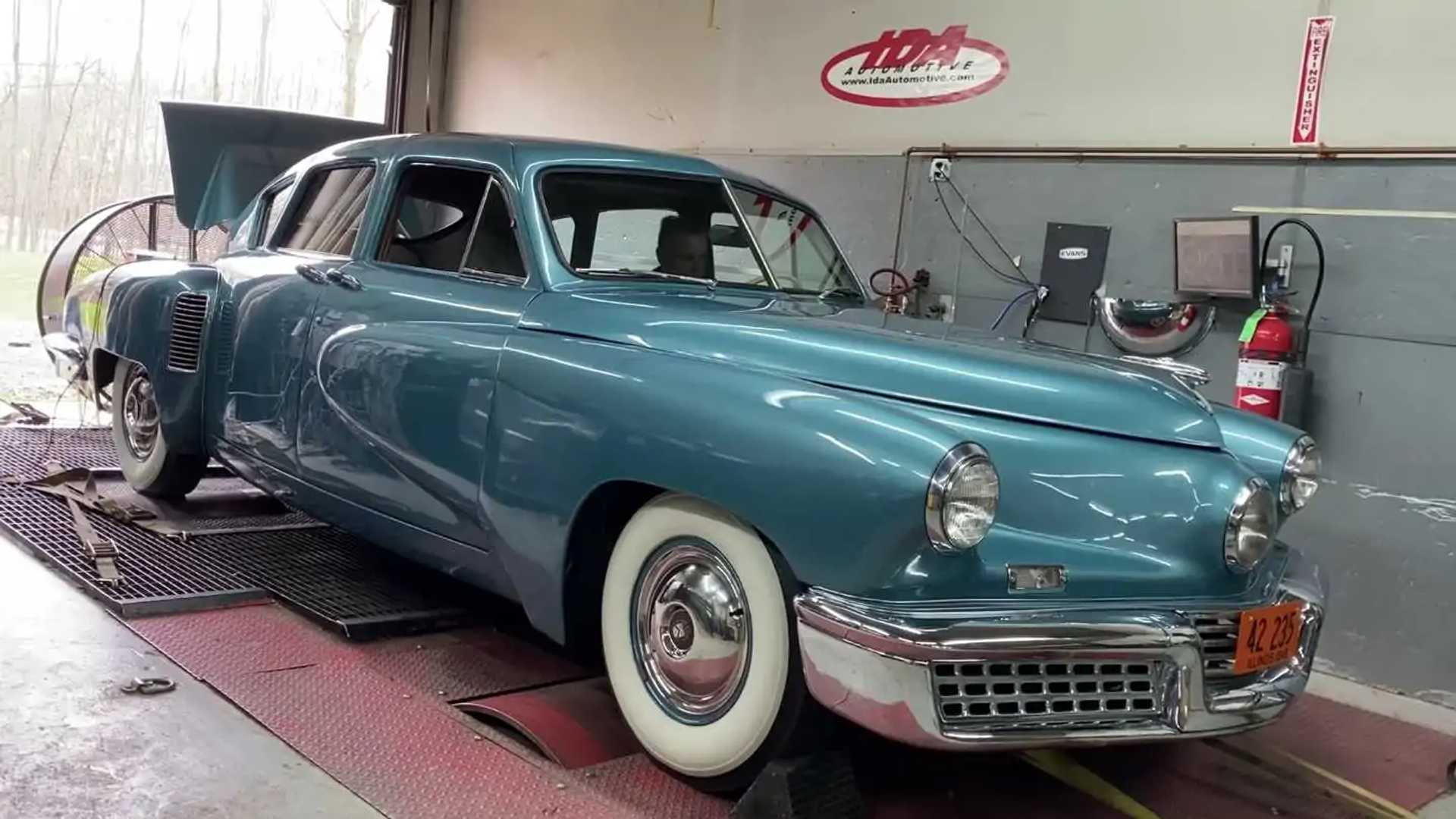
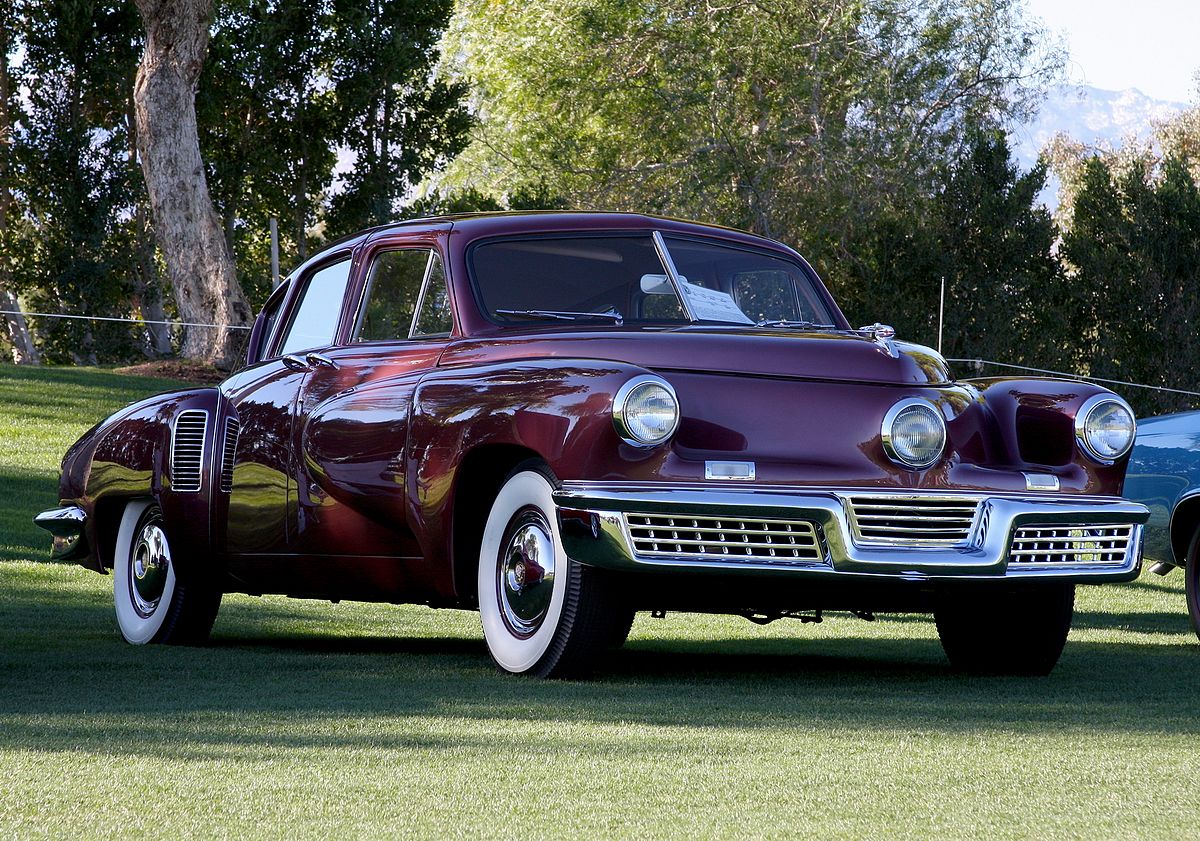
8. 1940s: Tucker 48 – The Futurist’s Dream
Few cars capture the spirit of innovation like the Tucker 48, introduced in the aftermath of World War II. Designed by visionary Preston Tucker, the car boasted radical features such as a center-mounted headlight that turned with the wheels, a padded dashboard, a safety cage, and a rear-mounted engine.
It was an automotive revolution aimed at changing how Americans viewed safety and design. Unfortunately, the company was short-lived due to legal and financial challenges, with only 51 units ever made. Still, the Tucker 48 became a symbol of American ingenuity and the dream of challenging the status quo.
These eight cars didn’t merely serve as transportation; they helped define what it meant to live in America during their respective decades. Whether through groundbreaking technology, cultural resonance, or rebellious styling, each left a lasting imprint on society.
From the affordability of the Model T to the aggression of the Viper, these vehicles symbolized the hopes, struggles, and transformations of their time.
They weren’t just cars, they were reflections of the American spirit, each one capturing a moment in the nation’s story. As the industry moves toward electrification and autonomy, these icons remind us of the journey so far.
Also Read: 10 Cars With the Easiest DIY Maintenance
