
Mercedes-Benz has long been synonymous with luxury, prestige, and exceptional build quality. However, the brand’s journey through different eras has produced vehicles with vastly different interior quality standards.
While some Mercedes models showcase the pinnacle of automotive craftsmanship with materials that age gracefully over decades, others have disappointed owners with premature wear, cheap-feeling plastics, and subpar durability that tarnishes the brand’s reputation.
The reality is that Mercedes-Benz, like many luxury manufacturers, has faced mounting pressure to reduce costs while increasing production volumes.
This pressure has led to some compromises in material selection and construction methods, particularly during certain periods in the brand’s history.
Some enthusiasts have discovered “split seats, peeling surface off the seats, faded wood trim” and questioned whether this represents Mercedes’ new quality standard. Meanwhile, other models continue to exemplify the brand’s traditional commitment to luxury and durability.
Understanding which Mercedes models offer truly durable interiors versus those that feel cheap quickly can save buyers from costly disappointments and help them make informed decisions.
The difference often lies in the specific era of production, the model positioning within Mercedes’ hierarchy, and the particular materials and construction methods employed.
Some vehicles feature genuine leather, solid wood trim, and high-quality plastics that maintain their appearance and functionality for decades. Others rely on synthetic materials, cost-cutting measures, and simplified construction that begins showing wear within just a few years.
This comprehensive analysis examines ten Mercedes models, dividing them into two distinct categories: five vehicles renowned for their exceptional interior durability and five that have earned reputations for feeling cheap and wearing poorly over time.
By understanding these distinctions, potential buyers can make more informed choices about which Mercedes models truly deliver the luxury experience the brand promises, and which ones might leave them questioning their investment in this prestigious marque.
5 Mercedes With Durable Interiors
These luxuriously appointed vehicles feature premium leather upholstery, solid wood trim, and meticulously crafted interior components that maintain their elegant appearance and tactile quality throughout decades of daily use without significant wear or deterioration.
Their superior materials incorporate full-grain leather, genuine wood veneers, and robust switchgear that resist fading, cracking, and mechanical failure while providing the refined luxury experience that justifies Mercedes-Benz premium positioning in competitive markets.
The combination of hand-selected materials, traditional craftsmanship, and rigorous quality control creates ownership experiences that deliver lasting luxury and maintain resale value through superior interior durability.
From flagship sedans with impeccable build quality to well-appointed coupes with timeless materials, these vehicles demonstrate Mercedes’ commitment to interior excellence through patient material selection and meticulous assembly processes that prioritize long-term luxury over cost reduction.
Their cabin environments age gracefully while maintaining the premium feel expected from German luxury automobiles, with leather that develops attractive patina rather than unsightly wear patterns, wood trim that retains its lustrous finish through temperature extremes, and control surfaces that operate smoothly after hundreds of thousands of actuations. These interiors represent Mercedes-Benz at its finest, delivering the enduring luxury that built the brand’s prestigious reputation.
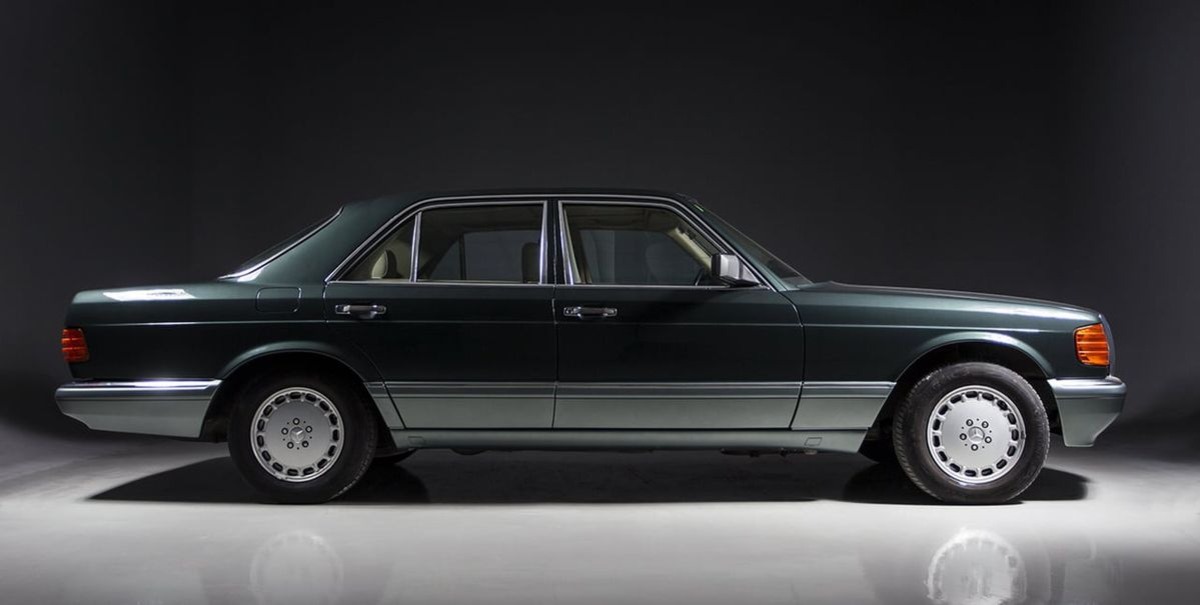
1. Mercedes-Benz W126 S-Class (1979-1991)
The W126 S-Class represents the absolute pinnacle of Mercedes-Benz interior durability and craftsmanship. This generation of S-Class was engineered during an era when Mercedes prioritized longevity over cost-cutting, resulting in interiors that remain impressive even after four decades of use.
The cabin features thick, supple leather that was properly treated and cured, developing a beautiful patina rather than cracking or wearing thin. The wood trim consists of genuine burled walnut or zebrano wood with multiple layers of lacquer that protect against fading and scratching.
What truly sets the W126 apart is its incredible attention to detail in material selection and construction. The dashboard padding uses high-density foam covered in genuine leather or high-quality vinyl that maintains its softness and appearance over time.
Switch gear was built to withstand hundreds of thousands of actuations, with positive engagement and consistent operation even in high-mileage examples. The seat frames utilize robust steel construction with premium cushioning materials that don’t sag or lose support over decades of use.
The W126’s climate control system exemplifies the interior’s emphasis on durability. The HVAC controls feature heavy, precision-machined components with smooth operation that rarely fail.
Door panels integrate thick sound deadening materials and solid mounting hardware that prevents rattles and squeaks. Even small details like cup holders, ashtrays, and interior lighting fixtures were over-engineered for longevity.
The result is an interior that feels as solid and luxurious today as it did when new, making well-maintained W126 models highly sought after by collectors and enthusiasts who appreciate genuine German luxury craftsmanship.
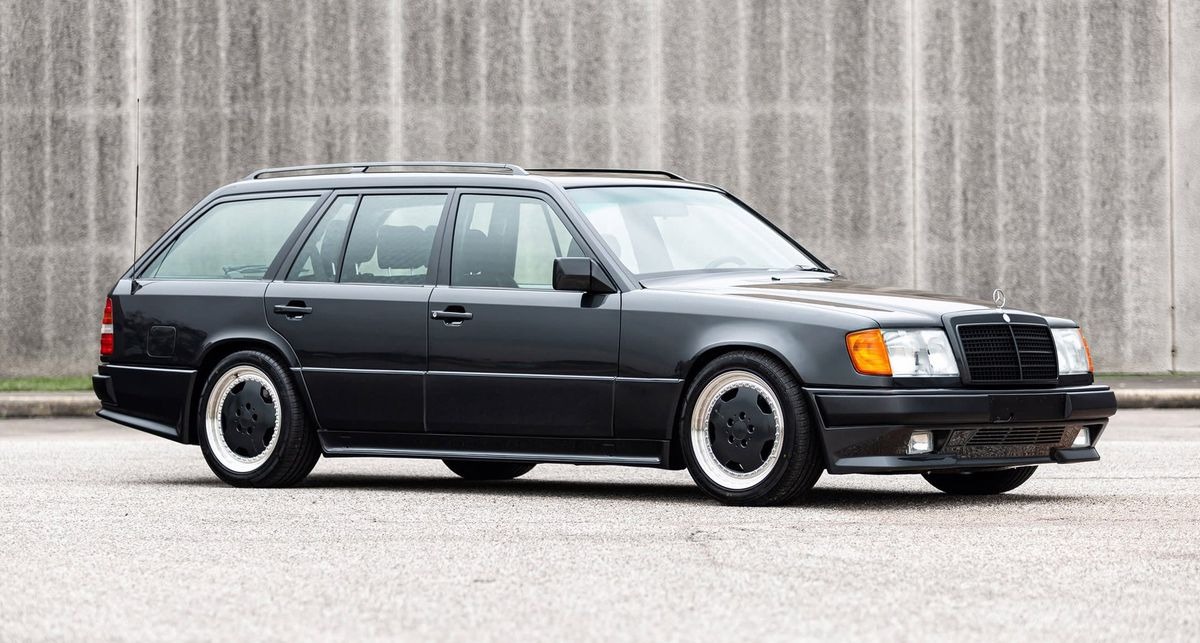
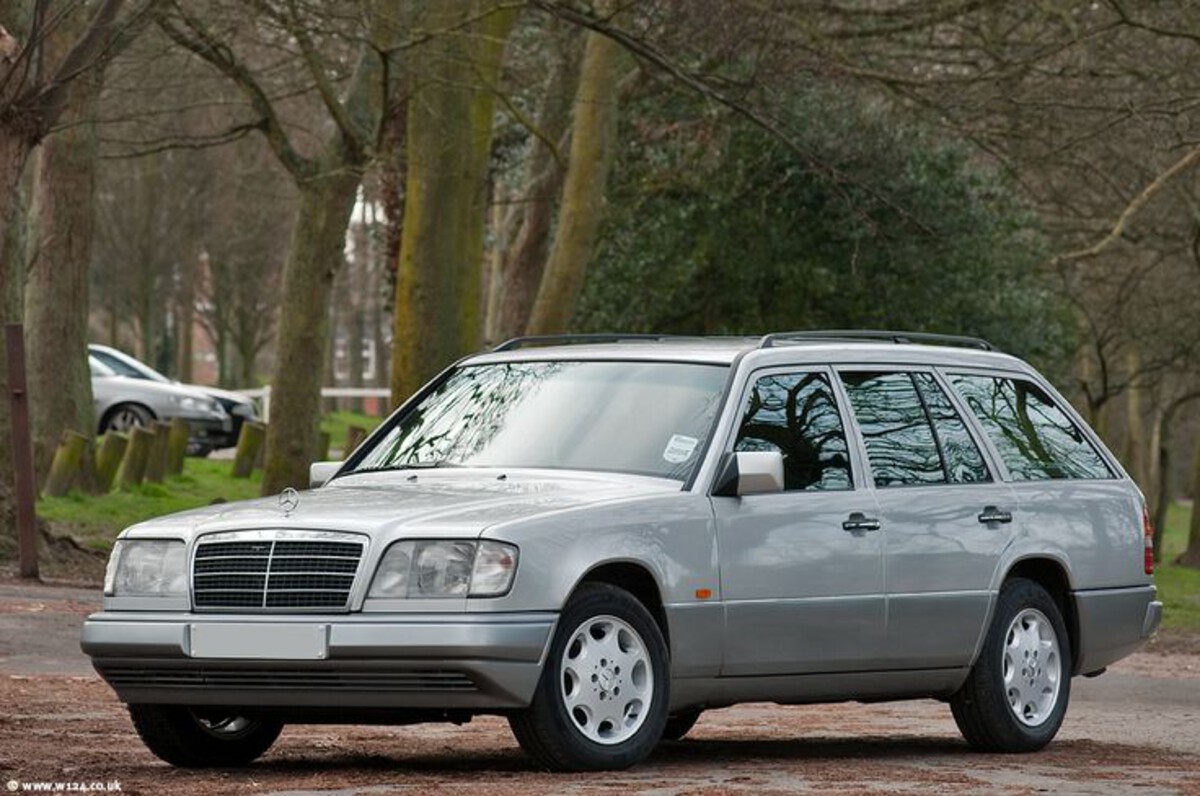
2. Mercedes-Benz W124 E-Class (1984-1997)
The W124 E-Class earned its reputation as one of the most durable Mercedes models ever produced, with an interior that perfectly balances luxury and longevity.
This generation represents Mercedes’ philosophy of building vehicles to last, featuring materials and construction techniques that ensure the cabin remains attractive and functional well into the vehicle’s third or fourth decade. The seats use thick, high-quality leather or durable MB-Tex vinyl that resists wear, cracking, and fading even under intense use.
The dashboard construction in the W124 showcases Mercedes’ commitment to durability through its use of high-quality plastics with consistent grain patterns and solid mounting points that prevent flexing and cracking.
The instrument cluster features clear, easy-to-read gauges protected by thick glass that resists scratching, while the switch gear operates with precision that remains unchanged after decades of use. Wood trim pieces use genuine materials with proper sealing and finishing that prevents warping or delamination.
What makes the W124 interior particularly impressive is its ability to maintain a fresh appearance even in high-mileage examples. The door panels feature thick padding and robust mounting hardware that eliminates squeaks and rattles.
Climate control components are built to commercial-grade standards, with controls that maintain their precise operation indefinitely. Storage compartments, armrests, and trim pieces were designed with generous material thickness and proper stress distribution that prevents common failure points.
Many W124 interiors with over 300,000 miles still look and feel nearly new, testament to the extraordinary engineering and material quality that went into their construction.
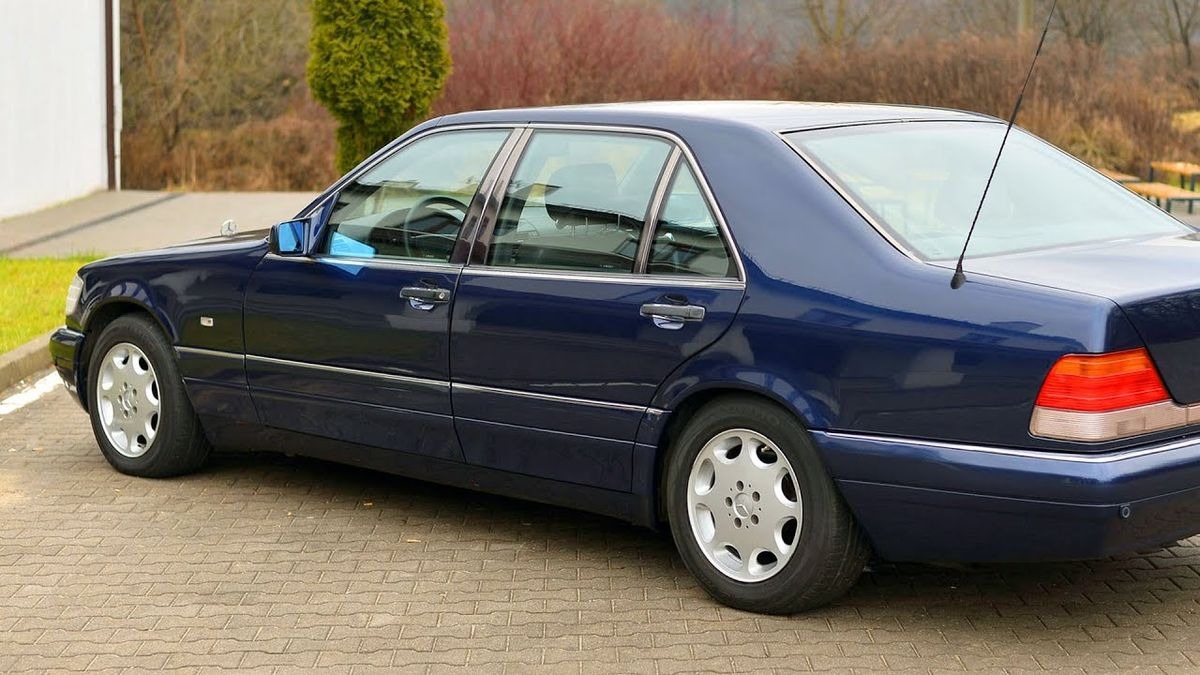
3. Mercedes-Benz W140 S-Class (1991-1998)
The W140 S-Class represents perhaps the most over-engineered Mercedes interior ever created, built during an era when cost was seemingly no object in pursuit of ultimate luxury and durability.
This generation introduced numerous technological advances while maintaining the brand’s traditional commitment to materials and craftsmanship.
The interior features incredibly thick, soft leather that was carefully selected and treated to age gracefully, developing character rather than showing wear.
Seat construction utilizes multiple layers of premium materials, including high-density foam, supportive springs, and durable covering materials that maintain their appearance and comfort indefinitely.
The W140’s attention to detail extends to every surface and component within the cabin. Dashboard materials feature deep, consistent grain patterns with UV-resistant treatments that prevent fading and cracking.
The wood trim represents some of Mercedes’ finest work, using genuine burled woods with multiple layers of protective finishing that maintain their luster and prevent environmental damage.
Switch gear was built to aerospace standards, with positive engagement and smooth operation that remains unchanged after decades of use. What truly distinguishes the W140 interior is its incredible solid feel and attention to NVH (noise, vibration, harshness) control.
Door panels are exceptionally thick with multiple layers of sound deadening that create a vault-like atmosphere. The climate control system features robust components with smooth, precise operation that rarely requires maintenance. Even minor details like interior lighting, storage compartments, and trim pieces were over-engineered for longevity.
The result is an interior that feels more like a luxury yacht than an automobile, with materials and construction quality that justify the W140’s reputation as one of the finest luxury cars ever built.
4. Mercedes-Benz R129 SL-Class (1989-2001)
The R129 SL-Class showcases Mercedes’s ability to create a durable luxury interior in a challenging convertible environment. This generation of SL was engineered to withstand the unique stresses of open-top driving while maintaining the premium feel expected from a Mercedes roadster.
The interior features thick, high-quality leather that was specially treated to resist UV damage and moisture exposure. Seat construction utilizes robust frames with premium cushioning materials that maintain their support and comfort even after decades of sun exposure and temperature cycles.
The R129’s dashboard represents a masterclass in durable construction for convertible applications. Materials were selected specifically for their ability to withstand UV exposure without fading or cracking, while maintaining the premium feel expected in a luxury vehicle.
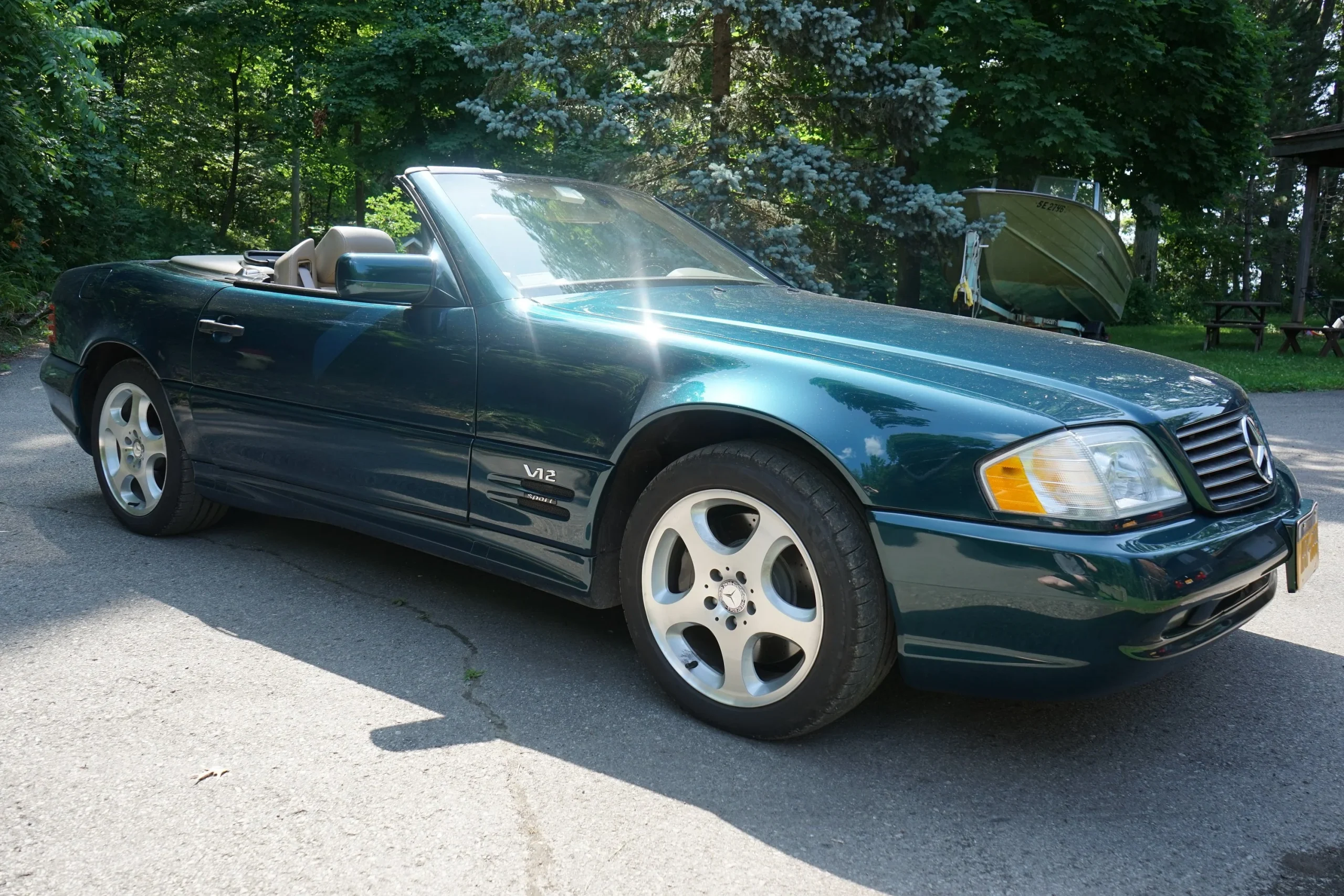
The instrument cluster features clear, easy-to-read gauges protected by thick glass, with backlighting that remains consistent over time. Switch gear operates with precision that survives countless temperature cycles and moisture exposure without degradation.
What makes the R129 particularly impressive is its ability to maintain structural integrity and premium feel despite the challenging convertible environment.
Door panels feature robust mounting systems that prevent sagging or misalignment common in other convertibles. The climate control system was designed with additional durability features to handle the demands of open-top driving.
Storage solutions, including the innovative pop-up wind deflector and trunk-mounted emergency items, were built to withstand repeated use without failure.
Even high-mileage R129 examples often retain their premium feel and appearance, making them highly desirable among enthusiasts who appreciate genuine Mercedes craftsmanship in a sports car package.
Also Read: 5 BMWs That Survive Winters vs 5 That Can’t Handle Snow
5. Mercedes-Benz W463 G-Class (1990-Present, Early Models)
The early W463 G-Class interior represents the perfect fusion of military-grade durability with luxury refinement. Originally developed as a military vehicle, the G-Class interior was engineered to withstand extreme conditions while providing the comfort expected from a Mercedes luxury vehicle.
The cabin features thick, durable materials throughout, with leather and MB-Tex surfaces that resist wear, fading, and damage from harsh environmental conditions. Seat construction utilizes robust frames designed to handle off-road impacts while maintaining long-term comfort and support.
The G-Class dashboard showcases functional design philosophy with durable execution. Controls are large, easy-to-operate, and built to withstand heavy use in challenging conditions.
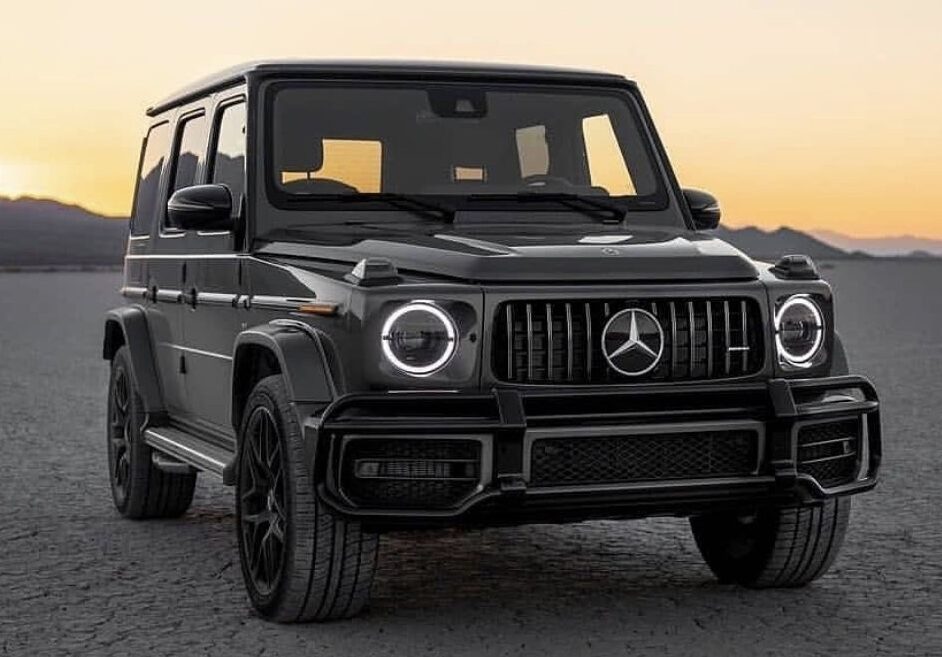
The instrument cluster features clear, military-inspired gauges protected by thick glass that resists impact and scratching. Switch gear was designed for reliability above all else, with positive engagement and consistent operation that survives extreme temperature variations and moisture exposure.
Wood trim, where present, uses genuine materials with protective finishing that withstands harsh environmental conditions. What sets the early G-Class apart is its incredible structural solidity and attention to durability over luxury frills.
Door panels are exceptionally thick with robust mounting hardware that eliminates squeaks and rattles even under severe off-road conditions. The climate control system features simple, reliable components that maintain operation in extreme temperatures.
Storage solutions are designed for practicality and durability, with thick materials and robust mounting that handles heavy use. Even G-Class examples with hundreds of thousands of miles in harsh conditions often retain their structural integrity and functional operation, testament to the exceptional engineering that went into creating this unique Mercedes model.
5 Mercedes That Feel Cheap Fast
These disappointing vehicles undermine Mercedes luxury reputation through cost-cutting interior materials, substandard trim pieces, and poor build quality that deteriorate rapidly under normal use while creating cabin environments unworthy of premium pricing.
Their compromised interiors incorporate synthetic leather, plastic wood trim, and flimsy controls that develop wear patterns, rattles, and mechanical failures that contradict Mercedes’s positioning as a luxury manufacturer committed to superior quality and craftsmanship.
The combination of cheap materials, inadequate quality control, and obvious cost reduction creates ownership experiences that feel fraudulent as buyers discover that Mercedes badges cannot compensate for fundamental interior quality compromises that prioritize profit margins over brand reputation.
From entry-level models with obvious material shortcuts to mainstream vehicles with disappointing trim quality, these cars prove that Mercedes’ luxury standards vary dramatically across model lines, transforming premium purchases into cheap-feeling disappointments that fail to deliver the refined cabin experience expected from German luxury engineering and traditional Mercedes craftsmanship standards.
1. Mercedes-Benz W203 C-Class (2000-2007)
The W203 C-Class marked a significant departure from Mercedes’ traditional build quality, introducing cost-cutting measures that became immediately apparent in the interior materials and construction.
This generation represented Mercedes’ attempt to compete in the entry-level luxury segment by reducing production costs, resulting in an interior that feels cheap and wears poorly compared to previous Mercedes standards.
The dashboard features hard, thin plastics with inconsistent grain patterns that quickly develop a cheap appearance. These materials are prone to fading, scratching, and developing an shabby look within just a few years of ownership.
Seat construction in the W203 represents one of the most disappointing aspects of the interior. The leather, when equipped, is thin and poorly treated, leading to premature cracking, especially on the seat bolsters and frequently touched areas. Even the optional premium leather packages fail to deliver the durability expected from Mercedes.
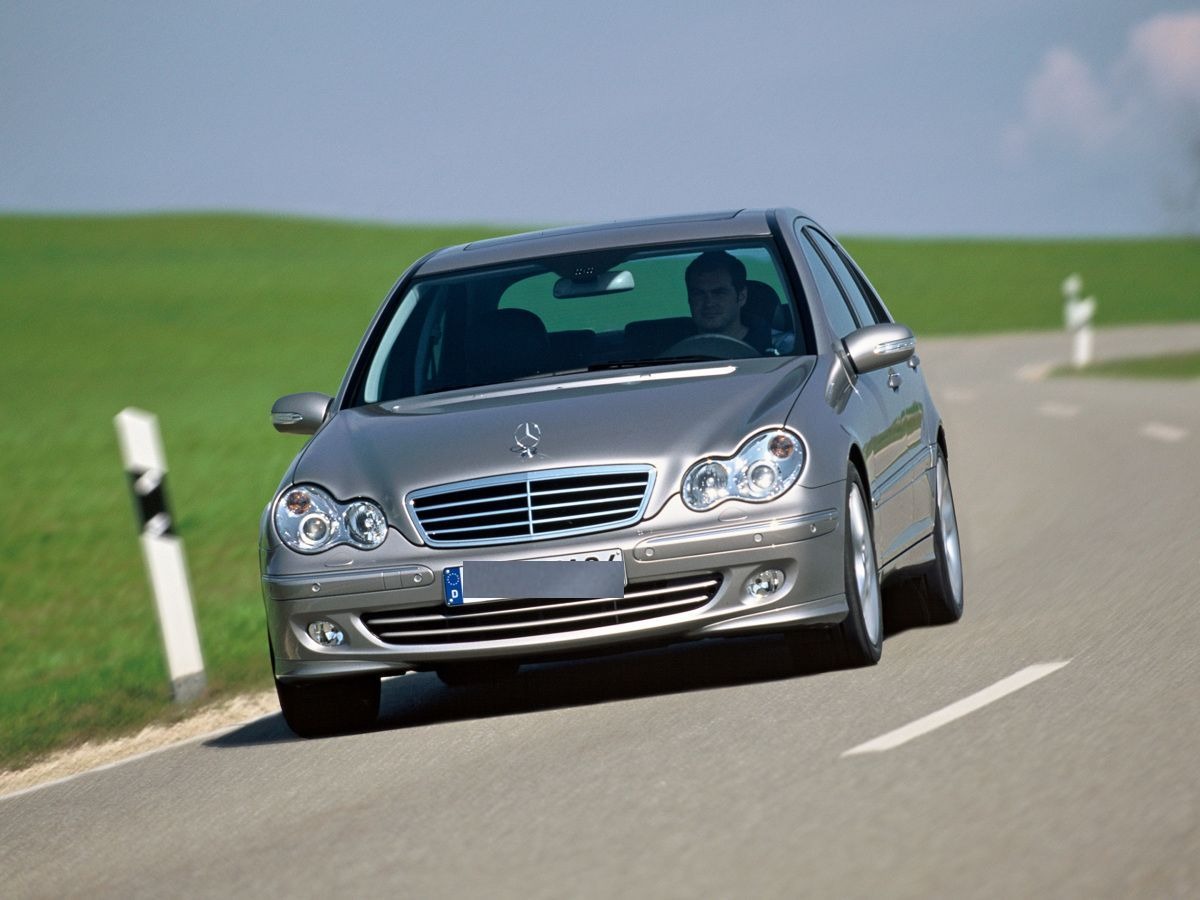
The seat frames utilize cost-reduced construction methods that result in sagging and loss of support within relatively low mileage. Base model cloth seats fare even worse, with materials that pill, fade, and show wear patterns quickly.
The W203’s interior trim and switch gear further reinforce the cheap feel that permeates this model. Wood trim pieces, where present, use thin veneers over plastic substrates that are prone to delamination and cracking.
Switch gear feels flimsy with inconsistent operation and premature failure rates that were unprecedented for Mercedes at the time. The 2019 C300 has been noted for having “a lot of hard plastic on the lower door panels” compared to older models that had “soft materials covering the whole door”, indicating that these cost-cutting measures continued into later generations.
Door panels lack the substantial feel of earlier Mercedes models, with thin materials and mounting systems that develop rattles and squeaks. Climate control components, while functional, lack the precision and durability of previous generations, with controls that become loose and inconsistent over time.
2. Mercedes-Benz W211 E-Class (2002-2009)
The W211 E-Class interior disappoints with materials and construction quality that fail to live up to Mercedes’ traditional standards, particularly when compared to its highly regarded W124 predecessor.
This generation introduced extensive cost-cutting measures that are immediately apparent in the cabin’s feel and long-term durability. The dashboard utilizes hard, thin plastics that develop a cheap appearance quickly, with surfaces that scratch easily and show fingerprints.
The grain pattern lacks the consistency and quality feel of earlier Mercedes interiors, creating an environment that feels more like a budget luxury vehicle than a genuine Mercedes.
Seat quality in the W211 represents a significant step backward from previous E-Class generations. The leather, even in higher trim levels, is thin and poorly treated, leading to premature wear and cracking in high-contact areas.
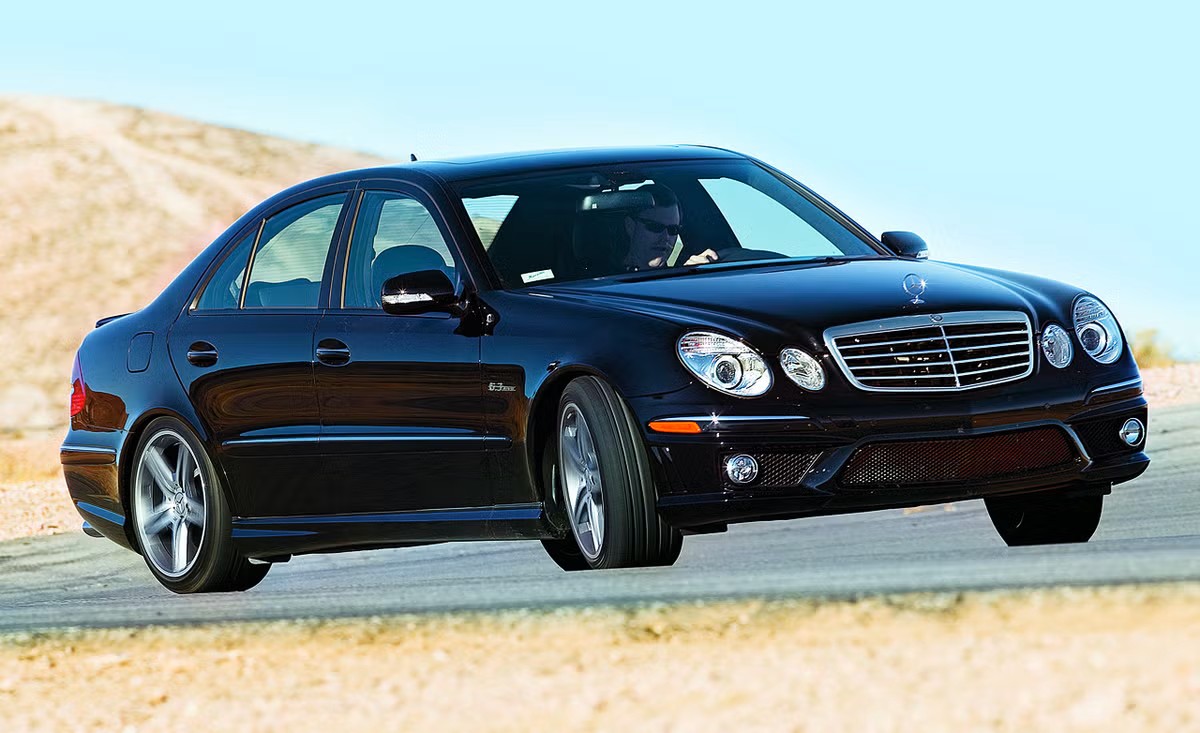
The seat padding uses cost-reduced materials that compress quickly, resulting in loss of support and comfort within relatively low mileage. Electrical components within the seats, including memory functions and heating elements, have higher failure rates than previous generations, often requiring expensive repairs that further diminish ownership satisfaction.
The W211’s interior trim quality particularly highlights the cost-cutting philosophy that guided this model’s development. Wood trim pieces use thin veneers that are prone to fading, cracking, and delamination, often developing an aged appearance within just a few years.
Switch gear feels light and cheap, with operation that becomes inconsistent over time. Door panels lack the substantial construction of earlier Mercedes models, utilizing thin materials and simplified mounting systems that develop rattles and alignment issues.
The interior atmosphere lacks the solid, bank-vault feel that characterized previous Mercedes generations, instead feeling hollow and insubstantial in comparison to the brand’s traditional standards.
3. Mercedes-Benz W164 ML-Class (2005-2011)
The W164 ML-Class interior exemplifies the cost-cutting measures that plagued Mercedes during the mid-2000s era, resulting in a cabin that feels cheap and wears poorly despite the vehicle’s premium positioning.
This generation of ML-Class was designed to compete aggressively on price in the luxury SUV segment, leading to significant compromises in interior materials and construction quality.
The dashboard features extensive use of hard, cheap-feeling plastics that lack the premium grain patterns expected in a luxury vehicle. These surfaces are prone to scratching, fading, and developing a worn appearance within a relatively short ownership period.
The ML has been criticized for “electrical problems, various mechanical issues, quite shocking rust and delamination,” with one owner noting that “ALL MLs are dreadful”, reflecting the broader quality issues that affected this generation.
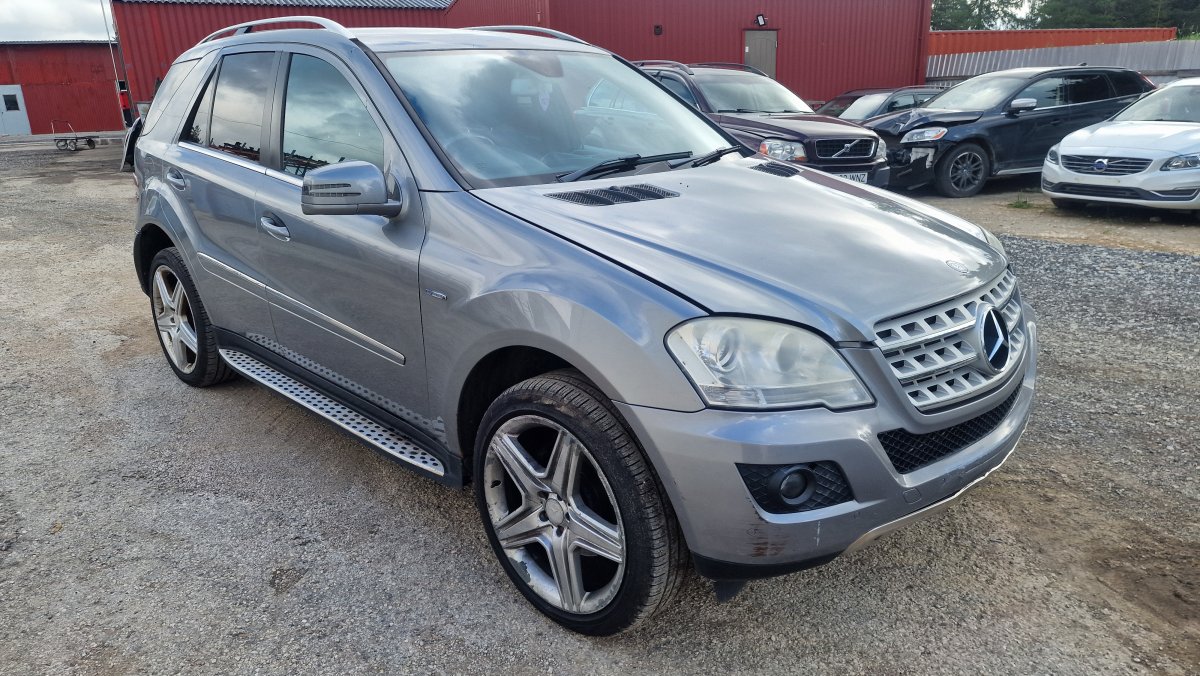
The seat construction in the W164 particularly disappoints, utilizing thin leather that cracks prematurely and padding materials that compress quickly.
Even vehicles with relatively low mileage often show significant wear patterns on the seat surfaces, with bolster areas being particularly prone to cracking and deterioration. The seat adjustment mechanisms and electrical components have higher failure rates than previous Mercedes SUV generations.
Interior trim quality in the W164 ML-Class further reinforces the cheap feel that permeates this model. Wood trim pieces, where present, use thin veneers over plastic substrates that are highly prone to cracking and delamination. The fit and finish lack the precision expected from Mercedes, with panel gaps and alignment issues that become more pronounced over time.
Switch gear feels flimsy and operates with less precision than previous generations, while door panels utilize thin materials and cost-reduced mounting systems that develop squeaks and rattles. Climate control components, while functional, lack the robust feel and long-term durability that characterized earlier Mercedes SUV models.
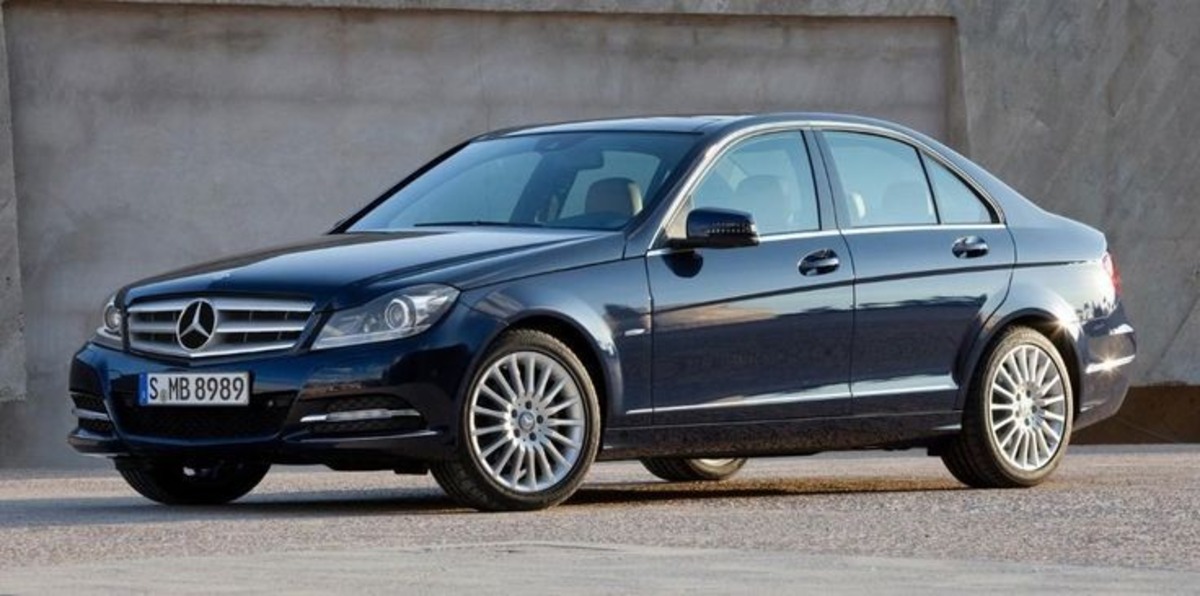
4. Mercedes-Benz W204 C-Class (2007-2014)
The W204 C-Class interior continues the disappointing trend established by its W203 predecessor, featuring materials and construction quality that fail to deliver the premium experience expected from the Mercedes brand.
This generation represents Mercedes’ continued focus on cost reduction in the entry-level luxury segment, resulting in an interior that feels cheap from day one and deteriorates rapidly with use.
The dashboard construction relies heavily on hard, thin plastics with inconsistent surface treatments that immediately convey a low-quality impression. These materials are particularly susceptible to scratching and fading, developing an aged appearance within just a few years of ownership.
Seat quality in the W204 represents one of the most disappointing aspects of the interior package. The standard leather is thin and poorly treated, showing premature cracking and wear patterns even with careful use.
The seat padding utilizes cost-reduced foam materials that compress quickly, leading to loss of support and comfort that becomes apparent within relatively low mileage.
Higher trim levels offer marginally better materials, but even these premium options fail to deliver the durability and longevity expected from Mercedes leather seats. Electrical components within the seats, including heating and memory functions, have concerning failure rates that add to long-term ownership costs.
The W204’s trim and finish quality particularly highlights the compromises made during its development. Wood trim pieces use thin veneers that are prone to fading and cracking, often developing an aged appearance prematurely.
Metal trim accents, where present, utilize lightweight materials that lack the substantial feel of traditional Mercedes components. Switch gear operates with less precision than previous generations, often developing inconsistent operation and premature wear.
Door panels feature thin materials and simplified construction that results in a hollow feel and increased susceptibility to rattles and squeaks. The interior atmosphere lacks the solid, premium feel that distinguished earlier Mercedes C-Class models.
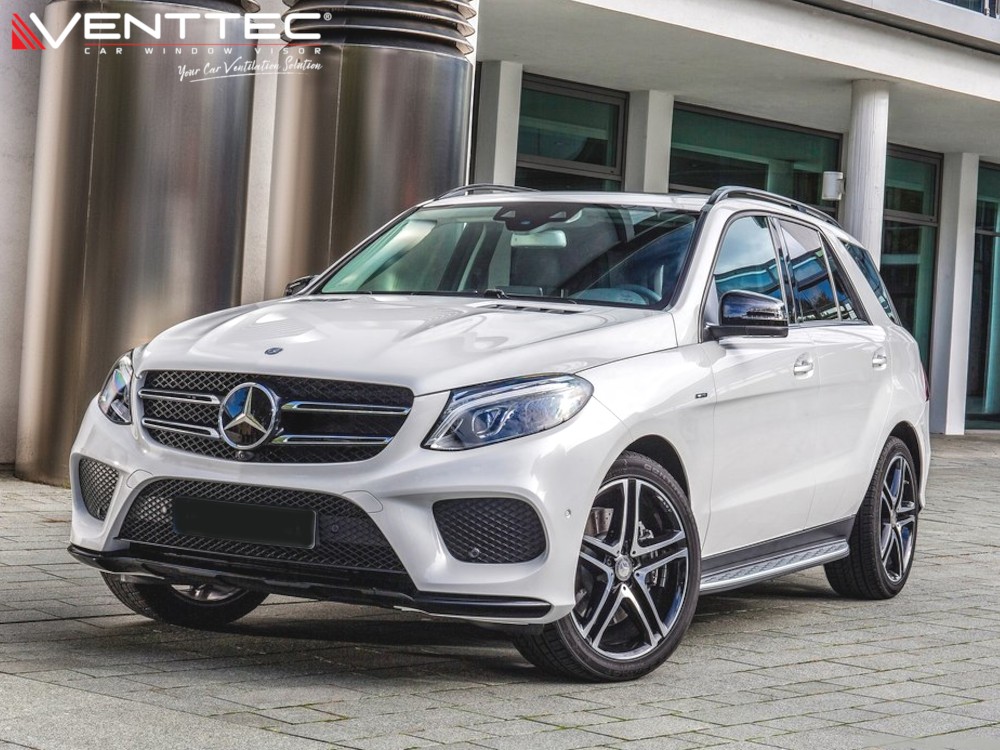
5. Mercedes-Benz W166 M-Class/GLE (2011-2019)
The W166 M-Class, later renamed GLE, interior disappoints with materials and construction quality that represent a missed opportunity to address the shortcomings of its W164 predecessor.
Despite being positioned as a premium luxury SUV, this generation continues Mercedes’ cost-cutting philosophy that resulted in an interior feeling cheap and wearing poorly over time.
The dashboard features extensive use of hard plastics with surface treatments that fail to convey premium quality, instead feeling more appropriate for a mainstream brand vehicle. These materials show scratches and wear patterns easily, developing an aged appearance that diminishes the luxury experience.
Mercedes quality issues during this era were “characterized by customer complaints about unreliable electronics, interior rattles, and parts wearing out faster than expected”, problems that are evident in the W166’s interior execution.
Seat construction utilizes materials and methods that prioritize cost savings over longevity, resulting in leather that cracks prematurely and padding that loses support within moderate mileage.
Even higher trim levels with premium leather packages fail to deliver the durability expected from a luxury SUV at this price point. Seat adjustment mechanisms and electrical components show higher failure rates than competitive luxury SUV models.
The W166’s interior trim quality fails to meet the expectations established by earlier Mercedes SUV generations. Wood trim pieces, when equipped, use thin veneers that are susceptible to cracking and fading, often requiring replacement within the vehicle’s early years.
The fit and finish lacks the precision and attention to detail that characterized traditional Mercedes construction, with panel alignment issues and gap inconsistencies that become more pronounced over time.
Switch gear feels light and cheap, operating with less precision than previous generations and showing signs of premature wear. Door panels utilize cost-reduced materials and construction methods that result in a hollow feel and increased susceptibility to interior rattles, creating an impression that falls short of genuine Mercedes luxury standards.
Also Read: 5 GMCs That Rarely Need Suspension Work vs 5 That Constantly Fail
