
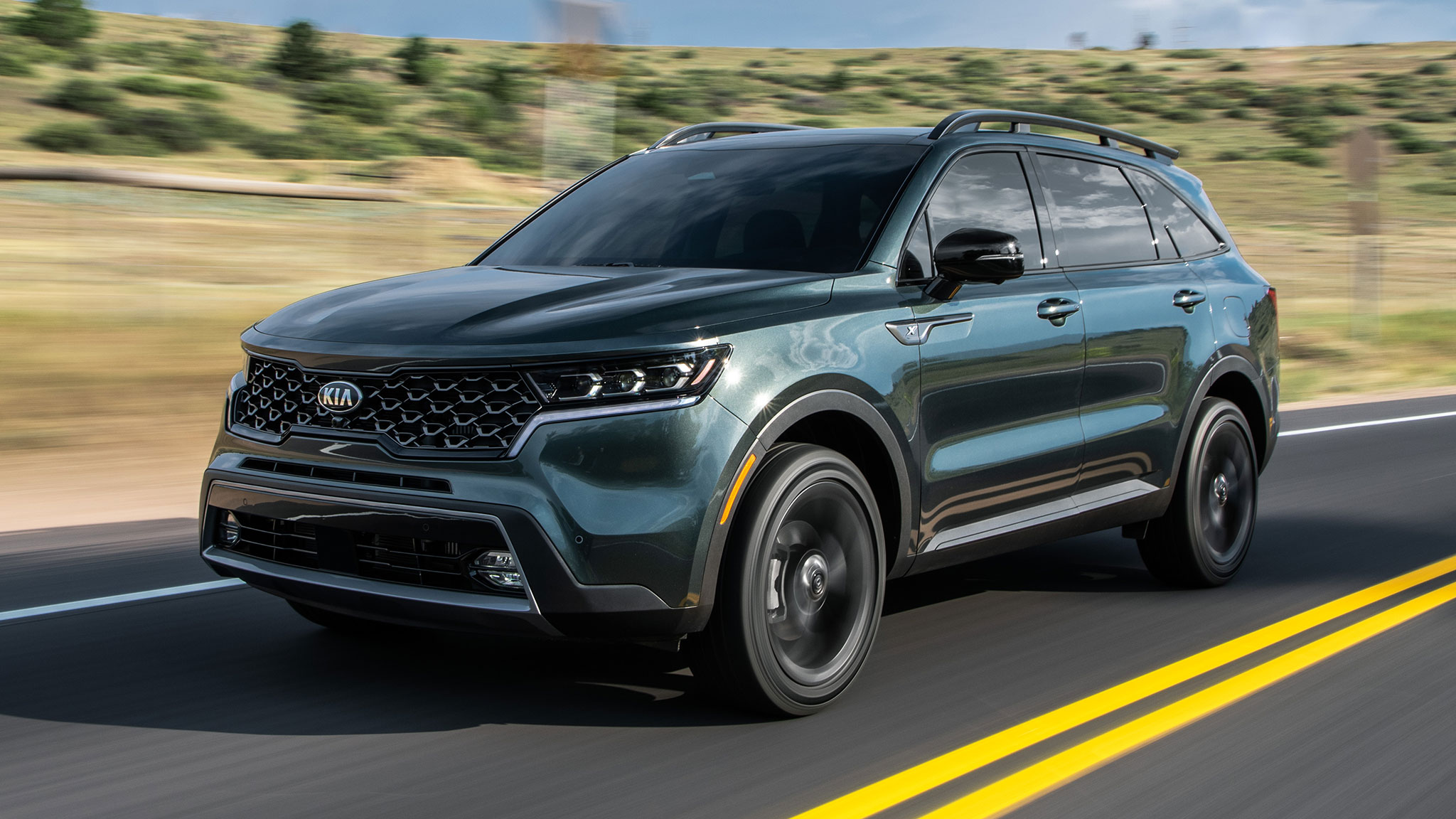
The Kia brand has undergone a remarkable transformation over the past two decades, evolving from a budget manufacturer with questionable reliability into a respected automaker that consistently ranks among the top brands for dependability.
The Kia Reliability Rating is 4.0 out of 5.0, which ranks it 3rd out of 32 for all car brands, demonstrating the company’s commitment to quality improvement. However, not all Kias are created equal when it comes to long-term reliability.
This comprehensive analysis examines ten Kia models that showcase both ends of the reliability spectrum. Understanding which models excel and which fall short can save potential buyers thousands of dollars in repair costs and countless hours of frustration.
The automotive world has become increasingly complex, with traditional gasoline engines sharing showroom space with hybrid powertrains and fully electric vehicles. Each technology brings its own set of reliability considerations.
In 2024, Kia proudly stands within the top 10 of the most reliable car brands, as ranked by Consumer Reports, yet this ranking doesn’t tell the complete story of individual model performance.
Some Kia vehicles have established themselves as paragons of dependability, offering owners years of trouble-free service with minimal maintenance requirements beyond routine care.
These models typically feature proven powertrains, robust construction, and well-tested components that have been refined through multiple model years. The certain Kia models have struggled with reliability issues that range from minor inconveniences to major mechanical failures.
These problems often stem from new technology implementations, complex systems integration, or manufacturing inconsistencies that manifest after vehicles enter real-world use. Understanding these distinctions is crucial for making an informed purchasing decision in today’s competitive automotive marketplace.
5 Kias That Stay Dependable
These well-engineered vehicles demonstrate Kia’s quality transformation through proven powertrains, reliable electronic systems, and solid build quality that delivers years of trouble-free operation while maintaining excellent warranty coverage and owner satisfaction ratings.
Their robust construction incorporates time-tested components, conservative engineering approaches, and thorough quality control that prevents premature failures while providing consistent performance across various driving conditions and climate environments.
The combination of proven mechanical reliability, comprehensive warranty protection, and excellent value proposition creates ownership experiences that exceed expectations while delivering dependable transportation throughout extended ownership periods.
From reliable sedans with proven track records to well-built SUVs with solid reputations, these vehicles demonstrate Kia’s successful evolution from budget brand to quality manufacturer through patient engineering development that prioritizes long-term reliability over aggressive cost reduction, delivering dependable performance that builds owner confidence and establishes Kia’s credibility in competitive automotive markets.
1. Kia Rio (2018-2023)
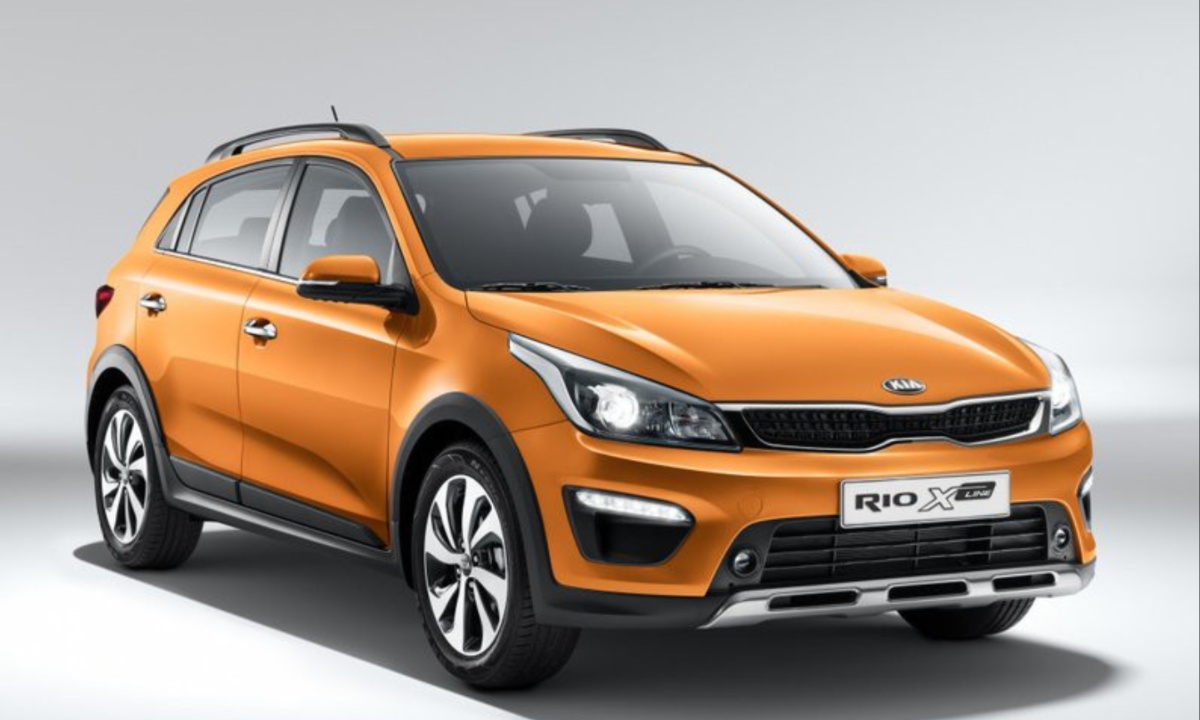
If you’re looking for the most reliable Kia model, look no further than the Kia Rio, and this reputation is well-deserved based on years of consistent performance data.
The Rio has established itself as one of the most dependable vehicles in Kia’s entire lineup, offering owners a remarkably trouble-free ownership experience that often extends well beyond 100,000 miles with proper maintenance.
The Rio’s reliability stems from its straightforward engineering approach. The naturally aspirated 1.6-liter four-cylinder engine has been refined through multiple generations, eliminating many of the early issues that plagued earlier versions.
This powertrain delivers adequate performance while maintaining excellent fuel economy, typically achieving over 30 mpg in combined driving. The engine’s simplicity means fewer complex systems that can fail, and the parts that do require replacement are generally affordable and readily available.
Transmission reliability has been another strong point for the Rio. The available manual transmission is particularly robust, with many owners reporting smooth operation even after 150,000 miles or more.
The continuously variable transmission (CVT) option, while not as engaging to drive, has proven more reliable than CVTs found in many competing brands. Regular fluid changes are crucial for CVT longevity, but when properly maintained, these transmissions have demonstrated impressive durability.
The Rio’s electrical systems have also proven remarkably stable. Unlike many modern vehicles that suffer from complex infotainment glitches or electronic module failures, the Rio’s simpler electrical architecture means fewer potential failure points.
The basic infotainment system, while not cutting-edge, rarely experiences the crashes or freezing issues that plague more sophisticated systems in other vehicles.
Suspension components typically last well beyond warranty periods, with struts and springs maintaining their integrity even in harsh driving conditions.
The Rio’s lightweight construction works in its favor here, as there’s less stress on suspension components compared to heavier vehicles. When replacement is eventually needed, parts costs remain reasonable, making the Rio an economical choice for long-term ownership.
2. Kia Forte (2019-2024)
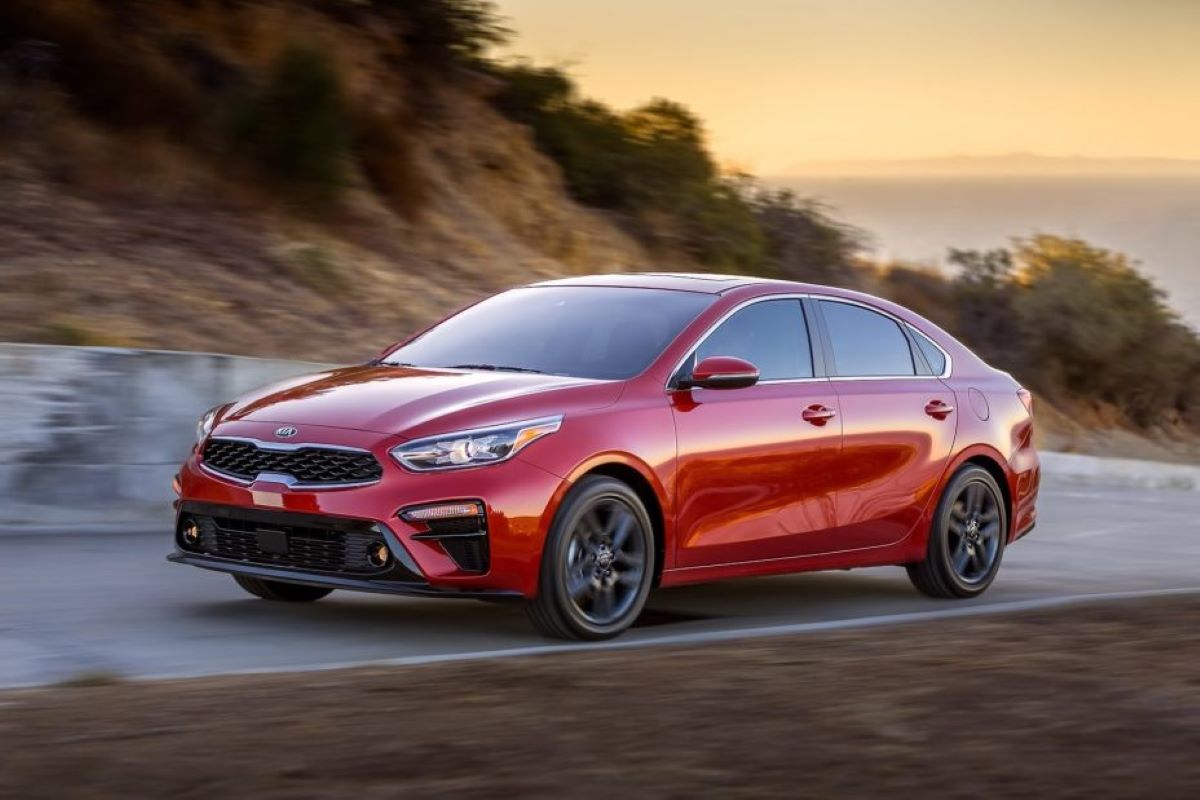
Explore the 2024 Kia Forte’s impressive reliability rating of 4.5 out of 5, with an average repair cost of $451 and low major issue frequency, making it one of the most dependable compact sedans on the market today.
The Forte has consistently delivered exceptional reliability across multiple model years, earning praise from both automotive journalists and long-term owners who appreciate its consistent performance and minimal maintenance requirements.
The heart of the Forte’s reliability lies in its well-proven powertrain options. The base 2.0-liter naturally aspirated engine has demonstrated exceptional longevity, with many owners reporting trouble-free operation well past 150,000 miles.
This engine produces adequate power for daily driving while maintaining excellent fuel efficiency, typically achieving over 35 mpg on the highway. The engine’s conservative tuning prioritizes reliability over peak performance, resulting in minimal stress on internal components and extended service life.
For those seeking more performance, the available 1.6-liter turbocharged engine has also proven reliable, though it requires more attention to maintenance schedules.
Regular oil changes with high-quality synthetic oil are crucial for turbo longevity, but when properly maintained, this engine delivers both performance and reliability. The turbo system itself has been engineered conservatively, operating at boost levels that don’t stress the engine excessively.
The Forte’s transmission options have both earned excellent reliability ratings. The six-speed manual transmission offers precise shifting and has proven remarkably durable, with many high-mileage examples still operating smoothly with original clutches.
The IVT (Intelligent Variable Transmission), Kia’s version of a CVT, has addressed many of the reliability concerns associated with continuously variable transmissions. Regular maintenance is essential, but this transmission has demonstrated impressive longevity when properly cared for.
Electrical reliability has been another strength of the Forte. The vehicle’s electronic systems, including the engine management, transmission control, and infotainment systems, have proven stable and long-lasting.
Software updates are infrequent but effective when released, addressing any minor issues that arise. The Forte’s electrical architecture is well-designed, with proper shielding and robust connections that resist corrosion and connection issues common in many vehicles.
3. Kia Sorento (2021-2025)
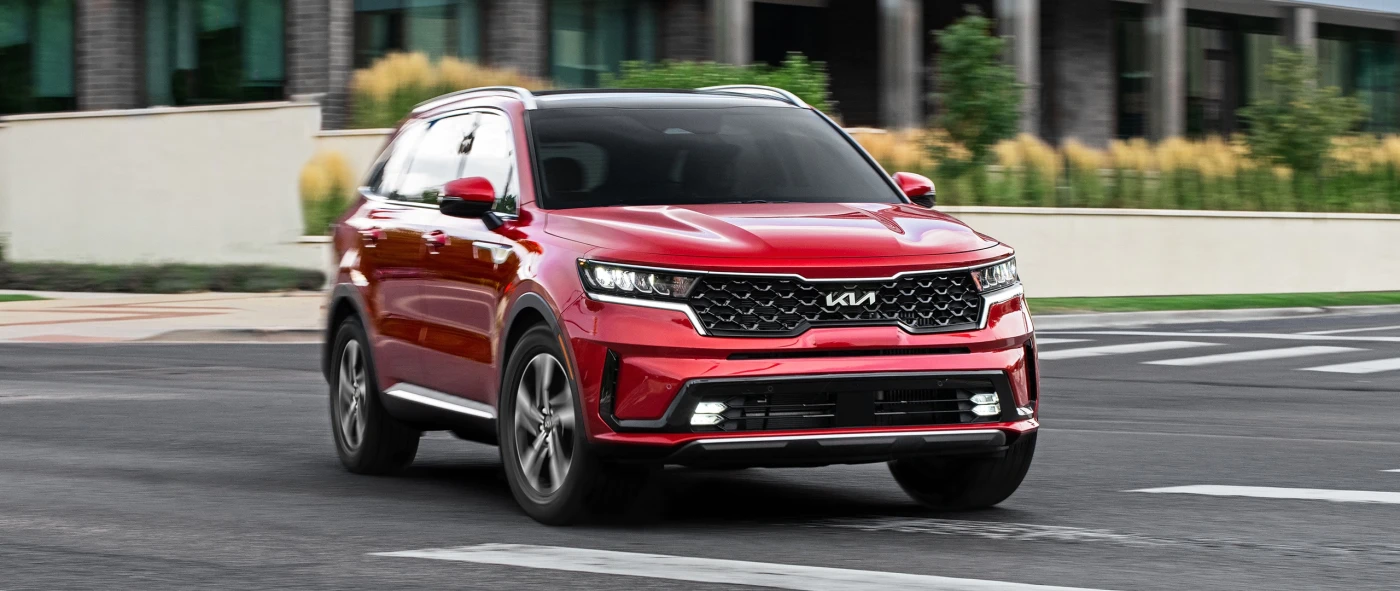
Kia’s Sorento Hybrid is the most reliable three-row SUV, with the Toyota Highlander Hybrid close behind, demonstrating the model’s exceptional reliability credentials in the competitive three-row SUV segment.
The current-generation Sorento represents the culmination of years of refinement, offering families a dependable transportation solution that combines practicality with impressive long-term durability.
The Sorento’s reliability foundation begins with its diverse range of proven powertrains. The base 2.5-liter naturally aspirated four-cylinder engine delivers smooth, consistent performance with minimal maintenance requirements.
This engine has been extensively tested and refined, incorporating lessons learned from previous generations. Oil change intervals can be extended with synthetic oil, and the engine typically maintains its performance characteristics well into high-mileage territory.
The available 2.5-liter turbocharged engine provides significantly more power while maintaining good reliability, though it requires adherence to maintenance schedules. The turbocharger system is conservatively tuned and includes adequate cooling systems to ensure longevity.
Most reliability issues with turbocharged engines stem from neglected maintenance rather than inherent design flaws, and the Sorento’s turbo system has proven particularly robust.
Perhaps most impressive is the Sorento Hybrid’s reliability record. The hybrid powertrain combines the 1.6-liter turbocharged engine with an electric motor system that has demonstrated exceptional durability.
The hybrid battery pack includes comprehensive thermal management and has shown minimal degradation even in extreme climate conditions. The regenerative braking system reduces wear on conventional brake components, extending their service life significantly. The Sorento’s eight-speed automatic transmission has earned praise for its smooth operation and long-term reliability.
This transmission features advanced adaptive shift logic that learns driving patterns while maintaining conservative shift points that prioritize longevity over aggressive performance. Regular fluid changes extend transmission life significantly, and the unit has proven capable of handling both the base engine and the more powerful turbocharged variants without issue.
Structural integrity and build quality represent additional Sorento strengths. The vehicle’s robust construction means fewer squeaks, rattles, and premature wear issues that plague some competitors.
Panel gaps remain consistent, paint quality holds up well, and interior materials maintain their appearance even after years of family use. The Sorento’s attention to detail in construction translates directly into long-term reliability and owner satisfaction.
4. Kia Sportage (2023-2025)
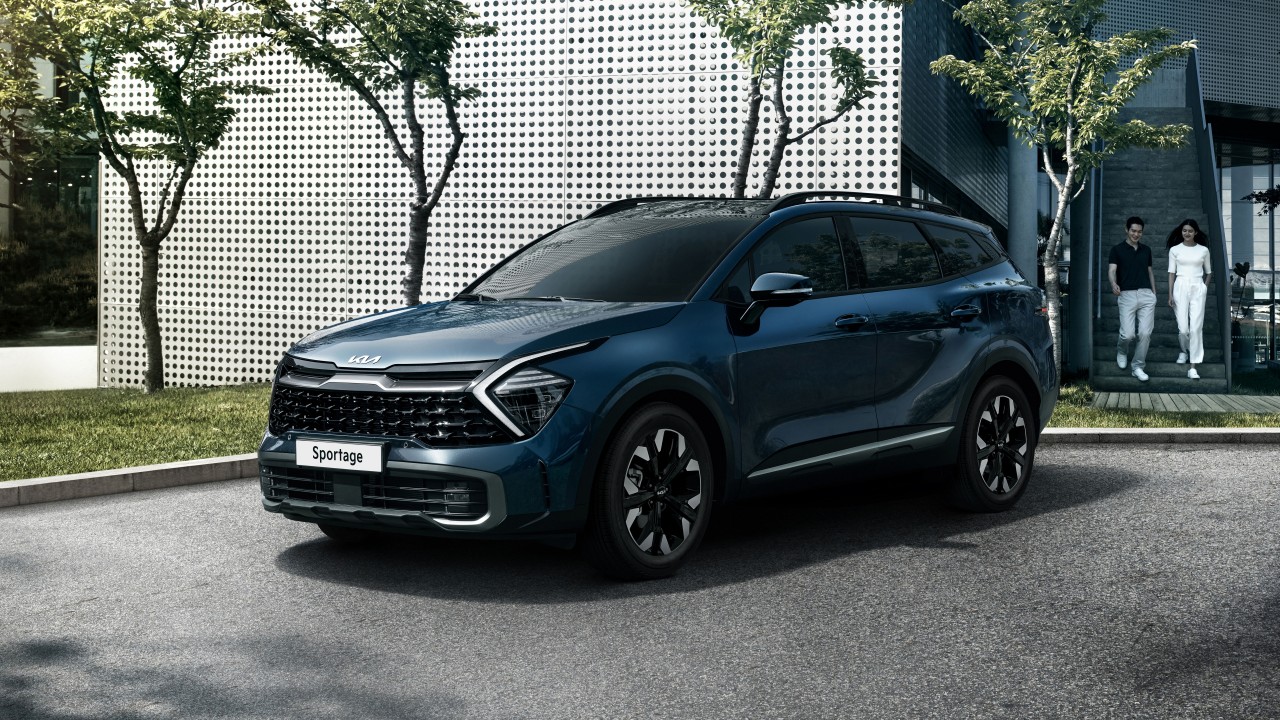
The redesigned Kia Sportage has quickly established itself as one of the most reliable compact SUVs available, building upon decades of refinement while incorporating modern technology in a dependable package.
The current generation represents a significant leap forward in both design and engineering, addressing previous generation concerns while maintaining the practicality and value that made the Sportage popular with families.
Engine reliability stands out as a particular Sportage strength. The standard 2.5-liter naturally aspirated engine provides adequate power for most driving situations while delivering exceptional reliability.
This engine features advanced materials and manufacturing techniques that reduce internal friction and extend component life. The engine’s conservative tuning ensures minimal stress on internal parts, contributing to its excellent longevity record.
The available 1.6-liter turbocharged engine offers significantly more performance while maintaining good reliability credentials. This engine incorporates lessons learned from previous turbocharged Kia engines, featuring improved cooling systems and more robust internal components.
The turbocharger itself is conservatively sized and includes advanced materials that resist the heat cycling that typically causes turbo failures. Transmission reliability has been a consistent Sportage strong point across multiple generations.
The standard eight-speed automatic transmission provides smooth, responsive shifting while demonstrating excellent long-term durability. This transmission features advanced torque converter lockup strategies that reduce heat generation and extend fluid life.
Regular maintenance intervals are reasonable, and when followed, the transmission typically provides trouble-free operation well beyond 150,000 miles. The Sportage’s all-wheel-drive system, when equipped, has proven particularly reliable.
Unlike some competitors that use complex electronic clutch packs, the Sportage employs a more traditional system with proven components. The AWD system engages smoothly and has demonstrated excellent durability even under challenging conditions. Regular differential service is recommended, but intervals are reasonable and costs modest.
Safety and electronic systems represent another reliability highlight. The Sportage’s comprehensive suite of driver assistance features operates reliably without the false alarms or system shutdowns that plague some competitors.
The infotainment system has proven stable and responsive, with over-the-air update capability that allows Kia to address any minor issues without requiring dealership visits. The electronic architecture is well-designed and has demonstrated excellent long-term stability.
Also Read: 5 Chevrolets That Hold Value at Trade‑In vs 5 That Dealers Ignore
5. Kia Soul (2020-2024)
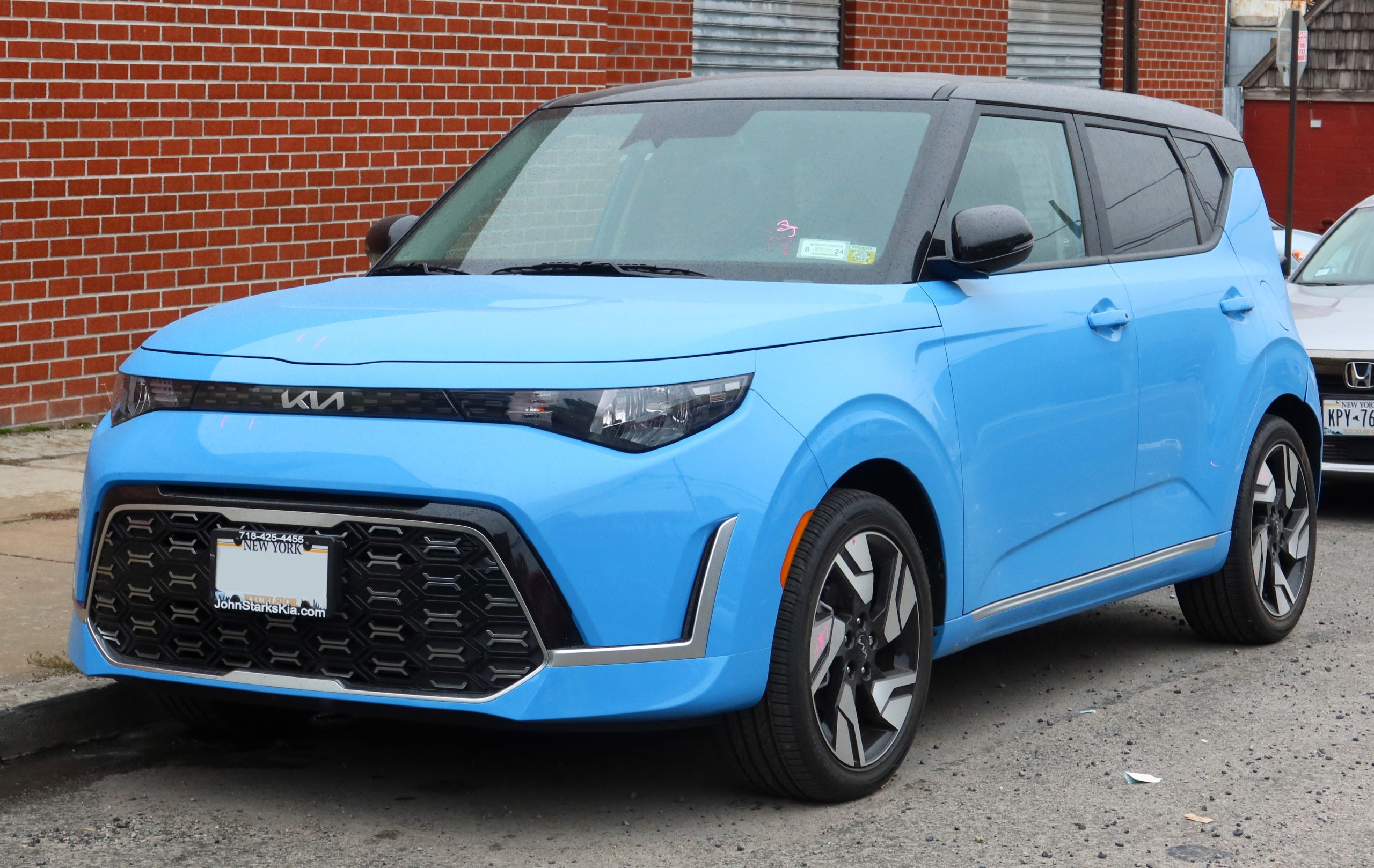
The Kia Soul has maintained its unique position in the automotive market while establishing an impressive reliability record that often surprises those unfamiliar with the model.
This distinctive crossover combines practical packaging with dependable mechanicals, creating a vehicle that serves owners well for many years with minimal major issues. The Soul’s reliability success stems from its use of proven components and conservative engineering approaches.
At the heart of the Soul’s reliability is its naturally aspirated 2.0-liter four-cylinder engine. This powerplant has been refined through multiple generations and applications, resulting in a mature design that prioritizes longevity over peak performance.
The engine delivers adequate power for urban and suburban driving while achieving excellent fuel economy. Internal components are designed for extended life, with robust bearings and conservative clearances that resist wear even under demanding conditions.
The Soul’s CVT transmission has addressed many of the reliability concerns traditionally associated with continuously variable transmissions. Kia’s implementation includes improved belt materials and enhanced cooling systems that extend transmission life significantly.
Regular fluid changes are crucial for longevity, but when properly maintained, this transmission has demonstrated impressive durability. The CVT’s programming prioritizes smoothness and efficiency over sporty performance, reducing stress on internal components.
Electrical systems in the Soul have proven remarkably stable and trouble-free. The vehicle’s straightforward electrical architecture minimizes complexity while providing modern amenities.
The infotainment system, while not the most advanced available, operates reliably without the crashes or freezing issues common in more complex systems.
Climate control systems maintain consistent operation, and the electrical system has demonstrated excellent resistance to the connection and corrosion issues that plague many vehicles.
Suspension reliability represents another Soul strength. The vehicle’s lightweight construction reduces stress on suspension components, while the conservative tuning prioritizes comfort and longevity over aggressive handling.
Struts and springs typically last well beyond warranty periods, and when replacement becomes necessary, parts costs remain reasonable. The Soul’s relatively simple suspension design makes diagnosis and repair straightforward, reducing labor costs.
The Soul’s build quality has consistently impressed owners and automotive journalists alike. Panel gaps remain consistent over time, paint quality holds up well to daily use, and interior materials maintain their appearance even after years of service.
The vehicle’s unique design works in its favor, as the boxy shape and robust construction minimize stress concentrations that can lead to premature failure in other designs.
5 Kias That Disappoint Owners
These problematic vehicles undermine Kia’s quality reputation through frequent breakdowns, premature component failures, and reliability issues that contradict the brand’s warranty promises and quality marketing through inadequate engineering and substandard manufacturing processes.
Their compromised construction incorporates problematic engines, unreliable electrical systems, and poor build quality that generate endless repair headaches despite Kia’s positioning that suggests superior value and dependability over established competitors.
The combination of recurring failures, expensive repairs, and disappointing durability creates ownership disasters as buyers discover that extensive warranties cannot compensate for fundamental quality control failures that prioritize rapid market expansion over basic reliability standards.
From models with known engine problems to vehicles with electrical system issues, these cars prove that Kia’s quality improvement remains inconsistent across model lines, transforming value purchases into expensive repair burdens that require constant attention and undermine confidence in the brand’s reliability claims and long-term commitment to customer satisfaction.
1. Kia Stinger (2018-2023)
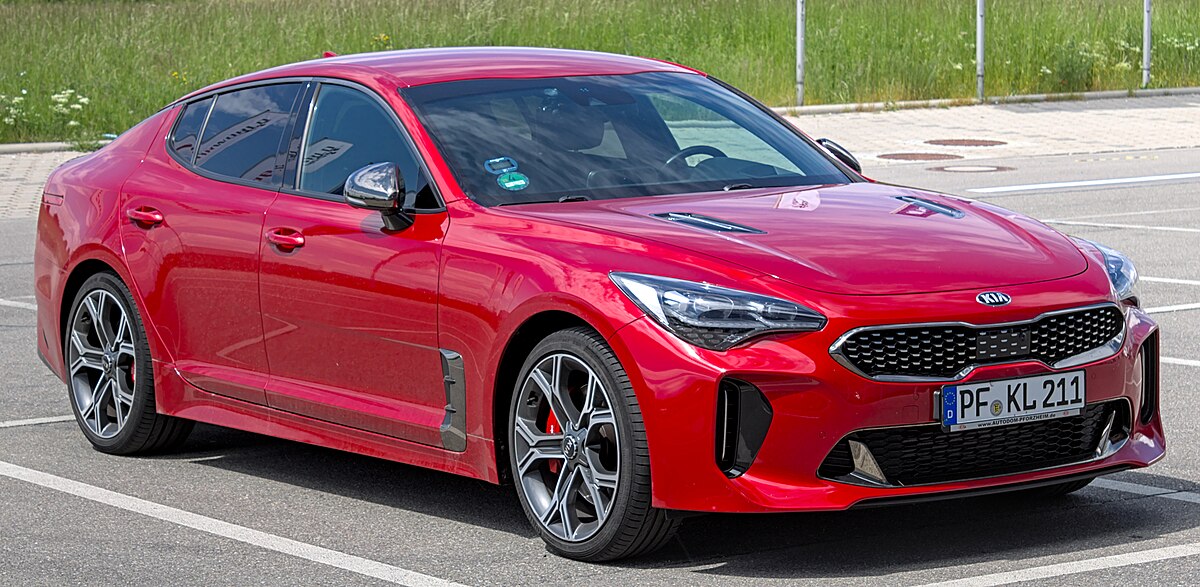
The Kia Stinger represented the brand’s ambitious entry into the performance sedan market, offering impressive specifications and driving dynamics that initially drew enthusiastic reviews.
However, long-term ownership experiences have revealed numerous reliability issues that have disappointed many owners who expected the dependability typically associated with the Kia brand.
The Stinger’s problems stem largely from its complex systems and the challenges of implementing high-performance components. Engine reliability has been the Stinger’s most significant weakness, particularly with the twin-turbocharged 3.3-liter V6 engine.
While this powerplant delivers impressive performance, it has suffered from numerous issues, including carbon buildup, turbocharger failures, and cooling system problems.
The engine’s high-performance tuning creates significant stress on internal components, leading to premature wear of bearings, seals, and gaskets. Many owners report expensive repairs well before 60,000 miles, with some experiencing complete engine failures requiring replacement.
The turbocharging system presents particular challenges for long-term reliability. The twin-turbo setup generates significant heat, and the cooling systems have proven inadequate for sustained high-performance driving.
Turbocharger failures are common, often resulting from oil coking in the turbine housings or wastegate actuator problems. These failures typically occur between 40,000 and 70,000 miles, with replacement costs often exceeding $4,000 per turbocharger.
Transmission issues have also plagued the Stinger throughout its production run. The eight-speed automatic transmission, while smooth when functioning properly, has suffered from numerous problems, including harsh shifting, premature failure of internal components, and software issues that cause erratic behavior.
Some owners report complete transmission failures requiring replacement, with costs often exceeding $8,000. Even when covered under warranty, extended downtime and repeated repairs frustrate owners.
Electrical problems represent another significant Stinger weakness. The vehicle’s complex infotainment system frequently experiences crashes, freezes, and connectivity issues.
The advanced driver assistance features often malfunction, providing false alarms or failing to operate when needed. Some owners report electrical issues that drain the battery when parked, requiring expensive diagnosis and repair of complex electronic modules.
Suspension components, despite the Stinger’s performance pretensions, have proven surprisingly fragile. Adaptive dampers fail prematurely, strut mounts wear quickly, and bushings deteriorate faster than expected.
The vehicle’s low-profile tires and aggressive suspension tuning contribute to frequent tire and wheel damage from road hazards. Replacement parts are expensive and often require special ordering, extending repair times significantly.
2. Kia Cadenza (2017-2020)
The Kia Cadenza was positioned as the brand’s flagship luxury sedan, intended to compete with established premium brands while offering superior value.
Unfortunately, the Cadenza’s reliability record has been marred by numerous issues that have disappointed owners expecting the dependability associated with other Kia models. The vehicle’s problems stem from overly complex systems and quality control issues that became apparent after extended ownership periods.
The Cadenza’s 3.3-liter naturally aspirated V6 engine, while powerful, has suffered from several reliability issues. Timing chain problems have been particularly troublesome, with many owners reporting chain stretch and tensioner failures that lead to catastrophic engine damage if not addressed promptly.
These failures often occur between 50,000 and 80,000 miles, well before owners expect major engine work. The repair costs are substantial, often requiring complete engine rebuilds or replacement.

Transmission reliability has been another significant Cadenza weakness. The eight-speed automatic transmission experiences numerous problems, including harsh shifting, slipping, and complete failure of internal components. Software updates have addressed some issues, but hardware failures remain common.
Many owners report multiple transmission services and repairs within the first 100,000 miles, with some requiring complete transmission replacement at costs exceeding $6,000.
The Cadenza’s air suspension system, featured on higher trim levels, has proven particularly problematic. Air springs fail prematurely, compressors burn out, and electronic modules malfunction, leaving the vehicle with severely compromised ride quality.
Replacement costs are enormous, with complete system repairs often exceeding $5,000. Many owners eventually convert to conventional springs and struts, abandoning the air suspension entirely.
Electrical issues plague the Cadenza throughout its systems. The complex infotainment system frequently malfunctions, the digital instrument cluster experiences failures, and various electronic modules fail prematurely.
The vehicle’s numerous luxury features, while impressive when functioning, become reliability liabilities as they age. Climate control systems malfunction, seat adjustments fail, and advanced lighting systems experience premature bulb failures and electrical problems.
Interior quality, despite the Cadenza’s luxury positioning, has disappointed many owners. Leather surfaces wear prematurely, trim pieces crack or separate, and electronic controls become unreliable with age.
The vehicle’s complex interior systems contribute to numerous minor but annoying problems that detract from the ownership experience and require expensive repairs to address properly.
3. Kia EV6 (2022-2024)
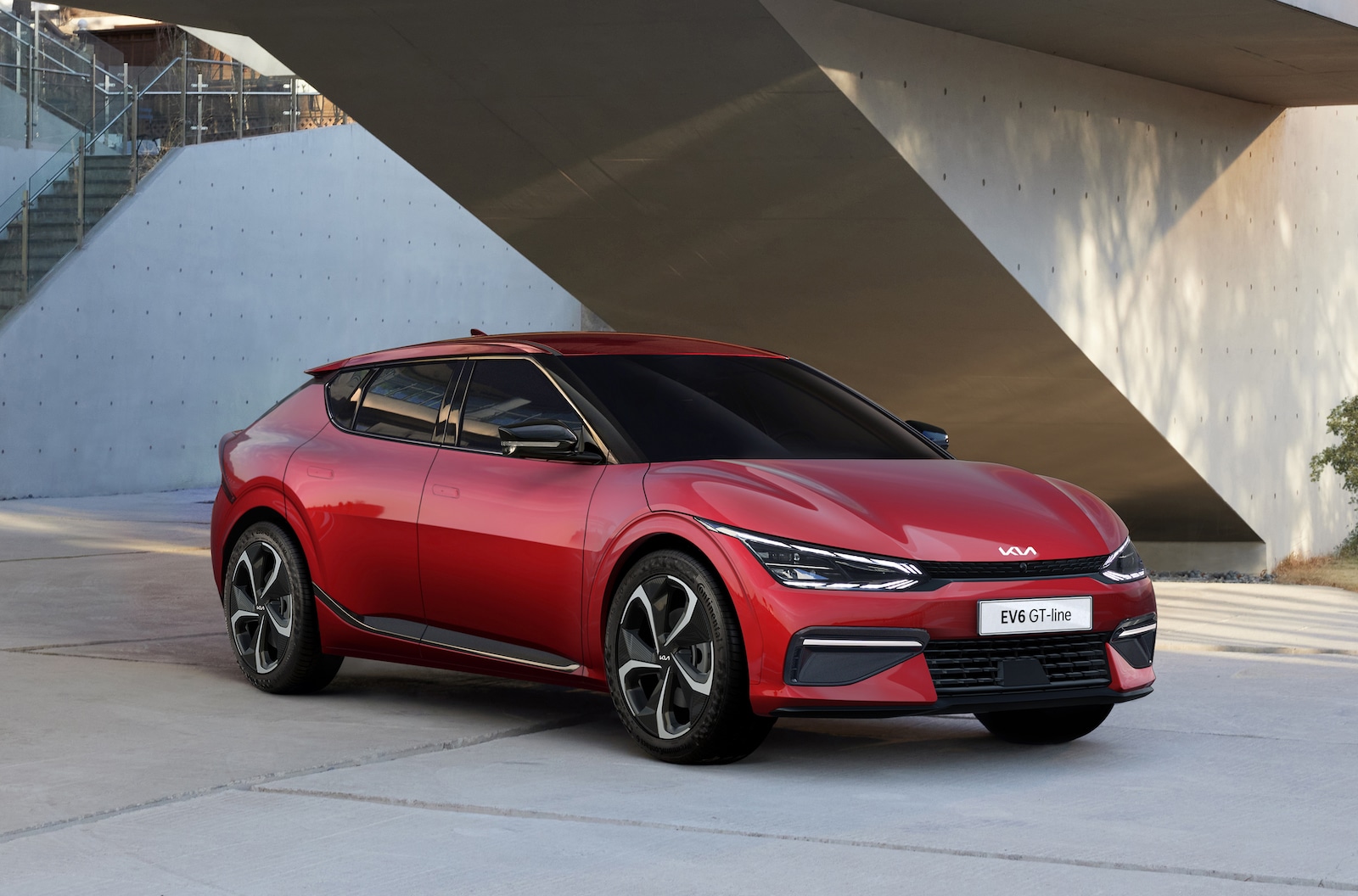
Consumer Reports’ rating of the EV6 dropped from 91 to 77, mainly due to its reliability issues that have emerged as the vehicle has accumulated real-world miles.
The EV6 represents Kia’s ambitious entry into the electric vehicle market, offering impressive technology and performance capabilities. However, early adopters have encountered numerous problems that highlight the challenges of implementing cutting-edge technology in a reliable package.
Battery system reliability has been the EV6’s most concerning issue. While catastrophic failures are rare, numerous owners report reduced range and charging problems that suggest premature battery degradation.
The vehicle’s fast-charging capability, while impressive when functioning properly, has contributed to thermal stress on the battery pack. Some owners report significant range loss within the first 30,000 miles, well beyond what should be expected from normal battery aging.
Charging system problems extend beyond the battery pack itself. The onboard charging equipment frequently malfunctions, leaving owners unable to charge at home or at public charging stations.
DC fast charging capabilities are particularly problematic, with many owners reporting reduced charging speeds, charging interruptions, or complete charging failures. These issues often require expensive repairs and leave owners stranded or limited in their driving capabilities.
Build quality issues have also disappointed many EV6 owners. Panel gaps are inconsistent, paint quality varies significantly, and interior trim pieces often fail to fit properly.
Some owners report water leaks, wind noise, and premature wear of interior components. The vehicle’s advanced manufacturing requirements appear to have challenged Kia’s quality control processes, resulting in numerous minor but annoying problems that detract from the ownership experience.
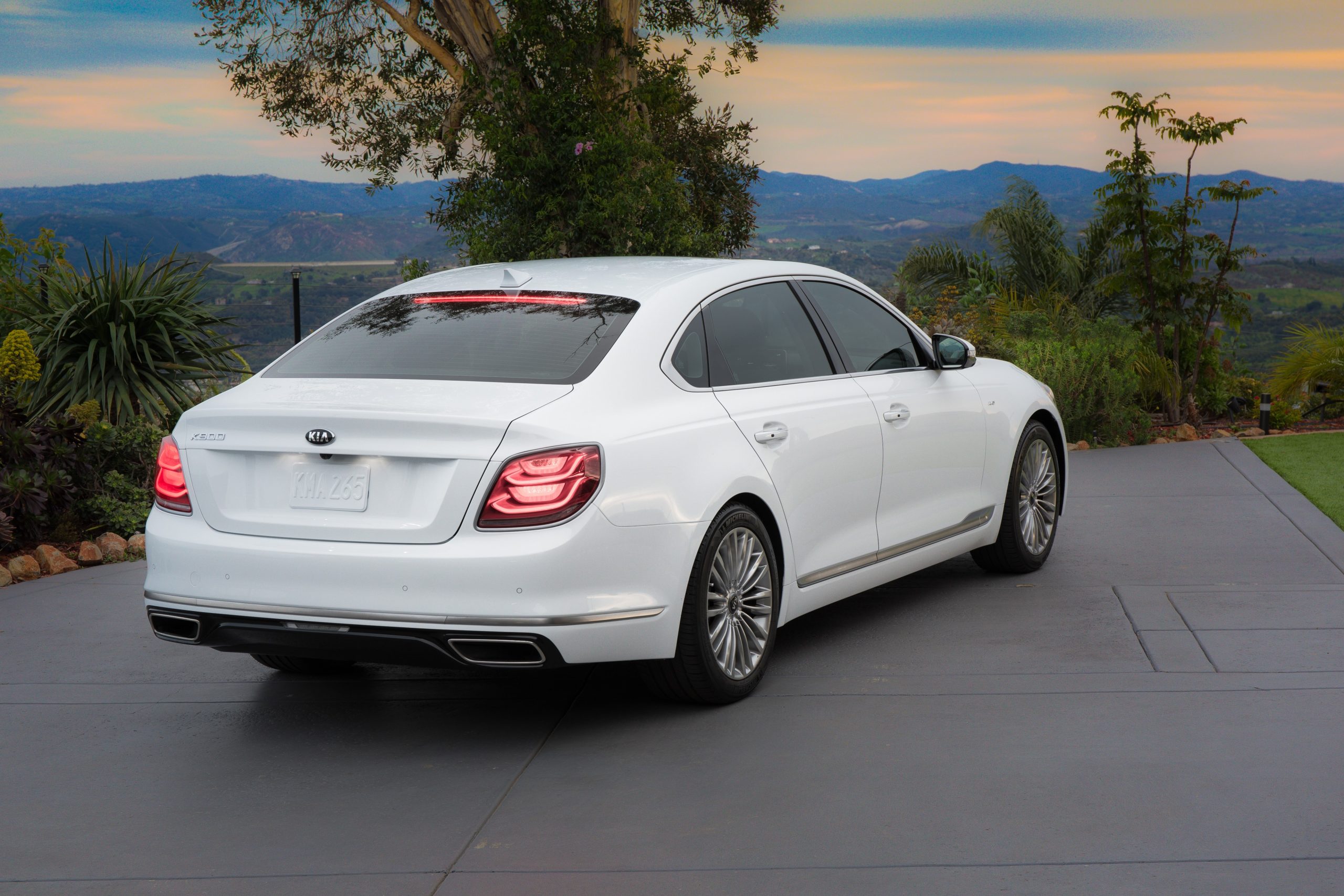
4. Kia K900 (2015-2020)
The Kia K900 represented the brand’s most ambitious attempt to compete in the luxury sedan segment, offering impressive specifications and features at a competitive price point.
However, the K900’s reliability record has been deeply disappointing, with numerous mechanical and electrical issues that have frustrated owners and damaged the model’s reputation. The vehicle’s problems stem from overly complex systems and insufficient development time for such an ambitious project.
Engine reliability has been a persistent K900 problem, particularly with the 5.0-liter V8 engine option. This powerplant, while impressive in specification, has suffered from numerous issues, including oil consumption problems, timing chain failures, and cooling system defects.
Many owners report major engine repairs within the first 60,000 miles, with some experiencing complete engine failures that require replacement. The repair costs are enormous, often exceeding $15,000 for major engine work.
The K900’s transmission systems have proven equally problematic. The eight-speed automatic transmission experiences frequent problems, including harsh shifting, slipping, and premature failure of internal components.
Software calibration issues cause erratic behavior, and hardware failures require expensive repairs. Many owners report multiple transmission services and repairs, with some requiring complete transmission replacement within the warranty period.
Interior quality issues further compound the K900’s reliability problems. Despite its luxury positioning, interior components wear prematurely, and electronic controls become unreliable with age.
Seat adjustments fail, trim pieces separate or crack, and various comfort and convenience features become inoperative. The extensive use of electronic systems throughout the interior creates numerous potential failure points that manifest as the vehicle ages.
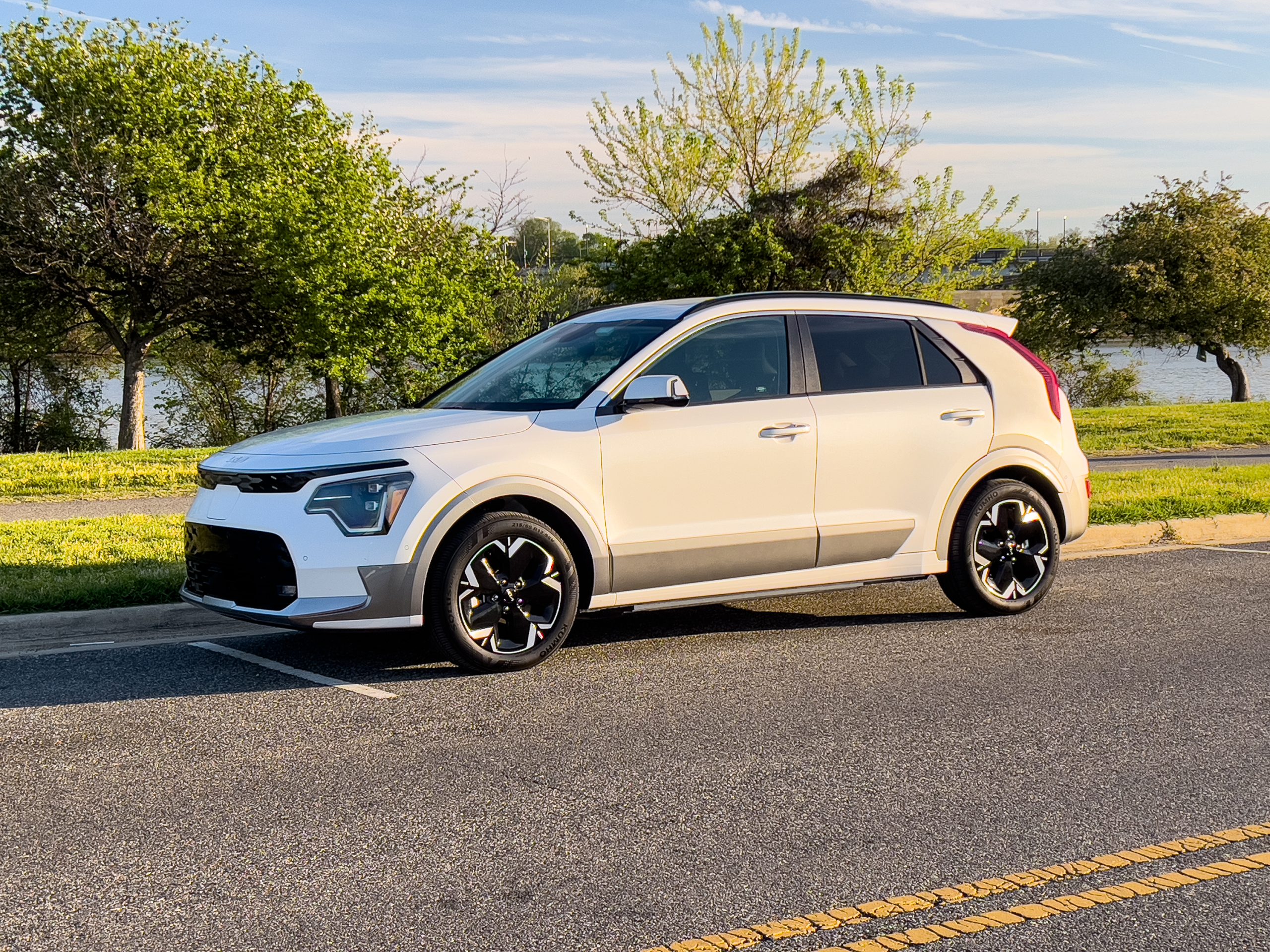
5. Kia Niro EV (2019-2023)
The Kia Niro EV was positioned as an accessible entry point into electric vehicle ownership, offering practical crossover utility with zero-emission driving.
However, the model’s reliability record has been marked by numerous issues that have disappointed owners expecting the dependability typically associated with Kia vehicles.
The Niro EV’s problems highlight the challenges of adapting existing platforms for electric powertrains while maintaining reliability standards. Battery system problems have been the Niro EV’s most significant issue.
Many owners report rapid degradation of battery capacity, with some vehicles losing 20% or more of their original range within the first 50,000 miles.
The battery management system has proven problematic, with frequent recalibration requirements and occasional complete failures. Some vehicles have required battery pack replacement under warranty, but the process is lengthy and leaves owners without transportation for extended periods.
Charging system reliability has been another persistent problem. The onboard charging equipment frequently malfunctions, preventing owners from charging at home or public stations. Level 1 and Level 2 charging capabilities are particularly problematic, with many owners reporting intermittent charging failures or complete charging system breakdowns.
DC fast charging, while less commonly used, has also experienced reliability issues that limit the vehicle’s long-distance capability. Build quality problems further compound the Niro EV’s reliability issues.
The adaptation of the conventional Niro platform for electric use has resulted in numerous fit and finish problems. Water leaks are common, particularly around charging port seals, and interior components often fail prematurely.
The vehicle’s electrical system modifications have sometimes compromised other systems, leading to unexpected failures of seemingly unrelated components.
Also Read: 5 Fords That Rarely Blow Transmissions vs 5 That Slip at 60K
