In the world of automotive reliability, flashy features and big horsepower numbers often steal the spotlight. Yet, for many drivers, the real test of a vehicle’s build quality lies in the small, everyday controls we use without a second thought.
Among these, power window switches play a surprisingly important role. Whether you’re cracking the glass for fresh air, lowering it to greet a toll booth attendant, or raising it during a sudden downpour, these switches become part of your muscle memory over years of driving. Unfortunately, not all vehicles are created equal in this regard.
A durable window switch can last hundreds of thousands of cycles without sticking, failing, or losing electrical contact. The feel of a solid click, the responsiveness under your fingertip, and the peace of mind knowing it will work every time are hallmarks of good engineering. On the other hand, a poorly designed or cheaply made switch can lead to endless frustration, costly repairs, and even safety hazards if the glass refuses to move when needed.
The difference often comes down to material quality, switch design, electrical insulation, and how well the internal mechanisms are shielded from dust, moisture, and repeated use. Over the years, some models have built reputations for indestructible controls, while others have become infamous for switches that fail at the first sign of heavy use.
In this article, we’ll explore five vehicles that excel in switch durability cars and trucks whose window controls are as dependable as their engines and contrast them with five models notorious for finicky, failure-prone systems. Whether you’re shopping for a daily driver, restoring a classic, or simply curious about which vehicles get the small details right, this breakdown will give you insight into why such a seemingly minor component can speak volumes about overall build quality.
5 Vehicles With Durable Window Switches
While some drivers take them for granted, durable window switches are the result of careful engineering, quality materials, and extensive testing. These vehicles prove that manufacturers who care about small details often deliver reliability across the board.
Their switches feature sturdy actuator springs, corrosion-resistant contacts, and housings that prevent dust and moisture infiltration. Drivers of these models rarely encounter sudden failure, and the tactile feedback remains consistent even after years of daily use.
The benefits go beyond convenience. Strong, reliable switches reduce repair costs, enhance safety in emergencies, and contribute to a sense of long-term satisfaction with the vehicle. In many cases, these switches match the lifespan of the car itself, outlasting upholstery, suspension components, and sometimes even the engine. It’s no coincidence that many of these vehicles also have reputations for excellent overall build quality.
From rugged trucks that face harsh climates to luxury sedans where precision engineering is a point of pride, the following five vehicles are standouts in a field where too many automakers cut corners. They prove that durability is not just about the big, visible components it’s built into every detail, including the small plastic button beneath your fingertips.
ALSO READ: 5 Cars With Easy-to-Operate Controls vs 5 With Sticky Buttons
1. Toyota Land Cruiser (J200 Series)
When it comes to legendary reliability, the Toyota Land Cruiser’s J200 series (2008–2021) sets the bar high and its window switches are no exception. Built for global markets where dust, heat, and heavy usage are daily realities, Toyota engineered the switches to endure abuse most cars will never face.
The buttons themselves are thick, with a sturdy pivot mechanism that resists wobble over time. Inside, the contacts are plated to prevent corrosion, while the housing is sealed tightly against moisture and fine dust particles.
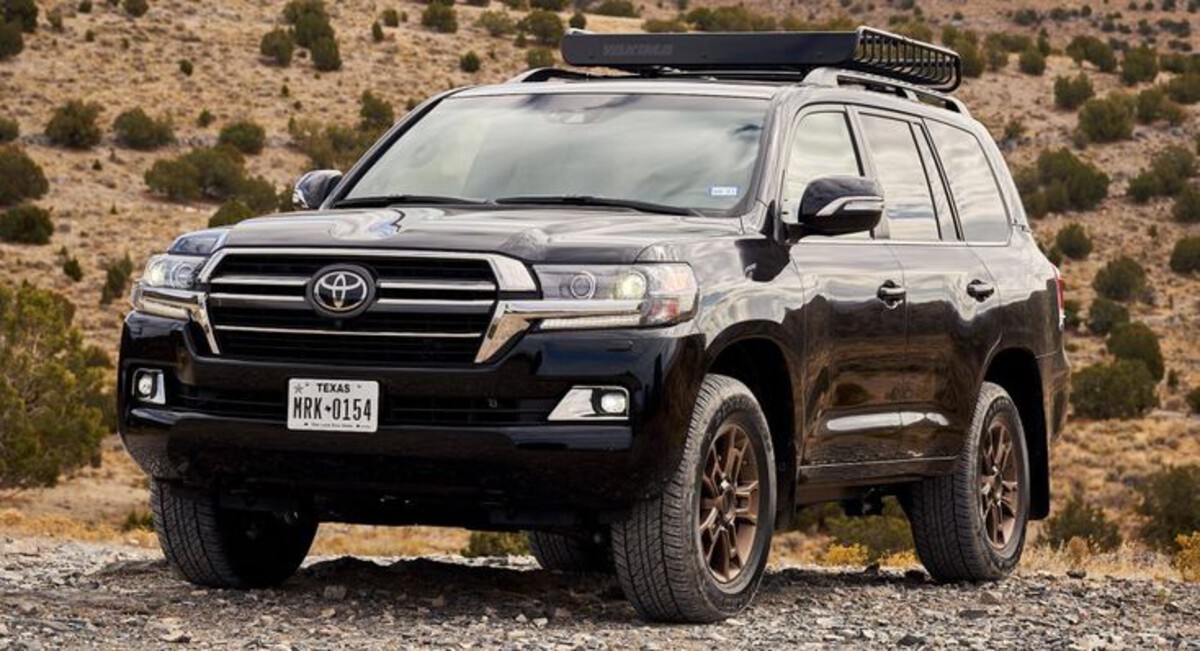
Owners report that even after more than a decade and hundreds of thousands of miles, the window controls function as crisply as they did when new. This durability is crucial for off-roaders and overlanders, who often operate in extreme conditions, such as river crossings, desert heat, or freezing mountain air. The tactile feedback is consistent, with a firm click that reassures the driver the command has been registered.
One underrated aspect is the ergonomics. The switch layout is intuitive, allowing quick operation without taking eyes off the trail or road. Toyota’s insistence on mechanical over-complexity means there are no fragile touch-sensitive panels here, just robust, well-tested physical buttons.
Combined with the Land Cruiser’s overall build philosophy of redundancy and strength, these switches embody the brand’s commitment to functional durability. In an age where many vehicles sacrifice tactile controls for flashy but less reliable touchscreens, the J200’s simple, bomb-proof window switches are a reminder that sometimes, old-school engineering is the best engineering.
2. Honda Accord (2008–2017)
Honda’s eighth- and ninth-generation Accords are known for their balance of performance, comfort, and reliability, and one of their unsung strengths is their rock-solid window switches. Unlike cheaper components that use thin plastic rocker arms and minimal reinforcement, Honda’s switches in these models are reinforced with a thicker base and high-grade polymers that resist wear.
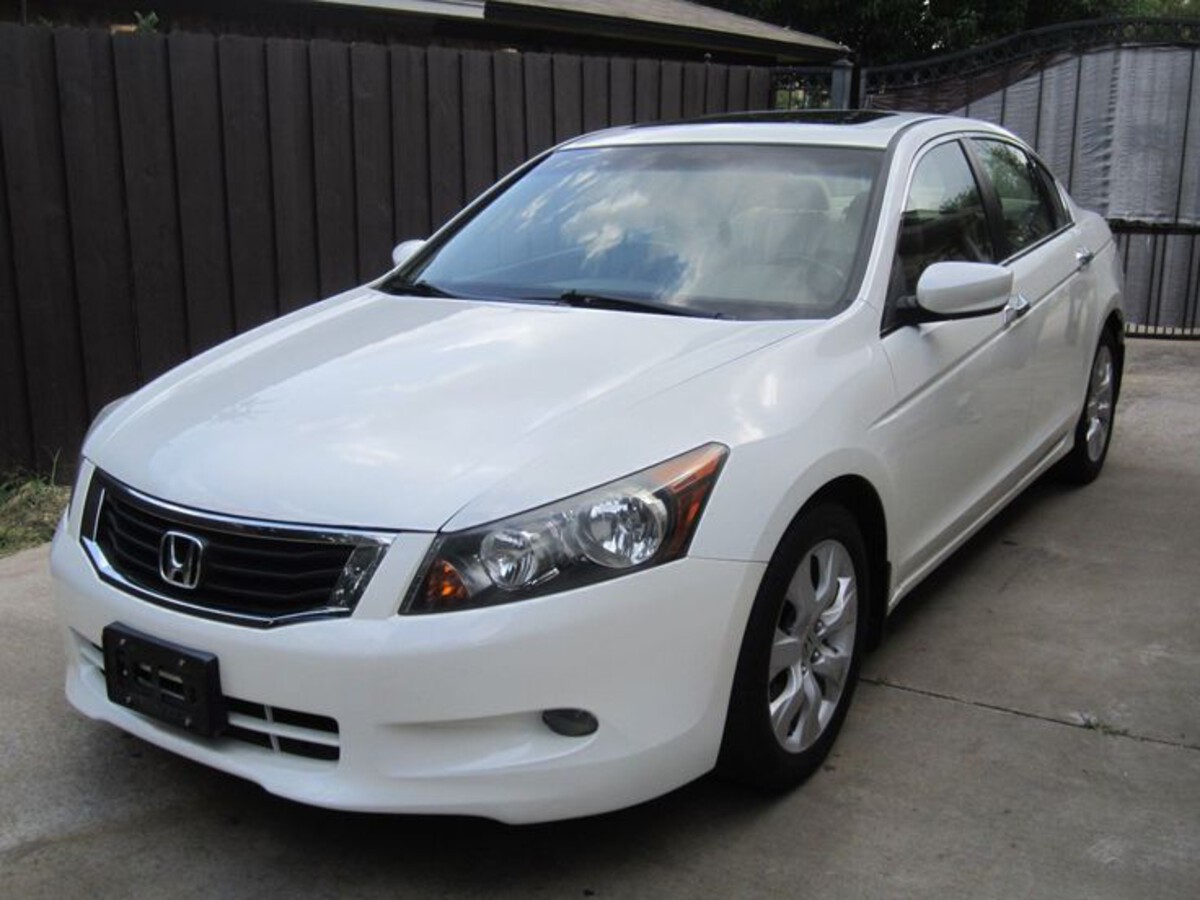
The design focuses on longevity in high-use scenarios. Many Accord owners drive long commutes or use their cars as family haulers, meaning the window switches may be pressed dozens of times per day. Despite this, failures are rare. The internal springs maintain their elasticity, the contacts stay clean thanks to a dust-resistant design, and the plastic surface resists fading and cracking even in sun-heavy climates.
Another strength is consistent feel. Whether the car is fresh from the showroom or has logged 200,000 miles, the switches retain the same smooth action. Electrical failures are almost unheard of, and unlike in some competitors, there’s little risk of the master switch panel losing function in multiple windows at once.
Honda also ensures the switches are logically positioned and slightly angled toward the driver’s hand, minimizing strain and making them easy to find by feel. In a segment where many rivals have had switch recalls or suffered premature wear, the Accord stands as a quiet but firm reminder that when an automaker prioritizes quality even in the smallest parts, owners reap the rewards in hassle-free ownership.
3. Lexus LS 460 (2007–2017)
The Lexus LS 460 isn’t just about whisper-quiet cabins and effortless V8 power, it’s a masterclass in long-term durability, right down to the window switches. These switches are built with the same obsessive attention to detail that Lexus applies to its engines and interiors. The buttons have a precise, almost jewel-like action, moving smoothly but with a defined click that confirms activation.
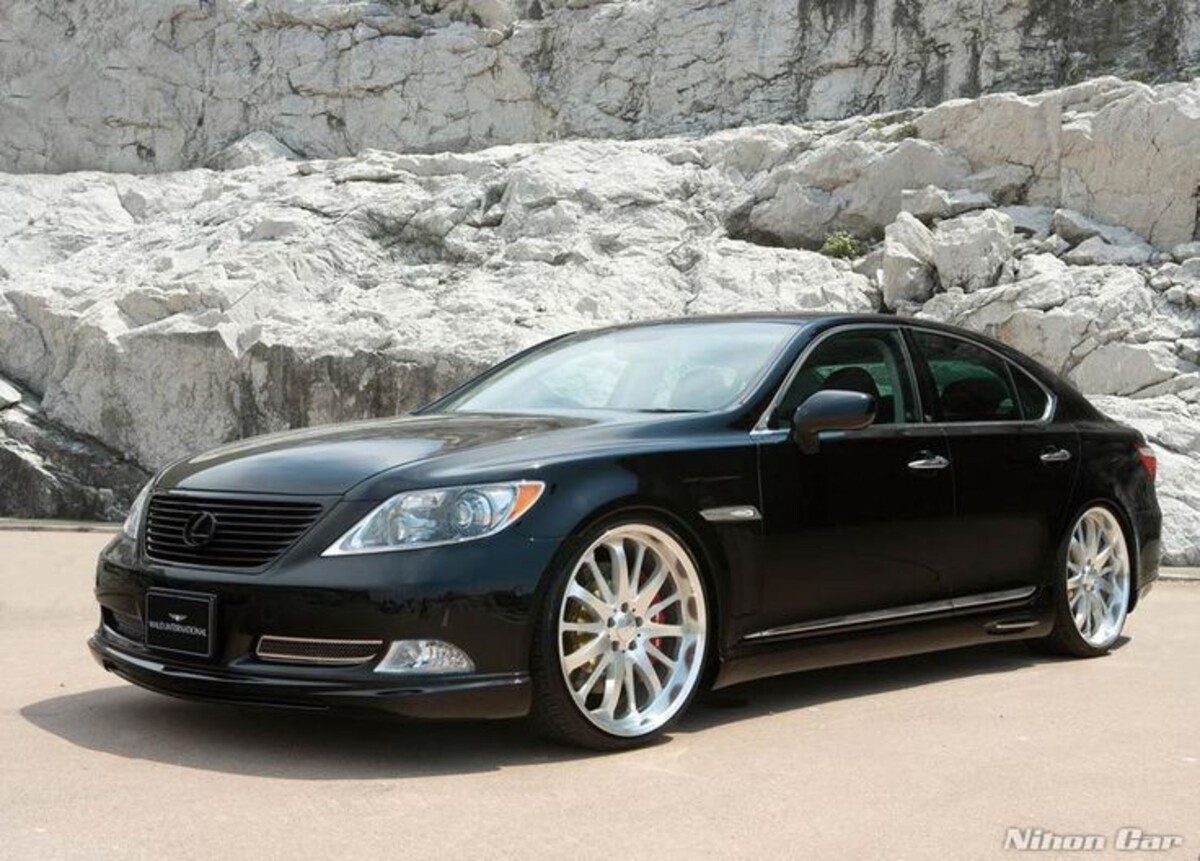
Internally, the LS 460’s switches are designed to resist the effects of both time and environment. Gold-plated contacts prevent oxidation, while the housing incorporates tight seals to keep out spills, dust, and humidity. This is particularly important in luxury vehicles, where owners expect perfection in all weather conditions. Lexus also subjects its controls to rigorous life-cycle testing, simulating decades of use before a single production unit leaves the factory.
Even in older LS 460s with high mileage, it’s rare to find a faulty window switch. This reliability contributes to the car’s reputation for aging gracefully nothing feels loose, squeaky, or inconsistent. The switches also blend seamlessly into the wood and leather-trimmed door panels, proving that durability and aesthetics can coexist.
In an era when luxury often equates to fragility, the LS 460’s window switches quietly represent the opposite: enduring quality hidden in plain sight. For owners, that means confidence that every press will be met with the same effortless response for years even decades to come.
4. Ford F-150 (2015–2020)
America’s best-selling truck isn’t just about towing numbers and payload ratings the Ford F-150 of this generation also demonstrates surprising attention to everyday usability, including rugged window switches. Truck buyers expect durability in every component, and Ford delivers with a switch assembly built to withstand years of hard work, muddy boots, and extreme climates.
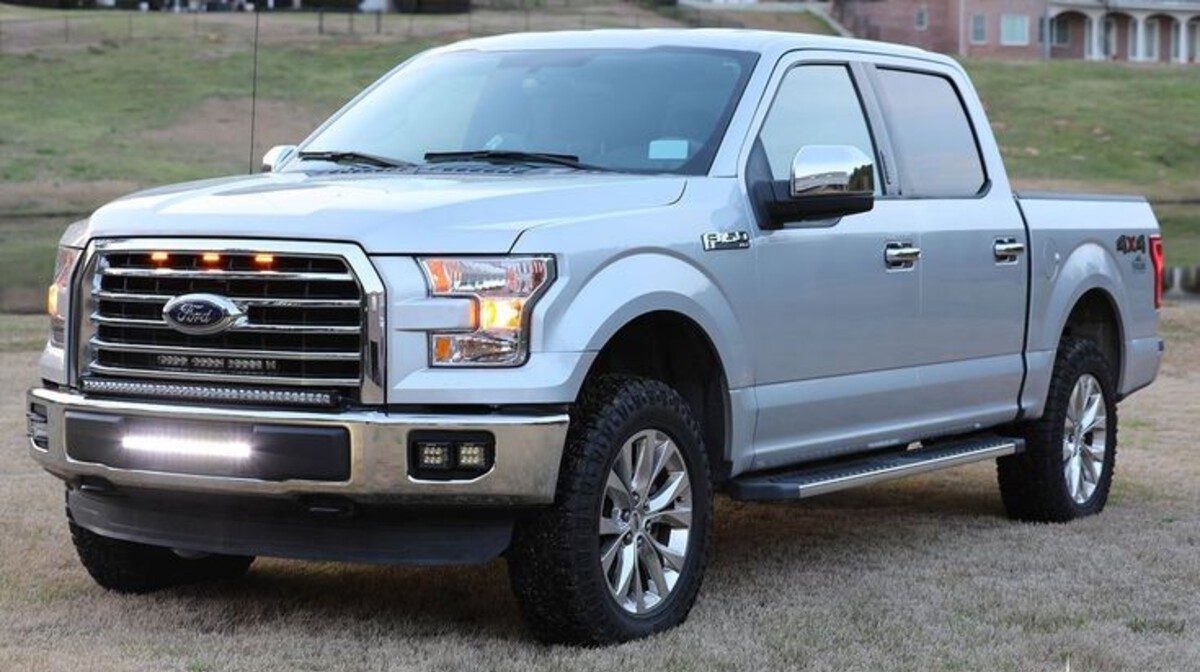
The F-150’s window switches are slightly oversized compared to those in passenger cars, making them easier to operate while wearing gloves a subtle nod to the truck’s working-class heritage. Internally, the contacts are copper-based with anti-corrosion treatment, and the mechanical rocker design resists jamming even when exposed to fine dust from off-road driving or construction sites.
Owners report these switches remain fully functional past 200,000 miles, often outlasting other interior components. Ford’s use of high-quality plastics prevents fading and brittleness under direct sunlight, and the tactile “click” stays consistent over time. Even the master switch panel for all four windows rarely experiences simultaneous failure a common issue in lesser-built competitors.
This durability isn’t an accident. Ford engineers subject their controls to repeated mechanical cycling and environmental stress testing, ensuring performance in both -30°F winters and 120°F desert heat. The result is a switch assembly that feels just as at home on a luxury-plush Platinum trim as it does in a base work truck. For F-150 owners, it’s another reason the truck earns its reputation for reliability from grille to tailgate and every little button in between.
5. Subaru Outback (2010–2019)
The Subaru Outback is famous for its all-weather versatility, but its reliability story extends into the smallest details, including its window switch assembly. Designed for outdoor enthusiasts, the Outback’s switches must survive frequent exposure to rain-soaked hands, beach sand, and freezing temperatures and they do so impressively well.
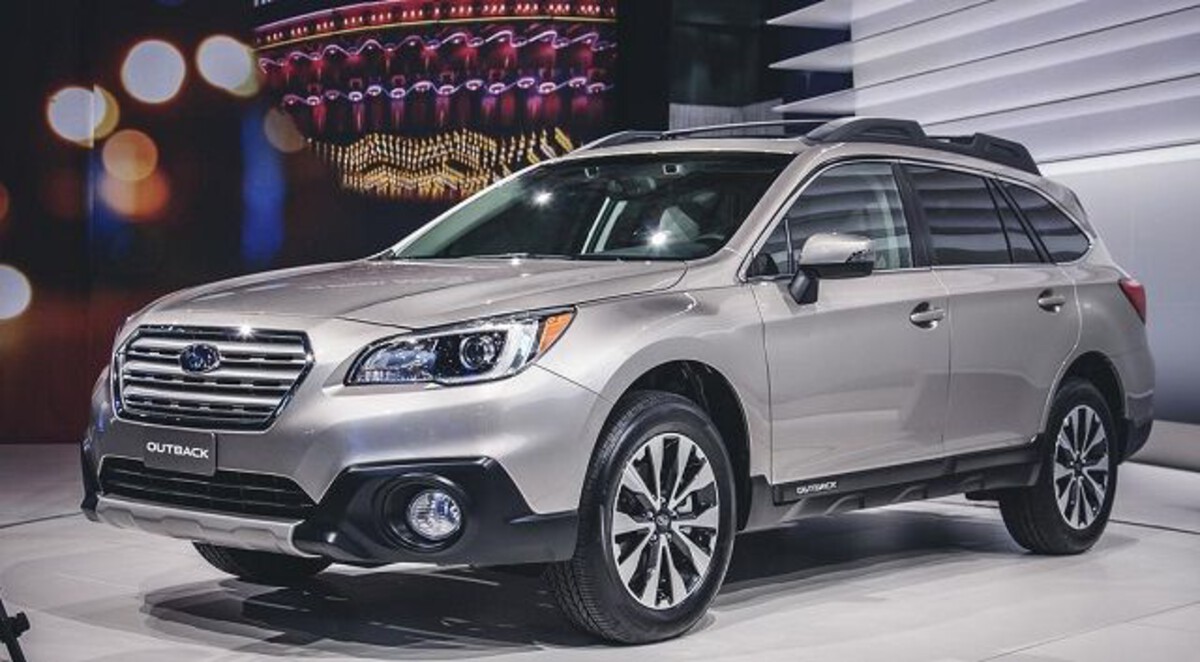
Each switch is housed in a tightly sealed casing that blocks moisture intrusion, a design choice that dramatically reduces electrical corrosion. The actuation is light but deliberate, with a smooth, positive stop that tells the driver the signal has been sent. Even after years of use, the surface texture resists polishing smooth, ensuring your finger grip remains secure in wet conditions.
Internally, Subaru uses high-grade circuit boards and reinforced solder joints, minimizing the risk of sudden electrical failure. The contacts are plated for longevity, and the assembly is mounted in a way that isolates it from door panel vibrations, which can degrade lesser switches over time.
Owners praise the Outback’s window switches for their reliability even in high-mileage examples that have endured everything from snowstorms to desert dust. In fact, many switches remain fully operational long after other wear items, like door seals or seat fabric, begin to show age. Subaru’s approach proves that when a vehicle is built for adventure, every control no matter how small must live up to the same rugged standard.
5 Vehicles With Failing Controls
Not every automaker treats window switches with the care they deserve. In some vehicles, these components are afterthoughts, built from low-cost plastics and minimal-quality electronics. The result? Switches that stick, lose electrical connection, or completely fail after only a few years of regular use.
For owners, faulty switches aren’t just an inconvenience. They can trap a window open during rain, prevent ventilation in summer heat, or even create safety risks if the glass won’t move in an emergency. Repair costs vary, but in some cases, replacing a master switch assembly can cost hundreds of dollars and if the design flaw isn’t corrected, the problem can repeat.
Inconsistent tactile feel, fading surfaces, and multi-window failures are common in the vehicles below. They serve as cautionary tales for buyers who want a car to last without irritating, recurring issues. While these models may shine in other areas, their window switch reliability leaves much to be desired.
ALSO READ: 5 Interiors That Stay Odor-Free vs 5 That Retain Bad Smells
1. Jeep Grand Cherokee (2011–2015)
The fourth-generation Jeep Grand Cherokee brought a major leap in refinement, but one of its most persistent headaches has been failing window switches. Many owners report that the driver’s master control loses function in one or more windows, often without warning. In some cases, the failure is electrical, with contacts wearing prematurely. In others, the mechanical pivot points develop excess play, leading to inconsistent operation.

The issue is exacerbated by the Grand Cherokee’s door design, which allows more moisture intrusion than ideal during heavy rain or car washes. Over time, this moisture accelerates corrosion in the switch’s internal components. The surface finish of the buttons also tends to fade or peel, making the switches look older than the rest of the cabin.
Replacing the master switch is a common fix, but costs can be frustrating, and in some cases, multiple replacements have been needed over the vehicle’s lifespan. For a model positioned as a premium SUV, such repeated failures in a basic control are disappointing. While the Grand Cherokee’s off-road prowess and comfort are commendable, its switch durability lags far behind competitors a reminder that not all rugged-looking SUVs are equally rugged under the skin.
2. Volkswagen Jetta (2010–2014)
This era of Volkswagen Jetta suffered from a series of small but irritating quality issues, with window switch reliability topping the list. The problem often manifests as intermittent function one press works, the next does nothing due to worn contacts and fragile internal springs.

Part of the issue is the material choice. VW used thinner plastic rocker arms in the switch assembly, which develop micro-cracks over time, reducing the stability of the pivot point. Once that pivot loosens, the electrical contact becomes inconsistent. The tactile feel also deteriorates quickly, with switches losing their defined click and becoming mushy.
In some climates, condensation inside the door panel worsens the problem, leading to oxidation of the contacts. While some owners have temporarily restored function with contact cleaner, the fix rarely lasts more than a few months. Replacement switches aren’t overly expensive, but labor costs can add up and the failure rate across multiple doors means you may end up replacing several units during ownership.
The Jetta may score well on driving dynamics, but when it comes to small interior components like window switches, this generation shows how cost-cutting in one area can erode overall owner satisfaction.
3. Chevrolet Malibu (2008–2012)
The Chevrolet Malibu of this generation gained a reputation for style improvements and better fuel efficiency, but its window switches became a well-known weak spot. The most common failure is in the driver’s master control, where the contacts develop electrical shorts, sometimes even triggering unrelated issues in the car’s electrical system.
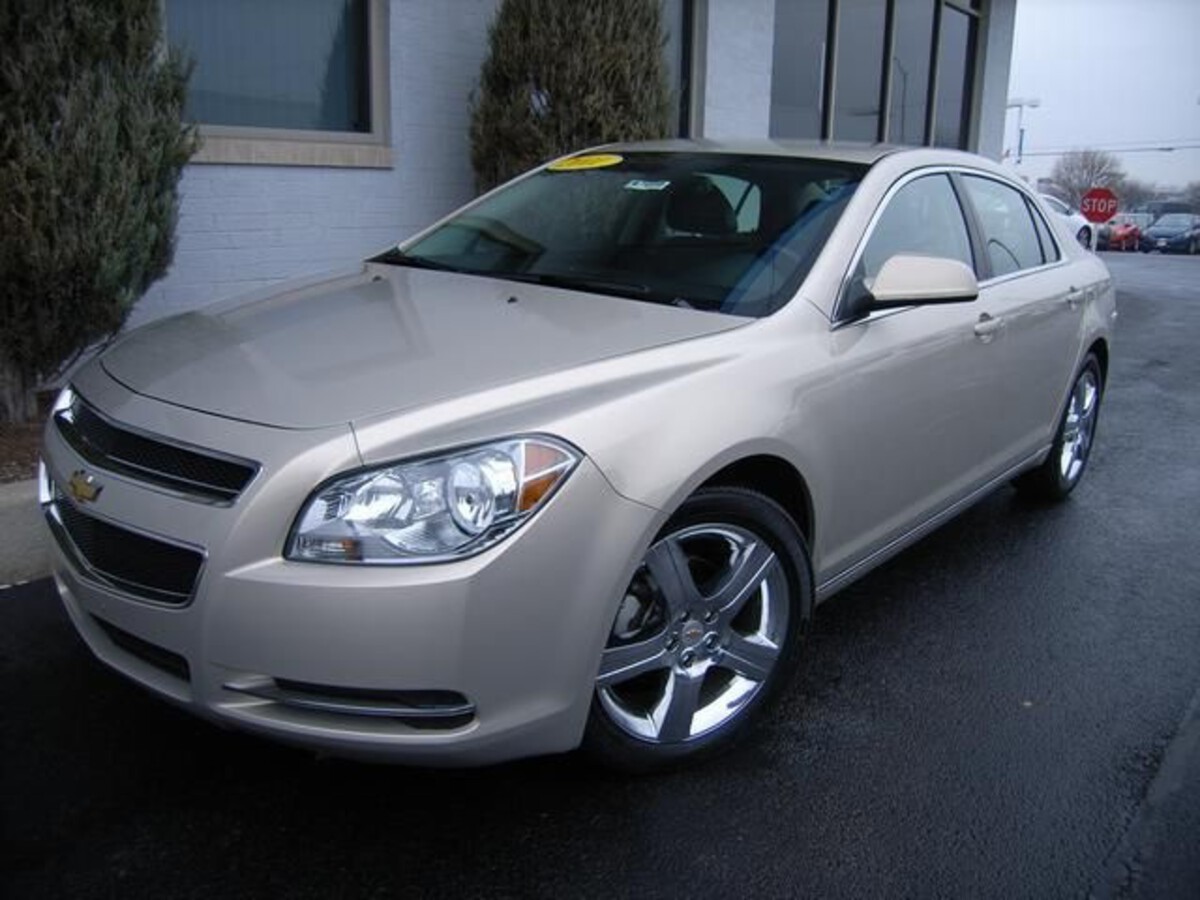
The design flaw lies in poor sealing. Moisture from rain, snow, or even frequent car washes can seep into the switch assembly, accelerating wear. Once corrosion sets in, the switch may stick, require excessive force to operate, or stop functioning entirely.
Owners in colder climates experience another issue: the switches can become stiff or completely unresponsive in freezing temperatures, suggesting the lubricants and materials used were not optimized for a wide range of environments. Even replacement parts from the dealership have been known to fail prematurely, indicating the core design hasn’t been significantly improved.
Given the Malibu’s role as a practical family sedan, the unreliability of such a basic feature is especially disappointing. It’s a classic case where attention to small details could have prevented a lot of owner frustration and warranty claims.
4. BMW 3 Series (E90, 2006–2011)
The BMW E90 3 Series is beloved for its precise handling and solid build, but its window switches are a glaring exception to its otherwise premium feel. Positioned in a way that collects dust and debris, the switches often develop sticking points, making operation inconsistent.
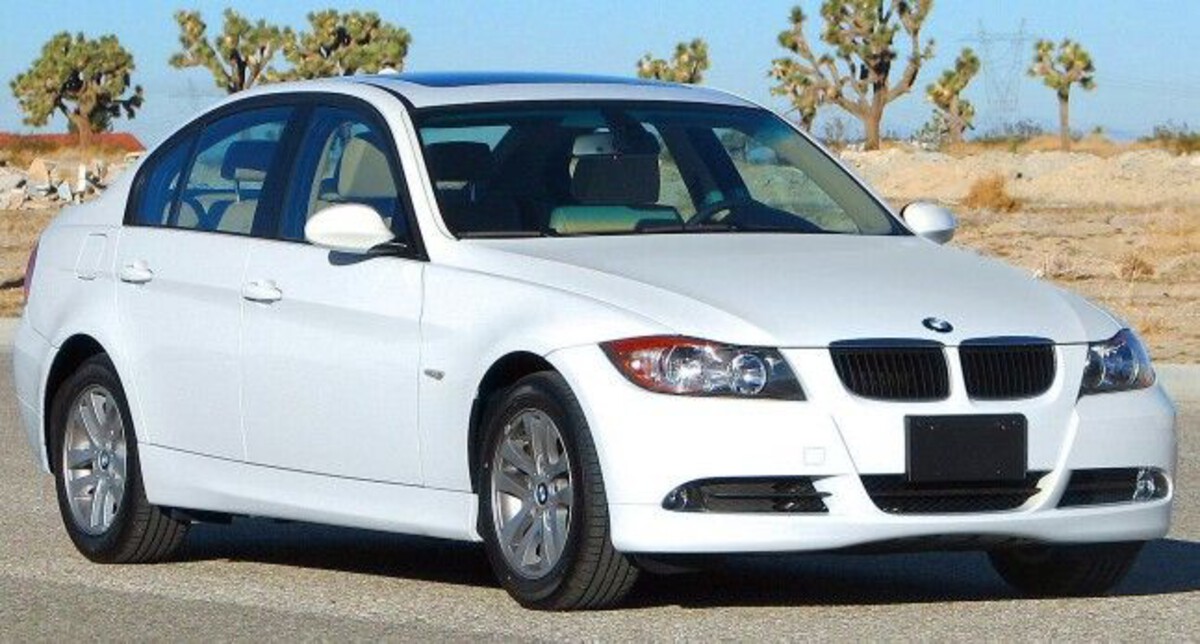
The root cause lies in the overly complex design, which uses multiple small pivot pieces and thin plastic guides. Over time, these wear unevenly, leading to wobbling buttons and unreliable contact. Some owners also report that the switches lose their backlighting, making them harder to locate at night.
Replacement is straightforward but costly, especially for the driver’s master panel, which integrates mirror controls. In some cases, the new switches don’t last much longer than the originals, pointing to a design that prioritizes aesthetics over long-term robustness.
For a brand that markets itself on precision engineering, the fragility of the E90’s window switches is a letdown and a reminder that even premium badges can hide cheap components in high-touch areas.
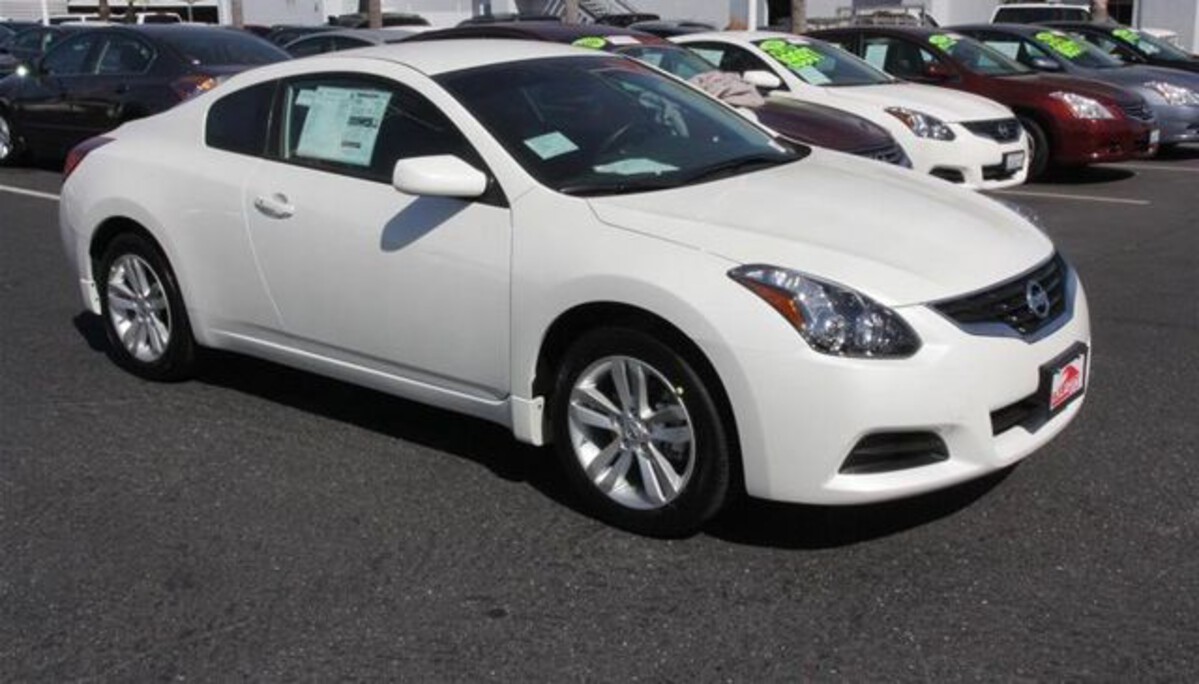
5. Nissan Altima (2013–2018)
This generation of Nissan Altima improved in styling and comfort, but many owners found themselves replacing window switches far earlier than expected. The problem often begins with sluggish or inconsistent response, eventually progressing to total failure of one or more windows.
Internally, the switches use low-grade metal contacts that oxidize quickly, especially in humid climates. The housing also has insufficient sealing, allowing dust and small debris to interfere with the mechanical action. Once compromised, the switch’s actuation becomes rough or “gritty,” and the tactile feedback disappears.
In hotter climates, prolonged sun exposure causes the plastic surface to warp slightly, further impairing smooth operation. Even aftermarket replacements don’t always solve the problem long-term, as they often replicate the original design weaknesses.
Given how frequently drivers and passengers operate windows, this flaw is more than a minor inconvenience it’s a recurring expense and a constant reminder of where corners were cut. The Altima’s comfortable ride and efficient powertrains can’t quite make up for the irritation of having to fight with the most basic of controls.
In the grand scheme of vehicle engineering, window switches might seem insignificant compared to engines, transmissions, or suspension systems. Yet as this comparison shows, these tiny controls can have a big impact on long-term satisfaction.
Vehicles like the Toyota Land Cruiser, Honda Accord, Lexus LS 460, Ford F-150, and Subaru Outback prove that when manufacturers invest in robust design, quality materials, and rigorous testing, even a small plastic button can last for hundreds of thousands of cycles without complaint.
On the other side of the spectrum, the Jeep Grand Cherokee, Volkswagen Jetta, Chevrolet Malibu, BMW E90 3 Series, and Nissan Altima highlight what happens when cost-cutting or poor design compromises durability. The frustration, repair costs, and potential safety concerns all pile up leaving owners with a sour impression that can overshadow the car’s other strengths.
For buyers, the lesson is simple: pay attention to the small stuff. During a test drive, operate every switch and note the feel. Research common issues in owner forums, and don’t assume that a big brand name guarantees quality in every detail. In many cases, the smallest components reveal the most about a carmaker’s philosophy toward long-term ownership.
In an age where touchscreens and voice commands are replacing traditional buttons, it’s easy to overlook the humble window switch. But for those who still value tactile control and dependable function, these examples prove that the difference between satisfaction and frustration can be found right at your fingertips. Durable switches don’t just make life easier they quietly reflect a level of engineering care that benefits the entire vehicle.