
Not every car can handle a lead foot or long days on the road without crying for help. Push the wrong model too far and you’re looking at overheating engines, worn-out transmissions, or expensive suspension repairs.
But some vehicles are built with stronger drivetrains, better cooling systems, and durable components that make them perfect for spirited driving or heavy daily use.
Whether you’re hitting backroads on the weekend or piling on highway miles during the week, these ten cars have proven they can take a beating and keep going.
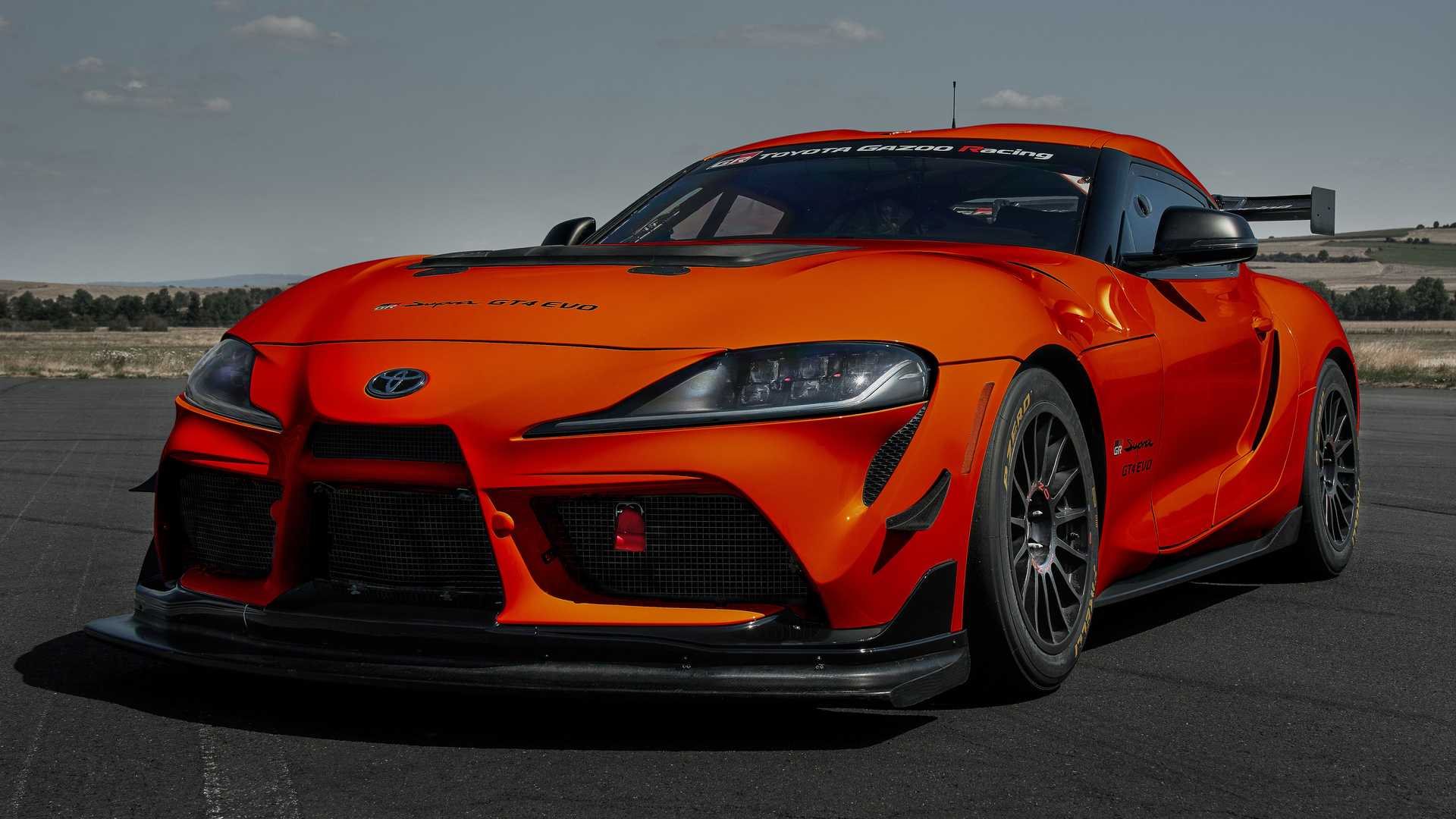
1. Toyota GR Supra
Toyota’s modern GR Supra blends BMW’s turbocharged inline-six engineering with Toyota’s tuning for reliability.
The engine can handle repeated high-RPM pulls without significant wear, and the cooling system is well-designed for extended spirited driving.
Owners report that even after track days, maintenance needs are minimal beyond standard oil changes.
Toyota’s reputation for practical value is well-earned, but the brand also has a bold, spirited side, led by the GR Supra, an unapologetic two-door sports car built for performance and driving enjoyment.
Although it shares much of its DNA with the BMW Z4 convertible, which is built alongside it, the Supra offers a more youthful, street-smart design and personality. Both vehicles use a 382-hp turbocharged 3.0-liter six-cylinder engine, Toyota has dropped the four-cylinder Supra for 2025, and a rear-wheel-drive-only platform.
For purists, Toyota provides a six-speed manual transmission at no extra cost alongside the standard eight-speed automatic. Inside, the Supra features a functional, well-assembled cabin, although it’s clear many components come from BMW.
The interior is tight in the traditional sports coupe style, but most drivers, except the tallest or widest, can find a reasonably comfortable position with a bit of adjustment. Packing light is essential.
While the Supra is not designed for long-distance comfort, it thrives on winding back roads with sweeping curves and occasional track days to keep things exciting. This engaging character has earned it a place on the Editors’ Choice list for 2025.
Ranked #4 in Best Performance Sports Cars, the 2025 Toyota GR Supra follows the Chevrolet Corvette (starting at $70,195), Porsche 718 Cayman (starting at $77,395), and Porsche 718 Boxster (starting at $79,595), while staying ahead of the BMW Z4 (starting at $55,675) and Lotus Emira (starting at $102,250).
For 2025, the Supra carries over largely unchanged, with the main update being the removal of the previous four-cylinder engine from the lineup. Pricing starts at $57,445 and tops out at $60,595 depending on trim and options. The 3.0 trim begins at $57,445, while the 3.0 Premium costs $60,595.
The no-cost manual transmission softens the blow of losing the four-cylinder, aligning perfectly with the Supra’s personality. Every GR Supra comes with a complimentary one-day high-performance driving event and a one-year membership to the National Auto Sport Association.
Skipping the Driver Assist package—which includes adaptive cruise control, blind-spot monitoring, and lane-keeping assist—can save money better spent on extra track time and fresh tires.
Under the hood, the 382-hp turbocharged inline six-cylinder delivers all the performance expected, and it remains the sole engine for 2025.
Both base and Premium trims allow buyers to choose between the manual and automatic transmissions. Although the automatic is quicker on paper, it cannot match the engaging, rewarding feel of shifting gears manually in a rear-wheel-drive sports car.
The GR Supra’s suspension is compliant enough for daily use, and its steering is precise, well-weighted, and direct, enhancing its fun-to-drive personality. The only drawback noted in long-term testing is its tendency to get stuck easily in snowy conditions.
Also Read: 10 Best-Selling Cars in the U.S. and What Makes Them Stand Out
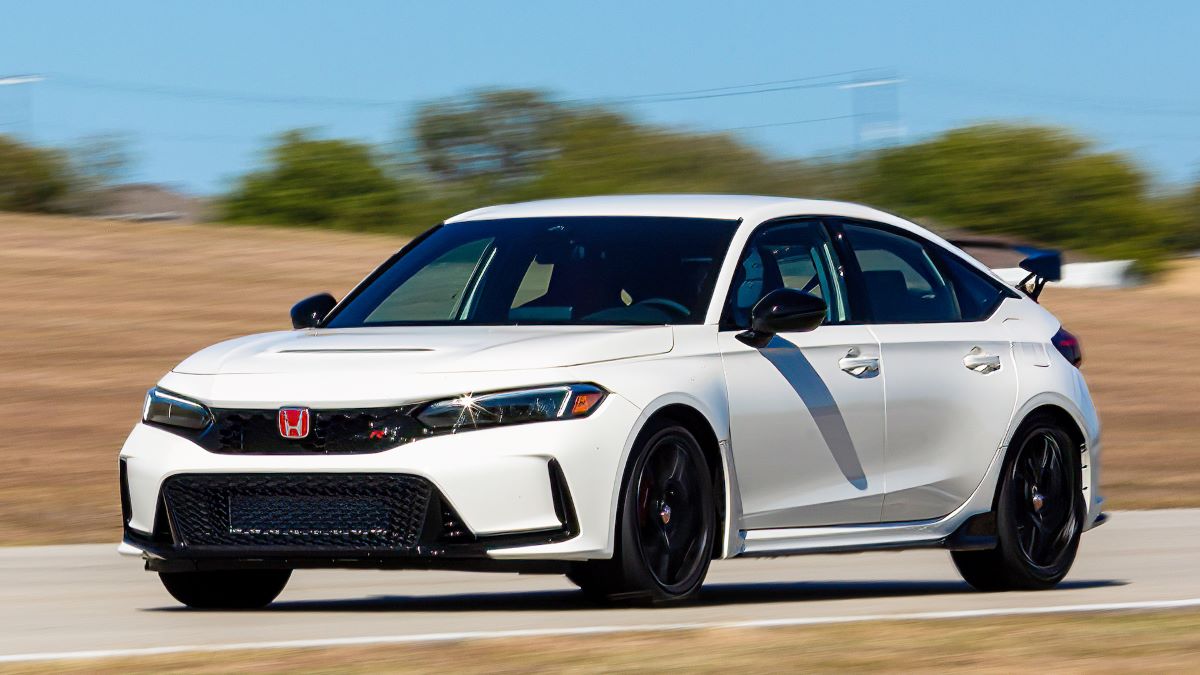
2. Honda Civic Type R
The Civic Type R isn’t just quick it’s incredibly durable for a front-wheel-drive performance car. The 2.0L turbocharged engine is overbuilt for its output, and the six-speed manual gearbox is one of the most robust in its class.
Many US owners track their Type R regularly without suffering clutch or transmission failures, a rare feat in performance hatchbacks.
The previous Civic Type R was met with widespread acclaim, with only minor criticisms aimed at its infotainment system or styling, issues easily overshadowed by the sheer joy of driving it.
Praised as “the pinnacle of front-wheel-drive performance” and “the best hot hatch in decades,” the Civic Type R delivered an experience that left enthusiasts in awe.
Such high praise set lofty expectations for the next-generation model. Given how impressive the new Civic lineup has proven to be, it’s little surprise that the latest Civic Type R earns similar admiration.
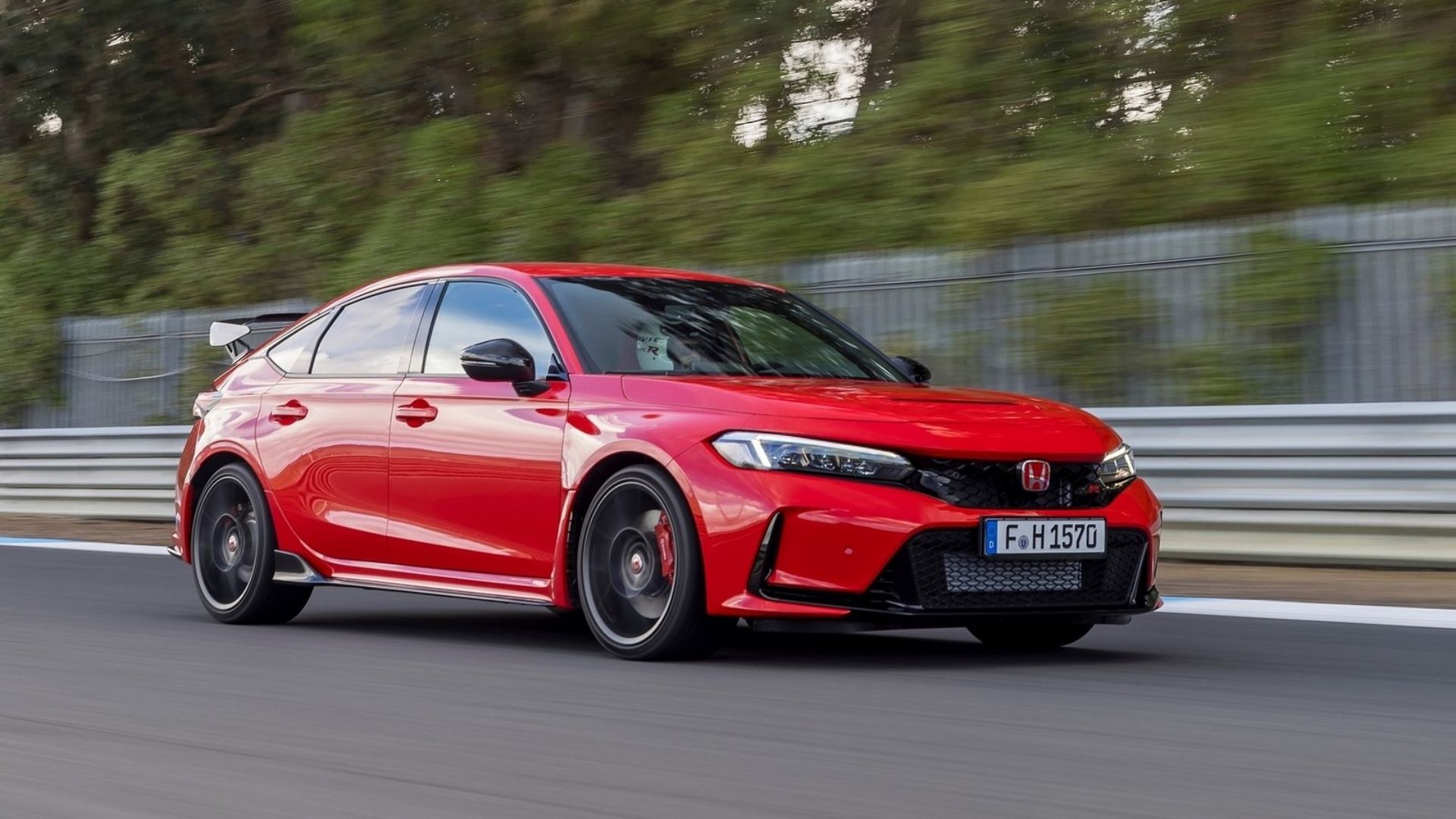
Our first taste of Honda’s hottest hatch came in dramatic fashion, riding shotgun with Formula 1 World Champion Max Verstappen on a racetrack, where we experienced a car with sharper front-end response, a stiffer structure, and easy corner-entry rotation.
After finally taking the wheel ourselves, it’s clear the new Civic Type R is a standout. From the very first corner, it inspires total confidence, delivers exceptional grip on both road and track, and remains composed even when hitting midcorner bumps. Beyond its capability, it’s simply fun to drive.
However, we do find its adjustable steering, suspension, and engine modes more cumbersome than in the previous generation. Its performance figures are slightly tamer, and fuel efficiency isn’t a strong point, but it still ranks among the very best sport compacts available today.
The 2023 Civic Type R retains its title as the most powerful Honda sold in the U.S., thanks to a revised 2.0-liter turbocharged inline-four producing 315 hp and 310 lb-ft of torque, gains of nine horsepower and 15 lb-ft over the 2021 model, the final year of the previous generation.
These improvements stem from a new turbocharger, an updated exhaust system, and enhanced cooling. The car continues to use a rev-matching six-speed manual transmission, which Honda says has been improved, and remains front-wheel drive.
In April 2022, the Type R set the production-car FWD track record at Japan’s Suzuka Circuit. Contributing to its impressive performance are refined suspension and steering systems, along with a lighter, more rigid body structure that further enhances its track-ready character.
3. Ford Mustang GT (Coyote V8)
Ford’s 5.0L Coyote V8 is known for living comfortably in the 7,000 RPM range and surviving years of aggressive driving.
The block and internals are designed for high heat and stress, and the aftermarket support means replacement parts are easy to find. US Mustang GT owners often daily drive their cars while also using them for drag strip weekends.
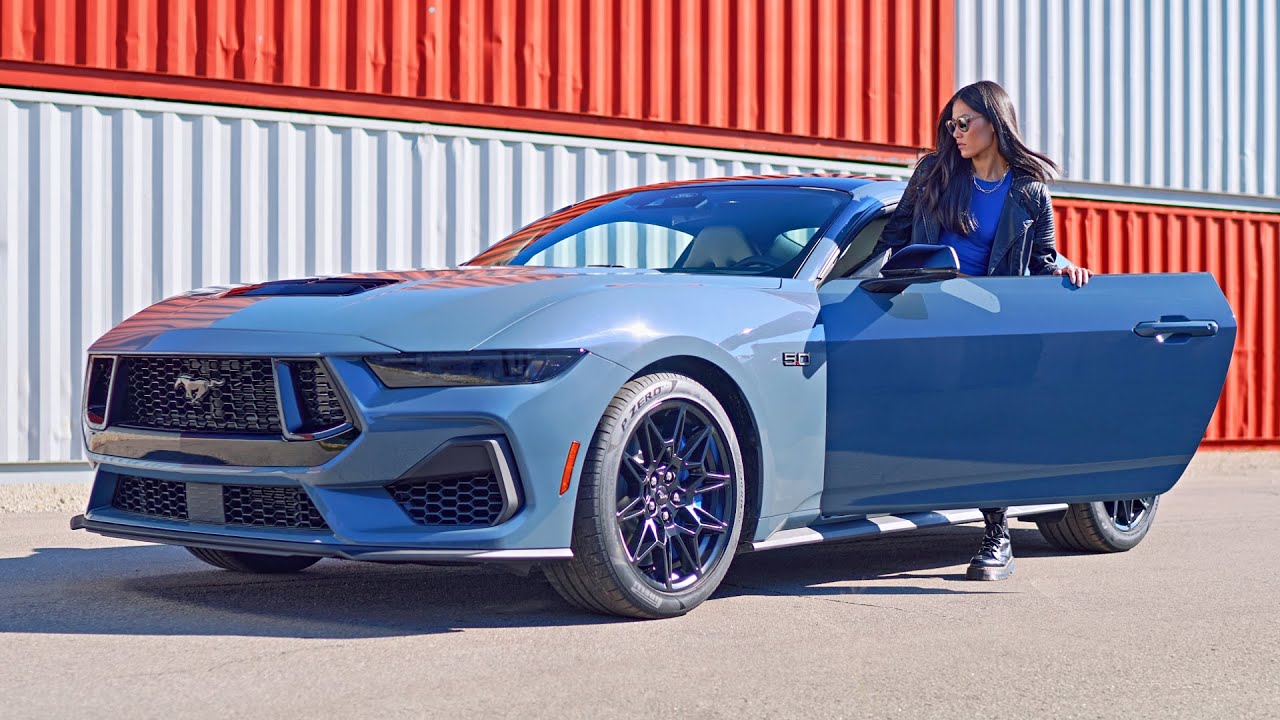
The GT proudly carries its heritage into the modern era, showcasing a refreshed design for 2025 that blends classic Mustang DNA with contemporary styling.
Its redesigned front fascia and open grille pay homage to the original fastbacks of the 1960s, while functional hood vents and a subtle rear spoiler emphasize its aggressive character. Tri-bar LED headlights and a wider track enhance its commanding road presence.
New paint choices, including Vapor Blue, Ember Red, and Grabber Blue, add bold visual appeal, while optional appearance packages like the GT Performance Package introduce a more track-oriented look along with upgraded cooling systems.
Inside, the 2025 Mustang GT embraces a modern, driver-focused design. The fully digital cockpit pairs a 12.4-inch digital instrument cluster with a 13.2-inch touchscreen, both angled toward the driver in true performance-car tradition. The result is a cabin that retains the unmistakable Mustang identity while catering to a tech-forward generation.
Performance remains the GT’s highlight, with Ford’s 5.0-liter Coyote V8 under the hood, now tuned to produce 480 horsepower and 418 lb-ft of torque, slightly more than the 2024 model.
Opting for the active-valve performance exhaust boosts output to 486 horsepower while maintaining the same 418 lb-ft of torque, placing the GT among the most powerful non-special-edition Mustangs ever offered. Transmission choices include a 6-speed manual for purists or a 10-speed automatic for quicker shifts and improved fuel efficiency.
4. Mazda MX-5 Miata
Lightweight and simple, the MX-5 doesn’t need a massive powertrain to feel engaging. Because it’s so light, the engine and suspension aren’t under constant heavy strain, which helps longevity.
Even when pushed hard on twisty roads, the Miata rarely suffers from heat soak or mechanical breakdowns, making it a favorite among driving enthusiasts.
The Mazda MX-5 Miata is enjoying a strong sales year, shaking off any prior stagnation and showing renewed momentum in 2025. In July alone, sales reached 1,163 units, which may seem modest in a market where that many F-Series trucks can sell in just half a day, but it represents a significant win for the small sports car.
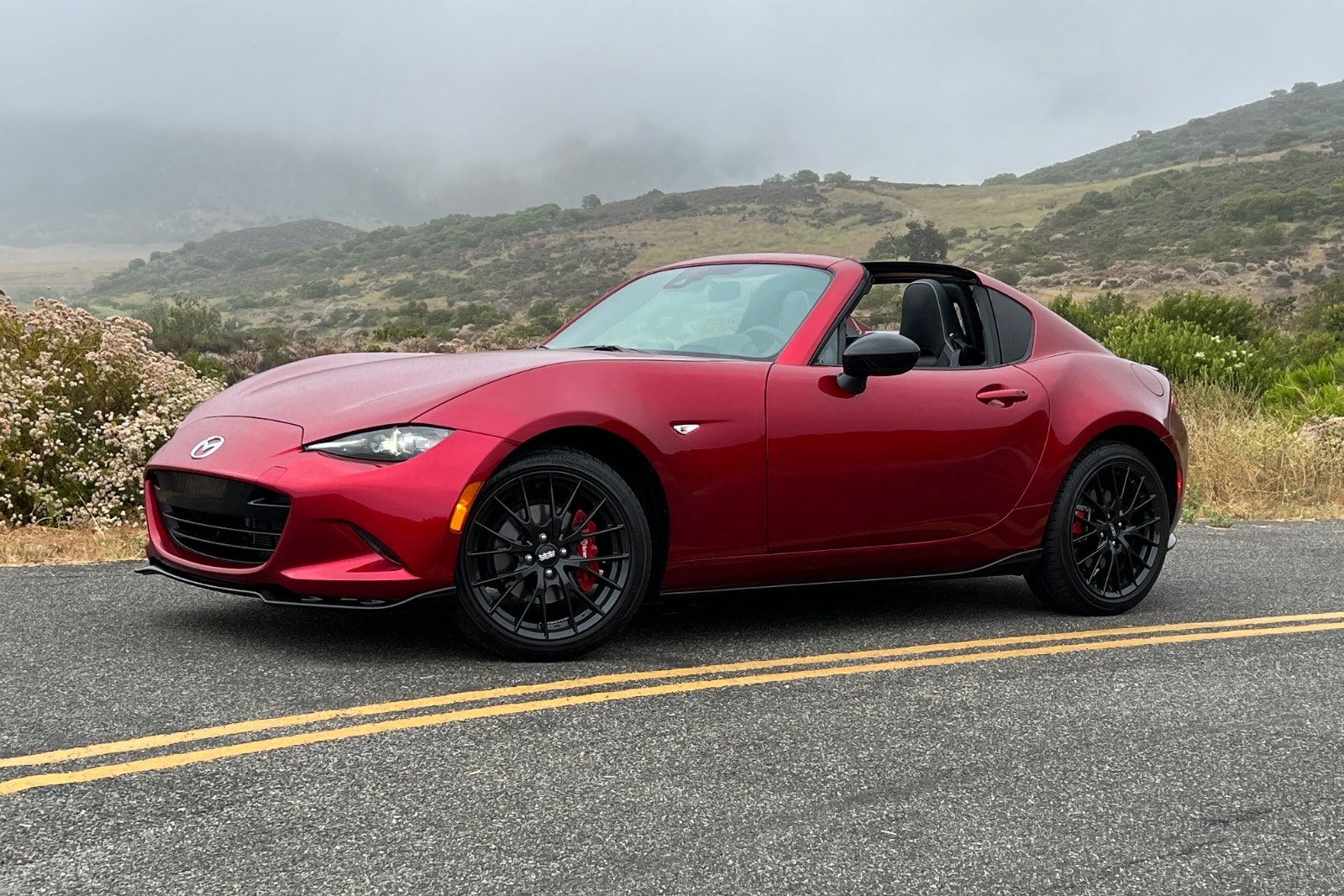
Compared to the same month last year, sales have surged by 131%, and although the figure is slightly lower than in June 2025, Mazda dealers have reason to be pleased that buyers are still embracing the brand’s iconic two-seat roadster.
Beyond a strong July, the Miata’s year-to-date performance is equally encouraging. By the end of July 2025, Mazda had sold 5,935 MX-5 roadsters and RF coupes, a healthy 32% increase over the 4,508 units sold during the same period in 2024.
This puts the current year on track to be one of the best for the ND-generation Miata, potentially falling between the 11,294 units sold in 2017 and the 10,470 sold in 2021. Such growth underscores the car’s enduring appeal among driving enthusiasts, even in a market increasingly dominated by SUVs and trucks.
However, despite its upward trend, the Miata remains a niche player in the broader automotive market.
Its closest competitor, the Toyota GR86, does not report monthly sales but recorded 5,427 units sold from January through June 2025, compared to the Miata’s 4,772 units during the same period. Given these numbers, it appears unlikely that the smaller, less practical convertible will overtake its 2+2 coupe rival by year’s end.
Also Read: 10 Cars That Survive Stop-and-Go Traffic Without Complaints
5. Subaru WRX (Latest Generation)
Subaru’s rally heritage is baked into the WRX’s design. The turbocharged flat-four and symmetrical all-wheel drive system are engineered for rough conditions and hard launches.
While older WRX models had reliability concerns, the latest generation has improved engine cooling and stronger gearboxes, making it a better long-term choice for aggressive drivers.
Subaru’s 2025 WRX stays true to the winning formula that has defined it for decades—a sport compact sedan powered by a lively turbocharged flat-four engine sending power to all four wheels.
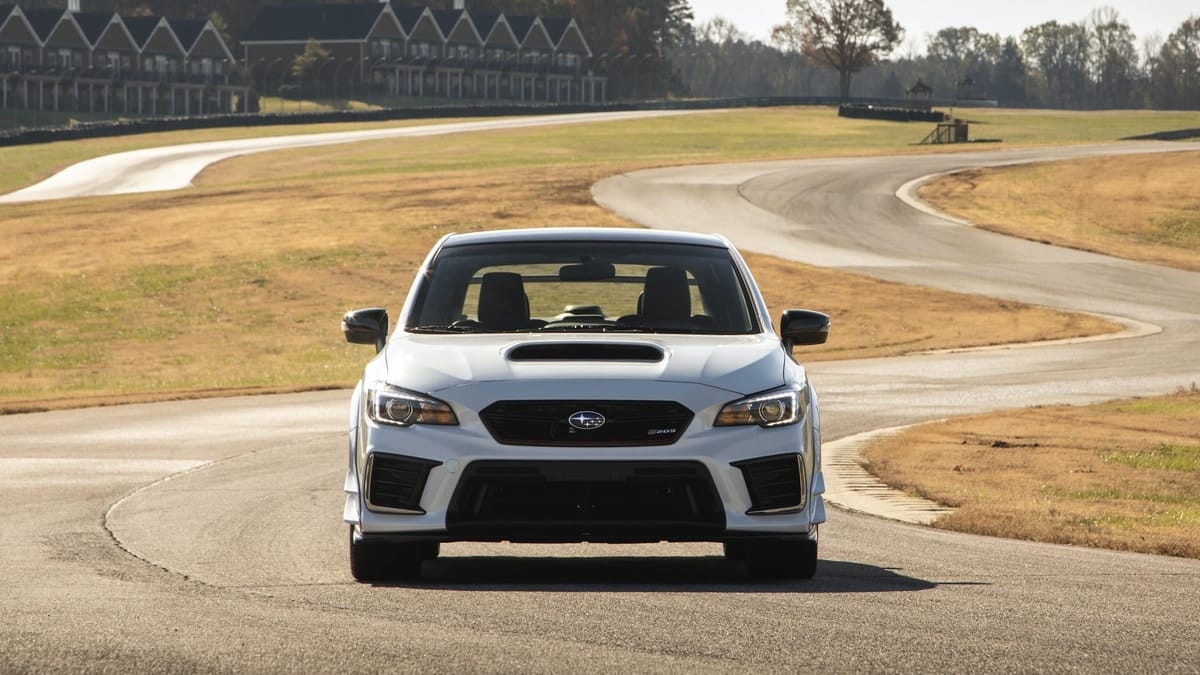
This signature setup is rooted in the WRX’s rally racing heritage, a motorsport built on the challenge of driving as fast as possible over unfamiliar country roads.
In such conditions, all-wheel drive is essential for tackling varying surfaces ranging from dirt and gravel to smooth asphalt, while a compact yet potent turbocharged engine delivers brisk acceleration out of corners. For 2025, the WRX gains even more appeal with the introduction of the new tS trim, further enhancing its performance credentials.
6. Chevrolet Camaro SS
The Camaro SS’s 6.2L LT1 V8 is borrowed from the Corvette, and it’s as tough as it is powerful. It can handle repeated high-speed runs without losing oil pressure or overheating.
Many US owners use Camaro SS models as both weekend track cars and daily commuters without major reliability issues.
The 2010 Chevrolet Camaro has proven to be one of the most well-received Detroit-born designs in recent memory. For our part, we never pass up the opportunity to get behind the wheel, and when we do, we often find ourselves going back for more.
Last summer, we enjoyed a couple of weeks with a Camaro V6 during vacation, and now its big V8 sibling, the SS, has arrived for a full MotorWeek evaluation. It’s time to let the classic muscle-car spirit roar once again.
At the heart of what makes the 2010 Chevrolet Camaro SS so special is the powerhouse under its hood.
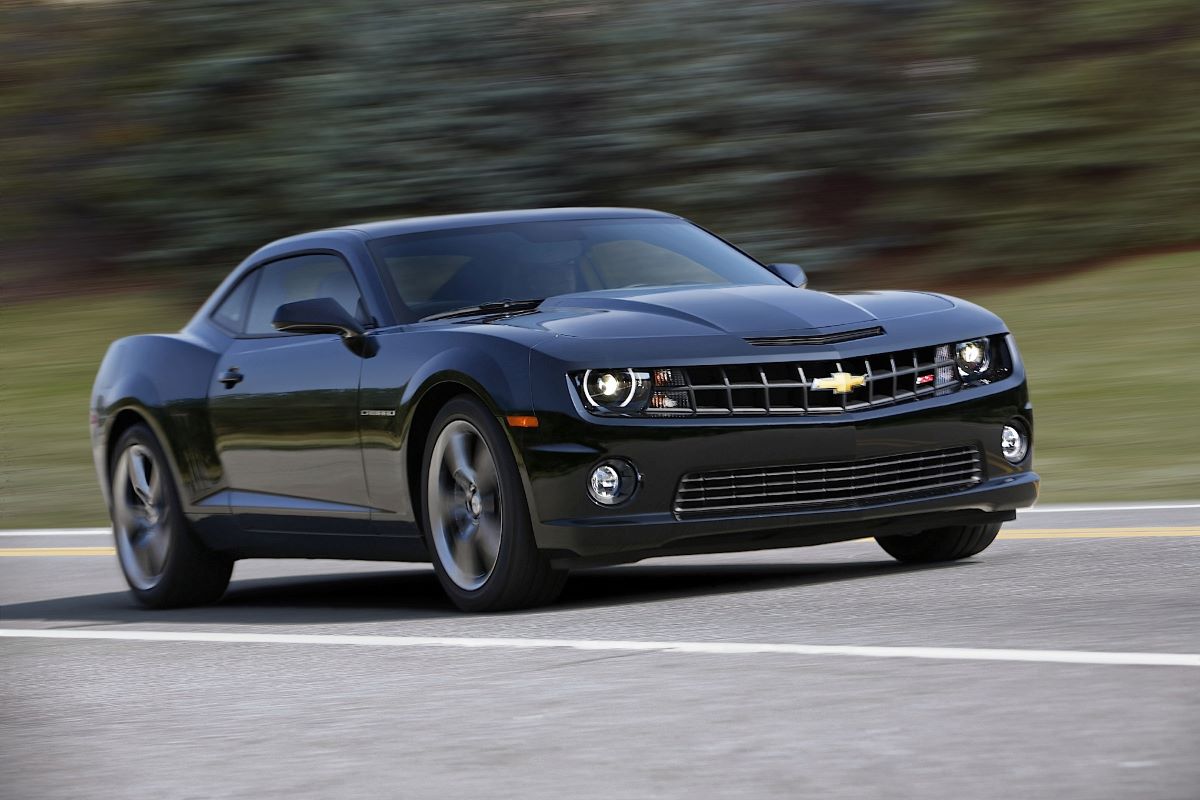
In fact, buyers have a choice between two formidable setups, one paired with a robust 6-speed manual transmission and the other with a smooth-shifting 6-speed automatic. Both versions feature massive 6.2-liter aluminum-block pushrod V8 engines derived from the motor that debuted in the 2008 Corvette.
The manual model is equipped with the LS3, producing an impressive 426 horsepower, far surpassing the Ford Mustang GT’s 315 and the Dodge Challenger R/T’s 376 horses. Torque comes in at 420 pound-feet. You would have to step up to the much pricier Mustang Cobra or Challenger SRT8 to beat the SS’s performance figures.
The automatic version is fitted with the L99, rated at a still-formidable 400 horsepower and 410 pound-feet of torque, and it incorporates Active Fuel Management, which deactivates four of the eight cylinders during steady cruising for improved highway efficiency.
When it came time for track testing, we naturally chose the LS3-equipped manual, which launched from 0 to 60 mph in just 5 seconds flat and tore through the quarter-mile in 13.3 seconds at 109 mph. These results give the Camaro SS a slight but definite edge over both of its main rivals.
7. Porsche 911 Carrera (Naturally Aspirated Models)
The 911’s reputation for durability comes from decades of engineering refinement.
Even when driven aggressively, naturally aspirated 911s especially from the 997 and 991 generations maintain their performance without frequent mechanical failures. Porsche builds these cars expecting owners to drive them fast and often.
To celebrate 70 years of selling cars in North America, Porsche has introduced a special off-road-ready Dakar version of the 911. Equipped with knobby tires, a lifted suspension, and the same powertrain found in the Carrera 4 GTS, the Dakar blends rally-inspired capability with the classic 911 formula.
Production is limited to just 2,500 units, with a starting price of $223,450. Also joining the lineup is the America Edition GTS cabriolet, a range-topping variant limited to 100 units for the United States (plus 15 for Canada).
Every America Edition comes with a seven-speed manual transmission, Azure Blue 356 exterior paint, tri-finish wheels with white, silver, and red accents, and unique bodyside graphics. Inside, black leather upholstery is accented with red detailing, while illuminated door sill plates honor the brand’s North American heritage.
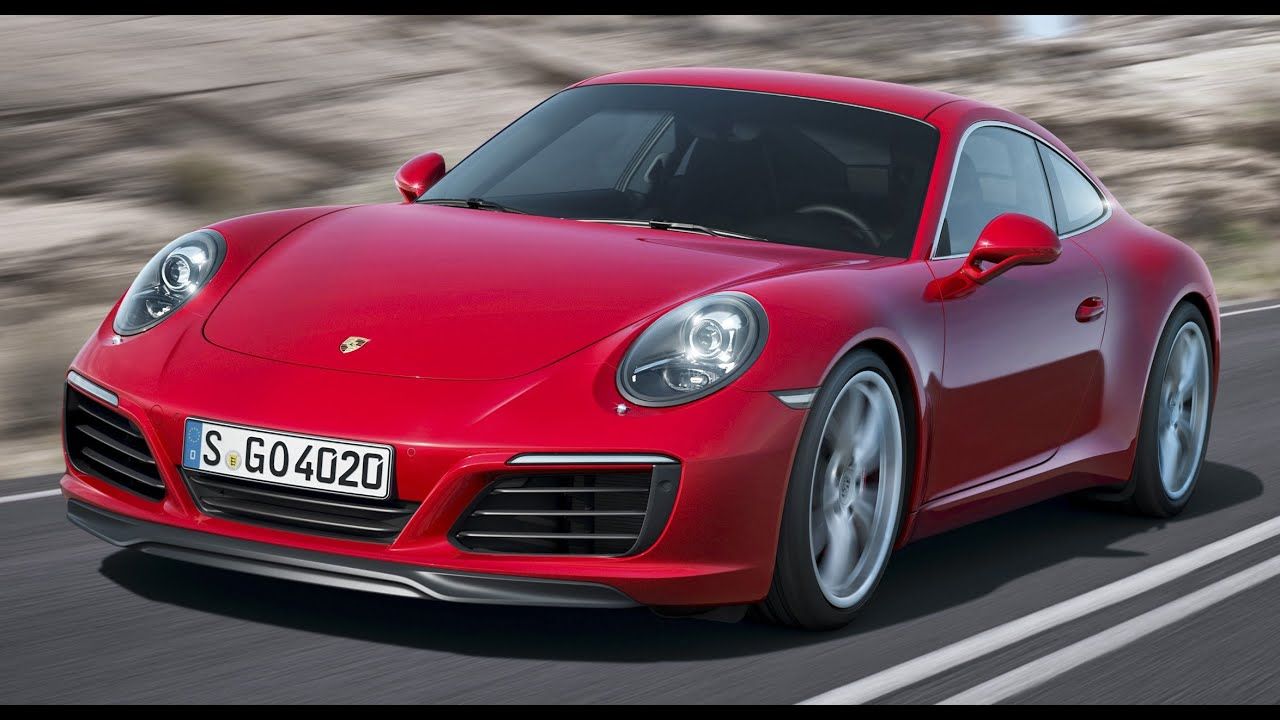
With pricing starting at $186,370, interested buyers will need to act quickly before this limited-run model sells out. Rounding out the additions for 2023, the purist-focused Carrera T returns to the lineup with rear-wheel drive, no rear seats, and a manual transmission for $118,050.
Based on extensive experience with numerous 911 variants, the Carrera S stands out as the best choice. It offers 64 more horsepower than the base Carrera, and while enthusiasts may prefer the manual, Porsche’s dual-clutch automatic is one of the finest self-shifting gearboxes in the world.
For those facing slippery winter conditions, adding all-wheel drive for \$7,300 can provide extra confidence, though a dedicated set of winter tires may suffice. The coupe body style remains a favorite, especially considering that the cabriolet commands nearly a \$13,000 premium.
Powering the 911 lineup is a rear-mounted, twin-turbocharged 3.0-liter flat-six engine. Output varies by model, with the base Carrera producing 379 horsepower, the Carrera S delivering 443 horsepower, and the GTS generating 473 horsepower.
Every version comes standard with a lightning-fast eight-speed automatic transmission, while a seven-speed manual is available exclusively on the S and GTS trims. Coupe and cabriolet models feature standard rear-wheel drive but can be optioned with all-wheel drive, while the Targa is AWD-only.
The GTS with the eight-speed automatic hit 60 mph in just 2.8 seconds, while the manual-equipped version managed 3.2 seconds. The Dakar landed in between with a 2.9-second sprint. Porsche’s available sport exhaust enriches the driving experience with a deeper, more resonant sound.
8. Lexus IS 500 F Sport Performance
Lexus stuffed a naturally aspirated 5.0L V8 under the hood of the IS 500, creating a luxury sedan that can handle aggressive driving without wearing out prematurely.
The engine, shared with the RC F, is well-proven and can handle years of hard acceleration without timing chain, cooling, or oil consumption issues.
If you thought the latest Lexus IS was simply a carryover from the previous generation, you wouldn’t be far off. The 2025 model feels more like a significant evolutionary update than a complete redesign, with much of its underlying structure tracing back to the IS that debuted over a decade ago.
However, subtle exterior refinements set it apart, such as sleeker lighting assemblies front and rear, and a wraparound taillight bar that spans the entire rear end.
It remains a sharp-looking sedan, though telling the IS 500 F Sport Performance apart from the IS 350 F Sport might be tricky, at least until you notice the bulging hood, quad exhaust tips, unique trunk badge, or experience what’s under the hood.
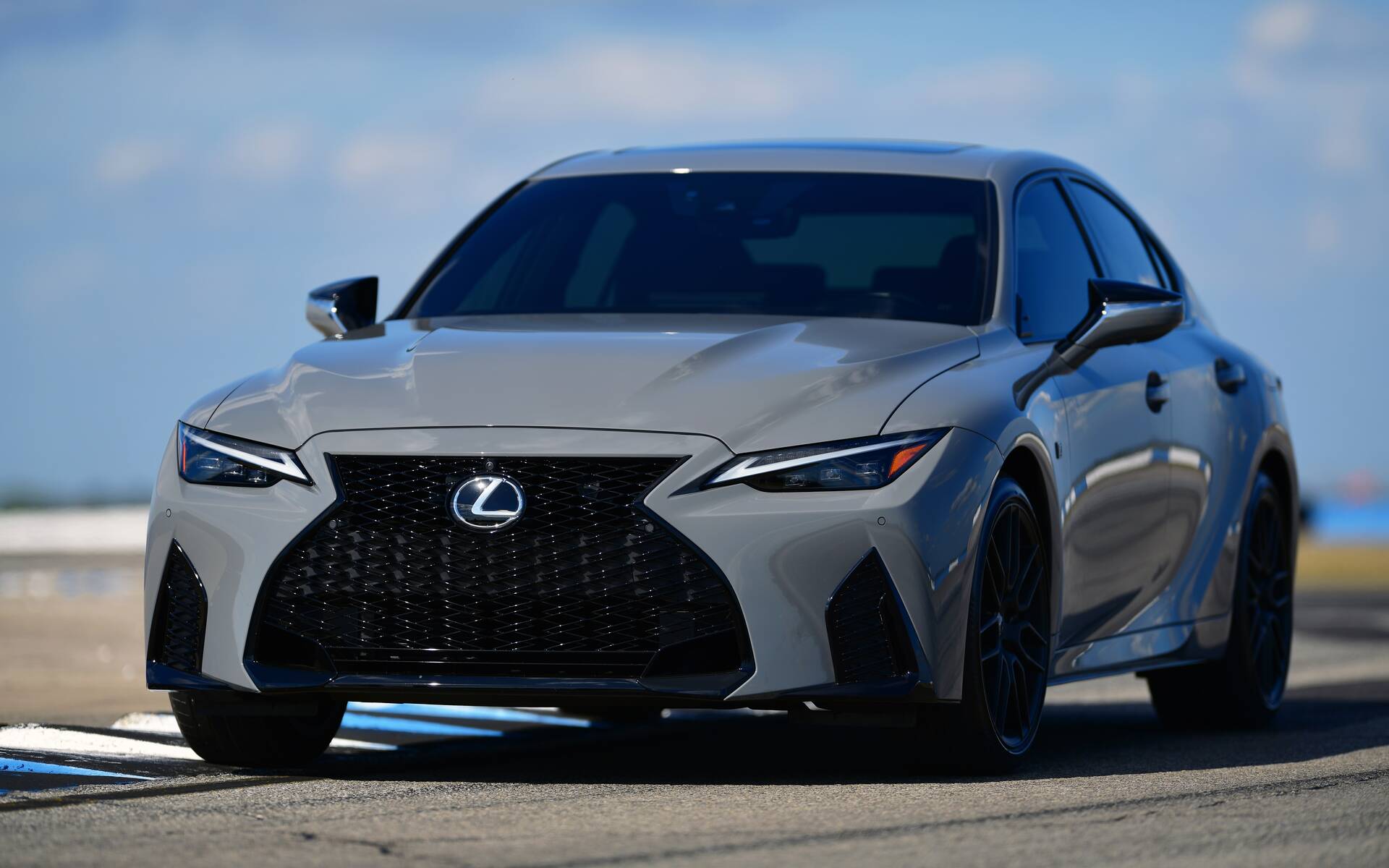
Dimensionally, the IS 500 measures 187.3 inches in length, 72.4 inches in width, and 56.5 inches in height, with a wheelbase of 110.2 inches. The front track is 62.2 inches, the rear track is 62 inches, and curb weight comes in at 3,891 pounds. More importantly, this is not just an IS with a big V8 dropped in.
Drawing inspiration from the original IS F (produced from 2007 to 2014), Lexus equipped the IS 500 with Yamaha-tuned and upgraded rear performance dampers, sport-tuned suspension components, larger brakes, a limited-slip rear differential, and various steering and chassis enhancements.
While it may not be a full-blown IS F, the IS 500 comes closer than anything in Lexus’ current lineup. On the road, it delivers heavy, direct steering, impressive body control, and a suspension setup that inspires confidence whether carving through winding mountain roads or tackling a track day.
It’s not quite as razor-sharp as a BMW M3 or Cadillac CT4-V Blackwing, but unless you’re constantly pushing it to the absolute limit, the difference is negligible.
The real star of the show is the engine. Under the hood lies the familiar 5.0-liter 2UR-GSE V8, shared with the original IS F, RC F, GS F, and LC 500.
This Yamaha-tuned powerplant has been refined from the IS F’s original 414 horsepower and 371 lb-ft of torque to an impressive 472 horsepower and 395 lb-ft of torque.
That puts it nearly on par with a base BMW M3, delivering an intoxicating mix of sound, speed, and character that few modern sedans can match.
9. BMW M2 (G87 Generation)
BMW’s latest M2 uses the S58 twin-turbo inline-six, which is designed for both high output and long-term reliability.
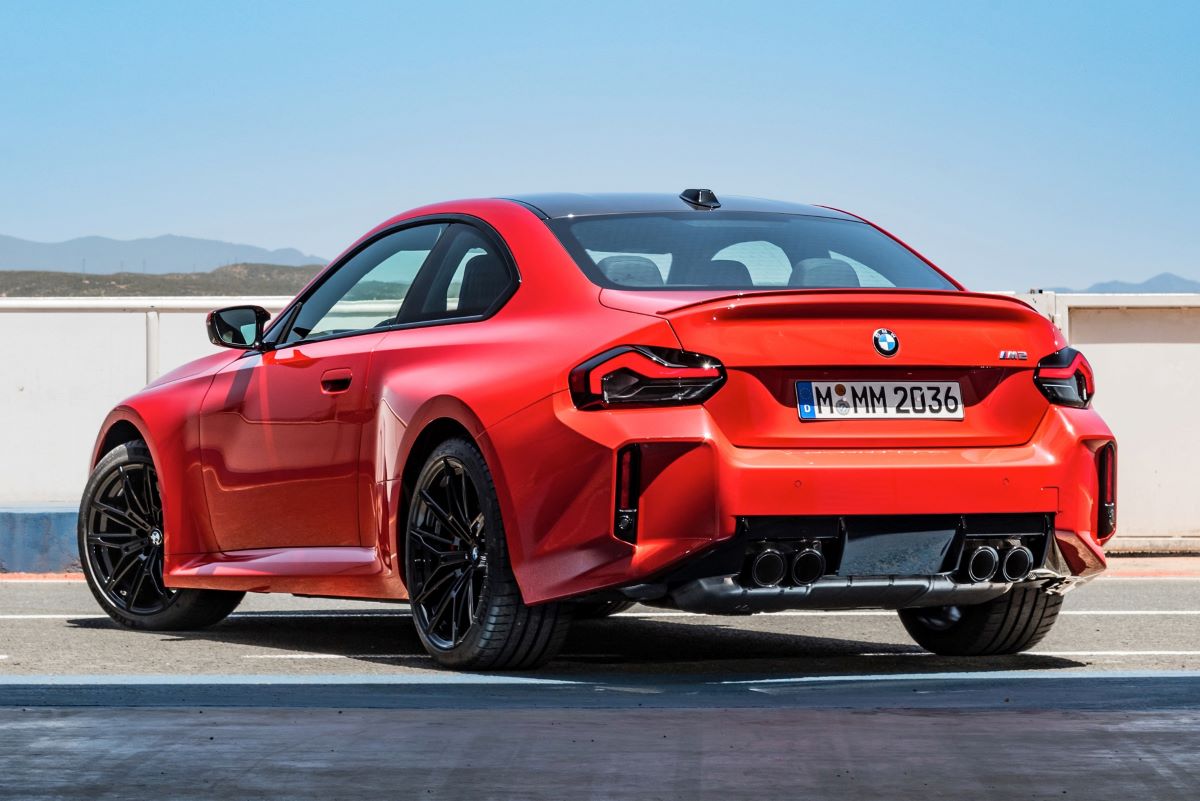
Strong internals, advanced cooling systems, and precision engineering allow it to handle track use without excessive wear. US enthusiasts who push their M2s daily report minimal issues beyond standard maintenance.
For 2025, BMW’s iDrive system advances to the new 8.5 operating system, with climate controls, including seat heating and ventilation, now integrated into the 14.9-inch infotainment display rather than managed through physical buttons.
Interior updates include a leather-covered, flat-bottomed steering wheel with a red center marker, with synthetic leather and heating available as options.
BMW’s Individual paint program also adds striking hues such as Java Green metallic, Voodoo Blue, Grigio Telesto Pearl Effect metallic, and Twilight Purple Pearl Effect metallic. Standard black exhaust tips and a silver border for the front and rear badges further update the look.
The 2025 BMW M2 starts at $66,675, and for purists, the standard six-speed manual transmission remains the top choice, elevating an already great driver’s car to sublime levels.
For those who frequent high-speed track days, the M Driver’s Package increases the top speed from 155 mph to 177 mph. Otherwise, the M2 arrives perfectly dialed in from the factory, delivering exhilarating performance the moment it leaves the dealership floor.
10. Dodge Challenger R/T Scat Pack (6.4L HEMI)
The naturally aspirated 6.4L HEMI V8 in the Scat Pack Challenger is overbuilt, making it ideal for hard driving. It thrives on high-RPM pulls and drag strip runs, and the block can handle significantly more power than stock.
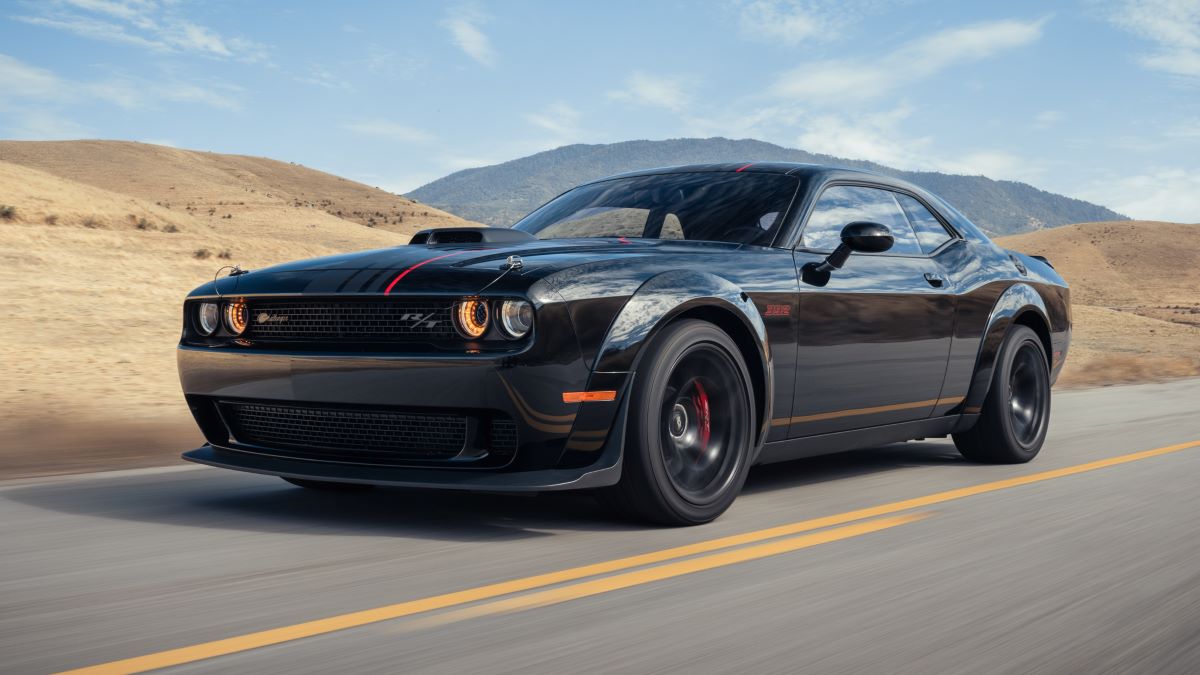
Many owners in the US have clocked over 150,000 miles while still enjoying weekend burnouts without major repairs. These cars don’t just survive spirited driving they’re built for it.
The Challenger R/T Scat Pack 1320, named for the 1/4-mile distance of 1,320 feet, incorporates exclusive drag-strip technology derived from the legendary Dodge Challenger SRT Demon.
Under the hood, it houses a naturally aspirated 6.4-liter (392 cubic-inch) HEMI V8 engine producing 485 horsepower and 475 lb.-ft. of torque. Designed as a drag-focused yet street-legal muscle car, the R/T Scat Pack 1320 serves as a blank canvas for serious grassroots drag racers. For 2023, it returns to offer an alternative to the 807-horsepower Challenger SRT Super Stock.
With a 1/4-mile elapsed time (E.T.) of 11.70 seconds at 115 miles per hour (mph), the showroom-stock Challenger R/T Scat Pack 1320 stands as the fastest naturally aspirated, street-legal muscle car available. With 2023 marking the final year of the current generation Challenger, the last run of drag-oriented muscle cars has begun arriving in dealer showrooms.
The 2023 Dodge Challenger R/T Scat Pack 1320 comes equipped with a range of performance-oriented features. The TorqueFlite 8HP70 8-speed automatic transmission is required for this model, replacing the standard manual transmission found in the Dodge Challenger R/T Scat Pack.
Torque Reserve works alongside the TransBrake and Launch Control by adjusting fuel flow to cylinders and managing spark timing to balance engine rpm and torque, ensuring maximum power delivery and launch performance.
The standard interior configuration includes only a driver’s seat, reducing weight by approximately 114 pounds, while the front passenger seat and rear seat can be added individually for $1 each.
A performance-tuned asymmetrical limited-slip differential with a 3.09 final drive and extreme-duty 41-spline rear axle half shafts borrowed from the Challenger SRT Demon enhance durability and performance. The Line Lock feature engages the front brakes to keep the car stationary while allowing the rear wheels to spin for burnouts, heating and cleaning the tires.
Launch Assist uses wheel speed sensors to detect and prevent wheel hop, modifying engine torque in milliseconds to regain grip. Launch Control manages tire slip during straight-line acceleration.
The car rides on Low Gloss Black 20 x 9.5-inch aluminum-forged wheels with knurled bead seats to minimize tire slippage, while stopping power comes from the Brembo High-performance Brake Package with four-piston calipers.
While regular maintenance is still crucial, these models are engineered with durability in mind, meaning you can enjoy your daily drive or weekend blasts without constantly worrying about the repair bill.
