In 2025, the U.S. used-car market is experiencing an unusual shift. Prices for pre-owned vehicles remain elevated, with the average three-year-old car costing around $30,522 up 2.3% from last year.
The price gap between new and used models has narrowed to roughly $17,000, making the decision between buying new or pre-owned more difficult for many Americans.
At the same time, owners are holding onto their vehicles longer, with the average trade-in age now at 7.6 years. This trend is leading to a scarcity of used inventory on dealer lots, and some models have become exceptionally rare as trade-ins.
Whether due to niche appeal, discontinued status, reliability concerns, or simply low demand, the following nine vehicles have become uncommon sights in the trade-in market.
1. Ford C-Max Hybrid
The Ford C-Max Hybrid has nearly vanished from trade-in activity. This once-popular hybrid was discontinued several years ago, and today it generates almost no consumer search interest on the used market.
As newer and more advanced hybrid options flood the market, the C-Max’s aging design and lack of availability have pushed it further into obscurity.
When Ford brought the European-inspired C-Max to the United States a few years back, the company made a bold choice: skip the traditional internal-combustion models offered overseas and import only the hybrid versions.
At the time, many questioned how wise this move was. After all, compact, tall hatchbacks and gas-electric hybrids aren’t exactly the hottest-selling categories in the U.S. auto market. But if you’re in the market for precisely this type of vehicle, Ford’s gamble may have been well worth it.
Take the 2016 Ford C-Max Hybrid for a spin, and you’ll quickly see that its hybrid system is more than capable of delivering impressive fuel efficiency. Under the hood, it shares the same powertrain as the larger Ford Fusion Hybrid, a 2.0-liter four-cylinder engine paired with an electric motor.
Together, they produce a combined 188 horsepower, which puts the C-Max among the most spirited hybrids in its class, all while achieving up to 40 mpg in combined city/highway driving. Adding to its appeal, the C-Max’s European heritage lends it refined handling and an upscale interior, making it a far more enjoyable daily driver than many of its hybrid competitors.
The 2016 C-Max Hybrid comes in two trims, each loaded with a healthy list of features. Still, the C-Max’s nimble handling, smooth ride, well-finished cabin, and extensive features make it a standout in this specialized segment.
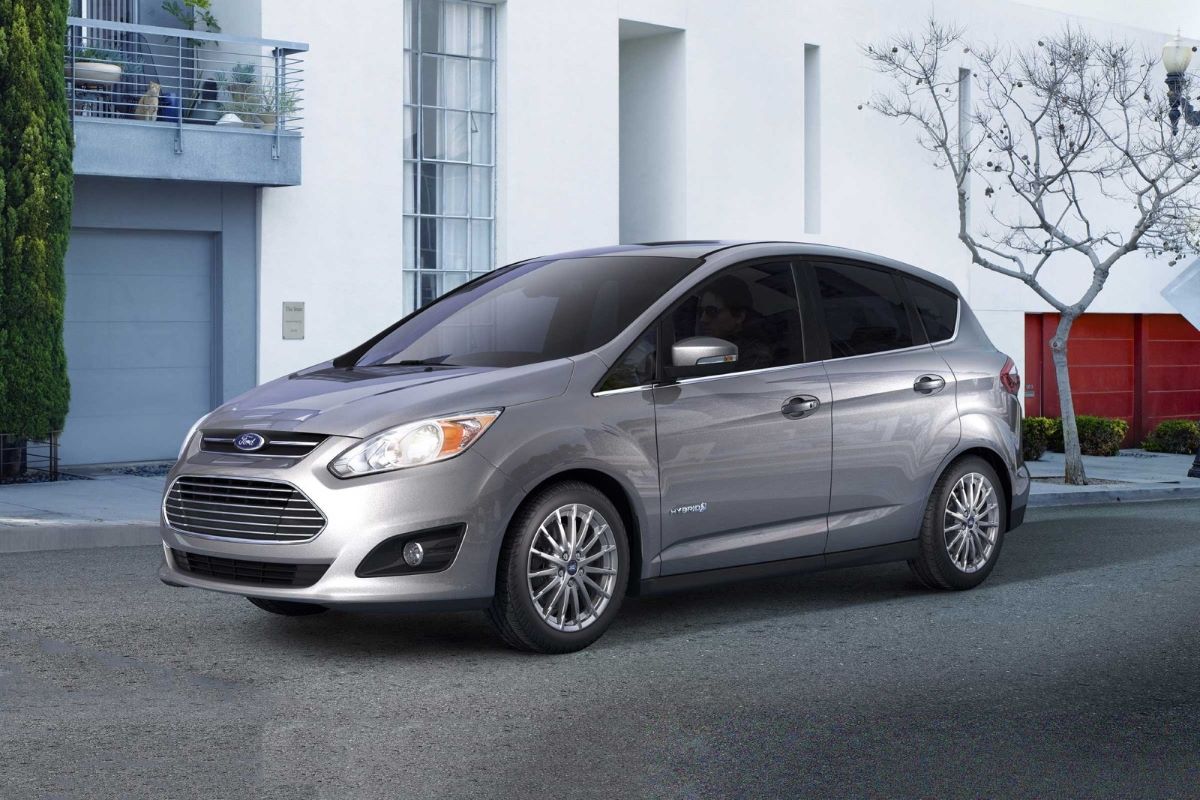
The C-Max Hybrid’s setup includes a 2.0-liter four-cylinder gasoline engine paired with an electric motor powered by a lithium-ion battery pack. Together, they deliver a total output of 188 horsepower to the front wheels via a continuously variable transmission (CVT).
Fuel economy, however, is where the Prius maintains an edge. The EPA rates the C-Max at 40 mpg combined (42 city/37 highway), while the Prius boasts 52 mpg combined.
All 2016 C-Max Hybrids are equipped with antilock disc brakes, traction and stability control, front side airbags, full-length side curtain airbags, and a driver knee airbag.
Standard features also include 911 Assist, which, when paired to your smartphone, can automatically contact emergency services in the event of airbag deployment, and MyKey, which lets owners set limits on speed and stereo volume for valets or teenage drivers. Rear parking sensors are optional for both trims, while the SEL trim can add front parking sensors and a rearview camera.
The 2016 Ford C-Max Hybrid doesn’t suffer from the lifeless, appliance-like feel that plagues many hybrids. Its suspension tuning strikes a balance between responsive handling and a composed ride. While it’s not soft or cushy, there’s a solid, reassuring feel on the road. The cabin remains pleasantly quiet, and its steering offers more feedback than most hybrids in its class.
The hybrid system itself deserves praise. Its ability to operate in electric-only mode at relatively high speeds contributes to its strong fuel economy. Acceleration is lively for a hybrid, and passing maneuvers at highway speeds feel on par with similar gasoline-powered wagons.
Inside, the 2016 C-Max Hybrid will feel familiar to anyone who has driven a Ford Focus or Escape, which is a good thing. It shares the same high-quality materials, solid craftsmanship, and stylish design. The driver’s seat is set higher than in most hatchbacks and wagons, offering a slightly elevated, more commanding view of the road.
2. Nissan Titan XD
Despite being part of America’s beloved pickup truck category, the Nissan Titan XD has struggled to find its place. Positioned awkwardly between half-ton and heavy-duty trucks, it never caught on with mainstream buyers. This has resulted in low resale interest, and trade-in numbers remain minimal in 2025.
For 2024, the Nissan Titan XD lineup drops its base-level S trim, making the SV the new entry-level model. This shift comes with a notable jump in price, the most affordable Titan XD now costs nearly $4,000 more than before.
Adding to the significance, this will be the final production year for both the Titan XD and its half-ton sibling, as Nissan plans to end their manufacturing and repurpose the Mississippi facility for building EV sedans.
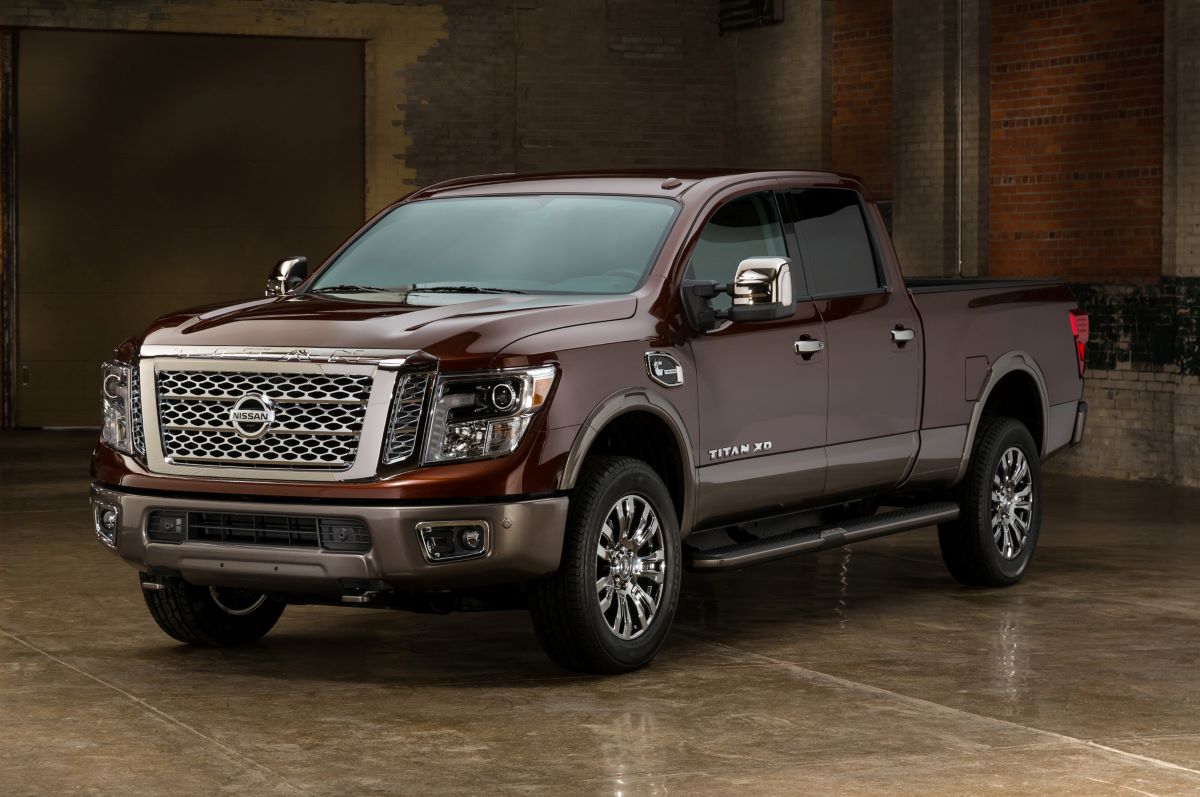
Given the Titan XD’s niche status as a “tweener” between half-ton and heavy-duty trucks, the SV trim is the most practical choice. It maximizes both payload and towing capability, giving the Titan XD a stronger shot at competing with similarly priced heavy-duty rivals. Fortunately, all models come standard with four-wheel drive, a healthy list of driver-assistance technologies, and attractive 20-inch wheels.
Under the hood, every Titan XD is powered by a 5.6-liter gasoline V-8 that’s both smooth and quiet. It produces 400 horsepower and 413 pound-feet of torque, paired with a nine-speed automatic transmission and standard four-wheel drive.
On the road, Nissan’s “in-between” pickup behaves like a tamer heavy-duty truck—more civilized in demeanor, though not better in handling or hauling capability. The ride is relatively compliant for a big truck with a heavy-duty frame, but still falls short of the comfort offered by light-duty pickups.
Handling reflects its size, with slow, imprecise steering and vague responses that make it feel cumbersome at highway speeds. In testing, its performance placed it squarely in the middle of its competitive set. The brake pedal’s soft, vague feedback also didn’t inspire confidence.
Also Read: 5 Trucks With the Best Storage Under Seats and 5 Wasting Space
3. Toyota RAV4 Prime
While the standard RAV4 remains a sales powerhouse, the plug-in hybrid RAV4 Prime has not generated the same enthusiasm in the used market.
Limited availability when new, combined with modest search interest among used-car shoppers, has made it an uncommon sight on dealer trade-in lists.
Toyota has been using the “Prime” badge on the Prius for several years now. That plug-in hybrid (PHEV) variant carries a slightly higher price than the standard Prius and features a somewhat larger battery, enabling up to 25 miles of electric-only driving before the gasoline engine engages.
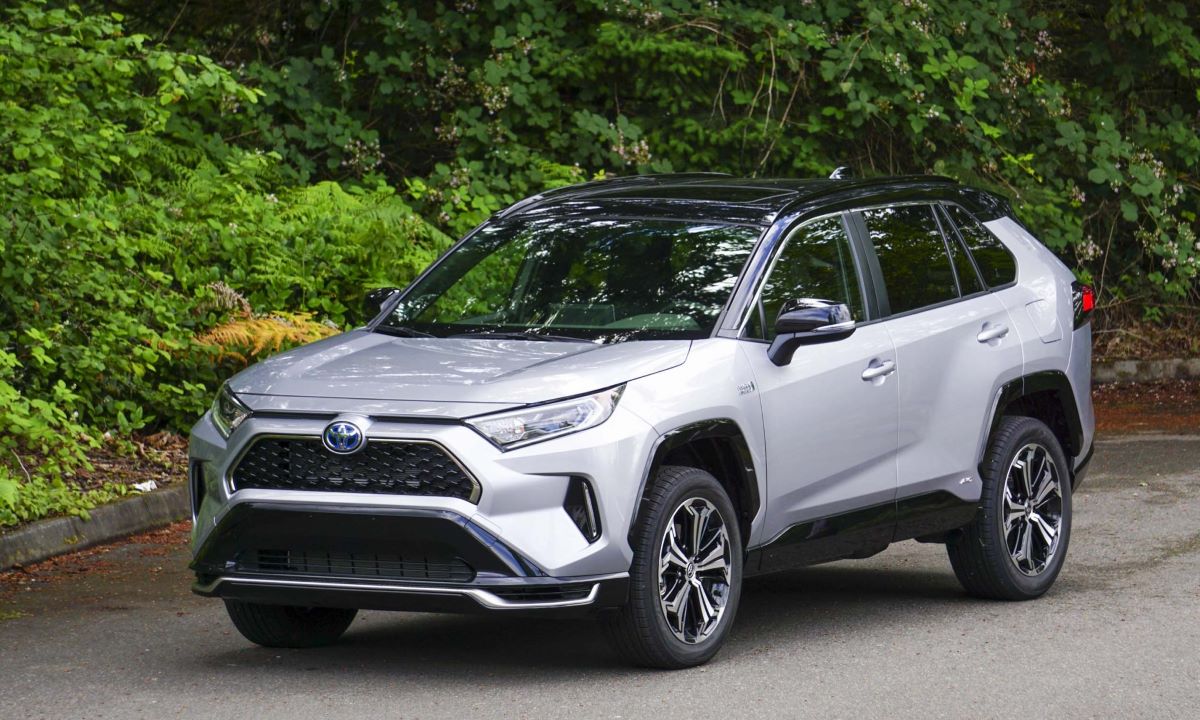
It’s a sensible choice, provided you can plug it in and recharge nightly, but that’s about where the excitement ends. The 2021 Toyota RAV4 Prime also wears that same understated “Prime” suffix, though in this case, it undersells what the vehicle actually offers. This plug-in hybrid is far more compelling and engaging than its Prius counterpart.
The key difference comes down to two main factors. First, the RAV4 Prime’s battery is substantially larger, delivering an EPA-estimated 42 miles of all-electric range. That’s a genuinely practical figure, covering most daily commutes with ease, and when the battery is depleted, the gasoline engine takes over seamlessly, so there’s no range anxiety.
Second, the RAV4 Prime’s electric motors are more powerful, giving it a significant performance edge not just over other RAV4 models, but over most small SUVs on the market.
With a total output of 302 horsepower, the RAV4 Prime is impressively quick. Still, despite the strong acceleration, it isn’t especially engaging from a driving dynamics standpoint. What it is, however, is a standout plug-in hybrid that combines excellent efficiency with everyday practicality, making it one of the most well-rounded PHEVs available in its class.
4. Hyundai Sonata & Tucson Plug-In Hybrids
Hyundai’s plug-in hybrid variants of the Sonata sedan and Tucson SUV have seen sluggish trade-in activity.
Despite their fuel efficiency, they have failed to capture significant attention from second-hand buyers, leaving them with near-zero interest in online used-car searches.
The Hyundai Sonata has long been one of our favorite midsize sedans, and the hybrid model carries over much of the same appeal. Like its gas-powered counterpart, the Sonata Hybrid benefits from nimble, composed handling. Switching into Sport mode sharpens steering feedback and throttle response, adding a touch more engagement to the drive.
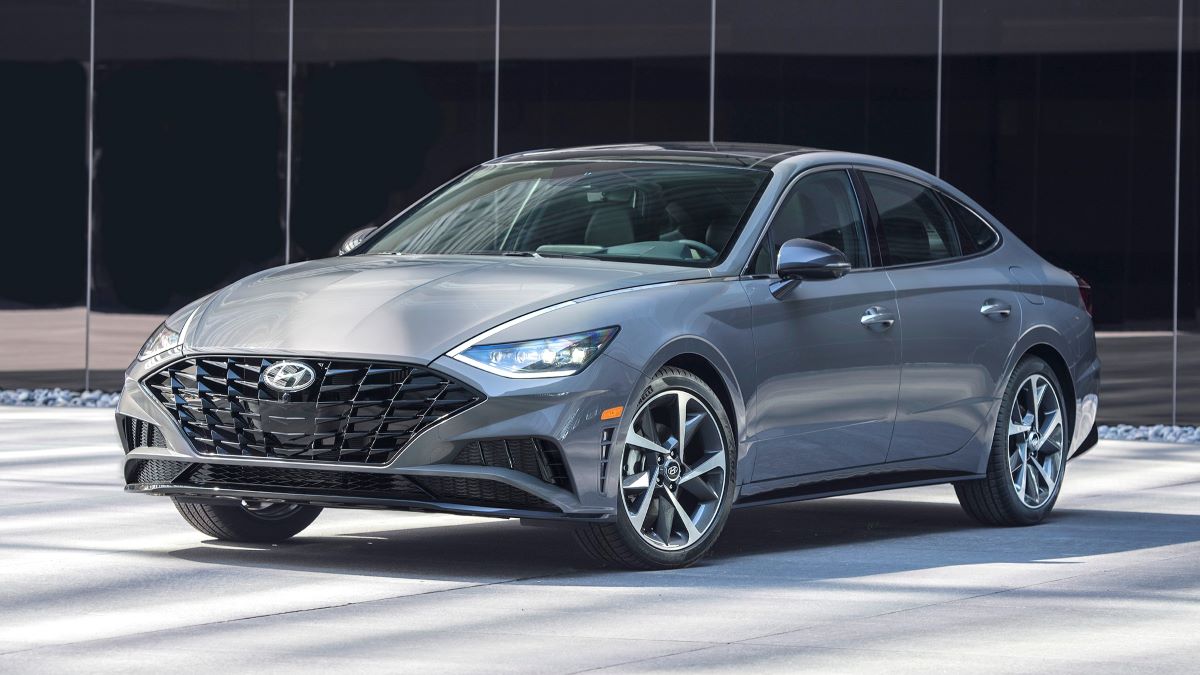
This isn’t a performance-focused sedan, but the hybrid’s power is more than adequate for freeway merging and passing. Ride quality is a standout, with the Sonata Hybrid delivering a calm, quiet experience and effectively soaking up road imperfections.
That said, we do have two notable complaints: the six-speed automatic transmission can feel clumsy at lower speeds, and the brakes engage a bit too abruptly when first pressed. The class-leading Honda Accord Hybrid manages to avoid both of these shortcomings.
Inside, the Sonata Hybrid offers the same clean, modern cabin layout as the standard Sonata. Digital displays take center stage, with hybrid-specific data, such as real-time powertrain energy flow, rendered in sharp, easy-to-read graphics on the available fully digital instrument cluster. In our Limited trim test model, the tech-forward features and premium finishes made the interior feel distinctly upscale.
Perhaps the most impressive figure here is efficiency. In its most economical configuration, the Sonata Hybrid achieves an EPA-estimated 50 mpg city and 54 mpg highway, numbers that put it right in line with, and in some cases ahead of, the Honda Accord Hybrid.
5. BMW i8
The BMW i8 is one of the most striking and futuristic vehicles of the past decade, but it has always been a niche product. Its high purchase price, specialized engineering, and limited practicality mean few owners are willing or able to part with it.
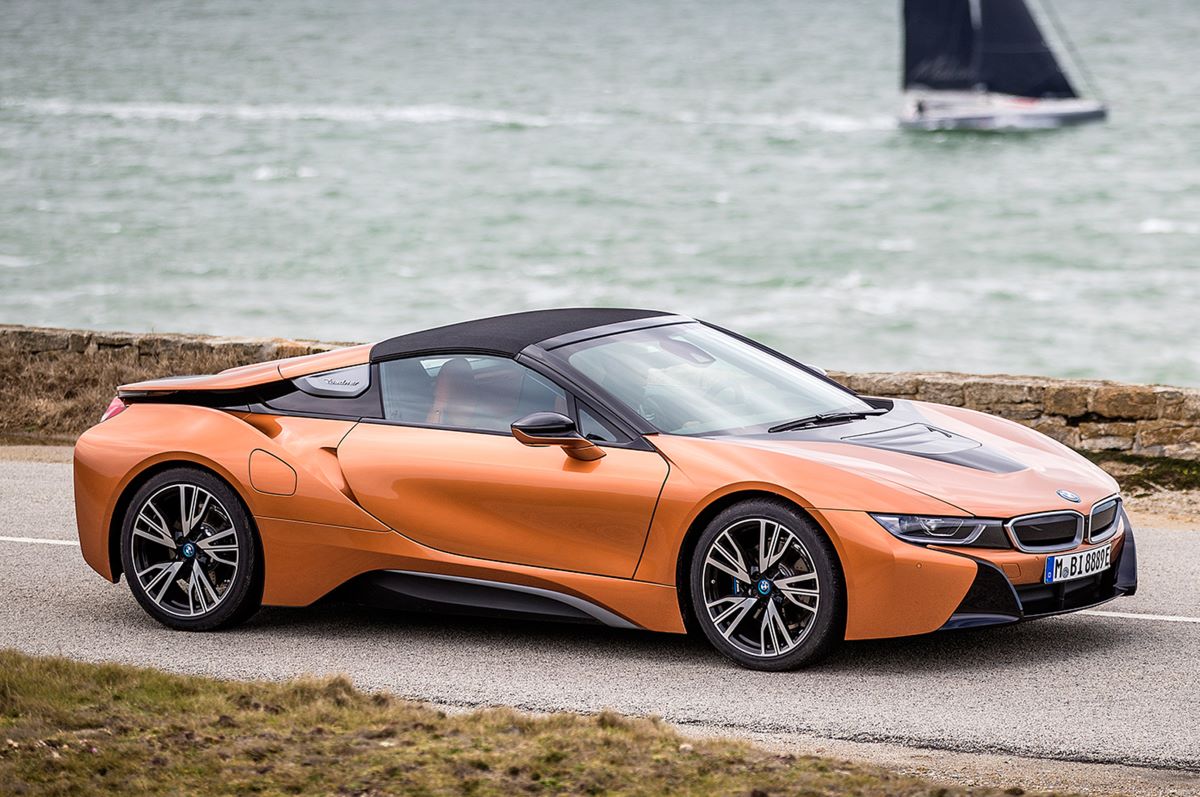
As a result, trade-in activity is almost nonexistent, with used-market interest hovering around just 0.1%. While the rest of BMW’s i lineup consists of all-electric vehicles, the i8 took a different approach.
This sports car was a plug-in hybrid, occupying the middle ground between a traditional hybrid and a fully electric model. As its name suggests, you could plug the i8 into a wall outlet to recharge its battery. A full charge provided up to 22 miles of electric-only driving before the car switched over to its gasoline engine.
For certain buyers, that plug-in hybrid setup offered a useful blend of efficiency and flexibility. But compared with the rest of BMW’s i models, the i8 was an outlier.
BMW already had other plug-in hybrids in its portfolio, including the 330e sedan and XM SUV, yet placing the i8 under the “i” sub-brand blurred the line between the company’s fully electric offerings and its hybrids. Shoppers could have reasonably walked into a dealership expecting to purchase an all-electric BMW luxury sports car, only to discover that such a model didn’t exist.
Owning an i8 meant you’d still be buying gasoline. Granted, as a hybrid, you’d be buying it less frequently, but it wouldn’t eliminate those costs entirely, something potential owners might have been hoping for, whether to save money or reduce their environmental impact.
And because the i8 was a sports car, it likely saw more spirited driving and longer trips than a daily commuter, which would increase fuel consumption. The plug-in hybrid concept itself wasn’t flawed, but grouping the i8 alongside BMW’s all-electric vehicles created a misleading brand message.
Also Read: 10 Classic Cars That Were Once Popular but Are Now Forgotten
6. Ford Escape Plug-In Hybrid
The Ford Escape Plug-In Hybrid struggles in the resale market. While its plug-in efficiency is appealing on paper, reports of engine reliability concerns and strong competition from other compact SUVs have hurt its desirability.
On dealer lots, these models often linger for more than two months before finding a buyer. While several other plug-in hybrid SUVs offer more total cargo space with the rear seats folded, the Ford Escape Plug-in Hybrid stands out for having the largest cargo area in the segment behind the rear seats. However, the PHEV version comes with a notable limitation, it’s offered exclusively with front-wheel drive, with no all-wheel-drive option available.
We highlighted the Escape Plug-in Hybrid’s responsive and communicative steering, composed ride quality, and seamless transitions between gasoline and electric power. We also praised the Titanium trim’s intuitive infotainment system and well-cushioned, supportive seats.
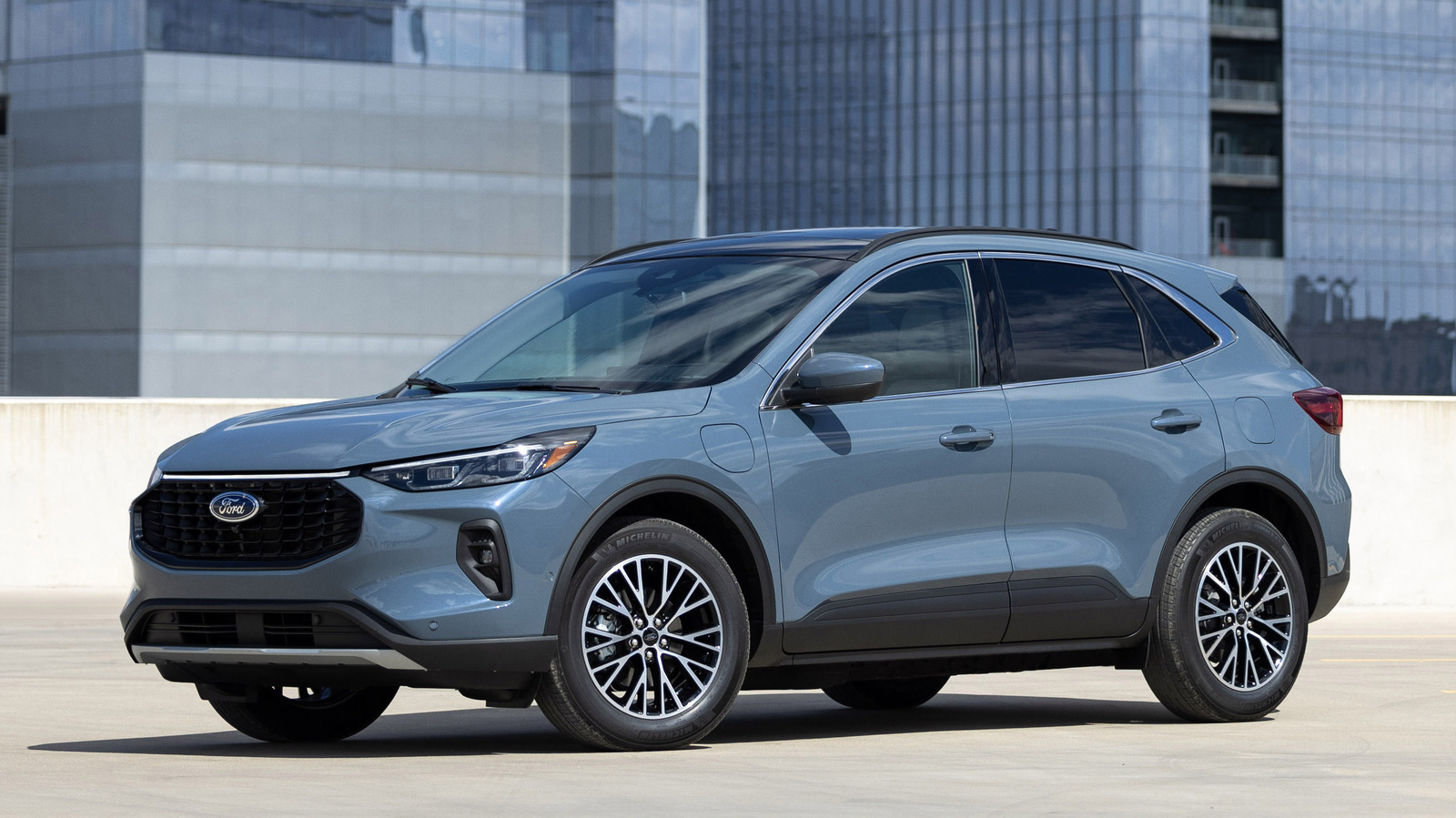
The Escape Plug-in Hybrid uses a similar setup to the standard Escape Hybrid: a 2.5-liter naturally aspirated four-cylinder engine paired with an electric motor. In the PHEV, that motor draws power from a 14.4-kWh battery pack, producing a combined system output of 200 horsepower.
According to EPA estimates, it delivers 105 MPGe when running on both gas and electricity, or 40 mpg when operating on gasoline alone. In our testing, a 2022 Escape Plug-in Hybrid accelerated from 0 to 60 mph in 7.7 seconds — noticeably slower than the more powerful Toyota RAV4 Prime.
Charging options include Level 1 (110-volt) using a standard household outlet and Level 2 (240-volt), compatible with high-output outlets typically used for large appliances. A full recharge on Level 1 takes roughly 11 hours, while Level 2 reduces that time to about 3.3 hours.
The EPA estimates the Escape Plug-in Hybrid can travel up to 37 miles on electric power alone before the gasoline engine takes over. Combining both the battery and fuel tank yields an impressive total driving range of around 520 miles.
7. Audi RS5 Sportback
Once a stylish performance option in Audi’s lineup, the RS5 Sportback has been discontinued, and that has impacted its resale momentum.
Luxury performance models tend to have a smaller buyer pool, and without fresh marketing push from the manufacturer, trade-ins have slowed to a trickle, with some examples sitting unsold for extended periods.
If the Audi A5 lineup were a spectrum of hot sauces, the A5 Sportback would be the mild option, the S5 would bring medium heat, and the RS 5 would be the extra-spicy choice. For 2025, the Audi RS 5 stands as the high-performance member of the A5 family, now offered exclusively in liftback form, a sleek four-door sedan with a sloping hatchback design.
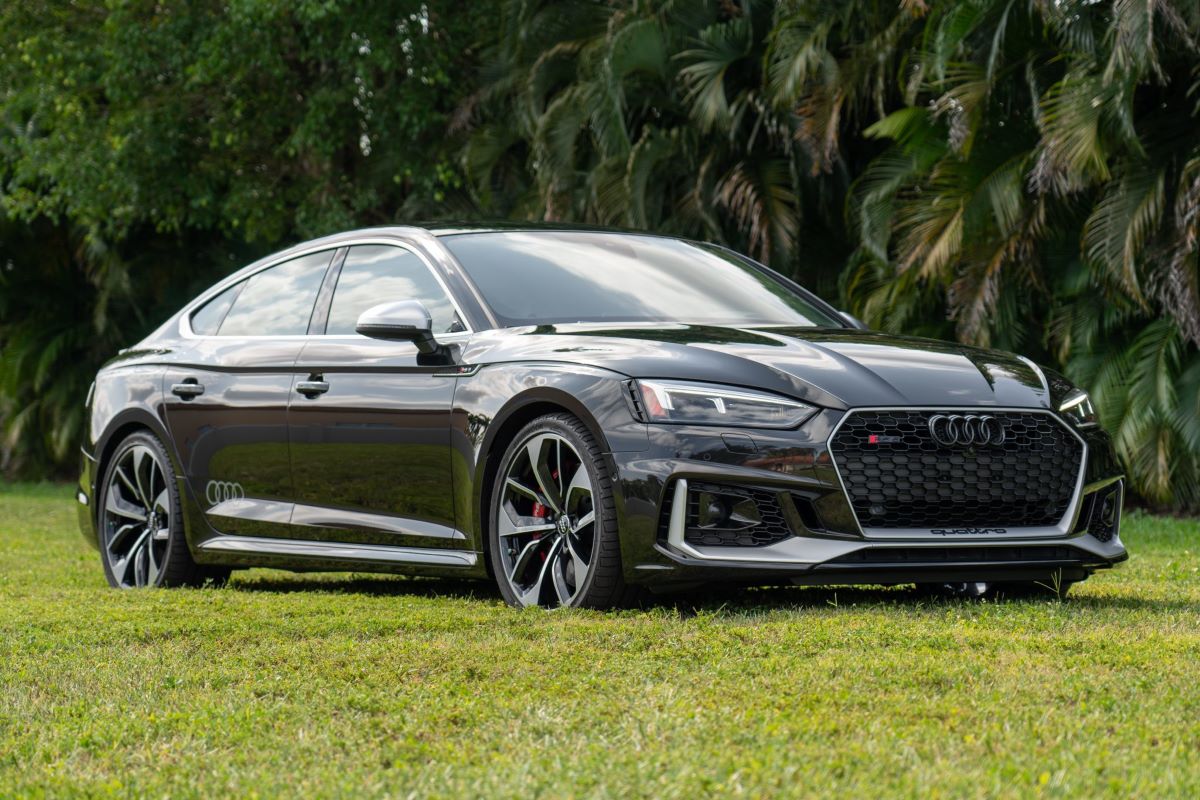
Power comes from a twin-turbocharged V6 producing 444 horsepower, sent to all four wheels through Audi’s performance-tuned Quattro all-wheel-drive system.
Standard equipment leans heavily toward track-ready capability, including an RS sport suspension, a torque-vectoring rear differential, and summer performance tires. For drivers seeking even more precision and agility, the RS 5 can be equipped with the Competition package, which adds further enhancements to push its performance envelope even higher.
8. Hyundai Santa Fe Plug-In Hybrid & Ioniq 6
Hyundai’s newer electrified models, such as the Santa Fe Plug-In Hybrid and the Ioniq 6 electric sedan, are seeing slower-than-expected resale activity.
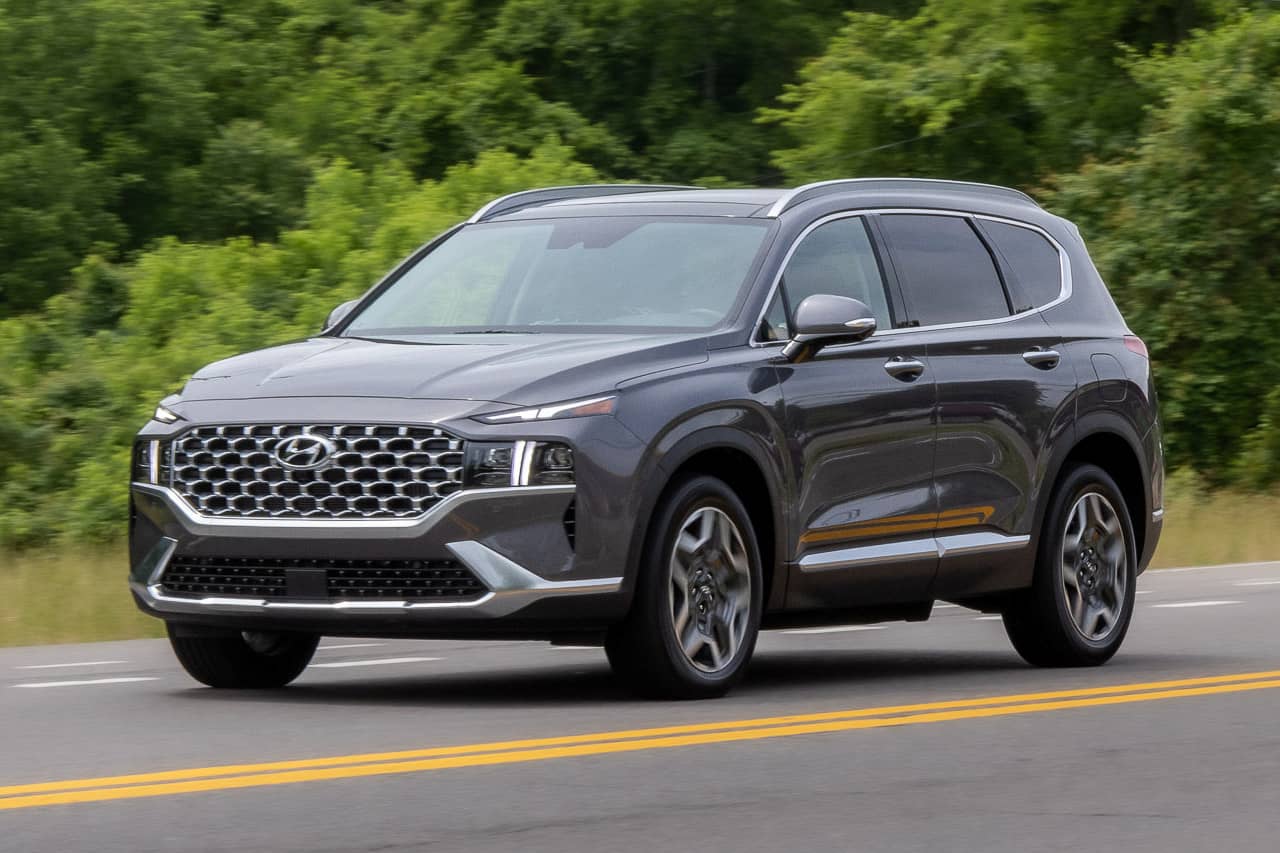
Increased competition in the EV and hybrid segments, combined with cautious buyer sentiment, means these vehicles often spend longer than average on dealer lots once traded in.
If the Audi A5 lineup were a spectrum of hot sauces, the A5 Sportback would be the mild option, the S5 would bring medium heat, and the RS 5 would be the extra-spicy choice. For 2025, the Audi RS 5 stands as the high-performance member of the A5 family, now offered exclusively in liftback form, a sleek four-door sedan with a sloping hatchback design.
Power comes from a twin-turbocharged V6 producing 444 horsepower, sent to all four wheels through Audi’s performance-tuned Quattro all-wheel-drive system. Standard equipment leans heavily toward track-ready capability, including an RS sport suspension, a torque-vectoring rear differential, and summer performance tires.
For drivers seeking even more precision and agility, the RS 5 can be equipped with the Competition package, which adds further enhancements to push its performance envelope even higher.
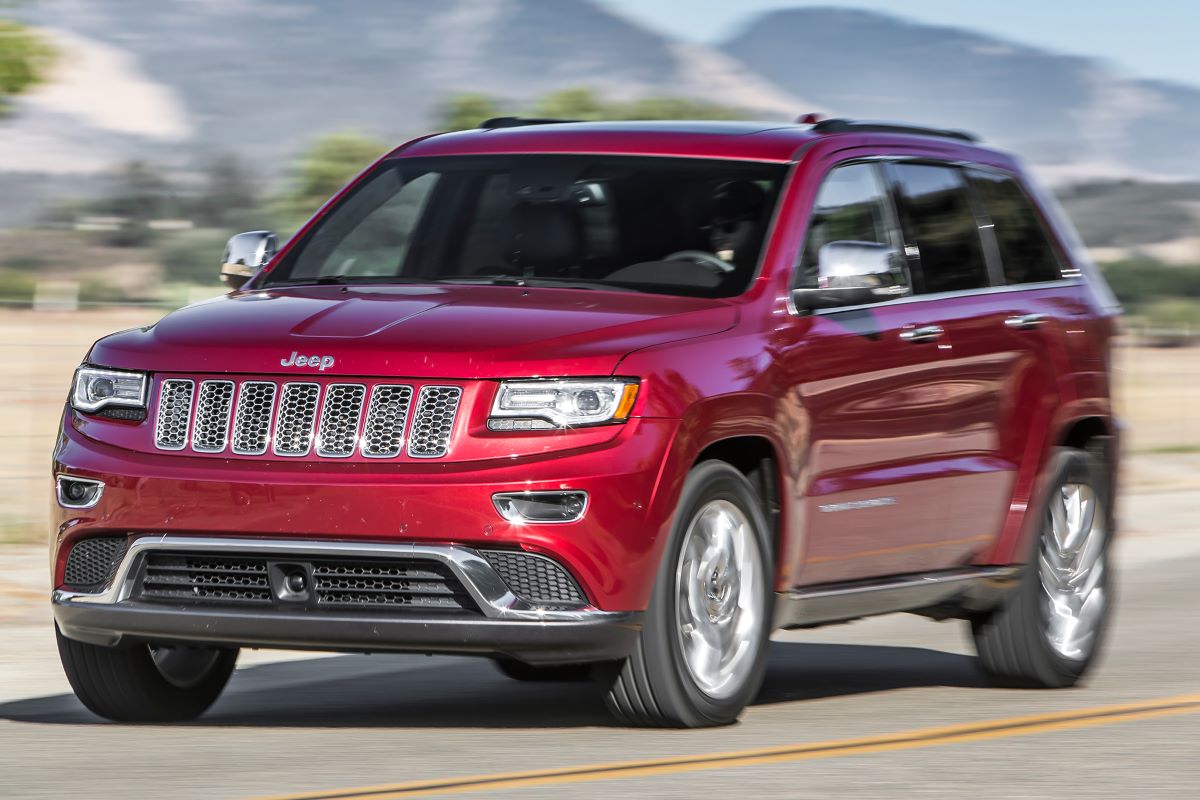
9. Jeep Grand Cherokee (2014–2018)
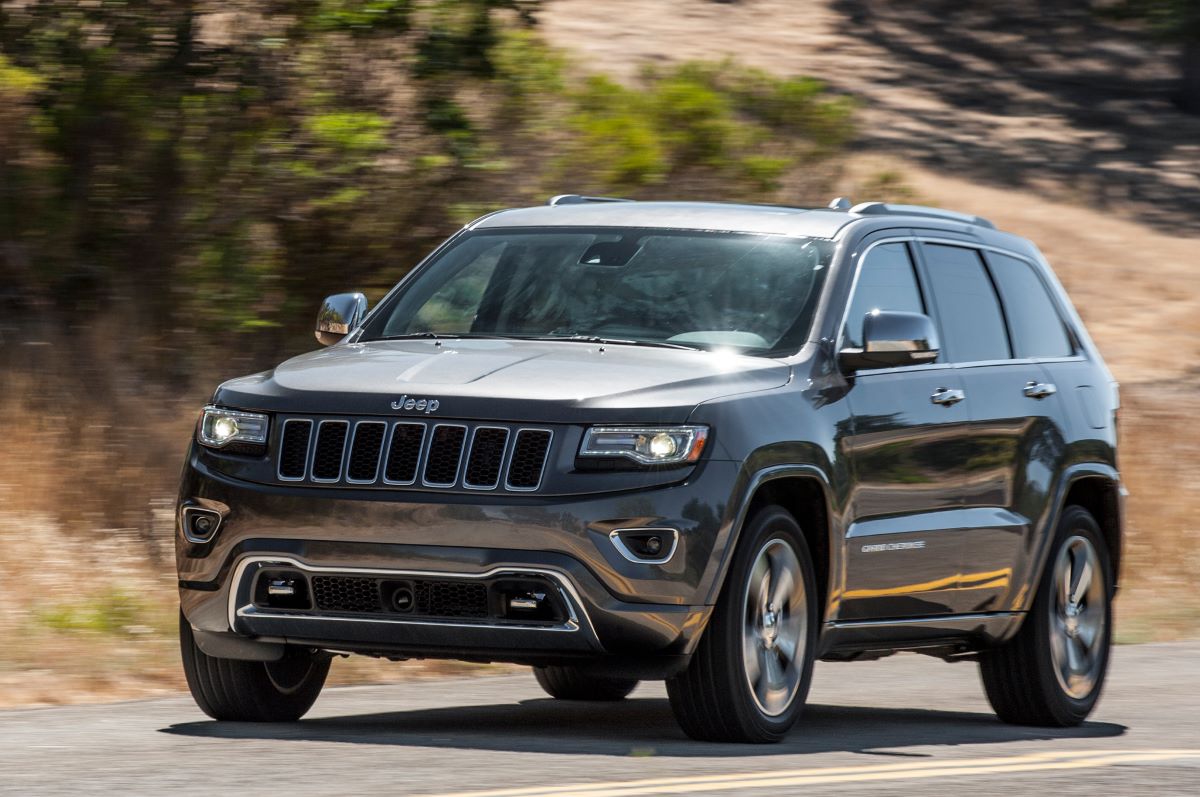
Older Jeep Grand Cherokee models, particularly those from the 2014–2018 range, are becoming less common in the trade-in pool.
Concerns about long-term reliability, fuel economy, and dated technology have made them less attractive to buyers, leading many owners to either hold onto them longer or bypass dealer trade-ins altogether.
The shrinking trade-in availability for these nine models highlights larger shifts in U.S. car ownership. The 2025 Jeep Grand Cherokee comes in a wide range of configurations, with pricing determined by both the features you want and the SUV’s intended purpose. At the entry point is the Laredo A, the least customizable trim.
It comes only with rear-wheel drive and two rows of seating, starting at $36,495. Just above it is the standard Laredo, which, like the rest of the lineup, offers a choice between rear- or all-wheel drive and either two rows or the three-row Grand Cherokee L configuration. Pricing for the Laredo starts at $37,095, and for most models, adding AWD or a third row tacks on an extra $2,000.
The Laredo X, priced at $37,795, is the lone exception to that rule; opting for three-row seating with this trim costs $200 less than it would with any other model. Moving up, the Altitude starts at $41,640, the Altitude X at $44,140, and the Limited at $42,905.
At the top of the lineup, AWD is standard across the board: the Overland starts at $56,995, the Summit at $58,560, and the Summit Reserve tops out at $63,040. Most Grand Cherokee models are eligible for up to $3,000 in incentives, which helps offset the $1,785 destination charge.
For buyers seeking the best balance of features and value, the mid-tier Limited trim is a smart choice. It’s available in all four configurations and comes well-equipped with amenities such as heated first- and second-row seats, a power liftgate, remote start, and an upgraded, larger touchscreen display.
As Americans keep their cars longer and buyer preferences lean toward reliable, efficient, and tech-savvy options, vehicles with niche appeal, questionable reliability, or outdated designs are increasingly rare in the resale market.
For both buyers and sellers, understanding these trends is essential to making informed choices in today’s competitive automotive landscape.