
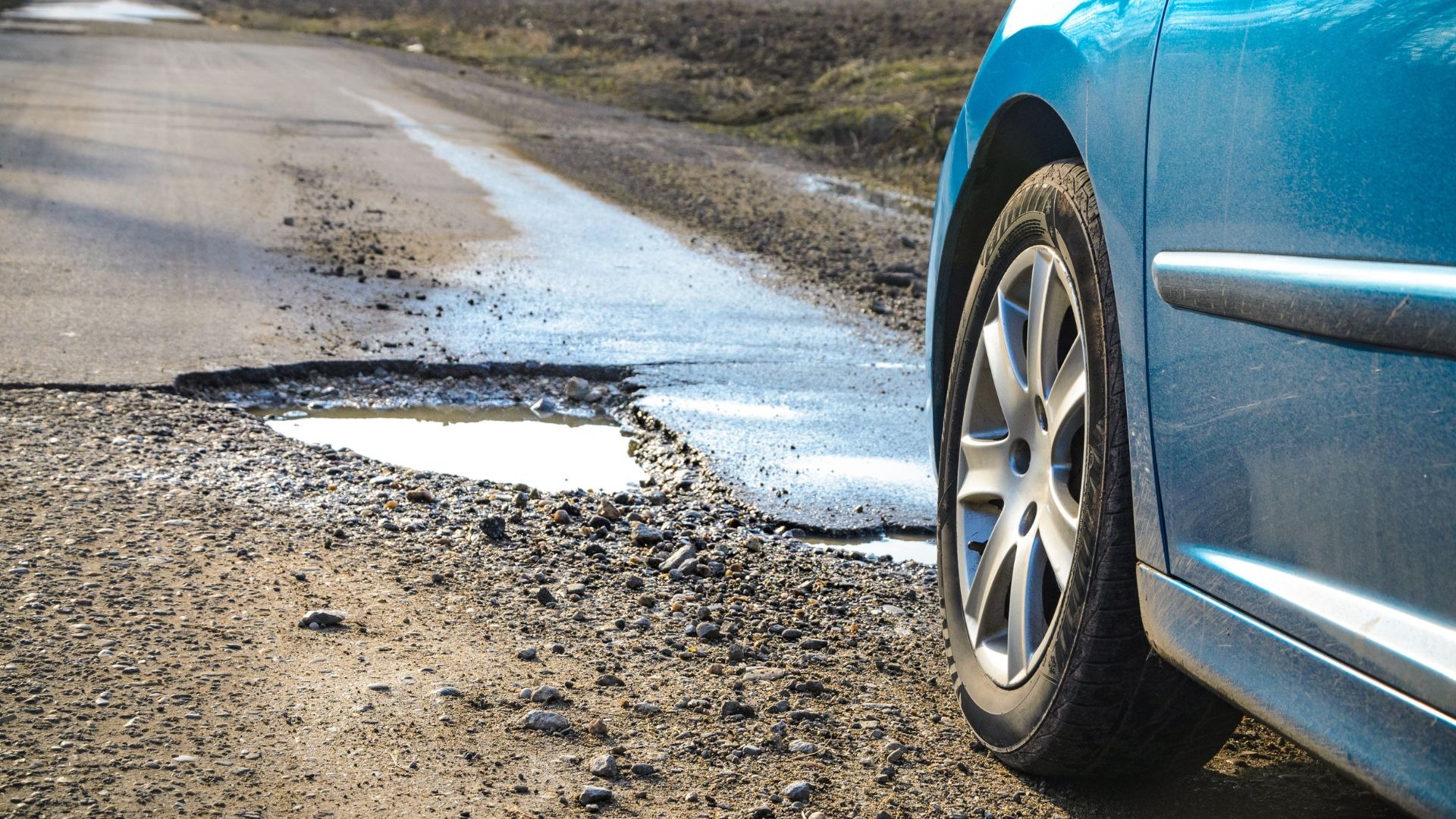
Potholes are an unpleasant part of driving life, no matter the city or town. They appear without warning, often after heavy rain or cold weather, and they can cause trouble for even the most careful driver. Some cars pass over them with minimal fuss, keeping the ride smooth and the wheels safe.
Others, however, seem to suffer the moment they hit one, with cracked rims, damaged suspension, or harsh jolts that can make any journey uncomfortable. For many drivers, how a car behaves when faced with poor road surfaces is just as important as its speed, looks, or fuel efficiency.
Different vehicles respond in their way to potholes because of how they are built. Suspension type, wheel size, tire profile, and general engineering all play a part in how the car handles sudden bumps or holes in the road.
A car with softer suspension and higher-profile tires usually absorbs shocks better, giving passengers a smoother ride and reducing the risk of damage. On the contrary, vehicles with very low-profile tires, stiffer suspension, or large alloy wheels often transfer the full impact of a pothole to the cabin and the mechanical parts.
For people who live in areas with roads full of cracks and holes, choosing a car that can take the punishment without constant repairs is an important decision. A bad choice can mean regular visits to the mechanic, while the right choice can keep both comfort and costs under control.
We will look at five cars that deal with potholes without much trouble, offering a softer ride and better protection for their wheels. We will also look at five cars that are more likely to suffer damage when they encounter potholes, so buyers can know what to expect before making their decision.
5 Cars That Handle Potholes Without Drama
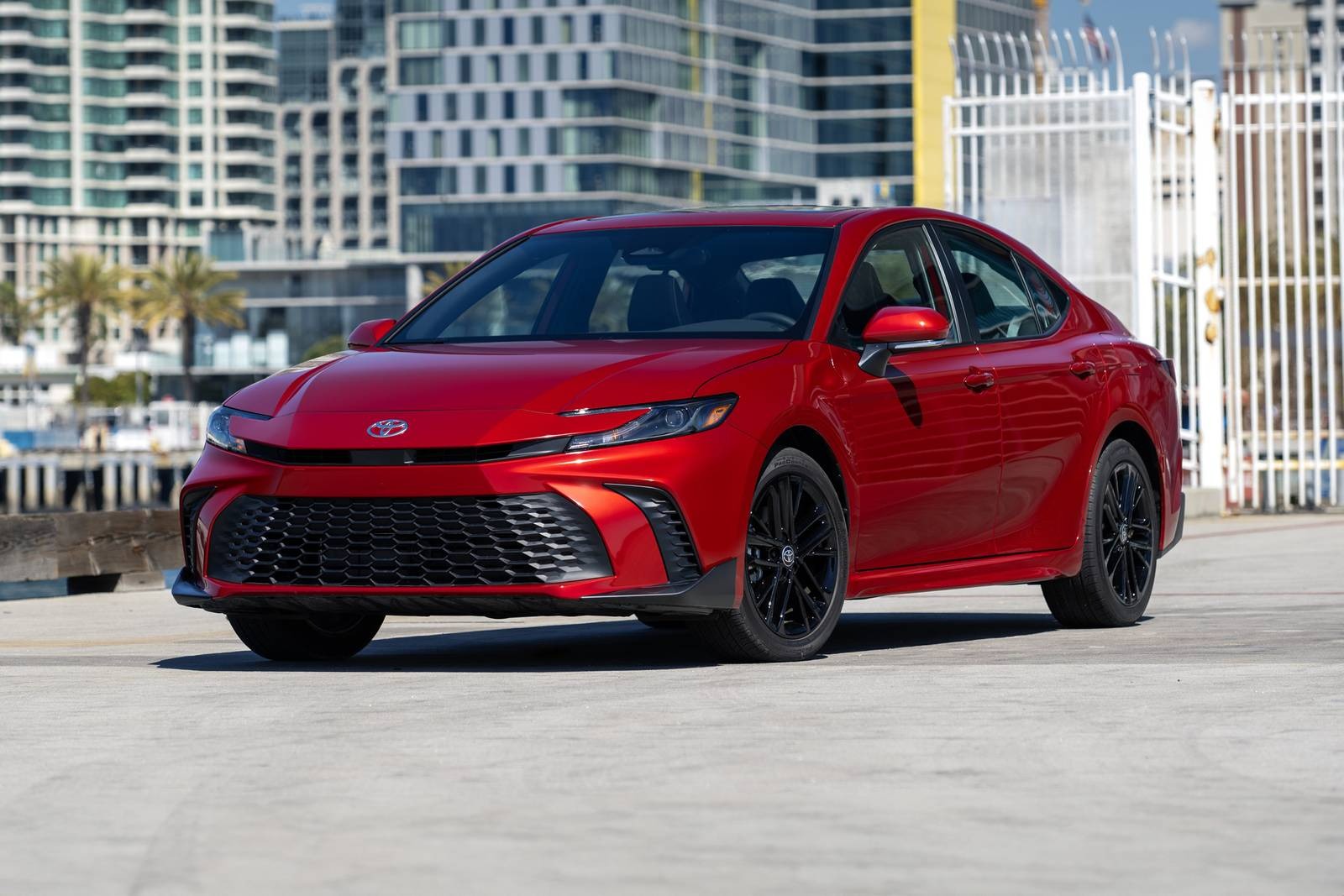
1. Toyota Camry
The Toyota Camry has long been known for providing comfort and reliability, and its ability to handle poor road surfaces is one reason it continues to win loyal owners. This sedan uses a suspension setup that is tuned more for comfort than for sporty handling, which means it can absorb bumps and potholes without sending harsh vibrations into the cabin. Drivers often praise how the Camry seems to glide over rough patches that would unsettle other cars.
One of the main factors in its smooth performance over potholes is the use of moderately sized wheels with higher-profile tires. These tires have enough sidewall to absorb much of the shock before it reaches the wheel rims or suspension components.
This design reduces the risk of cracked wheels, bent rims, or sudden tire damage when a pothole appears. The Camry also benefits from a suspension system that is carefully balanced between firmness and softness.
It is firm enough to keep the car stable at highway speeds but soft enough to cushion the blow from uneven road surfaces. Even when hitting deeper potholes, the car maintains its composure, which helps drivers keep control without sudden steering movements.
Inside the cabin, the effect of hitting a pothole is minimal. Passengers may feel a gentle thump, but the sound and vibration are much less compared to vehicles with stiffer setups. This makes the Camry a good choice for long trips through areas with poor road maintenance.
Toyota’s engineering also ensures that the Camry’s suspension components are durable. After a while, they can handle repeated impacts without wearing out too quickly. This means owners are less likely to face expensive suspension repairs caused by everyday road hazards.
For drivers looking for a mid-sized sedan that can handle rough surfaces without constant wheel or suspension trouble, the Toyota Camry stands out as a dependable and comfortable option. Its ability to deal with potholes while still offering a quiet ride makes it one of the most reliable choices in its class.
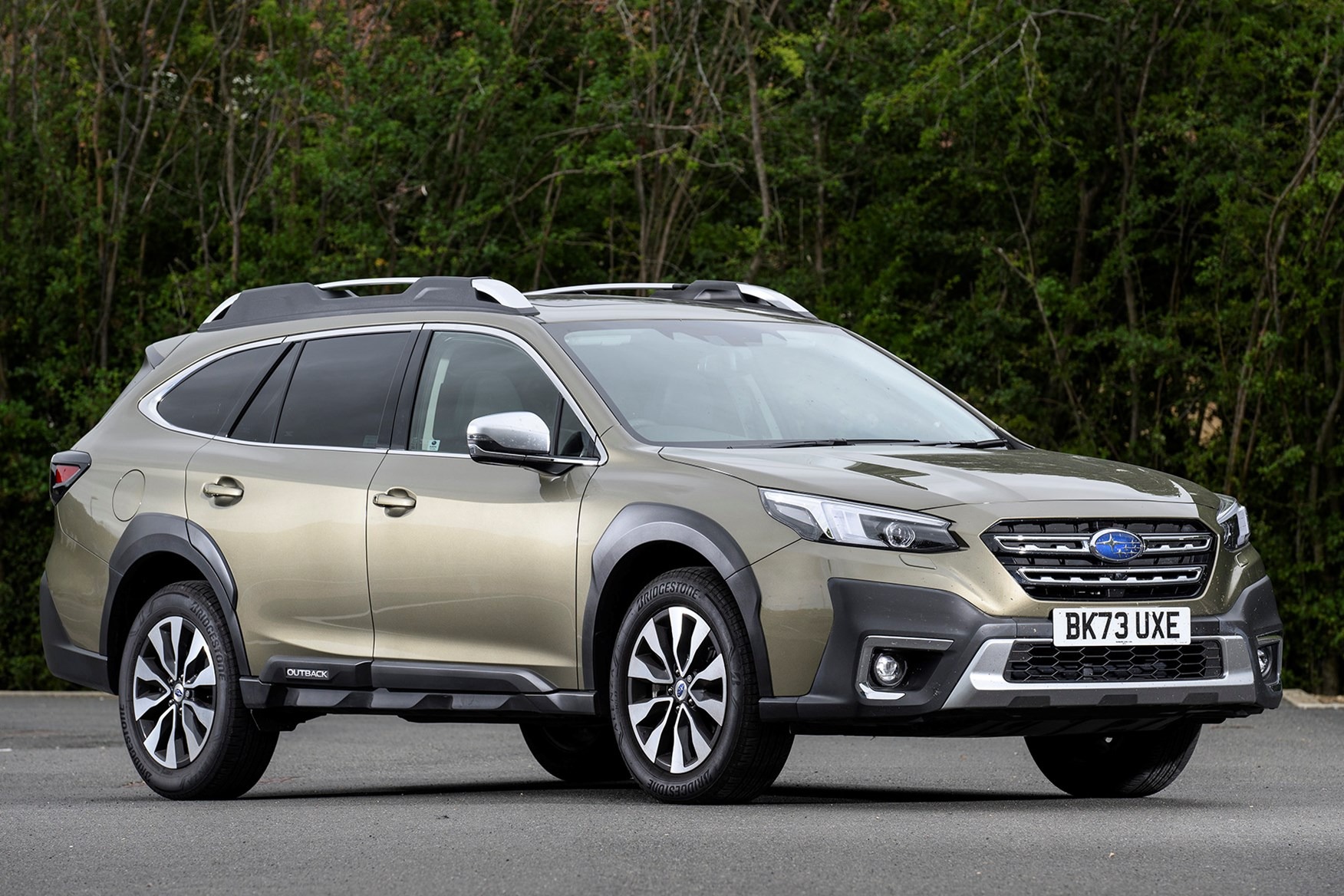
2. Subaru Outback
The Subaru Outback is a vehicle designed with rough conditions in mind, and its ability to handle potholes is among its strongest qualities. With a higher ride height and all-wheel drive as standard, the Outback is ready for different road surfaces, including those filled with cracks and holes. Drivers often find that it maintains comfort and control even when the roads are far from perfect.
A big advantage of the Outback is its suspension travel. The longer travel means the wheels can move up and down more freely when hitting bumps, absorbing much of the force before it reaches the body of the car. This design reduces harsh jolts and helps keep passengers comfortable.
The Outback also uses tires with a generous sidewall height, which adds another layer of cushioning. These tires not only absorb impacts better but also protect the alloy wheels from damage. This is particularly useful for those who drive on rural roads or in areas where road maintenance is poor.
Inside the cabin, the comfort continues. Even after hitting a sharp pothole, there is little cabin shake or noise. The sound insulation is good enough that the impact does not create a loud thud, allowing conversations to continue without disruption.
Another factor that helps the Outback handle potholes well is its balanced weight distribution. The car does not nose-dive heavily into holes, and the suspension rebounds smoothly, keeping the ride stable.
Over long-term use, the Outback’s suspension components and wheels prove to be durable, with fewer reports of cracks, bends, or alignment issues compared to some of its rivals. The combination of rugged build quality and comfort makes it a great option for people who frequently drive in areas where potholes are common.
For those seeking a versatile vehicle that performs just as well on rough city streets as it does on country roads, the Subaru Outback delivers a comfortable and confident ride without excessive wear and tear from potholes.
Also Read: 5 Sedans With Good Factory Tires and 5 That Wear Out Fast
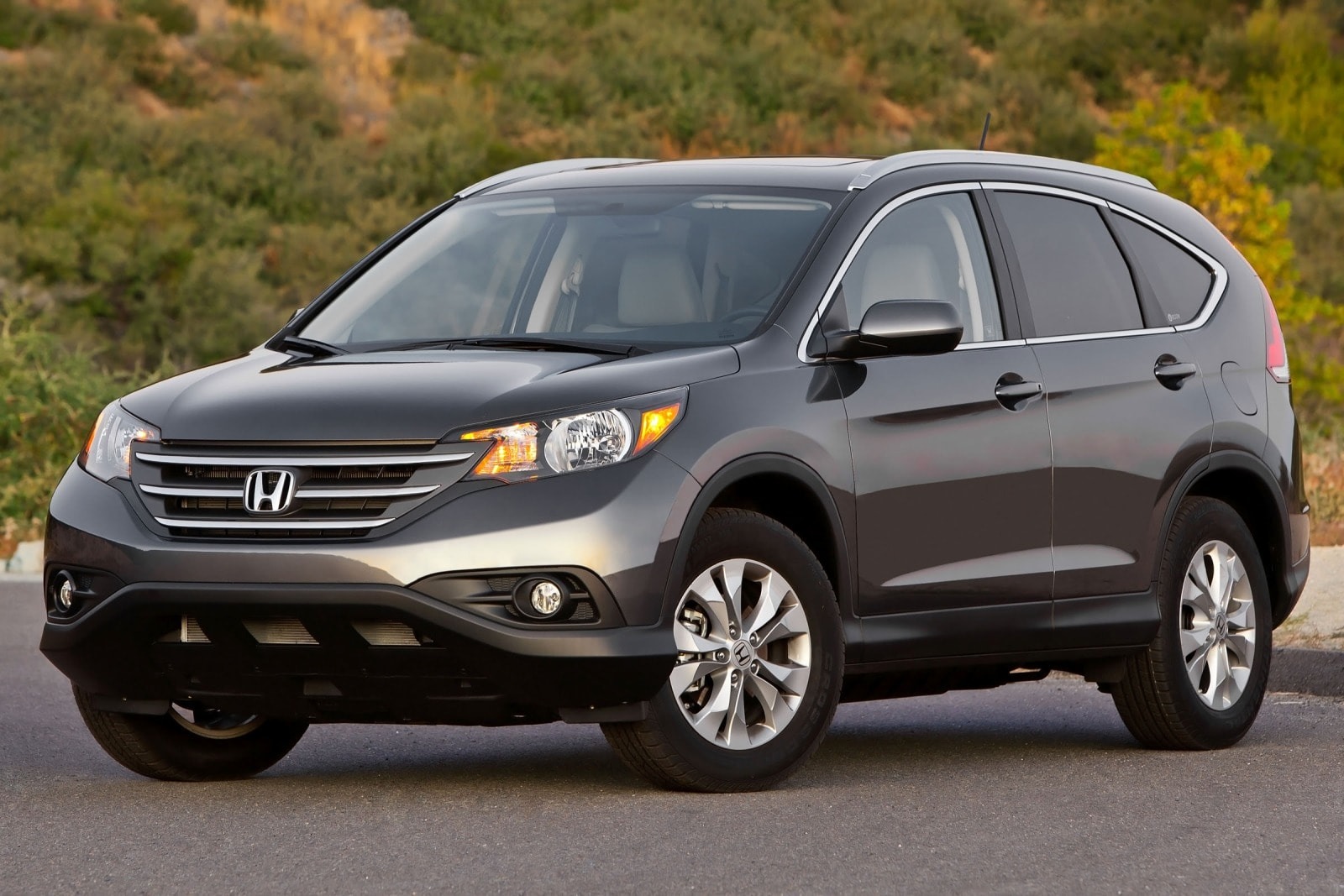
3. Honda CR-V
The Honda CR-V has earned a reputation for being a comfortable, reliable, and practical SUV, and its ability to deal with potholes is one of the reasons it appeals to so many drivers. Honda’s engineers have given it a suspension system that can handle the demands of city driving, suburban roads, and rural tracks without transmitting too much harshness into the cabin.
One reason the CR-V handles potholes well is its suspension geometry. The combination of MacPherson struts in the front and a multi-link setup in the rear allows the wheels to move independently, reducing the amount of shock transferred to the body when one wheel hits a hole. This design means that the impact is absorbed locally rather than affecting the whole car.
The CR-V’s moderate wheel size also works in its favor. Most trims come with tires that have a reasonable sidewall height, which acts like a cushion between the road and the wheel rim. This prevents sharp impacts from causing cracks in the rims or damaging the tire bead. Even when hitting potholes at speed, the car’s tires absorb a good share of the blow.
Inside, passengers often find the CR-V’s ride to be calm even on roads filled with imperfections. There is minimal rattling, and the seat padding further helps to soften the jolt from rough surfaces. This makes it a comfortable choice for families who want to travel without constant complaints about bumps.
Long-term owners report fewer wheel alignment issues compared to stiffer, sportier vehicles. The CR-V’s suspension is not overly stiff, which means it doesn’t transfer the full force of a pothole into sensitive components like control arms or tie rods. This not only helps the ride comfort but also reduces repair costs.
For drivers looking for a compact SUV that blends comfort with durability and can handle potholes without damage, the Honda CR-V is a strong contender. Its balanced approach to ride quality makes it a dependable everyday vehicle in areas with rough roads.
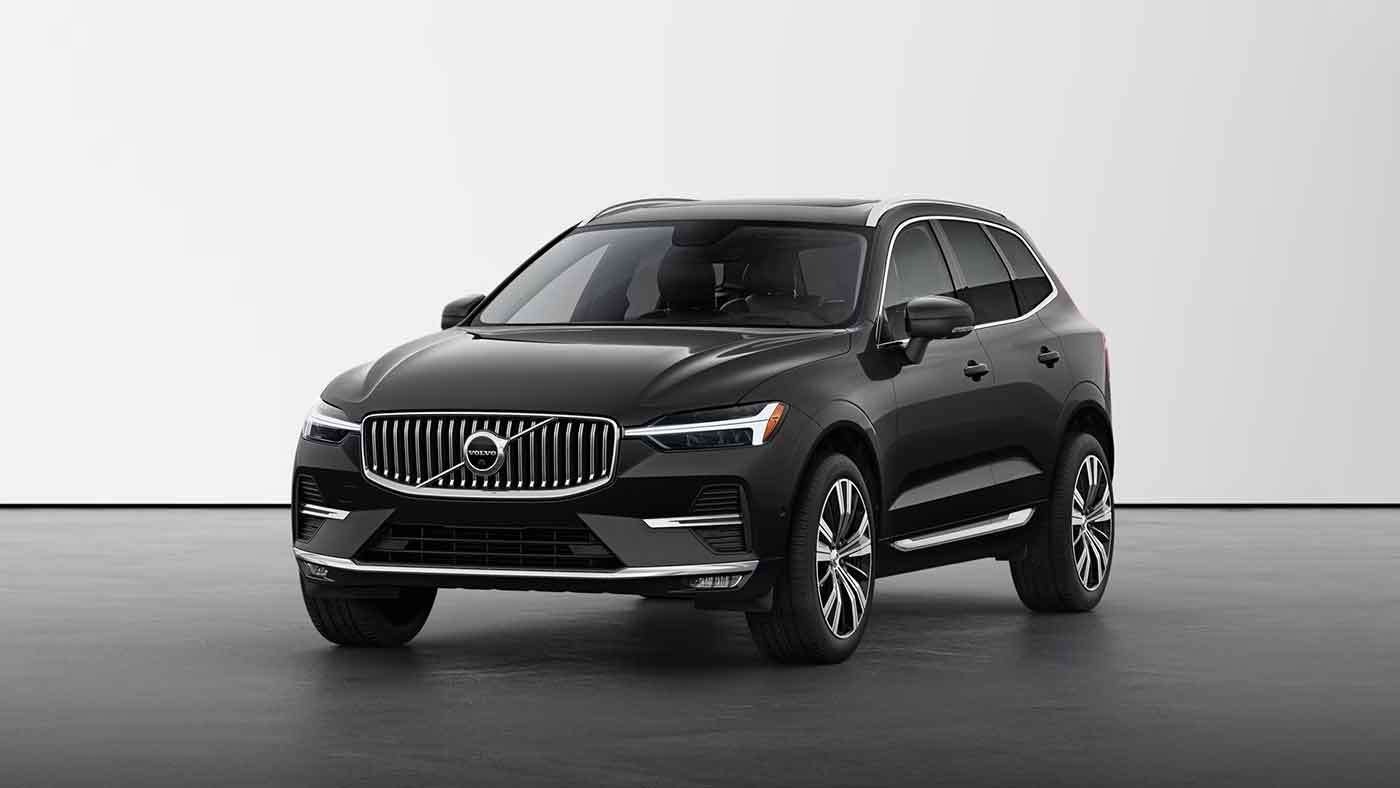
4. Volvo XC60
The Volvo XC60 is a premium SUV, but its strength is not just in its elegant interior and advanced safety features. It also delivers an impressively smooth ride over potholes and rough patches. Volvo’s approach to suspension tuning focuses on protecting passengers from harsh impacts while keeping the car stable and composed.
A big advantage of the XC60 is the availability of adaptive suspension on some trims. This system uses sensors to detect road conditions and adjust the damping in real time. When the car senses a pothole or bump, it softens the suspension momentarily to absorb the impact before returning to a firmer setting for stability. This means drivers get comfort without sacrificing control.
Wheel size options also play a role in how well the XC60 handles rough roads. While larger wheels with thinner tires look stylish, the smaller wheel options with higher-profile tires are better for absorbing pothole impacts. Many buyers choose these configurations for everyday driving comfort, especially in areas where potholes are common.
The XC60’s chassis is designed to distribute forces evenly when it hits imperfections. This reduces the chance of bending rims or causing stress fractures in the wheels. In addition, the car’s steering remains steady after hitting a hole, preventing the driver from having to make sudden corrections.
Inside, Volvo’s commitment to comfort is clear. The seats are among the most supportive in the industry, and the insulation keeps road noise to a minimum. Even when a pothole is deep, passengers feel a muted thump rather than a sharp jolt.
Volvo has also built the XC60 with durability in mind. Its suspension components are made from strong materials that can take repeated impacts without premature wear. Owners often report years of trouble-free driving despite frequent encounters with rough road surfaces.
For those who want a luxury SUV that does not crumble under the stress of bad roads, the Volvo XC60 offers the right mix of elegance and toughness.
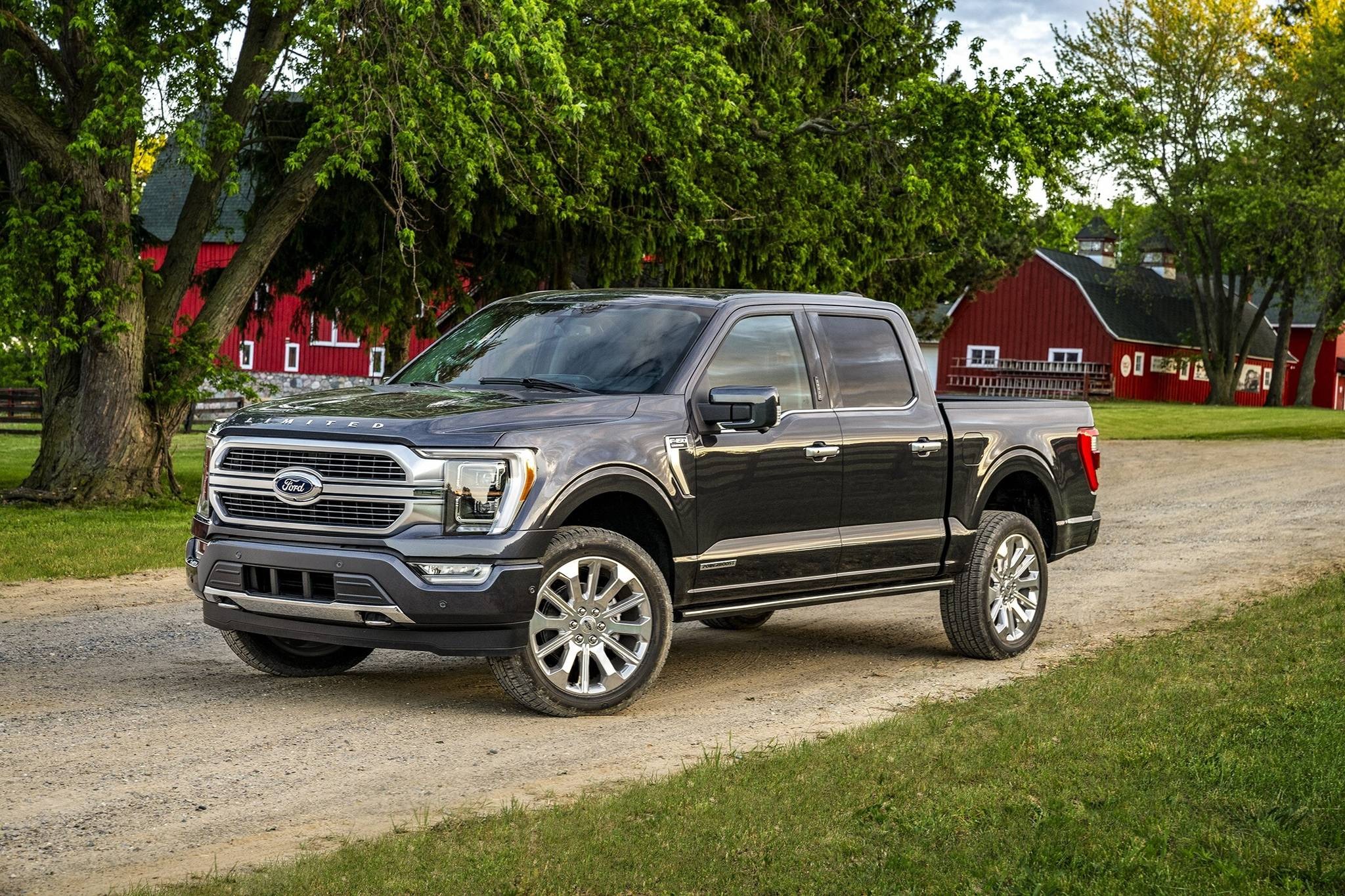
5. Ford F-150
The Ford F-150 is one of the most popular trucks in the United States, and one of its strengths is how well it deals with potholes and uneven roads. Designed for both work and everyday driving, the F-150 uses a suspension that can take heavy loads while also smoothing out rough surfaces.
The truck’s high ground clearance means it can approach potholes without scraping or bottoming out. Combined with its strong suspension components, this allows the F-150 to absorb large impacts without damaging the wheels or undercarriage. Even deep potholes are less of a threat compared to what smaller vehicles face.
The F-150’s large tires with tall sidewalls are another big advantage. The extra rubber provides natural cushioning, reducing the force that reaches the wheels and suspension. This setup is especially effective in protecting alloy or steel wheels from cracks and bends.
Inside the cabin, the ride is more refined than many expect from a pickup. While there is still a firm feel due to its truck design, the suspension tuning and seat comfort help reduce the sharpness of impacts. Drivers can pass over potholes without the cabin shaking excessively.
Another factor in the F-150’s pothole resistance is its durability. The frame and suspension are built to handle off-road conditions, which means that normal road imperfections rarely cause damage. Components like control arms, shocks, and leaf springs are designed for heavy-duty use, making them more resistant to pothole damage than those in softer passenger cars.
Owners appreciate that the F-150 can take years of use on poor roads without needing constant wheel or suspension repairs. This ruggedness makes it a dependable choice for anyone who regularly drives in areas with damaged streets.
5 Cars That Shatter Wheels When Faced With Potholes
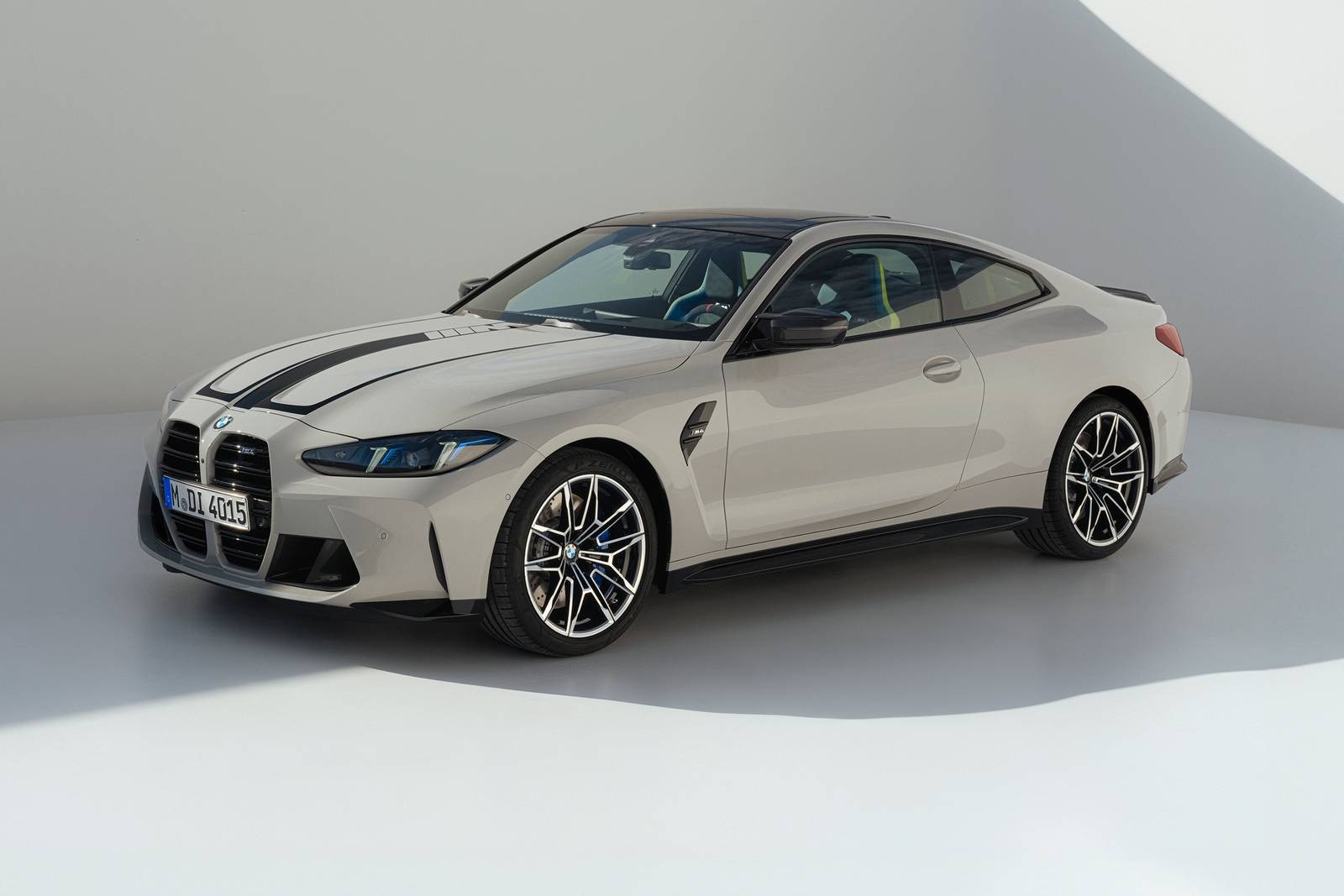
1. BMW M4
The BMW M4 stands out for its thrilling performance, precise steering, and sharp looks, but when it comes to coping with pothole-ridden streets, it is far from forgiving. This car rides on large, low-profile performance tyres mounted on stiff suspension, a setup that thrives on smooth tracks but struggles on damaged roads.
The thin tyre sidewalls leave little cushioning between the wheel and the road surface. As a result, hitting a deep pothole can transmit a harsh jolt directly to the rims, often causing bends or cracks.
The M4’s adaptive suspension may have comfort settings, but even in its softest mode, the car’s ride quality remains firm. Potholes that a softer sedan might absorb with a muted thud often send a loud crash through the cabin here. For drivers in areas with rough pavement, replacing tyres and repairing wheels can quickly become a recurring expense.
Another factor that worsens the M4’s struggle with potholes is its wide tyre footprint. While these give the car superb grip during spirited driving, they also make it easier for sharp road edges to catch the wheels. Once a wheel takes that kind of impact, damage is almost inevitable. Wheel replacements for the M4 can be costly, given the premium alloys and high-performance tyres it requires.
For enthusiasts who enjoy spirited driving, the BMW M4 remains an exciting choice, but it demands careful route planning in regions where potholes are frequent. Owners often find themselves avoiding certain roads entirely, knowing the financial hit that could follow even one severe impact. While the M4 delivers on speed and agility, its low tolerance for road imperfections means that without extra caution, wheel damage becomes part of ownership.
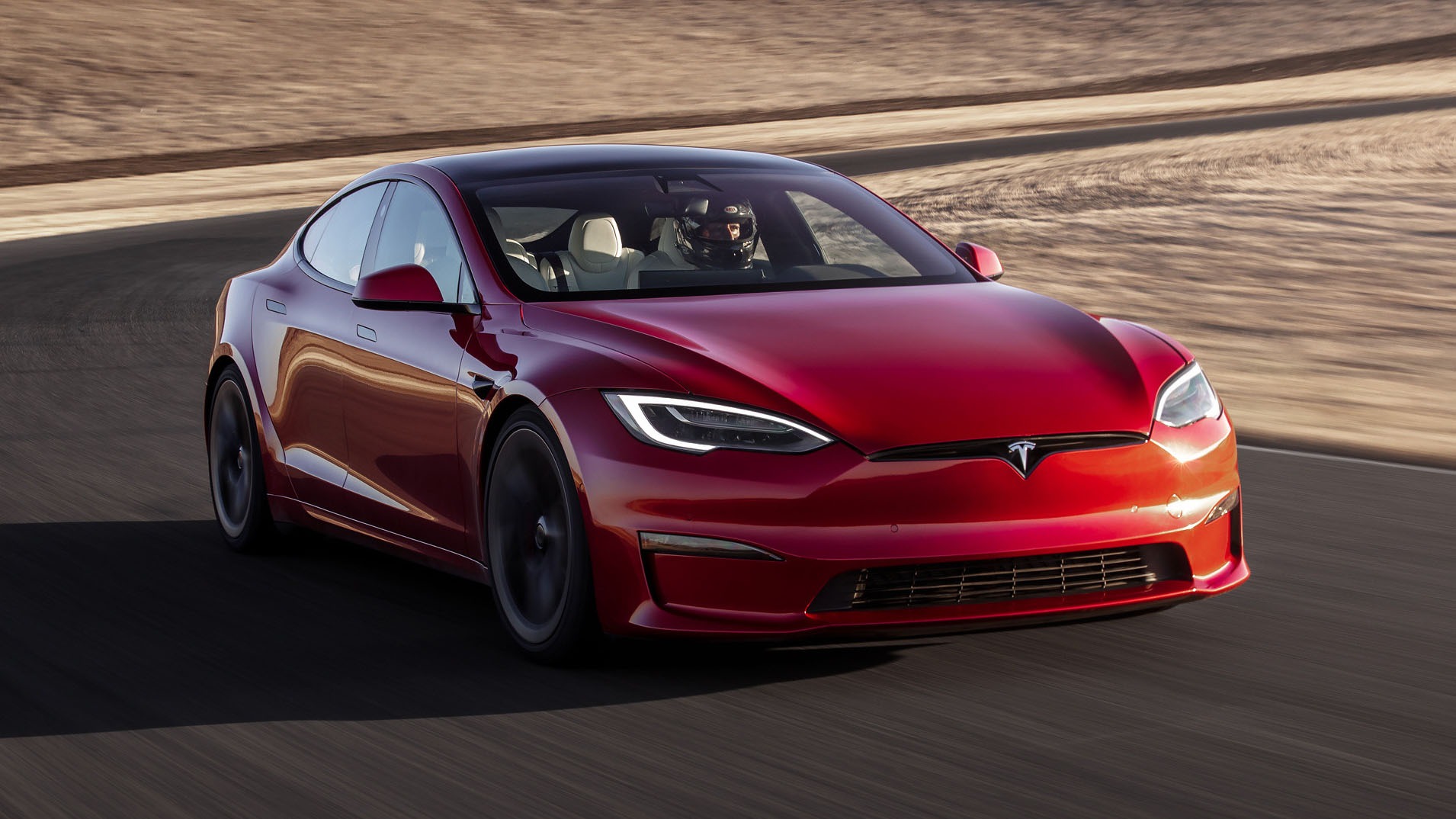
2. Tesla Model S Plaid
The Tesla Model S Plaid is an engineering marvel, delivering blistering acceleration and cutting-edge technology. However, when it comes to surviving rough road surfaces, its low-profile tyres and heavy curb weight make it a prime candidate for wheel damage.
The Plaid rides on large diameter wheels, often 21 inches, with tyres that have minimal sidewall height. This setup maximises cornering performance and aesthetics but leaves very little buffer when encountering potholes.
When the front wheel of the Model S Plaid meets a deep road crater, the impact force is magnified by the car’s substantial weight. The combination of rigid suspension tuning and limited tyre cushioning means the shock is transmitted directly to the rim. Owners in areas with neglected roads often report bent or cracked wheels after only a few months of driving.
The car’s electric drivetrain also adds another challenge. With instant torque delivery, the Plaid encourages spirited acceleration, which can increase the risk of hitting potholes at higher speeds, making the damage worse. Although Tesla offers different wheel sizes, many buyers opt for the largest options to match the performance image, inadvertently increasing vulnerability.
Replacing a damaged wheel on the Model S Plaid is not just expensive; it can also involve delays if specific parts need to be shipped. High-performance tyres for these large wheels cost substantially more than conventional options, and many owners keep spare sets to minimise downtime. Some drivers have resorted to switching to smaller aftermarket wheels with taller sidewalls, sacrificing some of the car’s visual appeal for better pothole resistance.
While the Model S Plaid is unmatched in acceleration and futuristic feel, it is ill-suited to poorly maintained streets. The combination of weight, speed capability, and wheel design means that without extreme caution, pothole encounters can lead to costly wheel repairs or replacements.
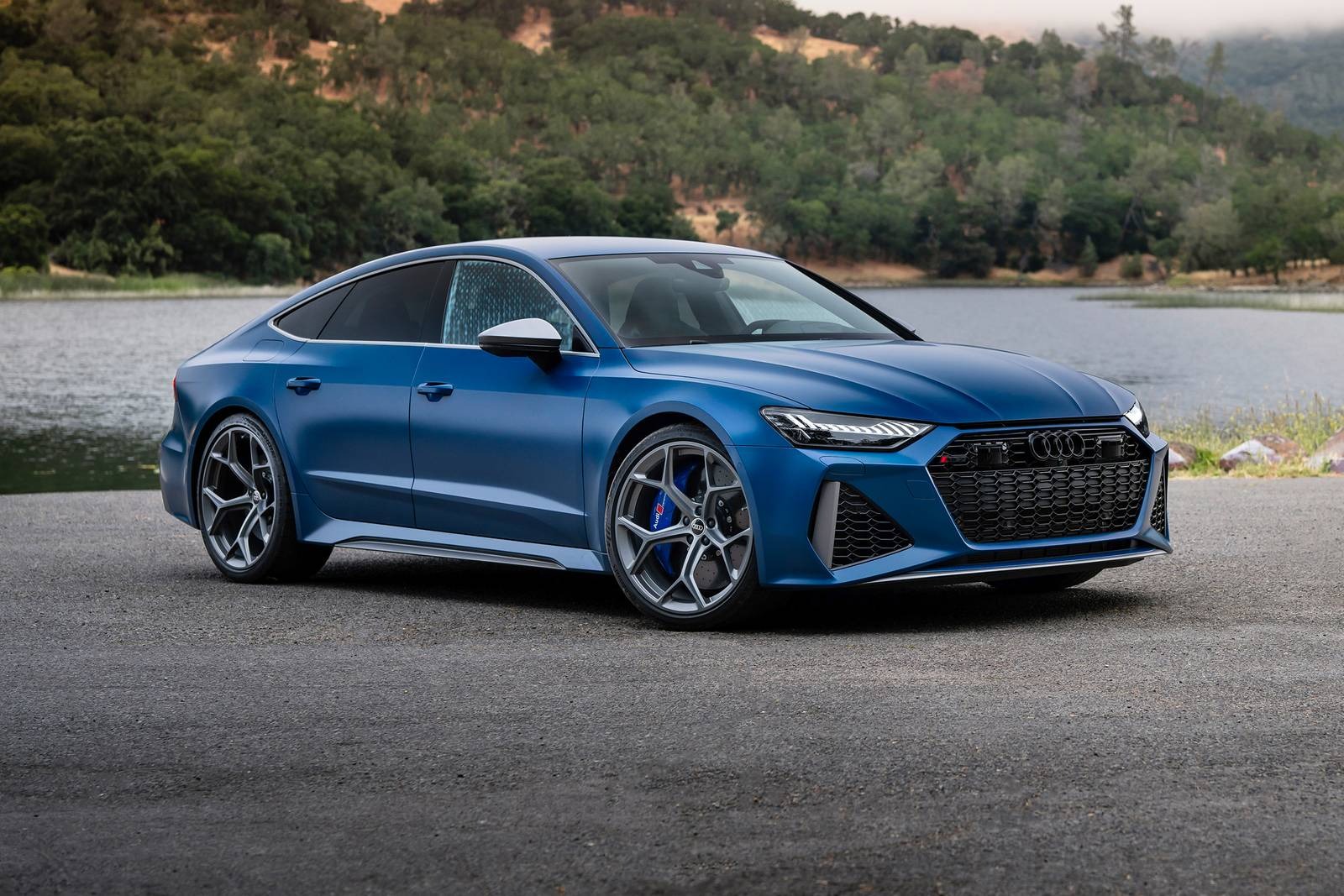
3. Audi RS7 Sportback
The Audi RS7 Sportback blends luxury, performance, and sleek styling, making it one of the most desirable four-door coupes on the market. Unfortunately, its aggressive wheel and suspension configuration make it particularly vulnerable to pothole damage. Large alloy wheels with very thin tyre sidewalls are standard, creating a stunning visual stance but leaving little room for impact absorption.
The RS7’s adaptive air suspension is tuned for a mix of comfort and sportiness, but even in its most compliant setting, potholes can produce harsh impacts. Because of the low-profile tyres, a sudden encounter with a deep pothole often leads to wheel bends or fractures. Owners in urban areas with deteriorating roads frequently find themselves facing unexpected repair bills.
Performance is central to the RS7’s character, with its powerful twin-turbocharged V8 encouraging enthusiastic driving. However, this also means that drivers often approach road imperfections at higher speeds, amplifying the risk. The car’s weight adds to the issue, as more mass translates into more force when the wheel strikes a pothole.
Another complication comes from the RS7’s expensive wheel options. The factory alloys are not only costly to replace but can also take time to source if damage occurs. Many RS7 drivers have reported having to order replacements directly from Audi, with some waiting weeks for availability.
The RS7’s appeal lies in its blend of comfort and performance, but that balance is quickly upset by damaged roads. For owners living in regions prone to potholes, extra vigilance is required. Some opt for smaller winter wheels with higher sidewalls to protect against damage during harsher months, though this comes with a visual trade-off.
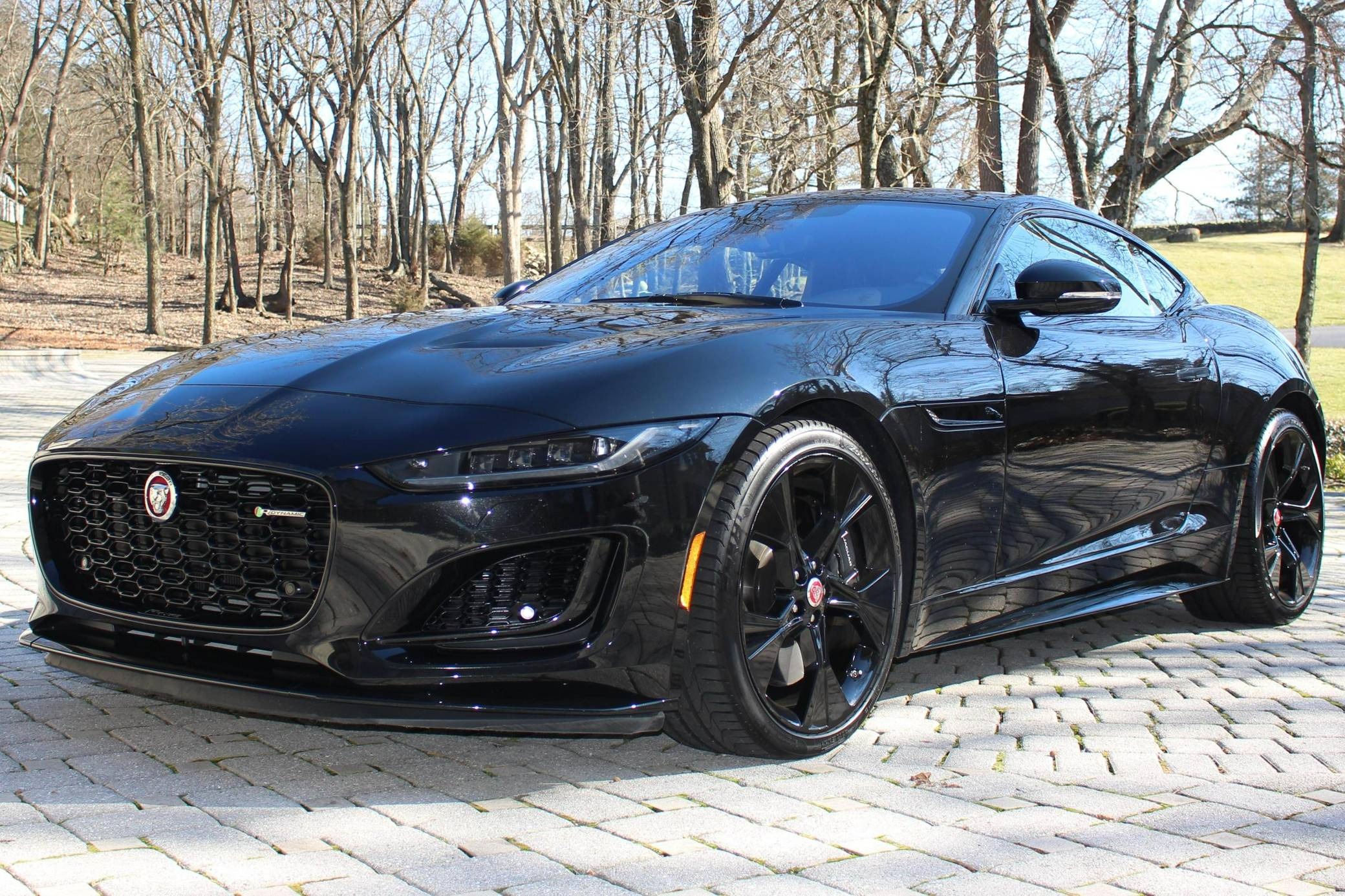
4. Jaguar F-Type R
The Jaguar F-Type R offers a thrilling driving experience, distinctive styling, and a deep exhaust note that captures the attention of enthusiasts. However, it is far from a forgiving companion when the road surface turns rough. The F-Type R’s low-slung stance and massive wheels leave it with little defence against deep potholes.
The suspension tuning on this sports car prioritises sharp handling, resulting in a firm ride. When paired with low-profile tyres, even small potholes can deliver a jarring shock through the chassis. The thin sidewalls mean that the tyre has minimal capacity to compress and absorb impacts, putting the wheels at high risk of bending or cracking.
Owners in areas with uneven road conditions quickly learn to avoid certain streets or drastically reduce speed when approaching known trouble spots. The high cost of replacing Jaguar wheels, especially the performance-oriented alloys fitted to the R variant, makes wheel protection a constant concern.
The F-Type R’s weight distribution and power delivery also add to the challenge. With a supercharged V8 delivering important torque, drivers can find themselves carrying more speed into road imperfections than intended, worsening the potential damage. Even light contact with a sharp-edged pothole can lead to visible wheel distortion.
For those living in areas with pristine roads, the F-Type R’s sharp handling is a joy. But in places where potholes are common, owning one means accepting a higher level of maintenance risk. Some drivers opt for protective wheel covers or aftermarket rim protection systems, though these only offer limited defence.
Also Read: 5 Sedans That Don’t Fade Inside and 5 That Crack Dashboards

5. Mercedes-AMG GT
The Mercedes-AMG GT is a statement of performance engineering, boasting stunning looks and track-ready dynamics. However, its stiff suspension and oversized wheels make it highly susceptible to pothole-related wheel damage.
The AMG GT’s design favours agility and grip, resulting in minimal compliance in the suspension system. This works well on smooth asphalt but creates problems when the road surface is broken or uneven.
With 19- to 20-inch wheels wrapped in very low-profile tyres, the AMG GT has little protection against vertical impacts. When the front wheel drops into a deep pothole, the tyre’s limited sidewall height cannot adequately absorb the shock, and the force transfers directly to the rim. This often results in bends, cracks, or complete wheel failure.
The car’s low ride height means that even moderate potholes can cause abrupt jolts, and in severe cases, the underbody may also scrape. Owners frequently share stories of replacing one or more wheels within a single year of ownership, especially in areas where road repairs are infrequent.
Beyond wheel vulnerability, tyre replacement costs for the AMG GT are important, as the car uses high-performance rubber tailored for its weight and speed capabilities. Replacement parts are premium-priced, and the labour involved in swapping damaged wheels can add to the expense.
While the AMG GT is exhilarating on a racetrack, it is ill-suited for neglected city streets. Drivers must be vigilant, often zigzagging to avoid road hazards, knowing that one poorly timed impact could mean hundreds or even thousands in repair bills.
