
Buying a sedan can be one of the most thoughtful investments for anyone who needs a car that combines comfort, practicality, and a good driving feel. While the market is full of choices, the truth is that not all sedans give the same value in the long run.
Some models reward owners with many years of service, reasonable upkeep costs, and dependable performance. Others may look appealing in the showroom but quickly reveal weaknesses that lead to frequent repairs and high bills. It is easy to be drawn by sharp designs, attractive features, or strong marketing messages.
However, the true worth of a sedan often becomes clear only after several years of ownership. Cars that are built with durable materials, have proven mechanical setups, and maintain reasonable servicing costs often remain satisfying to keep. While sedans that suffer from weak parts, poor engineering, or expensive replacement components can turn ownership into a financial struggle.
The difference between a rewarding purchase and a regret can also depend on how a car’s value holds up in the used market. A sedan with a strong reputation for reliability often keeps more of its worth, which means the owner can sell it later without taking too much loss. A problem-prone model usually loses value faster because buyers do not want to inherit future repair issues.
Right here on this page, we will give attention to ten popular sedans, five that have shown themselves to be worth keeping for many years, and five that are known to drain money through repairs, parts, and maintenance.
By looking closely at their build quality, comfort, maintenance records, and owner experiences, it becomes clearer which ones deserve a place in your garage and which ones may be better avoided. This information is not about the latest trends but about real ownership satisfaction and financial sense.
5 Sedans That Stay Worth Owning
1. Toyota Camry
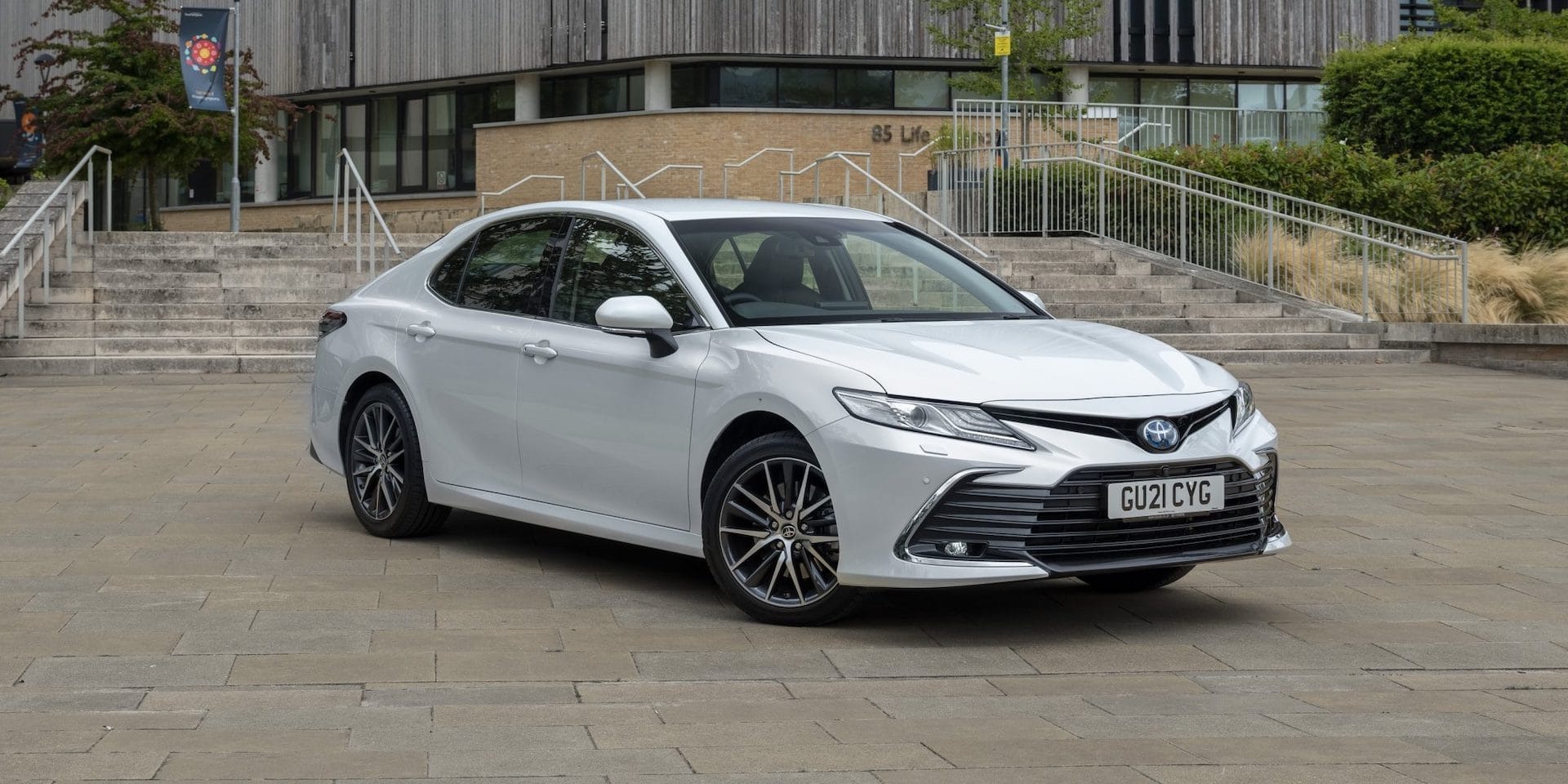
The Toyota Camry has built a reputation over the decades as one of the most reliable and practical mid-size sedans available. Owners often keep their Camrys for more than a decade, with many reaching 250,000 miles without needing major repairs. This is because Toyota has focused on creating a balanced design that does not try to push technology beyond proven limits.
The engineering of the Camry is straightforward yet highly effective. The engines are tuned for dependable performance and good fuel economy, which means the car can serve as both a comfortable commuter and a dependable travel companion for long trips. The transmission changes smoothly, and the suspension is well-balanced for comfort without feeling too soft.
Inside, the Camry delivers generous space for passengers, even in the back seats. The cabin materials are strong enough to resist wear from daily use, and the controls are arranged in a way that is easy for drivers of all experience levels to understand. The seating remains comfortable even after hours on the road, which is one of the reasons many families choose it for road trips.
Another advantage is the car’s strong resale value. Because buyers trust the Camry’s track record, it sells more easily in the used market, and at a higher price compared to less dependable rivals. Parts are easy to find and affordable, which helps keep servicing costs low.
Many owners report that regular oil changes, basic fluid replacements, and brake servicing are enough to keep the Camry running well. When repairs are needed, they are usually minor and can be handled by most mechanics without special tools. This combination of comfort, durability, and low upkeep makes the Toyota Camry a sedan that rewards its owner for many years.
2. Honda Accord
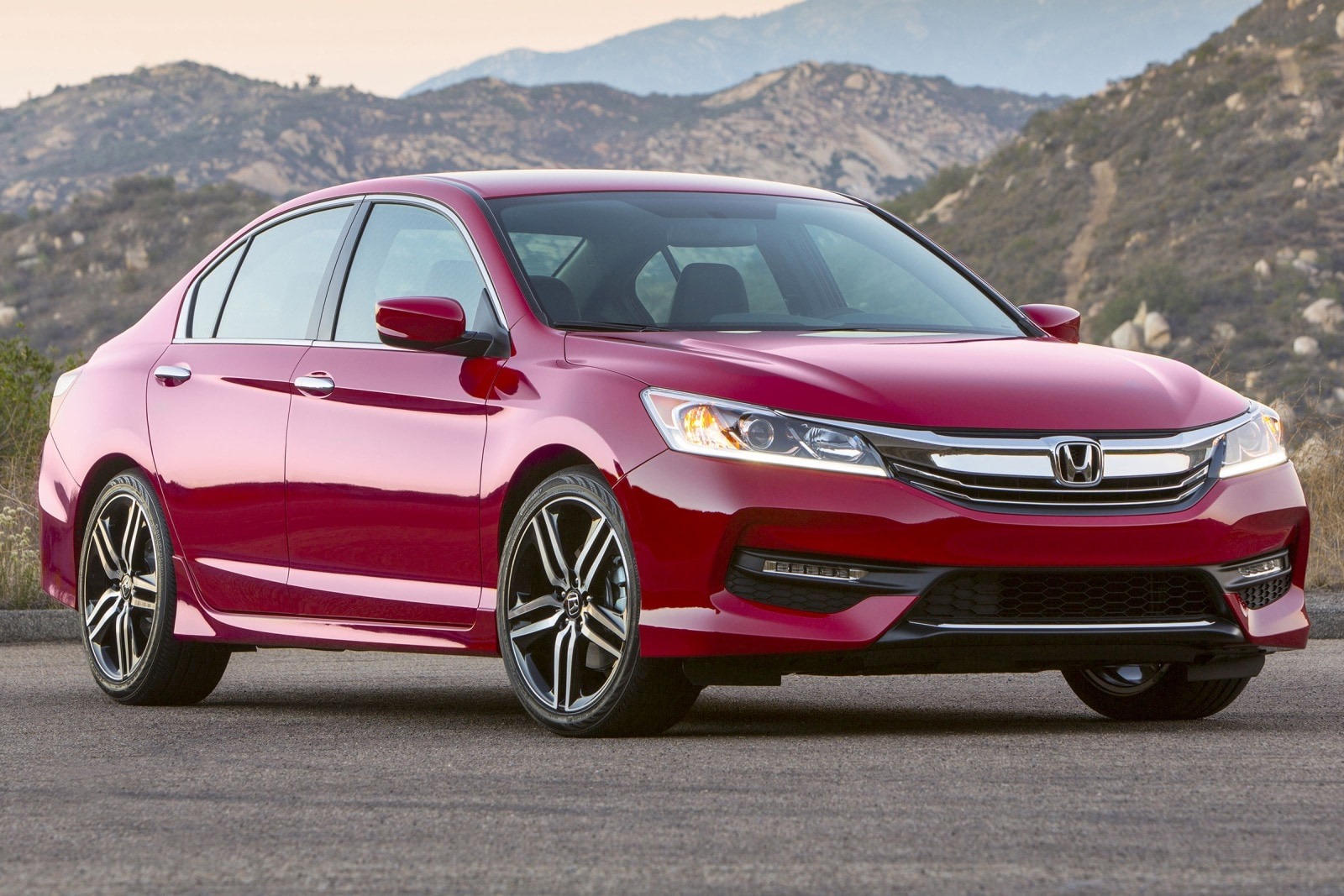
The Honda Accord has been a favourite among drivers who want a sedan that combines sharp driving performance with lasting dependability. Known for its engaging handling, comfortable ride, and spacious interior, the Accord has consistently proven that it can remain in service for well over a decade with regular care.
Honda builds the Accord with a suspension system that delivers stability at high speeds while staying responsive in city traffic. The steering is precise, which gives the driver confidence when manoeuvring through corners or changing lanes on busy highways. The brakes are strong and predictable, adding to the sense of control.
The cabin is another reason for the Accord’s popularity. Honda uses materials that hold up well under daily use, and the layout is simple yet attractive. The seats offer good support for both short and long drives, and the rear seats have enough space for adults to travel comfortably.
Long-term value is one of the Accord’s greatest strengths. Because it has a long history of dependable engines and transmissions, buyers in the used market are willing to pay more for a well-kept example. This means owners enjoy better resale returns than they might get from other sedans in the same class.
Fuel economy is consistently strong for the Accord, and servicing is straightforward for most mechanics. Replacement parts are widely available and reasonably priced, which helps keep ongoing costs low. For drivers who want a car that blends enjoyable driving with sensible ownership, the Accord is a sedan that delivers satisfaction for many years.
Also Read: 10 Sedans That Dominate U.S. Sales and Whether They’re Worth It
3. Toyota Corolla
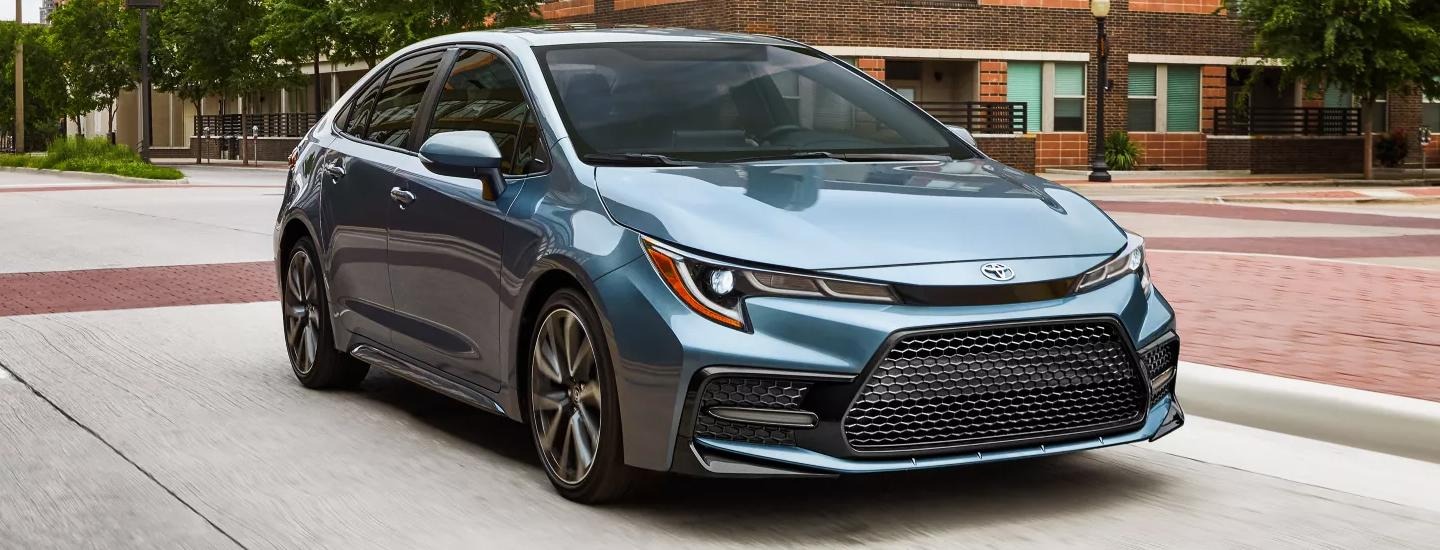
The Toyota Corolla may be smaller than many mid-size sedans, but it has a long record of being one of the most dependable compact cars in the market. Its straightforward engineering and low operating costs make it a smart choice for anyone who wants a trouble-free driving experience.
Owners often report that their Corollas continue running smoothly well beyond 200,000 miles with only routine servicing. Toyota has kept the Corolla’s design simple and efficient, avoiding unnecessary complications that can lead to costly repairs.
The Corolla’s size makes it easy to handle in city traffic, yet it has enough comfort for longer trips. The interior is well put together, and the materials resist wear in the long run. The seating position offers clear visibility, making it an easy car for new drivers as well as experienced ones.
The engines are built for endurance and deliver good fuel economy, which is especially valuable during periods of rising fuel prices. Insurance rates for the Corolla are also generally lower than average, which adds to its appeal for budget-conscious drivers.
The strong demand for used Corollas helps maintain their resale value. Many buyers trust the model’s reputation and are willing to pay more for a used one compared to other compact sedans. Maintenance costs remain low because parts are widely available and can be installed by almost any repair shop. This mix of durability, efficiency, and affordability makes the Corolla a dependable choice year after year.
4. Lexus ES
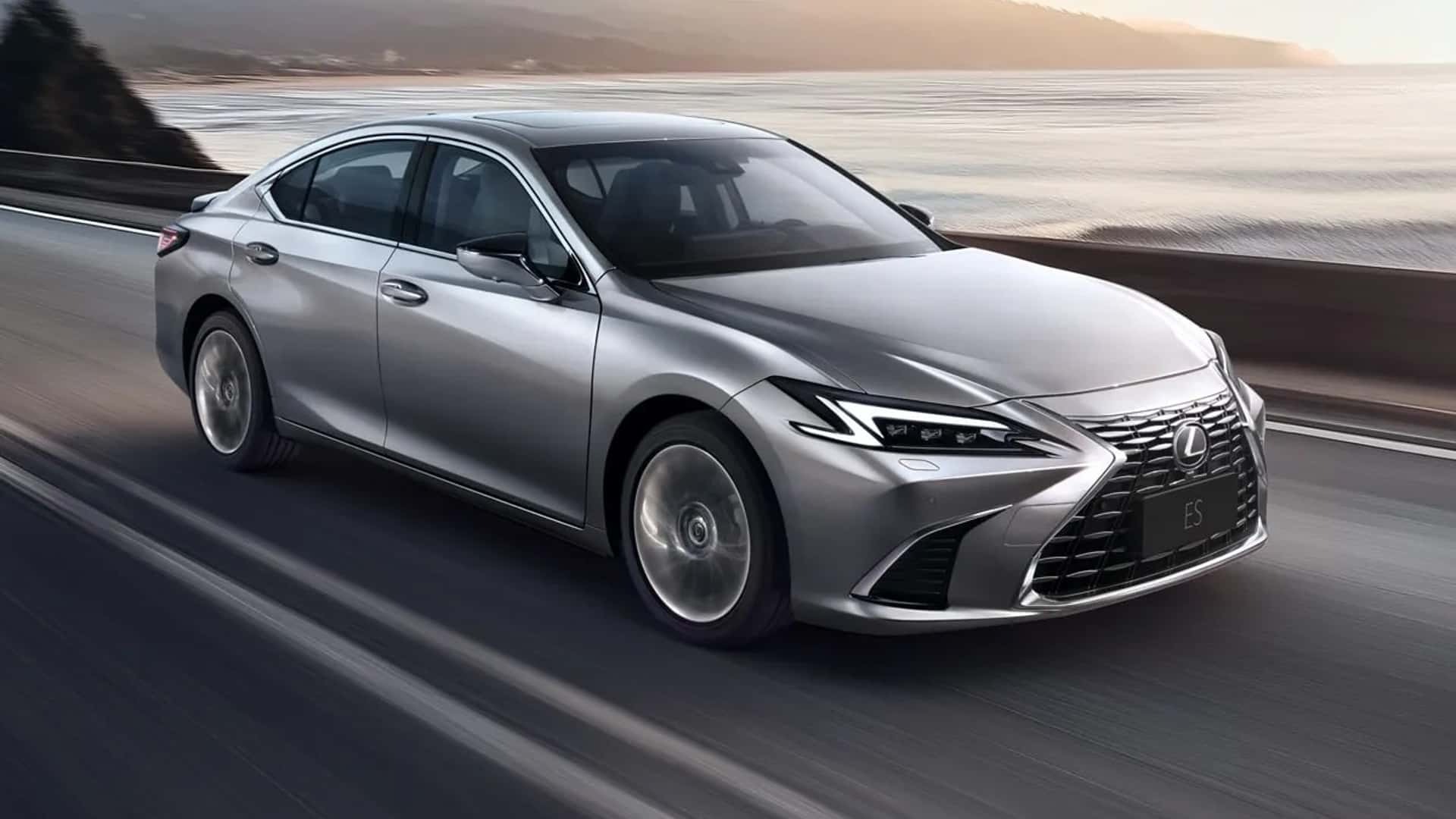
The Lexus ES is an excellent option for those who want luxury comfort without the common financial stress that comes with many high-end vehicles. Built on Toyota’s trusted engineering base, the ES provides a quiet, refined ride while maintaining low maintenance demands.
The interior is carefully finished, with plush seating, high-quality materials, and thoughtful details throughout. Noise insulation is excellent, allowing for a calm and peaceful driving experience. The suspension is tuned for comfort, easily absorbing bumps and imperfections in the road.
The engines in the Lexus ES are designed for smooth performance and long-term reliability. They share many components with Toyota models, which helps reduce maintenance costs compared to European luxury sedans. Repairs are generally straightforward, and parts are easier to find than for many competing luxury brands.
Resale values for the ES remain strong because it has built a reputation for being both luxurious and dependable. Buyers in the second-hand market see it as a safe investment, knowing it will require fewer repairs than other premium options.
For drivers who want a car that delivers both comfort and peace of mind, the Lexus ES is one of the rare luxury sedans that continues to be worth owning well beyond its first years.
5. Hyundai Sonata
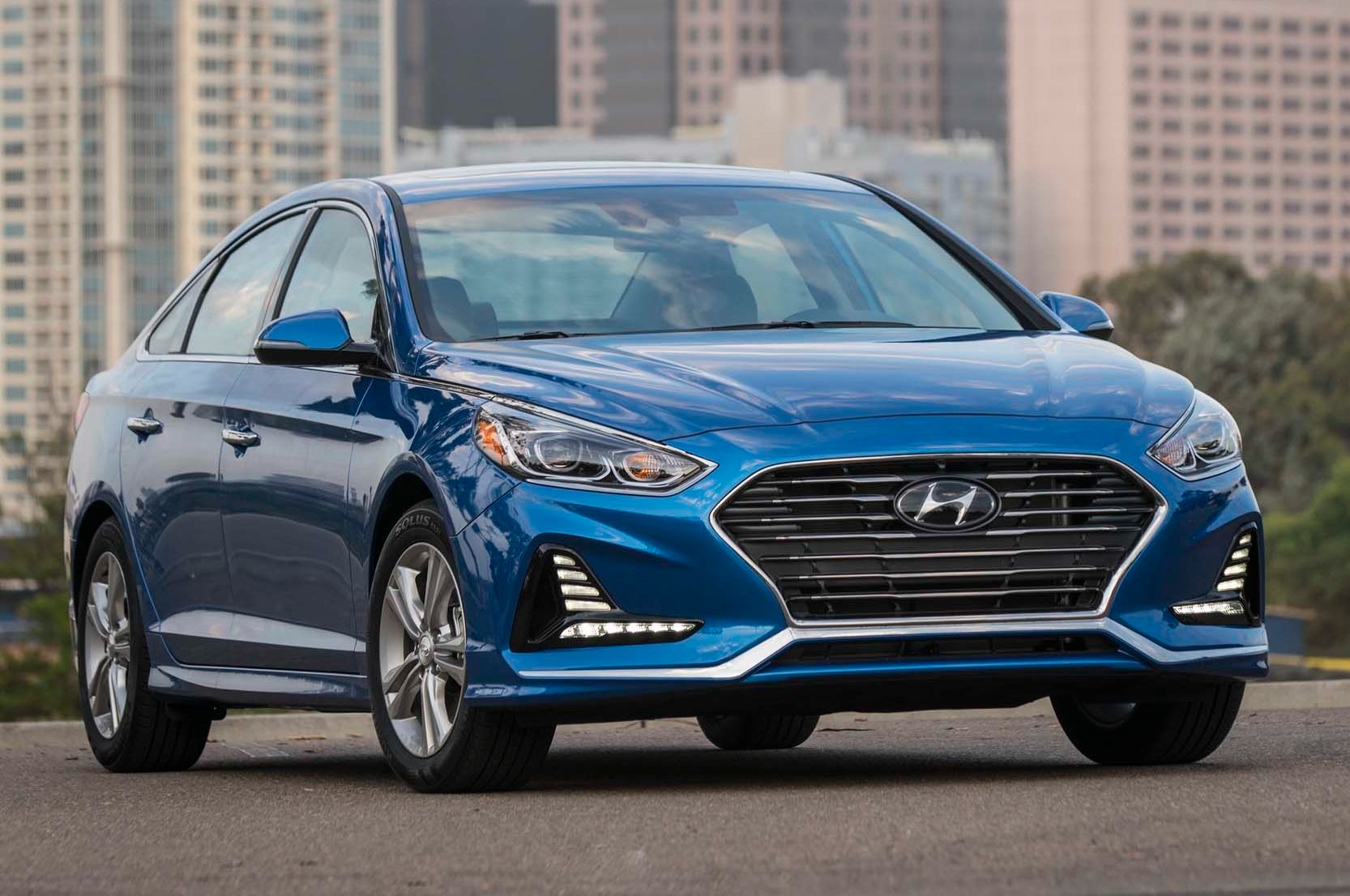
The Hyundai Sonata has transformed its image over the last decade from being an economy choice to a genuinely appealing mid-size sedan. Modern Sonata models offer solid reliability, attractive styling, and a wide range of comfort and safety features at competitive prices.
Inside, the Sonata feels refined, with high-quality materials and a design that balances function with style. Even base models are well-equipped, offering features like touchscreen infotainment, advanced safety systems, and comfortable seating for five.
Hyundai supports the Sonata with a generous warranty, which reflects the brand’s confidence in its reliability. Engines are tuned for efficiency, giving good fuel economy without feeling underpowered. The car handles well for everyday driving and remains stable at higher speeds.
Maintenance is generally affordable, with parts easy to source and service intervals straightforward. Recent reliability ratings have been strong, helping the Sonata gain better resale value than it had in the past.
For buyers seeking a balance of style, comfort, and dependable performance, the Hyundai Sonata stands as one of the better choices in the market today.
5 Sedans That Become Money Pits
1. Chrysler 200
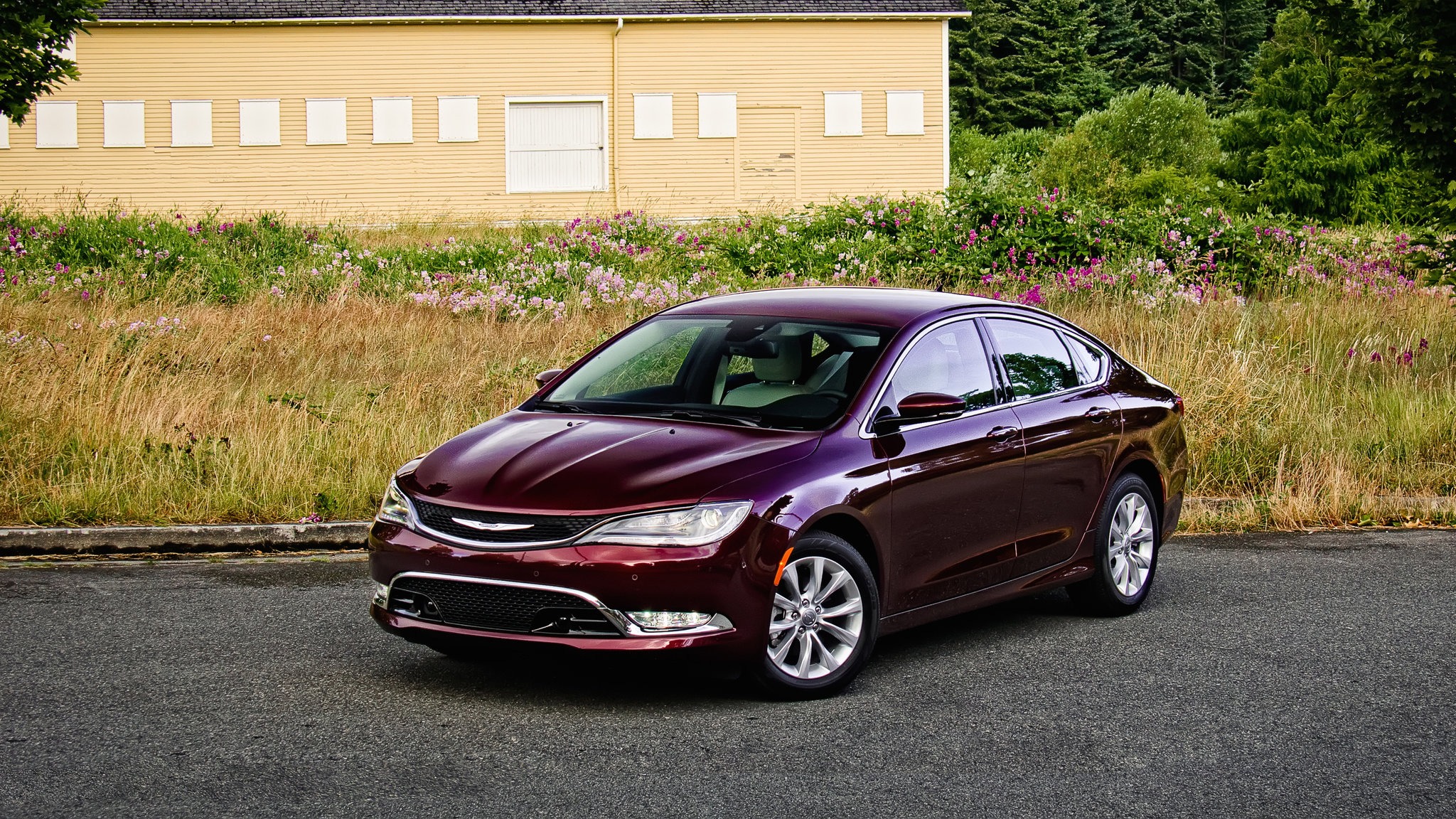
The Chrysler 200 caught attention when it was introduced because of its sleek exterior design and attractive interior styling. At first glance, it appeared to be a stylish mid-size sedan that could compete with more established rivals. However, many owners quickly discovered that its long-term dependability was lacking, and maintenance costs could be far higher than expected.
One of the most common complaints about the Chrysler 200 is related to its transmission. Reports of rough shifting, unexpected hesitation, and complete transmission failures have been frequent among certain model years. Transmission repairs are costly, and in some cases, the cost of fixing this single issue can equal the market value of the vehicle.
Electrical problems are another concern. Owners have reported malfunctioning infotainment systems, power window failures, and unpredictable dashboard warnings. These electrical issues can be frustrating because they are sometimes difficult to diagnose, leading to repeated visits to repair shops.
While the Chrysler 200’s cabin initially feels pleasant, with soft-touch materials and stylish design, the durability of these materials is questionable. Seats and trim pieces tend to wear down more quickly than those in competing models. The cabin insulation also fails to block out as much road noise as buyers expect in this class.
Resale value for the Chrysler 200 is low, largely because of its poor reputation for reliability. Buyers in the used car market are cautious about purchasing one, and they often negotiate heavily on price to offset the risk of future repairs.
For those who place a strong emphasis on looks, the Chrysler 200 might still appeal. But for anyone concerned about repair bills and dependability, this model can quickly become more of a financial burden than a pleasure to own.
2. Jaguar XE
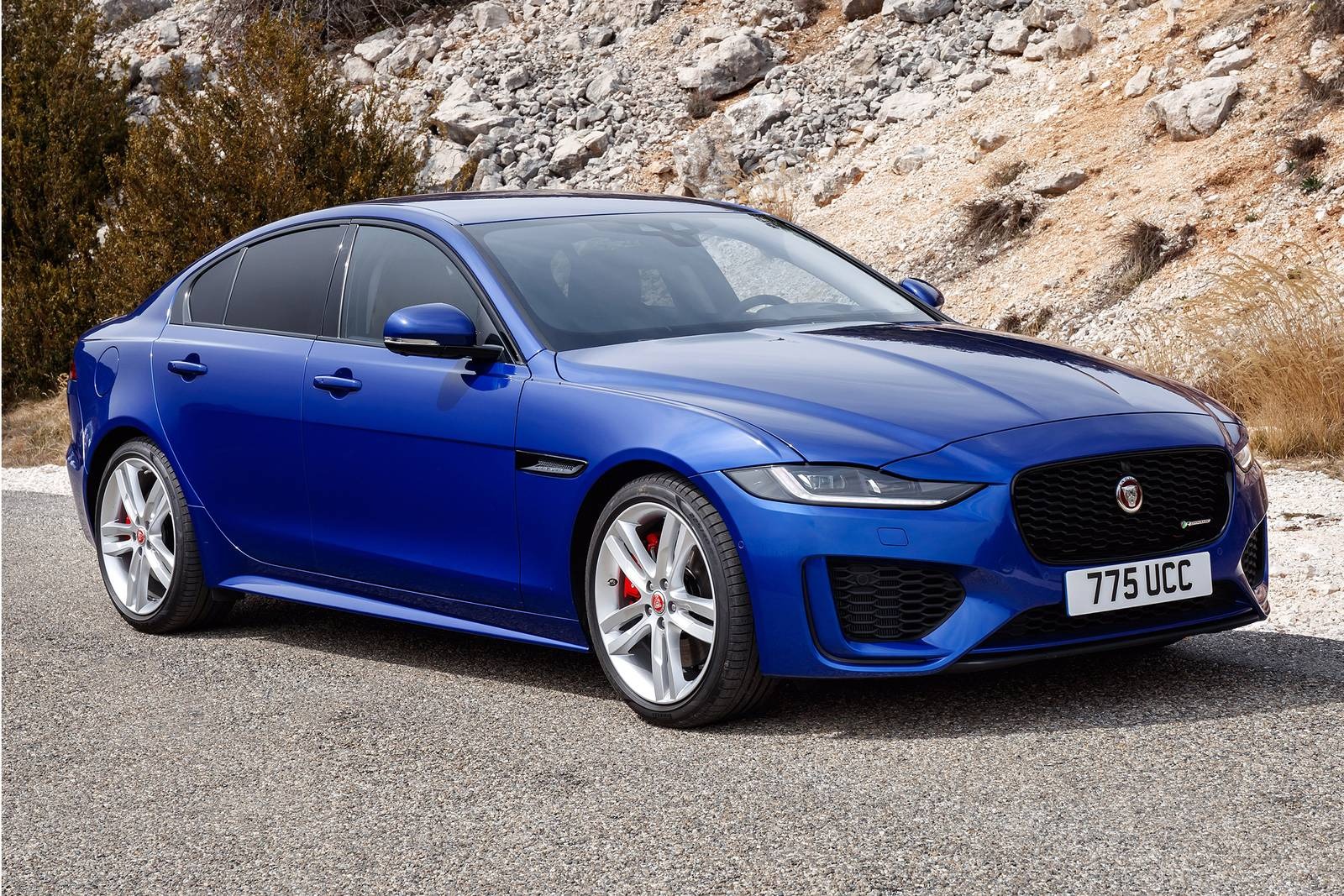
The Jaguar XE was introduced to bring British luxury and sporty performance into the compact sedan segment. While it delivers an appealing combination of sharp handling, stylish design, and an upscale interior, the costs associated with keeping it in top shape can quickly overwhelm its owner.
The XE’s suspension system, while delivering precise control and comfort when new, has been known to develop problems sooner than expected. Worn suspension components not only affect ride quality but can be costly to replace due to the specialized nature of the parts. Electrical system failures, such as faulty sensors or infotainment glitches, are also common and often require dealership-level attention.
Inside the XE, the quality of materials is good at first glance, but some owners report premature wear on leather surfaces, trim, and buttons. Replacement parts for interior components can be expensive, especially when ordered directly from Jaguar suppliers.
Another concern for the XE is depreciation. Luxury sedans in general lose value faster than non-luxury vehicles, but the XE’s drop in value is sharper because of its reputation for high upkeep costs. Used car buyers are often hesitant to take on the risk of ownership unless the price is heavily reduced.
When the XE is new and under warranty, it offers an enjoyable driving experience with refined steering and acceleration. However, once that warranty expires, owners may find that the expense of keeping it in peak condition outweighs the benefits. This makes it a risky long-term purchase for those who are not prepared for premium-level maintenance costs.
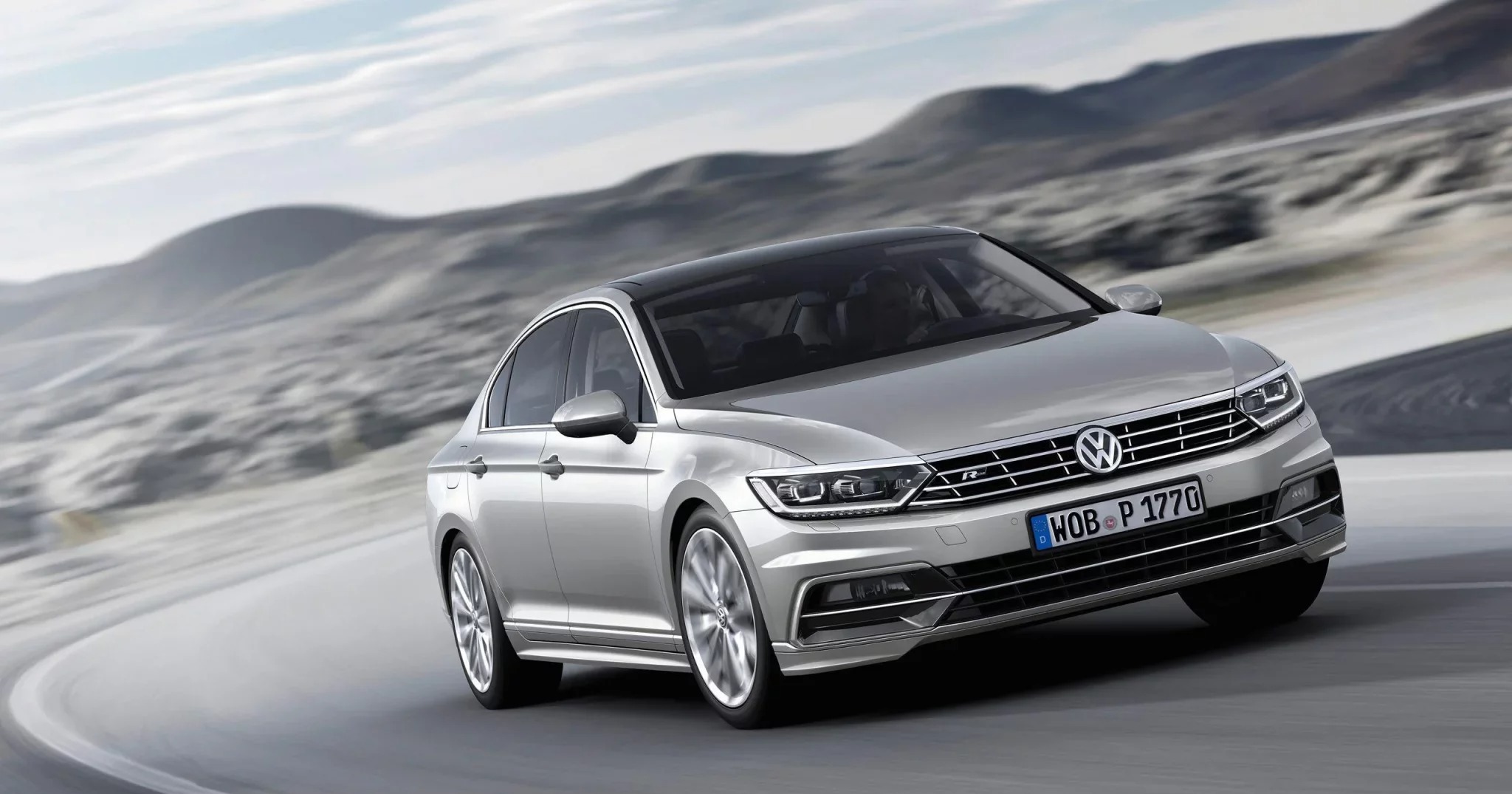
3. Volkswagen Passat (Certain Model Years)
The Volkswagen Passat has had a long history in the mid-size sedan market, with some years delivering solid reliability and others leaving owners with a series of costly problems. The inconsistency between model years means that buying a used Passat without careful research can be a gamble.
Transmission issues are among the most serious complaints from certain production years. Problems such as slipping gears, hard shifting, and transmission control module failures have been reported. In addition, turbocharged engines on some models have suffered from premature turbocharger wear, leading to expensive repairs.
Electrical issues also affect some Passats, including problems with sensors, window regulators, and central locking systems. While these may seem like small inconveniences, repeated failures can add up in repair costs.
On the positive side, the Passat offers a comfortable interior, good ride quality, and solid highway performance when functioning properly. The seats are supportive, and the cabin feels more upscale than some competitors in the same price range.
However, the cost of repairs can quickly outweigh these benefits. European car parts are often more expensive than those for Japanese or American sedans, and not every mechanic is equipped to work on Volkswagen systems. This sometimes means owners must visit specialized shops or dealerships, both of which can increase costs.
For buyers who choose carefully and stick to the more reliable model years, the Passat can be enjoyable to own. But for those who end up with a problem-prone year, it can easily turn into a drain on both time and finances.
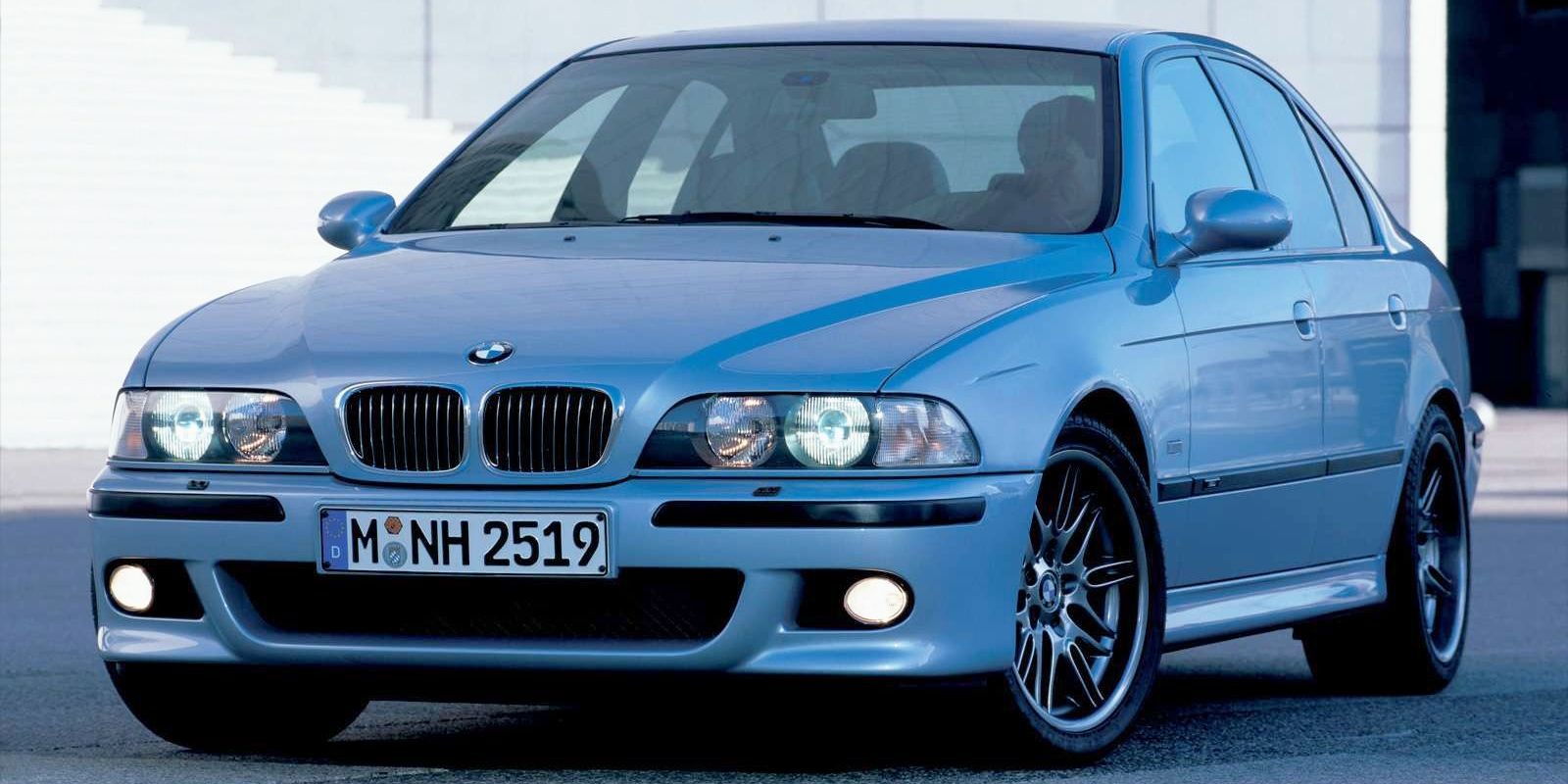
4. BMW 5 Series (Older Models)
The BMW 5 Series has long been considered a benchmark for luxury sedans that balance performance with comfort. Older models, particularly those more than a decade old, can still deliver a rewarding driving experience with precise handling and powerful engines. However, the costs of ownership rise steeply as these vehicles age.
Common issues in older 5 Series models include cooling system failures, worn suspension components, and electronic malfunctions. The cooling system, in particular, has a reputation for needing serious repairs or replacements after a certain mileage. Suspension repairs can also be expensive due to the brand’s engineering design, which often requires replacing multiple components at once.
Electronic systems, including navigation units, climate controls, and driver assistance features, are another source of problems. These systems may fail more frequently as the car ages, and repairing them often requires specialized equipment and knowledge.
Routine maintenance for a BMW is more expensive than for non-luxury sedans. Oil changes, brake replacements, and other basic services cost more due to the premium parts and labour rates associated with the brand.
Resale value for older 5 Series sedans is relatively low compared to their original purchase price. This is partly because many potential buyers are aware of the high maintenance costs and prefer newer models still under warranty.
While driving an older BMW 5 Series can still feel special, it is best suited for owners who are willing and able to budget generously for upkeep. For those seeking a low-maintenance sedan, it can quickly become more trouble than it is worth.
Also Read: 5 Sedans That Age Gracefully and 5 That Fall Apart Fast
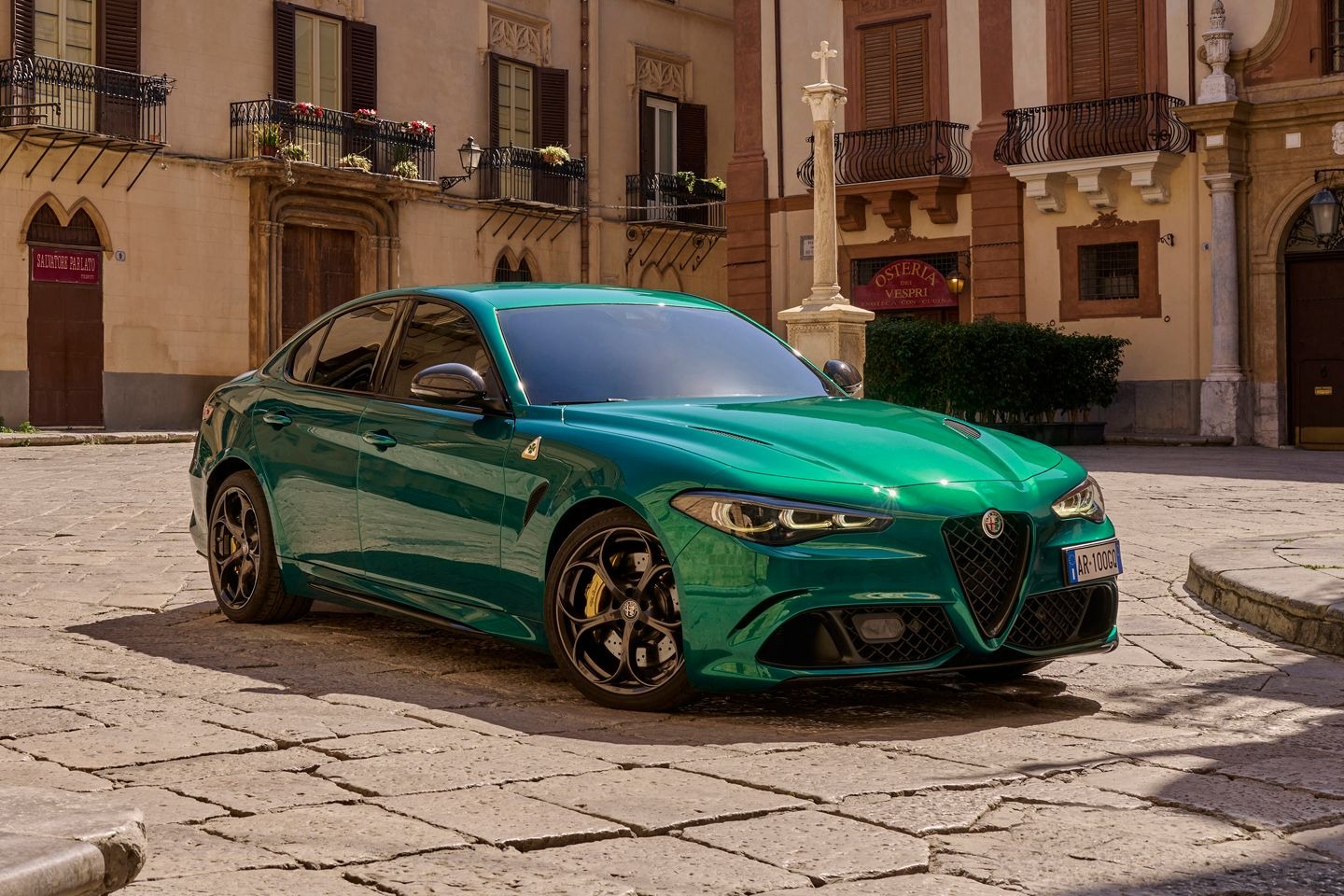
5. Alfa Romeo Giulia
The Alfa Romeo Giulia has been praised for its sharp handling, stylish appearance, and engaging driving dynamics. It offers a sense of excitement that many other sedans cannot match. However, the ownership experience often involves dealing with frequent and sometimes unpredictable mechanical issues.
Electrical system failures are one of the most common complaints. Owners have reported malfunctioning sensors, infotainment freezes, and warning lights appearing without a clear cause. These problems can require repeated visits to service centers to diagnose and repair.
Drivetrain issues have also been noted, including transmission problems and differential noise. While the Giulia’s performance tuning makes it enjoyable on winding roads, the added stress on components can lead to faster wear and tear.
Parts availability can be a challenge in certain areas, especially in smaller markets where Alfa Romeo service centers are scarce. This can lead to longer repair times and higher costs. Even routine maintenance tends to cost more than for mainstream brands due to the specialized nature of the car.
Resale value drops quickly for the Giulia. Buyers in the used market are cautious, knowing that repairs can be expensive and reliability is uncertain. For those who are passionate about driving and willing to accept the financial risks, the Giulia can be an exciting choice. But for most buyers who want steady reliability, it carries too much potential for high costs and frustration.
Sedans have remained an essential part of the automotive market because they offer a balance between comfort, practicality, and driving enjoyment. Yet, the difference between a sedan that serves you faithfully for years and one that drains your finances often comes down to engineering quality, maintenance ease, and long-term dependability.
Vehicles like the Toyota Camry, Honda Accord, and Lexus ES have earned their reputation by proving themselves over decades in both reliability and resale value. Choosing them means you are likely to experience fewer unexpected repairs, enjoy smoother rides, and keep your entire ownership costs under control.
While sedans with complicated engineering issues, costly repair parts, or poor resale performance can quickly become a burden. Models such as the Chrysler 200 or Jaguar XF might attract with appealing designs and comfort features, but their histories of mechanical problems and higher-than-average maintenance costs make them risky investments for the average buyer.
Even if you get a good deal on the initial purchase, the expenses that follow may easily surpass the savings. The main takeaway for car buyers is to focus on long-term value, not just the initial appeal.
A sedan should fit your lifestyle, suit your driving habits, and align with your financial expectations for the next several years. Researching model histories, checking owner reviews, and having a trusted mechanic inspect any used option before purchase will help you avoid unnecessary trouble.
Choosing a sedan worth owning is about combining practicality with reliability. By doing so, you protect your finances, ensure peace of mind on the road, and enjoy the full benefits of sedan ownership without falling into the trap of expensive repairs and constant frustrations. The smart move is to pick models with proven track records and avoid those with histories of unreliability. Your future self will be thankful for it.
