
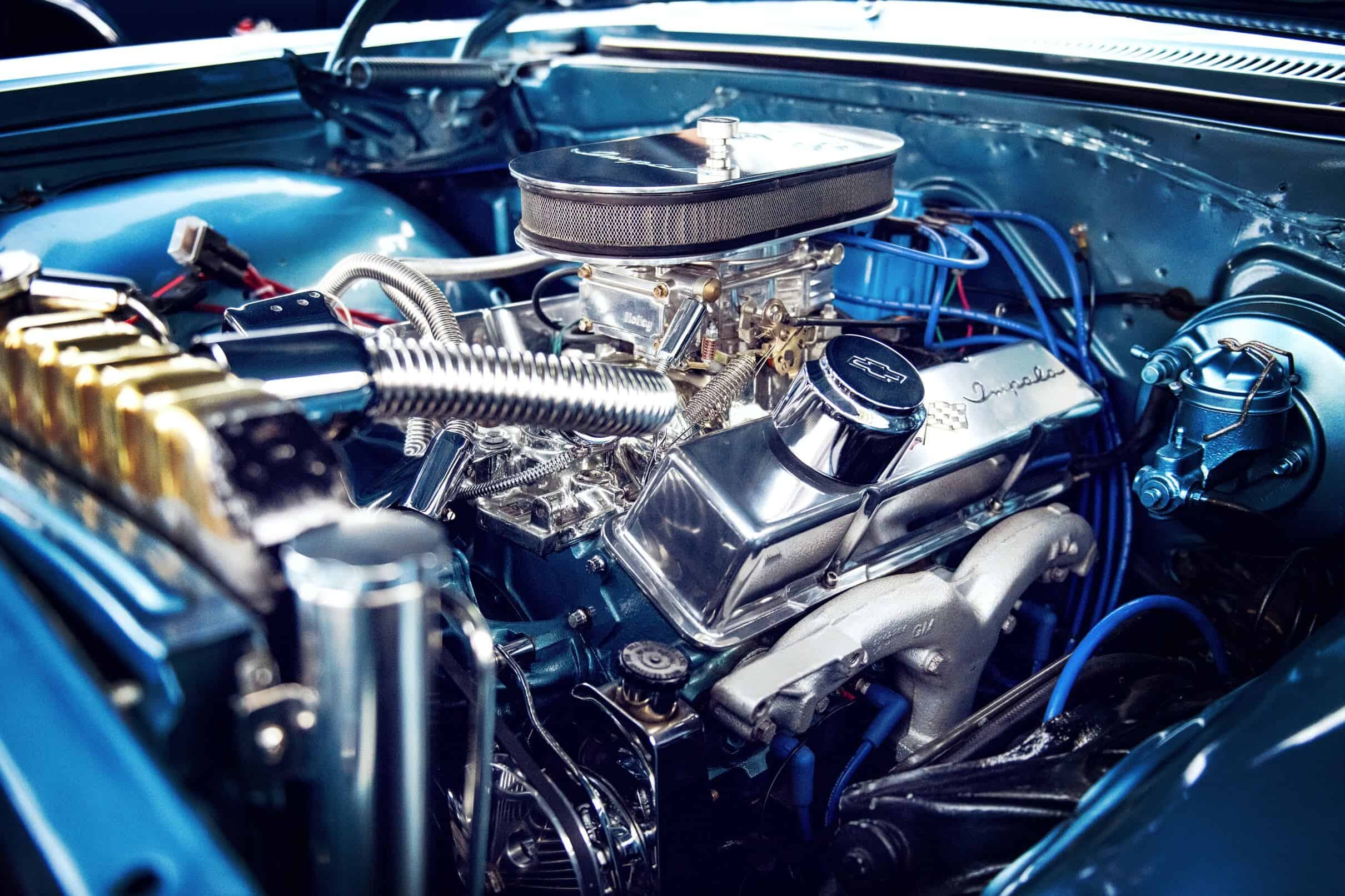
Turbocharged engines have become a common feature in many modern vehicles, bringing more power from smaller engines while helping with fuel economy. Car lovers often enjoy the extra performance these engines deliver, but their long-term reliability can vary greatly from one model to another.
Some turbo engines have earned a strong reputation for lasting many years with minimal issues when properly maintained. Others have unfortunately developed a track record of costly problems, leaving owners frustrated and burdened with repairs.
Knowing which turbo engines are dependable and which tend to fail often is very important for anyone planning to buy a turbocharged vehicle. Reliability is not just about how the engine performs when new, but also how it holds up after years of driving.
The materials used, the engineering quality, the cooling system design, and how the turbocharger is integrated into the engine all play a big role in determining how well it will last.
It is also important to remember that how a car is driven and maintained affects the life of a turbo engine. Engines that receive timely oil changes with the correct oil type, along with regular inspections, stand a better chance of lasting a long time. At the same time, even the most carefully maintained engine can develop issues if its design has inherent weaknesses.
Right here on this page, we will look at five turbo engines known for delivering years of dependable service and five that have been linked to repeated mechanical problems. This should help both new and used car buyers make a more informed choice when selecting a turbocharged vehicle. The aim is to present the facts clearly so that readers can know which engines to trust and which ones might require caution.
5 Turbo Engines That Stay Reliable
1. Toyota 2JZ-GTE
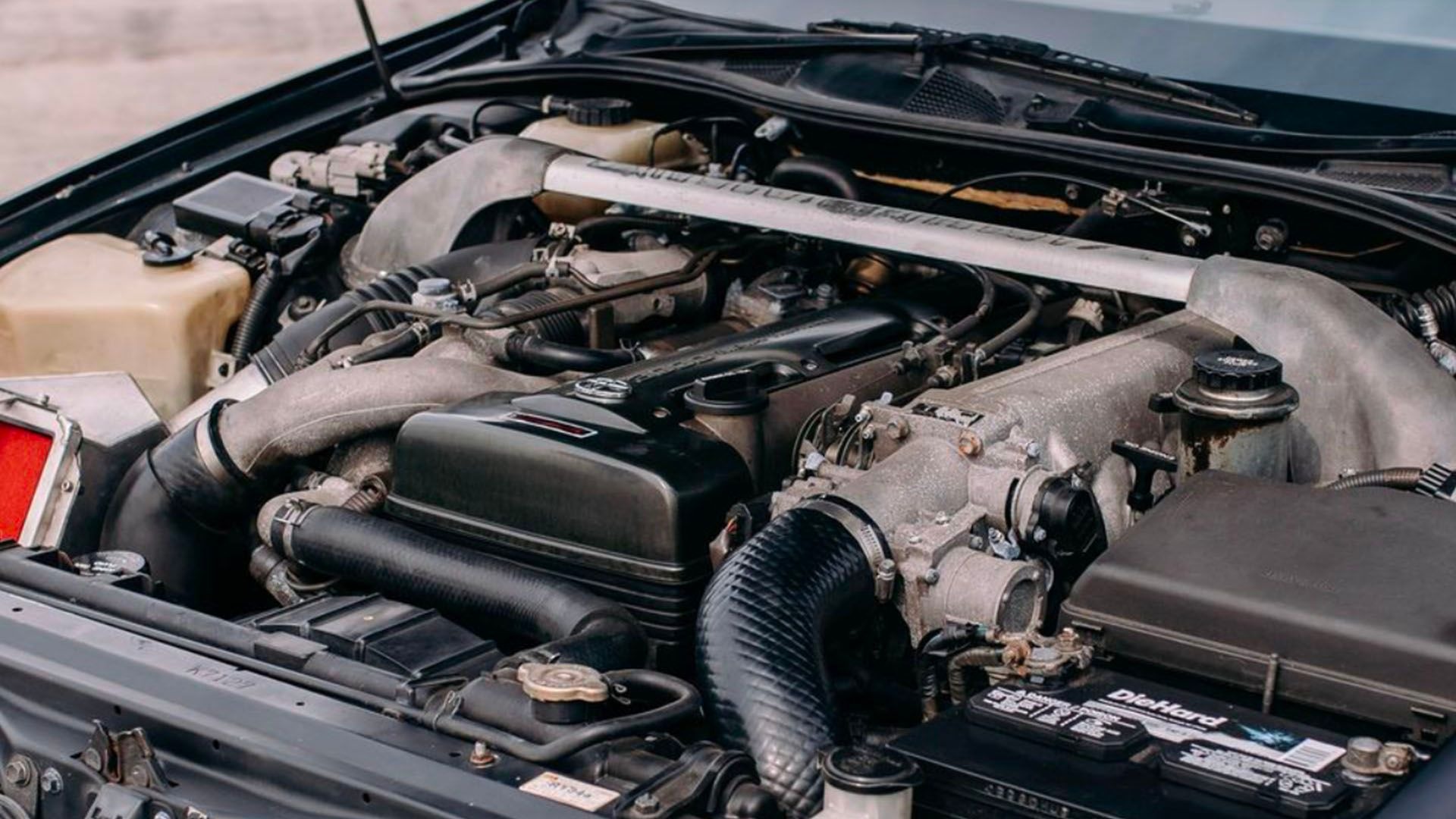
The Toyota 2JZ-GTE is a name that has been associated with strength and reliability in performance vehicles. Produced during the 1990s and early 2000s, this inline-six turbocharged engine was most famously used in the Toyota Supra MK4.
Car enthusiasts across the globe still praise it for its ability to handle high power levels without losing its dependable nature. The combination of strong internals, a well-engineered turbo system, and a sturdy iron block makes it a long-lasting choice for those who maintain it well.
One reason the 2JZ-GTE has remained so dependable is the use of high-quality materials in its construction. The iron engine block offers better durability than many aluminum-block turbo engines, as it can tolerate high boost pressures without distortion. The forged steel crankshaft and robust connecting rods also contribute to its strength, allowing owners to safely increase horsepower beyond factory settings without risking immediate damage.
This engine is also known for handling modifications better than most other turbo units. Many tuners have successfully pushed it well beyond 600 or even 1,000 horsepower without facing catastrophic failures, provided the fueling and cooling systems are upgraded properly. While many modern engines are built lighter to save weight, the 2JZ-GTE’s heavier and stronger build has kept it relevant decades after its initial release.
Another advantage is its relatively simple design compared to newer turbo engines loaded with difficult electronics. This makes repairs and maintenance more straightforward for skilled mechanics. Regular oil changes using high-quality synthetic oil, proper coolant levels, and timely replacement of wear parts keep it running smoothly for many years.
Even when driven hard, the 2JZ-GTE often reaches high mileage without major internal problems. Stories of these engines crossing 300,000 miles are not unusual, especially when the owner follows the recommended service schedule. For anyone seeking a turbo engine that offers both performance and long life, the Toyota 2JZ-GTE remains one of the most trusted options available.
2. Ford 3.5L EcoBoost (Second Generation)
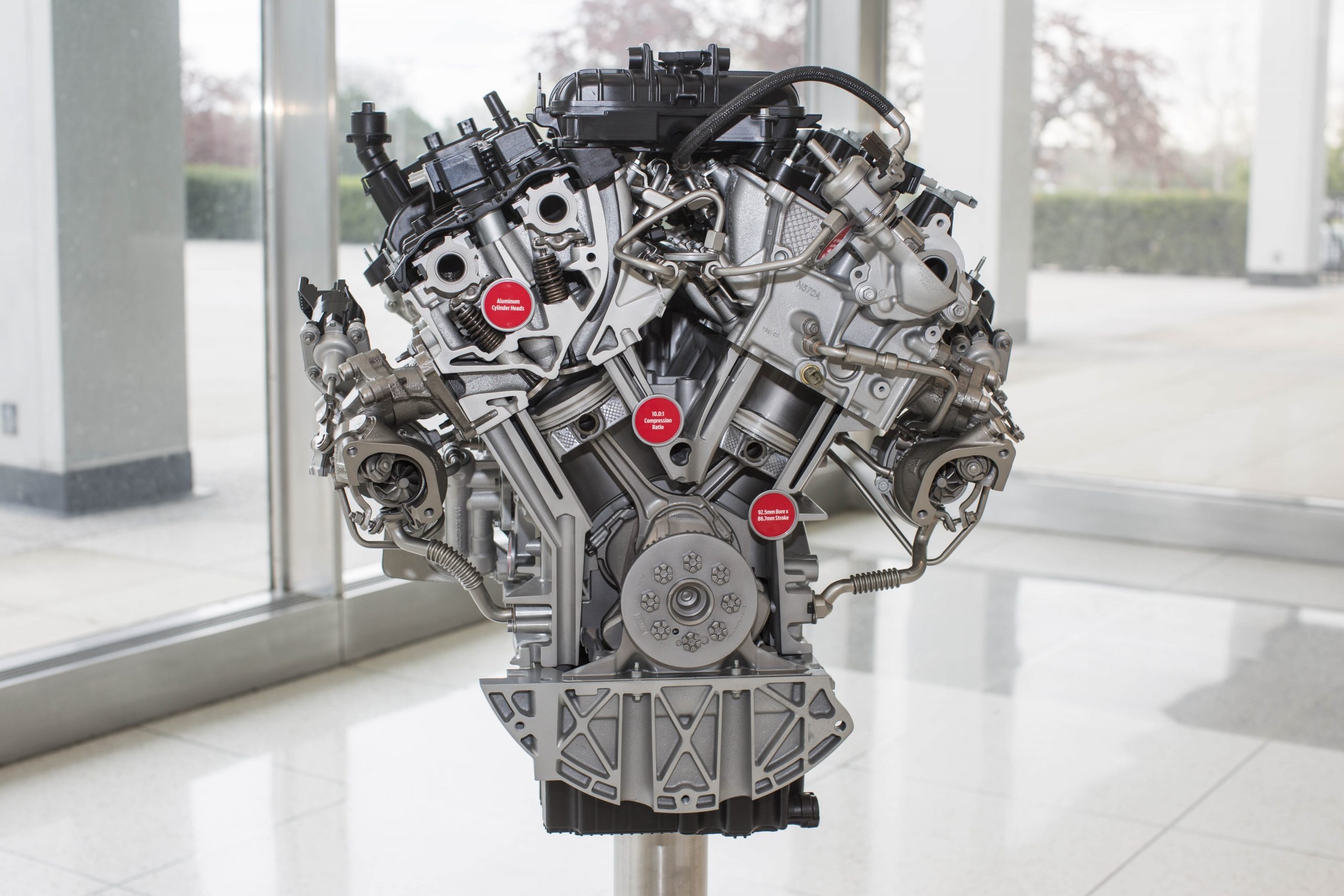
Ford’s second-generation 3.5L EcoBoost turbocharged V6 has earned a strong reputation for delivering powerful performance while still maintaining reliability. Introduced in the mid-2010s, it addressed many issues found in the first-generation version. This updated design is used in vehicles like the Ford F-150, Ford Expedition, and even some performance models such as the Ford GT.
The second-generation model brought a number of engineering improvements. Ford added a dual fuel injection system, combining both port and direct injection, which helped reduce carbon buildup on intake valves, a common issue in the earlier design. The turbochargers themselves were also upgraded for better durability, with stronger bearings and improved cooling to handle high workloads without overheating.
The block and cylinder heads are made from high-strength materials, allowing the engine to sustain high torque output without internal damage. Many truck owners rely on this engine for towing heavy loads, and it performs this job while still lasting for hundreds of thousands of miles when properly maintained. The balance between fuel economy and power delivery makes it suitable for both daily driving and work purposes.
Maintenance is straightforward if you follow the manufacturer’s service recommendations. Oil changes using the correct specification oil are essential, as turbo engines depend heavily on clean lubrication for the turbochargers’ health. The cooling system should also be kept in good condition to prevent overheating under load.
One of the strongest points of the second-generation 3.5L EcoBoost is its smooth and responsive power delivery. Turbo lag is minimal, and the engine delivers peak torque early in the rev range, making driving more effortless whether on highways or during city commutes. Owners have reported reaching mileage well above 200,000 without major repairs, which speaks to its improved build quality over the first generation.
For buyers looking for a modern turbocharged engine that can handle hard work without giving up reliability, the Ford 3.5L EcoBoost second generation stands out as a proven choice.
Also Read: 5 Cars With Engines That Refuse to Die and 5 That Fail Before 80K
3. BMW B58
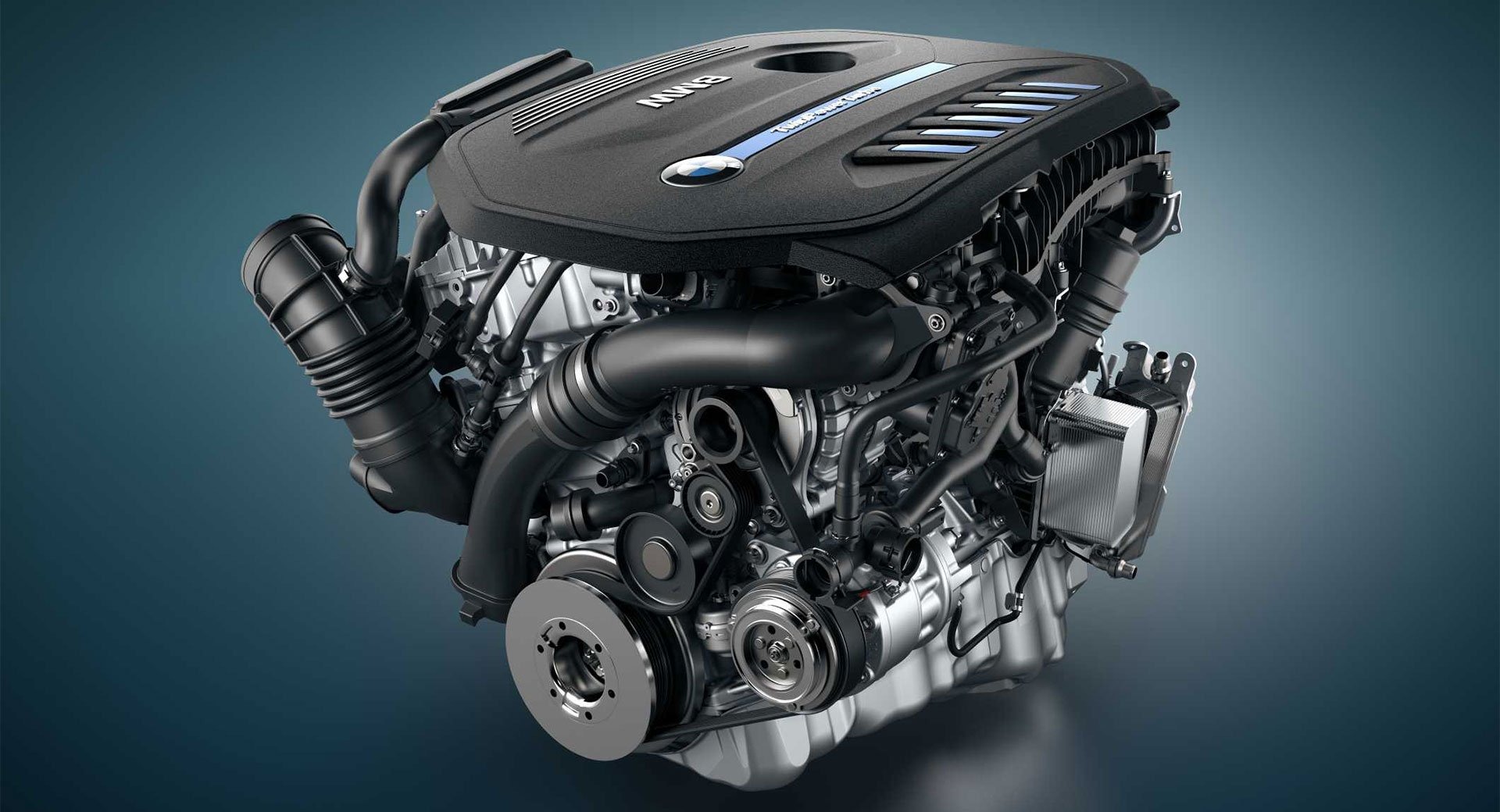
The BMW B58 turbocharged inline-six engine has been widely appreciated for blending impressive power with dependable long-term performance. Introduced in 2015 as part of BMW’s modular engine family, it replaced the older N55 engine and brought several engineering upgrades that improved both durability and efficiency. This engine powers a range of BMW models, including the 340i, 540i, Z4, and the Toyota GR Supra.
One of the main reasons the B58 has developed a strong reputation is its robust construction. BMW designed the block with a closed-deck structure, which offers more strength under high boost pressure compared to open-deck designs.
The crankshaft and connecting rods are built from forged steel, ensuring that they can handle increased stress without failure. The cooling system also received improvements, with better coolant flow around high-temperature areas to protect internal components.
The turbocharger in the B58 is a twin-scroll design, which improves response and reduces turbo lag while delivering consistent boost pressure. This setup also helps reduce heat stress compared to smaller single-scroll turbos that work harder to achieve the same output. BMW also fitted an air-to-water intercooler directly into the intake manifold, reducing intake air temperatures and supporting reliable performance even during spirited driving.
Owners who perform routine maintenance, especially timely oil changes and use high-quality fuel, often report trouble-free operation for many years. Unlike some older BMW turbo engines that struggled with oil leaks or timing chain issues, the B58 has avoided widespread problems, making it a safer choice for buyers who want both performance and dependability.
This engine also responds well to performance upgrades without losing its reliability, as long as modifications are carried out carefully and cooling systems are not compromised. Many B58-equipped cars have crossed 150,000 miles with no major failures, which is impressive for a high-output turbo engine. For those wanting a modern engine with both strength and efficiency, the BMW B58 continues to be a solid option.
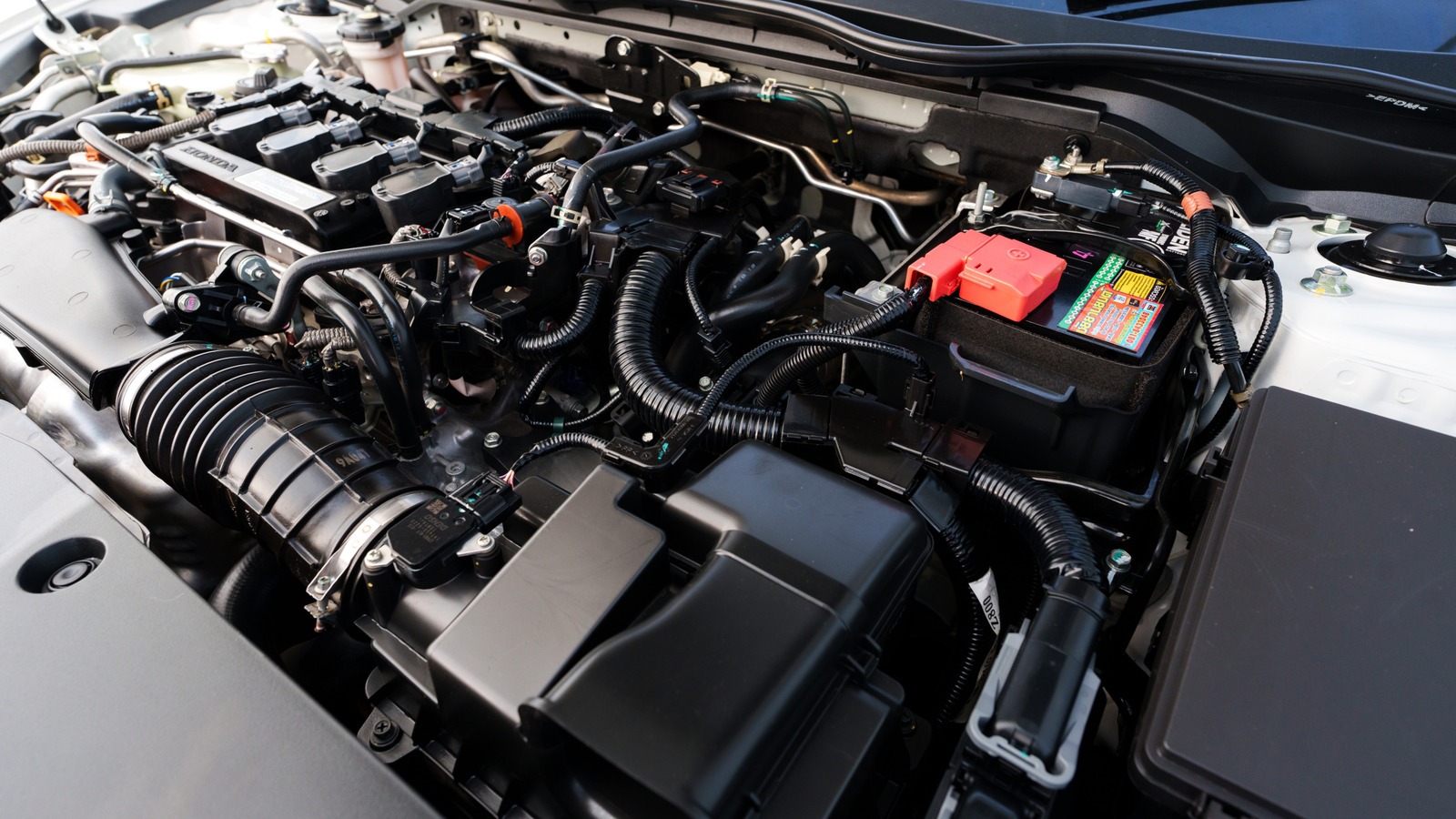
4. Honda 1.5L VTEC Turbo
Honda’s 1.5L VTEC Turbo engine proves that small displacement does not have to mean short life. Used in models like the Honda Civic, CR-V, and Accord, this turbocharged four-cylinder is designed to deliver a balance between fuel efficiency and responsive power. Introduced in the mid-2010s, it quickly became one of Honda’s most popular modern engines, thanks to its blend of smooth operation and strong reliability.
The design of the 1.5L VTEC Turbo includes a high-efficiency turbocharger paired with Honda’s well-known variable valve timing system. This combination allows the engine to produce strong torque from low RPM while still maintaining excellent fuel economy during light driving. The engine block is made from aluminum for weight savings, but Honda engineered it with reinforced areas to handle the stress of turbocharging.
One reason this engine has earned a dependable reputation is Honda’s focus on thermal management. The cooling system is designed to keep operating temperatures stable, even when the engine is pushed hard for extended periods. The turbocharger benefits from water cooling and high-grade bearings that extend its lifespan.
While early versions had some concerns about oil dilution when used in cold climates, Honda addressed this with software updates and service recommendations. Owners who stick to the correct oil change intervals and use top-quality oil typically see long service life without major issues.
The 1.5L VTEC Turbo is also relatively simple to maintain compared to many other modern turbo engines. Parts are widely available, and servicing does not require specialized tools for most common maintenance jobs. With careful driving and regular upkeep, many owners have recorded mileages well above 200,000 without costly repairs.
For drivers seeking an engine that provides both efficiency and a bit of extra punch, the Honda 1.5L VTEC Turbo stands out as a reliable and enjoyable choice.
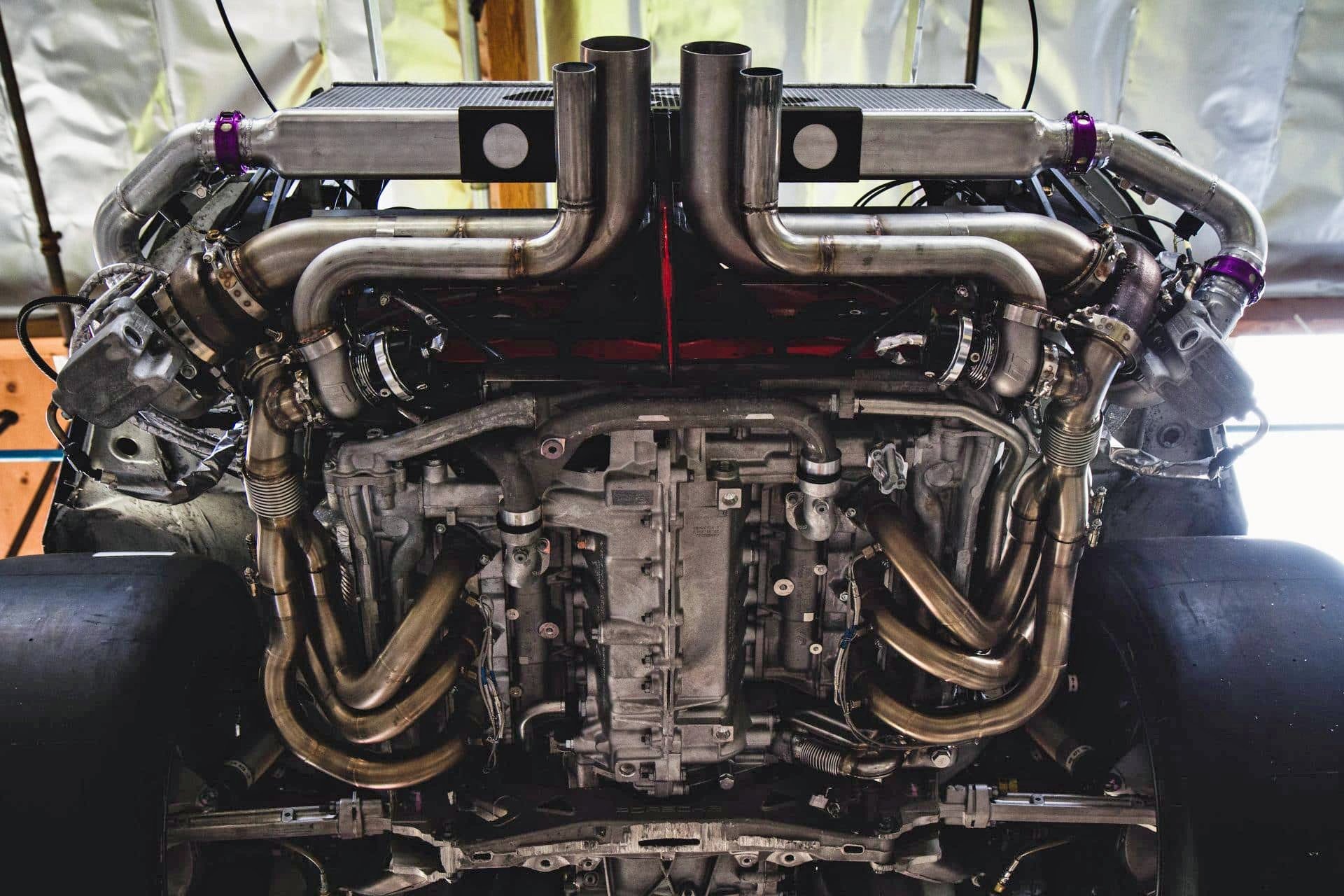
5. Porsche 3.8L Twin-Turbo Flat-Six
Porsche’s 3.8L twin-turbocharged flat-six engine is a clear example of how high-performance engineering can still deliver lasting durability when done right. Found in models like the 911 Turbo and 911 Turbo S, this engine produces impressive power figures while being known for handling years of spirited driving without major internal problems.
The horizontally opposed flat-six layout gives the engine a low center of gravity, improving handling while also allowing even heat distribution across the cylinders. Porsche uses high-strength aluminum alloy for the engine block, paired with forged internals to withstand the immense stress generated at high speeds. The turbochargers are designed with variable turbine geometry, which improves efficiency at both low and high RPMs while reducing strain during everyday driving.
Porsche’s engineering approach includes advanced cooling systems with multiple radiators and intercoolers to keep intake and operating temperatures within safe limits. This careful temperature control is one of the reasons the engine maintains reliability even under track conditions.
Owners who follow Porsche’s maintenance guidelines, such as frequent oil changes with premium synthetic oil and proper warm-up routines, often see the engine last for hundreds of thousands of miles. The flat-six also benefits from Porsche’s attention to detail in manufacturing, with extremely tight tolerances and high-quality materials ensuring consistent performance.
While repair costs can be high due to the brand’s premium status, the 3.8L twin-turbo flat-six rewards careful ownership with a long lifespan and minimal mechanical trouble. For anyone looking for a high-performance turbo engine that can be trusted for the long haul, this Porsche design remains among the best.
5 Engines That Always Break
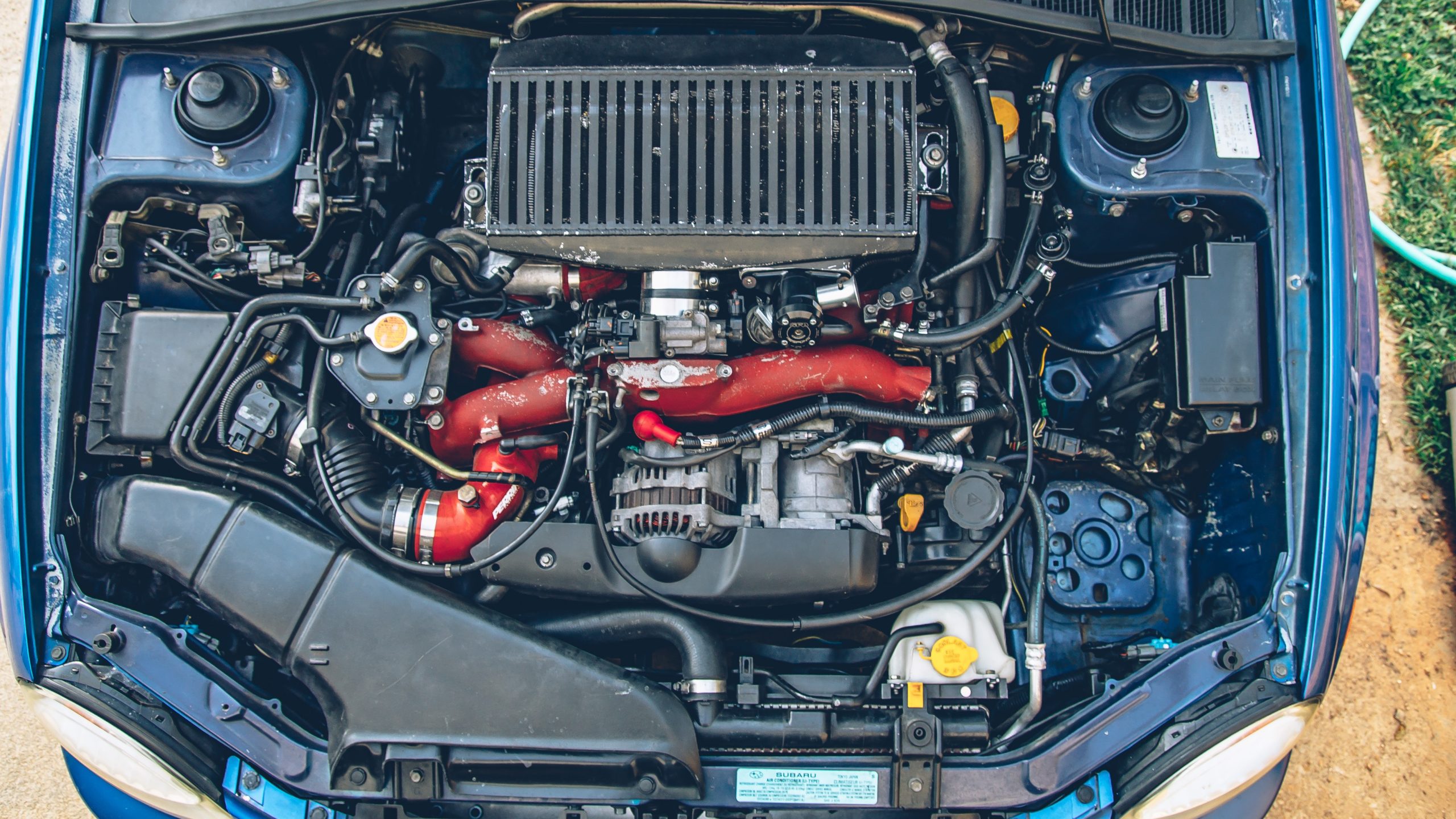
1. Subaru EJ255/EJ257
The Subaru EJ255 and EJ257 turbocharged flat-four engines have powered several high-performance Subaru models, including the WRX and WRX STI. While they have a loyal following for their strong performance and rally heritage, they have also become known for mechanical issues that can lead to costly repairs.
A major weakness of these engines is their susceptibility to head gasket failures. This has been a recurring problem for many Subaru engines over the years, and in the turbocharged EJ255 and EJ257, it can be even more damaging due to higher operating pressures and temperatures. If the head gasket fails, it can lead to coolant leaks, overheating, and in severe cases, complete engine failure.
Another issue is with the piston ringlands, which can crack under heavy load or when the engine is modified beyond factory specifications. This often results in loss of compression, oil consumption, and eventually the need for a rebuild. While careful tuning and conservative driving can reduce the risk, many owners have faced these failures even under normal conditions.
The oiling system in these engines also demands close attention. Low oil levels or poor oil quality can quickly lead to bearing wear or turbocharger damage. Frequent oil checks and high-quality synthetic oil are essential, but even with good maintenance, the EJ series can develop problems earlier than many competitors.
Enthusiasts still appreciate the EJ255 and EJ257 for their performance potential and distinctive exhaust note, but buyers should be prepared for higher maintenance demands and possible major repairs. Those seeking long-term dependability may want to consider alternatives, as these engines often require more care and investment to keep running smoothly.
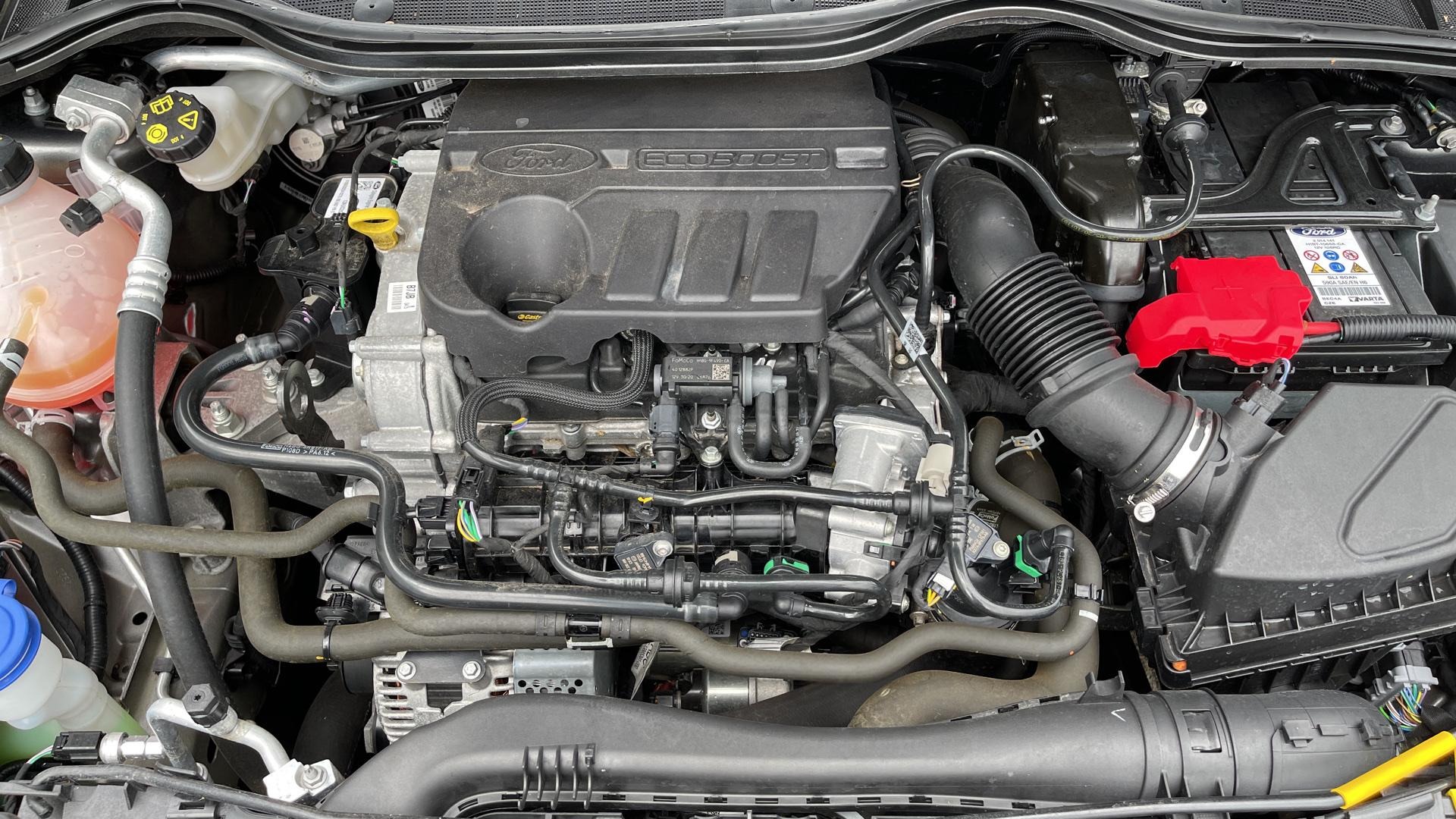
2. Ford 1.0L EcoBoost
The Ford 1.0L EcoBoost three-cylinder turbocharged engine was introduced to deliver strong fuel economy in a compact design. Found in vehicles like the Ford Fiesta, Focus, and EcoSport, it attracted attention for its surprising power output given its small size. However, in real-world ownership, it has faced reliability challenges that have made some owners cautious.
One of the most common complaints involves coolant system issues. Early versions of this engine were prone to coolant leaks caused by weak seals or cracked cylinder heads. When coolant loss occurs, overheating can follow quickly, leading to warped components or complete engine failure if not addressed immediately. Ford later made design changes to reduce the problem, but many affected vehicles required major repairs.
The turbocharger itself is relatively small, which helps with quick response, but it operates under high stress to produce sufficient power from the tiny displacement. This constant strain can shorten its lifespan, especially if oil changes are neglected or if low-quality oil is used. Turbo failure in such a small engine can be expensive to repair and often occurs sooner than in larger, less-stressed turbo engines.
Timing belt design is another concern. The 1.0L EcoBoost uses a wet belt system, where the belt runs inside the engine and is lubricated by oil. After a while, the belt material can break down, contaminating the oil and causing damage to internal components. Replacement of this belt is not as simple as on traditional dry-belt setups, making maintenance more costly.
While some owners have achieved high mileage with proper maintenance, the repair costs when problems arise can outweigh the fuel savings. For drivers seeking dependable long-term ownership, this engine can be risky without strict attention to its cooling system, oil quality, and scheduled maintenance.
3. BMW N54
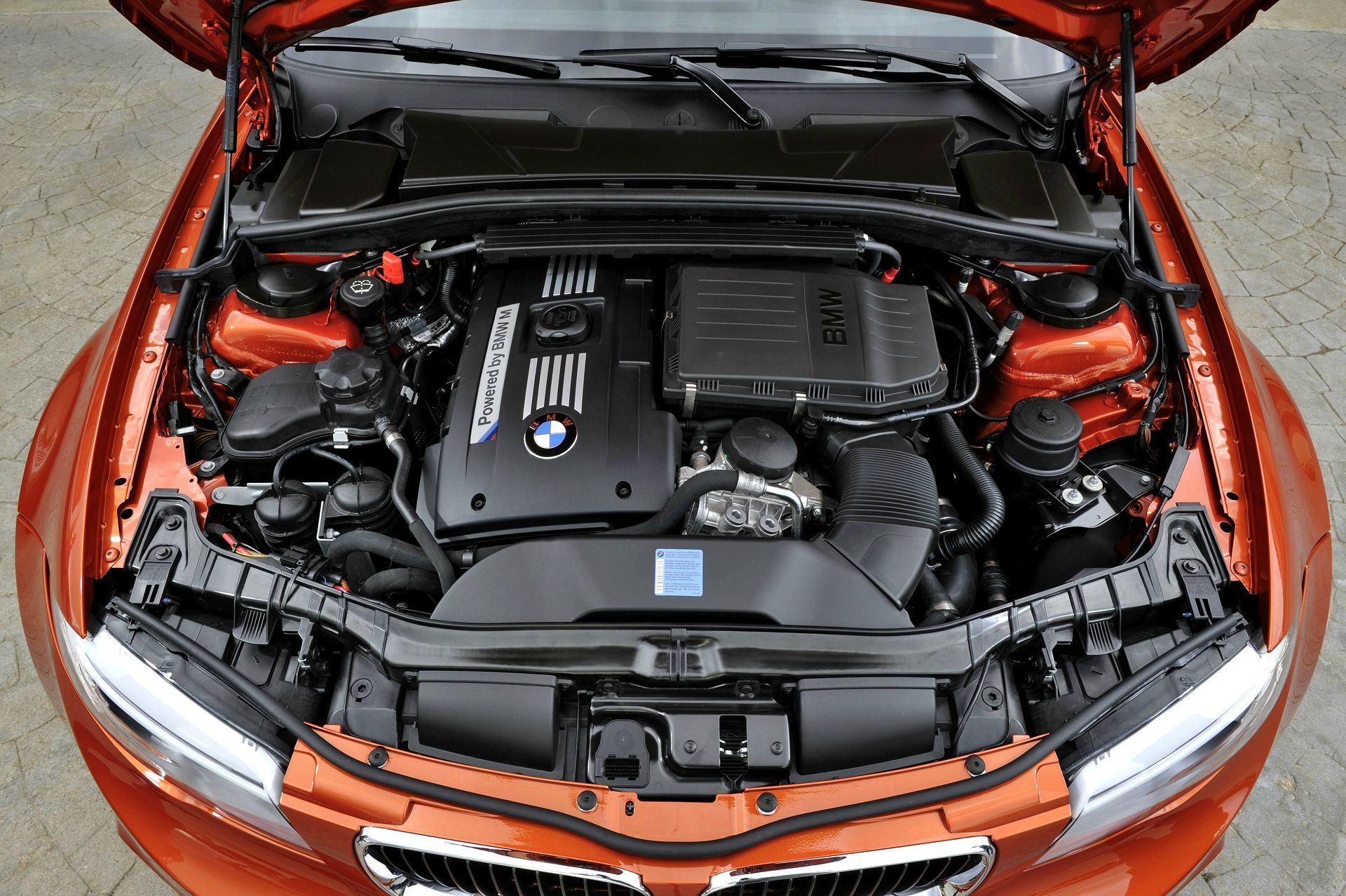
The BMW N54 turbocharged inline-six engine gained fame for its outstanding performance and tuning potential. Used in models like the 335i, 135i, and early versions of the 1M Coupe, it delivered smooth power with little turbo lag. Despite its performance appeal, the N54 has a history of reliability concerns that can result in expensive repairs.
One of the most frequent issues is high-pressure fuel pump failure. The N54’s direct-injection system relies on this pump, and when it fails, symptoms like rough idling, stalling, and reduced power appear. BMW extended warranties in some cases, but replacement costs can still be high outside of coverage.
Another problem involves the turbocharger wastegate rattle and eventual failure. The wastegates in the N54’s twin-turbo setup can wear prematurely, leading to boost leaks and reduced performance. Replacing the turbochargers is costly, and in many cases, both units need to be changed together.
Carbon buildup on intake valves is also a concern. As with many direct-injection engines, the lack of fuel washing over the intake valves allows carbon deposits to accumulate, affecting airflow and performance. Walnut blasting is often required to clean the valves, adding to the maintenance costs.
Cooling system weaknesses, such as water pump and thermostat failures, can further reduce reliability if not addressed promptly. When these parts fail, overheating can cause serious internal damage.
Despite these problems, enthusiasts still value the N54 for its smooth power delivery and tuning capability. However, it requires careful ownership and a willingness to invest in preventative maintenance. Buyers looking for long-term reliability may find better options among newer BMW engines like the B58, which addressed many of the N54’s weaknesses.
4. Volkswagen/Audi 2.0 TSI EA888 (Early Versions)
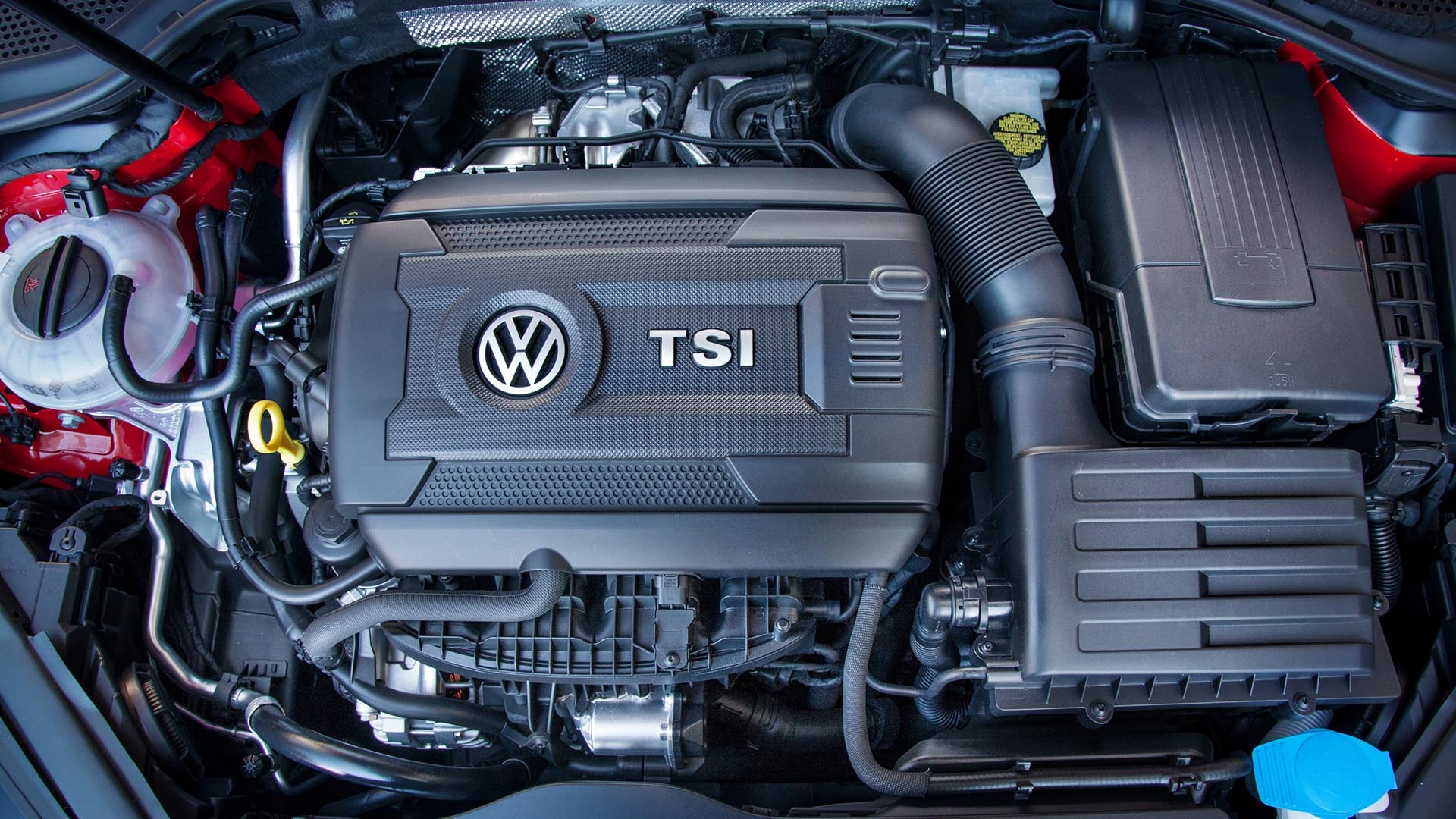
The early versions of the Volkswagen and Audi 2.0 TSI EA888 turbocharged four-cylinder engine were widely used across multiple models, including the VW Golf GTI, Passat, Audi A4, and A5. While they offered strong performance and fuel efficiency, these engines developed a record of mechanical troubles that affected their long-term reliability.
One of the biggest concerns was excessive oil consumption. Many owners reported the need to add oil frequently between changes, sometimes as much as a quart every 1,000 miles. This issue was traced to piston ring design flaws, and in some cases, full engine rebuilds or replacements were required to correct it.
Timing chain tensioner failures were another weakness. When the tensioner failed, it could cause the timing chain to jump, leading to bent valves and severe engine damage. Volkswagen and Audi later updated the design, but many early engines experienced these failures, often without warning.
Carbon buildup on intake valves was also common, reducing airflow and power. This is a typical problem for direct-injection engines, but it was especially pronounced in the EA888’s early design, requiring frequent cleaning to maintain performance.
The turbocharger in these early versions was prone to wastegate failure, resulting in loss of boost and sluggish acceleration. Replacing the turbo could be costly, and in many cases, other related components also need attention at the same time.
While later generations of the EA888 addressed many of these problems, the early versions remain a cautionary tale for buyers. Without documented repairs and updates, owning one can lead to repeated and expensive visits to the workshop.
Also Read: 5 Affordable Engines That Still Sound Good and 5 That Always Knock
5. Hyundai 1.6L Gamma Turbo
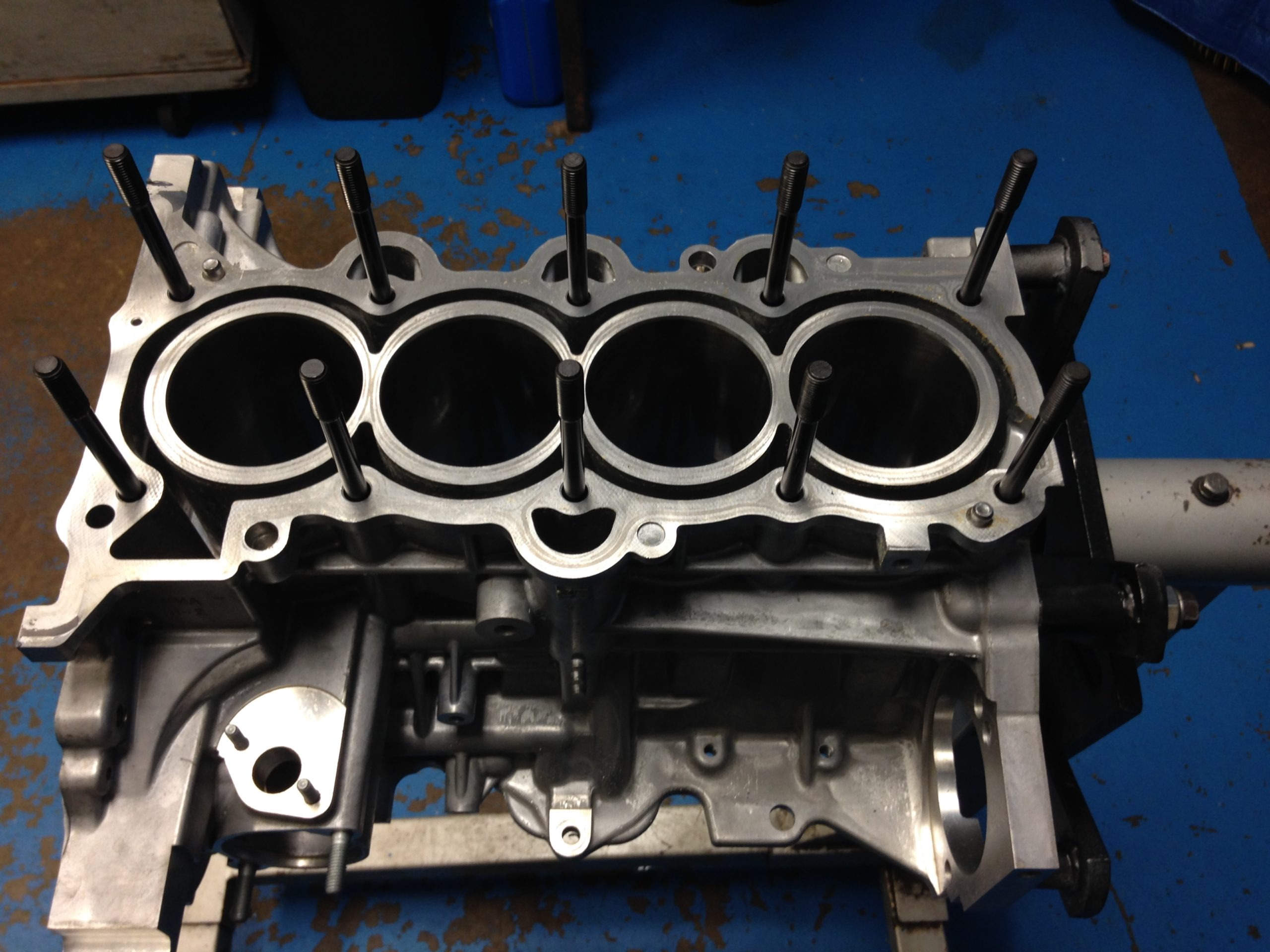
The Hyundai 1.6L Gamma Turbo engine, used in models such as the Veloster Turbo, Kia Soul Turbo, and certain Hyundai Tucson models, offers a good balance of power and fuel economy when new. However, long-term ownership has revealed some weaknesses that affect its dependability.
One recurring issue is with the turbocharger’s durability. The small turbo works hard to produce strong performance from the 1.6-liter engine, which can lead to premature wear of the bearings and seals. If the turbo fails, symptoms like smoke from the exhaust, reduced power, and high oil consumption can follow.
Another concern is engine knocking caused by bearing wear. Some owners have experienced complete engine failure due to spun bearings, which often require a full engine replacement. While this problem is not universal, it has been frequent enough to raise caution among potential buyers.
The cooling system must also be kept in excellent condition. Overheating can quickly lead to head gasket damage or warped components, especially when the vehicle is driven aggressively in hot conditions. Regular coolant checks and using the correct coolant type are essential for prolonging engine life.
Oil quality is another critical factor. Using low-grade oil or missing oil change intervals can accelerate wear on both the turbocharger and internal engine parts. Hyundai has improved oil specifications in newer models, but older engines can still be vulnerable if maintenance is neglected.
While some owners have enjoyed trouble-free driving for many years, the risk of costly repairs makes this engine less appealing for those prioritizing long-term dependability. Careful maintenance and conservative driving habits can reduce the likelihood of problems, but they cannot fully eliminate the inherent weaknesses in the design.
