
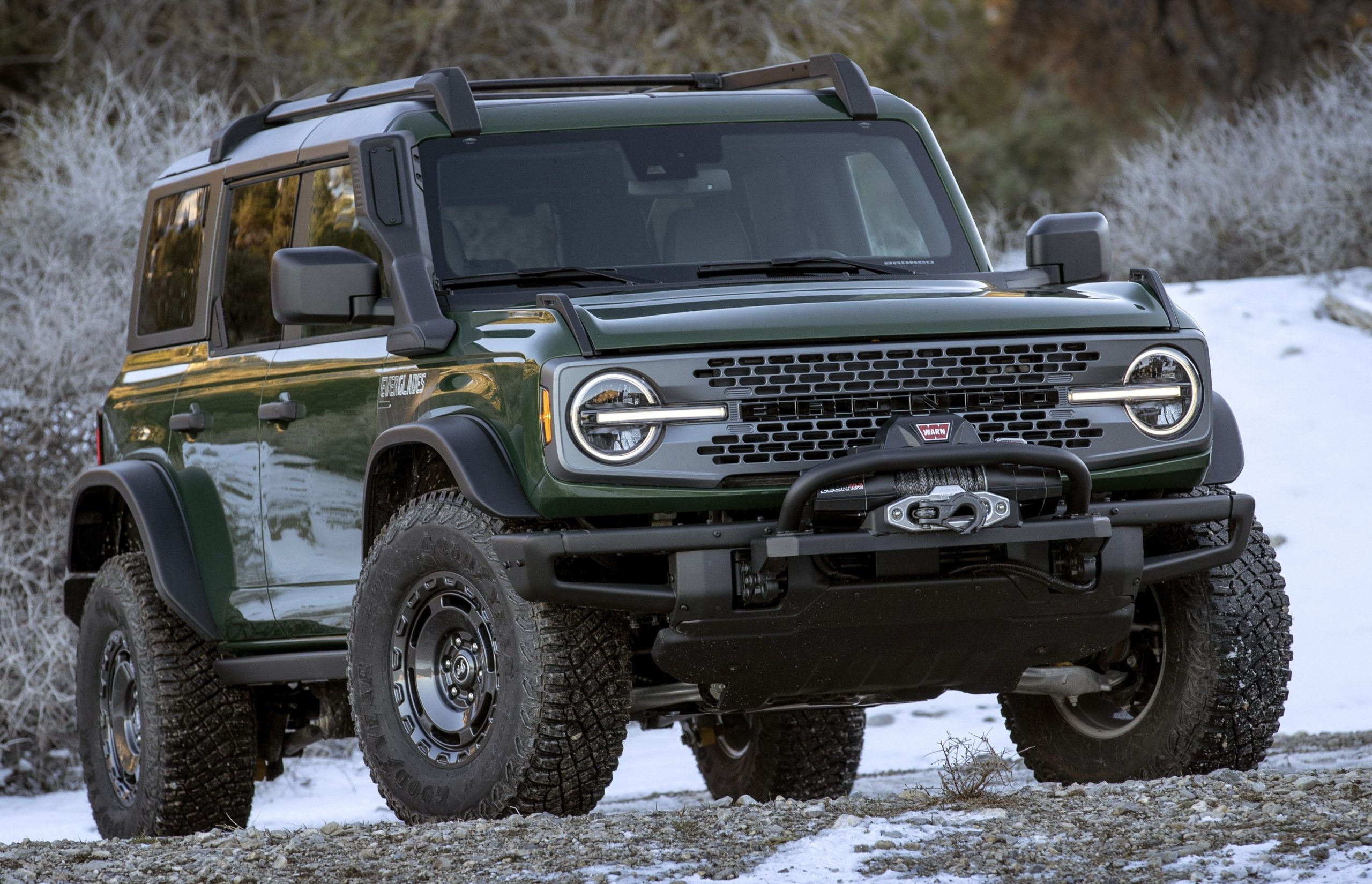
Sport Utility Vehicles (SUVs) are often sold as machines that can handle rugged terrain without trouble. However, not all of them can live up to that promise. Some are genuinely built to handle rocks, mud, steep climbs, and rough trails with ease.
Others are styled to look tough but are better suited for smooth highways and city streets. Buyers often get drawn to the aggressive appearance, higher seating position, and powerful stance of these vehicles, only to discover that some models are better left on well-paved roads.
The real difference between an SUV that thrives in off-road life and one that struggles is found in its build quality, suspension system, ground clearance, drivetrain, and durability of its components.
True off-road machines come with four-wheel drive systems, locking differentials, sturdy frames, and strong underbody protection. These features allow them to withstand harsh conditions and maintain performance in places where standard road cars would easily get stuck.
Some SUVs focus more on comfort, luxury interiors, and on-road performance. They often sacrifice important off-road features for better fuel economy or a smoother city ride. While these vehicles might handle light gravel or a dirt path leading to a picnic spot, they are not designed for deep mud, river crossings, or steep rocky trails.
Choosing the wrong SUV for heavy outdoor use can lead to damage, expensive repairs, and frustrating trips cut short. Knowing which models are built to survive tough terrain and which ones should stay on the tarmac is essential for making the right choice. Below are five SUVs that can truly handle off-road adventures, followed by five that are better suited for regular streets.
SUVs That Can Survive Off-Road Life
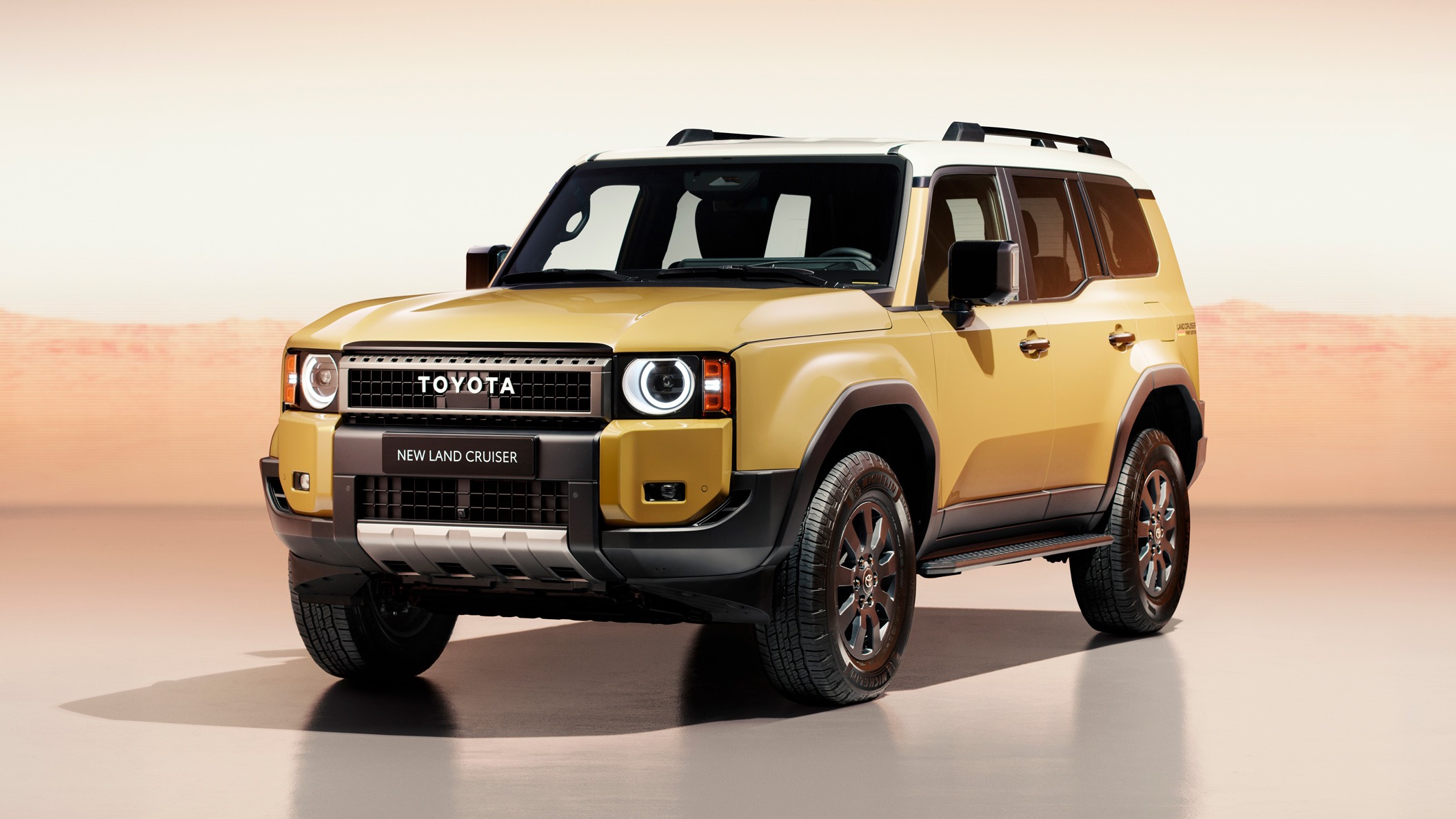
1. Toyota Land Cruiser
The Toyota Land Cruiser has built a solid reputation as one of the most dependable off-road vehicles ever made. This SUV combines durability, power, and advanced engineering to create a machine that can go almost anywhere.
Its body-on-frame construction provides the strength needed for intense conditions, while its high ground clearance allows it to tackle rocks and uneven paths without scraping the underbody. Equipped with a full-time four-wheel-drive system, the Land Cruiser comes with locking differentials that ensure traction even in the toughest spots.
Whether the path is muddy, snowy, or covered in loose sand, the vehicle maintains grip. The suspension is designed to handle sharp impacts from uneven surfaces, and the shock absorbers are tuned for stability over bumps and dips.
Inside, the Land Cruiser still offers luxury touches such as comfortable seating and a quiet cabin. However, these comforts do not reduce its rugged capability. Many models also come with crawl control and terrain selection modes, giving drivers extra control over tricky conditions.
One of its strengths lies in its reliability. Many owners report their Land Cruisers are still running smoothly after hundreds of thousands of miles, even when used heavily for off-road activities. It is also a favorite among explorers, humanitarian organizations, and adventurers who need a dependable vehicle in remote areas.
The Land Cruiser is not a lightweight or fuel-efficient SUV, but it delivers unmatched performance where other vehicles would fail. This makes it a true champion for drivers who require a machine that can handle both the journey and the destination, no matter how harsh the environment.
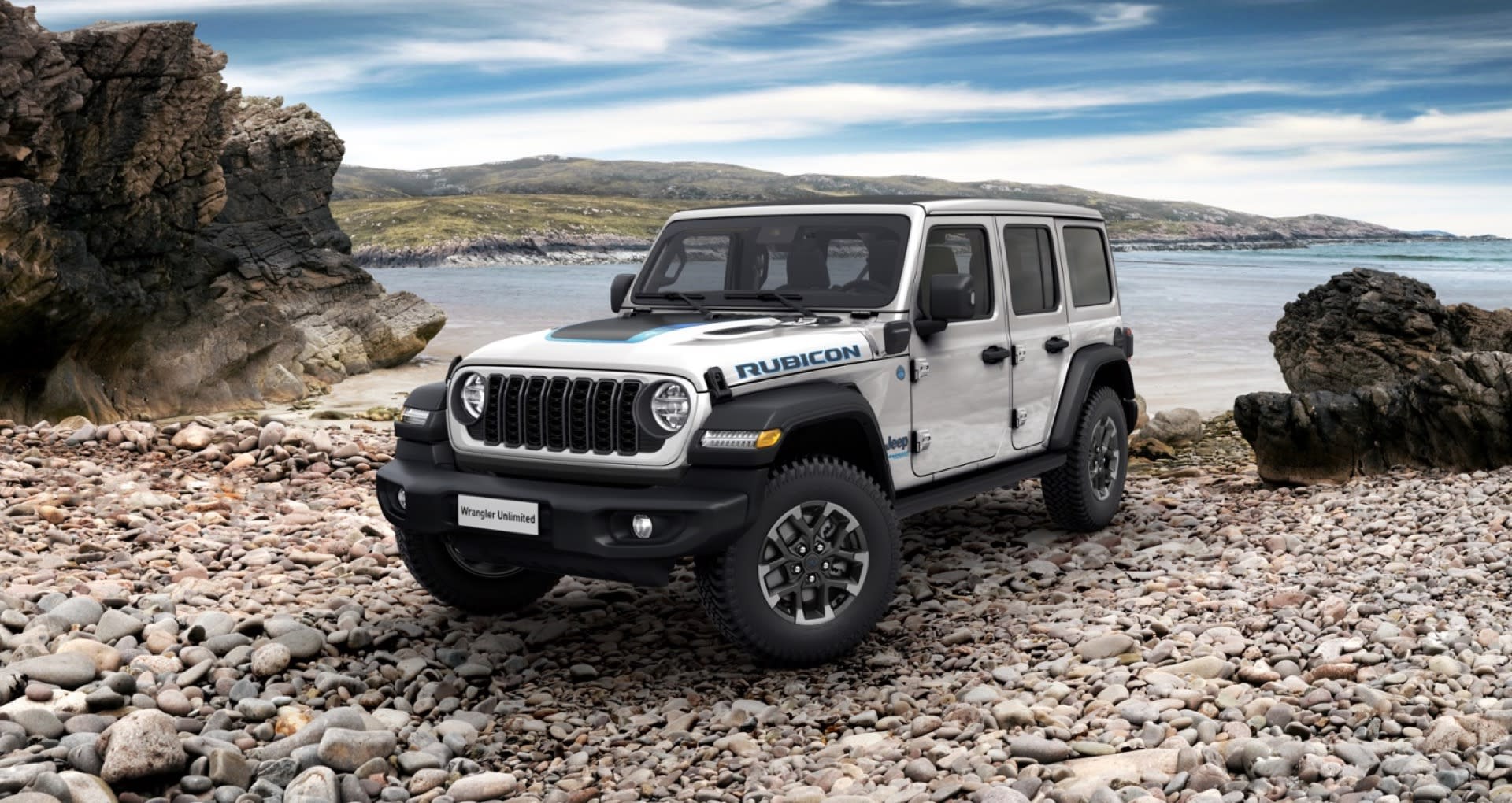
2. Jeep Wrangler Rubicon
The Jeep Wrangler Rubicon is often described as a pure off-road machine that happens to be street legal. It is built from the ground up for tackling rough environments, and it offers features that many SUVs cannot match. Its short wheelbase and high approach and departure angles give it the ability to climb over obstacles without getting stuck or scraping its bumpers.
The Rubicon version comes with locking front and rear differentials, a disconnecting front sway bar, and rock rails for added protection. These features make it possible to handle rocky climbs and deep ruts with confidence. The suspension travel is impressive, allowing each wheel to maintain contact with the ground for maximum traction.
Another advantage of the Wrangler Rubicon is its customization potential. Owners can choose between two-door and four-door models, soft or hard tops, and a wide range of aftermarket upgrades. This makes it easy to prepare the vehicle for any kind of terrain or personal preference.
Water fording is also a strong point for the Rubicon. With its high air intake and sealed electrical components, it can pass through streams and shallow rivers without trouble. The four-wheel-drive system is designed for both high and low range, giving drivers control whether they are crawling over rocks or cruising down a dirt road.
The interior is simple yet functional, with easy-to-clean surfaces that suit a vehicle often exposed to mud and dust. While it may not offer the same quiet ride or plush seating as some luxury SUVs, the Wrangler Rubicon delivers unmatched off-road ability. For those who want a vehicle that can handle adventure without hesitation, this Jeep remains one of the top choices.
Also Read: 8 SUVs That Are Suddenly Outpacing Sedans in 2025
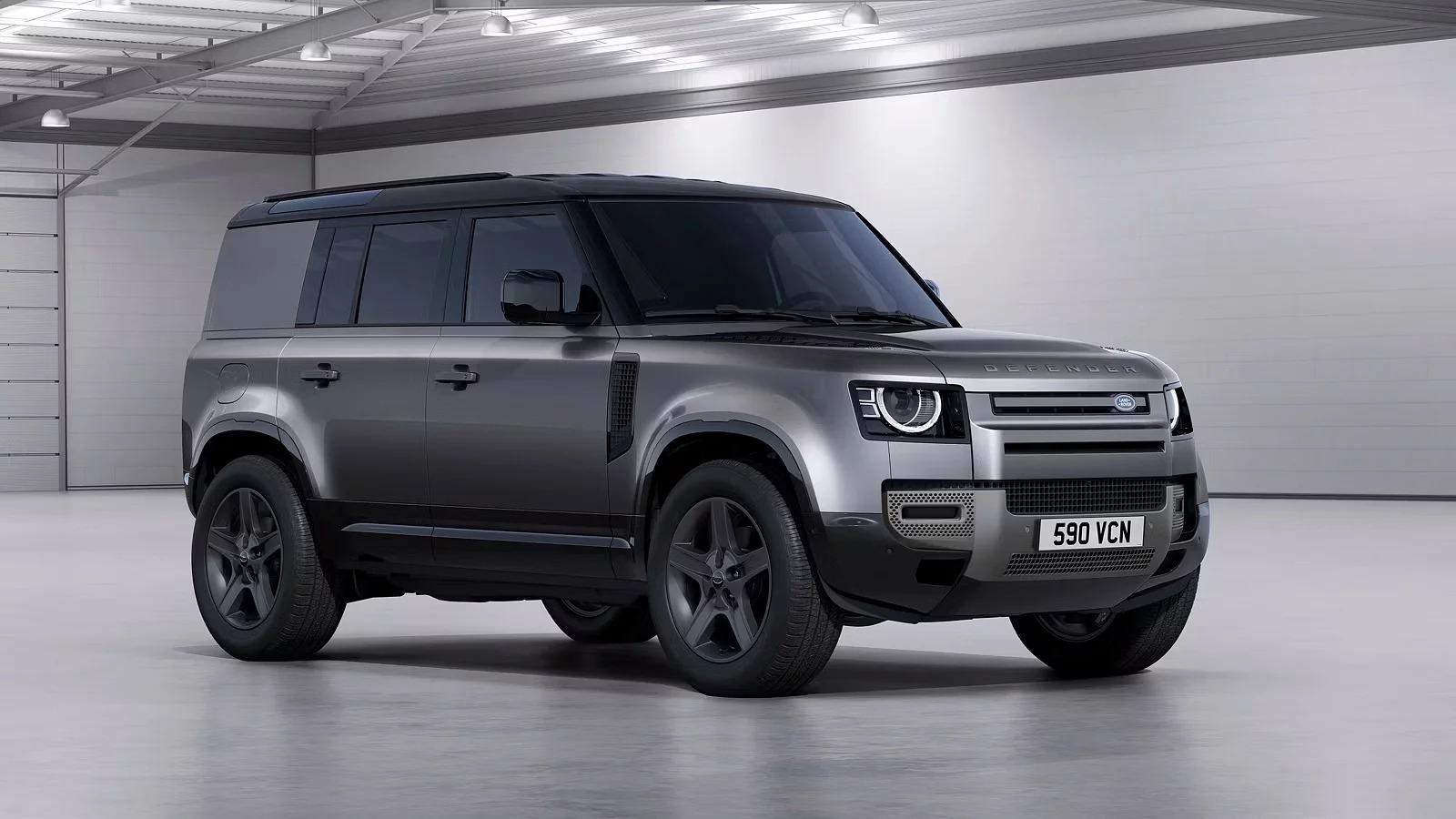
3. Land Rover Defender
The Land Rover Defender blends modern technology with traditional off-road strength. While it has been updated for comfort and style, its off-road abilities remain impressive. Built with a strong chassis, high ground clearance, and a sophisticated all-wheel-drive system, the Defender is capable of handling deep mud, snow, and rocky slopes.
One of its most useful features is the Terrain Response system, which allows drivers to adjust the vehicle’s settings based on conditions such as sand, grass, or rocks. The Defender also comes with a low-range gearbox, giving it extra power when climbing steep inclines or towing heavy loads in challenging terrain.
The suspension system is designed for flexibility, with air suspension available on certain models that can raise the ride height for more clearance or lower it for better stability on the road. Skid plates protect critical components underneath, and its wading depth capability lets it pass through water safely.
Inside, the Defender offers a comfortable cabin with modern infotainment, yet the materials are chosen to be durable and easy to clean. This makes it practical for outdoor use while still providing a pleasant ride for passengers.
The Defender’s design also allows for a variety of configurations, from two-door models for tighter trails to longer four-door versions for carrying more people and gear. Its reputation among adventurers is built on decades of dependable service in harsh environments worldwide.
For drivers who want a refined SUV that does not compromise on off-road skill, the Land Rover Defender remains one of the strongest choices available today.

4. Ford Bronco (Wildtrak and Badlands Trims)
The modern Ford Bronco has brought back a classic name with a renewed focus on serious off-road capability. Models such as the Wildtrak and Badlands trims are equipped with features that make them ideal for challenging terrain. The Bronco’s high ground clearance, short overhangs, and removable doors and roof set it apart from many competitors.
It comes with advanced four-wheel-drive systems and offers both high and low range, making it flexible for different driving conditions. The G.O.A.T. (Goes Over Any Terrain) modes allow drivers to adjust settings for mud, sand, snow, and rocky trails. The locking front and rear differentials, along with a disconnecting sway bar, improve traction and stability on uneven surfaces.
The Bronco is designed to be water-resistant, with sealed components that allow safe passage through streams. Its large tires and durable suspension give it the ability to handle rough paths without damage. Skid plates protect the underside from sharp rocks, and the approach and departure angles are among the best in its class.
Inside, the Bronco is practical, with easy-to-clean materials and a layout focused on utility. Technology such as trail cameras helps drivers see obstacles clearly, making difficult maneuvers easier. The ability to remove roof panels and doors gives a more open-air experience, similar to the Jeep Wrangler, which appeals to outdoor enthusiasts.
With strong performance on and off the road, the Bronco’s off-road trims are not just stylish, they are purpose-built for adventure. Drivers looking for a capable SUV that blends modern tech with classic off-road spirit will find the Bronco Wildtrak and Badlands hard to beat.
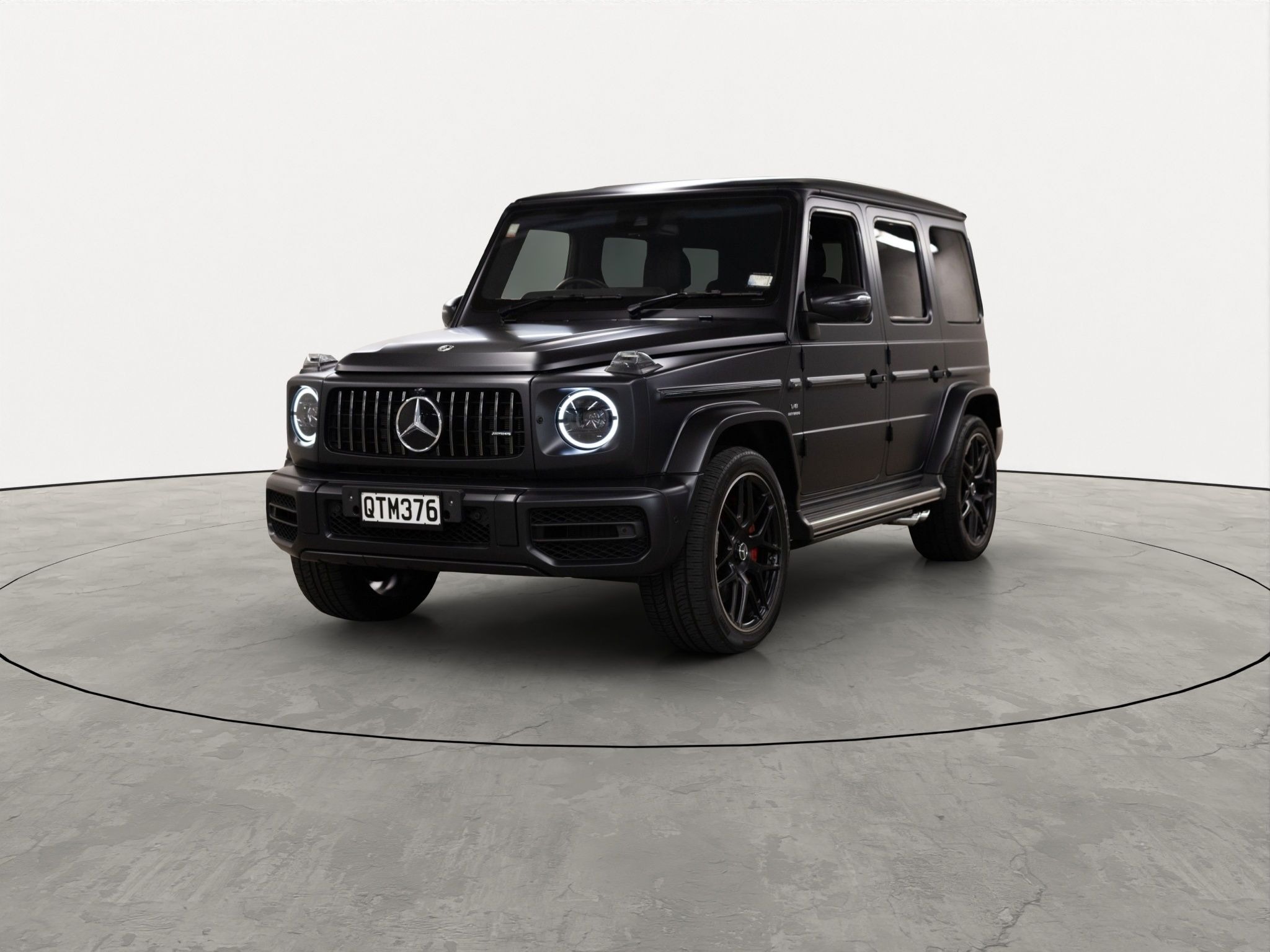
5. Mercedes-Benz G-Class
The Mercedes-Benz G-Class, often referred to as the G-Wagon, is known for its luxury, but beneath the high-end interior is a machine built for serious off-road work. Its boxy shape and body-on-frame construction give it durability, while three locking differentials provide excellent traction in extreme conditions.
Powered by strong engines, the G-Class combines speed with the ability to climb steep slopes and cross rough ground. Its permanent all-wheel-drive system ensures that all four wheels are engaged, ready for whatever lies ahead. The suspension is tuned for stability on both rough trails and smooth roads, while its ground clearance and fording depth are competitive with the best off-road SUVs.
One reason the G-Class excels off-road is its simple yet robust design. Even though it has been refined for comfort, the core structure has remained true to its military origins. This means it can handle deep mud, snow, rocky paths, and dunes without hesitation.
Inside, the G-Class offers leather seats, advanced infotainment, and luxury finishes, making it one of the few SUVs that can take you through a desert during the day and deliver you in style to a city event at night. While it is not the most fuel-efficient option, those who choose it for off-road use appreciate its unmatched combination of strength and comfort.
For drivers who need both prestige and true off-road power, the G-Class stands out as a rare blend of both worlds.
SUVs That Can’t Leave Pavement
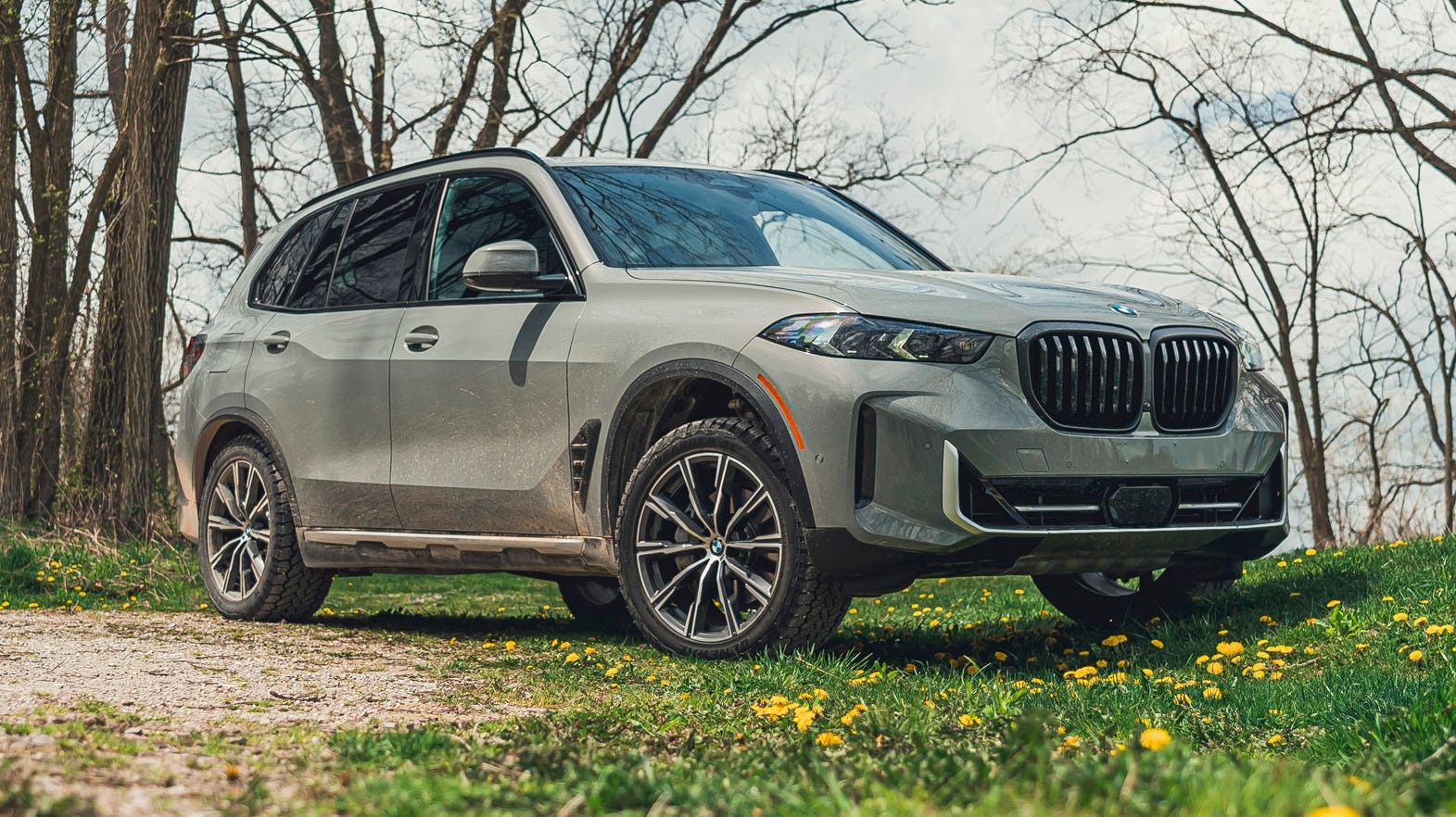
1. BMW X5
The BMW X5 is designed with a strong focus on road performance and luxury rather than rugged terrain. While it offers all-wheel drive, the system is tuned for improving grip on wet or slippery roads, not for handling deep mud or rocky trails. The ground clearance is lower compared to dedicated off-road vehicles, which makes it vulnerable to damage if taken into rough areas.
Its suspension system is optimized for comfort and sharp handling on highways, giving it a smooth ride and precise steering. However, this same tuning limits its performance on uneven or steep paths. Without locking differentials or skid plates, the X5 struggles to maintain traction in challenging environments.
The tires are another limitation, as they are designed for high-speed road performance rather than dirt or gravel grip. Attempting serious off-road driving with these tires can lead to reduced control and even getting stuck.
Inside, the X5 shines with premium materials, advanced tech, and quiet cabin space, making it an excellent choice for long-distance highway travel. Yet these qualities come at the expense of rugged durability.
For drivers who rarely leave paved roads, the BMW X5 delivers comfort, speed, and refinement. But those who plan to venture into remote trails or unmaintained paths will quickly find its limits.
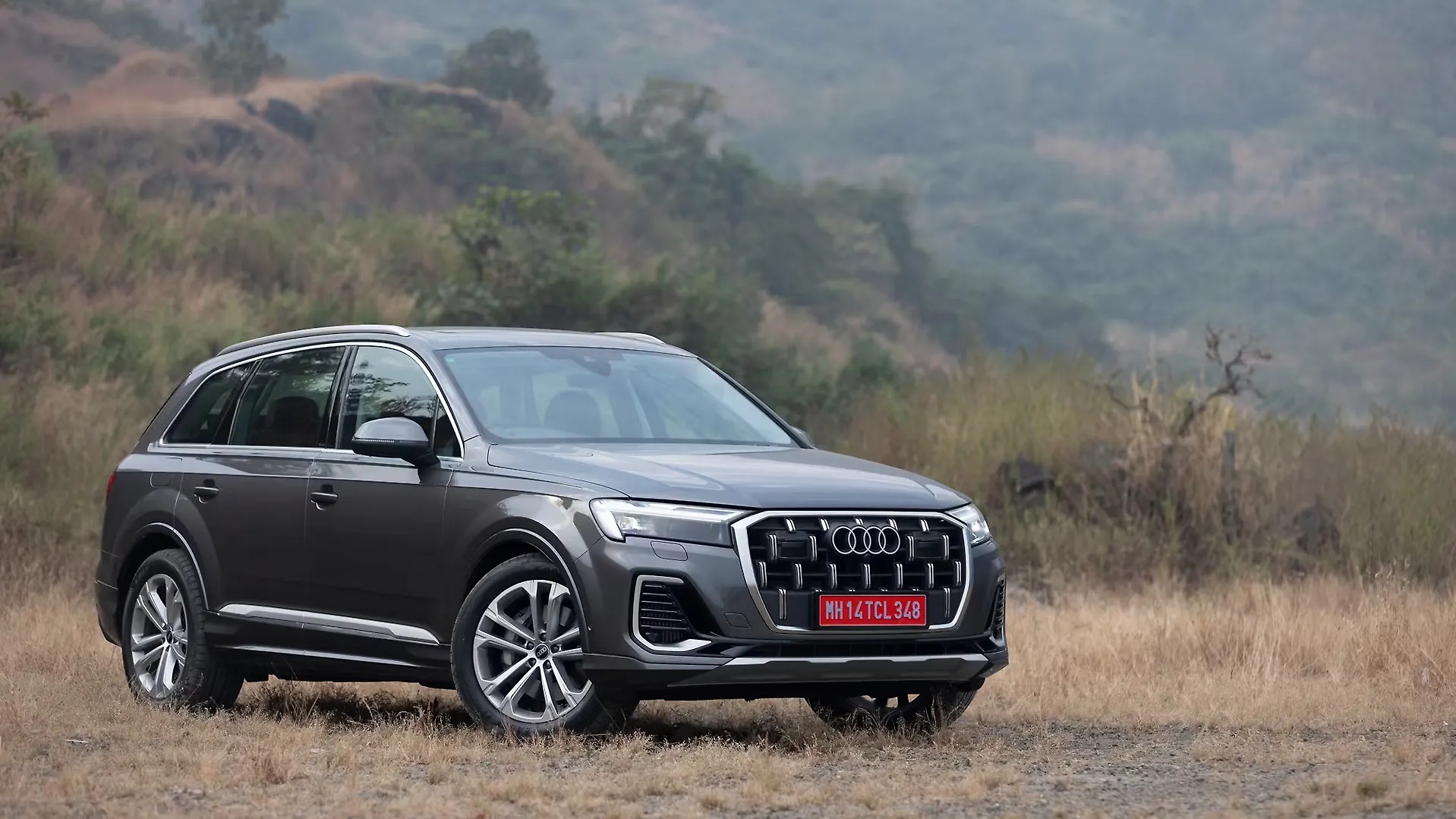
2. Audi Q7
The Audi Q7 is another luxury SUV that performs exceptionally well on highways but is not built for demanding off-road conditions. Its sleek design, lower stance, and suspension tuning are aimed at providing a smooth city ride rather than tackling rocks or deep ruts.
While the Q7’s Quattro all-wheel-drive system improves traction in rain or light snow, it lacks the specialized gearing and locking differentials found in true off-road vehicles. The low ground clearance also restricts its ability to pass over larger obstacles without scraping.
Inside, the Q7 offers an upscale environment with high-quality finishes, advanced driver-assistance systems, and a quiet ride. These features make it perfect for commuting, family travel, or long drives on the highway. However, it does not have the durability or protection needed for serious off-road adventures.
Its tires are primarily suited for paved roads, and the absence of skid plates or rock protection leaves it exposed to damage if used in harsh terrain.
For those seeking a luxury SUV that stays in urban areas or on well-maintained country roads, the Audi Q7 is an excellent choice. But it is not the vehicle to take deep into the wilderness.
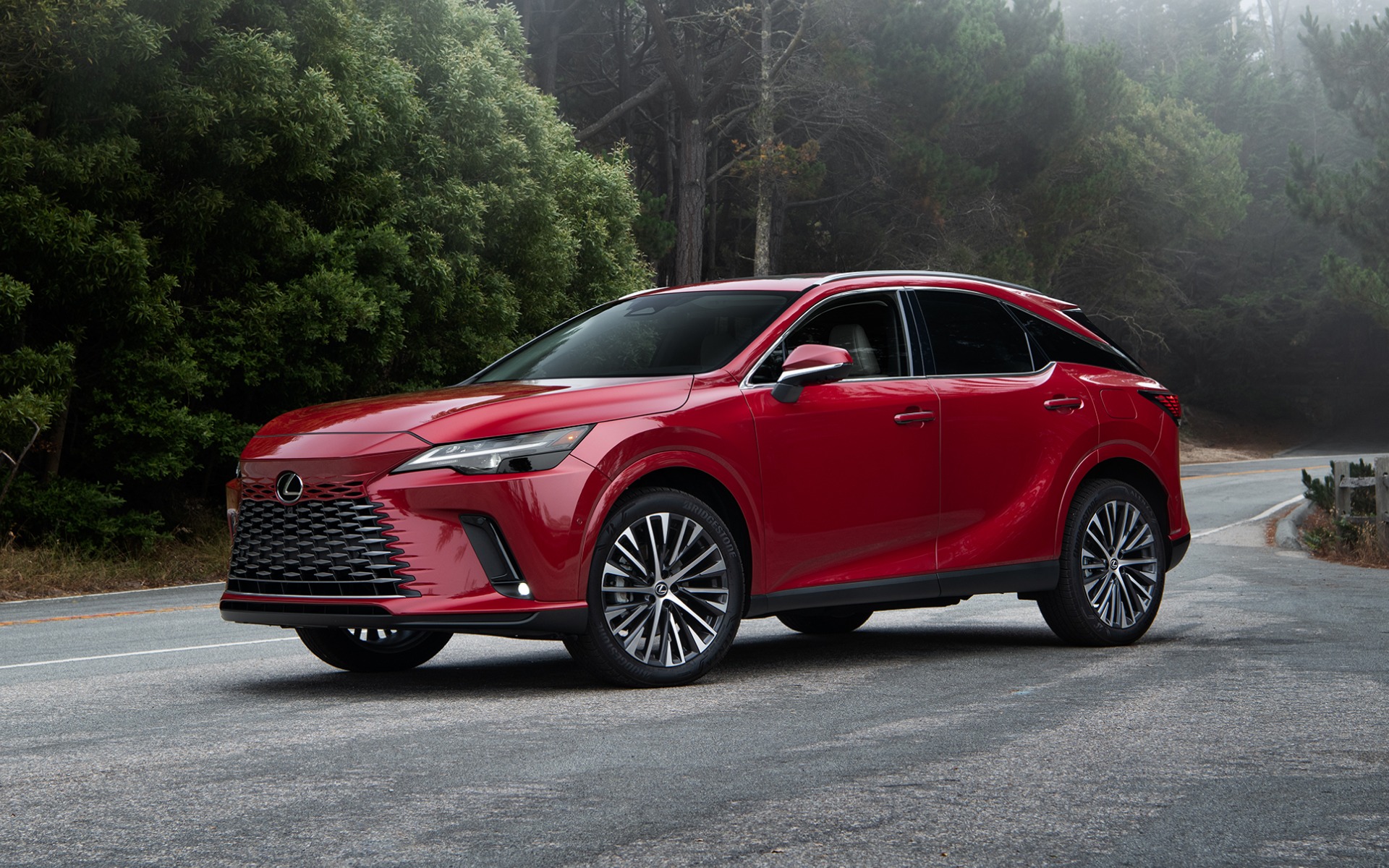
3. Lexus RX
The Lexus RX is widely admired for its comfort, reliability, and smooth driving experience, but it is not designed for heavy off-road use. Its all-wheel-drive system is tuned more for improved stability on wet roads than for handling deep mud or rough mountain trails.
With a lower ground clearance and softer suspension setup, the RX is best suited for paved streets and light gravel paths. The lack of features such as low-range gearing, locking differentials, and underbody protection means it cannot handle the same challenges as dedicated off-road SUVs.
The interior is luxurious, offering plush seating, advanced infotainment, and a quiet ride quality. These make it an excellent daily driver and road trip companion. However, attempting serious off-road use can quickly expose its mechanical limitations.
While the RX can manage mild dirt tracks or snowy driveways, it is not intended for the kind of conditions that require climbing over large rocks or fording rivers. For drivers who value comfort and refinement over rugged ability, the Lexus RX remains an outstanding choice.
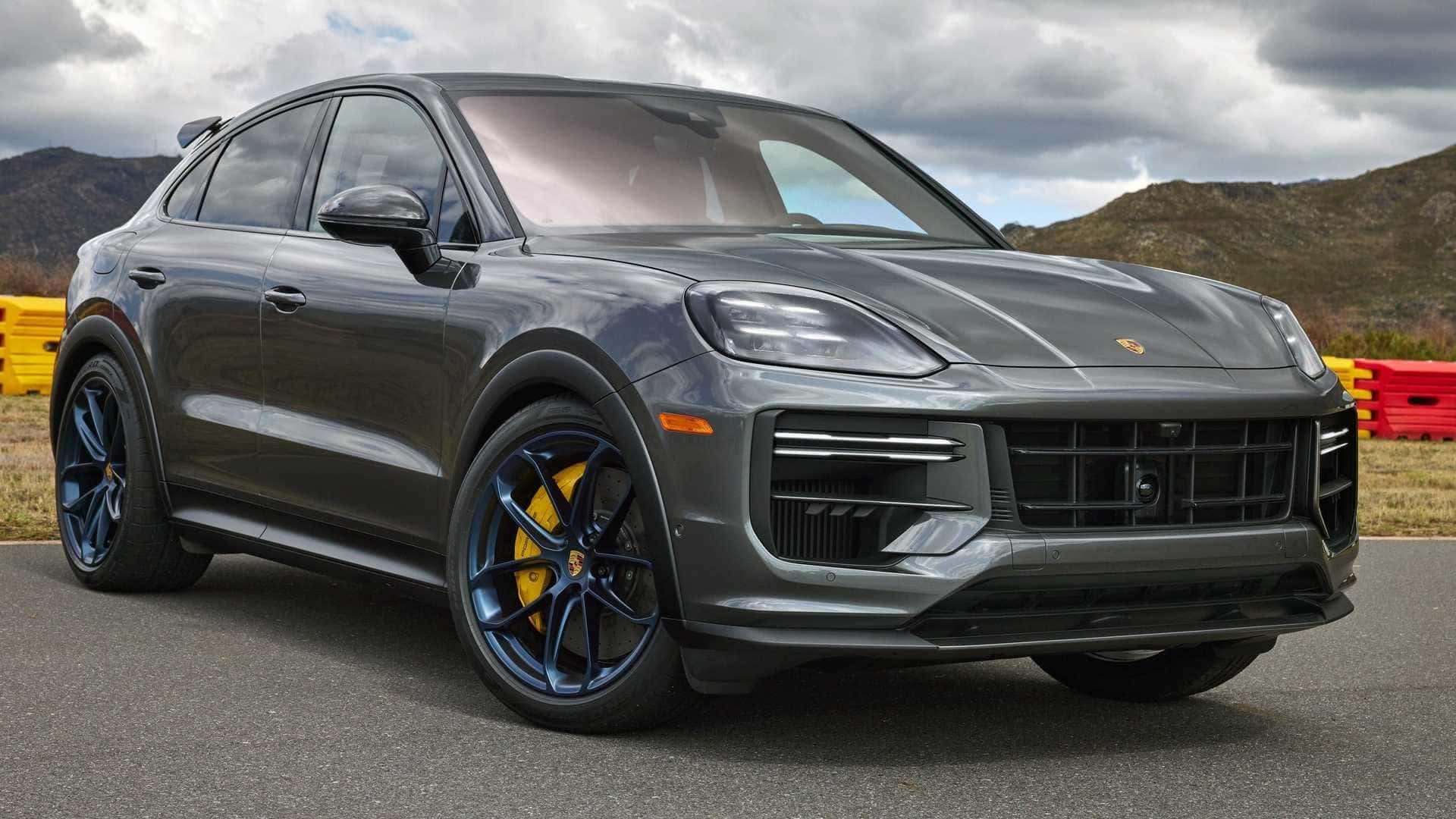
4. Porsche Cayenne
The Porsche Cayenne stands out as one of the most performance-driven SUVs available, blending the driving dynamics of a sports car with the comfort of a luxury vehicle. It delivers sharp handling, quick acceleration, and precise steering that make it a standout on highways and winding roads.
The all-wheel-drive system provides stability in rain or light snow, but the engineering focus of this SUV is aimed at enhancing on-road performance rather than mastering rugged off-road conditions. Its suspension system is tuned to deliver exceptional responsiveness during high-speed driving, giving the driver a connected and confident feel behind the wheel.
While this tuning is ideal for smooth pavement, it limits the Cayenne’s ability to handle uneven terrain. The tires, designed for grip and control on asphalt, do not offer the deep tread or durability required for tackling mud, loose gravel, or rocky trails.
Ground clearance is another limitation. Compared to dedicated off-road SUVs, the Cayenne sits lower, which makes it more vulnerable when encountering deep ruts or large rocks. Without features such as locking differentials or reinforced skid plates, it is more susceptible to underbody damage when pushed into harsher environments.
Inside, the Cayenne offers a refined driving experience, with premium leather upholstery, sport-inspired seating, and high-grade finishes throughout the cabin. The infotainment system is intuitive and packed with advanced technology, enhancing comfort and convenience for both driver and passengers. While these qualities make the Cayenne a pleasure for long highway drives or city commutes, they do not contribute to the durability needed for extreme terrain.
For drivers who value speed, style, and a high level of refinement, the Porsche Cayenne delivers an experience few SUVs can match. However, for anyone planning frequent off-road adventures, it lacks the protective hardware and specialized drivetrain systems that make a vehicle truly capable beyond paved surfaces.
Light gravel roads or maintained dirt tracks are within its reach, but pushing it into more challenging off-road territory can expose its limitations. The Cayenne is best appreciated for what it excels at—providing sports car-like performance in an SUV package while leaving the most demanding off-road tasks to vehicles designed specifically for that purpose.
Also Read: 5 SUVs That Feel Premium Inside and 5 That Feel Cheap
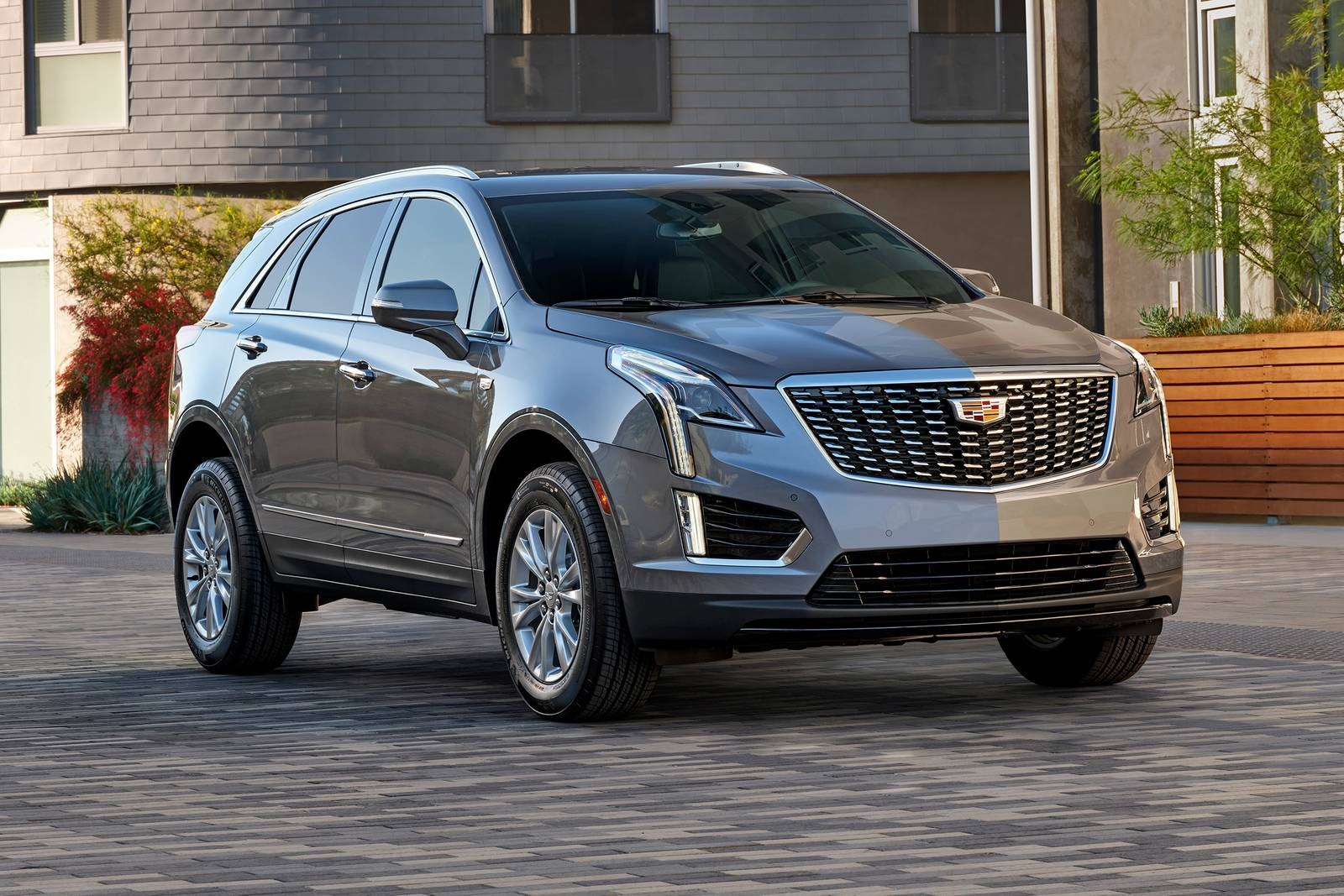
5. Cadillac XT5
The Cadillac XT5 is positioned as a premium crossover that blends style, comfort, and modern technology into a package aimed primarily at on-road use. It offers a smooth and composed driving experience that appeals to buyers seeking refinement in their daily travels. While an all-wheel-drive system is available, it is tuned to enhance stability in wet or snowy conditions rather than to conquer difficult off-road terrain.
One of the most limiting factors for the XT5 in rough environments is its ground clearance. Compared to SUVs built for serious off-road work, it sits lower, which increases the risk of scraping the underbody when driving over rocks, deep ruts, or uneven ground. The suspension system is engineered for comfort and road handling, prioritizing a plush ride on pavement instead of absorbing the sharp impacts and flexing required in rugged terrain.
The XT5 also lacks specialized off-road hardware. Without low-range gearing, locking differentials, or robust skid plates, it is not prepared to handle steep inclines, loose surfaces, or deep mud. Attempting such routes can lead to loss of traction or potential mechanical damage, making it ill-suited for demanding trails.
Inside the cabin, the XT5 excels in luxury. Premium materials, well-crafted seating, and advanced infotainment features create a pleasant environment for driver and passengers. Noise insulation is excellent, delivering a quiet and composed atmosphere even at highway speeds. These qualities make it ideal for long-distance travel, city commuting, and comfortable weekend getaways.
The XT5 can handle light gravel roads, smooth dirt driveways, or well-maintained paths leading to vacation homes. However, it is not designed for remote expeditions, rocky landscapes, or situations where deep water or loose sand are common challenges. Drivers who require true off-road capability should consider models with reinforced underbodies, higher suspension travel, and drivetrain systems designed for extreme conditions.
As a stylish urban crossover, the Cadillac XT5 delivers on comfort, design, and technology. For those whose driving rarely takes them beyond paved streets or mild country roads, it is a solid and enjoyable choice. But for anyone planning to regularly venture into rough territory, this model is better left in environments where its strengths can shine.
Choosing an SUV goes beyond admiring its looks or the prestige of its badge. The real test is whether it can consistently meet the demands you place on it. For drivers who spend a lot of time in remote areas, on unpaved roads, or tackling unpredictable weather and terrain, true off-road capability is not just an extra feature; it is a necessity.
Vehicles like the Toyota Land Cruiser, Jeep Wrangler Rubicon, Land Rover Defender, Ford Bronco off-road trims, and Mercedes-Benz G-Class prove that they are built for such tasks. They combine strong chassis designs, advanced four-wheel-drive systems, protective underbody structures, and suspension setups that can handle heavy impacts without losing stability.
On the other side are SUVs that shine in urban settings and on highways but are not equipped for challenging terrain. Models like the BMW X5, Audi Q7, Lexus RX, Porsche Cayenne, and Cadillac XT5 deliver excellent comfort, quiet cabins, advanced driver assistance, and stylish designs.
These are qualities that make them perfect for daily commuting, long highway journeys, and family trips. However, their engineering focus is clearly on refined road performance rather than handling deep mud, steep rocky climbs, or water crossings.
