
Electric vehicles are now a familiar sight on American roads, valued for their quiet operation, rapid acceleration, and reduced emissions compared to gasoline-powered cars. Yet, one factor that often determines whether an EV remains a good investment is its battery’s long-term health. A strong initial range is important, but what matters even more is how well that range is preserved after years of daily driving and charging.
While all EV batteries naturally degrade after some time, the rate of decline varies widely between models. Some vehicles use advanced cooling systems, high-quality cells, and smart energy management software to keep degradation slow and predictable.
Others, especially those with less sophisticated thermal control or smaller battery packs, can see noticeable performance loss after only a few years. Such declines can make an EV less practical for longer trips and reduce its resale value.
Buyers who plan to keep their car beyond the warranty period need to pay close attention to real-world battery performance data. Vehicles with strong range retention can remain highly functional and cost-efficient for many years, while those that lose a large portion of their range early may require battery replacement sooner than expected an expensive repair.
Now, let us review five EVs that have consistently shown excellent battery durability, staying dependable beyond the third year of use. It also covers five models that tend to experience quicker range loss, which can affect long-term ownership satisfaction.
Each section looks at battery design, thermal management, charging practices, and owner reports to provide a clear picture of what you can expect. Whether you are buying new or used, this information will help you choose an electric vehicle that can serve you reliably for years to come while avoiding models that may frustrate you after the initial ownership period.
5 EVs With Strong Battery Life
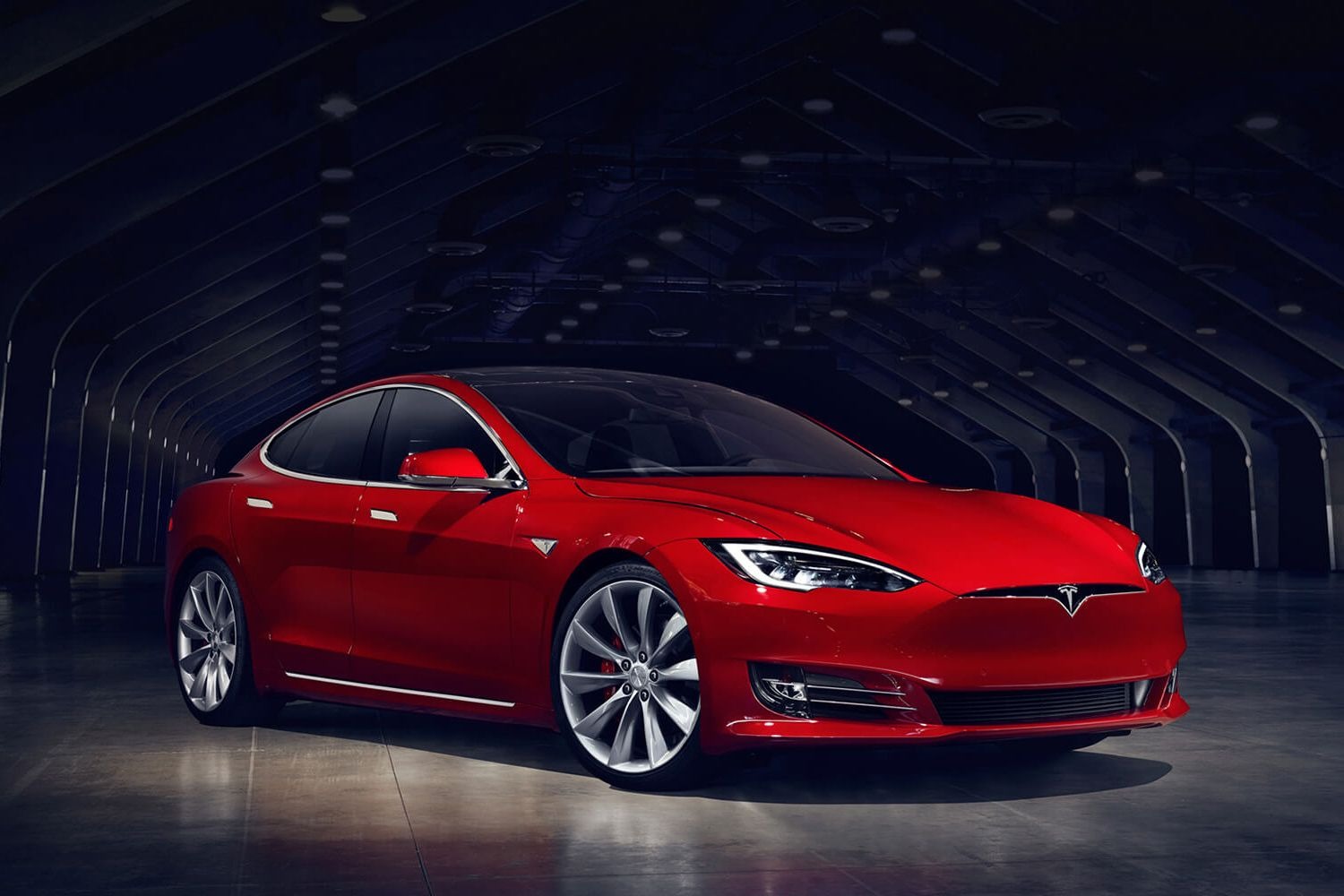
1. Tesla Model S
The Tesla Model S remains one of the strongest examples of long-lasting EV battery performance. Many owners report that even after 150,000 miles, range loss is often less than 10 percent. This is the result of Tesla’s attention to battery management, thermal control, and charging optimization.
The Model S uses a liquid-cooled battery pack that maintains consistent cell temperatures, whether in freezing winters or hot summers. This protection against thermal stress plays a major role in slowing degradation. The car’s software also manages charging in ways that reduce strain on the cells, such as adjusting charge rates and limiting maximum state-of-charge under certain conditions.
Because the Model S comes with a large-capacity battery, each full cycle covers more miles, which means fewer total cycles are used over the car’s lifetime. This has a direct impact on battery health. Even when drivers rely on Tesla’s Supercharger network for fast charging, the system is designed to deliver high speeds while carefully monitoring heat levels to protect the cells.
Real-world data from high-mileage owners confirms that the Model S maintains useful range far longer than many competitors. Tesla’s frequent software updates also help, as they fine-tune energy management and sometimes improve efficiency without any hardware changes.
From a resale perspective, the Model S holds strong appeal because buyers trust its ability to deliver close to its original range even after several years. This makes it one of the few luxury EVs that can maintain high market value well into its service life.
While battery replacements are possible, most Model S owners have not needed them within the first eight to ten years of use. This performance, combined with high-speed charging convenience, makes the Model S a leading choice for drivers who want both luxury and long-term battery durability.
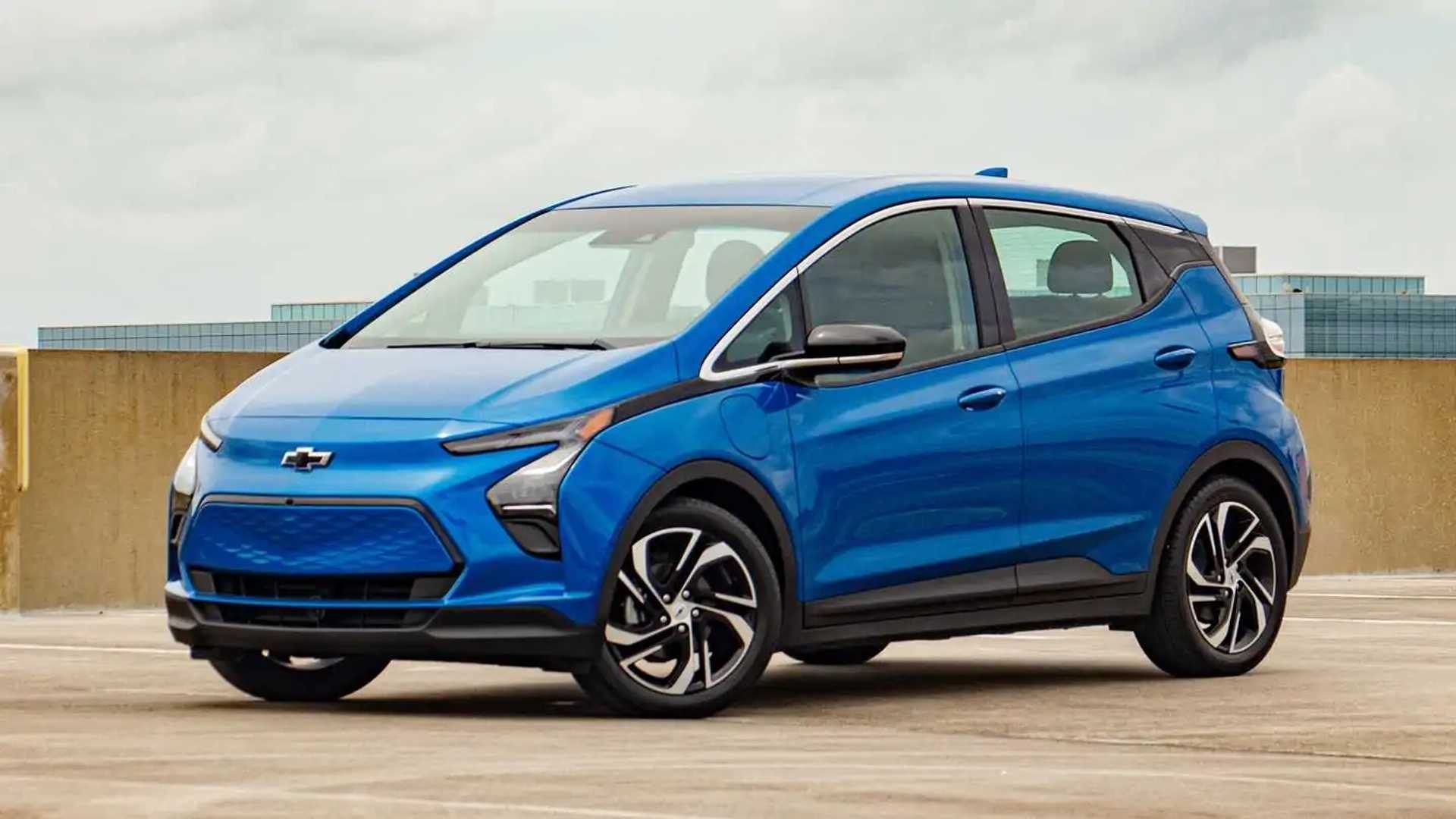
2. Chevrolet Bolt EV
The Chevrolet Bolt EV has built a loyal following among budget-conscious EV buyers, and one of the main reasons is its strong battery retention. Owners frequently report minimal degradation even after three to five years of daily commuting.
The Bolt’s 66 kWh lithium-ion pack uses an active liquid-cooling system that manages heat effectively. This is especially important in hot climates where high temperatures can accelerate wear. General Motors engineered the battery to limit rapid charging stress, which means that while DC fast-charging speeds are moderate compared to premium EVs, the cells remain in good condition for a longer period.
Many Bolt owners charge at home overnight using Level 2 chargers, which is easier on the battery compared to daily fast charging. This slower charging method keeps internal temperatures lower, reducing chemical breakdown. The Bolt’s battery warranty also reassures buyers, covering eight years or 100,000 miles for capacity loss below a specified level.
In real-world use, drivers often report retaining 90 percent or more of the original range after 100,000 miles. The car’s efficient motor and regenerative braking system reduce the frequency of full battery drains, further preserving health. Even though the Bolt had a major recall related to battery manufacturing defects in earlier years, the updated packs installed under warranty have shown excellent reliability.
While the Bolt does not match luxury EVs in speed or range, it stands out for its low cost of ownership and steady performance. For urban drivers and commuters who prioritize reliability over premium features, the Bolt delivers consistent service without major drops in range through the early and mid-years of ownership.
This combination of strong retention, manageable charging habits, and robust cooling makes the Chevrolet Bolt EV a dependable choice for buyers seeking an affordable electric car that does not lose its usefulness after the first few years.
Also Read: 5 EVs That Feel Premium and 5 That Feel Like Appliances
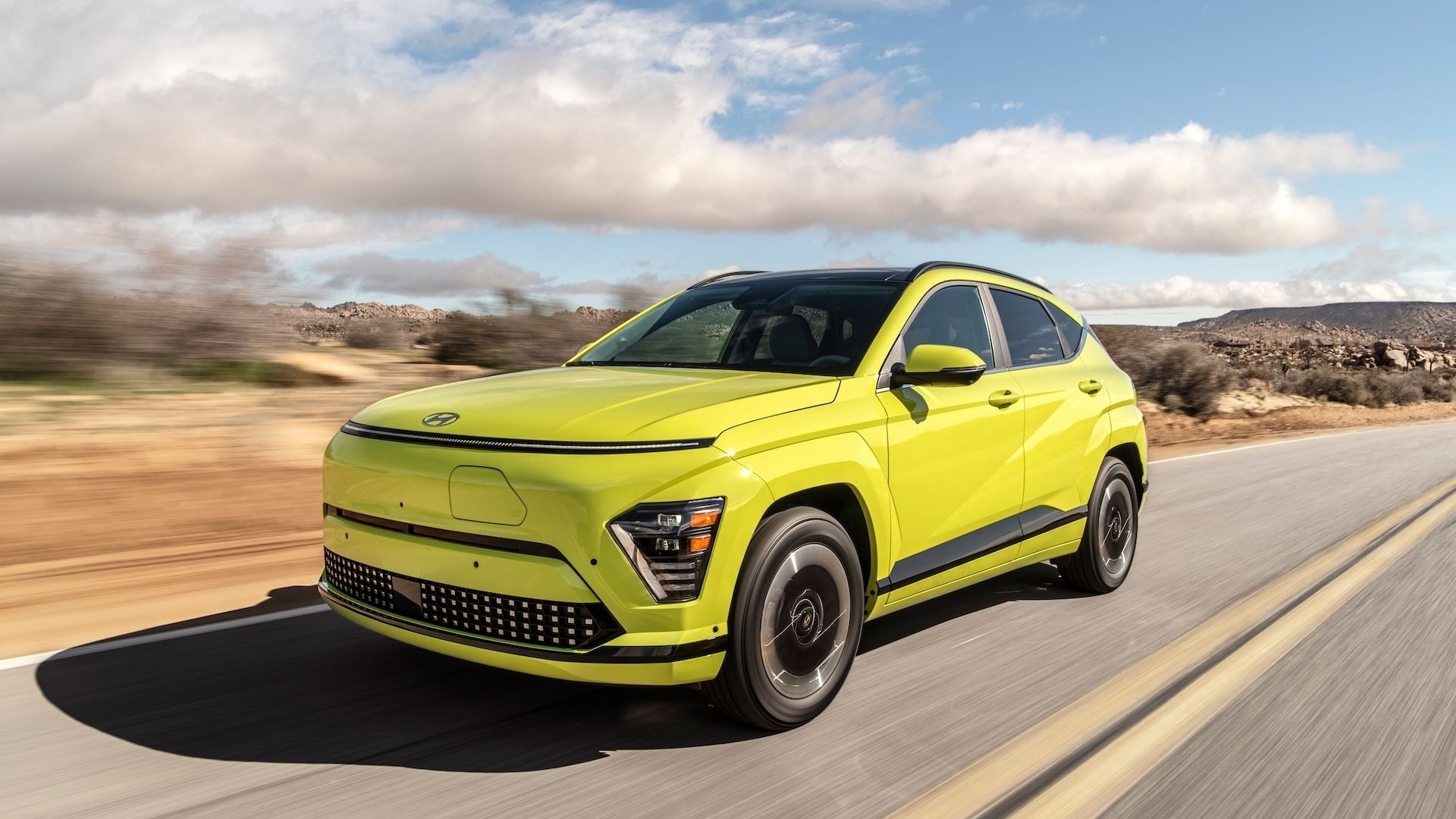
3. Hyundai Kona Electric
The Hyundai Kona Electric has gained respect for its impressive range efficiency and strong battery durability. Many owners note that the vehicle maintains over 90 percent of its capacity after several years, which is particularly impressive given its competitive price.
The Kona Electric uses a 64 kWh lithium-ion polymer battery pack with active liquid cooling. Hyundai’s engineers have tuned the cooling system to prevent overheating during high-speed driving and fast charging, both of which can accelerate degradation. The car also limits maximum charge to 80 percent by default for daily use, which reduces stress on the battery.
In terms of charging habits, the Kona Electric benefits from moderate DC fast-charging speeds. While some drivers may wish for faster rates, the slower approach contributes to better long-term health. Many owners who use Level 2 home charging as their main method find that the vehicle’s range barely changes from year to year.
Real-world feedback from hot-climate regions shows the Kona holds up well even in challenging conditions. The car’s thermal management system works efficiently to prevent cell imbalance and excessive heat build-up. Hyundai’s warranty, covering battery capacity for eight years or 100,000 miles, adds extra confidence for buyers.
The Kona Electric’s efficiency also means drivers cycle the battery less often for the same number of miles, compared to less efficient EVs. This reduced cycling lowers wear and tear. Even at higher mileages, owners report reliable charging behavior and steady range numbers.
For buyers who value a blend of affordability, range, and battery reliability, the Hyundai Kona Electric is a strong contender. Its consistent retention rates place it among the EVs most likely to stay practical well beyond the third year without costly maintenance or range loss concerns.
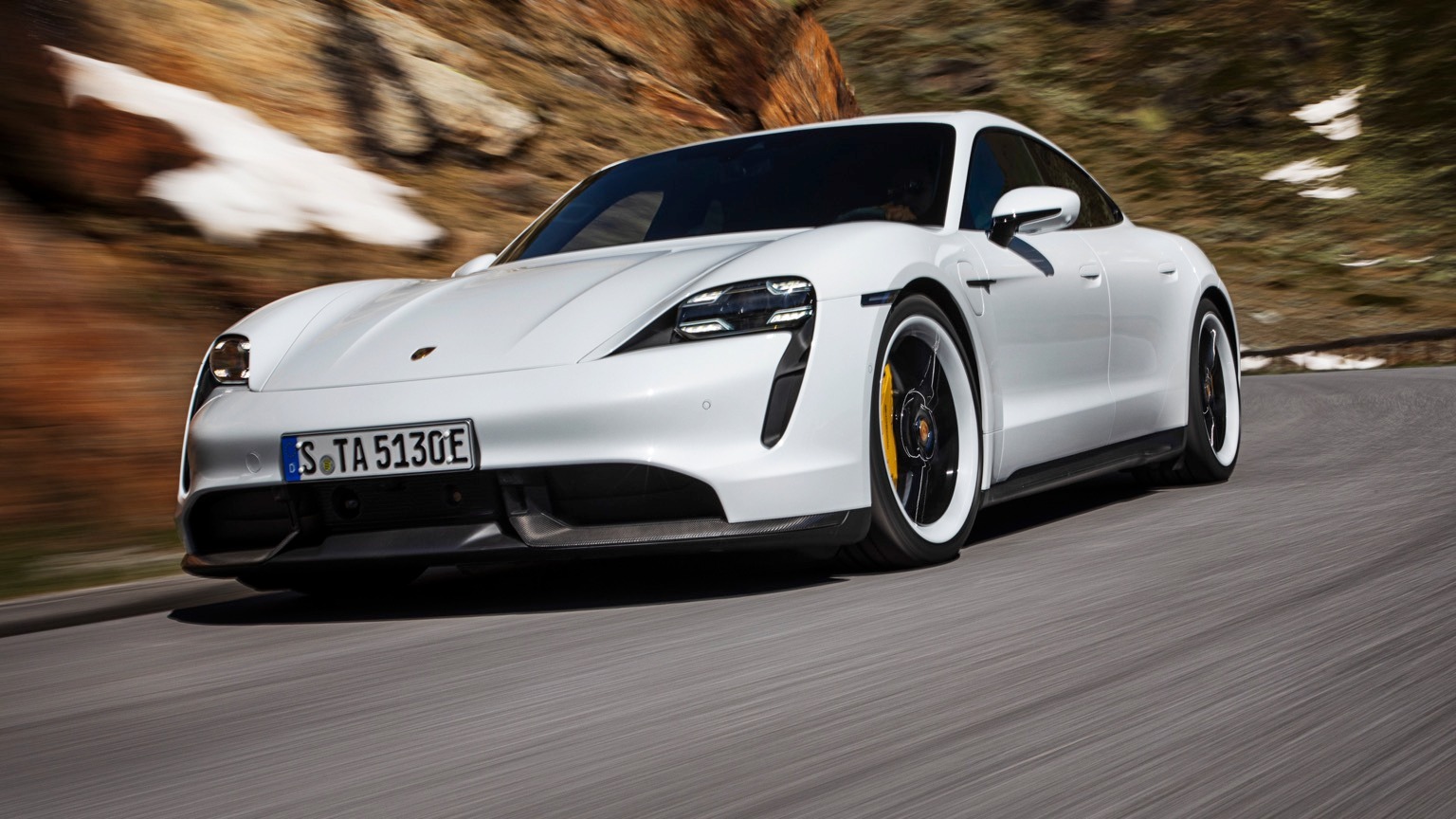
4. Porsche Taycan
The Porsche Taycan delivers both sports car performance and impressive battery durability. While it is designed for high-speed driving and rapid acceleration, its battery system has proven capable of maintaining a strong state of health beyond the early years of ownership.
The Taycan uses an 800-volt electrical architecture paired with a liquid-cooled lithium-ion pack. This advanced setup allows for extremely fast charging without generating the excessive heat that often damages cells in other EVs. Porsche’s engineers implemented a precise thermal management system that actively adjusts coolant flow and temperature to protect the battery during demanding conditions.
Owners who use the Taycan for spirited driving still report minimal degradation in the first three to five years. One reason for this is that the Taycan’s charging strategy avoids keeping the battery at maximum capacity for extended periods unless necessary. Drivers can also set charge limits for daily use to further reduce wear.
In terms of real-world reports, even Taycans with high annual mileage retain much of their original range. The 800-volt system also allows charging at higher power levels for shorter periods, which means less time generating heat compared to lower-voltage systems.
Porsche provides an eight-year or 100,000-mile battery warranty, which includes coverage for excessive capacity loss. However, most Taycan owners have not needed battery replacements within this period. The car’s performance focus might lead some to assume it sacrifices battery longevity, but in reality, its engineering makes it one of the better long-term performers in the luxury EV category.
For drivers who want high performance without sacrificing range stability, the Porsche Taycan stands out as a rare combination of speed, handling, and enduring battery health. It demonstrates that with proper engineering, an electric sports car can age gracefully in terms of battery performance.
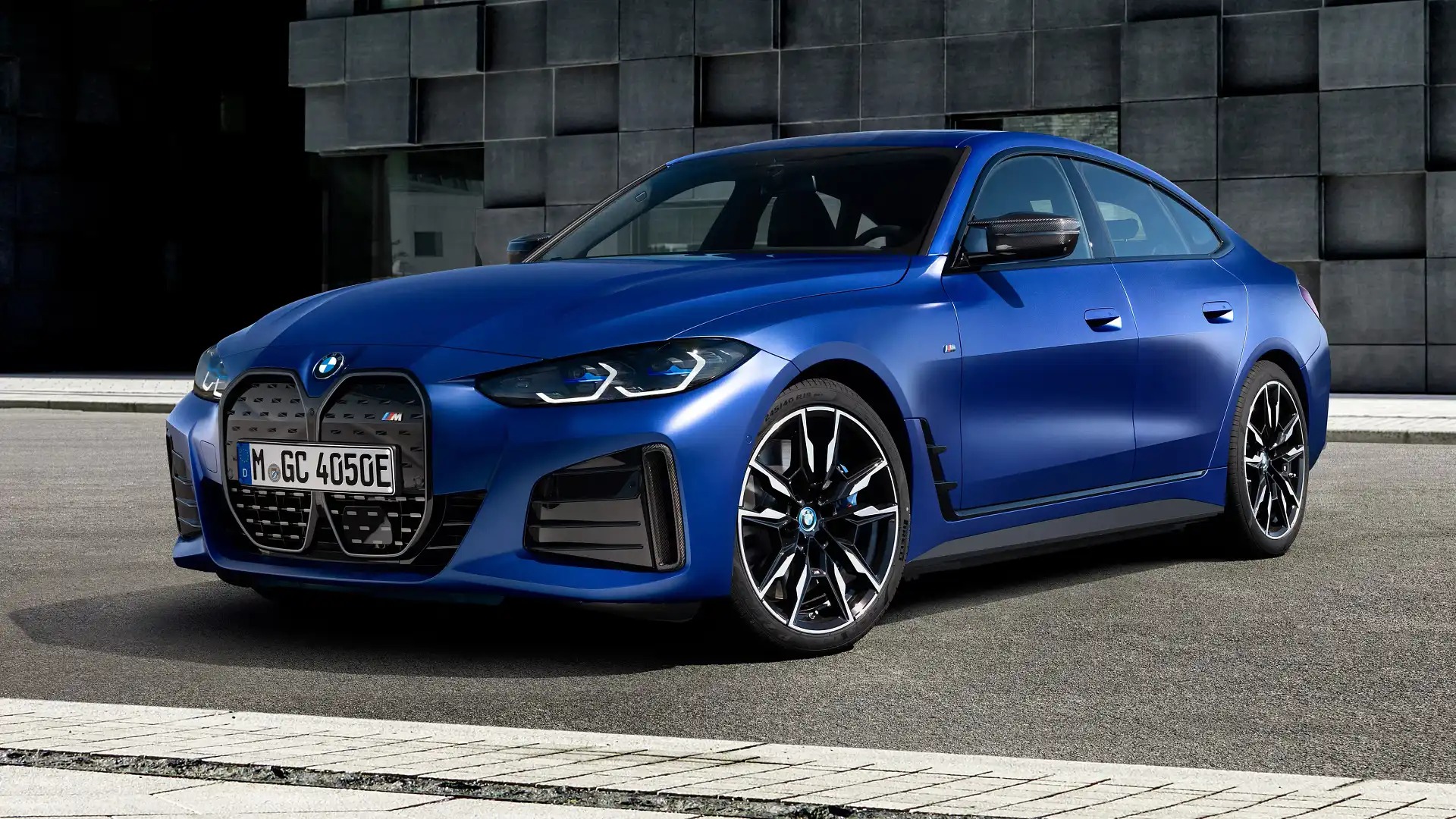
5. BMW i4
The BMW i4 blends traditional BMW driving dynamics with dependable battery retention. Owners appreciate its balance of performance and efficiency, but what often goes unmentioned is how well its battery holds up with time.
The i4 uses an 81 kWh gross capacity lithium-ion battery with liquid cooling. This system works efficiently to prevent heat build-up during both daily driving and rapid charging. BMW has incorporated software-based protections that regulate charging speeds under certain conditions to preserve cell health.
While the i4 supports high-speed DC fast charging, it also encourages drivers to use lower charging limits for regular use. Many owners who follow BMW’s recommendations find that capacity loss is minimal in the first several years. The battery’s large size also plays a role by reducing the total number of full charge cycles needed for a given mileage.
Real-world usage reports show that the i4 maintains reliable range even in colder climates, where some EVs experience more rapid degradation. BMW’s attention to both hardware and software integration results in stable performance across a variety of driving conditions.
The eight-year or 100,000-mile warranty offers peace of mind, but based on early fleet data, the i4’s battery health remains strong well before the warranty period ends. Combined with BMW’s emphasis on balanced driving and efficiency, this gives buyers confidence in its long-term practicality.
Drivers who invest in the BMW i4 can expect a car that not only delivers engaging handling but also maintains its range and charging consistency over years of use. It is a fitting choice for those who want premium quality without sacrificing battery reliability.
5 EVs That Tend To Lose Performance In Year Three
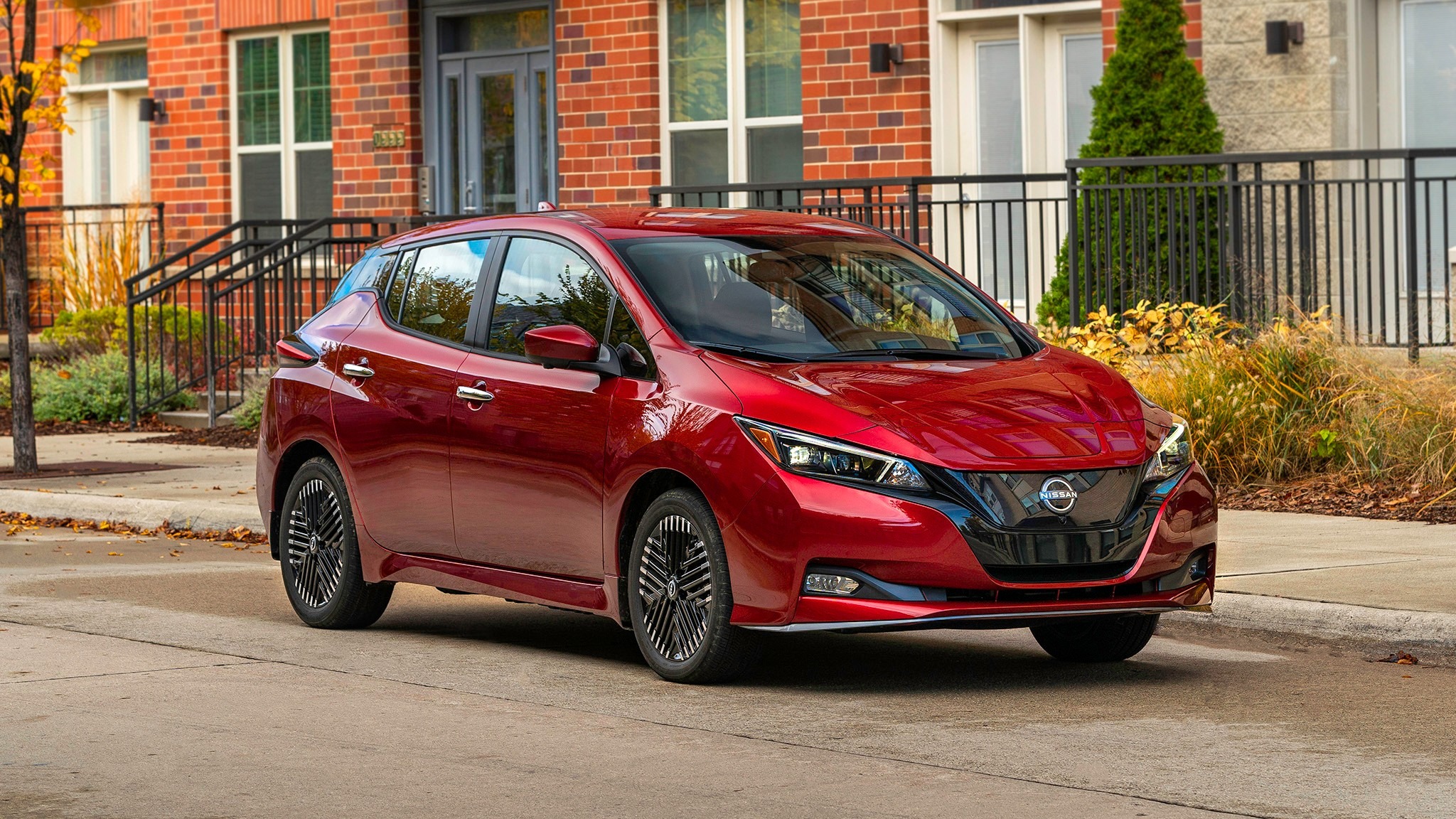
1. Nissan Leaf
The Nissan Leaf was one of the first mass-market electric cars, but its early generations struggled with battery longevity. The main reason is the absence of an active thermal management system in many models, especially the older ones. Without liquid cooling, the Leaf’s battery is more vulnerable to heat, which accelerates degradation.
In hot climates, owners have reported losing a noticeable portion of their range within just a few years. Even in moderate climates, the lack of precise temperature regulation means cells can age faster than in EVs with advanced cooling systems. This makes the Leaf less appealing for drivers who plan to keep their car for a long period without battery replacement.
Fast charging can worsen the problem. The Leaf’s battery heats up quickly during DC charging sessions, and repeated exposure to high temperatures without adequate cooling leads to capacity loss. Owners who rely heavily on quick charging often see range reductions sooner.
While Nissan has improved battery chemistry in newer versions, the design still leaves it behind many competitors in terms of long-term range retention. The warranty covers capacity loss below a certain point, but replacements can still be inconvenient and may not restore full original performance.
For buyers looking at used Leafs, battery health reports are essential before purchase. In areas with consistently high temperatures, it is common to find three- to five-year-old Leafs with a noticeable decrease in daily driving range.
Although the Leaf remains affordable and easy to drive, its battery performance after the third year can be a limitation. This is especially true for drivers who need consistent long-range capability without frequent charging.
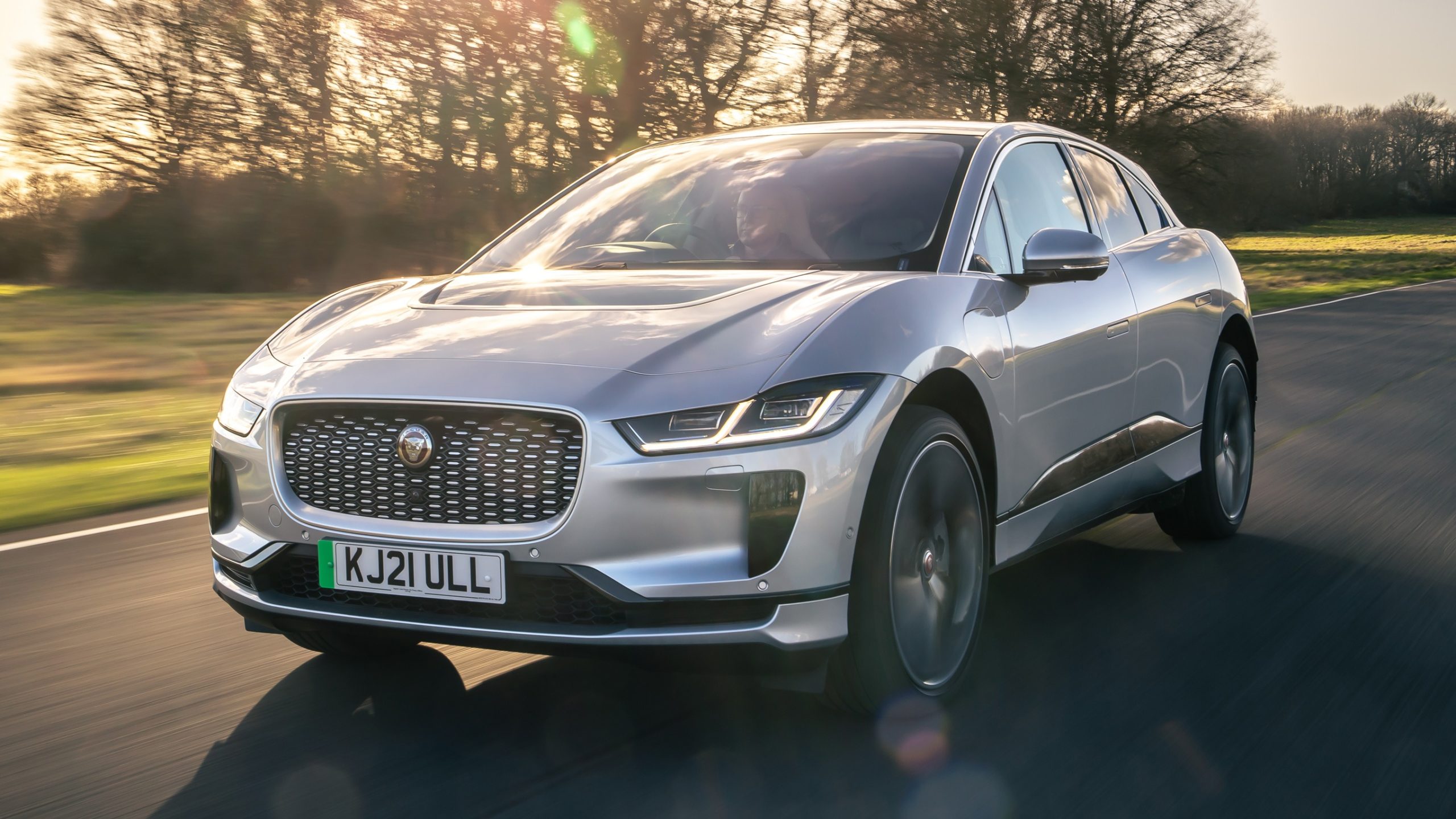
2. Jaguar I-Pace
The Jaguar I-Pace offers a stylish design and strong driving performance, yet its battery performance after some time has raised concerns among some owners. Reports from drivers with vehicles three to four years old often mention a noticeable drop in range, particularly in markets with warmer climates.
The I-Pace uses a liquid-cooled battery pack, but its thermal management strategy does not appear as refined as that of some rivals. During repeated fast-charging sessions, the battery can become warmer than ideal, which may contribute to gradual capacity loss. The car’s weight and dual-motor system also mean that the battery experiences higher demands during spirited driving, adding to wear after some time.
Real-world feedback shows that while the I-Pace delivers excellent performance in its first couple of years, its range retention after year three can be less impressive than expected for a premium-priced EV. For drivers who rely heavily on high-speed charging, the drop in usable range can become noticeable enough to affect long-distance travel plans.
Jaguar’s eight-year battery warranty does provide some reassurance, but the capacity threshold for warranty claims may mean that owners experience range loss without qualifying for a replacement. In colder conditions, the battery also tends to perform less efficiently, which can amplify the perception of reduced range.
The I-Pace remains an enjoyable vehicle to drive, with strong handling and acceleration, yet for buyers concerned about long-term battery durability, it may not match the consistency shown by other premium EVs. Those considering a used model should request a battery health check before purchase to better understand how much capacity remains.
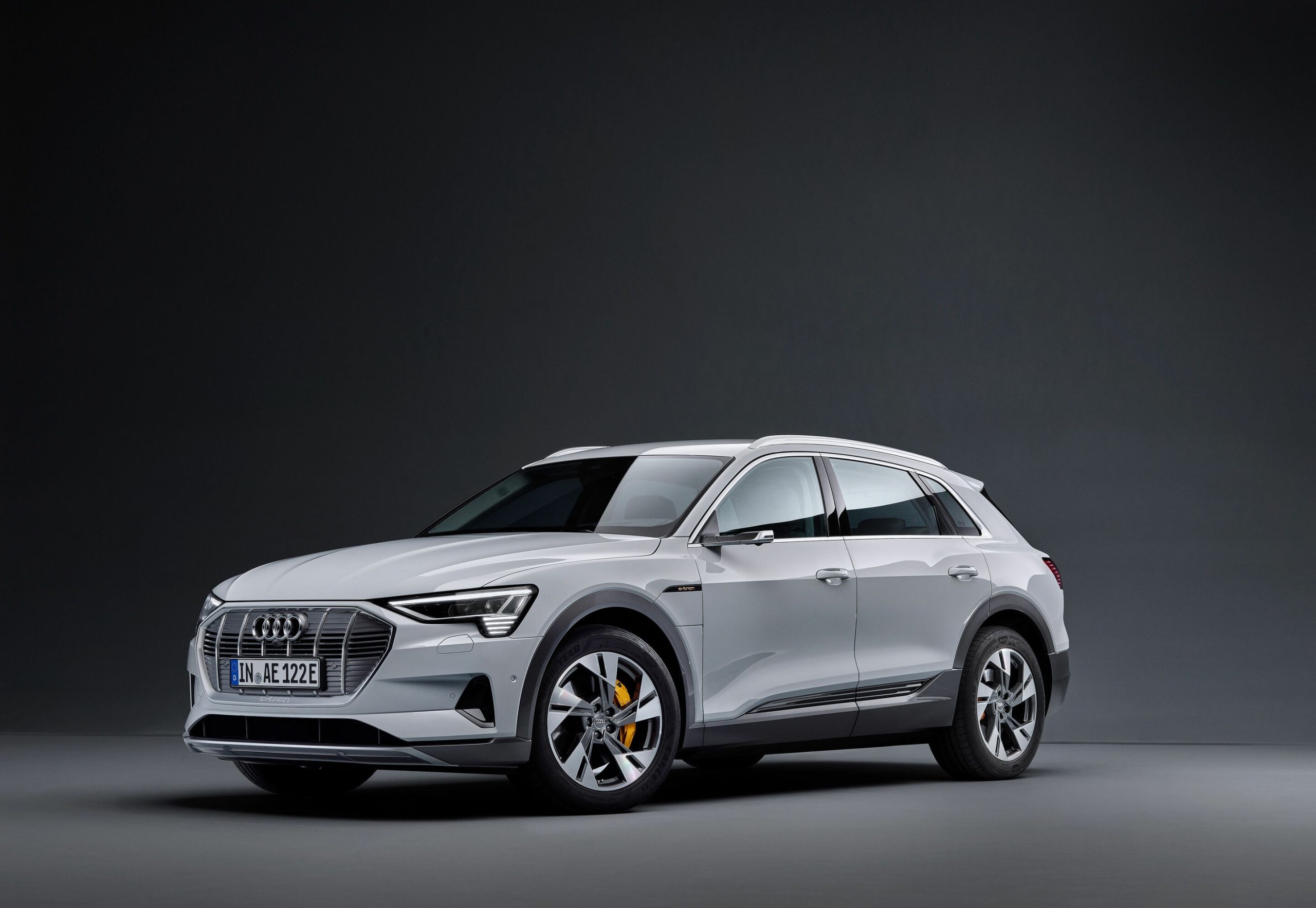
3. Audi e-tron
The Audi e-tron delivers a comfortable, refined driving experience and premium features, but its long-term battery retention has not matched some of its competitors. Many owners report that after three years, there is a noticeable dip in range, which can be more pronounced for drivers who frequently use DC fast charging.
The e-tron’s liquid-cooled battery system is capable of handling high charging speeds, but frequent rapid charging generates extra heat, and while the system manages it well initially, repeated cycles over years seem to accelerate degradation. The e-tron’s relatively heavy weight also demands more energy from the pack during daily driving, increasing wear.
In colder climates, energy efficiency drops further, meaning that even with a healthy battery, winter range is shorter. Combined with any capacity loss, this can make the car feel less versatile for long trips as it ages.
Audi’s battery warranty covers eight years or 100,000 miles, but many owners experiencing moderate degradation before that limit simply adjust their driving patterns rather than seek a replacement. Some report having to plan charging stops more carefully than they did when the car was new.
While the e-tron remains one of the most comfortable and quiet EVs in its class, those seeking a long-term investment in an electric SUV may prefer alternatives with stronger retention data. For buyers looking at pre-owned models, a battery inspection is strongly advised to ensure the range will meet their needs over the next several years.
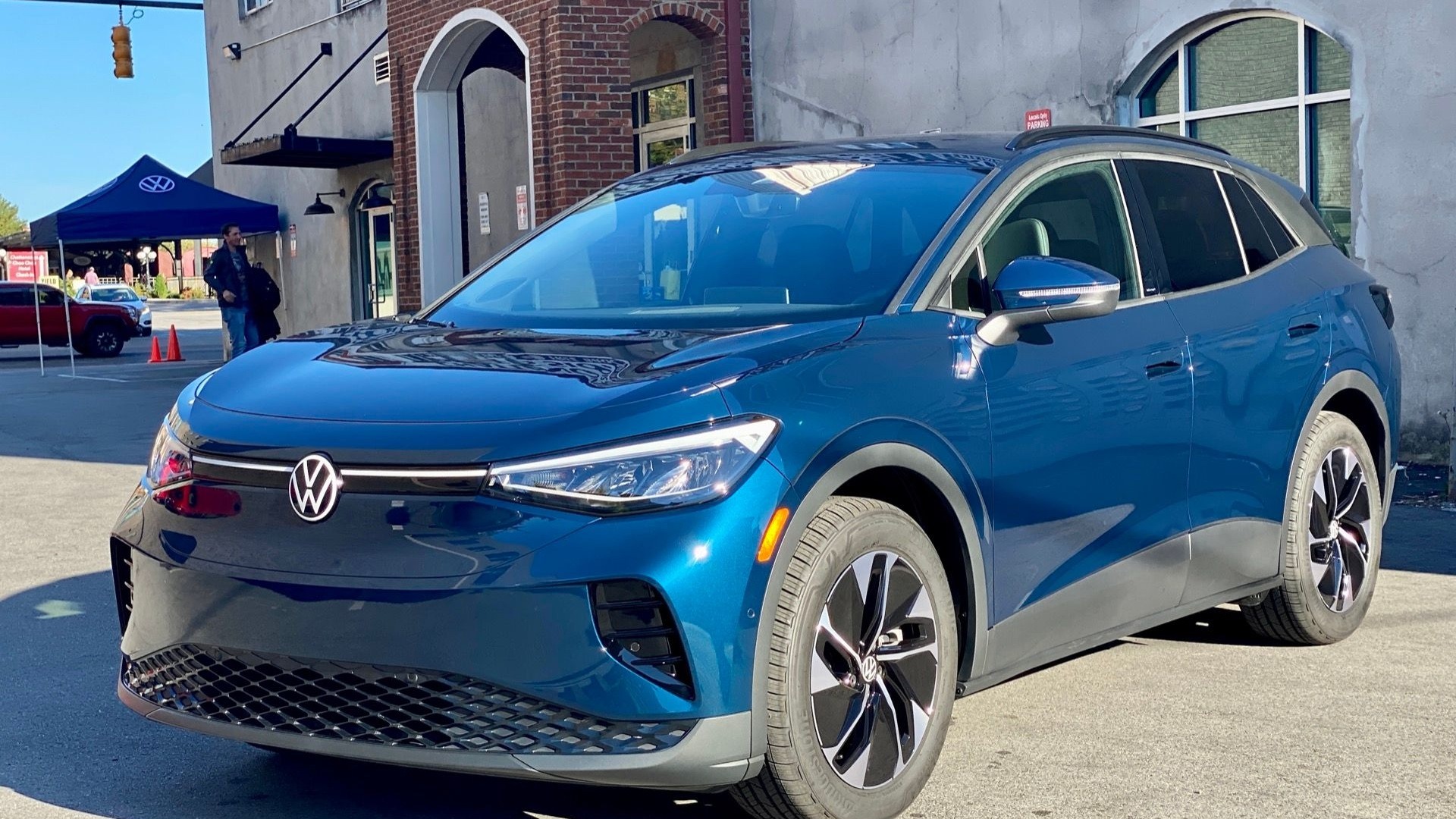
4. Volkswagen ID.4
The Volkswagen ID.4 is positioned as a practical and affordable electric SUV, but some owners have reported battery performance concerns after a few years of use. While its liquid-cooled pack is designed to regulate temperature, long-term retention has not always matched expectations in certain markets.
The ID.4 supports DC fast charging, and repeated use of this feature over the first three years can increase wear on the cells. Although Volkswagen’s battery management system does a fair job of controlling temperature, the ID.4’s charging curve often holds higher power levels for longer periods, which can result in more heat exposure compared to some rivals.
In addition, the ID.4’s efficiency is not as strong as certain competitors, meaning the battery cycles more frequently for the same mileage. This can accelerate natural degradation. Drivers in hot regions have reported larger-than-average drops in usable range by year three, with some needing to charge more often than when the car was new.
Volkswagen offers an eight-year or 100,000-mile warranty for capacity loss, but similar to other manufacturers, the threshold for coverage means that moderate degradation may not qualify. Owners who primarily use Level 2 charging tend to see better results than those who rely heavily on rapid charging.
The ID.4 remains appealing for its price and interior space, but for those seeking a vehicle with exceptional battery longevity, it may not perform as consistently as other options. Buyers considering used models should confirm the current range and charging performance before committing.
Also Read: 5 EVs That Handle Bad Roads and 5 That Hate Bumps
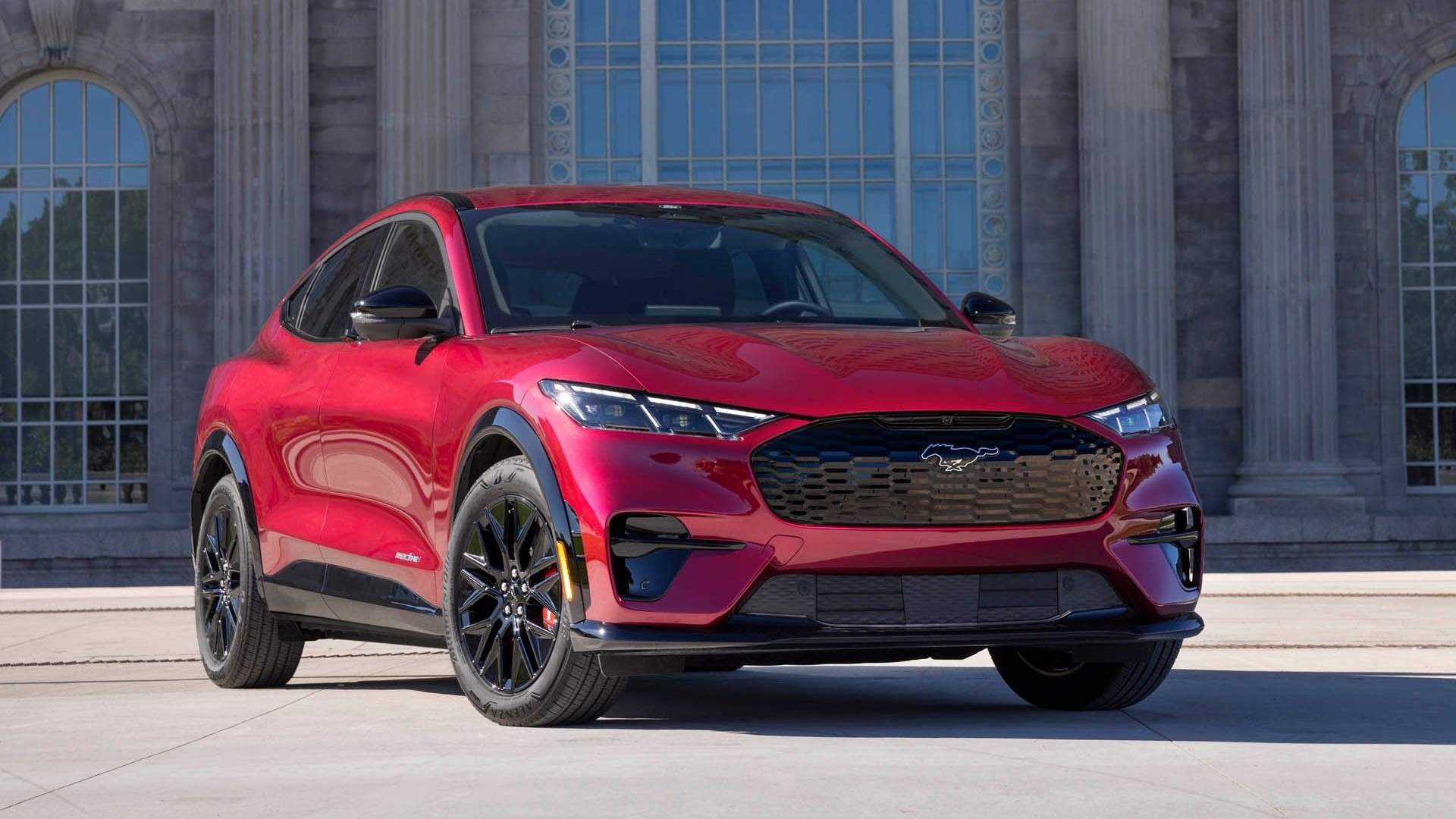
5. Ford Mustang Mach-E
The Ford Mustang Mach-E has attracted attention for blending electric performance with a recognizable name, yet some owners have found that its battery retention after some time can be less consistent than expected. After about three years, certain drivers report a drop in range, particularly those who use DC fast charging frequently.
The Mach-E’s battery is liquid-cooled and capable of handling high-speed charging, but repeated rapid-charge sessions, especially in warmer climates, can generate more heat than ideal for long-term health. While Ford’s battery management system is generally effective, it does not always prevent gradual capacity loss when the vehicle is driven hard or charged aggressively.
Weight is another factor. The Mach-E’s heavier design places more strain on the battery during acceleration and high-speed driving. After some time, this repeated demand contributes to reduced usable capacity. Cold weather also impacts range more noticeably than in some rivals, which can make aging batteries feel even less capable during winter.
Ford backs the battery with an eight-year or 100,000-mile warranty, but as with most EV warranties, only huge capacity loss qualifies for replacement. Owners experiencing smaller reductions often have to adjust charging habits or trip planning.
While the Mach-E remains fun to drive and offers modern technology, buyers focused on long-term battery stability might prefer EVs with stronger retention track records. For those purchasing a used Mach-E, a detailed battery health report is highly recommended to ensure the vehicle still delivers the range needed for daily use and occasional long trips.
