
When buyers consider purchasing an SUV, they often focus on design, comfort, safety, and performance. Yet, one element that can strongly influence long-term satisfaction is resale value. The ability of a vehicle to retain its worth after years of use plays a crucial role in determining whether the investment remains rewarding.
A high resale value means you can recover a reasonable portion of the money spent when it is time to sell or trade in. On the other hand, a poor resale value could lead to losing a large amount even if the SUV still runs well.
The factors that affect resale value range from brand reputation to reliability, maintenance costs, demand in the used car market, and even how well the model has been kept during ownership.
Some SUVs are known for lasting performance, low depreciation, and steady demand, making them sought-after in the second-hand market. Others, however, experience a rapid drop in value soon after leaving the dealership, often due to high initial pricing, poor fuel economy, or a lack of consumer trust.
Now, let us take a look at ten SUVs. Five of them have earned a strong reputation for holding their worth, offering a better return for the owner. The other five are known to lose value quickly, which could make them less appealing for those who plan to sell within a few years.
Each model will be discussed in detail, considering factors such as design, performance, fuel efficiency, and market trends. The aim is to guide potential buyers in making informed choices that balance personal needs with financial wisdom.
SUVs That Hold Value
1. Toyota 4Runner
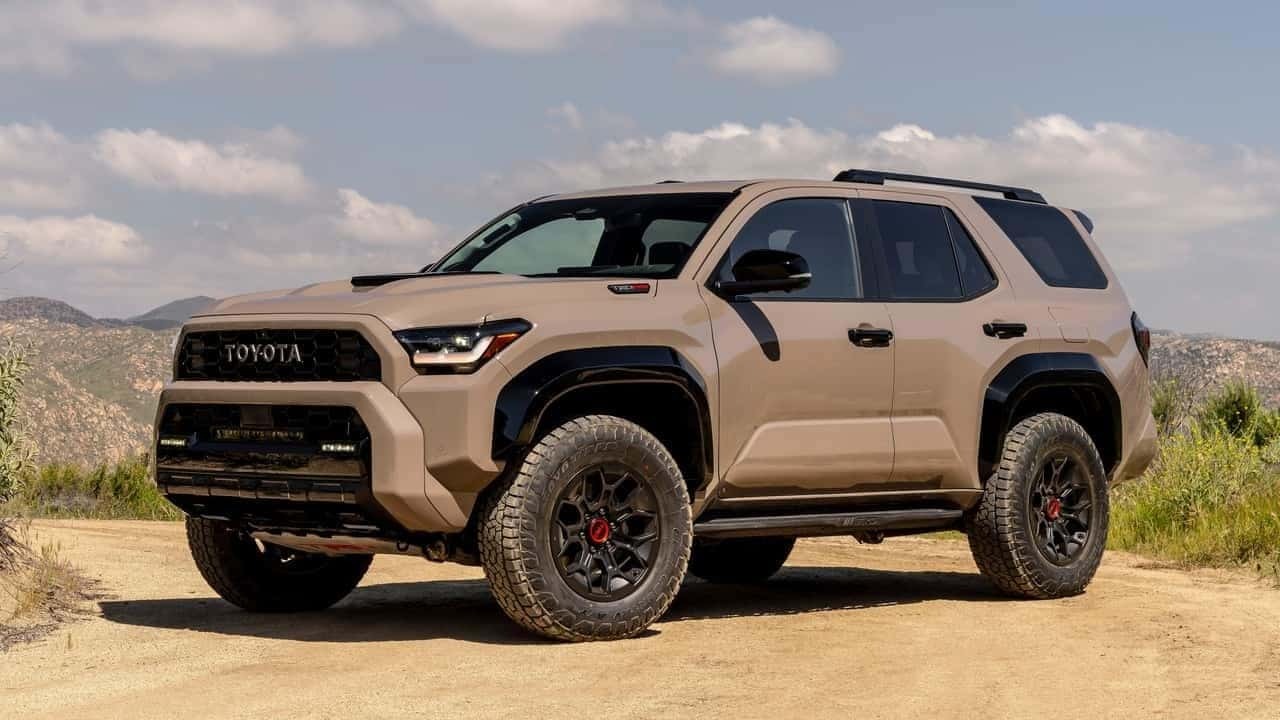
The Toyota 4Runner has built a reputation as a rugged, dependable SUV that can serve both city drivers and adventure lovers. It is a body-on-frame vehicle, which means it is designed more like a truck than a crossover, giving it the strength to handle rough terrains without losing comfort for daily driving. This quality has made it highly attractive to buyers in both new and used markets.
One of the biggest reasons the 4Runner keeps its value is Toyota’s record for building durable vehicles. Many 4Runners on the road today have well over 200,000 miles and still perform reliably. Owners often highlight its low maintenance requirements and strong build, which helps reduce costs and makes the SUV more desirable for second owners.
The design of the 4Runner has remained consistent, avoiding sudden style changes that could make older models look outdated. Instead, Toyota has made gradual updates to technology and safety features without compromising the classic feel that buyers expect. This steady approach keeps demand strong for previous model years, further supporting resale prices.
In terms of capability, the 4Runner offers powerful engine options, solid off-road packages, and a comfortable cabin. It is not the most fuel-efficient SUV, but its performance in challenging conditions and towing capacity often outweigh that drawback for many buyers. In resale markets, buyers know they are purchasing a reliable SUV that has been proven over decades.
Dealers often price used 4Runners higher than competitors of the same year and mileage, which is a direct reflection of how slowly they depreciate. Whether used for outdoor adventures or as a reliable family vehicle, the Toyota 4Runner remains a safe choice for those who value long-term financial returns.
2. Jeep Wrangler
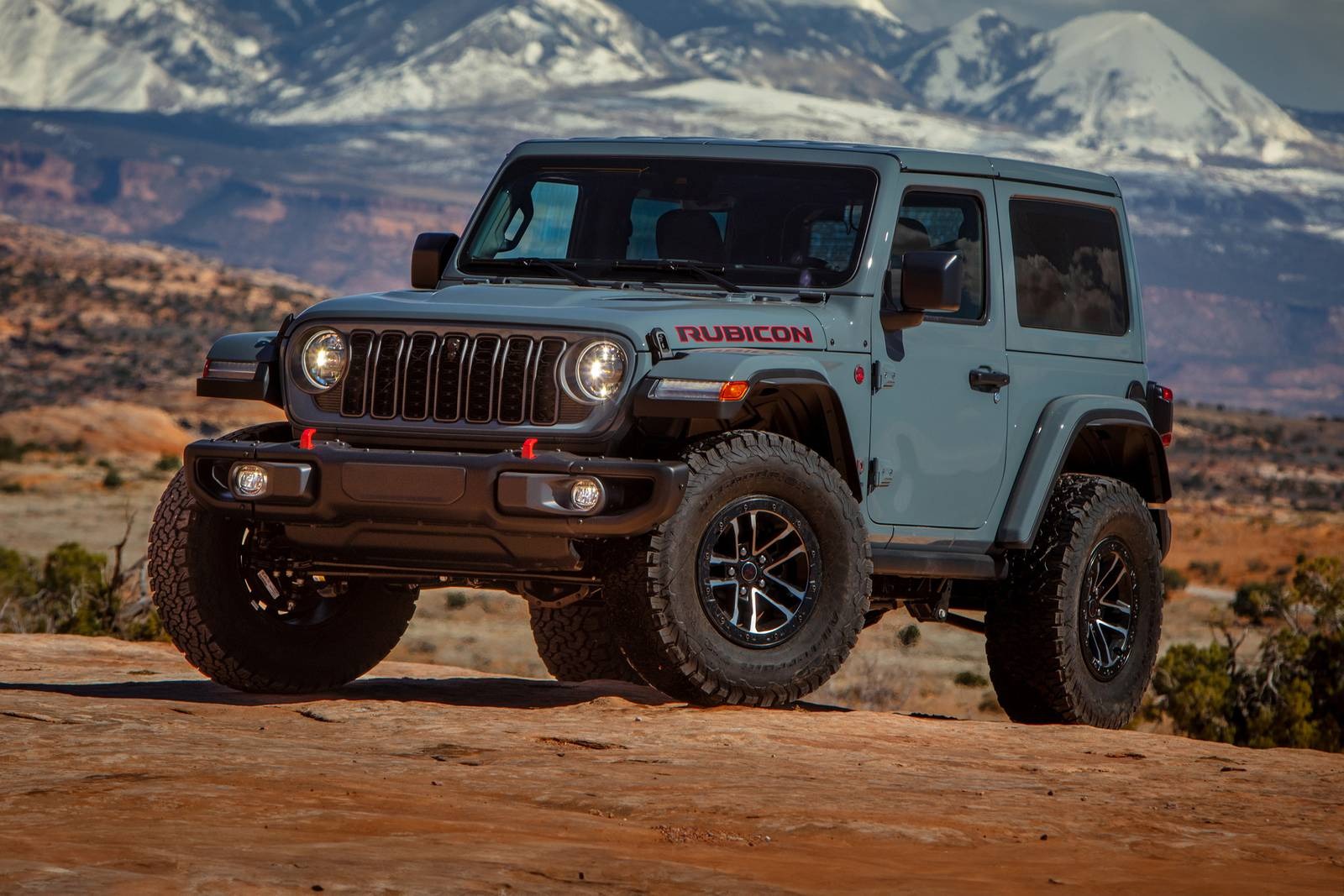
The Jeep Wrangler stands out as one of the most iconic SUVs ever made. Its classic design and unmatched off-road capability have helped it maintain strong demand in the resale market. Known for its ruggedness and ability to tackle extreme terrains, the Wrangler appeals to a niche of buyers who want adventure without compromise.
One of the main reasons the Wrangler holds its value well is its unique appeal. Few SUVs offer the same combination of removable doors and roof, solid axles, and trail-ready features. These characteristics create a loyal following among enthusiasts who are willing to pay a premium for a vehicle that reflects their lifestyle. The Wrangler is often seen as more than just a mode of transport; it is a statement of personality and freedom.
The build quality of the Wrangler, while not always focused on luxury or refinement, emphasizes durability and function. Jeep has improved the interior over recent years, adding more technology and comfort, which has attracted buyers beyond just off-road lovers. This wider appeal helps keep demand high for used Wranglers, which translates into better resale values.
Another factor helping the Wrangler’s resale is its proven track record for lasting many years with proper maintenance. Parts are widely available, and the mechanical simplicity of older models makes repairs more straightforward and less expensive. Even though fuel economy is not the best in class, buyers tend to accept this as a trade-off for the Wrangler’s unique qualities.
In resale pricing guides, the Wrangler consistently outperforms many competitors, losing less value after the first few years. Dealers and private buyers recognize its rarity and versatility, and this keeps prices strong. For those who seek an SUV that combines personality with practicality and long-term value retention, the Jeep Wrangler remains a top pick.
Also Read: 5 SUVs That Handle Towing and 5 That Hate It
3. Lexus RX
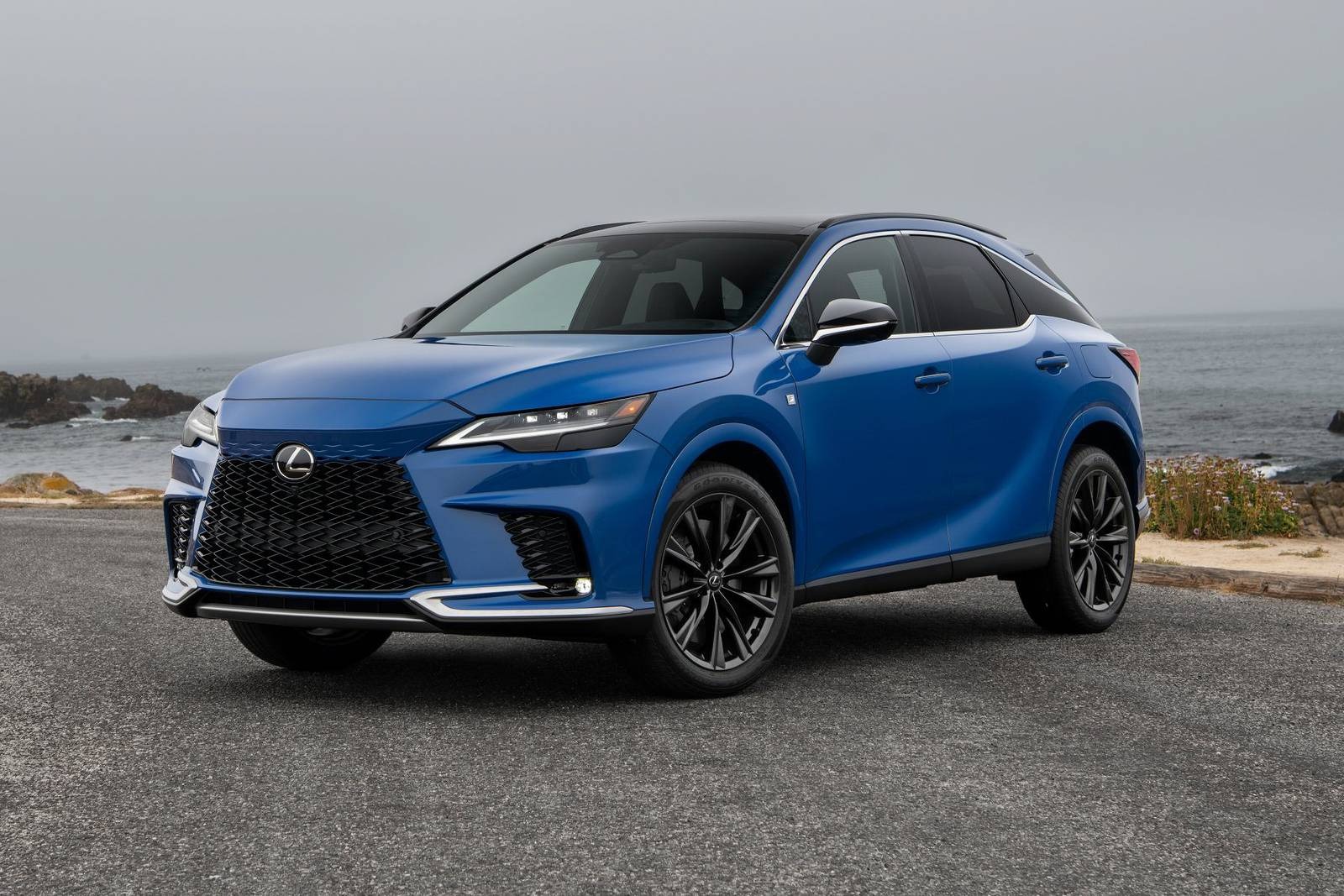
The Lexus RX continues to be one of the most respected luxury SUVs in its category. Its combination of comfort, reliability, and refined performance has earned it a solid place among vehicles that retain value well after purchase. Buyers appreciate the RX for offering a smooth ride, elegant design, and top-notch craftsmanship.
Lexus has a long-standing reputation for building cars and SUVs that age well both in appearance and mechanical condition. The RX benefits from this heritage, making it attractive in the used market where buyers look for luxury without the fear of high repair costs. This perception helps the RX maintain a high resale price compared to other luxury SUVs.
Another point that supports the RX’s value is its excellent reliability scores. Many owners report minimal issues even after several years of use, which contributes to trust in the model. When a vehicle is known for lasting without frequent, expensive repairs, buyers are willing to pay more for it, keeping depreciation low.
The hybrid version of the RX has also increased interest from those looking for fuel efficiency combined with luxury. As fuel prices rise and environmental awareness grows, hybrid SUVs become more desirable. This trend contributes to the RX hybrid holding its worth better than many rivals.
Inside, the RX offers a quiet and spacious cabin with premium materials. Its infotainment and driver assistance features keep it competitive in the luxury segment, which is important for resale. Buyers often see the RX as a balanced choice, offering strong performance, comfort, and reliability all in one package. These factors have allowed it to maintain strong resale prices as time goes on.
4. Subaru Forester
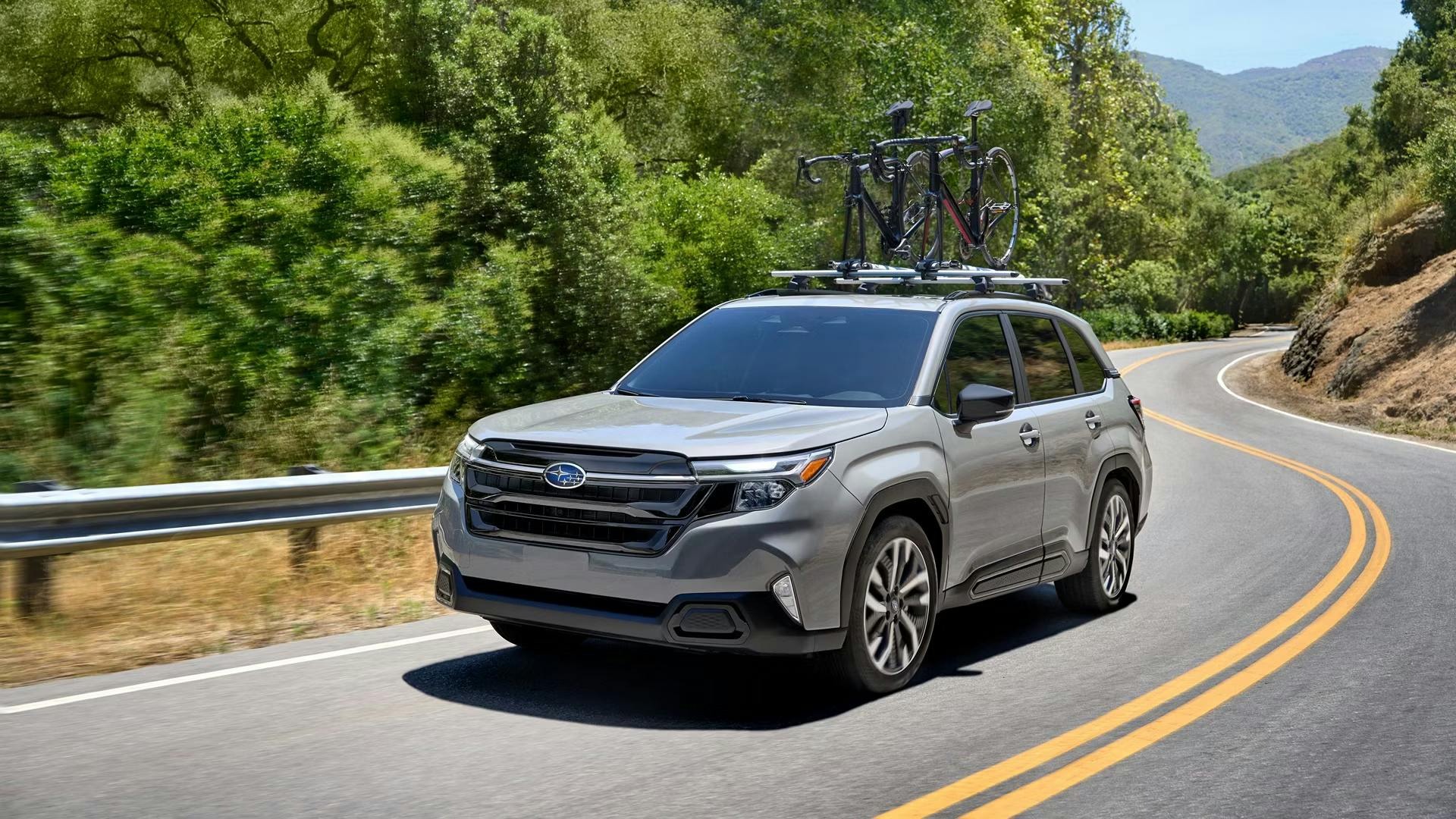
The Subaru Forester is known for blending practicality, safety, and all-weather capability into a single package that attracts a wide range of buyers. Its reputation for reliability and ruggedness helps it maintain value well when owners decide to sell or trade in.
One major reason the Forester holds value is Subaru’s standard all-wheel-drive system, which appeals to buyers living in regions with harsh weather conditions. This feature makes the Forester useful year-round, raising demand in the used SUV market. Families and outdoor enthusiasts often choose it because of its versatility.
Subaru also focuses heavily on safety, offering advanced driver aids as standard or optional features. Buyers looking for a safe vehicle with good crash test ratings are more likely to select a Forester when shopping for a used SUV. This safety reputation supports resale values, as older models remain relevant in safety-conscious markets.
The Forester’s engine options provide solid fuel efficiency, another factor helping retain value. As fuel costs continue to be a concern for many drivers, models that balance power and economy tend to be more attractive second-hand. Maintenance costs are moderate, and Subaru’s reliability track record is strong enough to reassure used buyers.
The combination of these qualities has ensured the Forester remains in steady demand. In resale price comparisons, it regularly outperforms many other compact SUVs. Buyers see it as a smart, practical investment that keeps its worth long after the initial purchase, making it one of the best SUVs for value retention.
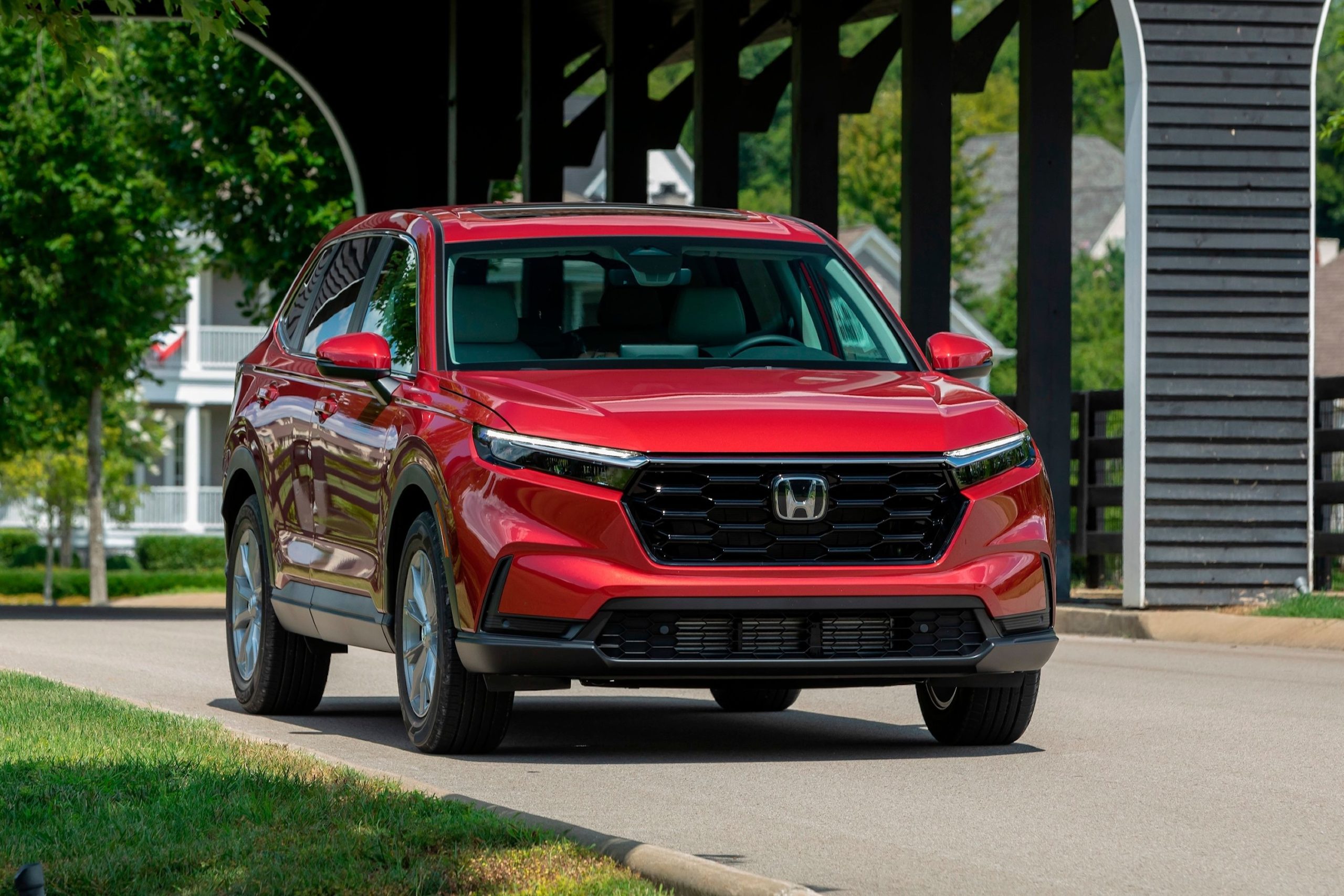
5. Honda CR-V
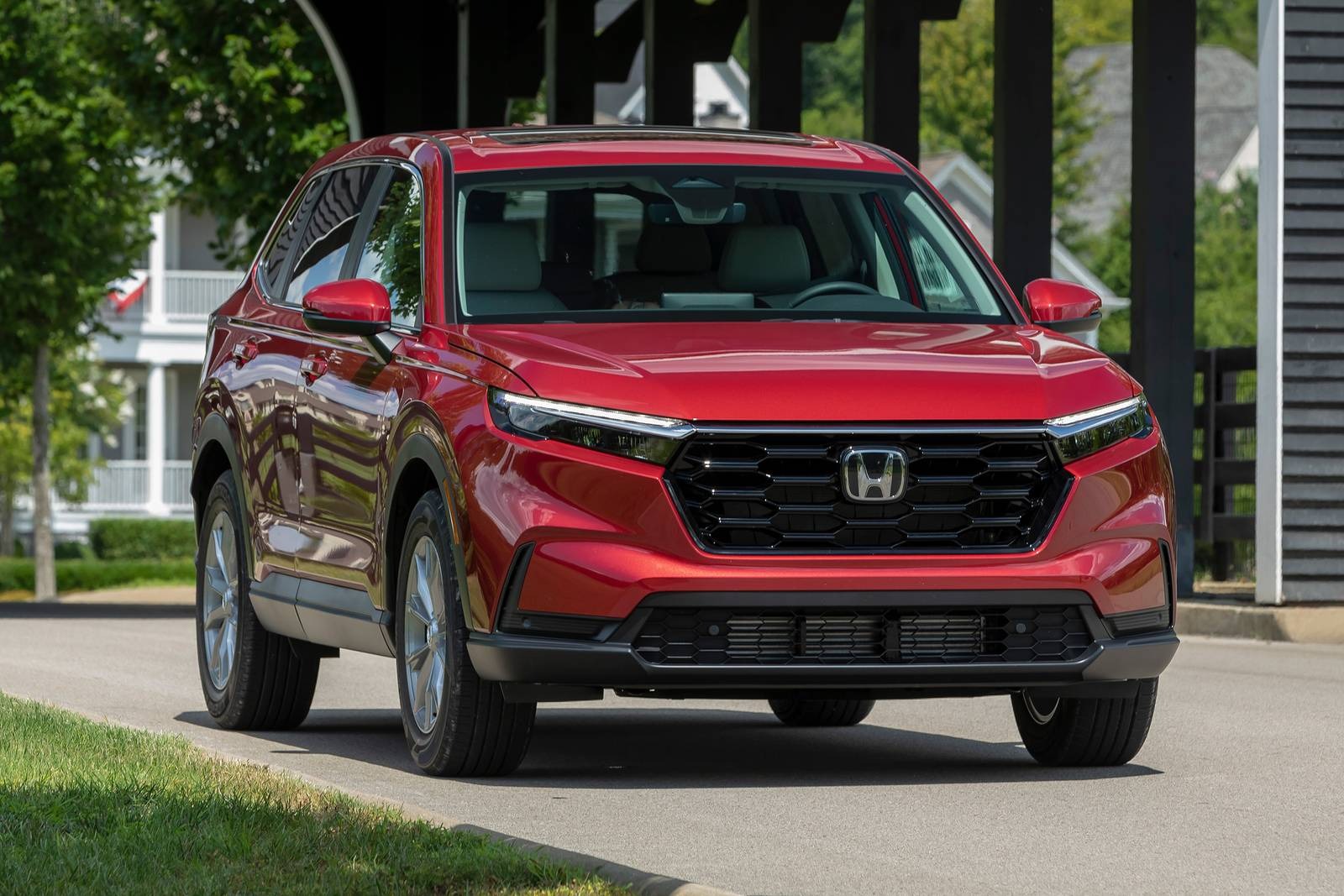
The Honda CR-V has long been a favorite among compact SUVs, praised for its dependable performance and fuel economy. It has earned a reputation as a practical, well-rounded vehicle that suits daily commuting and family needs. These qualities contribute to the CR-V’s ability to hold value better than many competitors.
Honda’s reputation for reliability plays a major role in the CR-V’s resale strength. Many owners report years of trouble-free driving, and this consistency builds confidence among used car buyers. When a vehicle is known to start and run well even after several years, it maintains its desirability.
The CR-V also benefits from its spacious interior and cargo room, features that appeal to families and active drivers. Its smooth ride and easy handling add to the attraction, making it a good choice for a wide variety of users. Technology and safety upgrades over recent generations have kept the model modern, which improves demand for used versions.
Fuel efficiency is another important factor. The CR-V’s efficient engines help keep running costs low, which is appealing in the resale market where buyers consider ongoing expenses. Additionally, maintenance costs are reasonable compared to some rivals, which boosts buyer confidence.
Because of these factors, the CR-V depreciates at a slower pace than many other compact SUVs. This means owners can expect better returns if they decide to sell or trade it after a few years. For those prioritizing financial sense alongside comfort and versatility, the Honda CR-V remains a highly recommended option.
SUVs That Lose Value Quickly
1. Cadillac Escalade
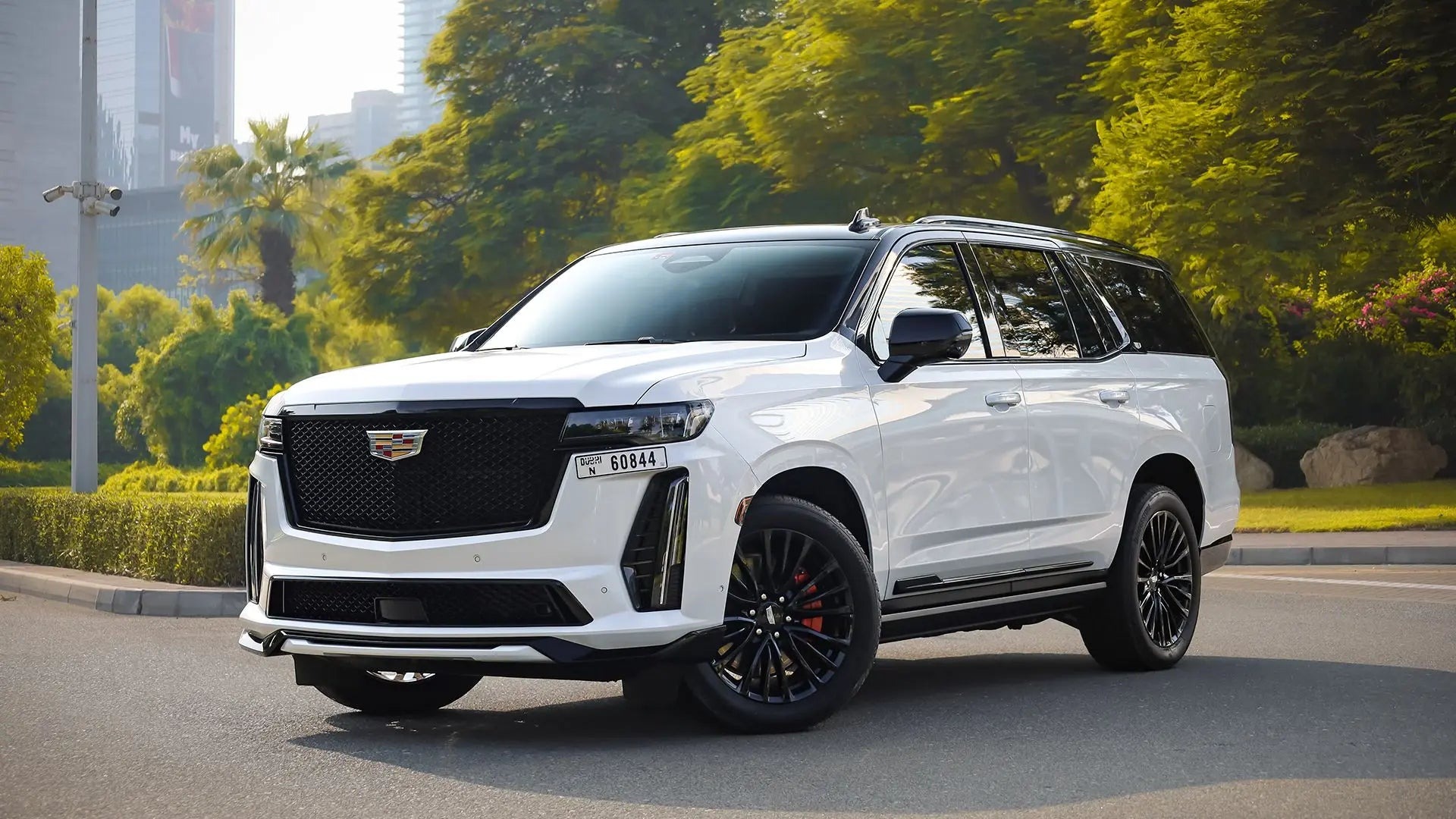
The Cadillac Escalade is a large luxury SUV that promises bold style and powerful performance. However, despite its luxury status, the Escalade is known for rapid depreciation after purchase. This fast drop in value often surprises buyers who expect a luxury vehicle to hold worth better.
One reason for the Escalade’s quick loss in value is its high initial price combined with costly maintenance and repairs. Luxury SUVs like this one tend to have expensive parts and service needs, which can deter buyers in the resale market. When buyers see these costs ahead, they often negotiate lower prices for used models.
Fuel economy also plays a role. The Escalade’s large size and powerful V8 engine come with high fuel consumption, which many buyers find unattractive. Rising fuel prices make thirsty vehicles less appealing, especially when looking to buy used. This factor reduces demand and pushes resale prices down.
In addition, some consider the interior technology and styling of older Escalades outdated compared to newer rivals. As technology evolves quickly, vehicles that do not keep pace lose appeal faster. This results in a sharper decline in value as newer luxury SUVs offer more advanced features and comfort.
Though the Escalade remains a status symbol for some, the financial reality is that owners should expect a steep decline in resale value within the first few years. Those who want to purchase it should be prepared for a large loss if they plan to sell soon after.
2. Lincoln Navigator
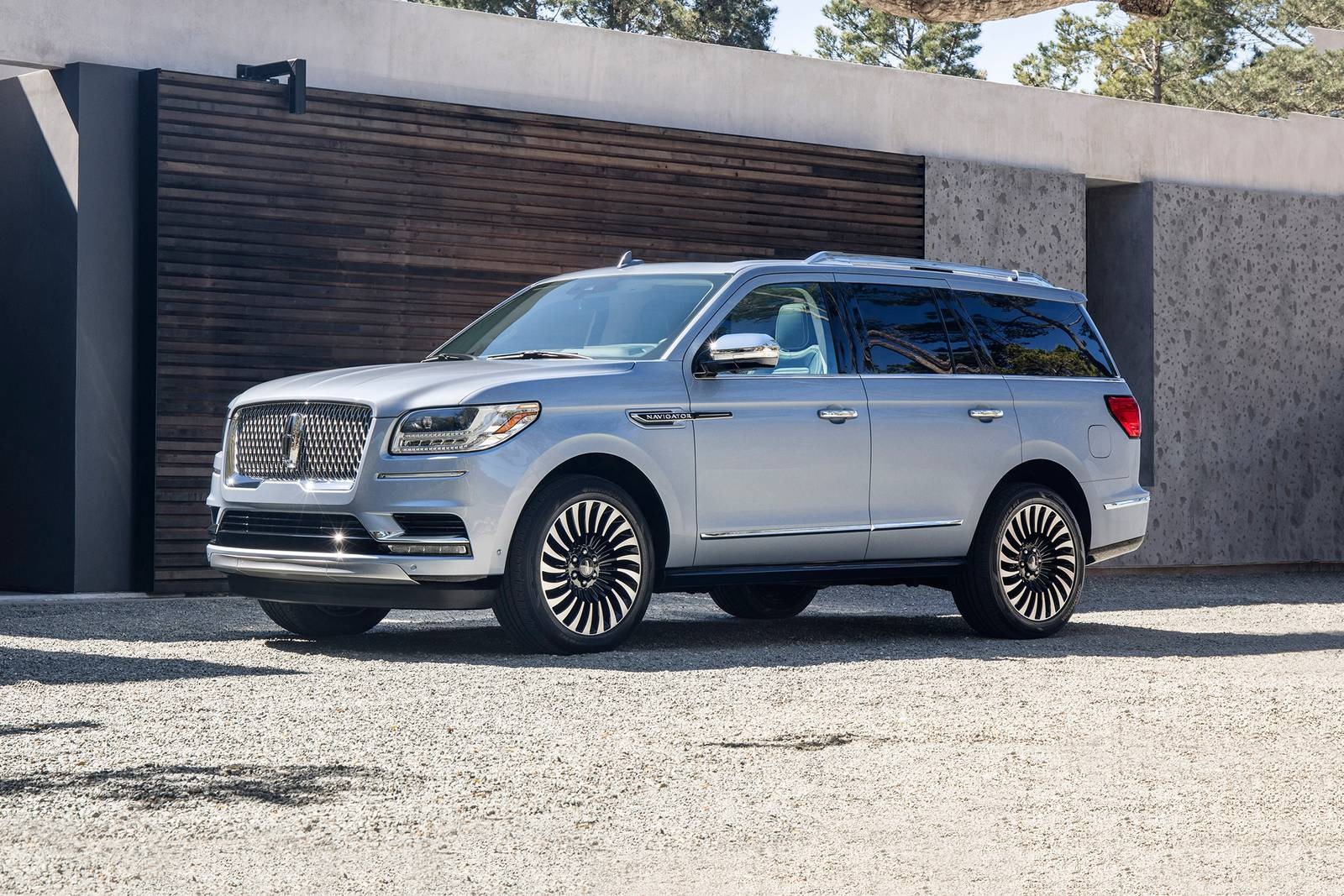
The Lincoln Navigator, a competitor to the Escalade, shares many of the same challenges when it comes to retaining value. While it offers a plush interior and strong performance, it also experiences huge depreciation shortly after purchase.
High initial cost and expensive upkeep are major contributors to the Navigator’s rapid loss in resale value. Luxury SUVs often come with costly maintenance, and Lincoln models are no exception. Buyers looking for used vehicles tend to be cautious about potential repair bills, driving down prices.
Another factor is fuel efficiency. The Navigator’s size and powerful engine lead to poor gas mileage, which becomes a concern for buyers facing rising fuel expenses. This discourages some from considering it as a used vehicle, especially when more efficient options exist.
The interior design, though luxurious, can feel less modern compared to other high-end SUVs with the latest infotainment and driver assistance systems. Older models can appear outdated quickly, pushing buyers toward newer versions or other brands.
Because of these factors, the Navigator loses value fast. For owners planning to keep the SUV long-term, this might be less of an issue, but those looking for good resale returns should weigh this carefully.
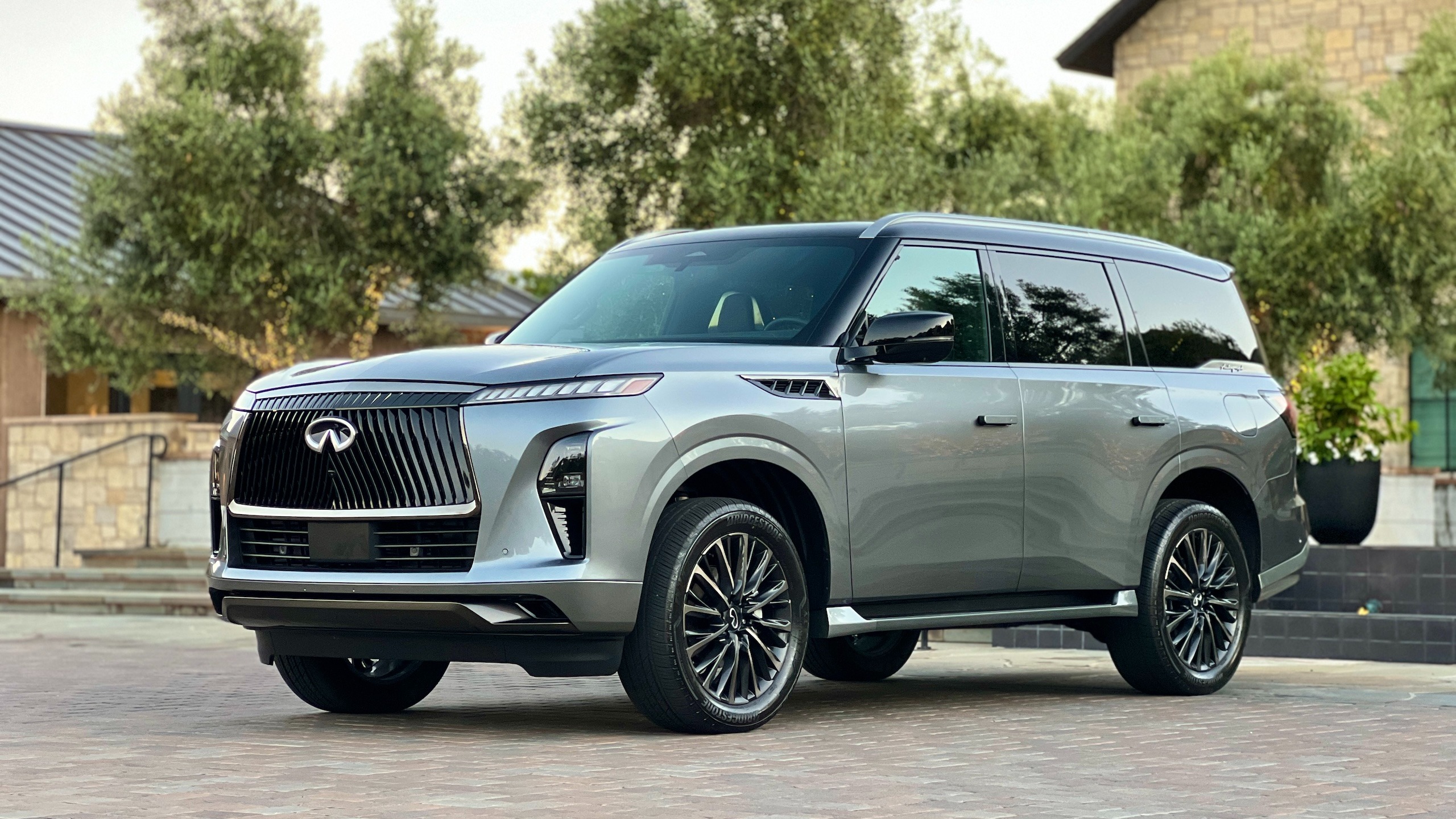
3. Infiniti QX80
The Infiniti QX80 is a full-size luxury SUV known for its spaciousness and smooth ride. Yet it suffers from rapid depreciation in the resale market, which reduces its appeal for those focused on long-term value.
A major factor behind the QX80’s steep depreciation is its high starting price. Buyers are often cautious about paying a premium for a luxury SUV that has strong competition in the same price range. This caution lowers demand when it comes time to sell used models.
Fuel consumption is another weakness. The QX80 is not fuel-efficient due to its size and powerful V8 engine. This characteristic discourages some buyers who look for more economical SUVs, especially when fuel prices increase.
Infiniti’s brand recognition is also weaker compared to more established luxury manufacturers like Lexus and BMW. Some buyers prefer brands with a stronger reputation for reliability and resale, which affects the QX80’s market value.
Maintenance and repair costs for Infiniti luxury vehicles can be high, causing potential buyers to negotiate lower prices. This further pushes resale value down in the years following the initial purchase. Despite its comfort and features, the QX80’s rapid loss in value means it is less attractive to buyers looking for good resale returns.
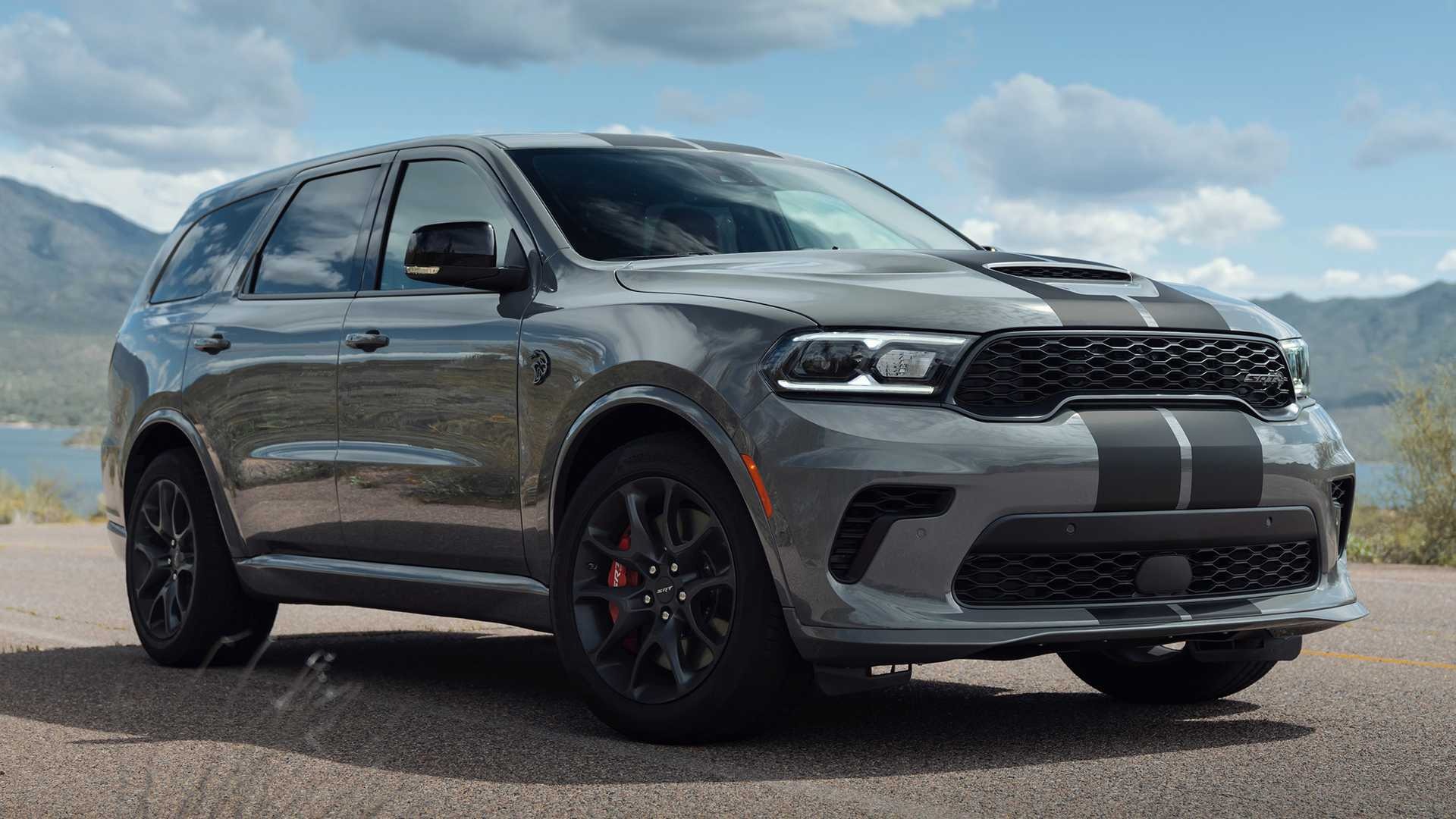
4. Dodge Durango
The Dodge Durango is a midsize SUV that delivers strong engine options and a sporty appearance, which initially attracts buyers looking for performance and style. Despite these appealing qualities, the Durango struggles to maintain its value after some time, making it less favorable for those who prioritize resale potential.
While it offers power and presence on the road, the financial drawbacks in terms of depreciation often discourage resale-minded buyers. A major factor contributing to the Durango’s quick depreciation is its mixed reliability record. Several owners have reported recurring repairs and above-average maintenance costs.
This creates caution among used car shoppers, as a vehicle that demands frequent attention and costly repairs tends to lose value faster. When buyers anticipate higher expenses for upkeep, they tend to offer lower prices in the resale market, directly impacting the vehicle’s retained worth.
Another challenge for the Durango is its fuel efficiency. The SUV’s larger engine options, though powerful and capable, tend to consume more fuel compared to many competitors in the midsize segment.
With fuel prices rising and consumers becoming more conscious of operating costs, poor mileage reduces the Durango’s appeal in the secondhand market. Buyers looking for economical daily drivers or family vehicles may choose more fuel-efficient alternatives, which results in lower demand and faster depreciation for the Durango.
In addition to reliability and fuel concerns, the interior quality and technology of older Durango models often fall short of expectations. Many buyers now expect modern infotainment systems, driver assistance features, and upscale cabin materials even in used vehicles.
When a model lacks these updates, it can quickly appear outdated, causing it to lose desirability. The Durango’s interior, in comparison to rivals, may seem less refined, which affects its attractiveness to buyers searching for comfort and tech.
Resale guides consistently show the Durango experiencing a sharper drop in value than many other midsize SUVs. While this might not be a concern for owners who plan to keep their vehicles for many years, those who want a better return on investment should consider the risks involved with purchasing a Durango. For buyers focused on retaining as much value as possible, the Durango may not be the best option.
Also Read: 5 SUVs That Survive Flood Zones and 5 That Fry Electronics
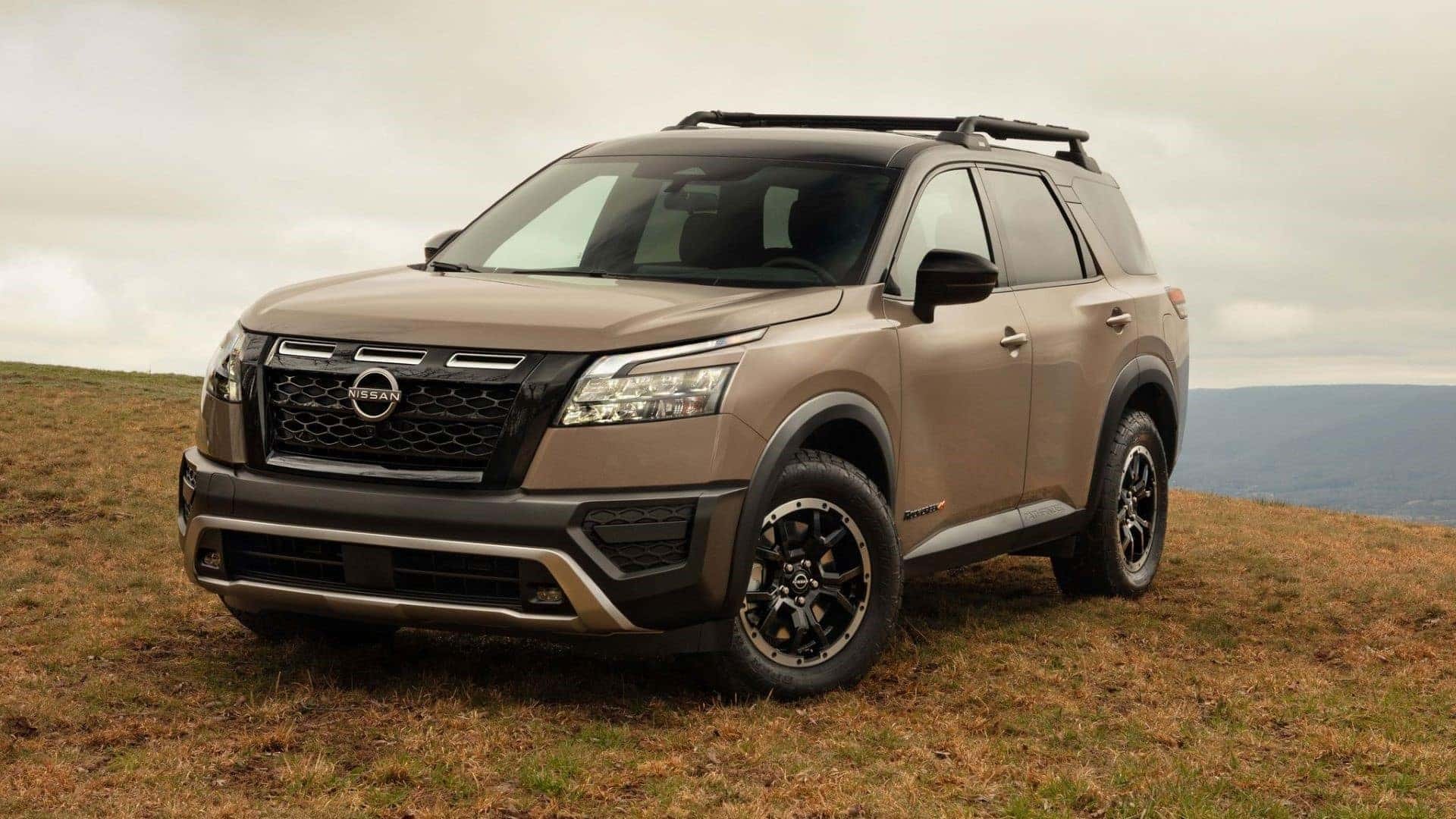
5. Nissan Pathfinder
The Nissan Pathfinder has struggled to keep pace with newer SUVs in terms of design, reliability, and fuel efficiency. This has caused its value to drop quickly after purchase.
Many buyers feel the Pathfinder’s styling and interior quality lag behind competitors, making it less attractive on the used market. A vehicle that does not look fresh or well-built often loses appeal with second owners.
Reliability concerns also weigh heavily on the Pathfinder’s resale value. Reports of mechanical issues and higher repair costs discourage buyers who want a dependable used SUV. This reduces demand and forces prices down.
Fuel economy is another negative point. The Pathfinder is less efficient than many rivals, which makes it less desirable in times of high fuel costs. Used buyers often consider running costs carefully, and this factor hurts the Pathfinder’s market standing.
Because of these issues, the Pathfinder experiences faster depreciation compared to other SUVs. Buyers who prioritize financial return after resale are usually advised to consider other models.
Choosing an SUV involves many factors beyond just looks and features. One important consideration that often gets overlooked is how well the vehicle holds its value as time goes by. This aspect matters because it directly affects the financial outcome of owning the SUV.
Vehicles that retain their worth allow owners to recover more of their investment when selling or trading in. Those that lose value quickly can result in larger financial losses, even if they remain reliable or comfortable to drive.
The five SUVs that maintain value well, such as the Toyota 4Runner, Jeep Wrangler, Lexus RX, Subaru Forester, and Honda CR-V, share common traits. They are known for durability, strong brand reputations, and reliability.
They tend to have lower maintenance costs, steady demand in the used car market, and features that stay relevant for longer. These qualities make them attractive options for buyers who want both a quality vehicle and a good return on investment.
Models like the Cadillac Escalade, Lincoln Navigator, Infiniti QX80, Dodge Durango, and Nissan Pathfinder lose value rapidly due to factors like high purchase prices, expensive upkeep, poor fuel economy, and weaker market demand.
Some also struggle with outdated styling or less competitive technology, which turns off potential used buyers. For these SUVs, depreciation can be steep, making them riskier choices for those concerned about resale value.
Understanding how an SUV performs in the resale market helps buyers make smarter decisions. While no vehicle is perfect for everyone, knowing which models hold value better can guide choices, especially for those who plan to sell or trade their SUV within a few years. It is always wise to consider not just the purchase price but also the long-term costs and potential resale returns.
Making an informed decision by weighing these factors can save money and stress down the road. Buyers who prioritize reliability, low maintenance, and steady demand in the used market are more likely to enjoy the benefits of a vehicle that holds its value. This approach ensures a more rewarding ownership experience, both on the road and in financial terms.
