
Electric vehicles have grown from being rare and experimental to becoming common on highways and in city streets. As more carmakers commit to producing battery-powered models, buyers now have more choices than ever before. Some people purchase an EV expecting it to last only a few years before the battery degrades or major parts fail.
Others assume their new electric ride will remain reliable for a decade without major trouble. Real-life experiences from drivers show that both situations happen, depending on the model and how it was built.
Certain EVs surprise even experienced drivers by performing well for longer than anyone thought they would. These vehicles maintain their battery health, keep their driving range steady, and resist wear on important systems far beyond what many owners predict. Such cars give their owners a sense of value and confidence because they do not demand frequent, costly repairs.
Some models begin to disappoint earlier than expected. These may develop range loss, charging issues, or mechanical troubles well before they reach the mileage that most would expect for a modern vehicle. When that happens, owners face unexpected expenses or have to replace the car sooner than planned.
The difference between a dependable EV and one that becomes troublesome early is often down to design quality, battery management, climate use, and the care taken by the manufacturer during production. Knowing which EVs tend to last can help buyers make better choices. It also prevents disappointment for those who depend on their cars daily.
The following list is five electric vehicles that have shown durability beyond expectations and five others that have fallen short of what many owners hoped for. Each section explains what makes the vehicle reliable or disappointing, backed by performance patterns and user experiences.
5 EVs That Last Longer Than Expected
1. Tesla Model S
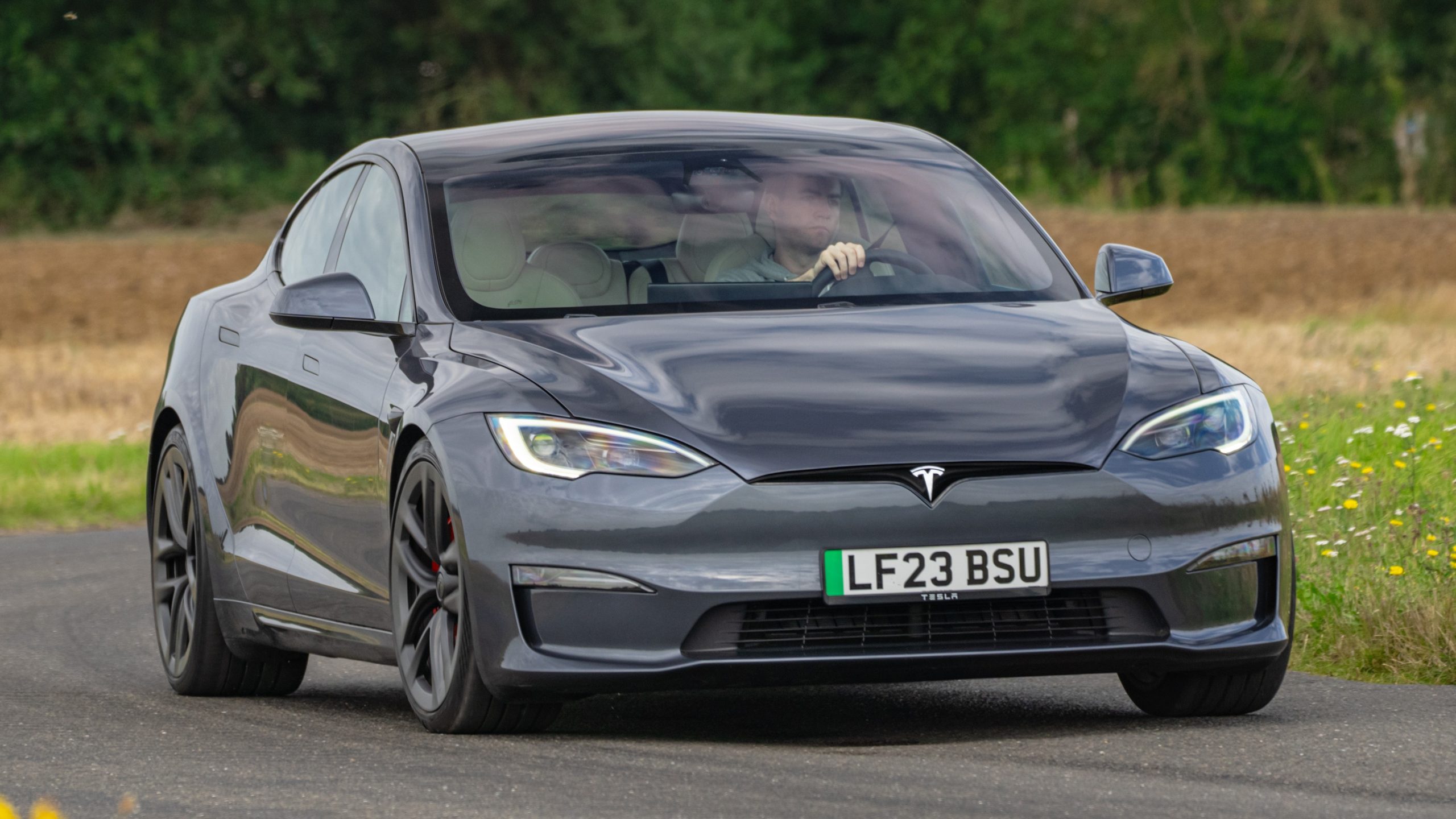
Tesla’s Model S has been around long enough to prove its reliability in ways that newer electric cars have not yet had the time to match. Many early owners of the Model S report that their vehicles still deliver strong range after hundreds of thousands of miles.
Part of this comes from Tesla’s advanced battery management system, which carefully controls charging and discharging to reduce wear on the battery cells. The cooling system also helps by preventing overheating during high-speed driving or rapid charging.
The Model S is built with premium materials, both inside and out, which means that the car’s body and interior can maintain a fresh look even after years of use. Seats remain comfortable, trim pieces hold up against daily handling, and the paint often retains its shine when properly maintained. These qualities make the vehicle feel newer for longer, which adds to its appeal for long-term ownership.
Another factor in the Model S’s longevity is Tesla’s regular software updates. Even older models receive new features and efficiency improvements through over-the-air updates. This means a car purchased several years ago can still offer technology and functions that match or exceed some brand-new electric vehicles. Drivers get better charging management, improved autopilot features, and enhanced entertainment systems without buying a new car.
Maintenance costs for the Model S can be relatively low when compared to combustion-engine cars because there are fewer moving parts. Brake pads, for example, can last much longer thanks to regenerative braking, which uses the motor to slow the car and recover energy. While repairs for specific Tesla parts can be expensive, they are not frequent for well-maintained models.
Owners who take care to avoid frequent full charges, store the car in mild temperatures, and follow basic care practices often see their Model S serve them reliably for well over 300,000 miles. This performance is why it remains a prime example of an EV that can outlast expectations in both battery life and driving enjoyment.
2. Chevrolet Bolt EV
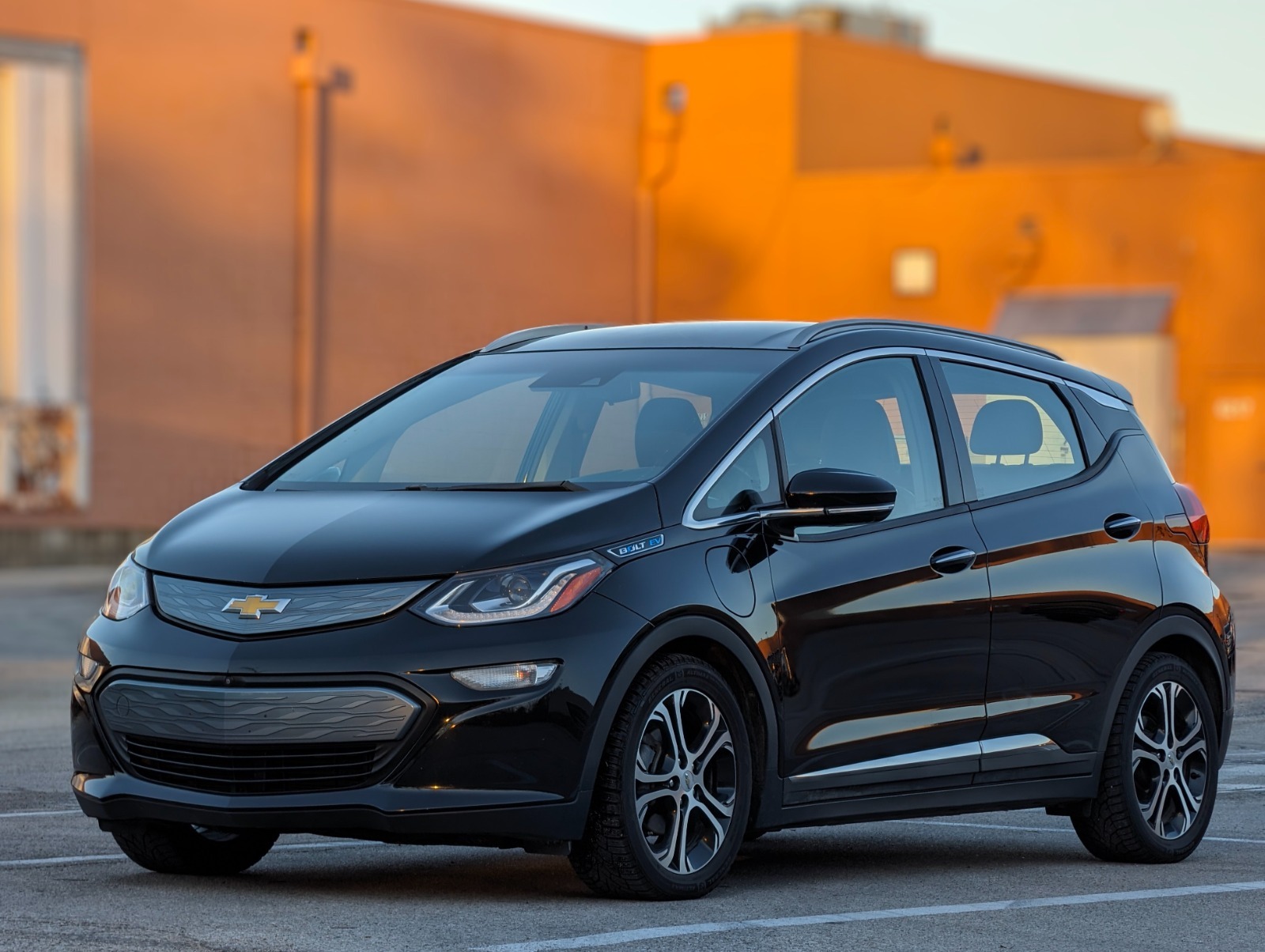
The Chevrolet Bolt EV has built a reputation among drivers for being dependable beyond the expectations many had when it was first launched. Even with heavy daily use, many owners report that the Bolt’s battery retains a large portion of its original range years after purchase.
This is partly due to the car’s battery chemistry, which is designed to limit wear from charging cycles. It also benefits from a thermal management system that keeps the battery at an optimal temperature, whether the car is being driven in hot or cold climates.
One major reason the Bolt performs well in the long run is its simplicity. It is designed as a practical commuter vehicle, so it does not carry the additional stress of high-performance driving that can wear down batteries and components.
The motor is efficient, the acceleration is smooth, and the system does not push the limits of the battery’s capacity during normal driving. This approach allows the car to remain stable and reliable through years of consistent use.
Inside the Bolt, materials are built to handle regular wear. The seating fabric, while not luxury-grade, resists tearing and fading. The infotainment system is straightforward, which means it does not require frequent replacements or upgrades. Because the interior is functional rather than overly complicated, fewer things can go wrong, helping it age well.
For city drivers, the Bolt’s small size makes it easy to manoeuvre and park, reducing the risk of damage from tight spaces. Many owners also appreciate that it has fewer parts needing frequent service. There is no oil to change, and regenerative braking means brake pads can last far longer than those on traditional vehicles.
Though the Bolt EV did face battery recall issues in earlier models, those problems were addressed with replacements and software updates. After those fixes, most drivers report dependable range and performance.
This has kept the Bolt in the conversation as a small electric car that can provide years of reliable service for commuting, errands, and even moderate road trips without an early decline in battery life.
Also Read: 5 EVs That Rarely Get Recalls and 5 That Constantly Do
3. Nissan Leaf (Second Generation)
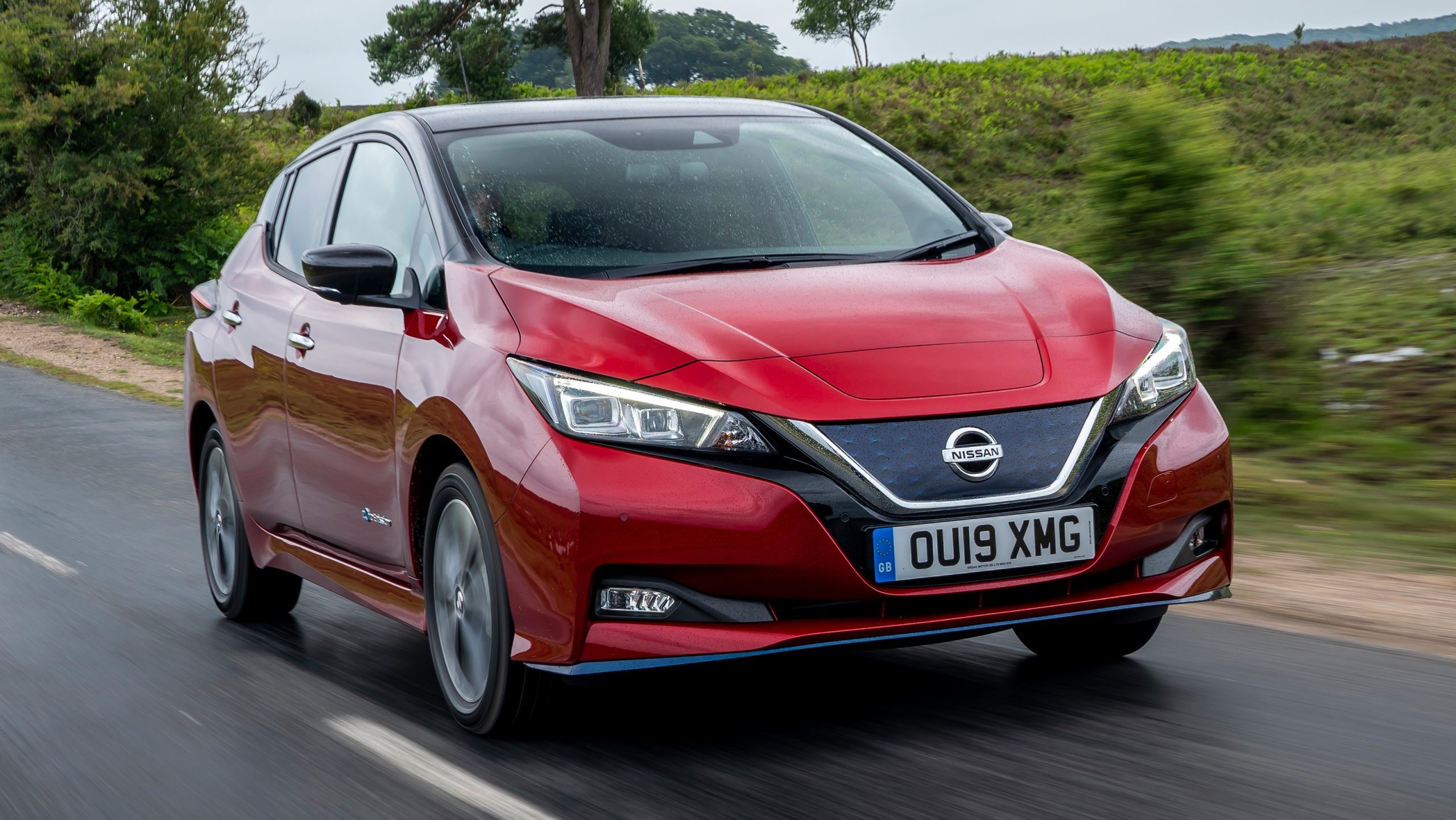
The second generation of the Nissan Leaf offers buyers an affordable entry into electric driving while proving that it can last far beyond basic expectations. Many owners use their Leafs for daily commuting for several years without facing severe battery degradation. The introduction of the 40 kWh and later 62 kWh battery packs gave this generation better range, which holds up well when charged and driven sensibly.
While the first-generation Leaf struggled in hot climates due to a lack of a liquid-cooled battery, the second generation benefits from improved thermal management in many markets. Drivers in cooler or moderate climates often report battery health that remains strong even after tens of thousands of miles. The car’s software also helps by limiting rapid charging to reduce heat build-up when the battery is nearly full.
The Leaf’s motor is smooth and dependable. It does not push for extreme acceleration, which reduces strain on the drivetrain and battery. This moderate power delivery allows the components to last longer. The regenerative braking system not only improves energy efficiency but also extends the life of brake components.
Inside, the Leaf is built with practicality in mind. The cabin materials are not luxury-grade, but they are durable and easy to clean. The controls are straightforward, which means fewer electronics are prone to failure. Owners who maintain their cars with regular checks and avoid constant rapid charging often see their Leafs perform reliably for many years.
For many people, the Leaf is their first electric car. What surprises them is how little trouble it gives compared to traditional cars. Without the need for oil changes, fuel system repairs, or exhaust maintenance, the Leaf keeps operating costs low.
Even after extended use, it can remain dependable for commuting, local travel, and even moderate long trips when charging stations are accessible. This combination of affordability and lasting performance has made the second-generation Leaf a respected choice among long-term EV owners.
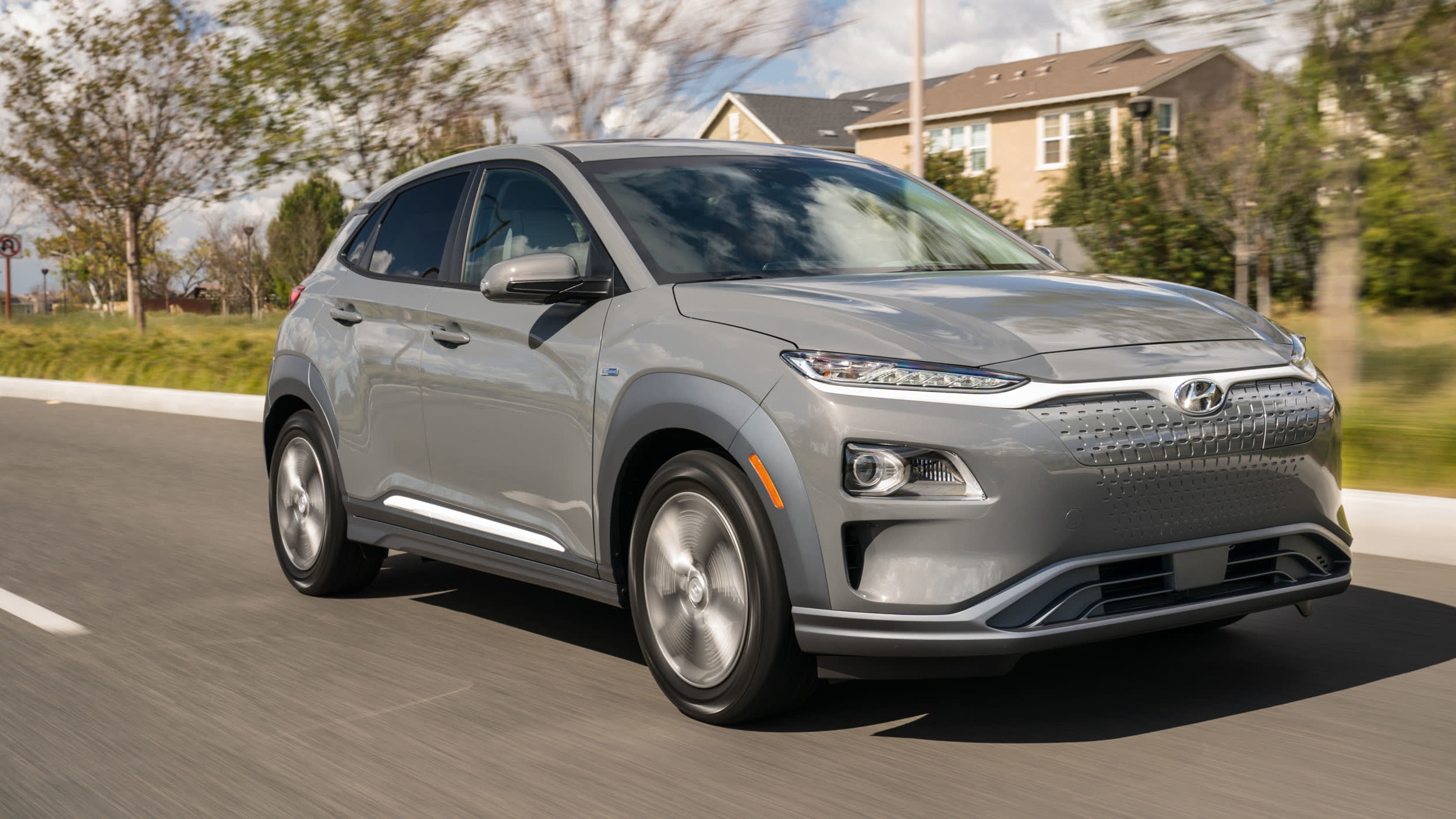
4. Hyundai Kona Electric
The Hyundai Kona Electric stands out as a compact SUV that delivers lasting performance and range stability well beyond the expectations of many buyers. With a 64 kWh battery pack, the Kona Electric offers a range that holds up well even after years of daily use. The liquid cooling system protects the battery during charging and driving in various weather conditions, which is crucial for long-term reliability.
Hyundai’s engineering approach has been to balance efficiency with gentle battery use. While the Kona Electric can accelerate quickly, it does not over-stress the battery with constant high-power demands unless the driver chooses aggressive driving. This careful balance helps the battery retain capacity.
Inside, the Kona Electric is designed to endure years of family use. The upholstery and interior panels resist wear, and the cabin feels well-built. The infotainment system runs smoothly even on older models, and software updates help keep the car’s technology current. Drivers benefit from a comfortable driving position, good visibility, and solid road handling, which reduces the kind of rough use that can shorten a vehicle’s lifespan.
Hyundai also provides a strong warranty for its electric vehicles, which has given buyers confidence to keep their cars longer. Many owners report few problems over extended ownership, with maintenance mostly limited to tire changes, brake checks, and cabin filter replacements.
The Kona Electric’s combination of range, interior comfort, and durability makes it a surprisingly long-term performer. For drivers who need a reliable daily SUV that can also handle road trips without a rapid decline in range or performance, this vehicle often exceeds the expectations set by other EVs in its category.
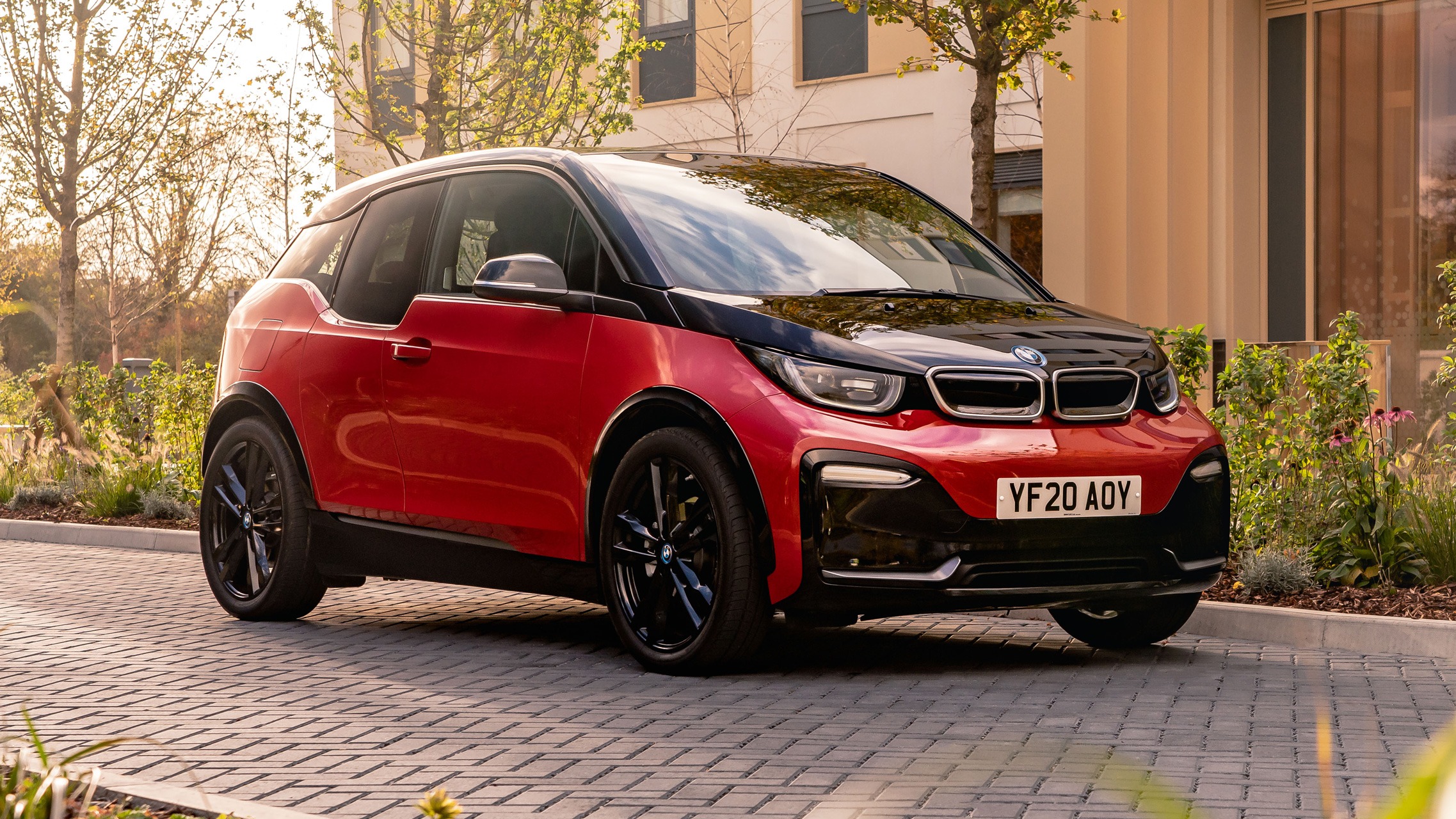
5. BMW i3
The BMW i3 may look unconventional, but its design and build quality have helped it remain reliable for years. Built with a carbon fibre reinforced plastic body, the i3 resists rust and dents better than many cars. This keeps the exterior looking fresh even after long-term use.
The battery in the i3 is managed by a sophisticated system that controls temperature and charging behavior. This helps prevent the kind of early degradation that affects some other EVs. Many owners report stable range figures even after years of regular use. The i3’s smaller size and light weight also mean less stress on the motor and battery compared to heavier electric vehicles.
Inside, the i3 offers durable materials, including recycled fibres and renewable materials that age gracefully. The seating remains comfortable, and the layout is simple, which reduces the risk of electronic failures. The regenerative braking system allows brake components to last much longer, which lowers maintenance costs.
BMW’s electric drivetrain in the i3 has proven dependable. Many owners have driven well past 100,000 miles without major battery or motor issues. The car’s agility and small size make it ideal for city driving, which puts less strain on the system compared to frequent high-speed travel.
For those who want a long-lasting EV that stands out in design and build, the BMW i3 shows that a unique engineering approach can result in a vehicle that performs well beyond initial expectations.
5 EVs That Disappoint Early
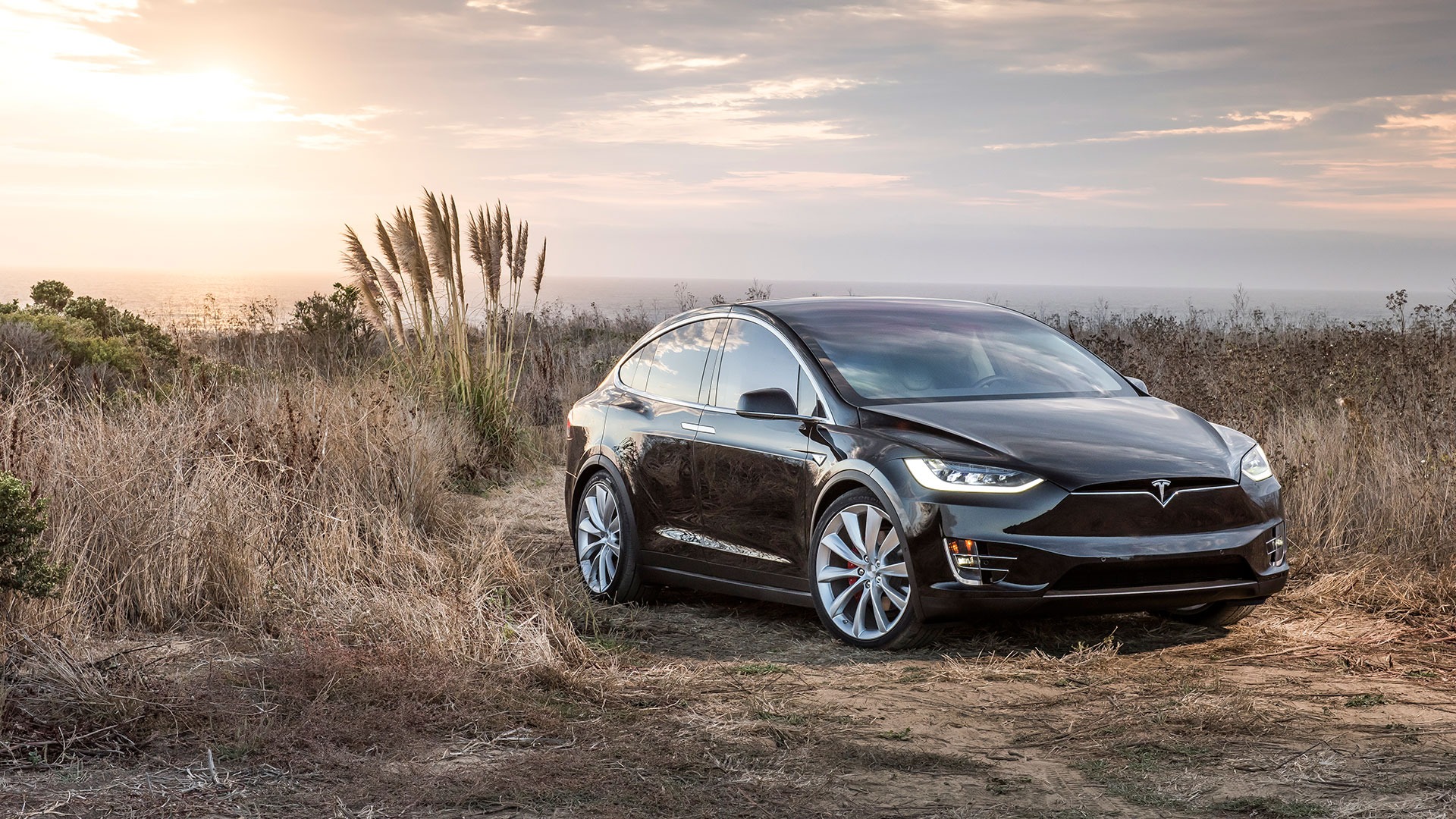
1. Tesla Model X
The Tesla Model X entered the market as one of the most advanced electric SUVs available, boasting strong acceleration, high range figures, and unique features such as its Falcon Wing doors. While its performance and technology impressed in the early years, many owners have reported that the Model X begins to show wear and reliability issues earlier than they expected.
One of the most common problems is related to the Falcon wing doors. While visually striking, these doors rely on complicated sensors and motors that can malfunction, leading to costly repairs. In some cases, owners have experienced difficulty getting the doors to open or close properly after only a few years of use. This has affected convenience and, in some cases, caused service delays.
Battery performance in the Model X is generally strong in the early years, but heavier weight and frequent high-power demands can lead to range loss faster than in lighter Tesla models. The large size of the SUV means more strain on the motor and drivetrain components. When combined with aggressive driving or constant fast charging, this can accelerate battery wear.
Interior wear is another concern. While the cabin is equipped with premium materials, frequent family use, especially in households with children, has shown that seats and interior panels can show visible signs of use relatively quickly. The expansive windshield, though a design highlight, can also be expensive to replace if damaged.
Repair costs for the Model X can be high due to the unique parts and systems it uses. While many issues are covered under Tesla’s warranty in the early years, owners outside the warranty period can face expensive bills. For a luxury electric SUV, buyers expect long-term dependability, but the Model X has shown a tendency for certain systems to age faster than anticipated.
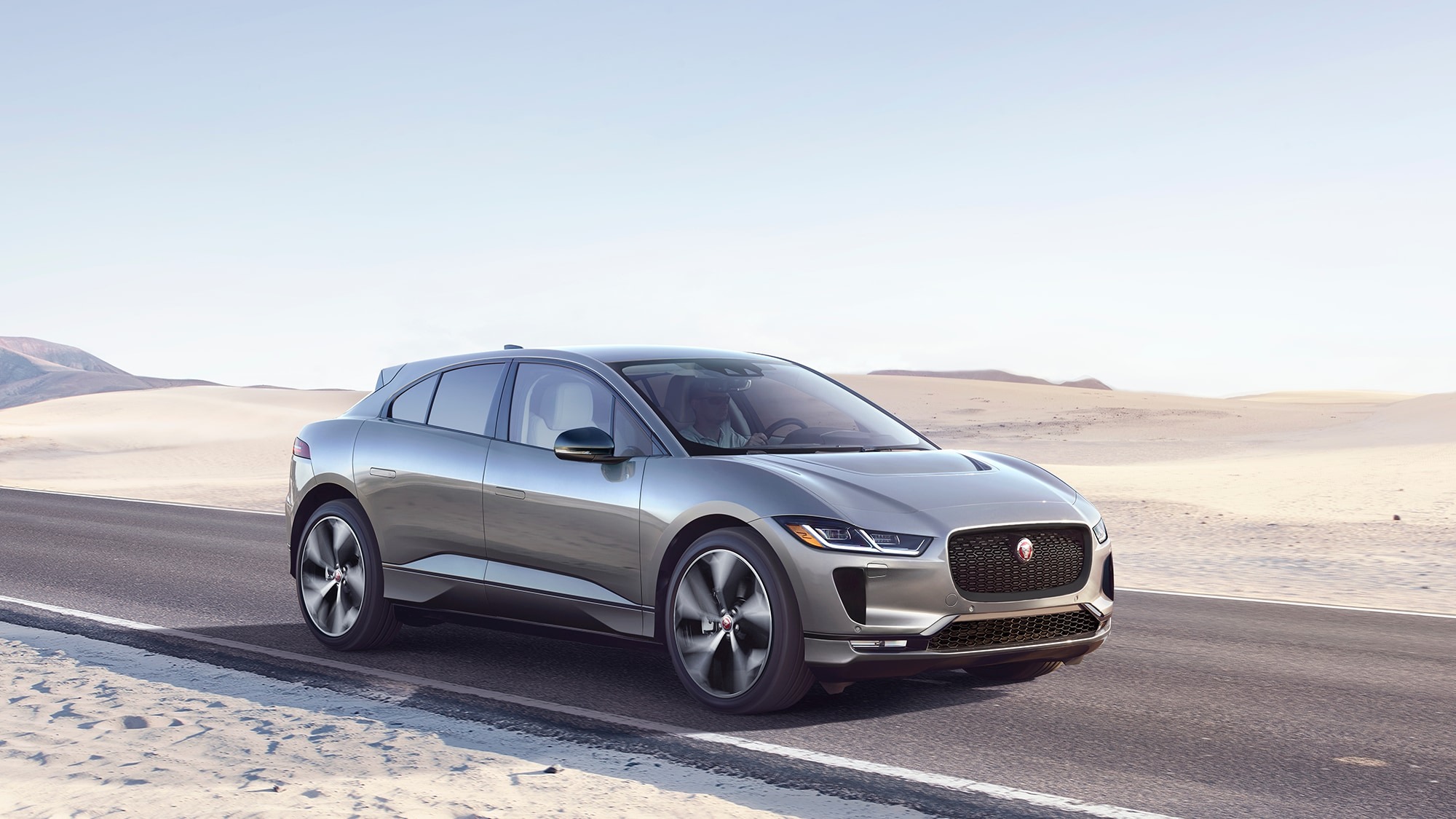
2. Jaguar I-Pace
The Jaguar I-Pace arrived with excitement as one of the first luxury electric SUVs from a traditional performance brand. Its design is sleek, and it delivers a sporty driving feel. However, several owners have noted that it does not maintain its battery performance as well as they had hoped.
A common complaint is range loss after just a few years of ownership. While some decrease in range is expected in any electric car, the I-Pace has shown more noticeable declines compared to some rivals.
This can be frustrating for drivers who bought it expecting consistent performance over many years. The issue may be linked to battery thermal management and the demands placed on the system by the car’s performance tuning.
Charging speed is another factor. While the I-Pace can charge quickly at its peak rate, many owners have reported that the charging curve slows noticeably as the battery ages. This means longer stops on road trips than originally experienced when the vehicle was new.
Maintenance on the I-Pace can also be costly. Jaguar parts and servicing are generally more expensive, and because the I-Pace is still relatively uncommon, some repairs require specialized knowledge that is not available at every service center. This can lead to longer wait times and higher bills.
Interior build quality is generally high, but some owners have noticed electronic glitches in the infotainment system earlier than expected. The combination of early range loss, charging slowdowns, and high maintenance costs has made the I-Pace a disappointment for those who wanted a luxury EV with long-lasting strength.
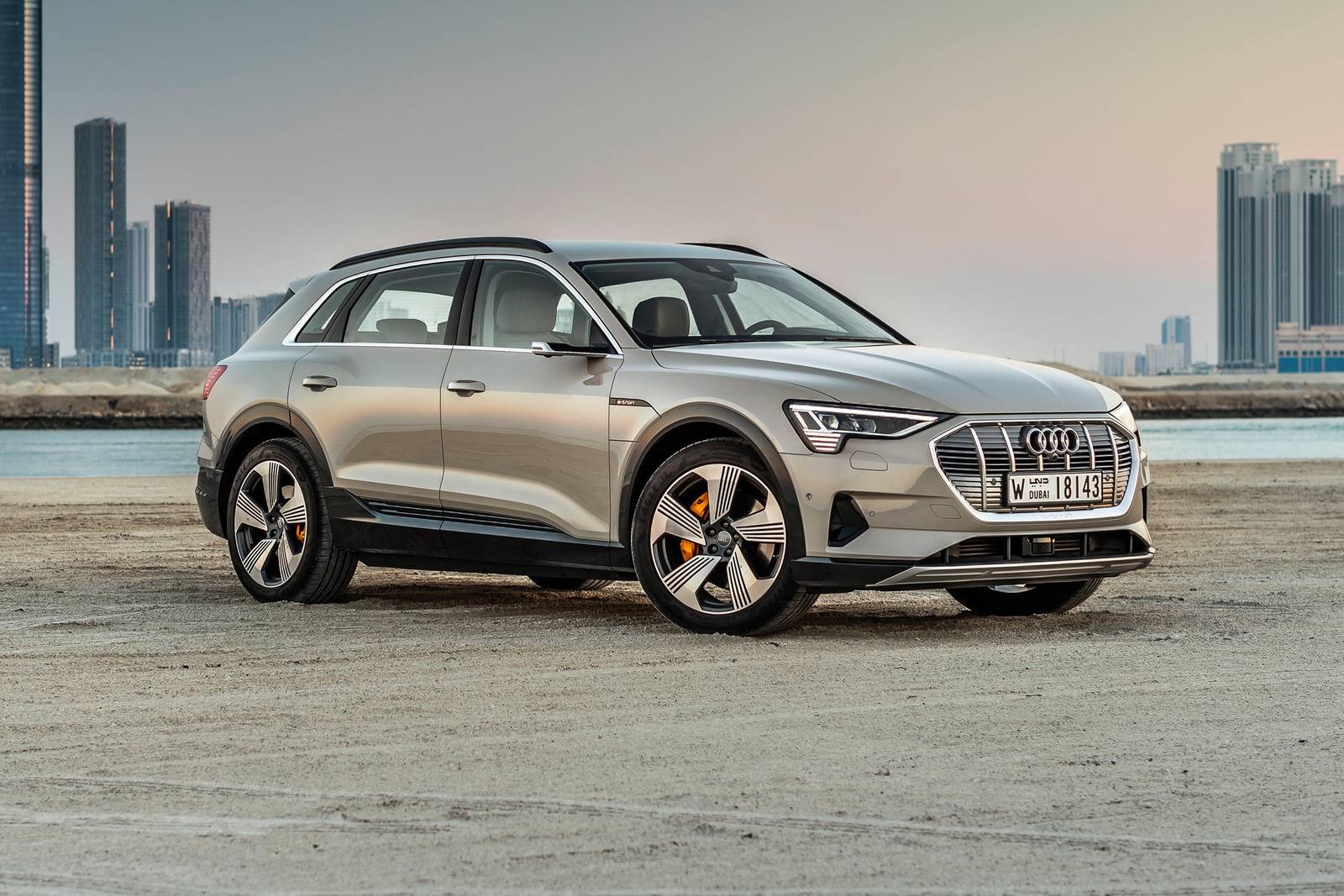
3. Audi e-tron
The Audi e-tron delivers excellent comfort, a refined interior, and smooth driving dynamics. Yet, when it comes to holding its range over the years, it has shown less durability than some competitors. Owners in colder climates especially report noticeable drops in driving range after only a few winters.
The e-tron’s battery is large, but the vehicle’s heavy weight and energy demands for its comfort features place stress on it. While the car provides fast charging speeds, repeated high-power charging can add to battery wear. Some owners who frequently rely on rapid charging stations have seen their range decline earlier than expected.
In terms of maintenance, Audi has a reputation for premium service costs, and the e-tron is no exception. Repairs outside the warranty can be expensive, especially for components related to the all-wheel-drive system or electronic modules. Because it is packed with technology, the number of potential failure points is higher than in simpler EVs.
Inside, the e-tron remains comfortable even as it ages, but owners have reported occasional glitches with the digital dashboard and touchscreens. These issues can be frustrating because they affect the main driving information.
While the e-tron continues to deliver a quiet and luxurious ride, the combination of early range decline and high service costs has reduced its appeal for long-term ownership compared to some rivals.
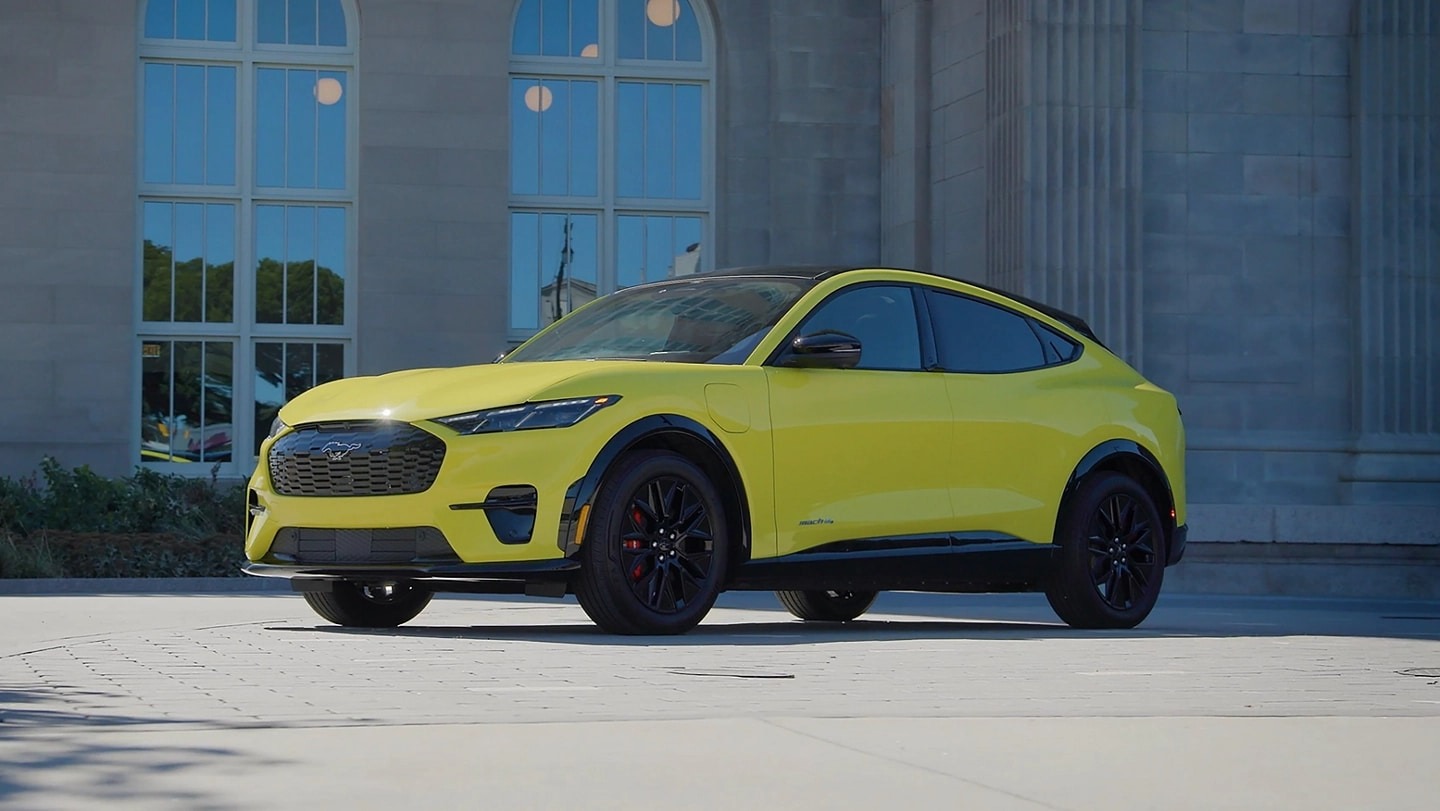
4. Ford Mustang Mach-E
The Ford Mustang Mach-E has been praised for bringing strong performance and style to the electric SUV market. It offers quick acceleration, modern technology, and a distinctive design. However, many owners have experienced reliability issues earlier than they expected.
One major concern involves the charging system. Some Mach-E models have had problems with charging equipment or software, causing delays or requiring service visits. While Ford has issued updates to address these, the inconvenience has affected the ownership experience for those expecting a trouble-free vehicle.
Battery performance can also be affected by heavy driving styles. Owners who frequently use the Mach-E’s strongest acceleration modes sometimes see faster range decline. The vehicle’s weight and performance focus put more strain on the battery compared to lighter commuter EVs.
Interior quality is generally good, but some owners have reported fit-and-finish issues within the first few years. Rattles, loose panels, or uneven trim have been noted, especially in early production models. While these may be minor compared to mechanical failures, they contribute to the feeling that the vehicle is aging faster than expected.
Ford’s service network is more widespread than some EV makers, but not all dealerships have equal experience with electric systems. This can lead to varied service quality. For drivers who value excitement and style, the Mach-E delivers, but those seeking a long-lasting and trouble-free EV have sometimes found it does not meet their expectations over many years.
Also Read: 5 EVs That Charge Overnight and 5 That Take Forever
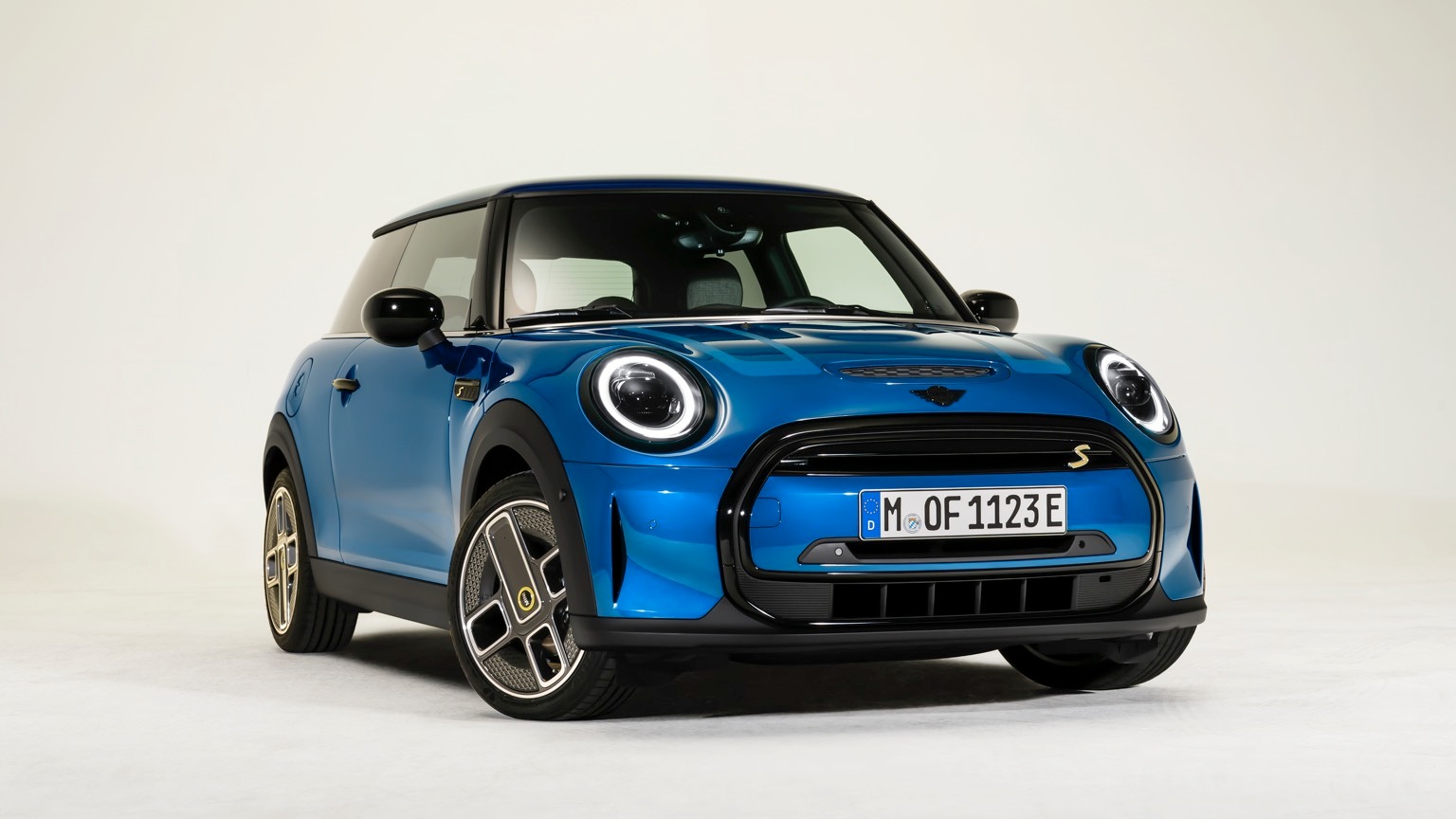
5. Mini Electric (Mini Cooper SE)
The Mini Electric, also called the Mini Cooper SE, is known for its fun handling and distinctive style. Its compact size makes it ideal for city driving, and its acceleration feels lively. Yet, when it comes to long-term durability, it has some weaknesses that appear sooner than buyers hope.
One major limitation is its relatively small battery pack. While this makes the car light and agile, it also means that the battery cycles more often to cover regular driving needs. As time goes on, this can lead to faster range reduction compared to larger-battery EVs. Owners who drive daily distances close to the maximum range often find that the battery health begins to decline within a few years.
Because the Mini Electric’s range is limited even when new, any drop in range has a bigger impact on practicality. For drivers who bought the car for short commutes, this may not matter much. However, those who wanted flexibility for longer trips can feel restricted earlier than they expected.
Interior durability is mixed. While the design is stylish, some materials show wear quickly in high-use areas. The infotainment system, adapted from Mini’s petrol models, can also be less responsive as time goes on.
Servicing for the Mini Electric can be costly in certain markets, especially since not all service centers have extensive experience with electric systems. While the driving experience remains enjoyable, the combination of limited range, quicker battery wear, and higher maintenance potential means the Mini Electric may not hold up as well as other EVs for long-term ownership.
