
The electric vehicle market has grown rapidly, with more drivers choosing battery-powered cars instead of traditional petrol or diesel engines. As technology improves, the performance, efficiency, and safety of EVs have also advanced.
Yet, just like any other type of vehicle, electric cars can face manufacturing problems or software issues that may require a recall. While recalls are a normal part of the auto industry, some EV models experience them far less often than others. On the contrary, certain models seem to face multiple recalls year after year.
A recall typically occurs when a manufacturer identifies a defect that could compromise safety, reliability, or compliance with regulations. Sometimes it can be a small software adjustment, but in other cases, it might involve replacing major parts.
The frequency of EV recalls can depend on factors such as the company’s design and testing processes, the reliability of its supply chain, and the automaker’s experience in producing electric cars.
Some electric cars have built strong reputations for reliability, rarely showing up on recall lists. These models often come from manufacturers with years of engineering experience and strict quality control processes.
However, some EVs have had repeated issues that force owners to return to dealerships for repairs. Such problems can range from faulty battery packs to software malfunctions that affect performance. We will take a detailed look at five electric cars that have hardly faced recalls and five that have had frequent recall cases.
Each model is examined based on recall history, manufacturer’s approach to quality control, and known strengths or weaknesses. If you are considering buying an EV, this information can help you understand which models have been more reliable and which have had recurring issues in the past.
5 EVs That Rarely Get Recalls
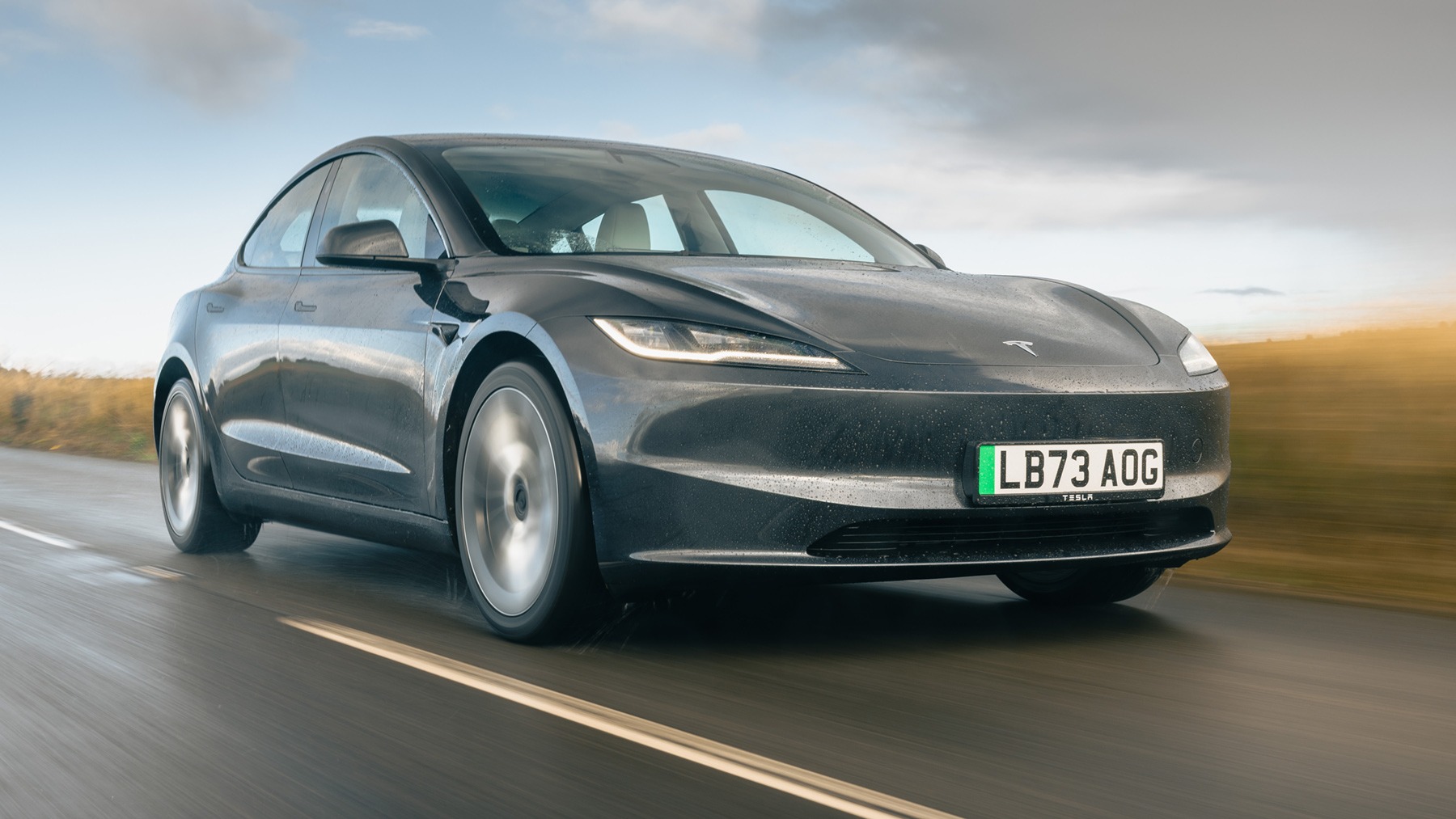
1. Tesla Model 3
The Tesla Model 3 has earned a strong reputation for its driving range, fast acceleration, and advanced technology. Since its launch, it has quickly become one of the best-selling electric cars in the US.
While Tesla has faced some recall cases across its product range, the Model 3 tends to have fewer hardware-related recalls compared to many other EVs. Most of its recall cases have been related to software updates, which Tesla can often fix through over-the-air updates without requiring the owner to visit a service center.
One reason the Model 3 experiences fewer major recalls is Tesla’s direct control over manufacturing and software development. The company designs its own battery systems, motor technology, and in-car software.
This vertical integration means that when problems arise, Tesla engineers can work on solutions internally without relying heavily on outside suppliers. This control reduces the number of large-scale recalls caused by third-party components.
The build quality of early Model 3 units was sometimes criticized, especially regarding panel alignment and paint finish, but these were cosmetic concerns and did not lead to safety-related recalls. In recent production years, Tesla has improved its quality checks, which has further lowered the risk of defects that might trigger recalls.
Another advantage of the Model 3 is that Tesla collects massive amounts of driving data from its fleet, helping the company identify potential problems before they become widespread. If an issue is detected in the software that controls braking, acceleration, or autopilot functions, Tesla can send a fix directly to all affected cars via the internet. This approach reduces the need for physical recalls and allows problems to be resolved quickly.
While no car is completely free from recalls, the Model 3’s track record shows that it is among the electric cars that owners can rely on for fewer disruptions due to manufacturing or design faults.
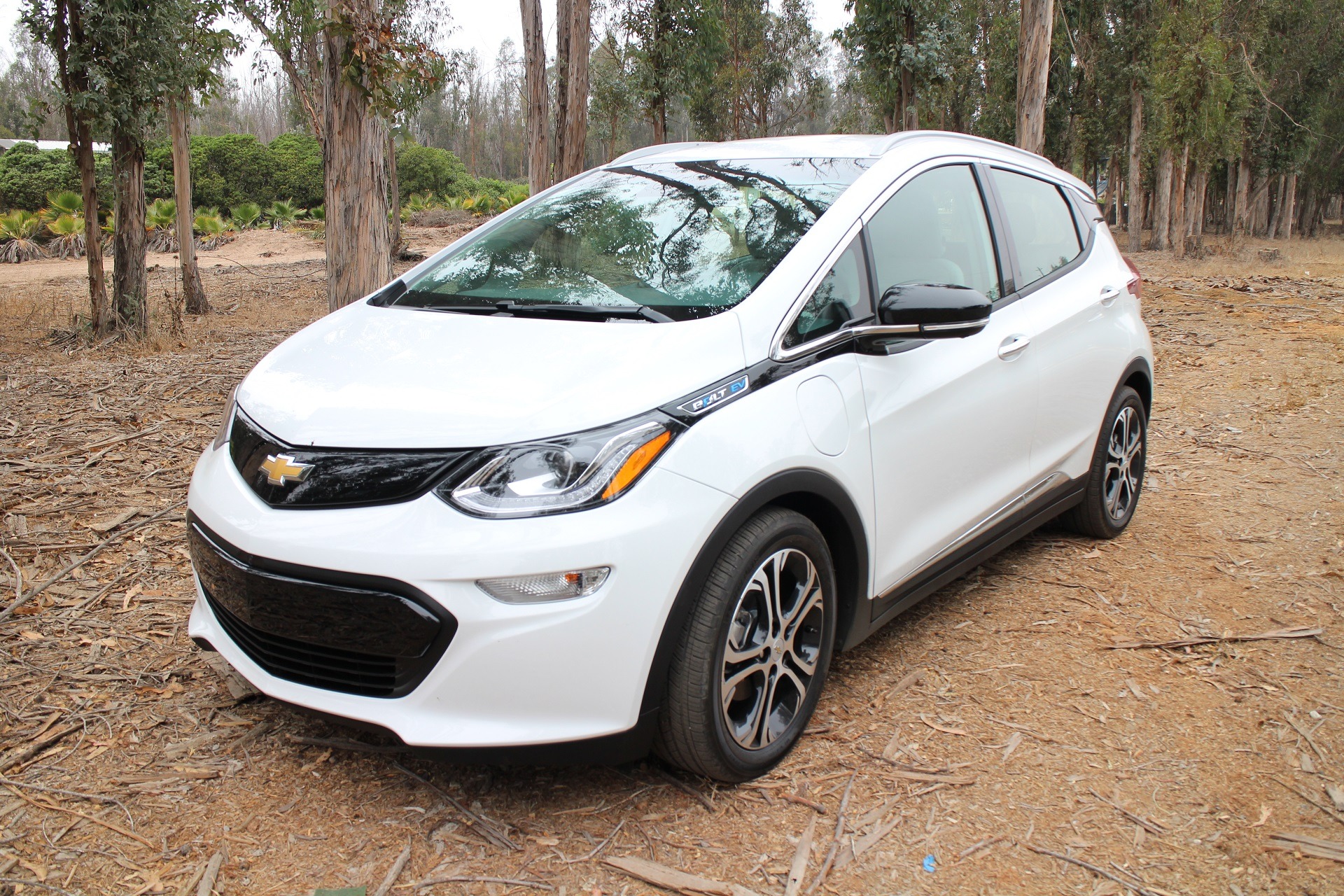
2. Chevrolet Bolt EV
The Chevrolet Bolt EV has been praised for its affordability, practical driving range, and spacious interior for a small hatchback. Since its introduction in 2016, it has become a popular choice for those seeking an entry-level electric car. Despite being produced by a large traditional automaker, the Bolt EV has a relatively low number of recall cases when compared to some other electric cars in its category.
One factor contributing to this is General Motors’ decades of experience in vehicle production and safety testing. GM applies strict quality control processes during manufacturing, ensuring that each Bolt EV meets safety and performance standards.
While there was a high-profile recall in 2020 and 2021 related to battery manufacturing defects from LG Chem, this issue was addressed with a complete battery replacement program and improved battery production oversight. Since then, the Bolt EV’s reliability record has been much stronger.
The Bolt EV benefits from a simple, proven design that avoids unnecessary complication. Its single-motor setup and straightforward interior controls mean fewer systems can fail. GM has also continued to refine its EV components, making the Bolt EV more dependable with each production year.
Owners often appreciate that most software-related issues can be handled through dealer updates during routine maintenance, preventing the need for major recalls. The Bolt EV’s safety ratings have consistently been high, showing that GM’s design and testing approach produces a stable and safe vehicle.
While the battery recall episode was a serious one, it was handled comprehensively, and the steps taken have helped prevent similar issues in newer models. This focus on long-term reliability places the Chevrolet Bolt EV among the electric cars that tend to avoid frequent recalls.
Also Read: 5 EVs That Charge Anywhere vs 5 That Only Work With Expensive Setups
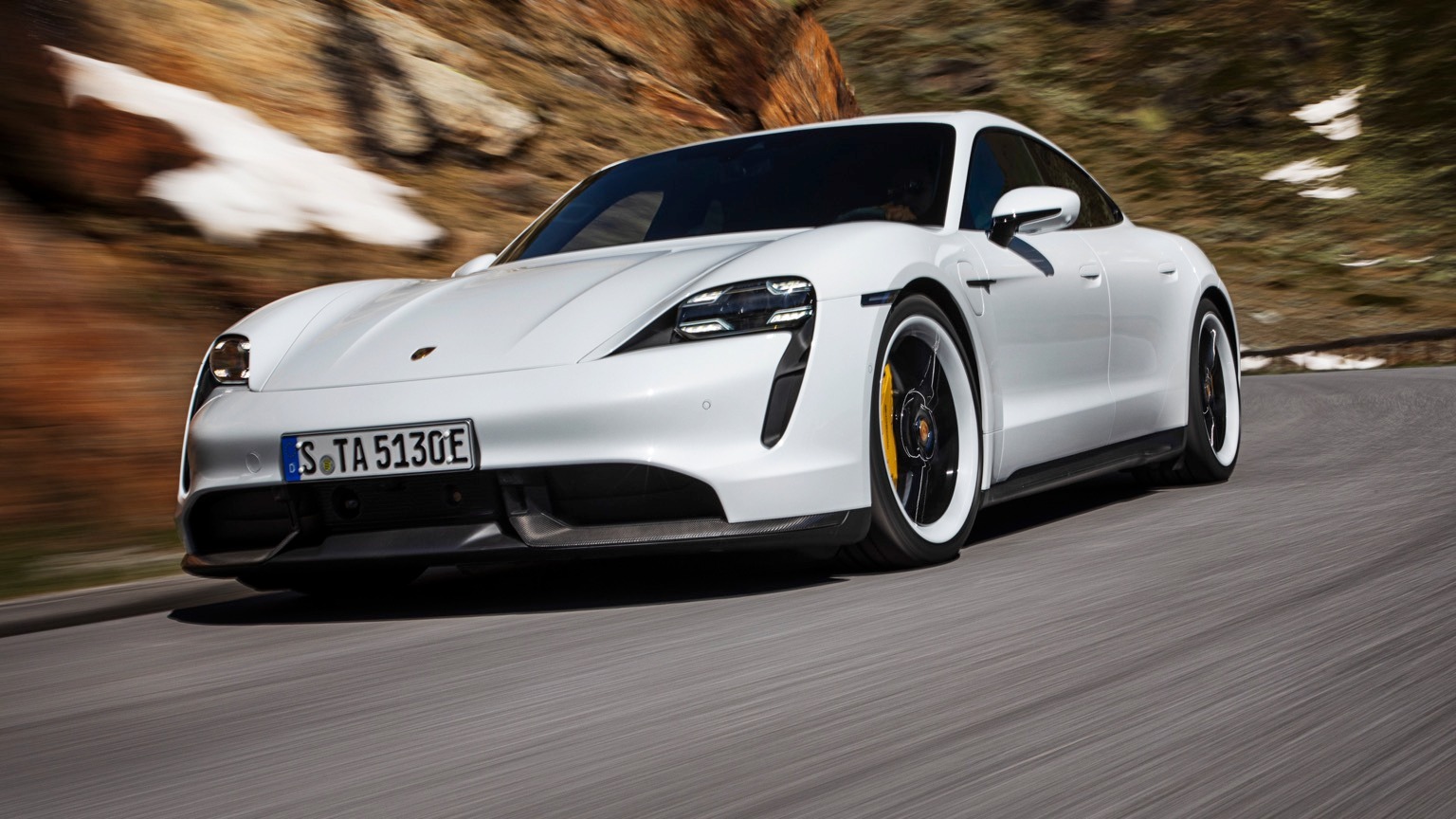
3. Porsche Taycan
The Porsche Taycan stands out as one of the most advanced performance electric vehicles on the market. Known for its exceptional driving dynamics, premium build quality, and cutting-edge technology, it has gained the trust of drivers looking for a luxury EV that delivers both speed and reliability.
Since its debut in 2019, the Taycan has recorded fewer recalls than many other electric cars in its class. Porsche’s approach to vehicle engineering plays a large role in this result. The brand has long been associated with precision manufacturing and rigorous testing standards.
Before releasing the Taycan, Porsche conducted extensive development trials across different terrains and climates, ensuring the car could handle a variety of conditions without failure. This proactive testing reduces the chances of hidden defects appearing after the car reaches the customer.
The few recall cases linked to the Taycan have mostly been related to minor software glitches or small mechanical adjustments. For example, early models had an update for the infotainment system and a precautionary fix for a possible sudden power loss, but these were not widespread or frequent issues.
Many of these updates could be handled quickly by dealers or through software improvements, which did not disrupt ownership greatly. Another reason for the Taycan’s reliable recall history is the careful selection of suppliers.
Porsche works closely with established component manufacturers that meet its strict quality benchmarks. This limits the likelihood of faulty parts causing widespread problems. In addition, the Taycan’s electrical architecture is well-integrated, reducing the chance of compatibility problems between components.
Owners often remark on the Taycan’s solid construction, from the fit of the panels to the durability of the interior materials. These factors point to a meticulous production process. While no car is completely immune to recalls, the Taycan’s record shows it belongs to the group of electric vehicles that face very few, thanks to Porsche’s careful engineering and commitment to quality.
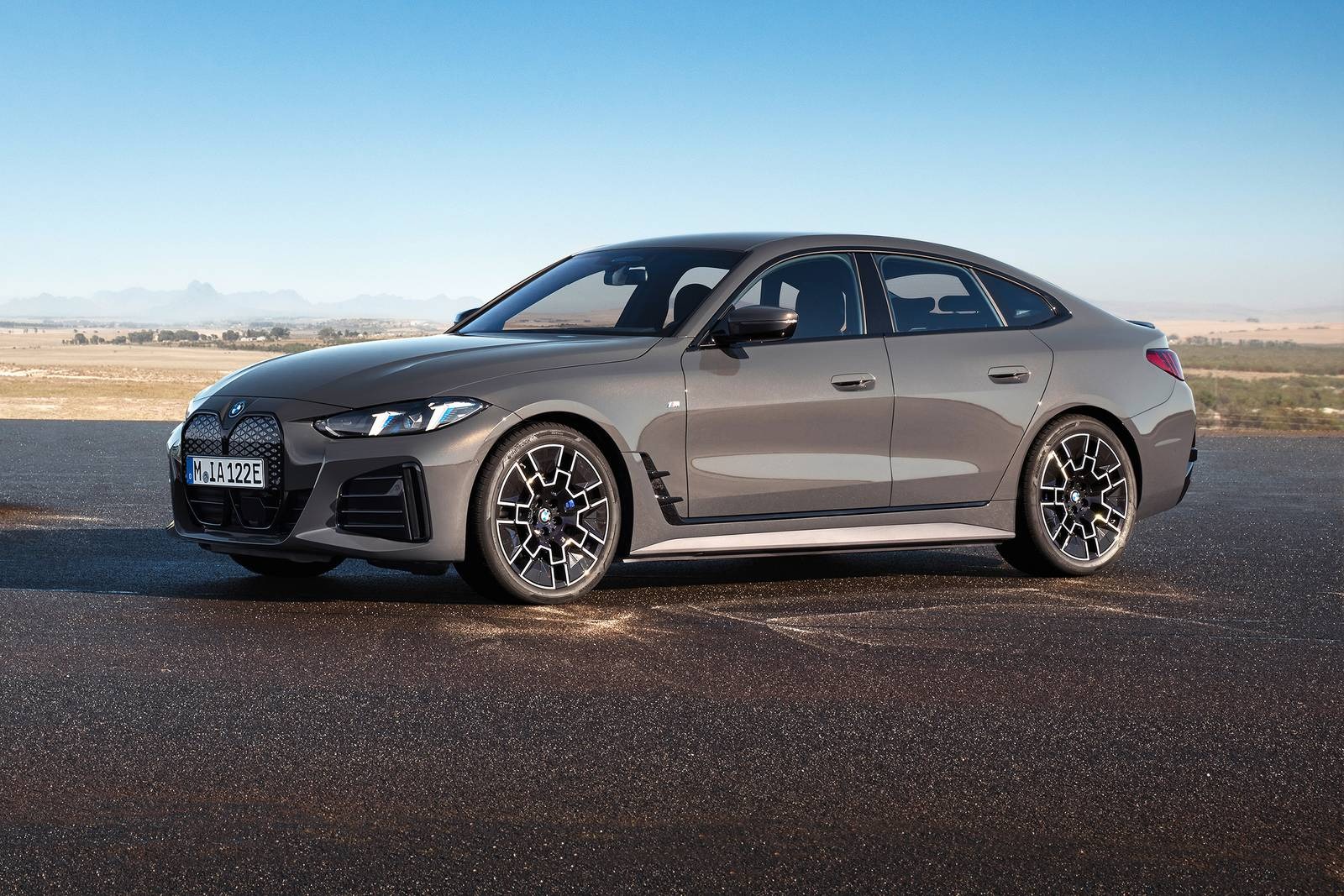
4. BMW i4
The BMW i4 combines the brand’s traditional strengths in performance with the efficiency of electric driving. As a relatively new entry in BMW’s EV lineup, it has quickly earned a place among premium electric sedans due to its driving comfort, balanced handling, and high-quality interior. Since its launch, the i4 has had a very limited recall history compared to many other EVs in its segment.
BMW has decades of experience producing both luxury and performance vehicles, and this background has influenced its approach to EV manufacturing. The company follows a disciplined quality assurance process, which begins in the design phase and extends through production and final inspection. Each i4 is subjected to multiple rounds of safety and durability tests before it leaves the factory.
The i4’s limited recall history so far is largely due to BMW’s careful integration of proven electric components. Its battery systems are sourced from reputable suppliers and assembled under strict conditions, reducing the chances of defects. The software architecture is also stable, with most updates provided during routine service visits rather than through large recall campaigns.
When the i4 did have a recall, it was related to a small number of vehicles and addressed quickly, often involving software calibration rather than major hardware replacement. This has given owners confidence in BMW’s ability to resolve issues promptly and prevent them from growing into larger problems.
The i4’s build quality is also a contributing factor. Drivers often praise the solid feel of the doors, the precise fit of the panels, and the high standard of interior finishes. These are signs of a well-managed production process where attention to detail reduces the likelihood of mechanical or structural faults that could trigger recalls.
With a mix of advanced technology, performance capability, and disciplined production methods, the BMW i4 is one of the electric cars that has shown it can maintain a low recall rate while meeting high expectations for quality.
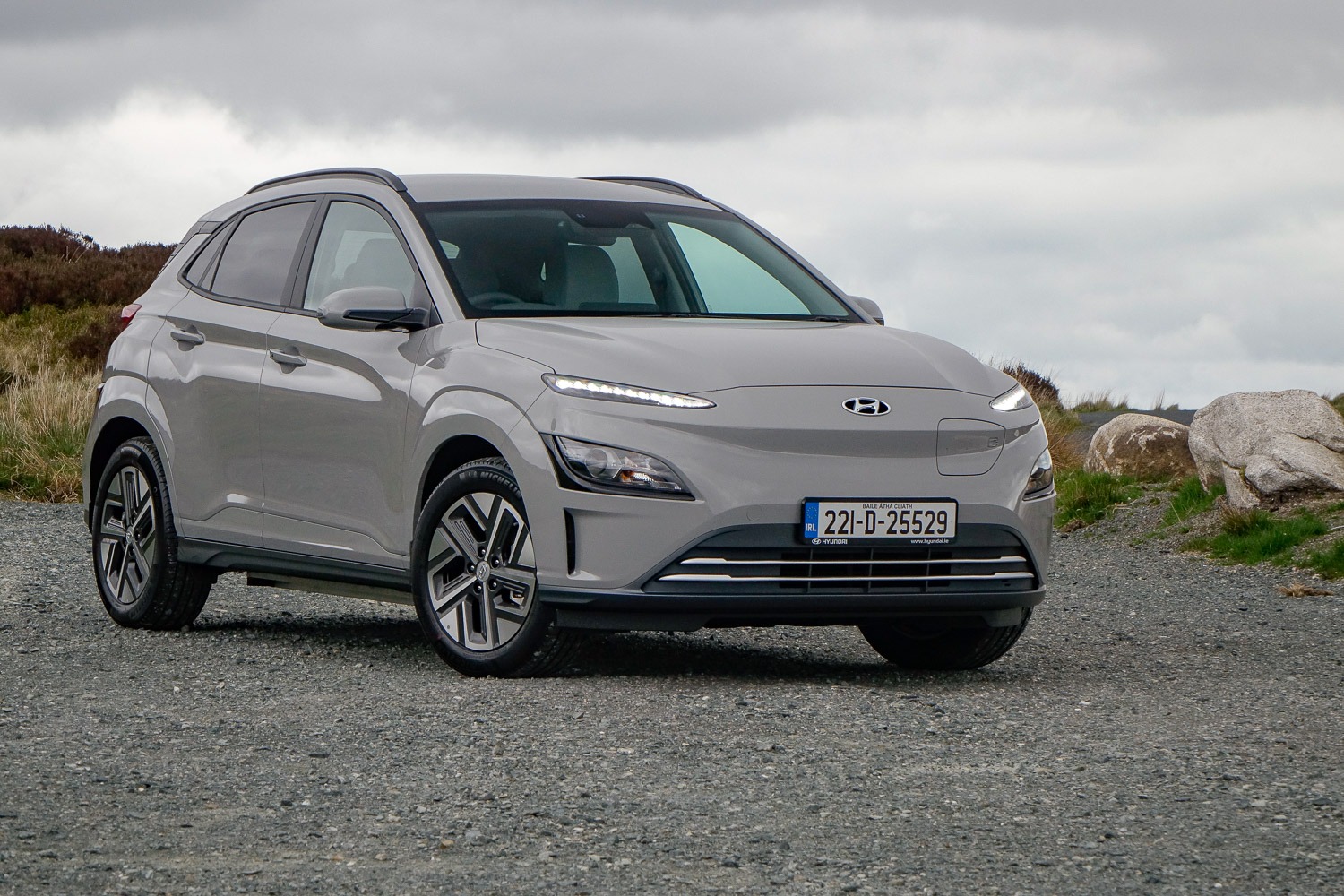
5. Hyundai Kona Electric
The Hyundai Kona Electric has been widely regarded as a practical and affordable electric crossover that offers strong range and a comfortable driving experience. Since its introduction, it has delivered consistent performance with a recall history that is relatively modest compared to some competitors.
Hyundai has invested heavily in EV technology and battery manufacturing oversight. This commitment became evident after the company addressed an early recall related to certain battery packs. The issue, caused by a supplier defect, led Hyundai to replace the affected batteries and improve its inspection processes. Since implementing these changes, the Kona Electric has enjoyed a better record for reliability.
One of the reasons for its relatively low number of recalls is its mature design. Hyundai avoided overly complicated systems, focusing instead on proven electric drivetrain technology. This simplicity means fewer potential points of failure. Additionally, Hyundai’s manufacturing plants follow strict quality control procedures, with every unit undergoing detailed checks before delivery.
Software stability is another strength for the Kona Electric. Updates to improve efficiency or address minor issues are handled during regular service appointments, reducing the need for mass recalls. Even when a recall is necessary, Hyundai has shown it can manage the process efficiently, minimizing inconvenience for owners.
Customer satisfaction surveys often show that Kona Electric owners appreciate the car’s dependability. Its consistent safety ratings, combined with the relatively low number of recall incidents, have strengthened its position as a reliable EV choice.
By focusing on practical design choices, maintaining strong supplier relationships, and committing to quality inspections, Hyundai has kept the Kona Electric in the group of electric cars that experience fewer recalls. This makes it an appealing option for those who want a dependable electric crossover without frequent interruptions for repairs.
5 EVs That Constantly Get Recalls
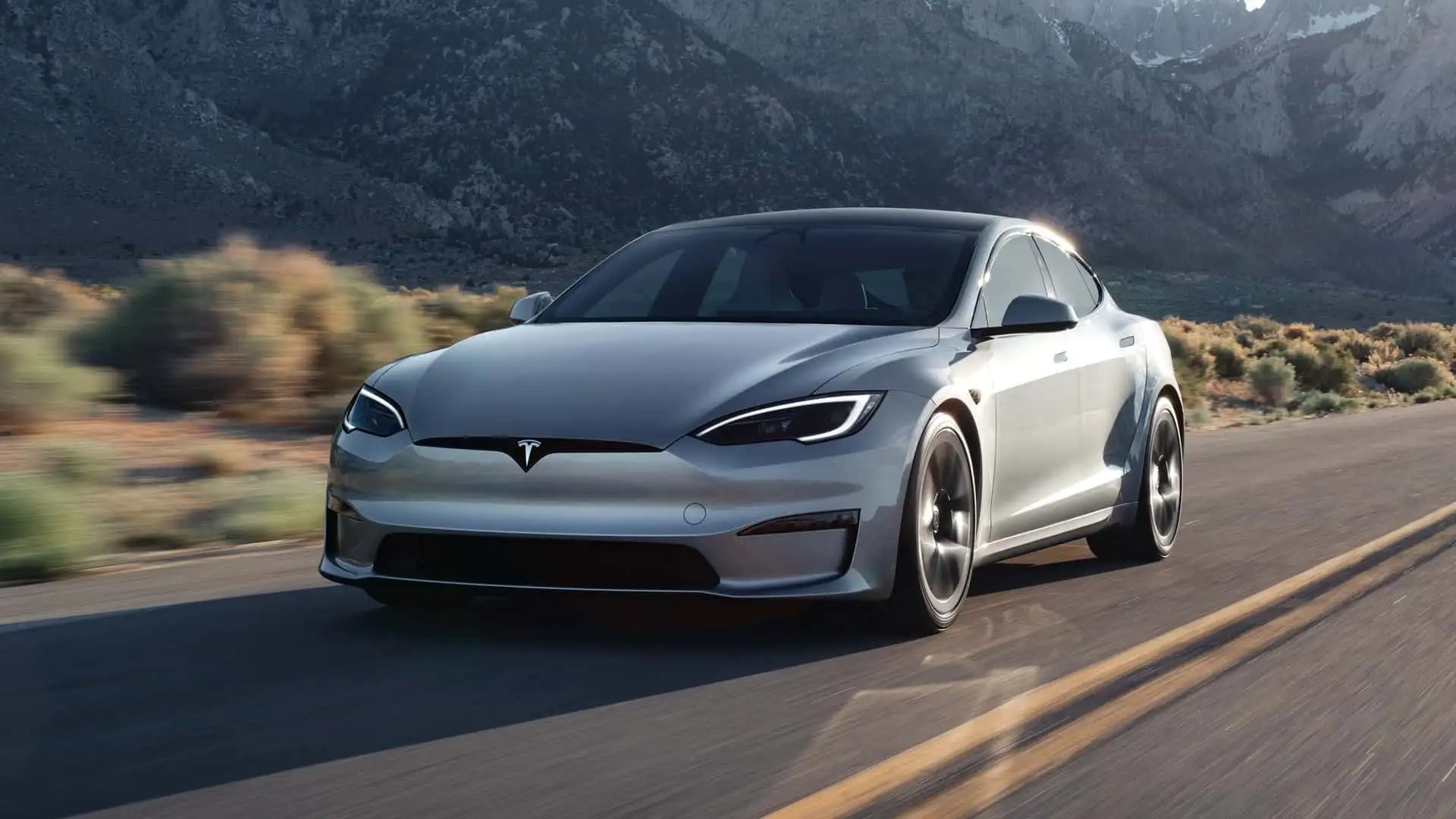
1. Tesla Model S
The Tesla Model S has been one of the most influential electric vehicles since its debut in 2012. Known for its long driving range, impressive acceleration, and advanced tech features, it has shaped the way people view electric luxury sedans. However, while it remains a top performer in many areas, it also has a history of more frequent recalls compared to some newer EVs.
A large part of the Model S recall pattern comes from Tesla’s continuous introduction of new features and updates. The company is known for rapid innovation, but frequent changes in hardware and software can sometimes introduce unexpected issues.
Some recalls have involved safety-critical systems such as seatbelt mechanisms, steering components, and suspension parts. Others have addressed software-related matters, including issues with the Autopilot driver assistance system and infotainment unit.
Tesla’s approach to fixing certain problems can be more efficient than traditional manufacturers because many software-related recalls are resolved through over-the-air updates. This reduces inconvenience for owners, but the sheer number of updates classified as recalls contributes to its higher total count.
For example, when regulatory agencies determine that a software bug impacts safety, Tesla is required to issue a recall notice even if the fix is as simple as a remote patch. Another factor is the Model S’s relatively long production history.
Having been on the market for more than a decade, it has gone through multiple revisions and redesigns. Each update cycle creates the potential for new faults that might lead to a recall. On the contrary, some newer EVs have had less time on the road, giving them fewer opportunities to accumulate recalls.
Owners still appreciate the driving experience and innovation of the Model S, but those considering a purchase should be aware that this vehicle has a higher likelihood of receiving recall notices compared to Tesla’s newer models. While many of these recalls are precautionary, they add to the perception that the Model S is among the EVs with more frequent recall activity.
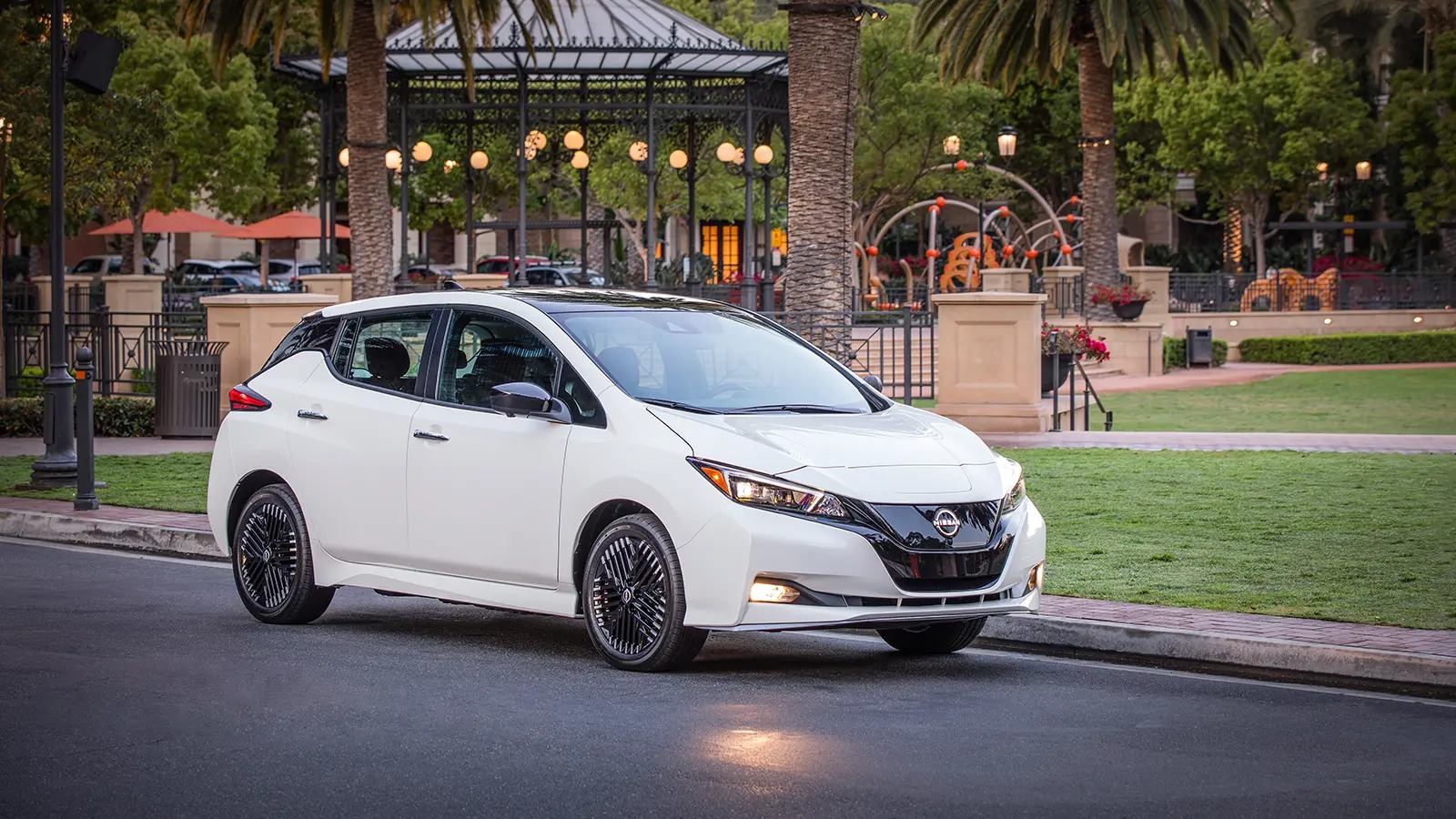
2. Nissan Leaf
The Nissan Leaf is one of the most recognizable electric vehicles in the global market, having been introduced in 2010 as one of the first mass-market EVs. While it has been a pioneer in affordable electric driving, its recall record has been more active than that of some newer competitors.
One of the reasons for the Leaf’s recall frequency is its long production run and global distribution. With hundreds of thousands of units sold worldwide, the likelihood of discovering faults increases simply because more cars are in use under varying conditions. Recalls have covered a wide range of issues, from minor software adjustments to more serious concerns involving braking systems, airbags, and battery management.
Some of the recalls have been linked to supplier-related defects. For example, certain batches of the Leaf were affected by airbag inflator problems that also impacted many other vehicles across different brands.
While these recalls were not unique to Nissan, they still contributed to the Leaf’s higher recall numbers. In addition, earlier models faced issues with battery capacity loss in extreme climates, leading to software and hardware updates aimed at improving battery management.
Nissan has generally responded quickly to recall situations, with most fixes provided at no cost to owners. However, because the Leaf has been in production for over a decade, its accumulated recalls give it a higher general count than some EVs that have been on the market for fewer years.
The Leaf remains an accessible and practical choice for drivers who prioritize affordability and ease of use, but prospective buyers should understand that its recall history reflects both its age and the wide range of operating environments it has faced. For those who value minimal recall interruptions, it may not rank as highly as some of the newer EV models.
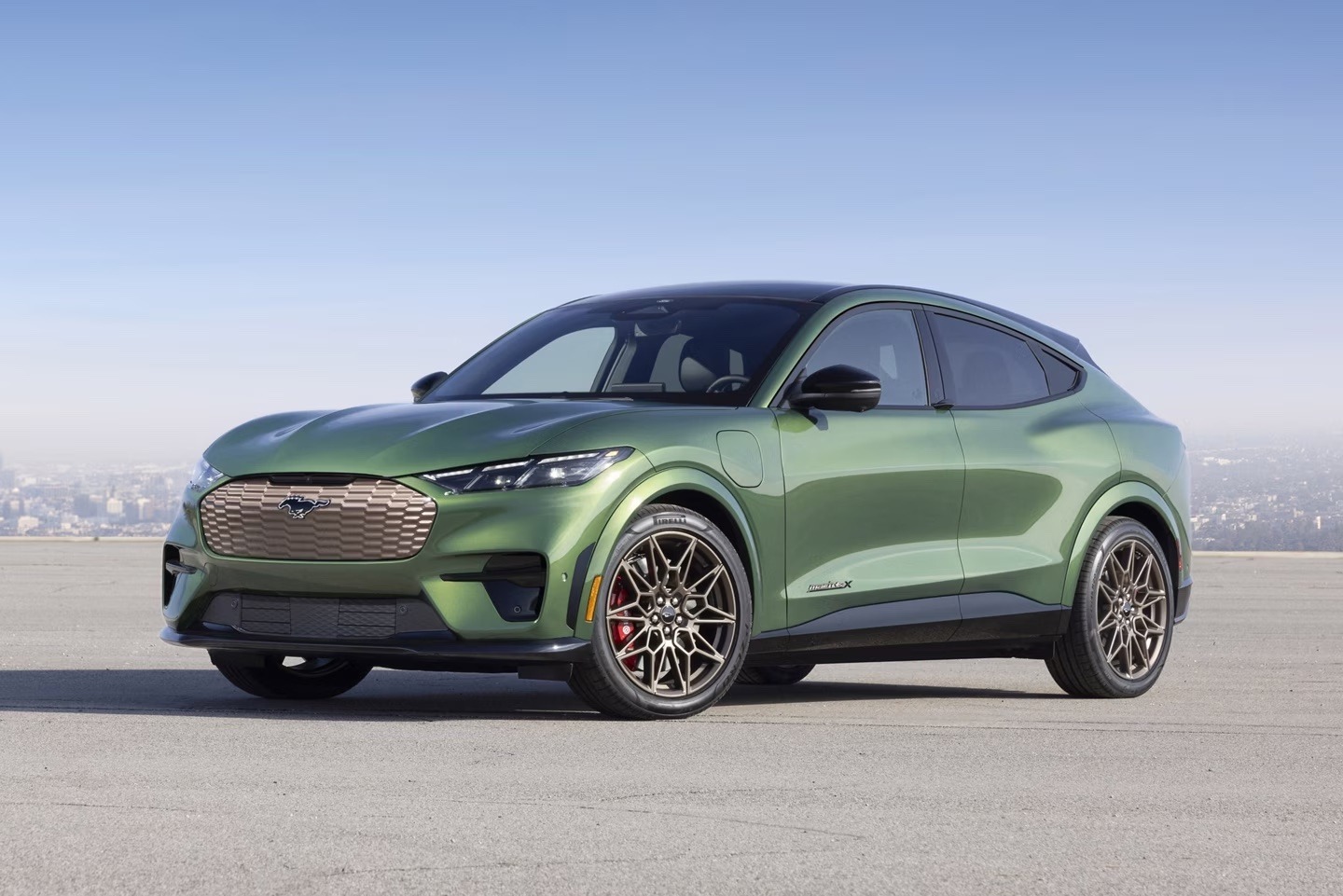
3. Ford Mustang Mach-E
The Ford Mustang Mach-E entered the market in late 2020 with high expectations, combining the Mustang name’s performance heritage with an all-electric platform. While it has impressed with styling, range, and driving feel, it has also seen more recalls than some of its rivals in the same time frame.
Part of the reason for this is that the Mach-E represents Ford’s early efforts in mass EV production. Introducing a new model with fresh technology and unfamiliar manufacturing processes often leads to initial challenges. The Mach-E’s recalls have involved issues like battery contactor malfunctions, software errors that can cause the vehicle to lose power, and problems with the panoramic roof glass potentially detaching.
Software recalls have been common, particularly related to the powertrain control module and battery management systems. While these updates can often be installed remotely, they still require official recall announcements, which increase the recorded recall rate. Ford has also addressed problems with charging equipment and certain wiring harnesses that could pose safety risks if left uncorrected.
The company has worked to address these issues quickly, with service centers offering repairs or updates at no cost. Some owners report that after the fixes, their vehicles perform reliably. Still, the pattern of recalls in the Mach-E’s first few years highlights the growing pains of introducing a new EV model from a traditional automaker.
As Ford continues refining the Mach-E in future model years, the expectation is that its recall rate will decrease. For now, potential buyers should be aware that while it is a fun and capable EV, it has been among the models that see more frequent recall notices in the current EV market.
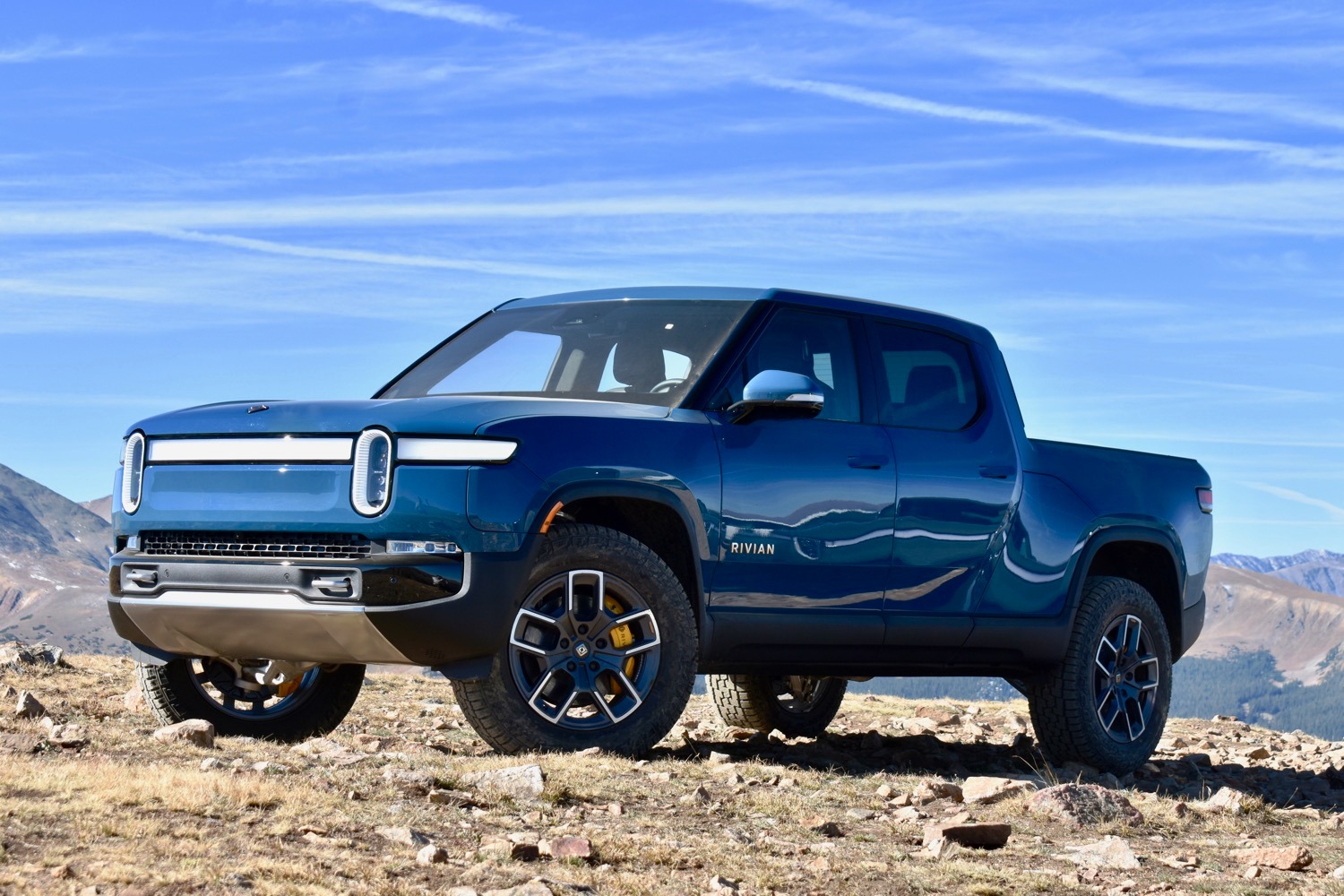
4. Rivian R1T
The Rivian R1T made headlines as one of the first all-electric pickup trucks available to consumers. It impressed with strong off-road capability, innovative storage features, and powerful performance. However, as a new manufacturer entering the market, Rivian has faced challenges that have translated into a higher recall frequency.
Many of Rivian’s recalls have been related to manufacturing adjustments as the company ramps up production. Early units faced issues with improperly tightened fasteners in the front suspension and steering systems, which could lead to safety risks if not corrected. Another recall involved seatbelt anchor assemblies that may not have been installed to specification.
Software recalls have also been present, addressing systems such as the airbag control unit and various driver assistance features. While some of these fixes could be applied through over-the-air updates, others required owners to visit service centers. Given Rivian’s still-growing service network, this sometimes caused inconvenience for owners in areas without nearby facilities.
It is important to note that higher recall rates are not unusual for a completely new automaker in its early years. Rivian has been proactive in addressing issues, often identifying and correcting them before they lead to widespread problems. Still, the record shows that the R1T has had more recalls than many established EVs, reflecting the challenges of building a new vehicle platform from the ground up.
For buyers interested in the R1T’s unique features and adventure-ready design, the recall history is a factor to weigh. While improvements are likely as production matures, the current track record places it among the EVs with frequent recall activity.
Also Read: 5 EVs That Handle Bad Roads and 5 That Hate Bumps
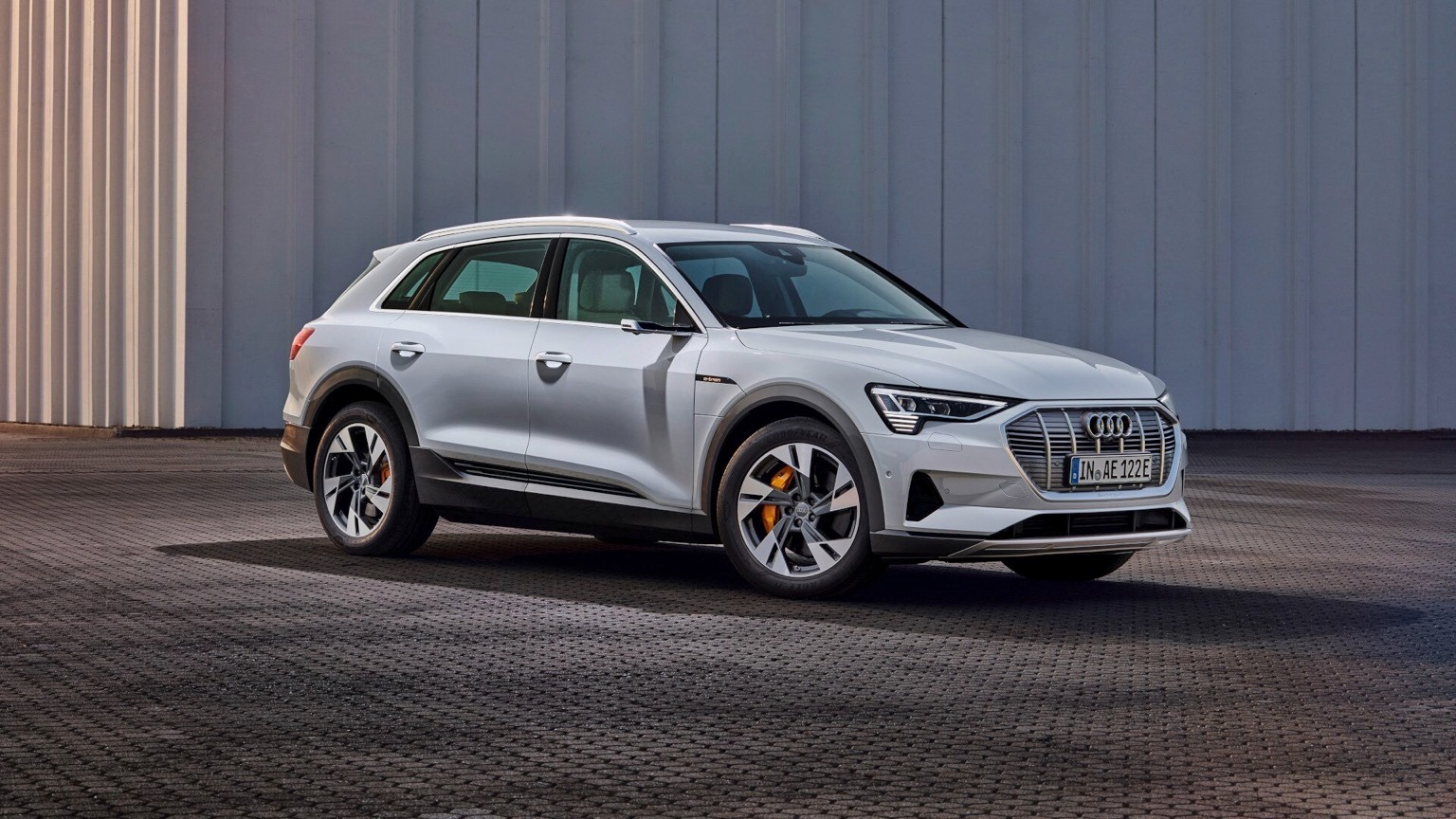
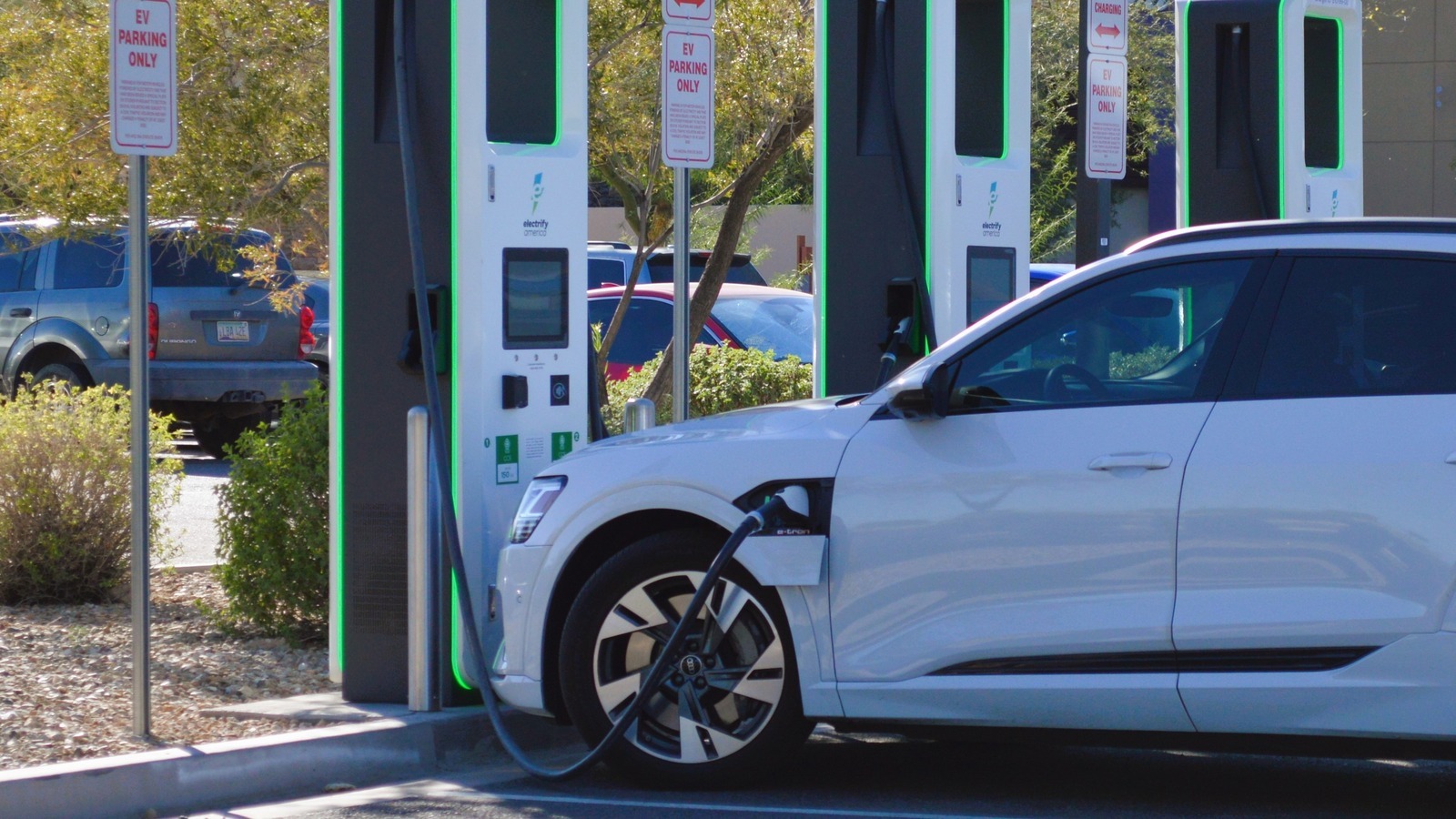
5. Audi e-tron
The Audi e-tron, introduced in 2018, marked the brand’s first step into all-electric SUVs. While praised for its comfort, build quality, and quiet driving experience, it has also had a higher number of recalls than some rivals.
Several of the e-tron’s recalls have been related to electrical system concerns. In some cases, moisture was found to potentially enter the high-voltage battery compartment, posing a fire risk. Audi addressed this through improved sealing and inspection procedures. Other recalls involved software updates to manage charging systems and prevent unexpected power loss.
The e-tron has also had recalls related to braking system calibration, where software adjustments were needed to ensure consistent performance. While these issues were resolved through dealer service, the number of recall announcements has been higher than many owners expected from a premium brand.
Part of the higher recall count can be linked to Audi’s effort to bring an all-new EV platform to market quickly. Integrating advanced tech features, dual-motor setups, and complicated battery systems increases the chances of early production problems. The recalls, while often precautionary, reflect the need to fine-tune components in a model that was entirely new to the brand’s lineup.
Audi has shown strong customer service in handling these recalls, often providing loaner vehicles and clear communication. However, buyers looking for minimal recall activity may find that the e-tron’s record places it in the category of EVs that experience recall notices more frequently than some competitors.
