
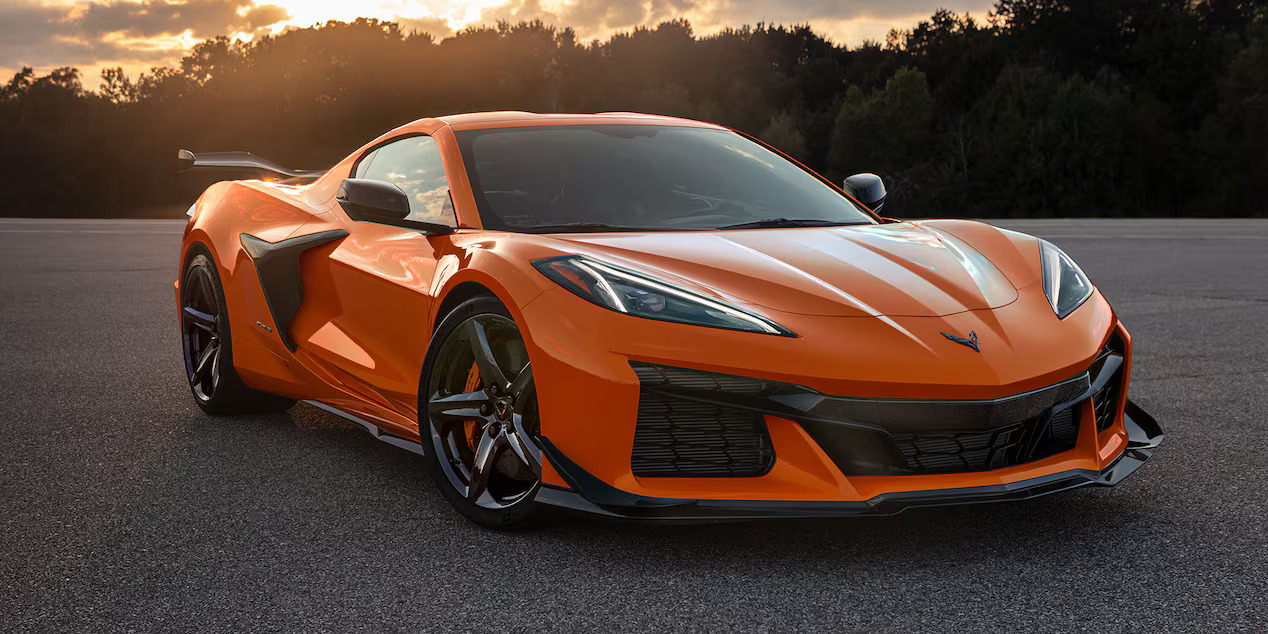
The American muscle car market in 2024-2025 represents a fascinating study in automotive values, as traditional V8-powered beasts face an uncertain future amid evolving consumer preferences and regulatory pressures.
The muscle car segment has always been defined by dramatic swings in desirability and value retention, but current market dynamics have created particularly stark divisions between models that maintain their worth and those that experience precipitous depreciation immediately after purchase.
Understanding which muscle cars hold their value versus those that tank after a year requires examining multiple factors, including production numbers, special editions, brand heritage, and market positioning. Limited-production models with unique features often command premium prices that translate into stronger resale values, while mass-produced variants typically face steeper depreciation curves.
The discontinuation of iconic nameplates like the Camaro and Challenger has created additional market uncertainty, with some final-year models appreciating while base variants continue depreciating normally. Smart buyers can capitalize on these market inefficiencies by targeting vehicles with strong value retention characteristics while avoiding models prone to rapid depreciation.
5 American Muscle Cars That Hold Their Value
These exceptional performance machines feature timeless design elements and legendary powertrains that maintain strong collector appeal and market desirability through decades of ownership cycles.
Their proven engineering includes robust drivetrain components and iconic styling cues that resist the depreciation curves typically experienced by mass-production vehicles with trendy design elements or complex electronic systems.
From limited production runs that create natural scarcity to heritage nameplates with racing pedigree, these remarkable muscle cars continue appreciating in value without suffering the steep depreciation found in mainstream performance models.
Owners report consistent equity growth knowing their vehicles possess the combination of historical significance, mechanical simplicity, and emotional appeal that proves its worth through sustained collector interest and strong resale values throughout ownership periods.
1. Chevrolet Corvette Z06 (2023-2025)
The Chevrolet Corvette Z06 stands as the crown jewel of American performance cars, representing the pinnacle of domestic engineering excellence that consistently outperforms vehicles costing twice as much.
The Z06’s exceptional value retention stems from its limited production numbers, revolutionary mid-engine architecture, and performance capabilities that genuinely compete with European supercars at a fraction of the price. Market data consistently shows Z06 models trading at or above MSRP even a year after purchase, with some variants commanding significant premiums due to their rarity and desirability.
The heart of the Z06’s value proposition lies in its naturally aspirated 5.5-liter LT6 V8 engine, which produces 670 horsepower and represents the most powerful naturally aspirated V8 ever produced by General Motors.
This engine’s flat-plane crankshaft design and 8,600 RPM redline create an exotic driving experience that rivals the most celebrated European supercars. The engine’s hand-built construction at GM’s Bowling Green facility ensures exclusivity while the naturally aspirated configuration appeals to purists who prefer the linear power delivery and distinctive sound signature that turbocharged engines cannot match.
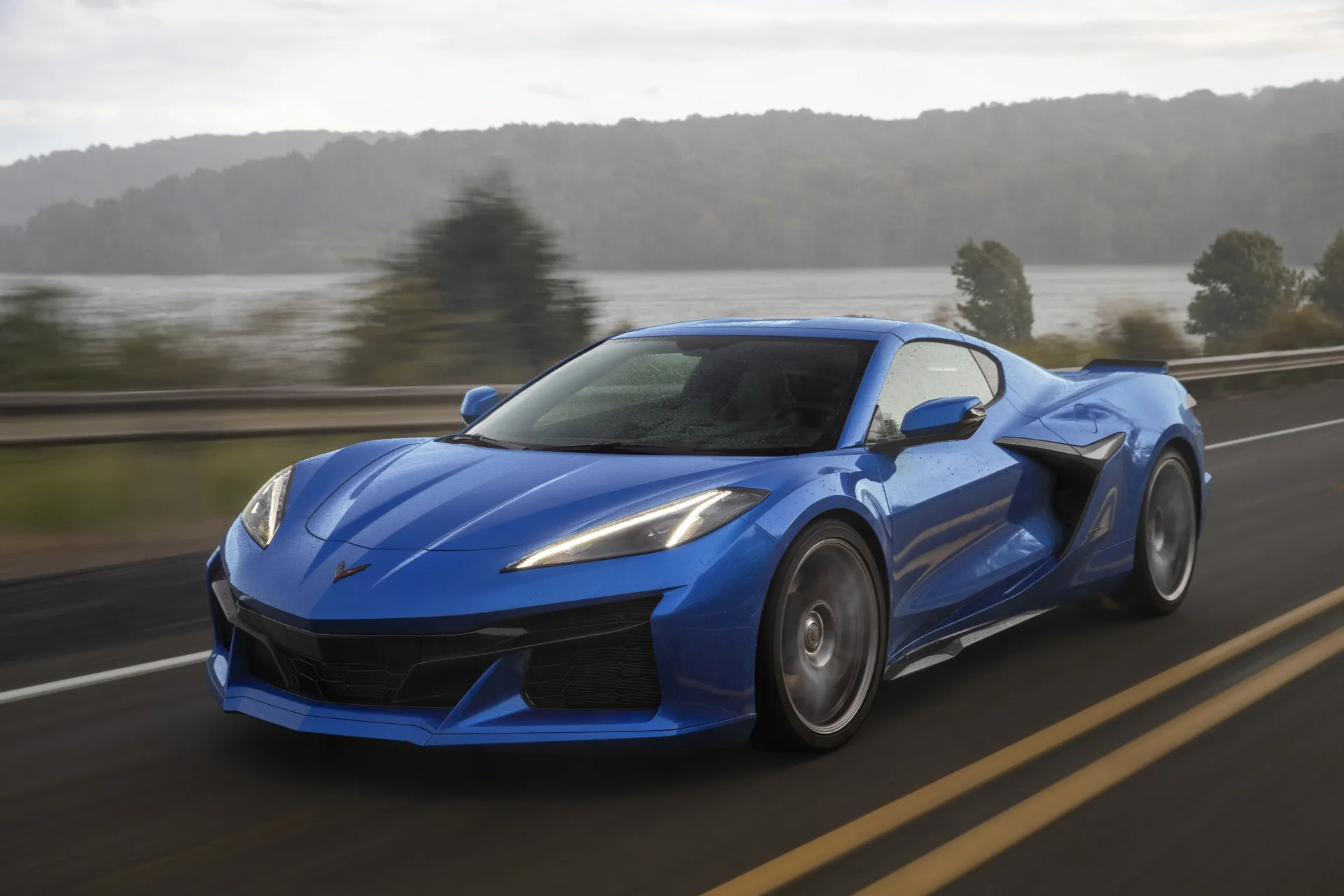
Production constraints have played a crucial role in maintaining Z06 values, with General Motors producing significantly fewer units than demand warrants.
The complex mid-engine architecture requires specialized manufacturing processes that limit production capacity, while quality control standards ensure each vehicle meets the exacting requirements expected of a halo product.
These production limitations create natural scarcity that supports strong resale values, particularly for desirable color combinations and option packages that enhance exclusivity further.
The Z06’s track-focused capabilities translate directly into collector appeal, with lap times that embarrass much more expensive competition while providing usability that exotic car owners rarely experience.
The vehicle’s carbon fiber body panels, advanced aerodynamics, and sophisticated chassis engineering create a package that performs as well on track days as it does during weekend drives.
This versatility appeals to serious driving enthusiasts who appreciate both the vehicle’s performance potential and its relative practicality compared to traditional supercars.
Market dynamics strongly favor Z06 value retention, with waiting lists extending well beyond a year and dealer allocation systems that prioritize established customers.
The combination of limited supply and strong demand creates conditions where used examples often trade for more than original MSRP, particularly for vehicles with desirable specifications or low mileage.
The Z06’s position as America’s supercar ensures continued collector interest, while its reasonable maintenance costs compared to European alternatives make it practical for regular use by enthusiast owners who drive their investments.
2. Ford Mustang Shelby GT500 (2020-2025)
The Ford Mustang Shelby GT500 represents the ultimate expression of American muscle car philosophy, combining massive supercharged power with modern technology and heritage appeal that resonates strongly with collectors and enthusiasts alike.
The GT500’s exceptional value retention reflects its position as the most powerful factory Mustang ever produced, with 760 horsepower from its hand-built supercharged 5.2-liter V8 creating performance that few vehicles can match at any price point.
Market data consistently shows GT500 models holding their value exceptionally well, with many examples trading above original MSRP even years after production.
The supercharged “Predator” V8 engine serves as the GT500’s primary value driver, representing Ford Performance’s most advanced powerplant and showcasing engineering excellence that rivals the world’s best performance engines.
The cross-plane crankshaft design delivers massive torque throughout the RPM range while the supercharger’s immediate response creates an intoxicating driving experience.
This engine’s hand-assembly process and limited production applications ensure exclusivity while the proven reliability of Ford’s modular V8 architecture provides confidence for long-term ownership.
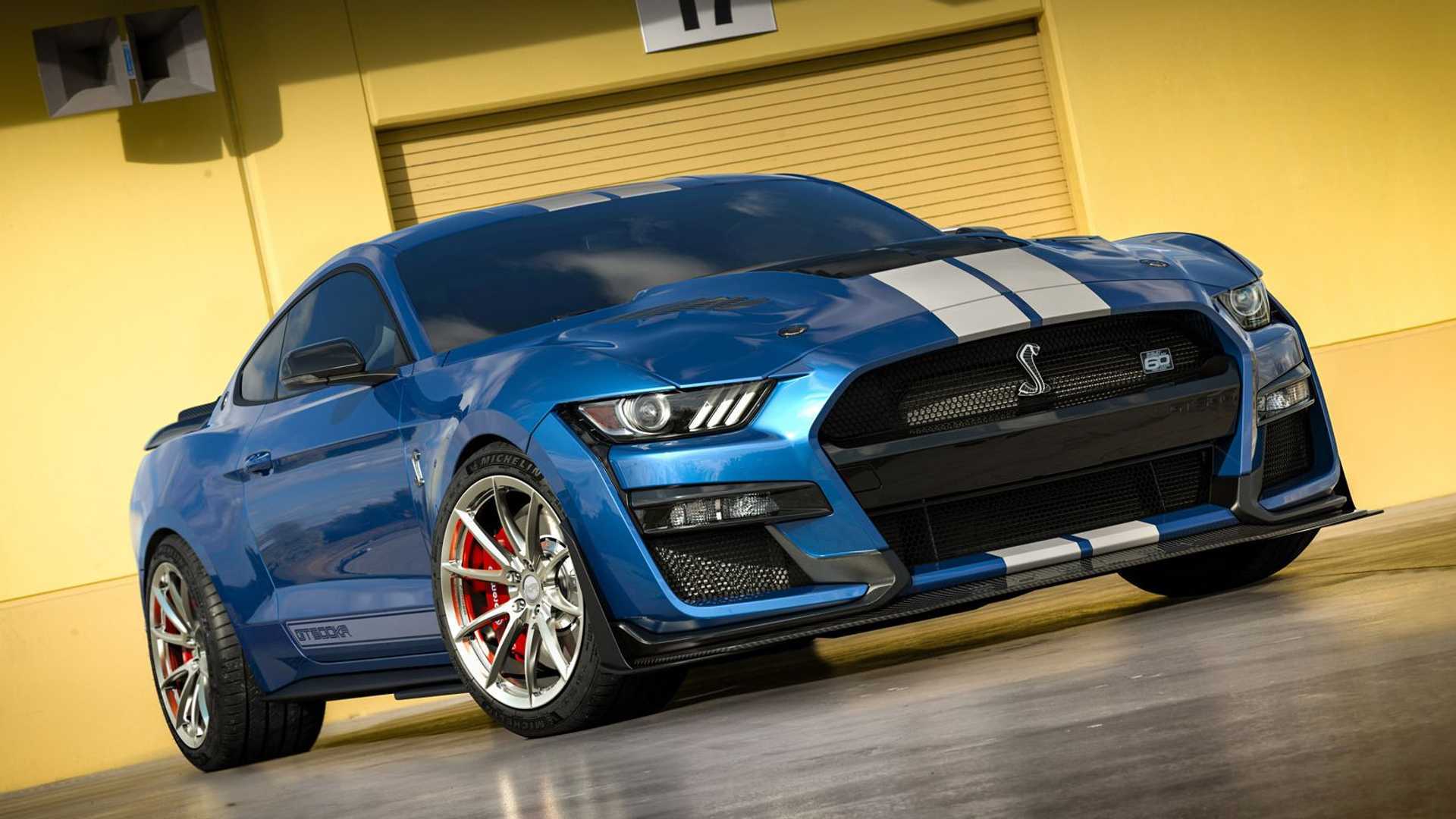
Production numbers have been carefully managed to maintain exclusivity without creating impossibly long waiting lists, striking a balance that supports strong resale values while ensuring genuine enthusiasts can obtain vehicles.
Ford’s allocation system prioritizes established customers and serious buyers over speculators, helping maintain market stability and preventing artificial price inflation. The GT500’s limited production run, particularly for the final model years, creates natural scarcity that supports collector appeal and value retention over time.
The vehicle’s track capabilities set it apart from typical muscle cars, with sophisticated chassis engineering, advanced aerodynamics, and optional Carbon Fiber Track Package components that enable serious track day performance.
Independent testing has demonstrated lap times that compete with vehicles costing significantly more, while the GT500’s usability on public roads makes it practical for regular enjoyment. This combination of extreme performance and daily drivability appeals to enthusiasts who want a single vehicle capable of both track dominance and weekend touring.
As traditional muscle cars face an uncertain future, the GT500’s position as potentially the last of its kind adds significant collector appeal that supports long-term value appreciation potential.
3. Dodge Challenger SRT Hellcat Redeye (2019-2023)
The Dodge Challenger SRT Hellcat Redeye represents the absolute pinnacle of traditional American muscle car philosophy, delivering 797 horsepower from its supercharged 6.2-liter HEMI V8 in a package that celebrates automotive excess without apology.
The Redeye’s exceptional value retention reflects its position as one of the most powerful production cars ever built, with performance capabilities that remain unmatched by most contemporary alternatives.
Market analysis consistently shows Redeye models holding their value remarkably well, often trading at or near original MSRP even years after purchase, particularly for low-mileage examples with desirable specifications.
The supercharged HEMI engine serves as the Redeye’s primary attraction, representing Mopar’s ultimate expression of traditional American V8 power in an era increasingly dominated by smaller, turbocharged alternatives.
The 2.7-liter supercharger creates immediate throttle response and a distinctive whine that announces the vehicle’s presence unmistakably. This engine’s roots in Mopar’s racing programs ensure proven durability while the hand-built assembly process adds exclusivity that mass-produced alternatives cannot match.
The naturally aspirated base engine combined with forced induction creates a power delivery character that appeals to traditional muscle car enthusiasts.
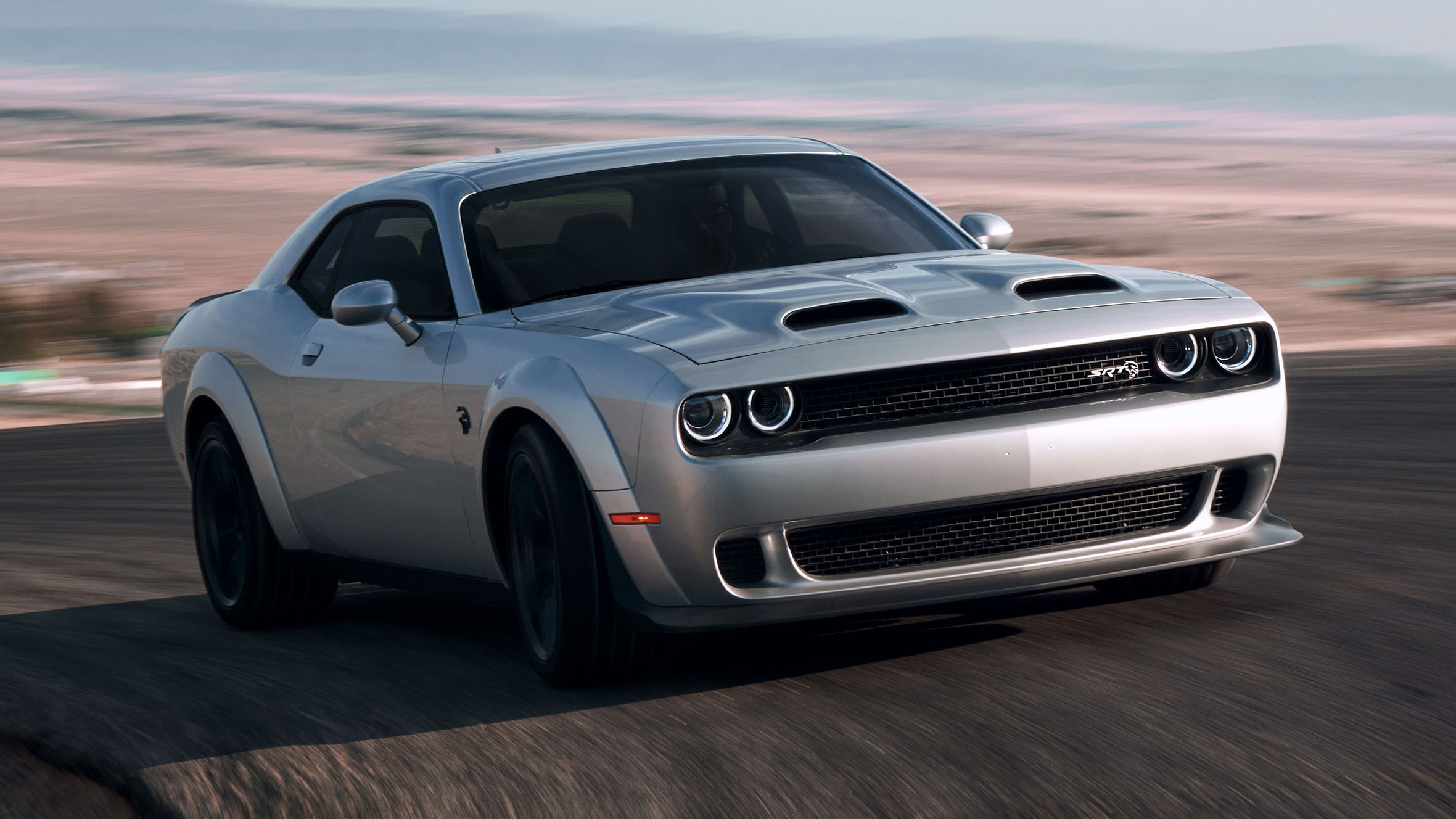
Limited production numbers have created natural scarcity that supports strong resale values, particularly as Dodge transitions away from traditional muscle cars toward electrified alternatives.
The Redeye’s position as potentially the last of the truly outrageous muscle cars adds collector appeal that transcends typical automotive enthusiasm.
Production constraints and quality control requirements limit annual output while strong demand from enthusiasts creates waiting lists that support dealer pricing power and resale value stability over time.
The Challenger’s retro-modern design philosophy resonates strongly with buyers who appreciate automotive heritage combined with contemporary performance and safety features.
The vehicle’s spacious interior, comfortable seating, and practical trunk space make it usable for daily driving while the classic proportions and aggressive styling cues create visual drama that few modern vehicles can match. This combination of practicality and presence appeals to buyers seeking both performance and usability in a single package.
Market positioning as the ultimate traditional muscle car ensures continued collector interest as the automotive industry transitions toward electrification.
The Redeye’s extreme power output, distinctive character, and connection to Mopar’s performance heritage create appeal that extends beyond typical car enthusiasts to collectors who recognize the vehicle’s significance in automotive history.
As regulations and market forces eliminate similar vehicles, the Redeye’s position as an automotive outlier supports long-term appreciation potential that few contemporary vehicles can match.
4. Ford Mustang Mach 1 (2021-2023)
The Ford Mustang Mach 1 represents a masterful blend of heritage appeal and modern performance capability, reviving one of the most celebrated nameplates in American automotive history while delivering track-focused engineering that satisfies contemporary enthusiast demands.
The Mach 1’s exceptional value retention reflects its limited production run, carefully curated performance package, and connection to Mustang heritage that resonates strongly with collectors and driving enthusiasts. Market data consistently shows Mach 1 models holding their value exceptionally well, with many examples trading above original MSRP due to their rarity and desirability among serious Mustang enthusiasts.
The naturally aspirated 5.0-liter Coyote V8 engine in Mach 1 specification delivers 480 horsepower while incorporating lessons learned from Ford’s racing programs to optimize performance and reliability.
This engine features unique intake and exhaust components, revised calibration, and enhanced cooling systems that distinguish it from standard GT applications.
The naturally aspirated configuration appeals to purists who prefer linear power delivery and distinctive sound characteristics while the proven reliability of Ford’s modular V8 architecture ensures confidence for long-term ownership and regular track use.
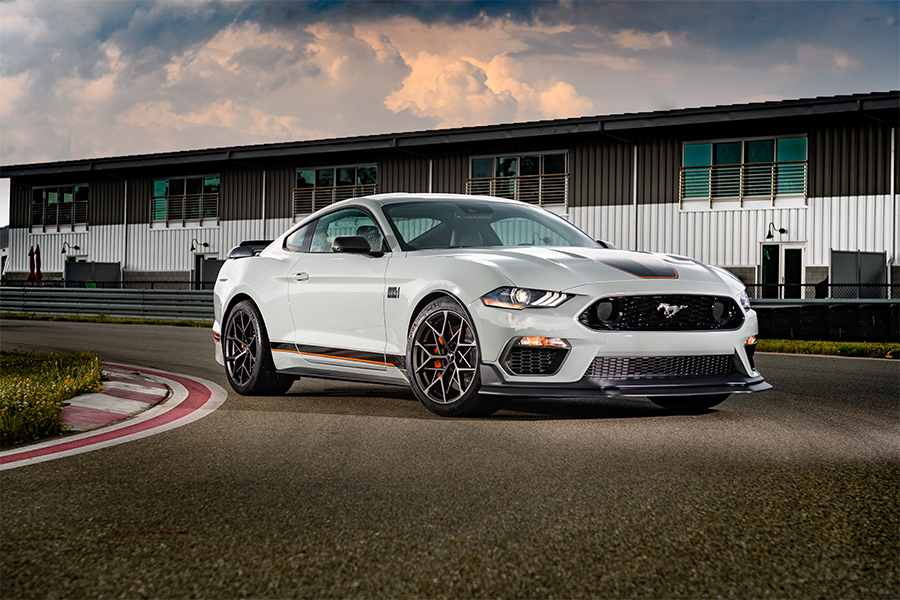
Exclusive performance components set the Mach 1 apart from standard Mustang variants while creating scarcity that supports strong resale values.
The Tremec six-speed manual transmission with rev-matching capability, MagneRide adaptive dampers, and Brembo six-piston front brakes create a track-focused package that delivers genuine performance advantages.
These components, combined with unique aerodynamic elements and distinctive styling cues, ensure the Mach 1 remains recognizable and desirable to knowledgeable enthusiasts who appreciate the engineering excellence behind the heritage nameplate.
Limited production numbers across the Mach 1’s brief run create natural scarcity that supports collector appeal and value retention. Ford’s decision to produce the Mach 1 for only three model years ensures exclusivity while the carefully managed allocation process prevented market saturation that typically leads to rapid depreciation.
As Ford transitions toward electrified performance vehicles, the Mach 1’s position as potentially the last naturally aspirated special edition adds significant collector appeal that supports long-term value appreciation.
Also Read: 5 GMCs That Rarely Need Suspension Work vs 5 That Constantly Fail
5. Chevrolet Camaro ZL1 1LE (2018-2024)
The Chevrolet Camaro ZL1 1LE represents the ultimate evolution of the modern Camaro platform, combining the ZL1’s supercharged LT4 V8 power with track-focused aerodynamics, suspension, and weight reduction modifications that create one of the most capable track cars available from any manufacturer.
The 1LE’s exceptional value retention reflects its limited production numbers, extreme performance capabilities, and position as the final iteration of the sixth-generation Camaro’s ultimate variant.
Market analysis consistently shows ZL1 1LE models maintaining values well above typical sports car depreciation curves, with many examples appreciating due to their rarity and collector appeal.
The supercharged 6.2-liter LT4 V8 engine produces 650 horsepower while incorporating advanced technologies including direct injection, variable valve timing, and integrated charge cooling that optimize both performance and reliability.
This hand-built powerplant represents GM’s most advanced production V8, with assembly taking place at the Performance Build Center where each engine receives individual attention from skilled technicians.
The supercharged configuration delivers immediate throttle response and massive torque throughout the RPM range while maintaining the distinctive character that defines American V8 performance.
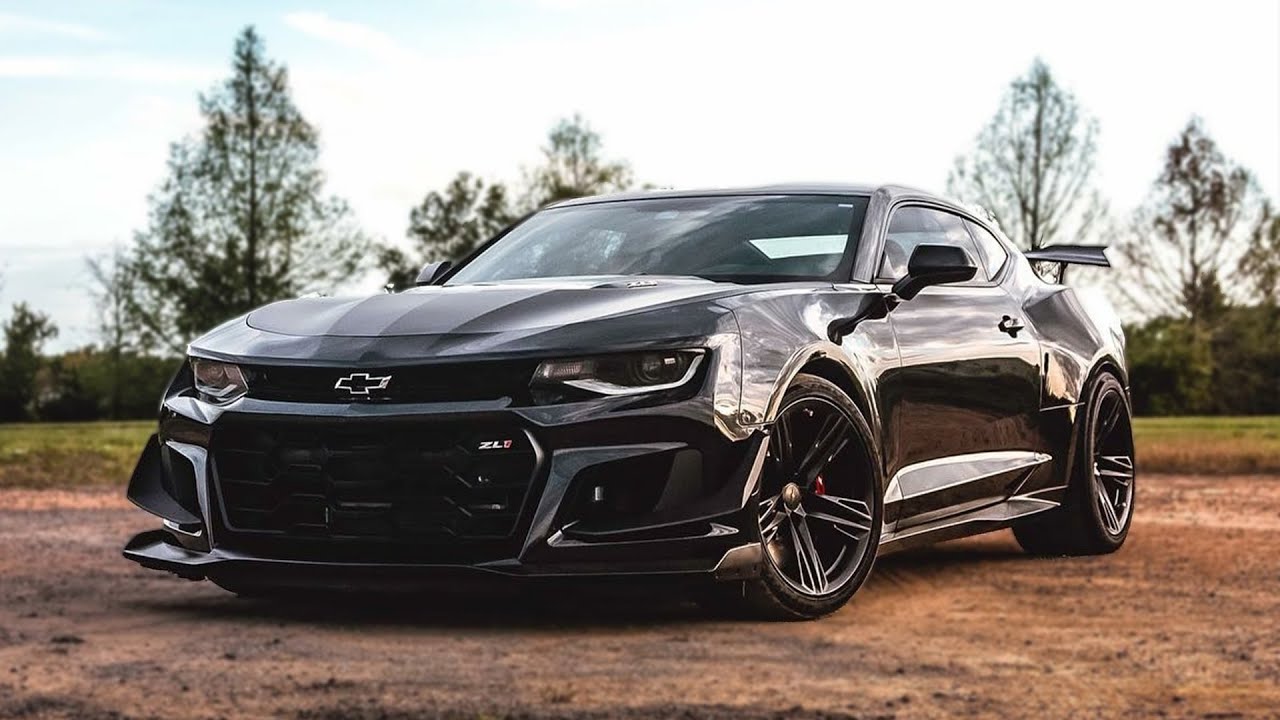
Track-focused modifications distinguish the 1LE from standard ZL1 models while creating scarcity that supports strong resale values. The comprehensive package includes adjustable front splitter, carbon fiber rear wing, specific suspension tuning, lighter wheels, and track-oriented tire compounds that transform the ZL1 into a serious track weapon.
These modifications, combined with weight reduction measures and aerodynamic optimization, enable lap times that embarrass vehicles costing significantly more while maintaining the usability that makes regular track day participation practical.
Production constraints and the Camaro’s discontinuation after 2024 create artificial scarcity that strongly supports ZL1 1LE values, particularly as enthusiasts recognize these vehicles as the end of an era for traditional American muscle cars.
This capability combined with the vehicle’s rarity and heritage appeal creates long-term collector potential that supports value appreciation rather than typical depreciation patterns.
5 American Muscle Cars That Tank After a Year
These disappointing performance vehicles suffer from oversaturated production numbers and design compromises that create rapid depreciation once the new-car excitement fades and market reality sets in.
Owners experience significant financial losses as these depreciating assets transform from exciting purchases into underwater loans a costly reality that demonstrates the importance of choosing models with proven long-term value retention rather than flashy features that lose appeal quickly.
1. Dodge Challenger R/T Scat Pack (2015-2023)
The Dodge Challenger R/T Scat Pack, despite its impressive 485-horsepower naturally aspirated 6.4-liter HEMI V8 and classic muscle car styling, suffers from rapid depreciation that reflects oversupply, fleet sales, and market positioning issues that undermine resale values.
While the Scat Pack delivers genuine performance and maintains the authentic muscle car experience that enthusiasts crave, market realities have created conditions where these vehicles lose significant value immediately after purchase, often depreciating 25-35% within the first year of ownership.
The root cause of the Scat Pack’s depreciation problems lies in Dodge’s production strategy, which prioritized volume over exclusivity throughout the model’s production run. Unlike limited-edition variants that maintain scarcity, the Scat Pack was produced in large numbers to maximize sales volume and market share.
This strategy succeeded in making HEMI power accessible to mainstream buyers but created oversupply conditions that depress resale values.
The abundance of available inventory, both new and used, gives buyers significant negotiating power that drives down transaction prices across all model years.
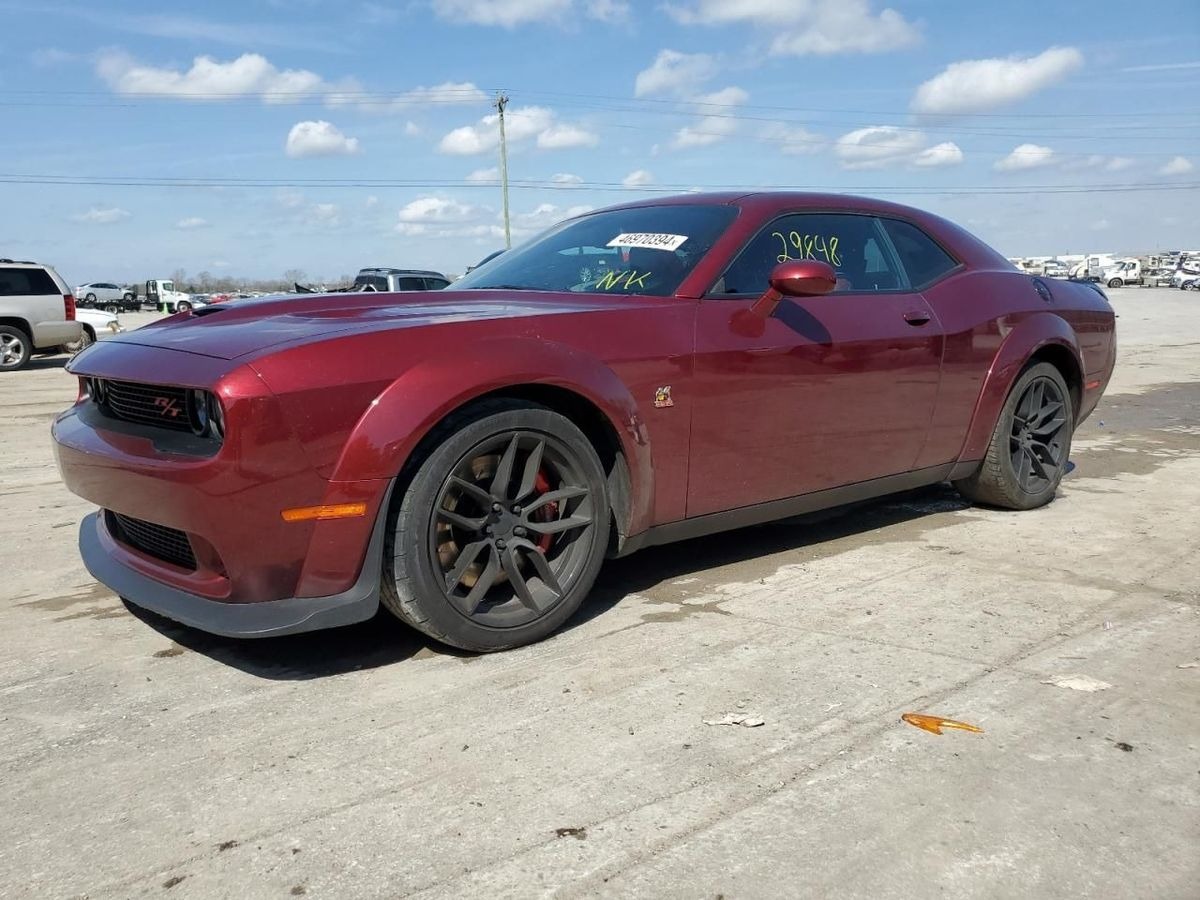
Fleet and rental sales have further compromised the Scat Pack’s resale value, with significant numbers of vehicles entering the used market through commercial channels that typically result in higher mileage and less careful ownership.
These fleet vehicles compete directly with privately-owned examples, creating downward pressure on pricing that affects all Scat Pack models regardless of their individual condition or maintenance history.
The association with rental fleets also impacts buyer perception, as many consumers prefer vehicles with single-owner histories and documented maintenance records.
Financing incentives and manufacturer rebates that made new Scat Pack purchases attractive also contribute to rapid depreciation by artificially lowering effective purchase prices.
When new vehicles are available with substantial cash rebates or favorable financing terms, used examples must compete against these incentives, forcing sellers to accept significantly reduced prices to attract buyers.
The cycle continues as additional incentives are applied to clear aging inventory, further depressing used vehicle values and creating negative equity situations for recent purchasers.
This competitive pressure forces used Scat Pack prices downward as sellers struggle to attract buyers who have access to more contemporary alternatives with financing incentives.
2. Chevrolet Camaro SS (2016-2024)
With the 2024, you would only pay, on average, 63% of the price as new, with 92% of the vehicle’s useful life remaining, indicating that Camaro SS models experience significant depreciation despite their impressive performance capabilities and advanced engineering.
The disconnect between the vehicle’s objective competence and its poor value retention reflects market dynamics that favor competitors while penalizing the Camaro platform despite its technical superiority in many areas.
The Camaro SS’s depreciation problems stem largely from market positioning challenges that have plagued the nameplate since its 2010 revival. Despite offering exceptional performance from its 6.2-liter LT1 V8 engine and sophisticated chassis engineering, the Camaro struggles with visibility issues, interior space constraints, and brand perception problems that limit its appeal to mainstream performance car buyers.
These fundamental design compromises, while acceptable to enthusiasts who prioritize driving dynamics, create barriers for typical consumers who prioritize practicality and everyday usability over ultimate performance capability.
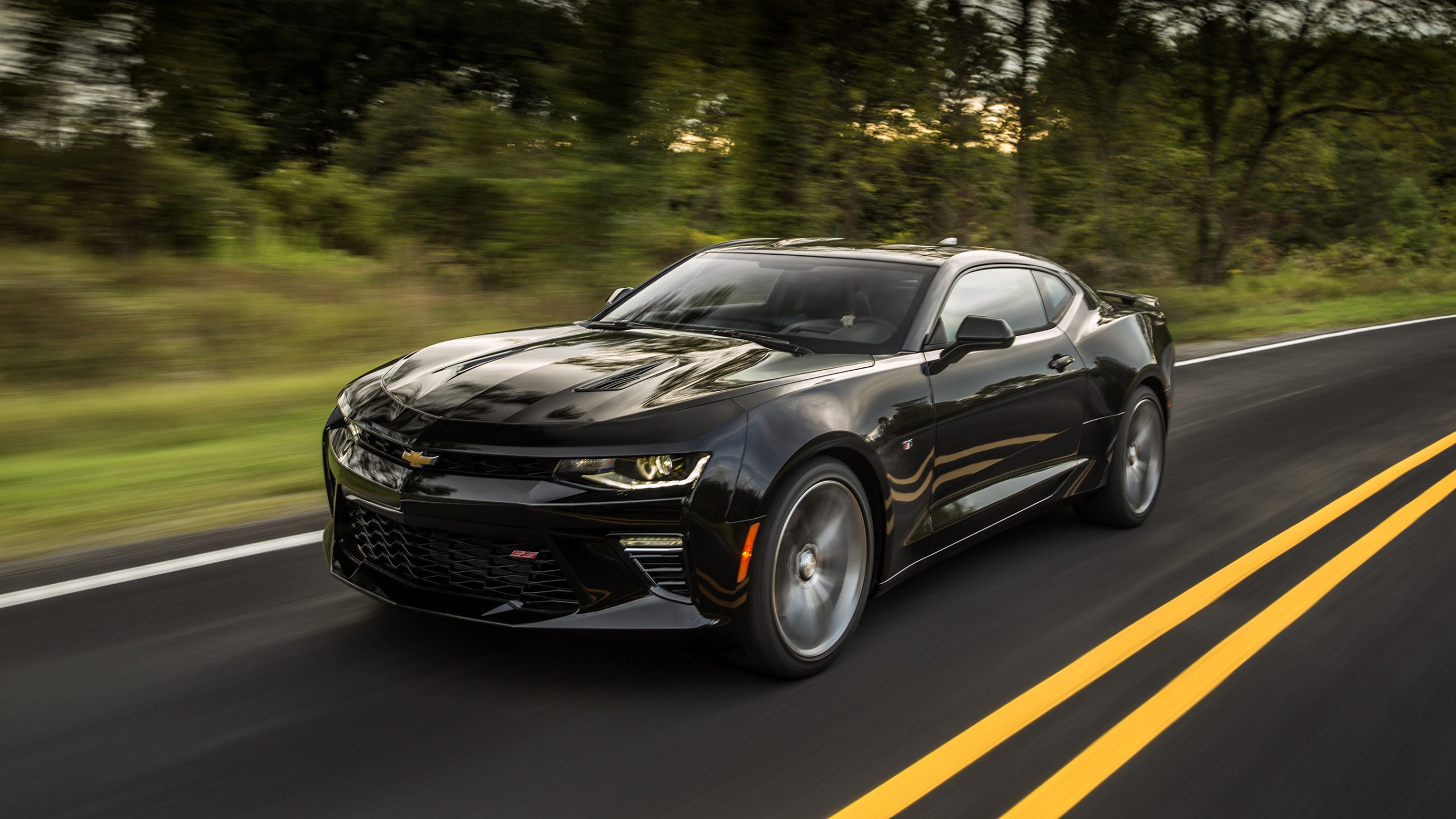
Production volume decisions have contributed to oversupply conditions that depress Camaro SS resale values, particularly as General Motors maintained production levels that exceeded actual market demand for much of the sixth-generation’s production run.
The company’s decision to discontinue the Camaro after 2024 suggests recognition that demand never materialized at levels needed to support profitable production, but this revelation came too late to prevent the oversupply that currently depresses used vehicle values across all trim levels and model years.
Competition from the Ford Mustang has consistently disadvantaged Camaro sales and resale values, as the Mustang’s superior visibility, more practical interior packaging, and stronger brand recognition attract buyers who might otherwise consider Camaro alternatives.
The Mustang’s sustained sales success creates a larger used vehicle market with better liquidity and more stable pricing, while Camaro models must compete as niche alternatives with limited buyer interest.
The immediate market reaction to discontinuation announcements typically involves accelerated depreciation as buyers await clearance pricing and dealers work to reduce inventory. However, this short-term value destruction may eventually reverse as surviving examples become increasingly scarce and collector interest develops for well-preserved examples of the final generation.
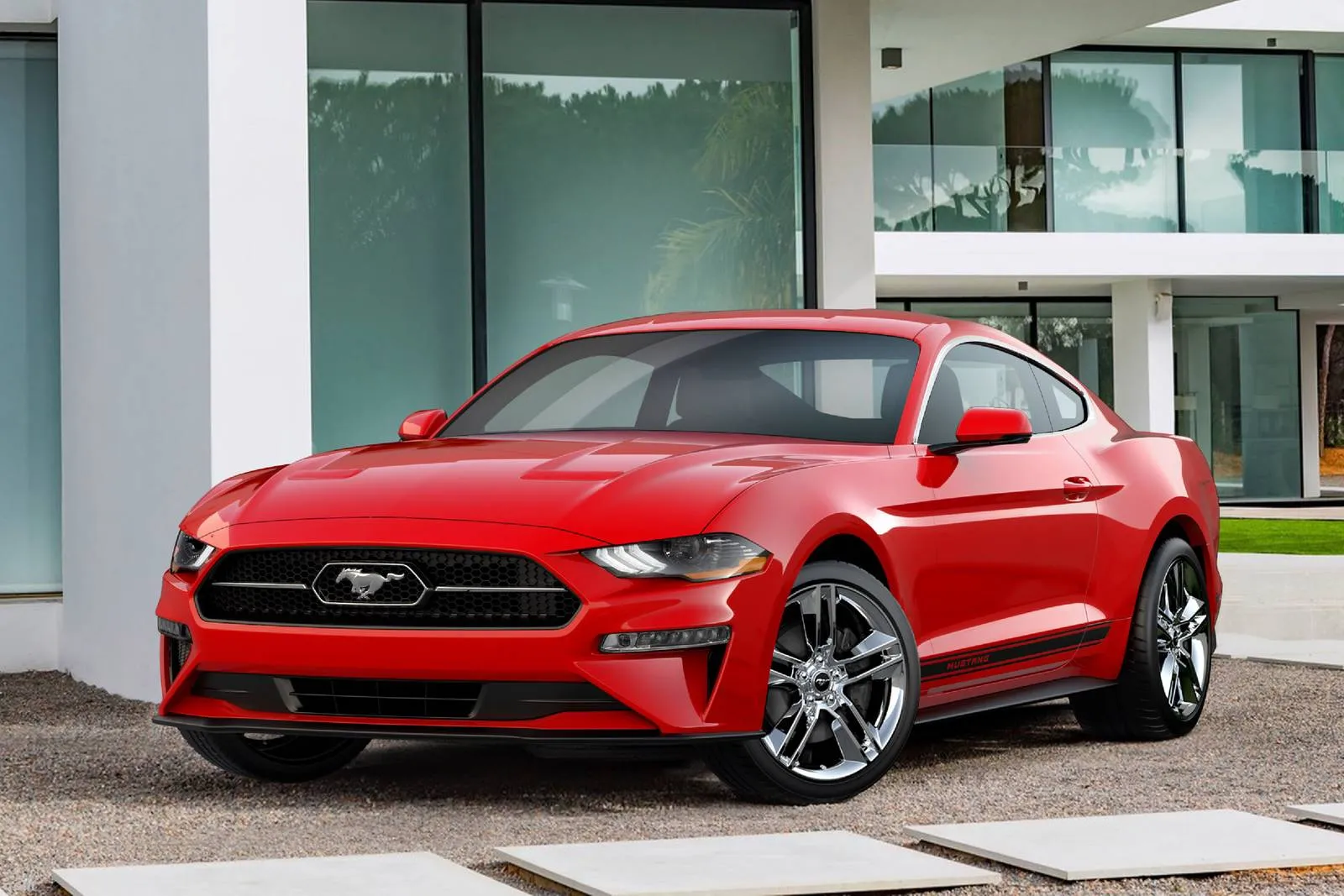
3. Ford Mustang EcoBoost (2015-2025)
The cheapest 2024 Ford Mustang is the EcoBoost, with a starting sticker price of $33,515 and a Kelley Blue Book Fair Purchase Price of $30,766, highlighting the immediate depreciation that affects even new EcoBoost models before they leave dealer lots.
The four-cylinder turbocharged Mustang represents Ford’s attempt to attract buyers seeking Mustang styling with improved fuel economy, but market reception has been lukewarm, resulting in depreciation rates that significantly exceed those of V8-powered variants.
The fundamental issue affecting EcoBoost value retention lies in market expectations and buyer psychology surrounding the Mustang nameplate.
Traditional muscle car enthusiasts expect V8 power and naturally aspirated sound characteristics that the turbocharged four-cylinder cannot deliver, while buyers prioritizing fuel economy and practicality typically choose dedicated economy cars or crossovers rather than sports cars. This leaves the EcoBoost appealing to a narrow market segment that isn’t large enough to support strong resale values or rapid inventory turnover.
Performance comparisons reveal that while the EcoBoost delivers respectable acceleration and handling, the driving experience lacks the character and engagement that define traditional muscle car ownership.
The turbocharged engine’s power delivery characteristics, sound signature, and throttle response fail to provide the visceral experience that muscle car buyers typically seek.
This character deficit becomes apparent during test drives and ownership experiences, leading to buyer dissatisfaction and early trade-ins that flood the used market with low-mileage examples.
This identity crisis prevents the EcoBoost from developing a devoted following that could support stable resale values and creates conditions where depreciation accelerates as buyers seek more focused alternatives.
4. Dodge Charger R/T (2011-2023)
The Dodge Charger R/T, despite its practical four-door configuration and impressive HEMI V8 power, experiences rapid depreciation that reflects market oversaturation, fleet sales contamination, and competition from more modern alternatives that offer better technology and efficiency.
While the Charger’s spacious interior and traditional muscle car character appeal to families seeking performance without sacrificing practicality, market realities have created conditions where these vehicles lose substantial value immediately after purchase, often depreciating 30-40% within the first year.
Fleet and commercial sales represent the primary factor driving Charger R/T depreciation, as significant portions of annual production serve rental car companies, law enforcement agencies, and corporate fleets that prioritize acquisition cost over long-term value retention. These vehicles eventually enter the used market with high mileage, commercial use histories, and maintenance records that may not meet private buyer standards.
The abundance of ex-fleet vehicles creates downward pressure on all Charger pricing while raising buyer concerns about vehicle history and condition that extend to all examples regardless of their actual provenance.
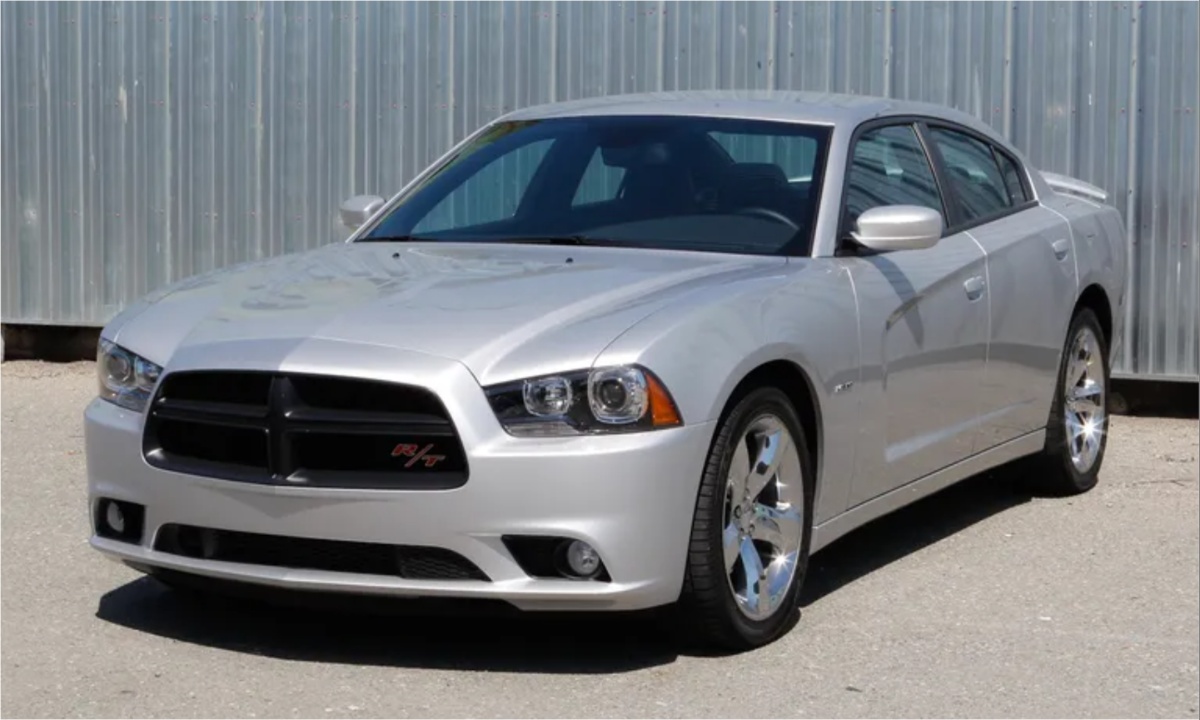
The Charger’s aging platform and technology disadvantages compound depreciation problems as newer competitors offer more advanced powertrains, better fuel economy, and modern infotainment systems that make the Charger feel outdated despite its recent production dates. Buyers comparing used Charger R/T models against newer alternatives often choose vehicles with more contemporary features, forcing Charger sellers to reduce prices to compete against more advanced options.
This technology gap widens over time as newer vehicles incorporate features that weren’t available during the Charger’s development cycle. Market positioning challenges affect Charger resale values as the vehicle competes in multiple segments without dominating any particular category.
The abundance of available Charger inventory gives buyers significant negotiating power while forcing sellers to accept reduced prices to generate interest in a declining market segment.
5. Chevrolet Camaro LT (2016-2024)
The Chevrolet Camaro LT, despite its attractive styling and competent V6 performance, suffers from severe depreciation that reflects the challenging realities facing entry-level performance cars in today’s market. The rate of depreciation on a Dodge Challenger is a gradual curve.
This means that in its first three years, it loses a ridiculous amount of its value, and similar patterns affect the Camaro LT as buyers prioritize higher trim levels or alternative vehicle types that better meet their practical and emotional needs.
The fundamental problem affecting Camaro LT values lies in its positioning as an entry point to the Camaro lineup rather than a desirable destination in itself. Most buyers who consider the LT ultimately stretch their budgets to afford SS models with V8 power, viewing the V6 variant as a compromise rather than an optimal choice.
This buyer behavior creates limited natural demand for LT models while generating oversupply as dealers stock these variants to meet price point requirements and fuel economy regulations that may never translate into actual sales volume.
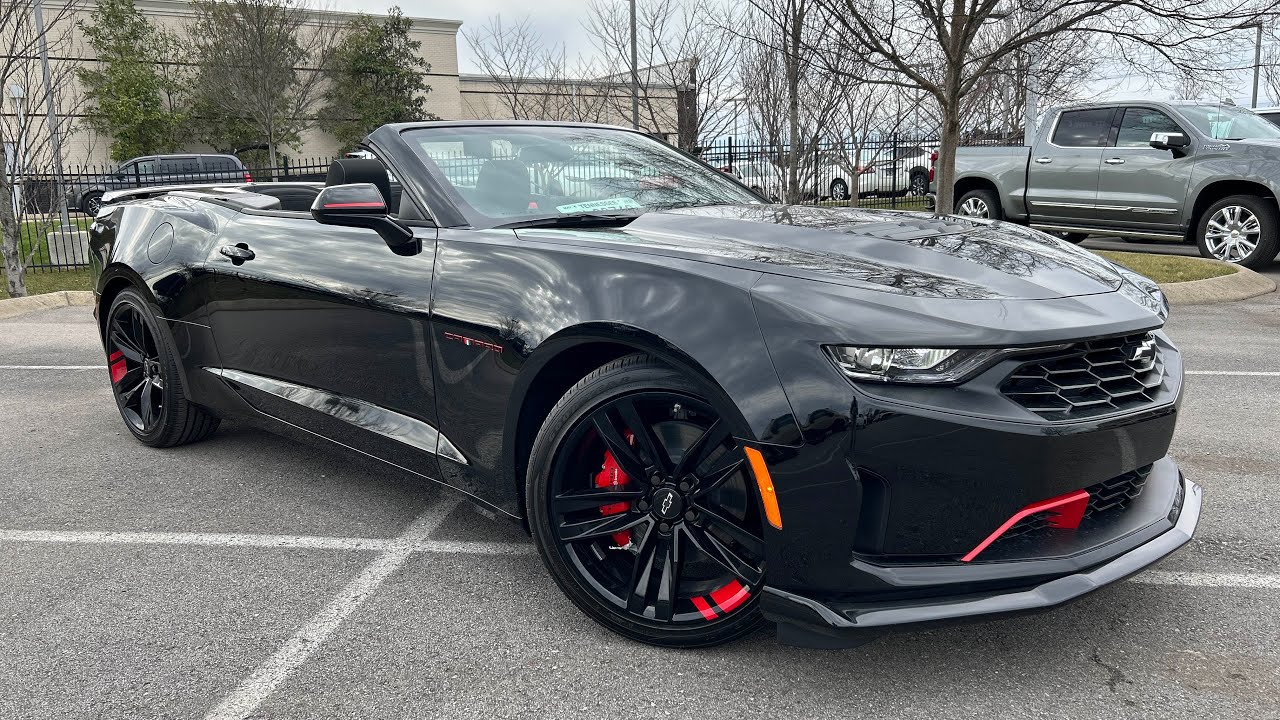
Performance expectations create additional challenges for LT resale values, as the naturally aspirated 3.6-liter V6 engine, while adequate, fails to deliver the visceral experience that muscle car buyers typically seek. The engine’s smooth operation and reasonable fuel economy appeal to practical buyers, but these same buyers often choose SUVs or crossovers that offer better utility and similar efficiency.
The result is a narrow market of buyers who specifically want Camaro styling without V8 power, a segment that proves insufficient to support strong resale values. Financing incentives and lease programs that made new LT models affordable contribute to rapid depreciation by creating artificial pricing conditions that used vehicles cannot match.
The combination of discontinued status and entry-level positioning creates double depreciation pressure that makes LT ownership financially disadvantageous compared to alternatives that maintain production and market support.
Also Read: 5 Chevrolets That Hold Value at Trade‑In vs 5 That Dealers Ignore
