

When choosing a car, many buyers think about the design, performance, fuel use, and comfort. However, the reliability of a vehicle is just as important. A car that spends more time at the workshop than on the road can cost far more than its purchase price in the long run.
That is why many people pay attention to how often a model has warranty claims. A warranty claim means the manufacturer has to repair or replace a part that failed during the coverage period. If a car has fewer claims, it usually means owners face fewer repairs and less frustration during ownership.
Cars with a strong track record for reliability give owners peace of mind and often hold their value better in the used car market. However, some models appear to push their warranty coverage to the limit.
They might have attractive features, good driving performance, or stylish looks, but if they have constant issues, owners may end up using their warranty far too often. These experiences can leave a sour taste for buyers and can make them think twice about sticking with the same brand in the future.
Now let’s look at five cars known for rarely needing warranty claims and five cars that often have their owners visiting the service center for covered repairs. Each example will show why it made the list, what kinds of problems or strengths it is known for, and what that means for long-term ownership.
This is not just about mechanical parts but also covers electronics, build quality, and how well a car stands up to daily use. If you are thinking about your next purchase, this can help you know which models are more likely to give you a smooth experience and which may require more patience.
5 Cars That Rarely Need Warranty Claims
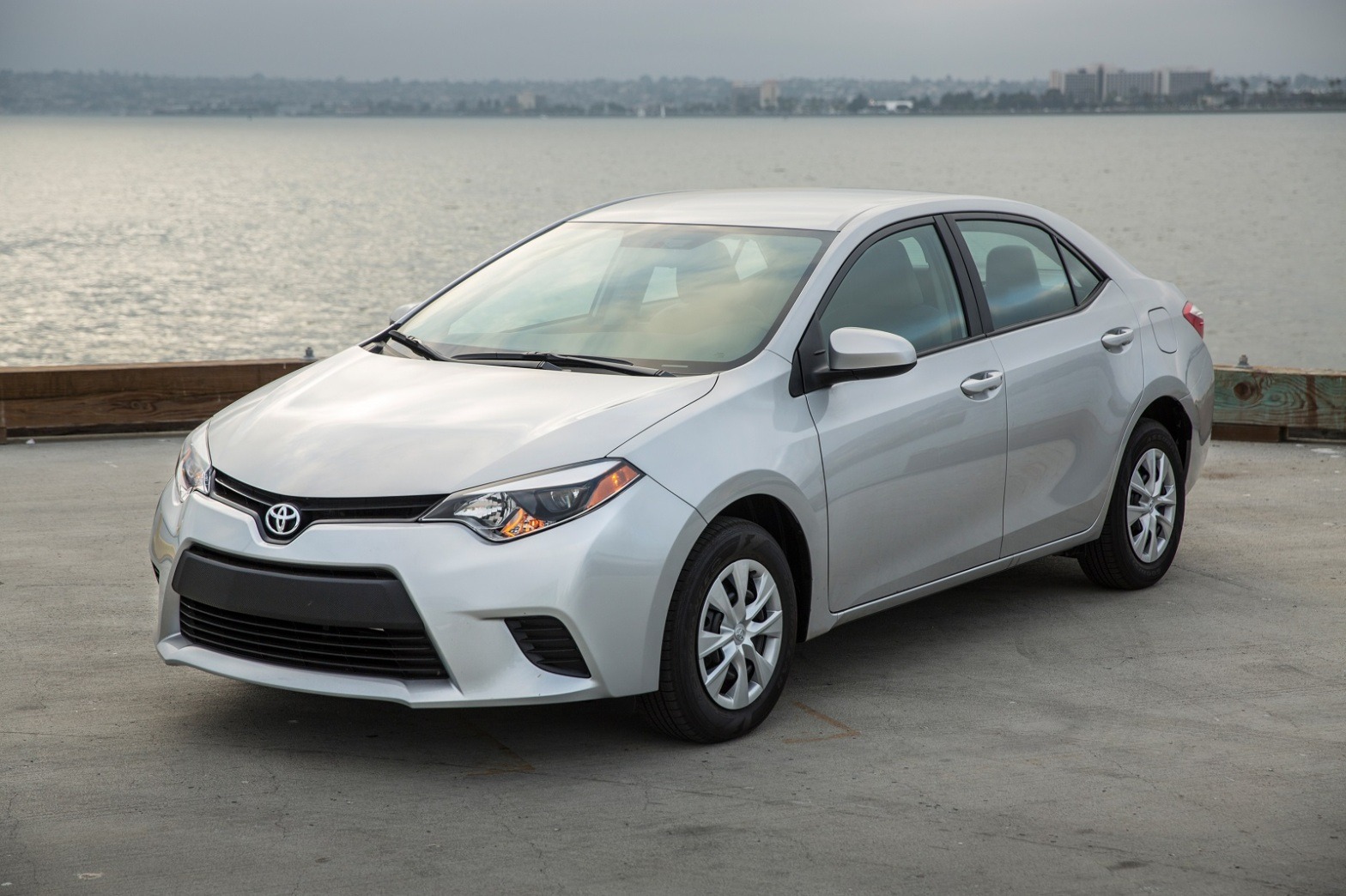
1. Toyota Corolla
The Toyota Corolla has long been a favourite for drivers who want a simple and reliable car. It is not the most exciting to drive, but it is famous for starting every morning without fuss and getting its owner where they need to go.
This reliability is one reason warranty claims for the Corolla are far less frequent than many competitors. Owners report that the car rarely suffers from major mechanical failures during its warranty period.
Part of this comes from Toyota’s approach to engineering. The Corolla uses tried-and-tested parts rather than experimental designs. The engines are well-proven, the transmissions are built to handle daily use without complaint, and the electronics are simple enough to avoid frequent glitches. Even the interior materials are chosen with durability in mind, meaning they resist wear even in hot climates or under constant use.
Another reason the Corolla sees fewer warranty claims is the company’s focus on preventive measures during production. Toyota plants have strict quality control, checking each stage of assembly for errors. This reduces the chances of defects reaching the buyer. Regular servicing, which is easy and affordable for this model, also helps keep issues at bay.
Of course, the Corolla is not perfect. Some owners have noted minor problems with infotainment systems or occasional squeaks inside the cabin. However, these tend to be small and not worth filing a warranty claim for. Most Corolla drivers find that their scheduled maintenance visits are routine with little to no surprise repairs.
In the used market, the low rate of warranty claims adds to the Corolla’s value. Buyers know they are likely to get a car that will not demand frequent repairs, even as it ages. For many people, that peace of mind is worth far more than having a high-performance car that constantly needs work.
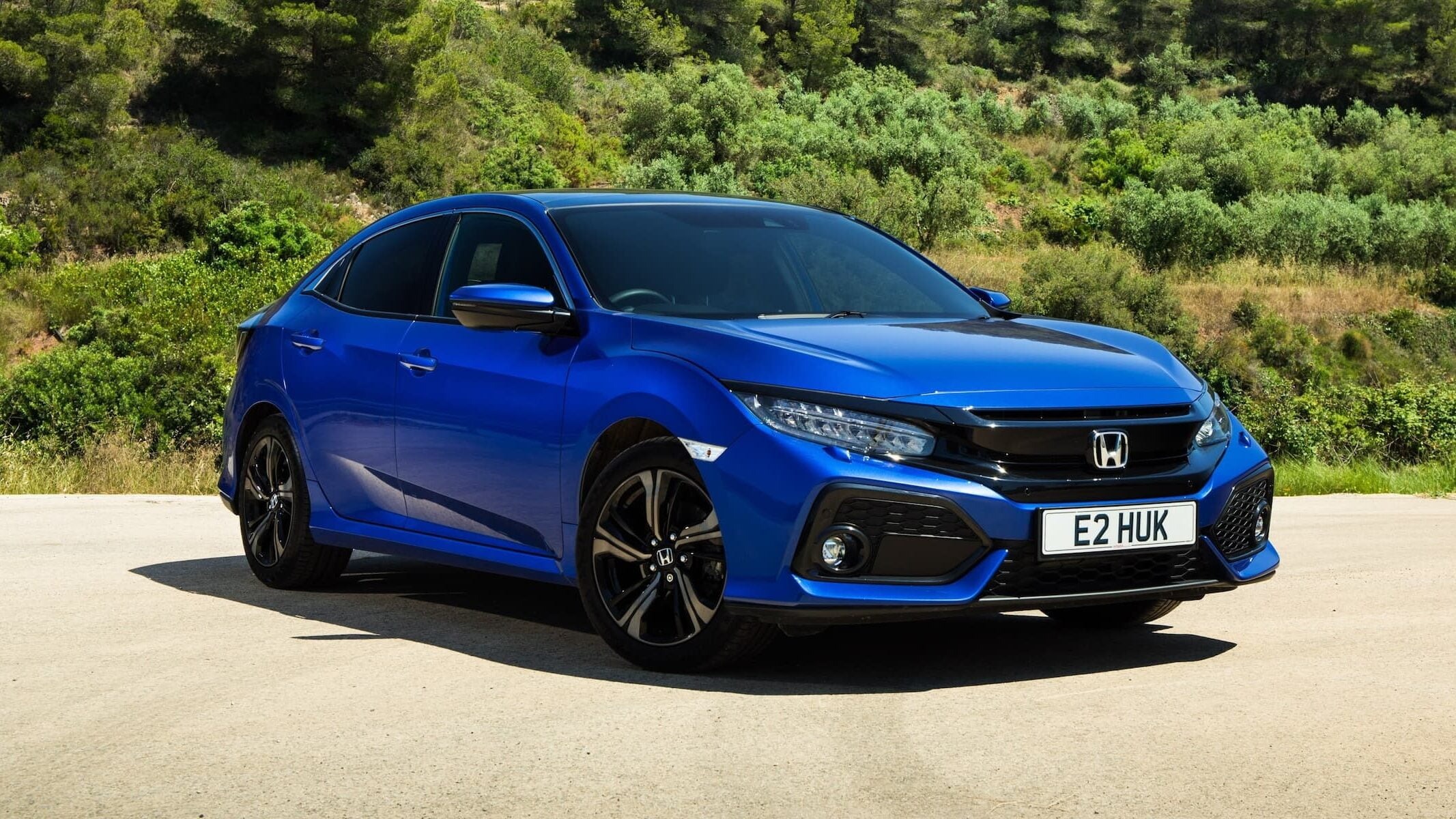
2. Honda Civic
The Honda Civic has a loyal following thanks to its balance between performance, fuel economy, and reliability. Many drivers appreciate that they can enjoy a sportier drive without giving up the dependability that comes from careful engineering. This is one of the reasons warranty claims for the Civic remain relatively low compared to similar compact cars.
Honda puts a lot of work into making sure its engines can last for years without major issues. The Civic’s powertrains, whether in base or sport trims, are known for handling high mileage with only routine care. This means that during the warranty period, most owners have little reason to visit the dealer other than for scheduled maintenance.
The Civic also benefits from well-built transmissions. Whether fitted with a manual gearbox or Honda’s continuously variable transmission (CVT), the units are made to handle different driving conditions without developing early faults. The CVT, in particular, has improved greatly over the years, reducing the complaints that some earlier models received.
Interior durability also helps reduce warranty claims. The Civic’s cabin is built with materials that resist fading and wear. Buttons, knobs, and touchscreens are tested to ensure they work consistently, even with constant use. The infotainment systems have become more user-friendly, cutting down on software problems that might have triggered warranty work in the past.
While there have been occasional recalls for certain components, they are relatively rare and often handled quickly by Honda. Owners appreciate that issues are not common enough to disrupt daily driving.
As a result, the Civic holds a good reputation for being both fun to drive and dependable. Many people keep theirs well past the warranty period without seeing major repairs, which shows how well the design holds up.
Also Read: 5 Hybrids That Stay Cool and 5 That Run Hot
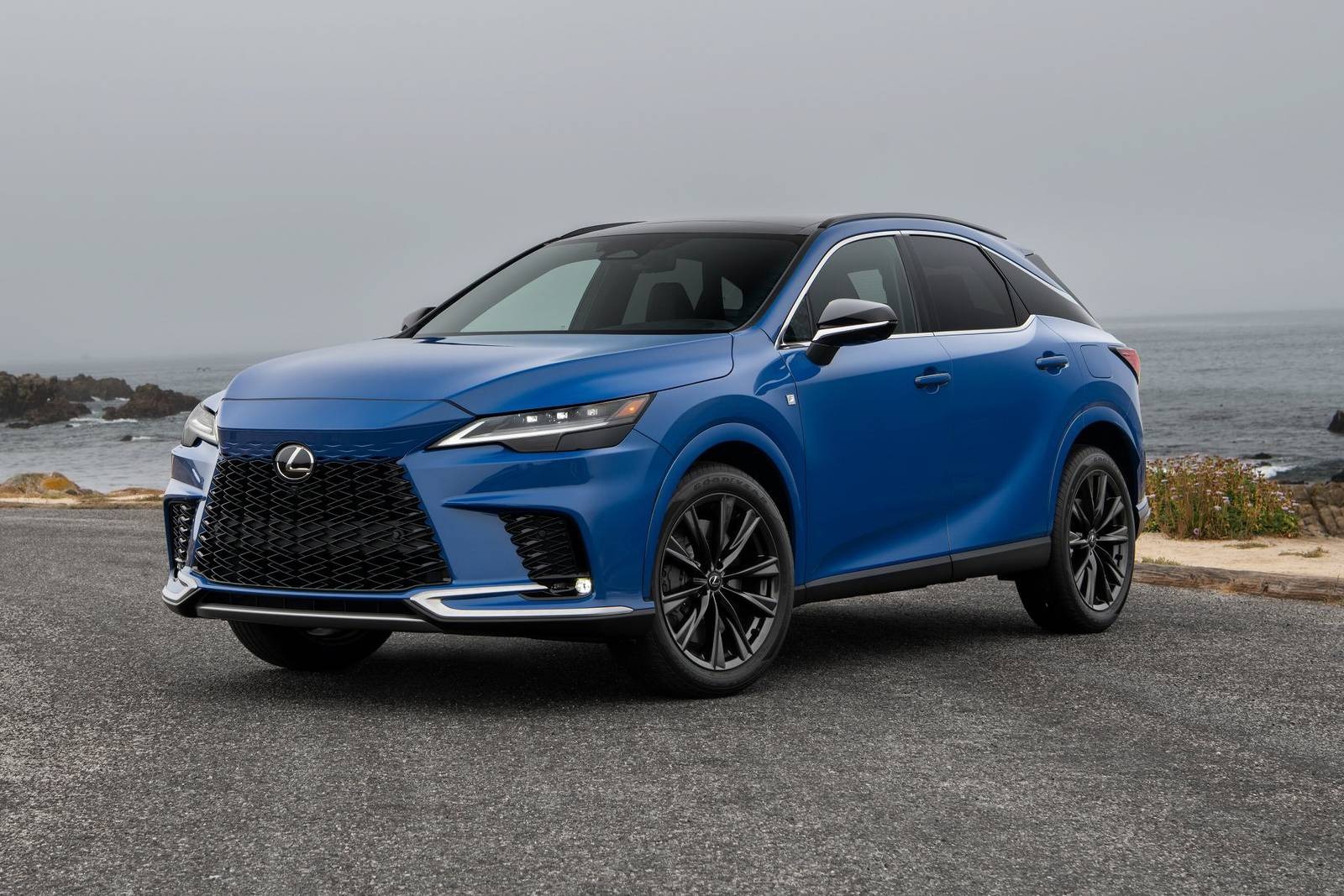
3. Lexus RX
The Lexus RX is a luxury SUV that consistently delivers comfort, advanced features, and impressive reliability. Unlike some luxury brands that suffer from frequent repairs, the RX manages to combine high-end comfort with low warranty claim rates. Owners often report that their service visits are mainly for regular oil changes, tyre rotations, and inspections rather than repairs.
One reason for this is Lexus’ commitment to using proven Toyota engineering as its base. The RX shares many mechanical parts with Toyota models known for durability, which reduces the risk of failures. The engines are smooth yet strong, and the automatic transmissions are designed to change reliably for many years.
The build quality is another strength. The RX’s body panels fit precisely, reducing rattles or wind noise that might appear in other vehicles. The interior is made with top-grade materials that resist wear, keeping the cabin looking fresh even after several years. The electronics, including navigation and safety systems, are also designed with reliability in mind, meaning fewer trips to the dealer for repairs.
Lexus service centers are known for thorough inspections, often catching small issues before they turn into costly repairs. This preventive approach means fewer warranty claims because problems are addressed during routine maintenance. For many owners, this adds to the sense of confidence when buying or leasing an RX.
Even with advanced features such as adaptive cruise control, lane-keeping assist, and premium sound systems, the RX manages to avoid the high rate of electrical issues seen in some other luxury SUVs. This mix of luxury and dependability makes it a top choice for those who want comfort without the headache of constant repairs.
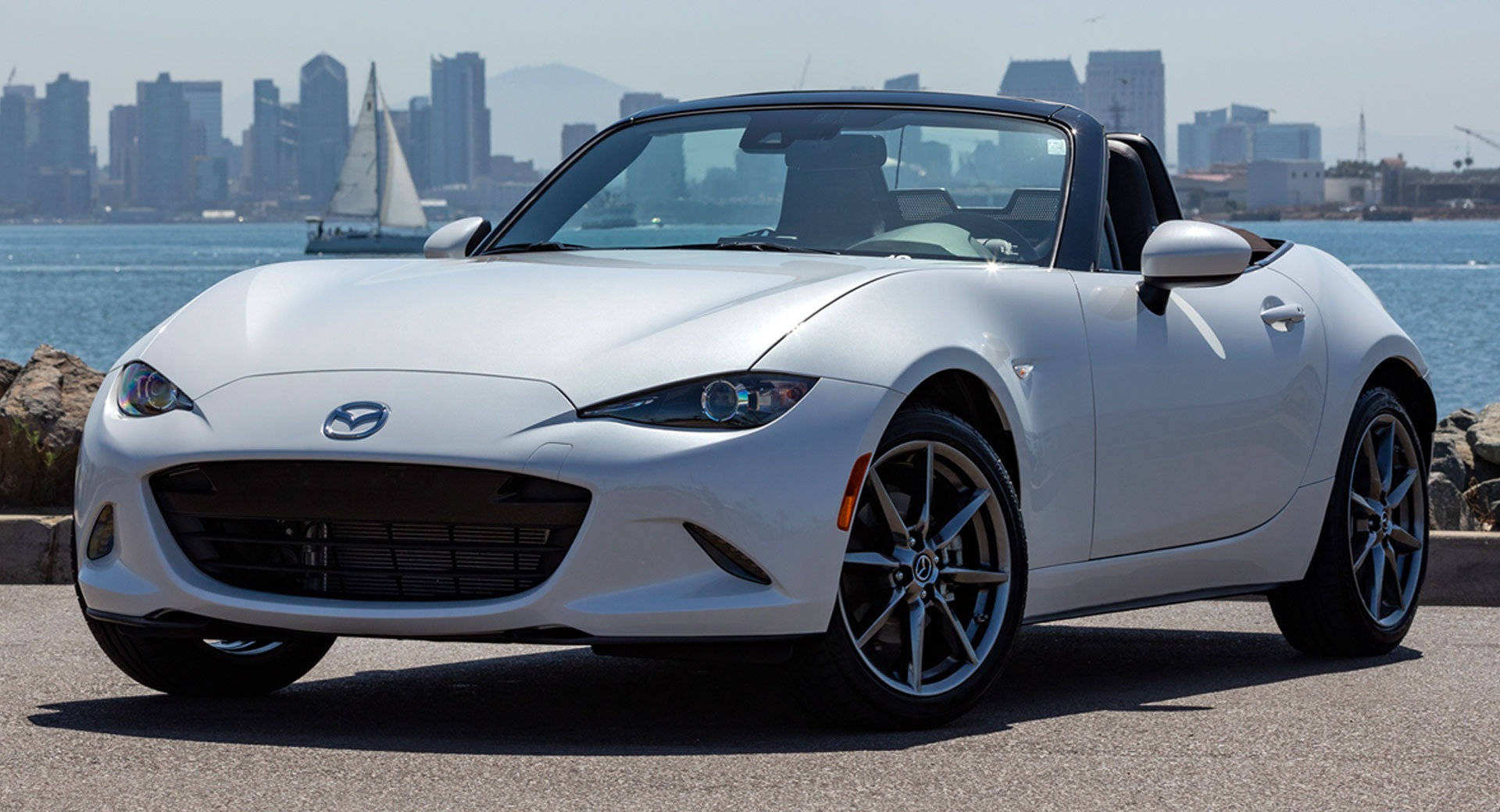
4. Mazda MX-5 Miata
The Mazda MX-5 Miata is often praised for its fun driving experience, but it is also a strong performer when it comes to reliability. Many sports cars are known for constant trips to the service center, but the Miata avoids this reputation thanks to its simple design and dependable components.
As a result, warranty claims for this model are far less frequent than for other performance-oriented vehicles. The Miata’s reliability starts with its straightforward engineering. Mazda avoids overly complicated systems that could introduce more failure points.
The naturally aspirated engines have fewer parts that can fail compared to turbocharged or supercharged designs. This simplicity reduces the risk of breakdowns during the warranty period. The manual and automatic transmissions in the Miata are known to handle spirited driving without early wear.
The lightweight build of the car means less stress on the mechanical parts, which helps them last longer. Suspension components are also sturdy, and since the car is small and light, they do not wear out as quickly as those on heavier vehicles.
Interior quality is another strength. While the Miata’s cabin is not as plush as a luxury car, it is well put together with materials that hold up well after some time. Switchgear, steering controls, and infotainment units are durable, reducing the likelihood of warranty claims due to interior failures.
Even with its fun nature, the Miata does not suffer from the constant maintenance demands that plague some sports cars. Owners report that their service visits are generally predictable, with very few surprises. This reliability helps make the Miata a smart choice for drivers who want both excitement and peace of mind during ownership.
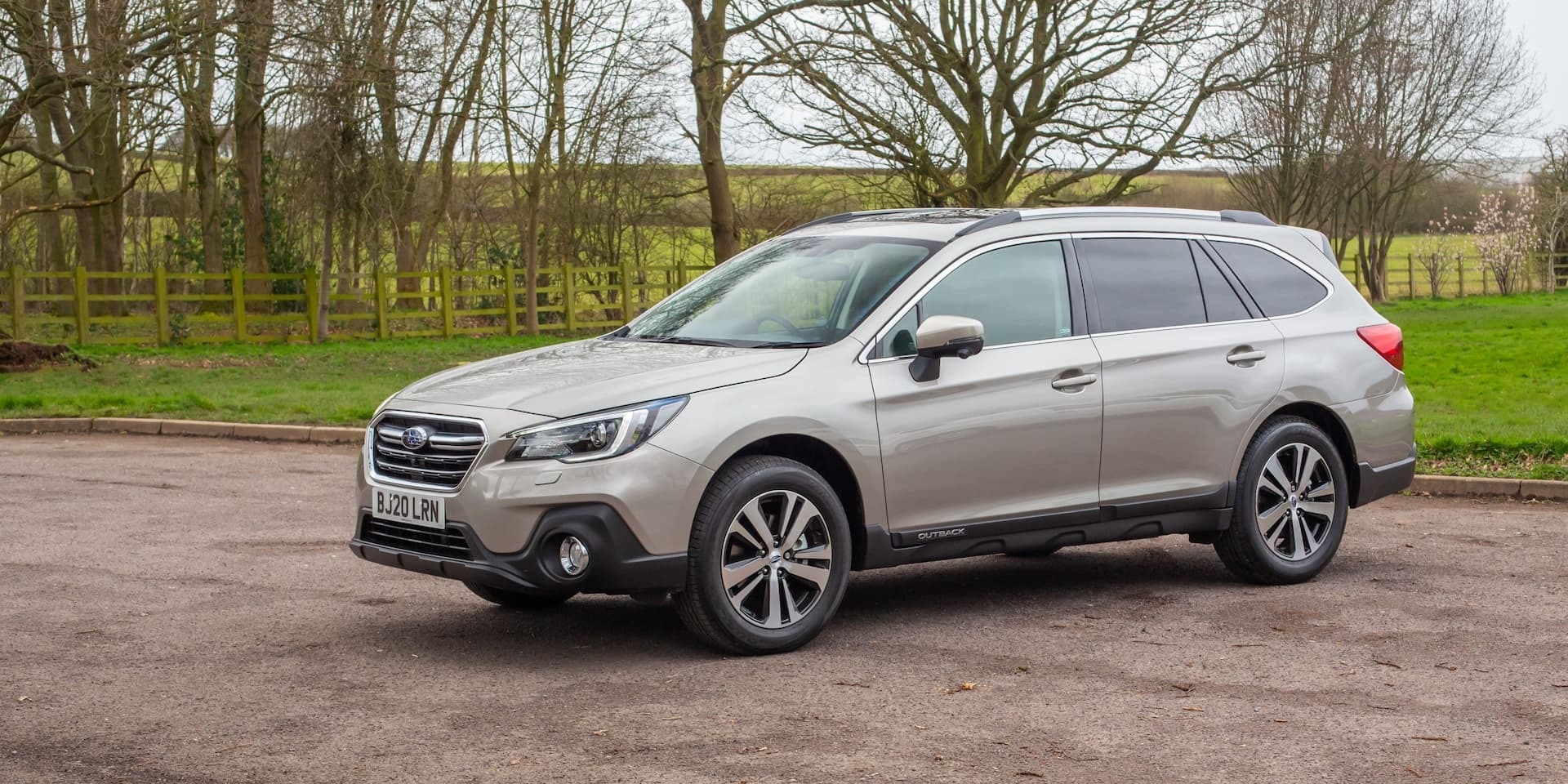
5. Subaru Outback
The Subaru Outback is a favourite among drivers who need a dependable vehicle for both city and outdoor use. Known for its standard all-wheel drive and rugged construction, the Outback manages to offer solid reliability along with versatility. Many owners find that during the warranty period, repairs outside routine maintenance are rare.
Subaru builds the Outback with long-distance travel in mind. The engines are built to handle high mileage without serious trouble, and the continuously variable transmission (CVT) has been improved to withstand regular use under different conditions. The symmetrical all-wheel drive system, a hallmark of Subaru, is engineered to last without frequent faults.
The interior is designed to handle heavy use. Durable seat fabrics, hard-wearing plastics, and solid switchgear mean that even with constant loading, unloading, and exposure to the elements, the cabin remains in good shape. Infotainment systems have also been upgraded in recent years to be more responsive and less prone to failure.
Subaru’s safety technology, such as EyeSight driver assist, works reliably, reducing the chance of warranty claims for sensor or camera problems. While some older models faced minor issues, the newer Outbacks have shown stronger performance in avoiding electrical or mechanical defects.
Owners appreciate the Outback’s ability to handle challenging conditions without breaking down. Whether it is snow, rain, or rough roads, the car remains dependable. This resilience, paired with low warranty claim rates, makes it appealing for buyers who want a vehicle ready for both daily commutes and adventurous trips.
5 Cars That Max Out Warranty Claims
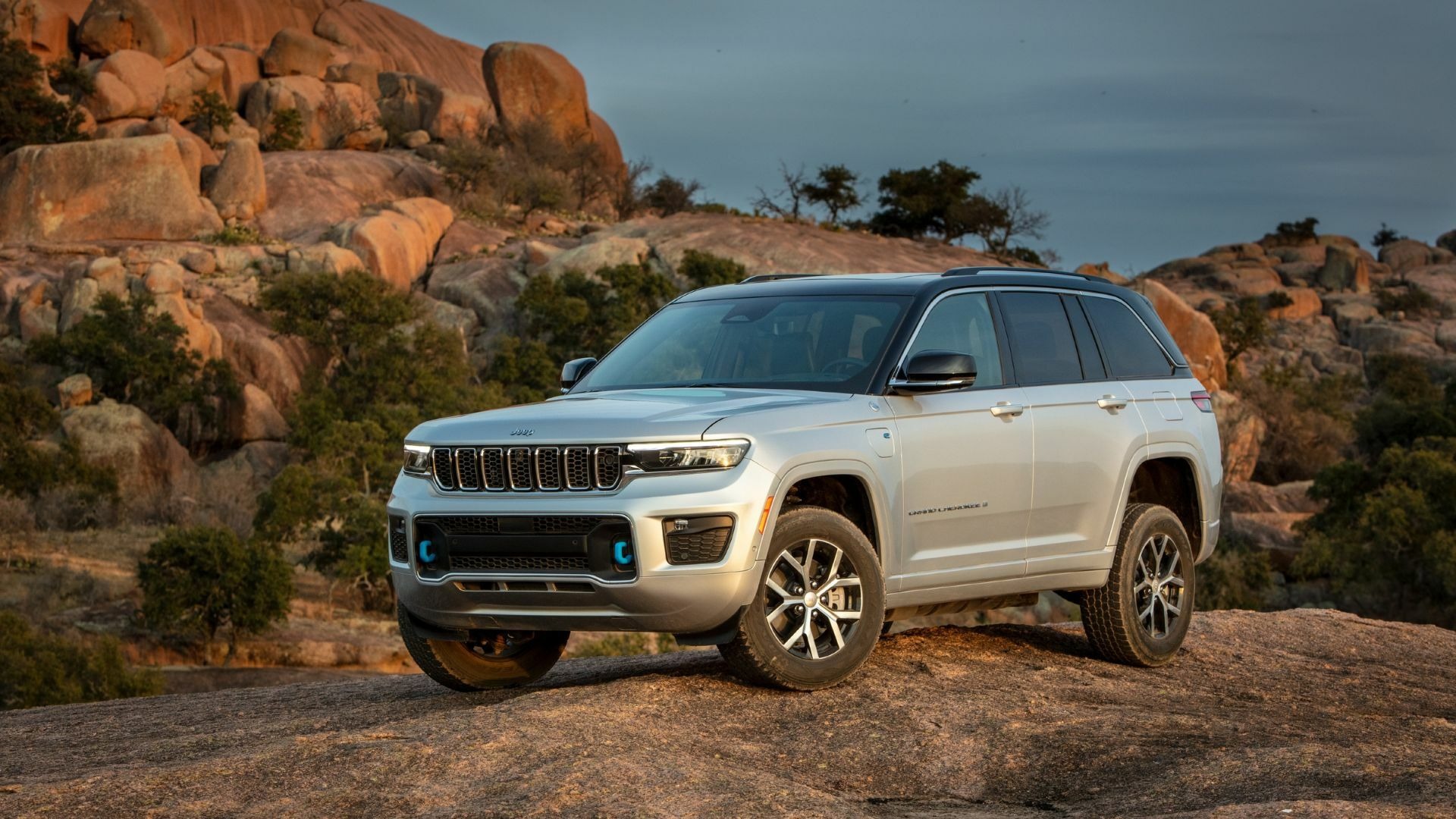
1. Jeep Grand Cherokee
While the Jeep Grand Cherokee offers strong off-road ability and a comfortable ride, it has also gained a reputation for higher-than-average warranty claims. Owners often report multiple trips to the dealer within the coverage period, dealing with both mechanical and electrical issues.
One common complaint is related to the electronics. The Grand Cherokee’s infotainment system, sensors, and other tech features sometimes fail or behave unpredictably. This can lead to repeated warranty repairs as the dealer works to fix the problems. Electrical gremlins can affect everything from the navigation screen to the power windows.
Transmission problems are another area of concern. Some models have experienced rough shifting, slipping gears, or early wear that requires warranty replacement or repair. These issues can be frustrating for owners, especially when they occur shortly after purchase.
While the engines in the Grand Cherokee can be powerful and capable, they are not immune to trouble. Oil leaks, cooling system faults, and other mechanical concerns have been reported. These tend to be more common in higher-mileage vehicles but can also appear during the warranty period.
The build quality can also vary. While some owners enjoy trouble-free use, others deal with rattles, trim issues, or problems with weather sealing that allow water into the cabin. For buyers considering this SUV, it is wise to factor in the possibility of more frequent service visits compared to some competitors.
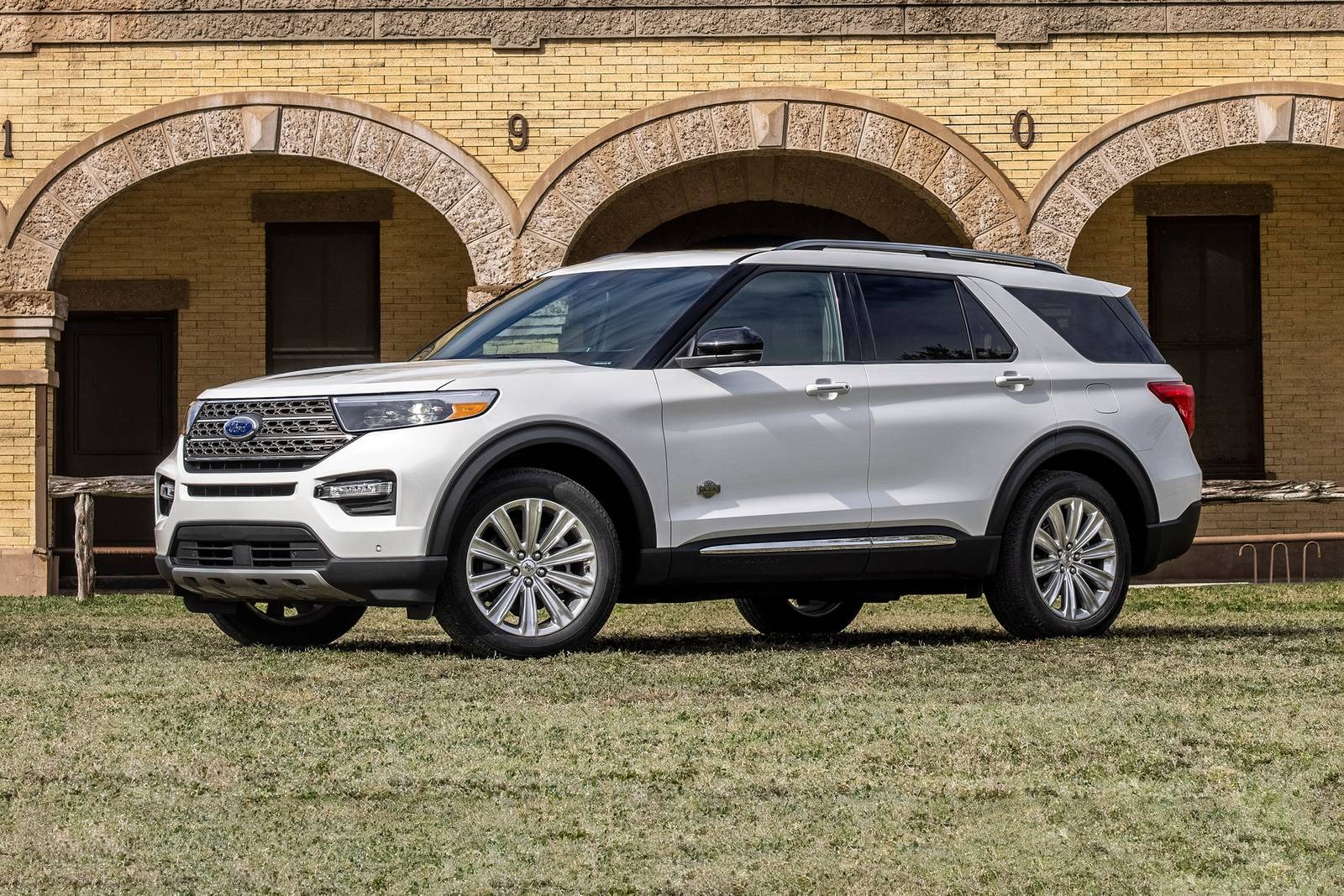
2. Ford Explorer
The Ford Explorer is one of America’s best-selling SUVs, but it often sees higher warranty claim rates than some rivals. While it offers a roomy interior, good towing capacity, and modern features, these same features can sometimes lead to issues that require dealer attention.
Many of the Explorer’s problems are tied to its technology. Complicated infotainment systems, digital dashboards, and driver-assist features occasionally malfunction, forcing owners to schedule warranty repairs. Some drivers have reported freezing touchscreens, faulty sensors, and inconsistent performance from adaptive cruise control.
The transmission has also been a common source of trouble. Certain model years have experienced rough changes, hesitation, or failure to engage gears properly. These issues can appear early in ownership and often result in warranty claims.
Mechanical parts, such as the cooling system and turbocharged engines, have also been known to develop problems. While Ford has worked to improve these areas, owners still report a higher number of repairs than with some other midsize SUVs.
Interior build quality varies. Some vehicles hold up well, but others develop squeaks, rattles, or loose panels after limited use. Such problems, while not always serious, add to the total number of warranty claims. Buyers who choose the Explorer for its space and technology should be prepared for more frequent visits to the service department.
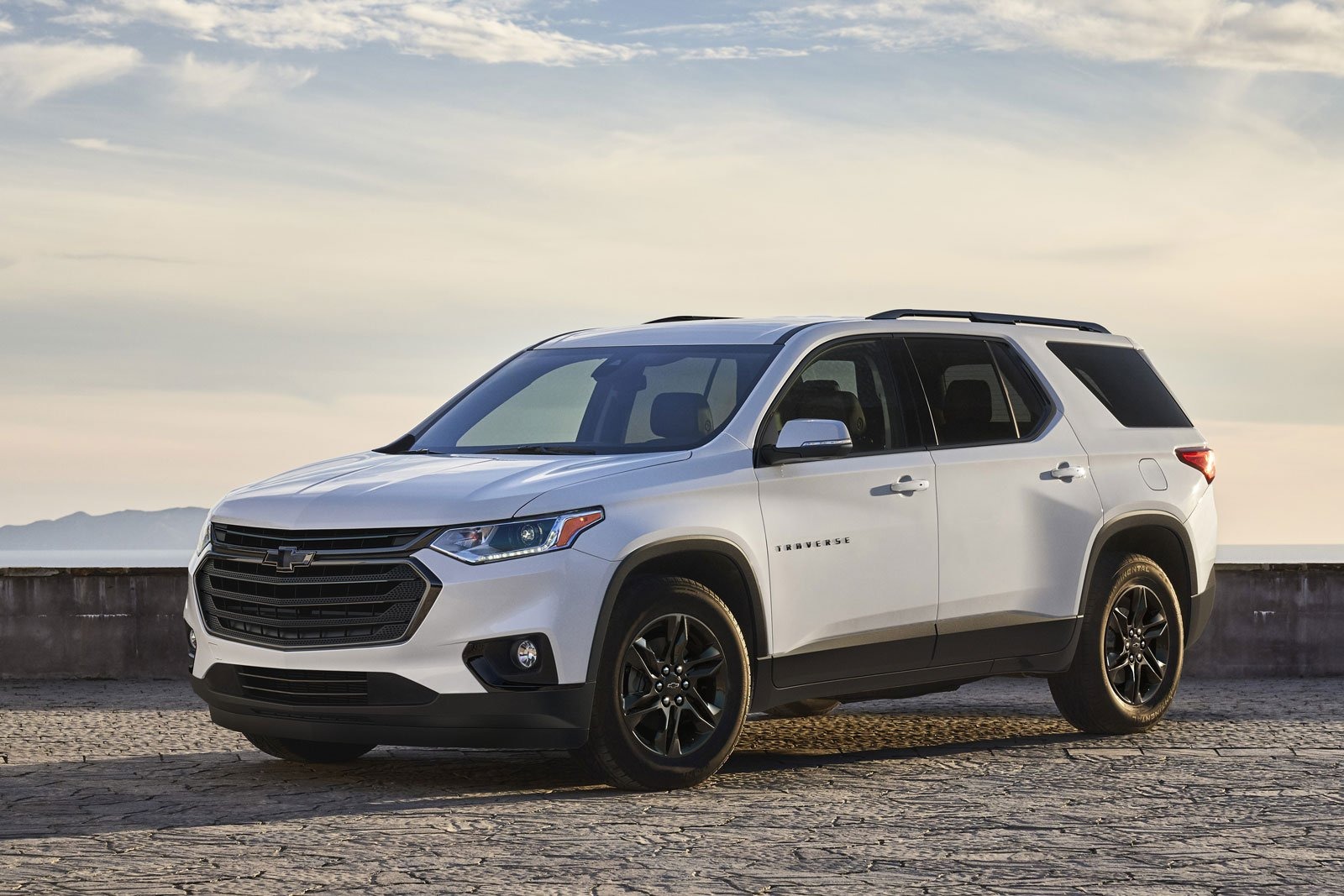
3. Chevrolet Traverse
The Chevrolet Traverse is popular with families thanks to its spacious interior and strong V6 engine. However, it is also one of the midsize SUVs that tends to see a high number of warranty claims. While some owners enjoy trouble-free use, others face recurring issues that require dealer repairs.
Transmission problems are among the most common complaints. Rough shifting, slipping, or failure to engage gears can appear early in ownership, prompting warranty claims. These issues can affect the driving experience and reduce buyer confidence.
The Traverse’s electronics are another source of trouble. Infotainment glitches, malfunctioning backup cameras, and faulty sensors have been reported. These problems can be frustrating because they often appear without warning and can require multiple visits to fix.
Mechanical concerns, such as cooling system faults or premature wear of suspension components, also contribute to higher warranty claim rates. While these are not universal, they occur often enough to be a concern for potential buyers.
The interior, while comfortable and roomy, sometimes develops problems with trim pieces coming loose or materials wearing faster than expected. These cosmetic issues may not affect driving, but still lead to warranty work. Buyers who need the Traverse’s space should consider its repair history when making a decision.
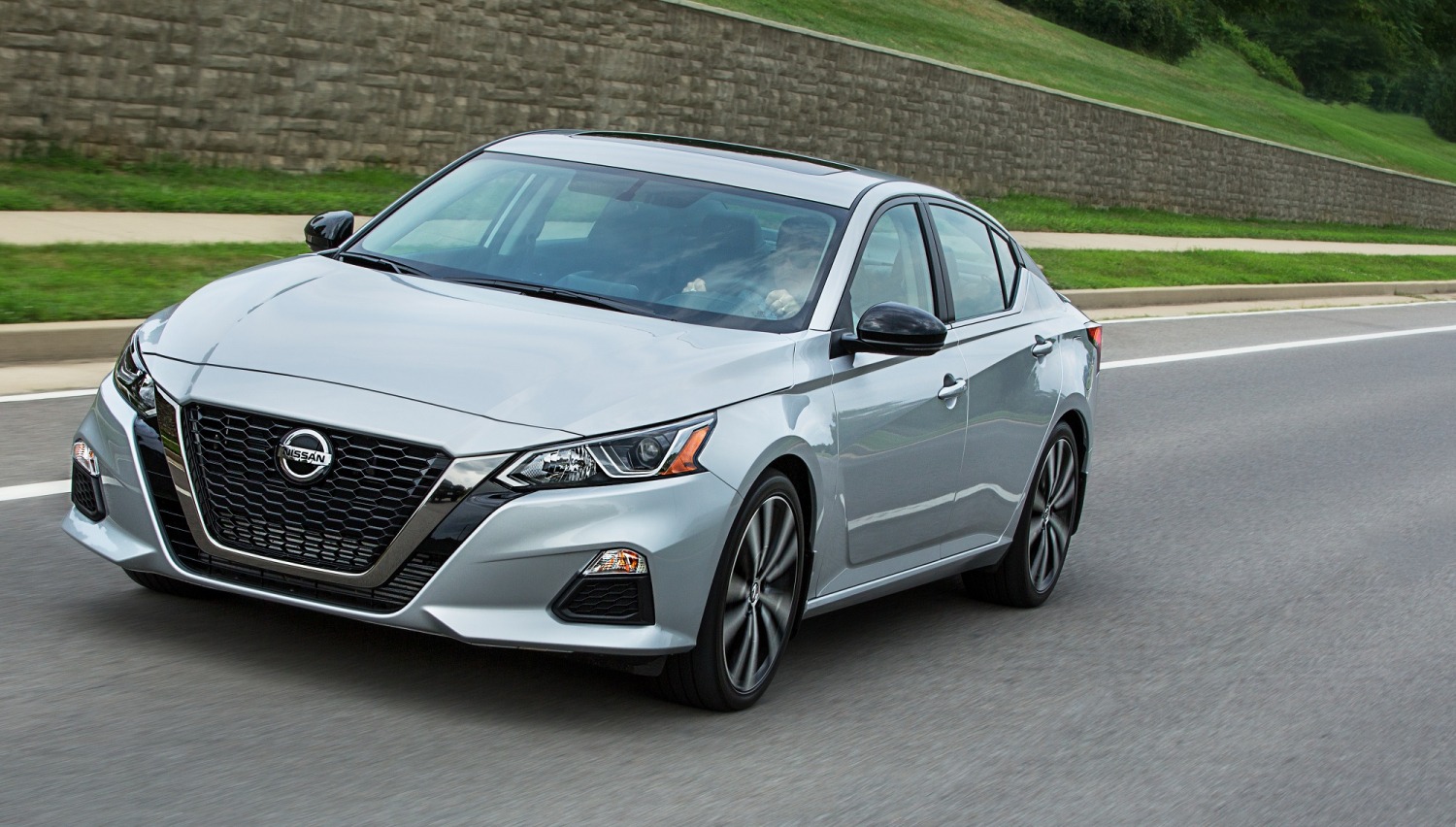
4. Nissan Altima
The Nissan Altima combines sleek styling with good fuel economy, but it has faced reliability concerns that have led to more warranty claims than some competitors. Owners often enjoy the car’s comfort and design but may deal with mechanical and electrical problems during the coverage period.
A common trouble spot is the continuously variable transmission (CVT). While designed for smooth and efficient performance, some CVTs in the Altima have experienced slipping, hesitation, or failure. These problems usually appear while the car is still under warranty, requiring costly repairs or replacements covered by Nissan.
Electrical issues are also reported. From malfunctioning infotainment systems to faulty sensors, these problems can disrupt daily driving and send the car back to the dealer.
Mechanical parts, including the suspension and steering components, sometimes wear out earlier than expected. While not all owners face these issues, the number of warranty claims shows that they happen often enough to be worth noting.
The interior holds up reasonably well, but minor trim problems or rattles can appear. For buyers who value style and efficiency, the Altima remains appealing, but they should be aware of its history of more frequent repairs under warranty.
Also Read: 5 SUVs That Stay Stylish and 5 That Look Old Too Soon
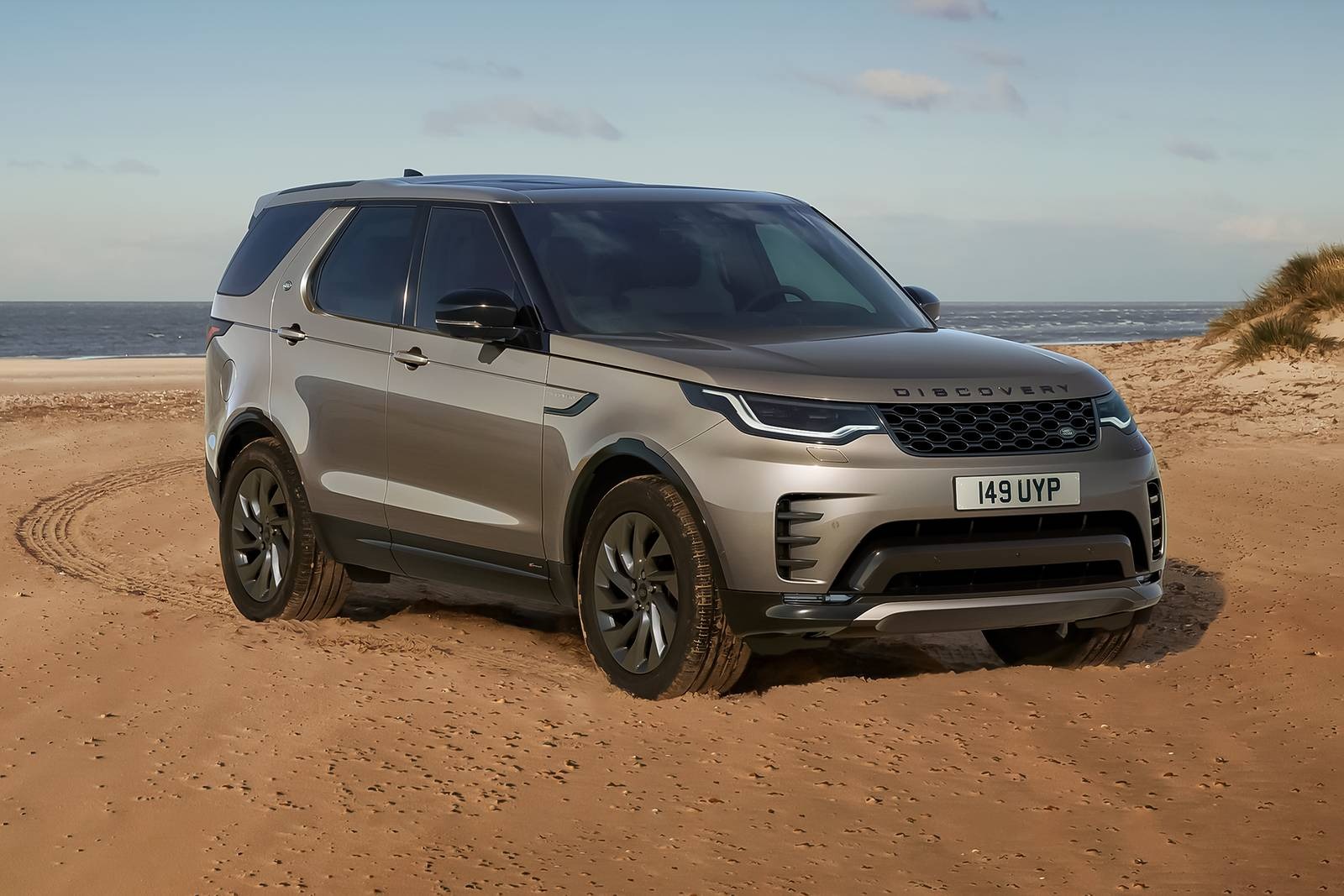
5. Land Rover Discovery
The Land Rover Discovery offers impressive off-road ability and a refined interior, but it is also one of the SUVs most associated with frequent warranty claims. While buyers are often drawn to its brand prestige and features, they may find themselves visiting the dealer more often than expected.
Electrical issues are common. From infotainment failures to problems with the air suspension system, owners report a range of electronic troubles. These can affect convenience features and even core driving functions.
Mechanical problems also play a role in the Discovery’s high warranty claim rate. Engine faults, oil leaks, and cooling system failures have been reported, sometimes within the first few years of ownership. The air suspension, while excellent for comfort and off-road performance, is complicated and prone to failure. Repairs are expensive and often handled under warranty.
Interior build quality can be inconsistent. While the materials are premium, some owners experience squeaks, rattles, or trim issues. For buyers, the Discovery offers capability and style, but it requires patience and an understanding that warranty repairs are more likely than with some other SUVs.
When considering a new car, the frequency of warranty claims is an important factor that many buyers overlook. A vehicle that rarely needs covered repairs can save its owner time, money, and frustration, while a car that spends more time in the service bay can quickly turn from a dream purchase into a source of stress.
The difference between the two often comes down to engineering quality, testing standards, and how well a manufacturer responds to known issues. Models like the Toyota Corolla, Honda Civic, Lexus RX, Mazda MX-5 Miata, and Subaru Outback show that it is possible to blend practicality, performance, and dependability.
These vehicles keep owners on the road and out of the workshop, offering predictable running costs and a stronger sense of trust in the brand. For many drivers, that reliability is worth more than flashy features or cutting-edge technology that may fail prematurely.
While vehicles such as the Jeep Grand Cherokee, Ford Explorer, Chevrolet Traverse, Nissan Altima, and Land Rover Discovery demonstrate that attractive design and advanced features do not always guarantee trouble-free ownership.
While these models have strong points and appeal to specific buyers, they also come with a higher chance of mechanical or electronic trouble within the warranty period. That reality means potential owners should weigh the pros and cons carefully, factoring in both the benefits and the likelihood of extra trips to the dealer.
Choosing the right car involves more than liking how it looks or how it drives on a test run. Reliability data and warranty claim records give a clearer picture of what life with that vehicle will be like. For those who value peace of mind, models with a proven record of durability are often the safest bet.
