
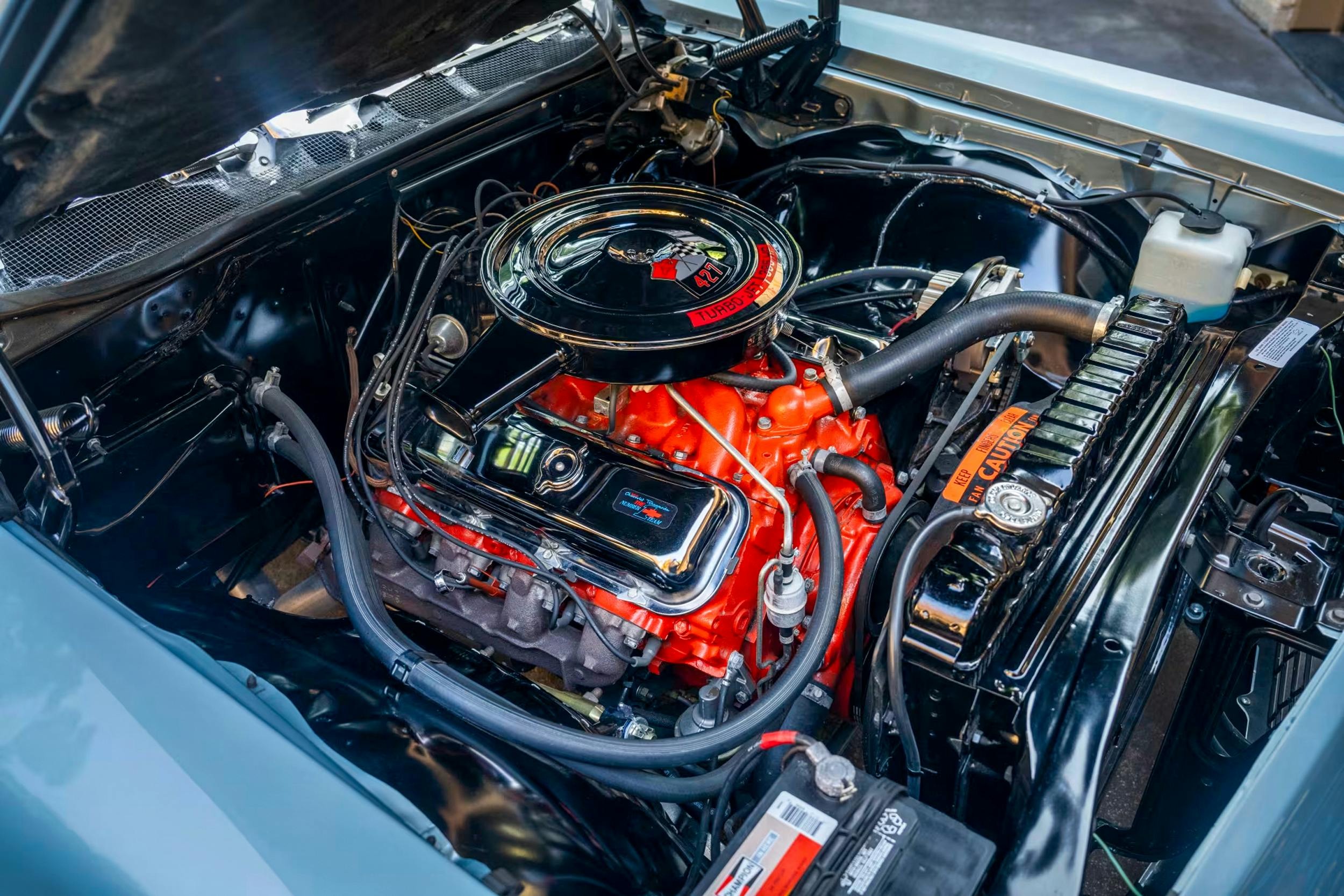
Some engines retain their refined sound even after long years of use, while others develop a coarse, agricultural tone as their mileage climbs. The difference between these two categories often comes from design quality, build materials, engineering precision, and how they handle wear and tear.
Many drivers value quiet engines because they provide a smooth driving experience, especially on long trips or in urban environments where noise can become tiring. An engine that maintains its calm nature after crossing high mileage is often a sign of durability, consistent lubrication, tight tolerances, and balanced internal components.
Although some engines start their lives smoothly, but grow louder as they age. High mileage, repeated heat cycles, reduced compression, and wear in bearings or valve components can cause them to develop a deep, clattering noise.
This can sound unpleasant, similar to older farm machinery, which is why some people describe them as “tractor-like.” For buyers of used cars, this difference matters greatly because the sound of the engine can reveal how well it has aged and how comfortable it will be to drive in the years ahead.
We will focus on ten well-known engines, splitting them into two lists. The first covers five engines recognised for keeping a calm tone even when their odometers read high numbers. The second covers five that often lose their refined sound and instead produce a rougher, louder profile as they age.
Each section examines their design strengths or weaknesses, the reasons behind their quietness or noise, and the types of vehicles in which they are usually found. The aim is to give both car buyers and enthusiasts a clear picture of which engines to look for if they want lasting refinement, and which ones may require more attention to keep noise levels down after years of use.
Engines That Stay Quiet at High Miles

1. Toyota 2.5L 2AR-FE Inline-4
The Toyota 2.5L 2AR-FE engine, used in models like the Camry, RAV4, and certain Lexus ES variants, has earned a reputation for maintaining its quiet performance well into high mileage territory. One of the main reasons is its all-aluminium construction combined with a carefully balanced crankshaft and low-friction components.
These features reduce internal vibration, which means less resonance reaching the cabin. Toyota’s engineering for this engine includes a dual VVT-i (Variable Valve Timing with intelligence) system, which keeps valve operation smooth across different RPM ranges.
This helps the engine avoid sudden surges or harsh transitions that could produce extra noise. The pistons and connecting rods are designed to remain balanced even after extensive wear, so they do not create the knocking or tapping sounds that can come from looser tolerances in other engines.
Owners often report that even past 200,000 miles, this engine remains refined, provided that regular oil changes are done with the right viscosity and the cooling system is maintained. Toyota also uses a timing chain instead of a belt, which reduces the risk of noisy wear from stretching components after a while.
Part of the quietness also comes from the way the engine mounts are tuned. They are built to absorb and isolate engine vibrations before they travel into the cabin, even as the rubber in them ages. Because the engine is not heavily stressed in most of its applications, it avoids the heavy wear patterns seen in engines that run at higher outputs for prolonged periods.
Another point worth mentioning is the consistent fuel injection mapping. This ensures combustion happens cleanly, avoiding the pinging or knocking that can arise from detonation issues in less refined designs.
Drivers who want a mid-sized sedan or crossover that stays smooth at highway speeds even after years of service often find the 2AR-FE a dependable choice. Proper care makes it possible for this engine to retain a quiet, almost new-car level of refinement long after the odometer has passed typical limits for many other vehicles.
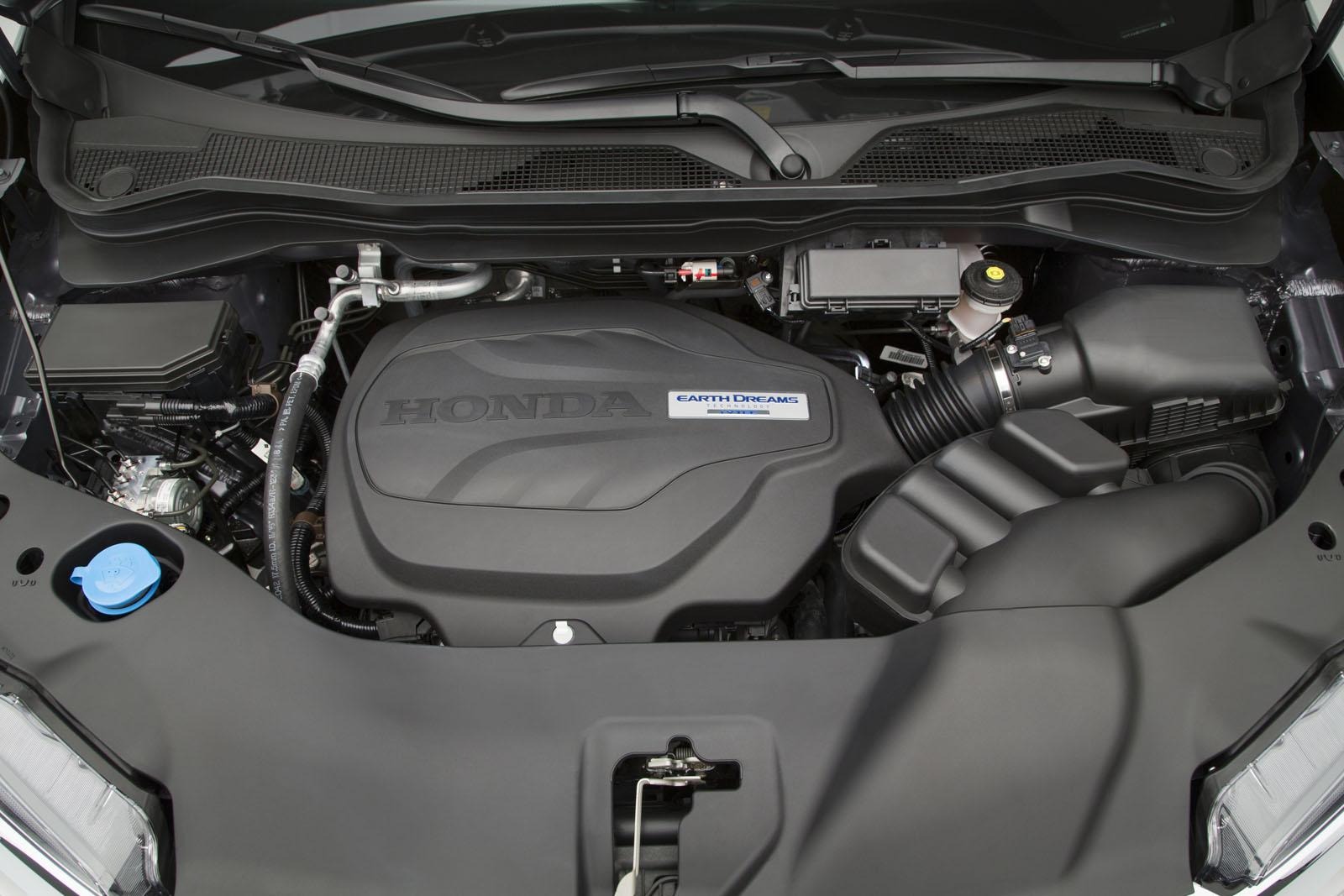
2. Honda 3.5L J35 V6
Honda’s 3.5L J35 V6, found in vehicles like the Accord V6, Odyssey, Pilot, and Ridgeline, is another example of an engine that can maintain a calm tone across hundreds of thousands of miles. Its enduring smoothness comes from an excellent balance between performance and engineering refinement.
One major advantage is its 60-degree V6 design, which is naturally balanced and produces fewer vibrations compared to some V6 engines with different configurations. Honda also uses high-quality internal balancing and a strong block structure that resists distortion under stress. Even when the engine has been through years of use, the main bearings and crankshaft tend to remain in good condition if oil changes have been regular.
The J35 incorporates Honda’s VTEC system, which adjusts valve timing and lift for both power and efficiency. While this feature is performance-oriented, it also plays a role in keeping the engine noise under control by ensuring smooth transitions between cam profiles.
The fuel injection system is tuned to provide precise delivery, reducing irregular combustion events that can cause rattling or pinging. Owners often praise the J35 for feeling as refined at 150,000 miles as it did at 50,000. This is partly because it operates at relatively low RPMs during normal driving, which lessens mechanical strain.
The timing belt in earlier versions, or the timing belt and water pump replacement at the right intervals, also plays a role in keeping noise minimal. Later variants with a timing belt still maintain this refinement if the belt is serviced on time.
Another reason for its quietness is Honda’s attention to exhaust system tuning. The resonators and mufflers are engineered to cancel out certain frequencies that might otherwise create a drone inside the cabin. Even in minivans or SUVs where the engine is under more load, the J35 tends to remain composed and free from excessive harshness.
For people who want a family vehicle that can carry a heavy load without sounding strained, the Honda J35 has shown it can provide years of calm and quiet performance. With proper servicing, it remains a refined companion well beyond typical ownership cycles.
Also Read: 5 Engines with Oversized Oil Pans vs 5 with Stock Pans That Crack

3. Lexus/Toyota 4.6L 1UR-FE V8
The Lexus and Toyota 4.6L 1UR-FE V8, used in models like the Lexus GX460 and Toyota Land Cruiser Prado, is designed for both luxury and longevity. This combination makes it one of the few large engines that can stay whisper-quiet even after extensive use.
It uses an aluminium block with cast iron liners, which offers both lightweight performance and strength. Inside, the crankshaft and connecting rods are precision-balanced to minimise vibration. The dual VVT-i system ensures that valve timing is always optimised, preventing the choppy idle or rough mid-range behaviour that can make engines sound older than they are.
This V8 is tuned for smooth torque delivery rather than aggressive high-RPM power, which means it rarely operates under extreme stress in normal driving. Because it runs at moderate RPMs most of the time, wear on moving parts is slower, and noise from worn bearings or valves is less likely to develop.
Lexus adds extensive sound insulation in vehicles with this engine, but the core mechanical refinement comes from the engine itself. Even without heavy insulation, the 1UR-FE produces a subdued, refined hum rather than a harsh growl. Owners frequently mention that after crossing 200,000 miles, the difference in sound compared to a low-mileage example is minimal.
The timing chain system is durable, and because it does not require periodic replacement, it avoids the rattling noises that worn belts or tensioners can produce in other engines. Regular maintenance of fluids and spark plugs ensures that combustion remains smooth, further preserving the engine’s quiet nature.
For those seeking a reliable V8 in a luxury or off-road capable vehicle, the 1UR-FE offers an unusual combination: the ability to handle heavy-duty work while maintaining a serene engine note year after year. This makes it an attractive option for anyone who values both durability and comfort in their driving experience.

4. BMW 3.0L B58 Inline-6
The BMW 3.0L B58 turbocharged inline-6 has gained a strong reputation for its smoothness, and it manages to hold onto this quality even after long mileage. It is used in a wide range of BMW models, from the 3 Series and 5 Series to the X5 and Toyota Supra. One of its most important design advantages is its inline-6 configuration, which is inherently balanced and naturally reduces vibration without needing heavy counterweights.
The B58 benefits from BMW’s meticulous engineering in both mechanical and acoustic refinement. The closed-deck block design provides greater rigidity, which prevents unwanted vibrations from spreading through the structure. The engine’s turbocharger is integrated into the exhaust manifold, which not only improves performance but also reduces unnecessary mechanical noise by shortening the path for exhaust gases.
The use of a timing chain mounted at the back of the engine is controversial for maintenance, but it keeps the chain better lubricated and protected from contaminants, allowing it to last longer without producing rattles. Direct fuel injection is paired with precise ignition timing, which prevents detonation noise that can appear in some high-mileage turbo engines.
One of the most impressive aspects of the B58 is how well it maintains its composure under load. Even when accelerating hard at high mileage, the engine produces a deep, controlled tone rather than a harsh roar. This refinement is partly due to BMW’s use of a single twin-scroll turbo that provides power smoothly across the RPM range, avoiding sudden surges that could make the engine sound strained.
Owners often praise the B58 for feeling just as composed at 150,000 miles as it did at 50,000, provided the engine receives proper oil changes and cooling system maintenance. In performance applications like the Supra, it still avoids the coarse noise that some sports car engines develop with age.
The combination of balanced architecture, strong block design, and precision tuning makes the B58 a clear example of a high-performance engine that retains quietness as time goes on.
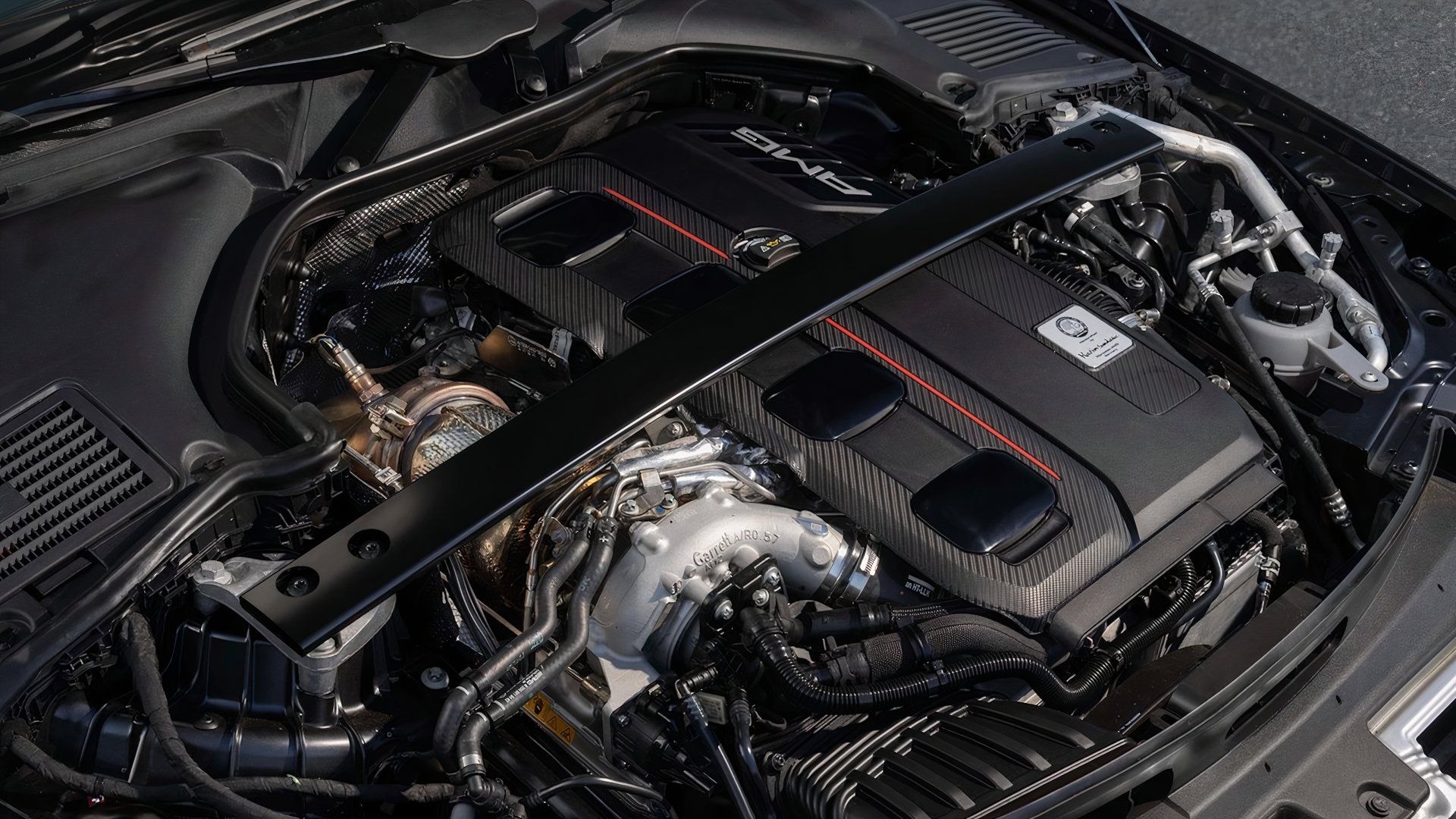
5. Mercedes-Benz 2.0L M274 Inline-4 Turbo
The Mercedes-Benz M274 2.0L turbocharged inline-4, found in models like the C-Class, E-Class, and GLC, is another engine that manages to keep its sound in check long after the warranty period has ended. Many small turbocharged engines can become noisy as they age, but the M274 maintains a subdued tone thanks to high-quality materials and careful engineering.
The aluminium block and head reduce the entire weight while still providing rigidity, which keeps vibration low. Mercedes uses balance shafts to cancel out secondary vibrations common in inline-4 designs, and the result is a smoother idle and less harshness during acceleration. Even after crossing 150,000 miles, these balance shafts tend to remain effective if oil changes are done on schedule.
The turbo system is designed to deliver power without sudden spikes, which avoids the loud whooshing or fluttering noises sometimes heard in older turbo engines. Direct injection with multi-hole injectors ensures a fine fuel mist, leading to cleaner combustion and less chance of knock. The timing chain setup is durable, and when maintained correctly, it avoids the slapping sounds that worn chains can produce.
In terms of real-world performance, drivers appreciate that the M274 remains quiet not just at idle but also during highway cruising. This is especially important for luxury vehicles, where constant cabin refinement is expected. Mercedes also uses acoustic covers and engine bay insulation, but the fundamental mechanical balance of the engine plays the biggest role in its long-term quietness.
This engine’s resilience against noise at high miles makes it appealing for buyers looking for a used Mercedes. Even in smaller vehicles where road noise is more noticeable, the M274 avoids adding unwanted mechanical sound. When kept in good condition, it continues to deliver a refined driving experience for years, matching the comfort expectations of a premium brand.
Engines That Sound Like Tractors at High Miles
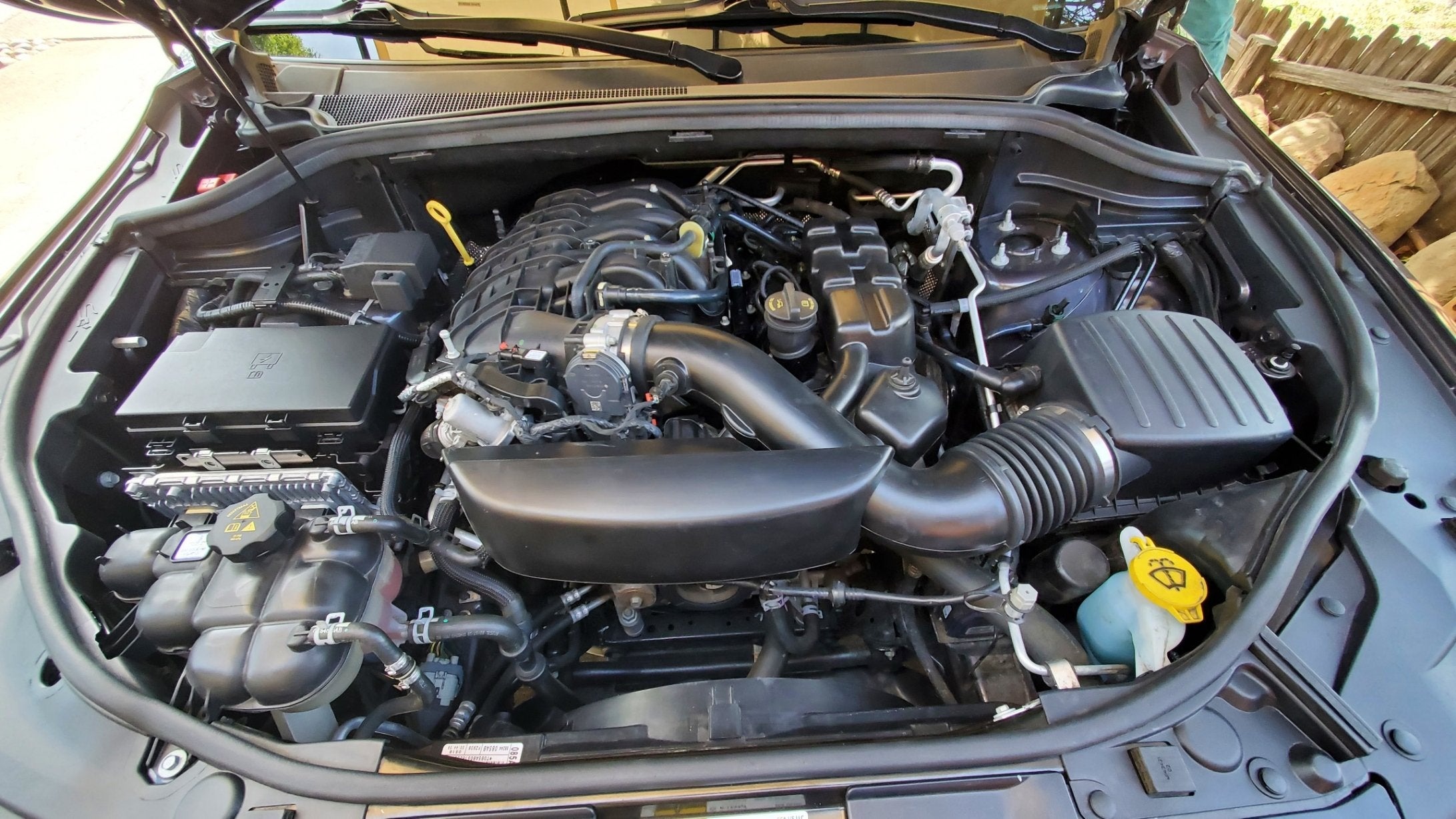
1. Jeep/Chrysler 3.6L Pentastar V6 (Early Versions)
The 3.6L Pentastar V6 is used in many Chrysler, Dodge, Jeep, and Ram models. While newer versions have improved, early models, particularly those before 2016, have a tendency to grow much louder as they age. At higher mileage, many owners notice a pronounced ticking or tapping sound, sometimes described as a “tractor-like” clatter.
One common reason for this noise is premature wear in the rocker arms and lifters. As these components develop play, they produce a sharp ticking that becomes more noticeable at idle. Valve timing actuator problems can also add to the roughness, creating inconsistent combustion that deepens the engine’s tone.
The engine’s aluminium construction is light but can transmit more vibration into the cabin once the mounts start to wear. Because many of these engines are used in heavy vehicles like the Jeep Grand Cherokee or Ram 1500, they often work under heavy load, accelerating wear on internal parts.
Some owners report that even with consistent oil changes, the Pentastar’s top-end noise increases with age. The timing chain and guides, though generally reliable, can also develop a faint rattle at start-up when the tensioners lose efficiency after many miles. Combined with the already coarse idle from V6 firing characteristics, the result can be an engine that sounds more industrial than refined.
While the Pentastar remains durable in terms of function, its acoustic refinement suffers with mileage. Drivers who value mechanical quietness may find that these early Pentastars require either major top-end servicing or acceptance of their farm-machine-like tone after extensive use.
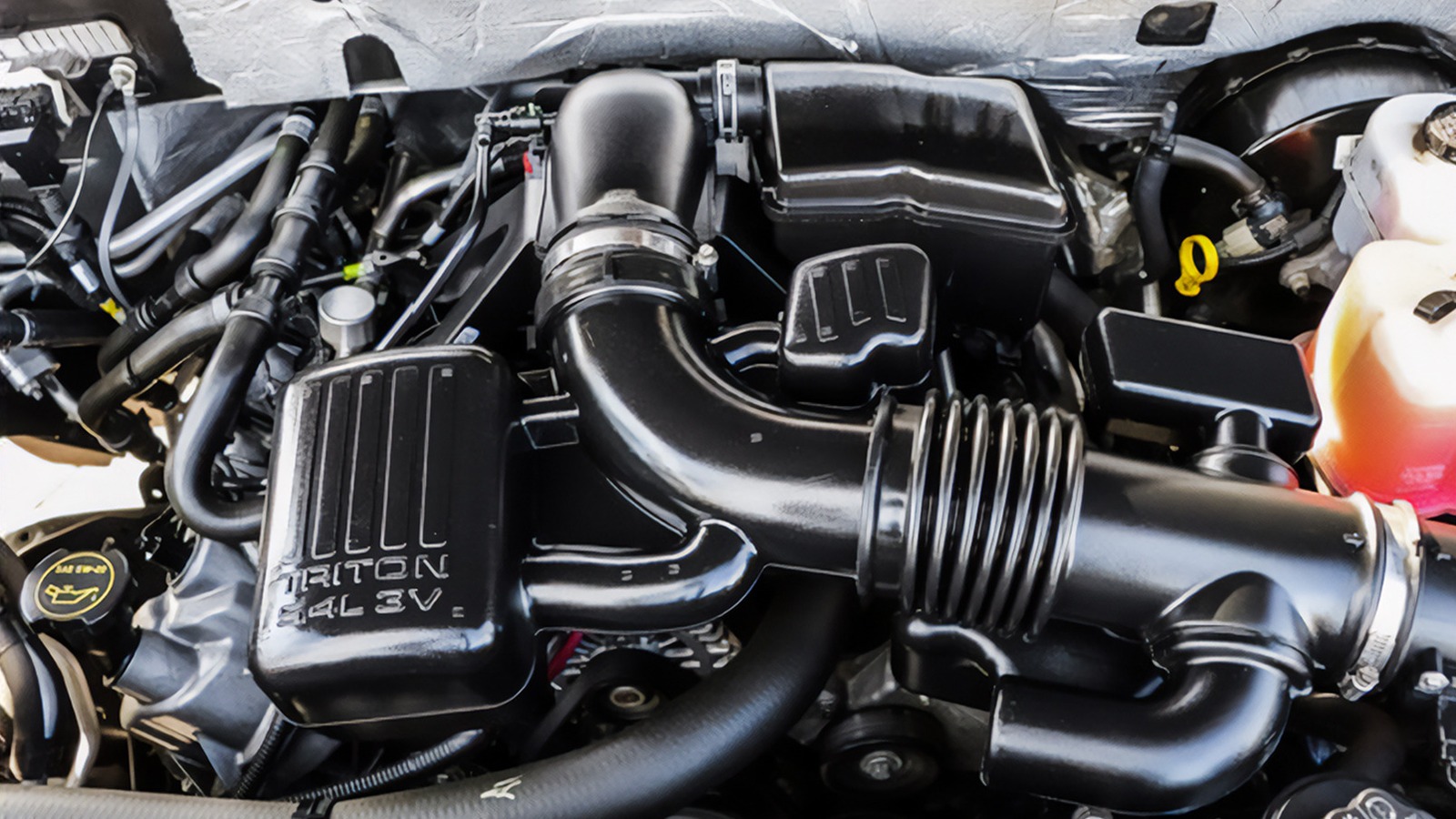
2. Ford 5.4L Triton V8 (3-Valve Version)
The Ford 5.4L Triton 3-valve V8, used in trucks like the F-150 and Expedition, is known for a strong torque curve but also for developing loud noises at higher mileage. As these engines age, a characteristic ticking sound from the cam phasers often appears. The noise can be loud enough to be heard outside the vehicle and is frequently compared to diesel clatter.
Cam phaser wear occurs when oil passages become restricted or when internal components loosen. This creates a variable timing system that struggles to hold position, causing both noise and performance loss. On top of that, the 3-valve Triton has a spark plug design that can seize in the cylinder head, and removal can sometimes cause damage, leading to uneven combustion sounds.
Another common contributor to its noisy nature is timing chain wear. These engines have long chains that stretch as time goes on, creating a slapping or rattling sound during cold starts. In heavy-duty applications, the noise can be constant once the chain and guides wear.
Although the 5.4L Triton can last a long time mechanically, its acoustic profile changes drastically with age. At high mileage, especially without perfect maintenance, the once-refined V8 burble often becomes an uneven, agricultural-sounding clatter. Many owners end up either tolerating the sound or investing in expensive repairs to restore its smoothness.

3. Subaru EJ25 2.5L Flat-4
Subaru’s EJ25 engine, used in many Outback, Forester, and Impreza models, is well-known for its unique boxer-engine sound when new. However, as mileage climbs, it often becomes much louder, with a tone that reminds some drivers of small farm equipment.
A major cause is piston slap, which becomes more noticeable as the cylinder walls wear and clearances increase. The horizontally opposed layout means that the pistons move side-to-side rather than up and down, and when clearances grow, the slap is easier to hear. At high mileage, worn valve lifters can also create ticking sounds, adding to the mechanical noise.
The EJ25 is also known for head gasket failures, which can allow coolant into the combustion chamber or oil into the cooling system. Even after repairs, some engines never fully regain their smoothness, and slight compression differences between cylinders can make them sound rough.
Because the engine is often paired with manual transmissions in older Subarus, it can be revved harder in daily use, which accelerates wear. Once that wear is present, the combination of piston slap, valvetrain noise, and exhaust note produces an unmistakably coarse sound.
While many Subaru owners accept this as part of the car’s charm, those looking for quiet operation at high miles may find the EJ25’s agricultural soundtrack less appealing.
Also Read: The Fate of V8 Engines, Can They Last Another Decade?

4. GM 6.0L Vortec V8 (LQ4/LQ9)
The GM 6.0L Vortec V8, found in many Chevrolet Silverado, GMC Sierra, and heavy-duty SUV applications, is respected for its durability but often loses its refined tone after years of work. When these engines are new, they have a deep but controlled V8 rumble. At high mileage, especially in work trucks, that sound often changes to a louder, rougher character.
One of the main reasons is valve lifter wear. As the lifters age, they can stick or collapse, producing a tapping sound that becomes more noticeable at idle. Camshaft lobe wear also adds to the noise, causing uneven valve operation and making the engine sound less smooth.
Because these engines are frequently used for towing, hauling, and heavy-duty driving, they spend much of their life under load. This accelerates wear in bearings, which can cause a faint knocking sound that worsens under acceleration. The long crankshaft in the V8 also develops more noticeable vibration when the internal balance is slightly affected by worn components.
Exhaust leaks are another contributor to the tractor-like sound. On older Vortecs, exhaust manifold bolts are known to break, allowing gases to escape near the cylinder head. This not only increases noise but also changes the tone, making the engine sound harsher and more metallic.
While the Vortec 6.0L can easily surpass 250,000 miles in service, many examples at that age sound far from refined. The combination of valvetrain clatter, minor bearing noise, and exhaust leaks often gives them a utilitarian tone that fits their work-truck image but is far from the quiet comfort some drivers prefer.
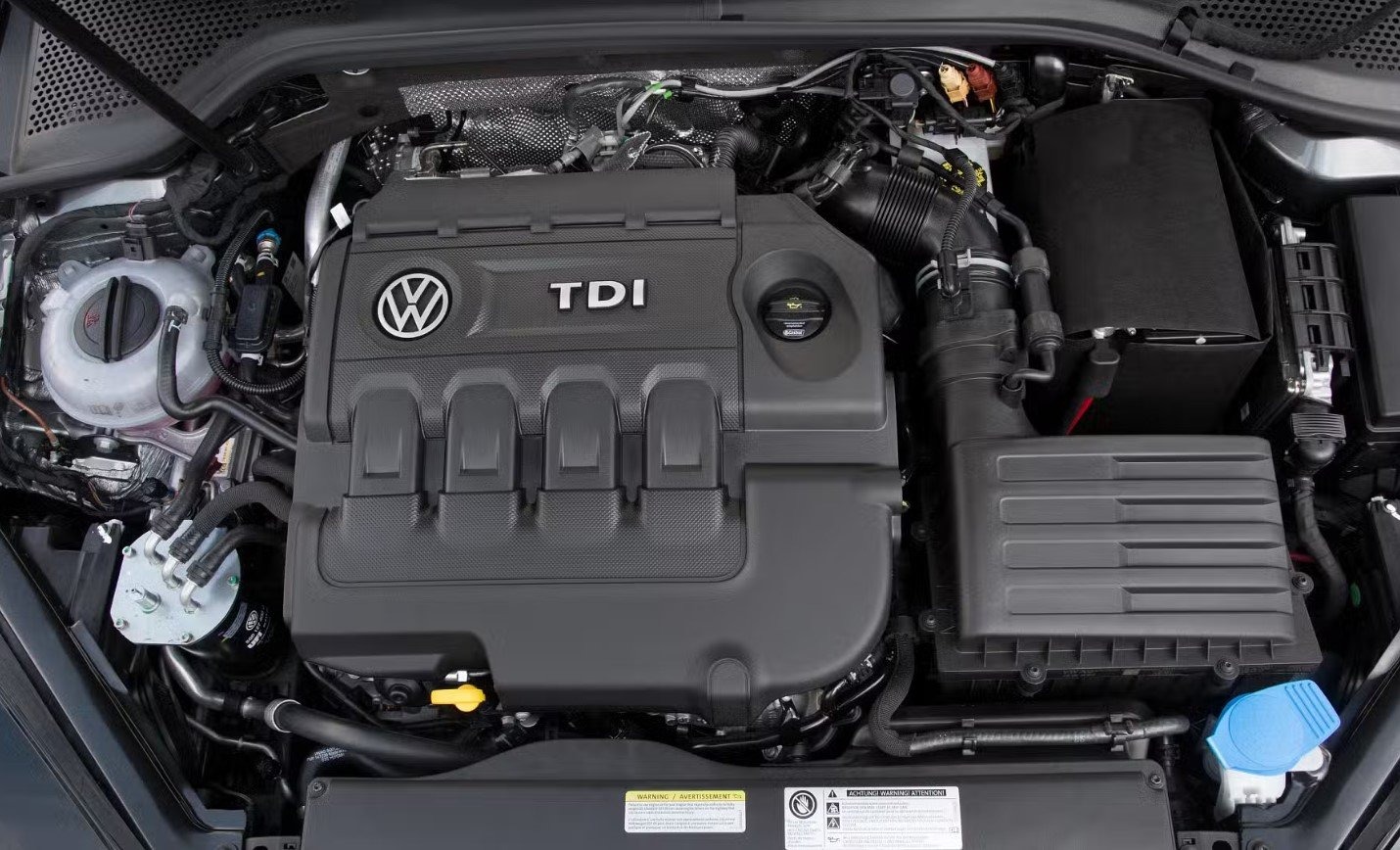
5. Volkswagen 2.0L TDI Diesel (EA189)
The Volkswagen 2.0L TDI diesel engine, especially the EA189 version used in vehicles before the emissions scandal, is known for excellent fuel economy and torque, but it has never been a quiet powerplant. As mileage increases, the agricultural nature of its sound becomes more pronounced.
Diesel engines naturally produce more combustion noise than petrol engines due to higher compression ratios, but in high-mileage TDIs, injector wear makes this sound sharper. Worn injectors can cause uneven fuel delivery, creating a hard metallic knock with each combustion cycle. Turbocharger wear also contributes, as shaft play can lead to a high-pitched whine that blends with the diesel clatter.
Another factor is vibration from worn dual-mass flywheels, which are used to smooth out engine pulses. As these degrade, they allow more vibration into the cabin, making the noise seem louder. Timing belt and tensioner wear can also create additional rattling, especially on cold starts.
While the TDI remains capable of delivering excellent mileage at well over 200,000 miles, the refinement drops noticeably. On the highway, the steady drone can be tiring, and at idle, the combination of injector knock and mechanical clatter is impossible to miss.
Many TDI owners accept this as part of the diesel experience, but for those who expect their high-mileage vehicle to remain as quiet as a petrol counterpart, the EA189 often delivers a reminder that efficiency sometimes comes with an audible price.
Engines age in different ways, and sound is one of the most telling signs of how well a design holds up after long service. Some engines, like Toyota’s 2AR-FE or BMW’s B58, are built with balance, precision, and durability in mind, allowing them to remain calm and refined even after hundreds of thousands of miles.
Others, such as the Ford Triton 5.4L or Volkswagen 2.0L TDI, might still perform well mechanically but lose much of their original quietness as wear accumulates. For buyers of used vehicles, paying attention to how an engine sounds is just as important as checking its maintenance history.
A quiet, high-mileage engine is often a sign of good design and proper care, while one that sounds like a tractor might be telling you about the wear it has endured. Knowing which engines tend to keep their composure and which tend to grow rough can help in making a smarter, more satisfying purchase decision.
