
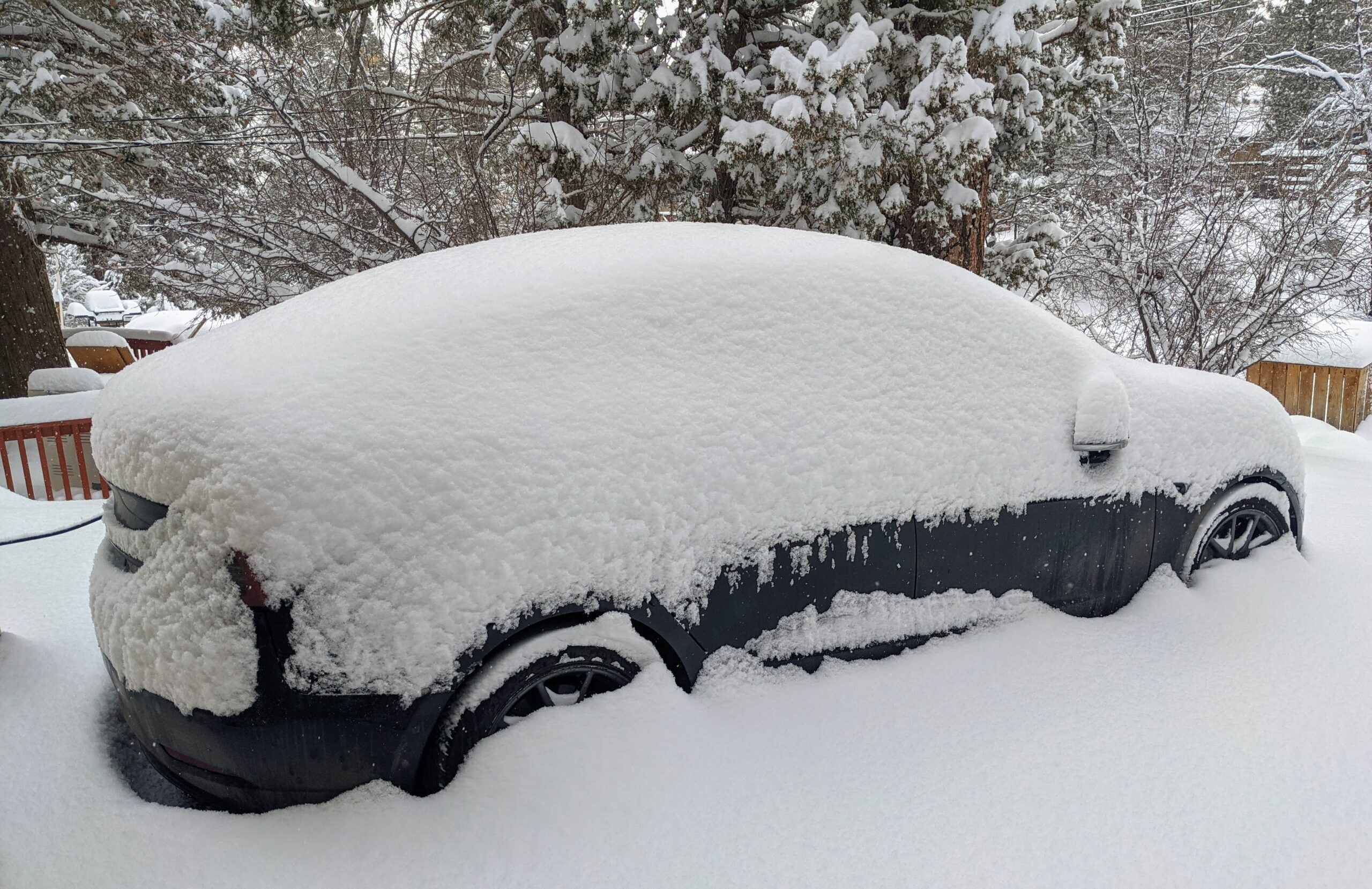
Cold weather is one of the toughest tests for electric vehicles. While EVs are known for delivering smooth acceleration and low running costs, freezing temperatures can expose weaknesses that do not show up in mild climates. Batteries lose efficiency in the cold, heating systems draw extra power, and traction control becomes more critical on icy roads.
Yet, not every electric car responds to winter in the same way. Some are built with thermal management systems, advanced all-wheel-drive setups, and cabin heating solutions that help them maintain both range and performance. Others, however, tend to struggle when temperatures drop, leading to reduced range, slower charging, and less satisfying driving experiences.
For drivers in regions where snow, ice, and sub-zero temperatures are a regular part of life, choosing the right EV can make the difference between a dependable daily commute and a frustrating winter ownership experience. Brands have taken different approaches to cold-weather readiness.
Certain models feature heat pumps instead of traditional resistive heaters, improving efficiency in the cold. Some use battery preconditioning features that keep the pack at an optimal temperature before charging, while others combine high ground clearance with grippy tyres and quick-acting traction control to handle slippery surfaces.
This guide presents ten electric vehicles divided into two categories: five that are well-suited for harsh winters and five that do not perform as well when the weather turns icy. Each section looks at their battery performance in low temperatures, winter driving dynamics, cabin comfort, and charging reliability.
If you live in an area where snowploughs are a seasonal necessity, understanding how each EV behaves in the cold will help you make an informed choice. The aim is to ensure you know which vehicles to count on when winter hits and which might be better suited for warmer states.
5 EVs That Survive Hard Winters
1. Tesla Model Y
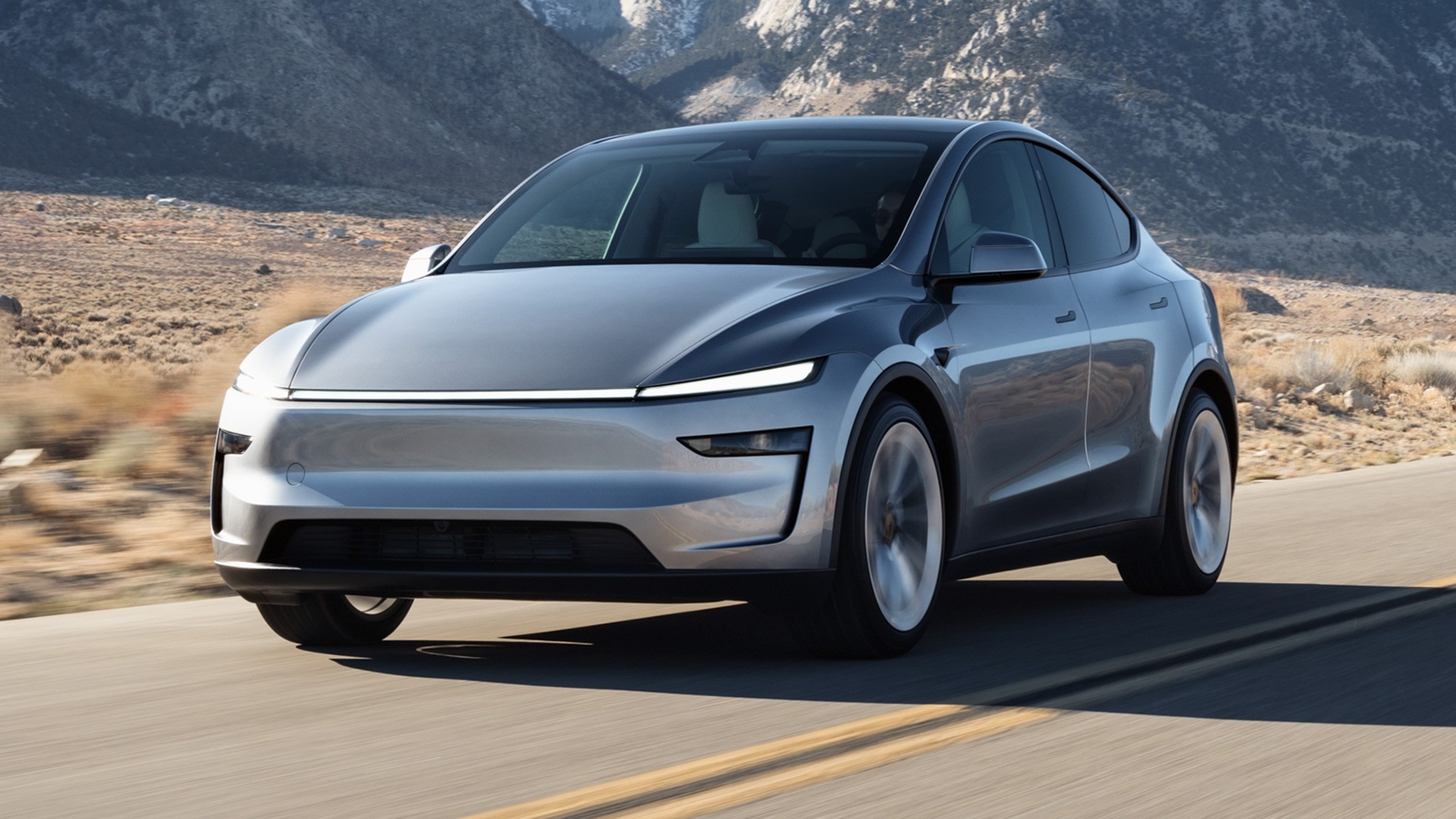
The Tesla Model Y is one of the most capable EVs for winter driving, thanks to a combination of smart engineering and practical cold-weather features. One major advantage is its all-wheel-drive system, which delivers power to all four wheels for better grip on snowy and icy roads. This system reacts quickly to changes in traction, helping the driver maintain control in slippery conditions.
Cold weather often reduces the range of EVs, but the Model Y manages this challenge better than many competitors. It has an advanced heat pump system that warms the cabin and battery more efficiently than resistive heaters, which consume more energy. The result is less range loss when temperatures fall.
Tesla’s battery thermal management system also plays a vital role, as it preconditions the battery for optimal performance during both driving and charging. This is particularly useful when using a Supercharger in freezing conditions, as it ensures faster charging speeds.
The Model Y’s ground clearance is slightly higher than some sedans, which helps it handle snow-covered roads. Combined with its stability control and regenerative braking system, it can confidently manage steep and slippery descents. The large glass roof has heating elements to prevent ice buildup, and the heated seats and steering wheel make for a more comfortable drive.
Another benefit for winter use is Tesla’s over-the-air updates, which can improve cold-weather efficiency in the long run. Drivers also appreciate the Tesla app, which allows remote preheating of the cabin before stepping outside, ensuring the windows are defrosted and the interior is warm.
When it comes to cold-weather charging, the Supercharger network is widespread and reliable, making long winter trips less stressful. For those who face snow-packed roads and low temperatures regularly, the Model Y stands out as a dependable option.
2. Ford F-150 Lightning
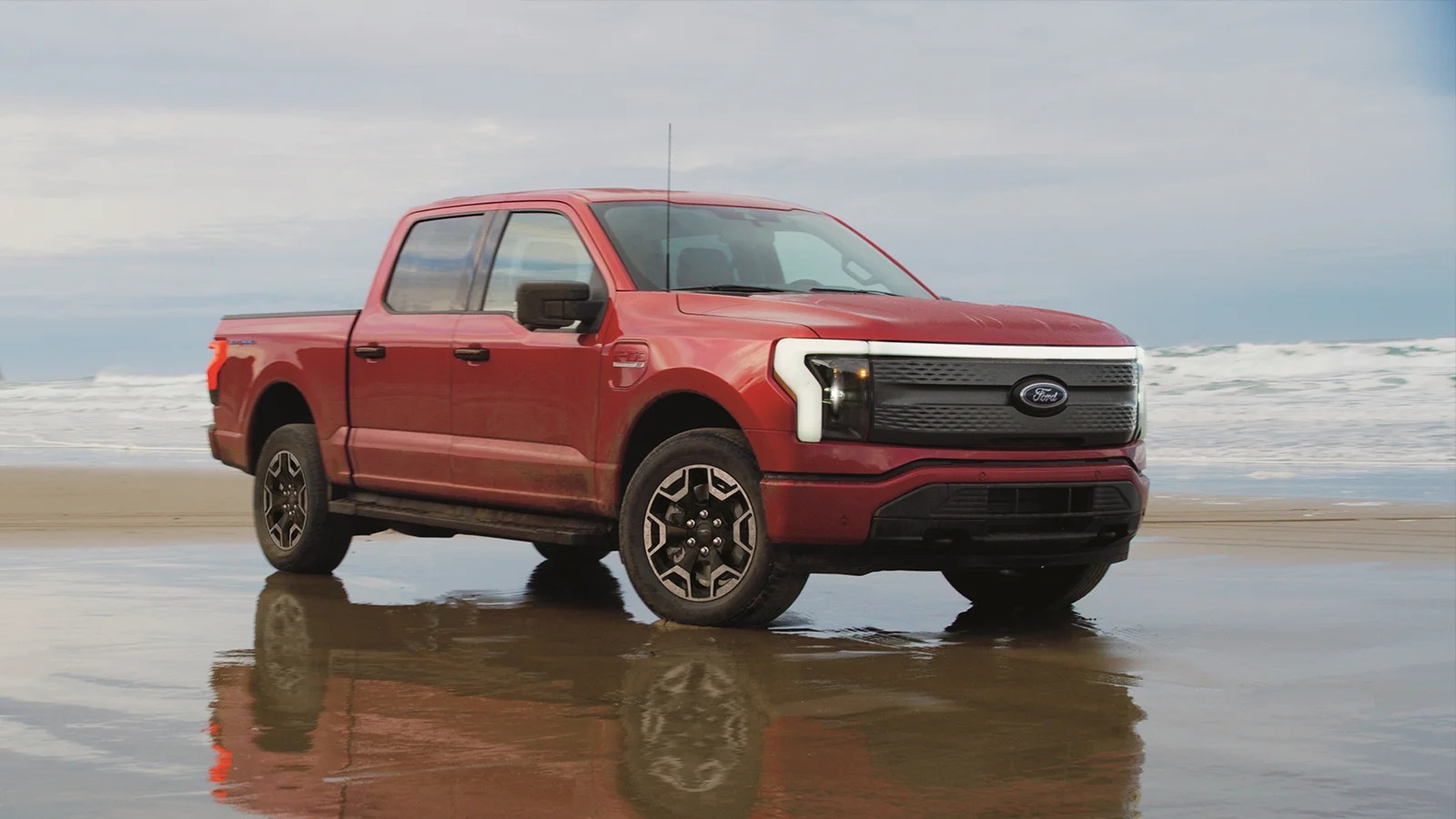
The Ford F-150 Lightning combines the practicality of a full-size pickup with features designed for winter survival. Its dual-motor all-wheel-drive system gives it strong traction even in deep snow.
The vehicle’s weight, which might be a disadvantage in some situations, actually helps here by pressing the tyres firmly into the surface for improved grip. The ride remains stable even on uneven icy surfaces.
Winter driving often calls for extra power for heating and accessories, and the Lightning’s large battery pack is well-suited for this demand. Ford equipped it with a battery thermal management system that maintains optimal performance in both extreme heat and cold. This helps reduce the drop in range that many EVs experience during freezing temperatures.
Cabin comfort in the Lightning is impressive, with heated seats, a heated steering wheel, and a quick-acting climate control system. The truck’s high driving position gives a clear view of snowy roads, while its sturdy build inspires confidence in adverse weather.
Drivers can also use Ford’s Pro Power Onboard system to power tools or equipment directly from the truck, which can be useful during winter emergencies or power outages. The F-150 Lightning also supports intelligent range estimation that factors in temperature, terrain, and load, giving a more accurate prediction of how far you can travel before recharging.
Ford’s BlueCruise hands-free driving system is another advantage, as it reduces driver fatigue on long winter drives. For charging, the Lightning supports DC fast charging, and its battery preconditioning system ensures that charging remains efficient even when temperatures are far below freezing.
Its rugged design, powerful motors, and thoughtful winter features make the F-150 Lightning a trustworthy choice for drivers who need both work-ready performance and cold-weather reliability. Whether used for hauling supplies through a snowstorm or simply commuting in icy conditions, it handles winter with confidence.
Also Read: 5 EVs That Feel Premium and 5 That Feel Like Appliances
3. Audi e-tron Quattro
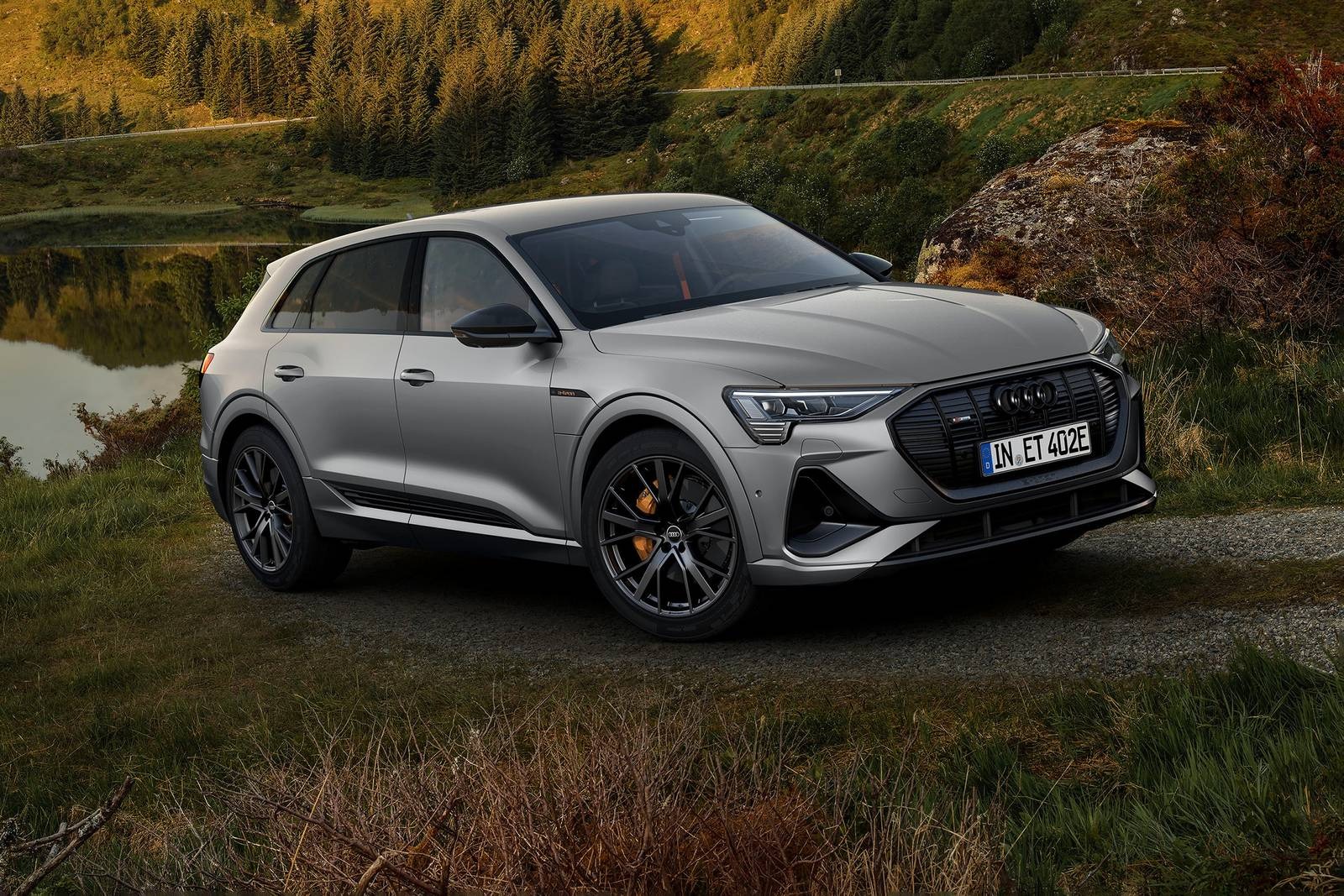
Audi’s e-tron Quattro is built with winter in mind. Its standard Quattro all-wheel-drive system constantly monitors grip levels and adjusts power delivery to each wheel for maximum stability. This quick response is essential for icy corners and snow-packed highways. The e-tron’s low centre of gravity, thanks to its floor-mounted battery, helps it stay planted even on slippery bends.
Battery performance in the cold is supported by a well-engineered liquid thermal management system. This setup keeps the battery within an optimal temperature range, which improves both driving range and charging efficiency when the thermometer drops.
The e-tron’s charging system is also designed to function well in low temperatures, with the ability to handle high-speed charging at many public stations without major delays. Inside, the e-tron offers an inviting cabin with heated seats in both the front and rear, a heated steering wheel, and four-zone climate control.
These features ensure that passengers remain comfortable without draining too much battery power. Audi has also fitted the vehicle with an advanced heat pump to improve efficiency in the cold, reducing the energy needed for heating compared to older EV designs.
Winter driving can often involve sudden stops, and the e-tron’s regenerative braking works seamlessly with its friction brakes to provide consistent stopping power even on icy roads.
Its adaptive air suspension can raise the ride height for better clearance over snow, while still providing a comfortable ride on cleared roads. The e-tron also includes a preconditioning feature that allows owners to warm up the battery and cabin before starting a trip.
For those who live in snowy climates and want a luxury SUV that combines style with real winter capability, the Audi e-tron Quattro delivers. Its balanced handling, robust all-wheel-drive system, and efficient heating make it one of the most dependable EVs for cold-weather use.
4. Hyundai Ioniq 5 HTRAC
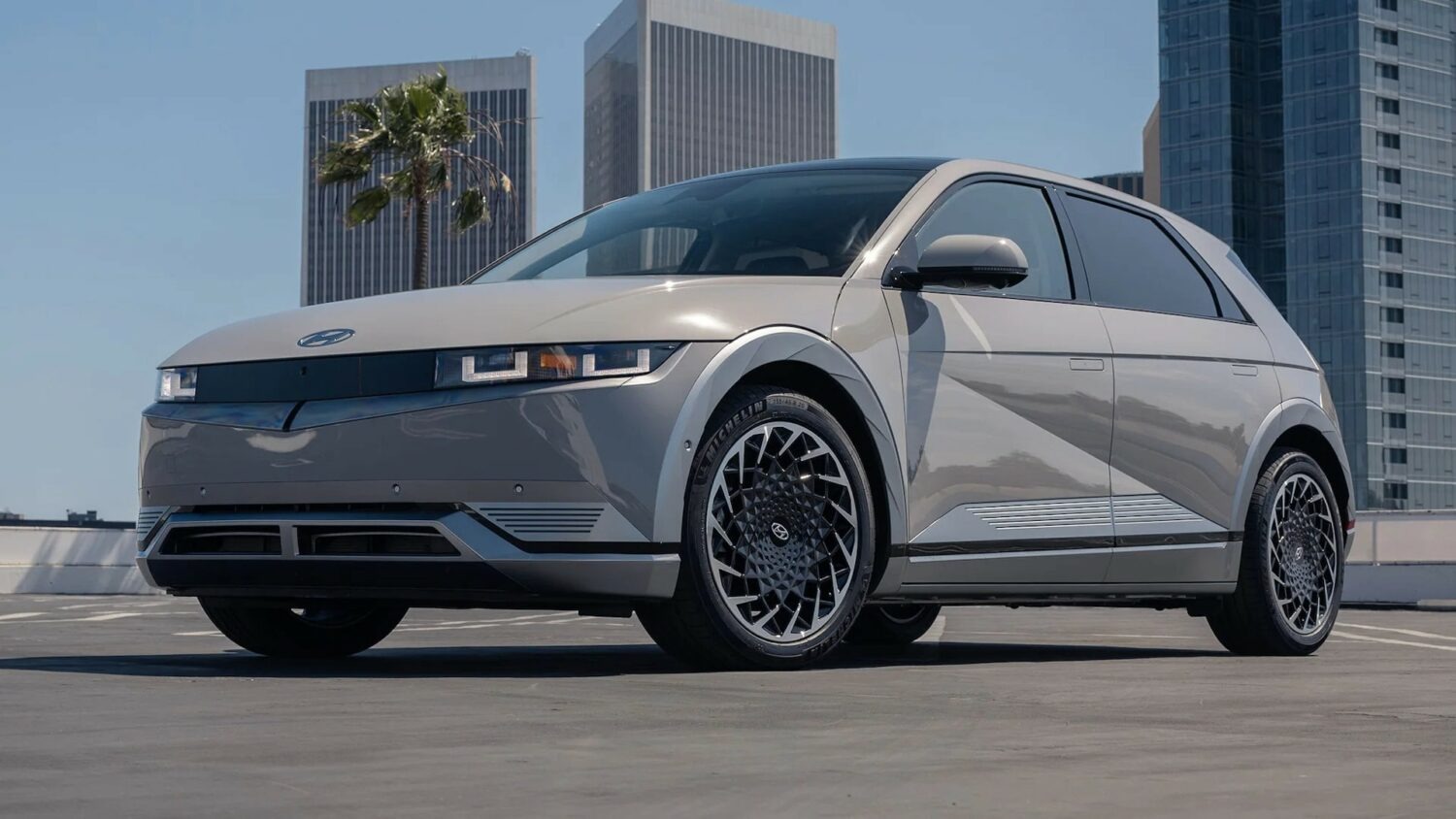
The Hyundai Ioniq 5 with HTRAC all-wheel drive offers an impressive mix of futuristic design and practical winter-readiness. Its HTRAC system adjusts power distribution between the front and rear wheels based on traction needs, ensuring better stability on icy roads. Combined with its instant electric torque, the Ioniq 5 accelerates confidently even when conditions are slippery.
One of the strongest winter features of the Ioniq 5 is its battery preconditioning capability. Before reaching a fast-charging station, the system automatically warms the battery to the ideal temperature, reducing charging times in cold weather.
This is paired with a heat pump system that reduces energy consumption for cabin heating, helping maintain range. Inside, the Ioniq 5 feels well-prepared for winter with heated front and rear seats, a heated steering wheel, and climate controls that respond quickly to temperature adjustments.
The cabin is spacious and airy, with large windows that are easy to defrost. Hyundai also provides remote cabin preheating through its app, allowing drivers to step into a warm vehicle without using extra battery power during the drive.
On snow-covered roads, the Ioniq 5’s low centre of gravity keeps it stable, while its regenerative braking system is adjustable, allowing drivers to select the level of deceleration best suited to the conditions. The vehicle’s high-speed charging capability is another advantage, as it can regain range quickly even during winter trips.
Hyundai also equips the Ioniq 5 with advanced driver assistance features such as lane-keeping assist, forward collision avoidance, and adaptive cruise control, all of which function well in bad weather.
These features add an extra layer of safety for winter commutes or road trips. For drivers looking for an EV that blends style, efficiency, and cold-weather resilience, the Ioniq 5 HTRAC stands out as a strong performer.
5. Volvo XC40 Recharge
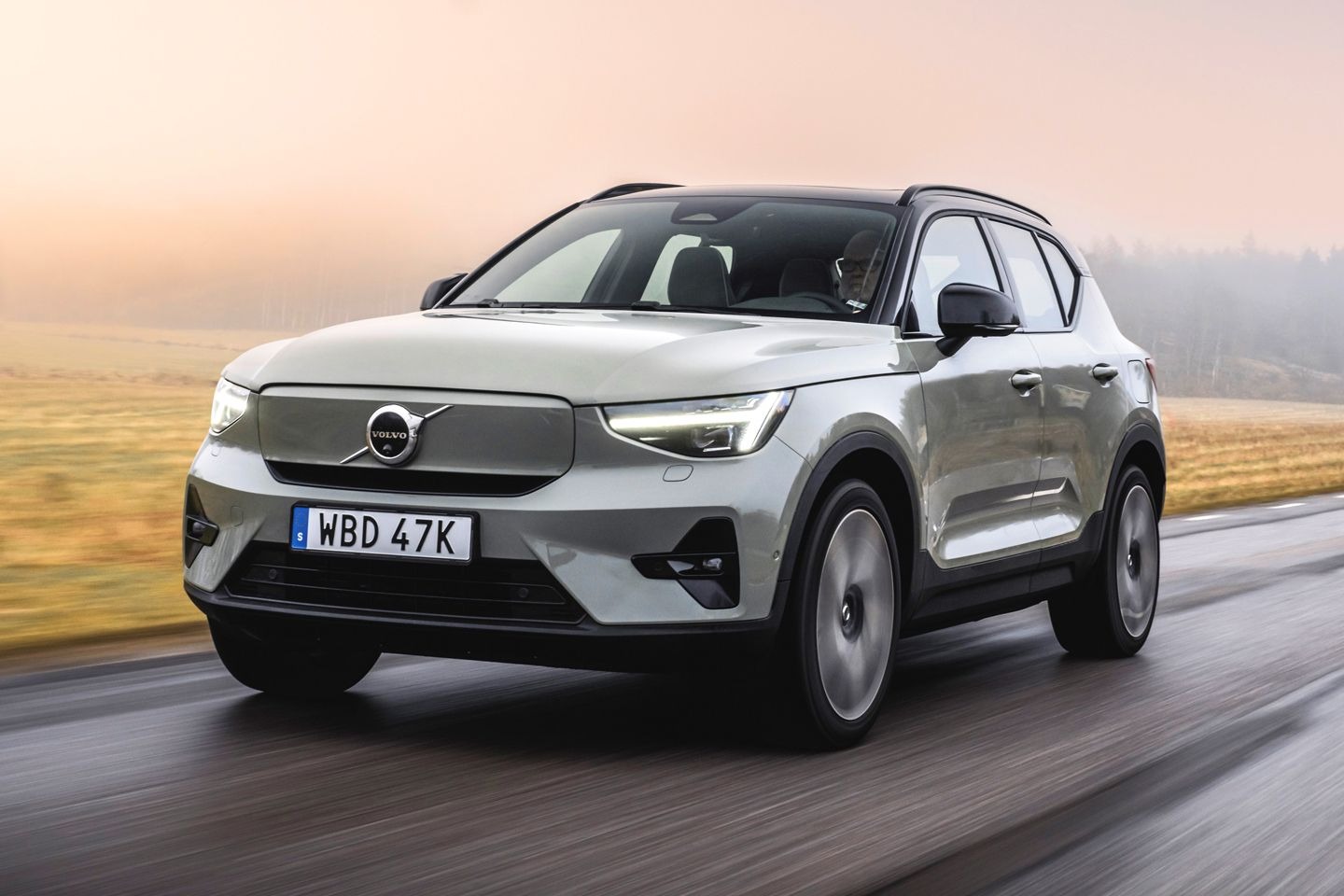
The Volvo XC40 Recharge is designed with safety and practicality as priorities, making it well-suited for winter use. Its standard all-wheel-drive system provides solid traction on snow and ice, distributing power intelligently to keep the vehicle moving smoothly. The system is complemented by stability and traction control settings that respond quickly to changing road surfaces.
Battery performance is supported by a liquid cooling and heating system that ensures the pack operates efficiently in low temperatures. This reduces the range loss often experienced in freezing conditions. The vehicle also supports battery preconditioning, which can be activated via the Volvo Cars app before setting out.
Inside the cabin, the XC40 Recharge offers heated seats, a heated steering wheel, and dual-zone climate control. The insulation is excellent, keeping the cabin warm without excessive energy use. Volvo’s attention to safety extends to winter driving aids such as hill descent control, which helps manage steep and icy slopes.
The XC40 Recharge also has a relatively compact size for an SUV, making it easier to manoeuvre in snow-filled city streets or tight parking areas. Its ground clearance is sufficient to handle moderate snow depths, and its regenerative braking is smooth, reducing the risk of sudden wheel lock on slippery roads.
Charging performance in the cold remains strong, especially with access to DC fast chargers. The vehicle’s Scandinavian heritage is evident in its design, as it feels equally at home in snowy suburbs as it does on icy highways. For those seeking a winter-ready electric SUV with a focus on comfort, safety, and reliability, the XC40 Recharge is an excellent choice.
5 EVs That Hate the Cold
1. Nissan Leaf
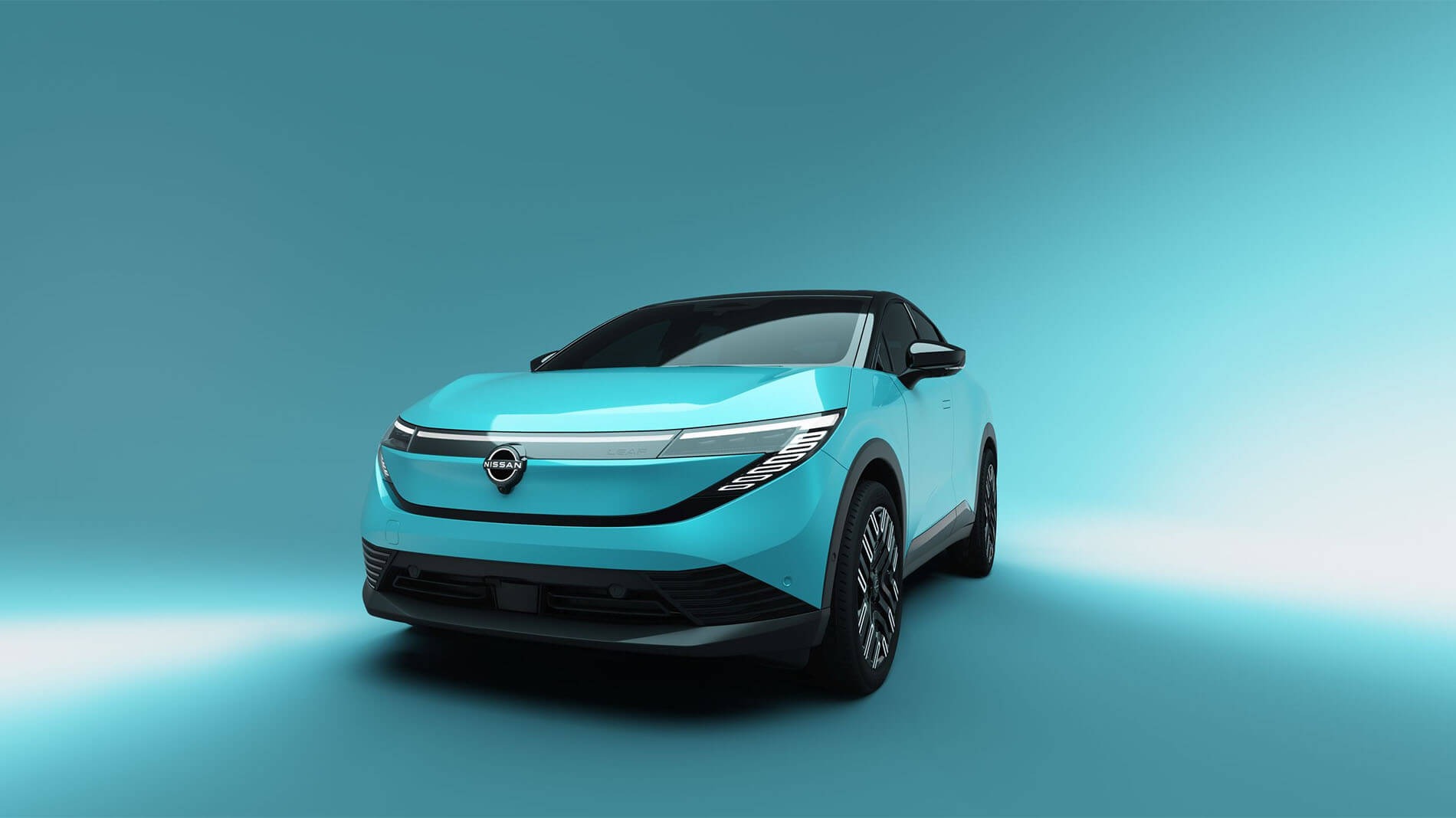
The Nissan Leaf has been a popular choice for city commuters, but its performance in harsh winter conditions is not as strong as newer rivals. One of the main challenges for the Leaf in cold weather is the absence of a liquid thermal management system for its battery.
Without this feature, the battery is more vulnerable to efficiency losses when temperatures drop, which means drivers can see a noticeable reduction in range. In some cases, owners report losing up to 30 percent of range during freezing weather.
Charging performance also suffers in the cold. The Leaf’s battery can take longer to accept a charge at public stations when it is very cold, which can be frustrating for drivers on long trips. This is especially true for models without rapid-charging capability, as standard Level 2 charging in winter can be much slower compared to mild conditions.
On snow-covered or icy roads, the Leaf’s front-wheel-drive layout offers adequate grip for light winter use, but it does not match the stability and confidence of all-wheel-drive systems.
The relatively low ground clearance means that deeper snow can be a challenge. While the Leaf’s traction control system helps in some situations, it is not as advanced as those found in newer EVs designed with winter driving in mind.
Cabin comfort is another point where the Leaf shows its age. Earlier models relied on resistive heaters, which consume a lot of battery power and contribute further to range loss in the cold. Later models added a heat pump in some trims, but it still cannot match the efficiency of systems in more winter-focused EVs.
For drivers who mostly stay in cities and rarely encounter heavy snow or long stretches of sub-zero temperatures, the Leaf can still be a practical choice. However, for those living in areas where winter is long and severe, the Leaf’s range reduction and slower charging in the cold can be limiting.
2. Chevrolet Bolt EV
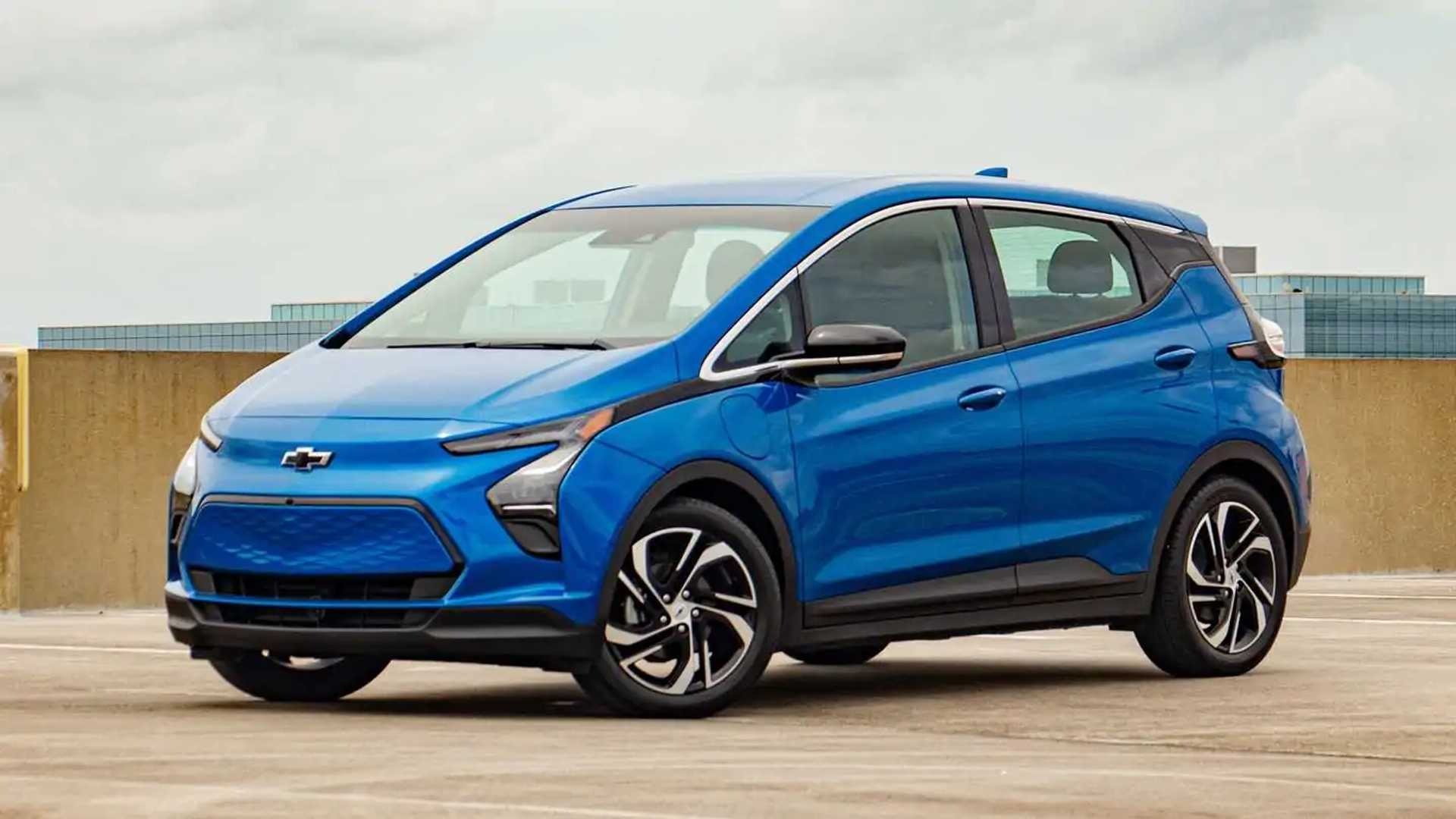
The Chevrolet Bolt EV is known for its affordability and decent driving range in mild weather, but winter conditions highlight its weaknesses. Like the Nissan Leaf, it lacks a full liquid thermal management system as advanced as those in some premium EVs, which means battery performance drops considerably in freezing temperatures.
A range loss of 25 to 30 percent is common when the weather is very cold, and charging times also become longer. The Bolt EV’s front-wheel-drive system works fine on clear roads, but it is not ideal for deep snow or icy hills.
The traction control can sometimes cut power too aggressively, making it difficult to gain momentum in slippery conditions. Drivers in snowy climates often need to invest in quality winter tyres to improve grip, but even then, the Bolt’s low ride height can limit its ability to handle unploughed roads.
Cabin heating is handled by a resistive heater in most versions, which draws a substantial amount of energy from the battery. This not only shortens driving range but can also make it challenging to balance comfort with efficiency. There is no heated steering wheel in some trims, meaning the cabin takes longer to feel warm on extremely cold mornings.
Another issue for winter use is that the Bolt EV does not have a built-in battery preconditioning system for fast charging. This means that arriving at a DC fast charger with a cold battery can lead to very slow charging speeds, which can disrupt travel plans during long winter drives.
While the Bolt EV remains a solid budget-friendly choice for warmer climates, it requires more planning and compromise for those who experience harsh winters. Owners in cold regions often learn to schedule charging sessions indoors or use garage parking to minimise the effects of freezing temperatures, but for heavy snow and icy roads, it is not the most dependable option.
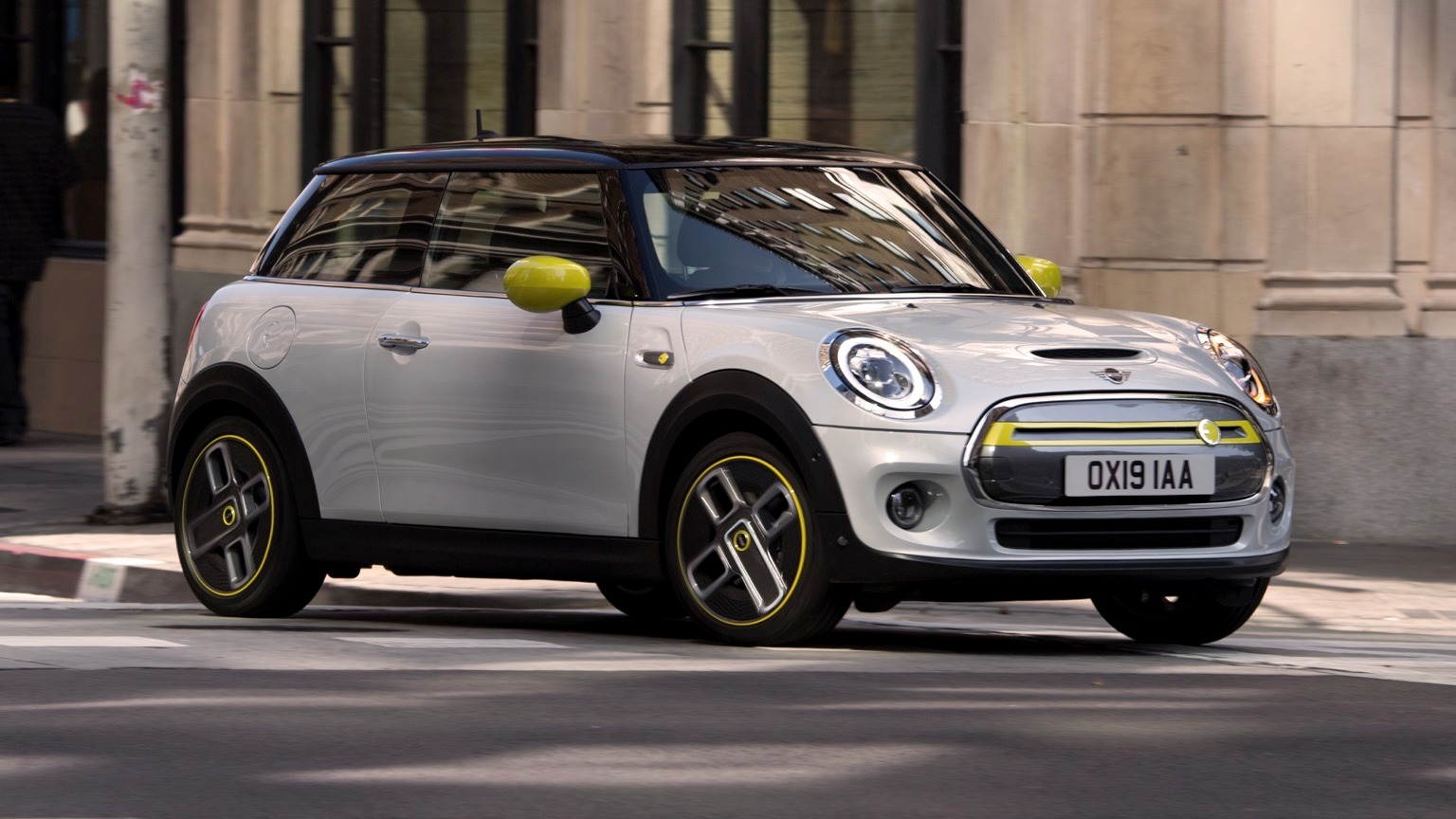
3. Mini Electric (Mini Cooper SE)
The Mini Electric, officially known as the Mini Cooper SE, brings the charm and agile handling of the petrol-powered Mini into an electric format. While it is fun to drive in city conditions, it is not an EV that excels in winter climates.
One of its biggest limitations is range; even in ideal conditions, the Mini Electric offers a relatively short driving range compared to most modern EVs. Cold weather further reduces this range, making it less practical for longer trips during winter.
The car’s front-wheel-drive system handles light snow adequately, but traction becomes an issue on icy or steep roads. With its sporty tuning and low ride height, the Mini Electric is more suited for dry urban environments than snow-packed rural routes. Deeper snow can easily challenge its ability to move forward without getting stuck.
Battery performance in freezing conditions is another drawback. The Mini Electric’s battery can lose efficiency quickly when exposed to prolonged cold, and while it does have some thermal management, it is not as sophisticated as systems in EVs designed for cold-weather markets. Charging speed in winter can also be slower, especially if the battery has not been warmed beforehand.
Inside the cabin, heated seats and a heated steering wheel are available, which improve comfort, but the resistive heating system still draws energy. Drivers who need to use the heater constantly will see the already limited range shrink further.
For those who live in areas with mild winters, the Mini Electric remains a stylish and entertaining urban EV. However, in places with heavy snow, icy roads, and temperatures well below freezing, its limited range, modest ground clearance, and traction challenges make it less suitable for everyday use during the colder months.
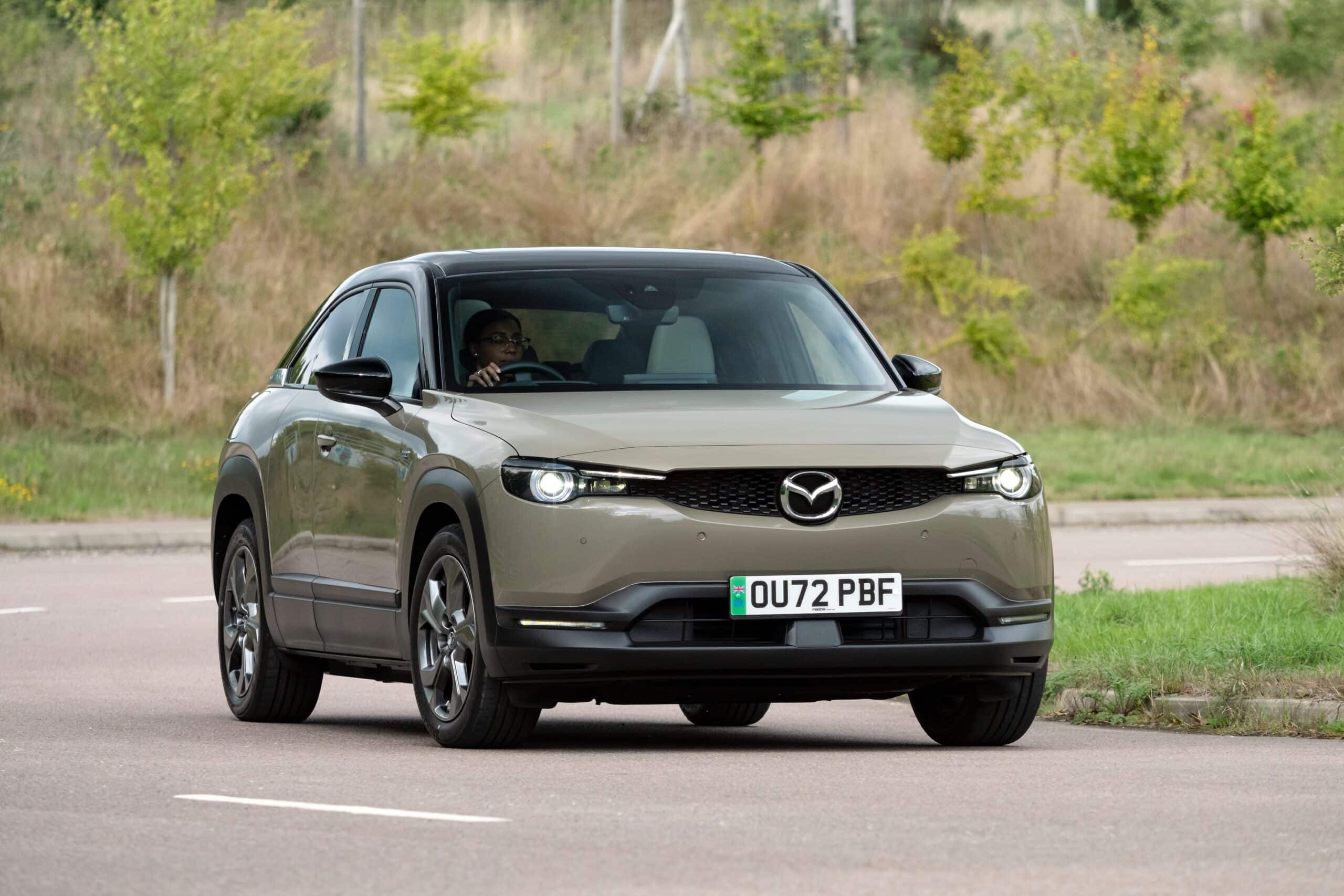
4. Mazda MX-30
The Mazda MX-30 is one of the newer EV entries, but its design prioritises style and urban commuting rather than all-weather toughness. Its small battery pack offers a limited range to begin with, and cold weather reduces that range even further.
In freezing conditions, drivers may find that they need to recharge more often, which is not always convenient when public chargers are in high demand during winter. The MX-30’s front-wheel-drive system performs adequately on cleared roads, but when snow builds up, traction can become a concern.
The vehicle sits relatively low, which means it is more prone to getting stuck in deeper snow compared to SUVs with higher clearance. Mazda tuned the suspension for comfort on city streets, so it is not as rugged when tackling slippery rural or mountainous winter roads.
Battery management is basic compared to cold-weather champions like Tesla or Audi. While the MX-30 does include some measures to protect the battery from temperature extremes, it does not have a fully optimised thermal system that maintains efficiency in severe cold. Charging can also slow down considerably if the battery is not warmed before arriving at a fast-charging station.
The cabin is well-built and offers heated seats, but heating is provided by a resistive system that increases energy consumption. Given the MX-30’s already short range, this can make winter driving even more restrictive. Mazda markets the MX-30 as a city-friendly EV, and that focus becomes apparent when it is tested in harsh weather.
While it might appeal to drivers who prioritise design and daily urban use, those living in snowy climates may find themselves frustrated by its winter limitations. Short range, modest ground clearance, and average traction make it better suited for regions where winters are mild and snow is rare.
Also Read: 5 EVs That Handle Bad Roads and 5 That Hate Bumps
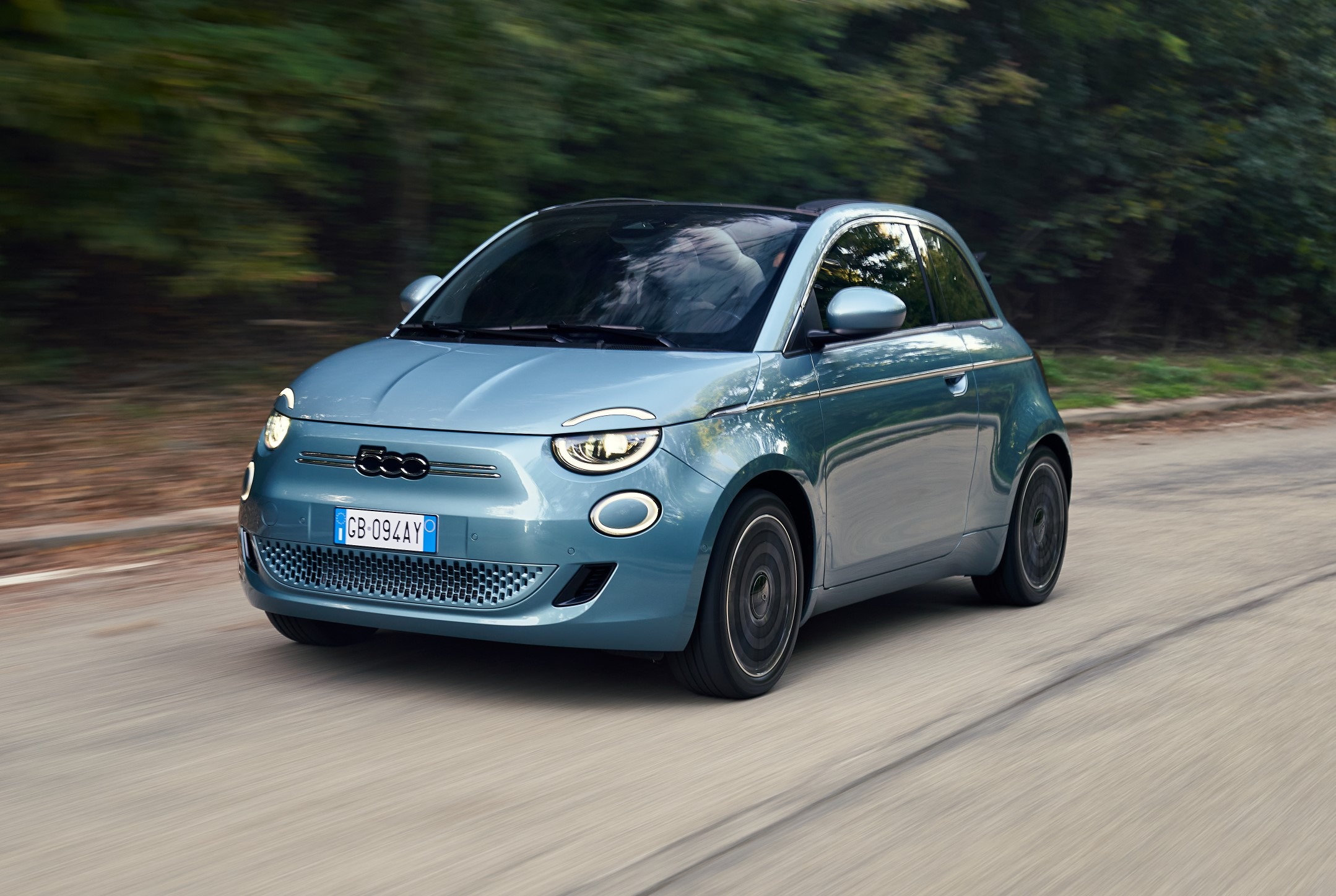
5. Fiat 500e
The Fiat 500e is among the smallest electric cars available, and while its size makes it ideal for city parking, it is not a strong winter performer. Its short range is the biggest hurdle in cold conditions, as freezing temperatures can cause a substantial drop in available miles. This makes it more suited to short daily commutes rather than long winter journeys.
With front-wheel drive and low ground clearance, the 500e is challenged by deep snow and steep icy inclines. Even with winter tyres, traction can be inconsistent when roads are heavily covered. The small size also means it feels less stable at highway speeds during strong winter winds, which can affect driver confidence.
The battery thermal management is minimal, meaning the pack cools quickly when parked outdoors in freezing temperatures. This not only reduces range but also slows down charging, especially when using DC fast chargers without prior battery warming. Owners often have to plan charging sessions carefully in winter to avoid long waits.
Inside, the Fiat 500e offers a cosy cabin with available heated seats, but the heating system draws enough power to impact range noticeably. While the interior is stylish and comfortable for short trips, it lacks the insulation and advanced climate control systems found in EVs built for colder regions.
The Fiat 500e is best viewed as a city runabout for areas where winter is mild and roads are kept clear. Its compact size, limited range, and modest winter performance mean it is not the best choice for drivers who regularly face harsh snow, ice, and freezing winds.
