A truck’s frame is its backbone, dictating how well it can endure heavy loads, rough terrain, and years of demanding use. Fully boxed steel designs, crossmember reinforcements, and advanced suspension pairings can make the difference between a truck that stays solid and one that flexes into trouble.
Some manufacturers, like GMC, Ford, Toyota, and Ram, have built reputations on producing workhorses that resist bending even under extreme pressure. Others, however, have delivered models that falter when asked to do too much, especially older or mid-size trucks lacking structural reinforcement.
This guide examines ten pickups five with frames that stay rigid and dependable, and five with designs that have shown a tendency to sag, flex, or twist when pushed beyond their intended capabilities.
5 Trucks With Frames That Don’t Twist
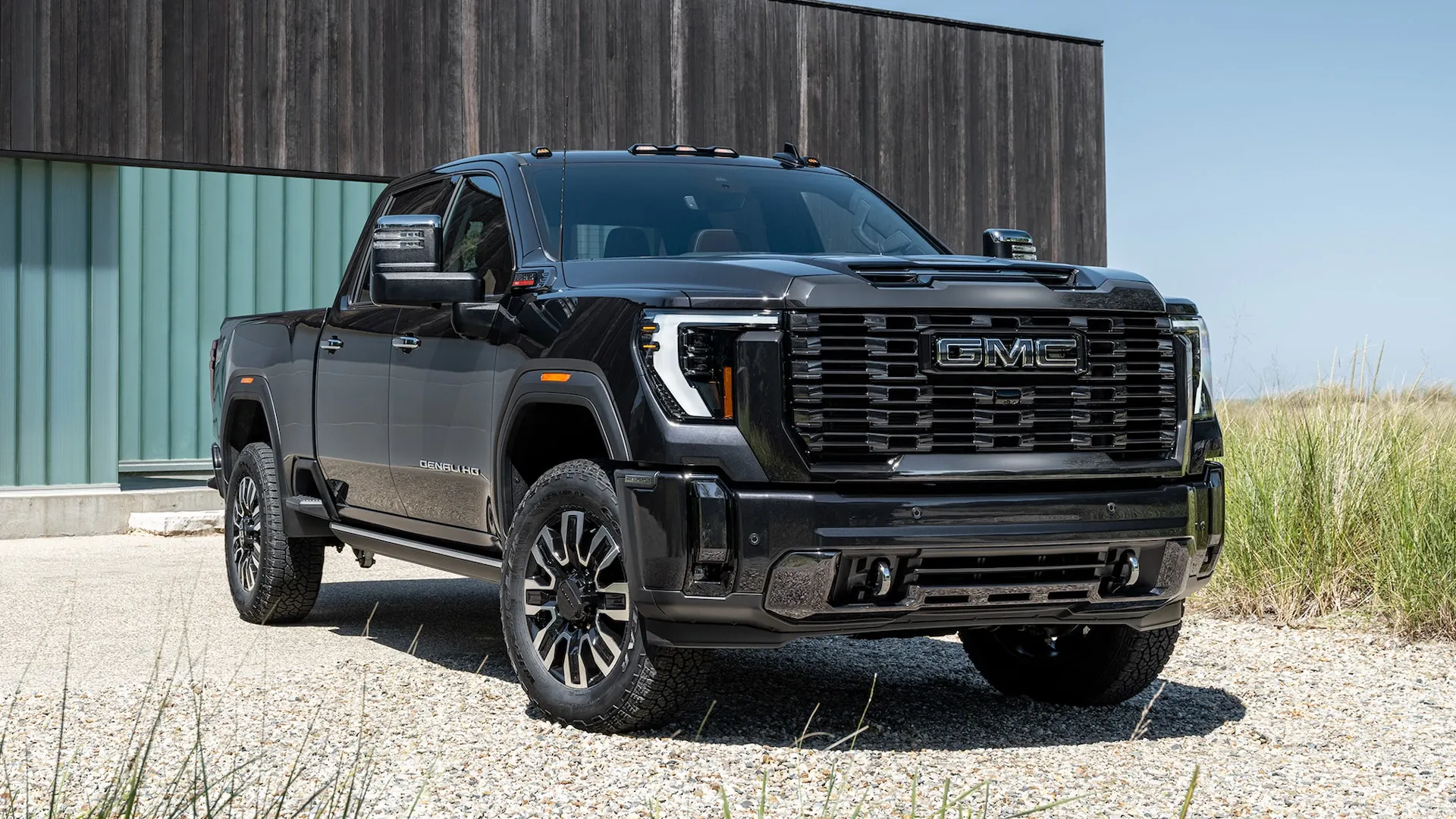
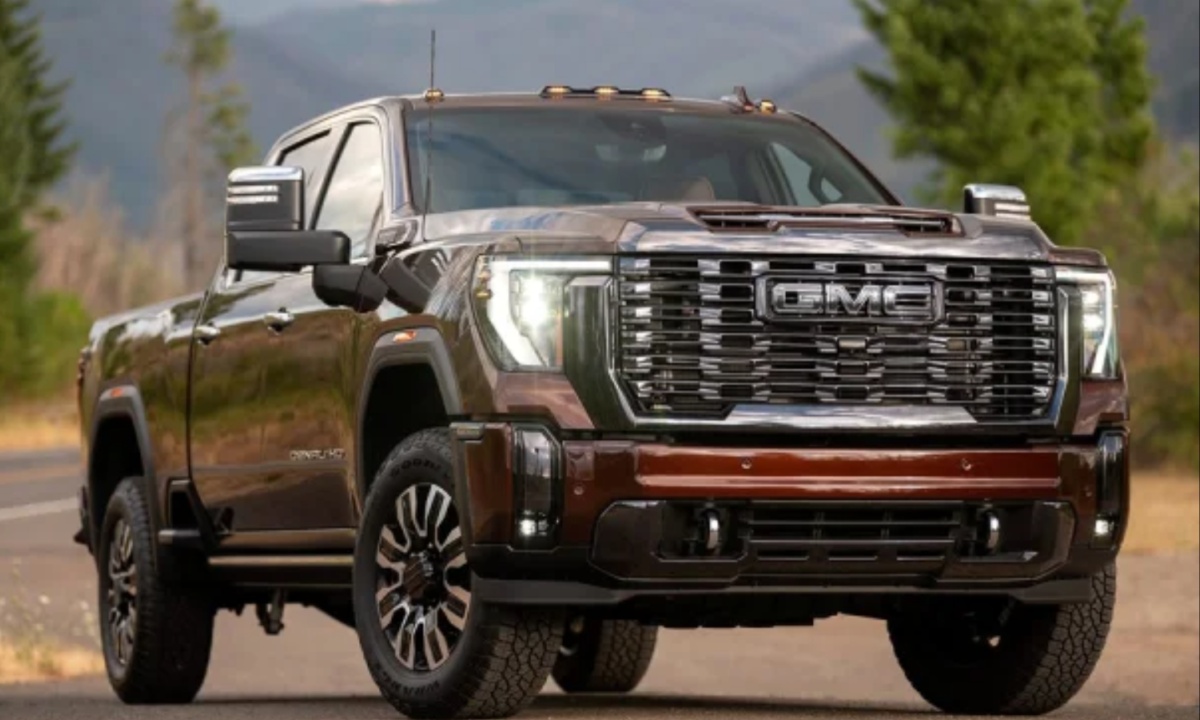
1. GMC Sierra 2500HD: Built for Relentless Loads
The GMC Sierra 2500HD boasts a fully boxed steel frame engineered for maximum load support and torsional resistance. Hydroformed front sections and high-strength steel distribute weight evenly, while crossmembers keep the frame square under pressure.
This prevents sagging even during long-distance towing or heavy off-road use. A heavy-duty rear leaf spring setup and solid front axle further stabilize the structure, maintaining alignment when the bed is fully loaded.
Durability testing with thousands of pounds over simulated years of use confirmed the Sierra’s ability to avoid distortion. Ranchers, contractors, and industrial operators report consistent performance without bending.
The rigid frame allows all other systems steering, suspension, and drivetrain to perform without compensating for flex. For buyers who demand a truck that can take punishment without structural compromise, the Sierra 2500HD delivers.
2. Ford Super Duty F-350: Industrial-Grade Rigidity
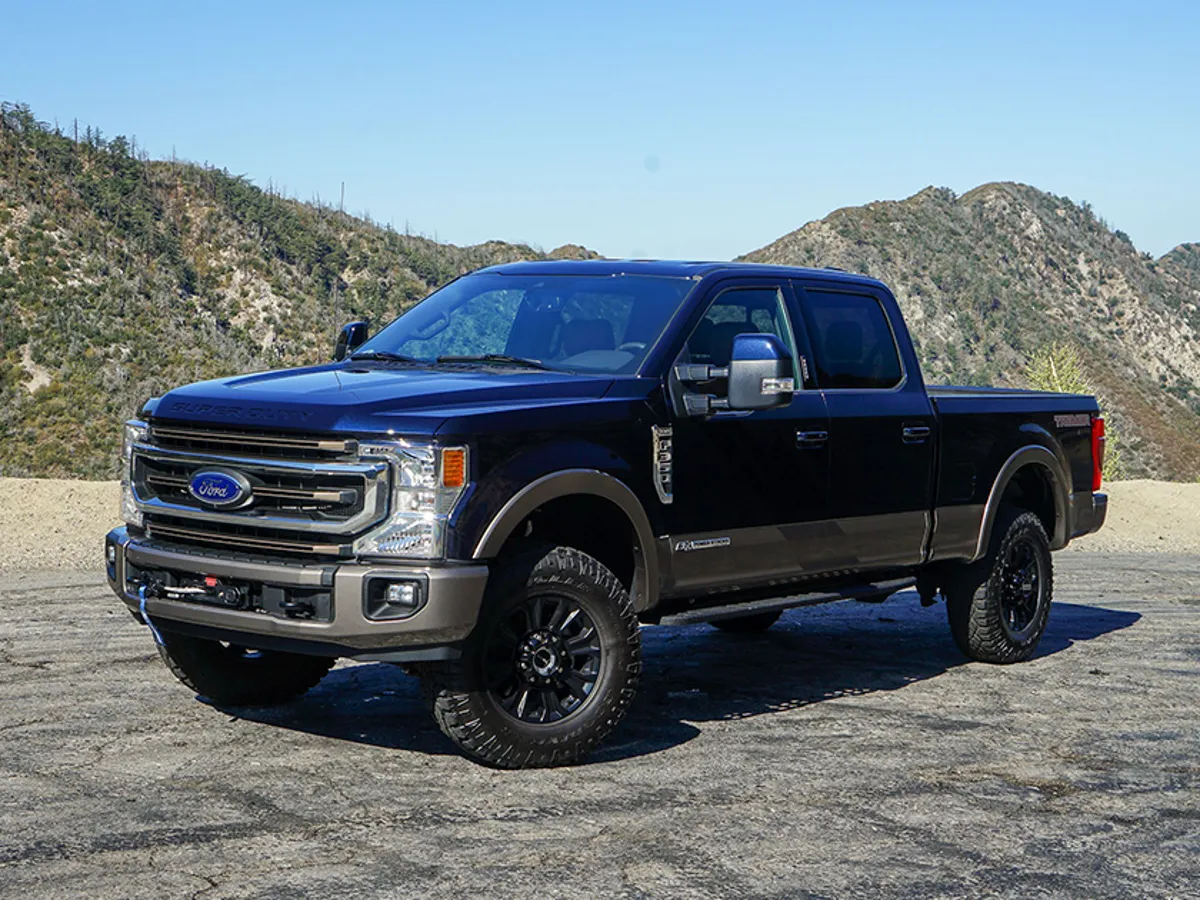
The Ford Super Duty F-350 sets a high standard in frame strength, using a fully boxed ladder design made from 95% high-strength steel. The structure offers complete resistance from front to rear, minimizing distortion during maximum towing or payload scenarios.
Its reinforced suspension evenly distributes stress across the chassis, preventing weak points from forming. Paired with the high-torque Power Stroke diesel engine, the F-350’s frame handles immense forces without warping. Field reports from construction, agriculture, and oilfield operators confirm years of use without bending.
This stability extends across extreme conditions from rocky mountain passes to muddy worksites making it a trusted workhorse. For those needing heavy-duty dependability, the F-350’s rigid design ensures consistent performance and long-term reliability under the heaviest loads.
3. Ford F-150 (New Generation): Light but Solid
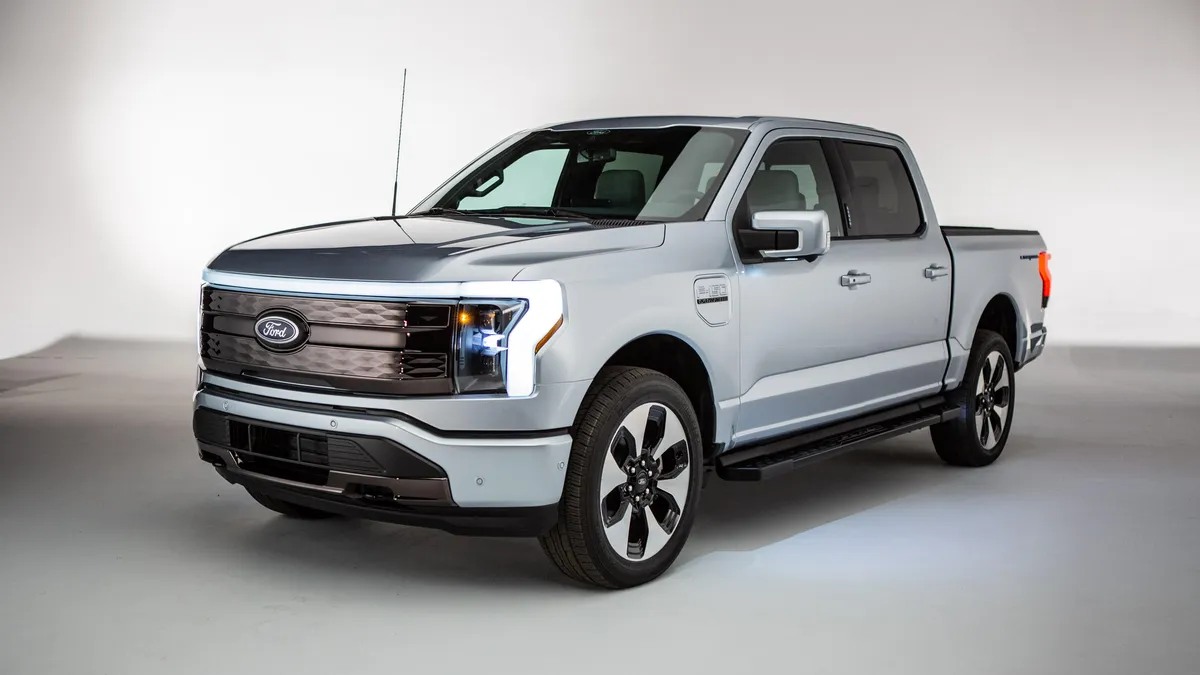
The newest Ford F-150 blends a military-grade aluminum alloy body with a fully boxed high-strength steel frame, achieving both reduced weight and superior stiffness. Multiple crossmembers enhance rigidity, spreading load forces evenly and preventing frame flex during towing or off-road hauling.
The fully boxed design ensures durability even on uneven terrain, while advanced suspension tuning prevents stress from concentrating in vulnerable spots. Load testing with thousands of pounds showed no loss of alignment, with towing capabilities rivaling some three-quarter-ton pickups.
Owners praise its ability to maintain shape after years of commercial or recreational use. By marrying lightweight materials with a robust structural foundation, the F-150 offers versatility without compromising frame integrity a rare balance in the light-duty segment.
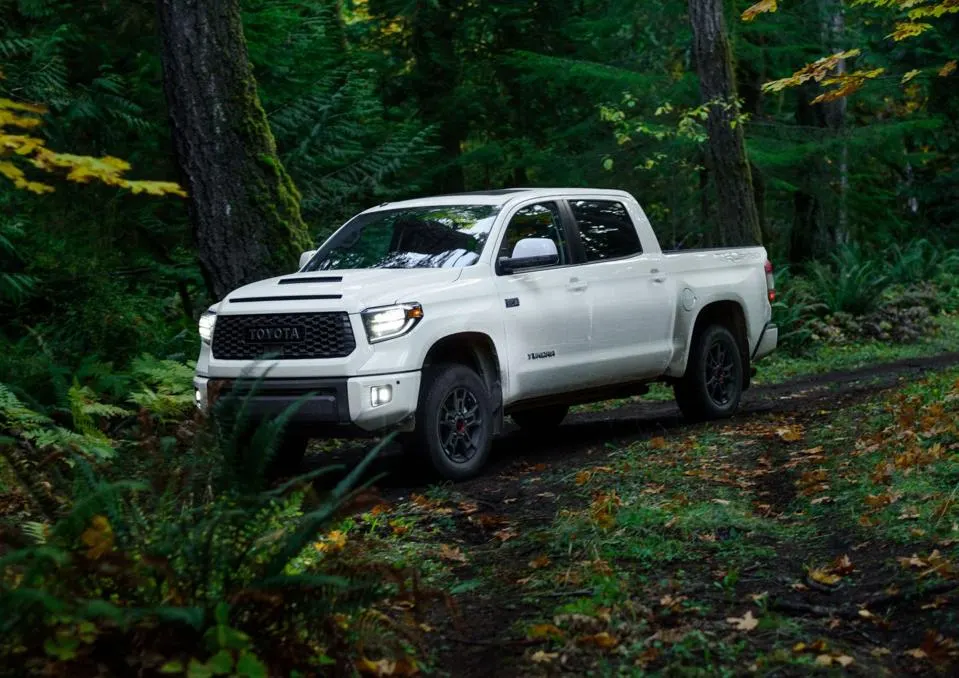
4. Toyota Tundra: Half-Ton, Heavy-Duty Spirit
The Toyota Tundra’s fully boxed rolled-steel frame, reinforced at both ends, resists torsional and vertical bending. Reinforcements near the hitch prevent distortion during frequent trailer towing, while the suspension keeps loads balanced over long hauls.
Drivers report no sagging or misalignment even with full beds and heavy trailers on cross-country trips. Fleet operators highlight minimal wear after years of service, with steering and suspension remaining true. The boxed frame resists twisting on steep grades or rough terrain, offering reliability in both work and leisure settings.
Toyota’s focus on structural longevity ensures the Tundra remains dependable in environments where some competitors bend under strain, making it a top choice for those needing half-ton comfort and full-duty toughness.
5. Ram 2500 Heavy Duty: Rigid Under Pressure
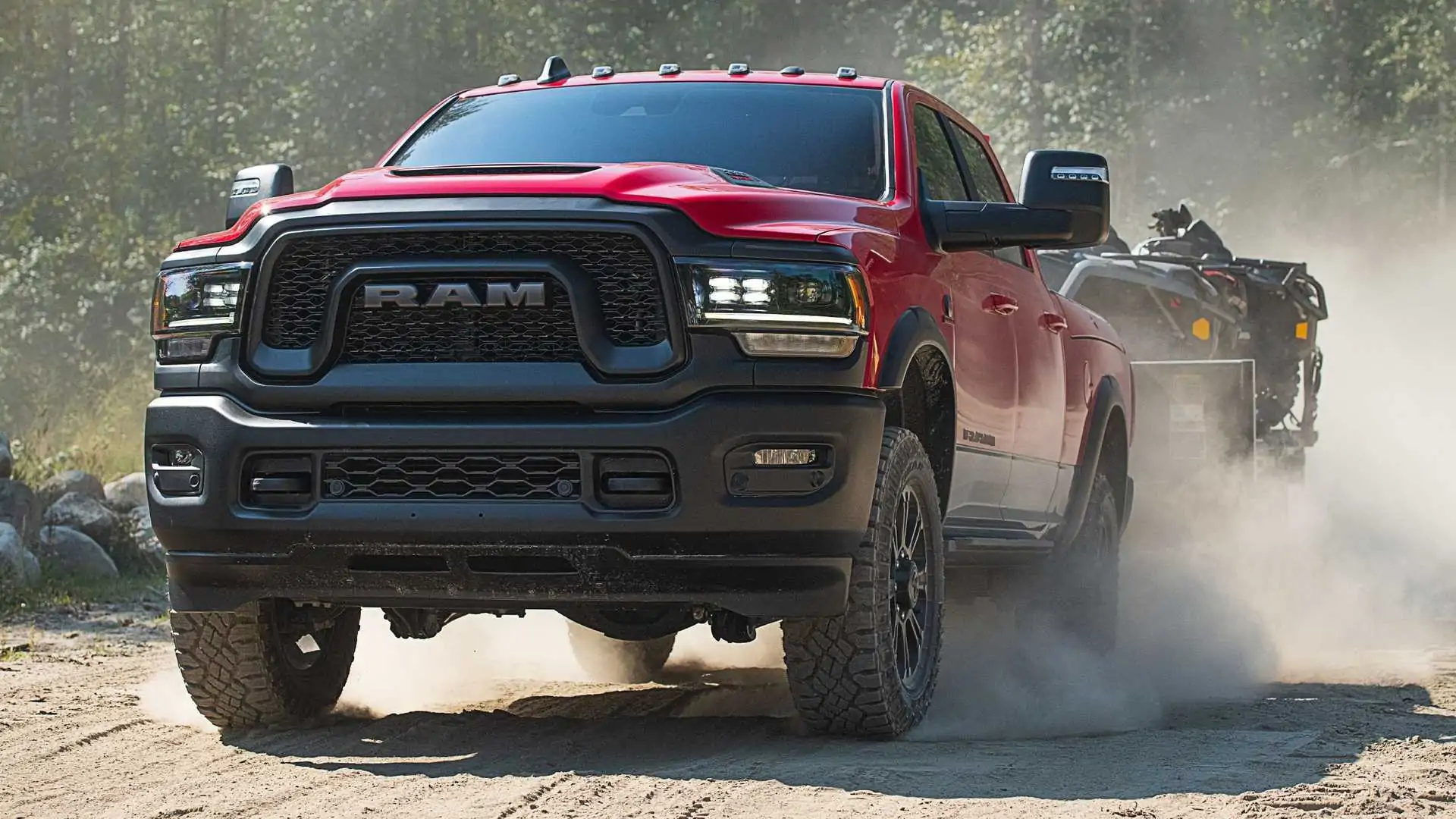
The Ram 2500’s fully boxed, hydroformed high-strength steel frame provides exceptional resistance to bending and twisting. Abandoning older C-channel designs, Ram created a solid platform for serious workloads.
Reinforced crossmembers distribute forces evenly, while tuned springs and shocks prevent stress buildup in vulnerable spots. Farmers, miners, and contractors report years of use without misalignment or frame fatigue.
Most bending issues only occur when the truck is grossly overloaded. Commercial fleet managers praise its stability when hauling everything from livestock trailers to construction machinery.
This strength supports not only payload and towing performance but also the vehicle’s long-term reliability, giving the Ram 2500 a strong reputation in the heavy-duty segment.
Also Read: 5 Cars That Rarely Leak Oil and 5 That Drip on Every Driveway
5 Trucks That Can’t Stay Straight
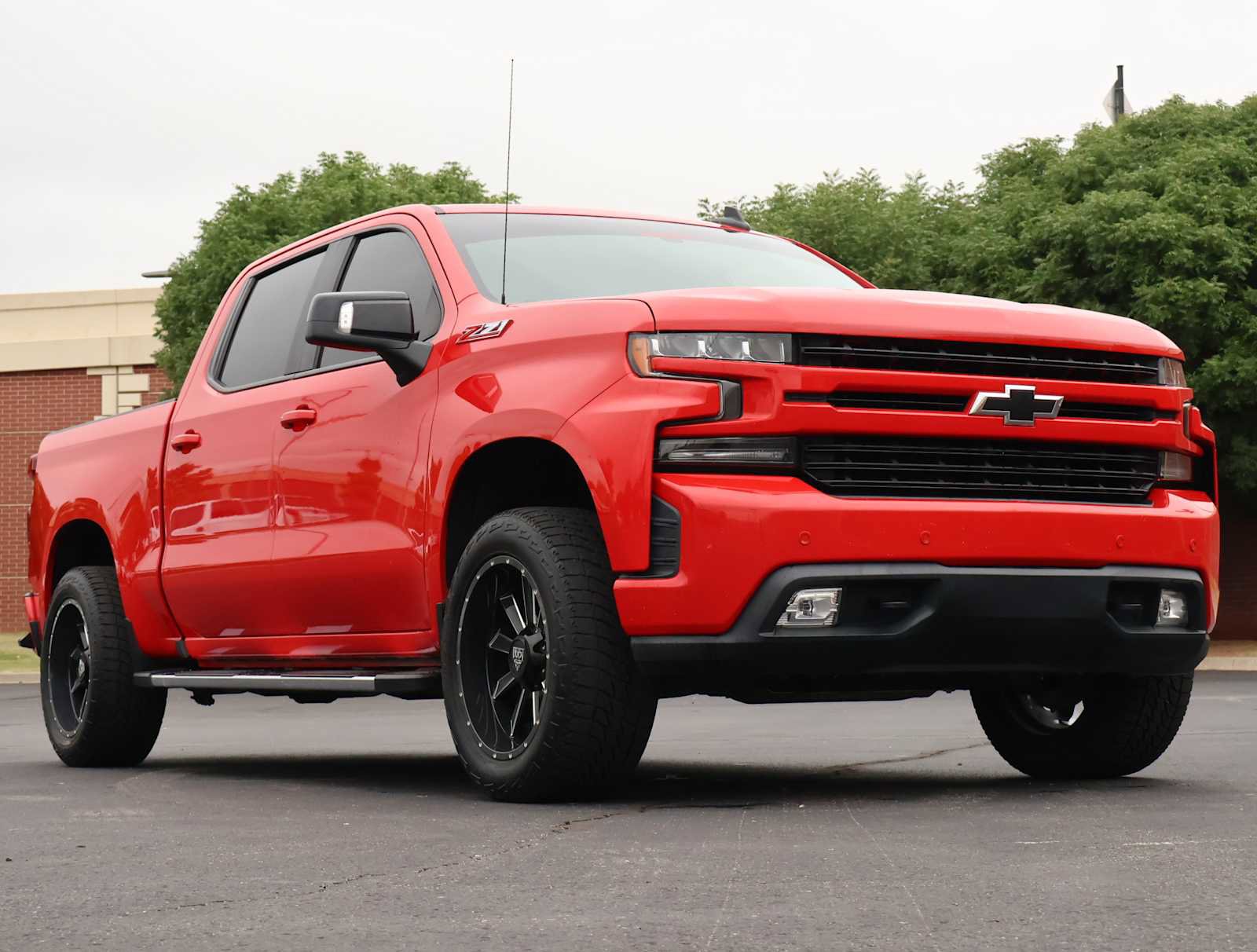
1. Chevrolet Silverado 1500 (Pre-2019): Flex and Fatigue
The 2014–2018 Chevrolet Silverado 1500 struggled with frame rigidity, particularly in heavy-duty use. Its partially boxed frame with open C-channel rear sections lacked the stiffness to resist sagging under prolonged towing or hauling.
Owners reported misalignment, suspension geometry issues, and in severe cases, permanent deformation requiring frame replacement. While comfortable and reliable mechanically, it was not suited for constant heavy loads.
The 2019 redesign added significant reinforcement, but earlier models remain prone to flexing, especially in commercial settings. Buyers considering pre-2019 Silverados should inspect frames closely for stress signs if the truck was used heavily for towing or construction.
2. Toyota Tacoma (Second Generation): Mid-Size Overload
From 2005 to 2015, the Toyota Tacoma’s partially boxed, C-channel frame design performed well in light-duty work but struggled with repeated heavy hauling. Owners towing or loading near capacity frequently experienced sagging, flexing, and undercarriage misalignment.
Cold climates and rough terrain amplified these problems, with rust further weakening the structure. Toyota addressed some issues with warranty extensions and frame replacements, but the original design was not built for constant heavy loads.
Light-duty users rarely saw issues, but those expecting heavy-duty performance were often disappointed. This generation remains a solid choice for moderate use but should not be mistaken for a heavy hauler.

3. Nissan Frontier (2005–2021): Stressed to the Limit
The Nissan Frontier, while reliable mechanically, suffered from a partially boxed frame that lacked reinforcement for sustained heavy workloads. Towing trailers or hauling construction materials often led to rear-end sagging, suspension misalignment, and even cracked welds in high-stress environments.
Rust-prone areas, especially in humid or snowy regions, worsened the situation. Though Nissan improved frame strength in later years, commercial users reported bending before high mileage in older models.
The Frontier is dependable for everyday use and moderate loads but risks structural damage if treated like a full-size heavy-duty truck. Prospective buyers should match the truck’s duties to its intended engineering.

4. Chevrolet Colorado (2015–2020): Overstretched Mid-Size
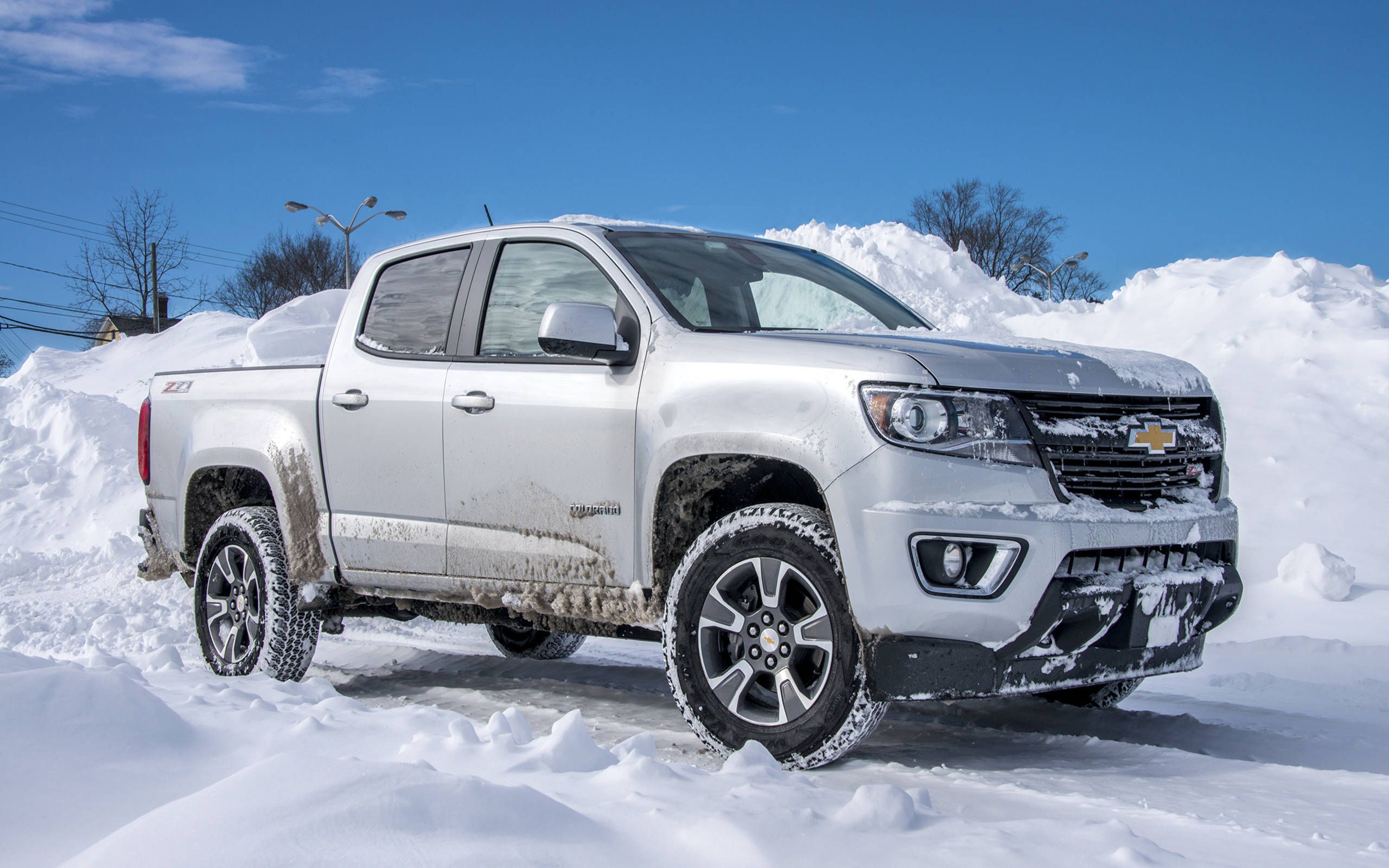
Chevrolet’s mid-size Colorado appealed to buyers seeking a smaller work truck, but its frame showed limitations under prolonged heavy use. Weakness in the rear section made it prone to bending when near maximum load capacity.
Reports from users in construction and agriculture detailed sagging, suspension misalignment, and uneven tire wear over time. Corrosion issues in snowy regions further weakened the chassis.
While well-suited for urban driving, light hauling, and occasional towing, the 2015–2020 Colorado struggled as a daily heavy hauler. The post-2020 redesign improved strength, but earlier models remain best for moderate-duty roles.
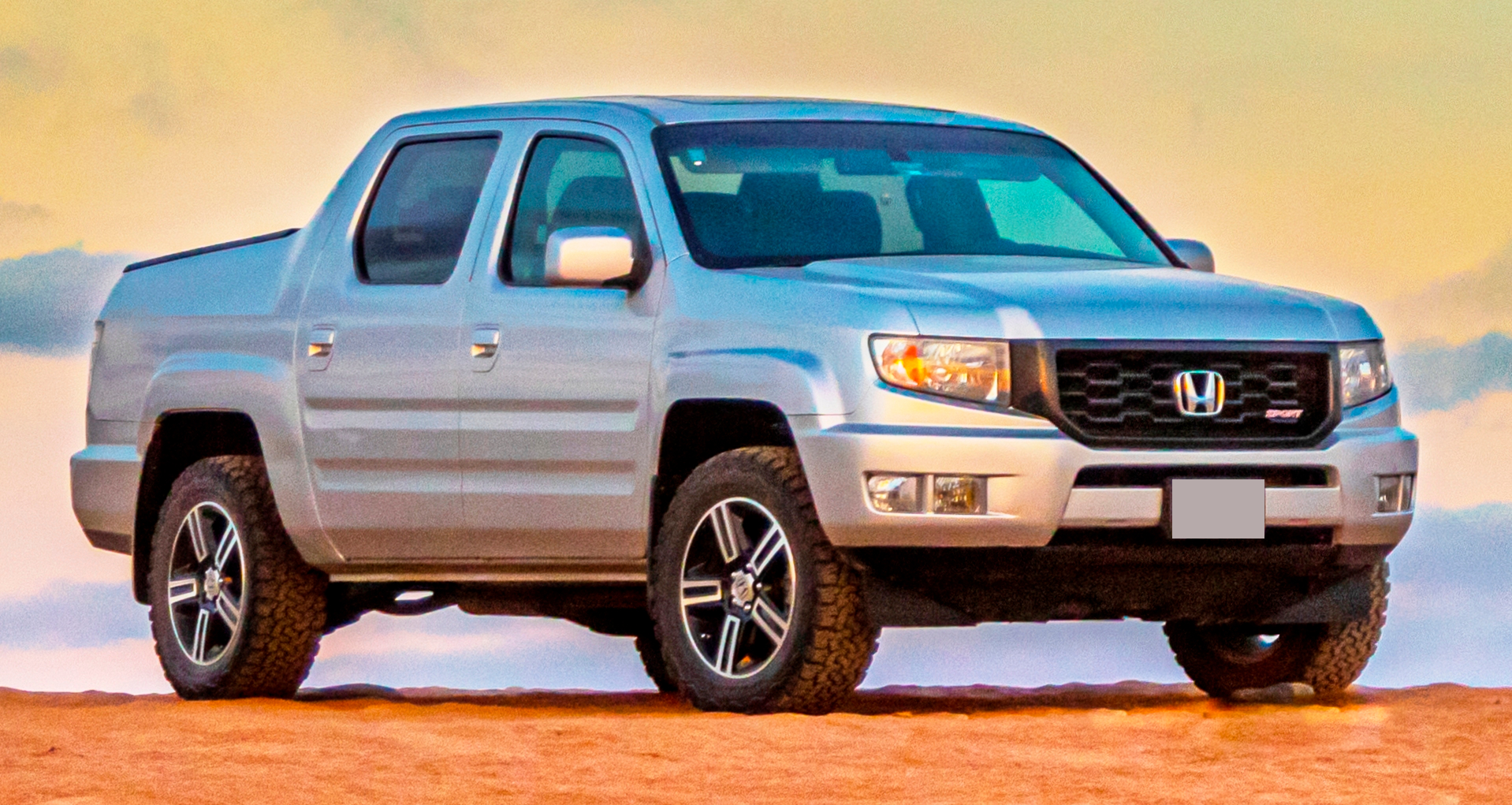
5. Honda Ridgeline (First Generation): Comfort Over Capability
The first-generation Honda Ridgeline’s unibody construction prioritized ride quality but compromised load endurance. Without a separate fully boxed frame, it flexed significantly under towing or heavy hauling, leading to misalignment, rear-end sag, and handling instability.
The rear suspension transferred more stress into the body, accelerating fatigue during work use. Off-road driving added further strain, especially over uneven terrain.
While perfect for suburban commuting and light recreational use, the Ridgeline fell short in heavy-duty performance. Later generations improved reinforcement, but early models remain unsuitable for constant heavy loading or commercial towing.
Truck frames determine whether a pickup remains a dependable work partner or a costly repair project. The GMC Sierra 2500HD, Ford Super Duty F-350, Ford F-150, Toyota Tundra, and Ram 2500 exemplify how strong engineering prevents twisting and sagging, even after years of demanding use.
In contrast, models like the pre-2019 Silverado 1500, older Tacoma, Frontier, Colorado, and first-gen Ridgeline highlight the risks of underbuilt or partially boxed designs when overworked.
Matching the truck’s frame strength to its intended workload ensures safety, performance, and longevity. Whether buying new or used, understanding frame construction is critical to avoiding structural issues that could undermine a truck’s value and dependability in the long run.
Also Read: 10 Cars With Rear Parking Sensors That Are Actually Useful