
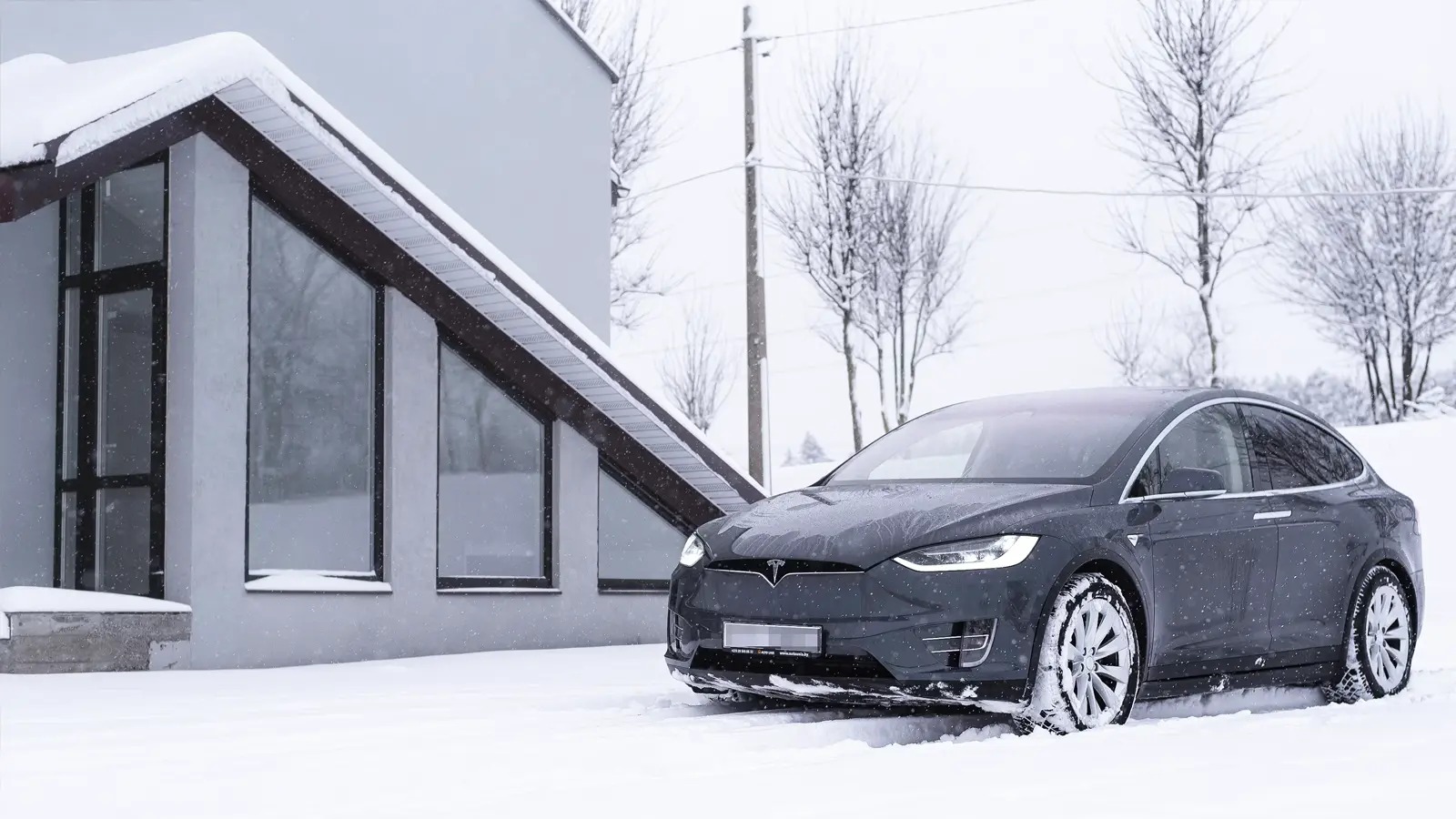
Electric vehicles have grown in popularity over the past decade as more drivers in the United States look for alternatives to petrol-powered cars. They offer quieter rides, zero tailpipe emissions, and impressive performance in many cases. However, an area where electric vehicles still face questions is how they perform during extremely low temperatures.
Drivers living in states that experience heavy snowfall and prolonged winter months often wonder how their EV will hold up when the thermometer drops well below freezing. The answer to that question depends greatly on the model in question because cold weather affects electric cars differently.
One reason for the varied performance is that batteries in electric vehicles lose efficiency when exposed to cold temperatures. This is not unique to EVs, as many battery-powered devices also experience slower performance in freezing weather. The chemistry inside lithium-ion batteries slows down in the cold, which makes them deliver less energy to the motor.
The problem is compounded when the vehicle needs to heat the cabin, windows, and battery pack, all of which draw additional power. While some EVs are designed with advanced thermal management systems to limit this energy loss, others do not handle these conditions as well.
Some models maintain a large percentage of their driving range even in sub-zero temperatures. These cars often come with battery preconditioning systems and highly efficient cabin heaters that reduce the strain on the battery.
However, some EVs can lose close to half of their expected range when the weather is harsh. For a driver planning long trips or living in places with long winters, this difference can mean either a stress-free journey or constant stops for charging.
In the following sections, we will look at five electric cars that remain reliable during freezing conditions and five others that tend to see their driving range drop sharply in such weather.
5 EVs That Survive Cold Weather
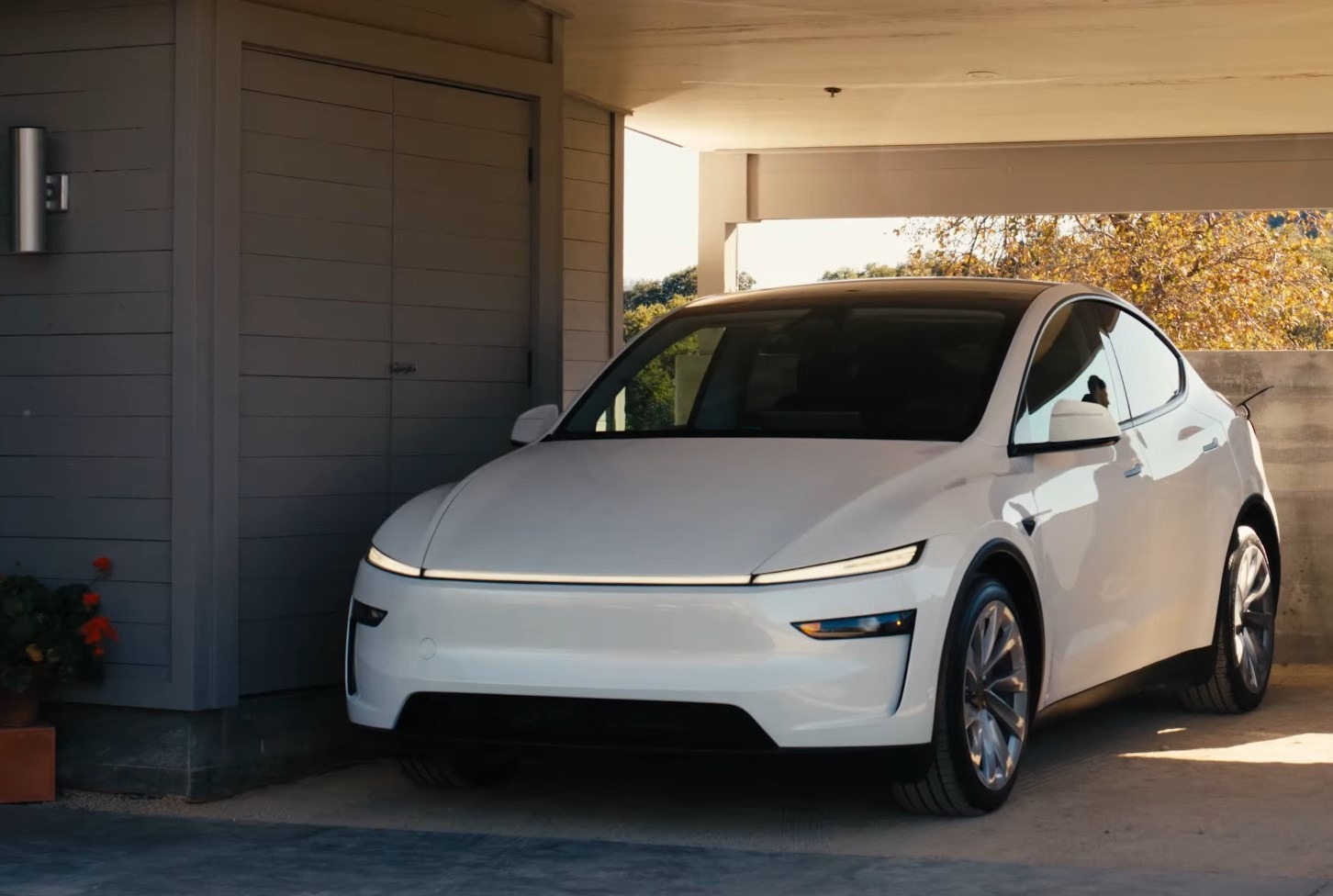
1. Tesla Model Y
Tesla has put a lot of focus on ensuring its vehicles perform well even in challenging conditions, and the Model Y stands as a strong example of this. The Model Y is a mid-size electric SUV that has won praise for its balance of range, interior space, and technology. One of its biggest strengths in cold weather is its sophisticated battery thermal management system. This feature helps keep the battery at an optimal temperature regardless of outside conditions.
The Model Y’s system uses both active heating and cooling to ensure that the battery remains within a range where it can operate efficiently. During freezing weather, the car can automatically start warming the battery when it is plugged in before a trip. This preconditioning allows it to maintain more of its rated range compared to EVs without such features.
Tesla’s heat pump technology also plays a big role in the Model Y’s performance. Unlike traditional electric resistance heaters that consume large amounts of power, the heat pump is much more efficient. This means that the cabin can stay warm without drastically reducing the car’s driving distance.
Drivers in states like Minnesota and North Dakota have reported that the Model Y retains a high percentage of its range even in temperatures well below zero. While there is still some loss, it is far less severe than in many competing electric SUVs. The Tesla mobile app allows drivers to start warming the cabin and battery before getting in, which can make a big difference on frigid mornings.
Another factor that helps the Model Y perform well in winter is its all-wheel-drive option. With dual motors, it delivers strong traction on snowy and icy roads. This is important for safety and for maintaining steady power delivery without excessive wheel slip. The regenerative braking system is also smooth and can be adjusted for more control on slippery surfaces.
The Model Y proves that with the right engineering, an EV can remain dependable in harsh winter conditions without forcing drivers to constantly worry about running out of charge before reaching their destination.
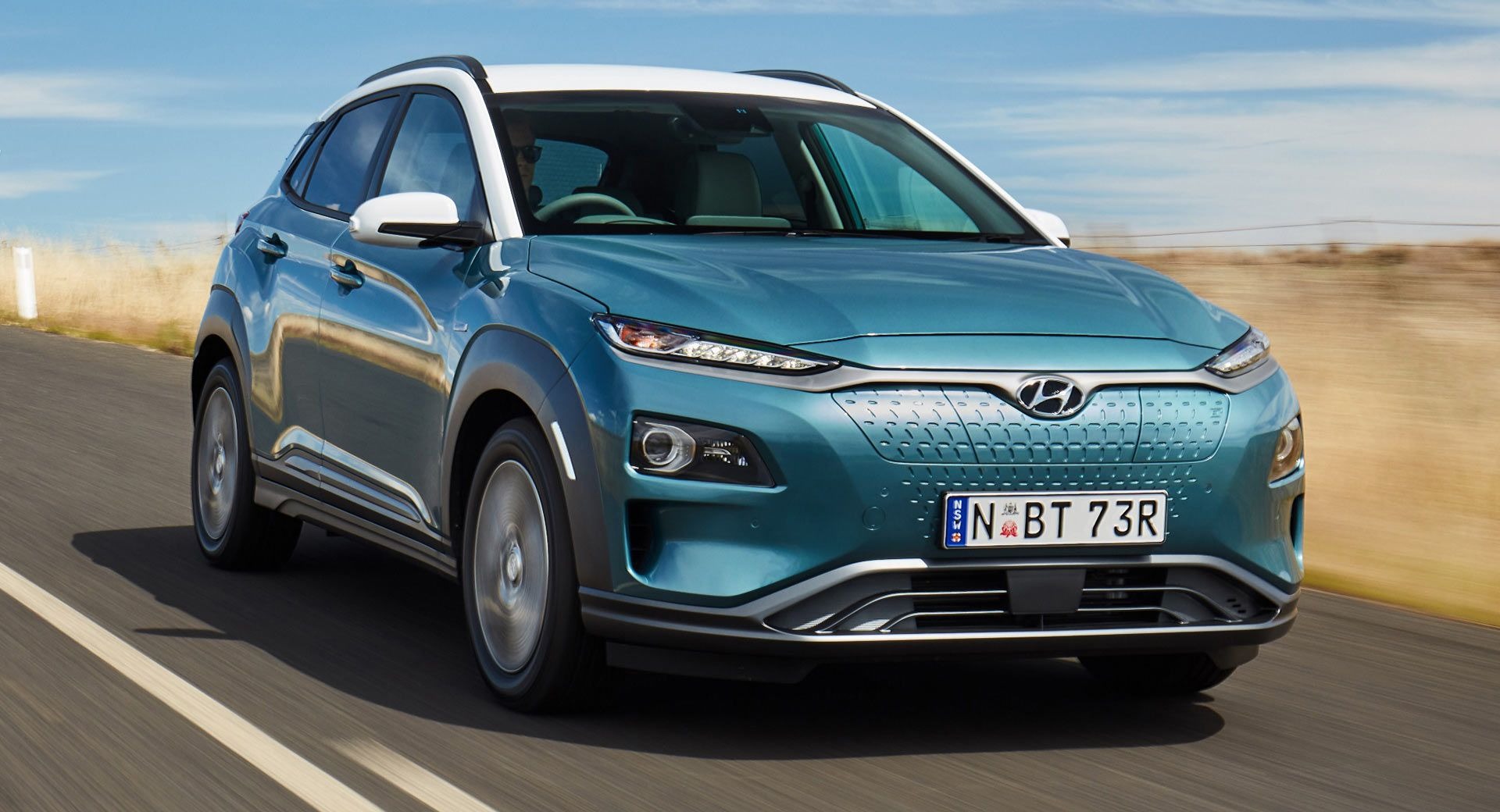
2. Hyundai Kona Electric
The Hyundai Kona Electric has earned a reputation for being a practical and efficient small SUV, and its performance in cold weather is one of the reasons it stands out. Hyundai has equipped the Kona Electric with a liquid-cooled battery system that helps keep its performance stable across different temperatures. This thermal management system is particularly helpful during the winter months, allowing the car to hold on to a good portion of its range.
One of the Kona Electric’s biggest advantages in winter driving is its use of a heat pump in higher trims. This device is more energy-efficient than a standard resistance heater and allows the cabin to warm up quickly without putting too much strain on the battery. When combined with heated seats and a heated steering wheel, it reduces the need to rely solely on cabin heating, which can save power for driving.
The Kona Electric also offers battery preconditioning in certain markets, enabling the driver to warm the battery before departure. This can be especially important when heading to a DC fast charger in cold conditions, as a warmer battery can accept a charge much more quickly. Charging speed can slow dramatically if the battery is too cold, so this feature is a welcome addition for winter users.
While its official range in ideal conditions is around 258 miles, drivers in cold climates often report maintaining well over 200 miles even in freezing temperatures. The vehicle’s compact size and efficient motor contribute to this performance. The Kona Electric also handles snowy roads well, with traction control and stability systems that respond predictably.
Hyundai’s attention to efficiency and practical features makes the Kona Electric an appealing choice for those who want an affordable EV that does not lose too much range in the cold. It demonstrates that a well-engineered electric vehicle can handle winter challenges without being a high-end luxury model.
Also Read: 5 EVs That Rarely Break Chargers and 5 That Always Fail
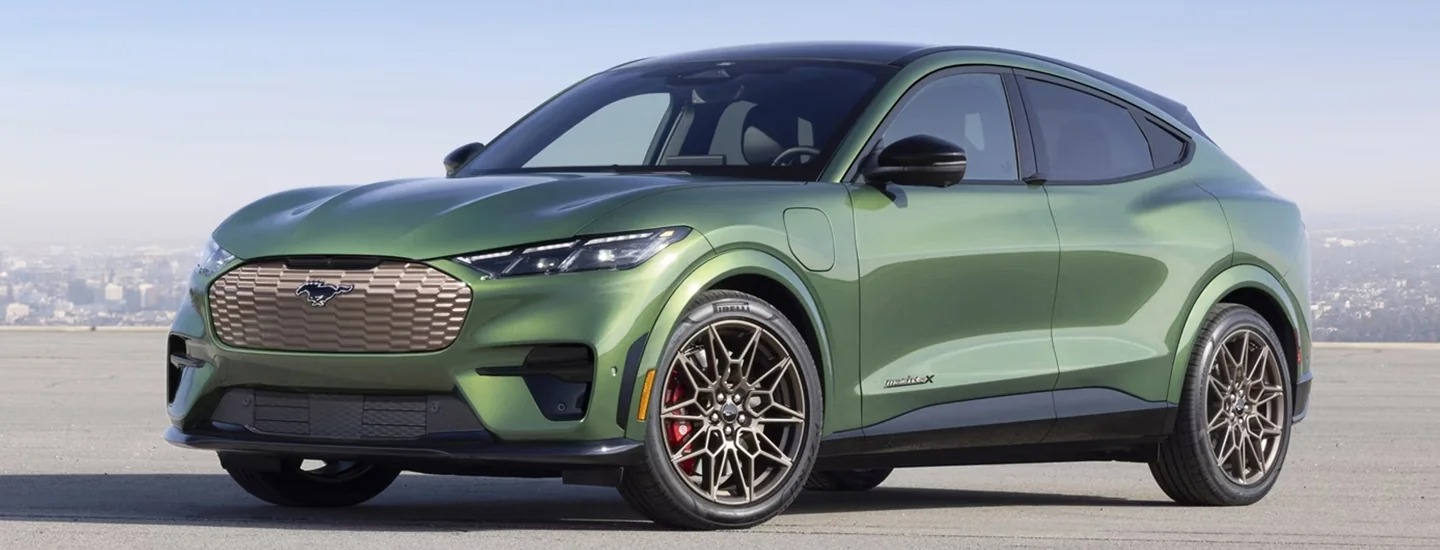
3. Ford Mustang Mach-E
The Ford Mustang Mach-E is one of the most popular electric SUVs in the United States, blending sporty design with practicality. Its performance during the winter months is a strong point for many owners, thanks to its well-designed battery thermal management system and cold-weather features. Ford’s engineers have put effort into ensuring the Mach-E remains efficient even when temperatures drop far below freezing.
The Mach-E uses a liquid-cooled battery system that actively manages temperature. When the outside air is cold, the system draws on stored energy to keep the battery within an optimal range. This helps reduce the dramatic loss of range that some electric vehicles experience during the winter.
For those living in colder states, the car also offers a preconditioning function that can be activated through the FordPass app. This allows the driver to warm up both the cabin and the battery before a journey while still plugged into a charger, preventing unnecessary battery drain once the trip starts.
Ford also includes a heat pump system in the Mach-E, which is far more efficient than a traditional resistance heater. This means less energy is taken from the battery to warm the interior. The heated front seats and heated steering wheel offer added comfort while helping reduce the need for high cabin temperatures, which can quickly drain range.
On snowy roads, the Mach-E’s all-wheel-drive models perform admirably. The instant torque from its dual motors helps with traction, while advanced stability control systems ensure the car remains predictable even on slippery surfaces.
Many owners in cold regions have reported that their Mach-E retains a large portion of its summer range during winter, often losing less than 20 percent in typical driving conditions. Charging is another area where the Mach-E shines in cold climates.
With battery preconditioning before a fast charge, it can reach peak charging speeds more quickly. Without preconditioning, cold batteries may charge much more slowly, but Ford’s system helps prevent this.
For drivers seeking an electric SUV that does not experience severe range loss in winter, the Mustang Mach-E stands as a well-rounded option. It offers both comfort and reliability for those facing months of snow and freezing temperatures.
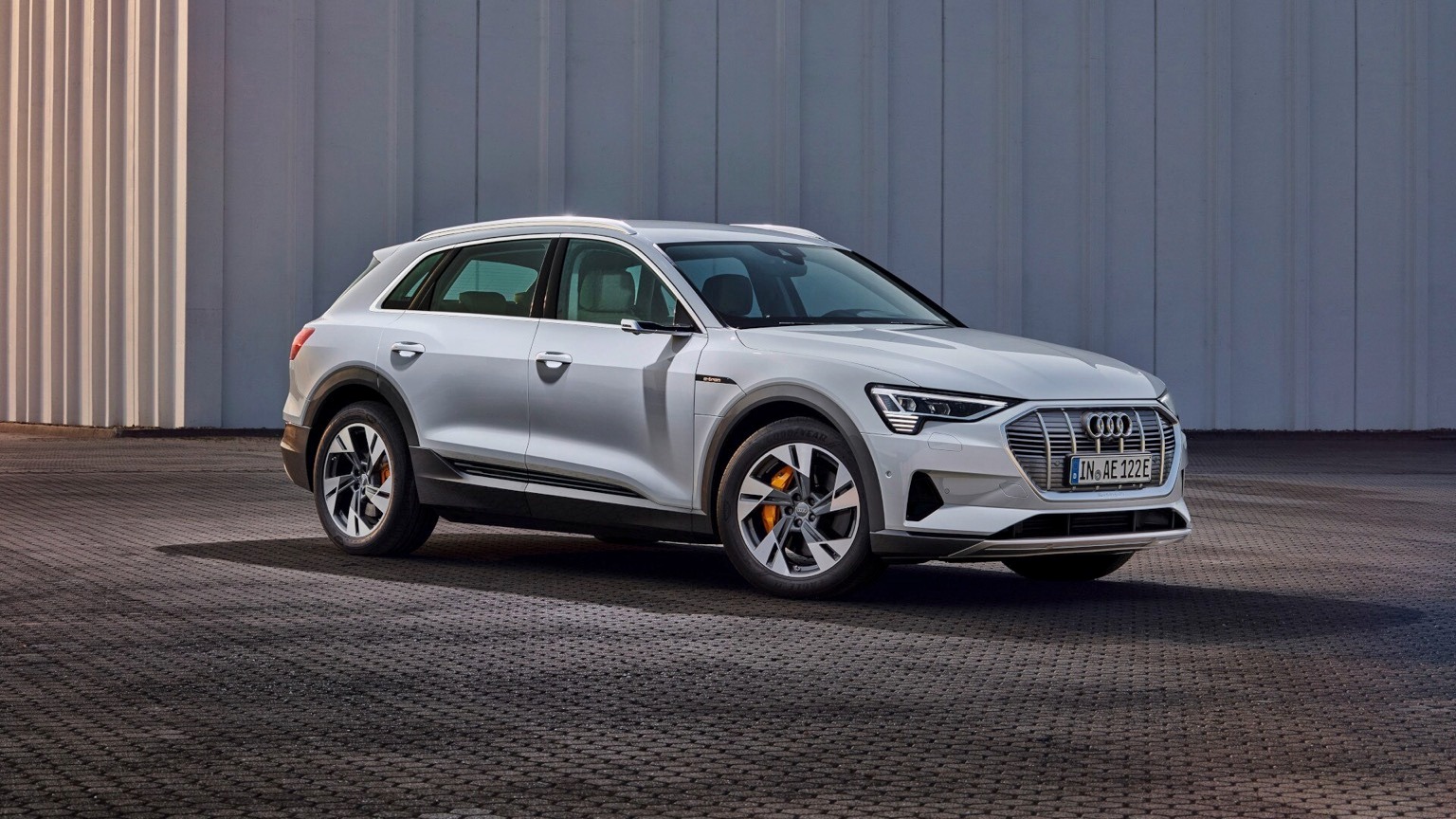
4. Audi e-tron
The Audi e-tron is a luxury electric SUV that has been tested extensively in some of the coldest parts of the globe, and that testing shows in its winter performance. From its inception, Audi designed the e-tron with a focus on all-weather capability, making it a dependable choice for drivers in northern climates.
The e-tron features an advanced thermal management system with a large liquid-cooling circuit for the battery. This allows the vehicle to maintain consistent performance whether the temperature is scorching hot or well below zero. In freezing conditions, the system automatically draws power to keep the battery at an efficient operating temperature, preventing extreme range drops.
One of the standout features for winter driving is its standard heat pump, which recycles waste heat from the drivetrain to warm the cabin. This reduces the power consumption of the heating system, helping to preserve driving range. Coupled with heated seats, a heated steering wheel, and preconditioning options, the e-tron allows drivers to step into a warm vehicle without sacrificing miles from the battery.
All-wheel drive comes standard, with Audi’s Quattro electric system offering superb traction control. This ensures stable handling on snowy and icy roads, making it an excellent choice for winter commuting and long-distance travel. The e-tron’s low center of gravity, thanks to its battery placement, also improves stability in slippery conditions.
Range loss in extreme cold is minimal compared to many other EVs in its segment. While there is still a reduction, drivers often maintain more than 75 percent of their typical range in freezing weather. This is aided by the e-tron’s efficiency-focused systems and robust insulation within the cabin.
Charging in the cold can be challenging for any EV, but the e-tron addresses this with its battery preheating function before DC fast charging. This ensures faster charging speeds even in frigid temperatures.
For those who value comfort, performance, and reliability during winter months, the Audi e-tron offers a combination of luxury and cold-weather resilience that few other EVs match.
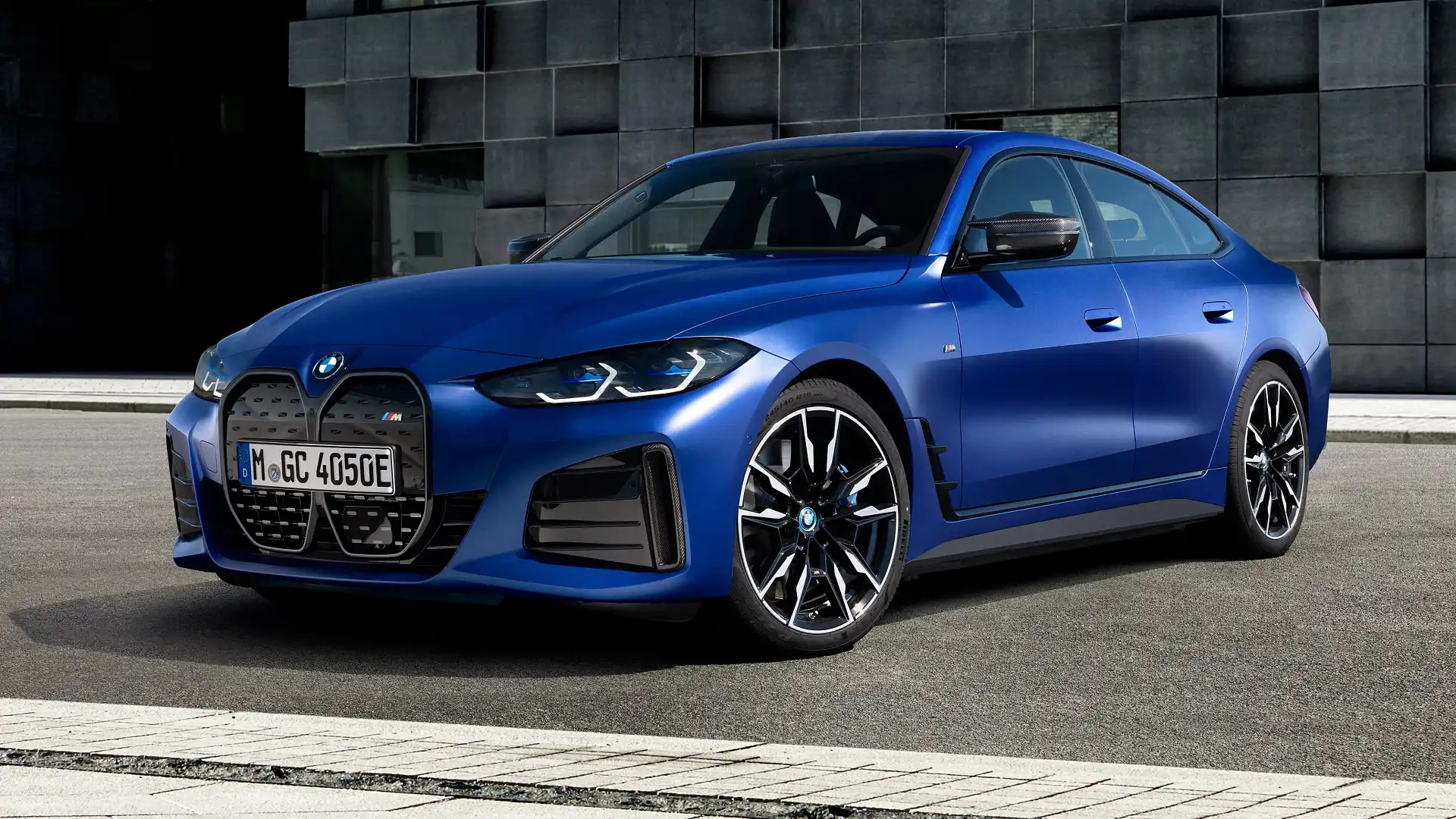
5. BMW i4
BMW’s i4 is a sleek electric sedan that combines the driving dynamics the brand is known for with the efficiency needed for electric driving. While many sedans struggle in harsh winters, the i4 holds its own, largely thanks to its advanced battery and heating systems.
The i4 uses a liquid-cooled and heated battery pack that maintains optimal temperatures regardless of outside conditions. This allows it to perform well in freezing weather without suffering extreme range losses.
In addition, BMW offers a preconditioning feature that warms the battery before driving or charging, which can be activated via the My BMW app. This ensures the battery is ready to deliver power efficiently and charge at higher speeds even when it is cold outside.
The i4 also benefits from a highly efficient heat pump that provides warmth to the cabin while consuming less energy than traditional heating systems. Heated seats and a heated steering wheel are available, allowing drivers to stay comfortable without running the cabin heater at maximum power.
In terms of range retention, the i4 has been shown to keep a high percentage of its rated range even when the temperature dips well below freezing. While some loss is inevitable, the impact is far smaller than what is seen in many other electric sedans. This makes the i4 a good choice for those who want the style and performance of a luxury sedan without giving up cold-weather capability.
The rear-wheel-drive and all-wheel-drive options give flexibility for different climates. The AWD version is particularly suited to snowy roads, delivering better traction and stability. BMW’s regenerative braking system also adapts to slippery surfaces, ensuring controlled deceleration without sudden wheel lockups.
Charging performance in winter is strong, with the i4’s preconditioning ensuring that charging times remain reasonable even when starting from a cold battery. This is a big advantage for long winter trips where multiple charging stops may be required.
Drivers who choose the BMW i4 can enjoy both sporty handling and dependable winter performance, proving that cold-weather capability is not limited to SUVs.
5 EVs That Lose Half Their Range
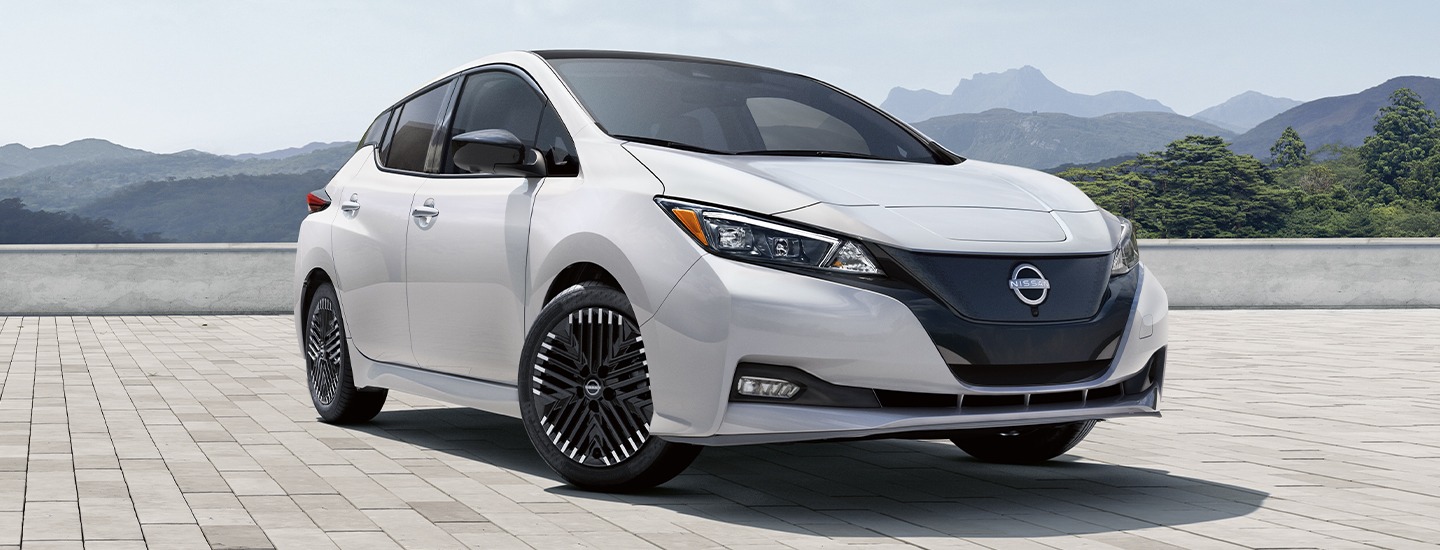
1. Nissan Leaf
The Nissan Leaf is one of the most widely recognized electric vehicles in the United States, largely because it has been on the market for over a decade and offers an affordable entry into EV ownership. While it performs well in mild weather, its behavior in extreme cold is a concern for many drivers. The primary reason lies in its battery design, which lacks an active thermal management system in most versions.
Unlike newer EVs that use liquid cooling and heating systems to regulate battery temperature, the Leaf relies mostly on passive air cooling. This means that when the outside temperature drops, the battery’s internal chemistry slows down, reducing its ability to store and deliver energy efficiently. As a result, the Leaf can lose a substantial portion of its range during cold weather, sometimes approaching 40 to 50 percent in sub-zero conditions.
Cabin heating in the Leaf is another factor that impacts winter performance. Earlier models used an electric resistance heater, which consumes a large amount of power when warming the interior. This further reduces available driving range. Newer trims include a heat pump, which helps somewhat, but the absence of battery preconditioning in most versions means the battery still starts cold and performs less efficiently.
Owners in regions like the Midwest and northern New England often report needing to plan trips carefully in winter to avoid running out of charge prematurely. Charging times can also become frustratingly long, as a cold battery accepts electricity more slowly. For those relying on public DC fast chargers, this can mean extended waiting times.
The Leaf’s front-wheel-drive system works reasonably well on snowy roads, but range anxiety remains the bigger challenge for winter driving. Drivers must often choose between staying warm and preserving enough range to reach their destination. For short urban commutes in cold climates, it can still be serviceable, but for longer winter journeys, the loss in range is difficult to ignore.
The Nissan Leaf’s affordability and simplicity make it appealing for some buyers, but those living in areas with harsh winters should be prepared for noticeable range reductions when temperatures drop well below freezing.
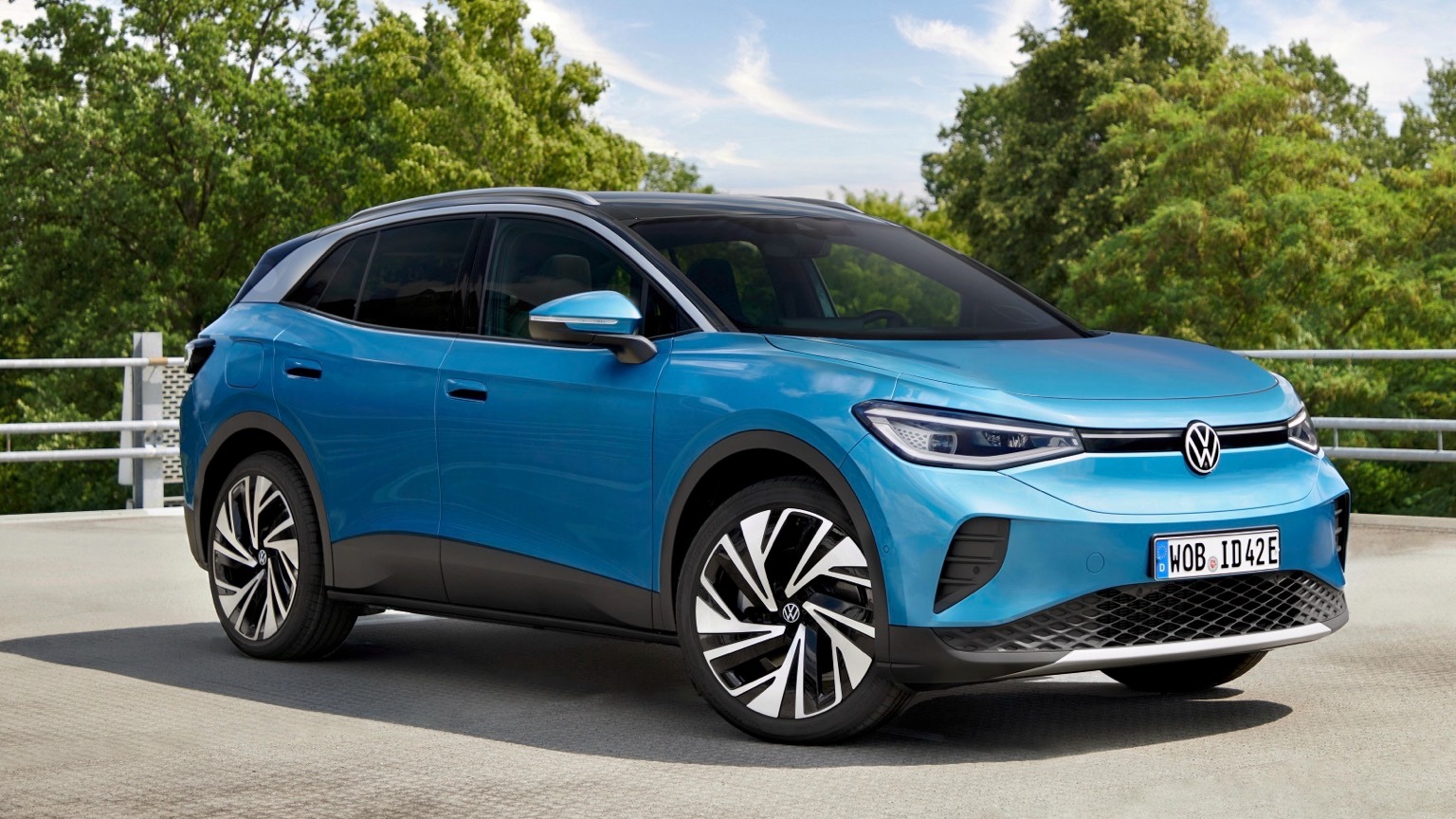
2. Volkswagen ID.4
The Volkswagen ID.4 has been praised for its comfortable ride, spacious cabin, and user-friendly design, but it faces a major challenge when winter arrives. Despite having a liquid-cooled battery system, the ID.4 still experiences considerable range loss in cold weather, with reports showing drops of 30 to 50 percent depending on conditions and driving habits.
One of the main issues is the amount of energy consumed by its cabin heating system. While higher trims do include a heat pump, many versions use a standard electric resistance heater, which can drain the battery when used extensively in freezing conditions. Drivers often find themselves relying on seat and steering wheel heaters to conserve energy, but even then, the battery’s cold-weather efficiency is not among the strongest in its class.
Another challenge is that while the ID.4 offers battery preconditioning, it is sometimes limited in functionality compared to competitors. For instance, the system may only activate under specific charging circumstances, meaning the battery may still be cold when starting a journey, leading to slower acceleration and reduced range.
Charging speed also suffers in low temperatures. Without a fully warmed battery, DC fast charging can be noticeably slower, sometimes taking twice as long as in warmer weather. For drivers making multiple stops on long winter trips, this can become an inconvenience.
In terms of traction and handling, the ID.4 performs well thanks to its available all-wheel-drive system. Snowy and icy roads are less of a problem from a safety standpoint, but the reduced driving range means more frequent charging stops are required, which can be impractical in remote areas during winter.
Owners who live in moderate climates may never notice the issue, but for those in places like Minnesota, Wisconsin, or upstate New York, the winter range drop is substantial enough to impact daily planning. While the ID.4 remains a comfortable and enjoyable EV for most of the year, its cold-weather efficiency leaves room for improvement.
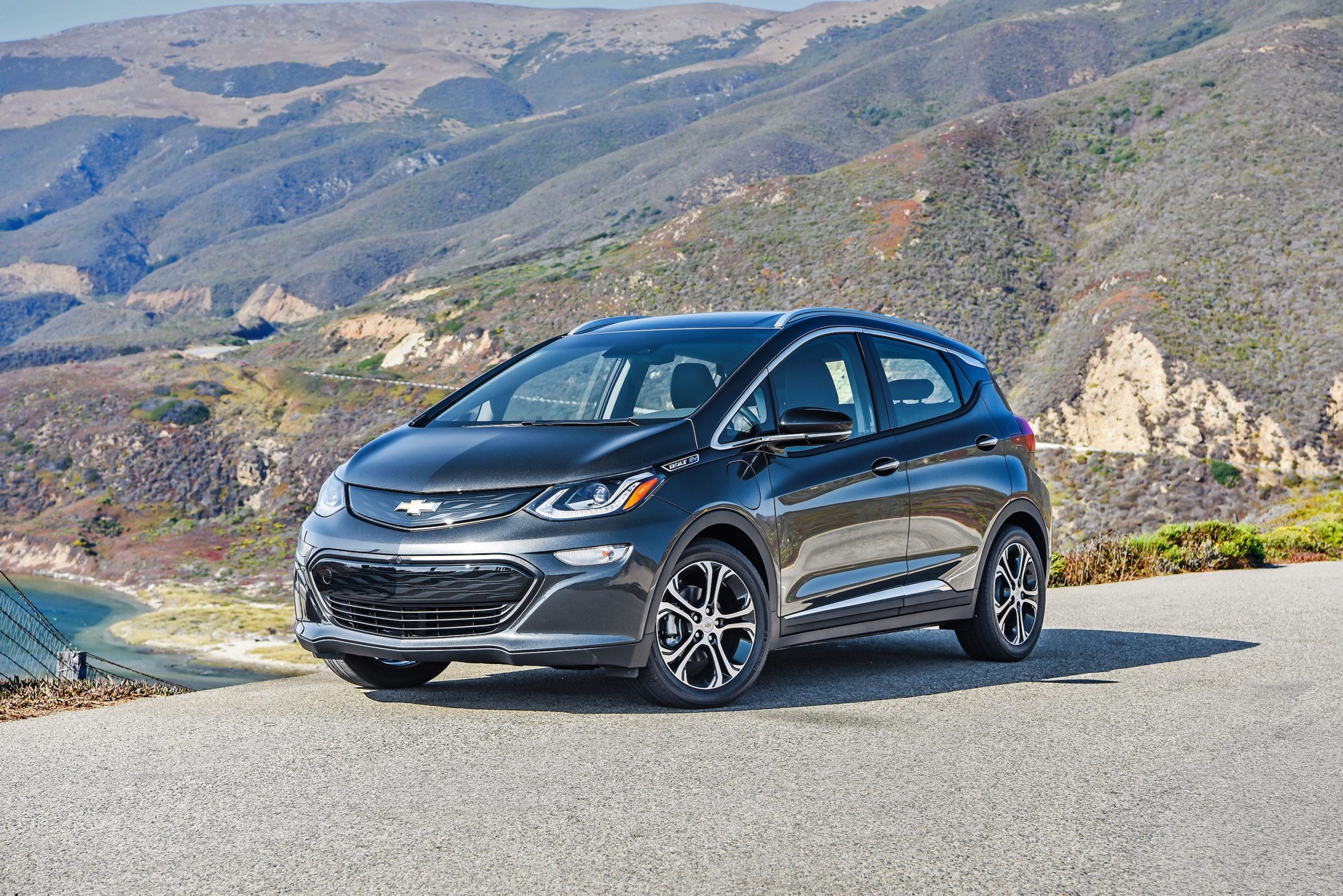
3. Chevrolet Bolt EV
The Chevrolet Bolt EV is known for its compact size, affordability, and respectable range in mild weather, but it struggles to maintain that range when the temperature drops. The Bolt uses a liquid-cooled battery pack, which is better than air-cooled designs in theory, yet its cold-weather performance is still weaker than some rivals.
One reason is the energy demand of its heating system. The Bolt EV relies heavily on an electric resistance heater for cabin warmth, which can consume a large portion of the battery’s available energy during long winter drives. While heated seats and a heated steering wheel help, they do not fully compensate for the extra energy needed to heat the entire cabin.
Battery preconditioning is available on the Bolt EV, but it must be manually activated, and its effectiveness depends on being plugged into a charger before departure. If the driver forgets or is unable to precondition, the battery will start cold and operate less efficiently. This can lead to range drops of up to 40 percent in harsh winter conditions.
Charging speed is another area where the Bolt EV faces challenges in freezing weather. Cold batteries take longer to charge, and without proper preheating, even DC fast charging can feel sluggish. For drivers in regions with limited charging infrastructure, this can be particularly frustrating.
On the road, the Bolt EV handles predictably in winter thanks to traction control and stability systems, but its front-wheel-drive setup is not as confidence-inspiring on snow-covered roads as all-wheel-drive EVs. Owners often need to equip quality winter tires to improve grip.
For urban commuters in cold climates, the Bolt EV can still be a practical choice if daily driving distances are short and charging is readily available. However, for longer trips or rural driving during the winter, the noticeable drop in range means more careful trip planning is essential.
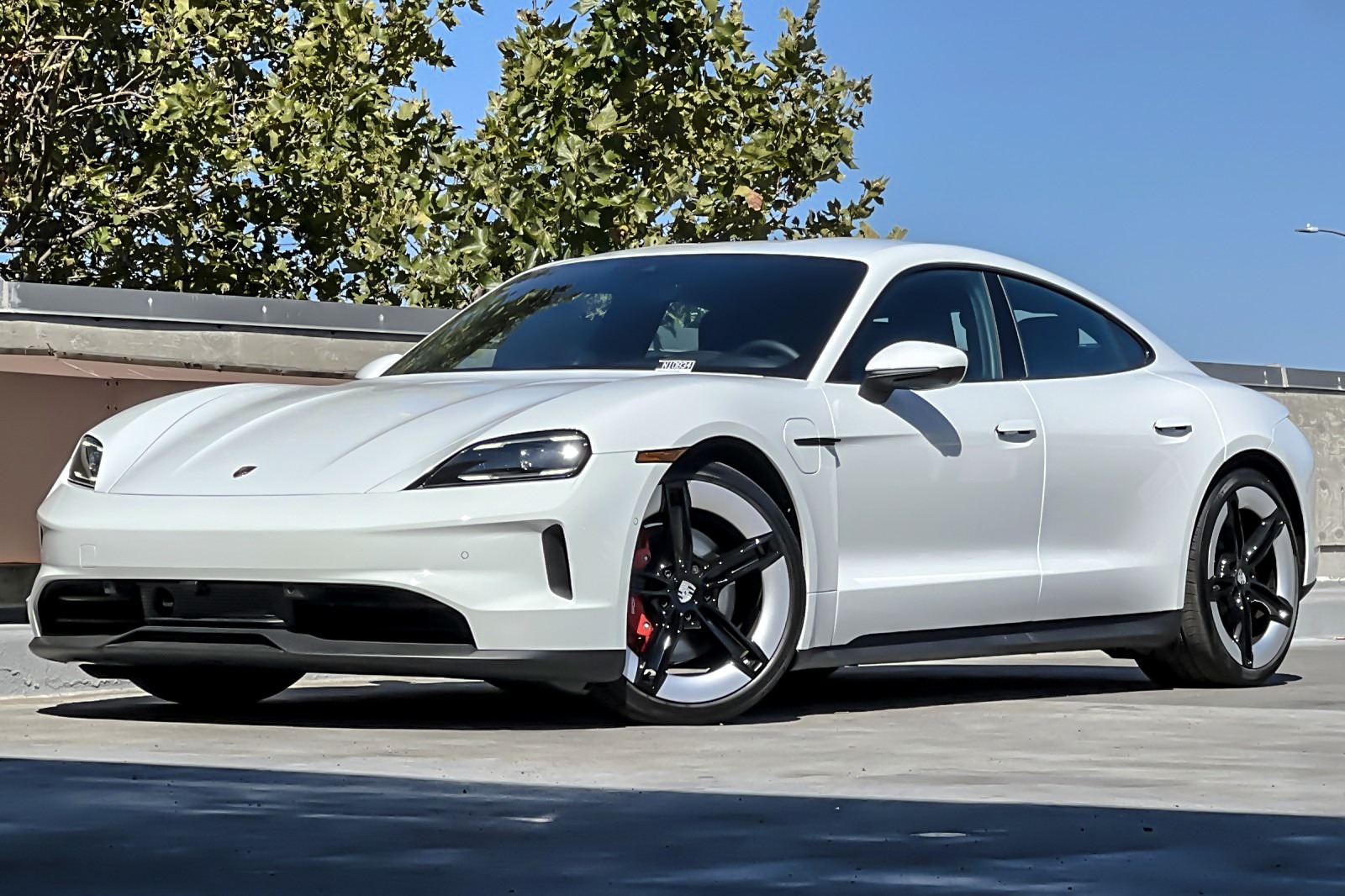
4. Porsche Taycan
The Porsche Taycan is a high-performance luxury EV that delivers thrilling acceleration and precise handling, but its range is already modest compared to some competitors, and winter conditions make that problem worse. The Taycan uses an advanced liquid-cooled battery system and offers battery preconditioning, yet it still loses a huge portion of its range in freezing weather.
Some of this is due to its performance-oriented design, which favors speed and handling over maximum efficiency. In cold temperatures, the Taycan’s battery chemistry slows down, and energy consumption increases due to both cabin heating and drivetrain demands.
While the Taycan does have a heat pump, the sheer amount of energy needed to power its systems means that winter range loss can approach 40 percent in severe cold. For drivers used to long-distance highway cruising, this can lead to more frequent charging stops than expected.
Another factor is that the Taycan’s fast-charging capability is highly dependent on battery temperature. In cold conditions, unless preconditioning is perfectly timed, charging speeds may drop considerably. This can offset one of the Taycan’s biggest advantages over rivals, which is its ability to charge at extremely high rates under ideal conditions.
On the road, the Taycan remains incredibly capable even on snowy surfaces, especially with the all-wheel-drive variants. Its traction control system is finely tuned, and with the right winter tires, it offers excellent grip.
However, these driving qualities cannot offset the fact that its energy consumption in cold weather is higher than that of many competitors. For buyers who live in warmer climates, the Taycan’s range is less of an issue, but for those in areas with long, cold winters, the reduced winter range can be a noticeable drawback for daily usability.
Also Read: 5 EVs That Last for Decades and 5 That Don’t See Year Five
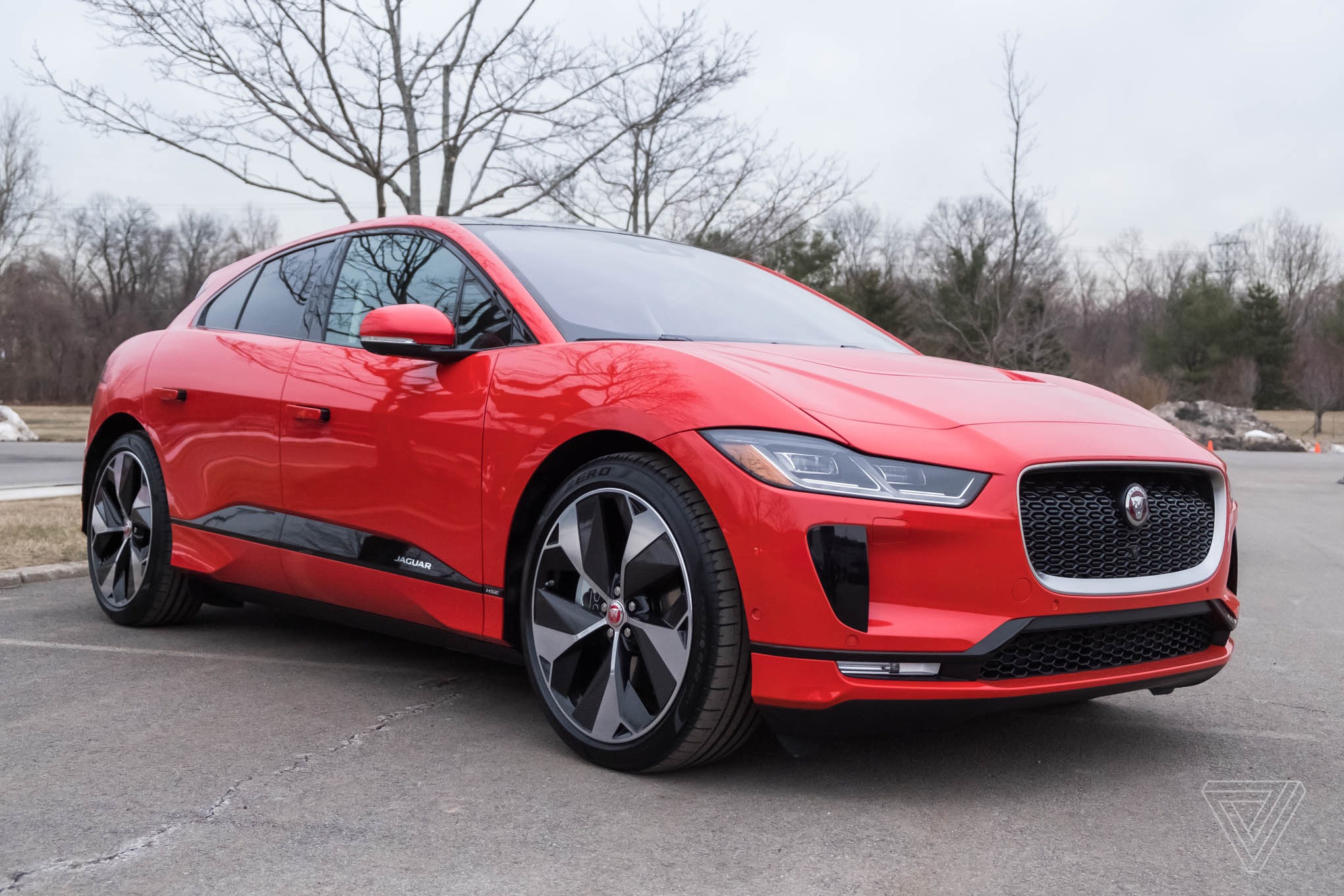
5. Jaguar I-Pace
The Jaguar I-Pace is a luxury electric SUV with sleek styling and engaging performance, yet it is also one of the EVs that sees a drop in range during cold months. Even with a liquid-cooled battery and a heat pump system, the I-Pace can lose close to half of its range when temperatures dip far below freezing.
The I-Pace’s heating system, while capable of quickly warming the cabin, draws a considerable amount of power from the battery. This energy demand, combined with the natural reduction in battery efficiency during cold weather, leads to substantial range loss. Even with seat and steering wheel heaters, drivers often find themselves using a large portion of the battery for comfort alone.
Battery preconditioning is available, but as with some other EVs, its effectiveness depends heavily on driver habits. If not plugged in before departure, the battery will start cold and take longer to reach optimal temperature. This affects both driving range and charging speed.
On snowy or icy roads, the I-Pace’s all-wheel-drive system provides strong traction and stability, giving drivers confidence in challenging weather. However, its relatively high energy consumption means that even with AWD advantages, it requires more charging stops in winter compared to other electric SUVs in its class.
Charging performance can also slow considerably in the cold, and without perfect preconditioning, DC fast charging sessions may take longer than expected. For drivers in rural or remote areas, this can complicate trip planning during the winter months.
While the Jaguar I-Pace offers luxury, style, and enjoyable driving dynamics, its winter range limitations are something potential owners in cold climates must keep in mind. For shorter daily commutes, it may still be practical, but for longer journeys in freezing temperatures, its efficiency challenges become more apparent.
