
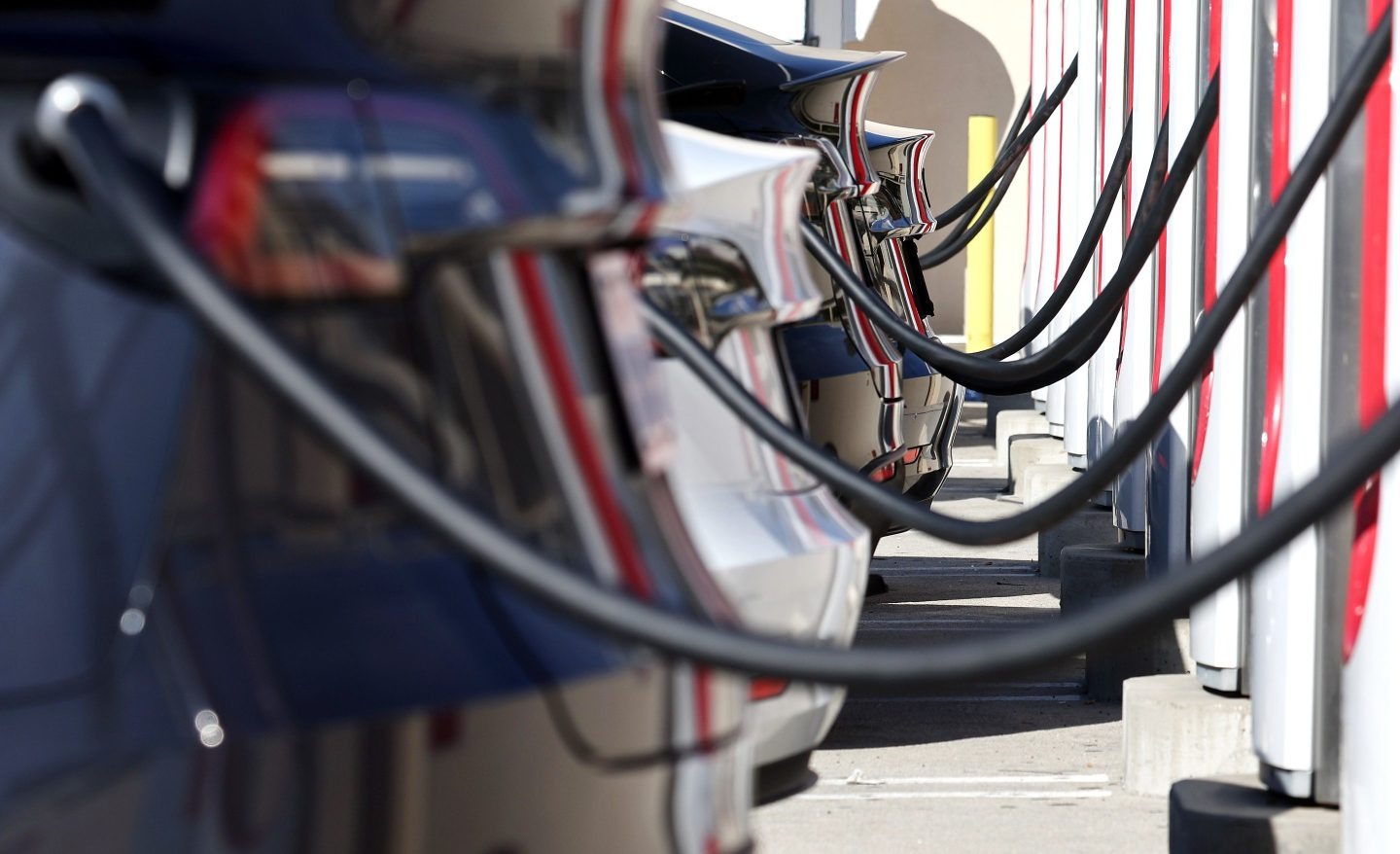
Electric vehicles have moved from being a rare sight to a regular choice for drivers in many countries. Many people are drawn to EVs because they offer cleaner transportation, quiet performance, and reduced spending on fuel.
Yet, while a lot of attention goes into comparing prices at the point of purchase, fewer buyers stop to ask themselves how much these cars cost to maintain. Maintenance can have a big effect on how much you spend over the years, and that difference can be surprisingly wide from one model to another.
The first thing to understand is that electric cars usually have fewer moving parts than vehicles with traditional engines. This means fewer chances for mechanical failures like oil leaks or timing belt replacements.
However, that does not automatically mean every EV is cheap to maintain. Battery replacements, specialised electronics, and unique repair needs can make certain EVs very expensive to keep on the road. For some models, even basic repairs require specialised tools and trained technicians, which can raise costs quickly.
Drivers looking for a low-maintenance EV need to think beyond just the sticker price. The cost of routine servicing, brake replacements, tyre changes, battery health checks, and even software updates can differ greatly between brands. While some EVs are designed to be simple and cost-friendly in the long run, others carry premium repair bills that may surprise their owners.
We will take a look at five electric vehicles that are known for affordable upkeep and five that tend to be heavy on the pocket. This should give you a clear picture of which models can save you money on maintenance and which might demand more from your budget.
5 EVs With Affordable Maintenance
1. Nissan Leaf
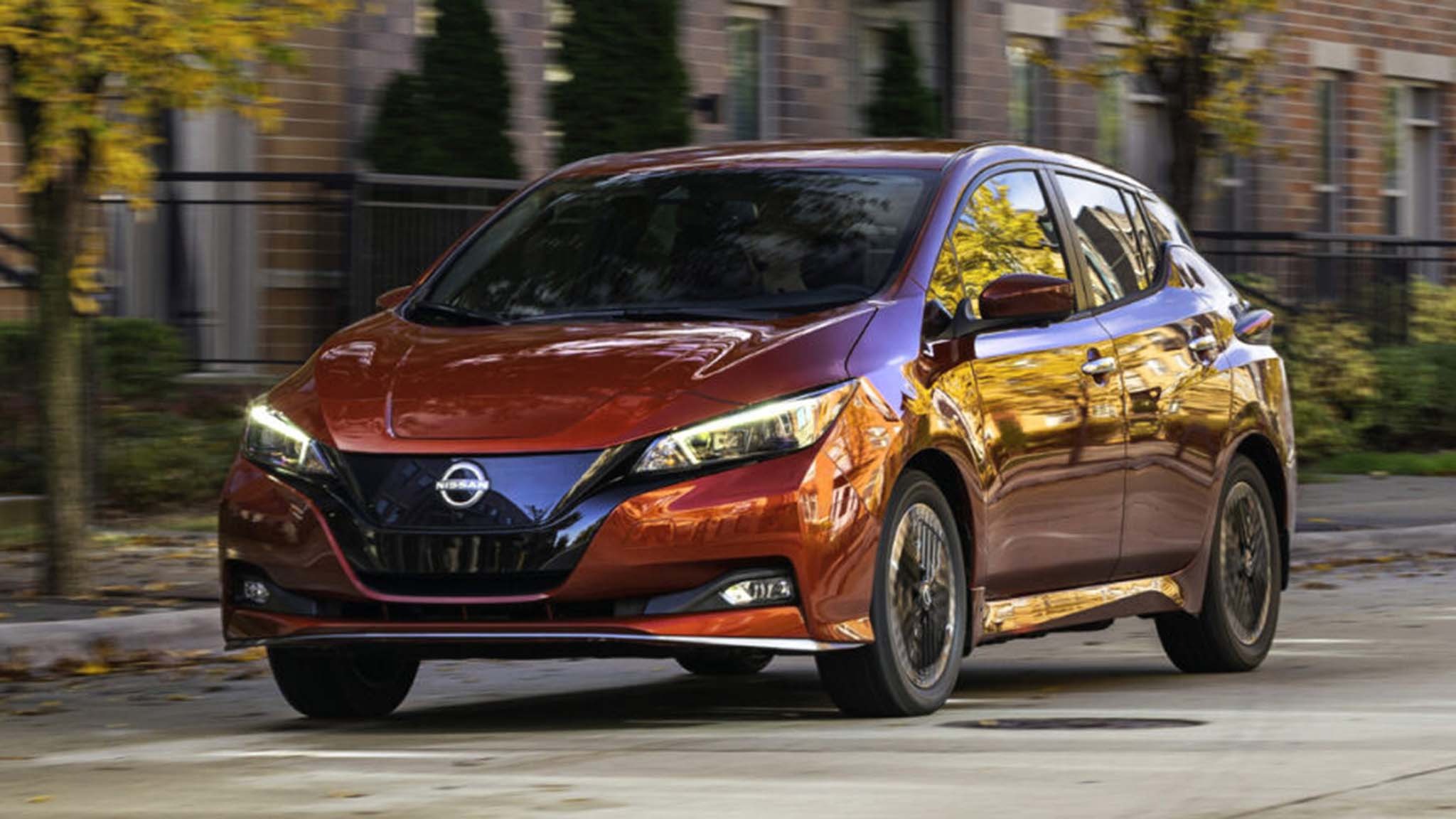
The Nissan Leaf has built a reputation as one of the most affordable electric cars to maintain, and this is not just about its reasonable purchase price. Owners appreciate the fact that it uses a straightforward design that keeps repair costs low.
The Leaf’s electric motor is reliable and does not require the sort of frequent servicing that comes with petrol-powered cars. This simplicity has made it a favourite for people who want an EV that is both dependable and cost-efficient.
One of the main reasons for its low maintenance cost is its use of passive air cooling for the battery instead of complicated liquid cooling system. While liquid cooling can improve battery performance in extreme climates, it also adds extra components that can fail and increase repair bills. The Leaf’s simpler approach reduces the number of parts that could break down.
Routine servicing for a Leaf often focuses on tyre rotations, brake inspections, and basic fluid checks for things like brake fluid and windshield washer fluid. Its regenerative braking system also extends the life of brake pads, meaning you will not be replacing them as often as you might in a conventional car. The fewer brake replacements you need, the less you spend over the years.
Spare parts for the Leaf are also widely available, which helps keep prices competitive. Many independent EV repair shops are familiar with the model, so you are not limited to costly dealership servicing. Its software updates are generally easy to install, and most do not require you to pay extra.
Owners who use the Leaf for regular city driving often report years of trouble-free performance. This reliability, combined with the relatively low cost of battery servicing compared to some high-end EVs, makes it a strong choice for those who want to keep maintenance spending under control.
2. Chevrolet Bolt EV
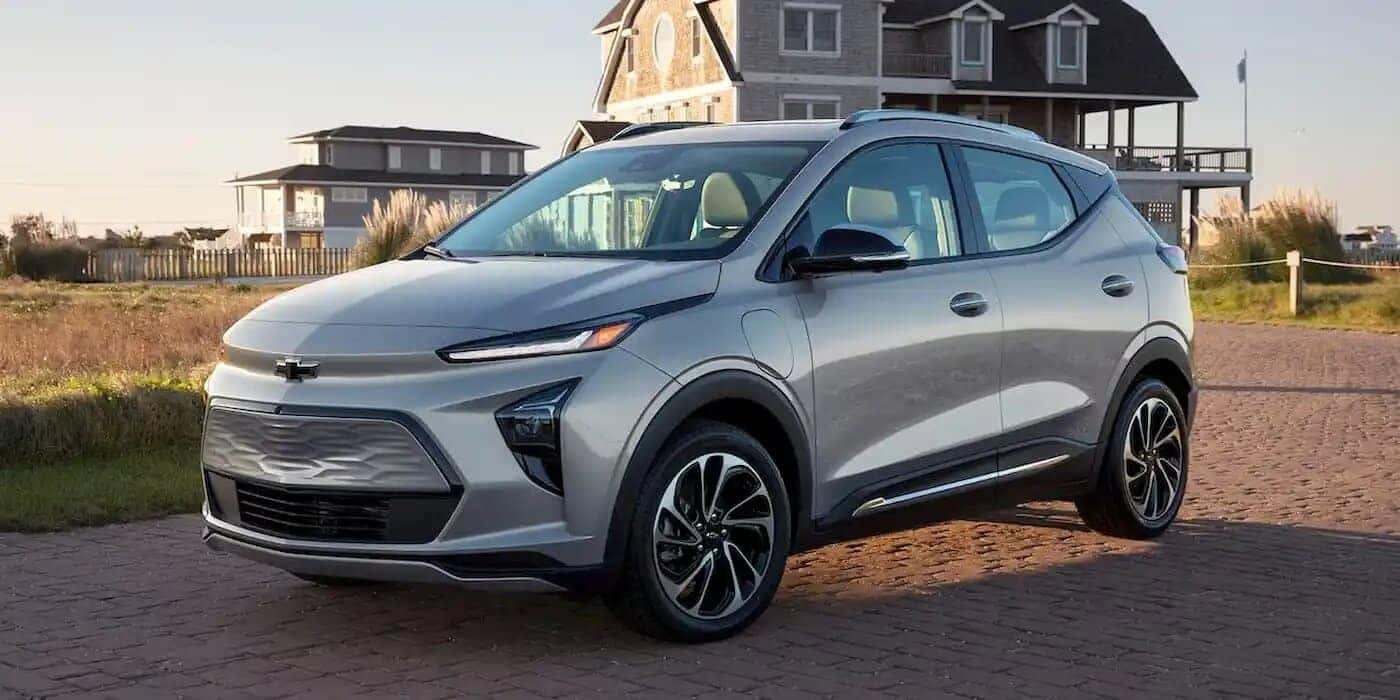
The Chevrolet Bolt EV is widely regarded as a sensible choice for drivers who want electric mobility without heavy maintenance bills. It delivers a solid driving range, user-friendly features, and a straightforward mechanical setup that does not demand constant servicing.
Owners often find that the Bolt’s costs over the years are manageable, which makes it a good fit for households looking to keep long-term expenses predictable. One factor that works in its favour is its relatively small number of moving parts.
The electric motor is sealed and requires minimal attention compared to combustion engines. There is no need for oil changes, spark plug replacements, or exhaust repairs, which already reduces the amount you might spend on regular servicing.
The Bolt uses a liquid-cooled battery system, which helps maintain stable performance even in very hot or cold conditions. While liquid cooling is more complicated than air cooling, Chevrolet designed this system to be durable, and owners have reported very few issues with it. The battery’s warranty coverage also helps reduce financial risk, as it often covers many years of use.
When it comes to brakes, the Bolt benefits from regenerative braking technology, meaning it uses the electric motor to slow the car and recharge the battery during deceleration. This reduces brake pad wear and can extend their lifespan considerably. Tyre wear depends on driving habits, but routine rotations and alignments are usually all that is needed.
Spare parts and servicing are generally accessible through both dealerships and qualified independent repair shops. Software updates are straightforward, and many can be handled remotely. Drivers who take proper care of their Bolt can expect reliable service without sudden repair costs.
For city commuters and those who drive moderate distances daily, the Bolt offers an attractive combination of efficiency, comfort, and budget-friendly upkeep, making it a practical choice for long-term ownership.
Also Read: 5 EVs That Last for Decades and 5 That Don’t See Year Five
3. Hyundai Kona Electric
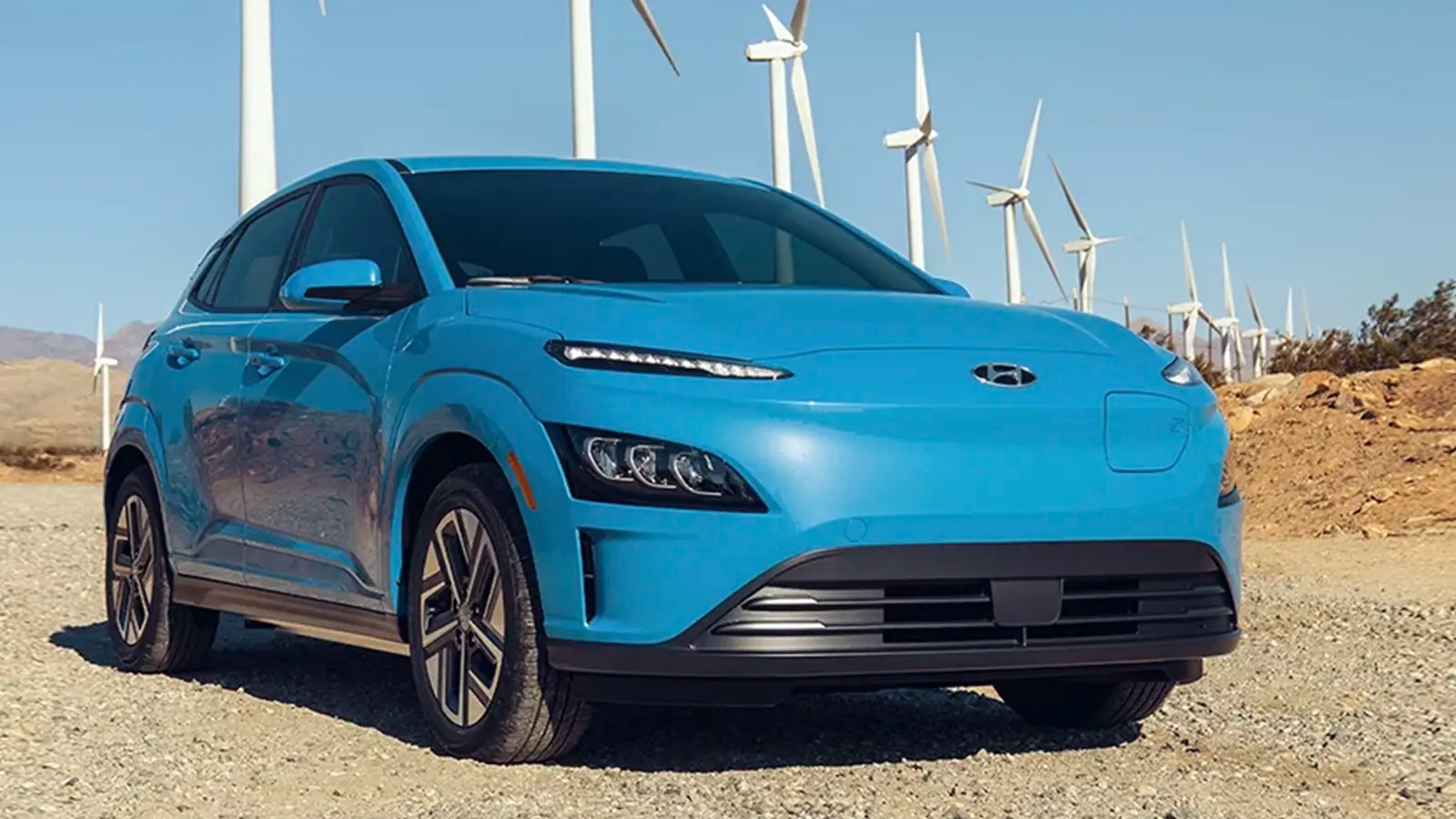
The Hyundai Kona Electric has impressed many owners with its balance of range, comfort, and low maintenance costs. Built with durability in mind, the Kona Electric offers a simple yet effective design that helps keep service visits to a minimum. This makes it appealing for drivers who want an EV they can depend on without facing high repair bills.
One reason the Kona Electric stays budget-friendly is the quality of its electric powertrain. It requires fewer service intervals compared to petrol-powered vehicles. There is no engine oil to replace, no timing belt to worry about, and no exhaust system to maintain. The electric motor’s efficiency also means less strain on other components, which prolongs their life.
Battery health is supported by a liquid cooling system that ensures consistent performance across different weather conditions. Hyundai backs the battery with a long-term warranty, which reduces the risk of large out-of-pocket expenses for owners. Many drivers find that, apart from occasional software updates and brake inspections, the Kona Electric demands little attention in terms of mechanical repairs.
Regenerative braking again plays a role in reducing wear on brake components. It helps conserve both energy and brake pad life, meaning replacements are infrequent. Tyre wear is typical for a compact SUV, with normal rotations and alignments keeping them in shape.
Parts availability is another advantage for the Kona Electric. Hyundai has built a wide service network, and independent workshops with EV training are also able to handle many repairs. This flexibility helps keep costs competitive, as you are not forced to rely solely on main dealers.
Drivers who choose the Kona Electric often praise it for its comfort on longer drives and its ease of maintenance over the years. With reasonable service intervals, dependable components, and solid warranty coverage, it is a strong contender for anyone seeking affordable electric motoring.
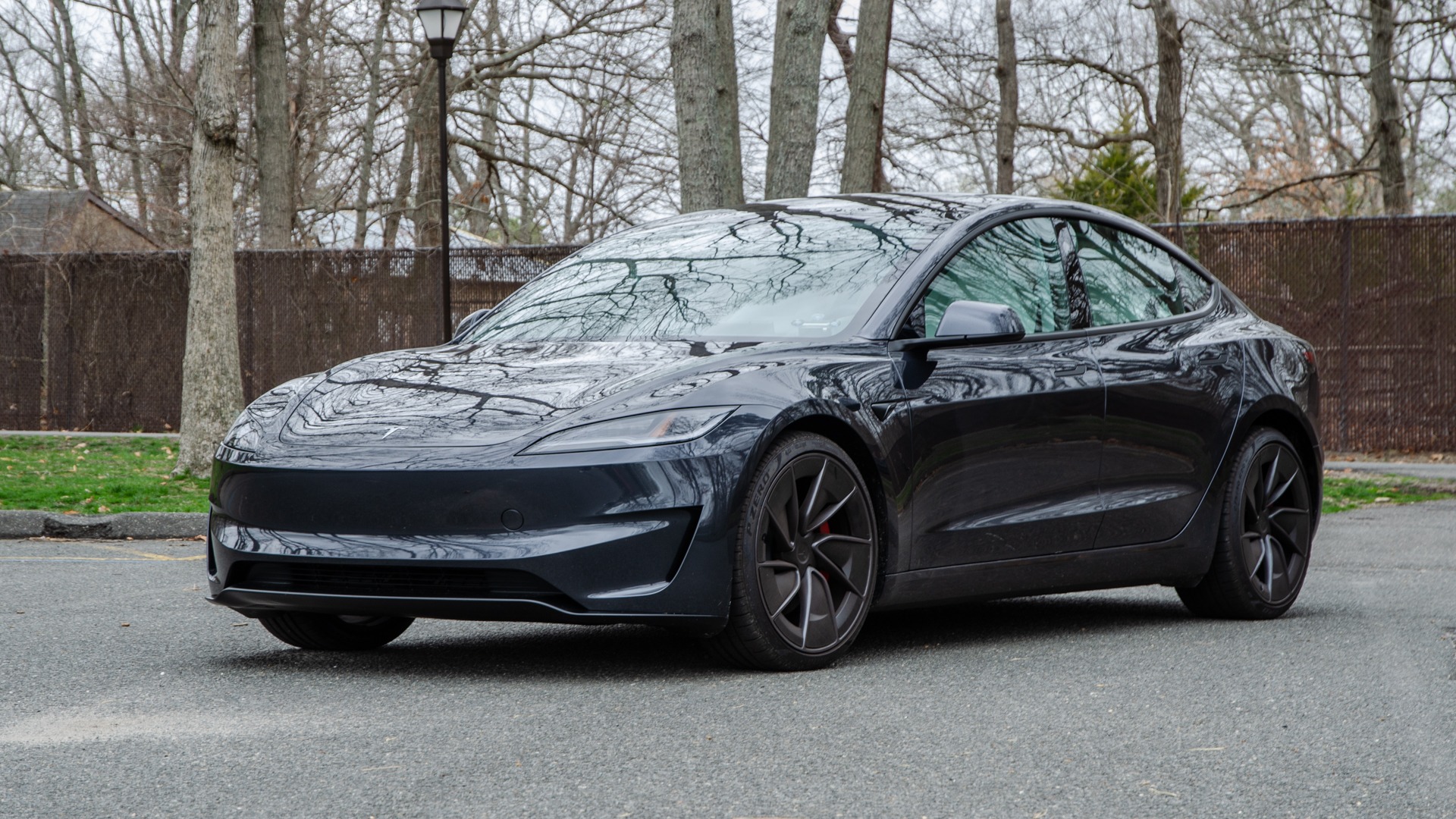
4. Tesla Model 3
The Tesla Model 3 has made a name for itself as one of the most popular electric vehicles on the market, and while it comes with advanced technology, it can still be economical to maintain when compared with many other high-performance EVs. The combination of over-the-air software updates and fewer traditional moving parts helps keep repair needs under control for many owners.
One advantage of owning a Model 3 is that many issues can be addressed through remote diagnostics. Tesla can send software fixes directly to the car, meaning you may not even need to visit a service centre for certain problems. This reduces both time and cost for routine adjustments.
Mechanically, the Model 3 benefits from a minimalistic design. There is no need for oil changes or spark plug replacements, and the regenerative braking system helps prolong brake pad life. Many owners have reported that they only need brake servicing after several years of use.
The battery system is designed for long-term durability and comes with a strong warranty. While the liquid cooling system adds complication, Tesla’s engineering has proven reliable for most drivers. Regular tyre rotations and alignments remain the most common maintenance tasks, and these are not expensive when handled at non-dealership workshops.
One point to consider is that Tesla’s parts can be more expensive if you do require replacements, but the reduced need for frequent repairs balances this out for many owners. In addition, Tesla’s service network is expanding, and more third-party EV repair specialists now work on Tesla models.
Drivers who follow Tesla’s recommended service schedule often find the Model 3 to be surprisingly light on maintenance bills for a vehicle in its class. With technology that can prevent issues before they become serious and a design aimed at reducing mechanical wear, the Model 3 can be a sensible long-term investment.
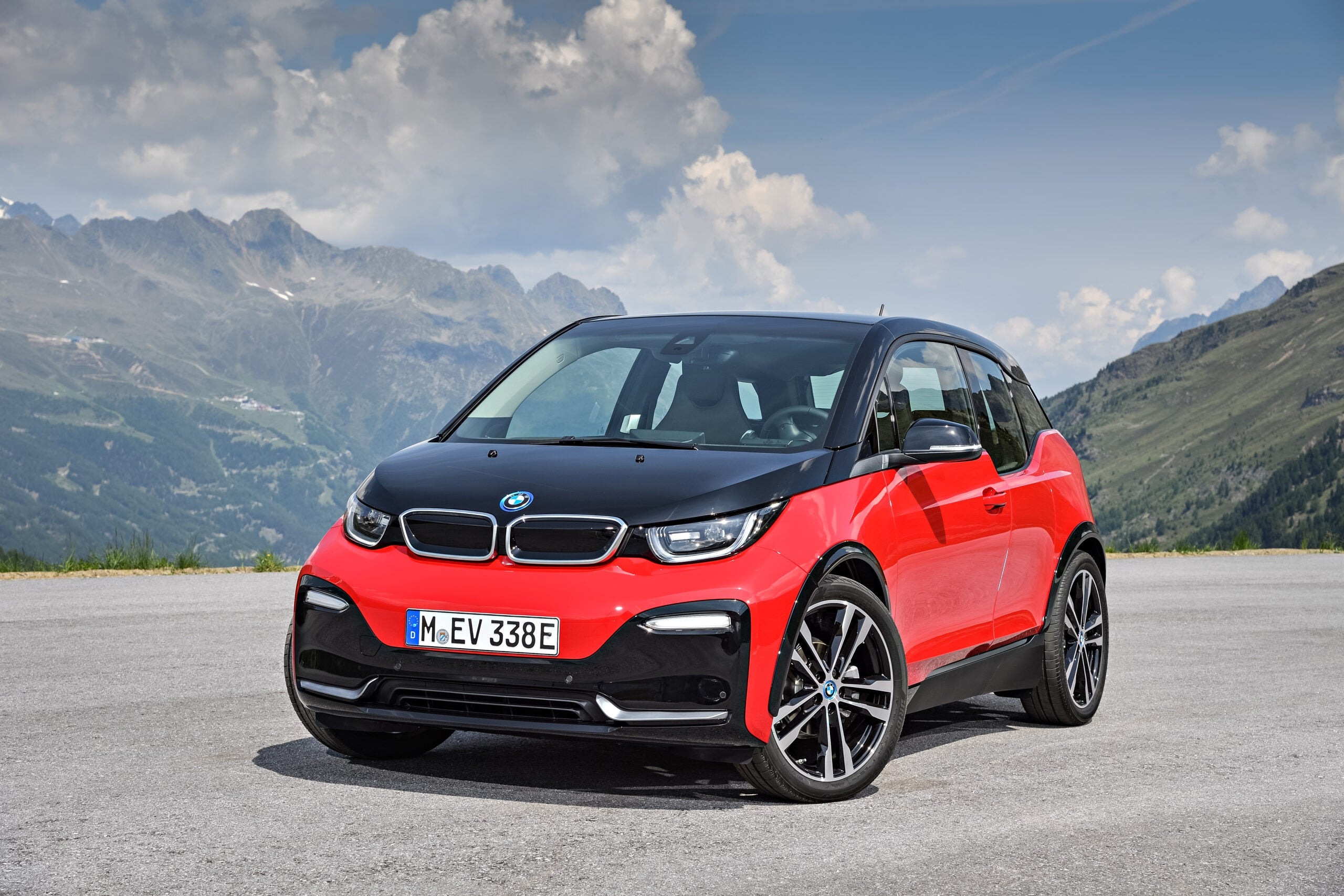
5. BMW i3
The BMW i3 stands out for its distinctive design and efficient maintenance profile. While it carries a premium badge, it does not necessarily come with the high repair costs some expect from luxury brands. The i3 has earned praise for its dependability and relatively low upkeep requirements.
The i3’s electric motor is well-engineered for minimal servicing. There is no traditional engine oil, and its compact drivetrain means fewer components that could fail. Many owners report years of trouble-free operation with only basic maintenance like tyre care and brake inspections.
The battery system uses liquid cooling to keep performance steady across varying temperatures. BMW’s warranty coverage for the battery gives drivers added peace of mind, reducing the likelihood of facing sudden, large expenses.
Regenerative braking plays a strong role in preserving brake components. It allows the car to slow down using the motor, converting kinetic energy back into battery power and reducing the wear on brake pads and discs. This means fewer replacements over the vehicle’s lifespan.
Parts availability for the i3 is relatively good, and servicing can be handled by both BMW dealerships and qualified independent EV repair shops. The car’s small size and lightweight build also reduce strain on tyres and suspension components, which can lower repair costs compared to heavier electric SUVs.
Owners appreciate the i3’s responsive handling and urban-friendly size, combined with the fact that it does not require frequent workshop visits. For those seeking a stylish EV that offers both a premium feel and cost-friendly upkeep, the i3 remains an appealing option.
5 EVs That Cost a Fortune To Maintain
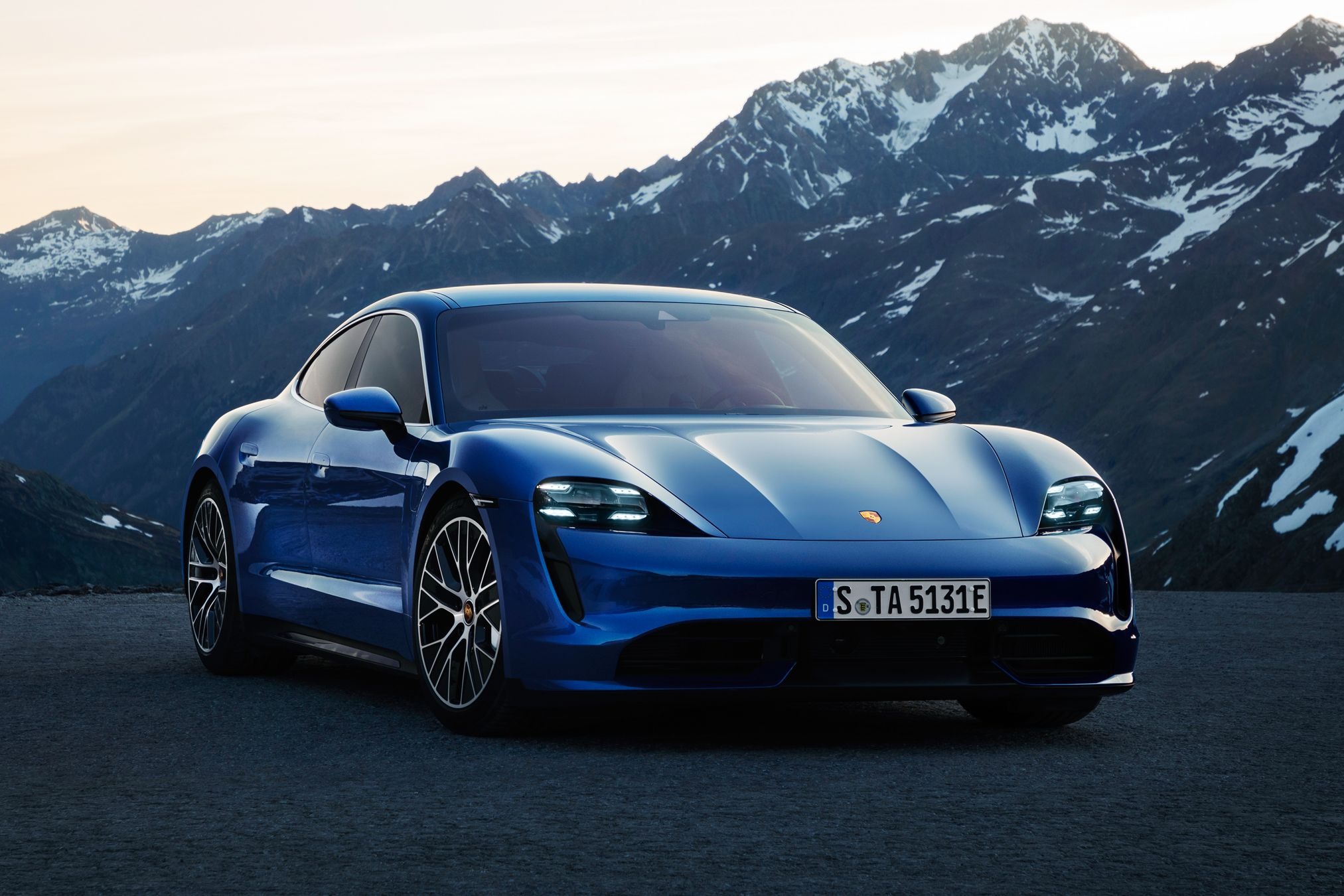
1. Porsche Taycan
The Porsche Taycan offers striking performance and premium design, but those benefits come with maintenance costs that can surprise even experienced EV owners. While it delivers speed, comfort, and cutting-edge technology, keeping it in top shape often requires a much higher budget compared to more affordable electric cars.
One factor that raises its service bills is the complication of its engineering. The Taycan uses a high-performance dual-motor setup combined with an advanced 800-volt battery system.
While this delivers impressive acceleration and charging speeds, it also means specialised parts and tools are needed for repairs. Most servicing has to be done at Porsche-authorised workshops, where labour rates are considerably higher.
The liquid-cooled battery system is designed for long-term durability, but any repair or replacement can cost a large amount. Even minor electrical issues require expert attention, which can quickly increase the bill. The Taycan’s sophisticated suspension system, designed to handle both high speeds and comfort, also adds to the cost when repairs are needed.
Tyre replacements are another area where expenses climb. The Taycan uses high-performance tyres to match its speed and handling, and these wear out faster than those on regular EVs. Since they must be replaced with premium-grade options, owners should expect to spend more on tyres than average.
Brake components, while lasting longer thanks to regenerative braking, are still costly when they eventually need replacement due to the performance-grade materials used. Insurance premiums can also be higher, which adds to the yearly expenses of ownership.
For those who can afford it, the Taycan offers an unmatched driving experience in the EV segment. However, it is not for buyers looking to save on maintenance. From specialist labour to high-cost parts, it demands a budget that matches its luxury image.
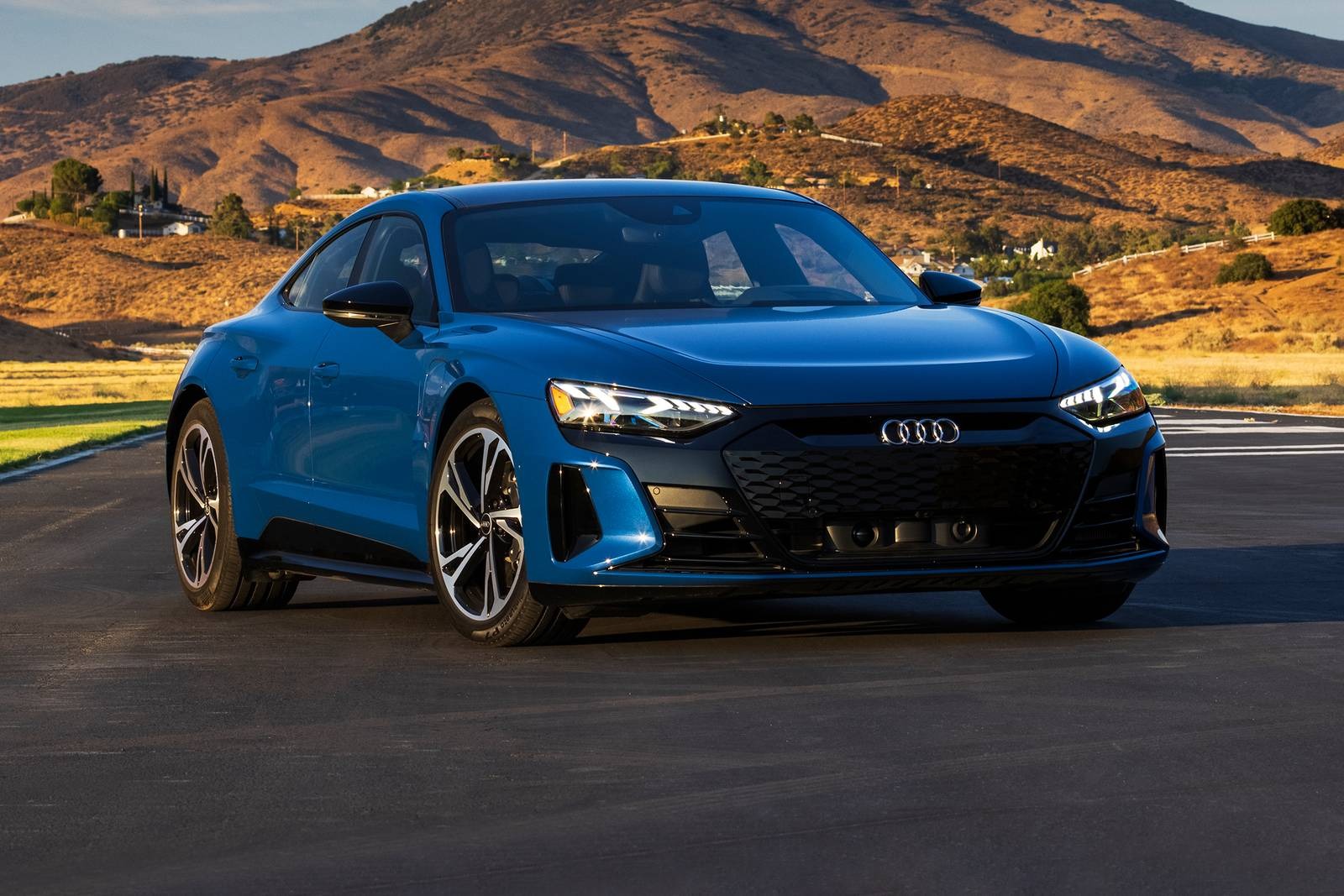
2. Audi e-tron GT
The Audi e-tron GT brings together elegance, speed, and advanced electric engineering, but this combination leads to high service and repair costs. While it shares some design elements with the Porsche Taycan, its maintenance expenses are also shaped by Audi’s premium parts pricing and the limited availability of specialised technicians.
Its dual-motor system delivers strong acceleration and smooth power delivery, but any issues with the drivetrain or battery cooling system require service from certified Audi EV centres. This can limit where you can take the car for repairs and drives up labour charges.
The e-tron GT’s suspension system is engineered for both high-speed stability and comfort, but it is more complicated than those found in most regular EVs. Repairs or replacements of suspension components often require precision work and expensive parts. The same applies to its braking system, which uses performance materials that are costly to replace.
Battery servicing is another expensive area. While Audi provides strong warranty coverage for the battery, any out-of-warranty repairs or replacements can cost far more than most mainstream EV owners would expect.
Tyres for the e-tron GT are performance-rated, which means they wear more quickly and cost more to replace. Given the power and weight of the car, regular tyre rotations and careful driving are essential to manage costs, yet replacements remain pricey.
Owners often choose the e-tron GT for its blend of luxury and performance, but the high level of engineering also means you should expect service bills that reflect its status. It is an EV for those ready to invest heavily in upkeep to match the driving pleasure it offers.
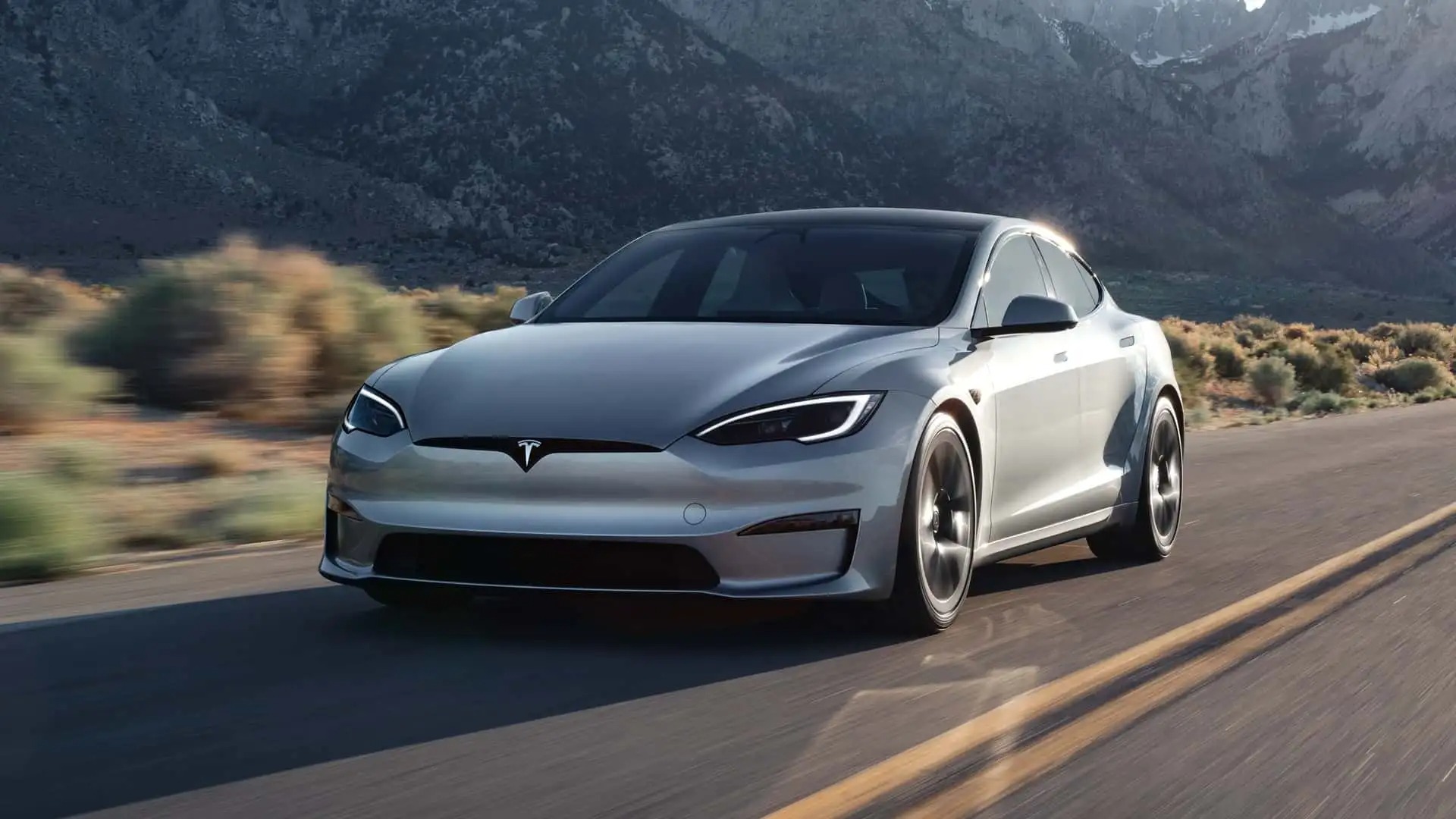
3. Tesla Model S
The Tesla Model S is admired for its technology, range, and acceleration, but its repair and maintenance costs can be high, especially for older models or those requiring out-of-warranty service. Its large size, high power output, and advanced systems mean that even routine upkeep can be more expensive than on smaller EVs.
While Tesla’s over-the-air updates reduce the need for some service visits, physical repairs still carry a high price. Parts for the Model S, especially body panels and interior components, can be costly due to the premium materials used. Collision repairs in particular can become very expensive, as Tesla-approved repair shops often charge higher labour rates.
The liquid-cooled battery system is designed for durability, but any failure or huge drop in range outside warranty coverage can result in one of the highest repair bills in the EV segment. The large battery pack is expensive to replace, and even component-level repairs are not cheap.
Tyre wear is another area of concern. The Model S uses wide, performance-rated tyres that provide excellent grip but tend to wear faster. Combined with the car’s weight and strong acceleration, owners may find themselves replacing tyres more often than expected.
Brake servicing is infrequent thanks to regenerative braking, but when replacements are needed, the cost of Tesla’s performance-grade brake parts can be high. Even simple items such as windshield replacements can be expensive due to the embedded sensors and heating elements.
For buyers seeking one of the most advanced EVs on the market, the Model S delivers, but they must be prepared for maintenance costs that reflect its high-performance capabilities and premium build.
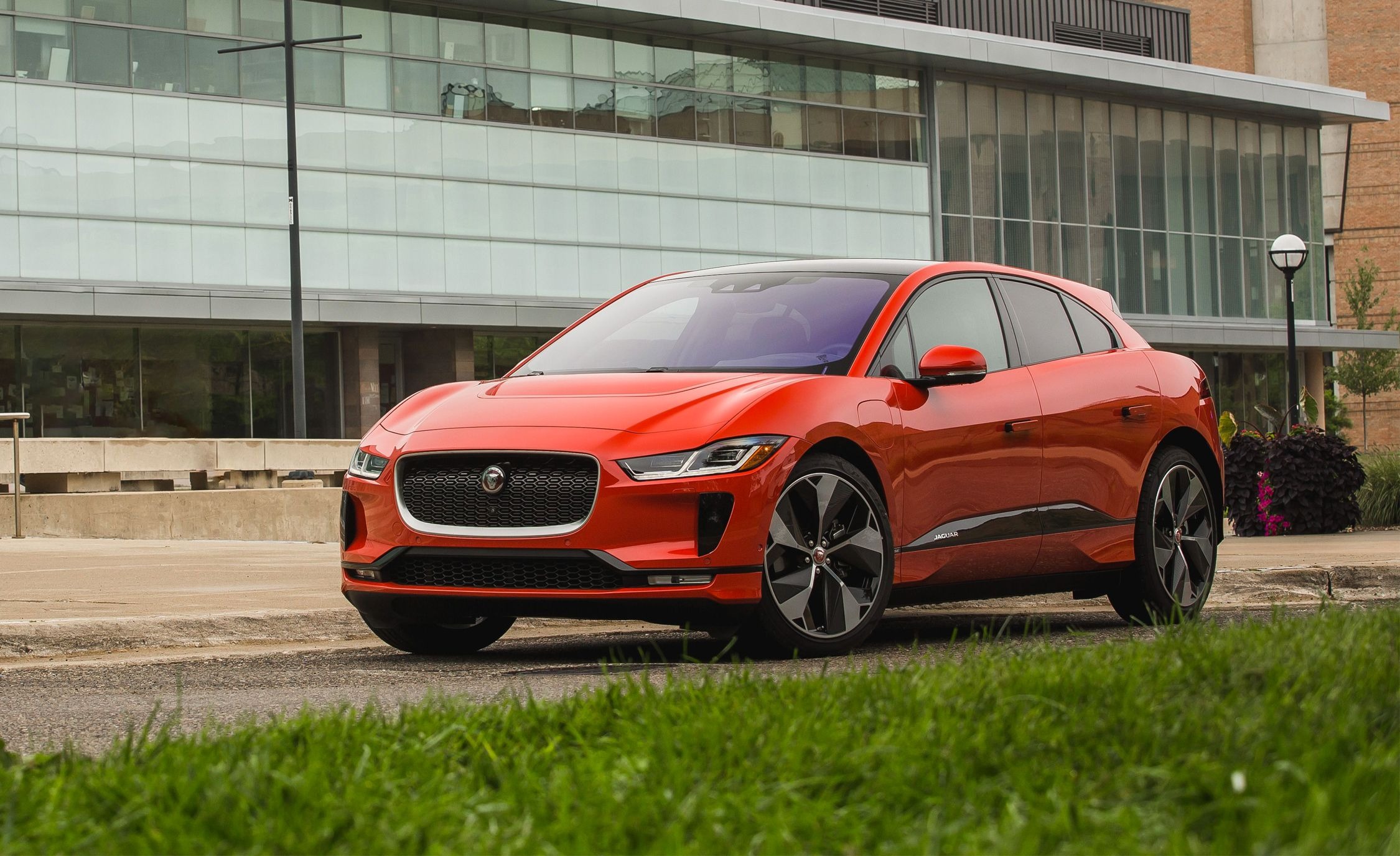
4. Jaguar I-Pace
The Jaguar I-Pace combines luxury styling with strong electric performance, yet maintaining it can put a strain on the budget. While it offers comfort, sharp handling, and a respectable range, the specialised parts and limited repair network push its upkeep into a higher cost bracket.
One of the main reasons for its expensive maintenance is the relatively low availability of independent EV repair shops with expertise in Jaguar’s electric technology. This forces many owners to rely on authorised Jaguar service centres, where labour costs are higher.
The I-Pace’s battery system uses liquid cooling, which is effective but complicated. Any repairs or servicing of the battery system can be costly, particularly if they involve components outside the warranty period. The car’s dual-motor setup is also designed for performance, which means repairs often require premium-grade parts.
Its adaptive air suspension, while delivering a smooth ride, can be expensive to repair or replace. This is a common point of high spending for owners of performance-oriented luxury SUVs. Tyres for the I-Pace are also performance-rated, which adds to yearly costs due to faster wear and higher replacement prices.
Software updates can improve performance and features, but certain repairs still require workshop visits. Collision repairs, even for minor incidents, can be expensive due to the car’s aluminium body panels and intricate design.
The I-Pace offers an enjoyable driving experience and premium interior comfort, but buyers should be aware that its long-term costs are higher than most mainstream electric SUVs. It is a choice best suited for those who can handle luxury-level upkeep.
Also Read: 5 EVs That Rarely Break Chargers and 5 That Always Fail
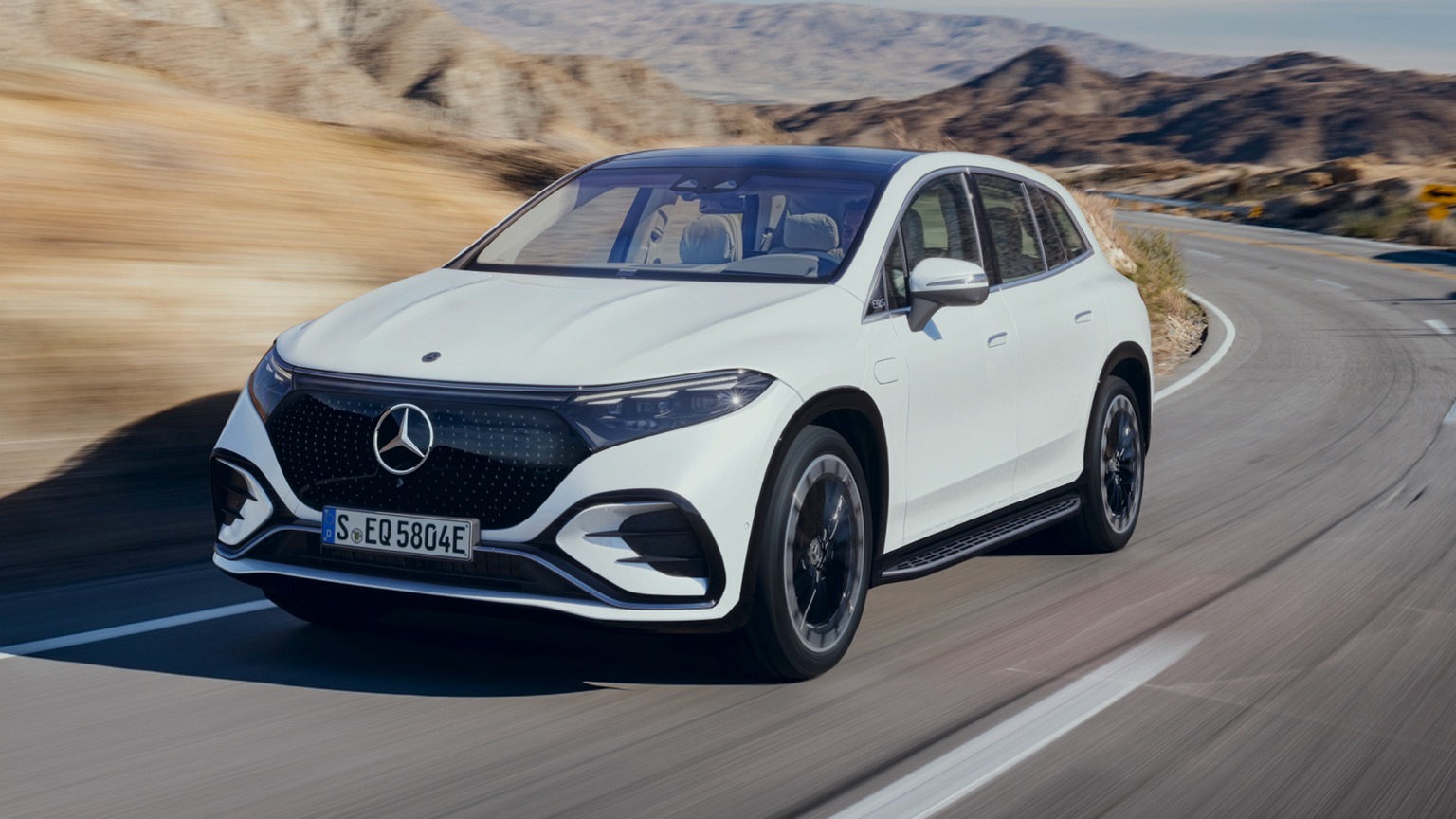
5. Mercedes-Benz EQS
The Mercedes-Benz EQS stands as one of the most advanced luxury EVs available, offering exceptional comfort, range, and technology. However, its maintenance and repair expenses place it among the costliest electric vehicles to own.
The EQS’s interior is filled with high-end materials and advanced electronics, including the MBUX Hyperscreen system, which stretches across the dashboard. While impressive, these features are expensive to repair or replace if they malfunction. Even minor interior fixes can cost more due to the integration of electronics and premium finishes.
The battery system is engineered for long-distance travel and uses advanced liquid cooling. While this ensures consistent performance, any repair outside warranty coverage can result in a substantial bill. The drivetrain components are also highly specialised, meaning only Mercedes-authorised technicians can handle most major repairs.
The adaptive suspension system enhances ride comfort but is costly when repairs are required. Tyre replacements are also expensive, as the EQS uses large, premium-rated tyres designed to match its luxury performance.
Body repairs, especially after accidents, are among the most expensive in the EV segment. The EQS uses aluminium and high-strength materials that require skilled labour and special tools, which increase repair costs.
For those who value high-end comfort, cutting-edge technology, and a smooth driving experience, the EQS delivers. However, owners should be ready for service bills that reflect the luxury status of the car. It is an EV designed for those who prioritise performance and comfort over cost-saving in upkeep.
