When it comes to buying and selling vehicles, Facebook Marketplace has quickly become one of the go-to platforms for U.S. buyers.
The ease of listing, the ability to target local audiences, and the sheer volume of active users make it a hot spot for quick deals.
While some cars linger for weeks, others barely last a day before a buyer snatches them up. Factors like affordability, reliability, brand reputation, and demand all play a role in how fast a vehicle sells.
In today’s used car market where buyers are seeking value, trust, and practicality certain models consistently prove to be instant sellers on Facebook Marketplace. Here’s a look at eight vehicles that tend to move the fastest.
1. Toyota Corolla
The Toyota Corolla has long been a U.S. favorite for its unbeatable reputation for reliability and fuel efficiency. On Facebook Marketplace, a well-priced, clean Corolla listing often attracts immediate attention from first-time buyers, commuters, and even rideshare drivers.
Its low maintenance costs and excellent resale value make it a car people trust, meaning it doesn’t sit unsold for long.
The Toyota Corolla has been such a constant presence in the automotive world that it’s almost a rite of passage, either you’ve owned one, or you’ve known someone who has.
Spanning more than 12 generations since the early 1970s, it’s built its reputation on being affordable, reliable, and straightforward to live with. Flashiness has never been the Corolla’s goal, and that’s exactly what has kept it appealing to such a broad audience.
For 2025, the Corolla carries over essentially unchanged, continuing its role as a no-nonsense compact sedan. A full redesign is expected in the future, which will likely bring sharper styling, a refreshed cabin, and updated tech to stay competitive in the increasingly cutthroat small-car segment.
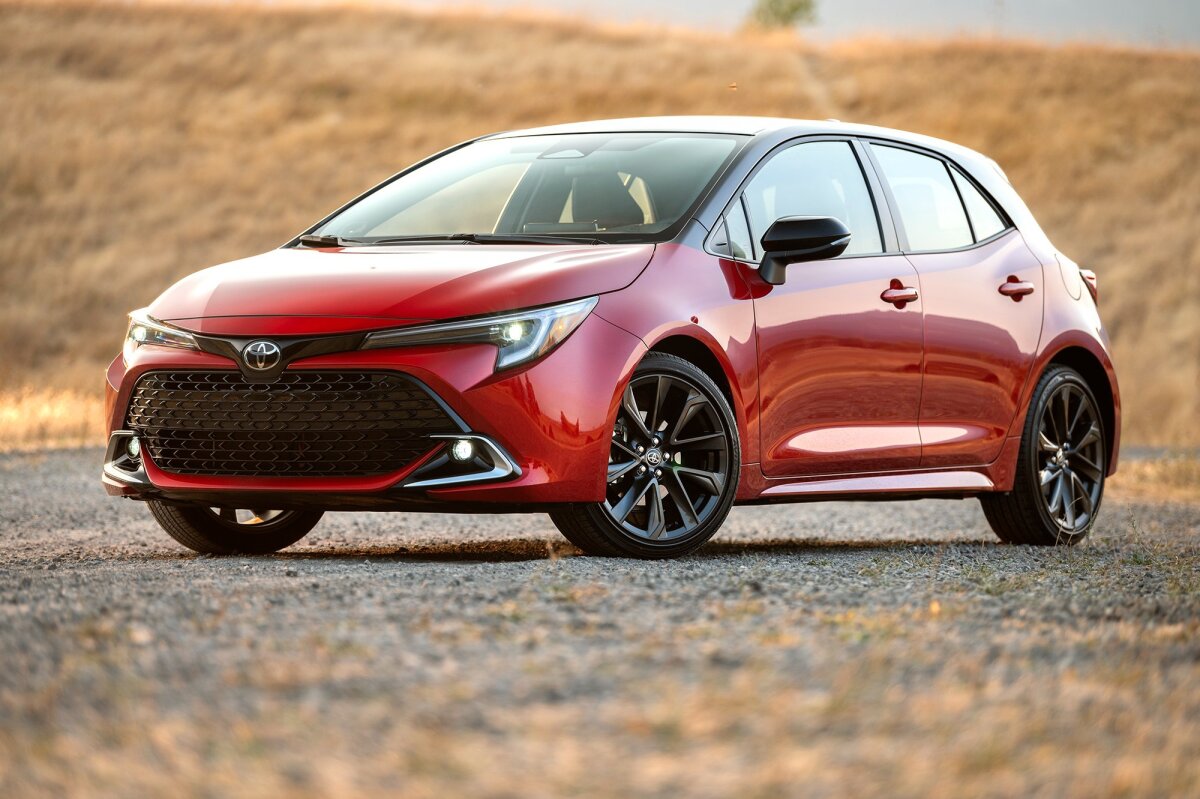
For now, the biggest news is the introduction of the FX Special Edition. Based on the SE trim, it adds sportier flair with lowering springs, a rear spoiler, 18-inch black-painted alloy wheels, and blacked-out trim, subtle tweaks aimed at giving the humble Corolla a little extra street presence without straying from its core identity.
2. Honda Civic
The Honda Civic blends style, efficiency, and durability, making it one of the most sought-after used cars in America.
Whether it’s an older model priced under $10,000 or a newer one with modern tech, Civics listed on Marketplace tend to get swarmed with messages within hours. Its popularity among both young drivers and practical family buyers keeps demand high.
Honda’s 10th-generation Civic, introduced in 2016, marked the car’s return to form after nearly a decade of underwhelming design and quality. By 2020, Honda wasn’t reinventing the wheel but instead refining the formula with small but meaningful updates, particularly for the hatchback models.
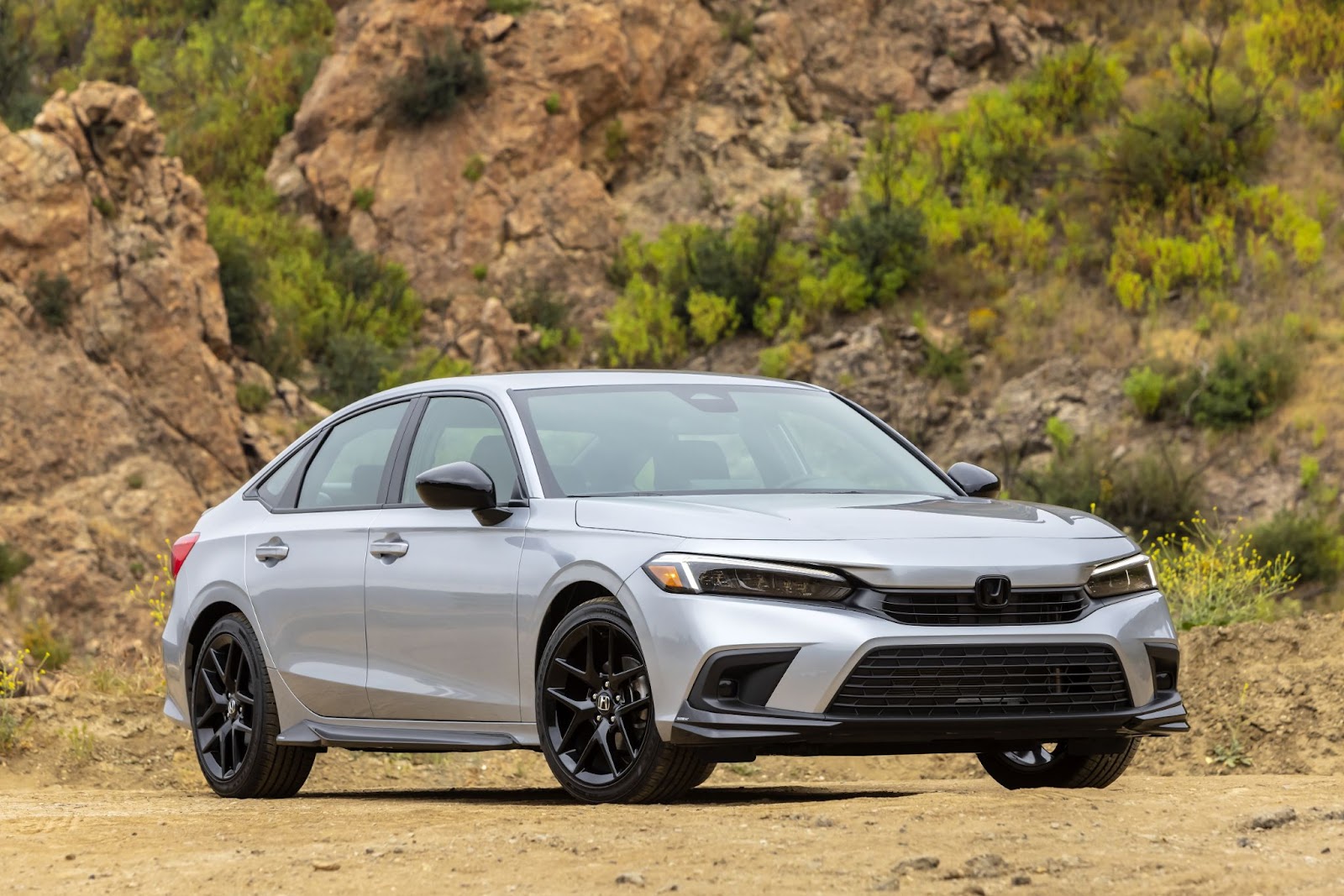
These versions received fresh front and rear styling, including blacked-out trim accents and revised foglight housings, plus interior improvements like a power-adjustable driver’s seat in EX trims and extra sound insulation to address past noise complaints.
Perhaps the most enthusiast-friendly change was Honda’s decision to make the six-speed manual transmission available on the top Sport Touring hatchback trim, a rare move in an era when most automakers are phasing out manual gearboxes.
This commitment to driver engagement complements the Civic’s existing strengths: quick acceleration, sharp handling, and impressive cargo versatility. While rivals like the Mazda 3, Subaru Impreza, and Kia Forte offer their own appeal, the 2020 Civic remains a segment benchmark, balancing everyday usability with genuine driving enjoyment.
3. Ford F-150
America’s best-selling truck also happens to be one of the quickest movers online. The Ford F-150 appeals to a wide range of buyers from contractors needing a work truck to families looking for a capable hauler.
With the right mileage and price point, an F-150 can attract multiple offers in a single day, especially in rural and suburban markets.
Ford’s F-150 lineup delivers one of the most diverse and capable engine selections in the full-size truck segment, including a 3.0-liter diesel producing 440 lb-ft of torque and several twin-turbo V-6 options that outshine traditional V-8s in both power and towing capacity.
The most potent V-6 can haul a class-leading 13,200 pounds when properly equipped, while even without the Trailer Tow package, the F-150 can pull up to 7,000 pounds with either the V-8 or the top-tier V-6.
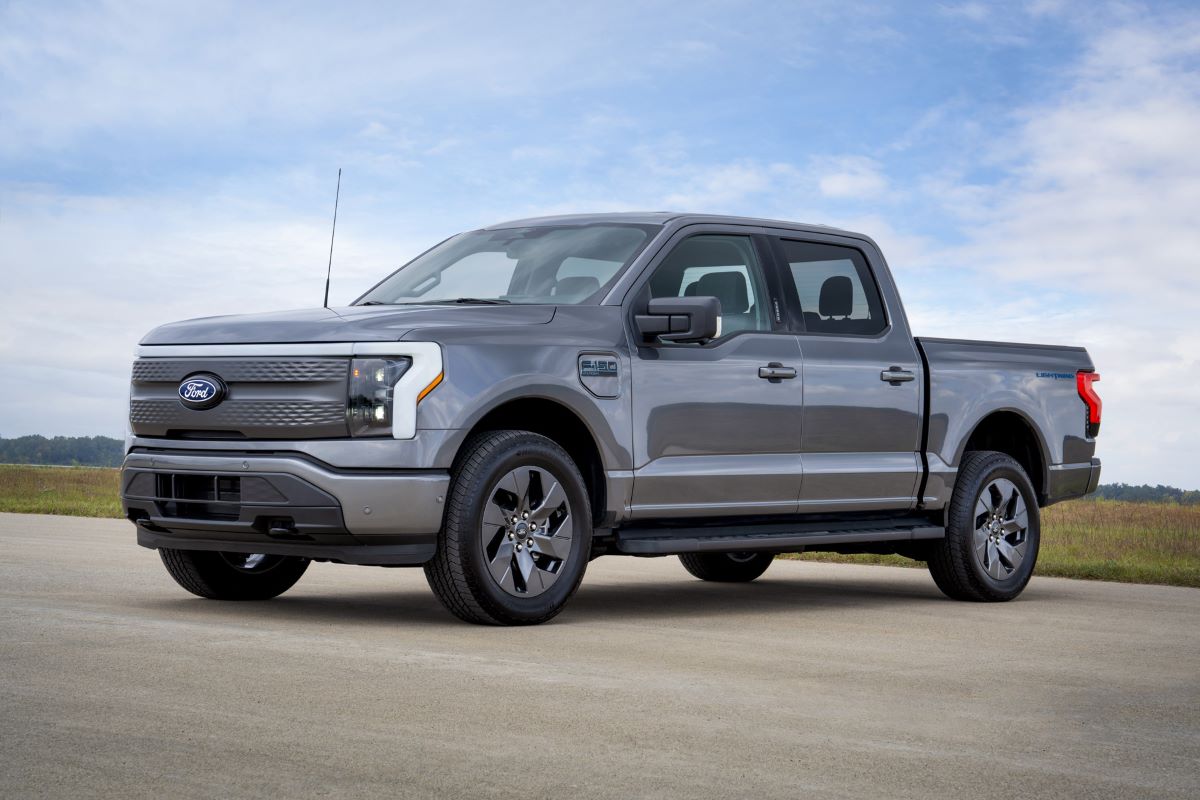
In testing, the 375-hp V-6 King Ranch model outperformed many rivals with larger V-8s, although its 10-speed automatic hesitated during aggressive acceleration. Ride comfort is solid on smooth roads, though it can feel jittery over rougher terrain, and it doesn’t quite match the plushness of the Ram 1500’s air suspension.
Fuel economy is competitive for the class, especially from the twin-turbo V-6s, but real-world results sometimes fall short of EPA estimates, our 375-hp V-6 test truck managed 19 mpg on the highway, 4 mpg below its rating. Inside, the F-150 blends work-ready practicality with near-luxury comfort.
Available features like heated and cooled massaging seats, a panoramic sunroof, and Wi-Fi connectivity bring upscale convenience to the cabin. The infotainment system is visually appealing and feature-rich, though its sluggish response time is a drawback. Storage is generous throughout, offering plenty of room for gear and everyday necessities.
4. Toyota Tacoma
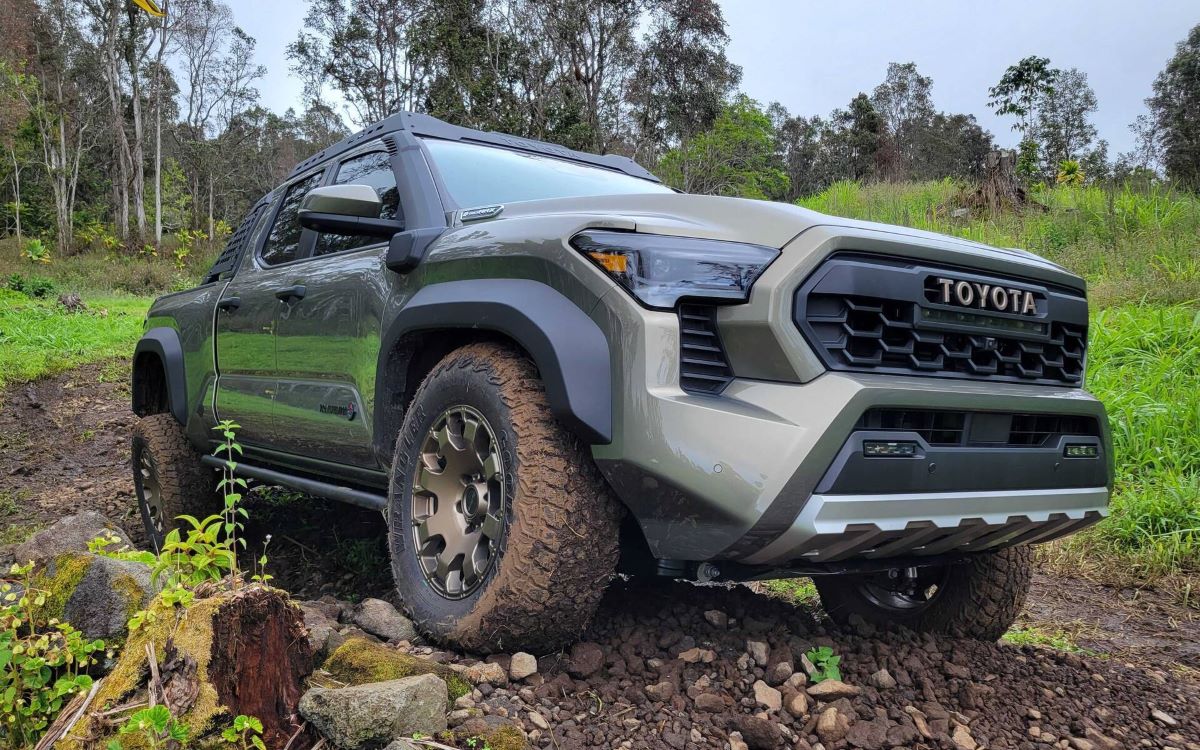
In the U.S., the Toyota Tacoma is practically a legend among midsize trucks. Known for its off-road capabilities, reliability, and high resale value, the Tacoma draws in buyers who are willing to pay a premium.
Listings in good condition often disappear within 24 hours, especially in outdoor-friendly regions like the Pacific Northwest and Southwest.
The redesigned Toyota Tacoma finally feels like it belongs in the modern midsize truck segment. Toyota has addressed long-standing complaints by giving it an updated look, improved tech, and fixing the awkward seating position that plagued the last generation.
The cabin feels more comfortable and slightly roomier, with better rear seats, though the wide center console still eats into front passenger space and rear legroom can be tight behind average-sized adults. For those who don’t need a full back seat, Toyota remains one of the few brands still offering an extended cab in this class.
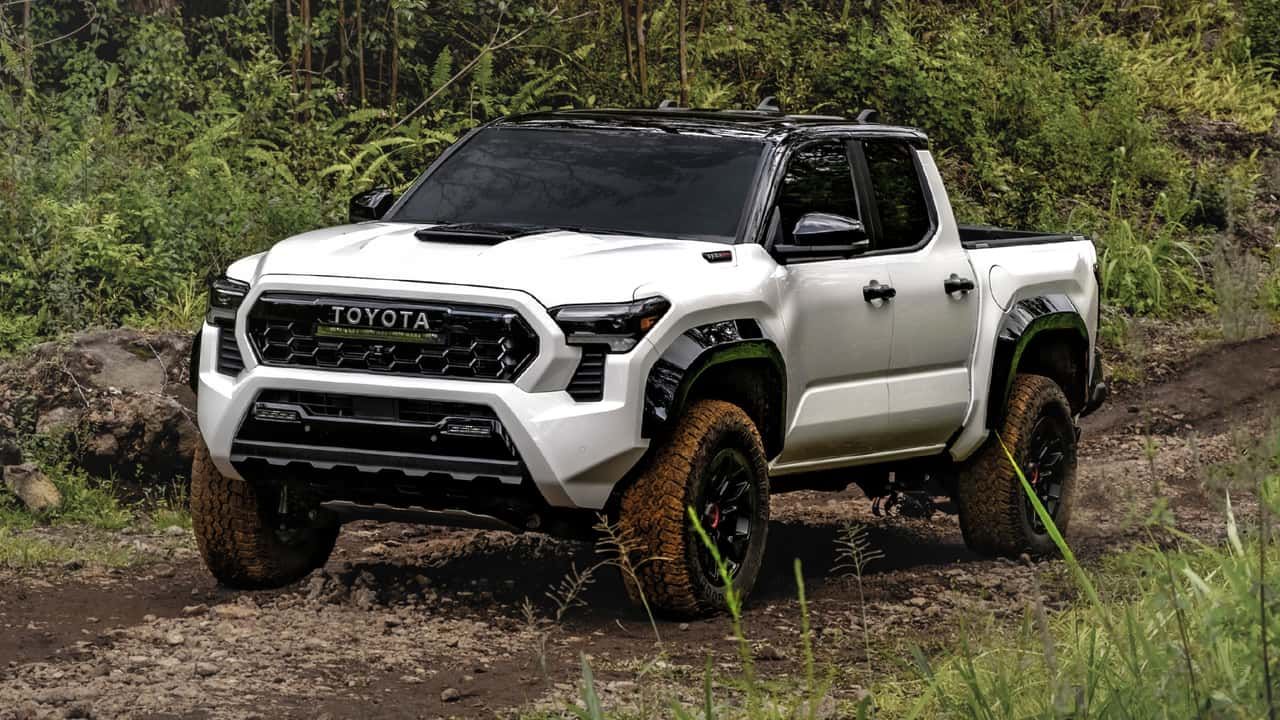
On the road, the new turbocharged four-cylinder is a major improvement over the old V-6, delivering stronger low-end torque and working smoothly with the new eight-speed automatic. Ride quality still depends heavily on configuration, leaf-sprung rear ends keep the traditional “trucky” feel, while coil-sprung models offer more refinement without losing that rugged edge.
The lineup remains well-targeted: the TRD Sport prioritizes on-road manners, while the TRD Off-Road provides accessible trail capability beneath the hardcore TRD Pro and Trailhunter trims. Even the TRD Off-Road is impressively capable, with features like a disconnecting front anti-roll bar for challenging terrain.
However, Toyota still limits some off-road functionality, fitting 35-inch tires requires modification, the locking rear differential only works in 4 Low, and there’s no Auto 4WD mode for changing conditions on the fly.
5. Jeep Wrangler
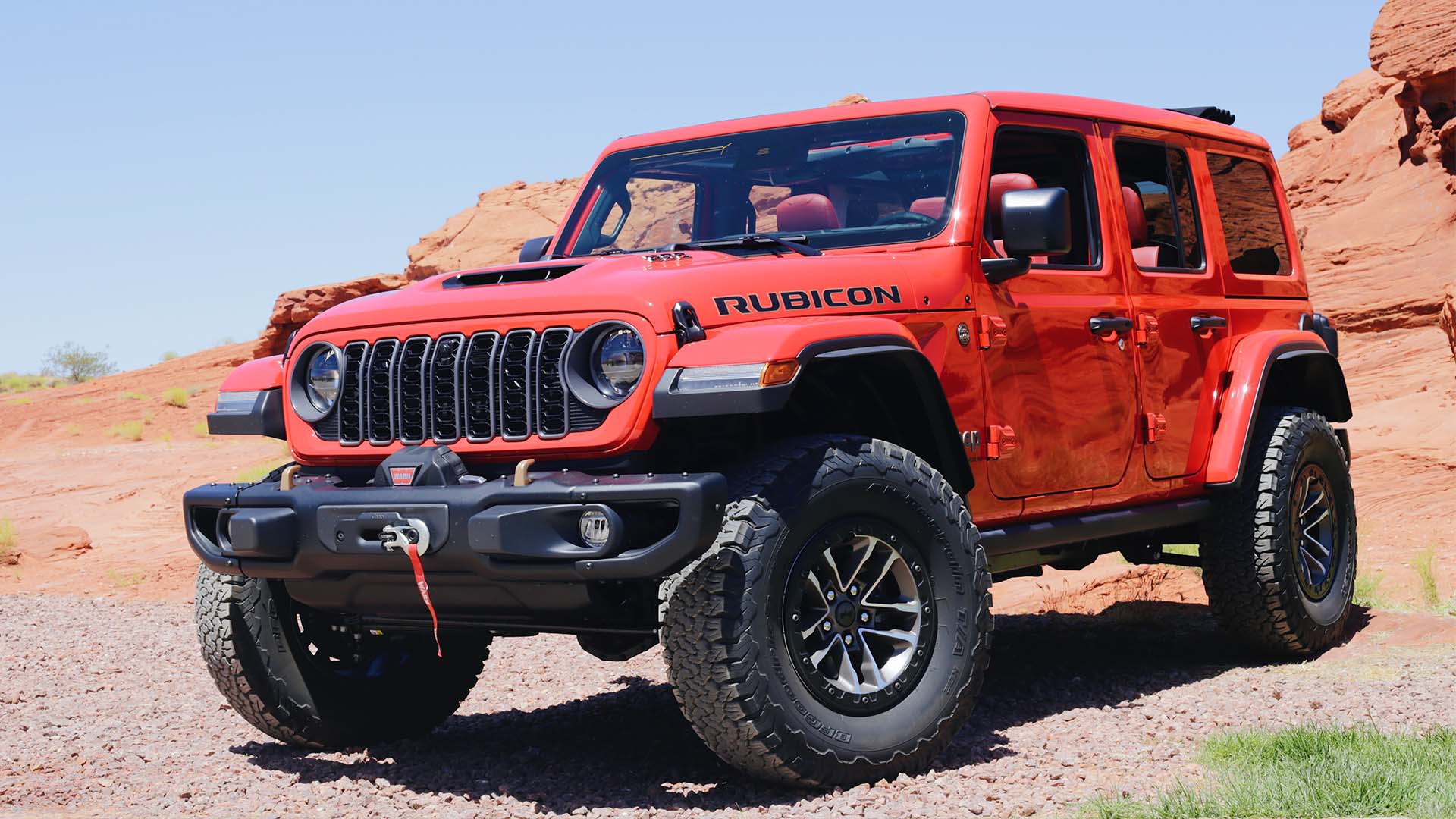
The Jeep Wrangler’s cult-like following means that even older models fetch top dollar and sell quickly. Its rugged appeal, removable roof and doors, and off-road versatility make it irresistible to adventure-seekers.
In warmer months, Wranglers on Marketplace often get claimed almost instantly, particularly in coastal and mountain states.
Toyota’s latest Tacoma finally feels like a thoroughly modern midsize truck, fixing many of the gripes from the outgoing generation without abandoning its rugged, user-friendly character. The awkward seating position is gone, the controls remain intuitive, and rear-seat comfort has improved, though legroom can still be tight for adults sitting in back.
Front occupants benefit from a roomier feel overall, even if a wide center console eats into space. And for buyers who don’t need a rear bench, Toyota remains one of the few to offer an extended cab in this class.
On the move, the new turbocharged four-cylinder is a revelation compared to the old V-6, delivering ample low-end torque.
The eight-speed automatic is well-tuned for both street and trail, and ride quality varies depending on rear suspension choice: leaf springs keep the traditional truck feel but can be bouncy, while the available coil-spring setup offers a smoother, more controlled ride without losing capability.
Trim levels play to different strengths. The TRD Sport is tuned for pavement, while the TRD Off-Road is a capable gateway into serious adventuring before you step up to the TRD Pro or Trailhunter. Even this mid-tier off-roader can be equipped with a front anti-roll bar disconnect for tackling technical terrain.
That said, Toyota has made some head-scratching calls—like limiting rear differential lock to 4 Low, skipping an Auto 4WD mode, and requiring a body mount chop to fit 35-inch tires. These quirks aside, the new Tacoma blends refinement, tech, and trail chops better than ever.
6. Honda Accord
The Honda Accord has a well-earned reputation for reliability, comfort, and solid performance. It’s the kind of sedan that appeals to commuters, families, and budget-minded buyers alike.
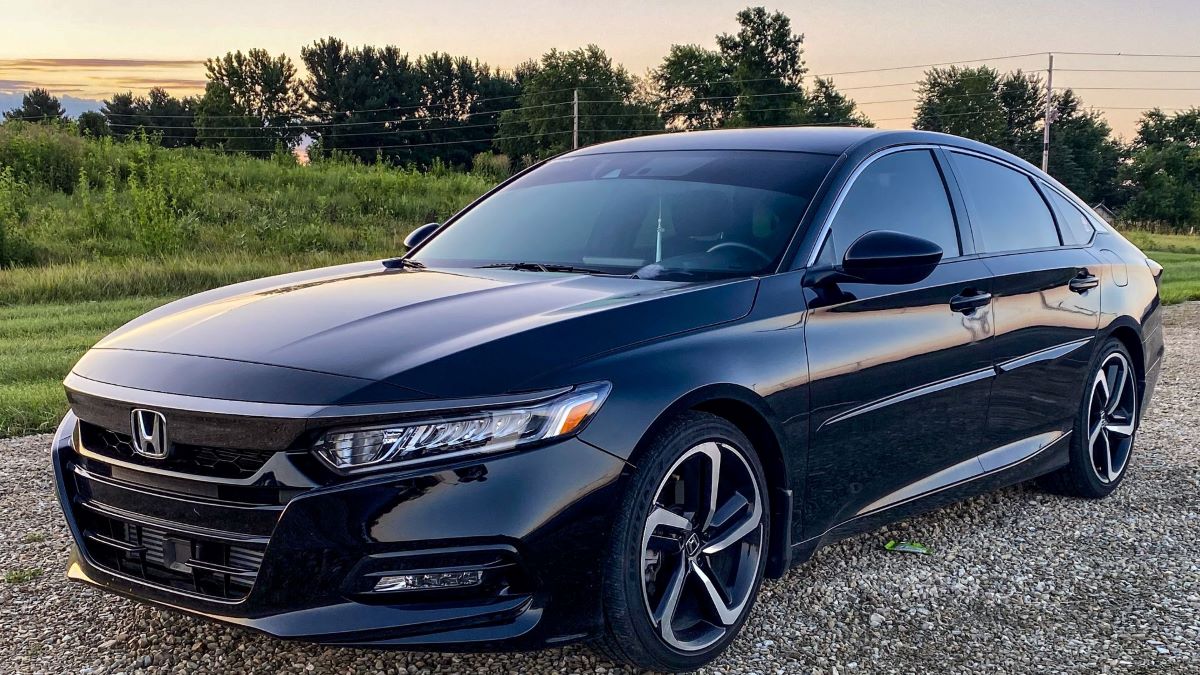
On Marketplace, a reasonably priced Accord especially with a clean service history rarely lasts more than a few days before a buyer steps in.
While many automakers have pulled away from sedans, the Honda Accord continues to hold its ground as a top choice in the midsize segment. Unlike rivals such as the Toyota Camry, which has gone hybrid-only, the Accord maintains a broader appeal by offering six trims: LX, SE, Sport Hybrid, EX-L Hybrid, Sport-L Hybrid, and Touring Hybrid.
Pricing starts at $29,445 for the LX and tops out at $40,450 for the Touring Hybrid, giving buyers a wide range of options depending on budget and priorities.
The LX and SE trims are powered by a 1.5-liter turbocharged four-cylinder producing 192 horsepower, paired with a CVT that drives the front wheels. Hybrid models swap in a 2.0-liter four-cylinder paired with an electric motor for a combined 204 horsepower, delivering up to 44 mpg combined according to the EPA.
All models are front-wheel drive, with no all-wheel-drive option, but the Accord makes up for it with a well-balanced blend of fuel efficiency, comfort, and engaging driving dynamics.
Whether you’re after affordability and solid mileage in the entry-level trims or upgraded tech and performance in the hybrids, the 2025 Accord covers a lot of ground. It remains one of the few sedans that successfully balances practicality with a genuinely enjoyable driving experience.
7. Chevrolet Silverado 1500
Another big hit in the pickup market, the Chevrolet Silverado 1500 attracts loyal fans who swear by its towing capacity and durability.
Used Silverados, especially those with low mileage and minimal rust, tend to sell quickly in both city and rural settings, making them a staple in fast-moving Marketplace listings.
The 2026 Chevrolet Silverado 1500 largely carries over from the previous model year but gains a few fresh touches, most notably the new RST Select Special Edition.
This appearance-focused package includes 20-inch all-terrain tires on gloss-black wheels, black assist steps, a spray-on bedliner, and all-weather floor liners.
It’s offered in six exterior colors, Black, Radiant Red, Riptide Blue Metallic, Sterling Gray Metallic, Summit White, and White Sands Solid, and is available on both crew cab and extended cab models with either 2WD or 4WD. Power comes exclusively from a 310-hp, 430 lb-ft turbocharged 2.7-liter four-cylinder paired with an eight-speed automatic.
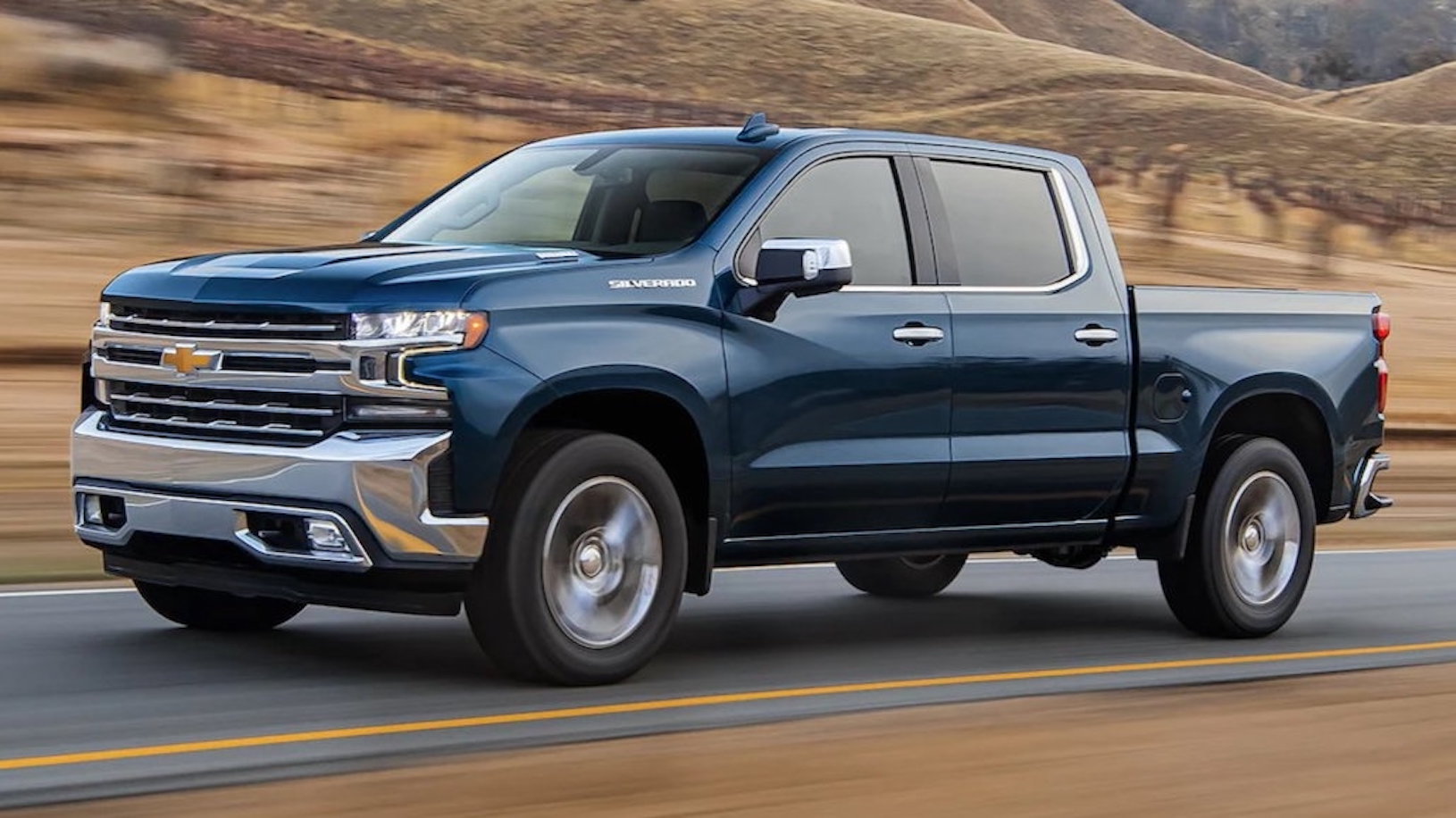
The Silverado 1500 continues to offer a wide range of configurations: three cab styles, three bed lengths, and nine trim levels from the work-focused WT to the off-road-ready ZR2.
Engine options include the aforementioned turbo-four, two V8s, and a 3.0-liter turbodiesel, with output ranging from 305 to 420 horsepower and towing capacity topping out at 13,300 pounds. Payload maxes at 2,260 pounds.
Depending on trim, buyers can get a 13.4-inch infotainment touchscreen, Google Built-in, wireless Apple CarPlay and Android Auto, up to 14 trailering camera views, Super Cruise hands-free driving, and Chevy’s versatile Multi-Flex tailgate. While 2026 pricing hasn’t been released, expect a modest bump from the 2025 range, which starts at $39,195 and stretches to $72,590 including destination.
This update keeps the Silverado competitive without reinventing it—Chevy is banking on variety, tech, and capability to maintain its appeal in the light-duty pickup market.
8. Subaru Outback
The Subaru Outback has carved out a niche in the U.S. as the ultimate all-weather, all-terrain family wagon. With its standard all-wheel drive, spacious cargo area, and long-lasting reliability, it’s a favorite in regions with snowy winters or outdoor lifestyles.
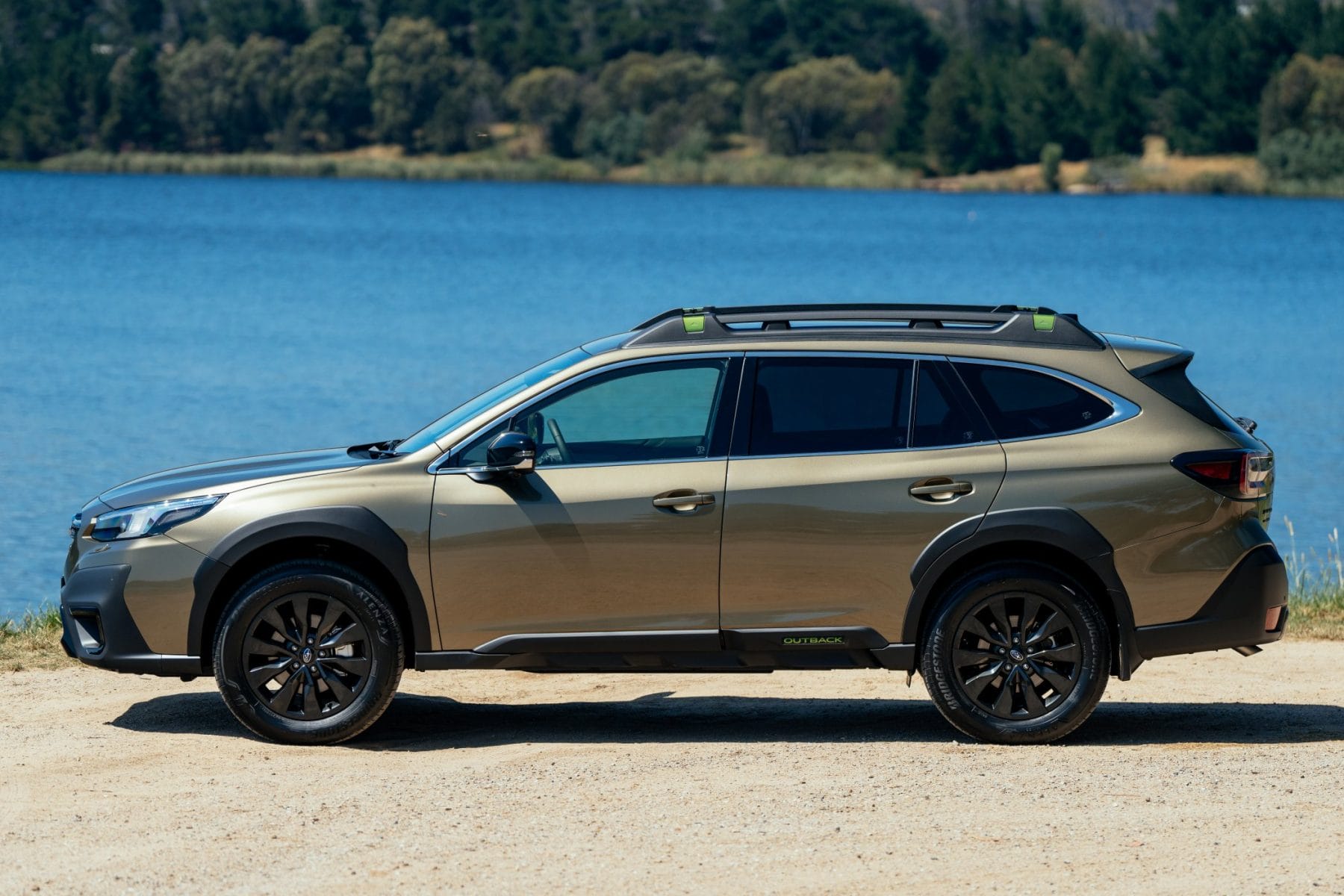
On Marketplace, clean Outbacks can be gone within hours, especially in states like Colorado, Vermont, and Oregon.
The 2025 Subaru Outback is the mid-weight trail-hiker boot of automobiles, casual, comfortable, and capable enough to handle moderately difficult terrain when called upon. While many crossovers try to offer similar versatility, the Outback remains a station wagon first and foremost, giving it a cool, laid-back personality it’s maintained for thirty years.
That wagon design delivers car-like ride and handling, along with generous cargo space and seating for up to five passengers. The base powertrain is a 182-horsepower 2.5-liter four-cylinder paired with a continuously variable automatic transmission (CVT) and standard all-wheel drive, while an optional 260-horsepower turbocharged 2.4-liter engine offers stronger acceleration.
Subaru has tuned the CVT to mimic a traditional automatic, reducing the droning sound common to CVTs, though the standard engine still provides modest acceleration and the turbo version, while quicker, is held back somewhat by the transmission.
Every Outback comes standard with AWD, which provides confidence in poor weather, and 8.7 inches of ground clearance allows for light off-road use.
The Wilderness model pushes capability further with 9.5 inches of clearance, skid plates, beefier suspension, and Snow and Mud driving modes. Even so, the Outback remains more car than SUV in rugged conditions, ideal for urban streets, highways, and dirt trails, but not a hardcore off-roader.
Performance varies by engine: we recorded a 5.8-second 0–60 mph time in a turbocharged 2022 Wilderness model, while a standard-engine 2020 Touring managed the run in 8.5 seconds. Towing capacity is 2,700 pounds with the standard engine and 3,500 pounds with the turbo.
Fuel economy is solid for the segment. The standard engine is rated by the EPA at 26 mpg city and 33 mpg highway, while the turbo achieves 23/30 mpg. On our 200-mile highway test route, both engines returned 28 mpg. Pricing starts at $31,415 for the base Outback and runs up to $46,150 for the Touring XT, with nine trims available.
We recommend the Premium trim at $34,480 for its value: it includes an 11.6-inch touchscreen, a 4G LTE hotspot, heated front seats, heated mirrors, a windshield wiper deicer, a power-adjustable driver’s seat, USB-A and USB-C ports, and a leather-wrapped steering wheel.
Option Package 1 adds keyless entry, pushbutton start, a hands-free power tailgate, blind-spot detection, rear cross-traffic alert, and automatic emergency steering. Option Package 2 builds on that with a power moonroof and navigation.
Inside, the Outback uses quality materials and offers generous space, with the current model providing 1.4 inches more rear legroom than before. Higher trims bring luxury touches like a heated steering wheel, ventilated front seats, heated rear seats, and a power-adjustable passenger seat.
Cargo capacity is 33 cubic feet behind the rear seats (enough for 11 carry-on suitcases) and expands to 23 suitcases with the seats folded. Infotainment tech depends on trim: the base model’s dual 7.0-inch screens feel dated, while the Premium and higher trims get a large 11.6-inch vertically oriented display with Apple CarPlay and Android Auto standard.
Navigation, a Wi-Fi hotspot, and wireless charging are optional. Upper trims offer a 12-speaker, 576-watt Harman/Kardon audio system. Subaru earns points for keeping physical knobs for volume and tuning, plus climate controls.
Safety is a strong suit. All Outbacks come standard with Subaru’s EyeSight driver-assistance suite, which includes forward-collision warning, automated emergency braking, adaptive cruise control, and lane-keeping assist. Blind-spot monitoring and rear cross-traffic alert are available.
The Outback holds a five-star overall rating from the NHTSA. Warranty coverage is competitive but basic: three years or 36,000 miles for the limited warranty and five years or 60,000 miles for the powertrain, with no complimentary scheduled maintenance.
Overall, the 2025 Subaru Outback blends wagon comfort and versatility with light off-road chops, generous safety tech, and a loyal following, making it a perennial favorite in its segment.
If you’re a seller looking to move your vehicle quickly, listing one of these models at a fair price with clear photos and an honest description can dramatically shorten your selling time.
The U.S. used car market is competitive, but on Facebook Marketplace, these eight vehicles have a proven track record of finding new homes almost instantly.