
Electric vehicles have moved from being rare sights on the road to becoming a strong presence in everyday driving. As technology improves, many buyers now focus on which models offer reliable performance without frequent electronic issues.
While some EVs deliver smooth operation with dependable systems, others have gained a reputation for software troubles and unexpected faults. The difference between a trouble-free experience and constant frustration often lies in how well the vehicle’s hardware and software work together as time goes on.
Car makers have invested heavily in building EVs with advanced driver assistance, user-friendly infotainment, and dependable battery management. Some brands have mastered the balance between innovation and stability, creating vehicles that keep drivers confident on every journey.
These models not only perform well but also maintain consistent operation without frequent visits to service centers for tech-related concerns. Owners of such cars often report smooth integration between driving systems, apps, and charging processes.
However, not all EVs have achieved this standard. Some models, despite impressive specifications, suffer from poorly tuned software or inconsistent hardware reliability. In these cases, drivers may deal with frozen touchscreens, faulty sensors, or unreliable charging systems that affect the ownership experience. These issues can lead to disappointment, especially when expectations are high for modern electric vehicles.
We will talk about five EVs that have shown strong, dependable technology, making them stand out as trustworthy options. We will also discuss five models that have faced frequent complaints about glitchy systems, making potential buyers think twice.
The goal is to give you a clear understanding of which electric vehicles are likely to offer peace of mind and which may require more patience. Whether you are buying your first EV or replacing an older one, knowing these details will help you choose a model that matches your expectations for reliability and technology.
5 EVs With Bulletproof Tech
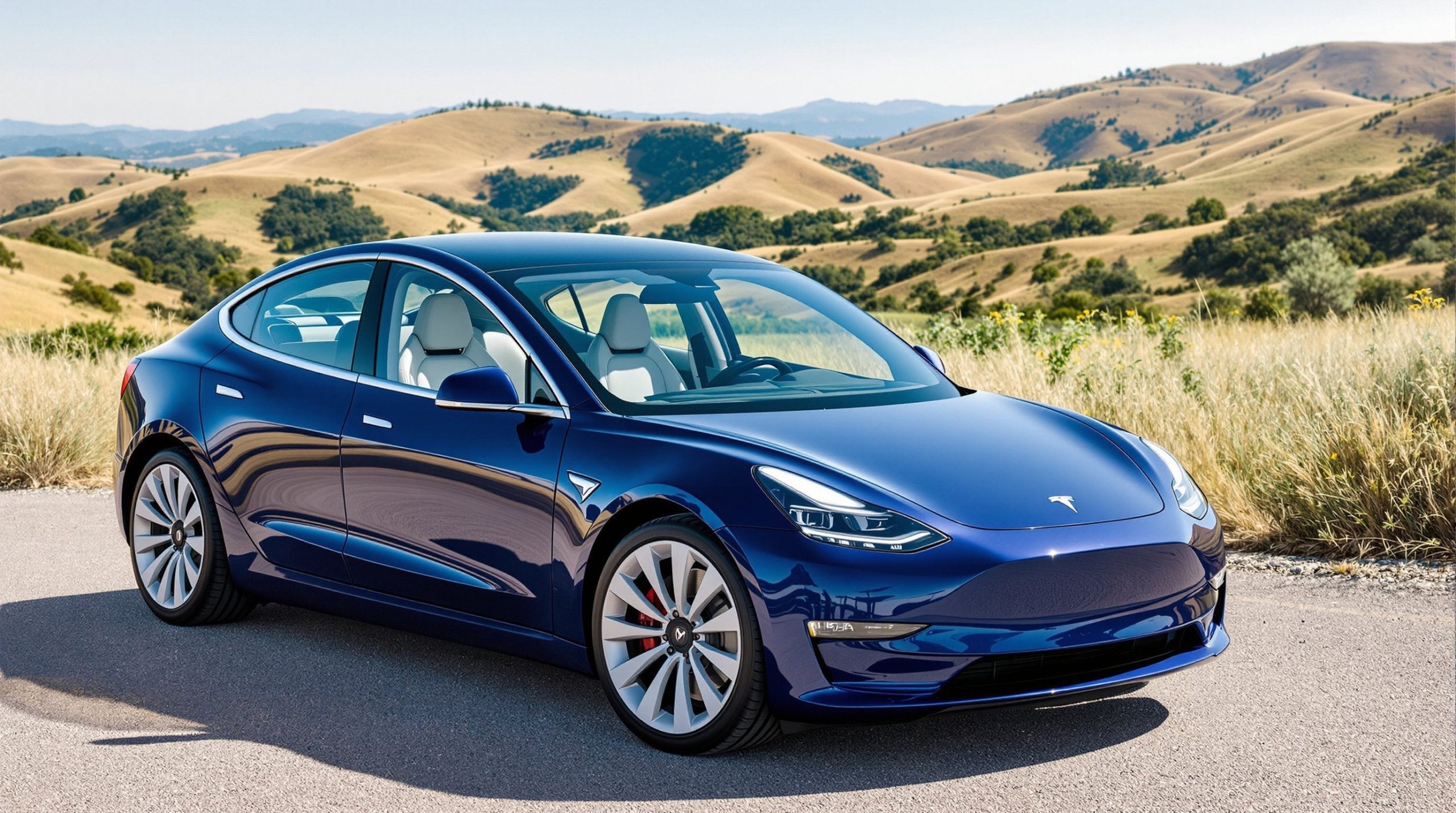
1. Tesla Model 3
Tesla’s Model 3 remains one of the most refined EVs when it comes to technology that works as promised. This sedan has consistently delivered fast and responsive software updates that improve performance, safety, and user experience.
The central touchscreen operates smoothly, and even under heavy use, it rarely shows lag or unresponsiveness. Tesla’s decision to control most vehicle functions through this display has proven effective, thanks to its stable operating system.
The Model 3 benefits from Tesla’s extensive Supercharger network, which integrates seamlessly with the car’s navigation system. When a driver enters a route, the software automatically plans charging stops and provides accurate estimates of arrival times and battery percentages.
This kind of precise integration reduces range anxiety and keeps long trips stress-free. Battery management is also excellent, with Tesla’s system protecting long-term battery health by controlling charge levels intelligently. Autopilot, Tesla’s driver-assist feature, is another area where the Model 3 stands out. The cameras, sensors, and radar work together without constant false alerts or system dropouts.
Lane keeping and adaptive cruise control operate with confidence, and the updates Tesla sends over-the-air continue to refine these features. Many competing EVs struggle to match the smoothness and predictability of Tesla’s driver-assist performance.
The voice command system in the Model 3 also functions well. Drivers can adjust climate settings, set navigation routes, and control media without taking their hands off the wheel. Even complicated requests are understood accurately, which is rare in the automotive sector.
Combined with a highly efficient electric drivetrain, these reliable tech features make the Model 3 a dependable daily driver. Owners often keep their vehicles for years without experiencing the type of glitchy performance that can plague other EVs, making it a strong choice for those who value technology that simply works.
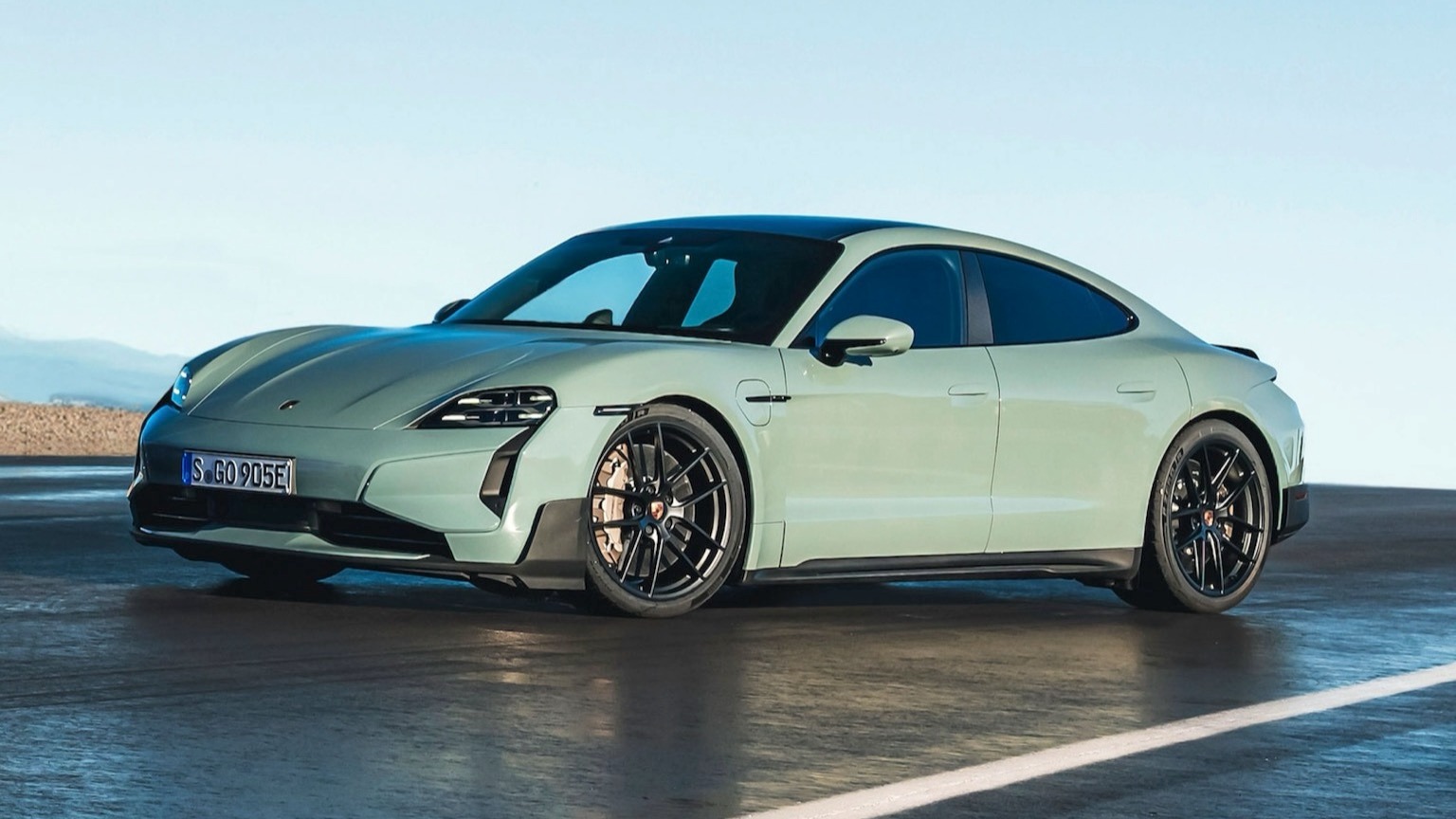
2. Porsche Taycan
The Porsche Taycan blends luxury with rock-solid technology, offering drivers an experience that feels both advanced and dependable. From the moment the car starts, its systems engage smoothly without unnecessary delay.
The infotainment setup, split between the central screen and a secondary passenger display, delivers sharp graphics and responsive touch controls. Even when multiple apps run at once, the interface does not freeze or slow down, a common problem in less refined EVs.
One of the Taycan’s strongest assets is its high-voltage 800-volt charging architecture. This design enables ultra-fast charging without the heat management issues that can trouble other EVs. The car’s software manages battery temperature precisely, allowing repeated high-speed charging sessions without degrading performance.
On long trips, this makes the Taycan one of the easiest EVs to live with, especially for drivers who need to cover large distances quickly. Driver assistance in the Taycan is subtle yet effective. Lane centering, adaptive cruise control, and traffic sign recognition work consistently, without random disengagements or incorrect readings.
Porsche’s calibration ensures that the system supports the driver without being overly intrusive. The head-up display is crisp and easy to read, and it never suffers from ghosting or flickering, which some vehicles struggle to avoid.
The Taycan’s navigation integrates charging locations and predicts range with impressive accuracy. It updates in real time based on driving style, weather, and traffic, giving drivers confidence in reaching their destinations.
Over-the-air software updates enhance features without introducing new problems, maintaining the car’s reliability as time goes on. Porsche’s approach to building technology that performs flawlessly matches its reputation for precision engineering.
Owners rarely complain about system failures or sudden software bugs, making the Taycan one of the most trustworthy premium EVs available. While it comes at a high price, the stability of its technology ensures that buyers get lasting value along with luxury and performance.
Also Read: 5 EVs That Feel Premium and 5 That Feel Like Appliances
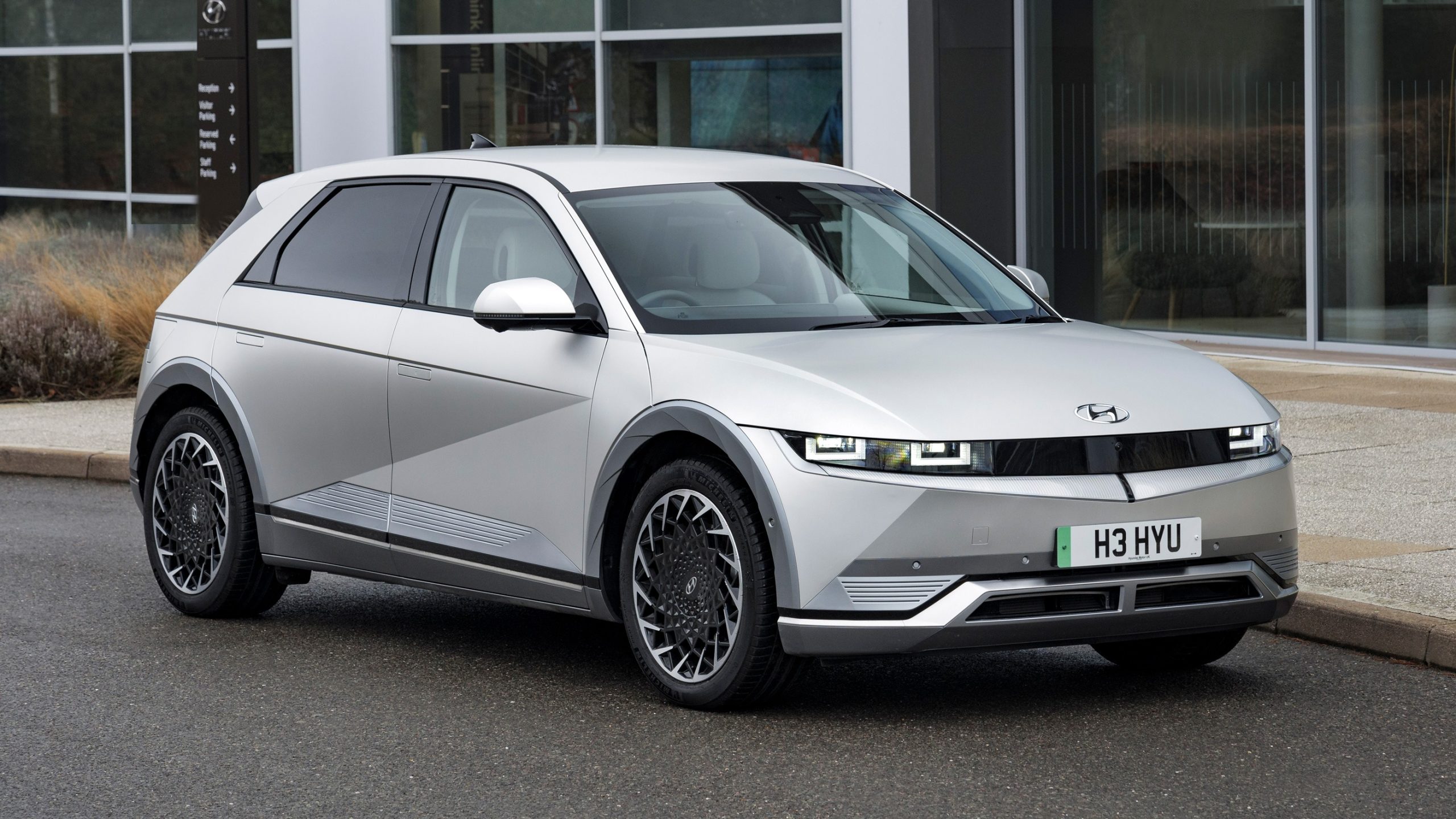
3. Hyundai Ioniq 5
The Hyundai Ioniq 5 has quickly earned respect for combining futuristic design with technology that works reliably. Its infotainment system, built on a well-structured interface, delivers smooth performance even when switching between navigation, media, and vehicle settings.
The large dual-screen layout provides clear information without overwhelming the driver. Unlike some EVs that rely heavily on touch controls, the Ioniq 5 retains physical buttons for important functions, reducing distractions and system errors.
Charging is one of the Ioniq 5’s strongest areas. Its 800-volt electrical system enables extremely fast charging times while keeping battery health in check. The software communicates clearly with charging stations, avoiding the handshake failures that some owners of other EVs encounter. Drivers can rely on accurate charge time predictions, making trip planning straightforward.
The Ioniq 5’s driver-assist systems operate with a level of consistency often missing in this price range. Lane keeping, blind-spot monitoring, and adaptive cruise control respond predictably in varied traffic conditions.
The systems rarely disengage unexpectedly, which builds trust during long drives. Hyundai’s SmartSense technology package also includes intelligent speed limit assistance that reads road signs accurately and adjusts settings without constant manual input.
Owners appreciate the stability of over-the-air updates, which improve functionality without causing unexpected glitches. The Ioniq 5 also excels at integrating smartphones, with both Apple CarPlay and Android Auto running smoothly and without dropouts.
Even wireless connections remain stable, something that many other EVs have yet to perfect. The cabin technology works seamlessly with the car’s mechanical performance, making the Ioniq 5 a dependable choice for drivers who value both innovation and reliability.
Its combination of futuristic features and steady system performance has made it a strong competitor in the electric vehicle market. Many owners report that they spend more time enjoying the drive and less time dealing with software problems, which is exactly what most EV buyers want.
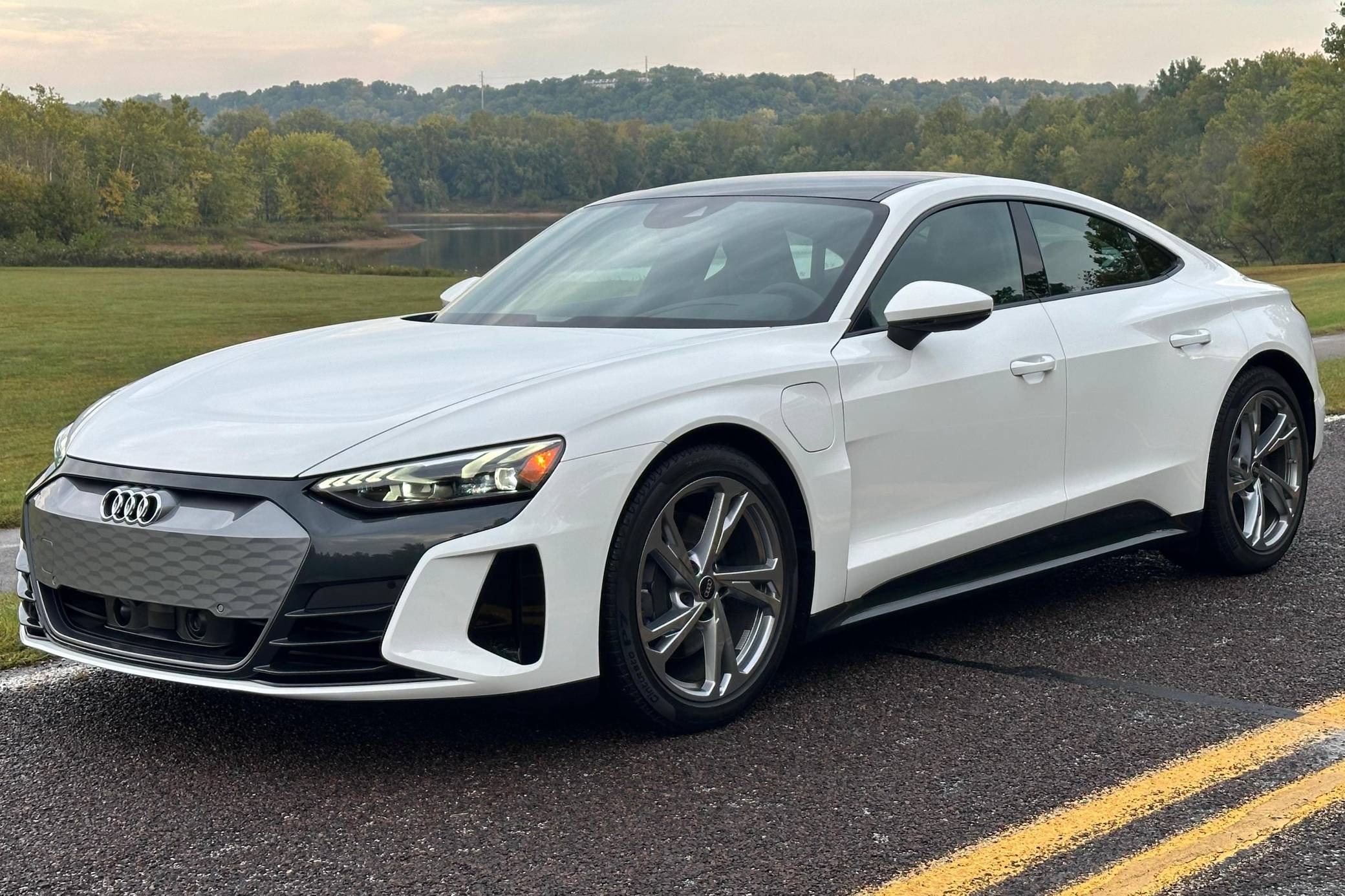
4. Audi e-tron GT
The Audi e-tron GT delivers a technology experience that reflects the brand’s focus on refinement and stability. From the first moment you interact with the car, the systems respond instantly and without hesitation.
The infotainment setup offers a combination of touch-sensitive controls and physical buttons, making it easy to operate without dealing with the unresponsive or overly sensitive screens seen in some EVs. The menus are well laid out, ensuring drivers can find what they need without getting lost in confusing submenus.
Audi’s Virtual Cockpit display is one of the best in the industry, offering sharp visuals and customizable layouts. It integrates navigation, media, and driver-assist information into a single, clear interface.
The system handles changes smoothly, with no delay when switching between different displays. This reliability extends to the head-up display, which remains steady and clear regardless of lighting conditions.
Charging performance in the e-tron GT is strong, thanks to an 800-volt system similar to the Porsche Taycan’s. The battery management software is precise, allowing high-speed charging without causing overheating or performance drops. The car communicates effectively with public chargers, minimizing connection errors that can frustrate EV owners.
Driver assistance features operate with consistent accuracy. Adaptive cruise control, lane guidance, and parking assistance work without random faults or disengagements. The sensors and cameras are well-calibrated, which means fewer false warnings and smoother interventions when needed. The e-tron GT’s integration of these systems feels natural, making it easy for drivers to trust them.
Audi has also ensured that over-the-air updates enhance the vehicle without introducing unexpected issues. Software patches arrive seamlessly and are installed without affecting the car’s day-to-day performance.
This stable technology foundation, paired with Audi’s high build quality, gives the e-tron GT lasting reliability for tech-focused drivers. Those seeking a premium EV that combines style, performance, and dependable electronics will find the e-tron GT a satisfying choice.
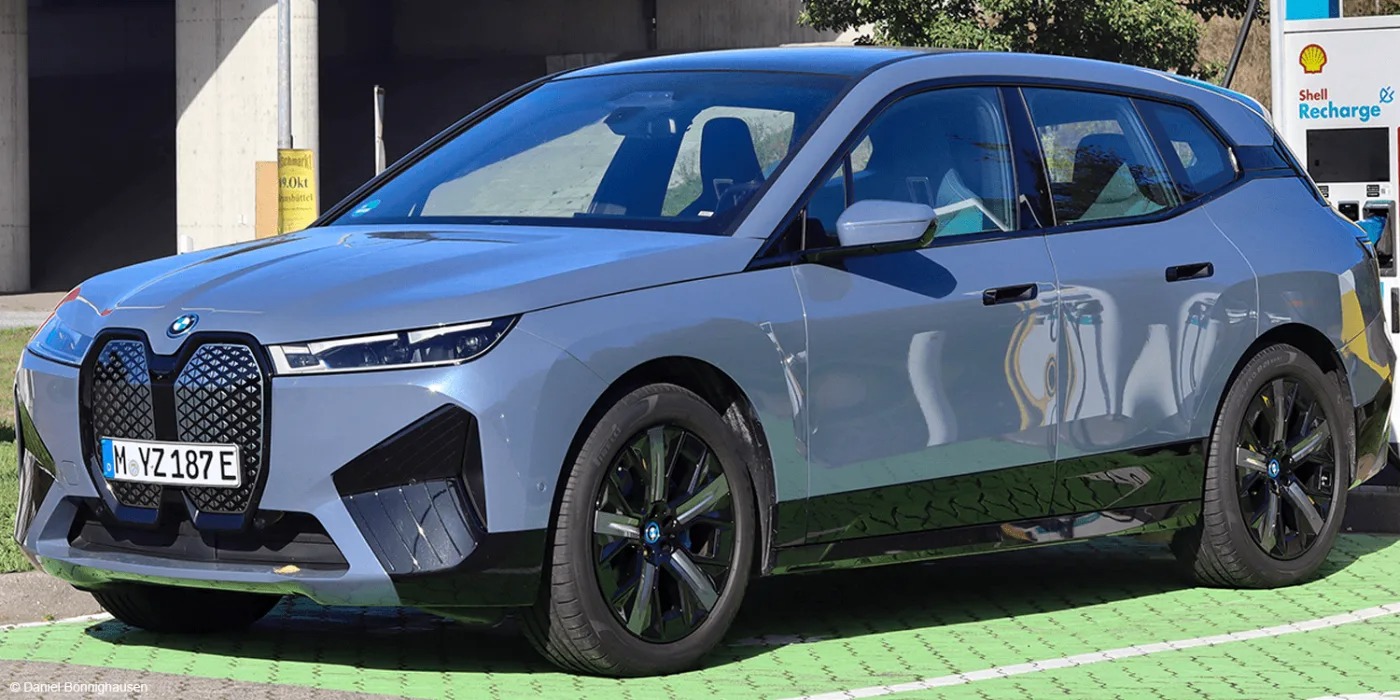
5. BMW iX
The BMW iX stands out as an example of how advanced technology can be made user-friendly and dependable. This SUV features a large curved display that combines both the instrument cluster and infotainment functions.
The graphics are sharp, and the interface responds quickly to both touch and voice commands. BMW’s iDrive system, now in its latest generation, continues to be one of the most intuitive control systems available, avoiding the lag or freezing that can frustrate EV owners.
The iX’s driver-assist package is comprehensive and stable. Highway driving assist, lane keeping, and adaptive cruise control all perform with smooth consistency. The system uses high-quality cameras and radar sensors that maintain accuracy in various weather conditions. Unlike some rivals, the iX rarely delivers false braking alerts or loses lane tracking unexpectedly.
Charging capability is another strong area. The iX supports fast charging with reliable performance, and its software manages battery health intelligently. The predicted range and charging times are usually accurate, making it easy for drivers to plan trips without surprises.
BMW’s navigation system also integrates charging station locations and provides real-time availability, reducing the guesswork involved in EV travel. Over-the-air updates arrive regularly and improve features without introducing instability.
The integration with smartphones is excellent, with wireless Apple CarPlay and Android Auto connections remaining stable during extended drives. Audio streaming, navigation instructions, and voice commands all work without drops or distortion.
The build quality inside the iX adds to the sense of stability. Buttons, switches, and touch panels operate reliably, and there are no widespread reports of malfunctioning electronics. For buyers looking for a premium electric SUV that blends luxury, innovation, and dependable tech, the BMW iX delivers a complete package that works consistently from the first drive onward.
5 EVs With Glitchy Systems
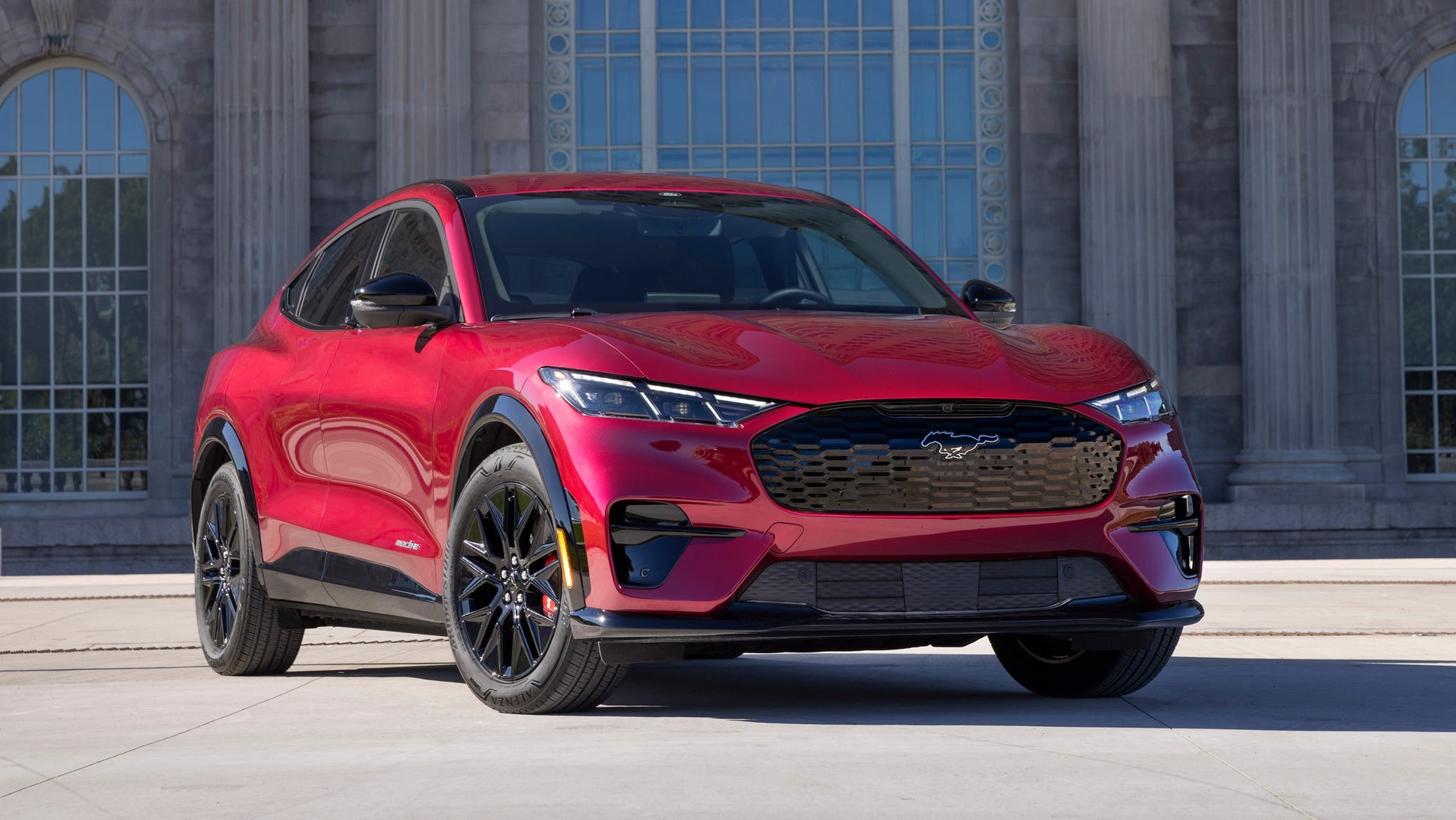
1. Ford Mustang Mach-E
The Ford Mustang Mach-E has been praised for its driving dynamics and styling, but its technology has drawn mixed reviews. Owners have reported issues with the large central touchscreen freezing or rebooting unexpectedly, which can disrupt navigation and climate control settings. These malfunctions often require stopping the vehicle to reset the system, which is inconvenient during longer trips.
Ford’s SYNC 4A infotainment system, while offering many features, sometimes struggles with responsiveness. Lag when switching between apps or delayed reactions to touch inputs can frustrate users. Smartphone integration through Apple CarPlay or Android Auto has also shown occasional connection drops, requiring drivers to reconnect devices mid-journey.
Charging performance is another area where some drivers have experienced inconsistency. The Mach-E’s communication with public charging stations can fail, causing slow charging speeds or refusal to start charging altogether. This is especially frustrating when planning long-distance travel and relying on specific charge points.
Driver-assist systems like adaptive cruise control and lane keeping occasionally disengage without warning. Some owners have also mentioned false collision warnings, which can startle drivers and reduce trust in the system. While software updates have been rolled out to fix these problems, new glitches have sometimes appeared after the updates.
The Mach-E’s entire driving experience remains enjoyable, but the reliability of its technology has not matched the expectations for a modern EV. For tech-dependent drivers, these recurring issues can impact daily use.
Those considering the Mach-E may need to be patient with its electronics, or be prepared to deal with occasional visits to the service center for software-related fixes.
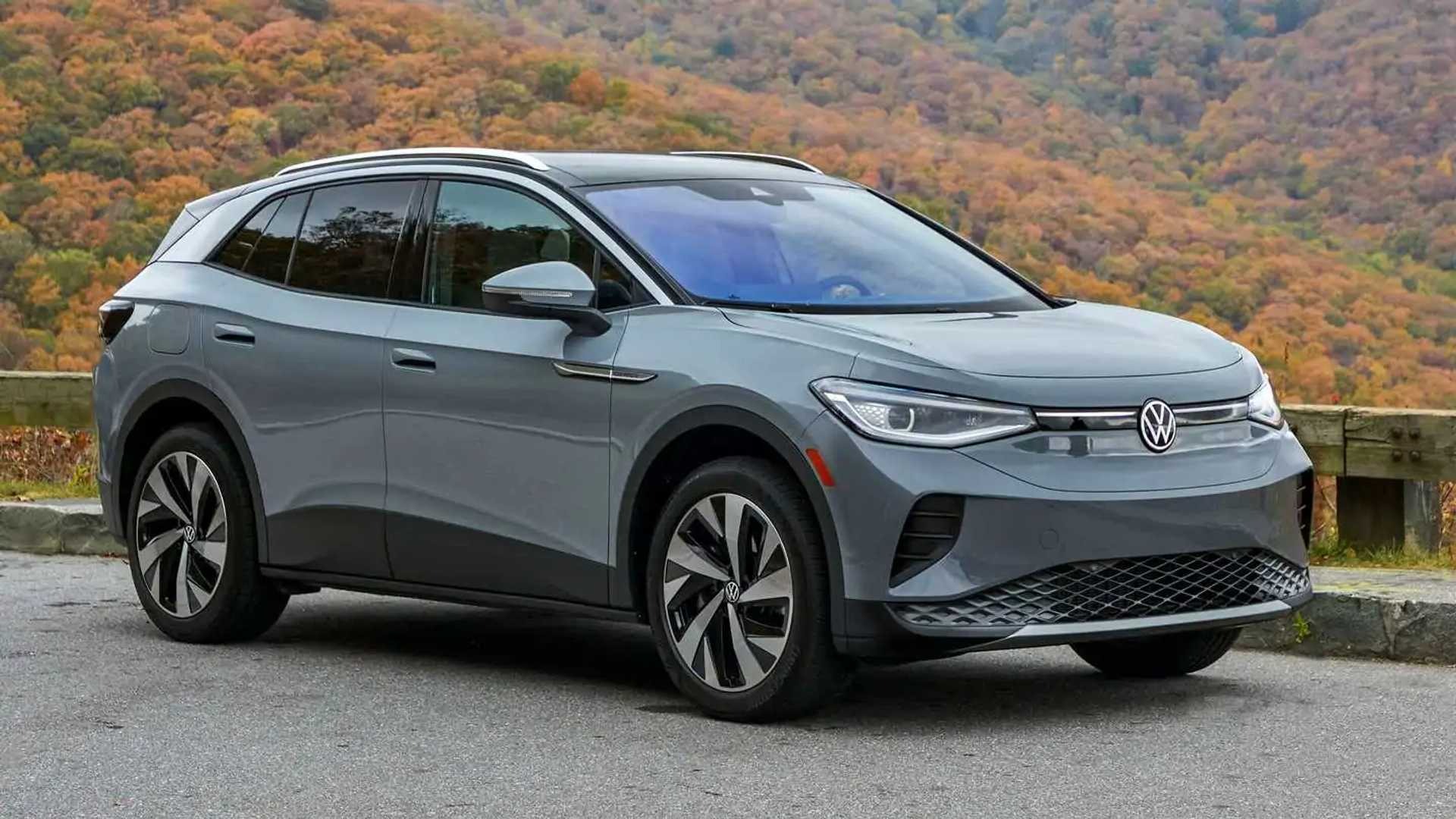
2. Volkswagen ID.4
The Volkswagen ID.4 offers practicality and comfort, but many owners have faced frustrations with its technology. The infotainment system has been criticized for being slow to start and unresponsive to touch inputs. Delays in menu transitions and occasional system freezes can make simple tasks like adjusting climate control more complicated than they should be.
Volkswagen’s decision to rely heavily on touch-sensitive controls for major functions has also caused complaints. Sliders for volume and temperature adjustment can be unresponsive or overly sensitive, making them awkward to use while driving. These design choices, combined with slow processing speed, reduce the system’s convenience.
Charging reliability has been another concern. Some ID.4 drivers have encountered issues where the car fails to initiate charging at public stations, forcing them to try multiple chargers before finding one that works. While software updates have aimed to address this, the results have been inconsistent.
Driver-assist features like Travel Assist and adaptive cruise control are capable when they work, but they have been known to disengage unexpectedly. Incorrect readings from lane markers or road signs can cause erratic behavior. False emergency braking incidents have also been reported, which can be unsettling during highway travel.
The ID.4’s strengths in comfort and spaciousness are undermined by these persistent technology issues. While Volkswagen has shown commitment to improving the software through updates, the improvements have not been universal. Drivers who value fault-free tech performance may find the ID.4 less appealing until its systems become more stable.
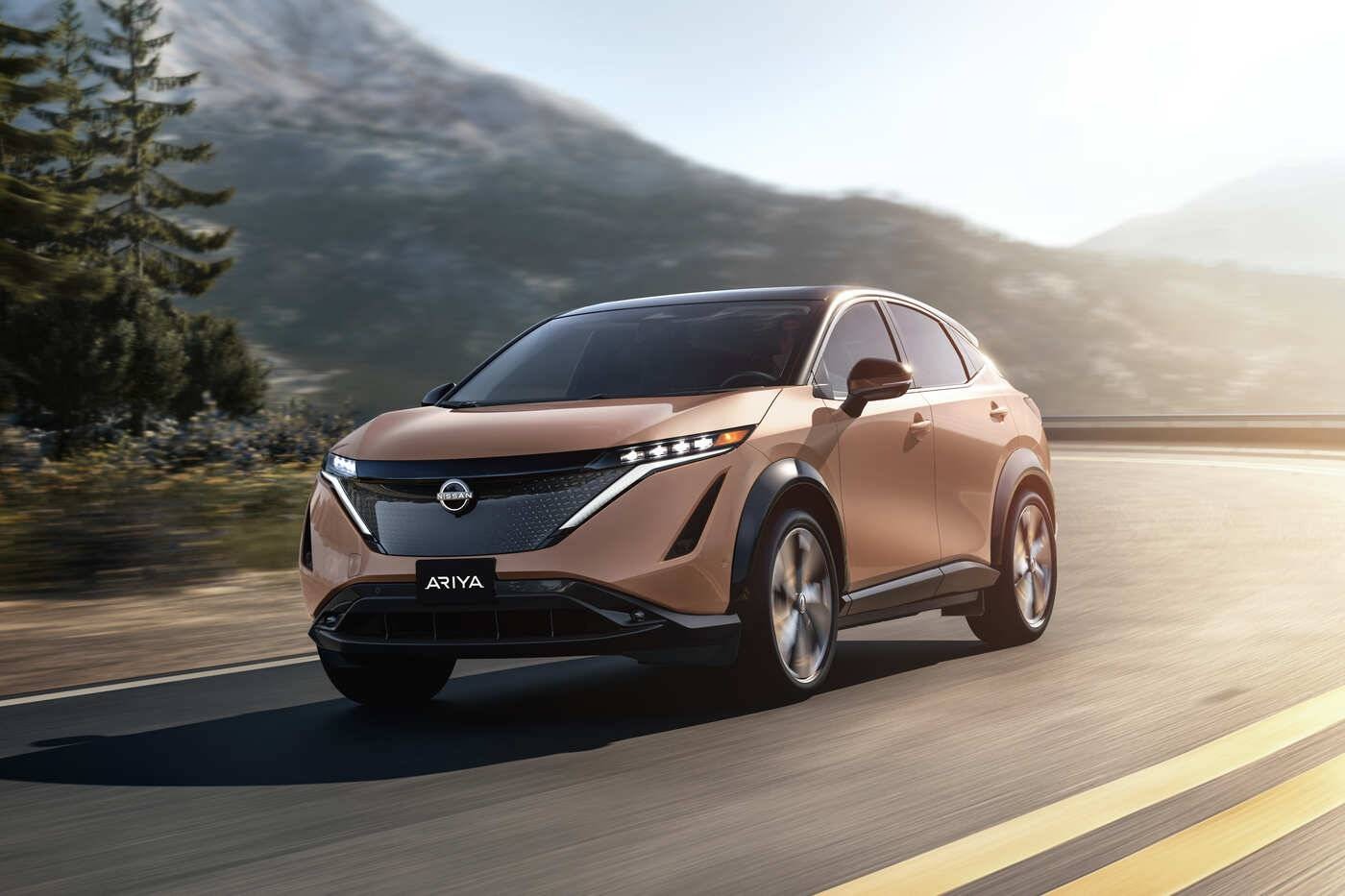
3. Nissan Ariya
The Nissan Ariya brings a fresh design and a comfortable cabin, but its technology has faced early challenges. The infotainment interface can lag when switching between functions, and the touchscreen sometimes fails to register touches accurately. This can be especially inconvenient when using navigation or trying to adjust settings quickly while on the move.
The Ariya’s voice control system has also been inconsistent. While it can handle basic commands, it struggles with more complicated requests, often misinterpreting what the driver says. Smartphone integration through Apple CarPlay and Android Auto has been mostly stable, but occasional dropouts have been reported.
Charging performance is generally reliable at home, but some public charging stations have caused connection errors. In these cases, the Ariya may take longer to start charging or fail to communicate properly with the charger, leading to wasted time during trips.
Driver assistance in the Ariya is built around Nissan’s ProPILOT Assist, which works well in many situations but can occasionally disengage unexpectedly. Lane centering sometimes drifts too close to one side, and adaptive cruise control can react too abruptly to slower traffic. These behaviors reduce driver confidence in using the system regularly.
While the Ariya offers a comfortable ride and modern styling, its technology reliability still has room for improvement. Future updates may solve many of these issues, but current buyers should be aware that the system’s performance is not as refined as some competitors in the segment.
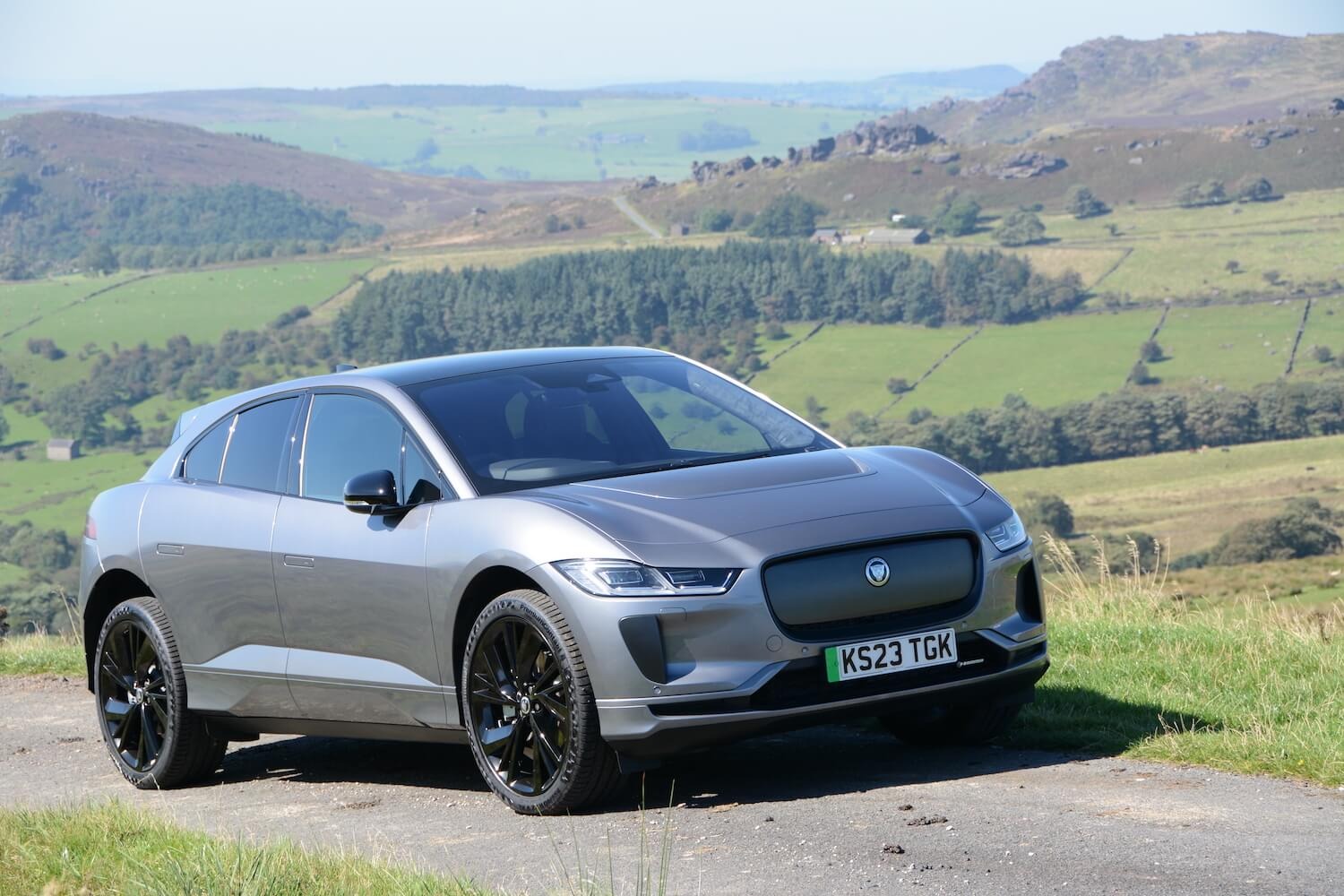
4. Jaguar I-PACE
The Jaguar I-PACE delivers strong driving performance, yet its infotainment system has been a consistent source of owner complaints. The Pivi Pro system can be slow to load when the car is started, and menu transitions sometimes take longer than expected. This delay can affect access to navigation or media functions, especially during quick trips.
Touchscreen responsiveness is not always consistent, and the system may ignore inputs entirely at times. The integration with smartphones has also been mixed, with occasional connection drops during calls or audio streaming. These issues can be frustrating in a vehicle positioned as a premium option.
Charging is generally effective, but some owners have encountered slow charging rates even when connected to high-speed stations. The car’s software sometimes underestimates available charging capacity, leading to longer-than-expected stops.
Jaguar’s driver assistance systems, including adaptive cruise control and lane keeping, have also received criticism for unpredictability. Sudden disengagements and false alerts can occur without an obvious cause. This lack of consistency can make drivers less likely to rely on the systems during daily use.
While the I-PACE offers engaging handling and distinctive styling, the ongoing software issues reduce its appeal for buyers seeking trouble-free technology. Regular updates have aimed to address these concerns, but some problems have persisted, keeping the I-PACE from matching the tech stability of its rivals.
Also Read: 5 EVs That Handle Bad Roads and 5 That Hate Bumps
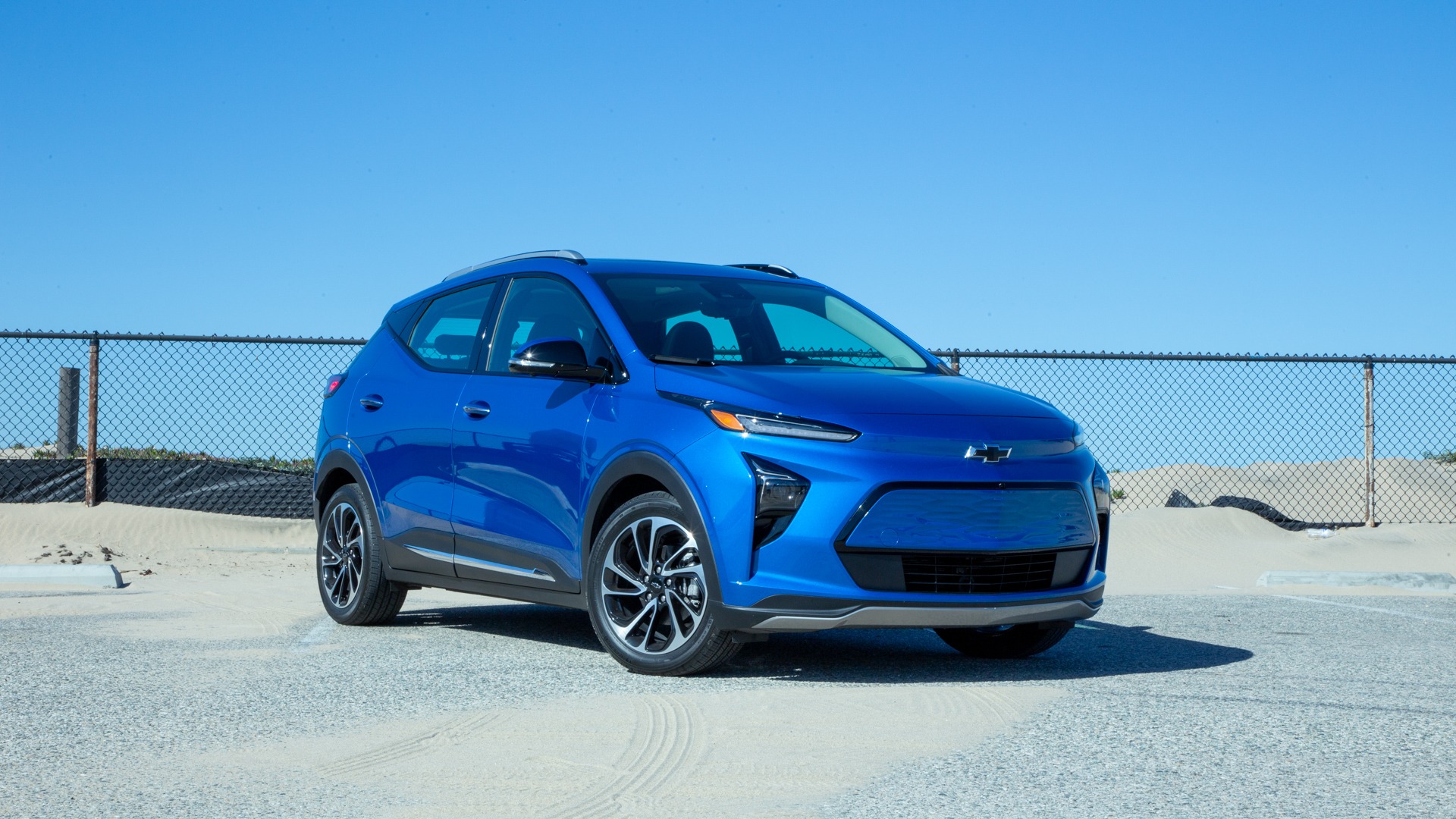
5. Chevrolet Bolt EUV
The Chevrolet Bolt EUV is valued for its affordability and range, but its technology performance has been uneven. The infotainment system, while simple, can lag when switching between screens or loading navigation maps. Touch input response is usually acceptable but can occasionally freeze for short periods, requiring a restart to restore normal function.
Smartphone integration is generally stable, yet some drivers have reported brief disconnections during long drives. Wireless connections for Apple CarPlay and Android Auto can sometimes take longer than expected to initiate.
Charging performance at home is consistent, but public fast-charging sessions have shown variability. In some cases, the Bolt EUV charges at slower rates than advertised, and the car’s range estimation can be inaccurate, especially in varying weather conditions.
The Super Cruise driver-assist feature is one of the Bolt EUV’s strengths when it works correctly. However, there have been reports of the system disengaging without warning or failing to recognize available mapped highways. Such behavior can limit its usefulness on extended road trips.
The Bolt EUV remains a practical and affordable entry into electric driving, but those expecting flawless technology may encounter occasional frustrations. While these issues do not make the car unusable, they can reduce the sense of confidence that comes with more stable systems in competing models.
