

When people spend money on a sport utility vehicle, they expect not just style and power but also a sense of calm and comfort when driving. The solid feel of a well-built SUV makes every journey smooth and relaxing. Nobody enjoys hearing creaks, squeaks, and rattles inside their vehicle, especially after spending thousands of dollars on it.
These noises can be a sign of poor build quality or weak interior fittings, and for many drivers, they can become a daily source of frustration. After a while, these sounds can also indicate that the vehicle’s structure is starting to wear down, which may affect its durability and resale value.
While some SUVs manage to keep their cabins quiet for years, others start producing irritating sounds soon after purchase. This difference often comes from the engineering quality, the type of materials used, and the amount of testing done before production. Drivers who pay attention to these details before buying can avoid unnecessary repairs or disappointments later.
Many people choose SUVs because of their size, power, and family-friendly design. They want something that can handle different roads while providing comfort inside. A tight and well-sealed cabin makes every trip enjoyable and keeps the focus on the road, not on annoying interior noises. On the other side, poorly assembled SUVs can make passengers feel uncomfortable and lower the owner’s confidence in the brand.
On our list, we will look at five SUVs that maintain a strong, quiet build even after years of driving, as well as five that have a reputation for developing squeaks and rattles. The reason for doing this is to help buyers understand which models deliver a satisfying and solid driving experience, and which ones may disappoint in that area.
5 SUVs That Stay Tight
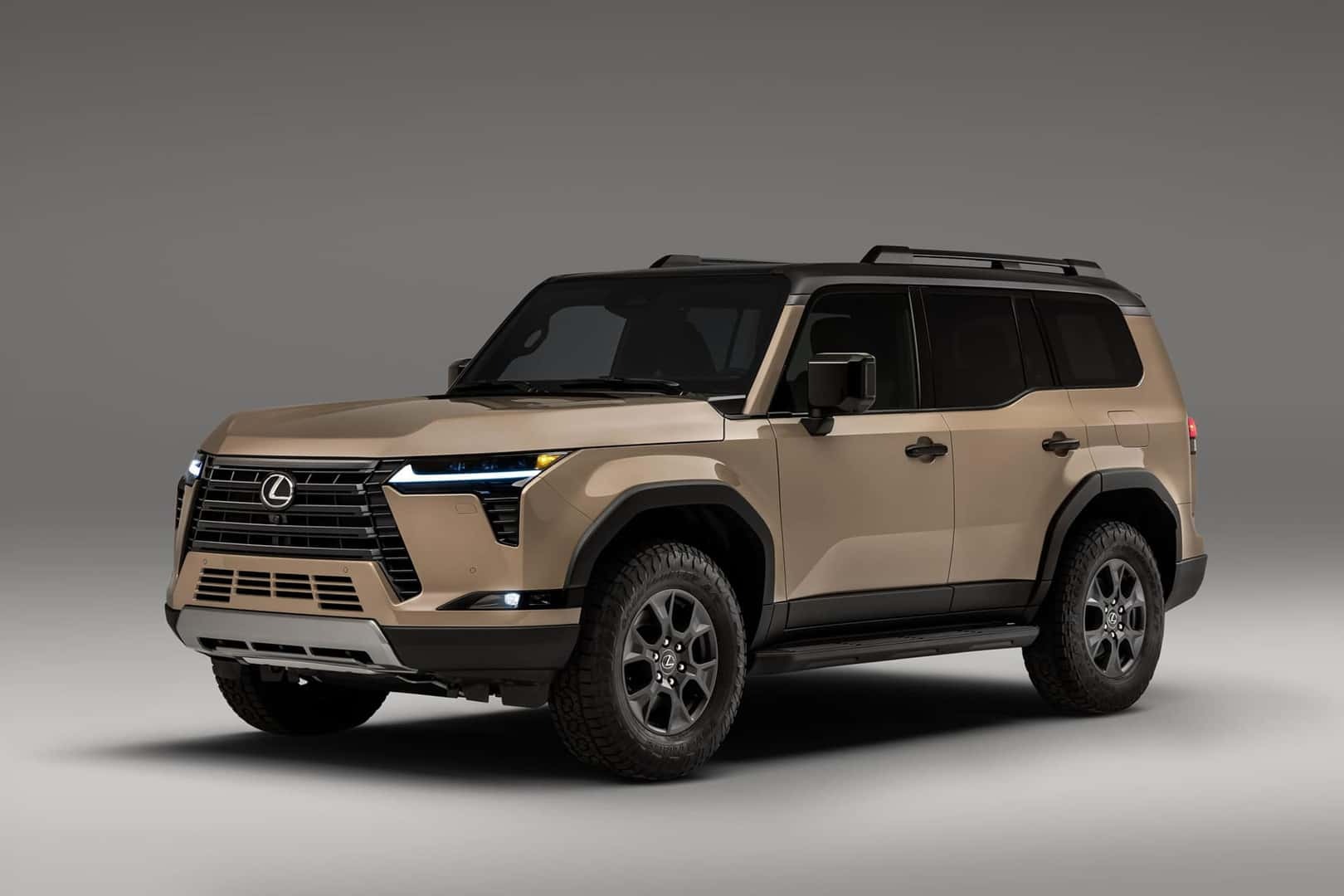
1. Lexus GX
The Lexus GX has earned a strong reputation for being built like a fortress. From the way its doors close with a deep, reassuring thud to the way the interior materials stay intact after years of use, this SUV has shown that quality construction makes a big difference. Lexus designs the GX with a body-on-frame structure, which is known for durability and strength. This foundation reduces vibrations and keeps the cabin stable even on rough roads.
Owners often praise how the GX remains quiet during both city and highway driving. Even when tackling off-road terrain, the cabin stays calm with minimal movement or noise from the panels. The seats are firm yet comfortable, and the leather upholstery maintains its shape for years without sagging. The dashboard, center console, and door panels are tightly fitted, which means they do not loosen or creak after a while.
Another reason the GX stays tight is the attention Lexus pays to sound insulation. Layers of noise-reducing materials are placed in strategic areas, including the doors, floor, and roof. This reduces road noise, wind noise, and vibrations from the tires. It is clear that Lexus engineers value a peaceful driving experience, which is why many GX owners report that their vehicles feel almost new even after high mileage.
Routine maintenance plays a part too. The GX responds well to regular servicing, and the mechanical parts are known for long-lasting performance. There are few complaints about dashboard rattles or squeaky trim, which shows that Lexus has worked hard to eliminate those problems.
In the premium SUV segment, the Lexus GX stands as a trusted choice for buyers who want both rugged performance and a refined, quiet cabin. It is proof that careful design, high-quality materials, and precise assembly can result in an SUV that stays tight year after year, regardless of how it is used.
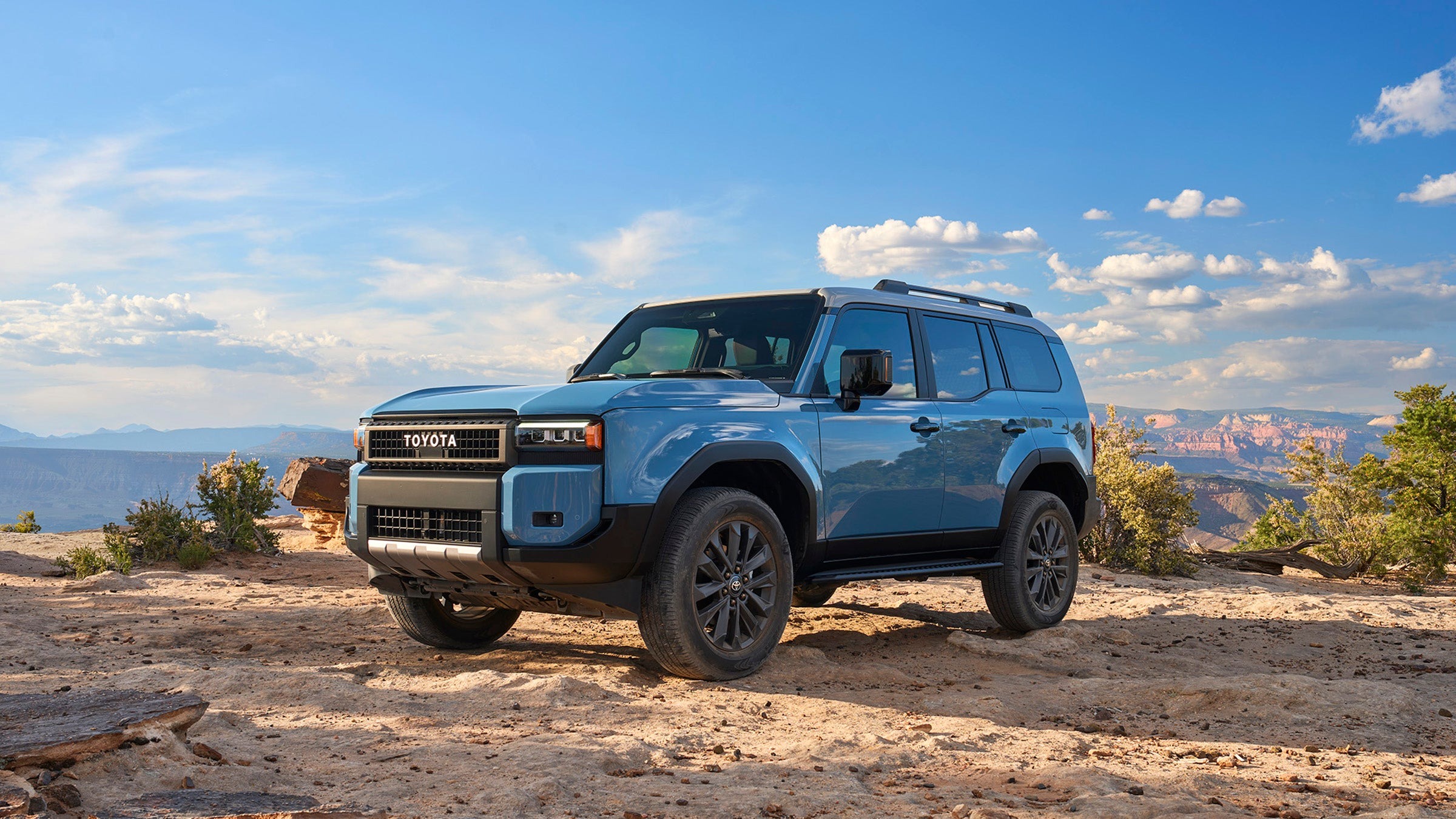
2. Toyota Land Cruiser
The Toyota Land Cruiser is famous for lasting decades, and one reason for this is its strong, quiet build. This SUV is designed for tough environments, from desert heat to icy mountain roads, yet it manages to keep passengers comfortable and undisturbed by unwanted noises. Its body-on-frame design and heavy-duty suspension absorb shocks effectively, preventing vibrations from reaching the cabin.
Inside, the materials are carefully chosen to handle wear without becoming loose or damaged. Even after years of driving on rough roads, the interior panels, seats, and controls stay secure. The stitching on the seats remains tight, and the plastics do not crack or squeak when the vehicle is in motion.
Toyota engineers have tested the Land Cruiser in extreme conditions, making sure the structure holds up under pressure. Sound insulation is also a priority, with the doors and floor lined to block noise from the outside. This gives the driver and passengers a smooth ride whether they are crossing a busy city or a rocky trail.
Owners often share that their Land Cruisers feel stable and free from rattles even after crossing hundreds of thousands of miles. The doors close with a firm seal, and there is no shaking or vibration from the dashboard area. This level of quality has made the Land Cruiser a favourite among those who want an SUV they can keep for many years without worrying about cabin noise.
When it comes to SUVs that can remain quiet and solid while enduring harsh conditions, the Toyota Land Cruiser stands out. It is a blend of strength and refinement, offering a cabin that remains tight no matter the challenges it faces on the road.
Also Read: 5 SUVs That Handle Towing and 5 That Hate It

3. BMW X5
BMW’s X5 is a mid-size luxury SUV that combines performance with careful engineering to deliver a stable, noise-free cabin. Its unibody construction allows for a well-balanced design, which keeps vibrations low and helps the vehicle feel solid at all speeds. BMW uses high-quality materials and advanced assembly techniques to ensure that the panels fit perfectly and stay in place after a while.
The X5’s suspension system plays a large role in reducing interior noise. By absorbing road imperfections efficiently, it prevents shaking that could lead to squeaks. The steering is also precise, which means there is less strain on the frame during sharp turns or uneven roads.
Inside, the X5’s cabin feels tightly sealed. The leather seats retain their firmness, and the dashboard remains steady without producing unwanted sounds. BMW’s commitment to craftsmanship is evident in the way every control, button, and panel fits neatly without gaps. Soundproofing measures such as double-glazed windows and insulated doors make the ride even quieter.
Even after several years of ownership, many X5 drivers report that the interior feels as solid as when they first bought it. Regular care keeps it in excellent condition, but even without extra attention, the design itself resists the wear and tear that often causes rattles in other vehicles.
BMW’s ability to combine performance with quiet comfort is one reason the X5 remains popular. For drivers who value a sporty yet peaceful driving experience, this SUV delivers both in a package that feels premium and dependable.
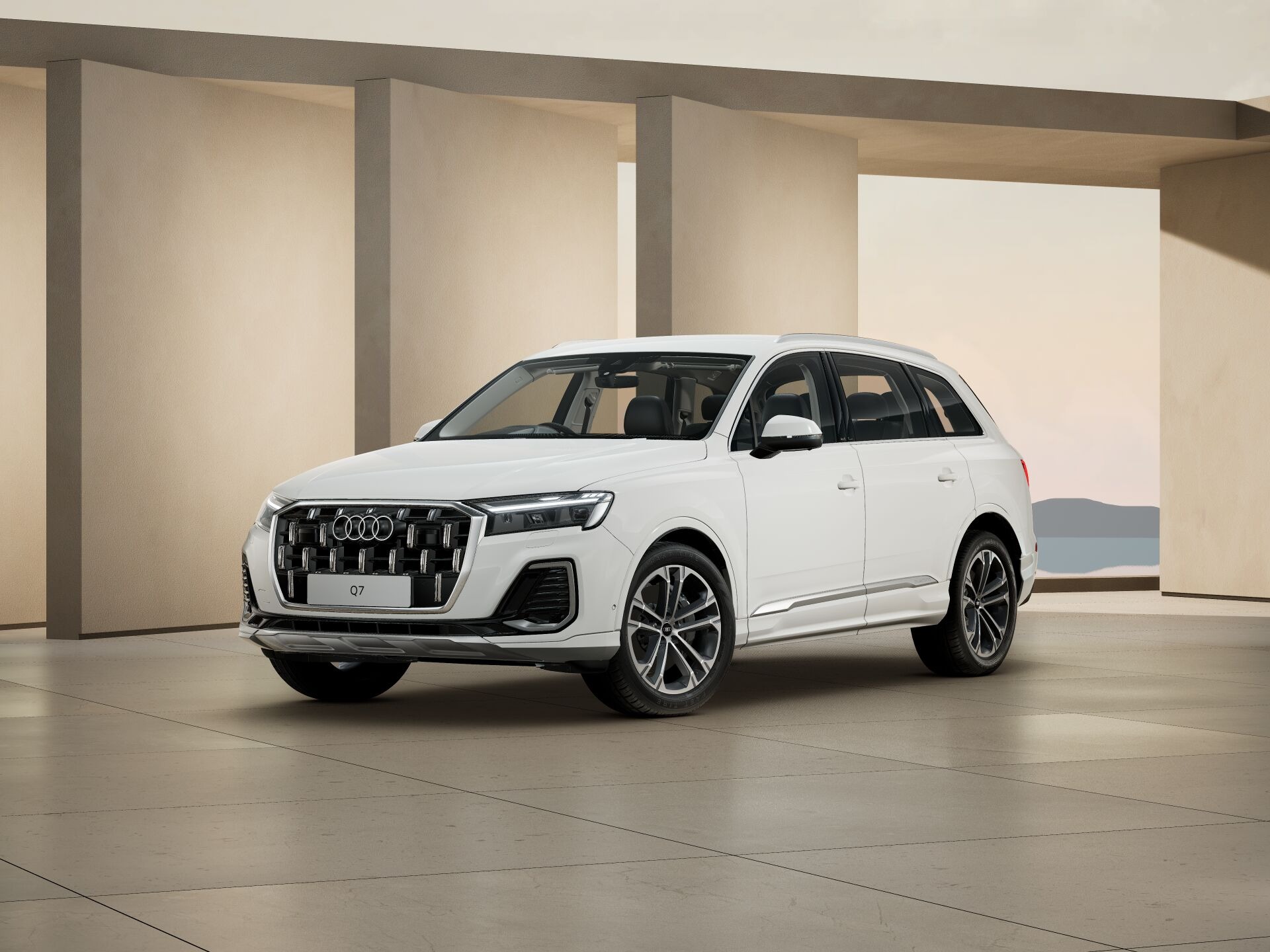
4. Audi Q7
The Audi Q7 is a full-size luxury SUV that offers a refined ride with a cabin designed to resist squeaks and rattles. Its design focuses on both comfort and strength, using high-quality materials that are assembled with care. The unibody frame provides a strong base, and the suspension absorbs most road imperfections before they can affect the interior.
Audi pays special attention to how the interior is put together. Panels are aligned precisely, and every joint is reinforced to prevent movement that could cause noise. The seats are supportive and built with long-lasting materials that do not loosen or sag after a while.
Noise control is a highlight in the Q7. Acoustic glass, heavy insulation, and advanced sealing techniques keep the interior quiet. Even on rough roads, wind and tire noise are barely noticeable. This makes long journeys more comfortable and allows conversations inside the vehicle to remain clear.
Owners appreciate how the Q7 maintains this solid feel over the years. The controls remain firm, the dashboard stays free from vibrations, and the doors close smoothly without any rattle. Even in colder weather, when materials in some vehicles shrink and cause noises, the Q7 holds its structure well.
This SUV shows that careful craftsmanship and strong engineering can deliver a ride that remains tight and comfortable for years. It is a choice for those who want space, luxury, and a cabin that does not start producing unwanted sounds after a few years of use.

5. Mercedes-Benz GLE
The Mercedes-Benz GLE blends style with build quality that resists squeaks and rattles. Its body structure is designed to remain firm under various driving conditions, from city roads to long-distance highway travel. The suspension works smoothly to prevent vibrations from reaching the interior, keeping the ride comfortable.
Mercedes uses premium materials that are not only visually appealing but also durable. Leather seats stay in good condition, the trim remains tight, and there is no loose plastic or poorly fitted panel to cause noise. The fit and finish are done with precision, so there are no gaps or weak points in the interior.
Soundproofing is another strength of the GLE. The insulation in the doors, roof, and floor blocks much of the outside noise, while the aerodynamics reduce wind resistance. This creates a calm driving atmosphere where every conversation can be heard clearly.
Owners who have driven the GLE for years often say that it still feels solid and free from distracting interior noises. The doors close with a secure sound, and the dashboard does not shake even when driving over rough surfaces.
For buyers seeking a luxury SUV that maintains a tight, noise-free cabin through years of use, the GLE remains a strong choice. It combines elegance with a structure built to last, ensuring comfort and peace inside, no matter where the road leads.
5 SUVs That Squeak and Rattle
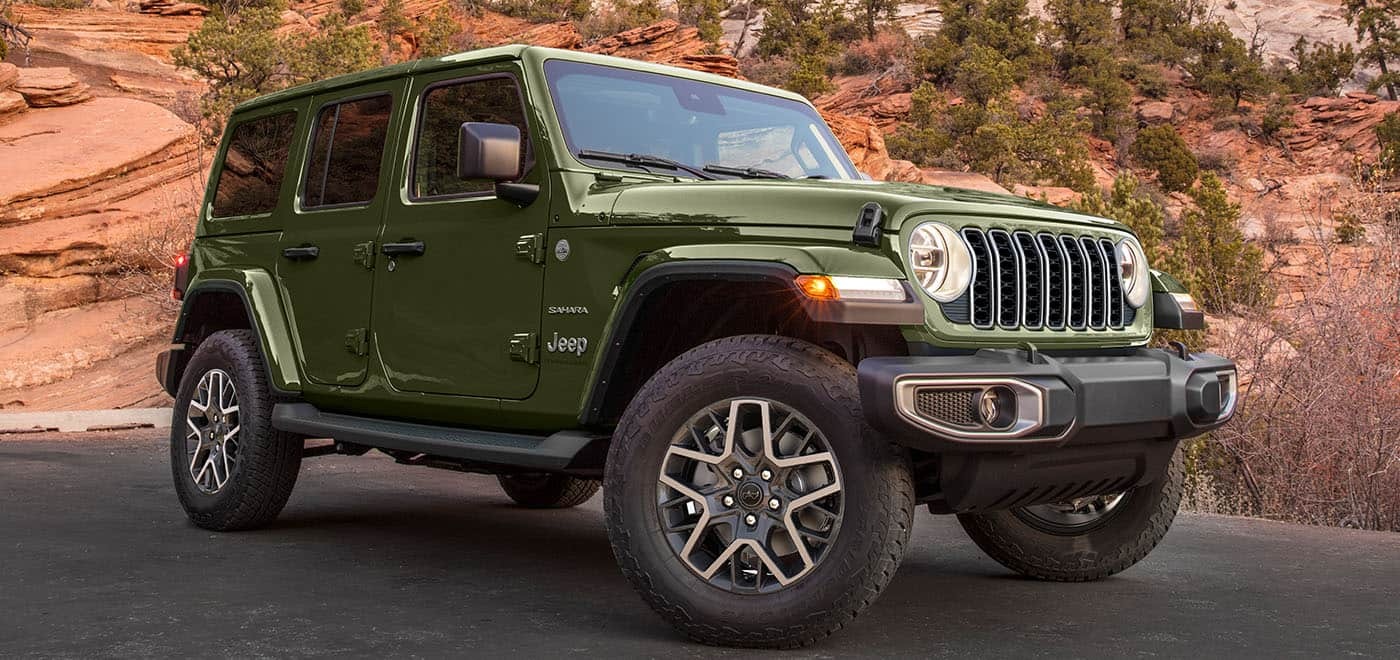
1. Jeep Wrangler
The Jeep Wrangler is respected for its off-road ability, but many owners notice that its cabin tends to develop squeaks and rattles. One reason for this is the removable roof and doors. While this design offers versatility and a sense of adventure, it also means there are more joints and seals that can loosen or wear after a while. These gaps can let in vibrations and cause parts to make noise.
The Wrangler’s boxy shape also allows more wind to hit the flat panels, which can add to the sound inside. Even with newer models, it is common to hear rattling from the roof panels, especially when driving on uneven terrain. Off-road driving can speed up the process, as constant shaking affects how tightly the parts fit together.
Inside, the dashboard and door panels are made to be tough rather than luxury-grade, and while this works for durability, it can also mean less insulation from sound. Plastic panels may creak when touched, and the hardware for the folding windshield can also produce noise if it becomes loose.
Regular maintenance can help reduce these problems, but many Wrangler owners accept that some level of squeak or rattle is part of the experience. Soft-top models tend to be louder than hard-top versions, as the fabric allows more outside noise and vibration to enter.
Even though the Wrangler’s interior noise is a common complaint, lovers of this SUV often overlook it because of its strong performance off-road and its unique design. For those who value quiet comfort over rugged adventure, however, the Wrangler may not deliver the calm ride that other SUVs can offer.
2. Ford Explorer
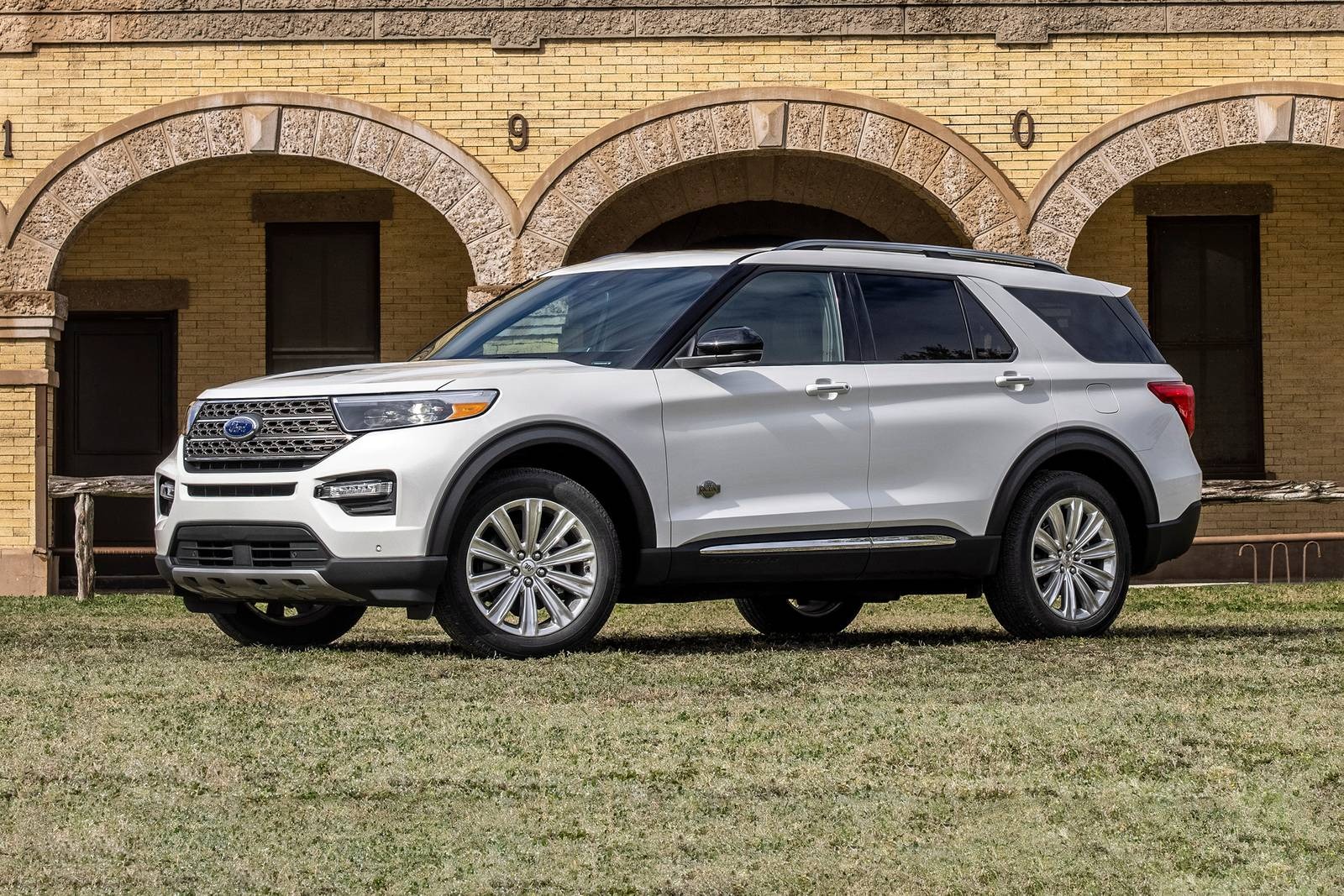
The Ford Explorer has been a popular family SUV for years, but some owners have noticed that certain model years tend to develop rattles inside the cabin. These sounds often come from loose trim pieces, door panels, or dashboard fittings that begin to change with time. In some cases, the noise starts soon after purchase, suggesting that the assembly may not be as tight as it should be.
The Explorer’s suspension is tuned for comfort, but it can allow more body movement over bumps, which increases the chance of interior parts rubbing against each other. The third-row seats, when folded or unfolded, are another source of noise if their latches are not secure. Some owners also report creaking from the rear hatch area, especially on rough roads.
Wind noise is another point of concern, particularly at highway speeds. This can be caused by imperfect door seals or window alignment. After a while, as the rubber seals age, they may allow even more sound into the cabin.
Ford has made improvements in newer generations, but older models still carry a reputation for developing these noises. While some of the issues can be fixed under warranty or through adjustments, others may require replacing panels or tightening parts repeatedly.
The Explorer remains a capable SUV with good space and features, but buyers who are sensitive to interior noise should be aware that it might require extra care to keep the cabin as quiet as when it was new.
3. Chevrolet Tahoe
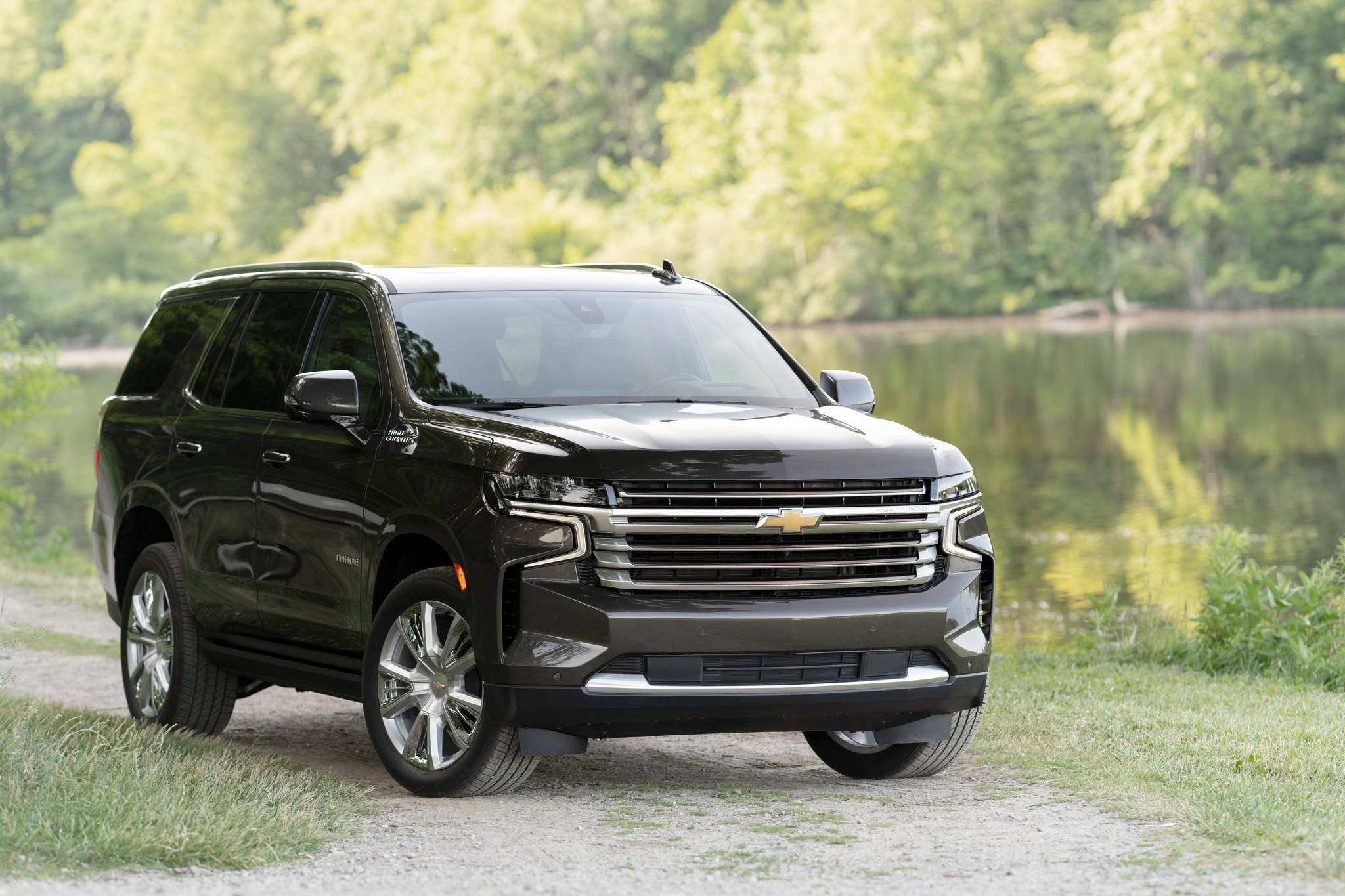
The Chevrolet Tahoe is a full-size SUV that offers space and power, yet its large structure also provides more opportunities for rattles to appear. Because it is built on a truck frame, vibrations from the road can travel through the body and affect the interior fittings. This can cause creaks from the dashboard, center console, or door panels, especially after years of use.
Owners have mentioned that the Tahoe’s rear seats can rattle when they are not fully locked in place. The tailgate area can also produce noise if the latch becomes loose. On rough or unpaved roads, the large panels in the cabin can flex slightly, creating a faint but noticeable sound.
Wind noise is another concern for some drivers, particularly at highway speeds. The big side mirrors and wide body can create air turbulence, which is then heard inside. If the door seals are not perfectly tight, the sound becomes even more noticeable.
The Tahoe’s interior materials have improved in recent years, but earlier models used more hard plastics, which are more likely to creak under pressure. While the vehicle’s entire strength is not in question, its cabin tightness can weaken with time if not maintained.
For drivers who value interior silence, regular checks of the seals, seat latches, and trim fittings are important. Otherwise, the Tahoe can gradually develop the kind of rattles that are hard to trace but easy to hear.
4. Nissan Pathfinder
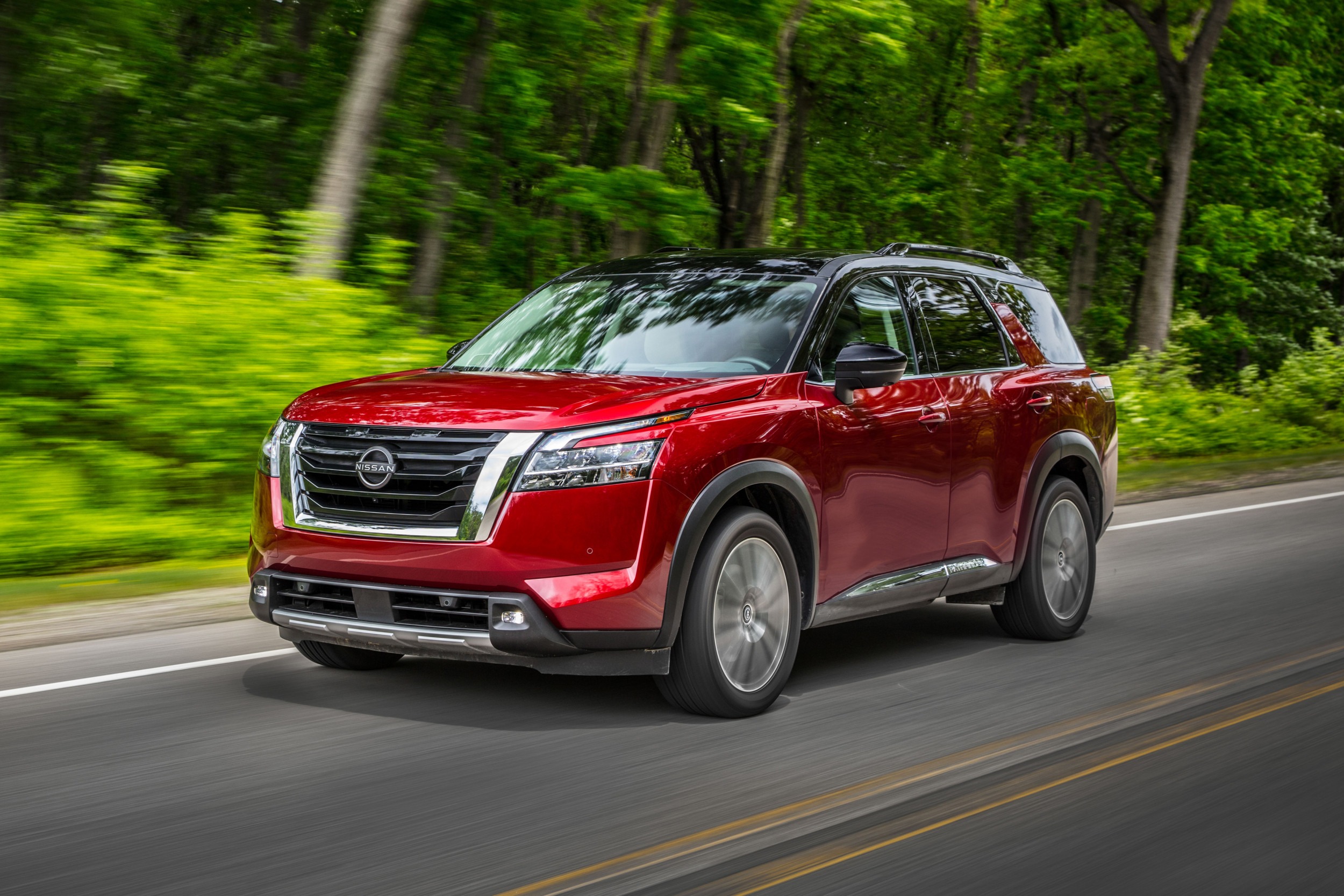
The Nissan Pathfinder has been around for decades, but some of its older versions are known for developing squeaks and rattles inside. These sounds often start from the dashboard or door panels and can become more frequent as the vehicle ages. The cause is usually a combination of material wear and a less rigid assembly compared to more premium models.
In some Pathfinders, the rear seats and cargo area contribute to the noise. If the seat latches or cargo covers are not firmly locked, they can move during driving and create rattling sounds. Road conditions can also make a difference. On smooth streets, the cabin may feel quiet, but on rougher roads, the noises become obvious.
Wind noise is another area where the Pathfinder can fall short, especially in older models that have worn door seals. Once these seals lose their flexibility, they allow more air movement into the cabin, which creates a constant background sound.
While the newer Pathfinder models have improved build quality and insulation, the earlier ones still have a reputation for not holding their cabin together as tightly as some rivals. Repairs can help, but they may only reduce the problem rather than eliminate it.
This SUV still offers practicality, good seating space, and decent driving comfort, but for buyers who want a quiet interior over many years, the Pathfinder may not deliver the same stability as more premium options.
Also Read: 5 EVs That Last for Decades and 5 That Don’t See Year Five
5. Kia Sorento
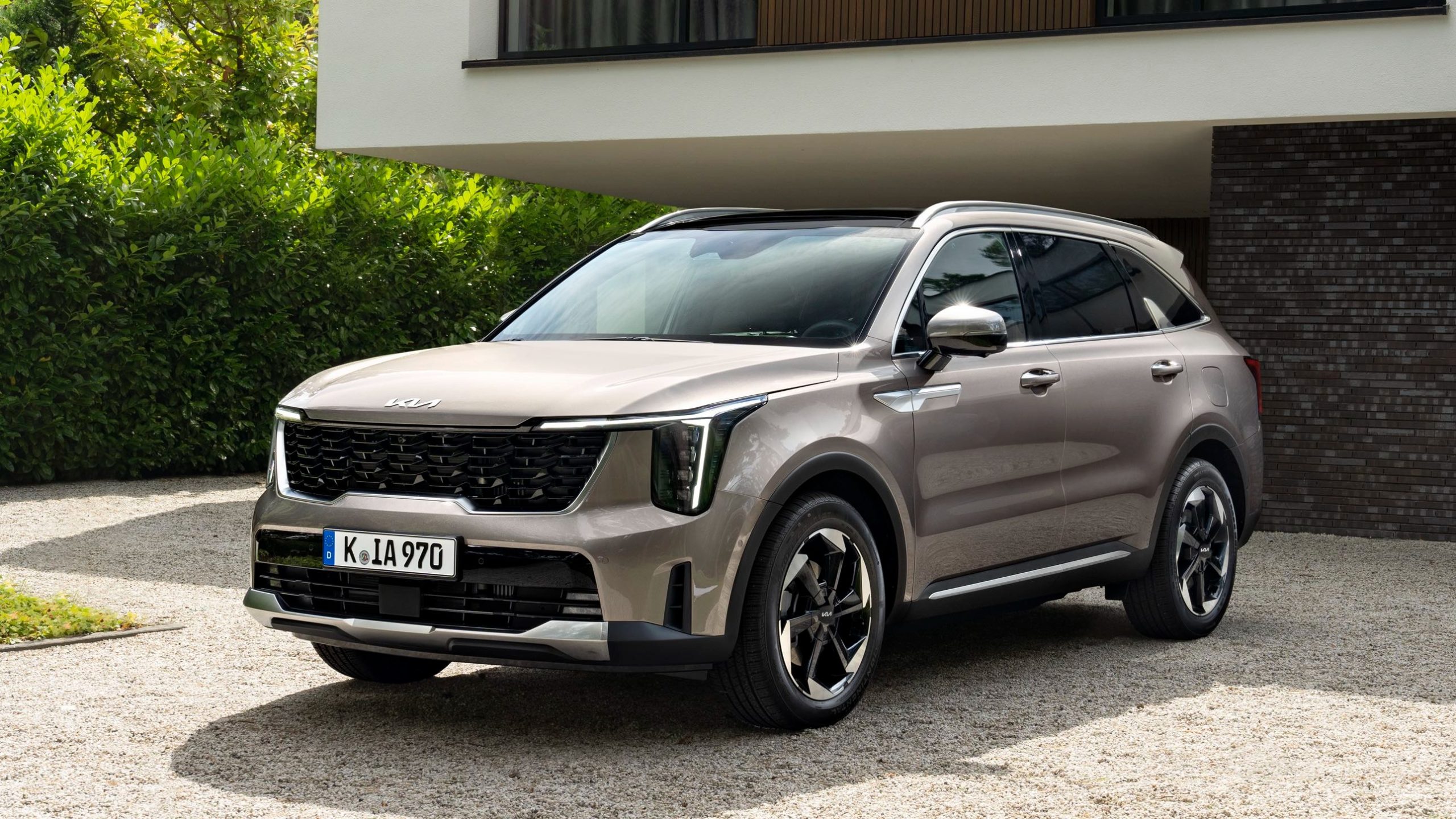
The Kia Sorento has grown in popularity for its design and features, but certain model years have been reported to develop interior noises earlier than expected. Owners have mentioned squeaks from the dashboard, door panels, and even the roof area. In some cases, these sounds appear within the first two years of ownership, which can be frustrating for a relatively new vehicle.
One factor is the Sorento’s mix of materials. While it offers a stylish interior, some of the plastic trims are lighter and may flex more easily, which increases the chance of rubbing and noise. The suspension is tuned for comfort, but this can allow more body movement, leading to interior parts shifting slightly.
Another source of noise can be the sunroof, when equipped. If the frame or seals are not perfectly aligned, the glass panel can creak during movement. Wind noise can also enter through the edges if the seal wears down after a while.
Kia has addressed some of these issues in newer versions by improving material quality and tightening assembly, but the earlier models still carry these reports from owners. While these noises do not usually affect performance, they can take away from the comfort and enjoyment of driving.
The Sorento offers value, style, and features, but those who are sensitive to interior noise may want to test drive older models carefully before making a decision. Choosing an SUV is not just about horsepower, space, or brand image. The build quality and cabin stability are equally important for anyone who wants to enjoy their vehicle for many years without distraction.
A quiet and solid cabin is the result of careful engineering, strong materials, and precise assembly. When these elements are present, the SUV can maintain its composure through rough roads, heavy use, and changing weather without producing irritating squeaks or rattles.
The models that stayed tight in this list, such as the Lexus GX, Toyota Land Cruiser, BMW X5, Audi Q7, and Mercedes-Benz GLE, all share certain qualities. They are built on solid foundations, use durable materials, and receive extra attention to soundproofing and panel fitment. Even after high mileage, these SUVs continue to give drivers a feeling of confidence and comfort.
While the vehicles known for squeaks and rattles, including the Jeep Wrangler, Ford Explorer, Chevrolet Tahoe, Nissan Pathfinder, and Kia Sorento, show how design choices and assembly methods can affect long-term cabin quietness. While these SUVs may perform well in other areas, their interiors may require more upkeep to prevent or reduce noise.
For potential buyers, the lesson is clear. It pays to look beyond the spec sheet and test how well the vehicle’s cabin holds together. A careful test drive over different road conditions can reveal early signs of looseness. Asking current owners about their experiences can also provide useful insight.
At the end of the day, a well-built SUV offers more than just transportation. It provides peace of mind, knowing that the interior will remain free from unwanted sounds for years. Whether you value luxury, durability, or off-road ability, the right choice will keep both your drive and your cabin calm and satisfying.
