Construction sites are unforgiving for vehicles. Uneven terrain, heavy loads, and constant exposure to debris test every nut and bolt. Some trucks and SUVs thrive in these conditions, proving themselves daily as dependable partners for workers.
Others, however, aren’t built for the abuse and tend to fail quickly under pressure. In this breakdown, we look at ten vehicles, five that have a reputation for lasting decades in rugged environments and five that struggle when faced with similar demands.
The key differences often come down to frame strength, suspension design, ground clearance, and overall engineering philosophy. Choosing the right one can mean the difference between years of trouble-free service and a constant cycle of costly repairs.
5 Trucks That Last Forever on Construction Sites
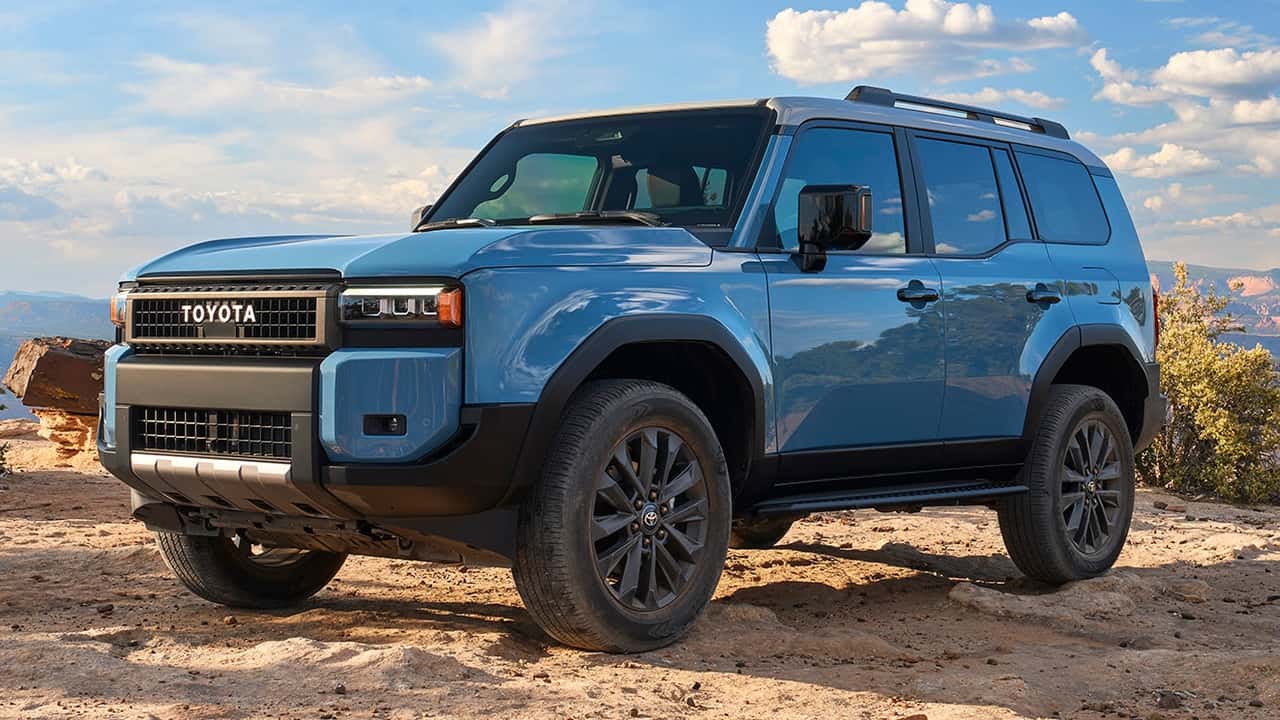
1. Toyota Land Cruiser – Luxury Strength for Harsh Conditions
The Toyota Land Cruiser blends high-end comfort with legendary toughness, making it a unique choice for demanding work zones. Its body-on-frame design and high ground clearance allow it to glide over rocks, mud, and potholes with minimal strain.
Known for lasting decades with basic maintenance, many owners report 20-plus years of service. The powerful engine handles heavy towing and cargo with ease, while advanced suspension systems smooth out bumpy terrain. Governments, rescue teams, and contractors worldwide trust the Land Cruiser in areas where other vehicles fail.
Inside, it offers a spacious, refined cabin with navigation, cameras, and safety features. Though its price is higher, the Land Cruiser’s blend of luxury, durability, and capability makes it a long-term investment for harsh environments.
2. Chevrolet Silverado 2500HD – Heavy-Duty Workhorse
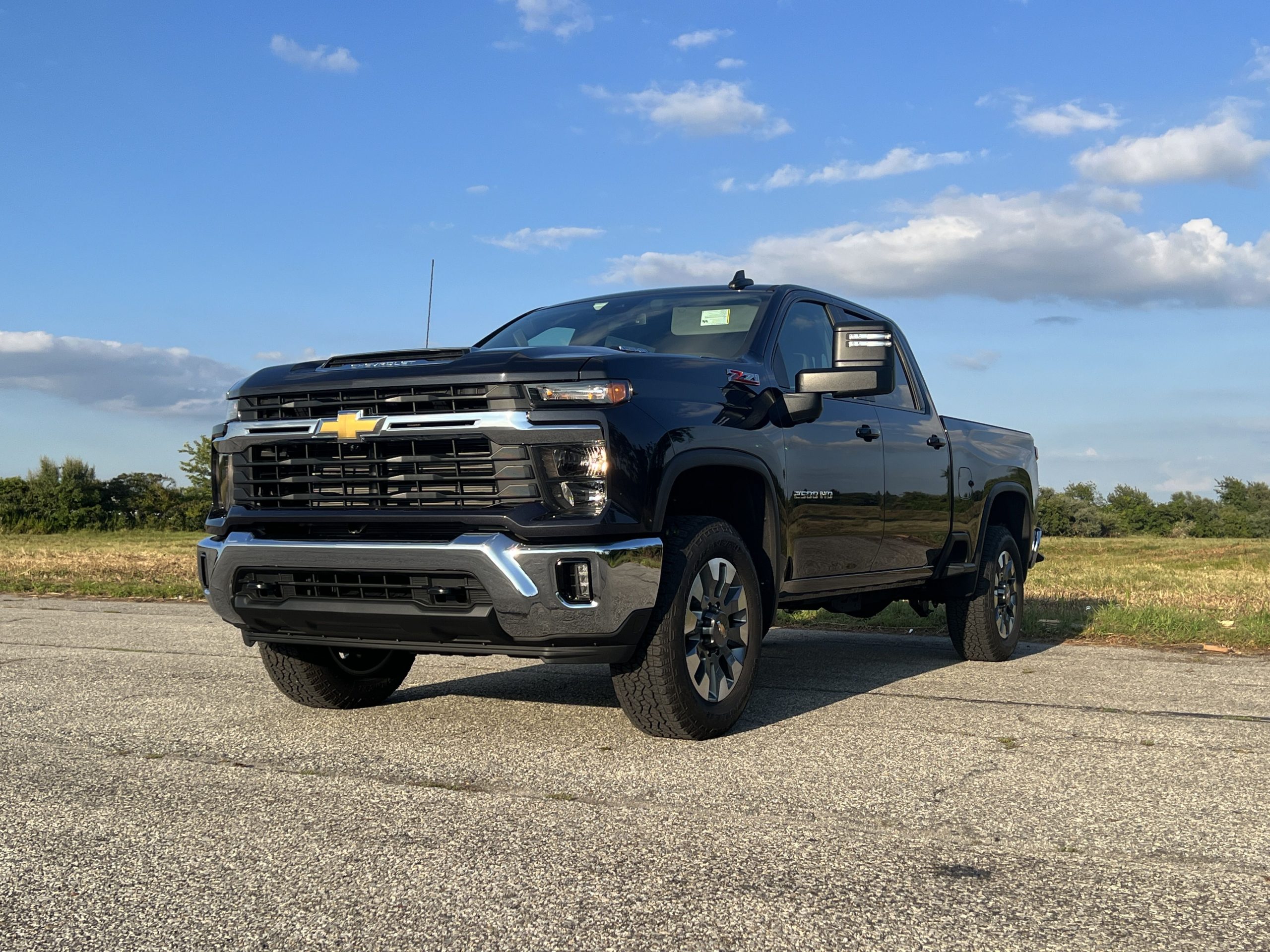
The Chevrolet Silverado 2500HD is built for serious hauling and towing, making it a staple at construction sites. Its thick steel frame and reinforced bed carry heavy materials without flexing, while its diesel engine options deliver powerful torque and good fuel efficiency for long days on the job.
The truck’s heavy-duty suspension absorbs the impact of uneven terrain, protecting both cargo and passengers. Modern safety features like cameras and parking aids improve handling in tight spaces. Inside, the cabin offers quiet comfort, with intuitive controls designed for workers who often wear gloves.
Known for durability, the Silverado 2500HD holds up well under daily use and harsh conditions, earning its place as a reliable partner for those who demand performance year after year.
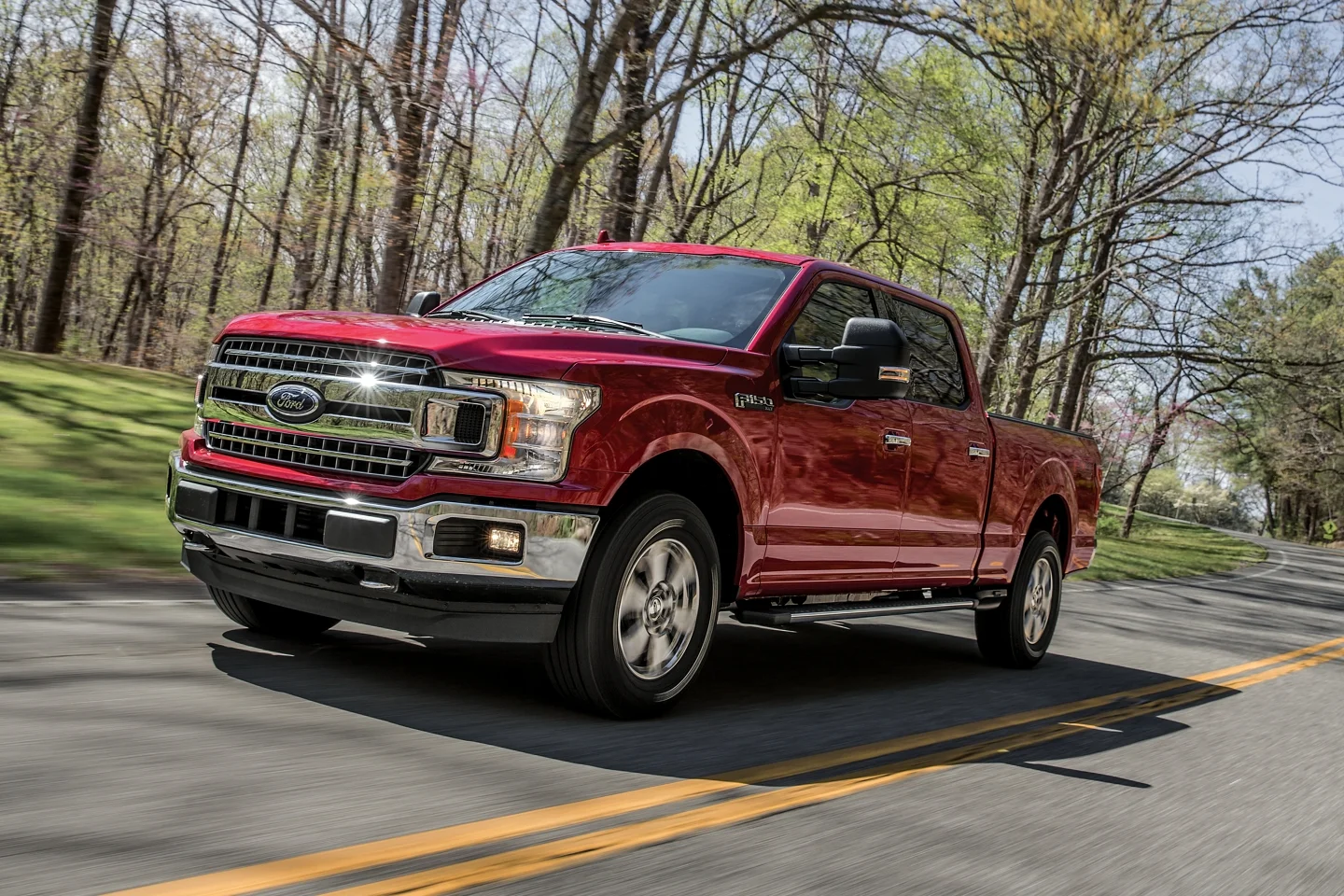
3. Ford F-150 – Versatile and Proven
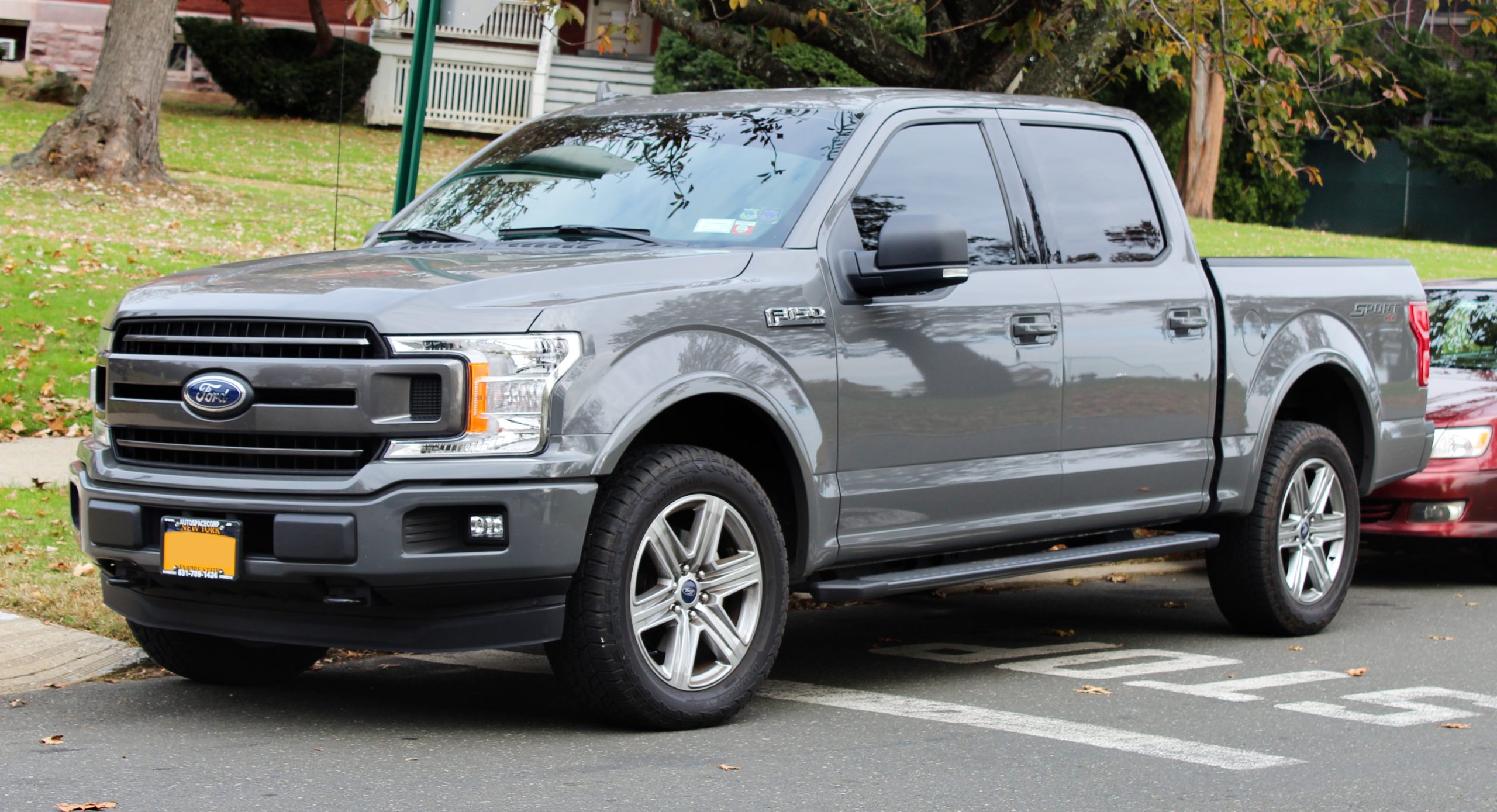
The Ford F-150 remains one of America’s best-selling trucks for good reason. It combines versatility, comfort, and ruggedness in a balanced package. Its durable frame and sturdy suspension allow it to handle rough ground without compromising stability.
Powerful engine options give it impressive towing and payload capabilities, making it suitable for moving heavy tools, materials, or machinery. With numerous trims available, buyers can tailor it from a basic work truck to a high-tech powerhouse with large touchscreens and driver-assist features.
Despite its size, the F-150 is easy to control and performs well on both highways and dirt paths. Its decades-long reputation for reliability means it continues to be a go-to choice for construction workers who need a dependable, adaptable truck.
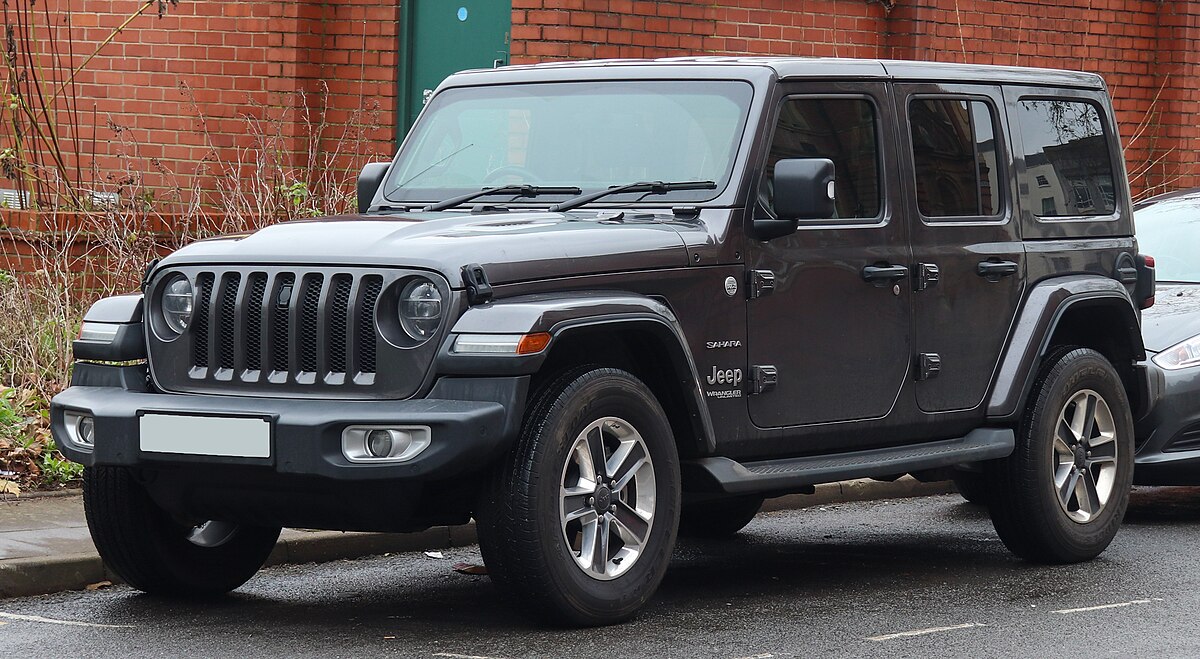
4. Jeep Wrangler – Off-Road Specialist with Worksite Value
The Jeep Wrangler is famed for tackling difficult terrain, making it a great choice for construction zones where standard vehicles get stuck. Its high ground clearance, strong suspension, and standard four-wheel drive let it navigate mud, sand, and rocky paths with ease.
The Wrangler’s underbody protection shields critical parts from damage, while its tough body panels resist scrapes and dents. It’s equally useful for off-road recreation and heavy work, with the bonus of removable doors and roof for open-air driving.
The interior of newer models balances ruggedness with comfort, featuring touchscreens and safety technology. Easy to repair and upgrade, the Wrangler remains a favorite for those who want a vehicle that’s as capable in extreme conditions as it is in daily use.
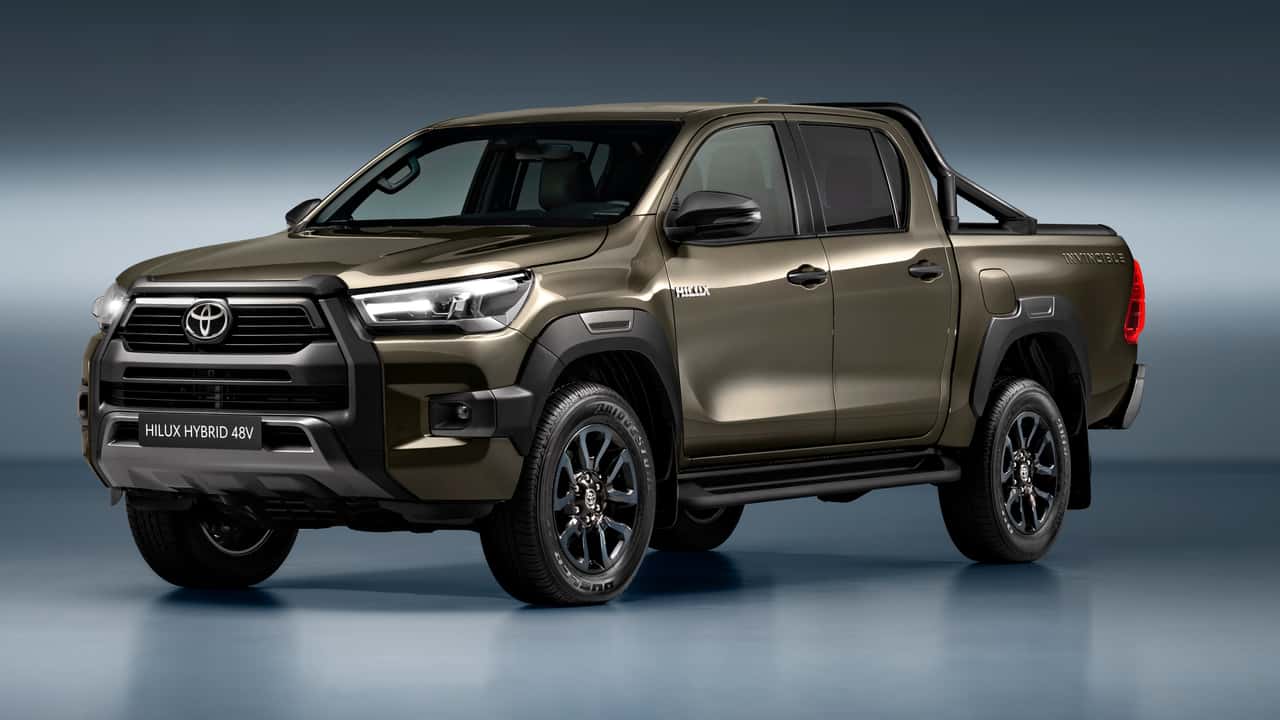
5. Toyota Hilux – The Benchmark of Toughness
Globally known as one of the most unbreakable pickups, the Toyota Hilux thrives where others falter. Its strong ladder-frame chassis and practical design make it ideal for rough terrain and heavy loads.
High ground clearance allows it to pass over rocks and ruts without scraping, and its straightforward mechanical setup means fewer things can go wrong. Long-lasting diesel engines provide both power and fuel efficiency, keeping operating costs down for daily worksite use.
The Hilux has been trusted for decades by contractors, rescue teams, and even military units in extreme climates. Owners often report years of use without major mechanical issues, cementing its status as a vehicle that doesn’t just look tough, it is tough, built to perform under relentless conditions.
5 That Quit Early
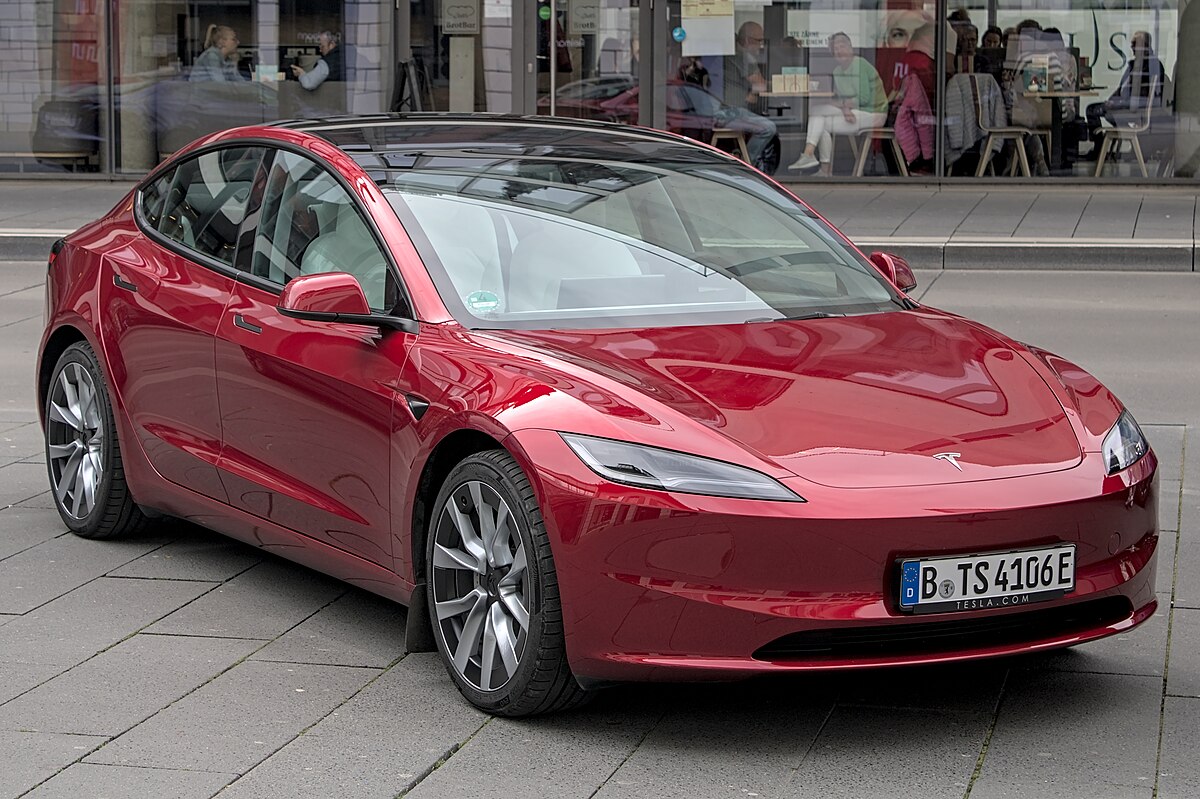
1. Tesla Model 3 – Tech Without Toughness
The Tesla Model 3 shines in urban and highway settings with its smooth acceleration, advanced driver-assist features, and efficient electric powertrain. However, it’s not designed for the rigors of construction sites.
Its low ride height and delicate underbody, housing the battery, make it highly vulnerable to damage from rocks, debris, or uneven ground. Lightweight body panels dent easily, and repairs often require specialized service centers, adding cost and downtime.
The suspension is tuned for smooth asphalt, not bumpy dirt roads. While it’s a fantastic daily driver in clean environments, using a Model 3 in rugged terrain risks costly repairs and reduces its lifespan. For worksite duty, durability and ground clearance are more important than cutting-edge tech, leaving the Model 3 at a disadvantage.
2. BMW 3 Series – Luxury That Doesn’t Like Dirt
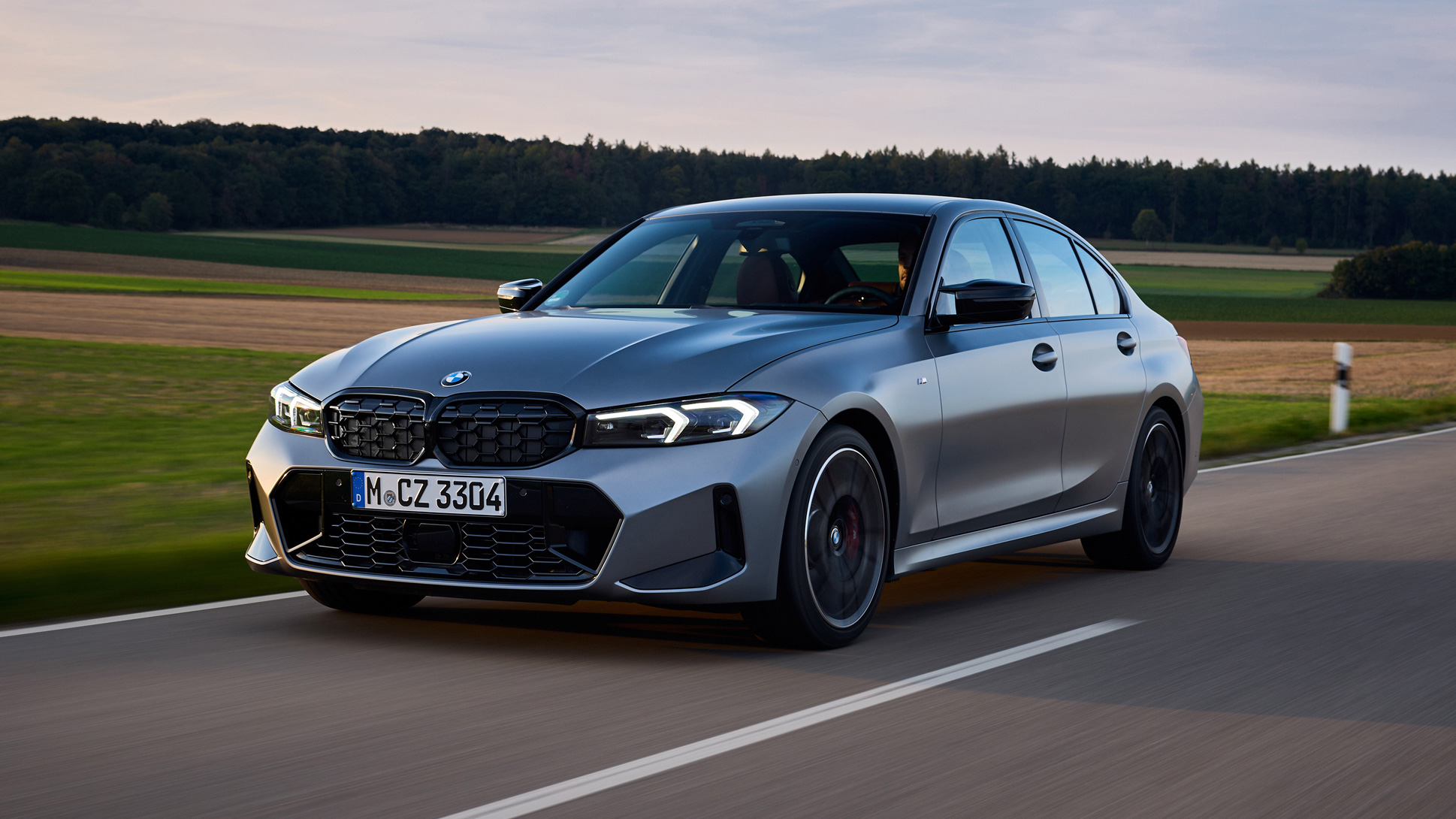
The BMW 3 Series is a refined, performance-oriented sedan meant for smooth roads, not heavy-duty environments. Its low-profile tires are susceptible to punctures and rim damage from gravel, while the low clearance risks scraping on uneven ground.
Advanced electronics and sensors, although great for comfort and safety in cities, are prone to malfunction when exposed to dust, moisture, or debris. Repairs and replacement parts are expensive, making even minor damage a costly affair.
While the 3 Series offers an enjoyable driving experience and premium interior, construction sites expose it to hazards it’s simply not built to handle. It’s best suited for business commutes and leisure driving, far from the rough conditions that could cut its lifespan short.
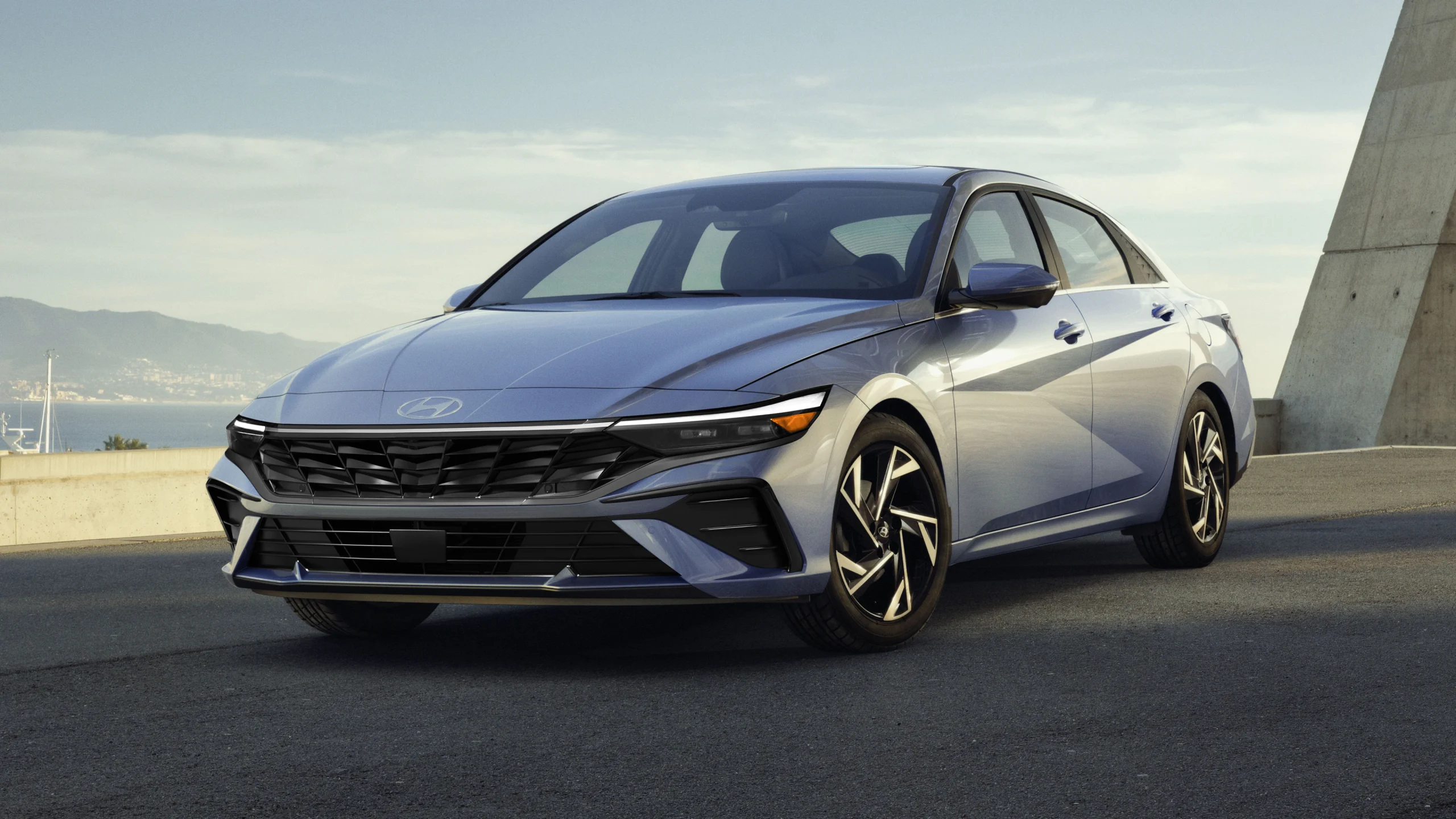
3. Hyundai Elantra – City-Friendly but Fragile
The Hyundai Elantra is designed for efficiency, comfort, and affordability in everyday commuting. While dependable in urban environments, its suspension is not built to handle constant jolts from uneven terrain.
Low ground clearance increases the risk of underbody scrapes, and its lightweight body is more prone to dents. Standard tires and wheels aren’t reinforced for heavy-duty work, making them vulnerable to punctures.
Hauling capacity is limited, and carrying heavy materials can stress the vehicle’s frame and drivetrain. In city driving, the Elantra is a smart, low-maintenance choice, but in rugged environments, it will wear out quickly.
For those working in demanding conditions, it’s worth choosing a vehicle engineered specifically for durability and load-bearing performance.
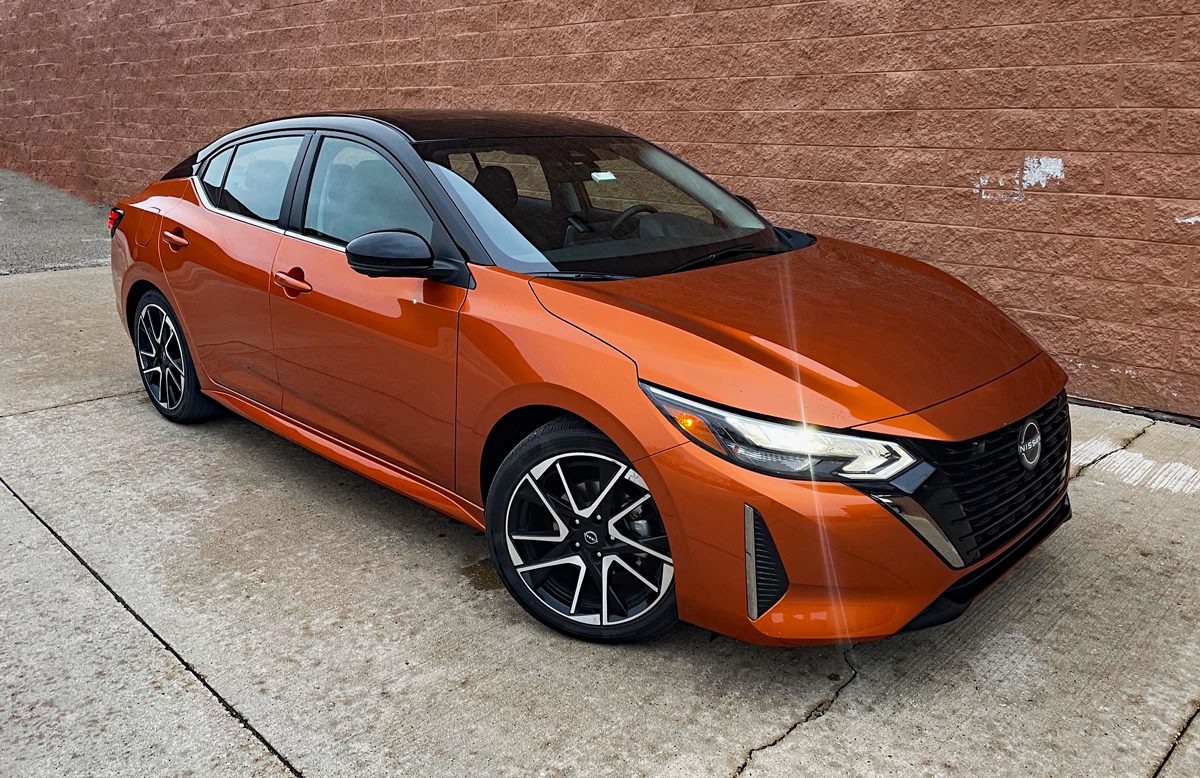
4. Nissan Sentra – Budget Choice with Limits
The Nissan Sentra offers strong value for budget-conscious buyers, with good fuel economy and a comfortable ride. However, it’s ill-suited for life on a construction site. Its low clearance and lightweight frame leave it vulnerable to damage from rocks, tools, and other debris.
The suspension is optimized for smooth pavement, not rough dirt roads, and repeated jostling can lead to premature wear. Flying gravel can chip paint or crack panels, and the car’s limited hauling capability means it can’t carry much work-related gear.
While it’s a great commuter for well-maintained roads, the Sentra’s design prioritizes comfort and economy over durability. Using it in rugged conditions will result in frequent repairs and a shortened lifespan compared to tougher vehicles.
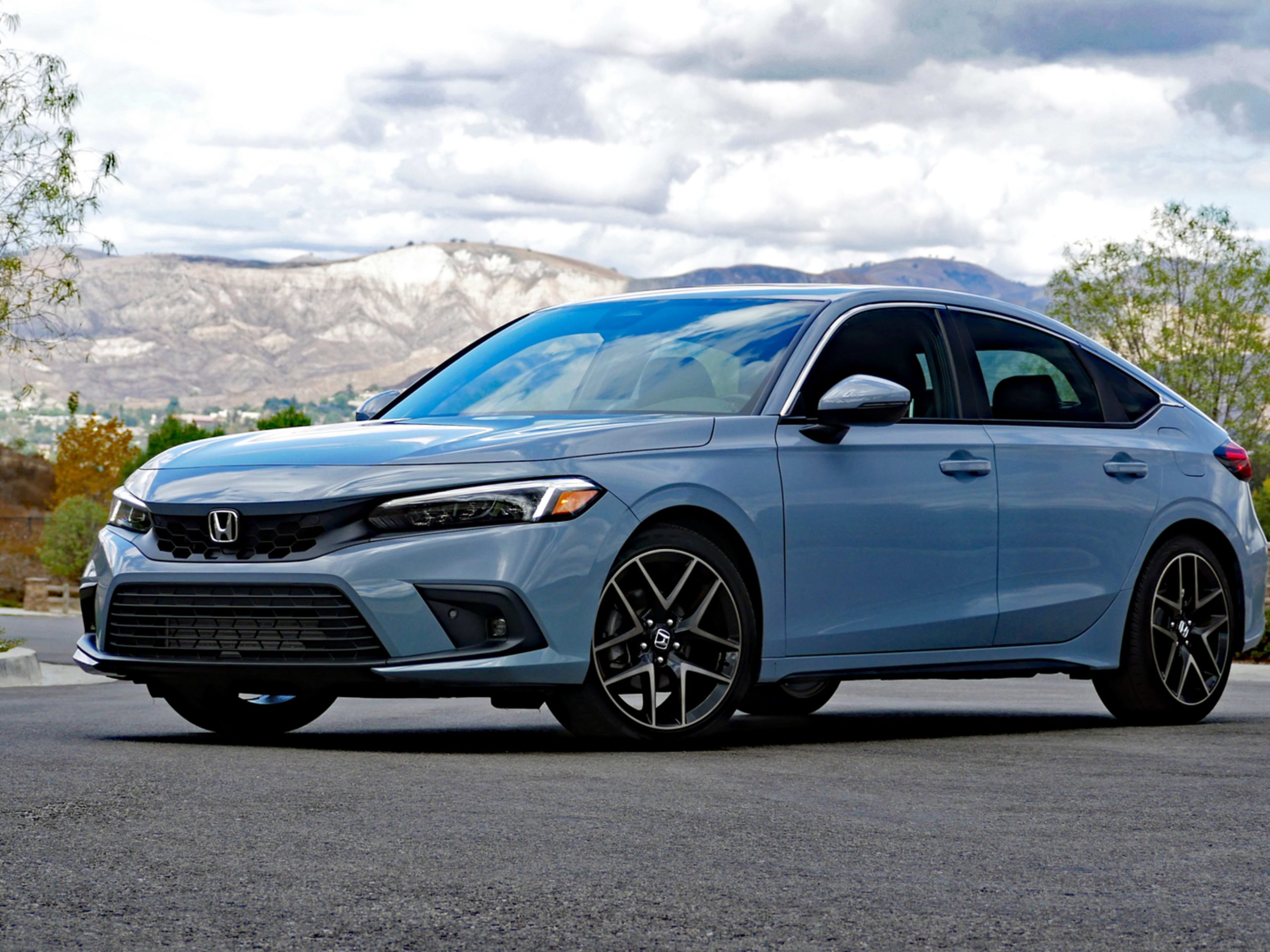
5. Honda Civic – City Legend, Worksite Weakling
The Honda Civic is one of the most reliable small cars for everyday driving, praised for fuel efficiency, low maintenance costs, and a comfortable ride. But it’s not made for harsh work site conditions.
With low ground clearance, a lighter frame, and a suspension tuned for smooth roads, it’s highly susceptible to scrapes, dents, and mechanical strain on rough terrain. Carrying heavy tools or materials can overload its design, while gravel and debris can quickly damage its body.
Though it will run for years in the right environment, daily use in a construction zone will lead to more repairs and reduced performance. For workers in rugged settings, a truck or SUV built for punishment is a far better choice.
When it comes to construction sites, toughness isn’t just a bonus; it’s a requirement. The Toyota Land Cruiser, Chevrolet Silverado 2500HD, Ford F-150, Jeep Wrangler, and Toyota Hilux have proven they can handle years of hard use with minimal issues.
They offer strong frames, high clearance, and the power needed to move heavy loads over uneven ground. In contrast, the Tesla Model 3, BMW 3 Series, Hyundai Elantra, Nissan Sentra, and Honda Civic are excellent within their intended environments but lack the durability for rugged worksites.
Choosing a vehicle that fits the environment protects your investment, reduces downtime, and ensures you have a dependable partner in the toughest conditions.