
Hybrid cars have become an important part of the automotive market because they combine the efficiency of electric motors with the range and convenience of petrol engines. Many drivers now consider hybrids for their fuel savings and reduced emissions, but there is another factor that plays a major role in ownership satisfaction: how easy it is to get replacement parts.
While some models have excellent support from manufacturers and a steady supply of components, others often leave owners waiting for months when a part needs replacement. When you buy a hybrid, you are not only paying for the driving experience but also investing in long-term convenience.
The availability of parts determines how quickly your vehicle can be repaired after an accident or a mechanical failure. If you own a hybrid with dependable parts supply, you can get back on the road quickly without costly delays. On the contrary, owning a hybrid with a poor supply chain can be stressful, especially if even basic repairs require waiting for hard-to-find components.
We will look at ten hybrid models. The first five have a strong reputation for readily available parts, making ownership much smoother. The next five are known for frequent backorders and supply issues that can test a driver’s patience.
5 Hybrids With Great Parts Availability
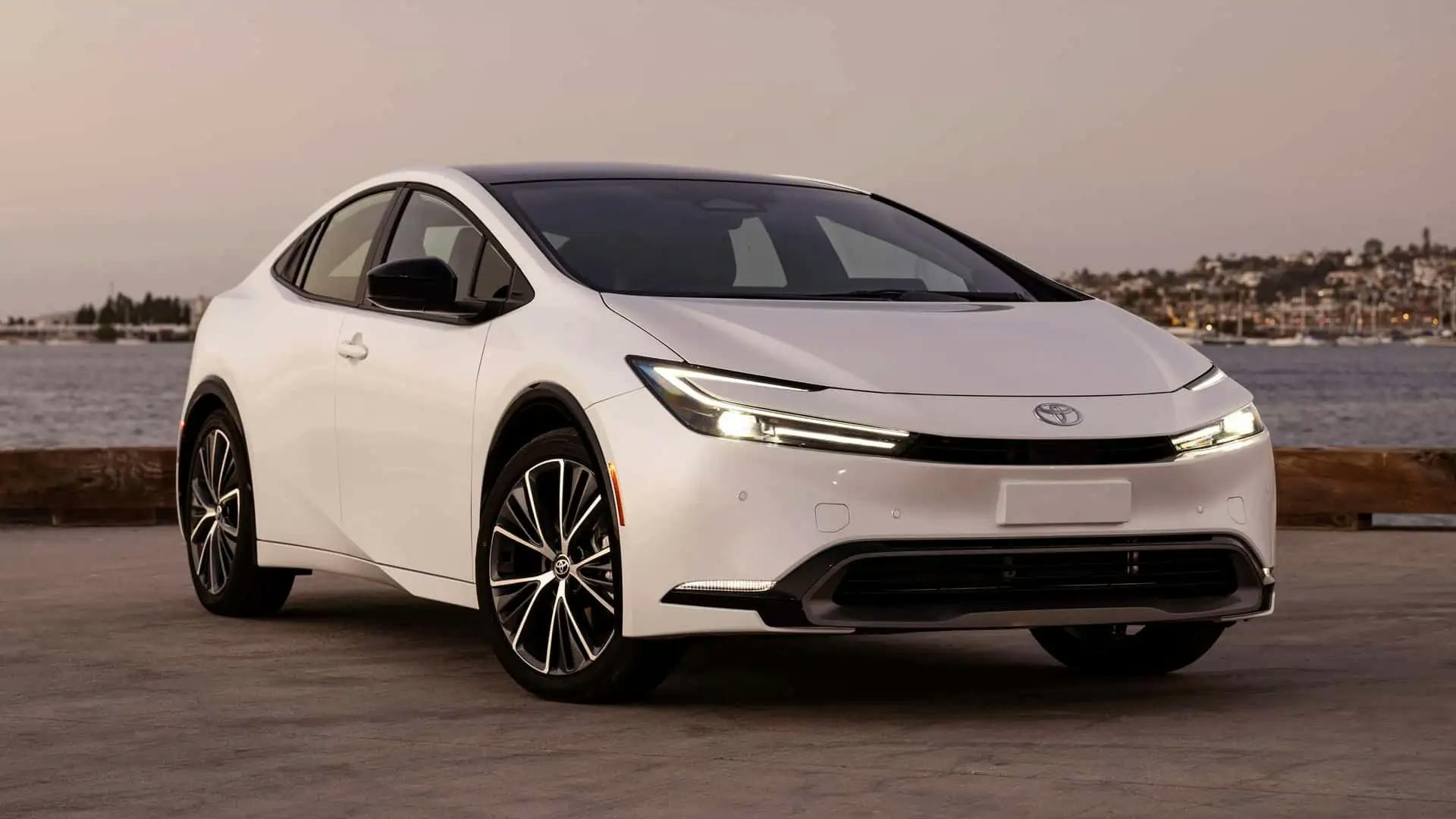
1. Toyota Prius
The Toyota Prius has been around for decades, and its popularity ensures that parts are always in strong supply. Toyota’s global production network has made it easy for dealers and independent repair shops to get the components they need without long waits.
From battery packs to suspension parts, the supply chain for the Prius is well established. Because the car is sold in high volumes, replacement parts are often stocked in multiple warehouses across the country, reducing delivery time.
Owners benefit from Toyota’s commitment to supporting older models, which means even earlier generations still have readily available parts. Whether you need a hybrid battery module, a brake actuator, or electronic control units, most items can be shipped quickly from domestic stock. Many aftermarket suppliers also produce parts for the Prius, which keeps costs competitive and improves accessibility.
Another advantage is the extensive network of technicians trained to work on the Prius. This reduces delays caused by the need to find specialists. Routine maintenance items like filters, belts, and brake components are widely available in both OEM and aftermarket options.
The Prius also has a strong used parts market. Because so many units have been produced, salvage yards often have multiple donor vehicles, making it easy to find affordable components when new ones are expensive. This combination of manufacturer support, aftermarket availability, and recycled parts keeps repair times short.
For anyone looking for a hybrid with dependable parts access, the Prius remains one of the safest choices. It is a model where supply chain issues are rare, and even in high-demand situations, dealers can often source parts from nearby regions quickly.
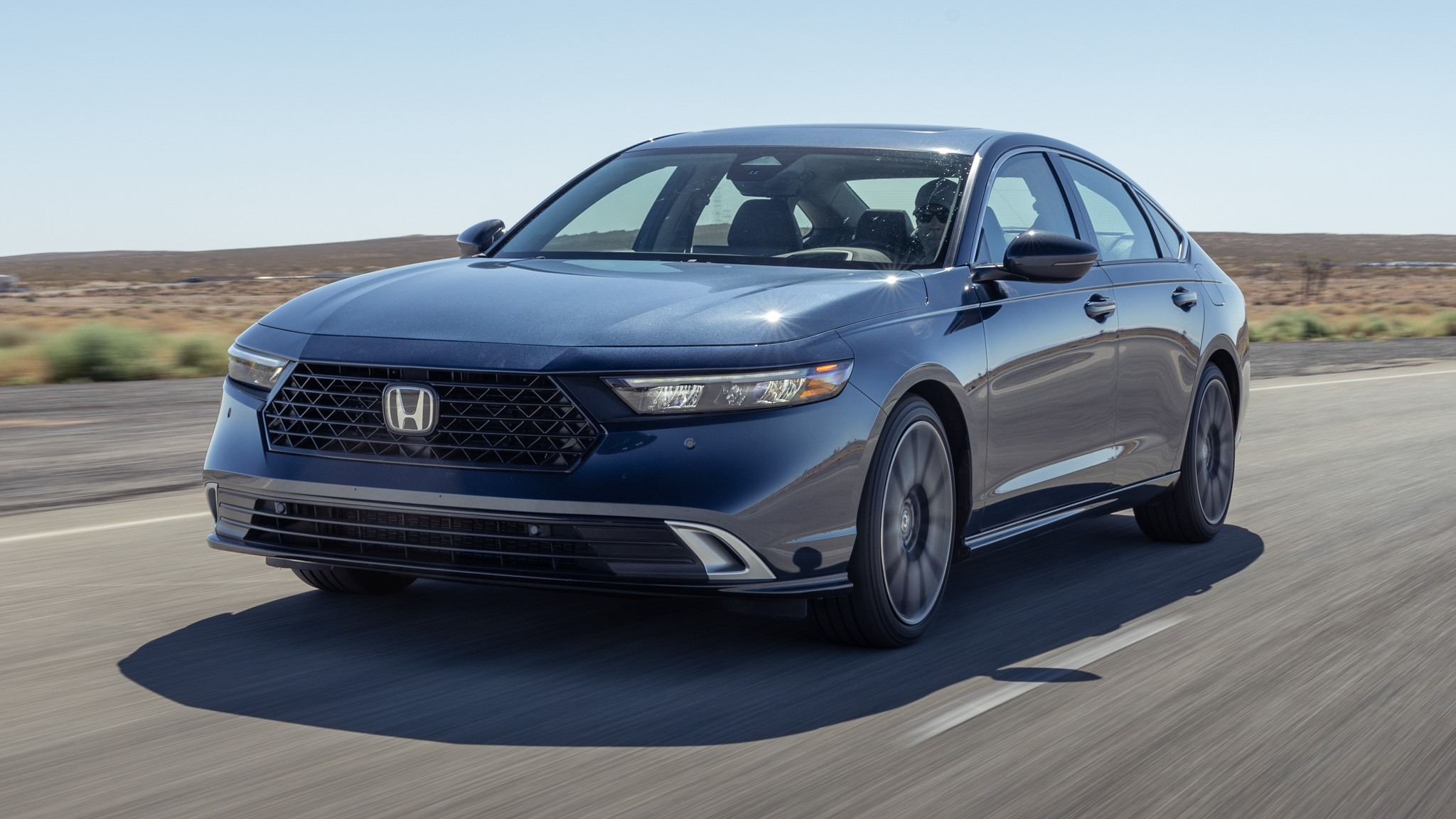
2. Honda Accord Hybrid
The Honda Accord Hybrid benefits from a large dealership network and an active aftermarket industry, which ensures a steady flow of replacement parts. Honda has been producing hybrid versions of the Accord for years, and the model’s popularity in North America means parts are stocked widely across the country.
From control modules to suspension bushings, many components are shared with the standard petrol-powered Accord, making them even easier to find. This shared-parts approach is one of the Accord Hybrid’s strongest advantages.
Because many non-hybrid components are interchangeable, repair shops can pull from the large inventory of standard Accord parts rather than wait for hybrid-specific pieces. For example, body panels, interior components, and many brake system parts are identical to those in non-hybrid models, so even in areas with limited hybrid demand, parts remain easy to source.
Honda’s parts distribution system is highly organised, with regional warehouses supplying dealerships quickly. In many cases, common replacement parts can arrive within a day or two of ordering. Hybrid-specific items like battery packs, power control units, and electric motor assemblies are also available without the long wait times that affect less common hybrid models.
The Accord Hybrid also benefits from a thriving aftermarket scene. Companies specialising in hybrid service often keep battery modules and electronic components in stock, which helps reduce downtime for owners. Used parts availability is decent as well, with salvage vehicles providing an affordable alternative when new parts are costly.
Maintenance items are never a challenge to source, and the Accord’s strong reliability record means fewer unexpected repairs. However, when repairs are needed, the supply chain rarely causes delays. This makes the Accord Hybrid a practical choice for drivers who want hybrid efficiency without sacrificing convenience in parts availability.
Also Read: 5 Hybrids That Keep Owners Happy and 5 That Don’t
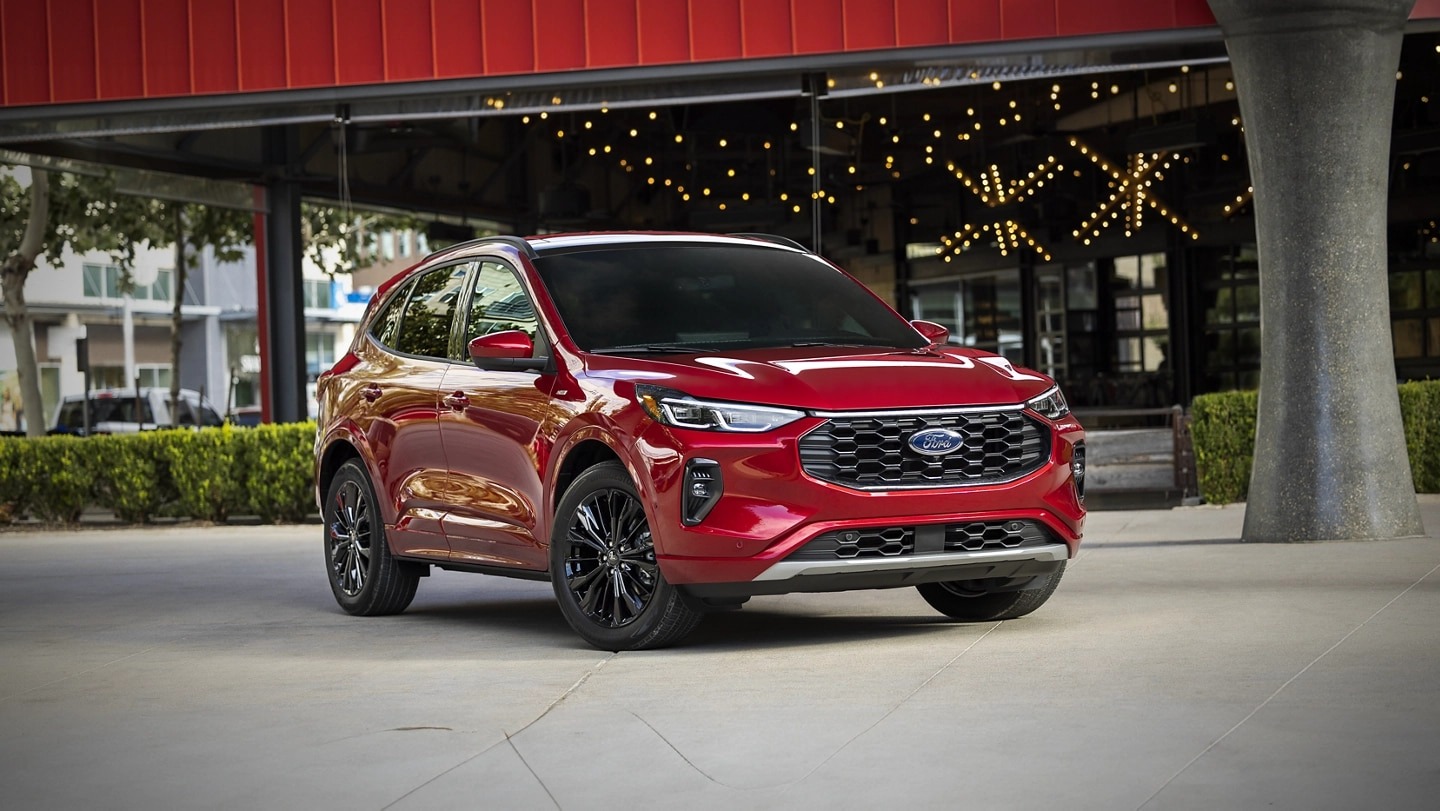
3. Ford Escape Hybrid
The Ford Escape Hybrid is a popular choice among American drivers, and its domestic production plays a big role in the easy availability of parts. Ford maintains a wide network of dealerships, service centres, and regional warehouses, which means replacement components rarely stay on backorder for long.
Because the Escape Hybrid shares its platform with the standard petrol Escape, many components are interchangeable. This ensures that a large percentage of the parts are already available in high quantities. Items like suspension components, brakes, and interior fittings can be sourced from non-hybrid versions, keeping repair times short.
Hybrid-specific parts, including the battery pack and electronic control units, are produced in sufficient numbers to meet demand. Ford’s emphasis on hybrid technology over the past decade has improved supplier relationships, resulting in a more stable supply chain.
Owners also benefit from Ford’s investment in technician training, meaning more repair facilities are capable of working on the Escape Hybrid without causing delays due to skill shortages.
Aftermarket suppliers have also taken an interest in the Escape Hybrid, offering replacement components for common wear items and even hybrid system repairs. This gives owners more options and helps reduce costs.
In areas where Ford hybrids are common, some independent repair shops even stock frequently used parts, further reducing wait times. Another advantage of the Escape Hybrid is the relatively young age of the current generation, which means most vehicles are still under warranty.
This leads to proactive stocking of parts at dealerships to handle warranty repairs quickly. Combined with domestic production and shared components, this hybrid consistently provides owners with a smooth maintenance experience and minimal downtime.
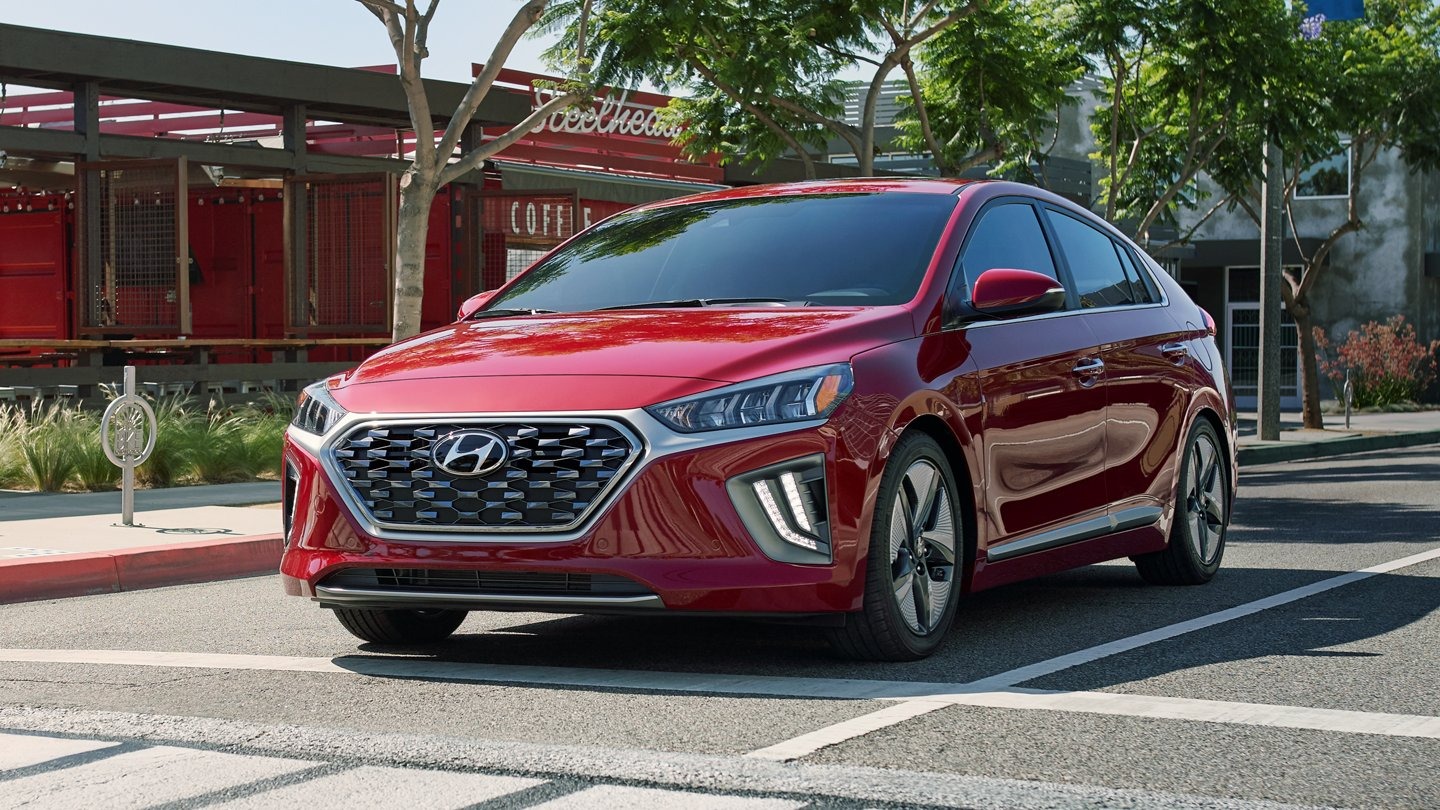
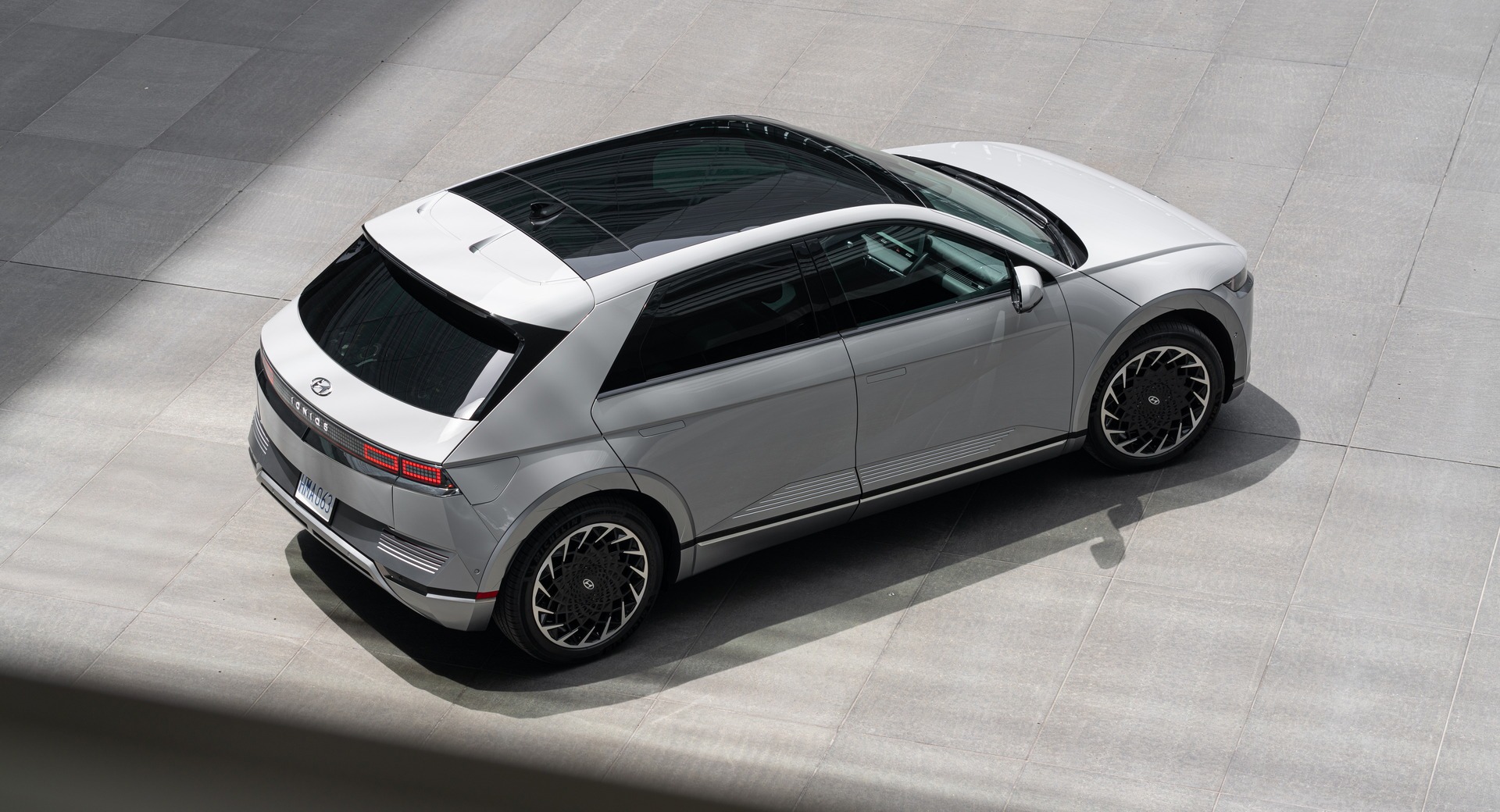
4. Hyundai Ioniq Hybrid
The Hyundai Ioniq Hybrid has established itself as a reliable choice for those who value efficiency, and its parts availability is supported by Hyundai’s growing global production and distribution network. While Hyundai was once less recognised for hybrids, the Ioniq’s popularity has encouraged the brand to invest in a steady supply of components.
Many of the Ioniq Hybrid’s parts are shared with its plug-in hybrid and electric variants, which helps keep production volumes high for components like body panels, interior trim, and certain suspension elements. This shared production strategy improves efficiency and ensures parts remain in stock for multiple versions of the vehicle.
Hyundai dealerships typically receive replacement parts quickly from regional warehouses, and hybrid-specific components like battery modules, inverters, and control units are generally available without long waits. The company’s emphasis on expanding service training also means that technicians can work on hybrid systems without needing to refer customers to specialised facilities.
Aftermarket support for the Ioniq is growing, particularly for maintenance items like filters, brake pads, and lighting components. While the used parts market is still developing, the steady sales of the Ioniq over the years are creating a growing supply of salvage parts that owners can use for cost-effective repairs.
Owners also appreciate that Hyundai continues to provide parts support for older models, which is particularly important for hybrids that require occasional high-cost component replacements after several years of use. This commitment ensures that Ioniq Hybrid drivers can keep their cars running smoothly without worrying about extended downtime.
With the combination of shared production, an expanding dealer network, and improved aftermarket presence, the Hyundai Ioniq Hybrid stands as a dependable choice for parts availability.
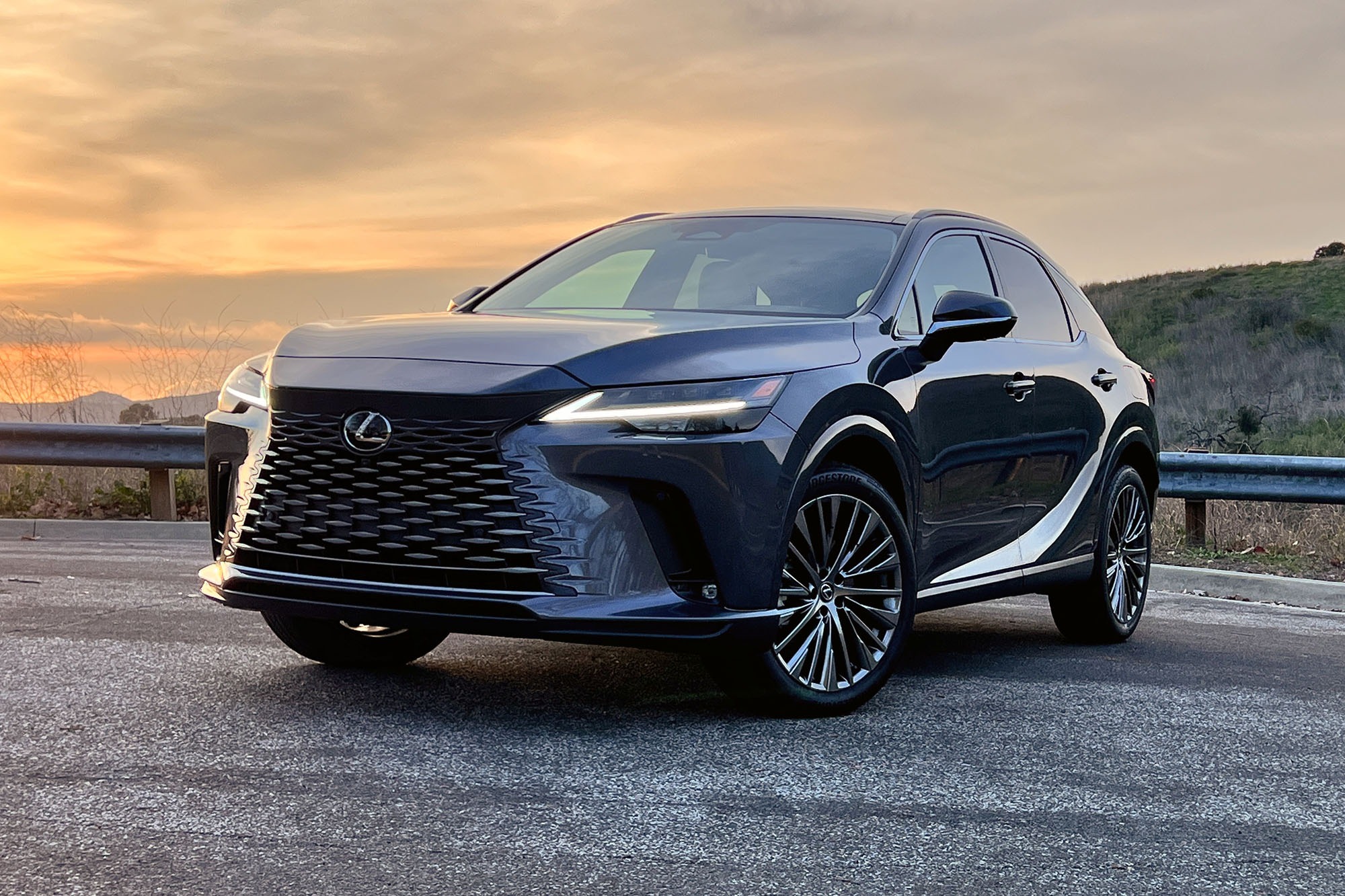
5. Lexus RX Hybrid
The Lexus RX Hybrid blends luxury with hybrid technology, and its parts supply benefits from both Toyota’s established distribution network and Lexus’s premium customer service approach. Since Lexus is Toyota’s luxury division, it enjoys the same manufacturing and supply advantages that make Toyota hybrids so dependable in terms of parts availability.
The RX Hybrid shares many mechanical components with the standard RX and certain Toyota models, which means that a large number of parts are widely available. This includes suspension systems, braking components, and some interior parts. Hybrid-specific systems, such as the battery pack and electric motors, are produced in stable volumes, ensuring quick access for repairs.
Lexus dealerships are known for stocking a broader range of parts on-site compared to non-luxury brands, reducing waiting times for owners. Even in cases where parts need to be ordered, the dealership network’s priority shipping arrangements often result in delivery within a few days.
Aftermarket options for the RX Hybrid are also available, especially for wear-and-tear components like brake pads and filters. While many owners prefer OEM parts for a luxury vehicle, the presence of alternative suppliers provides flexibility and potential savings.
The RX Hybrid’s long-standing presence in the market also means there is a steady supply of used parts from dismantled vehicles, which can help with more affordable repairs. Owners who choose Lexus benefit from a combination of quality, service efficiency, and a dependable supply of parts, making the RX Hybrid one of the more stress-free luxury hybrids to maintain.
5 Hybrids That Are Always Backordered
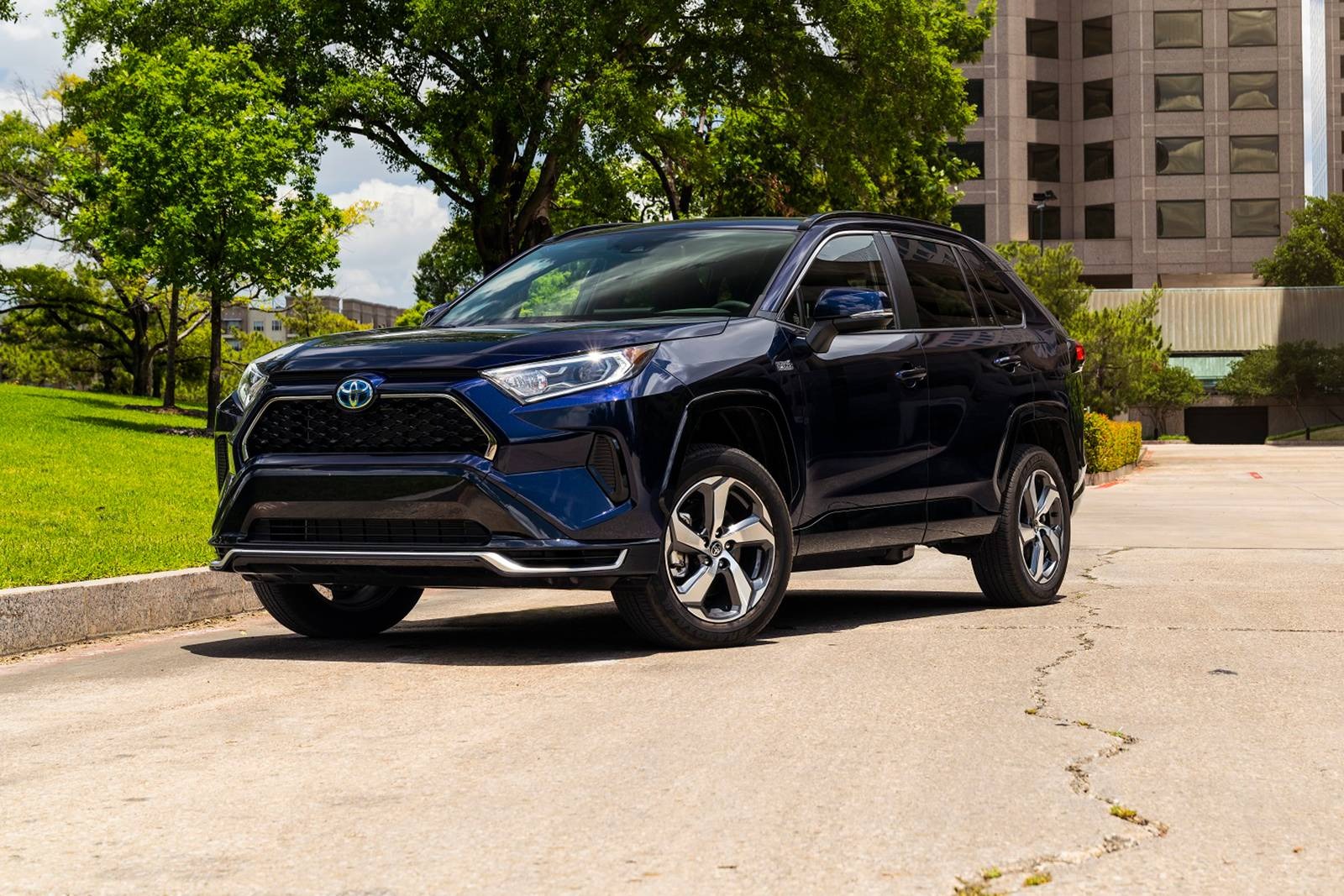
1. Toyota RAV4 Prime
The Toyota RAV4 Prime is one of the most in-demand plug-in hybrids on the market, offering impressive electric range and strong performance. However, its popularity has created a challenge when it comes to replacement parts.
The high sales volume, combined with the complications of its plug-in hybrid system, has put pressure on the supply chain. Owners have reported that certain components, especially hybrid battery packs and control units, can take weeks or even months to arrive when ordered.
One reason for the delay is that the RAV4 Prime is built in limited production runs compared to standard RAV4 models. While many body panels and interior components are interchangeable, the unique elements of its plug-in hybrid system are produced in smaller quantities, making them harder to find. This includes parts like high-voltage battery modules, on-board chargers, and power distribution assemblies.
Another factor is the global demand for the RAV4 Prime. Many markets compete for the same limited pool of parts, which can slow delivery times in certain regions. Even with Toyota’s efficient distribution system, shortages of specific high-demand parts can leave vehicles sitting in service bays for extended periods.
Aftermarket support for the RAV4 Prime is still limited, especially for hybrid-specific components. While maintenance items such as brake pads and filters are easy to source, more specialised parts often require ordering directly from Toyota, which is where delays can happen.
For buyers who value the RAV4 Prime’s performance and efficiency, these supply challenges may be a trade-off worth accepting. However, anyone considering ownership should be aware that some repairs may involve waiting for parts, particularly if the vehicle needs a hybrid system component that is not stocked locally.
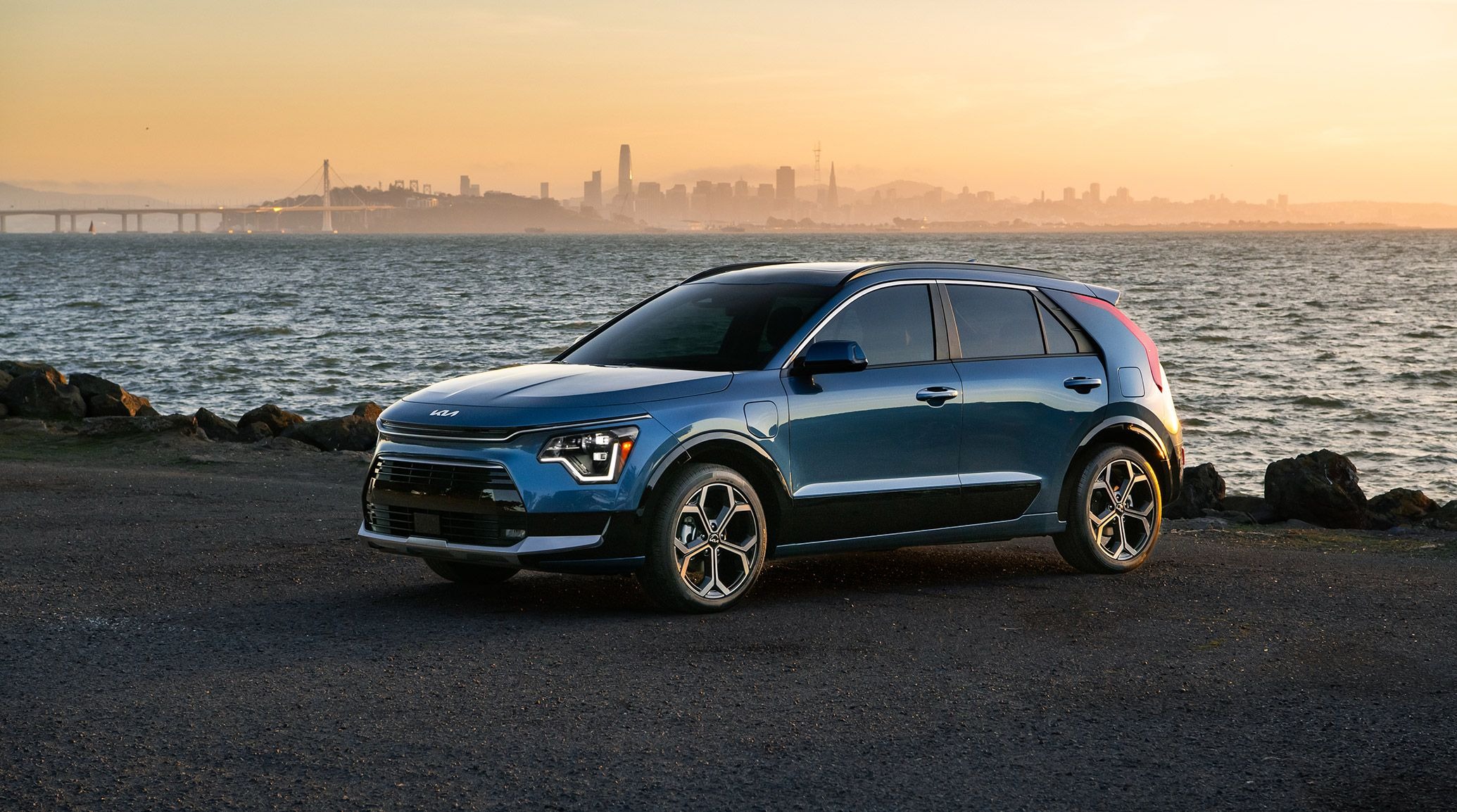
2. Kia Niro Hybrid
The Kia Niro Hybrid has grown in popularity due to its fuel efficiency and compact design, but owners have sometimes faced frustration when replacement parts are needed. While routine maintenance parts are generally available without difficulty, hybrid-specific components can be harder to obtain.
Part of the issue is that the Niro Hybrid does not share as many components with non-hybrid models compared to some competitors. The hybrid system, including its battery pack, inverter, and electric motor assemblies, is unique to the Niro lineup. This means that parts need to come from Kia’s hybrid-specific inventory rather than a broader pool of shared components.
Kia’s parts distribution network is expanding, but in certain regions, hybrid components for the Niro still require ordering from central warehouses, which can add to wait times. In some cases, owners have reported delays of several weeks for more specialised parts.
The aftermarket for the Niro Hybrid is still developing. While basic maintenance items such as filters, brake pads, and tyres are easy to source, more technical components like hybrid system controllers and charging units are almost exclusively available through Kia dealerships. This limits flexibility for repairs and increases dependence on the manufacturer’s supply chain.
Used parts availability is improving as more Niro Hybrids enter salvage yards, but it is still relatively limited. This can make cost-effective repairs harder to achieve when new parts are expensive or on backorder.
For those who prioritise efficiency and compact size, the Niro Hybrid remains appealing. However, prospective buyers should understand that while basic service items are easy to find, certain hybrid-specific parts may not be readily available, which could extend repair times.
3. BMW 530e
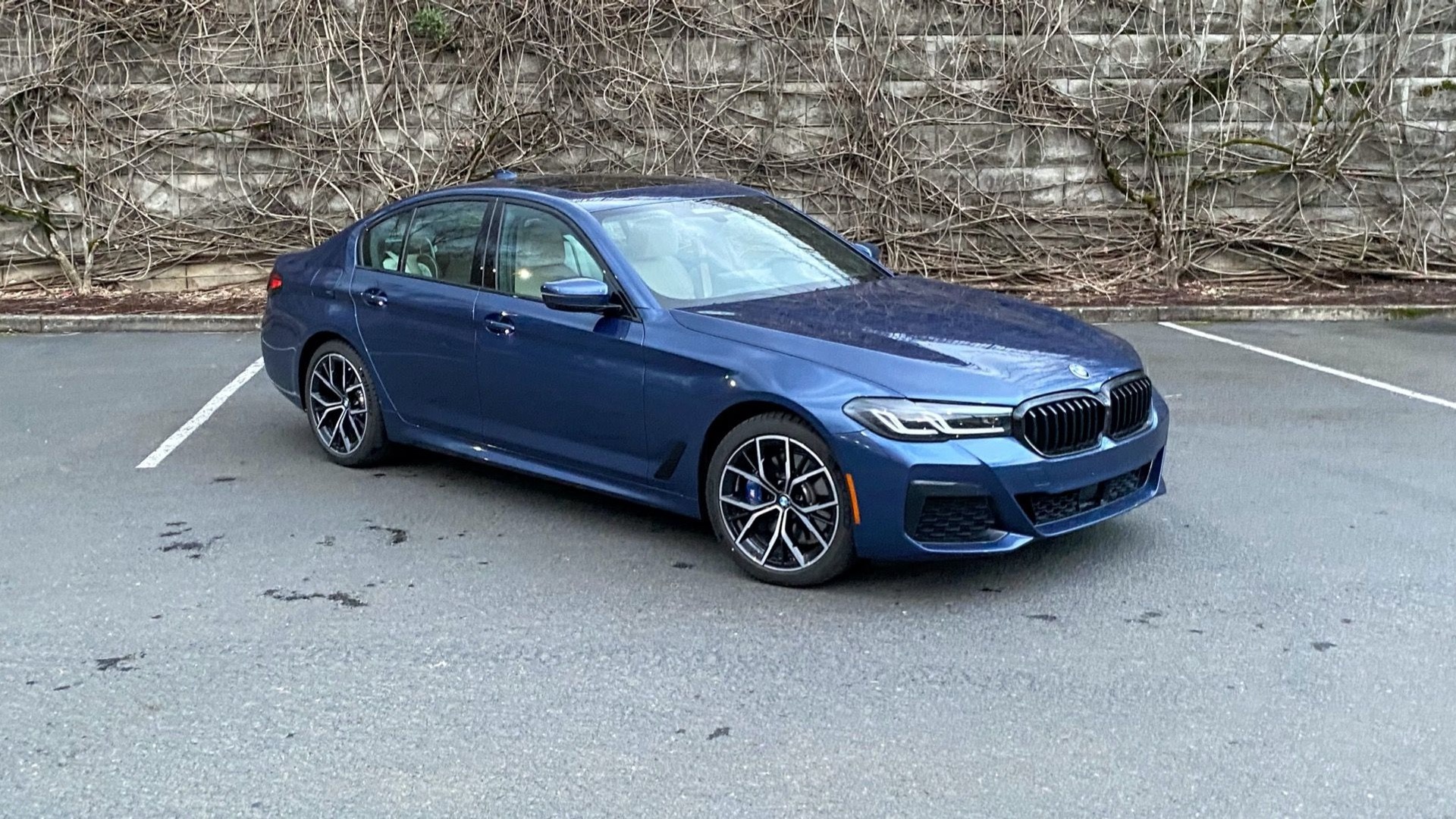
The BMW 530e plug-in hybrid combines executive luxury with electric efficiency, but it also comes with challenges in parts availability. Luxury vehicles often use specialised components that are not produced in the same volumes as those for mass-market models, and the 530e is no exception.
Many of its hybrid-specific components, such as high-voltage battery modules, on-board chargers, and electronic control units, are manufactured in smaller batches. When these parts are in high demand or when supply issues occur, delays can stretch to several weeks or even months.
BMW’s parts distribution network is well-structured, but certain hybrid parts for the 530e must be sourced from overseas production facilities. This means that even when the part is available, shipping and customs processes can extend repair timelines. Owners in regions with fewer BMW service centres may experience even longer waits, as hybrid-certified technicians and specialised tools are required for certain repairs.
Aftermarket options for the 530e are limited, especially for hybrid-related components. Most owners rely on OEM parts for system-critical repairs, which further ties them to BMW’s supply chain. While basic service parts like oil filters, brake pads, and tyres are readily available, anything tied to the hybrid powertrain is typically a dealership-only order.
For drivers who value the 530e’s blend of luxury and efficiency, these delays may be acceptable, but they should be prepared for the possibility of extended downtime when certain parts are needed. This is particularly true for owners outside major metropolitan areas where BMW hybrid models are less common.
4. Mitsubishi Outlander PHEV
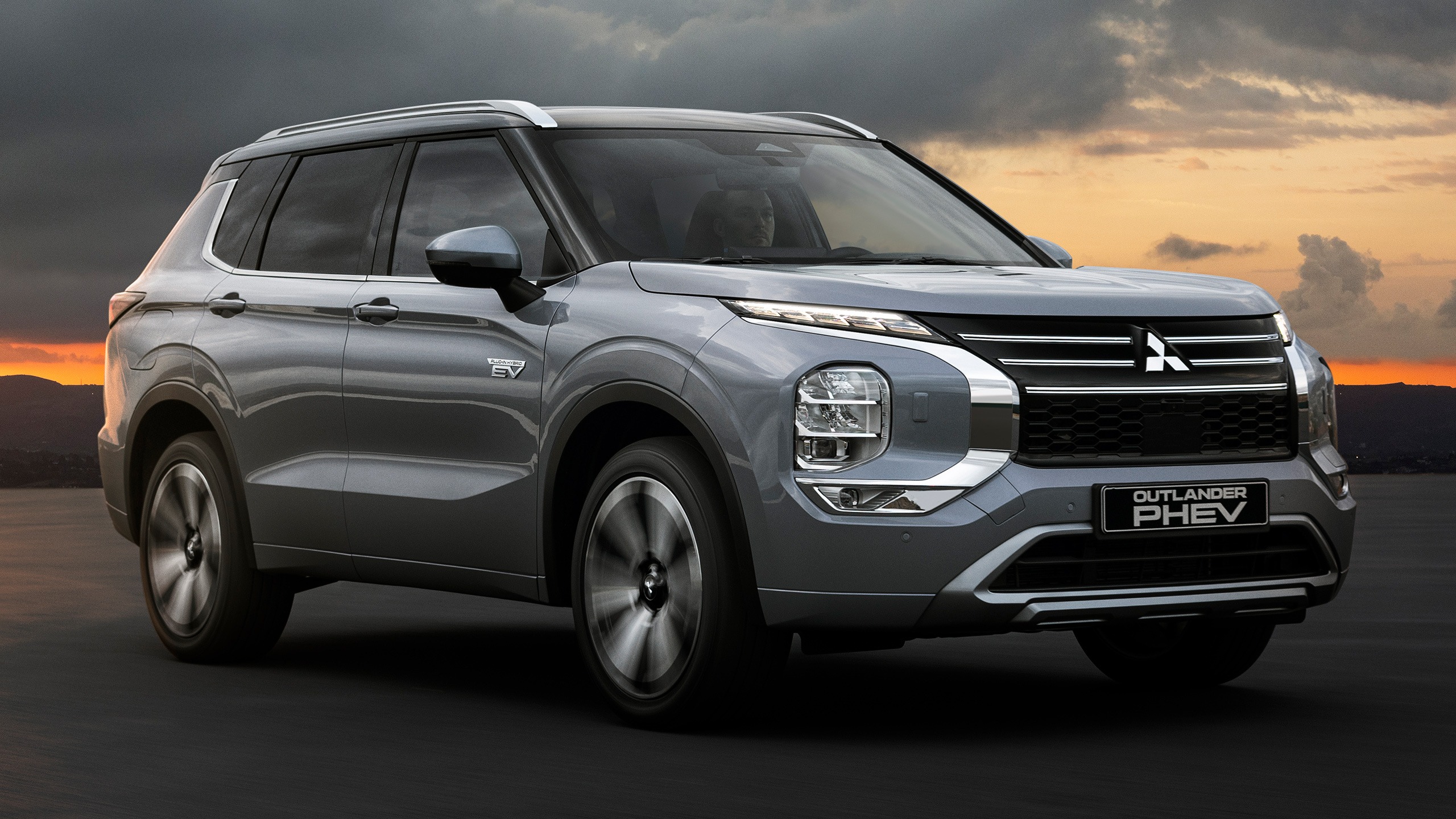
The Mitsubishi Outlander PHEV has been a leader in the plug-in hybrid SUV market for years, but it also faces parts availability issues for certain repairs. While Mitsubishi has expanded production and distribution in recent years, some hybrid-specific parts still experience backorders, especially in North America.
The Outlander PHEV’s battery packs, charging systems, and power electronics are among the most commonly delayed components. When these parts are not in stock locally, they often have to be ordered from overseas, which can add weeks to the repair process.
Another factor is that the Outlander PHEV is still less common in some markets compared to other hybrids, meaning fewer parts are stocked in regional warehouses. Dealers in areas with low PHEV sales may keep minimal inventory on hand, relying instead on central distribution centres.
The aftermarket support for the Outlander PHEV is limited, especially for hybrid components. While basic maintenance parts are easy to obtain, repairs involving the hybrid system almost always require OEM parts. Used parts availability is also restricted, as there are fewer salvaged units compared to more widely sold hybrids.
Owners who live near a well-stocked Mitsubishi dealer may experience fewer delays, but those in regions with lower PHEV sales should be aware that certain repairs could require extended wait times for parts to arrive.
Also Read: 5 Hybrids That Cost Nothing to Maintain and 5 That Drain Wallets

5. Volvo XC90 Recharge
The Volvo XC90 Recharge offers a combination of luxury, safety, and plug-in hybrid efficiency, but it also comes with one of the longest parts wait times in its segment. Volvo’s hybrid-specific parts, such as high-voltage battery assemblies, charging modules, and power inverters, are produced in relatively low volumes and often need to be shipped from European facilities to other markets.
Because the XC90 Recharge is a premium model, many of its components are unique and cannot be substituted with parts from other Volvo models. This exclusivity can increase delays when a specific component is not immediately available. Owners have reported that some hybrid-related repairs can take weeks due to parts being on backorder.
While Volvo dealerships maintain a good supply of common maintenance parts, they typically do not keep high-cost hybrid components in stock unless demand in the area justifies it. This means that when such parts are needed, they must be ordered directly from Volvo’s central warehouses or manufacturing facilities abroad.
The aftermarket support for the XC90 Recharge is minimal, particularly for hybrid powertrain components. As a result, owners often have no alternative but to wait for OEM parts, which can extend downtime.
For buyers who appreciate the XC90 Recharge’s comfort, safety, and technology, these delays may be manageable, but awareness is crucial. Those considering this model should plan for the possibility of extended wait times for certain repairs, particularly those involving hybrid-specific systems.
Choosing the right hybrid is about more than fuel efficiency and comfort. The ability to keep your vehicle on the road without long delays for repairs is just as important. A model with dependable parts supply can save you weeks of frustration and help avoid costly rental expenses while you wait. The hybrids with strong manufacturer and aftermarket support give owners peace of mind, knowing that essential repairs can be handled quickly and effectively.
Models with limited parts availability can make ownership more stressful. Even well-built vehicles can be sidelined for long periods if a critical component is unavailable. For drivers in areas where dealerships do not stock hybrid-specific parts, the delays can be even longer, especially when parts must come from overseas.
Before buying a hybrid, it is worth researching how well the manufacturer supports its models in your region. Speaking with local service departments and checking on parts lead times can give you a better picture of what to expect. A hybrid should be an investment that delivers both efficiency and reliability, and making an informed choice can ensure you enjoy the benefits without unnecessary downtime.
