
Modern automotive technology continually seeks durability and reliability, particularly in crucial engine components like timing chains and timing belts.
These parts work behind the scenes, ensuring the opening and closing of engine valves happens at precisely the right moments. While they perform similar functions, their materials and lifespans set them apart.
Timing chains, made from robust metal, are often praised for their longevity, sometimes even outlasting the very engines they drive. In contrast, timing belts, constructed from reinforced rubber, are susceptible to wear and usually require periodic replacement.
This distinction means timing chains bring peace of mind to many drivers who wish to sidestep major engine repairs, while timing belts can become an expensive surprise if they fail without warning.
Both, however, have their own inherent strengths and unique vulnerabilities delivered by their design and purpose. Maintenance, early warning signs, and engineering philosophies all help shape the narrative around these components.
This article sets out to highlight five examples of car timing chains so sturdy that they often work longer than the engines themselves.
It then shifts focus to timing belts that have a notorious reputation for failing off-schedule, outlining the reasons for such unexpected breakdowns and the impact on motorists.
Also Read: 5 Toyota 4Runner Years You Can Trust vs 5 You Can’t
5 Timing Chains That Outlive The Engine
Timing chains have steadily earned a reputation for resilience that borders on legendary. Their design, metal links, and robust engineering mean some timing chains can easily surpass the expected lifespan of the engine they empower.
This is not accidental; manufacturers want to instill trust in their vehicles by utilizing chains that thrive under stress, resist stretching, and quietly accomplish their task for hundreds of thousands of miles.
The value for owners is clear: less frequent maintenance, reduced risk of catastrophic failure, and long-term peace of mind.
Highlighting five particular timing chains that have demonstrated such durability gives car enthusiasts and buyers valuable insight into models that stand the test of time.
Each example serves not only to showcase the ingenuity in automotive design but also to guide those looking for their next reliable purchase.
By understanding which vehicles benefit from these impressively enduring timing chains, readers can make informed decisions and avoid the costly misfortune of premature failure.
This exploration honors the vehicles where the timing chain is more than just a component; it’s a testament to thoughtful engineering and old-fashioned reliability.
1. Toyota 1NZ-FE Timing Chain
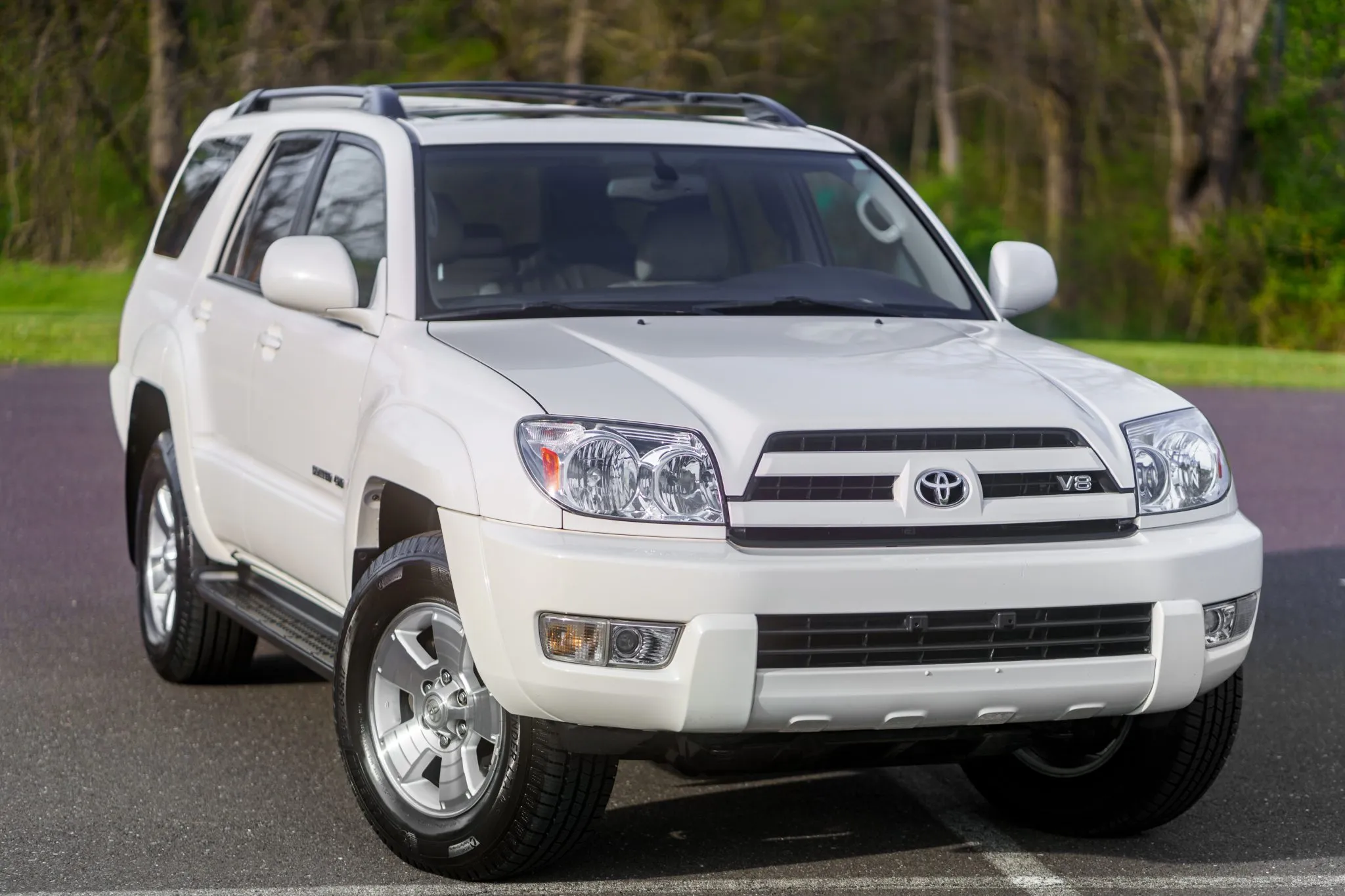
The Toyota 1NZ-FE engine, which powers several popular models such as the Toyota Yaris and Corolla, is renowned for its exceptionally durable timing chain.
Unlike timing belts, which need regular replacement, the 1NZ-FE utilizes a high-quality metal timing chain designed to last the lifetime of the engine.
This chain’s strength lies in its construction the links are made from hardened steel to resist stretching and wear even after hundreds of thousands of miles.
The engine’s design centers around low maintenance, making it a favorite among drivers who want reliability without the headaches of frequent servicing.
The reason this timing chain outlives the engine goes beyond material strength; the engine’s oiling system plays a critical role in lubricating the chain, significantly reducing friction and wear.
Additionally, Toyota engineers included chain tensioners that keep the chain taut, preventing slack that can lead to premature failure. As a result, many drivers report their Toyota 1NZ-FE engines running smoothly well past 200,000 miles without any timing chain replacement.
This timing chain is examined because it highlights how a well-maintained lubrication system combined with high-standard materials can create a component that serves far longer than expected.
Vehicles with this chain exemplify longevity and low-cost ownership, making it an important example for anyone considering a durable car engine setup.
2. Honda K-Series Timing Chain
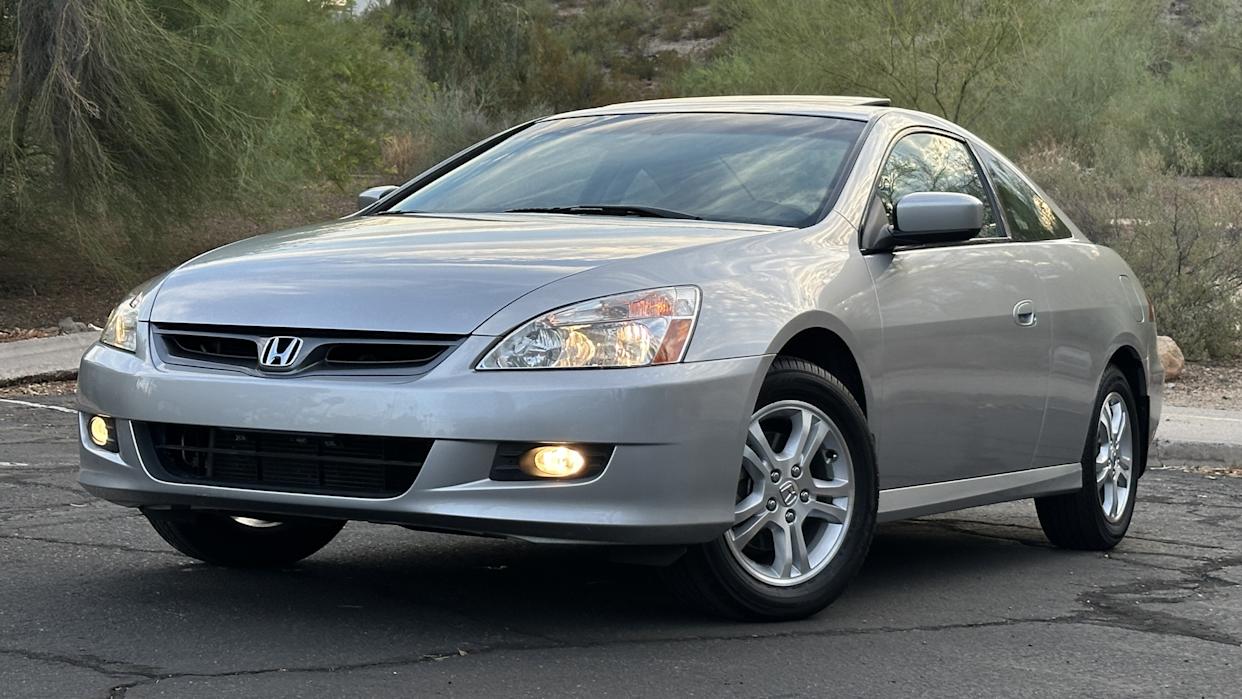
Honda’s K-series engines, found in models like the Civic and Accord, boast timing chains that are known for their long service life.
Crafted from carbon-treated metal to resist corrosion, these chains maintain tension through hydraulic tensioners that adjust automatically based on engine conditions.
This system reduces the chance of chain slack that can lead to noise or failure, offering a robust solution for reliable valve timing.
The durability of these timing chains is why many Honda vehicles equipped with K-series engines have recorded hundreds of thousands of trouble-free miles.
Unlike timing belts, which are vulnerable to cracking and snapping, the Honda K-series chain demonstrates resistance to typical wear mechanisms.
The balance of advanced materials and engineering design makes it a model example of how timing chains can significantly outlast the engines they protect.
Highlighting the Honda K-series timing chain is important because it provides an understanding of how manufacturers build engines to minimize long-term maintenance.
For prospective buyers or drivers looking for dependability, recognizing this chain’s strengths offers valuable guidance on which vehicles can support both performance and endurance.
3. Chevrolet LS Series Timing Chain
The Chevrolet LS series engines, popular in various Chevrolet and GMC trucks and performance cars, use timing chains designed for toughness under harsh conditions.
Known for their sturdy construction, these chains are metal with a reinforced design to prevent stretching and premature wear.
The LS engines often operate under heavy loads, so having a timing chain that withstands such pressure is key to their reputation for longevity and power.
These timing chains frequently remain intact beyond 300,000 miles, outliving many components around them. Their ability to resist breaking or skipping teeth helps prevent engine damage that can result from mistimed valve operation.
Additionally, Chevrolet designed the chain system with robust tensioners and guides to maintain precise operation despite high engine stress.

This chain stands out because it represents engineering durability in vehicles that are often used for work or performance driving. The lifespan of the LS series timing chain gives confidence to owners who demand both power and endurance.
Exploring this example informs drivers about a timing chain that matches the rugged needs of large engines without unnecessary replacements.
4. Ford Modular Timing Chain
Ford’s Modular engine series, seen in vehicles like the Mustang and F-150, similarly employs timing chains built to last.
The chain system uses advanced materials and precision tensioners to maintain optimal valve timing for extended periods. Many owners have reported that their Modular engines’ original timing chains remain functional for well over 200,000 miles.
One strength of Ford’s timing chain design is its resistance to common issues such as chain stretch and noise. By incorporating durable metal links and well-engineered tensioners, the chain avoids slack that can lead to timing errors and engine damage.
This results in superior reliability compared to conventional timing belts, which often degrade at a much faster rate.

The reason for highlighting Ford’s Modular timing chain is to showcase the importance of combining material quality with smart mechanical design.
Vehicles with these chains give owners fewer maintenance worries and improve the overall driving experience through consistent performance. This example serves as a testament to durability in American engine design.
5. Nissan VQ Series Timing Chain
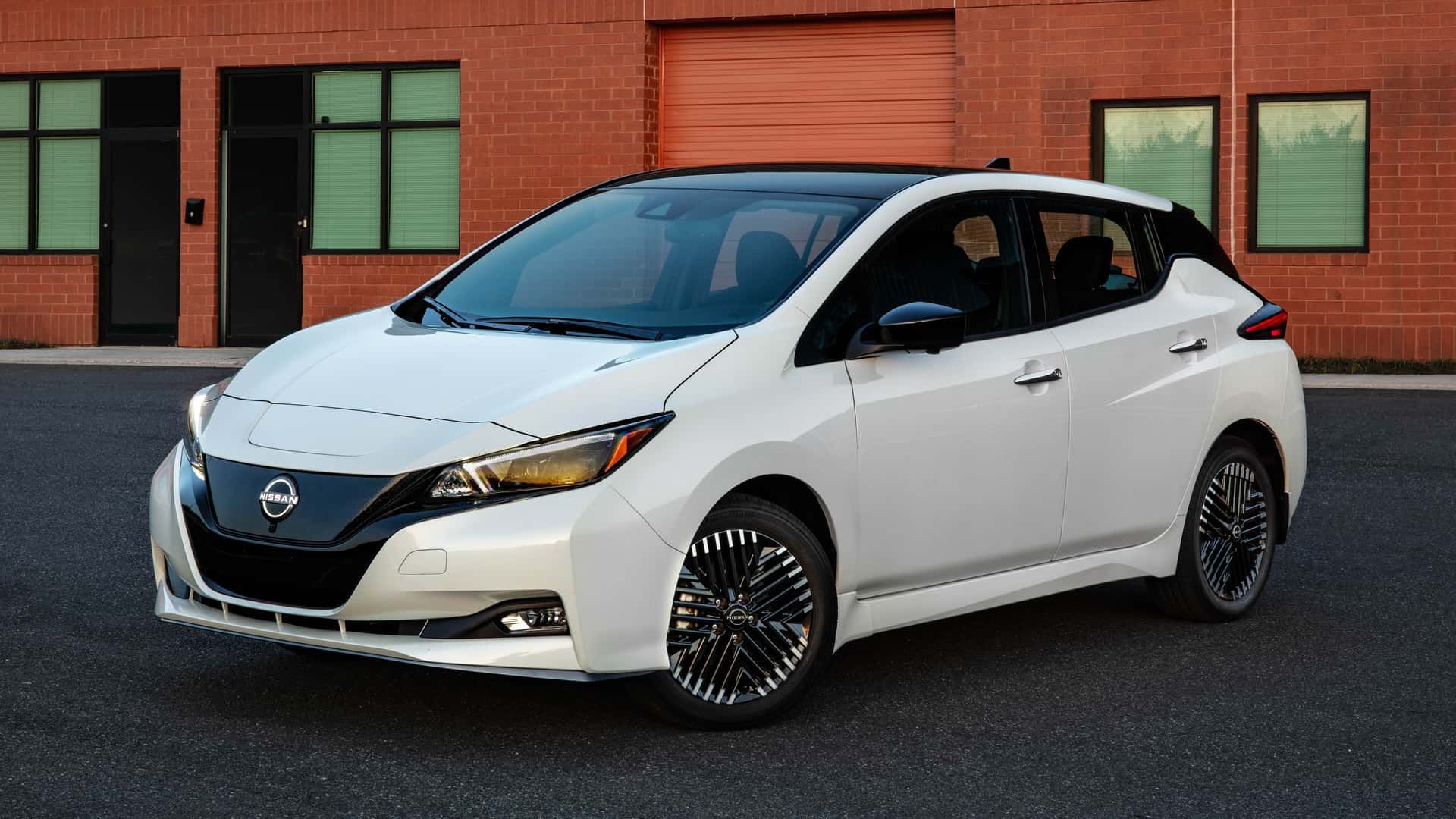
Nissan’s VQ series engines, found in a wide range of vehicles from altimas to sports cars, feature timing chains known for their long-lasting properties.
Designed with metal chains, automatic tensioners, and oil-immersed construction, these timing chains minimize wear and extend operational life significantly.
The VQ series chain system is engineered for smooth and quiet operation, even after many miles of use. The chains have a reputation for seldom needing replacement within the lifespan of the engine, often exceeding 200,000 miles.
Proper oil changes and maintenance ensure this chain continues to perform without the need for premature service.
Examining the Nissan VQ timing chain is key because it reveals the benefits of reliable design choices that emphasize longevity.
Drivers who favor Nissan vehicles equipped with this chain gain from trusted performance and reduced maintenance costs. This example rounds out the discussion by illustrating a timing chain that benefits both everyday commuters and performance enthusiasts alike.
5 Timing Belts Off-Schedule
Timing belts play a critical role in engine function, coordinating the camshaft and crankshaft to ensure valves open and close at the right times. These belts are made of rubber reinforced with materials like fiberglass or Kevlar to resist heat and stress.
Despite this durable reinforcement, timing belts typically require replacement at manufacturer-specified intervals between 60,000 and 100,000 miles.
However, many drivers encounter timing belt failures well before these recommended marks, which can lead to expensive engine damage. Several factors contribute to these premature failures, making understanding them crucial for vehicle maintenance and ownership costs.
This section focuses on five common causes behind timing belts failing off-schedule. By examining these issues, readers gain insight into how improper maintenance, environmental factors, and mechanical problems impact the timing belt’s lifespan.
Recognizing early warning signs and understanding the risks of missed replacements can save vehicle owners from costly repairs and inconvenient breakdowns.
Each cause reveals a unique aspect of timing belt vulnerability, emphasizing that while timing belts are a reliable solution when maintained properly, ignoring these factors can quickly turn a manageable maintenance task into a serious problem.
This exploration serves to educate owners on avoiding these pitfalls and protecting the engine’s integrity.
1. Oil Contamination and Premature Timing Belt Failure
Oil contamination stands out as a silent but devastating factor behind early timing belt failure.
Timing belts are engineered to cope with mechanical stress and high temperatures inside the engine compartment, but their rubber composition makes them especially vulnerable to oil.
When engine oil escapes its intended path due to leaking seals or gaskets, it can find its way onto the timing belt.
Contact with oil weakens the belt’s structure quickly: the rubber begins to soften, expand, or break down. The fibers that reinforce the belt lose their strength, causing the belt to fray or even snap unexpectedly.
What makes oil contamination particularly insidious is how subtly it progresses. Many car owners never realize a problem is developing because small leaks may not leave telltale puddles or obvious stains.
Instead, the belt quietly suffers damage with each drive, even before its scheduled replacement period.
This can turn a simple maintenance oversight into a major engine failure, especially since a broken timing belt often leads to bent valves, ruined pistons, or engine replacement in interference engines.

This issue deserves attention because so many otherwise robust timing belts fail long before their mileage is up, all because of a slow drip of engine oil. Mechanics always stress the importance of inspecting for leaks during routine service, precisely for this reason.
Preventing oil contamination is far more manageable and less costly than dealing with an unexpected timing belt failure and subsequent engine repairs. It is a textbook example of why even minor engine leaks should never be ignored.
2. Incorrect Belt Tension and Its Role in Timing Belt Failure
Incorrect belt tension is a frequent culprit in unexpected timing belt failures, even when the belt is technically within its intended service lifespan. For a timing belt to function correctly, tension must be precisely set not too loose and not too tight.
Proper tensioning ensures that the belt maintains constant, accurate contact with the camshaft and crankshaft pulleys, preserving synchronization and engine timing.
If a timing belt is installed too loosely, it can slip on the pulleys. This slippage may first manifest as a faint chirping or squealing noise but can rapidly progress to loss of synchronization.
The result is mistimed valve operation, rough engine performance, or, in worst cases, catastrophic engine damage if the belt jumps teeth or skips entirely. A loose belt may also wear unevenly, resulting in glazed or uneven surfaces that further reduce reliability.
On the other end, excessive tension creates its own perils. A belt that is stretched too tightly undergoes continual stress, causing not only premature fiber fatigue and cracking along the belt’s edges but also accelerated wear on bearings, tensioner pulleys, and water pumps.

Overly tight belts can destroy otherwise healthy engine hardware, compounding repair bills. Many modern cars rely on automatic or hydraulic tensioners to maintain ideal pressure yet even these components can degrade with age, quietly undermining belt health.
Focusing on tension issues is vital because improper installation and worn tensioners are easy to overlook yet pivotal in timing belt longevity.
It underscores the fact that professional installation and routine tensioner inspections safeguard against an avoidable mechanical breakdown.
This subtle maintenance detail often draws the line between a confidently running engine and an unpredictable roadside emergency.
3. Harsh Environmental Conditions and Timing Belt Wear
Environmental factors significantly influence the lifespan of timing belts, often causing them to fail before manufacturer schedules predict. Timing belts are made from rubber compounds reinforced with fibers to withstand heat and mechanical stress.
However, extreme climates can accelerate the aging of these materials. Prolonged exposure to excessive heat, such as in hot, sunny regions, causes the rubber to harden and develop cracks. This brittleness weakens the belt’s integrity, increasing the risk of breakage during engine operation.
Similarly, extreme cold weather can cause rubber to lose flexibility, making the belt more prone to cracking under sudden movements.
Vehicles operating in areas with harsh weather conditions or frequent temperature fluctuations face an even higher risk since the timing belt is repeatedly subjected to expansion and contraction cycles that tax the material’s resilience.
Beyond temperature, environmental contaminants such as dust, dirt, salt, and moisture amplify wear on the timing belt and related components. Dust and grit can infiltrate the engine bay, causing abrasion on pulley surfaces and the belt itself.
Salt from coastal areas or winter road treatments promotes corrosion in metal parts like tensioners and pulleys, leading to misalignment and increased belt wear. Moisture penetration can weaken belt fibers and encourage premature deterioration.
This topic is crucial because it explains why timing belts don’t have a one-size-fits-all lifespan. A belt that lasts 90,000 miles in a mild climate might fail much earlier in more demanding environments.
It encourages drivers in those regions to take additional care with inspections and possibly shorten replacement intervals to avoid unexpected failures driven by their environment. This awareness helps maintain engine reliability through preventative care adapted to real-world conditions.
4. Misaligned Pulleys or Components Causing Timing Belt Failures
Misalignment of timing belt pulleys or related engine components is a less obvious but impactful cause of premature timing belt failure.
The timing belt’s job depends on it smoothly running over a series of pulleys, including the camshaft, crankshaft, and often idler or tensioner pulleys.
When these pulleys are not perfectly aligned, the belt rides unevenly, which causes extra stress on the belt edges, leading to early fraying, cracking, or stretching.
Misalignment can result from several factors. Manufacturing defects, though rare, can set the stage for improper pulley positioning from the factory. More commonly, damage caused by accidents or collisions can shift pulleys or engine parts out of proper alignment.
Additionally, worn or broken engine mounts allow engine vibration or movement that distorts alignment during operation.

Misaligned components are a hidden threat because they often produce subtle symptoms, such as unusual belt noise or engine vibrations, that drivers may overlook or attribute to other causes.
Understanding pulley misalignment is important because it emphasizes that timing belt health is not solely about the belt itself but also the condition of the entire timing system.
Neglecting this can lead to repeated belt replacements without solving the root problem, escalating maintenance costs and causing frustration.
Mechanics need to check pulley alignment carefully when replacing a timing belt to ensure the system functions reliably over the long term.
This issue serves as a reminder that correct installation and prompt repairs after accidents help prevent the secondary damage that prematurely ruins timing belts beyond their normal service life.
5. Failure to Replace Per Manufacturer Schedule
Neglecting the manufacturer’s recommended timing belt replacement intervals remains the leading cause of catastrophic, off-schedule timing belt failure.
Unlike many components that warn the driver through noises, warning lights, or gradual performance loss, timing belts often fail quietly and instantly.
This suddenness is due to the nature of their construction: compound stresses accumulate internally as the belt ages, weakening fibers and rubber until one day the belt snaps or loses teeth without any prior indication.
Automakers set replacement intervals (typically between 60,000 and 100,000 miles) based on controlled testing and material science.
These guidelines account for common driving conditions, average climate, and the normal rate of material aging. Ignoring these intervals means gambling with the engine’s integrity.
In interference engines, a snapped timing belt can cause the valves and pistons to collide, resulting in bent or broken engine parts and, in many cases, a ruined engine block.
Even in non-interference engines, a failed belt immediately halts transportation and entails a costly roadside tow and repair.
This point is especially important to stress because it addresses the mindset that “if it isn’t broken, don’t fix it.” Timing belts are not designed to telegraph their degradation through noise or visible cracks until they are imminently about to fail.
Preventive replacement, even when the belt appears fine outwardly, is the only way to ensure engine reliability and avoid staggering repair bills.
Following the schedule is a straightforward way to keep vehicles dependable, make servicing predictable, and protect the significant investment that a car represents. It’s one of the fundamental maintenance routines that every car owner should respect, regardless of experience or vehicle type.
Also Read: 5 Pickups That Keep Their Tailgates Solid and 5 With Sagging Hinges
