
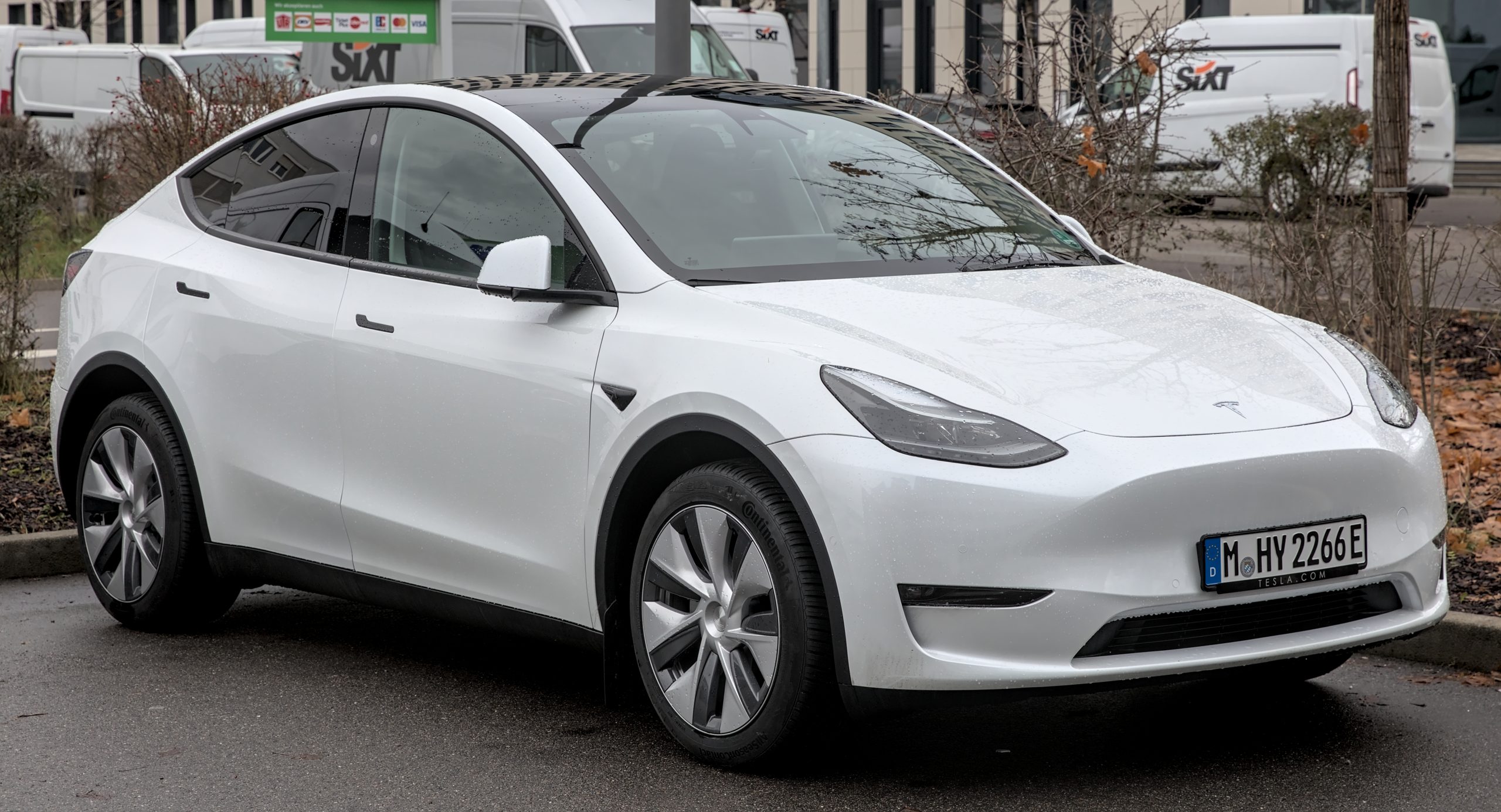
Electric vehicle technology relies on a delicate balance between cutting-edge power electronics and the uncompromising real-world conditions these components must endure.
Nowhere is this more apparent than in the inverter, a device at the core of every electric car, responsible for converting the battery’s DC electricity into AC power for the motor.
As drivers and automakers push for greater range and performance, inverters are being asked to operate at ever higher temperature ranges.
In hot climates or under sustained heavy use, some inverters rise to the occasion, maintaining their cool, safeguarding sensitive electronics, and ensuring years of fault-free motoring.
Others, unfortunately, fall short, unable to cope with the demands of thermal extremes and prone to catastrophic failures that can fry critical electronic components. The result: costly repairs, inconvenienced owners, and, in some cases, questions about the adequacy of thermal management in EVs.
Understanding why certain inverters perform reliably under heat stress while others fail is crucial for both consumers and engineers.
This article takes a focused look at two sides of the coin: the most robust car EV inverters proven to withstand heat, and those notorious for overheating issues that risk damaging other electronics.
By spotlighting real-world performance, engineering approaches, and lessons learned, we equip readers with practical knowledge to choose wisely or demand better from future electric vehicle systems.
Also Read: 5 Pickups That Keep Their Tailgates Solid and 5 With Sagging Hinges
5 EV Inverters That Endure Heat
Reliability isn’t mere marketing, especially where electric vehicles are concerned. The inverter is not just a silent partner in your EV, it is the workhorse that takes the battery’s steady direct current and transforms it into the rapidly pulsing alternating current needed to propel a modern, high-torque electric motor.
When the mercury rises, not every inverter can handle the challenge. Those that do often share a collection of well-thought-out design features: advanced thermal management, choice of heat-resistant materials, layout that maximizes heat dissipation, and sometimes, next-generation semiconductor technology like silicon carbide (SiC) power modules.
What sets these top performers apart is not luck but careful engineering. Inverter failures due to overheating aren’t simply inconvenient; they can permanently damage other sensitive onboard electronics, trigger breakdowns, or spark expensive warranty disputes.
Highlighting five specific models known for their thermal durability serves two important purposes.
First, it gives EV shoppers a clear understanding of which vehicles or component brands have prioritized real-world reliability an especially important factor in regions where high ambient temperatures are routine.
Second, it helps automakers and suppliers benchmark what works when it comes to thermal durability, nudging the entire industry toward safer, more dependable EVs.
Let’s examine these five examples in detail, focusing on the technical, material, and operational strategies that allow them to stay cool in the most demanding driving conditions.
1. Infineon HybridPACK Drive CoolSiC-Based Inverter
Infineon’s HybridPACK Drive CoolSiC™ G2 inverter stands out due to its robust use of silicon carbide (SiC) power modules and advanced cooling techniques.
Designed specifically for electric vehicle propulsion, this inverter is the centerpiece of many high-performance EV platforms where both high power and temperature stability are required.
SiC technology offers a decisive advantage in high-heat scenarios; its efficiency remains notably higher than traditional silicon-based devices, especially during partial-load operation typical of urban and highway driving.
The HybridPACK Drive module integrates advanced sintered, ceramic insulation and on-chip temperature sensing, enabling real-time thermal monitoring and proactive thermal control.
This prevents critical components from reaching unsafe temperatures, which drastically reduces the risk of thermal runaway or solder cracking seen in less robust designs.
Furthermore, its direct liquid-cooling system ensures that more than 95% of internally generated heat is carried away efficiently, as noted by real-world testing and academic research.
This not only protects the semiconductor switches and gate driver circuits but extends the service life of the entire inverter assembly.

A customizable one-eye GUI interface allows precise control and diagnostics for automakers and technicians, while the vertical integration of current sensors within the busbar optimizes space and cost without compromising thermal performance.
Such careful attention to every aspect of layout, monitoring, and heat evacuation makes the CoolSiC-powered HybridPACK an industry benchmark for heat-resistant EV inverters, widely adopted in demanding markets with consistently high temperatures.
Focusing on these technologies highlights the tangible engineering solutions driving improvements in EV reliability and durability.
2. Tesla Model 3 Inverter with Water-Cooled Power Electronics
Tesla’s Model 3 inverter is a key factor in the vehicle’s acclaimed performance and reliability, particularly in warmer climates or under demanding driving conditions.
This inverter features a sophisticated water-cooled power electronics system that keeps key components operating within safe temperature ranges, preventing heat-induced degradation.
The choice to use liquid cooling over air cooling addresses one of the biggest challenges in EV inverter design: managing the intense heat generated by power semiconductors during high loads.
By circulating coolant directly around the inverter’s power modules, Tesla minimizes thermal resistance, allowing heat to be rapidly transferred away from sensitive components.
Additionally, Tesla employs high-quality insulated-gate bipolar transistors (IGBTs) and advanced packaging techniques that improve electrical conductivity while reducing unwanted heat buildup.
These design elements, combined with rigorous software-based thermal management, allow the inverter to sustain high power output without risking thermal overload during fast acceleration or climbing steep gradients.
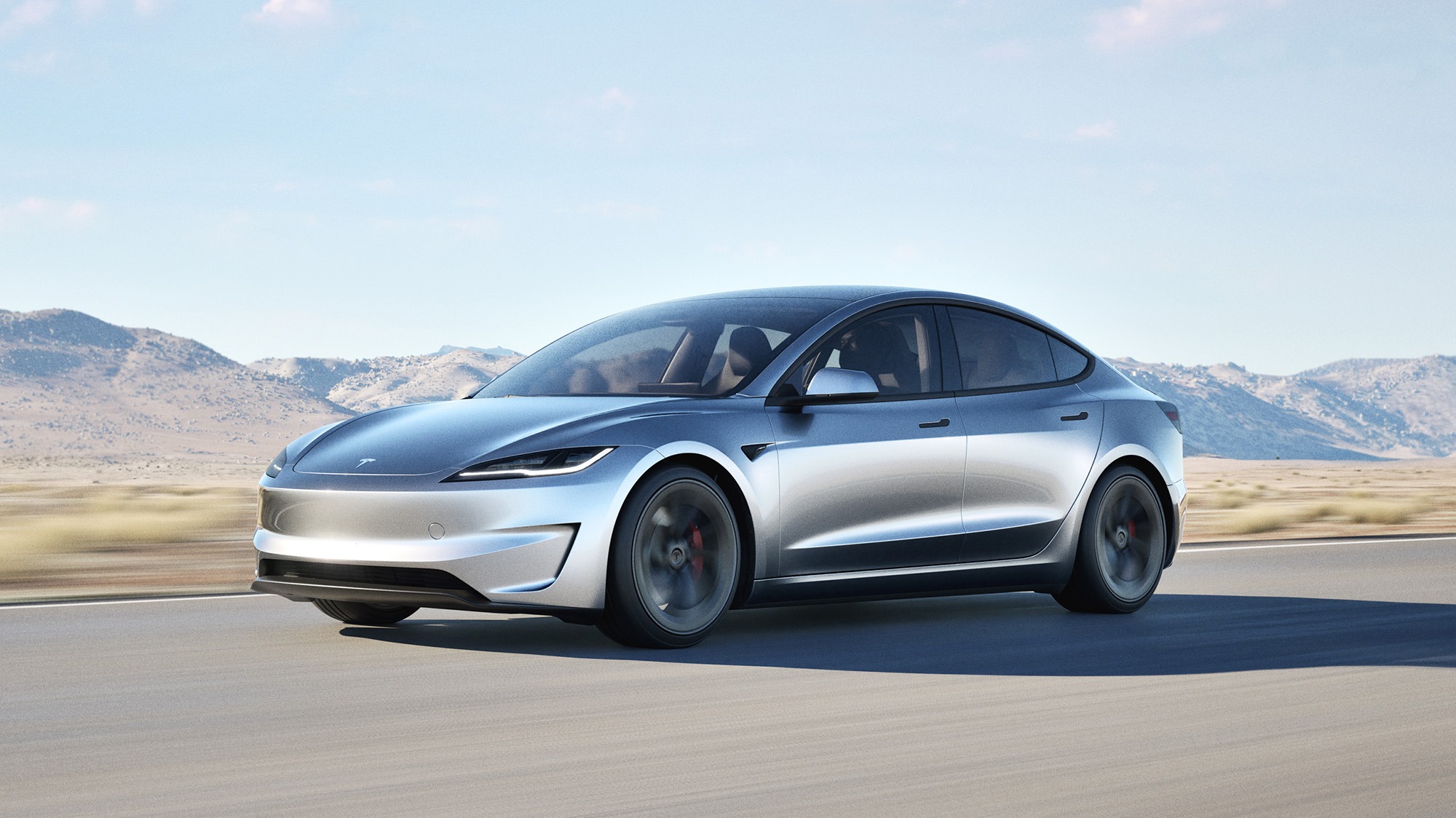
Why write about this inverter? Tesla’s innovation is often a reference point for the industry, due to the scale and success of its electric vehicles worldwide.
Understanding how Tesla solves the heat problem provides insight into what it takes to engineer EV systems that don’t just perform under ideal conditions but also thrive in temperature extremes.
This inverter exemplifies how integrating hardware and software thermal strategies can result in a resilient component that protects itself and other electronics around it.
3. Panasonic E-Drive Inverter Module
Panasonic’s E-Drive inverter is another exemplar of thermal endurance. Used in numerous electric vehicle applications, it is celebrated for a design ethos centered on robust thermal pathways and modularity that enhance heat dissipation.
The inverter relies on phase-change materials (PCMs) in conjunction with advanced heat sinks. PCMs absorb and store excess heat during peak loads, smoothing temperature spikes that otherwise stress electronics.
Combined with a large finned aluminum heat sink that efficiently radiates heat away, this design reduces the risk of internal electronics overheating.
Modularity allows for easier maintenance and replacement of individual modules, reducing downtime linked to thermal stress repairs. Its compact design also optimizes airflow, further aiding in temperature control.
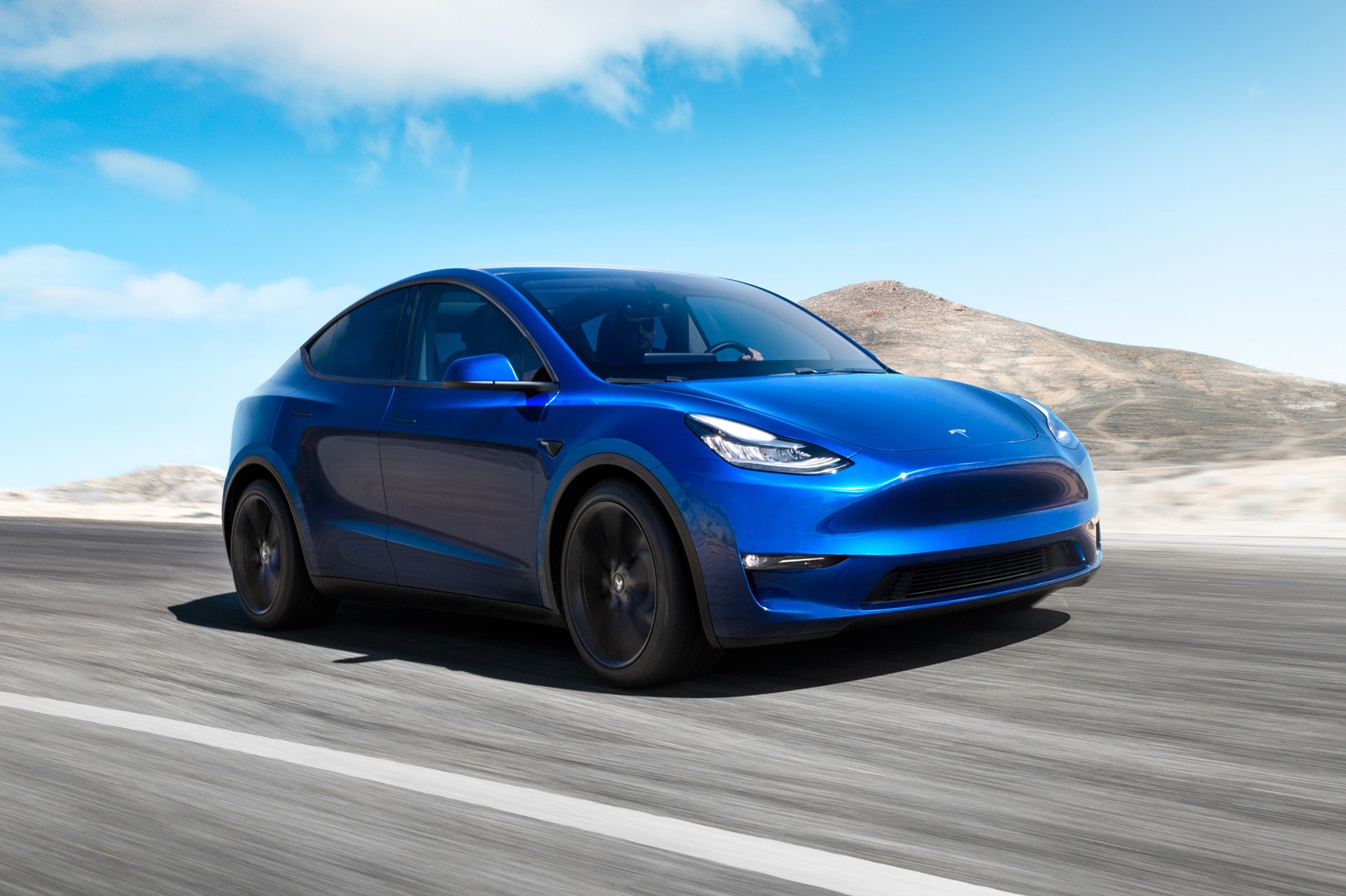
Panasonic’s commitment to materials that withstand repeated thermal cycling reduces the chances of solder joint cracks and other failure points under heat stress.
Highlighting this inverter points to how both material science and mechanical design can create reliable EV components.
Panasonic’s approach serves as a blueprint for manufacturers aiming to balance power density with resilience against temperature spikes, ensuring EVs remain dependable even under challenging environmental conditions.
4. Bosch Electric Drive Unit Inverter
Bosch’s inverter for electric drive units emphasizes durability and thermal management suitable for all climate zones, especially in hotter environments.
This inverter incorporates dual cooling circuits one dedicated to the power electronics and another for the motor, to ensure each system component stays within its optimal temperature range.
Bosch integrates ceramic substrates directly bonded to the power modules, improving heat conduction away from the semiconductor junctions. These substrates are both electrically insulating and thermally conductive, a critical combination for avoiding electrical shorts while efficiently dispersing heat.
The company’s use of high-frequency pulse width modulation (PWM) reduces switching losses and associated thermal generation, contributing greatly to the inverter’s endurance in high temperatures.

In real-world testing, Bosch’s inverter demonstrates stable operation even during prolonged periods of heavy acceleration or climbing steep terrain under hot weather.
Writing about Bosch’s design showcases the importance of cooling system integration and material choice for automotive-grade inverters.
It also highlights an industry trend toward multi-system cooling architectures, which are critical for extending component life and vehicle reliability in rigorous thermal environments.
5. LG Chem Silicon Carbide (SiC) Inverter Technology
LG Chem’s deployment of silicon carbide (SiC) technology in its EV inverters represents a leap forward in thermal management capabilities.
SiC semiconductors inherently produce less heat due to lower electrical resistance and faster switching speeds compared to traditional silicon devices.
LG Chem employs SiC MOSFETs paired with high-performance aluminum nitride substrates, which have excellent thermal conductivity.
Together with advanced encapsulation that prevents moisture ingress and mitigates thermal stress, this inverter withstands significant heat while maintaining performance.
By reducing the inverter’s overall thermal load, LG Chem’s design effectively lowers the burden on the vehicle’s cooling system, increasing energy efficiency and component life.
This results in a system that tolerates elevated ambient temperatures and prolonged driving periods without degrading inverter electronics.
Showcasing LG Chem’s SiC inverter technology reflects a growing industry preference for materials and components that support higher operating temperatures without compromising longevity.
The inverter exemplifies the kind of forward-looking innovation that combines material science with intelligent design to create resilient EV powertrains.
5 EV Inverters That Fry Electronics
Electric vehicle inverters are complex devices that must handle high power conversion efficiently and reliably.
When they fail under heat stress, the consequences can be severe, not only damaging the inverter itself but also affecting other critical components within the vehicle’s electrical system.
Inverters that overheat often suffer from poor thermal design, inferior materials, or flawed manufacturing processes. These failures can lead to melted circuit boards, damaged semiconductors, and even fires in extreme cases.
Understanding the causes and identifying the specific inverters prone to such issues can guide consumers and engineers in avoiding reliability pitfalls and inform design improvements.
This section highlights five notable EV inverters that have gained reputations for overheating and frying electronics. Each example highlights common failure modes, such as inadequate cooling, poor heat dissipation, or subpar thermal monitoring.
By examining their weaknesses, we can better appreciate the technical challenges involved in inverter design and the importance of adequate thermal management.
This also provides a cautionary perspective on how overlooking heat considerations can lead to costly repairs, safety risks, or early component failure. These cases serve as lessons and warnings in the ongoing evolution of electric vehicle power electronics.
1. Generic Low-Cost Chinese EV Inverters
One of the most frequent offenders when it comes to inverter overheating in electric vehicles are low-cost, generic inverters manufactured rapidly to meet demand without rigorous quality controls.
These inverters often use low-grade silicon IGBTs or MOSFETs, combined with minimal heat sinking or airflow provisions.
The insufficient thermal interface materials and thin aluminum heat sinks cannot handle the sustained high currents typical of automotive use, causing heat buildup and thermal runaway.
Electronic components inside the inverter often experience repeated thermal cycling that leads to solder joint fractures and eventual short circuits or open circuits.
These failures frequently result in fried electronics that disable the vehicle or cause erratic power delivery.
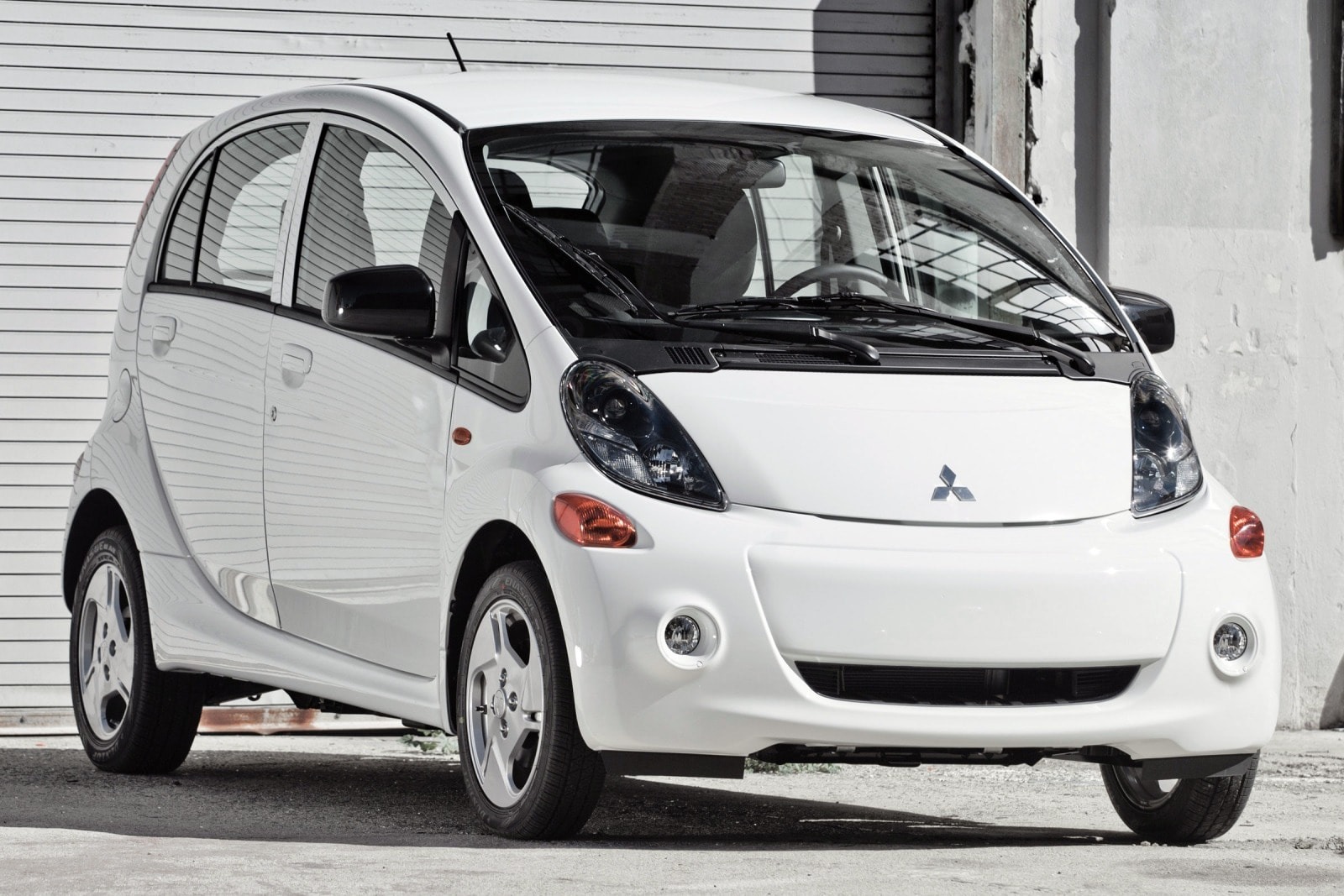
Due to their cost-driven compromises, these inverters lack adequate thermal sensors or protective software, so overheating often goes unnoticed until damage has occurred.
Writing about these common low-cost units is essential due to their widespread use in entry-level or aftermarket EV conversions.
It underscores the risks of choosing low-quality components and highlights the value of investing in proven, well-designed inverters that prioritize thermal durability and safety.
2. Early Nissan Leaf Inverter Models
The first-generation Nissan Leaf experienced issues with its inverter during high-temperature operation, especially in hot climates or when the vehicle was driven aggressively.
The inverter was air cooled using finned aluminum heatsinks, but the cooling was often insufficient under sustained load.
The thermal design failed to adequately dissipate heat generated by the inverter’s silicon IGBT modules, leading to overheating that caused degradation of the gate driver circuits and power semiconductors.
This resulted in intermittent power loss and, in some cases, permanent inverter failure requiring expensive replacements or repairs.
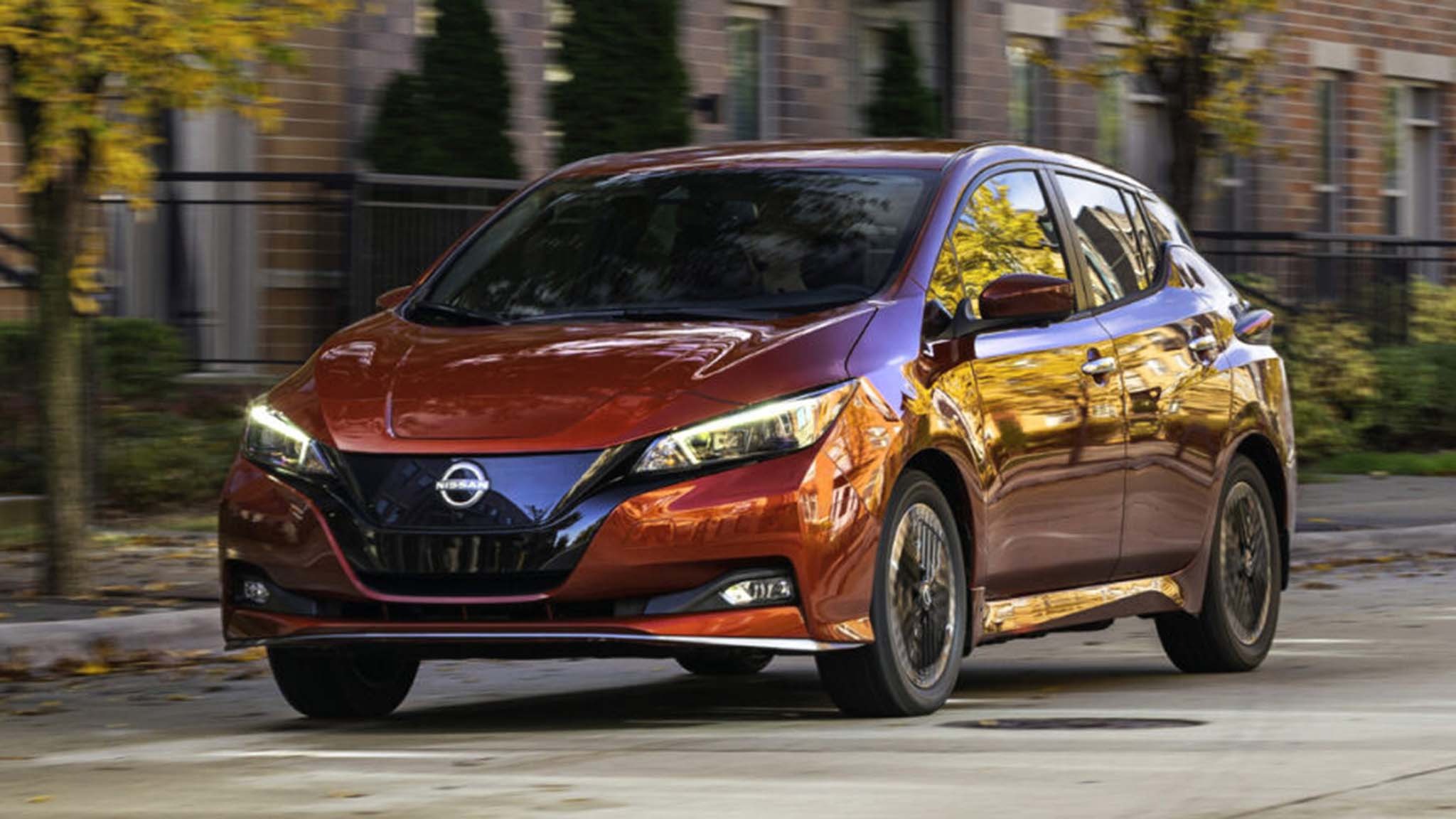
Though Nissan later improved thermal management in subsequent models, the early Leaf serves as a cautionary example of how compromised cooling solutions can impair inverter reliability and impact vehicle usability.
Writing about the early Nissan Leaf inverters highlights the challenges automakers faced in balancing cost, packaging, and thermal considerations in early mass-market electric cars, emphasizing how thermal failure impacts vehicle reputation and owner experience.
3. BMW i3 Inverter Thermal Failures
BMW’s i3 is renowned for innovative design but faced notable inverter heat-related issues during early production runs.
Some owners reported inverter failures linked to insufficient coolant flow and hotspots within the power module housing.
Investigations revealed that the compact inverter design, while space efficient, compromised the thermal flow paths, limiting heat dissipation.
In some vehicles, coolant pump issues also reduced cooling effectiveness, allowing localized overheating that damaged semiconductor junctions.
The result was costly repairs and vehicle downtime. BMW responded by modifying coolant circuits and redesigning the inverter housing to improve heat transfer.
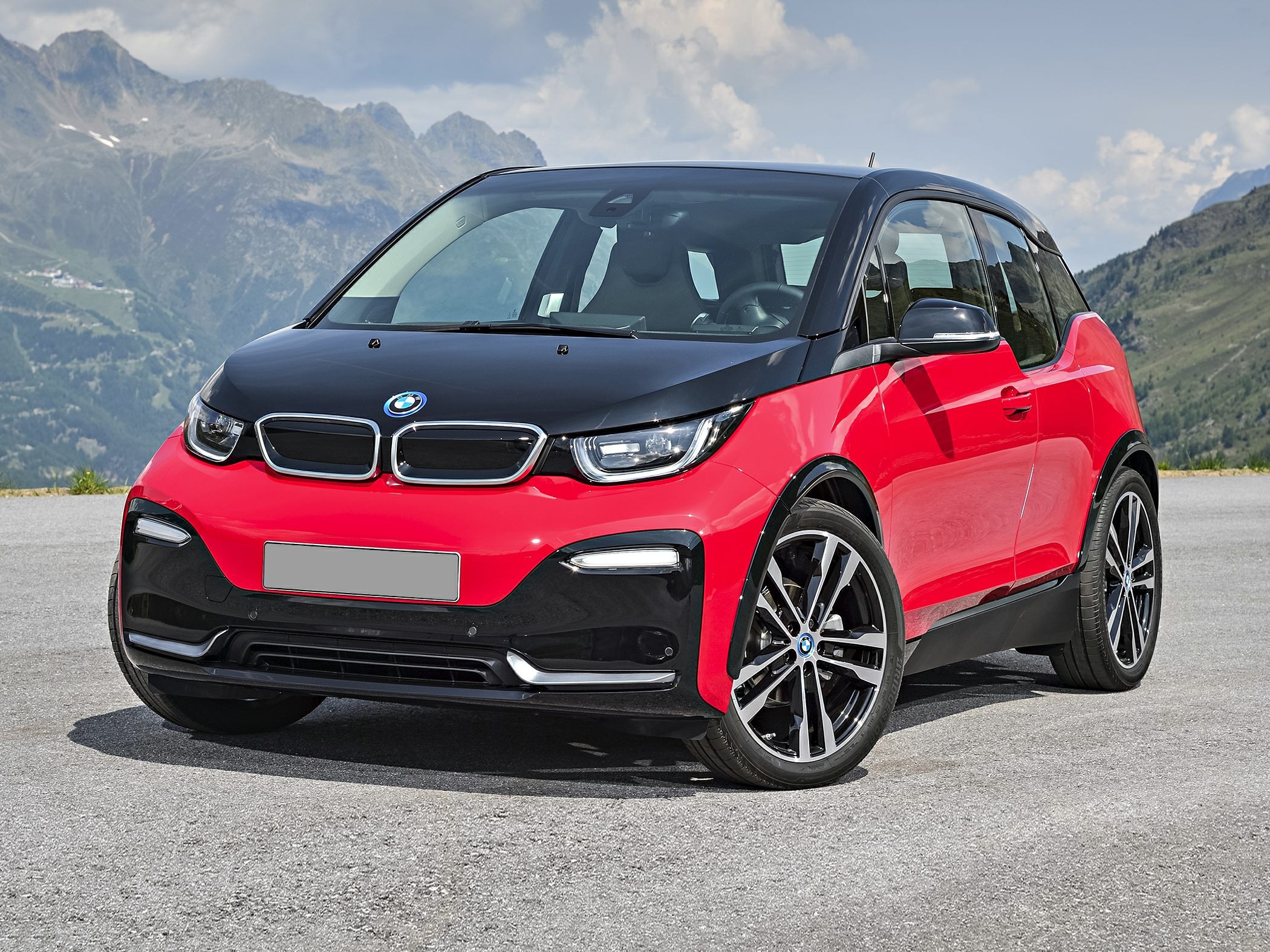
The i3’s experience serves as an important lesson on the interplay between mechanical design and thermal management systems in EV power electronics.
Including BMW i3’s inverter thermal challenges provides a real-world perspective on how tight packaging constraints can negatively influence inverter durability and why comprehensive cooling system design is critical.
4. Volkswagen e-Golf Power Inverter Issues
Volkswagen’s e-Golf faced inverter issues mostly related to prolonged high load conditions, such as extended hill climbs or performance driving, in warm weather. The inverter used traditional silicon IGBTs with air cooling augmented by limited heat pipes.
Despite improvements over older designs, the system sometimes allowed hotspots to develop inside the inverter housing. These hotspots caused accelerated aging of critical power semiconductors and gate driver circuits, ultimately leading to inverter malfunctions.
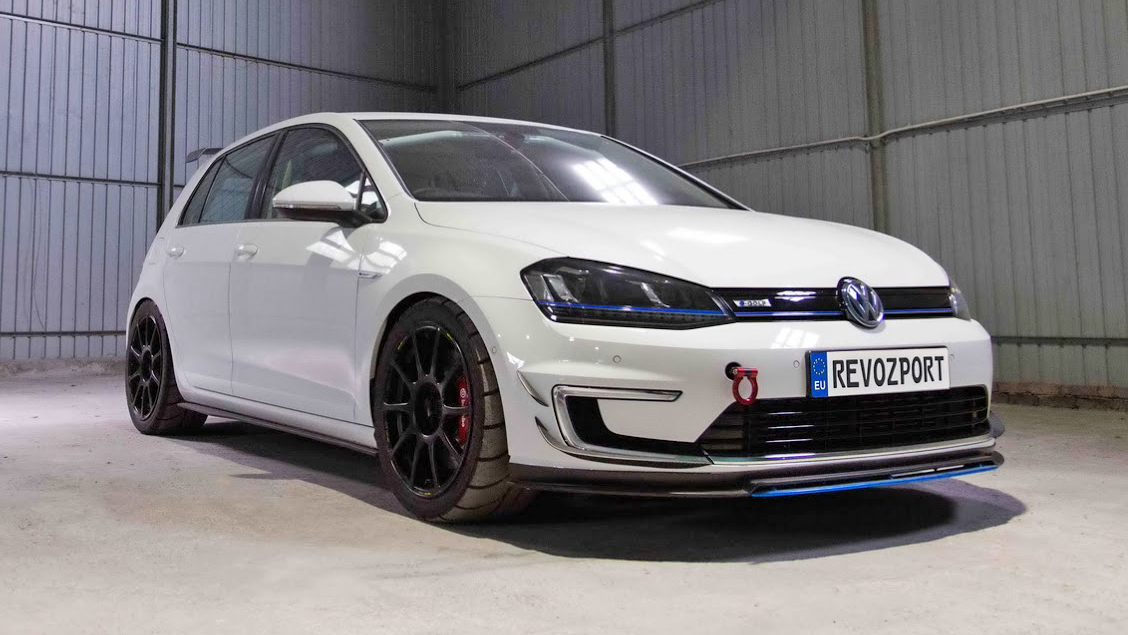
Owners reported symptoms including sudden power drops and warning lights, often correlated with increased ambient temperature or heavy accelerator usage. VW addressed these faults with software updates and inverter cooling enhancements in later production.
The e-Golf case highlights the ongoing challenge in ensuring that inverters remain within safe operating temperatures during real-world driving conditions and why thermal analysis must consider more than just average loads.
5. Early Hyundai Kona Electric Inverter Failures
The Hyundai Kona Electric experienced reported inverter issues in some early production units, especially under hotter climates or during rapid acceleration. The inverter was primarily liquid cooled, but insufficient liquid flow rates and thermal interface materials limited cooling performance.
Some inverters suffered from thermal fatigue cracks in solder joints and delamination within power modules. These problems led to inconsistent inverter performance and occasional failures, resulting in vehicle limp modes or complete power loss.

Hyundai responded by revising cooling system specifications and upgrading inverter component quality, helping reduce overheating risks in subsequent units.
Discussing the Hyundai Kona inverter challenges illustrates how even more modern, liquid-cooled inverters can suffer if thermal design and materials are not precisely engineered, underscoring the complexity of thermal management in EV systems.
Inverters that endure heat successfully represent engineering excellence where thermal management is central to design strategy.
They combine advanced semiconductor materials, sophisticated cooling methods, and intelligent thermal monitoring to sustain optimal function, even under intense thermal stress.
For example, Infineon’s HybridPACK Drive CoolSiC inverter integrates silicon carbide (SiC) technology and state-of-the-art liquid cooling to efficiently dissipate heat and maintain reliability under harsh conditions.
Silicon carbide, due to its superior electrical and thermal characteristics compared to traditional silicon electronics, allows for less heat generation and improved efficiency. This, paired with real-time thermal sensors, prevents overheating and prolongs component life.
Likewise, Tesla’s Model 3 inverter benefits from direct liquid cooling and high-quality insulated-gate bipolar transistors (IGBTs), combined with software-based thermal management control.
This blend of hardware and software solutions ensures sustained high power output without overheating, even during fast acceleration or in hot climates.
Panasonic’s E-Drive inverter adds another dimension by using phase-change materials that absorb heat spikes and robust heat sinks that radiate heat away, safeguarding electronics from temperature surges.
Bosch’s electric drive inverter implements dual cooling loops and ceramic substrates that are electrically insulating yet thermally conductive, optimizing heat transfer and protecting the semiconductor junctions.
Lastly, LG Chem’s silicon carbide inverter technology demonstrates how advanced materials and encapsulation techniques reduce thermal load, improving energy efficiency and resilience against heat.
These heat-enduring inverters showcase how meticulous design choices and material advances push EV technology toward greater dependability and longevity.
Such inverters are particularly valuable for consumers in warmer regions or those expecting heavy-duty usage, while also setting high standards for the industry to follow.
On the other hand, several EV inverters have struggled with heat management, leading to failures that not only disable the inverter but can harm other sensitive electronics in the vehicle.
These failures are often rooted in cost-cutting, limited thermal design, poor materials, or packaging that restricts airflow and heat escape.
Generic low-cost inverters, commonly found in aftermarket EV conversions or budget models, frequently use inferior components and minimal cooling, causing heat accumulation, thermal cycling damage, and electrical shorts.
Because these units rarely include proper thermal sensors or protections, damage often occurs unnoticed until catastrophic failure.
Automakers’ early models have also faced inverter heat challenges. First-generation Nissan Leafs used air cooling with finned heat sinks that could not consistently manage heat under sustained load, resulting in gate driver degradation and component failure.
Similarly, early production BMW i3 inverters suffered from inadequate coolant flow and compact designs that limited thermal paths, causing hotspots and expensive repairs.
Volkswagen’s e-Golf encountered issues with localized hotspots during heavy use in warm climates, accelerating semiconductor aging.
Hyundai Kona Electric’s early units experienced thermal fatigue crack failures due to insufficient coolant flow and lower-quality thermal interface materials, leading to inconsistent inverter performance.
These overheating problems underline the complexity of EV inverter thermal management and show that even established automakers face difficulties balancing cost, packaging space, and performance.
Failures can lead to vehicle limp modes, sudden power loss, and significant repair costs, impacting customer satisfaction and brand reputation.
The contrast between inverters that endure heat and those that fry electronics highlights the absolute necessity of robust thermal design in the future of EV power electronics.
Thermal management is not merely a feature but a critical requirement for safety, reliability, and durability.
As EVs continue to penetrate diverse markets with varying climates and usage patterns, the demand for advanced materials like silicon carbide, sophisticated cooling architectures, and integrated thermal sensing will only increase.
For EV owners and prospective buyers, understanding the differences between reliable and failure-prone inverter systems helps make informed decisions, especially when selecting electric vehicles for hotter regions or demanding applications.
For manufacturers, these insights offer valuable lessons to guide engineering improvements, prevent costly recalls, and build consumer trust.
The future of electric vehicles relies heavily on the evolution of inverter technology that embraces advanced thermal solutions.
A combination of innovative materials, mechanical design, and active thermal monitoring is essential to keep EV inverters running smoothly under extreme heat without damaging sensitive electronics.
This dual perspective, highlighting both successes and failures in managing inverter heat, paints a clearer picture of what is needed to achieve long-term reliability and high performance in the rapidly growing electric vehicle industry.
Also Read: 5 Ford Escape Years Worth Owning vs 5 With Reliability Issues
