
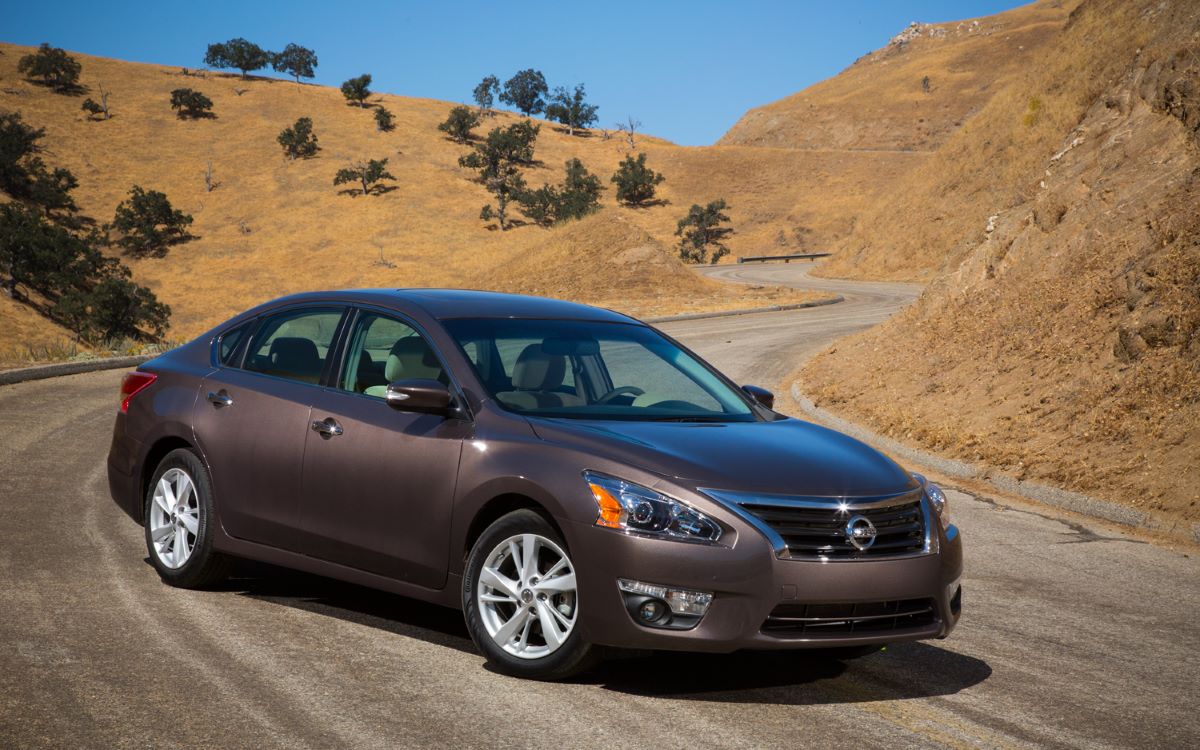
Car sun visors might seem like a small part of daily driving, but over time, their importance becomes clear. Anyone who spends time on the road knows the hassle of trying to block out harsh sunlight, especially during sunrise or sunset, only to find the visor either stubbornly rigid or, worse yet, constantly drooping out of place.
Each vehicle owner wants a sun visor that will hold firm, staying exactly where it is adjusted without sagging at critical moments. At the same time, frustration mounts when a sun visor loses its tension, failing to provide relief and potentially becoming a distraction.
This comprehensive guide examines two crucial experiences faced by drivers: the satisfaction of sun visors that remain secure and trustworthy, and the mounting annoyance of those that sag and refuse to stay put.
By taking a closer look at five models or configurations renowned for their reliability, followed by five that tend to develop sagging issues, this article aims to help readers better understand what makes a visor effective or inadequately supported.
Each section not only describes the behaviors of these visors but also explains the reasoning for discussing them.
Whether the goal is to find an upgrade, diagnose a persistent problem, or simply pick a vehicle with fewer interior annoyances, this research-driven overview provides actionable insight for both new and experienced drivers alike.
Also Read: 10 Vehicles That Won’t Let You Adjust the Seat Without the Ignition On
5 Sun Visors That Stay Tight
For many, a sun visor that remains firm and obedient throughout years of use is considered a minor luxury one that makes driving far less frustrating.
The comfort that comes with a reliably snug sun visor may go unnoticed at first, but after countless hours spent behind the wheel, most drivers grow to appreciate its presence.
The benefit of a visor that doesn’t budge stems not only from consistent protection against sun glare but also the subtle peace of mind that comes when everything in the car works as expected. In vehicles where sun visors stay tight, passengers and drivers alike spend less time fiddling and more time focusing on the journey, reducing distractions.
Mechanically, tight sun visors reflect thoughtful design, careful material choice, and attention during manufacturing.
These reliable visors often feature robust pivot mounts, reinforced tensioning springs, and high-quality plastics or fabrics that withstand years of temperature extremes.
Manufacturers listen to feedback from vehicle owners, especially regarding small but often-complained about components like sun visors.
By looking at five different car models or specific visor designs that are frequently praised for staying snug, it becomes clear which approaches work best.
The following breakdown explains the features and merits of each, as well as the reasons they have been chosen for close attention, to help drivers prioritize this surprisingly meaningful aspect of vehicle comfort and utility.
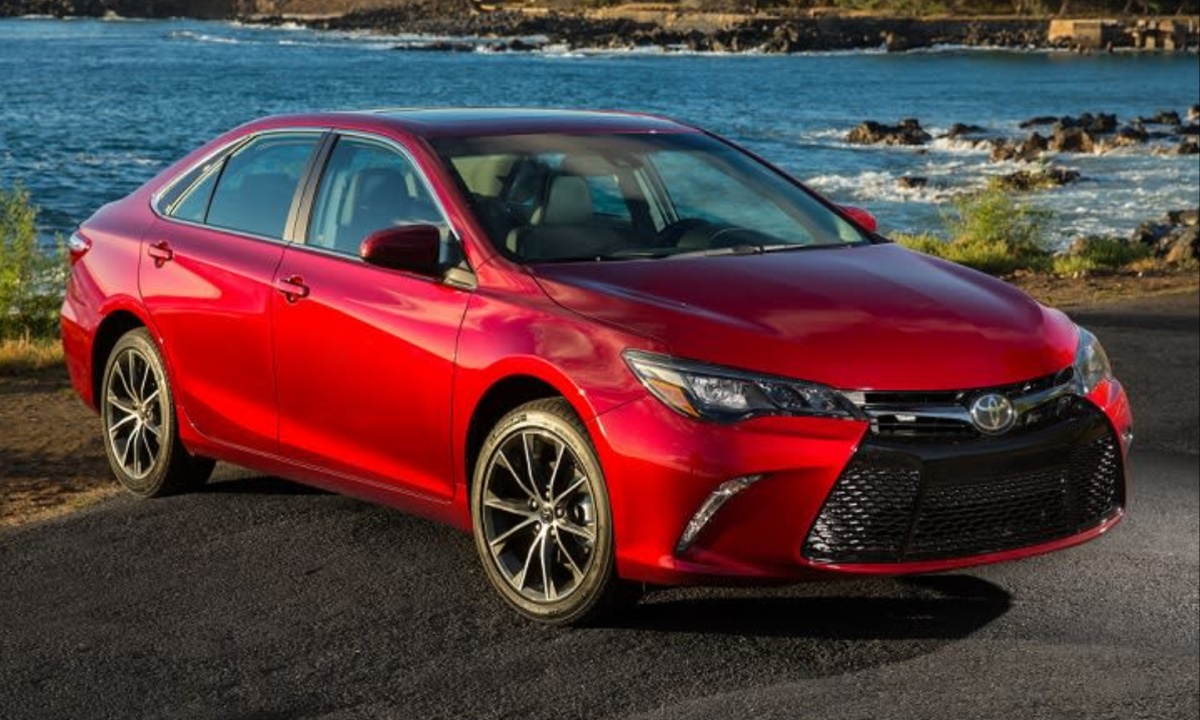
1. Toyota Camry (2018-2023) Sun Visor
Selecting the Toyota Camry’s sun visor system as the starting point for discussing tight visors is based on user feedback, reliability statistics, and engineering choices made by the manufacturer.
In recent model years, specifically from 2018 to 2023, Toyota incorporated reinforced pivot mounts and slip-resistant rails into the sun visor assembly of its flagship sedan.
The decision to highlight this model centers on widespread owner satisfaction with how well the visors stay in place, even after extensive use through different seasons.
Durability and consistency are the standout characteristics. Many Camry drivers report that once set, the visor keeps its position through sudden stops or bumpy roads, resisting both gravity and the repeated motion of being flipped up and down throughout its operational life.
The internal tensioning system features a thicker gauge spring as well as cloth-lined pivots, which collectively contribute to this positive attribute. Toyota’s approach is deliberate: by anticipating the common pain point of sagging visors, the company designed a solution noted for its above-average longevity.
Emphasizing the Camry’s visor is also about demonstrating how mainstream carmakers can provide valuable, everyday solutions to small but persistent problems.
While not as flashy as infotainment upgrades or advanced safety packages, a sturdy sun visor often signals a brand’s overall attention to long-term user experience.
The Camry example illustrates a winning formula and serves as a benchmark for other vehicles that strive for a similar feel of dependability during daily use.
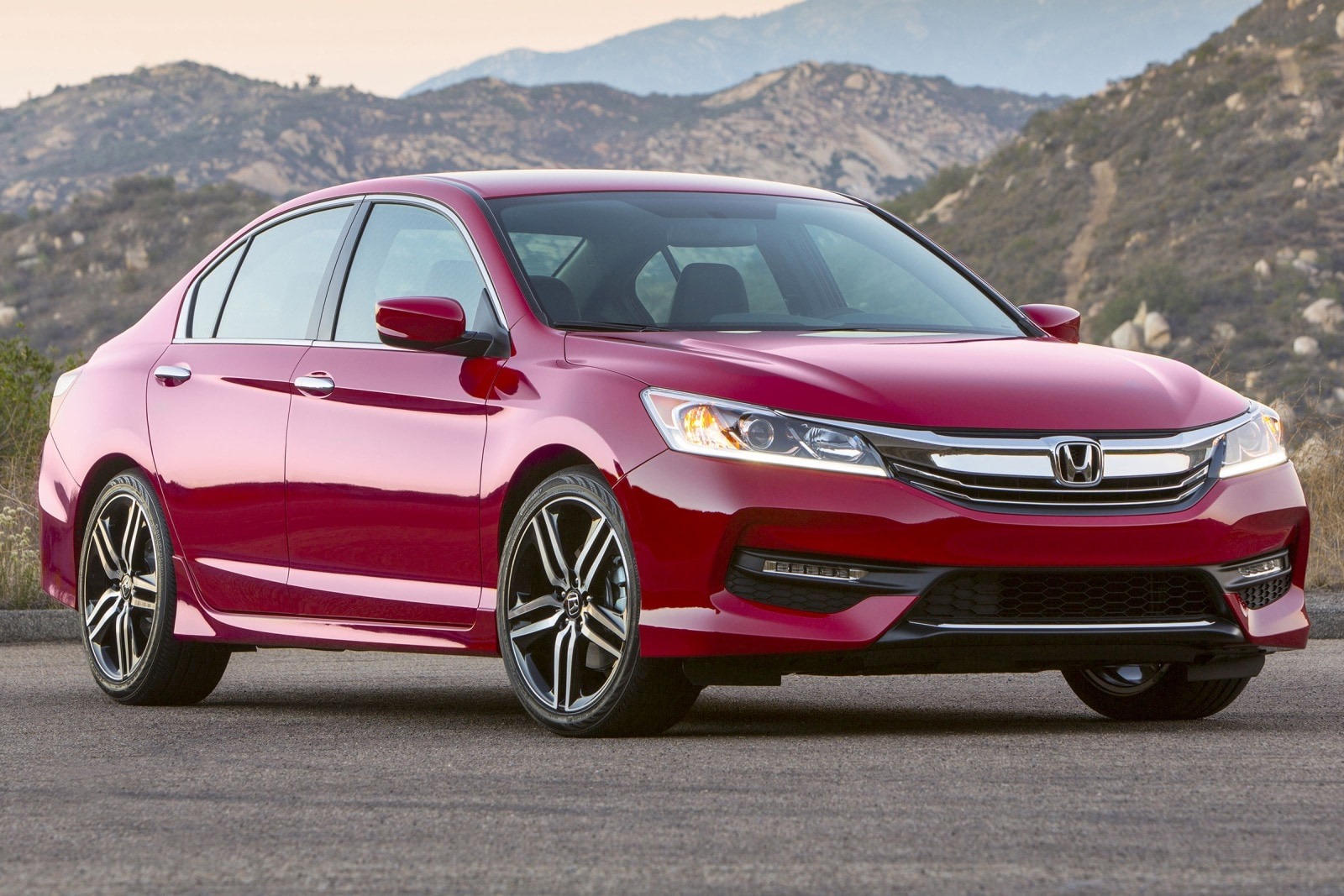
2. Honda Accord (2017-2024) Sun Visor
Turning attention to the Honda Accord’s sun visor across its recent generation is warranted due to consistent praise from drivers for lasting tightness and minimal mechanical failures.
Manufactured using a blend of composite materials and featuring reinforced end clips, the Accord’s sun visor has been engineered for daily resilience.
Many Accord owners express appreciation for the visor’s sustained firmness even after several years’ use, a factor contributing to Honda’s reputation for interior build quality.
The design prioritizes predictable performance: the visor pivots cleanly and stays where it’s set, thanks to well-tuned internal friction and carefully balanced tension.
Unlike some less expensive models that rely on simple plastic-to-metal pivots, the Accord’s mechanism integrates a steel pin within a self-lubricating sleeve. This extra step in manufacturing enhances longevity, ensuring that repeated up and down movements do not loosen the grip over time.
The decision to feature the Accord is not just about longevity but also about how well it responds to repeated, real-world use.
Feedback indicates that even when temperatures fluctuate between humid summers and icy winters, the sun visor remains a steadfast an important quality in markets where the climate exacts a heavy toll on automotive materials.
Discussing the Honda Accord’s visor serves as an example of meticulous design improving comfort and convenience, underscoring how subtle, practical changes can win lasting customer loyalty.
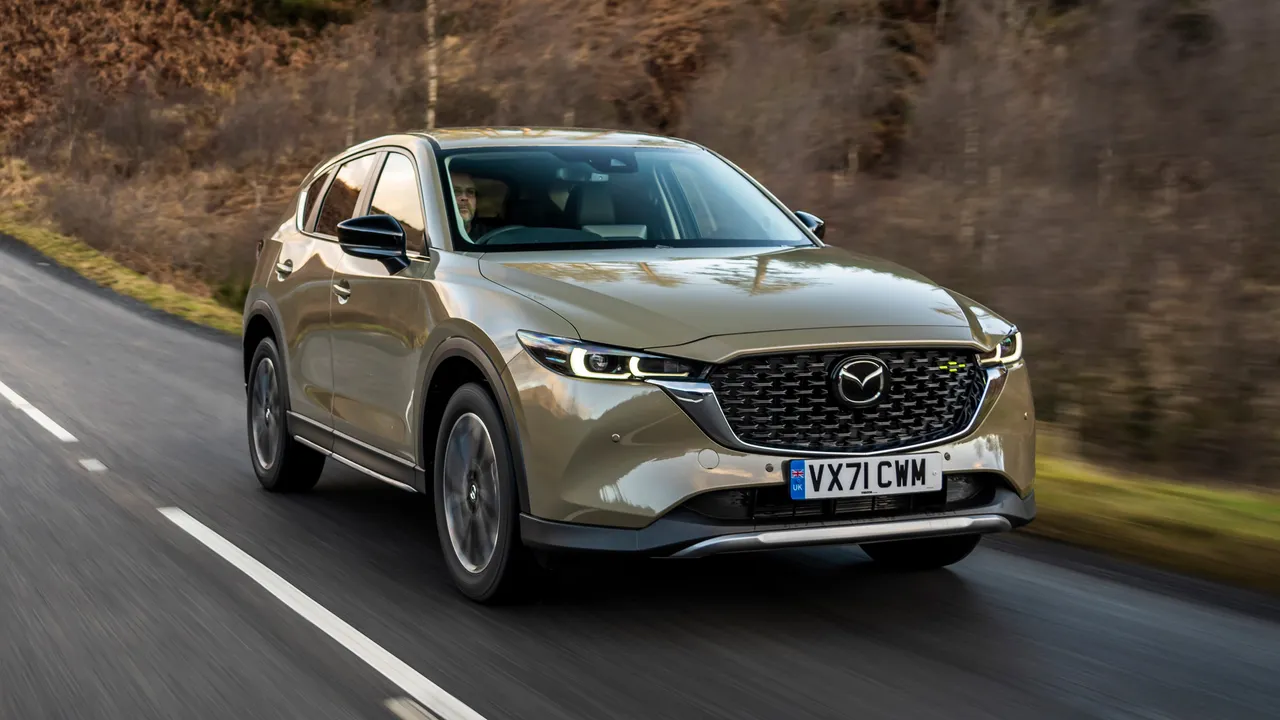
3. Mazda CX-5 (2017-2023) Sun Visor
The next entry focuses on the Mazda CX-5, specifically spanning model years 2017 to 2023. This compact SUV’s sun visor has attracted positive feedback for its consistent staying power and ergonomic operation.
Mazda’s approach blurs the line between aesthetics and resilience, utilizing high-quality plastics and a tensioned rotating clip mechanism that customers report outperforms many competitors in terms of reliability.
Key to the CX-5’s performance is the combination of slightly stiffer pivot action paired with a textured clip, both of which help keep the visor in place during daily driving and abrupt vehicle movements.
Owners routinely praise the lack of sagging, even after several years, attributing it to a simple yet robust construction. Mazda has responded directly to common complaints from earlier iterations of their vehicles and incorporated more durable hardware into the visor’s assembly.
Highlighting the CX-5 is purposeful because it shows how thoughtful, incremental changes such as improving a clip or choosing better materials for the hinge can have a disproportionate impact on day-to-day satisfaction.
When a car excels at seemingly small tasks such as holding a sun visor firmly, it often signals care in other areas as well. Bringing attention to the Mazda CX-5’s sun visor is a way of celebrating unheralded engineering wins that make driving easier and more pleasant over the long haul.
4. Lexus RX (2016-2023) Sun Visor
When it comes to luxury SUVs, the Lexus RX series from 2016 through 2023 deserves mention for a sun visor system that stays consistently tight and smooth to operate.
Lexus invests heavily in customer comfort, and this extends to every surface and function within the vehicle’s interior.
The RX’s visor features a metallic core encased in padded cloth or faux leather, with dual-sided tension adjusters that allow users to fine-tune the resistance as they prefer.
Lexus engineers went beyond basic pivot design by incorporating a ratcheting mechanism that clicks into discrete positions. This thoughtful addition means that drivers can set the sun visor exactly where it is needed and expect it to stay put until intentionally moved.
The ratcheting noise, soft but distinct, reassures users that the visor will not slip or sag unexpectedly. Many owners also express satisfaction with how the visor resists loosening over extended periods, even after years of daily adjustment.
Choosing the RX for close discussion brings attention to how even in more costly vehicles, attention to minor functional details can differentiate a luxury experience from an average one.

Lexus’s approach is representative of a brand philosophy that every interior element should reflect lasting reliability and customizable comfort. The RX sun visor represents the intersection of thoughtful design and user satisfaction, which is why it stands out in this group.
5. Subaru Outback (2015-2024) Sun Visor
Finally, the Subaru Outback’s sun visor from 2015 onward earns recognition for staying reliably tight over the long term. Subaru vehicles have built up a following among those who value utility, ruggedness, and practical design and the sun visor is no exception.
The Outback’s visor is constructed with an internal steel rod surrounded by an oversized spring assembly, producing a notably stiff movement that prevents accidental sagging.
Subaru engineers aimed for dependability in challenging conditions, making their visor stay firm even on rough tracks or in extreme weather. Drivers consistently note the secure, almost purposeful feel when adjusting the visor.
If someone slams the door, hits a pothole, or frequently switches the visor between window and windshield, the Outback’s sun visor manages to hold firm. Its resistance to loosening complements Subaru’s reputation for reliability, even as other components show their age.
The attention given to the Outback’s visor demonstrates how a commitment to solving minor annoyances translates into big wins for long-term owners.
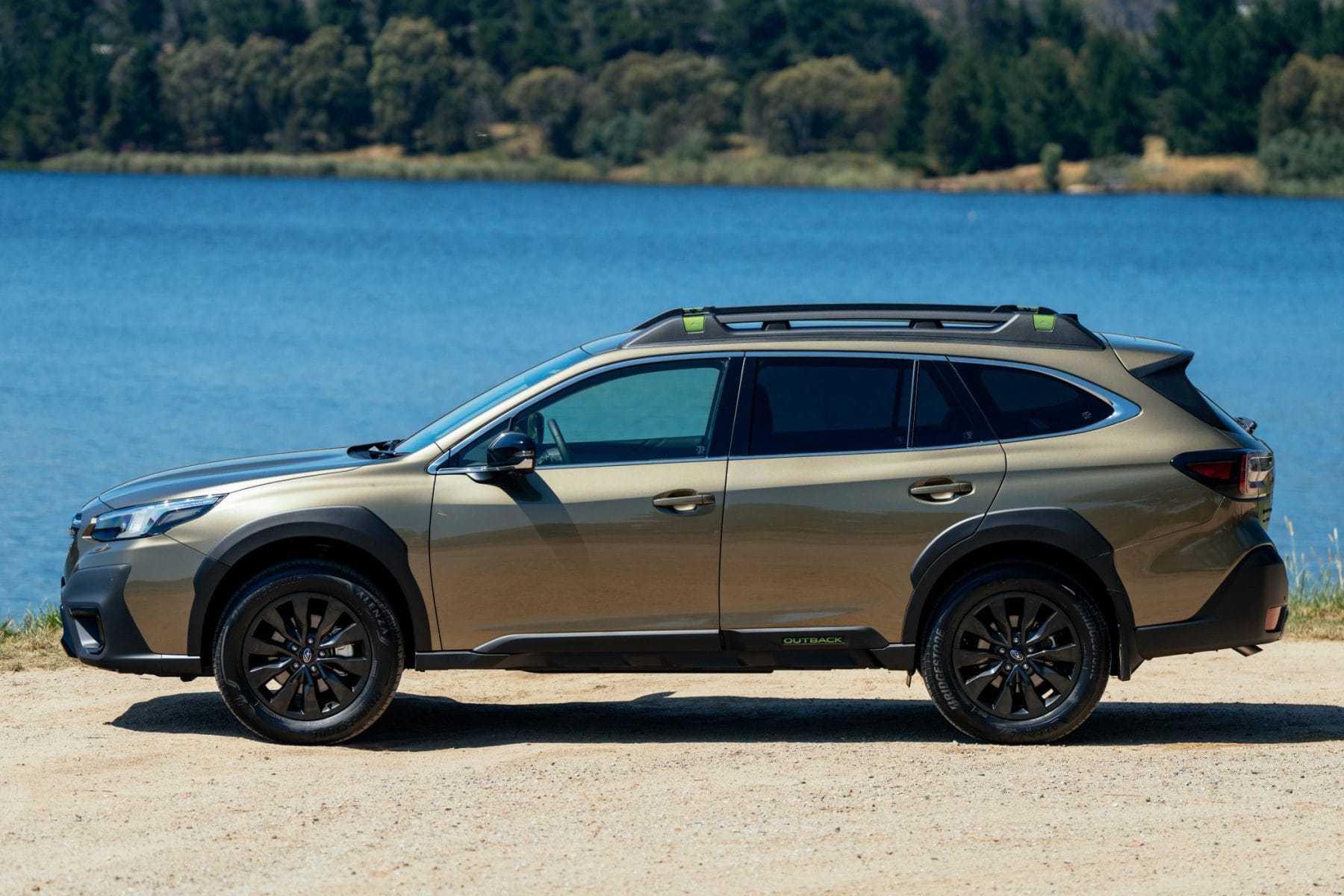
By focusing on mechanical simplicity and proven durability, Subaru has created a visor that performs exceptionally well, often surprising drivers used to flimsier systems in other vehicles. It stands out as a practical, well-executed solution to a problem many might not know could be solved at all.
5 Sun Visors That Sag
On the other side, sagging sun visors are a frequent gripe among car owners worldwide. At first, the issue seems trivial until the visor repeatedly falls loose, blocks sightlines, or dangles awkwardly during routine driving.
While a firmly placed visor can become ‘invisible’ through reliable function, a sagging one draws constant, frustrating attention. This category looks closely at sun visors from certain models or years that tend to lose their grip and droop, causing irritation and even posing safety risks.
Sagging usually happens when tension mechanisms inside the visor wear out or break, but sometimes the fault lies with cheaper materials or a design oversight. Temperature swings, humidity, and repeated use only accelerate this deterioration.
Owners report quick wear in some vehicles, while others experience gradual sagging after several years.
Highlighting five representative cases of problematic visors serves an important purpose: to inform current and potential car owners about known weaknesses, helping them seek fixes or avoid future inconvenience.
Each selection is chosen based on widespread owner complaints, recall history, or recurring evidence in vehicle forums and reliability studies.
1. Honda Civic (2006-2011) Sun Visor
The 2006 to 2011 Honda Civic is notorious for its sun visor issues, with legions of owners reporting sagging, splitting, and even outright detachment.
This problem became so widespread that Honda issued a recall and reimbursed some affected drivers for repairs, making it a textbook example of when a small component can become a significant headache.
The decision to focus on this generation of Civic is based on sheer volume of complaints and the persistent nature of the problem.
Unlike sturdier visors in similarly priced vehicles, the Civic’s visor from these model years is hampered by a flawed internal design.
The hinge mechanism tends to develop gaps over time, while the plastics used for both the mounting and visor body harden and crack due to heat exposure.
Eventually, the spring tension fails, and the visor no longer holds its intended position drooping distractingly or hanging loosely from its mount. In extreme cases, the visor splits at the seam, requiring a full replacement.
This example underscores the consequences of cost-cutting or rushed design in components that endure frequent use.
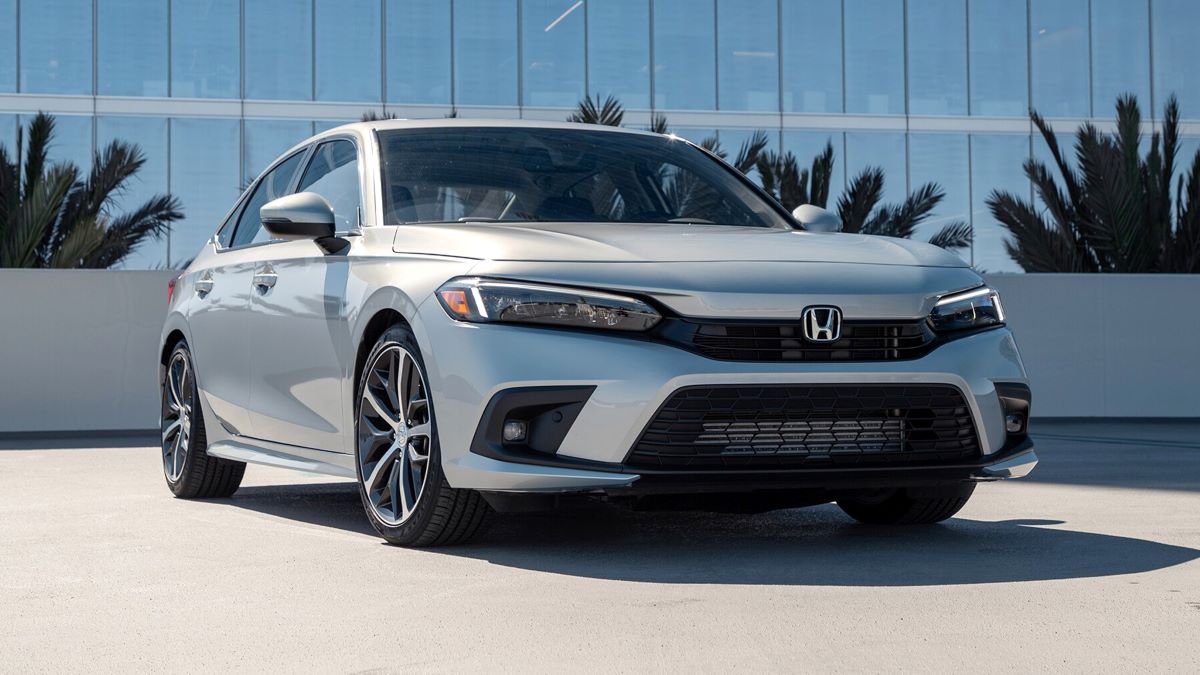
For those researching used Civics from this era, or for current owners frustrated with an always-drooping visor, awareness of this issue can lead them to preemptively seek repairs or avoid dealer markups for known faults.
By highlighting the Civic’s experience, the aim is to alert drivers to a genuine and recurring nuisance, advocating vigilance around one of the most-reported sun visor failures in recent memory.
2. Chevrolet Malibu (2008-2012) Sun Visor
The Chevrolet Malibu from 2008 to 2012 repeatedly surfaces in discussions about persistent sun visor sagging. Owners have found themselves contending with a visor that simply will not hold its position, especially after only a few years of use.
Initial impressions may be positive, but as time goes on, what seems to be a well-designed component begins to droop, refusing to stay tight against the roof or windshield.
The fundamental flaw in these years of the Malibu lies within the pivot joint and retention spring. These components are made with lower-grade plastic and a slightly undersized tension spring, leaving them vulnerable to premature wear.
As drivers continually adjust the visor often multiple times per day, friction decreases and the joint loosens. The result is a visor that will not stay in place, instead falling down and blocking vision, especially during cornering or if the vehicle hits a bump.
Highlighting the Malibu in this context is deliberate due to the number of complaints registered across automotive forums, dealer service reports, and the frequency of spare parts ordered for visor replacement.
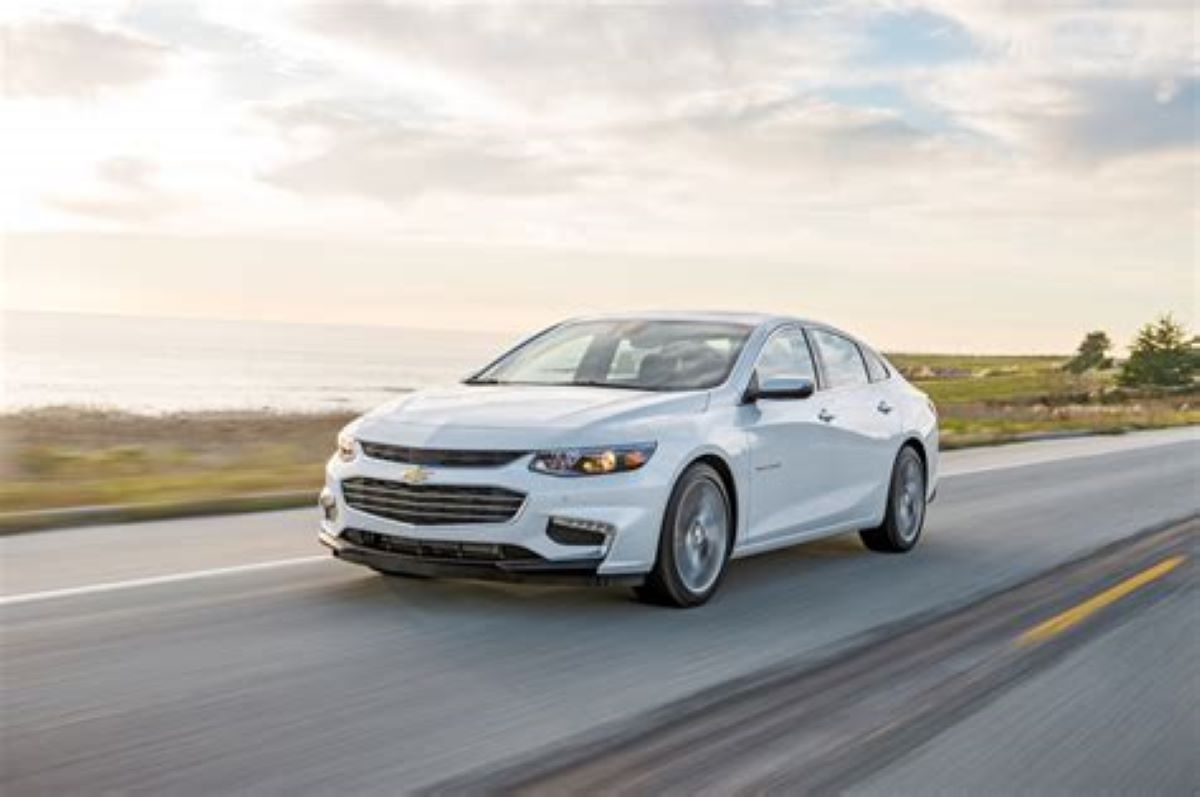
For many drivers, this seemingly minor flaw undermines the perceived quality of the car’s interior as a whole.
Addressing the Malibu’s sun visor issue serves as a cautionary tale about the impact of material cost-cutting and the need for more robust hardware in components subject to regular use.
Drivers encountering this problem gain little recourse outside of replacing the entire visor unit, as repair kits rarely address the main cause of failure.
3. Nissan Altima (2007-2014) Sun Visor
Numerous owners of the Nissan Altima from 2007 to 2014 have experienced frustration with a sun visor that, instead of staying up, succumbs to gravity and swings down at the slightest touch.
Over time, this forces drivers to either remove the visor entirely or prop it up in creative ways just to prevent further distraction.
Reports of premature sagging are widespread enough that replacement visors are in demand, as the factory-installed ones lose their tension from within a short span of regular use.
The issue in these years of the Altima is traced to a metal pin that secures the visor at the pivot. As the joint wears, the metal-on-plastic action weakens the retaining socket until the visor wobbles and sags, failing to remain in the desired position.
With each upward or downward motion, the looseness becomes more pronounced until driver frustration reaches a peak. Climate further accelerates wear, with high temperatures amplifying the stretching and softening of plastic around the hinge.
The reason for including the Altima lies in the scale of complaints and the widespread acknowledgment that previous design iterations did not suffer from this problem to the same extent.
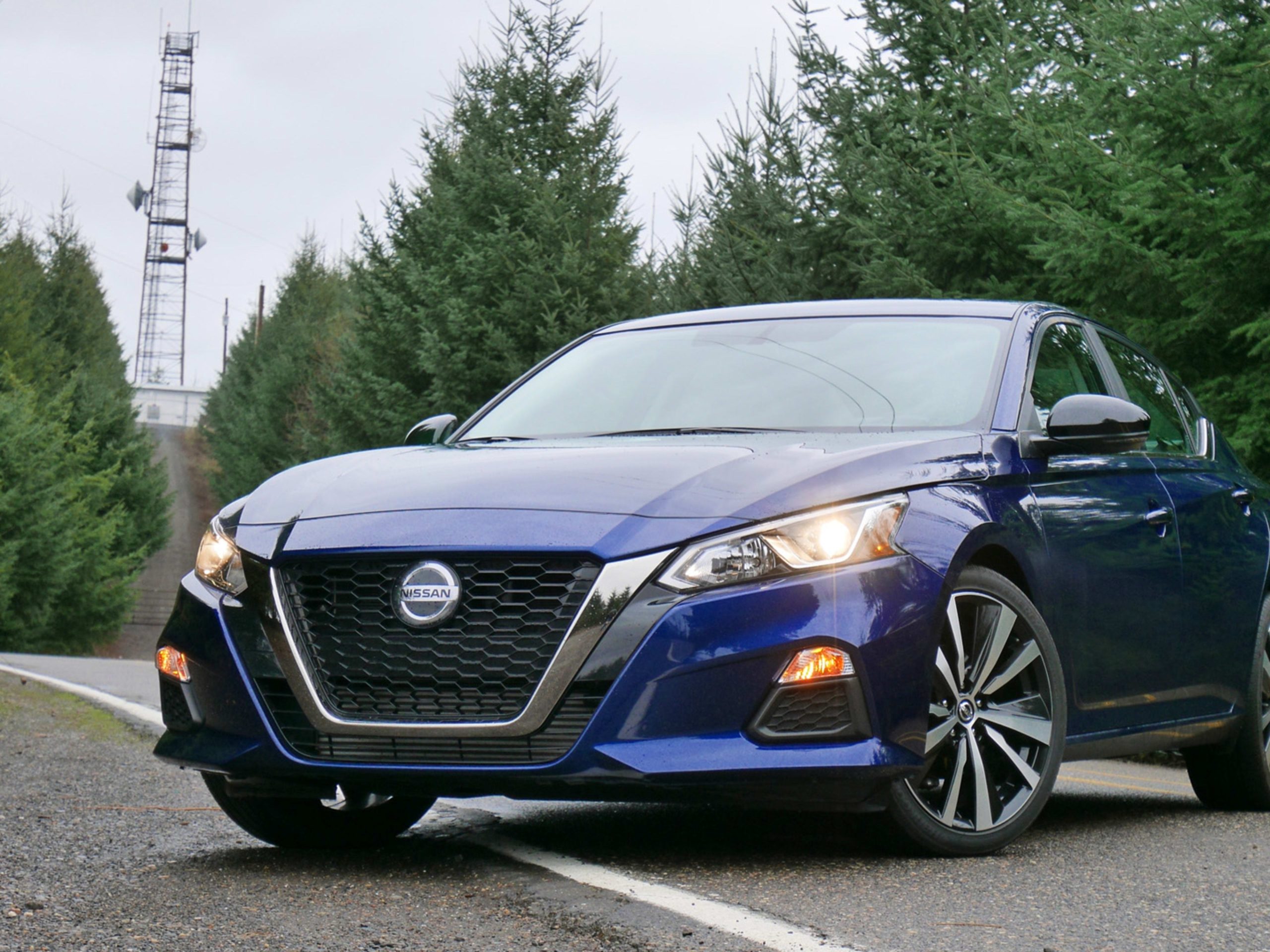
Many Altima drivers have expressed disappointment in a basic interior feature becoming a recurring annoyance, sometimes within just a couple of years of ownership.
Addressing Altima’s visor problem helps provide clarity for buyers considering older, used models and for owners seeking quick, lasting fixes to a persistent annoyance.
4. Ford Escape (2013-2016) Sun Visor
Sun visor sagging in the 2013 to 2016 Ford Escape is more than a minor nuisance it’s among the most discussed interior issues reported by owners.
Many find themselves repeatedly pushing the visor into place, only to have it slip back down unpredictably. This interferes with both sun-blocking utility and safe driving, as the drooping visor can obstruct forward vision.
The design Achilles’ heel in this case is a combination of lightweight plastic hardware and a pivoting system that employs insufficient friction materials.
When new, the Escape’s visor operates smoothly; however, repeated use, vibration, and shifts in cabin temperature combine to degrade the spring mechanism quickly. Once loosened, the visor no longer resists movement, causing some owners to resort to makeshift fixes, like taping the visor or leaving it permanently stowed.
Highlighting the Ford Escape’s issue has practical value, especially for individuals shopping the used car market or researching longevity concerns.
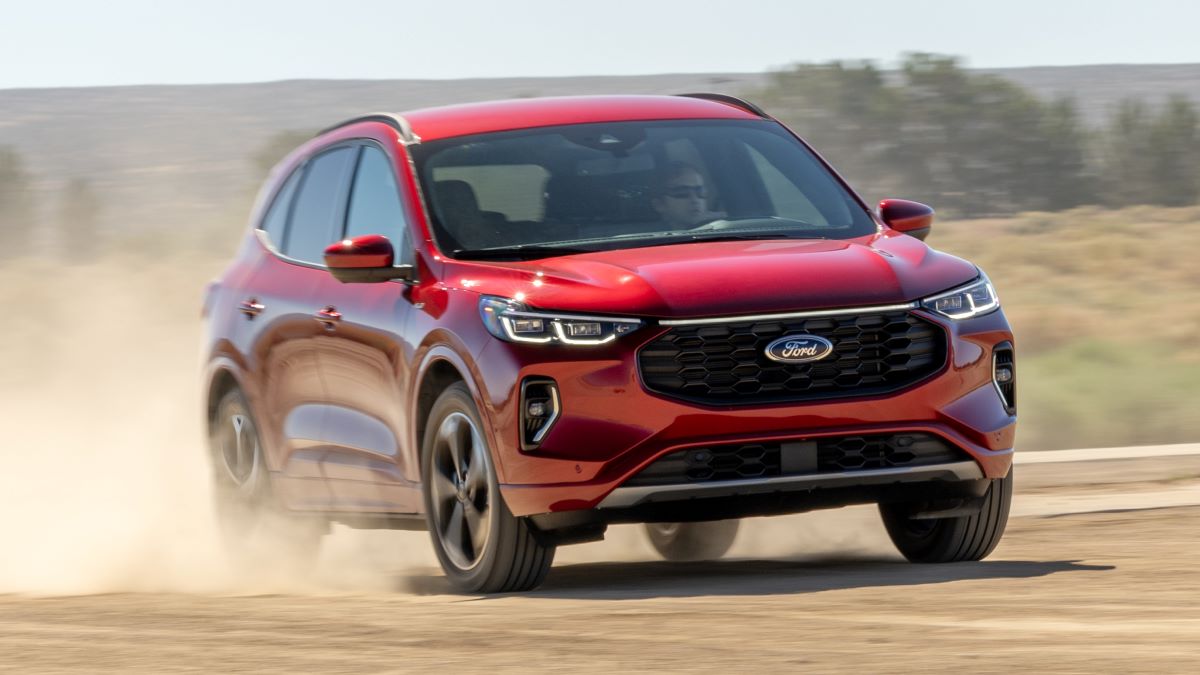
Ford’s visor problems during these model years have led to a robust aftermarket for replacement parts, with owners often forced to address the problem sooner than expected.
Understanding why a basic feature fails so frequently is crucial for those aiming to avoid unnecessary repair costs or seeking the best owner experience from their small SUV.
Addressing the Escape’s sagging visor problem also serves as a reminder of the ripple effect minor issues can have on long-term vehicle satisfaction.
5. Hyundai Elantra (2011-2016) Sun Visor
Rounding out this section, the Hyundai Elantra from 2011 to 2016 exemplifies the aggravations caused by a sagging sun visor. Owners routinely complain that the visor struggles to stay tight, with many cases of drooping or outright detachment around the hinge point.
What begins as a minor quirk soon becomes a daily annoyance, as the visor slumps lower with each adjustment and offers little resistance to gravity.
This recurring failure is due to multiple elements in the visor assembly. First, the core pivot is built with a thin plastic sleeve, prone to deformation when placed under continual stress.
Second, the friction in the hinge is too weak to withstand everyday operation, making it all but certain that the visor loses its tension prematurely.
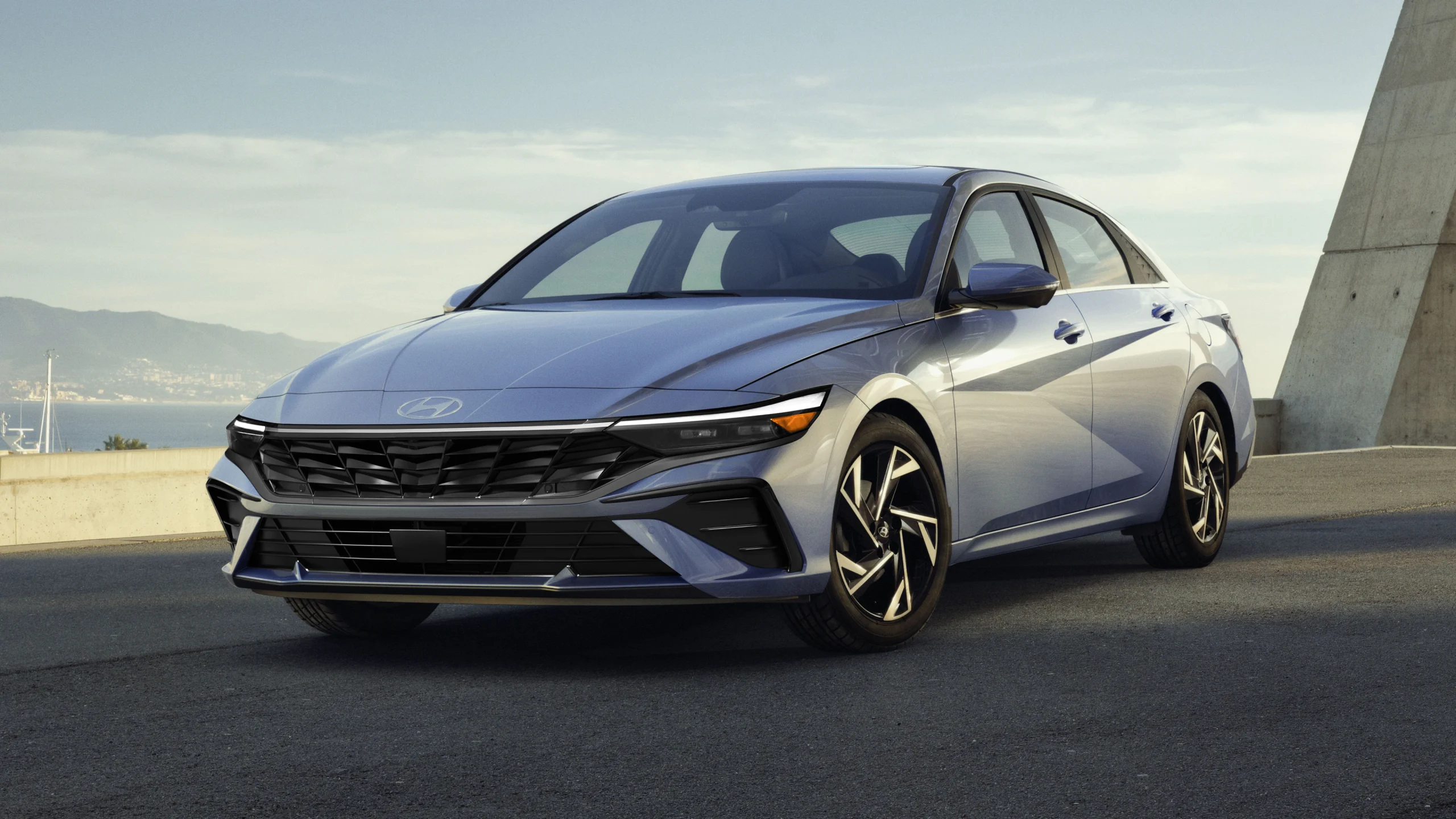
As owners try to reposition the visor, the issue becomes compounded, often leading to complete dysfunction requiring a replacement part.
Detailed discussion of the Elantra’s visor troubles is necessary for two reasons: the frequency with which the problem appears in owner reports and the way it highlights a recurring flaw in a widely sold compact car.
Many drivers, especially those in hotter climates, experience visor sagging sooner due to accelerated plastic degradation.
Bringing attention to this widespread issue helps future buyers know what to expect, allows current owners to recognize early signs, and underscores the importance of ongoing improvements in small but essential parts of the interior.
Also Read: 5 German Sedans That Still Steer Precisely Vs. 5 That Go Sloppy
