
The hybrid vehicle market has evolved dramatically over the past two decades, transforming from experimental technology to mainstream transportation solutions.
As consumers increasingly seek fuel-efficient alternatives to traditional gasoline vehicles, understanding the reliability becomes crucial for making informed purchasing decisions.
The hybrid segment presents a fascinating dichotomy between vehicles that have proven their exceptional durability through years of dependable service and others that have raised concerns about electrical system safety.
Modern hybrid vehicles combine internal combustion engines with electric motors and battery systems, creating complex powertrains that require sophisticated engineering to ensure reliability.
This complexity introduces unique challenges that manufacturers have approached with varying degrees of success. Some automakers have developed hybrid systems with remarkable longevity, featuring robust components that withstand hundreds of thousands of miles with minimal maintenance.
These durability champions have established hybrid technology as a viable long-term investment for consumers seeking both environmental benefits and dependable transportation.
However, the integration of high-voltage electrical systems also introduces potential safety concerns that traditional vehicles don’t face. Data suggests that hybrid cars are more than twice as likely catch fire as gasoline engine cars, highlighting the importance of understanding both the benefits and risks associated with different hybrid models.
Conversely, some hybrid models have experienced challenges with their electrical systems, particularly related to battery thermal management, charging circuits, and high-voltage wiring.
These issues can manifest as safety concerns, including potential fire risks that have prompted recalls and safety investigations. Understanding which models fall into each category is essential for consumers who want to enjoy the benefits of hybrid technology while minimizing potential risks and maximizing their investment’s longevity.
5 Hybrids with Exceptional Under-Hood Durability
These exceptionally engineered hybrid systems feature robust electrical insulation and precision-manufactured high-voltage components that maintain safe operation and reliable performance through years of demanding thermal cycling and environmental exposure.
Their thoughtful design includes oversized cooling circuits and military-grade wiring harnesses that resist the voltage degradation and insulation breakdown typically associated with moisture intrusion and temperature extremes in engine compartments.
From corrosive road salt exposure that challenges electrical connections to the constant vibration of normal driving, these remarkable powertrains continue operating safely without developing the short circuits or component failures found in less durable hybrid designs.
Owners report decades of trouble-free operation with these dependable systems a testament to conservative engineering that proves its worth through consistent reliability and maintained electrical integrity throughout extended ownership periods.
1. Toyota Prius (2004-2025)
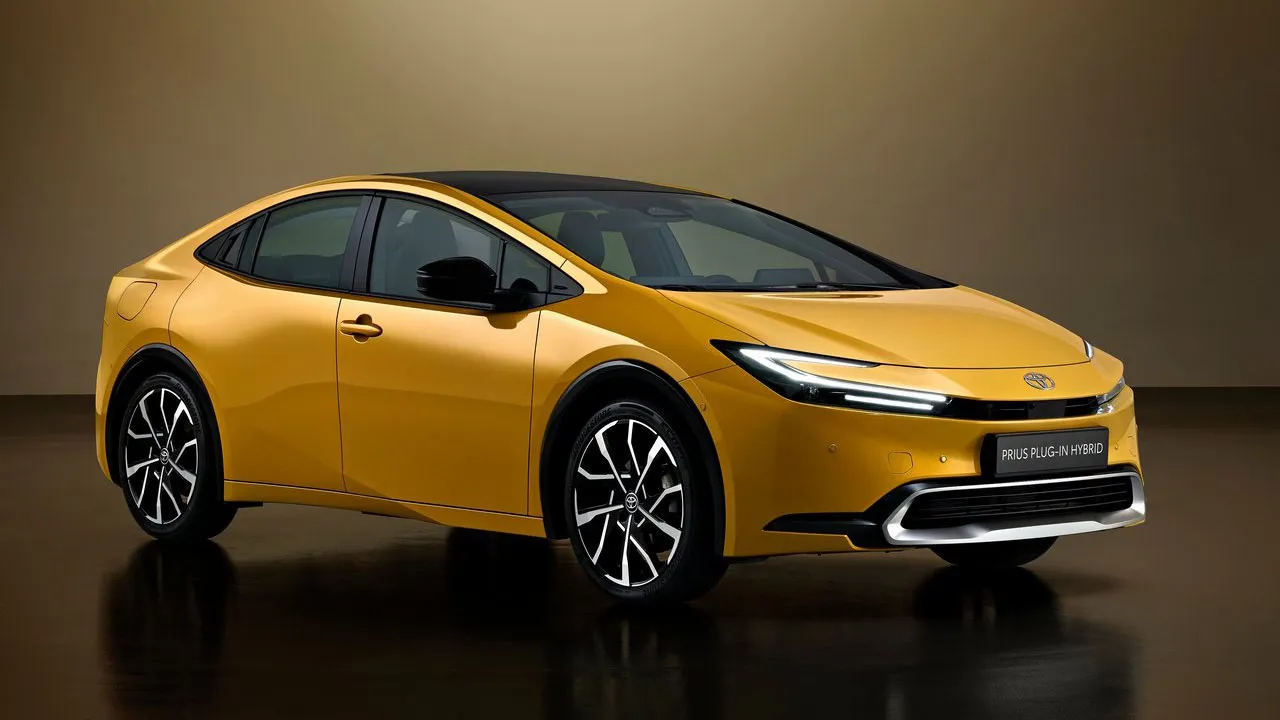
The Toyota Prius stands as the undisputed champion of hybrid durability, having established the template for reliable hybrid powertrains since its introduction to the global market in 2004.
Toyota’s Hybrid Synergy Drive system has proven remarkably robust across multiple generations, with many first-generation Prius vehicles still operating efficiently with over 300,000 miles on their odometers.
The key to the Prius’s exceptional durability lies in Toyota’s conservative engineering approach, which prioritizes longevity over peak performance.
The Prius employs a sophisticated but fundamentally simple hybrid system that allows the gasoline engine and electric motor to work independently or together, reducing stress on individual components.
The nickel-metal hydride (NiMH) battery system, while not offering the energy density of newer lithium-ion alternatives, has demonstrated remarkable longevity. Many Prius owners report original battery packs lasting 200,000 miles or more before requiring replacement, with some exceptional cases exceeding 400,000 miles on the original battery.
Toyota’s commitment to durability extends beyond the hybrid system to the entire vehicle architecture. The Prius features a robust cooling system for the hybrid components, with dedicated fans and heat exchangers that prevent overheating even in demanding conditions.
The power control unit, which manages the flow of electricity between the battery, motor, and engine, has proven exceptionally reliable thanks to conservative design parameters and high-quality components.
Regular maintenance requirements for the Prius are minimal compared to many conventional vehicles. The regenerative braking system significantly reduces wear on brake pads, often allowing them to last 100,000 miles or more.
The continuously variable transmission (CVT) requires no regular fluid changes in most model years, and the engine experiences reduced wear due to the hybrid system’s ability to shut off the gasoline engine during low-load conditions. This combination of factors contributes to lower long-term ownership costs and exceptional reliability.
2. Honda Accord Hybrid (2014-2025)
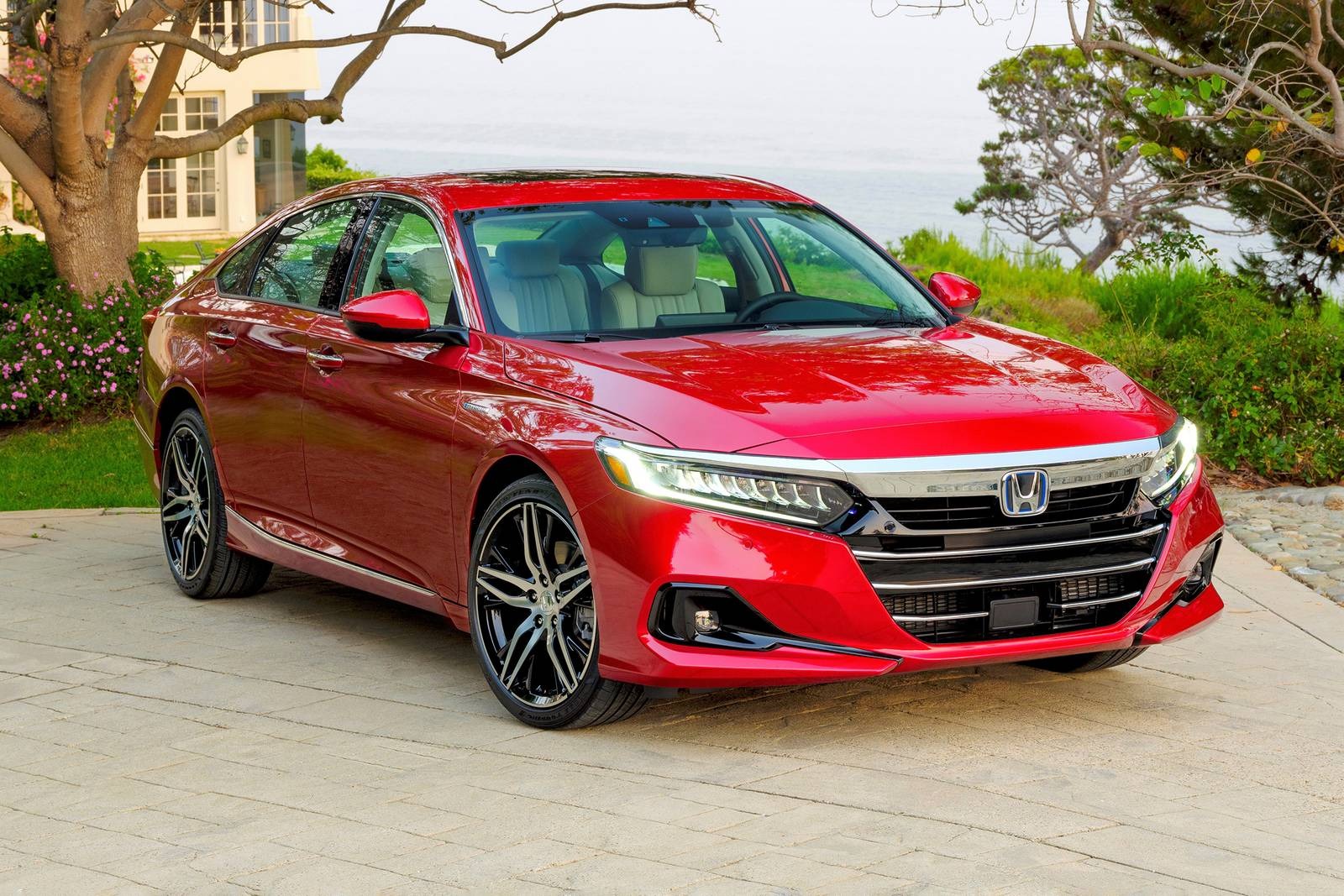
Honda’s Accord Hybrid represents a masterclass in engineering reliability through the company’s innovative two-motor hybrid system, known as i-MMD (Intelligent Multi-Mode Drive).
Unlike many hybrid systems that rely on complex planetary gear arrangements, Honda’s approach uses electric motors for most driving conditions, with the gasoline engine primarily serving as a generator.
This design philosophy has resulted in exceptional durability by reducing mechanical complexity and minimizing wear on traditional drivetrain components.
The Accord Hybrid’s powertrain has demonstrated remarkable longevity since its introduction in the 2014 model year. The system’s ability to operate in electric mode for extended periods reduces stress on the internal combustion engine, allowing it to maintain optimal operating conditions and significantly extending its service life.
Many Accord Hybrid owners report smooth operation and minimal issues well beyond 150,000 miles, with some early adopters approaching 200,000 miles without major hybrid system repairs.
Honda’s engineering excellence extends to the thermal management system, which maintains optimal operating temperatures for both the battery pack and power control electronics.
The liquid cooling system for the lithium-ion battery pack ensures consistent performance and longevity, preventing the thermal degradation that can plague poorly managed hybrid systems.
The power control unit features robust semiconductor components designed for extended service life under varying electrical loads and environmental conditions.
The Accord Hybrid’s durability is further enhanced by Honda’s attention to component quality and system integration. The seamless transitions between electric and hybrid modes reduce mechanical stress, while the regenerative braking system captures energy efficiently without compromising stopping power.
Regular maintenance requirements are straightforward, with standard oil changes and periodic coolant system service being the primary hybrid-specific needs. This combination of sophisticated engineering and practical reliability has made the Accord Hybrid a benchmark for durable hybrid performance in the midsize sedan segment.
3. Lexus RX Hybrid (2006-2025)
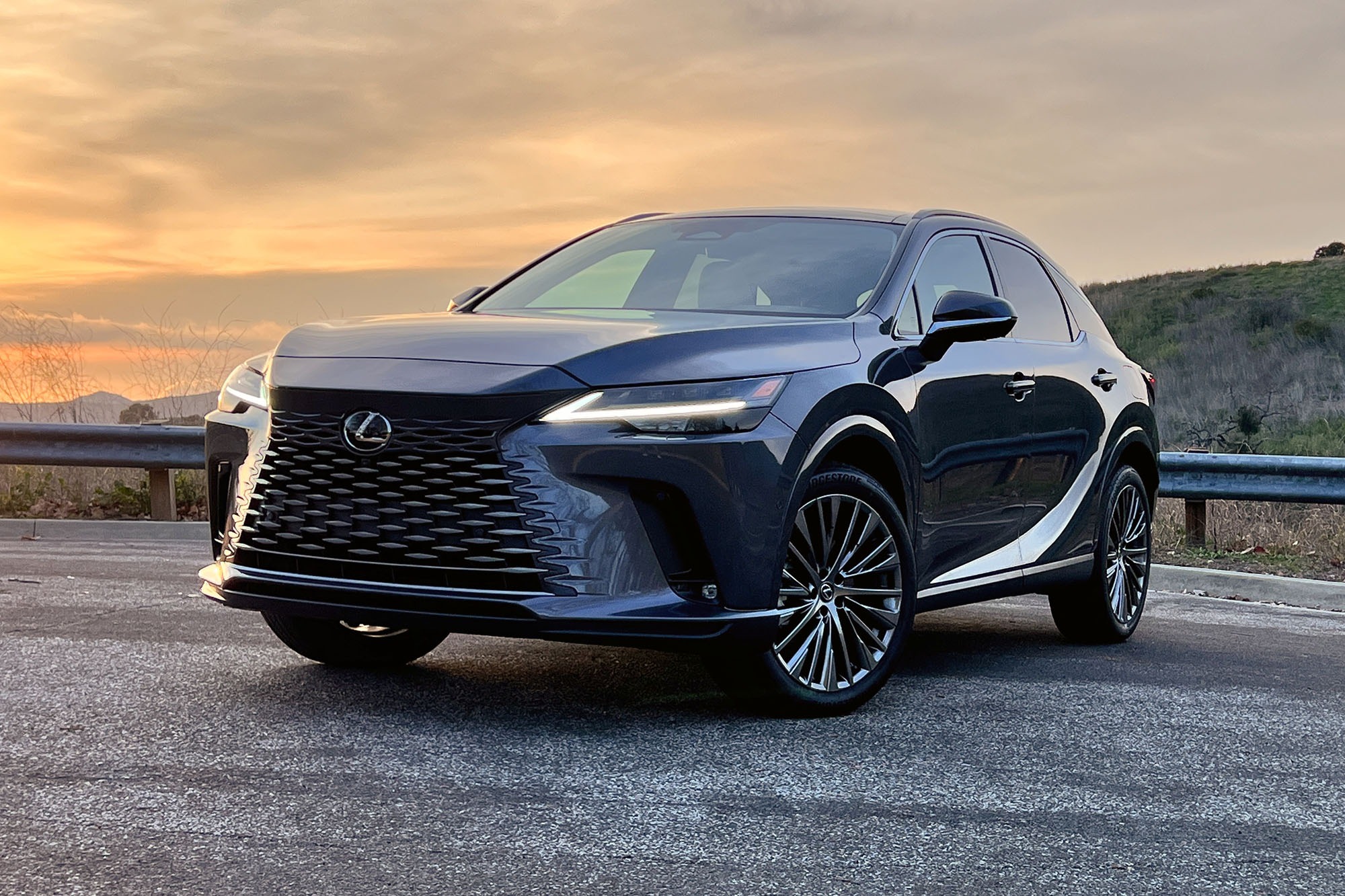
The Lexus RX Hybrid has established itself as a premium durability benchmark in the luxury hybrid SUV segment, combining Toyota’s proven Hybrid Synergy Drive technology with Lexus’s commitment to build quality and refinement.
Since its introduction in 2006, the RX Hybrid has consistently demonstrated exceptional reliability, with many examples exceeding 250,000 miles while maintaining smooth hybrid operation and minimal component failures.
Lexus’s approach to hybrid durability emphasizes premium component selection and enhanced quality control throughout the manufacturing process. The RX Hybrid utilizes the same fundamental hybrid architecture as the Toyota Prius but with upgrades designed to handle the increased demands of a larger, heavier vehicle.
The cooling systems for the hybrid components are more robust, featuring larger heat exchangers and more powerful cooling fans to maintain optimal operating temperatures under all conditions.
The luxury positioning of the RX Hybrid has allowed Lexus to implement more conservative calibration strategies, prioritizing smoothness and longevity over maximum fuel economy.
This approach has resulted in hybrid components that operate well within their design limits, contributing to extended service life and reduced failure rates.
The power control electronics feature premium capacitors and semiconductors that maintain their performance characteristics over extended periods, while the battery management system employs sophisticated algorithms to optimize charge and discharge cycles for maximum longevity.
Owner experiences consistently highlight the RX Hybrid’s exceptional durability, with many vehicles requiring only routine maintenance through their first 100,000 miles of service. The regenerative braking system has proven particularly durable, with brake pad replacement intervals often exceeding 80,000 miles.
The hybrid battery system typically maintains excellent performance well beyond the manufacturer’s warranty period, with many owners reporting minimal degradation even after a decade of service. This combination of proven technology and premium implementation has made the RX Hybrid a gold standard for luxury hybrid reliability.
4. Ford Fusion Hybrid (2010-2020)
Ford’s Fusion Hybrid demonstrated the American automaker’s ability to develop competitive hybrid technology through its partnership with Toyota and subsequent independent development efforts.
The Fusion Hybrid employed Ford’s own interpretation of the power-split hybrid architecture, featuring a sophisticated system that proved remarkably durable throughout its production run from 2010 to 2020.
The Fusion Hybrid’s durability stems from Ford’s methodical approach to hybrid system development and extensive real-world testing. The powertrain combines a naturally aspirated four-cylinder engine with an electric motor through a planetary gear system similar to Toyota’s design but with Ford-specific calibrations and component specifications.
This system has demonstrated excellent longevity, with many Fusion Hybrid vehicles accumulating high mileage without significant hybrid system issues.
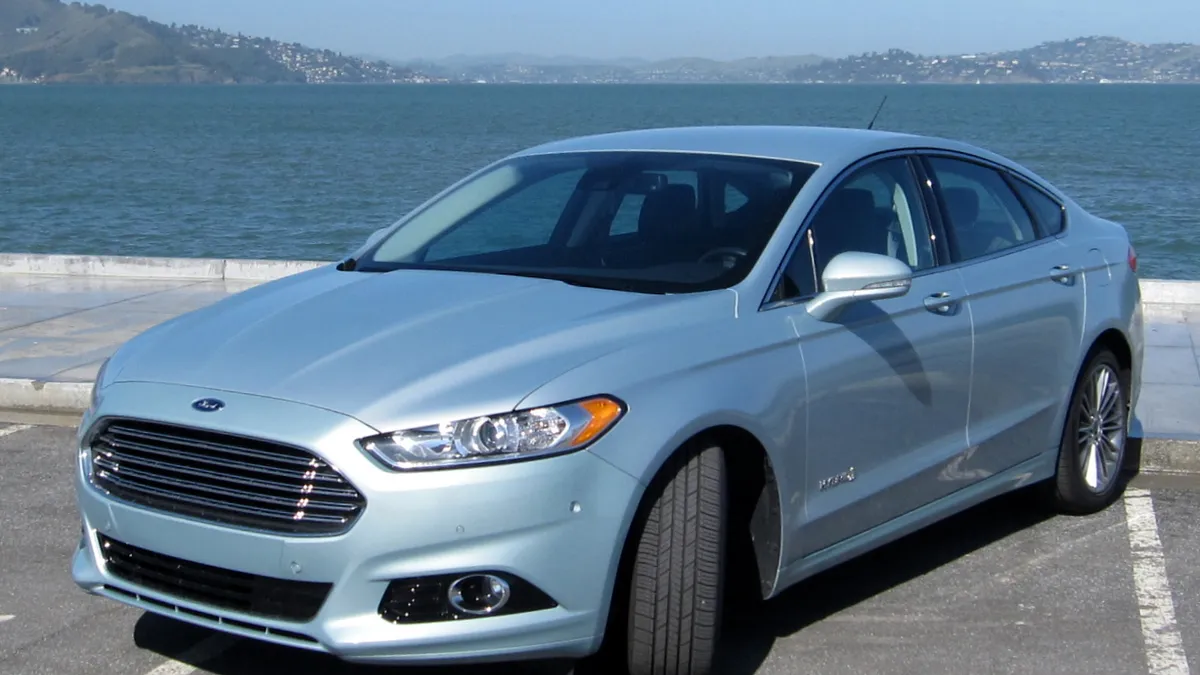
Ford’s emphasis on thermal management has contributed significantly to the Fusion Hybrid’s durability. The liquid-cooled battery system maintains optimal operating temperatures across a wide range of conditions, while the power electronics cooling system prevents overheating during demanding driving situations.
The integration of these systems with the vehicle’s thermal management strategy ensures consistent performance and longevity for all hybrid components.
The Fusion Hybrid’s build quality and attention to detail have resulted in vehicles that maintain their reliability well into high-mileage service. Owners frequently report trouble-free operation beyond 150,000 miles, with the hybrid system requiring minimal maintenance beyond routine service items.
The regenerative braking system has proven particularly robust, providing consistent performance while extending brake pad life significantly. Although Ford discontinued the Fusion Hybrid in 2020, the model’s proven durability continues to make it an attractive option in the used hybrid market.
Also Read: 5 American Muscle Cars That Hold Value Vs. 5 That Tank After A Year
5. Toyota Camry Hybrid (2007-2025)
The Toyota Camry Hybrid has consistently delivered exceptional durability since its introduction in 2007, leveraging Toyota’s mastery of hybrid technology in a mainstream sedan package.
The Camry Hybrid’s reliability record rivals that of its Prius sibling while offering the additional refinement and space that midsize sedan buyers demand. This combination of proven technology and practical application has resulted in one of the most durable hybrid powertrains available in the midsize sedan segment.
Toyota’s conservative engineering approach reaches its zenith in the Camry Hybrid, where the Hybrid Synergy Drive system operates in a slightly de-tuned state compared to its Prius application.
This calibration strategy prioritizes longevity and smoothness over maximum efficiency, resulting in components that experience less stress and demonstrate extended service life. The power control unit features robust semiconductor components designed for consistent operation across varying electrical loads and environmental conditions.
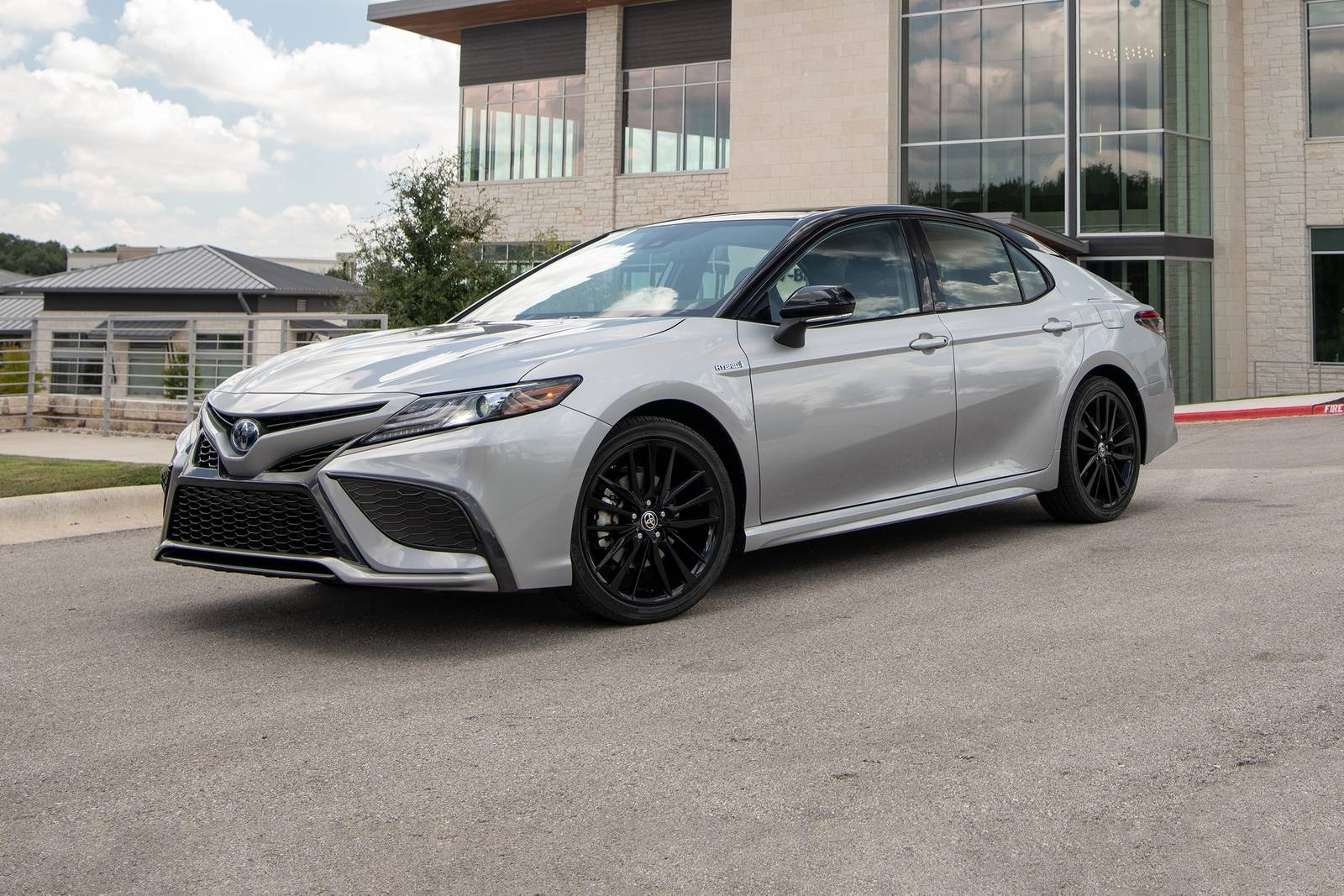
The Camry Hybrid’s durability extends throughout the vehicle architecture, with particular attention paid to the integration between the hybrid system and traditional automotive systems.
The cooling system for hybrid components features redundant pathways and oversized heat exchangers to ensure optimal operating temperatures under all conditions.
The battery management system employs sophisticated algorithms to optimize charge and discharge cycles while preventing the deep discharge conditions that can damage hybrid batteries.
Long-term reliability data for the Camry Hybrid consistently ranks among the best in the hybrid segment, with many vehicles exceeding 200,000 miles with minimal hybrid-specific repairs.
The regenerative braking system has proven exceptionally durable, often allowing brake pads to last 100,000 miles or more while maintaining consistent stopping power. Regular maintenance requirements remain minimal, with most hybrid-specific service items involving periodic coolant changes and air filter replacements.
This exceptional durability, combined with Toyota’s extensive service network and parts availability, has made the Camry Hybrid a benchmark for long-term hybrid ownership satisfaction.
5 Hybrids with Electrical Fire Risk Concerns
These concerning hybrid systems suffer from inadequate electrical shielding and cost-reduced high-voltage components that create dangerous failure patterns including insulation breakdown and thermal runaway conditions.
Their problematic engineering includes undersized cooling systems and poorly sealed electrical connections that cannot withstand the moisture and heat cycling of normal engine compartment environments.
Despite efficiency claims and initial reliability, these systems develop catastrophic problems including inverter overheating, battery thermal events, and wiring harness failures that can result in vehicle fires or complete electrical system shutdown.
Owners face serious safety risks as these defective powertrains transform from eco-friendly transportation into potential fire hazards a dangerous reality that demonstrates the critical importance of proven electrical engineering over cost savings in high-voltage automotive applications.
1. BMW i8 (2014-2020)
The BMW i8, while representing a technological tour de force in hybrid sports car design, has experienced several electrical system challenges that have raised safety concerns among owners and safety regulators.
The i8’s complex plug-in hybrid system combines a turbocharged three-cylinder engine with dual electric motors and a liquid-cooled lithium-ion battery pack, creating a sophisticated but potentially problematic electrical architecture.
Several i8 owners have reported incidents involving electrical system overheating, particularly related to the high-voltage charging system and battery thermal management.
The vehicle’s advanced carbon fiber construction, while beneficial for weight reduction, can complicate fire suppression efforts if electrical fires do occur.
The i8’s charging system has experienced failures that can generate significant heat, potentially leading to component damage or fire risk if not promptly addressed.
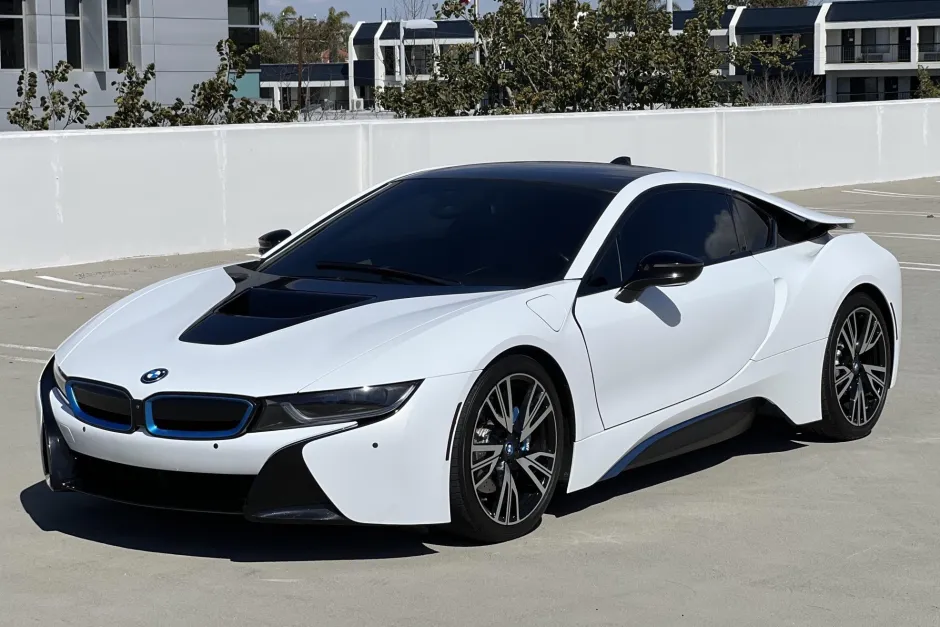
BMW issued several technical service bulletins addressing electrical system concerns in the i8, including updates to the battery management software and modifications to the charging circuit protection systems.
Some owners have reported warning lights related to the high-voltage system, indicating potential failures in the electrical isolation monitoring or thermal management systems.
The complexity of the i8’s electrical architecture can make diagnosis and repair challenging, potentially allowing minor issues to escalate into more serious safety concerns.
The i8’s limited production run and specialized components have made it difficult to establish comprehensive long-term reliability data. However, the reported incidents and BMW’s proactive approach to addressing electrical system concerns suggest that potential buyers should be particularly vigilant about proper maintenance and prompt attention to any electrical system warnings.
The vehicle’s sophisticated design requires specialized knowledge and equipment for service, making proper maintenance crucial for preventing electrical system problems that could lead to safety issues.
2. Fisker Karma (2011-2012)
The Fisker Karma represents one of the most cautionary tales in hybrid vehicle development, with numerous electrical fire incidents that ultimately contributed to the company’s bankruptcy and the vehicle’s discontinuation.
The Karma’s plug-in hybrid system, developed in partnership with A123 Systems, experienced multiple high-profile failures that resulted in vehicle fires and extensive safety investigations.
The Karma’s electrical problems stemmed from several design and manufacturing issues, including inadequate battery thermal management, poor quality control in electrical connections, and insufficient protection systems for the high-voltage components.
Multiple Karma vehicles experienced fires while parked, with investigations revealing that battery pack defects and cooling system failures were primary contributors to these incidents. The National Highway Traffic Safety Administration (NHTSA) opened multiple investigations into Karma fires, highlighting the severity of the electrical safety issues.
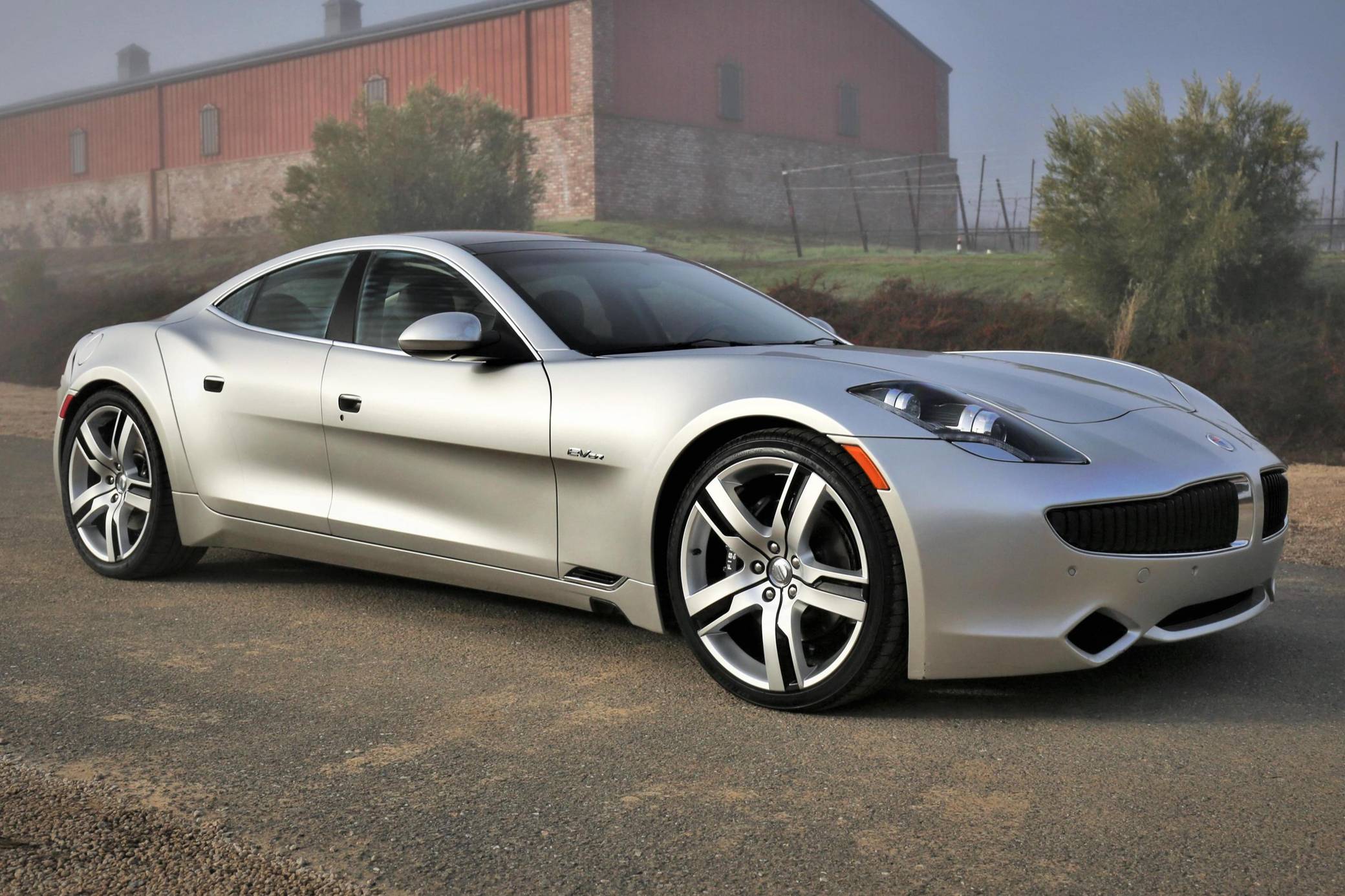
Manufacturing quality issues compounded the Karma’s electrical problems, with many vehicles experiencing water intrusion into electrical components due to inadequate sealing.
Hurricane Sandy famously destroyed several Karma vehicles when saltwater exposure caused electrical fires in flooded cars, demonstrating the vulnerability of the electrical systems to environmental contamination.
The complex electrical architecture, combined with manufacturing defects, created multiple failure points that could lead to thermal runaway conditions in the battery system.
The Karma’s troubled history serves as a reminder of the importance of robust electrical system design and quality control in hybrid vehicles. Despite its innovative design and attractive styling, the electrical safety issues ultimately made the Karma unviable in the marketplace.
The subsequent bankruptcy of Fisker Automotive and the limited support available for existing Karma owners highlight the long-term consequences of inadequate electrical system reliability in hybrid vehicles.
3. Chevrolet Volt (2011-2019)
While the Chevrolet Volt achieved significant success as GM’s flagship plug-in hybrid, the first-generation model experienced notable electrical system challenges that raised safety concerns and prompted federal investigations.
The Volt’s sophisticated battery system and thermal management architecture, while innovative, proved susceptible to certain failure modes that could potentially lead to fire risks under specific circumstances. The most significant issue with the early Volt involved post-crash fire risks related to the high-voltage battery system.
NHTSA investigations revealed that coolant leakage from the battery thermal management system could lead to electrical short circuits and potential fire hazards several weeks after crash events. This delayed fire risk was particularly concerning because it could occur long after a vehicle had been considered safe following an accident.
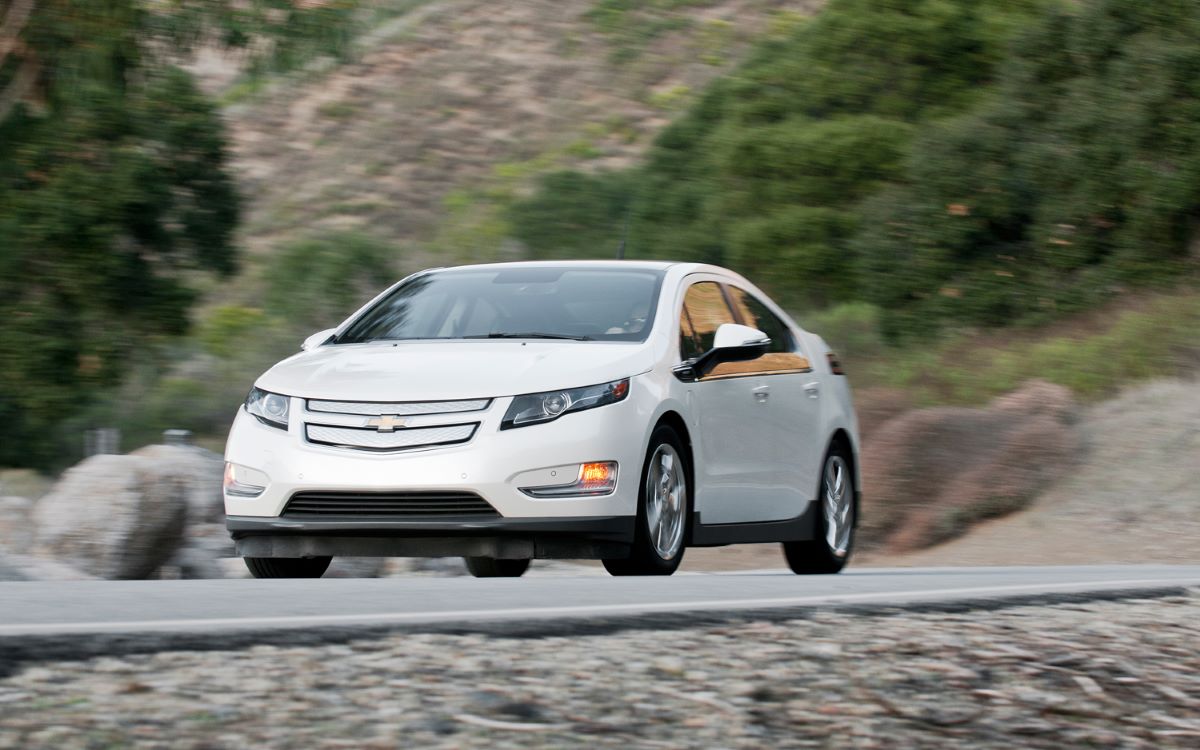
General Motors responded to these concerns by implementing several design changes and software updates to improve the Volt’s electrical safety systems.
These modifications included enhanced battery protection protocols, improved coolant leak detection systems, and updated charging algorithms to reduce thermal stress on battery components. However, the initial issues highlighted potential vulnerabilities in complex hybrid electrical systems that could have serious safety implications.
Additional electrical concerns with the Volt included reports of charging system malfunctions that could generate excessive heat, particularly when using certain aftermarket charging equipment or in high-temperature environments.
Some owners experienced charging port overheating, which required immediate attention to prevent potential fire hazards. The complexity of the Volt’s electrical systems also made proper diagnosis and repair crucial for maintaining safety, requiring specialized training and equipment that wasn’t always readily available at all service facilities.
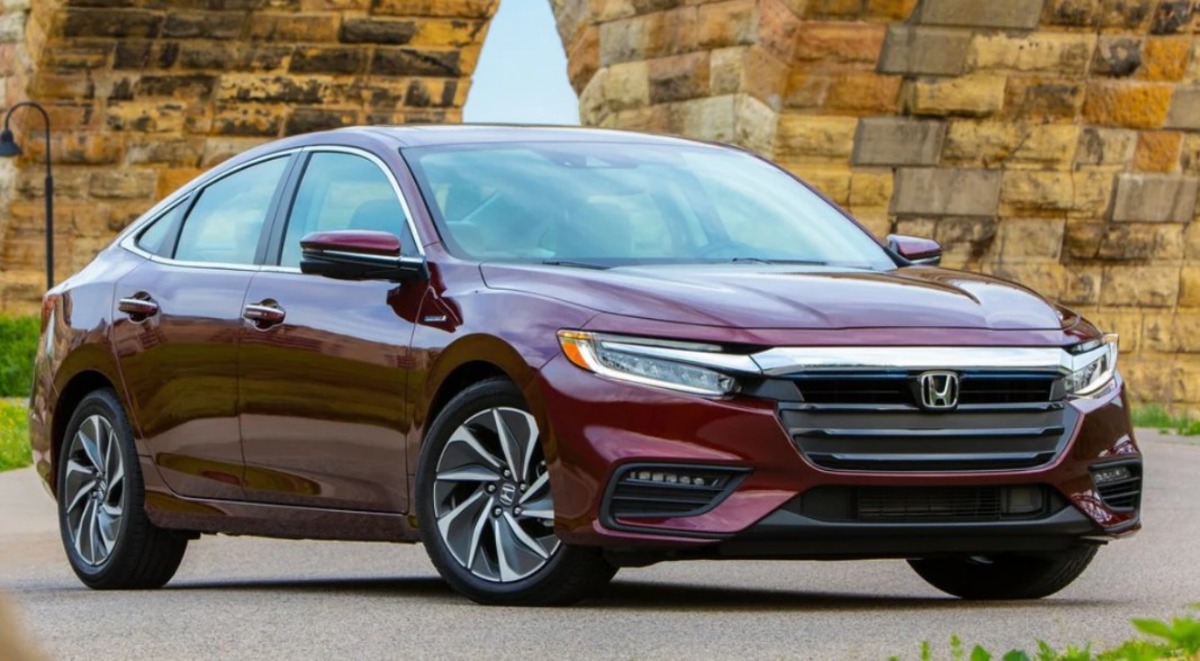
4. Honda Insight (2019-2022)
The third-generation Honda Insight, while generally reliable, has experienced some electrical system issues that warrant attention from potential buyers and current owners.
Unlike Honda’s more robust hybrid systems found in the Accord and CR-V Hybrid, the Insight’s electrical architecture has shown some vulnerabilities, particularly related to the battery thermal management system and certain electrical connections.
Several Insight owners have reported issues with the hybrid battery cooling system, including fan failures and coolant pump malfunctions that can lead to battery overheating.
While not as severe as the fire risks seen in some other hybrid models, these thermal management failures can potentially create conditions that increase electrical fire risk if not promptly addressed. The compact packaging of the Insight’s hybrid components can exacerbate thermal issues, making proper cooling system function critical for safe operation.
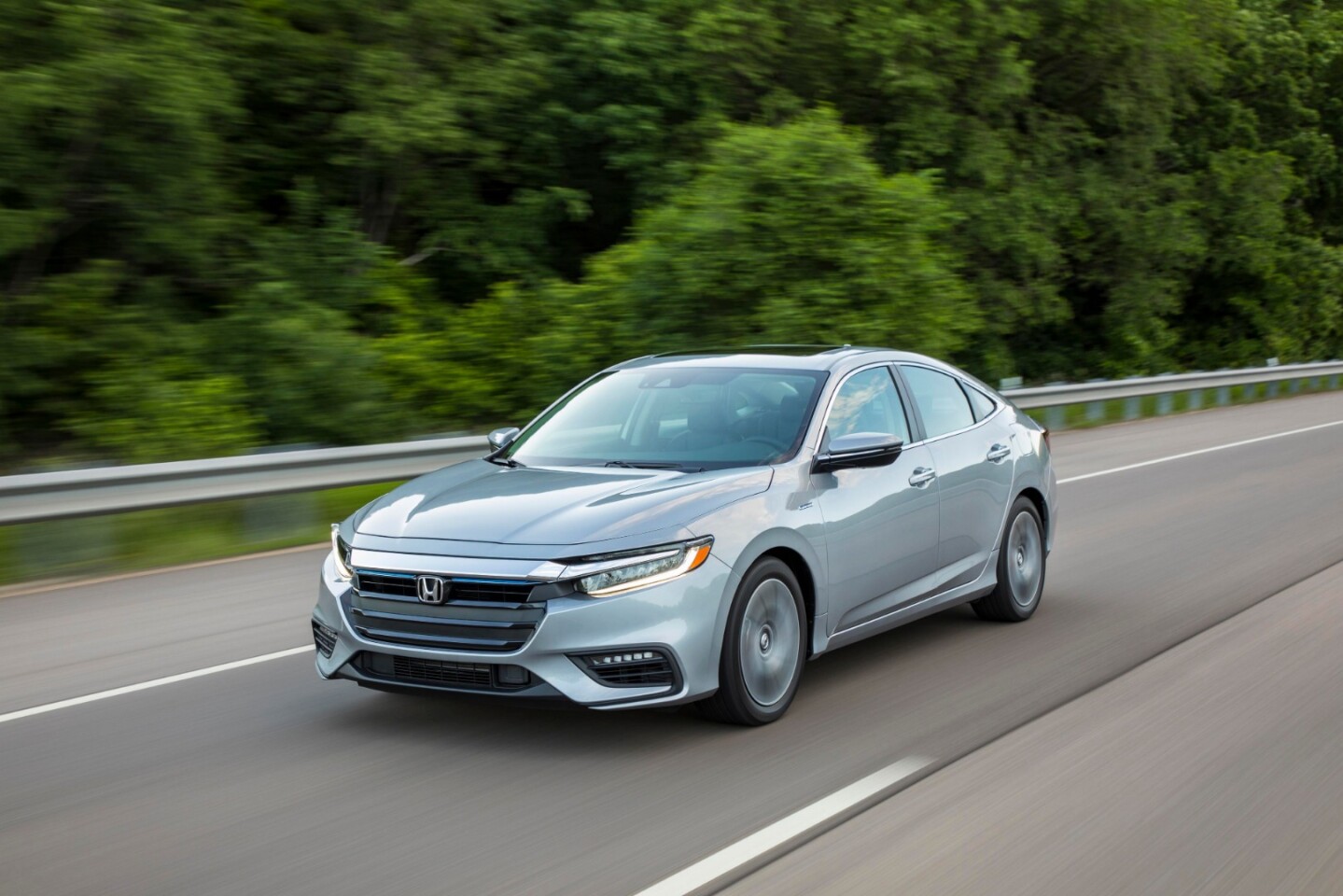
Honda issued technical service bulletins addressing certain electrical connector issues in the Insight, including problems with high-voltage system connections that could create resistance heating and potential safety concerns.
Some owners have experienced electrical system warning lights that indicate potential isolation faults in the high-voltage system, requiring immediate attention to prevent safety risks. The complexity of diagnosing these issues can sometimes lead to delayed repairs, potentially allowing minor problems to develop into more serious safety concerns.
While the Insight’s electrical issues are generally less severe than those experienced by some other hybrid models, the importance of proper maintenance and prompt attention to electrical system warnings cannot be overstated.
Owners should be particularly vigilant about cooling system maintenance and should address any hybrid system warning lights immediately. The relatively recent introduction of the third-generation Insight means that long-term reliability data is still limited, making ongoing monitoring of electrical system performance particularly important.
5. Toyota Prius Prime (2017-2025)
Despite Toyota’s generally excellent reputation for hybrid reliability, the Prius Prime plug-in hybrid has experienced some electrical system challenges that distinguish it from the standard Prius’s exceptional reliability record.
The Prime’s more complex plug-in architecture, larger battery pack, and additional electrical systems have introduced potential failure points that don’t exist in the standard Prius.
The Prius Prime’s charging system has been the source of several electrical concerns, with some owners reporting charging port overheating incidents that required immediate attention.
The more complex charging electronics, including the onboard charger and associated power management systems, create additional heat sources that require careful thermal management. Some Prime vehicles have experienced software-related charging issues that could potentially lead to electrical system stress if not properly addressed.
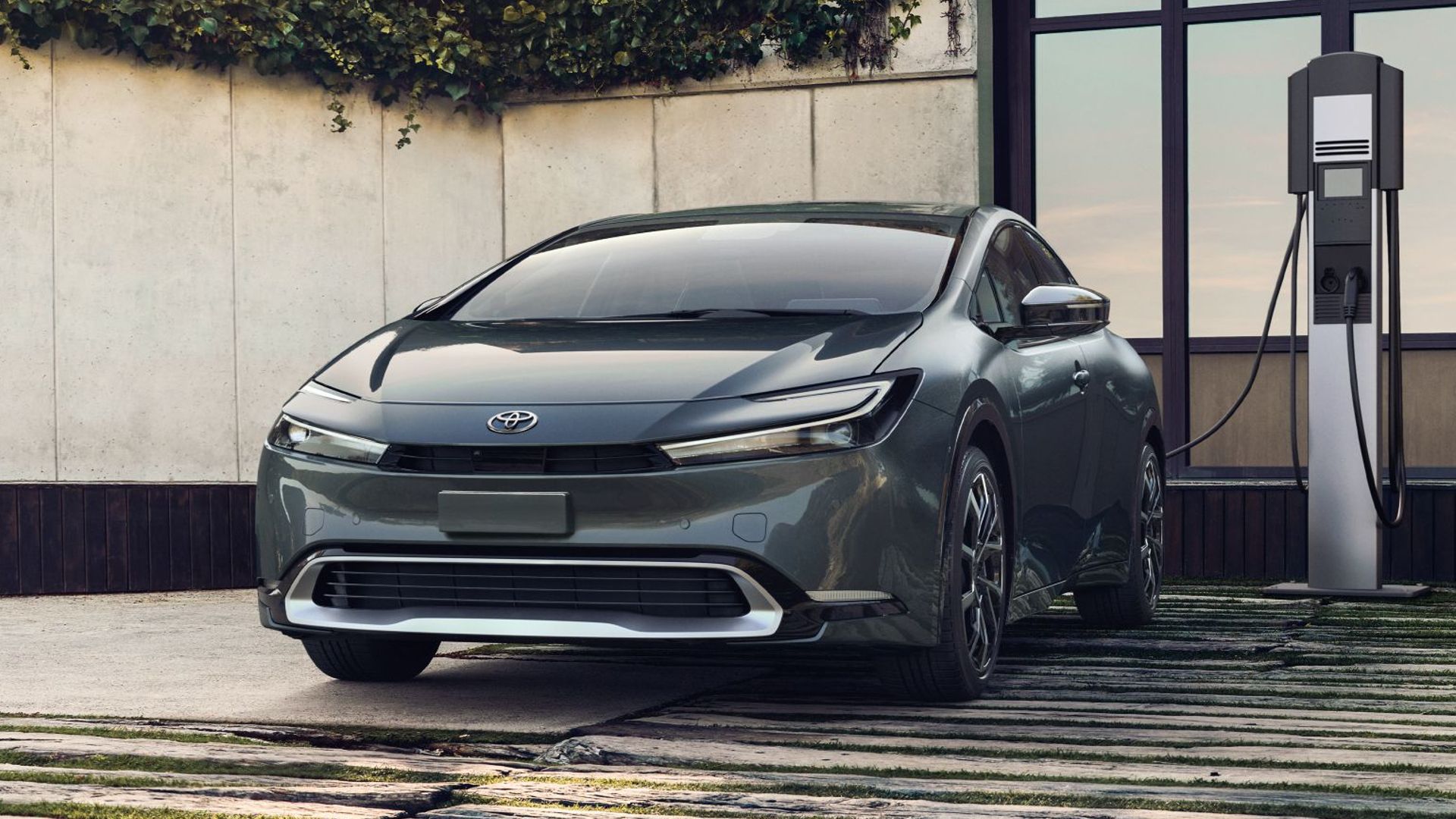
Battery thermal management represents another area of concern for the Prius Prime, particularly in extreme climate conditions. The larger lithium-ion battery pack generates more heat than the standard Prius’s NiMH system, requiring more sophisticated cooling systems that can potentially fail.
Some owners have reported cooling fan failures and thermal management system malfunctions that could create conditions for electrical component overheating if not promptly repaired.
Additionally, the Prime’s more complex electrical architecture includes additional high-voltage systems and connections compared to the standard Prius, creating more potential failure points.
While Toyota’s quality control and engineering standards help mitigate these risks, the increased complexity inherently creates more opportunities for electrical system problems.
Regular maintenance of the cooling systems and prompt attention to any electrical system warnings are particularly important for Prime owners to maintain safe operation and prevent potential electrical hazards.
Also Read: 5 Turbo Engines Known For Longevity vs 5 That Fail Early
