
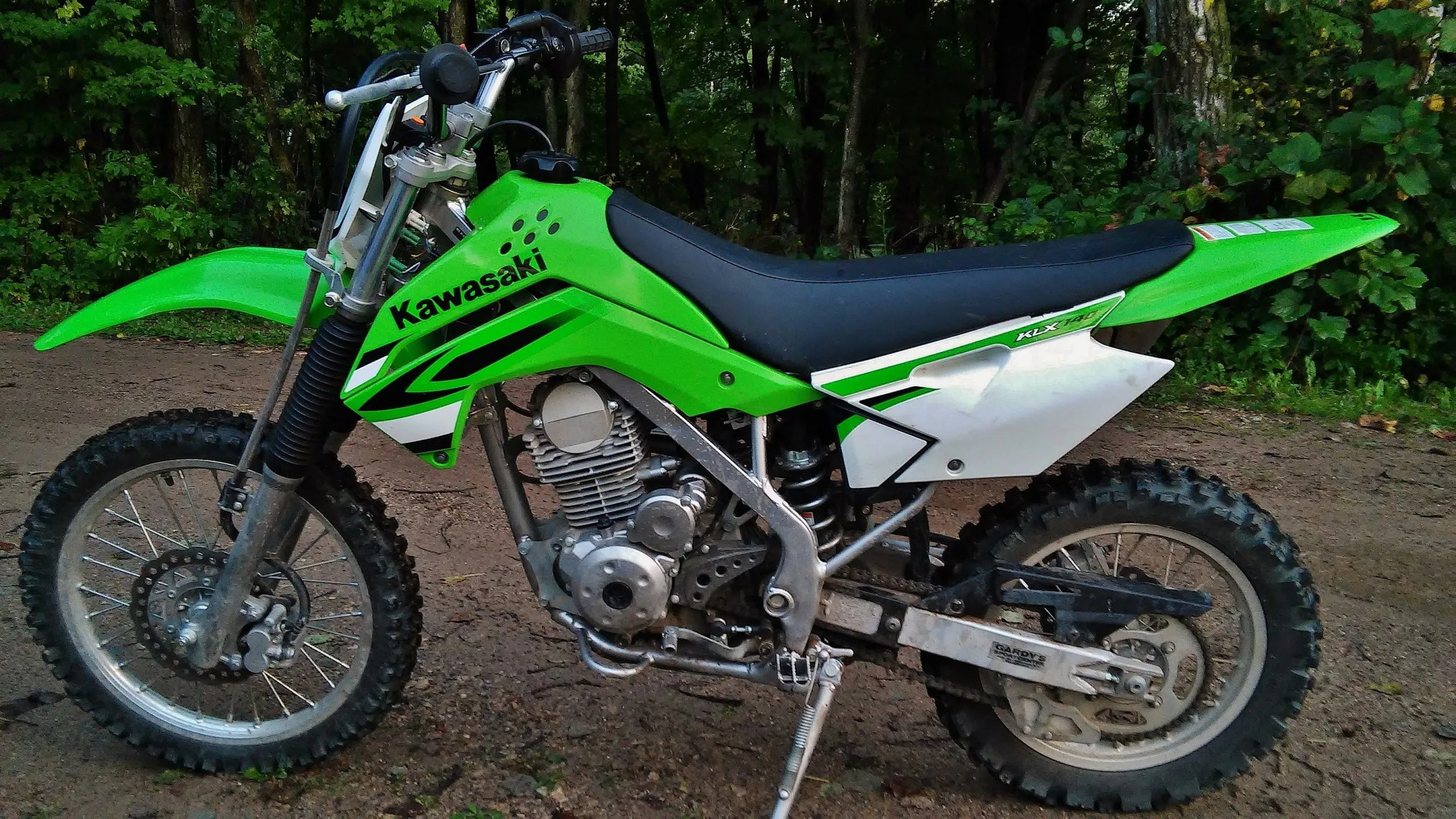
Motorcycling can be an exhilarating experience, giving riders a sense of freedom that cars cannot match. For many, it is more than a mode of transport; it is a lifestyle choice. However, every motorcycle is not built with the same approach to safety, and the differences in design, engineering, braking capability, and stability can influence how secure a rider feels on the road.
While some motorcycles are designed with rider protection and stability in mind, others prioritize speed and aesthetics, which can compromise safety. For riders, the challenge lies in choosing a bike that offers both enjoyment and protection.
Safety on a motorcycle depends on various factors, including the responsiveness of the brakes, the bike’s handling on different road surfaces, and the amount of technology built into its frame to protect the rider.
Motorcycles with features like anti-lock braking systems, stability control, traction control, and ergonomic seating often provide a safer riding experience. Models that prioritize sheer power without balancing it with safety features can put riders at higher risk.
For new riders, understanding these distinctions is essential. The decision about which motorcycle to ride should not be based on looks or brand loyalty alone. The real consideration should be about the balance between performance and safety.
Experienced riders know that a well-designed, stable motorcycle can make a difference in accident prevention and rider confidence. While no bike can eliminate risk, certain models have a reputation for being dependable and forgiving, even in less-than-ideal conditions.
5 Bikes That Stay Safe
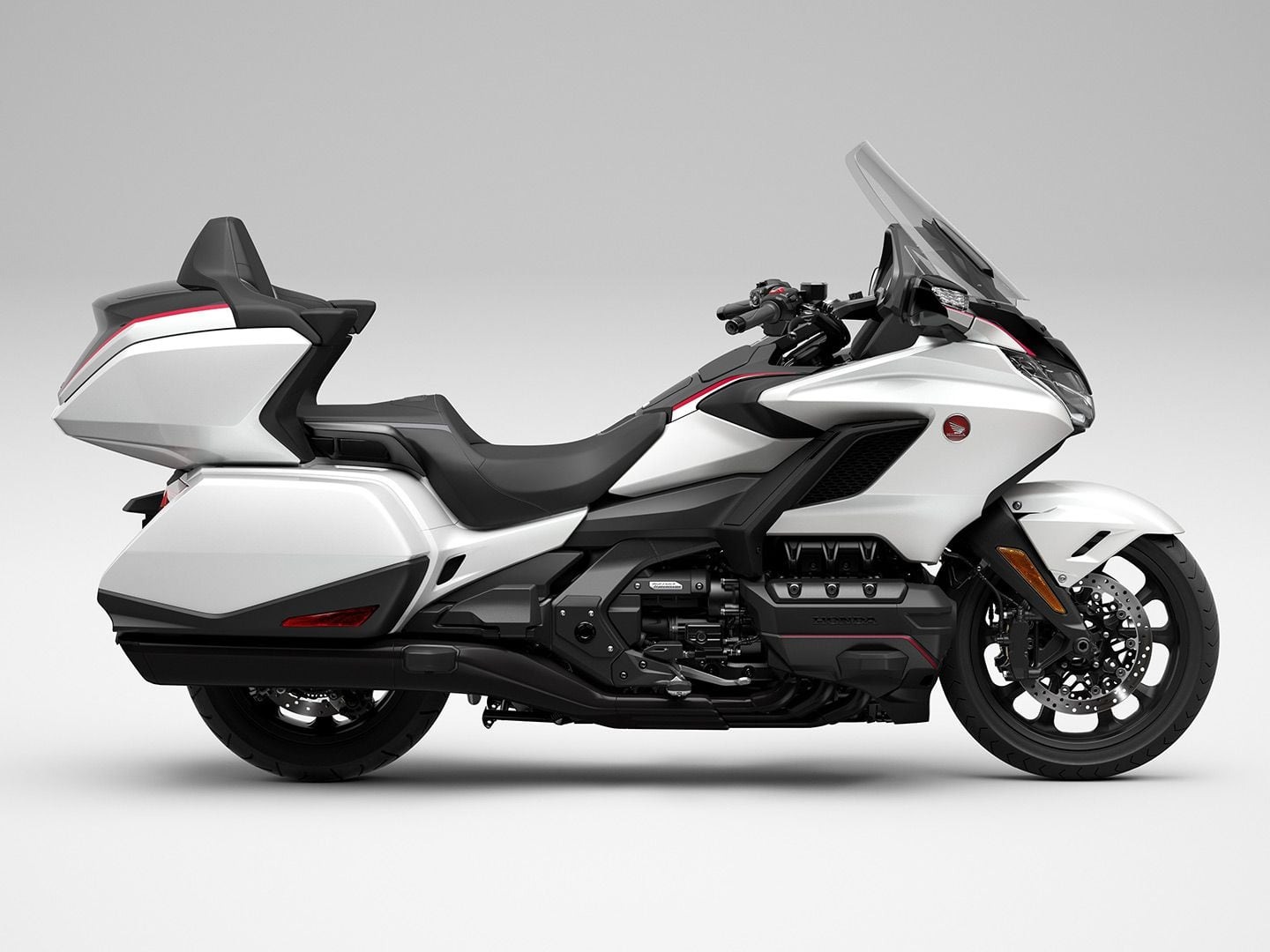
1. Honda Gold Wing
The Honda Gold Wing has long been regarded as one of the most dependable touring motorcycles available. Its reputation comes from years of refinement, focusing on comfort, stability, and rider protection.
Built for long rides, it features a low center of gravity, which helps maintain stability even at lower speeds. The seating position is upright and relaxed, which reduces fatigue during extended trips. This makes it an excellent option for riders who enjoy cross-country journeys.
One reason the Gold Wing ranks high for safety is its inclusion of advanced technology such as an anti-lock braking system and traction control. The braking system is highly responsive, which allows the rider to stop quickly without losing control.
It also comes with electronic suspension adjustments that allow the bike to adapt to different loads and road conditions. This flexibility ensures that the motorcycle remains stable whether it is carrying a solo rider or a passenger with full luggage.
The large fairing and windscreen protect from wind, rain, and debris, which improves rider focus and comfort. Another advantage is its smooth engine performance. The Gold Wing delivers power in a controlled manner, making it less likely for the rider to be caught off guard by sudden surges.
Its weight might be a concern for new riders, but the well-balanced design ensures that once it is in motion, the bike feels surprisingly light. In addition, modern Gold Wings offer airbag options, a rare feature in motorcycles. This extra layer of protection is appreciated by safety-minded riders.
For those who want a motorcycle that blends comfort, reliability, and advanced safety features, the Honda Gold Wing stands out. It is especially ideal for older riders or those who prioritize security during long rides without sacrificing performance.
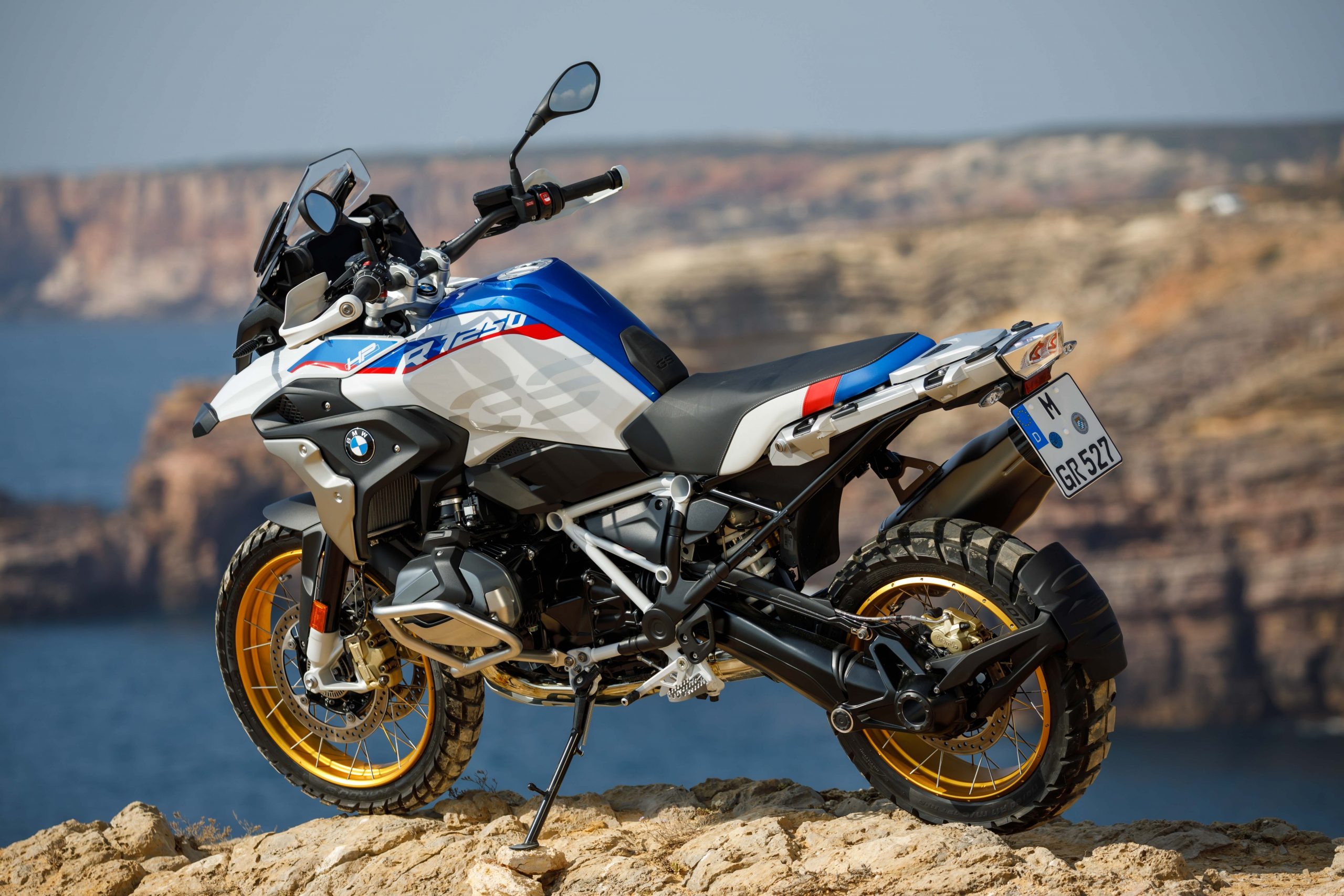
2. BMW R 1250 GS
The BMW R 1250 GS is often chosen by riders who want a motorcycle that can handle both city streets and off-road adventures. Its safety reputation is built on its versatility and robust engineering. The bike uses BMW’s ShiftCam technology, which delivers smooth power across the rev range. This means the rider gets consistent acceleration without unpredictable bursts of speed.
One of its greatest strengths lies in its suspension system. The R 1250 GS features BMW’s Telelever front suspension, which reduces dive during braking, giving the rider better control in emergency stops. This is complemented by an advanced traction control system that adapts to different road surfaces. Whether on gravel, wet roads, or smooth asphalt, the bike maintains stability.
Its anti-lock braking system is adjustable, allowing riders to fine-tune it for different riding conditions. The upright seating position gives excellent visibility, allowing the rider to spot potential hazards earlier. The wide handlebars improve maneuverability, making it easier to steer in both tight city corners and rough off-road tracks.
Another safety feature worth mentioning is its strong lighting system. Equipped with adaptive headlights, the R 1250 GS adjusts the beam angle according to lean angle, ensuring the road ahead is well-lit even in turns. This reduces the risk of unseen obstacles in low-light situations.
The bike’s entire build feels solid, which contributes to rider confidence. Its large fuel tank means fewer stops, reducing the likelihood of fatigue from frequent breaks. For riders who enjoy adventure touring but still want a motorcycle that offers stability and control in challenging environments, the BMW R 1250 GS remains a dependable choice.
Also Read: 5 Bikes That Survive Rain and 5 That Rust Instantly
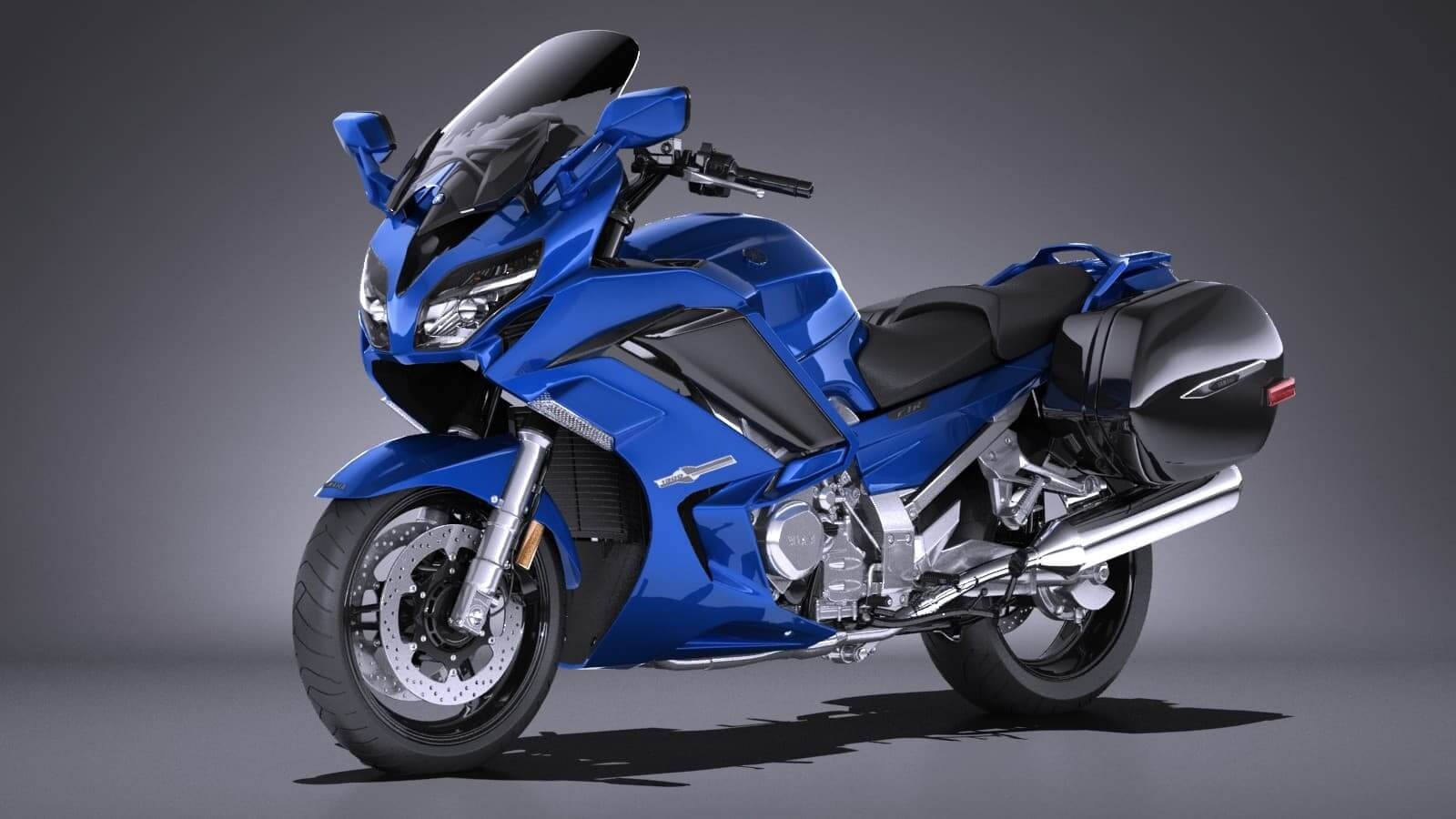
3. Yamaha FJR1300
The Yamaha FJR1300 is an excellent example of how a sport touring motorcycle can deliver speed while keeping safety in mind. It is designed for riders who want both performance and comfort over long distances. The FJR1300 comes with adjustable ergonomics, meaning the seat height and handlebars can be adapted to fit different rider sizes, improving control.
Its safety advantage comes from a combination of features. The anti-lock braking system works seamlessly with a linked braking setup, where applying the front brake also engages some rear brake pressure for balanced stops. The smooth power delivery from its inline-four engine ensures that acceleration is predictable, reducing the risk of sudden wheel spin.
Wind protection is handled by an electronically adjustable windscreen, which can be raised or lowered while riding to shield the rider from strong gusts or rain. The bike also features cruise control, which helps maintain a steady speed during long trips, reducing rider fatigue and improving focus.
The FJR1300’s shaft drive requires less maintenance compared to chain drives and reduces the risk of sudden failures. This reliability adds to its safety appeal. Handling is sharp for a touring bike, with a chassis designed to remain stable at high speeds. Its suspension is electronically adjustable, allowing the rider to choose settings for comfort or firmness depending on the road.
For riders who enjoy covering long distances quickly without compromising safety, the Yamaha FJR1300 delivers an excellent balance. It combines touring comfort with responsive handling and modern safety technologies that make it dependable for both solo and two-up riding.
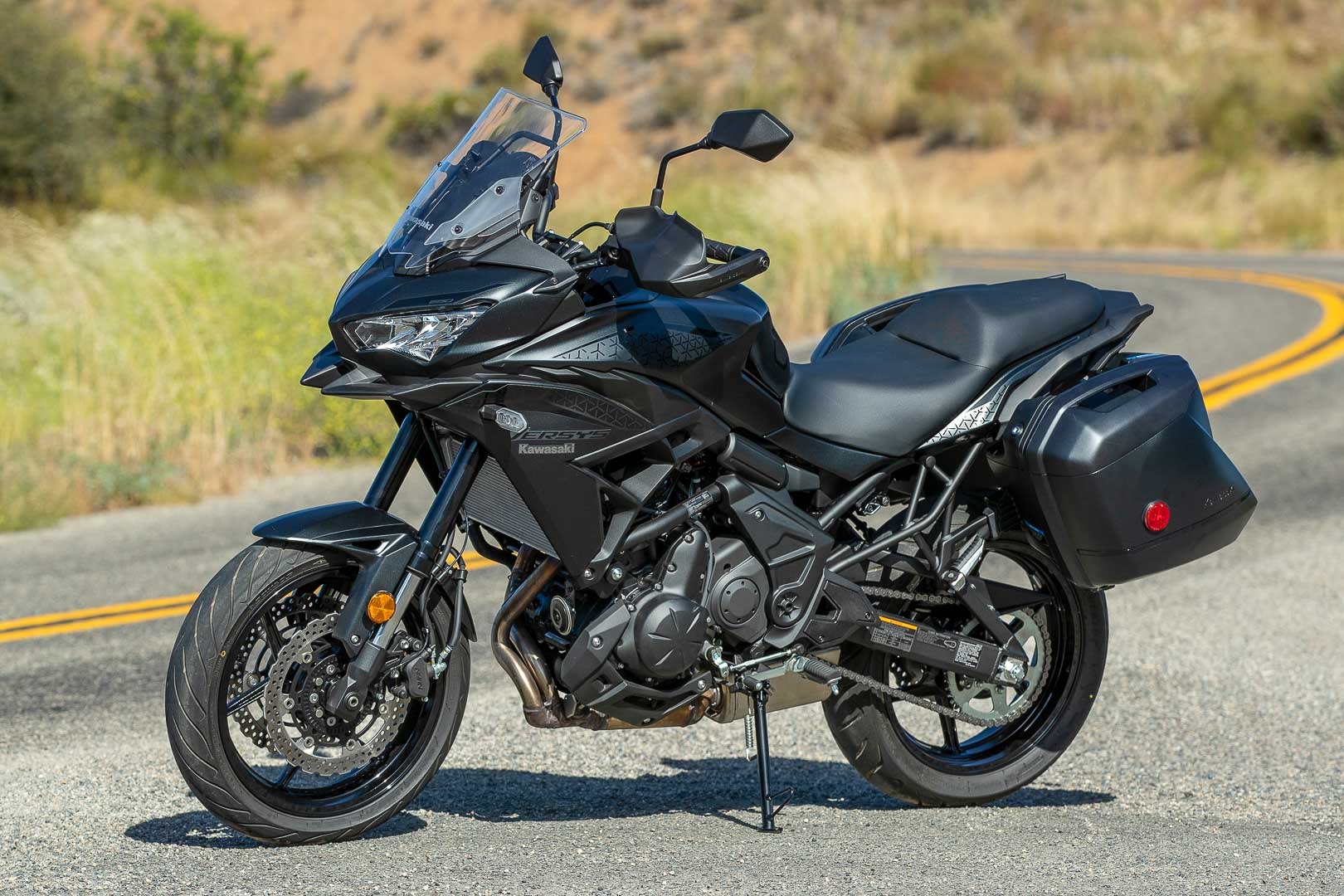
4. Kawasaki Versys 650
The Kawasaki Versys 650 is widely appreciated for its versatility and ease of handling, making it a safe choice for both new and experienced riders. It strikes a comfortable balance between power and control, which is one of the reasons it has earned a reputation for reliability in various road conditions.
The parallel-twin engine delivers smooth and predictable power, which allows the rider to maintain full control without being overwhelmed by sudden bursts of acceleration. Its upright seating position provides good visibility, enabling the rider to see traffic and potential hazards well in advance.
The seat is designed to keep the rider comfortable during long hours on the road, reducing fatigue that could otherwise impair judgment. The suspension system absorbs road imperfections effectively, ensuring a stable ride even on uneven surfaces.
The Versys 650 also comes equipped with an anti-lock braking system, which enhances stopping power while preventing wheel lock-up. This is especially beneficial during emergency braking or when riding in wet conditions. The bike’s lightweight frame adds to its maneuverability, making it easy to go through busy city streets or winding country roads.
Another feature that enhances safety is the well-balanced chassis. It gives the rider confidence when leaning into turns or changing lanes quickly. The wide handlebars allow precise steering control, which is essential for avoiding sudden obstacles.
While it is not the most powerful motorcycle in its class, the Kawasaki Versys 650’s emphasis on control and comfort makes it a dependable option for riders who value safety. It is particularly suitable for those who want a practical motorcycle for daily use without compromising stability or rider protection.
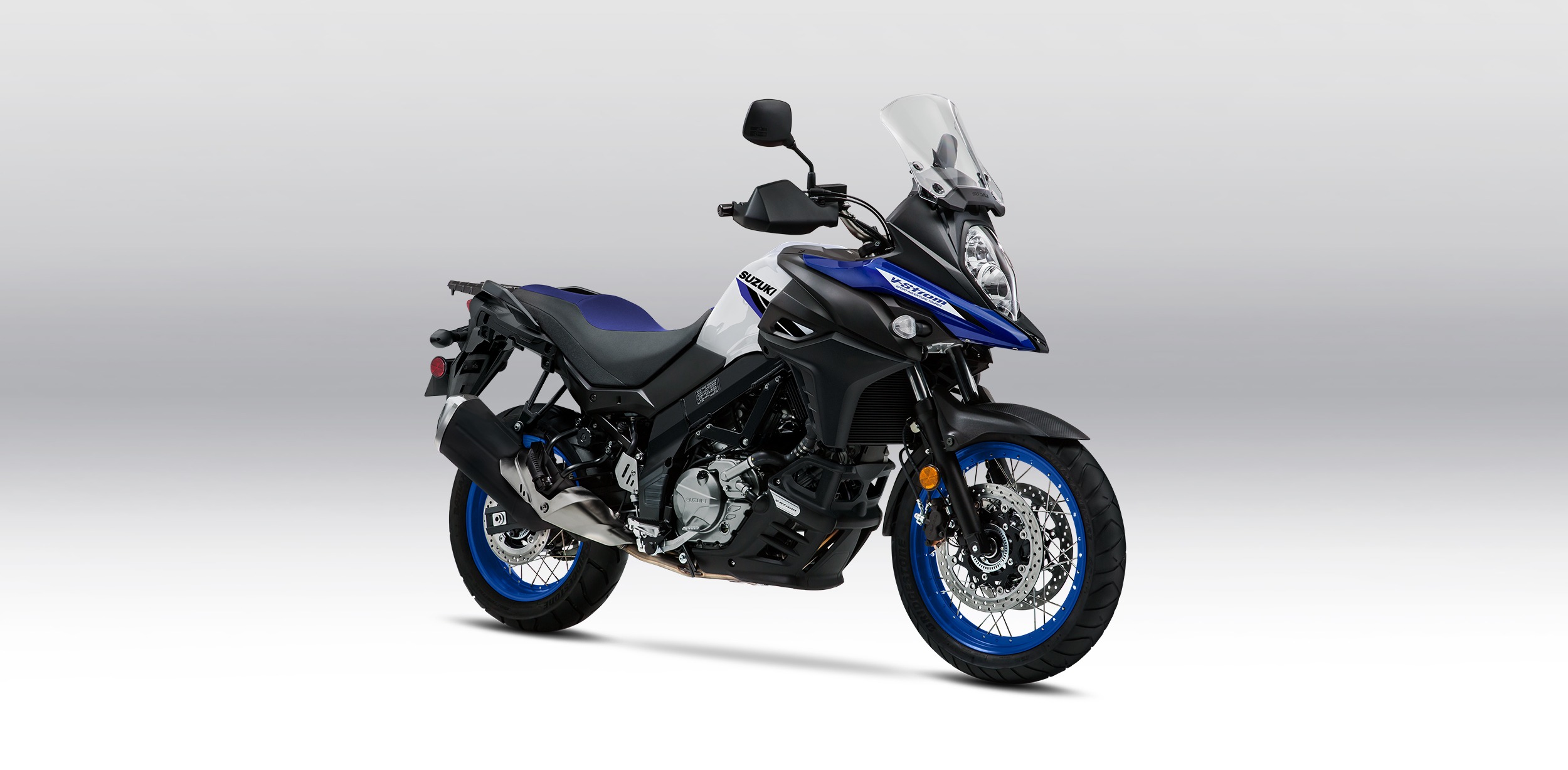
5. Suzuki V-Strom 650
The Suzuki V-Strom 650 has gained a loyal following among riders who value a motorcycle that can handle long-distance touring and occasional off-road use while still being easy to ride. Known for its reliability, the V-Strom 650 offers a balanced performance that is neither too aggressive nor underpowered.
Its V-twin engine delivers smooth torque across the rev range, which helps the rider maintain steady control in different riding situations. The upright seating position provides excellent visibility, and the comfortable seat design ensures that long rides are less physically demanding.
One of its strongest safety points is the inclusion of traction control, which helps maintain grip on slippery surfaces. The anti-lock braking system is responsive and effective, giving the rider confidence in sudden stopping situations. The bike’s lightweight nature makes it easy to maneuver in traffic or on narrow roads.
The windscreen is adjustable, allowing the rider to customize wind protection depending on speed and weather conditions. This feature contributes to rider comfort and focus. The suspension system is well-tuned for a variety of road surfaces, providing a smooth and predictable ride.
For riders who are still building their skills, the V-Strom 650 offers a forgiving learning curve. It responds well to gentle inputs but is still capable of handling spirited riding when required. The balance between performance, comfort, and safety features makes it a strong choice for those who want a dependable motorcycle that can adapt to multiple riding environments.
5 Bikes That Are Risky to Ride
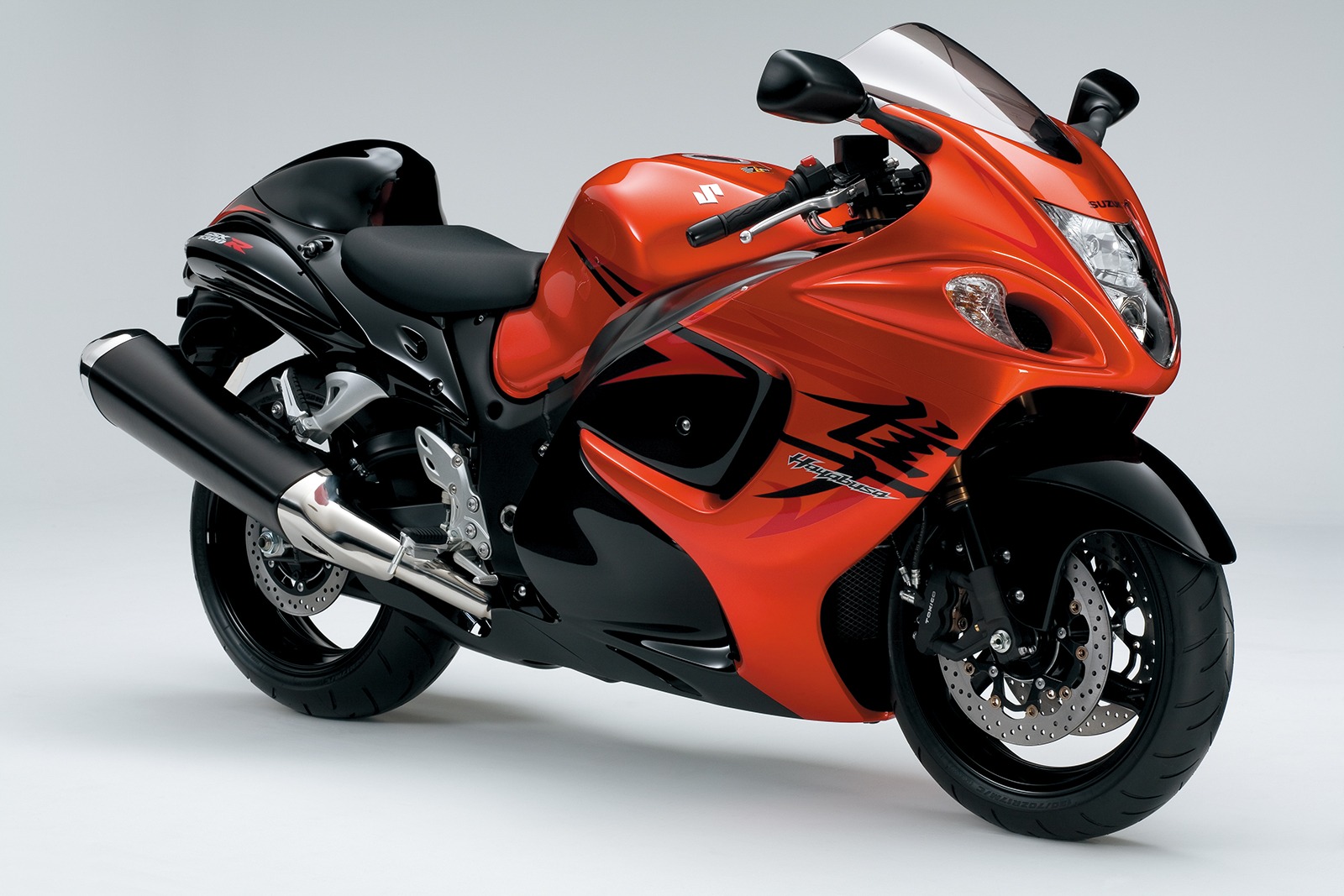
1. Suzuki Hayabusa
The Suzuki Hayabusa is a motorcycle that commands attention for its speed and power. While it is engineered to deliver exceptional performance, it is not a bike for inexperienced riders. With a top speed that can exceed legal limits in seconds, the Hayabusa requires quick reflexes and a high level of skill to control safely.
Its powerful inline-four engine produces acceleration that can easily overwhelm those unprepared for it. The aggressive riding position, while suitable for high-speed runs, can be uncomfortable during extended rides, which may affect rider focus. At lower speeds, the bike’s weight and size make it less agile, which can be a challenge in city traffic.
Although it comes with modern safety features such as an anti-lock braking system and traction control, the sheer power of the Hayabusa means that mistakes happen faster and with greater consequences. The braking system is strong, but riders must be skilled enough to modulate it effectively at high speeds to avoid instability.
For those who use it within its intended high-performance range, the Hayabusa can be thrilling. However, in everyday riding situations, especially in busy urban environments, its speed-oriented design makes it less forgiving. It is a motorcycle best reserved for highly experienced riders who understand how to handle the risks associated with extreme performance.
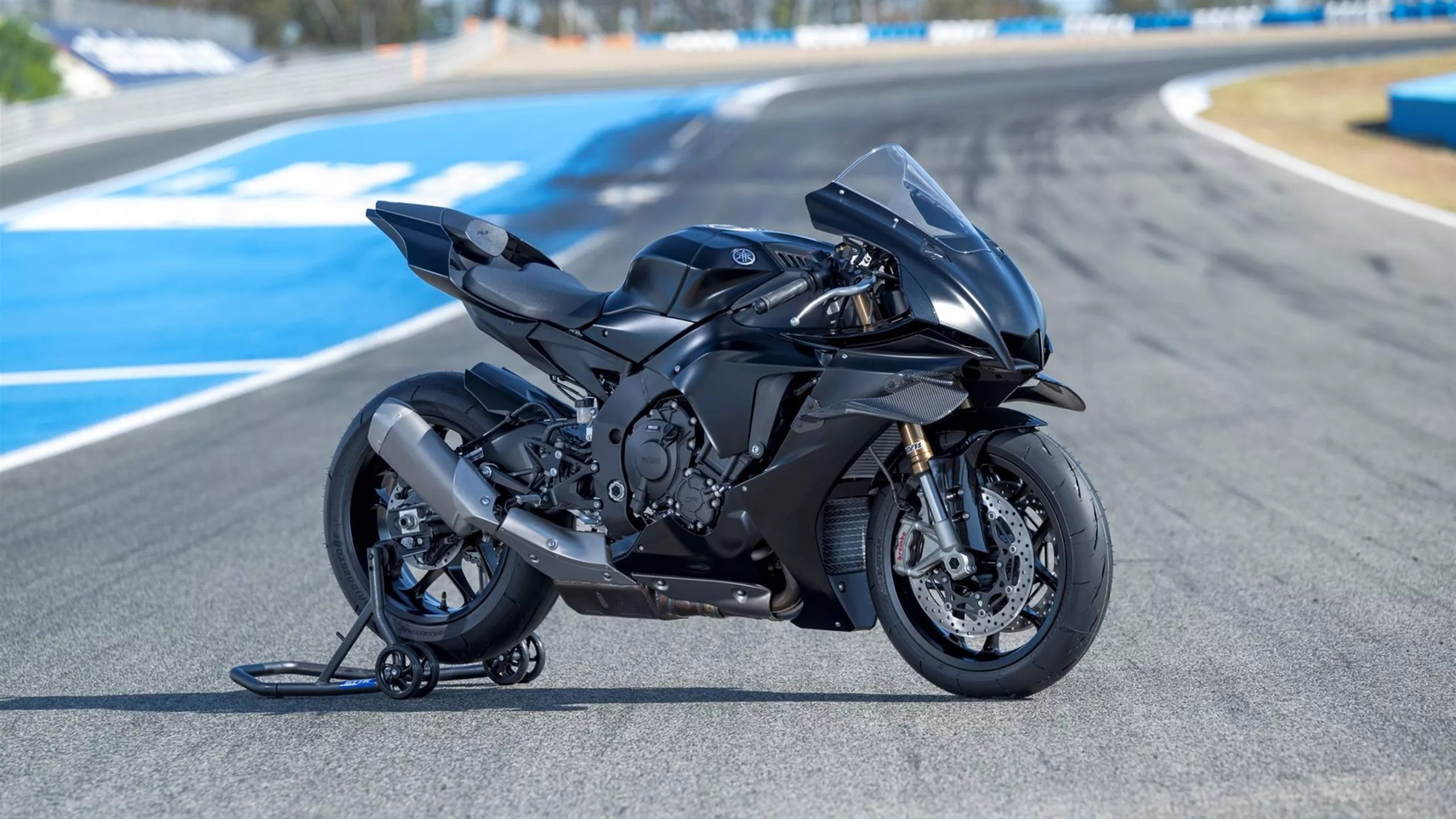
2. Yamaha R1
The Yamaha R1 is a superbike designed with inspiration from MotoGP racing technology. While this gives it exceptional handling and acceleration, it also makes it a challenging motorcycle for regular street use. Its engine delivers power aggressively, and the throttle response is immediate, which can surprise riders who are not accustomed to such performance levels.
The riding position is aggressive, with a forward lean that puts more weight on the rider’s wrists and shoulders. While this is ideal for track riding, it can be tiring during city commutes or long-distance travel. Fatigue can lead to slower reaction times, which increases risk.
The R1 does have advanced electronics such as traction control, slide control, and launch control, but these features are meant to assist skilled riders rather than compensate for a lack of experience. The lightweight frame and responsive steering make the R1 highly agile, but this also means that small input changes can result in direction changes, requiring precise control.
Its braking system is extremely capable, but like its acceleration, it requires practiced modulation. For a rider trained in high-performance motorcycle handling, the Yamaha R1 offers an unmatched riding experience. For those without that background, it presents challenges that can quickly lead to dangerous situations, especially when ridden beyond one’s capabilities.
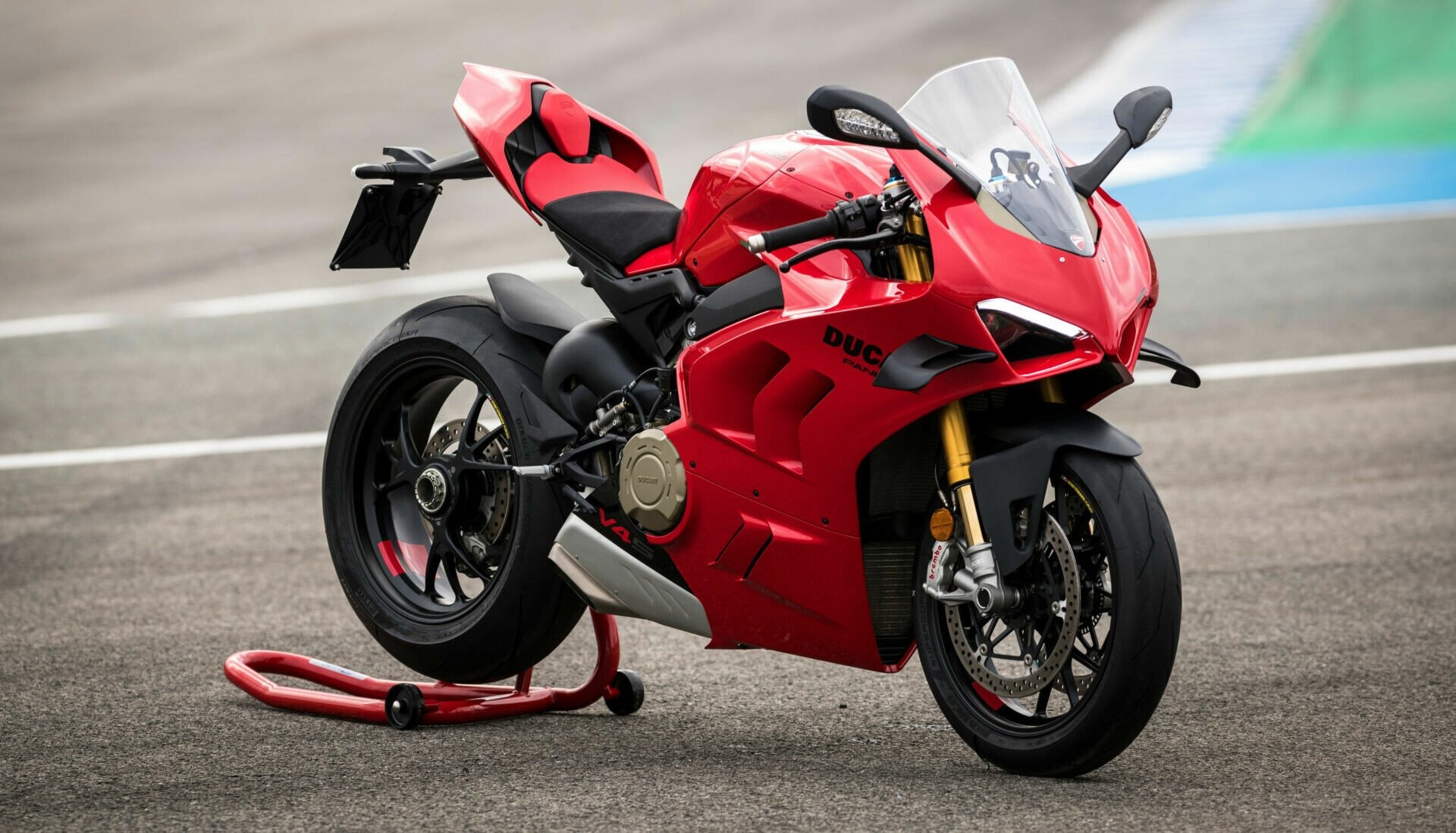
3. Ducati Panigale V4
The Ducati Panigale V4 is one of the most visually stunning motorcycles available, but it is also one of the most demanding to ride safely. Designed with track performance in mind, it delivers immense power and lightning-quick handling that requires advanced skills.
Its V4 engine produces rapid acceleration that can catch less experienced riders off guard. The bike’s responsiveness is both its strength and its challenge; every input from the throttle, brakes, and steering produces an immediate reaction. While it comes equipped with a suite of electronic aids, these systems are designed to enhance performance rather than reduce the need for rider expertise.
The riding position is aggressive, prioritizing aerodynamics over comfort. This can make long rides physically challenging, and fatigue can set in quickly for those not used to such a posture. The stiff suspension, while excellent for smooth race tracks, can be harsh on uneven public roads, affecting stability and rider confidence.
For seasoned riders who enjoy pushing the limits of motorcycle performance, the Panigale V4 is a masterpiece. However, for casual or less experienced riders, it presents a high level of risk due to its demanding nature. It is a motorcycle that rewards precision but leaves little margin for error.
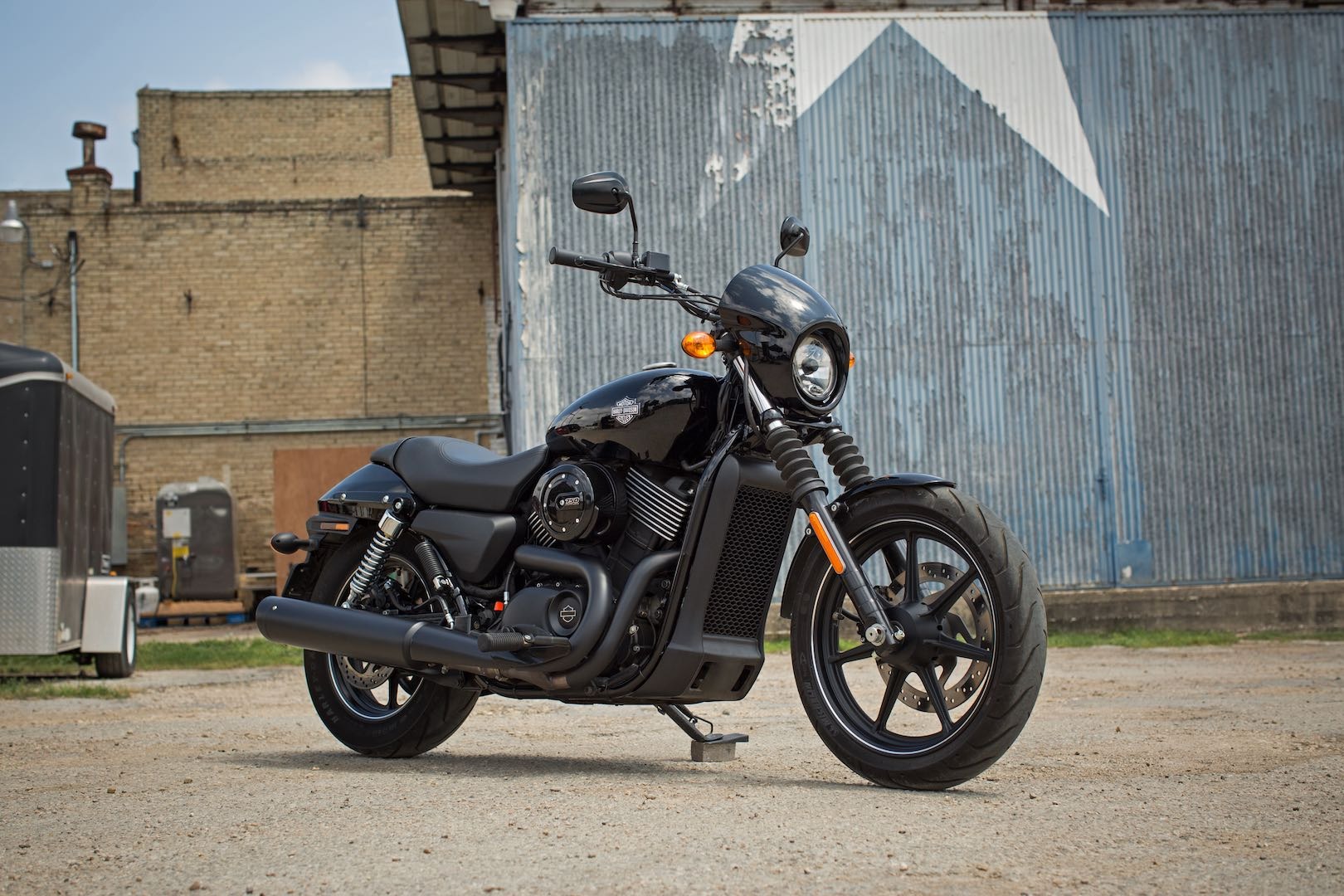
4. Harley-Davidson Street 750
The Harley-Davidson Street 750 draws attention for its classic styling and strong brand image, attracting riders who appreciate its bold appearance and relaxed cruising character. It has a certain charm for those who want a motorcycle that reflects a traditional Harley look, yet its safety profile is not as strong as that of many competitors in the same category.
Its braking system, while functional, lacks the sharpness and refinement seen in modern performance-focused motorcycles. This can result in longer stopping distances during sudden braking situations, which is a concern for riders who spend time in traffic-heavy areas.
The suspension and weight distribution are tuned more for smooth, steady rides than for quick directional changes. As a result, it may not respond as quickly when swerving or making emergency maneuvers.
Another consideration is its low ground clearance. While this design contributes to a comfortable, low seat height, it increases the likelihood of scraping parts when leaning into turns, especially on uneven roads.
The engine offers adequate power for leisurely rides, but the lack of advanced rider aids such as traction control or sophisticated braking assistance means the rider must depend entirely on personal skill and awareness.
The Street 750 is best suited for open, predictable riding environments where sudden changes in pace or direction are rare. In busy urban settings where traffic patterns can shift quickly, its slower reaction to input becomes more noticeable.
Riders who value the Harley name, comfortable ergonomics, and a laid-back approach to riding may still find it appealing. However, it is important to understand that style and comfort are its main strengths, not advanced safety technology. Those who choose it should ride within its limits and avoid pushing it into situations where quick responsiveness is required.
Also Read: 5 Bikes That Start Instantly and 5 That Take Forever
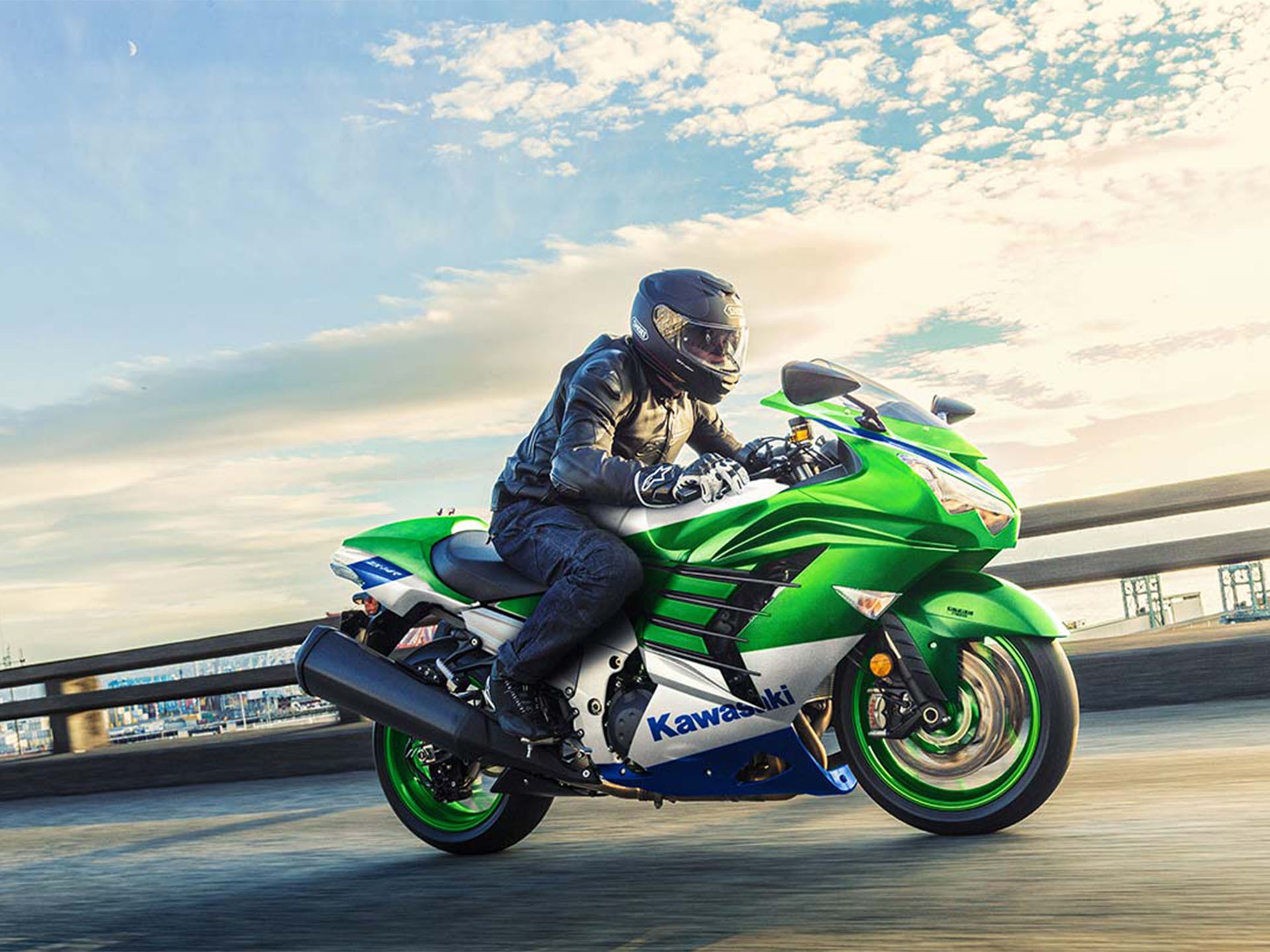
5. Kawasaki Ninja ZX-14R
The Kawasaki Ninja ZX-14R stands as one of the most powerful motorcycles available for public roads. Its acceleration is staggering, reaching speeds in a matter of seconds that many bikes cannot achieve even at their limits.
This level of performance is a major attraction for speed enthusiasts, but it also brings with it a higher potential for danger, particularly for riders who have not mastered advanced handling techniques. The massive engine delivers smooth yet relentless power, and even small throttle movements can produce bursts of speed.
While this makes the ZX-14R exhilarating to ride, it can quickly overwhelm anyone not prepared for its capabilities. Its size and weight contribute to stability at high speeds, but they also make it less agile in slow-moving traffic or tight spaces, which can pose challenges in urban riding.
Braking power is impressive, with high-quality components designed to handle its speed potential. However, because the bike can be ridden so fast, stopping distances can still be longer than expected if the rider misjudges the situation.
The riding position is sport-oriented but slightly more relaxed than a full race bike, allowing some comfort during spirited rides. Even so, it is not the most suitable machine for long touring, as the seating posture can lead to fatigue over extended hours.
The ZX-14R comes with rider aids such as traction control and anti-lock braking, but these cannot completely neutralize the inherent risks of operating a motorcycle with such immense performance.
Discipline, experience, and precise control are essential when riding it. For skilled motorcyclists who can handle its demands responsibly, it offers an unmatched thrill. For those lacking that experience, it remains a high-risk choice that requires respect every time the engine starts.
Choosing the right motorcycle goes beyond selecting a design that looks appealing or a brand with a strong reputation. Safety should be at the core of the decision-making process, especially for riders who value long-term enjoyment of the sport.
The motorcycles listed as more risky options tend to prioritize performance, style, or speed over rider forgiveness. While they are capable of delivering thrilling experiences, their demanding nature means they require a higher level of skill, discipline, and physical readiness. Without those elements, the margin for error becomes very small, and mistakes can have serious consequences.
It is important to remember that even the safest motorcycle cannot protect a rider who operates it recklessly or without proper training. Similarly, a challenging or powerful motorcycle can be handled responsibly by a skilled rider who understands its capabilities and limitations. The real difference comes from pairing the right bike with the right rider experience level.
Motorcycling will always carry a certain degree of risk, but that risk can be managed through careful selection, regular maintenance, the use of protective gear, and a commitment to riding within one’s limits.
Whether the goal is relaxed touring, commuting, or high-performance riding, choosing a motorcycle that matches personal skill and riding environment is the best way to ensure that every trip is not just exciting but also as safe as possible.
