
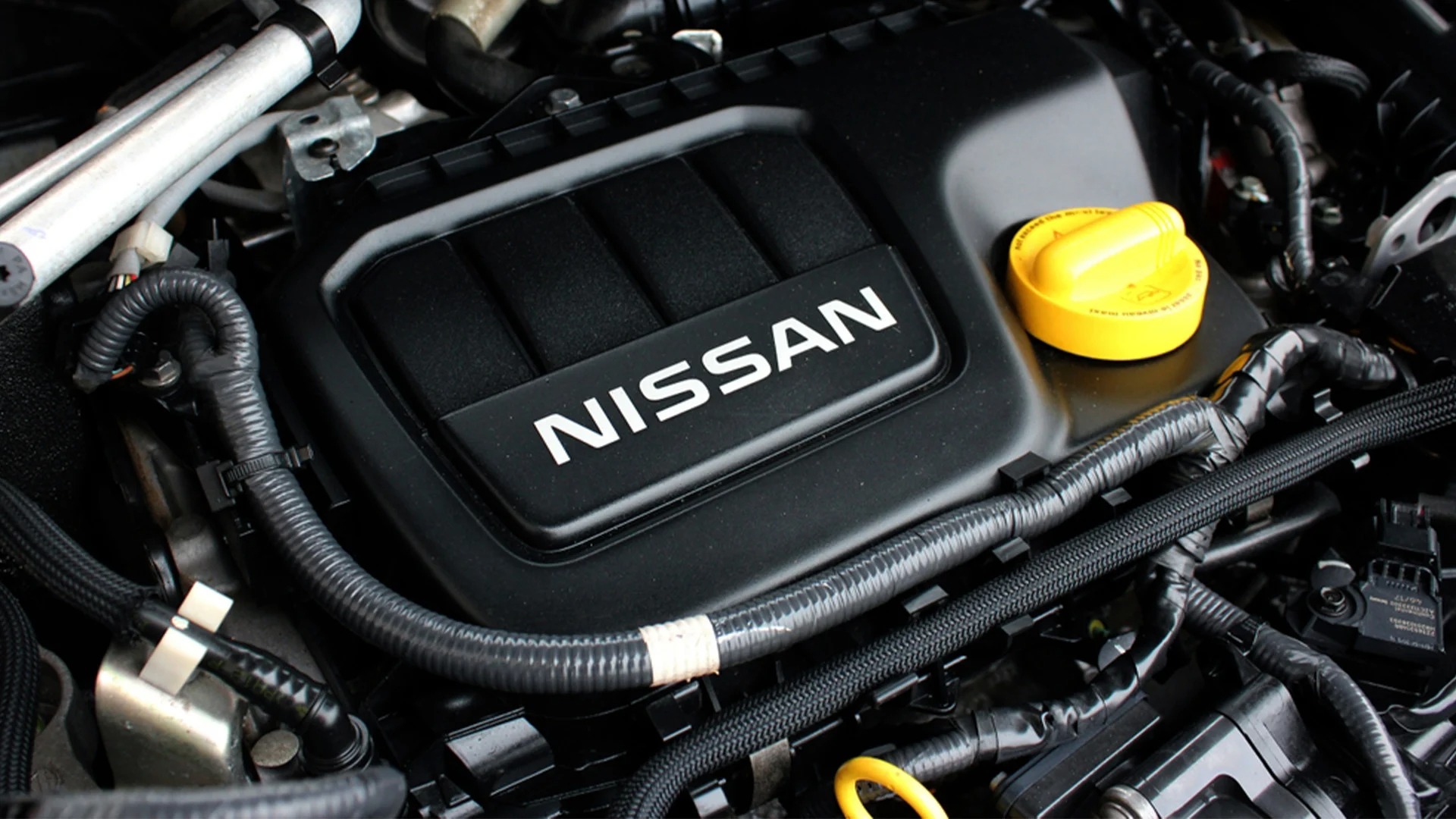
Car buyers often consider style, comfort, and performance when choosing a vehicle, yet the heart of any automobile is its engine. An engine’s durability can determine whether a car becomes a trusted companion for decades or a constant source of frustration.
Some engines are engineered so well that they can run for hundreds of thousands of miles with minimal issues. Others may struggle to reach even moderate mileage before serious repairs become necessary. The gap between these two categories often lies in engineering quality, maintenance tolerance, and long-term reliability.
Long-lasting engines are typically built with strong materials, precise manufacturing, and designs tested over years of refinement. They handle heat, pressure, and everyday wear in ways that keep them running efficiently even after extensive use.
These powerplants often develop a reputation that spreads by word of mouth among mechanics, car enthusiasts, and drivers who rely on their vehicles for daily work and travel. On the other side are engines that appear promising at first but soon develop chronic problems. Whether due to design flaws, cost-cutting measures, or poor tolerance to neglect, these units can fail prematurely.
Such engines can lead to high repair bills and shortened vehicle life. Many drivers only discover these weaknesses after investing heavily in the car, leaving them disappointed and sometimes financially strained.
Let us examine five engines known for exceptional durability and five that have left owners wishing for better quality. Each description will cover why the engine earned its reputation, how it performs under real-world conditions, and what maintenance habits can help extend or shorten its life.
By looking at both ends of the spectrum, drivers can better understand what to expect from their cars and how to make informed choices when buying a vehicle.
5 Engines With Legendary Lifespans
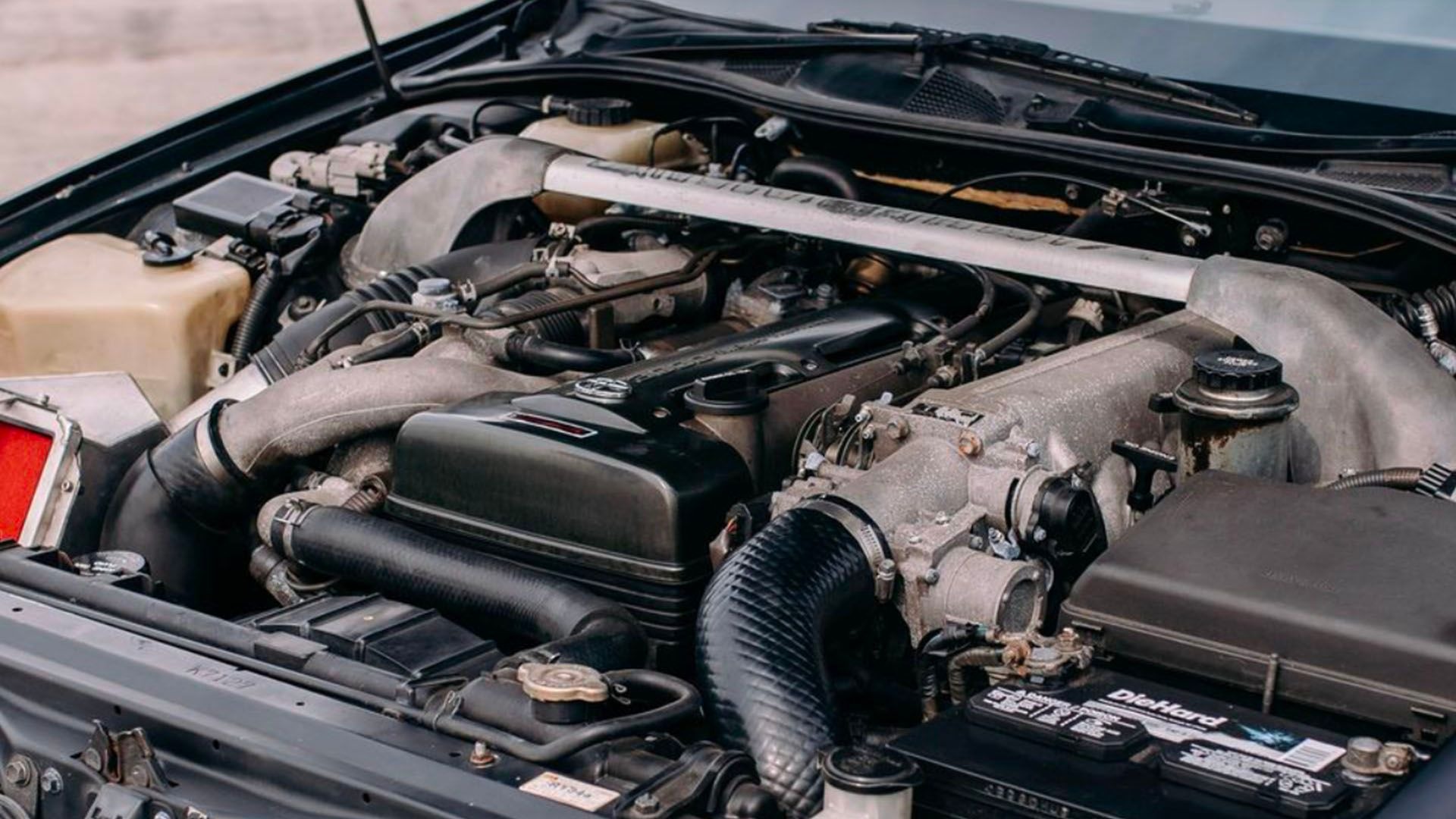
1. Toyota 2JZ-GTE
The Toyota 2JZ-GTE is often remembered for its near-indestructible design and smooth power delivery. Introduced in the 1990s, it became famous in the Supra, but its reputation extends far beyond performance circles.
Built with a cast-iron block, forged crankshaft, and robust internals, it was engineered to handle power increases without sacrificing reliability. Many owners have reported these engines running past 300,000 miles with only routine servicing.
The engine’s turbocharged setup provided strong performance, yet it was not overly stressed from the factory. Toyota’s conservative tuning meant that it could endure daily driving as well as spirited runs without excessive wear. Mechanics often praise its ability to tolerate modifications while still operating reliably, something rare in high-performance engines.
Part of the reason for its longevity is the simplicity and strength of its design. The cooling system, oiling channels, and timing setup were all carefully designed to avoid common failure points.
The head gasket, for example, was built to handle high pressures, reducing the risk of costly repairs. Even when turbochargers were replaced or upgraded, the bottom end often remained untouched and healthy.
For many drivers, the 2JZ-GTE represents a perfect balance between performance and endurance. In markets where these engines are still available, they remain in high demand, often commanding premium prices for well-maintained examples.
Proper oil changes, high-quality filters, and timely timing belt replacements are usually all it takes to keep them running strong for decades. This combination of durability and versatility ensures the 2JZ-GTE’s place as one of the most respected engines in automotive history.
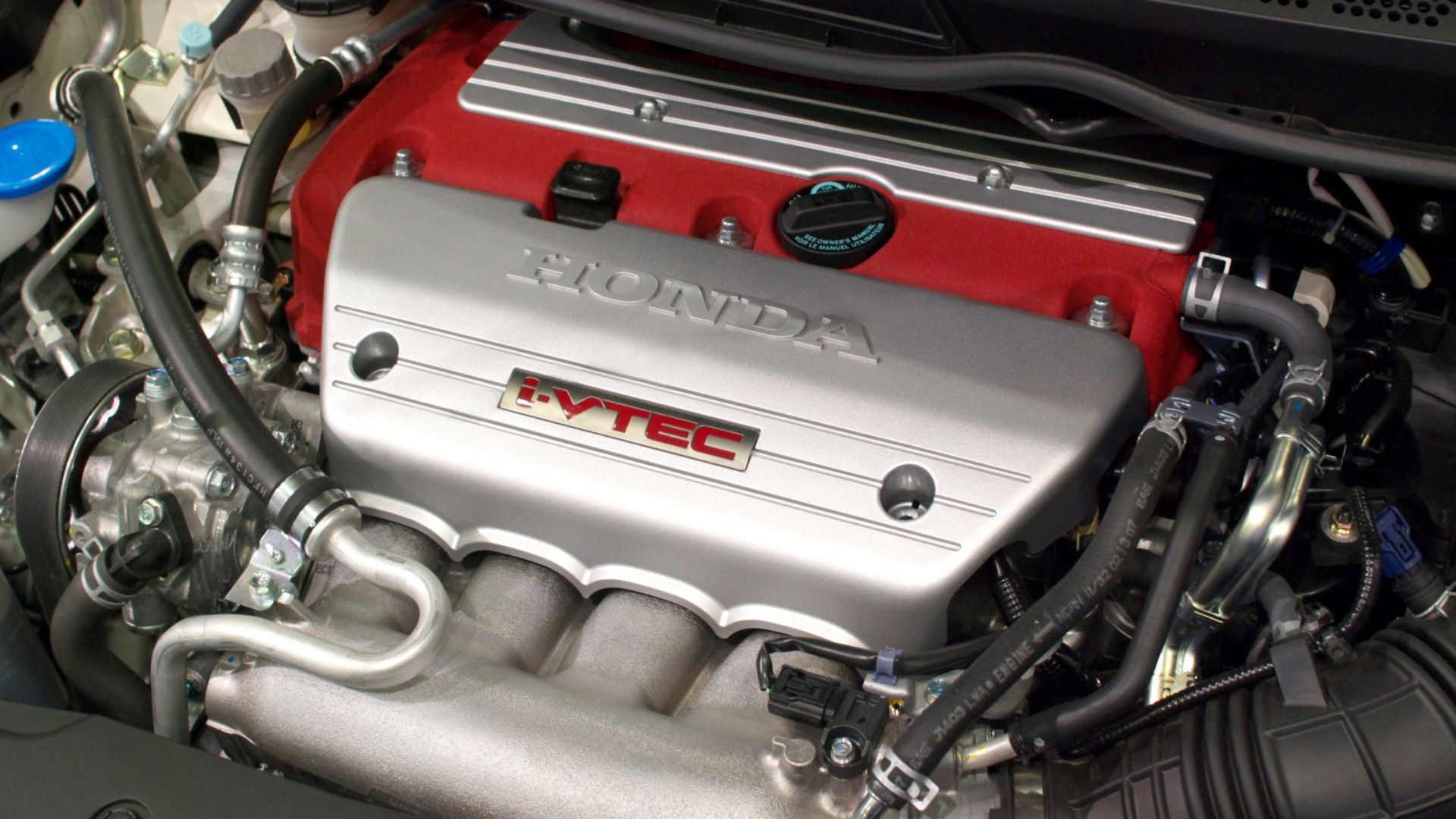
2. Honda K20
Honda’s K20 series, introduced in the early 2000s, is widely respected for its reliability and efficiency. Found in models like the Civic Type R, Accord Euro, and various Acura vehicles, it has proven that a naturally aspirated four-cylinder can deliver both performance and longevity. Built with lightweight yet durable materials, the K20 is known for handling high RPMs without strain.
The precision engineering behind this engine means that it thrives under daily commuting conditions as well as spirited driving. Its VTEC system allows for a balance between fuel economy and performance, reducing wear when cruising and delivering strong power when needed. Many examples have been documented, surpassing 250,000 miles without major repairs.
One of the strongest aspects of the K20 is its tolerance for less-than-perfect maintenance. While regular servicing is always recommended, the engine is forgiving if oil changes are slightly delayed, provided it is not a consistent habit. Its cooling system is efficient, helping prevent overheating even in demanding climates.
Performance tuners often choose the K20 for engine swaps because of its combination of strength and adaptability. Whether left stock or modified for higher output, it maintains structural integrity, avoiding issues like warped heads or bearing failures that plague less robust engines.
Drivers who maintain their K20-equipped vehicles with quality fluids and timely servicing often enjoy a long lifespan from their powerplant. This dependability, combined with respectable fuel economy and engaging driving characteristics, makes the Honda K20 a benchmark in four-cylinder engine design. Its continued use in performance models today speaks to its enduring reputation.
Also Read: 5 Affordable Engines That Still Sound Good and 5 That Always Knock
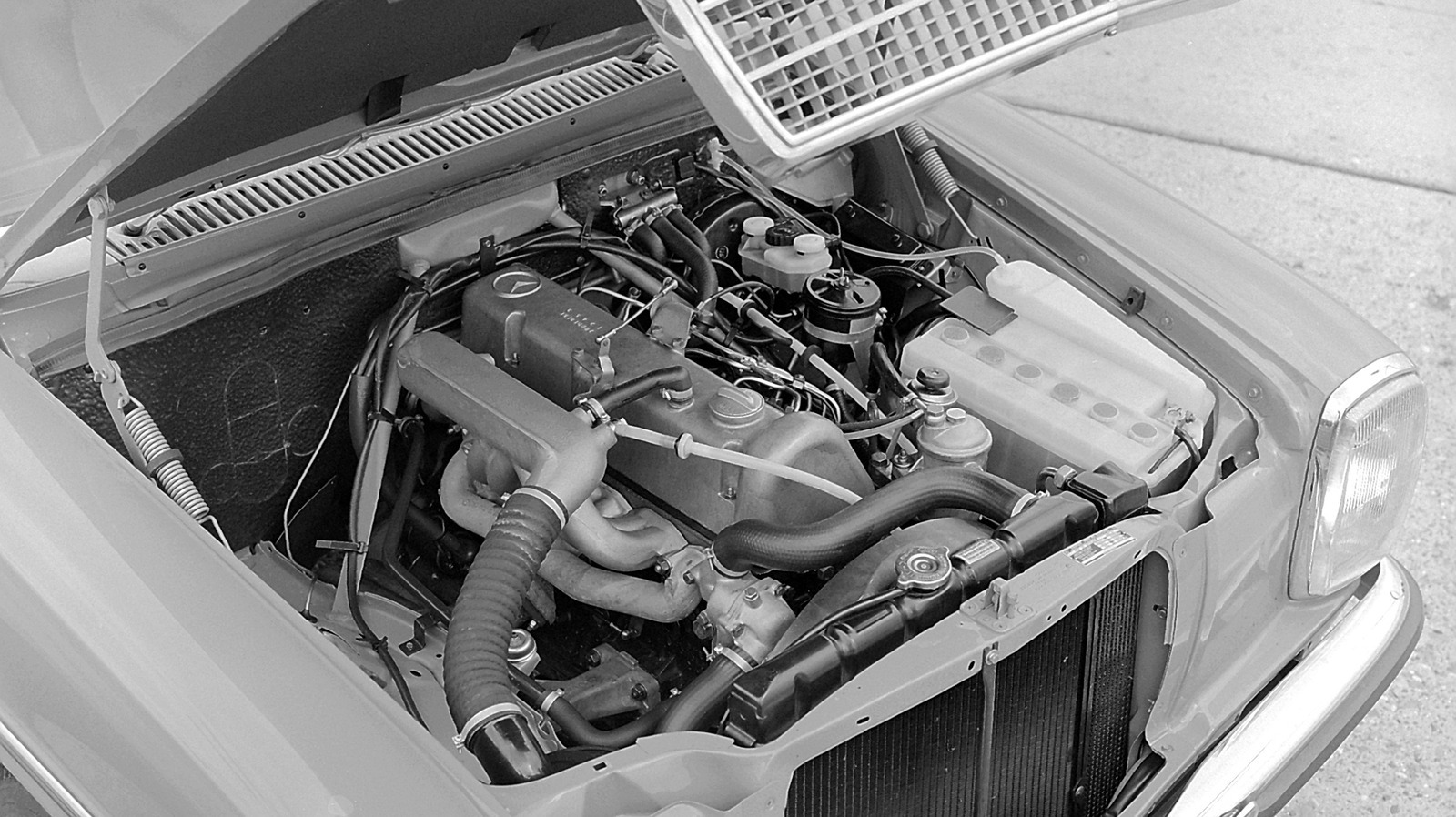
3. Mercedes-Benz OM617
The OM617 diesel engine from Mercedes-Benz is legendary among diesel enthusiasts for its unmatched durability. Produced from the 1970s to the 1980s, it powered various Mercedes sedans, coupes, and wagons. Known for running well past 500,000 miles with proper care, it has been described as nearly indestructible.
Constructed with a cast-iron block and head, the OM617 is not a high-performance engine in terms of speed, but it excels in reliability and ease of maintenance. Its simple mechanical fuel injection system eliminates the complications that can lead to electronic failures. This makes it particularly popular in regions where service facilities are limited.
The engine’s slow-revving nature means reduced stress on components, contributing to its long life. It was built to handle poor-quality fuel, an important feature for vehicles used in challenging conditions worldwide. Owners often recount stories of OM617-powered cars surviving decades of use with only routine servicing.
Even when problems arise, parts are relatively straightforward to replace, and the engine’s design allows for repairs without specialized equipment. Many of these engines are still in use today, often converted into off-road or expedition vehicles due to their reliability in remote areas.
For drivers seeking an engine that prioritizes longevity over outright speed, the OM617 remains a standout choice. It may not deliver thrilling acceleration, but its ability to keep running year after year with minimal fuss ensures its place among the most respected engines ever built.
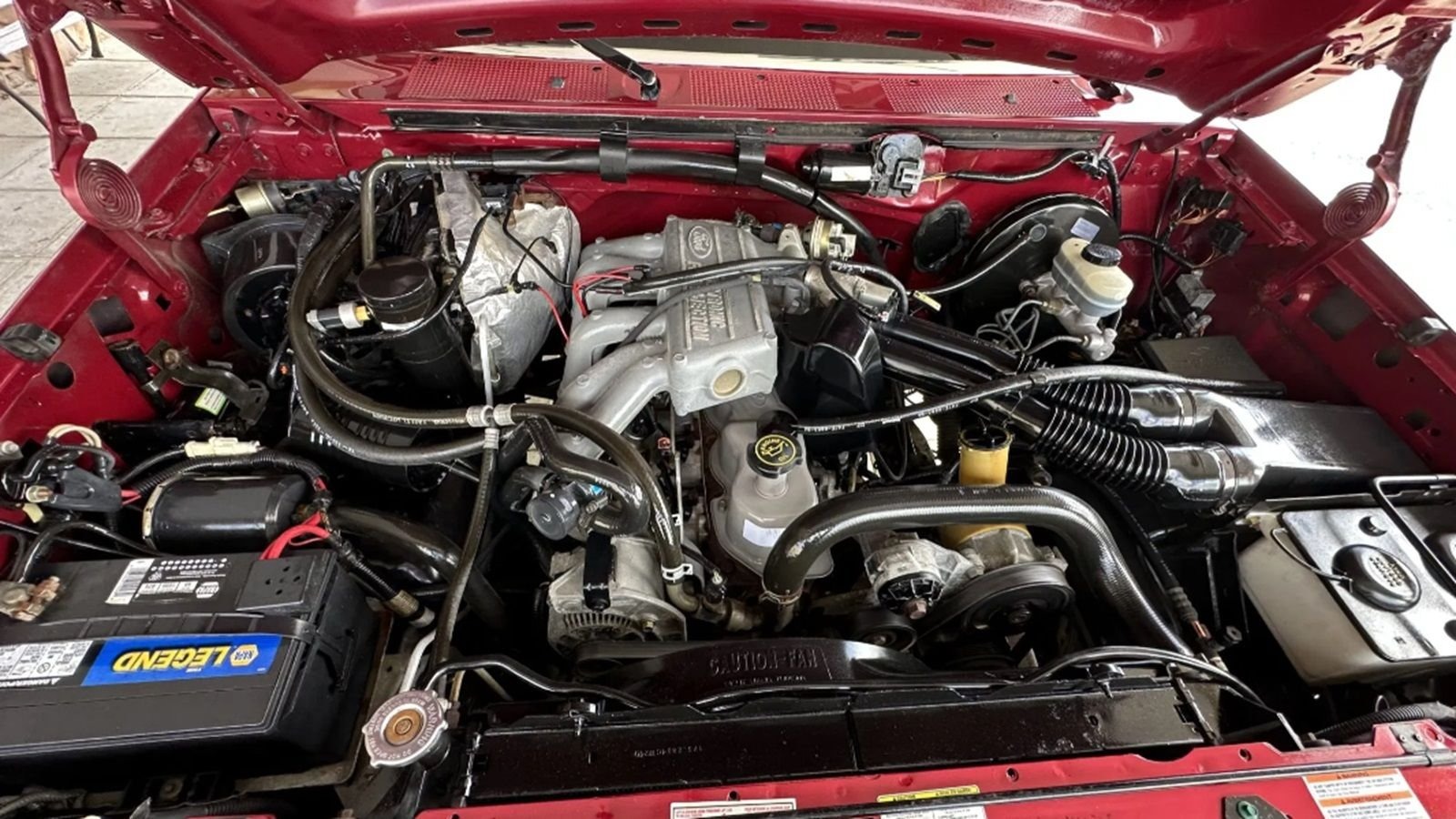
4. Ford 300 Inline-Six
The Ford 300 cubic inch inline-six, produced from the mid-1960s through the 1990s, is one of the most enduring petrol engines ever built in the United States. Found in F-Series trucks, vans, and industrial equipment, it gained a reputation for running reliably even when abused. The design prioritised strength and simplicity, which made it a favourite among farmers, construction crews, and fleet operators.
Built with a sturdy cast-iron block and head, the engine was engineered for torque rather than high RPM performance. This approach reduced internal stress, allowing components to last longer under heavy loads. The pushrod design, though less sophisticated than overhead cam layouts, contributed to its reliability by keeping moving parts to a minimum.
Owners often praise the 300 for starting in harsh conditions, whether in freezing winters or scorching summers. The carbureted versions were especially easy to work on, with basic tools sufficient for most repairs. Even with minimal maintenance, many units have been known to surpass 300,000 miles without internal rebuilds.
Its adaptability extended to industrial and marine applications, where it powered generators, pumps, and boats. Mechanics appreciated the wide availability of parts and the straightforward nature of repairs. The absence of advanced electronics in earlier models also meant fewer points of failure, making it a dependable choice for remote or demanding environments.
While modern engines may offer more power or efficiency, few match the Ford 300’s record for reliability in tough conditions. It remains a symbol of American mechanical durability, with many enthusiasts still restoring and using these engines decades after production ceased. The combination of low-end torque, simple design, and rugged build keeps the Ford 300 inline-six firmly among the greats.
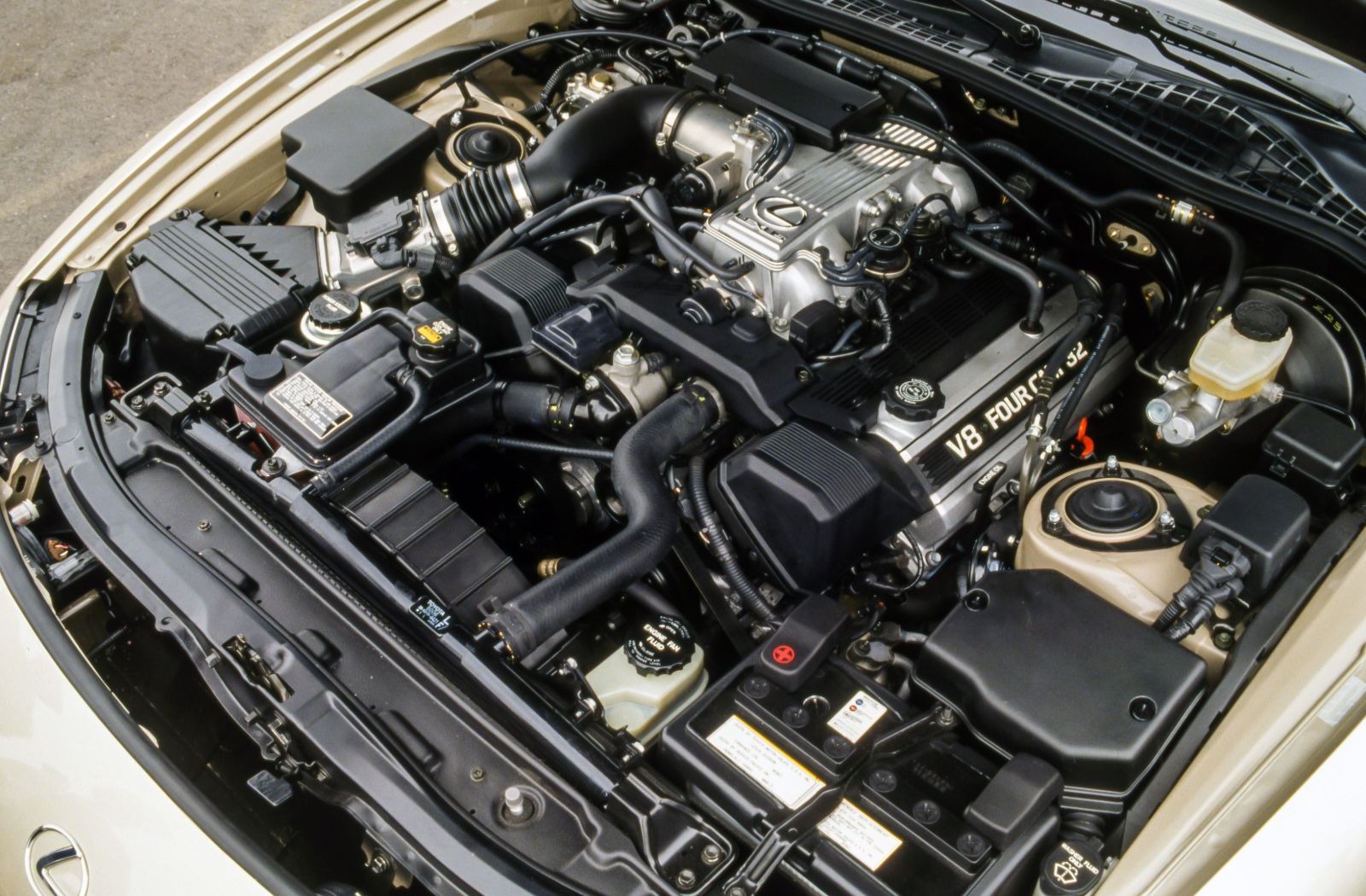
5. Lexus 1UZ-FE
The Lexus 1UZ-FE V8, introduced in 1989, brought a new standard of refinement and reliability to the luxury market. Designed for the LS 400 and other Toyota and Lexus models, this 4.0-litre engine was engineered with durability in mind from the start. Featuring an all-aluminium block with iron cylinder liners, forged crankshaft, and high-quality components, it was built to last well beyond the typical lifespan of a luxury car engine.
The 1UZ-FE was known for its smooth operation, quiet performance, and ability to maintain power delivery over decades of use. Many examples have exceeded 400,000 miles with only basic maintenance.
The timing belt system, when serviced at the recommended intervals, helped avoid catastrophic failures, while the engine’s robust construction prevented common issues like oil leaks and overheating.
This engine was over-engineered for the power output it produced, which meant that internal components experienced less strain than in more aggressively tuned engines. Owners often report that even after years of use, the compression remains strong, and fuel efficiency stays consistent.
One reason for its long life is Toyota’s meticulous assembly process, ensuring that tolerances were tight and materials were of top quality. The cooling system was efficient, and the oil passages were designed to maintain lubrication under all conditions. Even when paired with automatic transmissions in large sedans, the 1UZ-FE performed effortlessly without showing signs of wear.
Today, these engines are still in demand for swaps into sports cars and off-road vehicles because of their proven reliability and smooth power. For those who value quiet operation, strong build quality, and an engine that can go the distance, the Lexus 1UZ-FE remains a standout achievement in engineering.
5 Engines That Barely Make It
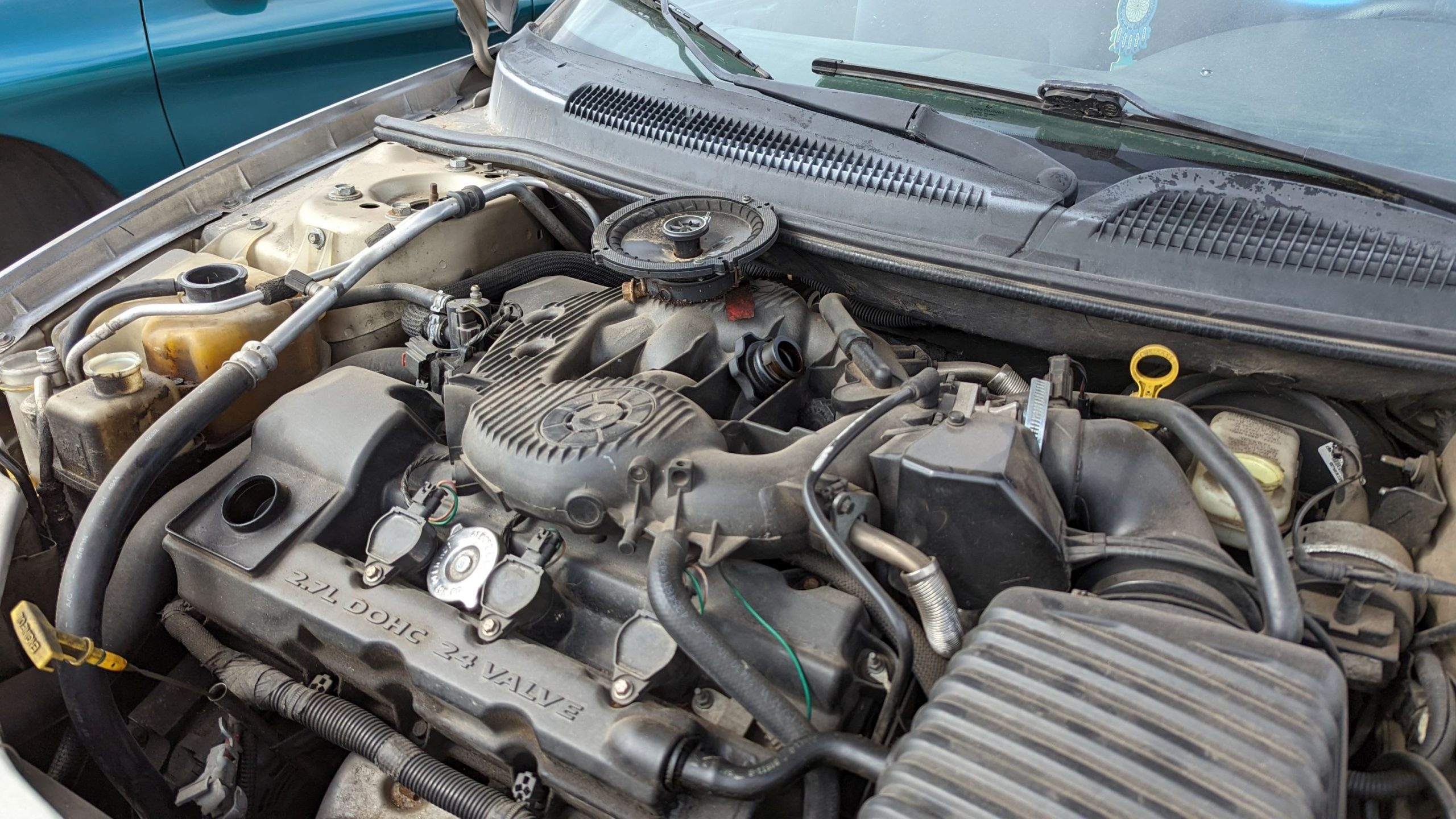
1. Chrysler 2.7L V6
The Chrysler 2.7-litre V6, used in various Dodge, Chrysler, and Intrepid models in the late 1990s and 2000s, gained a poor reputation for premature failures. Despite being a modern design for its time, it was plagued by issues that often appeared well before 100,000 miles. One of the most common problems was sludge buildup, which could block oil passages and starve critical engine components of lubrication.
This sludge issue was linked to the engine’s design, which included a small oil capacity and high operating temperatures. Even with regular oil changes, some owners experienced failure due to the rapid formation of deposits. Once the lubrication was compromised, components such as timing chains, bearings, and camshafts suffered accelerated wear.
The water pump design further complicated matters. It was driven by the timing chain and located inside the engine, meaning that when it failed, coolant could mix with the engine oil. This contamination often resulted in catastrophic internal damage, sometimes without warning. Repair costs were high because the labour required to replace the pump was high.
While not every 2.7L V6 failed early, the pattern of breakdowns was common enough to make buyers wary. Mechanics frequently advised avoiding this engine altogether unless the maintenance history was exceptionally thorough. Even then, there was no guarantee of long-term reliability.
For many owners, the cost of rebuilding or replacing the engine often exceeded the vehicle’s value, leading to early retirement of otherwise serviceable cars. The Chrysler 2.7L V6 serves as a reminder that even modern designs can suffer from fundamental flaws if not thoroughly tested for real-world conditions.
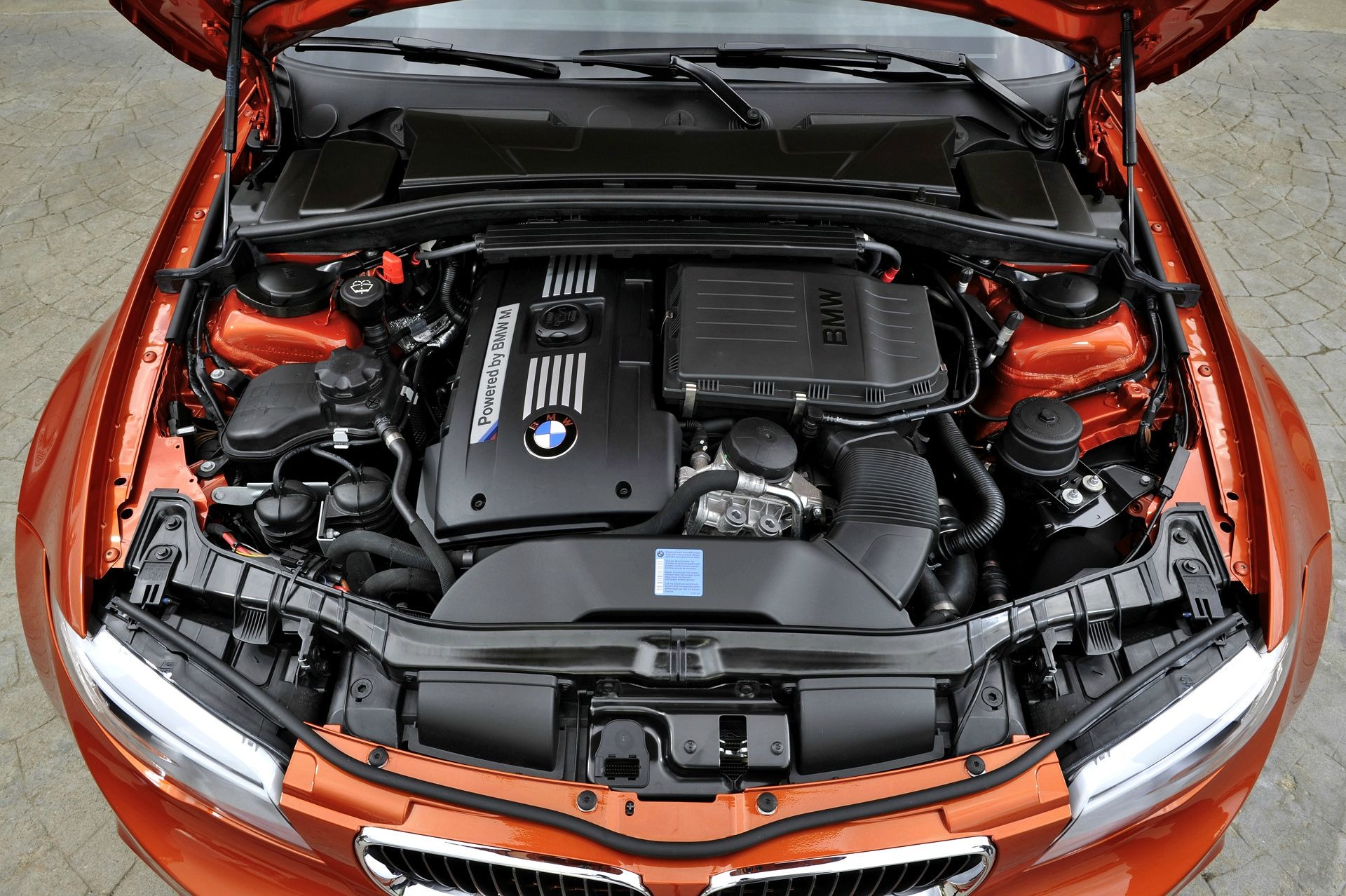
2. BMW N54
The BMW N54 twin-turbocharged inline-six, launched in the mid-2000s, initially impressed with its smooth power delivery and strong performance. However, it soon developed a reputation for being troublesome as it aged. While the base engine design was solid, several components around it caused frequent and expensive problems.
One major concern was the high-pressure fuel pump (HPFP), which often failed well before expected mileage. When this happened, the car could stall or refuse to start, requiring costly replacement. Turbocharger wastegate rattle was another widespread issue, sometimes leading to full turbo replacements. These repairs could quickly add up to thousands of dollars.
The N54 was also prone to carbon buildup on the intake valves due to its direct injection system. As time goes by, this buildup could restrict airflow, reducing performance and causing rough idling. Cleaning the valves required a labour-intensive process called walnut blasting, which was not inexpensive.
Cooling system components, such as the water pump and thermostat, were known to fail prematurely. Considering the N54’s tendency to run hot under spirited driving, these failures could lead to overheating if not addressed promptly. Oil leaks from the valve cover gasket and oil filter housing were also common, adding to maintenance costs.
While enthusiasts appreciated the N54’s tuning potential, increasing boost levels often accelerated wear on already fragile components. As a result, owning this engine without a generous repair budget could be frustrating. For drivers seeking long-term dependability, the N54 often proved to be a costly gamble despite its impressive performance.
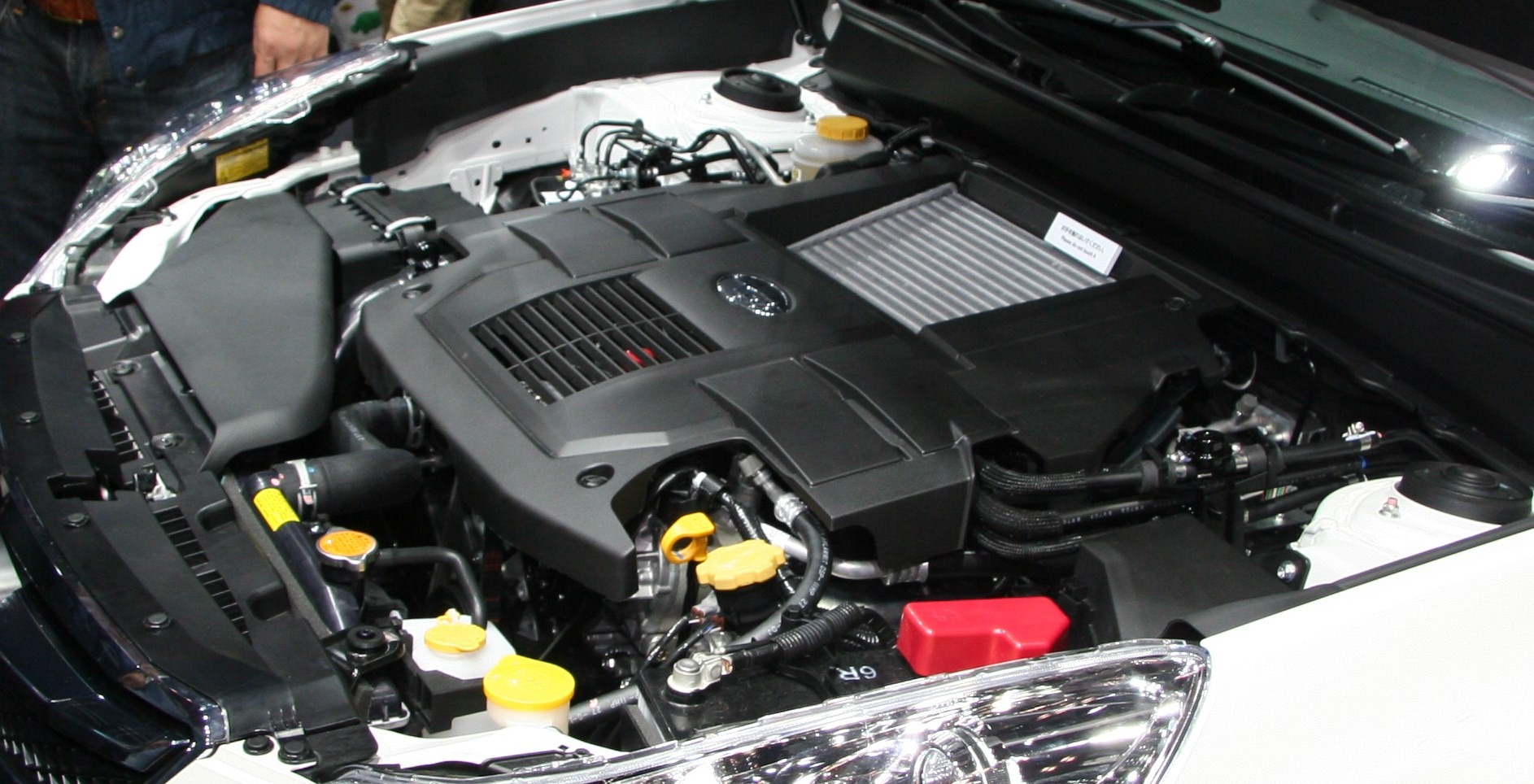
3. Subaru EJ25
The Subaru EJ25 flat-four engine has been used in various Subaru models for decades, including the Outback, Forester, and Impreza. While it provided decent performance and a low centre of gravity for improved handling, it became infamous for a persistent issue: head gasket failures.
Early versions of the EJ25 were particularly prone to this problem, sometimes occurring as early as 60,000 miles. The failure allowed coolant and oil to mix or escape, leading to overheating and engine damage if not caught in time. Even after Subaru revised the gasket design, many owners continued to face similar problems.
The horizontally opposed layout, while beneficial for handling, made head gasket replacement more time-consuming and expensive than in conventional engines. In some cases, repairs could cost over $1,500, an expense for vehicles that were otherwise in good condition.
Another concern was oil consumption, which became noticeable as the engines aged. Excessive oil burning not only requires frequent top-ups but could also indicate internal wear. Some owners experienced piston slap, a knocking noise during cold starts, which could be a sign of deeper mechanical issues.
While regular maintenance and careful driving could extend the EJ25’s life, its recurring gasket failures overshadowed its other strengths. Many used car buyers avoided models with this engine unless they had documentation showing recent gasket replacement. Without such assurance, the risk of costly repairs remained high.
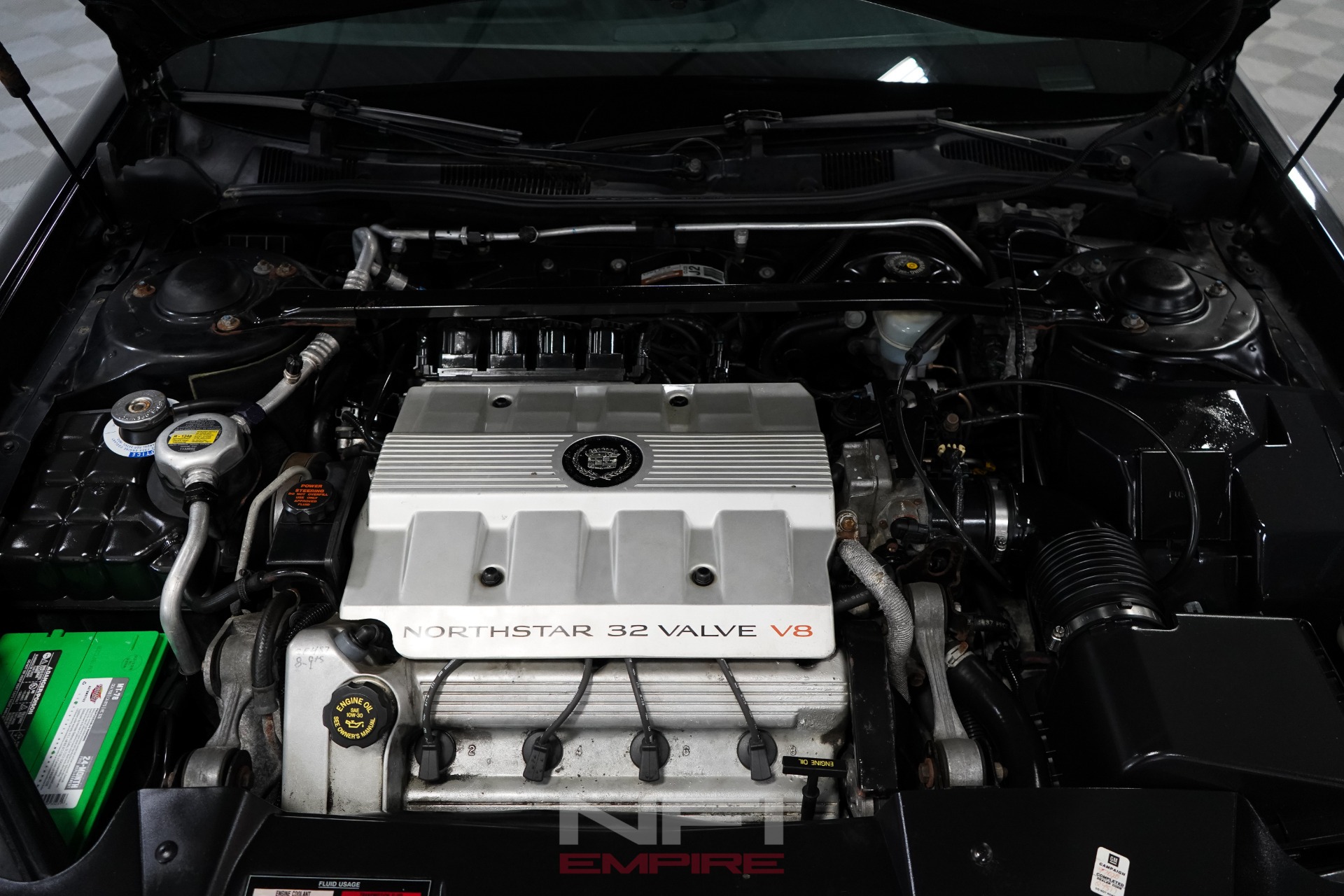
4. Cadillac Northstar V8
The Cadillac Northstar V8, introduced in the early 1990s, was designed to bring advanced performance and refinement to Cadillac’s lineup. On paper, it delivered impressive horsepower and smooth operation. Unfortunately, in real-world use, it suffered from several durability issues that tarnished its image.
One of the most infamous problems was head bolt thread failure in the aluminium block. As time goes by, the threads could pull out, leading to head gasket failure and severe overheating. Repairing this issue was expensive because it required specialised inserts and labour.
The Northstar also tended to consume oil at a higher rate than most drivers considered normal. Cadillac claimed that this was within acceptable limits, but many owners were frustrated by the need to add oil between scheduled changes. In some cases, the oil burning was accompanied by leaks from the rear main seal, which was notoriously difficult to replace.
Cooling system issues, such as water pump failures and crossover pipe leaks, were also common. Given the Northstar’s high operating temperature, any cooling problem could quickly escalate into major engine damage.
While the engine offered smooth performance and a refined driving experience, the combination of potential head bolt failure, oil consumption, and cooling system weaknesses made it a risky choice for anyone seeking longevity. For many owners, the cost of addressing these problems outweighed the pleasure of its performance.
Also Read: 5 Turbo Engines That Stay Reliable and 5 That Always Break
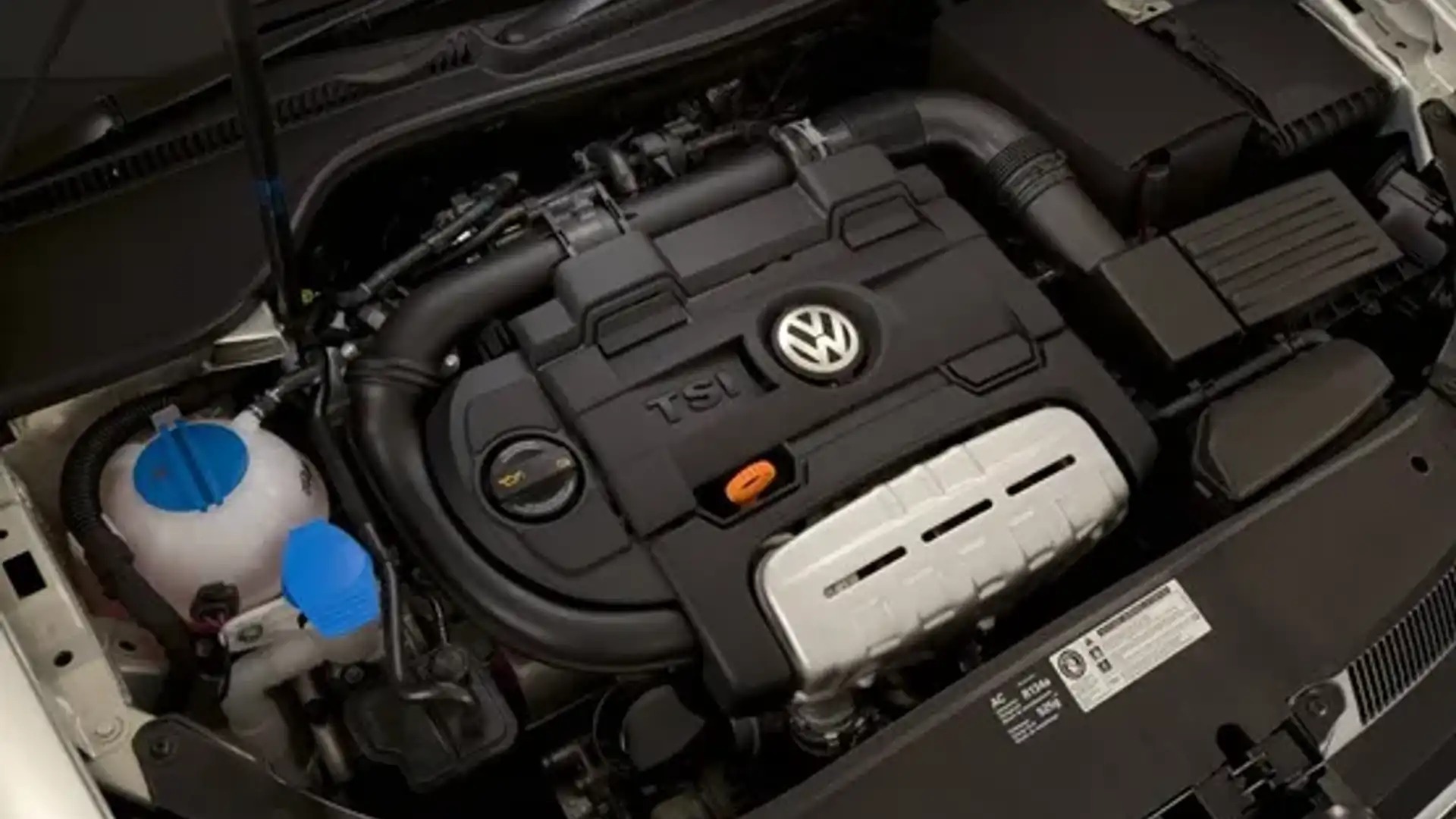
5. Volkswagen 1.4 TSI (Early Versions)
The early versions of Volkswagen’s 1.4-litre TSI turbocharged engine, used in models such as the Golf, Jetta, and Polo, promised strong performance and good fuel economy from a small displacement. However, they soon became known for reliability concerns that could emerge well before the odometer reached high mileage.
One frequent issue was timing chain tensioner failure. When the tensioner malfunctioned, the chain could jump teeth, causing the engine to run poorly or even suffer catastrophic internal damage. This problem sometimes occurred without warning, leading to complete engine replacement in severe cases.
Turbocharger failures were another concern. The small turbo used in early 1.4 TSI engines was prone to wear, and replacement costs were high. Misfires caused by ignition coil and spark plug problems were also common, often leading to reduced performance and poor fuel economy.
Some owners experienced excessive oil consumption, which could indicate piston ring issues. This problem was particularly frustrating for drivers who expected low running costs from a small engine. Additionally, carbon buildup on the intake valves, a common issue with direct injection engines, further added to maintenance demands.
While later versions of the 1.4 TSI received improvements, the early models left a lasting impression of unreliability for many owners. For buyers considering used cars with this engine, a thorough service history and evidence of major repairs are essential to avoid expensive surprises.
When looking at these engines side by side, the differences in their reputations are the result of engineering choices, manufacturing quality, and how well they respond to real-world use.
Engines like Toyota’s 2JZ-GTE, Honda’s K20, and Mercedes’ OM617 earned their durability through robust construction and designs that allow them to endure both regular driving and more demanding conditions.
Owners who take basic maintenance seriously often find these power plants capable of lasting far longer than the cars around them. On the other end, engines such as the Chrysler 2.7L V6, BMW’s N54, and Subaru’s EJ25 struggled because of design weaknesses or components that failed too early.
While they may perform well when new, the cost and frequency of repairs can make them frustrating to own in the long term. Many of these engines could have benefited from more extensive testing and higher-quality materials during production.
For anyone considering a used vehicle, understanding the strengths and weaknesses of the engine under the hood is just as important as checking the car’s service history or inspecting its condition. Choosing a model known for a dependable engine can mean years of trouble-free driving, while picking one with a track record of failures may lead to unexpected expenses.
The lesson is simple: an engine’s reputation is built on thousands of ownership experiences after some time. By learning from the successes and failures of different designs, buyers can make better choices and avoid costly mistakes.
A reliable engine is not just a mechanical component; it is the core of a vehicle’s value, determining whether it becomes a long-term companion or an ongoing repair project.
