
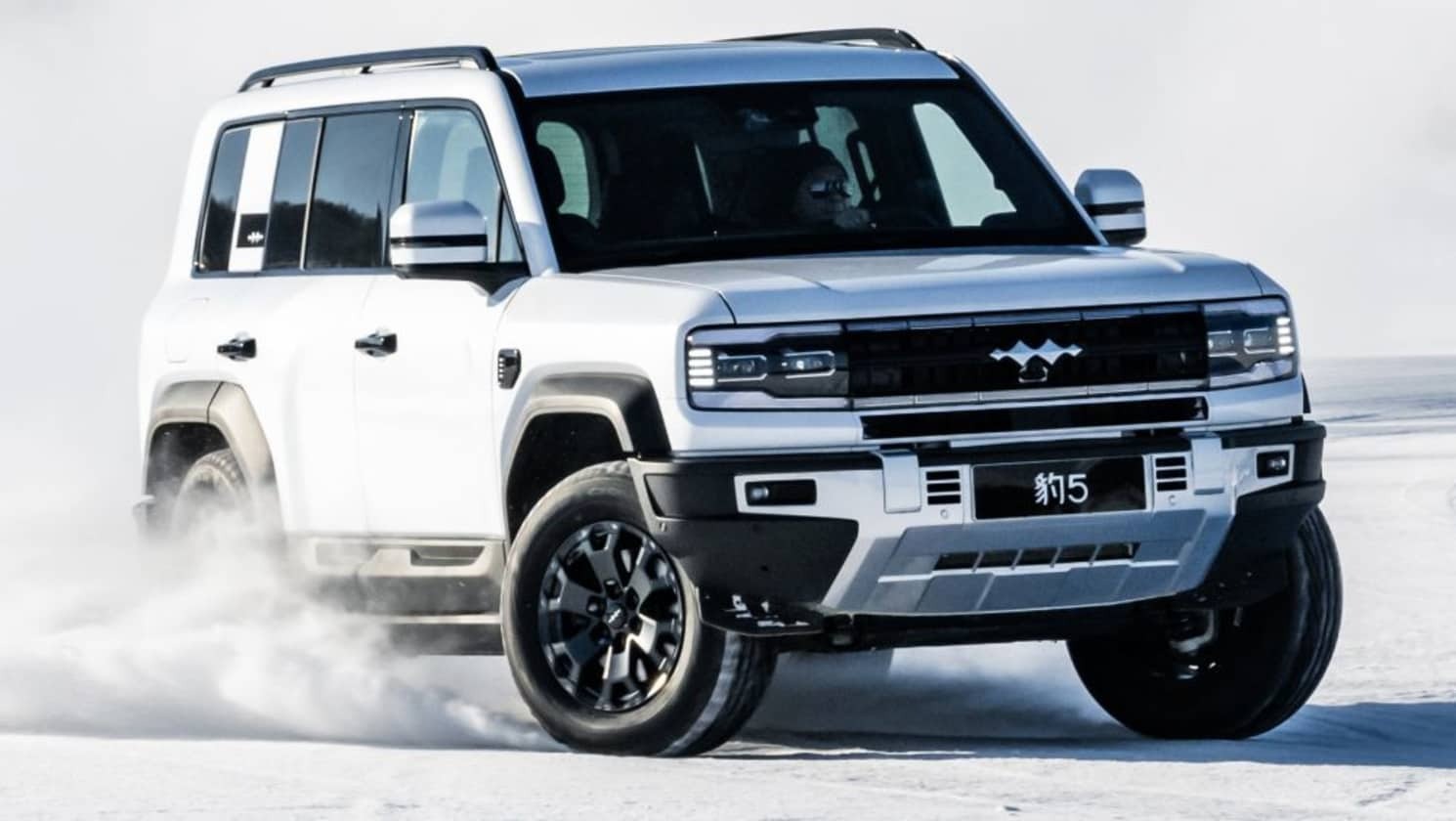
For many vehicle owners, the condition of the bodywork is just as important as the performance under the hood. Rust is one of the most frustrating problems any car enthusiast or family driver can face because once it starts, it tends to spread if not treated quickly.
It not only spoils the appearance but can also weaken the structure of the vehicle and affect safety. This is why people often pay close attention to how a car handles rust before they decide to buy. Some SUVs are known for their durability and strong protection against corrosion, while others have a reputation for showing rust spots faster than expected.
Different manufacturers use different methods to keep rust away. Some focus on thicker protective coatings, advanced galvanisation techniques, or improved drainage in design so that water does not sit in hidden areas.
Others may use lighter materials or designs that, unfortunately, make it easier for moisture and salt to cause damage. The environment where the car is driven also matters. SUVs in areas with heavy snowfall and salted winter roads are more likely to face corrosion if they lack good protection.
It is not enough to simply say a car is “good” or “bad” with rust; the discussion needs real examples. Certain SUVs have proven over many years to resist rust even in harsh conditions. At the same time, there are models that, despite having many attractive features, have disappointed owners because of recurring corrosion issues.
We will look at five SUVs that have earned a strong reputation for resisting rust, followed by five others that have been widely reported for having frequent rust problems. This will help buyers understand which options can save them long-term repair costs and which may require more preventive care.
5 SUVs That Never Rust
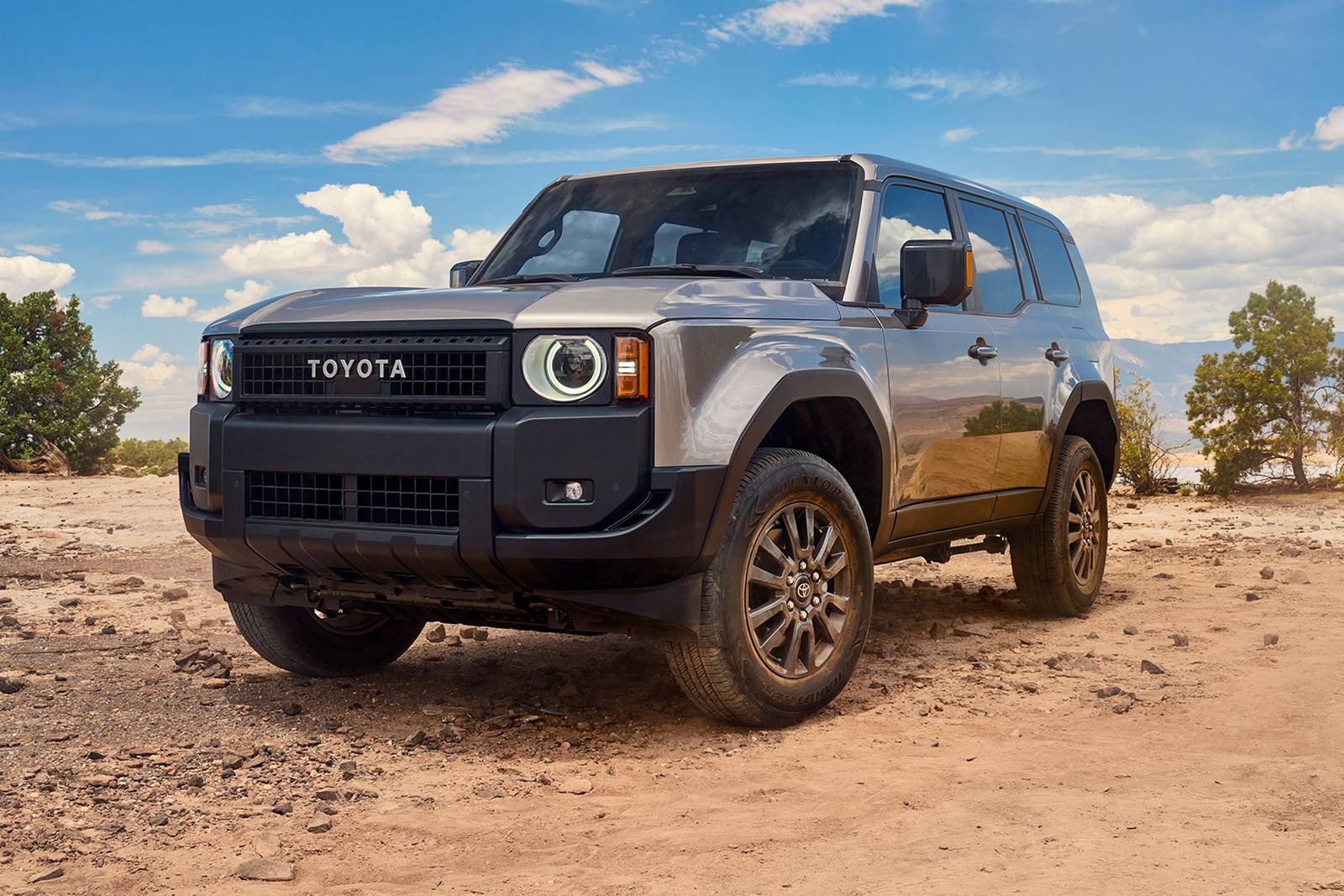
1. Toyota Land Cruiser
The Toyota Land Cruiser is widely respected for its build quality, off-road capability, and durability that extends beyond the engine. One area where it performs impressively is rust resistance. Owners who have driven this SUV for over a decade often report minimal corrosion, even in regions where winter roads are salted every year.
This is largely because Toyota uses heavy-duty galvanised steel in its construction and applies multiple layers of protective coatings on both the visible body panels and hidden structural areas. The frame of the Land Cruiser is also engineered to prevent water from getting trapped.
Drainage points are strategically placed so that rainwater or melted snow does not collect in corners, which is a common cause of rust in other vehicles. Toyota has consistently improved these designs over the years, ensuring that even older models hold up well against corrosion. The company’s approach to sealing weld points and using durable paint finishes further reduces the risk of metal exposure.
Another reason the Land Cruiser lasts so long without rust is that it is built to withstand extreme climates. In markets like Australia, the Middle East, and parts of Africa, the Land Cruiser is exposed to intense heat and sometimes coastal salt air. The engineering is aimed at preventing both oxidation from moisture and damage from sun exposure, which can weaken protective coatings.
Owners who perform regular washing, especially after winter driving, usually see their Land Cruiser stay in top condition for decades. Even under heavy off-road use where the undercarriage is constantly exposed to mud and grit, the SUV resists corrosion better than many rivals.
While no vehicle is completely immune to rust, the Land Cruiser’s track record is one of the strongest in the SUV segment. For drivers seeking an SUV that can handle both rugged trails and long-term daily use without becoming a rust-covered headache, the Land Cruiser remains an outstanding choice.
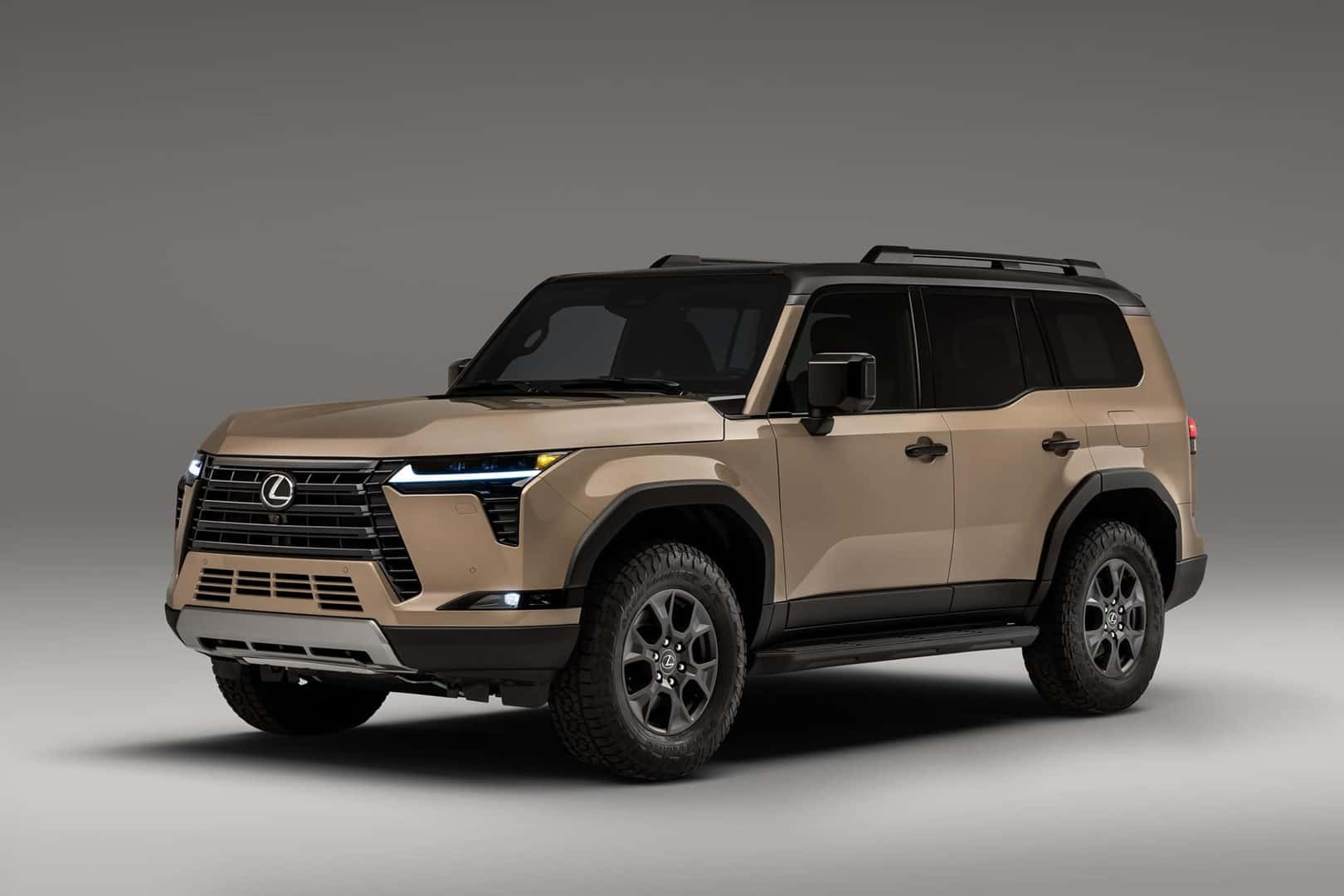
2. Lexus GX
The Lexus GX shares much of its engineering with the Toyota Land Cruiser Prado, which means it benefits from similar rust-resistant qualities. Built with a focus on durability and luxury, the GX combines a strong body-on-frame design with protective measures that slow down corrosion.
Lexus applies advanced anti-rust coatings to both the exterior panels and internal cavities, which helps prevent moisture from reaching untreated metal surfaces. The GX also benefits from tight panel gaps and high-quality rubber seals around doors and windows. These reduce the chances of water leaking into areas that are hard to dry.
Many SUVs experience rust when water seeps into hidden sections and stays there for long periods, but the GX is designed to allow proper ventilation and drainage. The underbody is given extra protection with thick coatings that resist chipping from stones and gravel.
Another factor that helps the GX maintain its condition is the brand’s commitment to quality control. Lexus vehicles undergo strict inspections to ensure that paint finishes are evenly applied and free from weak spots where corrosion could begin. This careful manufacturing process reduces the likelihood of rust forming in the first place.
Owners who live in snow-prone areas often praise the GX for holding up well even after several harsh winters. Even when driven on salted roads, it does not develop rust patches as quickly as some other luxury SUVs. When combined with regular maintenance such as undercarriage washing and occasional wax treatments, the GX can retain its original appearance for many years.
Although the Lexus GX is a luxury SUV, it does not compromise on the ruggedness that helps prevent corrosion. This blend of refinement and toughness makes it a dependable option for anyone who wants an SUV that can deliver both comfort and long-term durability without succumbing easily to rust damage.
Also Read: 5 SUVs That Feel Premium Inside and 5 That Feel Cheap
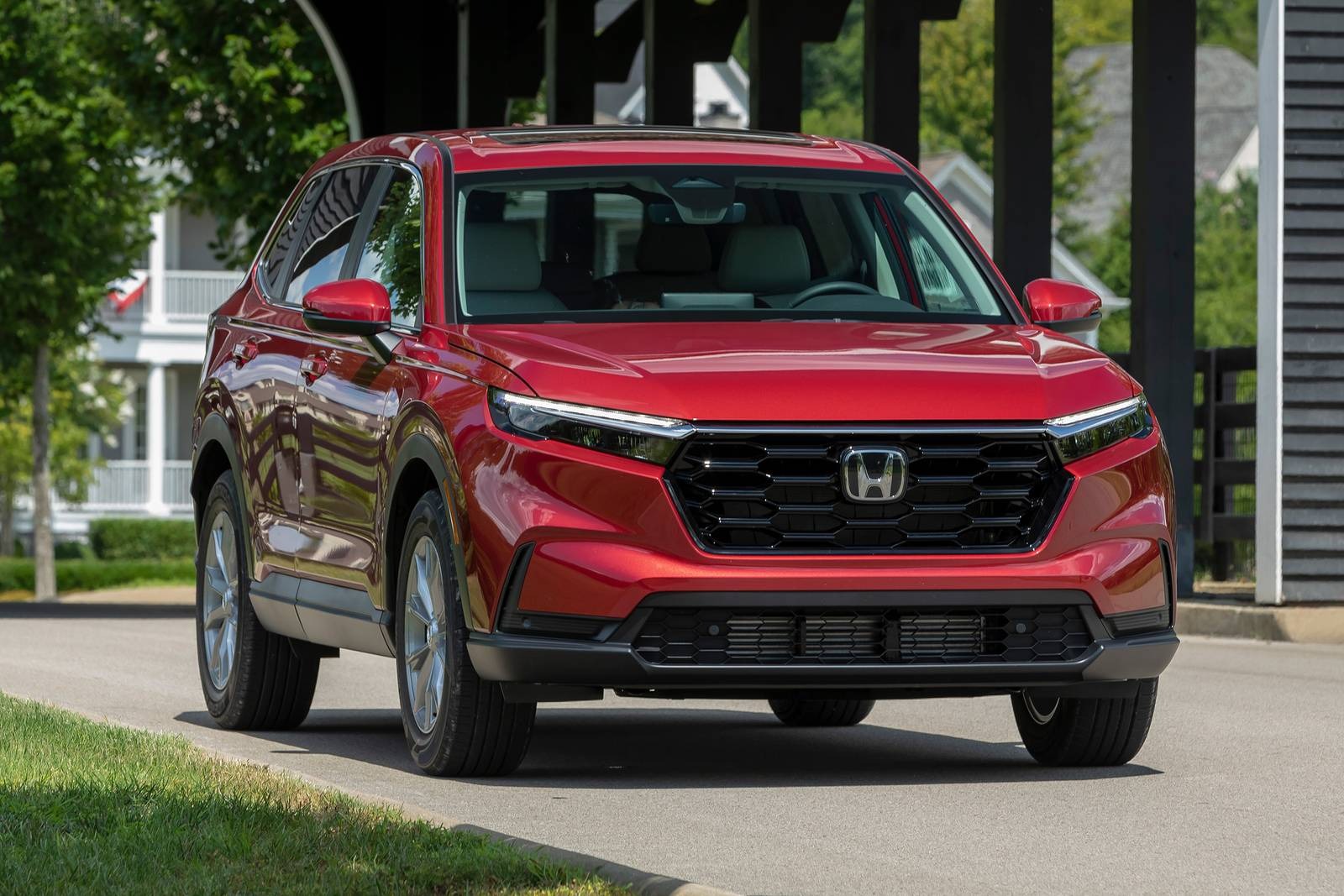
3. Honda CR-V
The Honda CR-V has earned a reputation for being a practical, efficient, and low-maintenance SUV, and its rust resistance is another strength worth mentioning. While some older Hondas were known to have rust issues, the CR-V has consistently performed better thanks to Honda’s improvements in body protection technology.
Modern CR-V models use galvanised steel panels coated with advanced anti-corrosion layers to protect against road salt, moisture, and humidity. One of the main advantages of the CR-V is its unibody construction, which means there are fewer exposed frame sections where rust can start.
The underbody is also treated with protective sealants to guard against damage from small stones or debris kicked up while driving. This helps prevent scratches that could otherwise lead to corrosion after some time.
Honda has also worked on improving drainage designs, making sure that water does not collect in wheel wells or along door sills. In rust-prone climates, trapped water is a major cause of damage, so these small design details make a big difference in how well the vehicle ages.
Many owners report that even after several years of use in snowy areas, their CR-Vs show minimal rust when given basic maintenance. Washing the undercarriage after winter, keeping the paint touched up, and applying wax periodically are usually enough to keep the SUV looking good.
Another factor is Honda’s high-quality paint finishes, which resist chipping and peeling. Once the paint is compromised, rust can spread quickly, but the CR-V’s finish holds up well against everyday wear.
For buyers who want an affordable, comfortable SUV that will not become a rust problem after a few years, the Honda CR-V stands out as a solid option. It combines practicality with durability, making it a reliable choice for both city and rural driving without the worry of rapid corrosion.
4. Ford Expedition
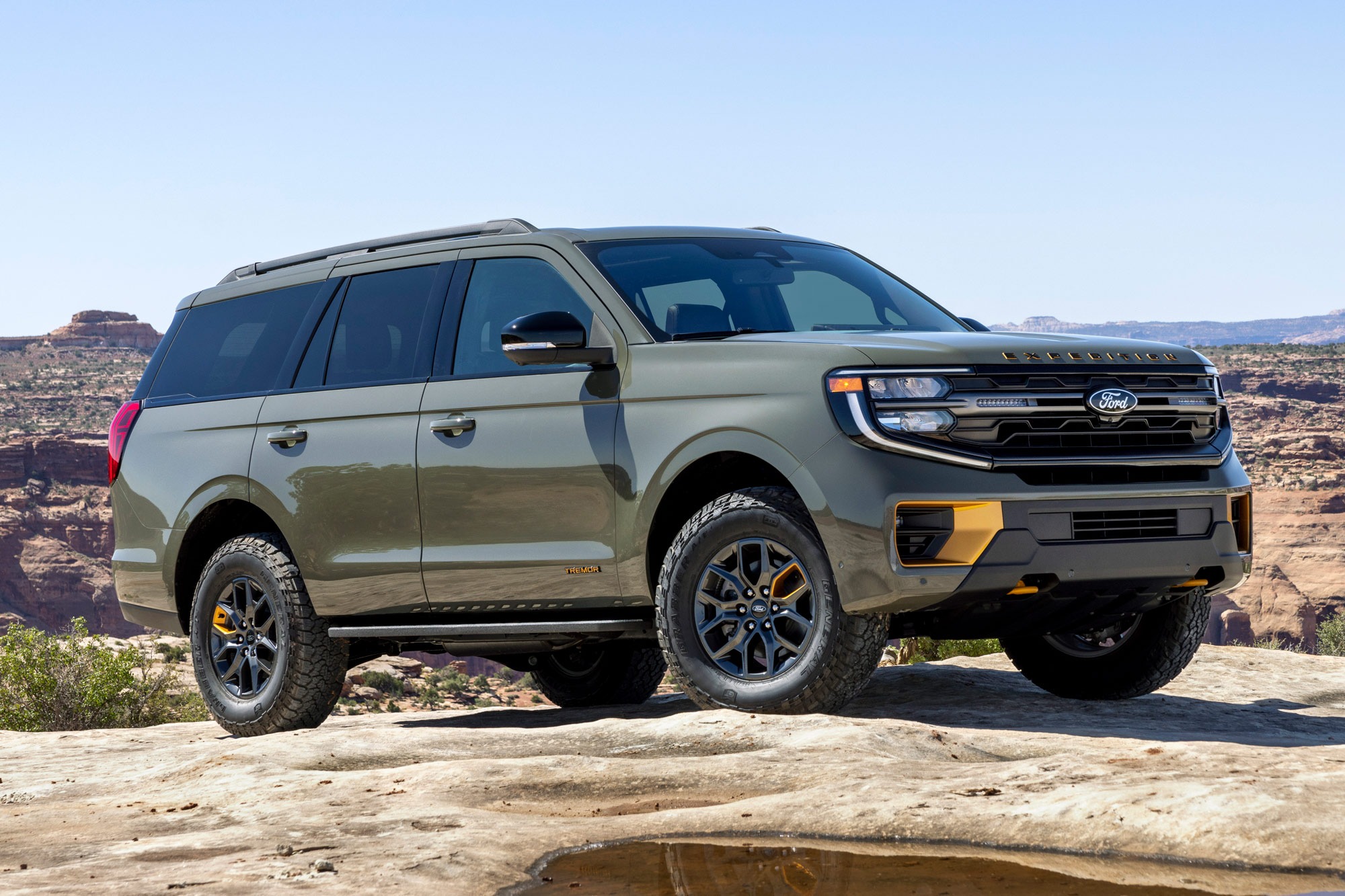
The Ford Expedition has been a strong performer in the full-size SUV category for decades, and part of its appeal is how well it holds up structurally over the years. Many large SUVs suffer from underbody corrosion when exposed to road salt, but the Expedition has consistently been praised for its rust resistance, especially in more recent generations.
Ford uses high-strength steel with protective galvanisation in the body structure and frame. The undercarriage receives extra sealing, and wheel wells are treated with coatings that reduce the likelihood of salt buildup.
This attention to underbody treatment is important because large SUVs like the Expedition often see heavy winter use, especially in the northern United States, where road salt is a constant issue during the colder months.
Another advantage is Ford’s improved paint technology. Modern Expeditions receive a multi-layer paint and clear coat system that helps shield the body panels from scratches and chips, which are common starting points for rust. Even in areas that experience frequent gravel or debris on the road, the protective finish is strong enough to maintain its integrity for years.
Drainage channels are designed to prevent water accumulation, and rubber seals keep moisture from seeping into hidden areas like door sills and tailgate frames. These improvements have reduced the type of rust issues that older SUVs used to face.
Owners who perform simple preventive maintenance, such as underbody washes after snowstorms and occasional waxing, find that their Expeditions stay rust-free much longer than many competitors. Even models used for towing boats near coastal areas show good resistance, provided they are rinsed after saltwater exposure.
For families or drivers who need a large SUV that offers both capacity and long-term durability, the Ford Expedition remains a dependable option. It combines size, strength, and corrosion resistance in a package that holds up well even under demanding conditions.
5. Subaru Forester
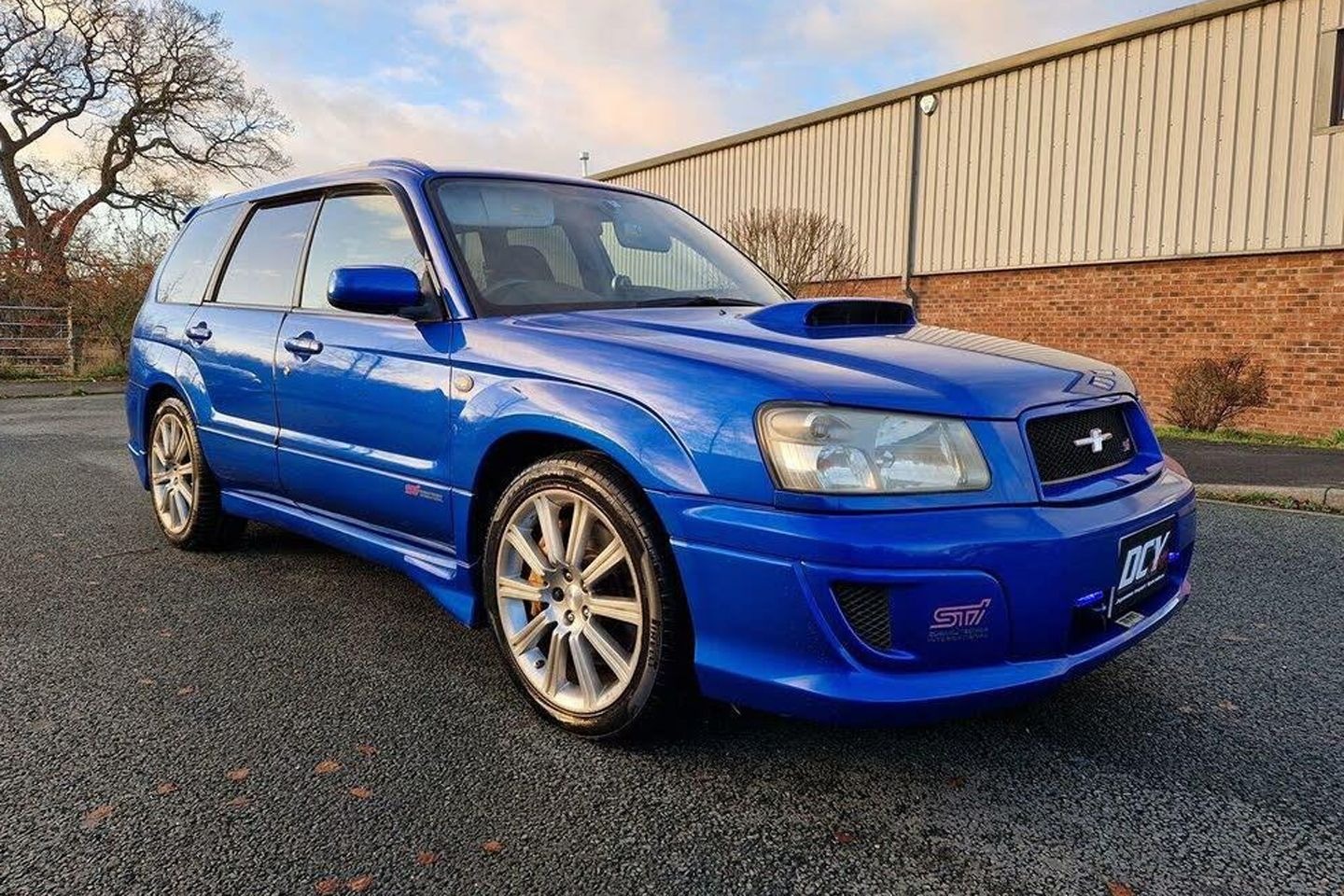
The Subaru Forester is well-known for its all-wheel-drive capability and reliability in tough weather, but it is also one of the better performers when it comes to rust prevention. Subaru has addressed corrosion concerns by using extensive rustproofing measures in the manufacturing process. Modern Foresters are built with galvanised steel and treated with anti-corrosion coatings both inside and out.
One of the most common rust-prone areas in SUVs is the undercarriage, but Subaru takes extra steps to protect it. The Forester’s underside receives a thick protective layer that guards against road salt and moisture. This is particularly important since many Foresters operate in snow-heavy regions where salt use is widespread.
The vehicle also has well-designed drainage systems, which help prevent water from pooling in wheel arches or door sills. These areas can easily become rust spots if moisture remains for long periods. Subaru’s engineering ensures that water is directed away quickly, even after driving through heavy rain or snow.
Another strength is Subaru’s focus on paint durability. The Forester’s paint system includes multiple protective layers that resist chipping from small stones or gravel. Since rust often starts where paint is damaged, this added protection extends the lifespan of the bodywork.
Owners often praise the Forester for staying solid and rust-free for many years with only basic care. Simple steps like washing regularly, especially during winter, and applying wax before the cold season can help maintain its appearance for well over a decade.
Given its combination of capability, reliability, and strong corrosion resistance, the Subaru Forester is a wise choice for drivers who want an SUV that can handle challenging climates without suffering from premature rust damage.
SUVs Known For Frequent Rust Problems
1. Jeep Wrangler
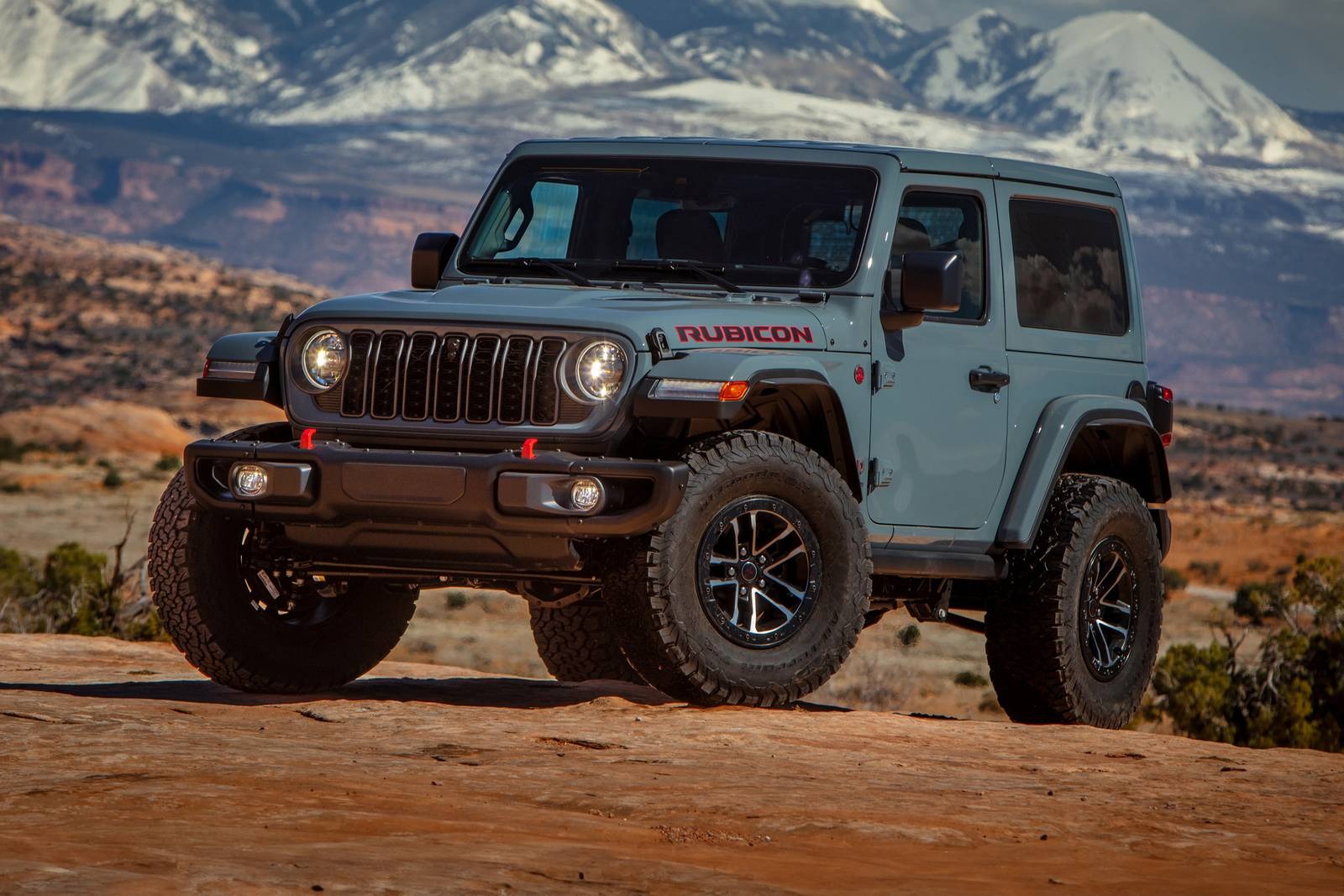
The Jeep Wrangler has legendary off-road capability, but when it comes to resisting rust, it has not always been a top performer. Many Wrangler owners have reported corrosion issues, especially around the underbody, hinges, and door sills. The design of the Wrangler, with exposed hinges and removable doors, means that water and debris can find their way into small spaces where it is difficult to dry out.
While newer models have improved somewhat in terms of rust prevention, older Wranglers are especially prone to corrosion if not regularly maintained. The frame and suspension components often develop surface rust after a few winters in salt-heavy regions. If left untreated, this can progress to more serious structural corrosion.
The Wrangler’s boxy shape also means that mud and dirt tend to stick to the body and undercarriage during off-road driving. If the vehicle is not washed thoroughly after such trips, moisture can remain trapped and begin the rusting process. The seams along the rear tailgate and the weld points on the frame are common trouble spots.
Jeep has taken steps to add more protective coatings in recent years, but even so, owners in snowy or coastal areas are advised to apply aftermarket rustproofing and keep up with frequent cleaning.
For enthusiasts who love the Wrangler’s rugged appeal, rust prevention must be part of the maintenance routine. Regular inspections, undercoating treatments, and prompt touch-ups on paint chips can help manage the issue. Without these precautions, the Wrangler is more likely to develop visible rust patches within just a few years of heavy use.
2. Chevrolet Tahoe
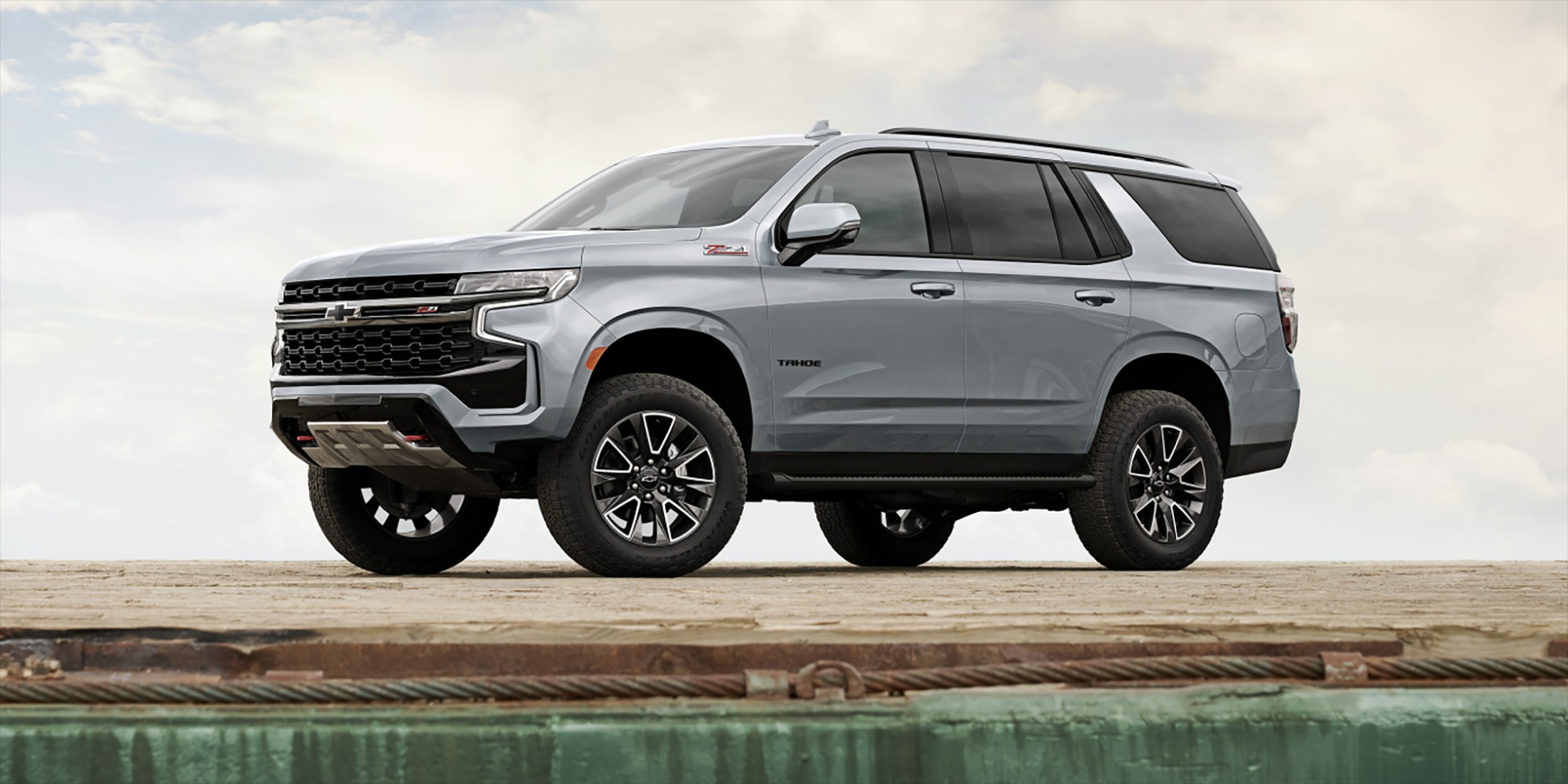
The Chevrolet Tahoe is a popular full-size SUV with strong towing capability and plenty of interior space, but its track record with rust is less impressive. Many Tahoe owners have reported corrosion around the wheel wells, rocker panels, and underbody frame sections. In areas where winter road salt is common, these problems can appear relatively early if the SUV is not maintained carefully.
One reason for the Tahoe’s rust issues is that certain body sections trap moisture and road salt, especially behind the wheel arches and along the seams where panels meet. Once salt gets in, it can be difficult to remove without thorough cleaning. After some time, this accelerates the rusting process.
The undercarriage is another trouble area. While Chevrolet applies protective coatings, these can wear off in high-impact zones where gravel or debris strikes the metal. Once bare metal is exposed, rust can begin quickly.
Owners have also reported that the tailgate area is prone to corrosion, particularly around the latch and lower edge. This is often due to water seeping in and remaining trapped in the seams.
While regular washing and protective treatments can extend the Tahoe’s life, buyers should be aware that it is more prone to rust than some rivals. If purchasing a used Tahoe, it is wise to check underneath and around the wheel wells for any signs of corrosion before committing.
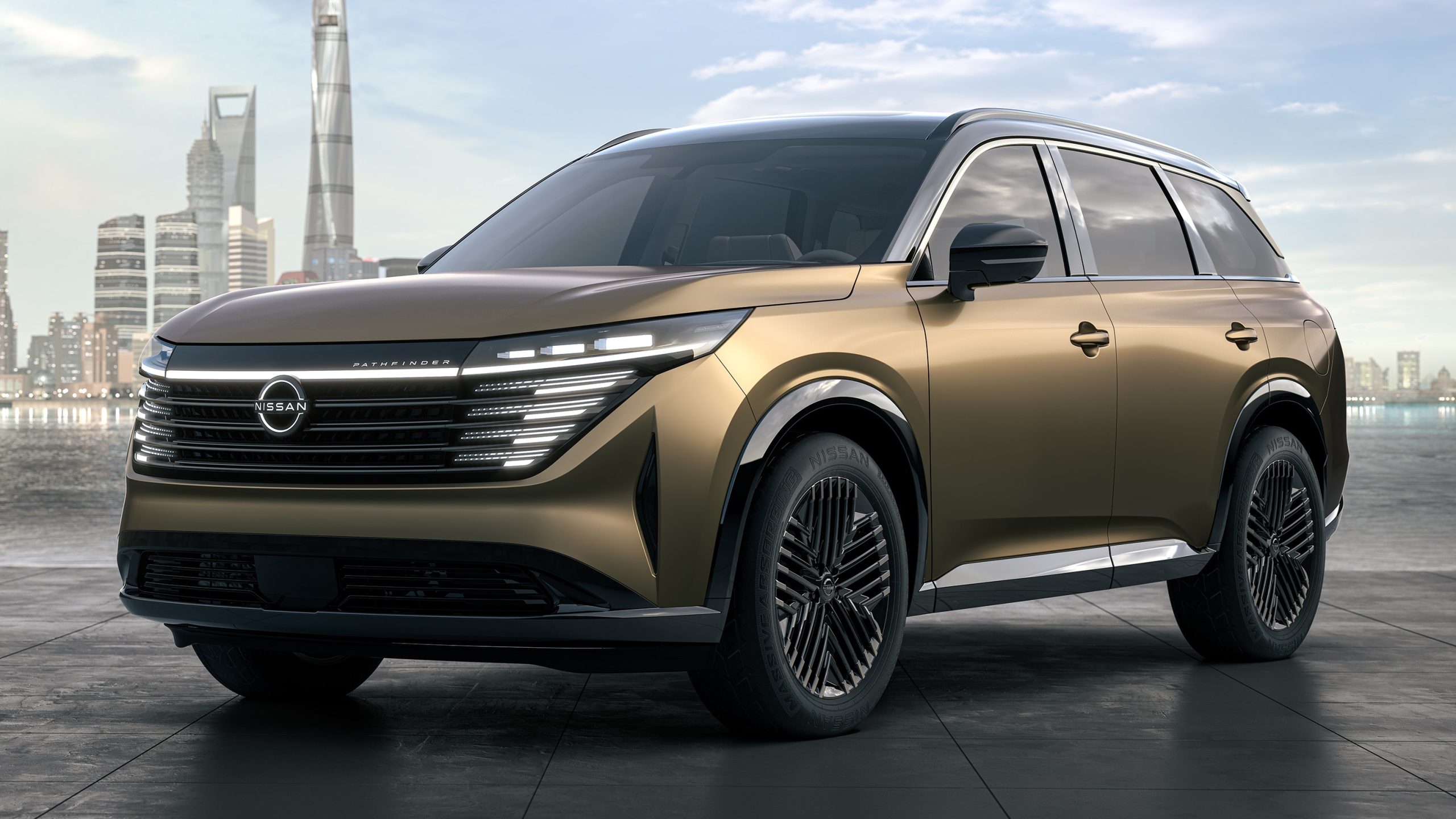
3. Nissan Pathfinder
The Nissan Pathfinder has been a familiar sight on roads for decades, offering family-friendly comfort and a capable design for varied driving needs. However, its reputation for resisting rust has been inconsistent, especially with certain older model years. Owners have reported frequent rust issues on the undercarriage, suspension components, and rear frame sections.
One recurring concern is the rear subframe. On some Pathfinders, particularly those used in regions with salted winter roads, corrosion has been severe enough to require major repairs. This happens when protective coatings wear thin and salt-laden water sits in contact with metal parts for extended periods. The seams in the frame can trap moisture, accelerating the rusting process.
Wheel wells and rocker panels are also common problem spots. Mud and debris can accumulate here, holding moisture against the paint and allowing corrosion to begin. Once rust starts in these hidden areas, it often spreads before the owner notices visible damage.
Nissan has taken steps in newer models to improve protective coatings and sealant application, but Pathfinders in harsh climates still require extra care. Applying aftermarket undercoating and thoroughly washing the underside during winter can help reduce the risk.
For buyers considering a used Pathfinder, it is wise to inspect the underside carefully, paying close attention to the frame near the rear wheels. Regular cleaning, prompt paint touch-ups, and protective sprays are essential for keeping corrosion at bay. Without such measures, the Pathfinder can show rust earlier than some competitors in the same class.
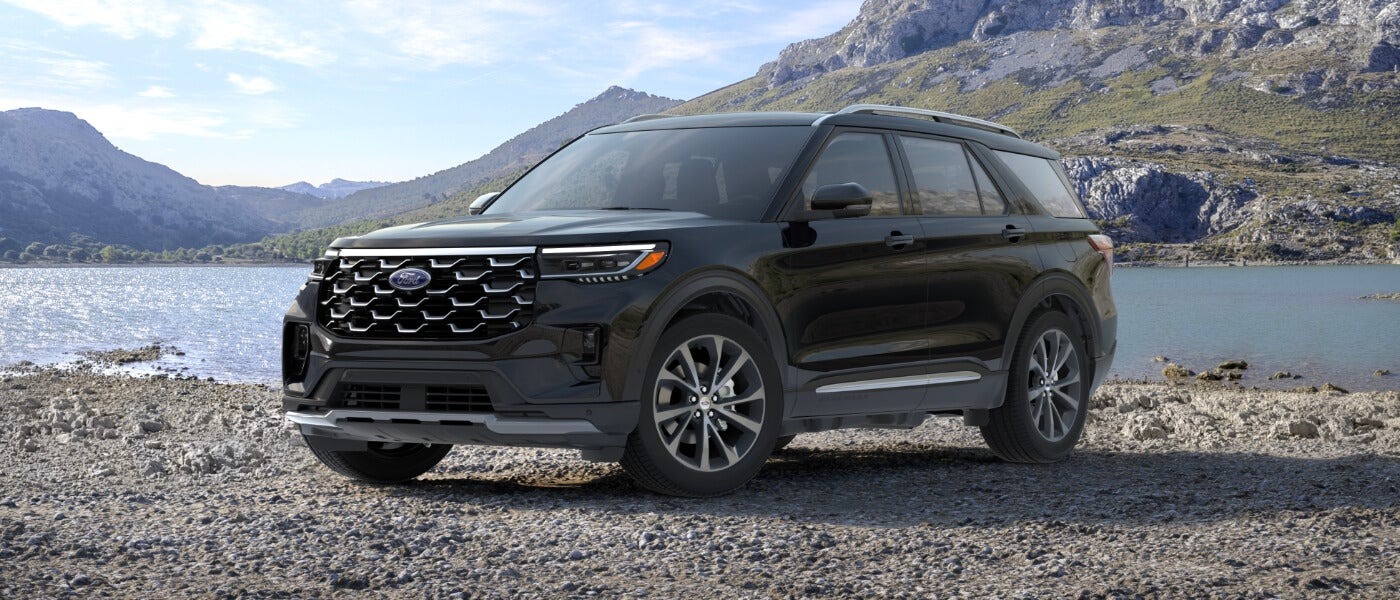
4. Ford Explorer
The Ford Explorer has been a leading SUV choice for many years, but its record with rust prevention has not been flawless. While newer generations have improved, earlier models, particularly from the 1990s and early 2000s, are well-known for developing rust in several areas.
One of the most common problem spots is the rear liftgate, especially around the bottom edge and near the handle. Water can enter through worn seals or seams and remain trapped, leading to corrosion. Wheel arches and rocker panels are also vulnerable, particularly in climates where road salt is used heavily.
The undercarriage is another area of concern. Some owners have found rust on frame crossmembers and suspension components after only a few years of use in snowy regions. Once protective coatings wear off in high-impact zones, the exposed steel can begin to oxidise rapidly.
Ford has made advances in corrosion protection for more recent Explorers, using better sealants and improved drainage designs. However, the vehicle’s large size and multiple body seams mean there are still areas where dirt and moisture can hide.
To maintain an Explorer in good condition, owners should wash it regularly, including the underside, and check for paint chips that could expose bare metal. Applying wax before winter and considering an aftermarket rustproofing treatment can also help. Without such care, the Explorer is at a higher risk of visible rust compared to some rivals.
Also Read: 5 SUVs That Survive Off-Road Life and 5 That Can’t Leave Pavement
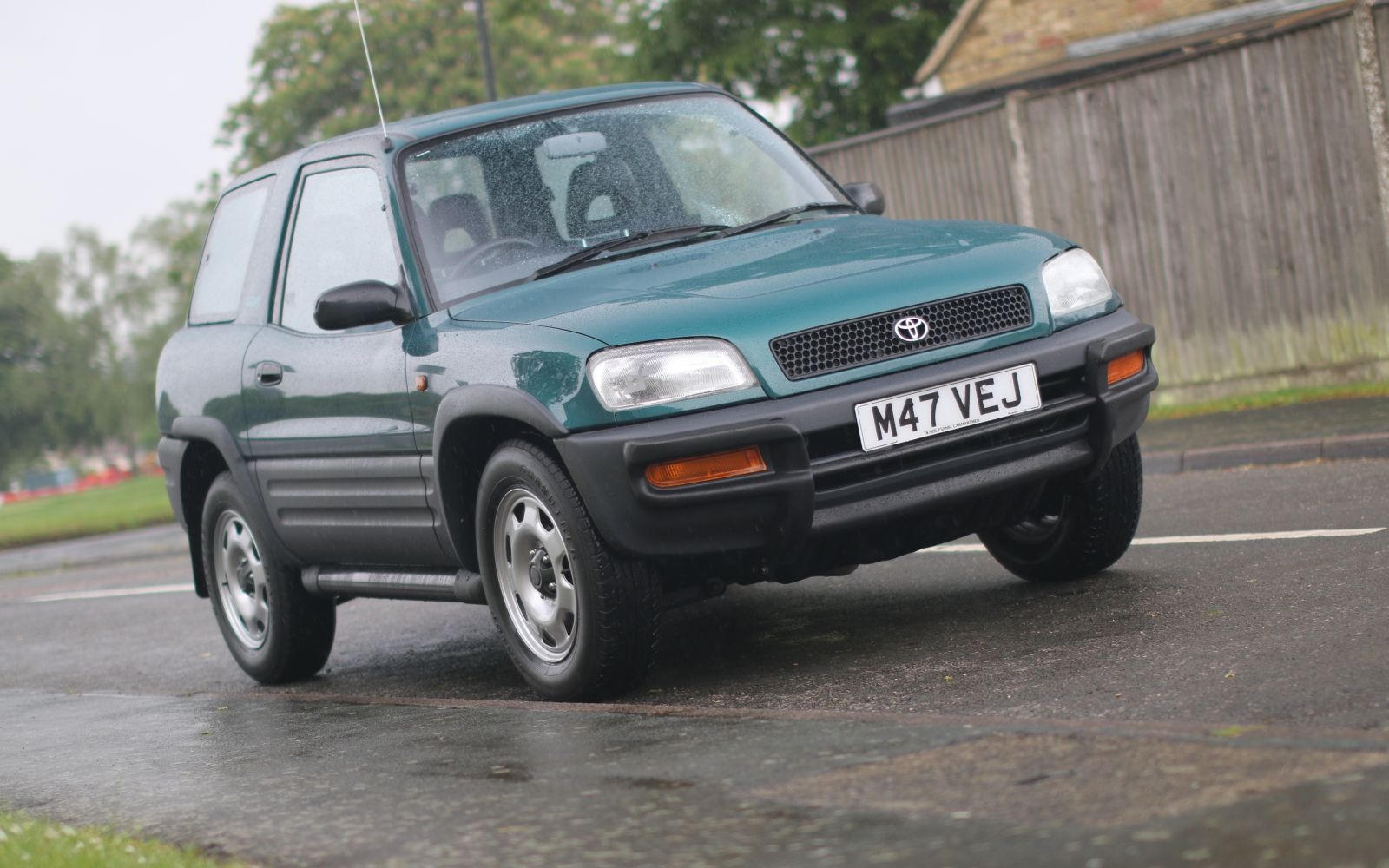
5. Toyota RAV4 (Older Models)
While modern Toyota RAV4 models benefit from improved corrosion protection, older generations, particularly those from the late 1990s and early 2000s, have been prone to rust. Owners have reported corrosion on wheel arches, door sills, and undercarriage components.
One contributing factor is that earlier RAV4 designs did not have as extensive galvanisation or protective coatings as today’s models. This meant that once the paint was chipped or scratched, the exposed steel could begin to corrode. In regions with heavy snow and salted roads, this process happened more quickly.
The rear quarter panels and lower door edges were particularly vulnerable. Moisture and dirt could collect here, especially if the vehicle was not washed regularly. The underbody frame sections also showed wear in areas where gravel and debris struck the metal.
Toyota addressed many of these issues in newer RAV4s, using better sealing methods and improved drainage. However, for those driving older models, preventive maintenance is essential. Regular undercarriage cleaning, prompt paint repairs, and protective sprays can help slow down rust formation.
When considering a used RAV4 from the earlier generations, it is important to inspect the wheel wells, underbody, and door sills closely. While these vehicles are mechanically reliable, the body condition can vary widely depending on how well they were maintained.
Choosing the right SUV involves more than comparing performance, comfort, and price. Rust resistance is a major factor that can affect both the vehicle’s appearance and its structural safety after some time.
Some SUVs, like the Toyota Land Cruiser, Lexus GX, Honda CR-V, Ford Expedition, and Subaru Forester, have proven themselves to be strong performers in resisting corrosion. These vehicles combine good engineering, effective coatings, and thoughtful design features to keep rust at bay for many years when given basic maintenance.
On the other side, models such as the Jeep Wrangler, Chevrolet Tahoe, Nissan Pathfinder, Ford Explorer, and older Toyota RAV4s have shown more vulnerability to rust. In many cases, design features that trap moisture, less effective protective coatings in certain years, or exposure to harsh climates contribute to the problem.
Owners of these SUVs can still enjoy a long service life if they invest in preventive measures, but neglect can lead to visible corrosion in just a few seasons. For anyone buying a new or used SUV, it is worth considering not only how it drives but also how it will hold up against the elements.
Regular cleaning, protective treatments, and prompt attention to chips or scratches are simple steps that can make a big difference. By choosing wisely and maintaining consistently, drivers can keep their SUV looking sharp and structurally sound for many years, avoiding the high costs and frustration that come with rust repairs.
