Winter salt is brutal on vehicles, especially trucks, and not all pickups are created equal when it comes to resisting corrosion. While some trucks maintain their structural integrity and appearance through years of harsh winters, others fall victim to rust quickly, leading to costly repairs and early retirement. U
nderstanding which models are built to withstand salty roads can save buyers money, frustration, and safety risks. Factors such as body materials, undercoating, and drainage systems play a crucial role in rust resistance.
This guide highlights five trucks that perform exceptionally well in winter conditions and five that historically struggle, helping buyers make informed decisions for long-lasting reliability in snow-heavy regions.
Trucks That Survive Winter Salt
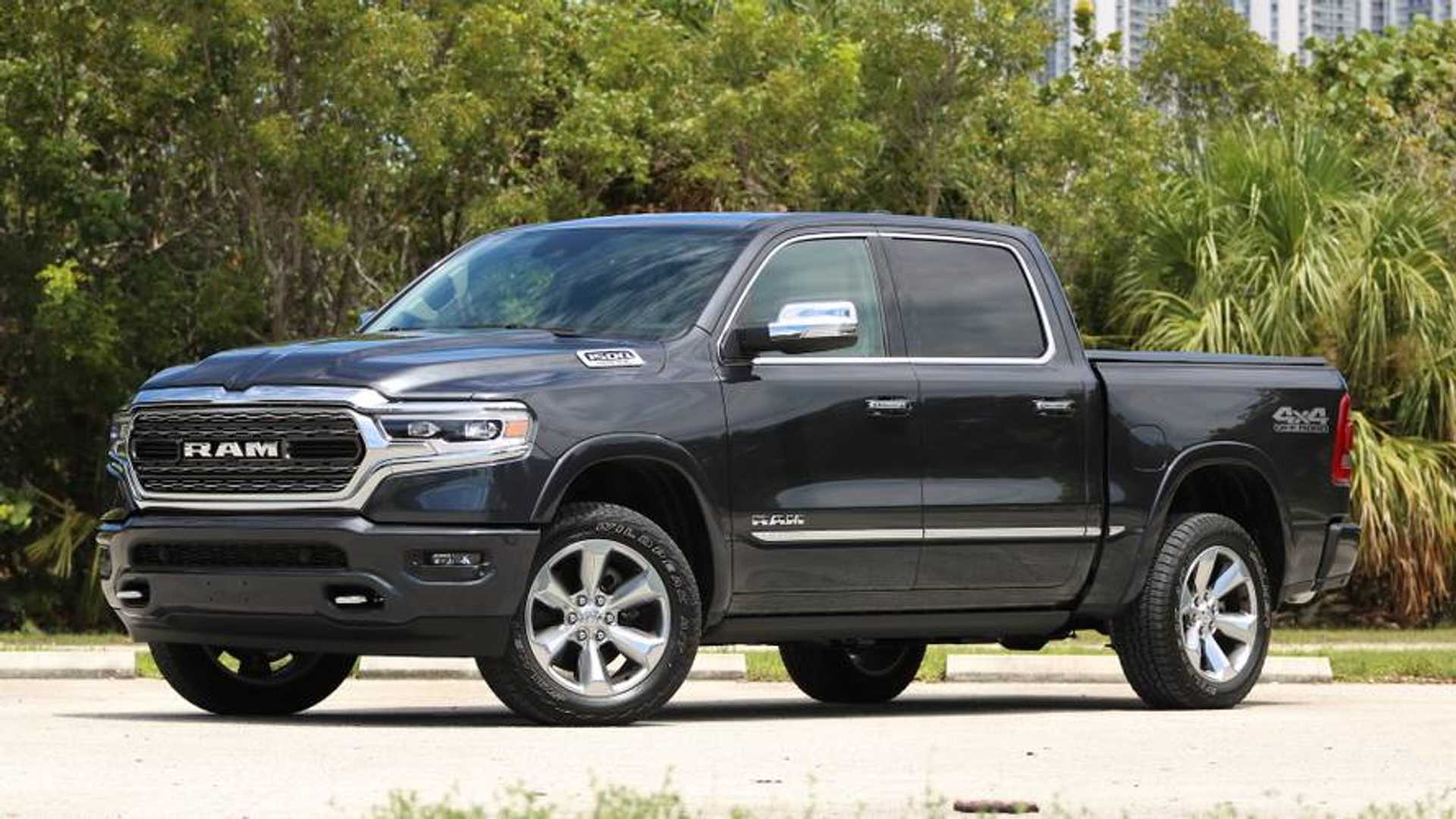
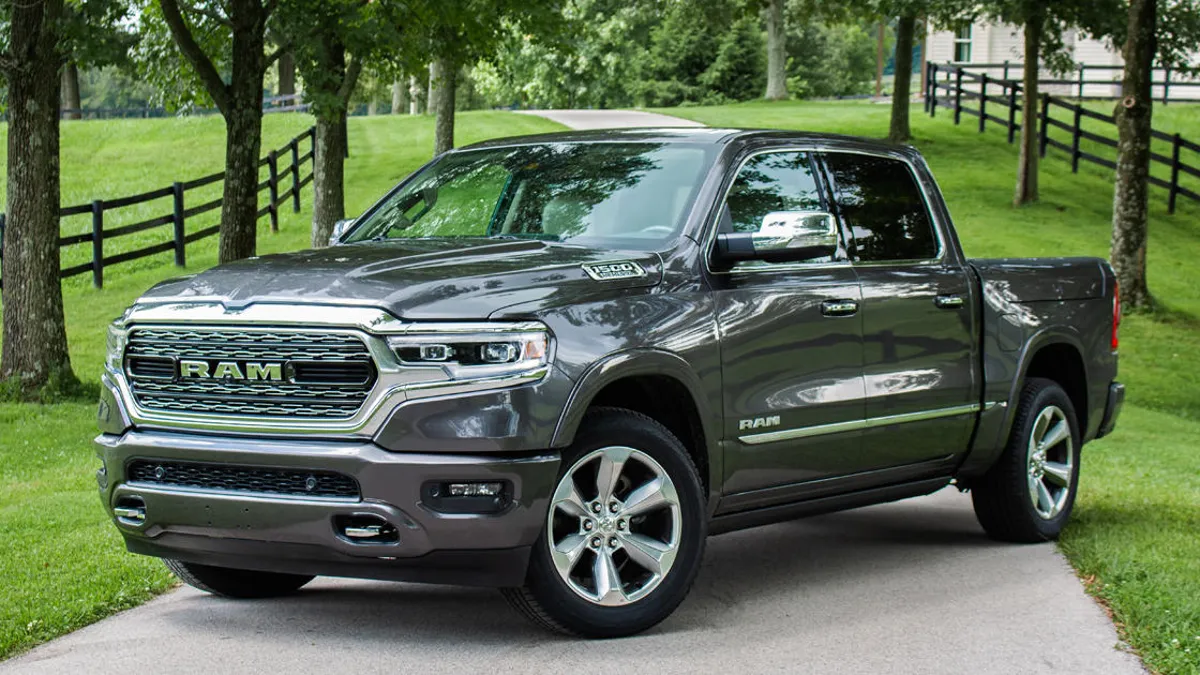
1. Ram 1500 (2019 and Newer)
The redesigned Ram 1500, starting in 2019, showcases significant improvements in rust prevention. The truck now features more galvanized panels and consistent factory-applied undercoating, addressing weak points like rocker panels and bed seams.
Drainage systems were improved to reduce moisture and salt buildup in hard-to-reach areas, ensuring less corrosion over time. Owners in salt-heavy regions, such as the Northeast and Great Lakes, report fewer instances of frame rust and underbody damage. While still requiring regular washing, this generation outperforms earlier models that were notorious for corrosion.
With better material choices, enhanced engineering, and a focus on long-term durability, the Ram 1500 has regained trust among buyers seeking a full-size truck that can endure harsh winters without structural degradation.
2. Toyota Tundra
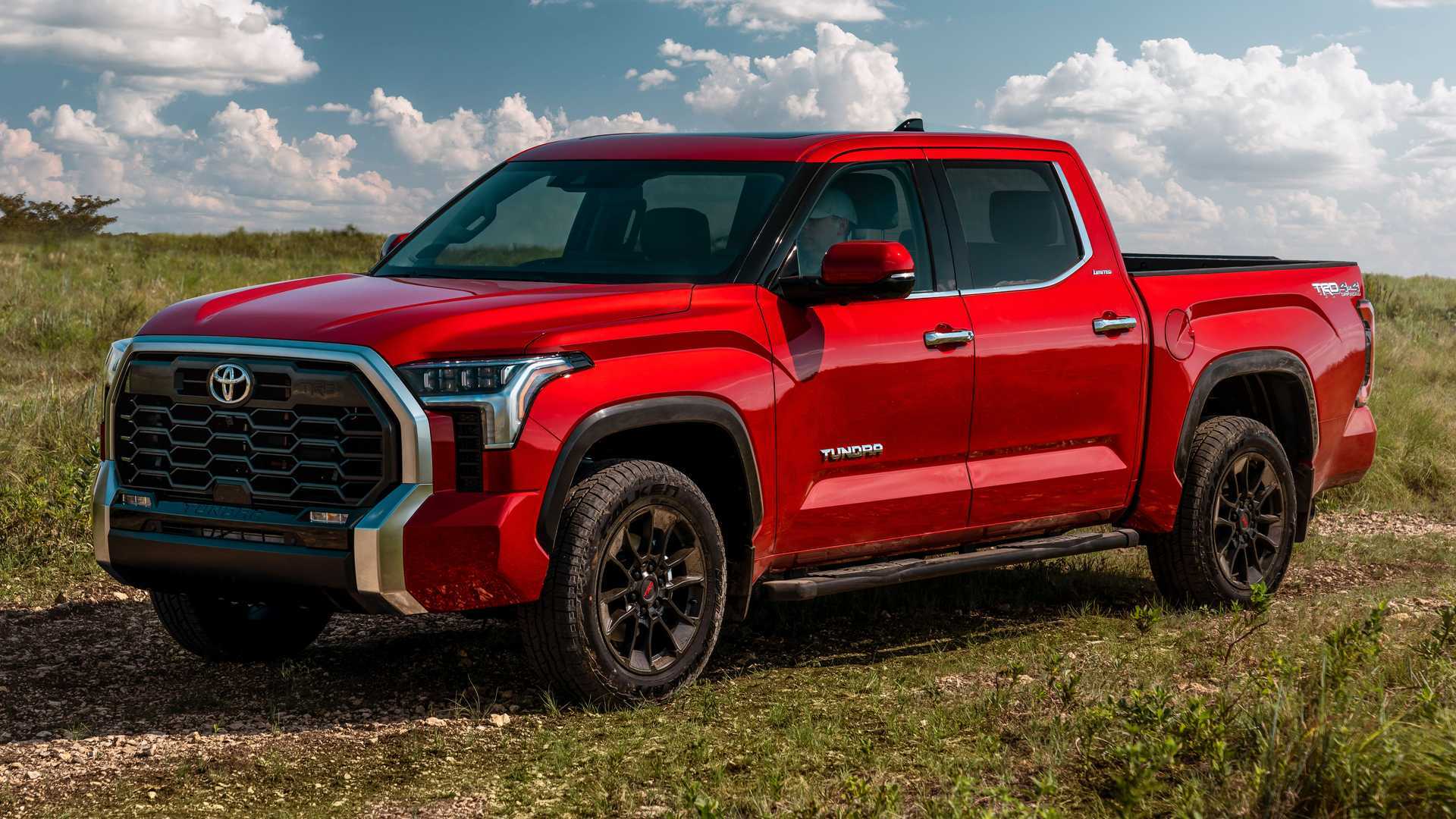
The Toyota Tundra is widely praised for its reliability and rust resistance, especially in second-generation models and newer. Improvements include galvanized body panels, enhanced undercoating, and a design that minimizes snow and salt accumulation.
Owners in snowy regions consistently report minimal surface rust even after multiple winters, and many Tundras reach 200,000 miles without significant undercarriage issues. The truck’s wide wheel wells and flat frame surfaces allow for easier cleaning, prolonging durability.
Combined with occasional rustproofing and regular washing, the Tundra demonstrates excellent resistance to decay. Its mechanical and structural integrity make it a top choice for those prioritizing long-lasting performance in salted environments. Real-world performance reinforces its reputation beyond marketing claims.
3. Ford F-150 (Aluminum Body Models, 2015 and Newer)
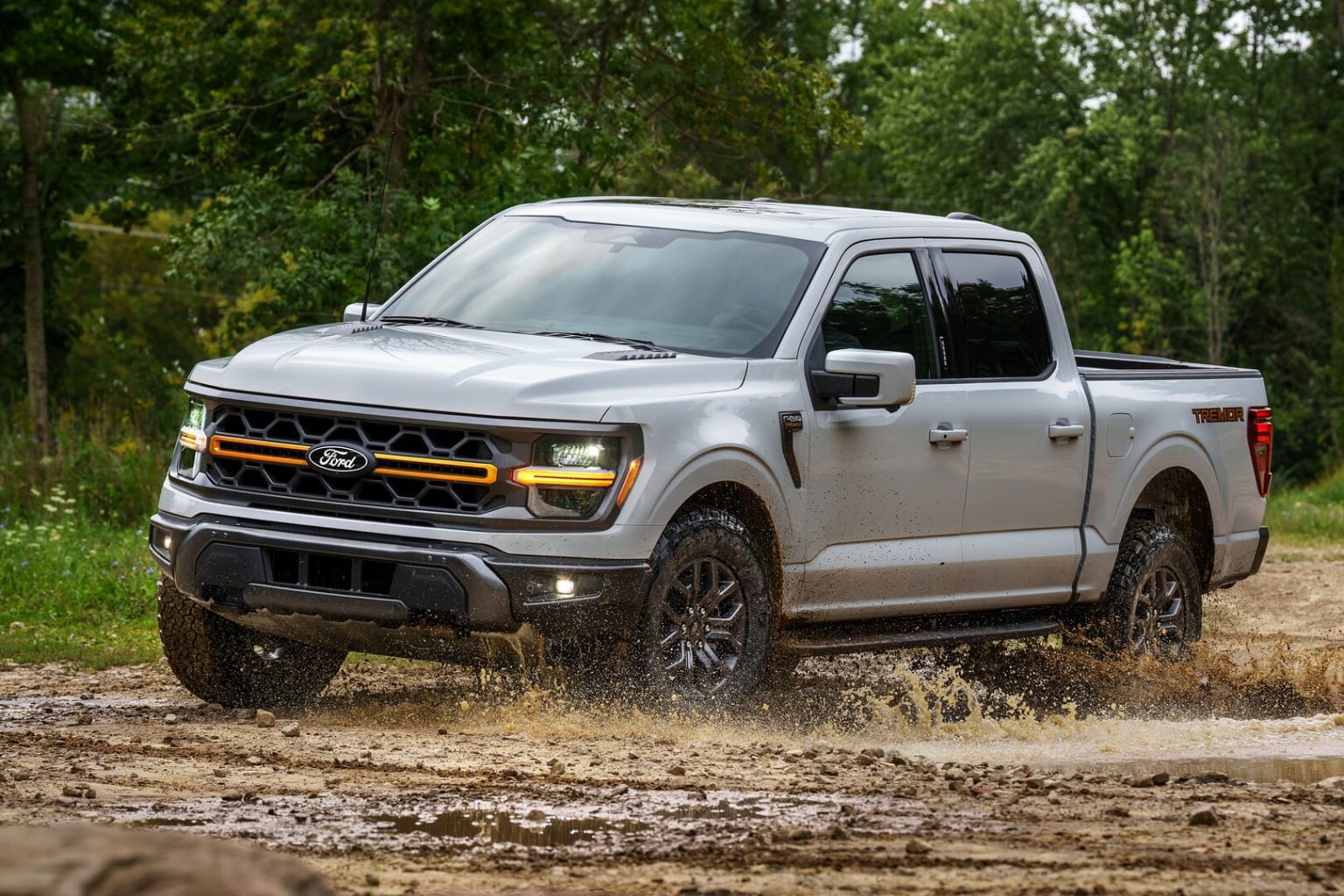
Ford’s switch to aluminum bodies in the F-150 starting in 2015 drastically improved rust resistance. Aluminum panels do not corrode like steel, and factory-applied coatings protect remaining steel components.
As a result, these trucks fare better in salted roads, with fewer issues around wheel wells and the underbody. Owners note significant durability improvements five years into ownership, compared to older steel models. The aluminum construction also reduces weight, enhancing fuel efficiency and payload.
While maintenance is still important, the likelihood of severe structural rust is substantially lower. This combination of thoughtful material selection, engineering, and protective measures ensures the aluminum F-150 remains a dependable truck for winter climates, outperforming previous generations in corrosion resistance.
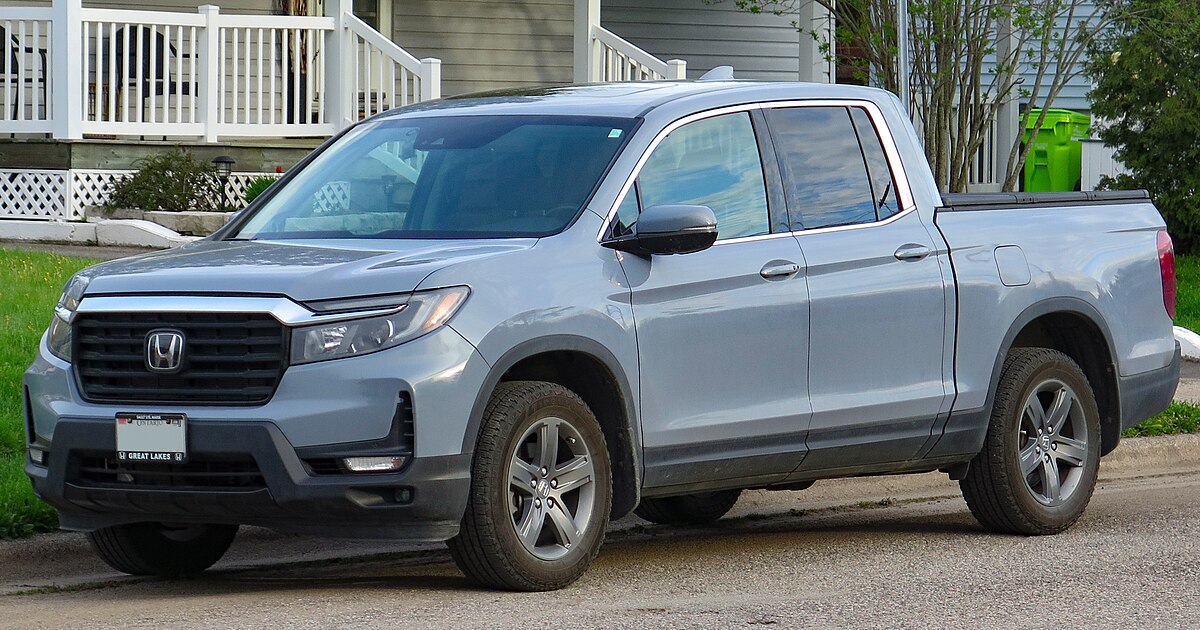
4. Honda Ridgeline
Although not a traditional body-on-frame pickup, the Honda Ridgeline is surprisingly durable in winter conditions. Its unibody structure and corrosion-resistant design include protective coatings, strategic drainage, and minimal exposed frame rails.
Salt and moisture have fewer places to accumulate, keeping the undercarriage clean after multiple winters. Low ground clearance and smooth surfaces facilitate easy washing, which further prolongs longevity. While it does not match heavy-duty trucks in hauling capacity, the Ridgeline excels in daily winter use.
Its combination of comfort, design foresight, and long-lasting build quality makes it a strong candidate for buyers seeking reliability without rust-related issues. Many Ridgeline owners report solid performance and minimal body deterioration over several winters.
5. Chevrolet Silverado 2500HD (2019 and Newer)
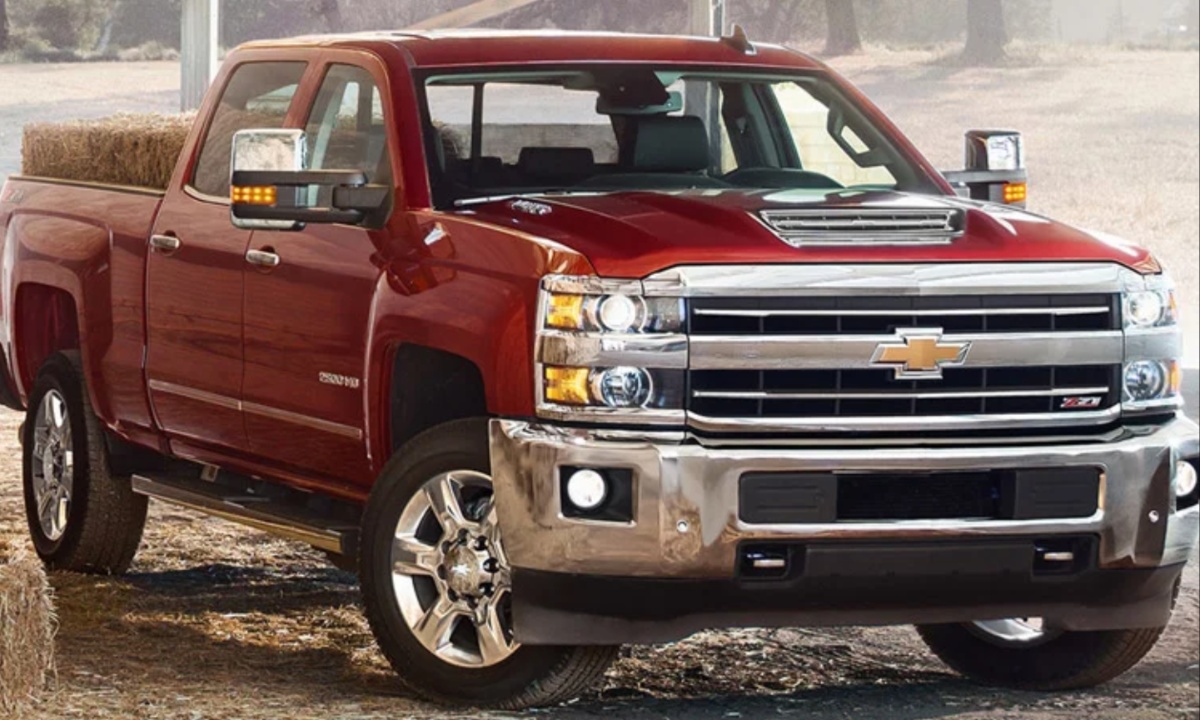
The 2019 and newer Chevrolet Silverado 2500HD marked a turning point in corrosion resistance. Previous rust issues were addressed with improved frame coatings, better drainage, and enhanced body panel protection.
Wheel wells, cab corners, and bed rails now hold up better under salty conditions, while underbody sprays and sealants prevent deep structural rust. Owners report slower rust development and less surface corrosion than older models, contributing to increased resale value.
While the truck still requires maintenance, modern engineering makes it more winter-ready. These improvements reflect GM’s commitment to addressing past corrosion problems, providing a durable pickup option for regions where snow and road salt are prevalent.
Also Read: 5 Cars That Handle Potholes Without Drama and 5 That Shatter Wheels
Trucks That Turn to Dust
1. Dodge Ram 1500 (Early 2000s to Mid-2010s)
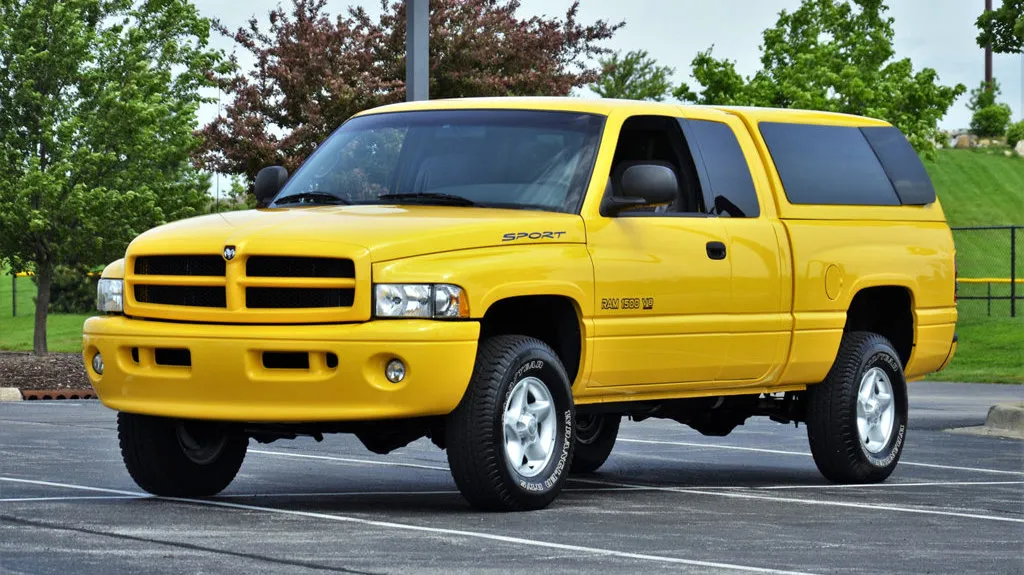
Earlier Ram 1500 models suffered severe corrosion issues. Frame rot, bed rust, and cab corner corrosion developed rapidly, often within a single winter. Poor undercoating, lack of galvanized steel, and exposed areas around wheel wells made these trucks highly susceptible to salt damage.
Even diligent maintenance could not fully prevent rust, which sometimes compromised structural integrity. Safety inspections frequently flagged early models due to corroded suspension mounts and brackets.
While newer Rams improved corrosion resistance, these older models remain infamous for their vulnerability, emphasizing the importance of careful inspection for used truck buyers in northern climates.
2. Nissan Frontier (Pre-2022 Models)
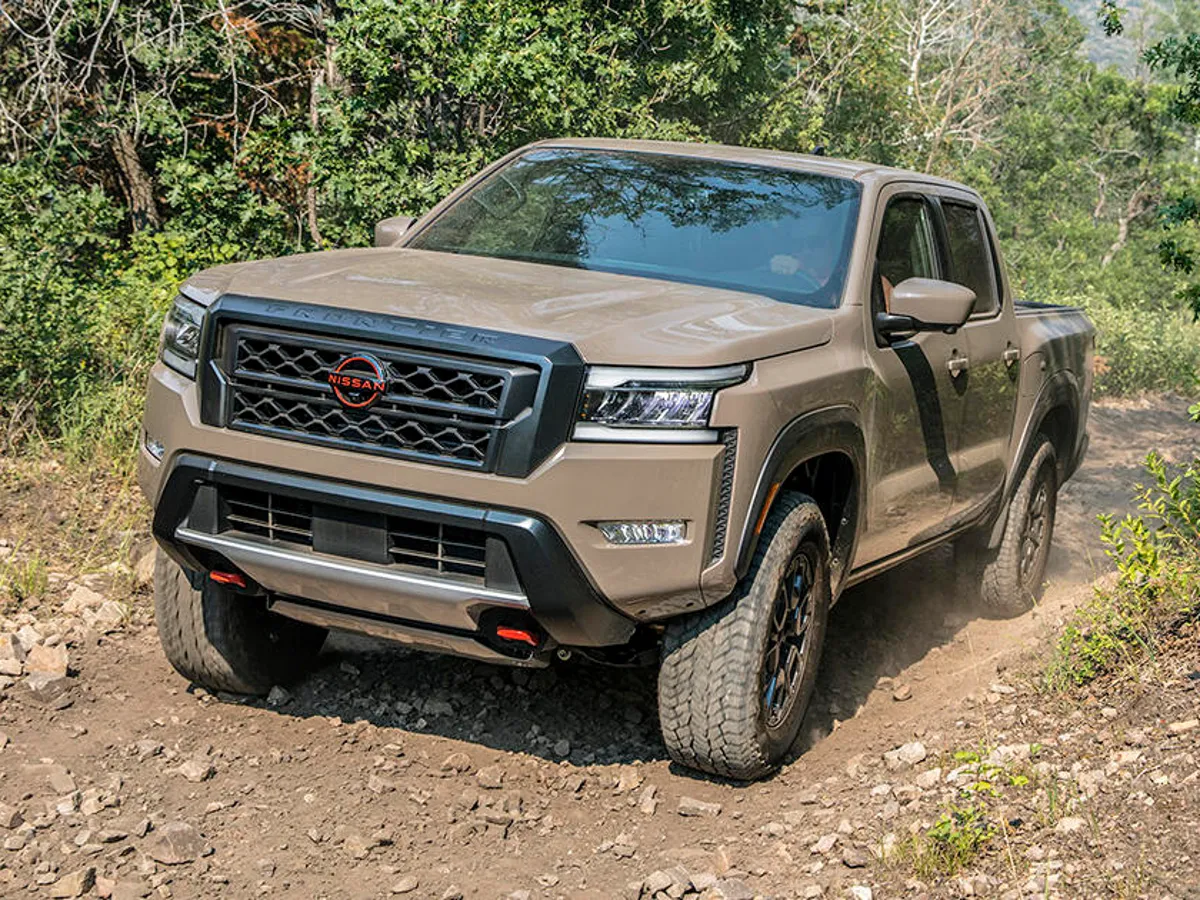
The pre-2022 Nissan Frontier experienced persistent rust issues, particularly in the frame and suspension components. Built between 2005 and 2021, many trucks developed extensive rust after just one or two winters.
Subpar steel quality and insufficient corrosion-resistant coatings contributed to early deterioration. Even regular washing could not prevent rust around wheel wells and structural components.
Buyers in snow-prone regions often avoided these models unless garage-kept or retroactively treated with undercoating. The 2022 redesign addressed these weaknesses, but previous generations remain among the more rust-prone mid-size trucks, highlighting the risks of neglecting corrosion protection in northern climates.
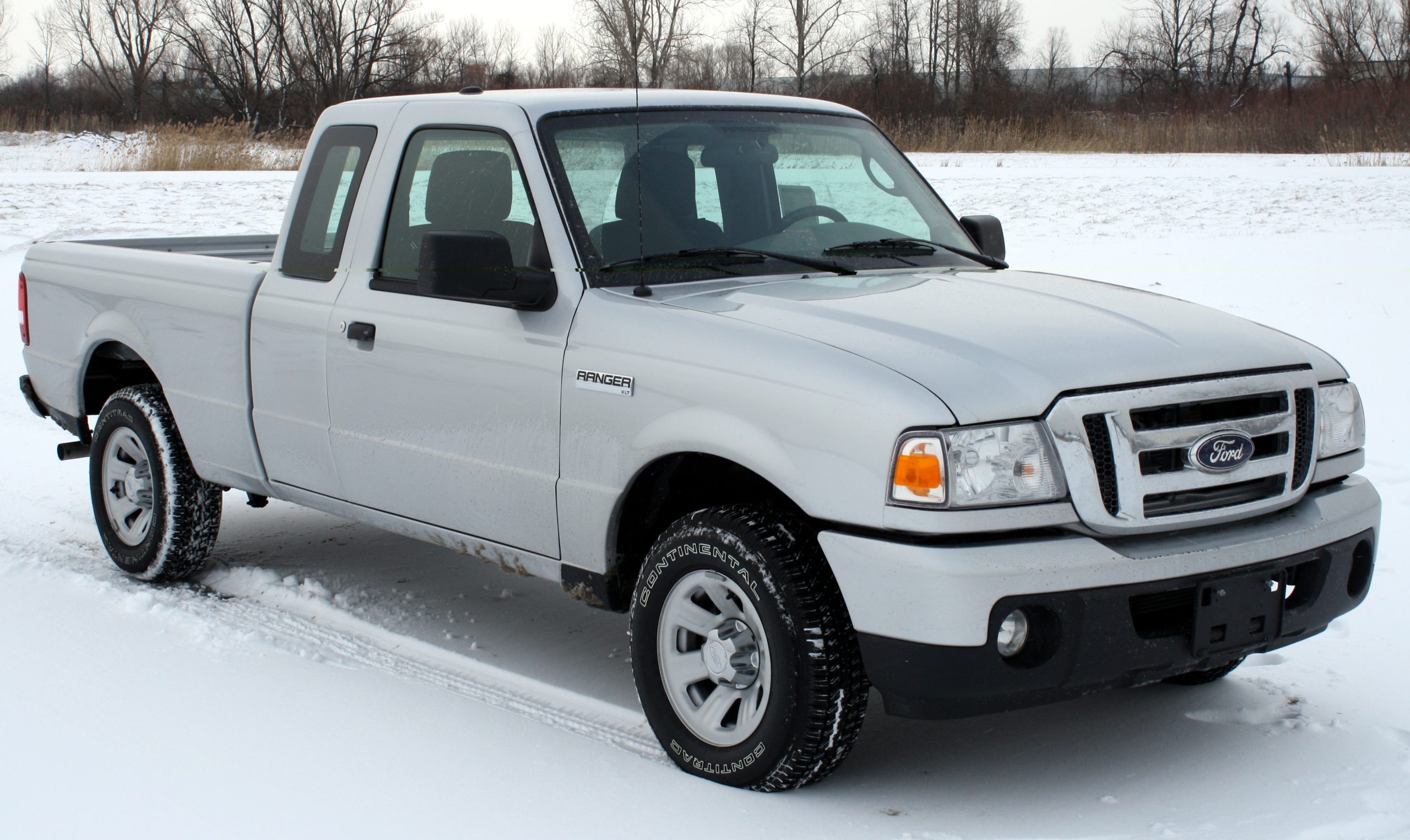
3. Ford Ranger (1998–2011 Models)
Ford Rangers from 1998 to 2011 were practical and affordable but poorly protected against winter salt. The exposed frame design and minimal undercoating caused rapid corrosion, particularly in northern regions.
Moisture and salt often collect in hard-to-reach areas, leading to rusted frame rails, floorboards, and body panels. While engines and transmissions could last beyond 200,000 miles, the body often failed much sooner.
Even regular cleaning couldn’t fully prevent corrosion, and structural issues sometimes preceded mechanical failures. Though modern Rangers introduced after 2019 improved corrosion resistance, older models require careful inspection before purchase due to widespread rust problems.
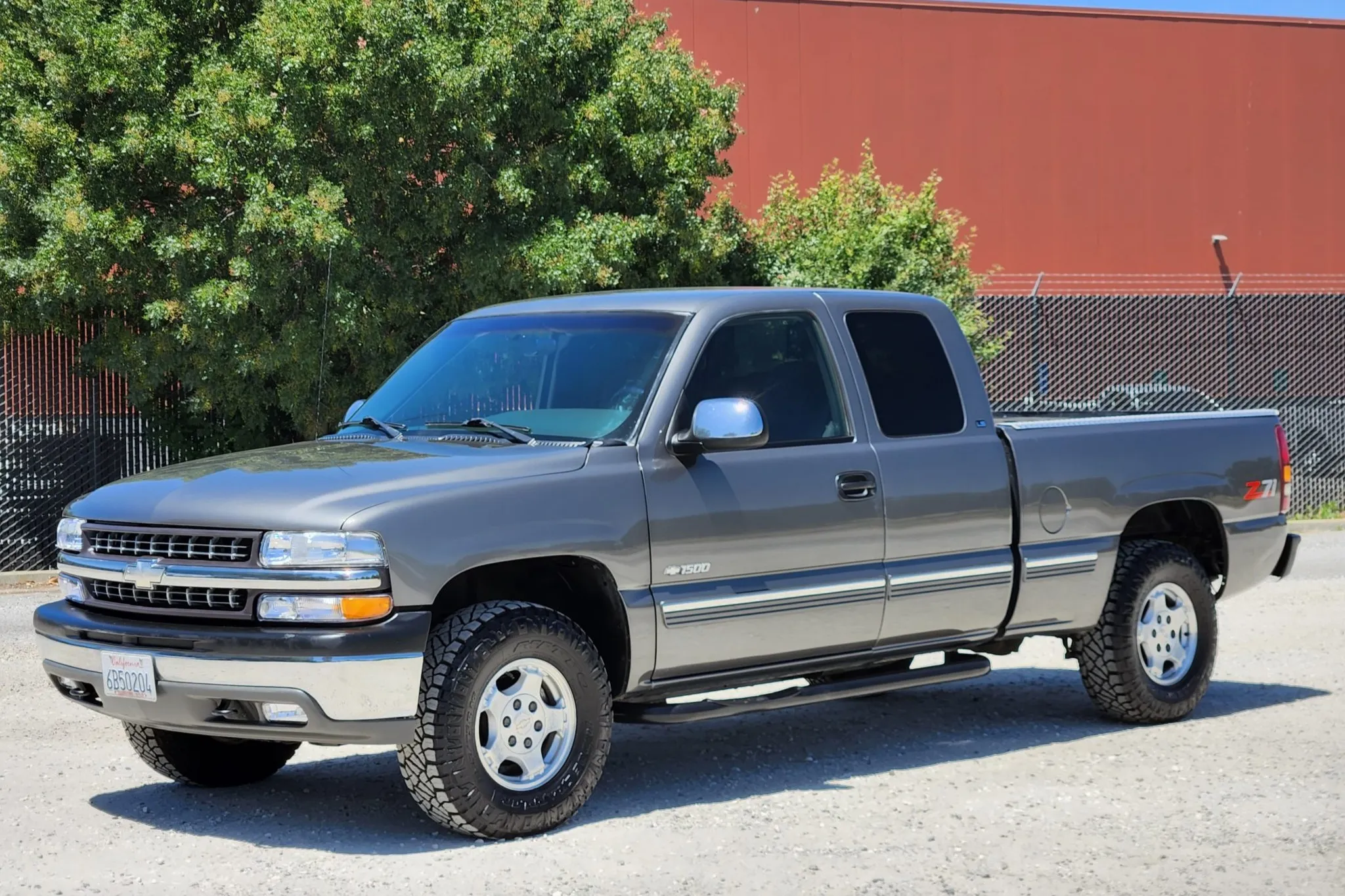
4. Chevrolet Silverado 1500 (1999–2014)
Early Chevrolet Silverado 1500 trucks developed a notorious reputation for rust. Frame rot, cab corner corrosion, and wheel well damage were common, often appearing after only a few winters. Thin undercoating and poor drainage exacerbated corrosion, allowing moisture and salt to penetrate unprotected areas.
Even diligent owners struggled to prevent rust progression, which sometimes led to structural repairs or frame replacement. These issues damaged resale value and buyer confidence.
While modern Silverado models have improved corrosion resistance, earlier generations remain a cautionary example of how poor material choices and design flaws can quickly turn a durable-looking truck into a rust-ridden vehicle.
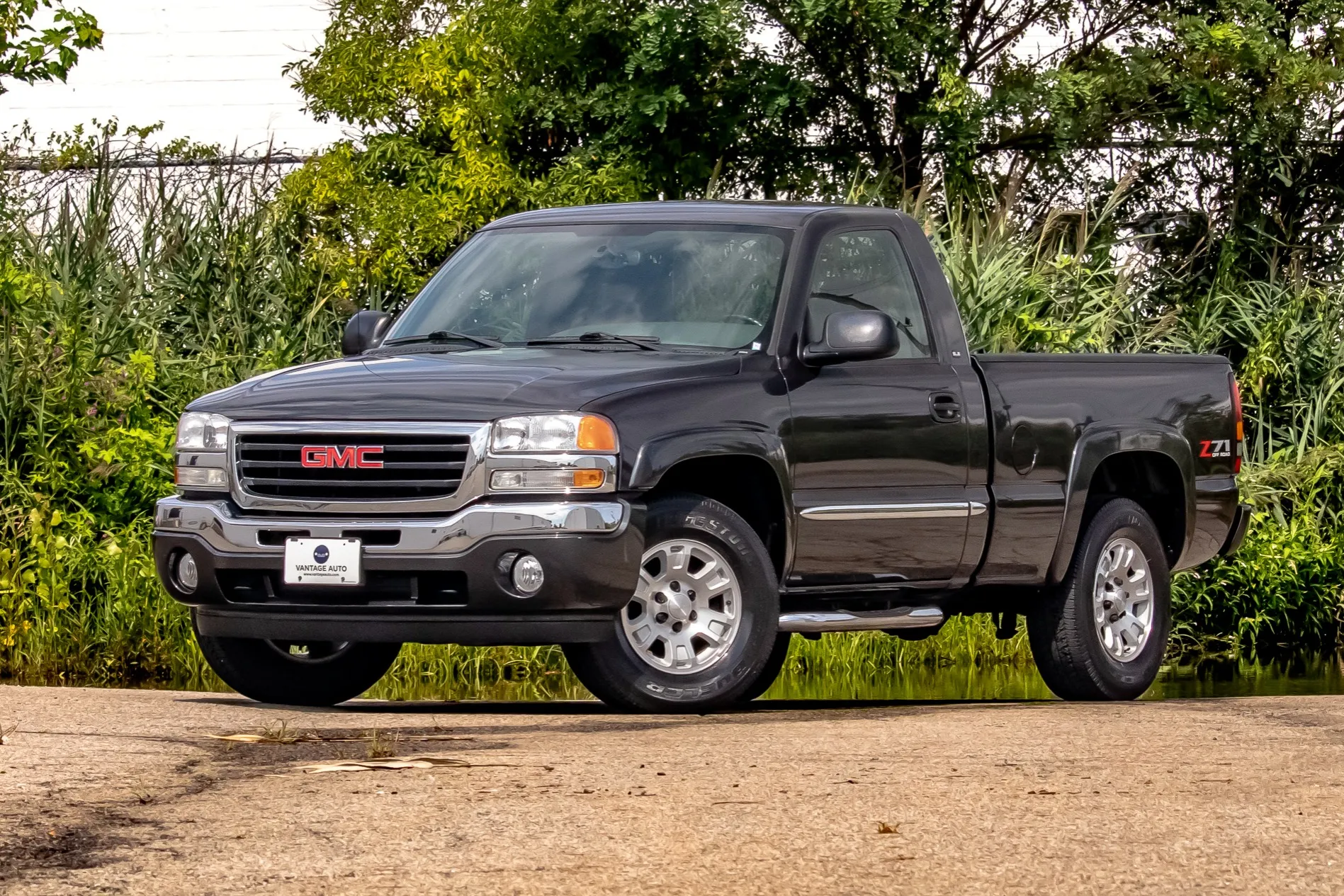
5. GMC Sierra (2000s to Mid-2010s)
The GMC Sierra 1500, built similarly to the Chevrolet Silverado, faced comparable corrosion challenges. Surface rust often advanced into frame and bed damage within a few winters. Inadequate undercoating, moisture traps, and poor drainage accelerated rust formation.
Even trucks with seemingly clean exteriors sometimes suffered severe underbody corrosion. Owners frequently reported structural weakness and costly repairs, leading to lower resale values.
While later models addressed these shortcomings, Sierra trucks from this era highlight the importance of corrosion-resistant design and materials for longevity in winter climates. They serve as a reminder that visual appearance alone does not indicate underlying durability.
Winter salt exposure separates trucks that endure from those that degrade rapidly. Modern models like the Toyota Tundra, aluminum-bodied Ford F-150, Ram 1500 (2019+), Honda Ridgeline, and newer Silverado 2500HD demonstrate how thoughtful engineering, corrosion-resistant materials, and protective coatings improve durability.
Conversely, older models such as early Ram 1500s, pre-2022 Nissan Frontiers, early Rangers, Silverado 1500s, and GMC Sierras illustrate how inadequate design and weak protection lead to early rust, structural compromise, and high maintenance costs.
For buyers in snowy, salted regions, understanding a truck’s corrosion resistance can prevent frustration and financial loss, ensuring longevity, safety, and better resale value. Proper maintenance enhances longevity, but choosing the right model is the critical first step.
Also Read: 10 Cars That Don’t Depreciate During the First 3 Years