
Car buyers often look beyond just a low purchase price. Many people want a vehicle that not only costs less to buy but also lasts long enough to give real value for the money spent.
Some models prove themselves dependable year after year, easily crossing the 10-year mark without causing their owners major headaches.
Others, unfortunately, begin to show serious faults within a few years, leading to expensive repairs or forcing owners to replace them earlier than planned. Choosing wisely can make the difference between a decade of smooth driving and a constant stream of repair bills.
Automakers release new models every year, but a lower price tag does not always mean the car will hold up well in the long run. Longevity comes from a mix of strong engineering, quality parts, and consistent maintenance.
Cars that survive ten years or more without major trouble usually have durable engines, strong transmissions, and a design that can handle years of everyday use. However, cars that fail before the five-year mark often suffer from mechanical flaws, poor build quality, or parts that wear out faster than expected.
For someone shopping with a tight budget, buying a car that lasts is not just a preference; it is a necessity. Spending on constant repairs can drain finances quickly, making even a cheap car feel costly. That is why it is important to know which models have a track record of endurance and which ones are known for early breakdowns.
5 Affordable Cars That Drive for a Decade
1. Toyota Corolla
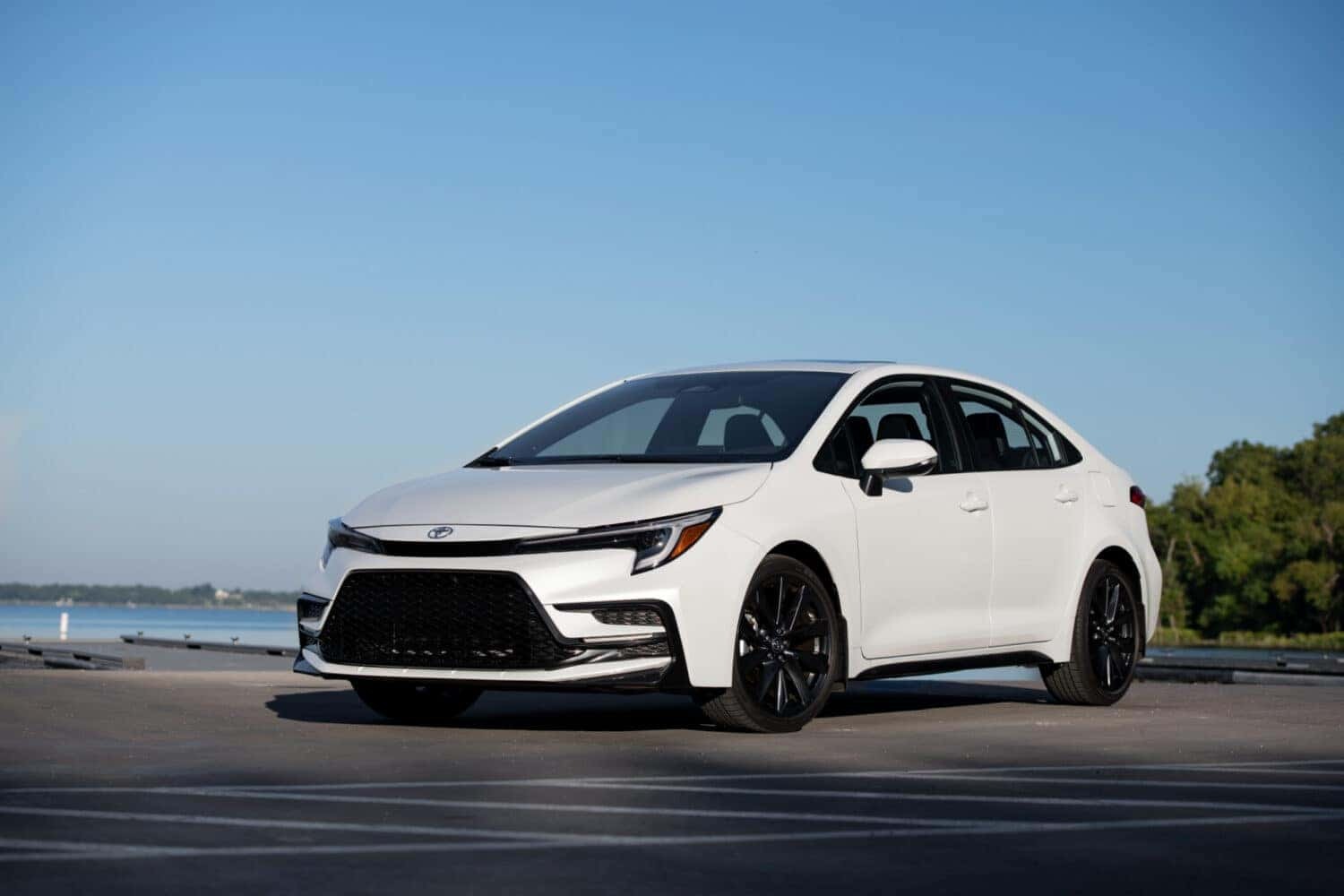
The Toyota Corolla has built a strong reputation as one of the most reliable compact cars available. For decades, it has been a favourite among drivers who want an affordable yet dependable vehicle that can handle daily commuting, long-distance travel, and years of wear without major issues. Its design focuses on simplicity and proven technology rather than risky experimental features, which is one reason it often remains on the road well past ten years.
The Corolla’s engines are known for their durability. Many owners have reported clocking well over 200,000 miles with only regular maintenance such as oil changes, brake replacements, and occasional suspension work.
The transmission is also built to last, whether in manual or automatic form. Toyota ensures that replacement parts are widely available and relatively inexpensive, making repairs easier for owners who prefer to keep their cars running for as long as possible.
Fuel efficiency is another major advantage. With most models delivering excellent mileage, the Corolla helps drivers save money after a while, which adds to its entire long-term value. Its resale value also stays strong because buyers trust its history of dependability.
Common issues with the Corolla are usually minor, such as worn-out suspension bushings or aging air conditioning systems. These problems tend to appear gradually and do not stop the car from being usable. Regular servicing can prevent these issues from growing into costly repairs.
Drivers who invest in routine maintenance can expect a Toyota Corolla to serve them for a decade or more without the stress of constant breakdowns. It is a solid choice for students, families, and professionals alike who want a vehicle that offers peace of mind and cost control over many years.
2. Honda Civic
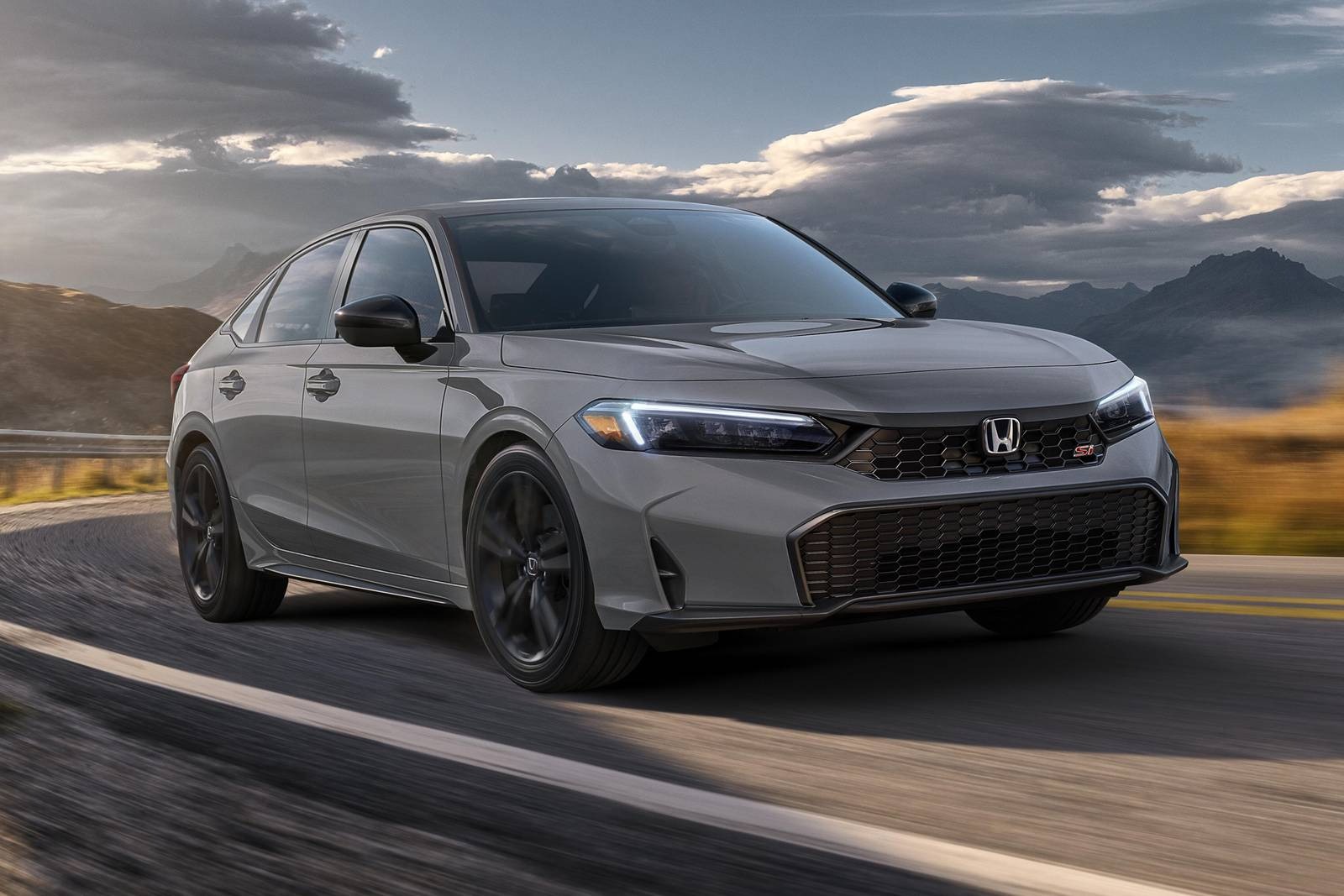
The Honda Civic has been a trusted name for decades, known for its blend of affordability, efficiency, and long-lasting build quality.
Many owners find that with proper care, a Civic can easily stay in service for more than ten years without major repairs. It consistently performs well in reliability surveys, and its popularity ensures that parts and service expertise are readily available almost anywhere.
Honda’s approach to the Civic has been to focus on engines and transmissions that are proven to work. Whether fitted with the traditional naturally aspirated engines or newer turbocharged options, the Civic’s powertrains are designed to balance performance and durability. Owners who keep up with scheduled oil changes and transmission servicing often enjoy years of trouble-free driving.
One of the Civic’s strengths is its fuel economy, which helps reduce running costs over the long term. Even older models can deliver impressive mileage, making them ideal for both city driving and highway use. The cabin and interior materials are also known for holding up well, so even after a decade, the car still feels comfortable and practical.
While no vehicle is perfect, the Civic’s common issues are generally minor and manageable. Some owners report premature wear in suspension components or occasional electrical glitches, but these problems are usually easy to fix and rarely cause extended downtime. Rust can be a concern in areas with harsh winters, so rust-proofing or regular underbody cleaning can help prolong the car’s life.
With its track record of dependability, a Civic purchased today can realistically remain a trusted companion for a full decade or more. Its mix of reliability, efficiency, and comfort continues to make it a smart choice for buyers seeking a budget-friendly vehicle that does not give up easily.
Also Read: 5 EVs That Rarely Break Chargers and 5 That Always Fail
3. Toyota Camry
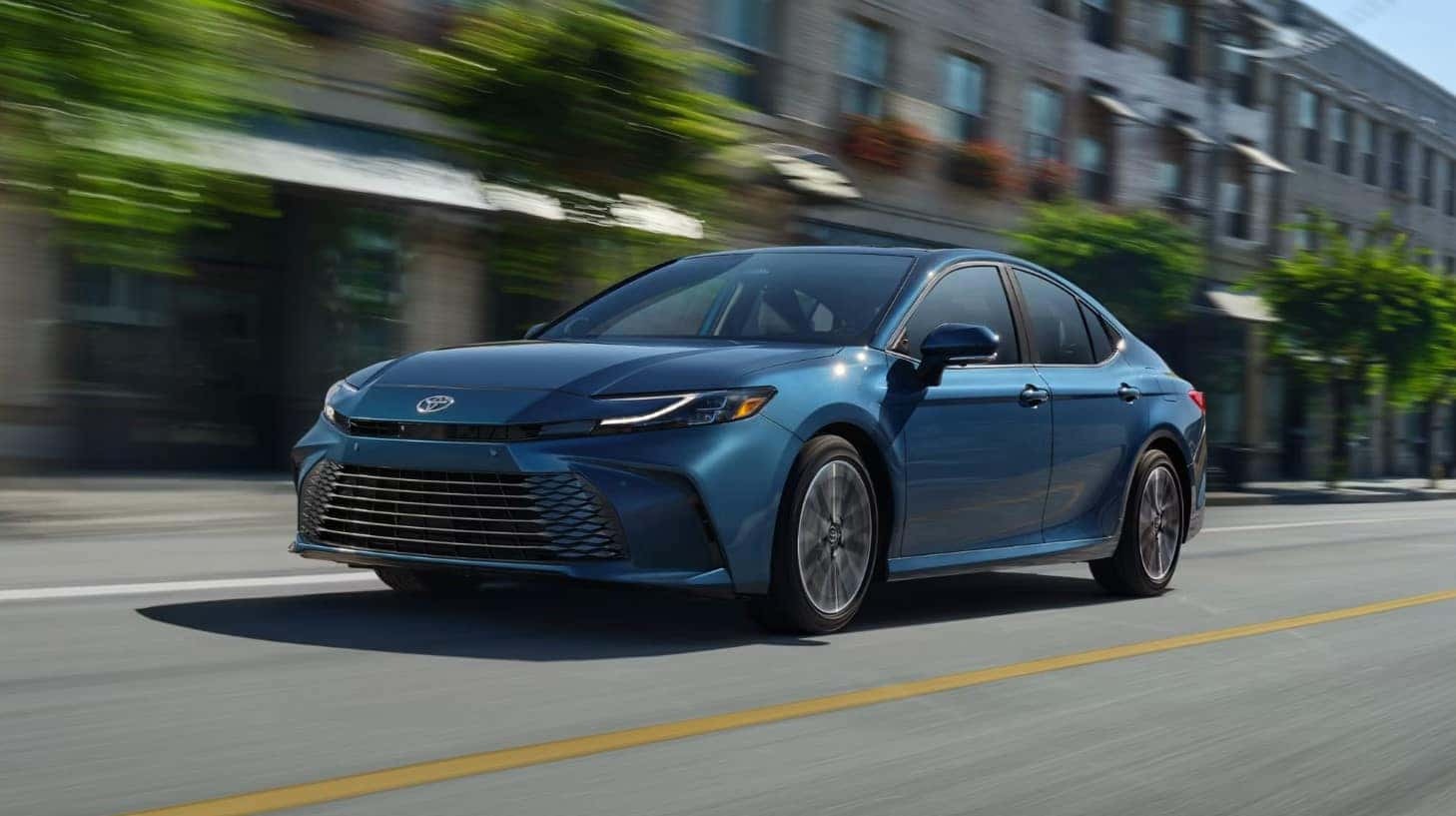
The Toyota Camry is another model that has earned a reputation for exceptional longevity. Known for being comfortable, practical, and dependable, it appeals to drivers who want a larger sedan with the same durability that Toyota delivers in smaller cars like the Corolla.
Camry engines, especially the four-cylinder variants, are well-known for their ability to run for hundreds of thousands of miles when serviced regularly. Even the V6 options maintain a strong record for reliability.
Transmissions are smooth and long-lasting, provided they receive proper maintenance. The build quality of the Camry is also impressive, with interior materials and exterior paint often holding up well after a while.
Fuel economy for the Camry is strong for its size, particularly with the four-cylinder models. The ride quality is comfortable, and noise insulation makes it a good choice for long trips. Safety features are another selling point, with Toyota often including advanced driver-assistance systems even in more affordable trims.
Common issues with the Camry are relatively small compared to many competitors. Some older models may experience minor oil leaks or require replacement of suspension components after high mileage. These repairs are generally affordable and do not affect the car’s ability to keep running for years.
Resale value is high for the Camry because buyers know it is a safe long-term investment. For families, commuters, or even small business owners, the Camry offers a balance of space, comfort, and endurance that can easily stretch past a decade.
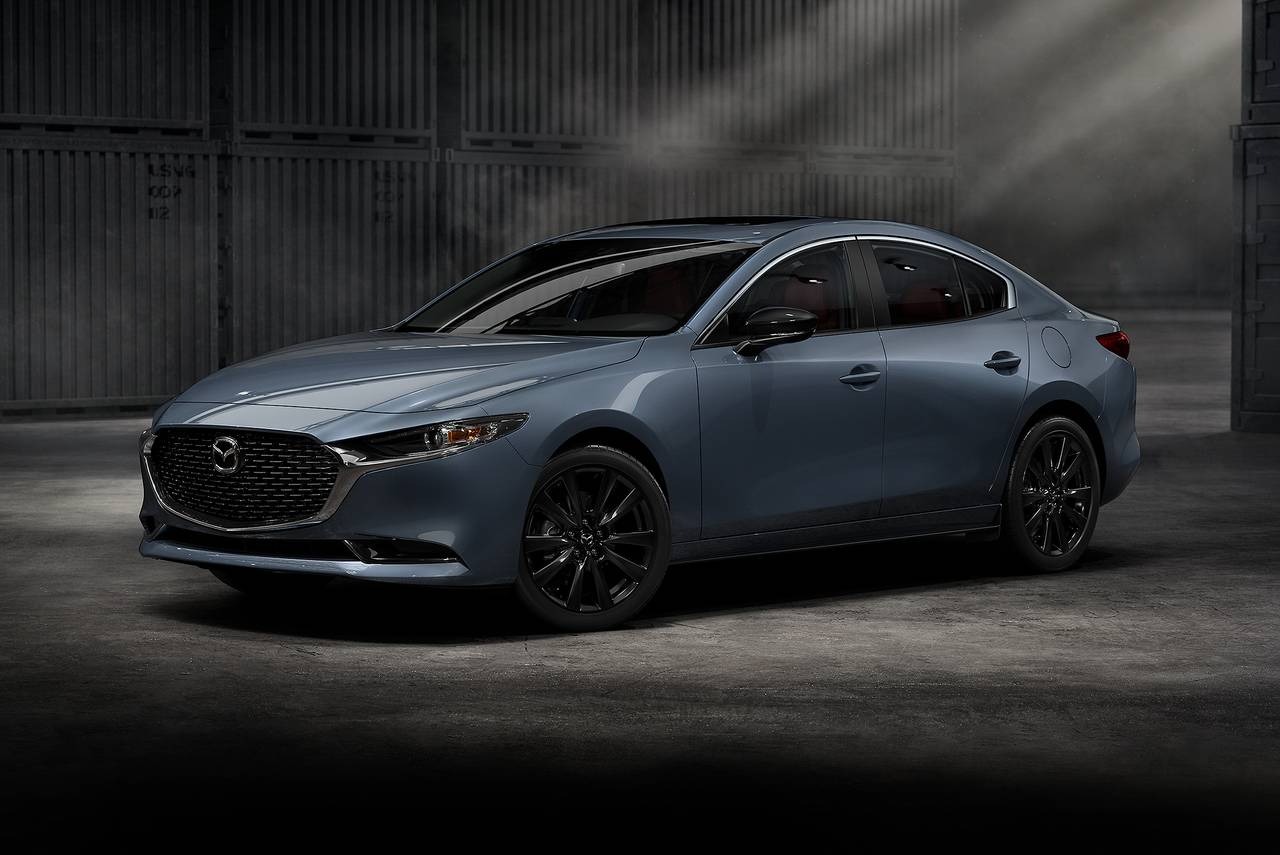
4. Mazda 3
The Mazda 3 combines stylish design with strong reliability, making it one of the few compact cars that blends fun driving dynamics with long-term durability. Buyers who choose this model often appreciate its sharp handling, fuel efficiency, and reputation for lasting many years with minimal trouble.
Mazda’s engines are known for being both efficient and robust. The SkyActiv technology used in newer models improves fuel economy without sacrificing reliability. Owners who follow the manufacturer’s maintenance schedule often find that the Mazda 3 remains dependable well past the ten-year mark.
One standout feature is its responsive handling, which makes it more engaging to drive compared to many of its competitors. Despite this sporty nature, it does not compromise on comfort or build quality. The interior materials are well chosen, and the entire construction feels solid even after years of use.
The most common problems tend to be minor electrical issues or occasional suspension wear, which are relatively inexpensive to fix. Rust prevention is important in older models, particularly in regions with salted winter roads. Regular cleaning and protective treatments can help keep the body in good condition.
For drivers who want a car that is both enjoyable and dependable, the Mazda 3 is a great choice. With the right care, it has no trouble lasting a decade or more while still delivering a satisfying driving experience every day.
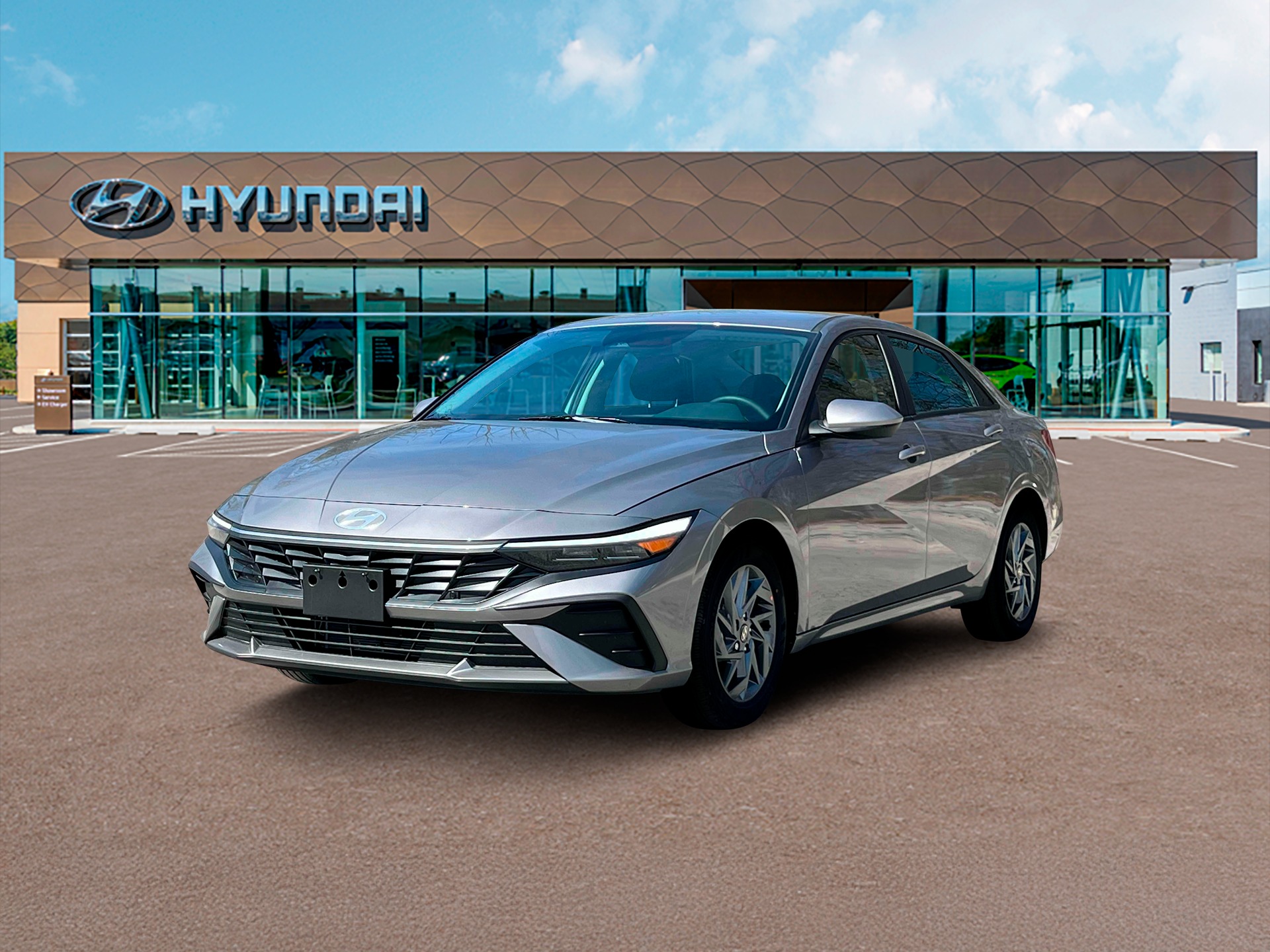
5. Hyundai Elantra
The Hyundai Elantra has grown from being an economy choice with basic features into a well-built compact car that rivals long-standing names like the Corolla and Civic in durability. Modern Elantras offer solid reliability and affordability, making them a practical pick for buyers who want a long-term vehicle without a high price tag.
Hyundai has invested heavily in improving build quality over the years, and the Elantra benefits from stronger materials, better engines, and improved transmissions. Many models now come with extended warranties, which give owners peace of mind during the early years and encourage proper maintenance habits.
The Elantra’s engines are known for their efficiency and ability to run reliably when maintained. Even after the warranty period, owners often find that the car continues to operate smoothly for many years. Cabin comfort is also a plus, with spacious seating and user-friendly technology.
Typical problems for the Elantra are minor and often inexpensive to repair. These can include small sensor failures or early wear on certain interior components. Staying on top of scheduled services helps prevent more serious issues from developing.
The Elantra’s combination of affordability, comfort, and durability makes it a contender for buyers who want a car that can serve them for at least a decade. It may not carry the same long-standing reputation as Toyota or Honda, but in recent years it has proven itself worthy of consideration by anyone seeking dependable transportation.
5 Affordable Cars That Don’t Make It Halfway
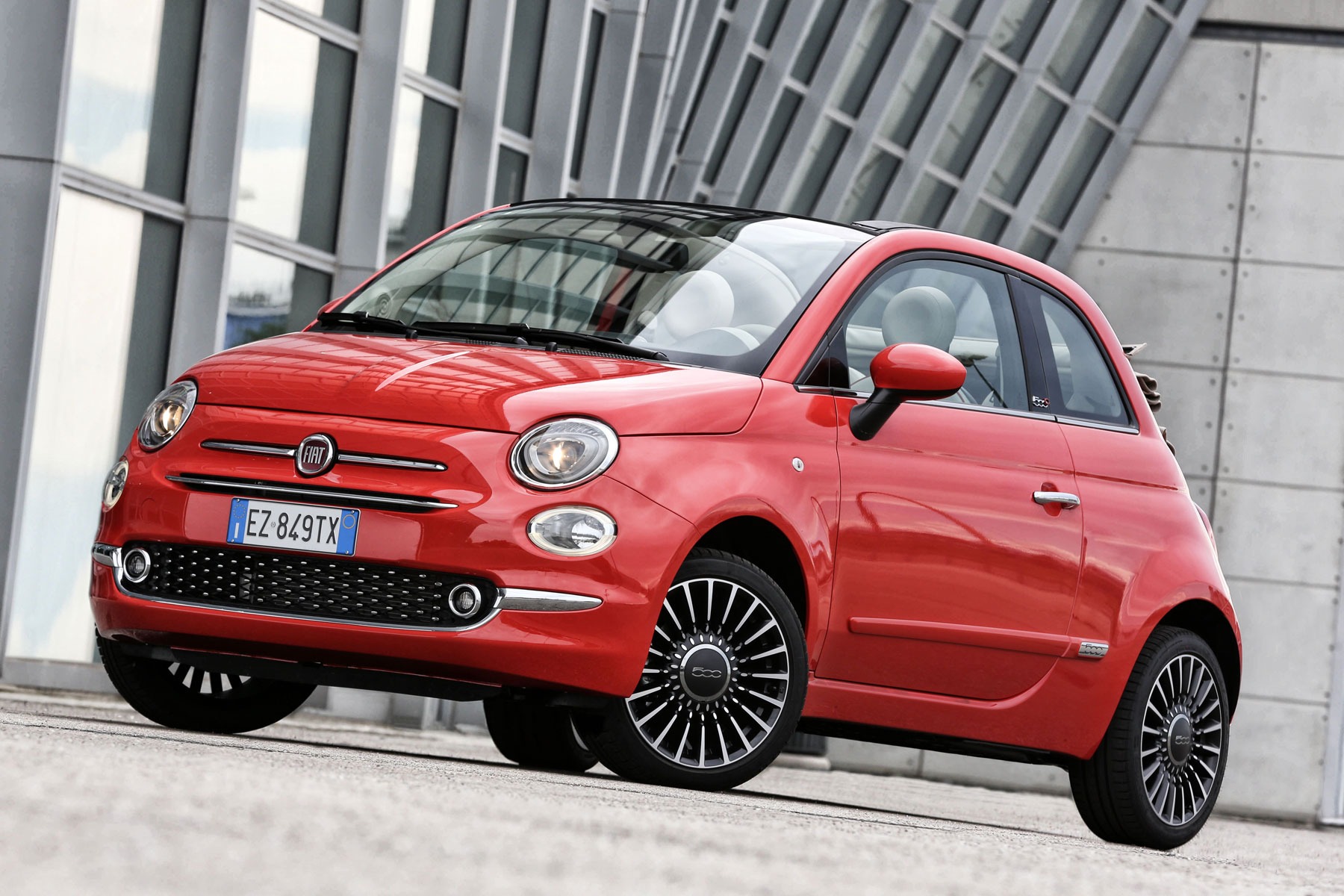
1. Fiat 500
The Fiat 500 gained attention for its retro styling and compact size, making it appealing for city driving. While it looks charming on the outside, its long-term reliability record has been less than impressive. Many owners report that the car starts developing mechanical and electrical issues well before reaching the five-year mark, especially if it is driven frequently in stop-and-go conditions.
One of the main concerns is the engine and transmission performance after a while. The small engines, while fuel-efficient at first, can become problematic if maintenance is not perfectly consistent. Automatic transmissions in some versions have been known to fail earlier than expected, leading to expensive repairs that often outweigh the value of the car itself.
The interior build quality is another area where the 500 struggles. Components such as door handles, trim pieces, and seat mechanisms have been reported to wear out quickly. Electrical issues, including faulty sensors and infotainment problems, are also common and can be frustrating for daily use.
While the Fiat 500 might suit someone looking for a stylish short-term commuter car, it is not a good option for buyers seeking a decade of reliable service. Repairs can be costly due to the limited availability of parts in some regions, and specialist knowledge is often required to fix certain problems.
For those who prioritise long-term dependability, the Fiat 500 is better suited as a temporary solution rather than a lasting investment. It may provide a few years of fun driving, but without consistent upkeep and a willingness to manage frequent repairs, it rarely reaches the halfway mark to ten years without major problems.
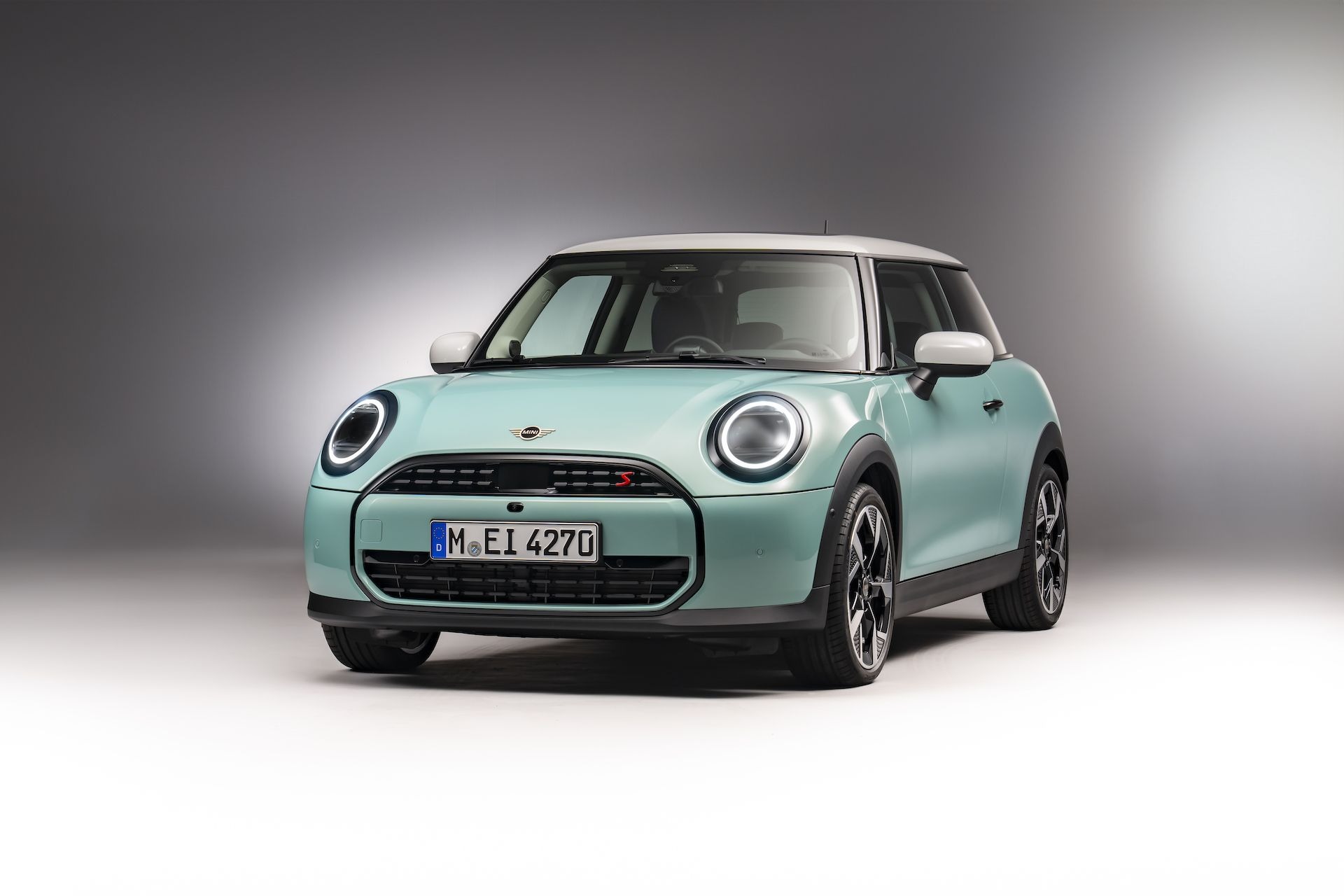
2. Mini Cooper
The Mini Cooper stands out with its unique styling and sporty handling, but it has a reputation for being expensive to keep on the road once it starts aging. Many owners report that the car’s maintenance and repair costs begin climbing well before the five-year mark, especially for models equipped with turbocharged engines.
One recurring issue is the engine’s cooling system, which has been known to develop leaks or failures earlier than expected. Transmission problems can also appear, particularly with automatic versions, leading to costly repairs or replacements. Even minor repairs can become expensive because of the way the car is engineered, often requiring more labour time than similar vehicles.
Interior quality is generally good when new, but some components do not hold up well under daily use. Electrical issues, including malfunctioning sensors and infotainment glitches, can add to the frustration of ownership. While the driving experience is enjoyable, the cost of keeping a Mini Cooper in top condition can quickly outweigh its charm.
Parts availability is another concern in certain areas. While service centres specialising in Mini exist, their rates can be much higher than standard mechanics. This means that even small issues can lead to large bills, making long-term ownership less appealing.
For those considering a Mini Cooper, it is worth remembering that it is better suited to short-term ownership or as a second vehicle for occasional fun drives. Expecting it to remain trouble-free for ten years is unrealistic without heavy investment in repairs and preventative maintenance.
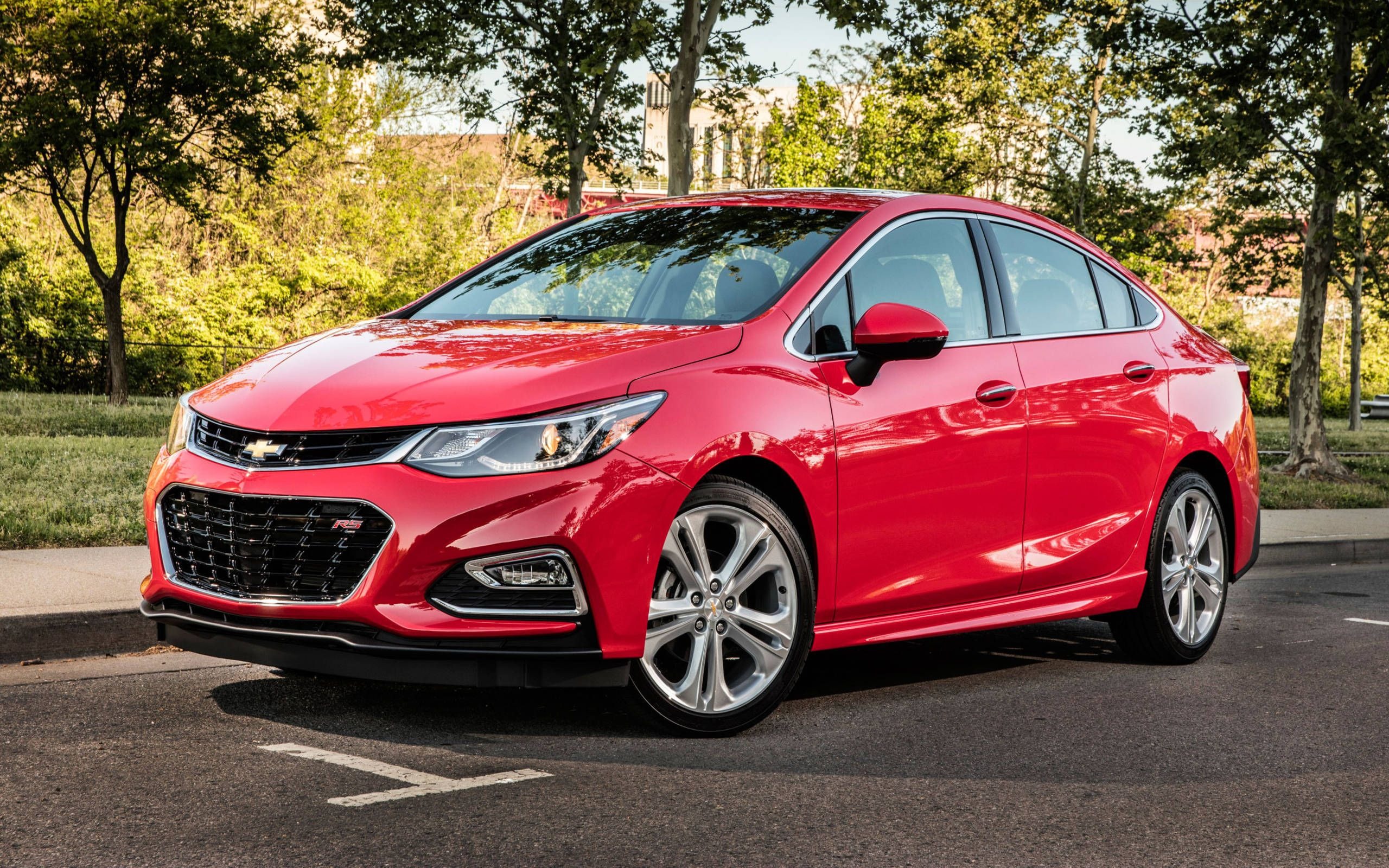
3. Chevrolet Cruze
The Chevrolet Cruze was introduced as an affordable compact sedan and hatchback, but its track record for reliability has been mixed. Many owners have reported serious mechanical issues within the first few years of ownership, with some problems appearing well before the car reaches 60,000 miles.
One of the most common trouble areas is the engine. Certain Cruze models suffer from coolant leaks that can lead to overheating and engine damage if not addressed quickly. Transmission problems have also been reported, particularly with automatic versions, resulting in rough shifting or complete failure.
The interior, while comfortable and well-equipped when new, can show wear faster than expected. Electronics such as infotainment systems, window switches, and climate controls sometimes fail prematurely, adding to maintenance costs. While these issues may be fixable, they often happen early enough to make long-term ownership less appealing.
Fuel economy is decent, and when everything is working well, the Cruze can be pleasant to drive. However, the risk of early mechanical problems makes it less attractive for those who want a decade of service from their car. Repair costs for major engine or transmission work can easily exceed the car’s value after a few years, leading many owners to trade it in rather than fix it.
For buyers focused on long-term reliability, the Cruze may not be the most dependable choice. While some individual cars perform better than others, the model’s history suggests it is not built to consistently last beyond the halfway mark to ten years without costly intervention.
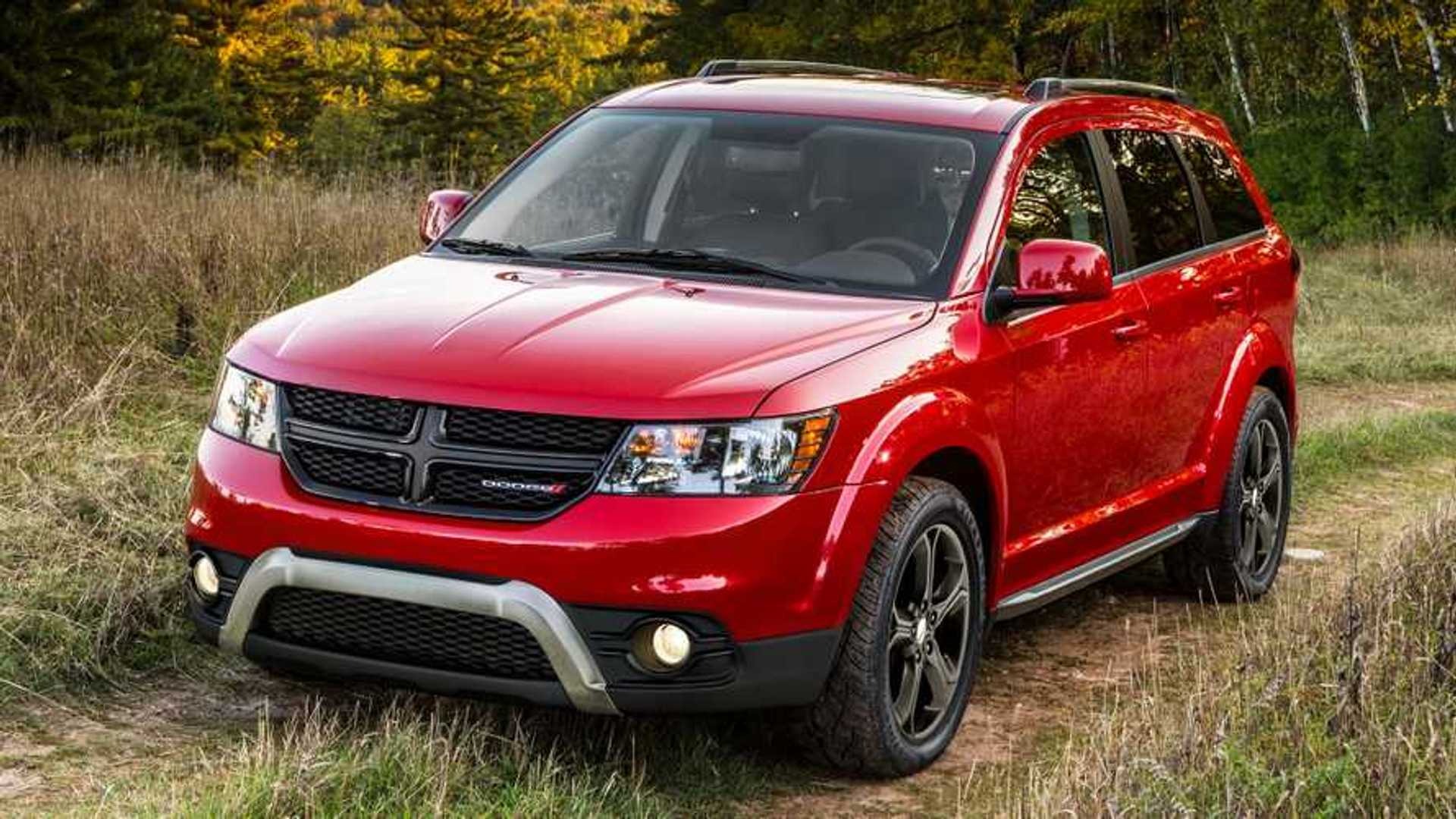
4. Dodge Journey
The Dodge Journey was designed to be a budget-friendly midsize crossover offering three-row seating at an affordable price. While the paper value looked attractive, its reputation for lasting many years without major issues is far less impressive. Many owners report that the Journey begins to develop serious mechanical and electrical faults well before the halfway point, to a decade.
The engine options, particularly the four-cylinder, often struggle to deliver enough power for the vehicle’s size, which can put extra strain on the drivetrain. Transmission issues are also fairly common, with some units failing or developing shifting problems earlier than expected. These repairs can be costly, especially once the factory warranty expires.
Interior materials in the Journey tend to wear quickly, with upholstery, plastics, and trim pieces showing signs of age within just a few years. Electrical problems such as faulty sensors, malfunctioning infotainment systems, and power window failures are frequently reported by owners.
Another drawback is that while the Journey offers plenty of interior space, its fuel economy is below average for its class. This makes it less economical to operate, particularly if it also requires frequent repairs. Many owners have found that keeping the Journey on the road after a few years requires a steady stream of maintenance work that can quickly become financially draining.
For those wanting a vehicle that will reliably last ten years, the Dodge Journey is a risky choice. While it may serve as a short-term family hauler, the combination of mechanical weaknesses and higher-than-average repair needs often shortens its practical lifespan to well under a decade.
Also Read: 5 Hybrids That Keep Owners Happy and 5 That Don’t
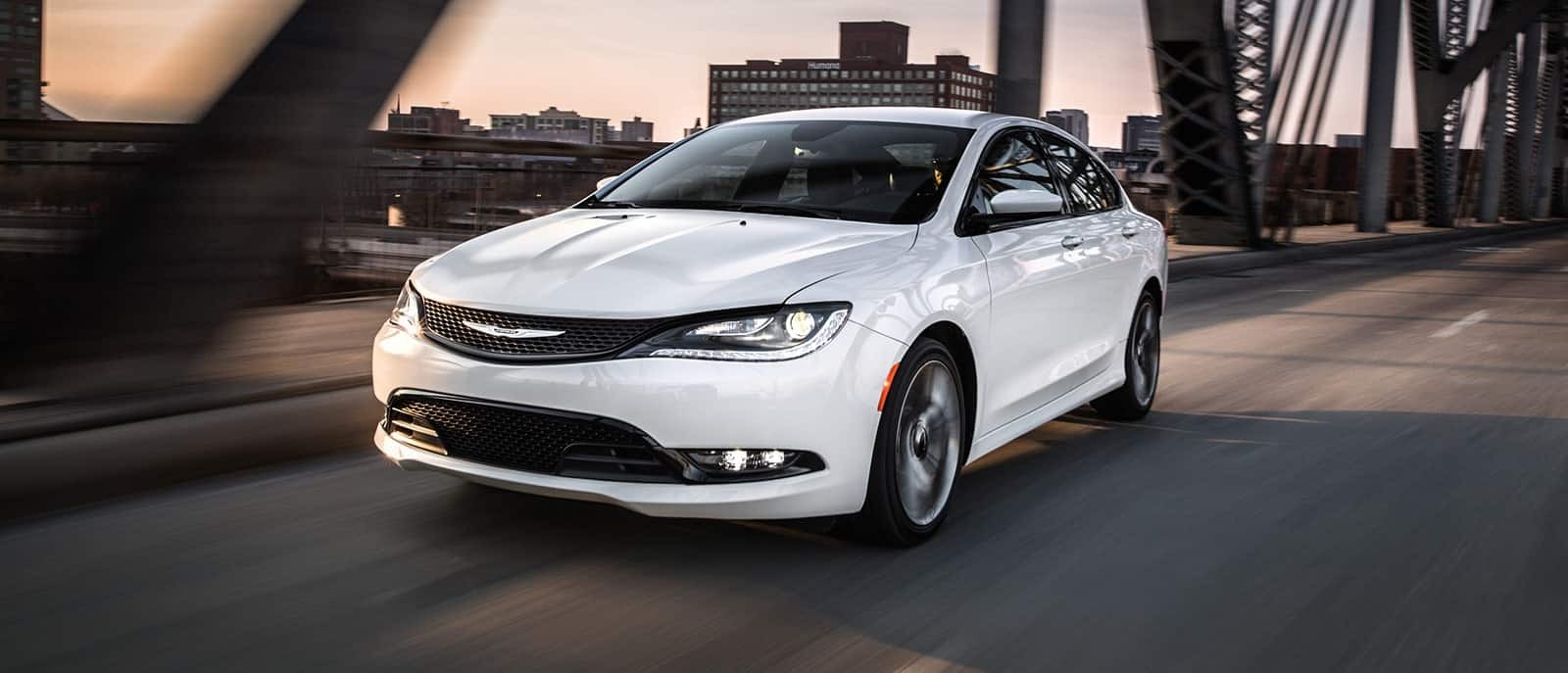
5. Chrysler 200
The Chrysler 200 was marketed as a stylish midsize sedan with modern features and an attractive design. While it initially attracted buyers with its appearance and competitive pricing, it developed a reputation for reliability problems that often appear within the first few years of ownership.
One of the most frequent complaints involves the transmission, particularly the nine-speed automatic used in later models. Owners have reported rough shifting, delayed responses, and even complete failures that require expensive repairs. Engine issues, including stalling and oil consumption problems, have also been recorded, which can make daily driving stressful and unpredictable.
The interior is comfortable when new, but some components tend to wear quickly. Electrical faults such as malfunctioning touchscreens, faulty wiring, and inconsistent climate controls are not uncommon. These issues can be inconvenient and costly to fix, especially as the car ages and parts availability decreases.
While the Chrysler 200 offers good ride comfort and an appealing design, its track record shows that it often cannot maintain trouble-free operation for ten years. Repair costs for major transmission or engine issues can exceed the car’s value within just a few years, leading many owners to sell or trade it well before the halfway point of a decade.
For buyers who prioritise long-lasting dependability, the Chrysler 200 is not the most secure investment. While it can provide a comfortable and stylish ride for a few years, it lacks the durability needed for decade-long ownership without huge expense.
Picking an affordable car is only the first step toward smart vehicle ownership. The real value comes from how long that car can serve you without draining your finances on constant repairs. The five models in the first section prove that a low purchase price does not have to mean short life.
With consistent maintenance, vehicles like the Toyota Corolla, Honda Civic, Toyota Camry, Mazda 3, and Hyundai Elantra can give dependable service for a decade or more, allowing owners to focus on driving rather than worrying about breakdowns.
The five vehicles in the second section remind us that initial appeal is not enough. Cars such as the Fiat 500, Mini Cooper, Chevrolet Cruze, Dodge Journey, and Chrysler 200 may seem like attractive deals at first glance, but their histories show that they often require costly repairs before reaching the five-year mark. This can turn what looked like a bargain into a financial burden.
The lesson is clear: long-term reliability should be a top priority when buying a car, especially on a budget. A dependable vehicle does more than get you from place to place; it provides peace of mind, saves money, and becomes a trusted companion for many years.
