
Diesel engines have long been celebrated for their durability, torque, and fuel efficiency, making them a favorite choice for truck owners, commercial fleets, and enthusiasts alike. In the U.S., the appeal of turbo diesel cars and trucks lies not only in their towing and hauling capabilities but also in their potential for extremely high mileage when properly maintained.
Some turbo diesel engines have earned near-mythical reputations for longevity, seemingly able to “go forever” with minimal issues. Others, however, are notorious for certain design or component flaws that often lead to expensive repairs, particularly involving injectors.
For anyone considering a diesel-powered vehicle in the United States, knowing which engines fall into each category can save thousands of dollars in maintenance and prevent years of headaches.
Turbo diesel engines combine the efficiency of diesel fuel with the performance boost of a turbocharger. By forcing extra air into the combustion chamber, turbos allow diesel engines to generate more power without significantly increasing engine size.
This makes them ideal for towing, off-road driving, and long-distance highway cruising, all of which are particularly relevant in the U.S., where pickup trucks, SUVs, and large crossovers dominate sales.
5 Turbo Diesel Cars That Go Forever
While all turbo diesels offer advantages over gasoline engines in terms of torque and fuel economy, longevity varies significantly from model to model, largely depending on engineering quality, maintenance requirements, and the robustness of components like fuel injectors.
1. Cummins 6.7L (Ram Trucks)
The Cummins 6.7L turbo diesel, used in Ram 2500 and 3500 trucks, has a well-earned reputation for nearly indestructible performance. Known for its robust build, high torque output, and reliability at high mileage, this engine is a favorite among fleets and enthusiasts alike.
Many owners report surpassing 300,000 miles with little more than routine maintenance. As long as oil changes, fuel filtration, and cooling system upkeep are performed regularly, the Cummins 6.7L continues to deliver impressive towing performance and efficiency.
The standard engine across most Ram HD models is a 6.4-liter V8 that produces 405 horsepower and 429 pound-feet of torque, paired with an eight-speed automatic transmission. The Power Wagon exclusively comes with this setup and is only available in four-wheel drive.
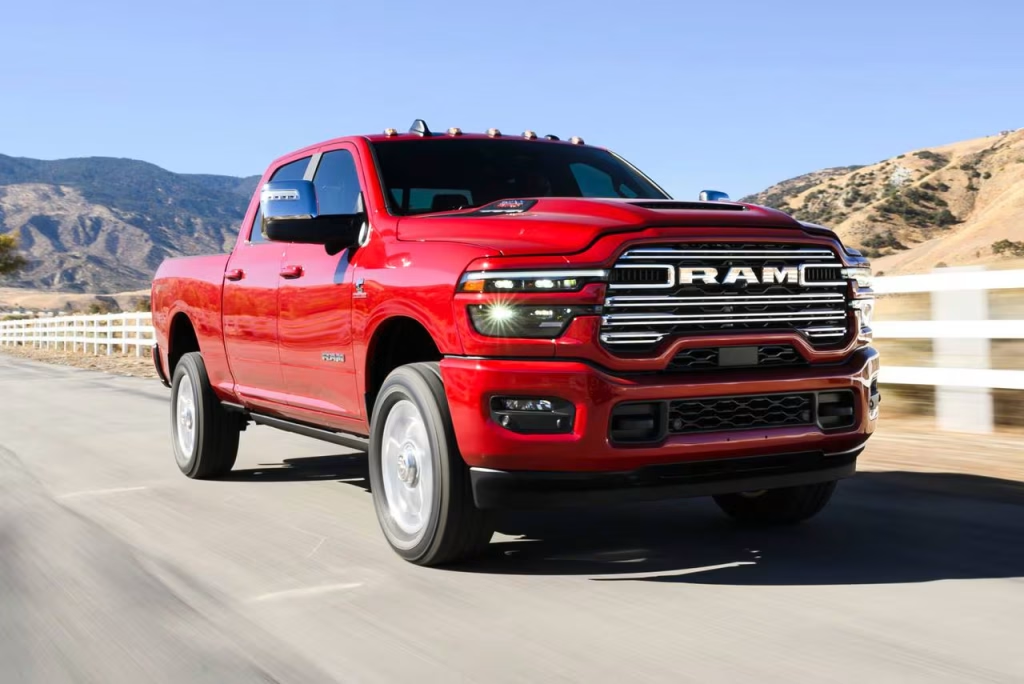
For those seeking more heavy-duty capability, a 6.7-liter Cummins diesel inline-six is offered on other models, available in both 2500 and 3500 trims and with either rear- or four-wheel drive. The diesel engine delivers 430 horsepower and an impressive 1,075 pound-feet of torque, also paired with the eight-speed automatic.
In driving tests, the updated Cummins diesel proved to be responsive and refined; while it is still louder than the gas V8, it is far less raucous than previous versions, making it a more comfortable option for long drives without sacrificing its raw towing power.
Overall, the gas V8 offers solid performance and quieter operation for everyday driving, while the Cummins diesel dominates in torque and heavy-duty capability.
2. Ford Power Stroke 6.7L
Ford’s Power Stroke 6.7L engine, featured in F-250 and F-350 trucks, is another long-lasting workhorse. With modern emissions controls and a design focused on durability, this engine balances high horsepower and torque with reliability.
Fleet operators and independent truck owners alike praise its longevity when maintained properly. The 6.7L Power Stroke is capable of handling heavy-duty towing and long highway miles without major issues, making it a go-to choice for those who need both performance and endurance.
The Ford 6.7L Power Stroke is a turbocharged V8 diesel engine that marked a significant shift for Ford’s Super Duty lineup. Development began in 2008 under the internal codename “Scorpion,” and it officially launched in 2011, replacing the 6.4L Power Stroke.
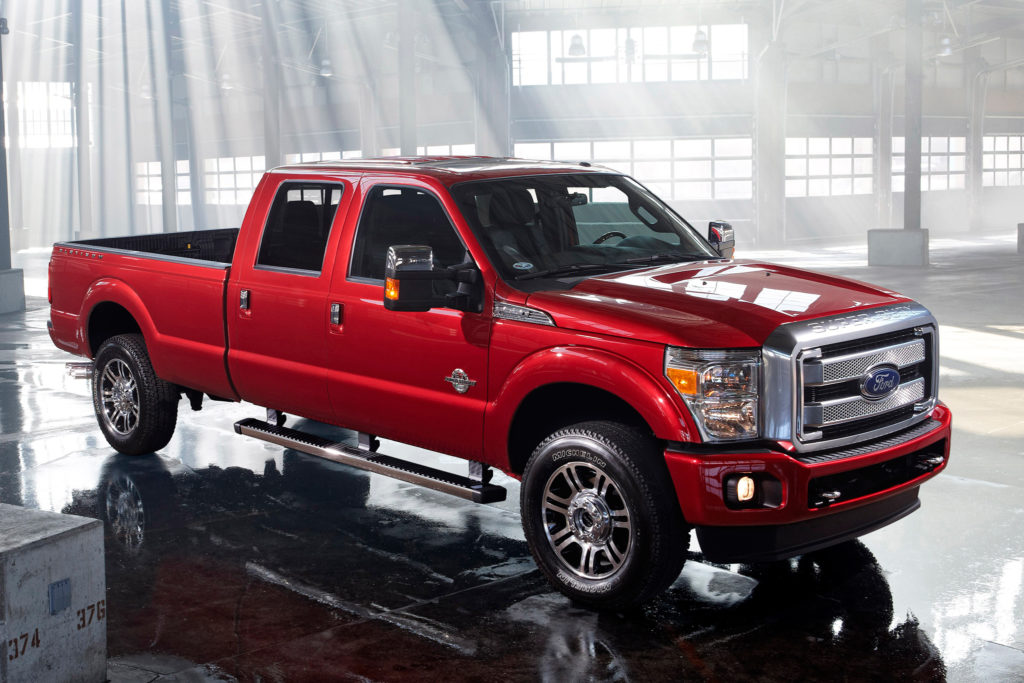
Notably, this was the first Power Stroke engine manufactured entirely in-house by Ford, ending nearly three decades of collaboration with International Navistar.
Unlike most diesel engines that use heavy cast iron, the 6.7L Power Stroke features a cylinder block made from compacted graphite iron (CGI), which, combined with a deep-skirt design and nodular iron six-bolt main caps, results in significant weight savings over its 6.4L predecessor.
The engine also includes a steel crankshaft, powdered-metal cracked-cap connecting rods from Mahle, and cast-aluminum pistons from Federal Mogul, all contributing to improved strength, efficiency, and durability.
Also Read: 5 Trucks That Stay Safe Under Load and 5 That Can’t Stop Shaking
3. GM Duramax 6.6L
Chevrolet and GMC’s Duramax 6.6L turbo diesel has a long history of strong performance and high-mileage reliability. Known for its solid engineering, robust fuel system, and ability to handle heavy loads, the Duramax 6.6L has become a benchmark for long-lasting turbo diesels in American trucks.
Many owners report vehicles surpassing 250,000 miles with minimal engine-related repairs, particularly when routine maintenance and high-quality diesel fuel are used.
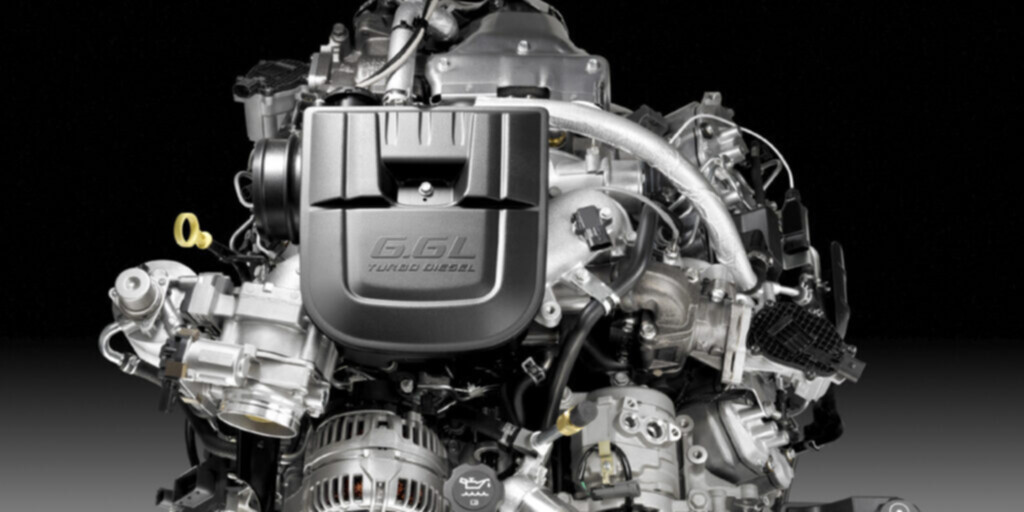
The Duramax 6.6L V8 turbo-diesel engine has been a cornerstone of GM’s heavy-duty trucks since its debut in 2001, and it is now approaching its 20th year of production. Over that time, the engine has evolved through six distinct variations: LB7, LLY, LBZ, LMM, LML, and the current L5P.
From its first generation to the latest iteration, the 6.6L Duramax has nearly doubled both horsepower and torque, growing from 235 hp and 500 lb-ft in 2001 to 445 hp and 910 lb-ft today.
Alongside this performance evolution, the engine has also become far more emissions-friendly, reflecting advances in technology and stricter environmental regulations over the past two decades.
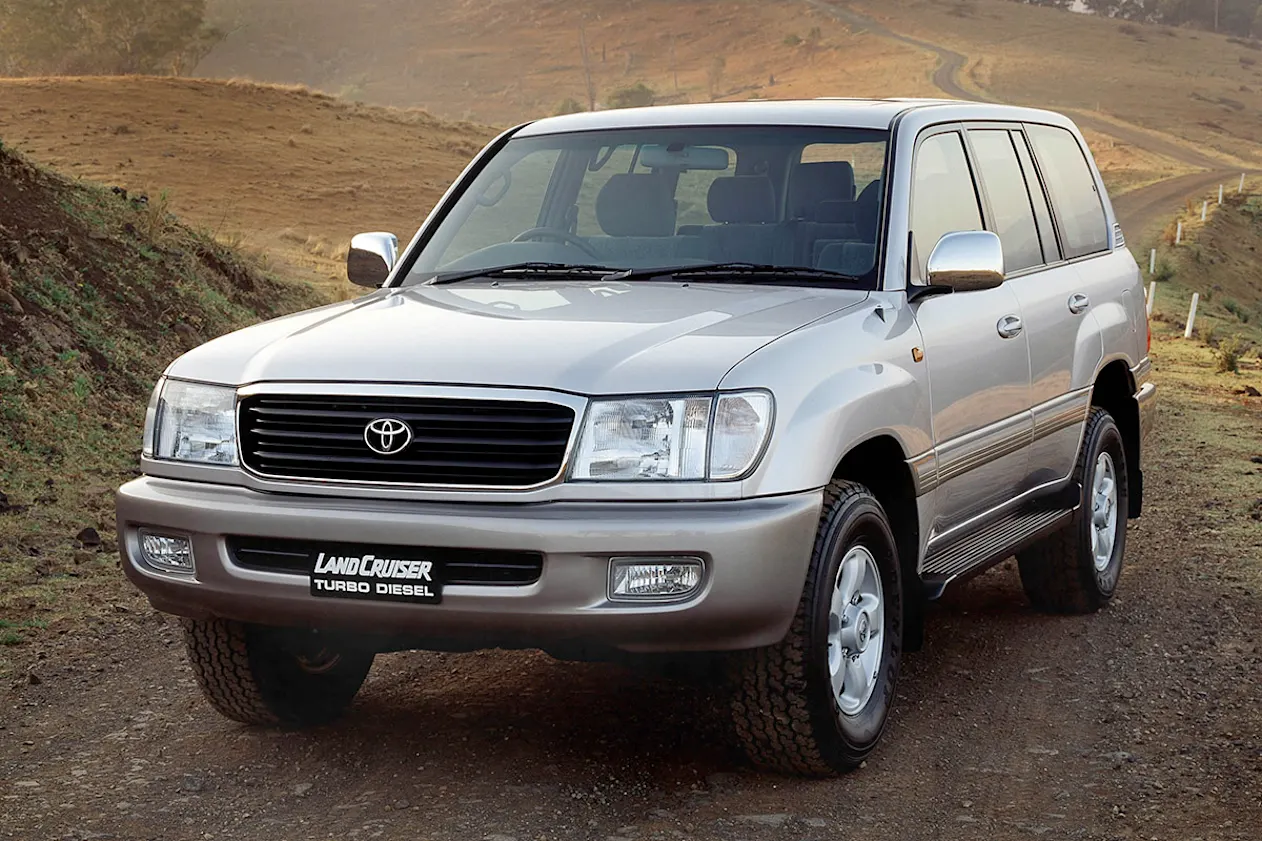
4. Toyota 1HD-FTE (Land Cruiser)
While not as common in the U.S. as domestic trucks, the Toyota 1HD-FTE turbo diesel found in Land Cruisers is renowned globally for its longevity. This engine thrives on simplicity and rugged engineering.
It’s not uncommon to find Land Cruisers with 400,000 miles on the original engine. The 1HD-FTE excels in off-road conditions, towing, and highway driving, making it an ideal choice for those who prioritize reliability over high-tech features.
The Toyota 1HD-FTE is a 4.2-liter, six-cylinder, four-stroke, water-cooled turbocharged diesel engine produced by Toyota.
It features a cast-iron block with 94 mm cylinder bores and a 100 mm piston stroke, giving it a total displacement of 4,164 cc (254.1 cu-in) and a compression ratio of 18.8:1. The engine has a cast-iron cylinder head with a single overhead camshaft (SOHC) operating 24 valves, mounted on a three-layer steel laminate head gasket.

An evolution of the 1HD-FT, the 1HD-FTE includes new valve seats, upgraded pistons, an improved cooling system, and a slightly higher compression ratio.
It uses an electronic rotary fuel injection pump with centrally mounted injectors and is paired with either a Toyota CT26 turbocharger for the Land Cruiser 70 series or a CT20B turbocharger with intercooler for the 100 series.
In the Land Cruiser 100-series configuration, the engine produces 205 PS (202 hp) at 3,400 rpm and 430 Nm (317 lb-ft) of torque at 3,200 rpm, delivering a reliable balance of power and efficiency for off-road and heavy-duty use.
5. Mercedes-Benz OM642
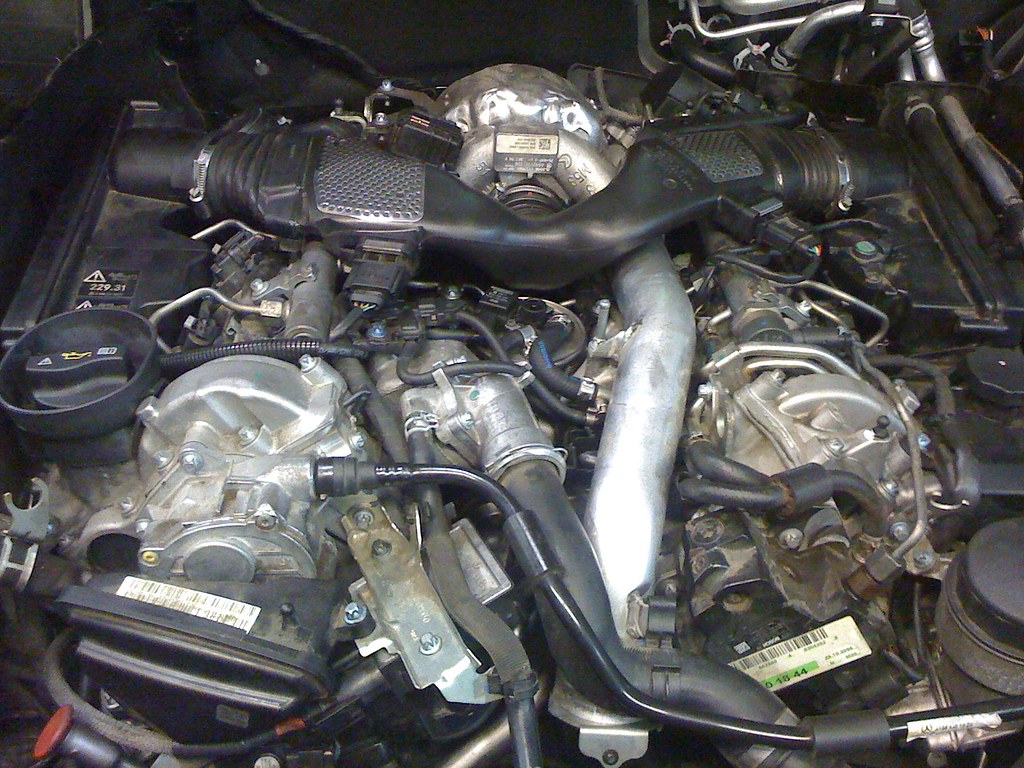
The OM642, a 3.0L V6 turbo diesel, powers several Mercedes-Benz models sold in the U.S., including the E-Class, ML, and GL SUVs. While smaller than the large American truck diesels, the OM642 is built with durability in mind.
With regular maintenance and proper care, these engines are known to reach well over 250,000 miles without major issues. The combination of refined engineering and turbo efficiency makes it a reliable choice for those who want a diesel vehicle with both luxury and longevity.
The Mercedes-Benz OM642 is a 3.0-liter turbocharged V6 diesel engine that was introduced in 2005, replacing the OM647 and OM648 inline five- and six-cylinder engines.
This V6 CDI/BlueTEC engine has been used in a wide range of Mercedes-Benz cars and vans, as well as vehicles from Dodge, Jeep, Chrysler, and Freightliner, and was produced in DE30LA, DE30LA red, and LSDE30LA versions.
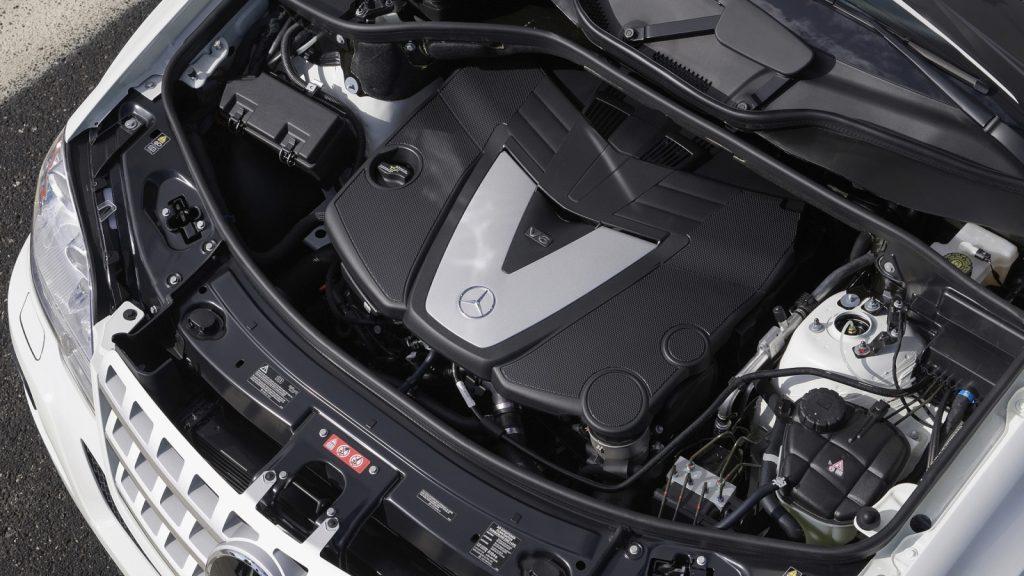
The OM642 features an aluminum cylinder block with a 72-degree V angle and cast-in grey iron cylinder liners, which were updated in 2014 to Mercedes-Benz’s “Nanoslide” cylinder wall coating.
The lightweight aluminum crankcase weighs only 41 kg and houses a forged steel crankshaft rotating on four bearings, forged steel connecting rods, and aluminum pistons with recessed crowns for optimal combustion. The crankpins are offset by 48 degrees, and a counter-rotating balance shaft reduces vibration.
Each cylinder bank has an aluminum cylinder head with four valves per cylinder (24 total) and dual overhead camshafts (DOHC) that actuate the valves via roller-type cam followers with hydraulic clearance compensation.
The camshafts are chain-driven with a duplex timing chain, which also powers the balancer shaft and high-pressure fuel pump. Aluminum head covers complete the engine, resulting in a durable, lightweight, and highly refined diesel powerplant.
5 Turbo Diesel Cars With Injector Failures
Not every turbo diesel is built to last, and several models have been plagued by injector-related issues. Fuel injectors in diesel engines are critical for delivering precise amounts of fuel at extremely high pressure.
When they fail, they can lead to uneven performance, smoke, poor fuel efficiency, and costly repairs. Some turbo diesels have more frequent injector problems due to design flaws, materials used, or sensitivity to fuel quality.
1. Early Volkswagen TDI Engines (Pre-2015)
Volkswagen’s earlier TDI engines, particularly the 2.0L four-cylinder versions, were praised for fuel efficiency but criticized for injector longevity.
Many owners in the U.S. faced problems with failing injectors, which could lead to rough idling, excessive smoke, and expensive repairs. While the engines themselves were robust in other respects, injector failure remained a common and costly issue.
The Jetta was Volkswagen’s best selling car in the US; total 2014 Jetta sales through September were 115,055 units, or 42.5% of Volkswagen USA total sales. In addition, its diesel version is the top selling passenger car diesel in the market here, with about 29% share.
The bottom line is that the 2015 Jetta TDI enjoys a double boost. It benefits from model-wide improvements in exterior, interior, and features; and especially benefits from the new diesel engine, with its improved fuel economy, performance and refinement.
The Volkswagen TDI engine has earned a reputation for fuel efficiency and strong torque, but like any diesel, it comes with its own set of potential problems. Recognizing the symptoms early can save owners time, money, and stress.
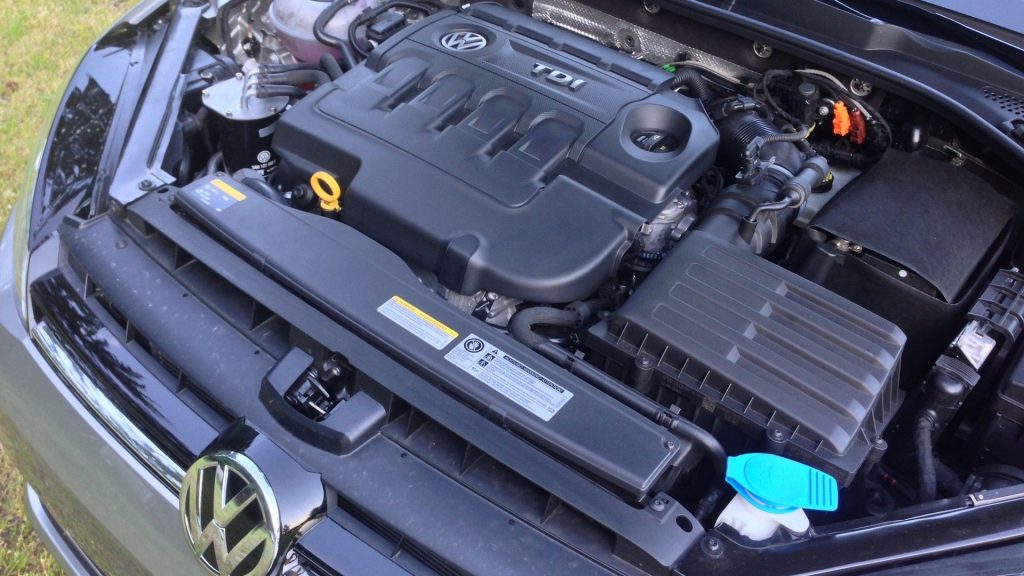
One of the first warning signs is a drop in performance, which can appear as reduced acceleration, rough idling, or unusual engine noises such as knocking or tapping. A decline in fuel efficiency is another common indicator, with increased consumption or black smoke from the exhaust pointing to potential engine trouble.
Dashboard alerts are key signals of underlying issues. The check engine light is the most common, while a diesel particulate filter (DPF) warning often indicates a clogged filter, which can affect engine performance. Starting issues are another concern, manifesting as longer crank times or unexpected stalling, suggesting problems with fuel delivery or other critical systems.
Diesel-specific challenges include excessive emissions or strong fuel odors, which may signal EGR system faults, DPF blockages, or fuel leaks. Overheating is also a concern; persistent high-temperature readings or coolant leaks can lead to serious engine damage if ignored.
Understanding the root causes behind these problems is essential for TDI owners. While Volkswagen designed these engines for efficiency and durability, factors such as fuel quality, maintenance habits, and component wear contribute to most issues. Regular maintenance, careful monitoring, and prompt attention to warning signs are crucial for keeping a TDI engine running smoothly and avoiding costly repairs down the road.
2. Ford 6.0L Power Stroke
The 6.0L Power Stroke turbo diesel, produced from 2003 to 2007, has become infamous among American truck owners for its injector problems.
Weak injectors, combined with a sensitive fuel system, meant that failures were almost inevitable without meticulous maintenance. Overheating issues and coolant leaks could exacerbate injector wear, making these engines a high-maintenance proposition for long-term ownership.
The Ford 6.0L Power Stroke is a V8 turbo diesel engine introduced in the second quarter of the 2003 model year, and by 2004 it fully replaced the highly regarded 7.3L Power Stroke. Designed to meet stricter NOx emissions standards, the 6.0L engine incorporated an EGR system, a variable geometry turbocharger, and a more efficient fuel injection system.
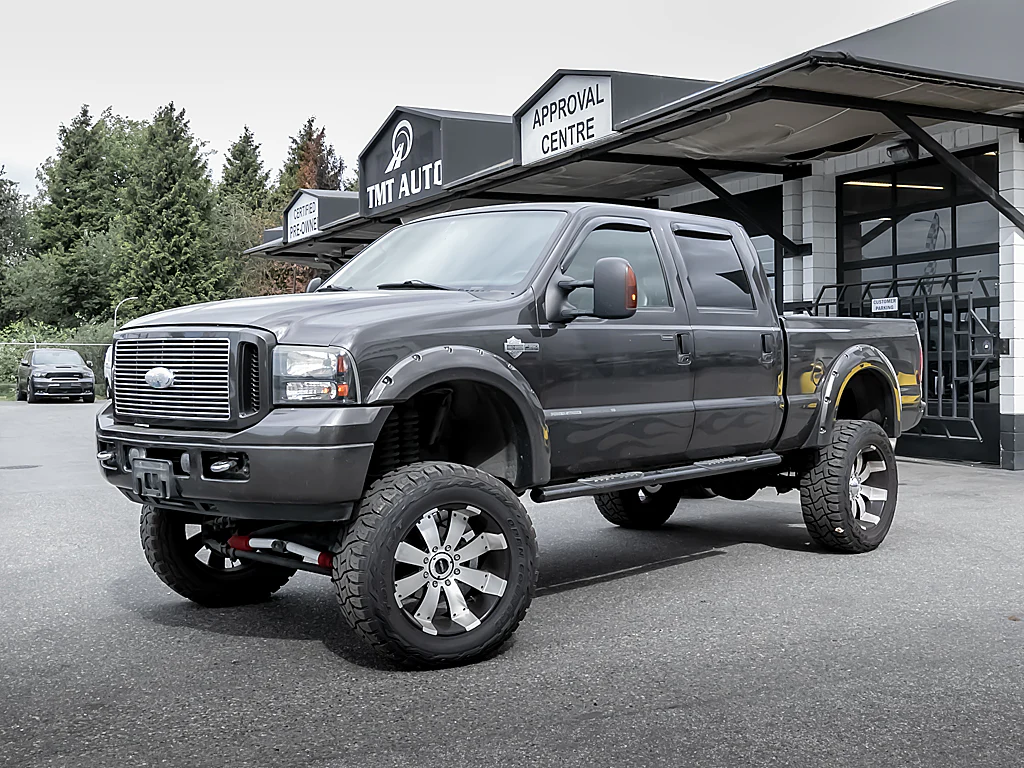
The engine features a cast-iron cylinder block with a crankcase bed plate (rather than main caps) to provide exceptional bottom-end strength. Its oil cooler and high-pressure oil pump are integrated directly into the block.
Similar to the 7.3L, the 6.0 Power Stroke uses powdered-metal connecting rods and cast-aluminum pistons, with the connecting rods known for their durability, capable of handling up to 700 rwhp and 1,200–1,300 lb-ft of torque.
At the rear of the engine, a gear train drives the crankshaft, camshaft, and high-pressure oil pump, making the 6.0L a robust and capable diesel powerplant for heavy-duty applications.
Also Read: 5 Diesel Cars That Handle Heavy Loads vs 5 That Struggle With Towing
3. Mid-1990s Dodge Cummins 5.9L
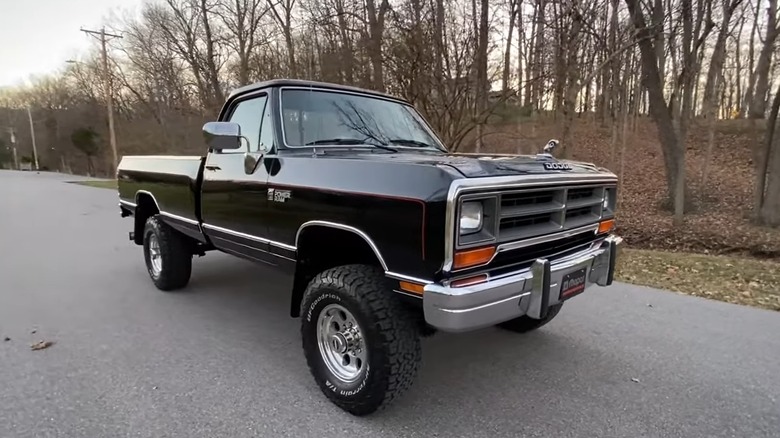
Certain Dodge Cummins 5.9L engines from the mid-1990s, particularly those equipped with the VE pump, occasionally experienced injector problems.
While many of these engines are otherwise legendary for durability, injector wear could lead to misfires, loss of power, and high repair costs if not addressed early. Fuel system upgrades were often recommended to prevent premature injector failure.
The 5.9L Cummins is a legendary diesel engine, renowned for its reliability and longevity, but it isn’t without its quirks. Even such a stalwart powerplant can develop issues over time, and knowing the common ones can save owners both time and money.
Fuel system problems are a frequent concern; failing fuel pumps or injection pumps can cause difficulty starting the engine or noticeable loss of power. While the injector pump can function for a while independently, it eventually wears down, and diagnosing these issues typically requires a scan tool.
Cracked exhaust manifolds are another potential problem, manifesting as engine misfires, poor idling, exhaust odors, or even loss of power. Hot gases escaping from a crack can damage nearby components or wiring, and while minor cracks can sometimes be welded or brazed, replacement is often the safer choice.
Another issue that can frustrate owners is the “dead accelerator pedal,” often caused by a faulty accelerator pedal position sensor or improper calibration. Preventative measures include regular fuel filter changes, inspecting wiring, and updating turbo software.
The engine control module (ECM), which manages fuel delivery, timing, and other crucial functions, can also fail due to worn components or software bugs; repairs might involve part replacement or software updates, though full ECM replacement is sometimes necessary.
Diesel particulate filter (DPF) clogging is another concern, as a blocked DPF can reduce engine performance, increase emissions, and even contribute to accelerator pedal problems. Regular cleaning, replacement, or fuel additives can help mitigate this.
The 5.9L’s variable geometry turbocharger (VGT) improves performance under various conditions but is prone to fouling from soot, ash, and oil, which restricts movement and diminishes power. Stuck or sticking VGTs often require disassembly and cleaning.
Turbochargers themselves can fail, most commonly due to worn oil seals that allow oil to enter the intake or exhaust, potentially clogging the intercooler, damaging sensors, or even causing engine RPM to spike unexpectedly. While temporary cleaning may help, replacement is usually the long-term solution.
Head gasket failure, though less common on the 5.9L than on larger Cummins engines, can still occur, with signs including white smoke, unexplained coolant loss, overheating, and bubbling in the radiator.
Ultimately, even a dependable engine like the 5.9L Cummins requires diligent maintenance to avoid these problems. Regular oil changes, fuel system care, and component inspections go a long way toward preventing these failures and keeping this classic diesel running smoothly for years.
4. Early Duramax 6.6L Models
Some early Duramax 6.6L engines, particularly those produced around the early 2000s, experienced isolated injector failures.
While these issues were not as widespread as in the Ford 6.0L or early VW TDIs, they still posed a significant concern for buyers seeking a long-term investment in a diesel truck. Injector replacement and fuel system monitoring were crucial for avoiding downtime and costly repairs.
In the heavy-duty pickup world, engines like Duramax, Cummins, and Power Stroke are celebrated for their durability and power, with the 6.6-liter Duramax V8 diesel standing out in Chevy Silverado HD and GMC Sierra HD models.
Introduced in 2000 as the LB7, the Duramax could produce 300 horsepower and 520 lb-ft of torque, earning a reputation for brute strength and reliability.
However, the Duramax isn’t without its flaws. Owners have reported recurring issues with the fuel pump and EGR system, particularly in the LML version produced from 2011 to 2016. The Bosch CP4 high-pressure fuel pump, a critical component of the common rail diesel system, has been a notable weak point.
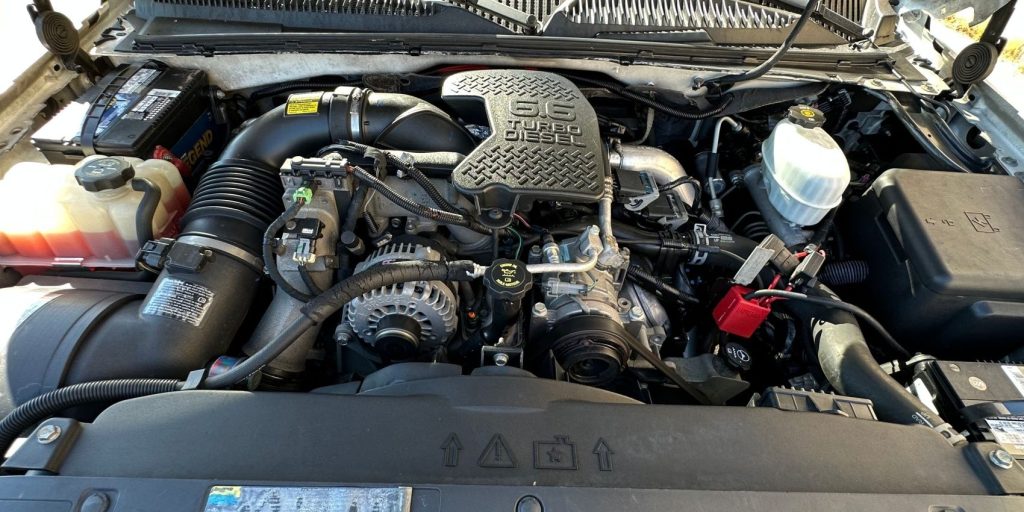
Failures in the CP4 pump can lead to sudden engine power loss, starting problems, or extensive damage to the fuel system, sometimes sending metal fragments through the lines. Some drivers have experienced their trucks abruptly losing power at highway speeds, creating dangerous situations.
Repairs can be costly, some owners reported bills exceeding $7,000 when the pump damaged other fuel system components. While warranty coverage has helped some owners, the CP4 issue has made the LML Duramax one to approach with caution.
Despite its strong performance and overall reliability, potential buyers should weigh these documented problems when considering a 6.6-liter Duramax-equipped heavy-duty truck.
5. Mercedes-Benz OM642 (High-Mileage Units)
While generally reliable, the OM642 can develop injector issues in high-mileage examples, especially if maintenance is neglected or low-quality diesel fuel is used.
Injector failure in these engines can lead to rough running, warning lights, and expensive repairs. Owners of older OM642-equipped vehicles must be proactive about injector care to preserve engine longevity.
For American consumers, the choice between a turbo diesel that “goes forever” and one prone to injector issues largely comes down to intended use, budget, and maintenance commitment.
Those who rely on their trucks for heavy towing, off-road adventures, or long-haul driving typically favor engines with proven longevity, like the Cummins 6.7L, Power Stroke 6.7L, or Duramax 6.6L. These engines offer peace of mind, low downtime, and fewer unexpected repair costs over the life of the vehicle.
On the other hand, diesel engines with injector issues, like the early VW TDIs or Ford 6.0L Power Stroke, can still be compelling for buyers on a budget or those attracted to fuel efficiency or specific performance characteristics.
However, these owners must be diligent with preventive maintenance, fuel quality, and injector monitoring. Failing to do so can lead to costly repairs, vehicle downtime, and frustration.
In the U.S., where diesel-powered trucks and SUVs are highly popular for both work and leisure, understanding these distinctions is essential. Investing in a diesel vehicle is not just about upfront cost or torque figures, it’s about long-term reliability, total cost of ownership, and the ability to keep the engine running for hundreds of thousands of miles.
By focusing on engines with proven track records and being aware of those prone to injector failures, consumers can make smarter choices and enjoy the benefits of diesel power without unexpected headaches.
