The Nissan Altima has long been a favorite in the midsize sedan market, offering a blend of style, comfort, and efficiency that appeals to a wide range of drivers. Over its six generations, it has evolved from a solid commuter to a tech-savvy, performance-capable option with available all-wheel drive and advanced safety features.
However, not all model years are created equal. Some shine for their reliability, driving enjoyment, and value, while others are plagued by costly mechanical issues and disappointing durability.
In this guide, we’ll highlight five of the best Nissan Altima years to buy, spanning from the dependable and sporty 2011 model to the tech-forward 2021 version.
We’ll also cover five years to avoid, where common issues especially with Nissan’s CVT can turn ownership into a financial headache. Whether you’re looking for a daily driver or a dependable family car, knowing which Altimas to target can save you time, money, and frustration.
5 Nissan Altima Years Worth Buying
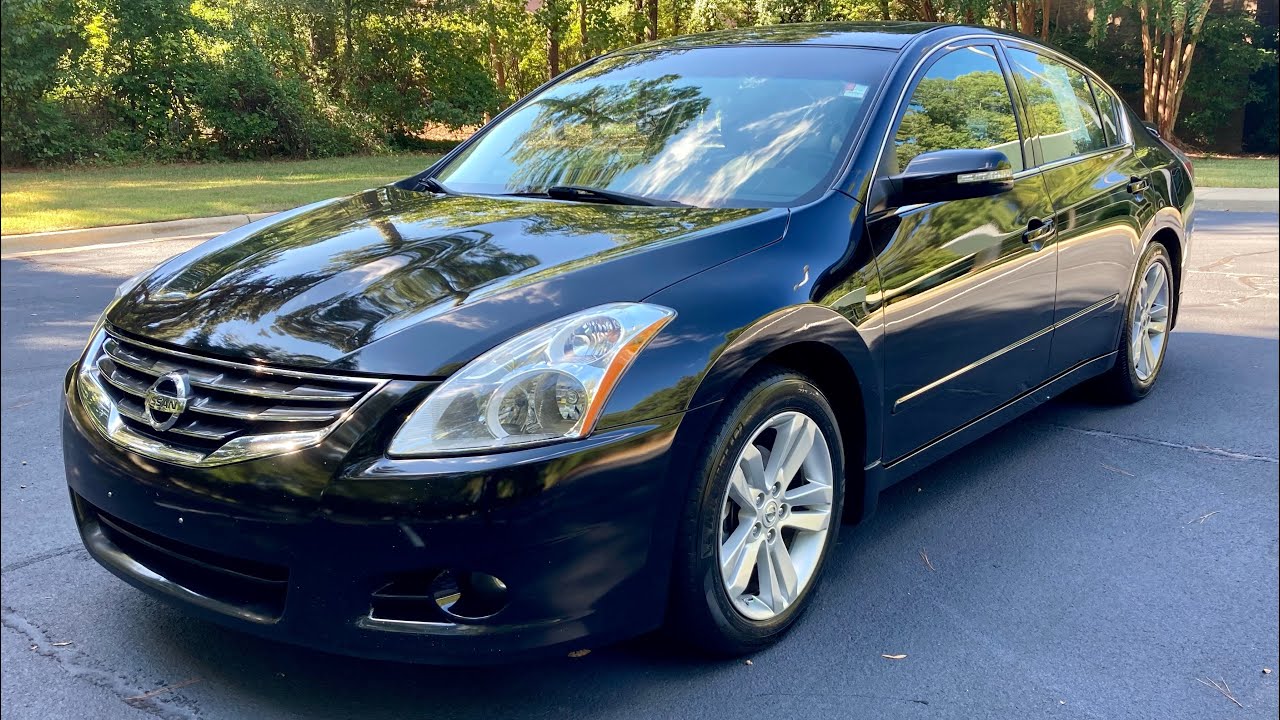
1. 2011 Nissan Altima: Style, Versatility, and Performance
The 2011 Nissan Altima, part of the fourth generation, offers a strong blend of style, dependability, and driving enjoyment. With an overall J.D. Power score of 81 and a reliability rating of 82, well-maintained, low-mileage examples can remain roadworthy for years.
While prices for used models may be slightly elevated, many can still be found under $10,000, though a thorough pre-purchase inspection is advised due to reported engine and powertrain concerns.
Available in sedan and coupe body styles, the Altima offers three trims 2.5, 2.5 S, and the sportier 3.5 SR each catering to different needs. The Altima stands out among rivals like the Honda Accord, Ford Fusion, and Hyundai Sonata for its engaging balance of comfort and performance.
Under the hood, the Altima offers two distinct driving experiences. The 2.5-liter four-cylinder produces 175 hp and delivers competitive fuel economy of up to 32 mpg highway, making it a practical everyday choice.
The 3.5 SR V6, producing 270 hp, transforms the Altima into a sport sedan, thanks to its sport-tuned suspension and sharp handling, though ride comfort is slightly firmer. Acceleration is strong, with 0–60 mph times as quick as 6.5 seconds in the coupe with a manual.
All models come standard with stability control, antilock brakes, and a full suite of airbags. Crash safety performance is solid, with top ratings in several tests, although rear seating space is tighter than in some competitors, particularly in the coupe.
Inside, the Altima impresses with high-quality materials, intuitive controls, and available high-tech features such as a hard-drive-based navigation system, Bluetooth streaming audio, and xenon headlights.
While option packaging can force buyers into expensive bundles, the overall fit, finish, and technology keep the Altima competitive. The sedan offers a useful 15.3-cubic-foot trunk, while the coupe’s smaller cargo space and rear seating make it best for occasional passengers.
For drivers seeking a midsize family car that blends reliability with a more spirited personality, the 2011 Nissan Altima remains a strong choice, especially in V6 form for those prioritizing driving excitement.
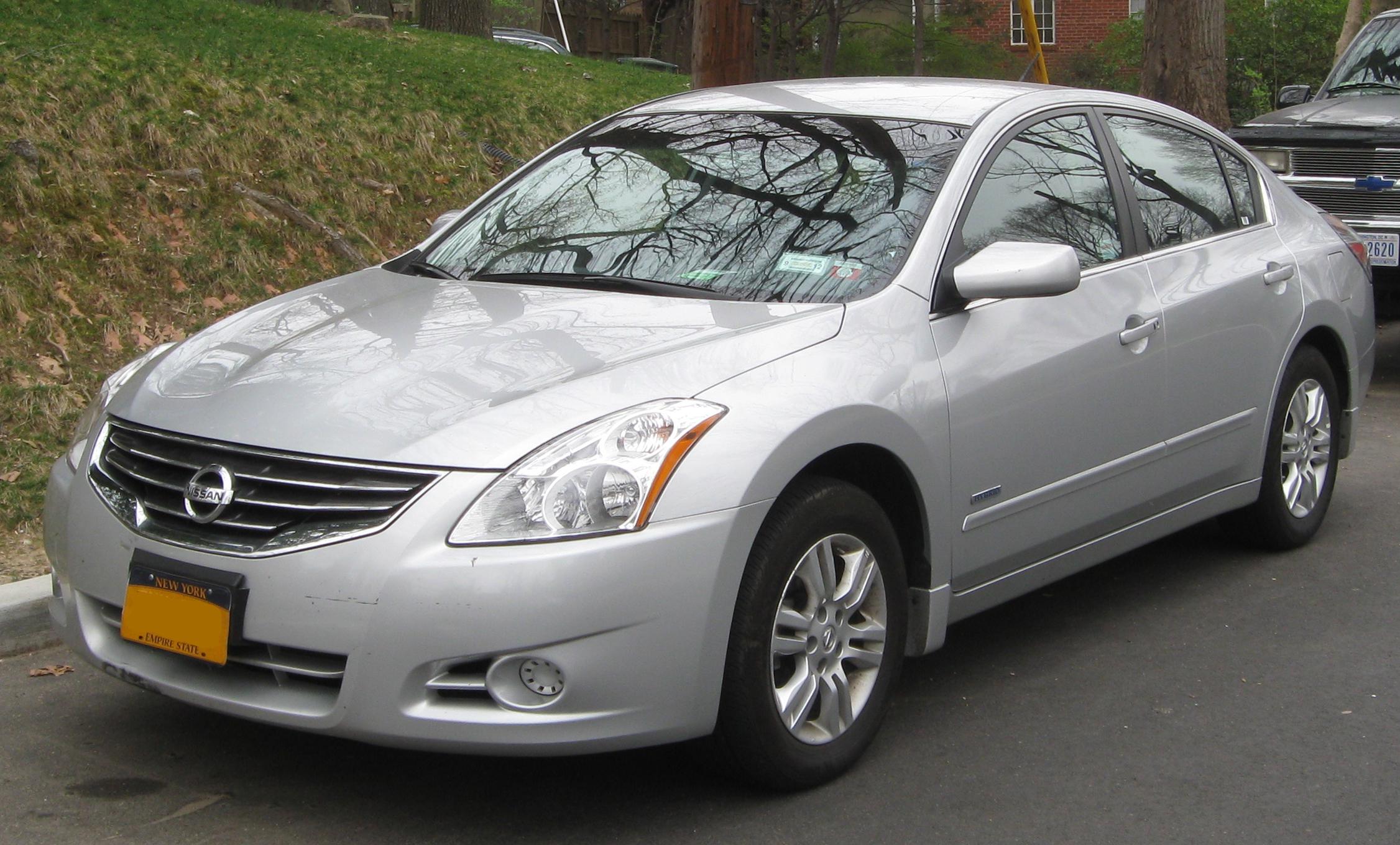
2. 2017 Nissan Altima: Safety, Comfort, and Solid Value
The 2017 Nissan Altima, part of the fifth generation, benefits from a mid-cycle refresh that updated its styling, added advanced safety features, and improved fuel efficiency.
It offers two engine options: a 179-hp 2.5L four-cylinder and a 270-hp 3.5L V6, both paired with a continuously variable transmission (CVT) that delivers class-leading mileage.
Safety is a highlight, with the Altima earning a top five-star NHTSA overall rating and “Good” scores in all major IIHS crash tests, along with a “Superior” rating for forward collision prevention on certain trims.
Standard safety gear includes stability control, antilock brakes, and multiple airbags, with higher trims offering blind-spot monitoring, rear cross-traffic alert, and automatic emergency braking. Midyear changes saw Nissan eliminate the base and 3.5 SR trims, streamlining the lineup.
On the road, the 2017 Altima delivers a composed and predictable drive. The CVT stands out for its responsiveness and simulated gear steps, reducing engine drone compared to rivals.
The 2.5L engine is adequate for daily driving but can feel noisy under hard acceleration, while the V6 offers more confident passing power. Once known for sharper handling, the Altima now finds itself more middle-of-the-pack, offering balanced performance but less refinement over rough pavement.
Braking performance is slightly below average for the segment, with a 122-foot stop from 60 mph in testing. The driving experience is competent but no longer class-leading.
Inside, the Altima’s cabin design is functional but dated compared to newer rivals like the Honda Accord and Mazda6. The standout feature remains its “Zero Gravity” front seats, which excel in long-distance comfort.
Rear seating offers decent space and visibility, and the 15.4-cubic-foot trunk is competitive, aided by a wide, low opening. Storage for small items is plentiful, though the infotainment system lags behind the competition, with a small standard display and a low-mounted optional screen that’s less intuitive.
While it may not dominate the segment anymore, the 2017 Nissan Altima remains a safe, comfortable, and efficient midsize sedan, especially appealing to buyers prioritizing reliability and value over cutting-edge tech or performance thrills.
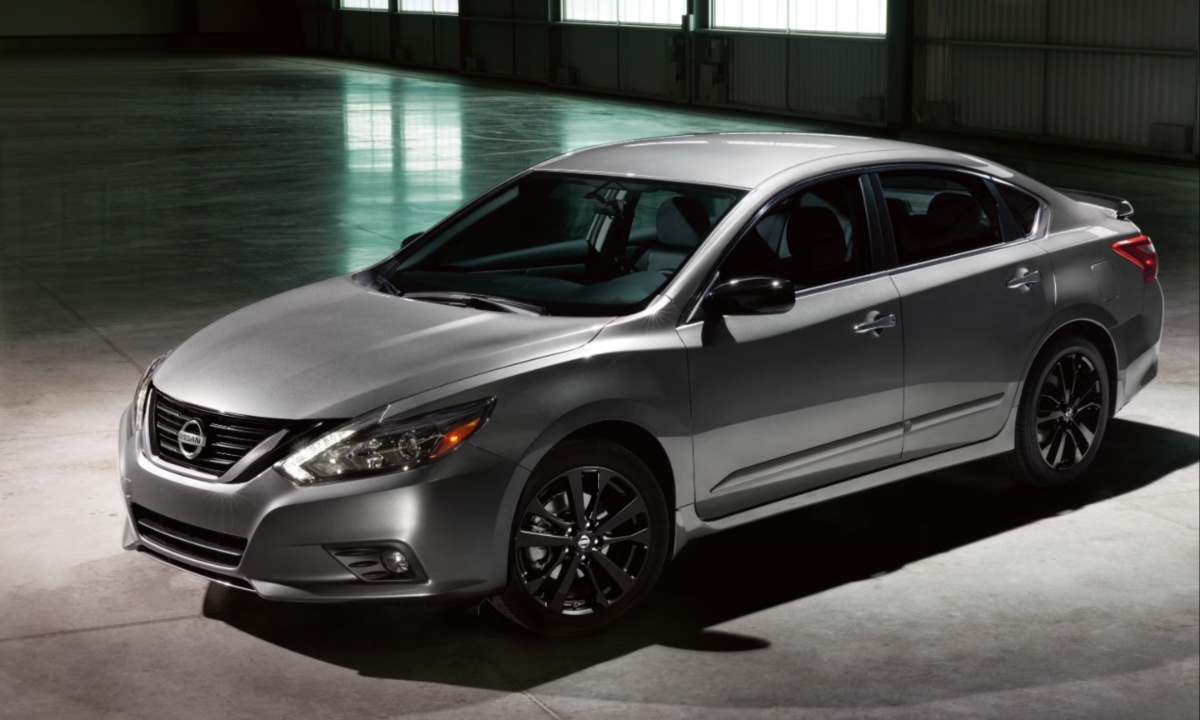
3. 2019 Nissan Altima: A Bold Step Into the Future
The 2019 Nissan Altima marked the debut of the sixth generation and introduced a range of bold updates aimed at elevating it from a competent family sedan to a true segment contender.
The most notable changes include the addition of all-wheel drive for the first time and the replacement of the previous V6 with an innovative 2.0L variable-compression turbocharged four-cylinder engine producing 248 hp.
Paired with the standard 188-hp 2.5L four-cylinder, both engines utilize Nissan’s refined CVT for smooth power delivery. The new turbo engine blends V6-like torque with four-cylinder efficiency, achieving an EPA-estimated 29 mpg combined.
Alongside these powertrain upgrades, the Altima gained ProPilot Assist a semi-autonomous driving system making it one of the most technologically advanced midsize sedans of its time.
On the road, the 2019 Altima offers a more engaging drive than its predecessors, especially with the turbo engine, which provides strong acceleration from low speeds. Steering feel has improved, and the SR trim sharpens handling further for those seeking sportier dynamics.
Comfort remains a hallmark, thanks to Nissan’s NASA-inspired Zero Gravity seats and a compliant suspension that smooths rough surfaces, though some wind noise is present.
The Platinum and higher trims deliver luxury touches, while even base models come well-equipped with features like Bluetooth, Apple CarPlay, Android Auto, and an 8-inch touchscreen.
ProPilot driver aids, including adaptive cruise control and lane-centering, are standard from the SV trim upward, ensuring advanced safety tech is accessible without top-tier pricing.
Inside, the 2019 Altima’s cabin is modern and spacious, with wide door openings for easy entry, generous rear legroom, and an airy layout. While the interior styling is understated, it’s practical and user-friendly, with plenty of small-item storage and a versatile 15.4-cubic-foot trunk enhanced by 60/40 split-folding rear seats.
The 2019 Altima successfully blends innovation, comfort, and practicality, making it one of the best model years for buyers seeking a capable midsize sedan with modern tech, available all-wheel drive, and a standout balance between performance and efficiency.
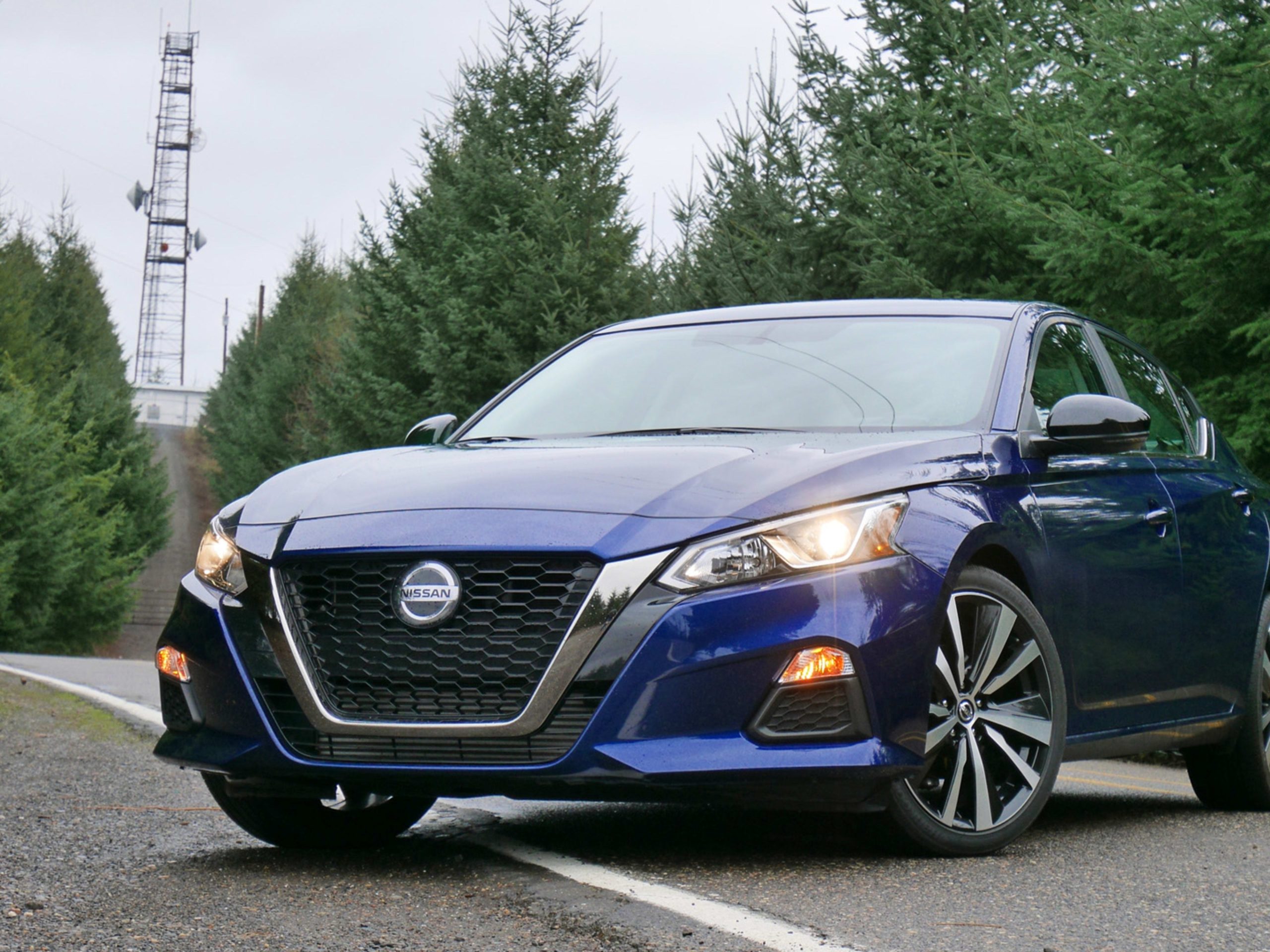
4. 2015 Nissan Altima: Balanced Performance and Everyday Comfort
The 2015 Nissan Altima continued the fifth generation’s success, refining its driving experience with improved steering feedback, a quieter cabin, and enhanced safety features.
Power comes from either a 182-hp 2.5L four-cylinder delivering exceptional fuel economy of up to 38 mpg highway, or a 270-hp 3.5L V6 capable of 0–60 mph in just 6.2 seconds.
Both engines pair with Nissan’s continuously variable transmission (CVT), which maximizes efficiency but can feel noisy in four-cylinder models under acceleration. The V6, however, works more harmoniously with the CVT, offering strong passing power.
For 2015, higher trims such as the 3.5 SV and SL gained the Technology package as standard, adding navigation and advanced safety features like blind-spot monitoring and forward-collision warning.
On the road, the Altima strikes an appealing balance between comfort and agility. The ride remains quiet and compliant over rough pavement, yet the precise steering and well-tuned suspension deliver confident handling through curves.
Safety performance is excellent, with a five-star overall NHTSA rating and top “Good” scores from the IIHS in most categories. In braking tests, the 3.5 SL stopped from 60 mph in just 114 feet well above average for the class.
While the rear seat’s head- and legroom are only average compared to some rivals, the cabin’s high-quality materials, simple layout, and NASA-inspired “Zero Gravity” front seats ensure long-distance comfort for driver and passenger alike.
Inside, the Altima offers user-friendly technology through the NissanConnect Apps system, with a standard 5-inch display and available 7-inch touchscreen with navigation and voice controls. Trunk capacity is a competitive 15.4 cubic feet, and its wide opening adds practicality.
While some shoppers may prefer the roomier backseats of competitors like the Honda Accord or the sportier dynamics of the Mazda6, the 2015 Altima’s combination of efficiency, performance, safety, and comfort makes it a “just right” option in the midsize sedan segment particularly for those seeking a refined daily driver with a touch of driving enjoyment.
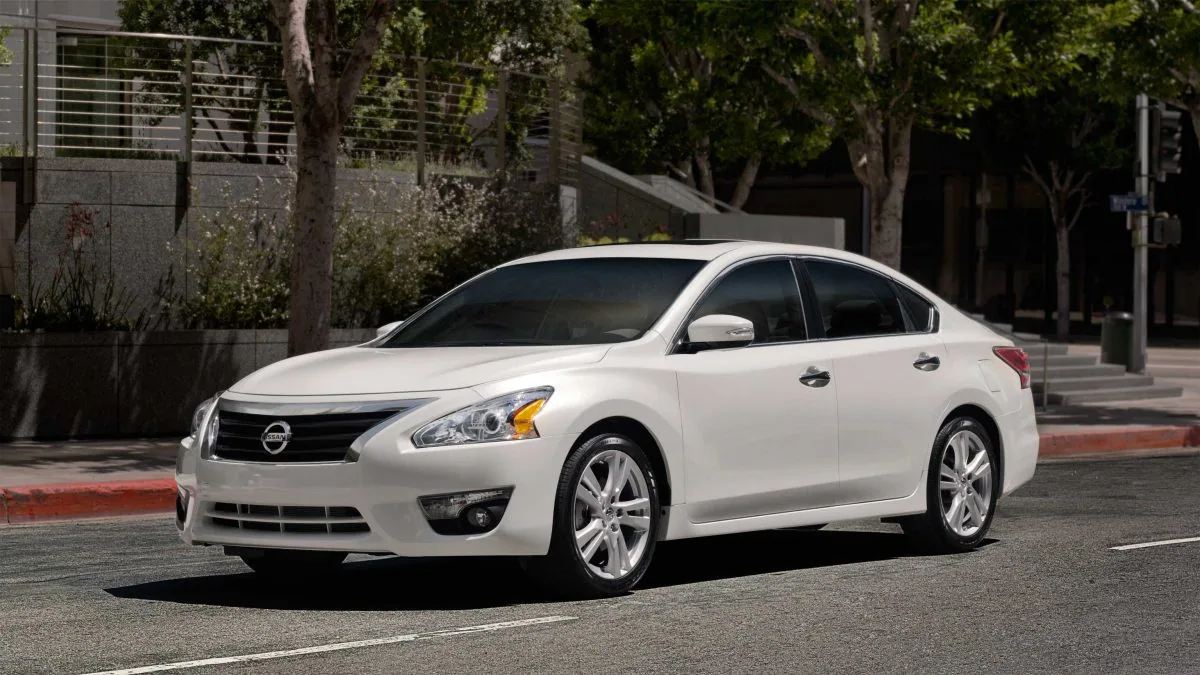
5. 2021 Nissan Altima: Tech-Forward Comfort with AWD Capability
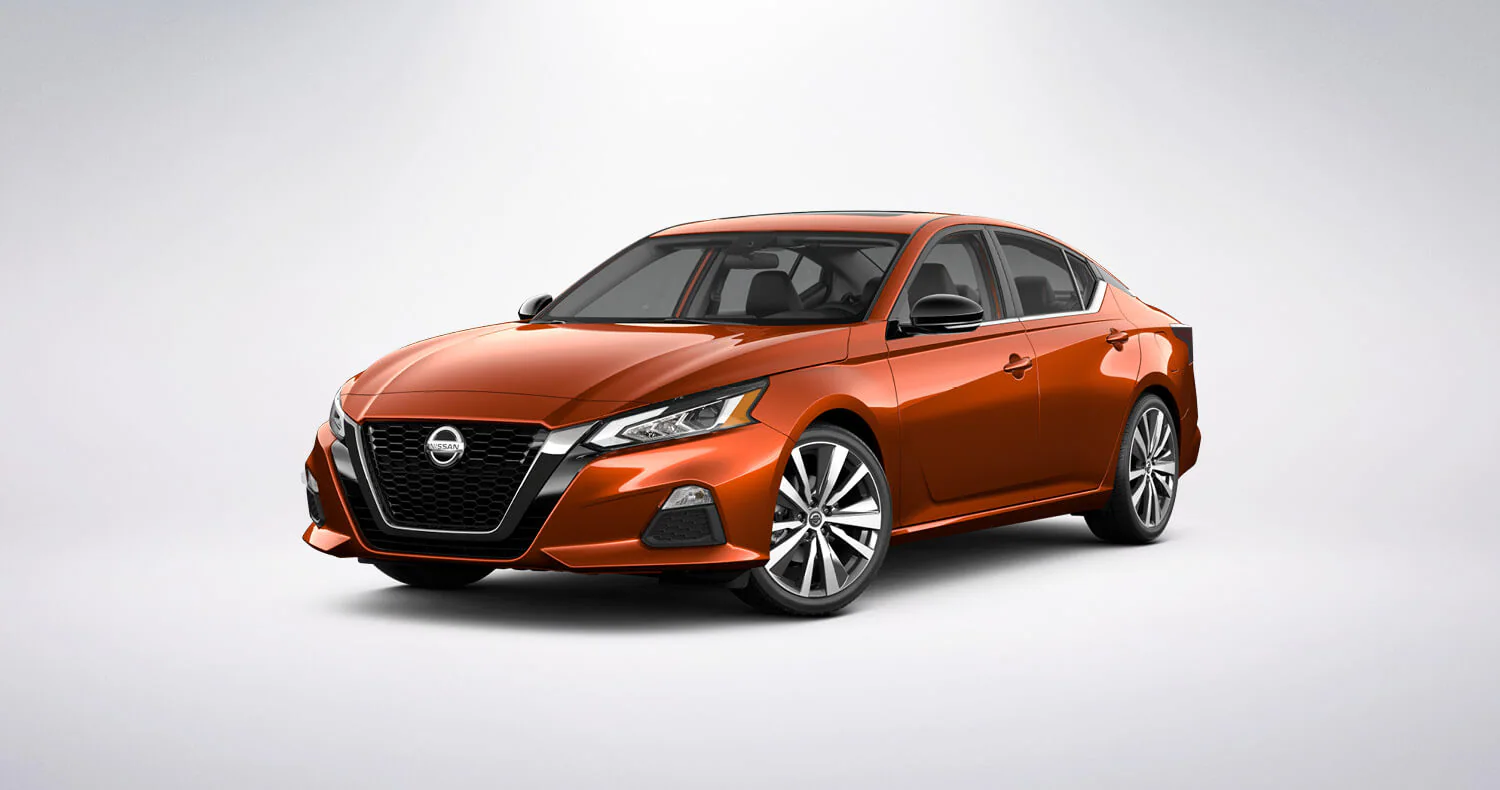
The 2021 Nissan Altima, still fresh from its 2019 redesign, blends advanced technology, available all-wheel drive, and strong fuel economy to remain competitive in the midsize sedan segment.
Powered primarily by a 188-hp 2.5L four-cylinder engine paired with a well-tuned CVT, the Altima prioritizes efficiency over outright speed, delivering an EPA-estimated 30 mpg combined in AWD form.
ProPilot Assist, available on most trims, is a standout feature offering lane-centering, adaptive cruise control, and intuitive semi-automated driving that outshines many rivals.
Safety features like rear cross-traffic alert, blind-spot monitoring, and automatic emergency braking bolster its family-friendly appeal, while low complaint rates reflect its solid reliability.
On the road, the Altima offers stable and confident handling, particularly in sweeping curves, though steering feel is on the lighter side. The 0–60 mph time of 8.4 seconds for the AWD model is modest, but the CVT’s smooth operation keeps daily driving relaxed.
Ride comfort is generally good, aided by Nissan’s Zero Gravity seats, but rough roads can send small, persistent jolts through the cabin. Noise isolation is excellent for the class, with engine sounds well-muted even under acceleration.
The cabin emphasizes functionality, with clearly labeled controls and intuitive touchscreen operation, though rear visibility suffers from the high decklid and the rearview camera’s low resolution.
Practicality is another strength, with a squared-off 15.4-cubic-foot trunk that’s easy to load and offers folding rear seats for added versatility. Interior storage is plentiful for small items, though cupholders are shallow.
Standard Apple CarPlay and Android Auto keep the infotainment current, while fuel economy performance exceeds expectations, achieving 34 mpg in real-world testing.
While its interior design is plain and some build-quality details trail the best in class, the 2021 Altima’s combination of AWD availability, advanced driver aids, efficiency, and comfort makes it a compelling option for buyers seeking a dependable, tech-savvy midsize sedan that performs well in everyday driving and adverse weather alike.
Also Read: 5 Cars That Rarely Need Warranty Claims and 5 That Max Them Out
5 To Stay Away From
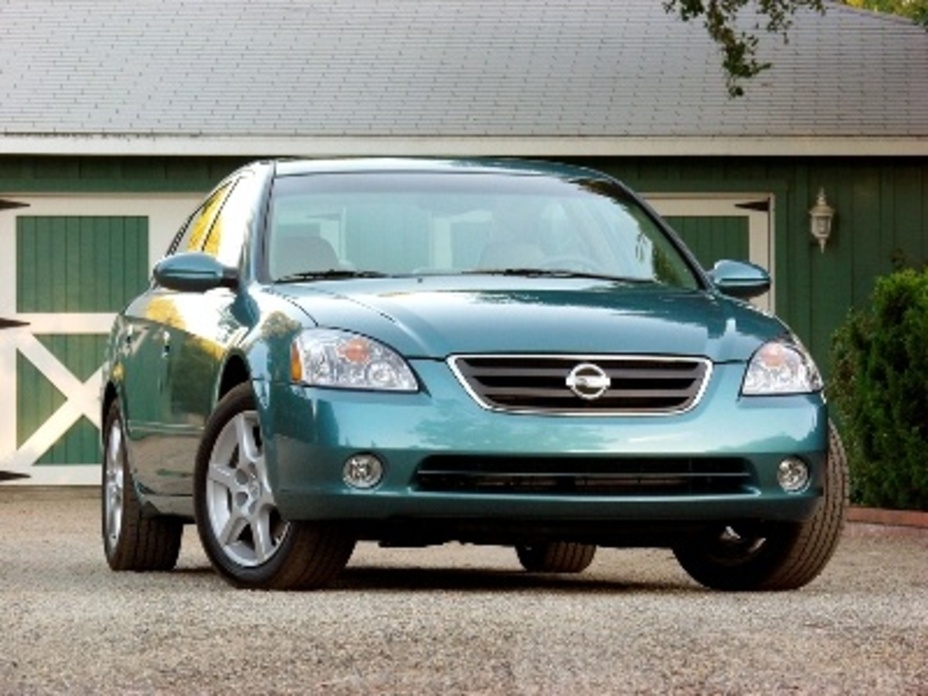
1. 2002 Nissan Altima – Costly Engine Troubles and Reliability Concerns
The 2002 Nissan Altima has a troubling history, with over 1,000 complaints and more than a dozen recalls reported on CarComplaints.com. Among its most notorious issues are excessive oil consumption, catalytic converter failures, and exhaust system defects.
Many owners report that their engines burn oil at an alarming rate, often accompanied by smoke from the exhaust. Repairing this oil consumption problem can exceed $3,300, making it one of the most expensive fixes for this model year.
The catalytic converter and exhaust issues only add to the cost and frustration, often appearing at higher mileages when the vehicle’s value is already low. Given its age and high likelihood of mechanical trouble, purchasing a 2002 Altima is a risky proposition.
The severity and expense of these failures have earned it Car Complaints’ dreaded “Avoid Like the Plague” label, marking it as one of the worst Altima years to own.
2. 2005 Nissan Altima – Rust, Oil Consumption, and Climate Failures
The 2005 Nissan Altima is notorious for piling up over a thousand complaints, making it one of the model years to approach with caution. One of its most alarming problems involves a severely rust-prone floor pan.
In many cases, the rust progressed to the point of creating basketball-sized holes beneath the floor mats, compromising both safety and comfort. Repairing this issue can cost around $1,000.
The engine also proves troublesome, with excessive oil consumption appearing around the 100,000-mile mark. This can lead to costly repairs averaging $2,000. Additionally, the climate control system is known to fail at similar mileage, leaving owners without proper heating or cooling.
Replacing the faulty system can cost up to $1,400. Combined, these issues make the 2005 Altima an expensive and inconvenient vehicle to maintain over time, especially for owners seeking a reliable daily driver with reasonable upkeep costs.
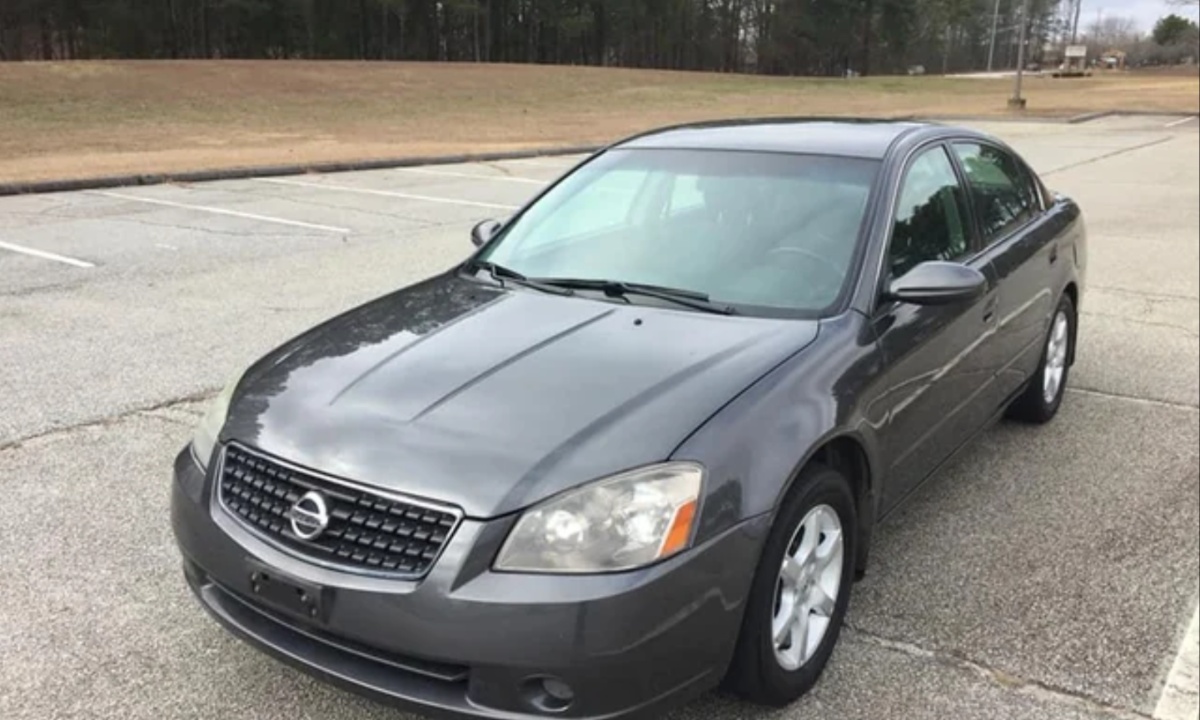
3. 2009 Nissan Altima – Steering Lock and Transmission Concerns
The 2009 Nissan Altima earned its place among the most problematic years, with over 2,000 complaints lodged by owners. The most dangerous flaw is the infamous steering wheel lock defect, which can prevent the driver from controlling the vehicle entirely.
This issue not only poses a serious safety risk but also results in steep repair bills averaging $960. Another recurring issue for 2009 Altima owners is a distinct whining noise that increases with acceleration, often traced back to transmission problems.
These transmission issues typically emerge around the 100,000-mile mark and can be extremely costly to address averaging $5,700 though many cases were covered under warranty.
The combination of potential steering failure and major transmission expenses makes this model year one of the least appealing choices for used car buyers, especially those prioritizing safety and mechanical reliability.
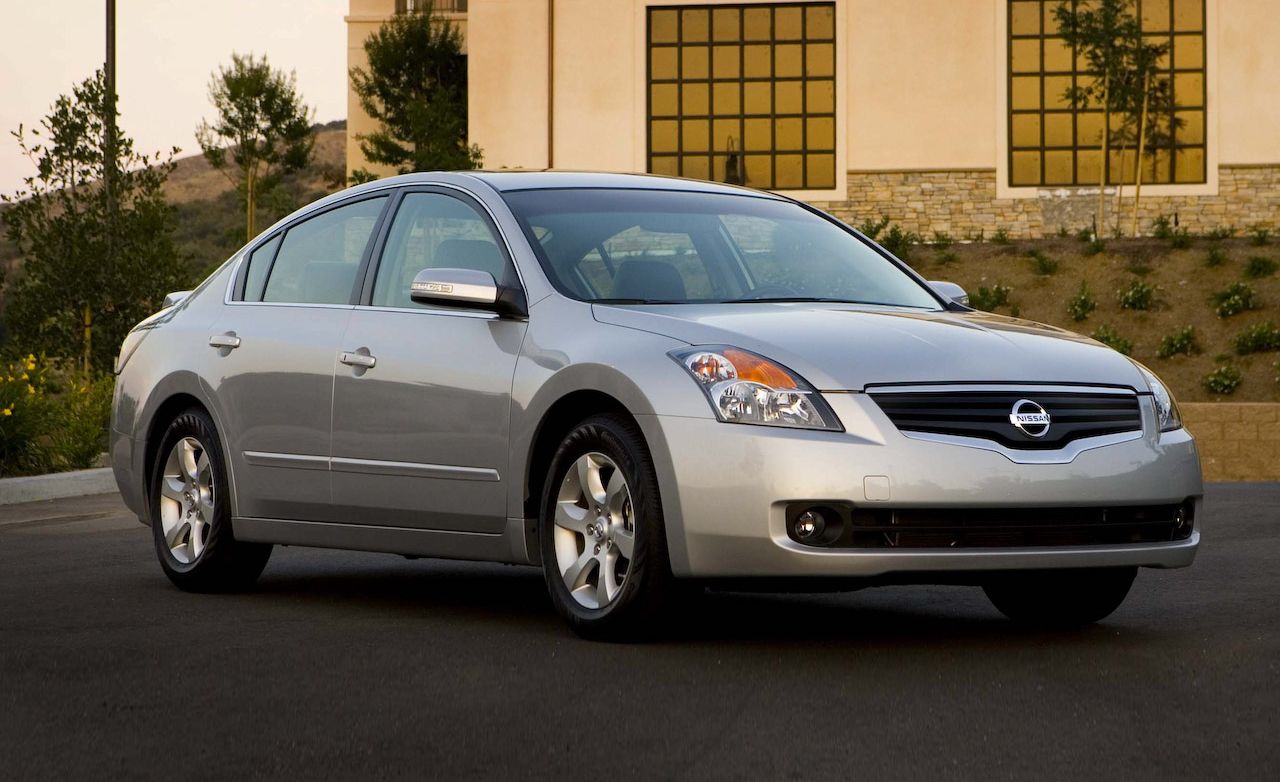
4. 2013 Nissan Altima – The Worst Year for Complaints
The 2013 Nissan Altima holds the unenviable title of the worst model year in terms of complaints, with over 3,000 reported issues. A large majority center on the car’s continuously variable transmission (CVT), which has a tendency to malfunction mid-drive.
Drivers often report the transmission “locking” or failing to engage properly, forcing them to pull over and restart the car. With the vehicle now out of warranty, repairs for this problem can exceed $3,000.
Beyond the CVT woes, the 2013 Altima’s climate control system has its own major flaw the compressor can rub against the car’s frame, causing premature wear and potential failure.
Fixing this defect can cost around $1,200. Given the widespread nature and high expense of these issues, along with the “Avoid Like the Plague” warning from Car Complaints, the 2013 Altima stands as a clear cautionary tale for buyers.
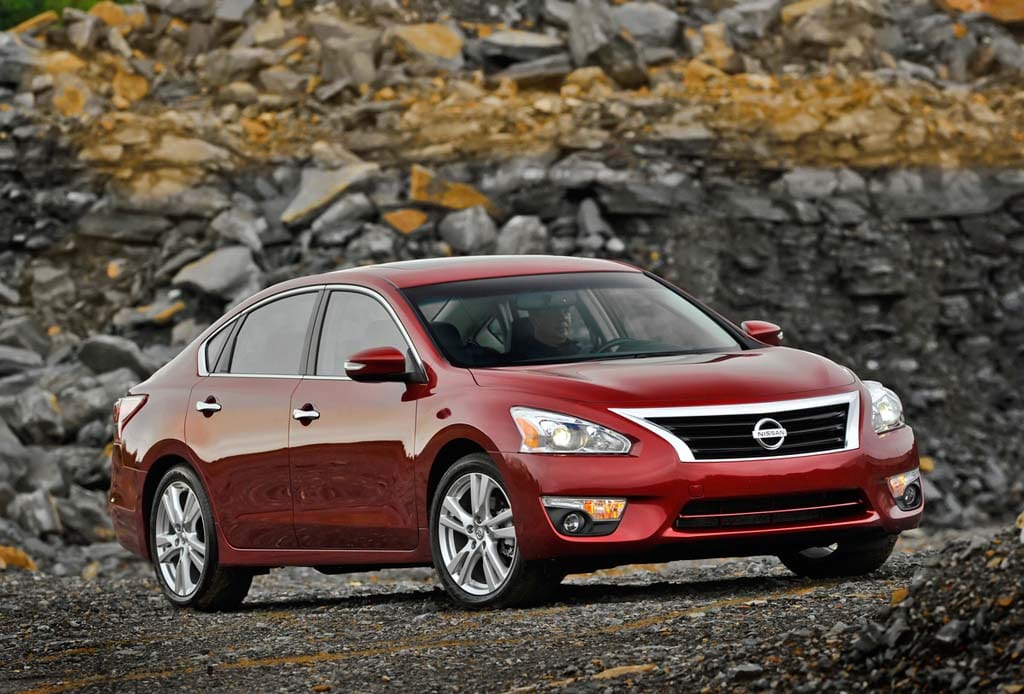
5. 2016 Nissan Altima – Transmission Slips and Reliability Issues
While not the most troublesome Altima ever produced, the 2016 model still suffers from reliability concerns, earning a poor 1 out of 5 rating from Consumer Reports.
Transmission problems once again take center stage, with numerous owners reporting sudden loss of acceleration sometimes in the middle of traffic creating dangerous driving situations.
Others experience transmission slipping, particularly during turns, which further reduces driver confidence. Replacing the faulty CVT can be a major financial setback, with costs averaging around $4,260.
Though less plagued by complaints than the 2013 or 2009 models, the 2016 Altima still represents a risky investment for those seeking a dependable midsize sedan.
The recurring transmission failures across multiple model years indicate a pattern of unresolved engineering flaws, making this year another example of Nissan’s CVT troubles negatively affecting owner satisfaction and long-term durability.
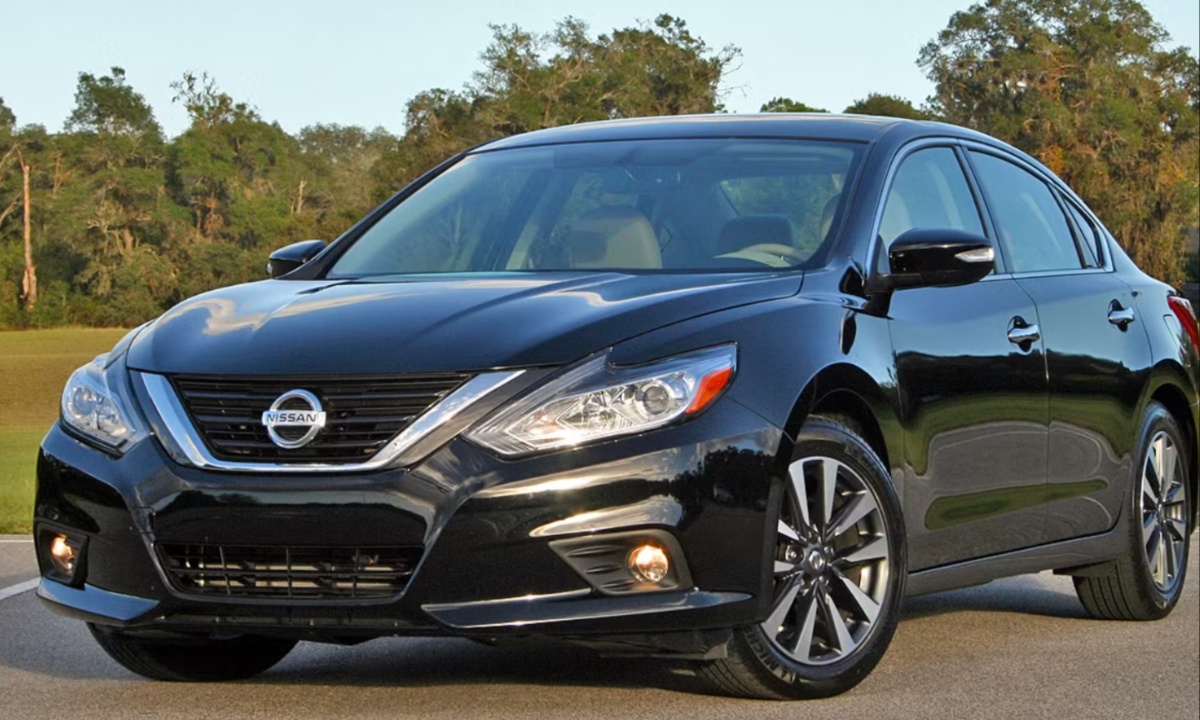
The Nissan Altima’s long production run has produced standout models that deliver exceptional reliability, comfort, and driving satisfaction alongside a few years that are best avoided.
The best years, such as 2011, 2015, 2017, 2019, and 2021, showcase the Altima’s strengths, from strong safety ratings and fuel economy to advanced tech and performance versatility.
On the other hand, the problematic years including 2002, 2005, 2009, 2013, and 2016 are marked by recurring mechanical failures, expensive repairs, and reliability concerns that can quickly outweigh any purchase savings. For buyers considering a used Altima, careful research and a pre-purchase inspection are essential.
By focusing on the proven, high-rated model years, you can enjoy the Altima’s balanced blend of practicality and comfort without the risk of unexpected breakdowns. In the competitive midsize sedan market, making an informed choice can mean the difference between years of trouble-free driving and costly repair bills.
Also Read: 10 Cars That Rarely Sit Unsold In The Lot Due To High Demand in 2025