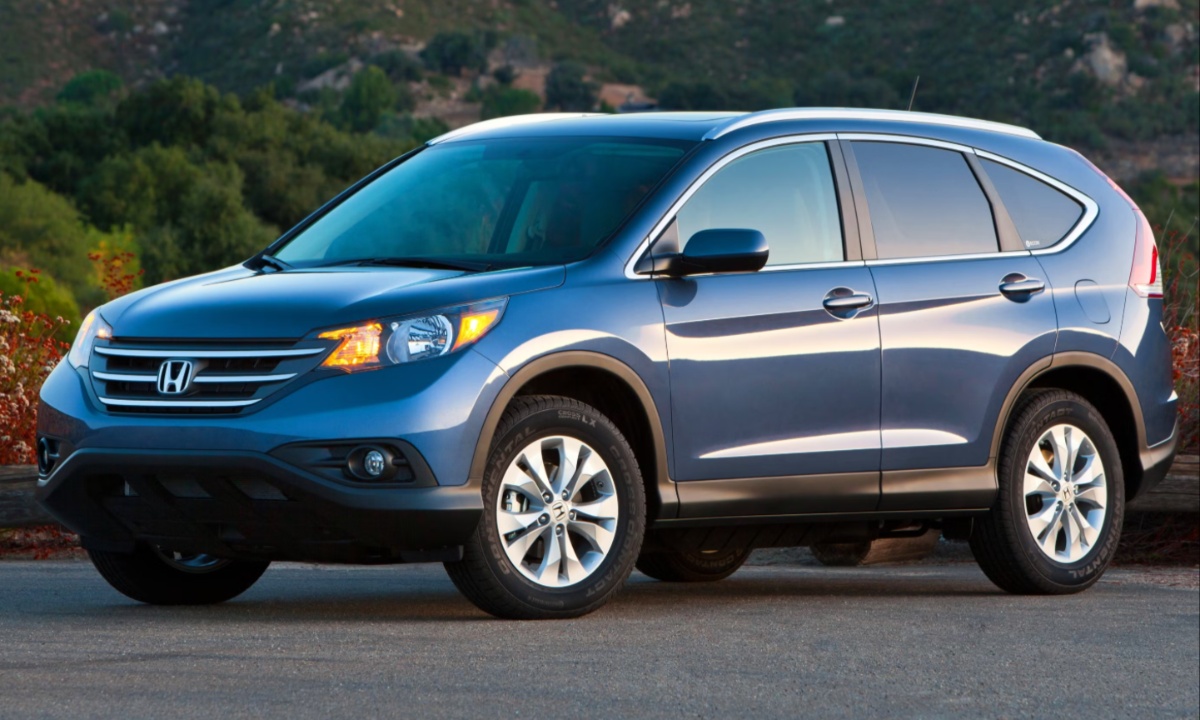
The Honda CR-V has earned a reputation as one of the most dependable and versatile compact SUVs on the road, with many examples racking up well over 200,000 miles. But not all CR-Vs are created equal; some model years are engineering triumphs, while others have been plagued by costly and dangerous defects.
Over nearly three decades of production, the CR-V has gone through multiple generations, each with its share of standouts and disappointments. In this guide, we’ll highlight five CR-V years that have proven to last for decades, offering exceptional reliability, practicality, and safety.
We’ll also cover five years you’ll want to avoid due to recurring mechanical failures, safety concerns, and high repair costs. Whether you’re hunting for a used daily driver or a family-friendly hauler, knowing which CR-V years to target and which to skip will help you make a smart purchase that goes the distance.
5 Honda CR-V Years That Last Decades
1. 2014 Honda CR-V – A Practical, Reliable Compact SUV
The 2014 Honda CR-V sits at the midpoint of the model’s fourth generation, benefiting from refined engineering and improved reliability. With a strong reliability score of 85/100 and only one recall for a possible faulty fuel pump, it offers peace of mind to owners.
RepairPal estimates annual maintenance at $425, slightly higher than some rivals but justified by its dependability. Honda’s focus on practicality, comfort, fuel economy, and low ownership costs has made the CR-V one of the best-selling SUVs in its class.
Edmunds named it one of the Best Used SUVs for 2014, citing its ease of use, spacious interior, and family-friendly features. While the styling and cabin materials may lack excitement, the CR-V remains an extremely sensible choice among compact crossovers.
Under the hood, every 2014 CR-V is powered by a 2.4-liter four-cylinder engine producing 185 horsepower and 163 lb-ft of torque, paired with a five-speed automatic transmission. Both front- and all-wheel drive are available, with 0–60 mph times averaging 9.4 seconds.
Fuel economy is excellent for the class, 26 mpg combined for FWD and 25 mpg for AWD, often matching real-world results. Safety ratings are strong, with five stars in overall government crash tests and “Good” scores from the IIHS in most categories, though it scored “Marginal” in the small-overlap frontal test.
The CR-V delivers precise steering, steady handling, and a smooth ride, making it a refined and comfortable daily driver, even if it lacks the sportier feel of rivals like the Mazda CX-5 or Ford Escape.
Inside, the CR-V offers excellent practicality with abundant storage spaces, a large center console, and a logical, easy-to-use control layout. Standard features include a rearview camera, Bluetooth connectivity, and Pandora integration amenities that are optional or unavailable in many competitors.
The roomy rear seat can be folded nearly flat with a simple lever, expanding cargo capacity from 37.2 cubic feet to an impressive 70.9 cubic feet, outclassing most rivals.
While interior materials and styling may be uninspired, the CR-V’s versatility, reliability, and efficiency make it one of the most well-rounded and dependable compact SUVs on the market.

2. 2013 Honda CR-V – A Well-Rounded, Family-Friendly SUV
The 2013 Honda CR-V earns a strong reliability score of 86/100 and maintains a reputation for practicality, efficiency, and comfort. With only one recall for a possible gear shifter issue and an average annual maintenance cost of $414, it proves to be a dependable choice for families seeking a compact crossover.
Its roomy interior, generous cargo space, and long list of standard features earned it a spot on Edmunds’ Best Used SUVs for 2013. Powered by a single 2.4-liter four-cylinder engine, the CR-V delivers commendable fuel economy up to 26 mpg combined, though it lacks performance upgrades such as a turbocharged option or manual shift mode.
Competitors like the Ford Escape and Mazda CX-5 may offer more variety or sportier handling, but the CR-V’s balanced design makes it a top contender for family buyers.
On the road, the 2013 CR-V delivers smooth and predictable performance. Its 185-hp engine, paired with a five-speed automatic transmission, provides adequate acceleration, hitting 0–60 mph in 9.4 seconds.
The available all-wheel-drive system improves traction by automatically distributing power when slippage is detected. Ride comfort is high, with precise steering and steady handling, though low-end power is modest compared to rivals with stronger engines.
Safety performance is excellent, five stars overall in government crash tests and top “Good” ratings from the IIHS in most categories. Braking is also strong, with a 120-foot stop from 60 mph. These features, combined with quiet cabin refinement, make the CR-V a secure and pleasant daily driver.
Inside, the CR-V is designed for convenience and usability. The full center console provides abundant storage, and the controls are logically arranged for ease of use. The cabin’s spring-loaded auto-fold rear seats simplify cargo expansion, growing capacity from 37.2 cubic feet to an impressive 70.9 cubic feet.
Passenger space is generous, especially in the rear, making it ideal for families with children or bulky gear. Standard technology features such as Bluetooth connectivity, a Pandora interface, and optional SMS text messaging integration enhance its modern appeal.
While it may not have the upscale interior finishes of some competitors, the 2013 Honda CR-V remains a practical, reliable, and value-packed choice in the compact SUV market.
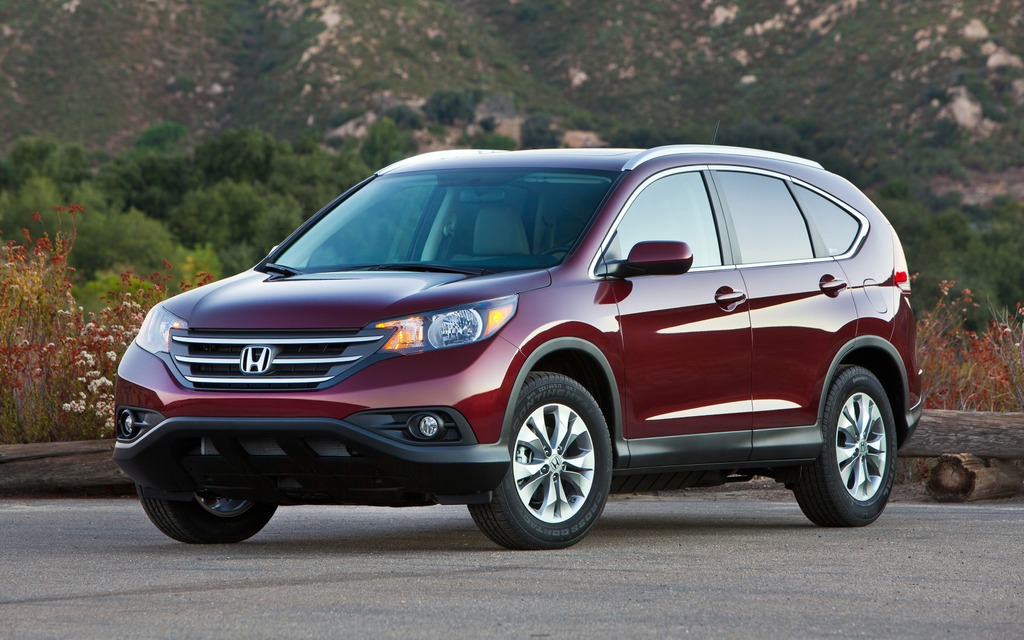
3. 2007 Honda CR-V – Practical, Refined, and Surprisingly Reliable
The fully redesigned 2007 Honda CR-V earns an impressive reliability score of 87/100, making it the most dependable model year among its peers despite being the oldest on the list.
Owners praise its comfort, ease of use, and suitability for drivers of different heights, with features like excellent visibility, smooth performance, and good fuel economy. Annual maintenance averages just $349, keeping long-term costs low.
While the model has 12 recalls, most involve the same faulty airbag inflator issue, which is a straightforward fix. Honda aimed this third-generation CR-V at young families, incorporating thoughtful touches such as wide-opening rear doors, an overhead liftgate, and improved interior materials while keeping its manageable dimensions.
Powered by a 2.4-liter four-cylinder producing 166 hp and 161 lb-ft of torque, the 2007 CR-V comes with a five-speed automatic transmission and offers either front- or all-wheel drive.
Front-wheel-drive models achieve an EPA-estimated 23 mpg city/30 mpg highway, while AWD versions rate at 22/28. Acceleration is modest. AWD models take 9.8 seconds to reach 60 mph, and the absence of a V6 option leaves it less powerful than rivals like the Toyota RAV4 or Ford Escape.
Still, the CR-V offers composed handling, precise steering, and a comfortable, quiet ride. Safety is well-covered with standard stability control, ABS, side airbags, and curtain airbags, while a backup camera is available on EX-L trims with navigation.
Inside, the 2007 CR-V blends style and functionality. The cabin layout is ergonomic, with parent-friendly features such as LATCH anchors at all three rear seating positions, a built-in conversation mirror, and multiple rear door detents for safer child loading.
The cargo area holds 35.7 cubic feet with seats up, and EX/EX-L trims include a two-tier loading shelf. Folding the 60/40 rear seats expands space to a generous 73 cubic feet, and seats can be flipped upright for additional versatility.
While not the fastest in its class, the 2007 CR-V stands out for its thoughtful design, refined ride, and exceptional reliability, making it a smart and family-oriented choice in the compact SUV market.

4. 2008 Honda CR-V – A Reliable and Well-Rounded Compact SUV
The 2008 Honda CR-V stands out as one of the most reliable compact SUVs, earning a 90/100 reliability score and proving itself with many owners surpassing 200,000 miles without major issues.
Annual maintenance costs average $401, and while there are 11 recalls, mostly for easily replaced airbag inflators, the model remains a top pick for value and dependability.
Building on the 2007 redesign, the 2008 updates were limited to the EX-L trim, adding power-adjustable seating, dual-zone climate control, and premium audio.
Though it lacks a V6 option, third-row seating, or particularly bold styling, its balanced performance, comfort, and practicality explain why it was the best-selling SUV in America at the time.
Under the hood, the 2008 CR-V features a 2.4-liter four-cylinder engine producing 166 hp and 161 lb-ft of torque, paired with a five-speed automatic transmission. Buyers can choose between front-wheel drive or an AWD system that engages the rear wheels when needed.
While acceleration is modest at 0–60 mph in 9.5 seconds, fuel economy is strong for its class, with FWD models rated at 20 mpg city/27 mpg highway.
Safety is another strong point, with perfect five-star government crash ratings across the board and top “Good” scores from the IIHS. Standard safety equipment includes stability control, ABS, side airbags, and curtain airbags, with a backup camera available on navigation-equipped EX-L trims.
Inside, the CR-V’s cabin blends functionality with comfort, offering wide-opening rear doors, a lightweight liftgate, and numerous family-friendly touches. The 60/40-split rear seats recline and slide, and EX/EX-L models include a cargo shelf for two-tier loading.
With 35.7 cubic feet of cargo space behind the seats and up to 73 cubic feet when folded, the CR-V rivals larger SUVs in utility. Thoughtful details like a built-in conversation mirror, multiple rear door detents, and abundant storage cubbies enhance daily convenience.
On the road, it delivers agile handling, well-weighted steering, a comfortable ride, and a quiet cabin, making the 2008 CR-V an excellent all-around choice for buyers prioritizing reliability, versatility, and everyday ease of use.

5. 2011 Honda CR-V – The Peak of Third-Generation Reliability
The 2011 Honda CR-V closes out the third generation with a stellar reliability score of 90/100, making it the most reliable model year on the list. With Honda having refined the design over several years, most early issues were resolved by this point.
Annual maintenance costs average $433, the highest here, reflecting the model’s age and potential for wear-related repairs. There are 13 recalls, primarily concerning airbag inflators, which are repairable free of charge.
For 2011, the only notable change was the addition of a mid-tier SE trim. Known for its practicality, safety, and family-friendly features, the CR-V remains one of the most well-rounded small crossovers in its class despite lacking a more powerful engine option.
Every 2011 CR-V is powered by a 2.4-liter four-cylinder producing 180 hp and 161 lb-ft of torque, mated to a five-speed automatic transmission with standard FWD or optional AWD. While its 0–60 mph time of 10.1 seconds is slower than most rivals, fuel economy is competitive at 24 mpg combined for FWD models.
Safety is a strong suit, with perfect government crash test scores and “Good” ratings in most IIHS categories, though roof strength earned a “Marginal” score. Braking performance is excellent, stopping from 60 mph in just 119 feet.
On the road, the CR-V offers nimble handling and responsive steering, though elevated road noise and a slightly firmer ride make it less refined for long highway drives compared to quieter competitors like the Chevrolet Equinox.
Inside, the 2011 CR-V blends comfort with functional design. The cabin features clear gauges, intuitive controls, and quality materials, along with thoughtful touches such as wide-opening rear doors, a sliding/reclining second row, and a two-tier cargo area.
The “conversation mirror” built into the sunglasses holder helps parents keep an eye on children without turning around. Cargo space is generous, 35.7 cubic feet with seats up and an impressive 73 cubic feet with them folded, making it one of the most versatile vehicles in its segment.
While not the quickest or quietest option, the 2011 Honda CR-V’s proven reliability, safety, and usability keep it at the top of the compact SUV shortlist.
Also Read: 5 Cars That Rarely Need Warranty Claims and 5 That Max Them Out
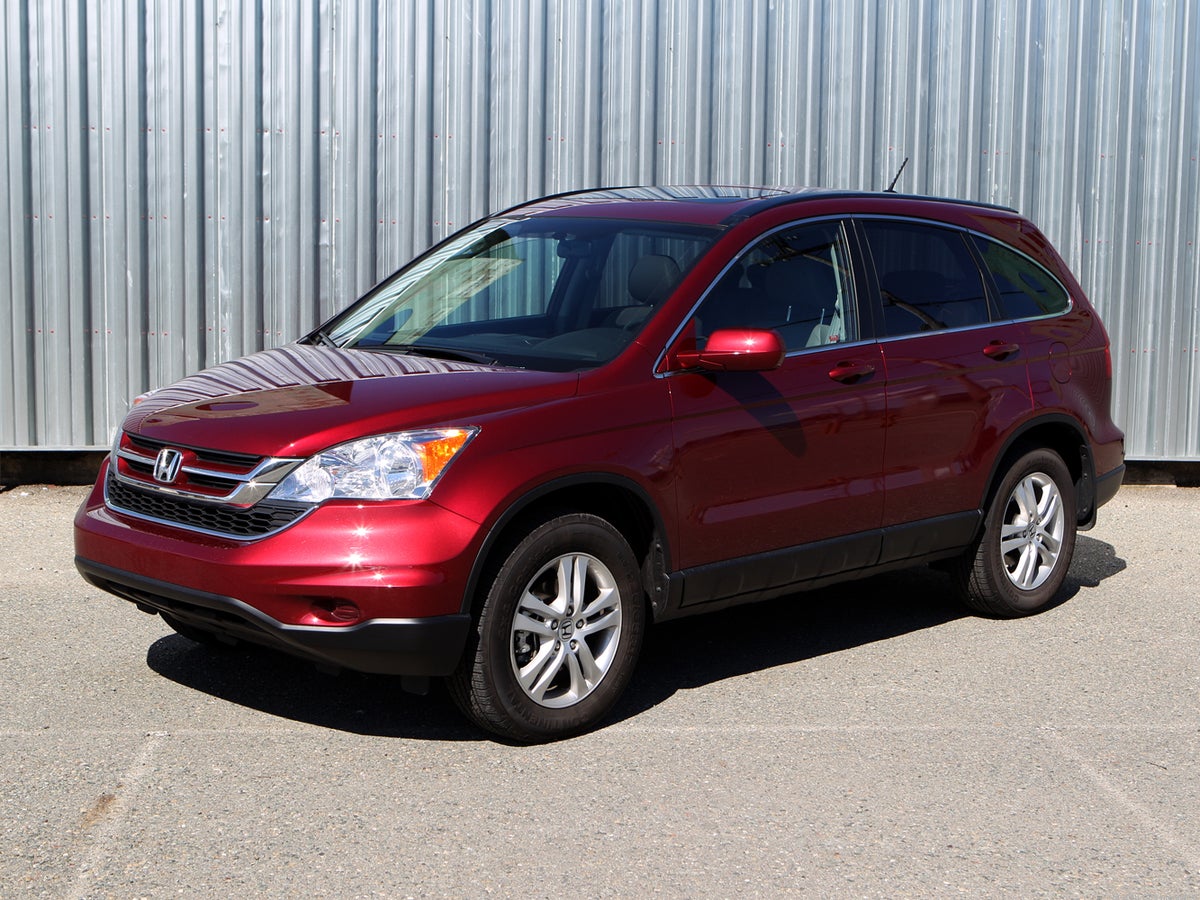
1. 1997 Honda CR-V – Electrical Failures and Airbag Safety Concerns
The 1997 Honda CR-V faced serious reliability problems, with 2 recalls and 109 complaints, mostly involving sudden engine and electrical shutdowns. Drivers reported stalling at highway speeds or during turns, often without warning or stored diagnostic codes.
The primary culprit was a faulty ignition switch, though not all affected vehicles were covered by the official recall, leaving many owners to bear repair costs. Airbag issues compounded concerns, with numerous reports of SRS warning lights and slow availability of Takata recall replacement parts.
These delays kept vehicles on the road with potentially defective airbags for extended periods. The combination of unexpected engine stalls and unreliable airbag deployment created dangerous driving conditions.
Although the CR-V offered solid practicality for its time, these safety risks significantly undermined consumer confidence. Owners who experienced shutdowns often described narrowly avoiding collisions, highlighting the potential severity of the defects. This model year’s recurring electrical flaws set the stage for similar issues in subsequent years.
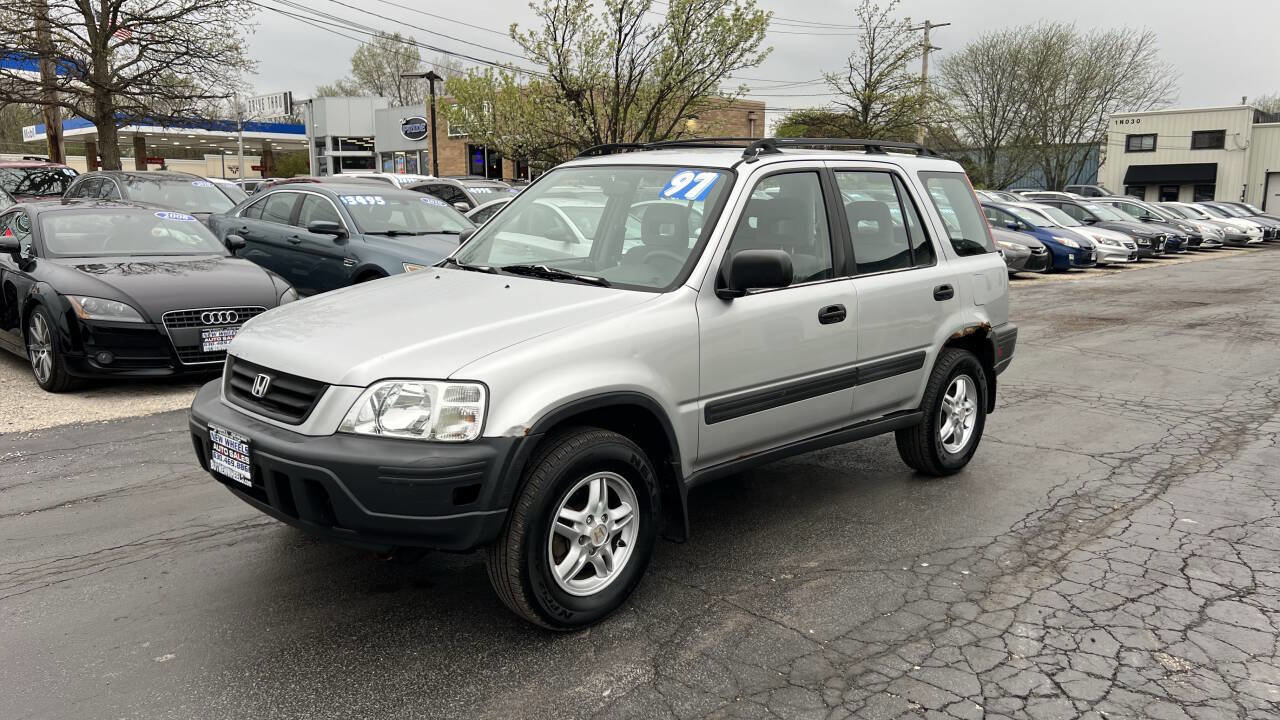
2. 1998 Honda CR-V – Transmission Failures and Persistent Electrical Issues
The 1998 Honda CR-V retained many of its predecessor’s electrical problems but added a troubling pattern of transmission failures. With 3 recalls and 143 complaints, many owners reported the transmission unexpectedly slipping into neutral while driving at highway speeds, often requiring a restart in traffic.
Several incidents occurred during rush hour at speeds of 60–70 mph, creating dangerous situations where loss of power could have led to collisions. Airbag recalls persisted from the prior year, and ignition switch failures remained common, sometimes accompanied by blown fuses affecting headlights and gear shifters.
These electrical disruptions further compromised nighttime visibility and safe operation. While the CR-V’s practicality and compact SUV appeal continued to attract buyers, reliability concerns made ownership riskier.
The mix of sudden drivetrain disengagements and ongoing electrical faults demonstrated Honda’s struggle to fully address core safety issues. For many, the 1998 model became synonymous with unpredictable performance under otherwise normal driving conditions.
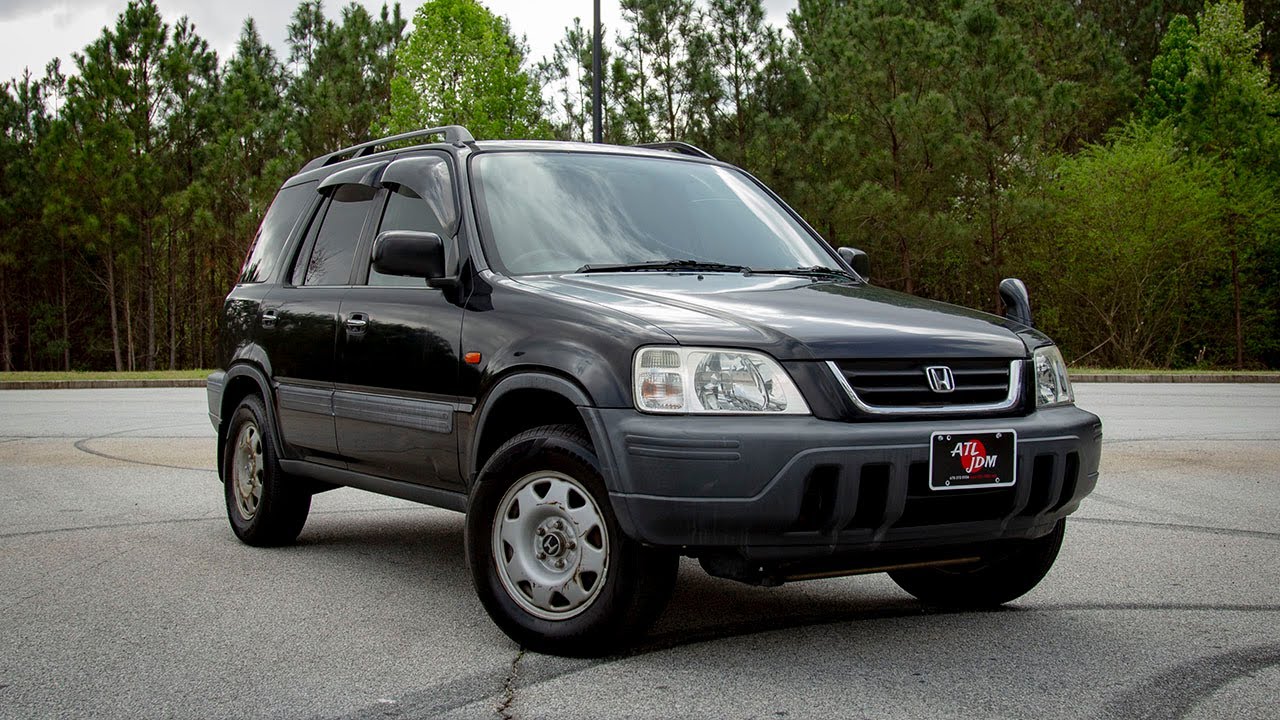
3. 1999 Honda CR-V – Engine Wear, A/C Failures, and Tire Safety Risks
The 1999 CR-V showed only slight improvement in complaint numbers, with 3 recalls and 138 complaints, yet critical reliability problems persisted. Engine performance issues were widespread, often traced to valve damage and low compression in the #4 cylinder.
Many cases stemmed from a misprinted maintenance schedule that led owners to skip essential valve checks. Air conditioning failures were another common frustration, with compressors breaking down even after prior repairs. In some cases, repeated failures led to costly system overhauls.
Tire safety became a new concern, as numerous owners reported tread separation on factory-installed Bridgestone Dueler tires, sometimes causing severe vehicle damage or near-accidents at highway speeds. These problems, combined with ongoing mechanical and A/C issues, weakened consumer trust.
Although the CR-V maintained its reputation for utility and space efficiency, the risk of engine degradation, tire blowouts, and persistent cooling system breakdowns made the 1999 model a high-maintenance and potentially hazardous choice.

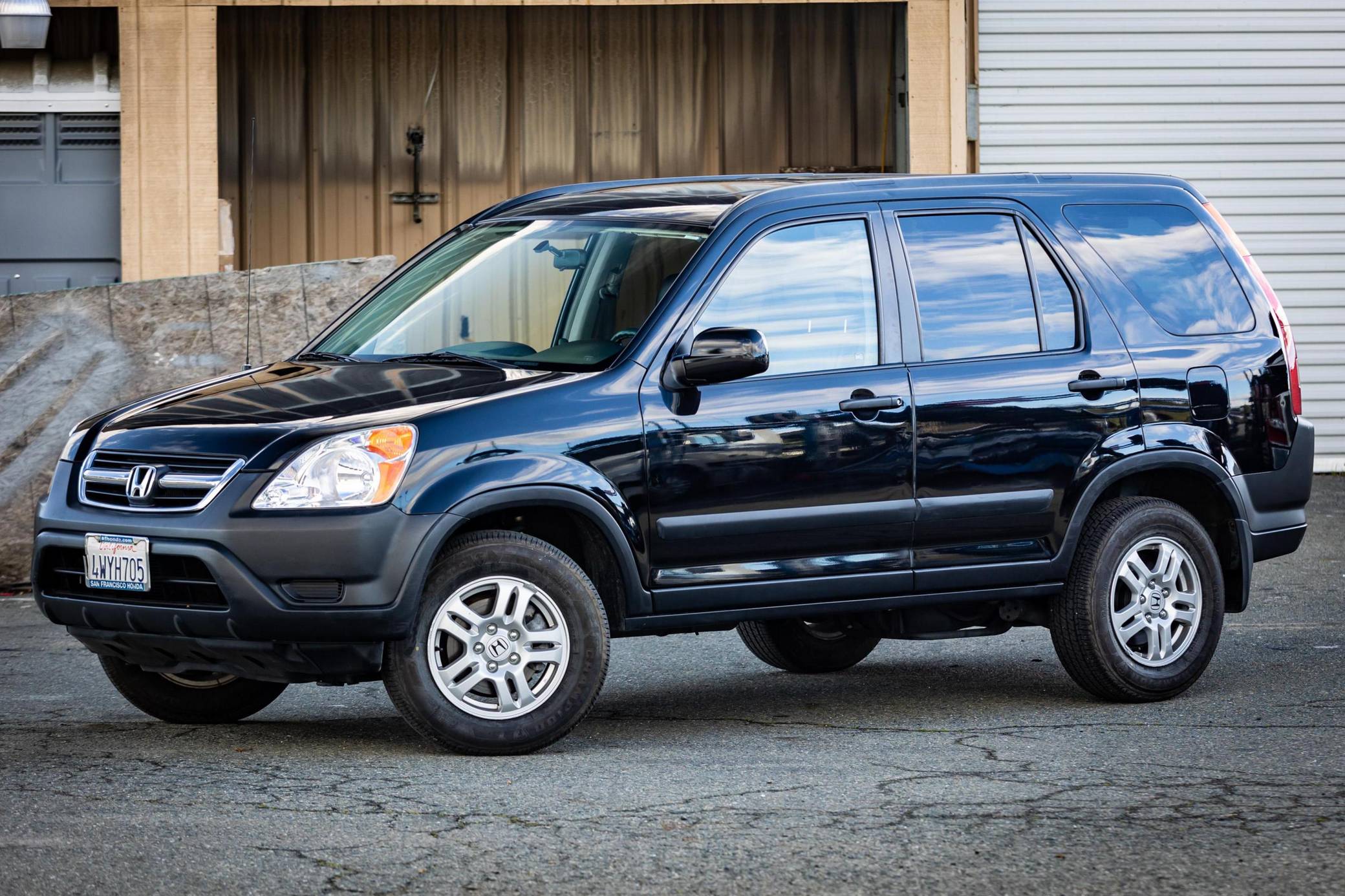
4. 2002 Honda CR-V – Airbag Defects, Electrical Fires, and Visibility Hazards
The 2002 Honda CR-V faced an alarming 16 recalls and 526 complaints, with major safety concerns dominated by Takata airbag defects. Eight separate airbag recalls were issued, but part shortages left many owners driving for months with potentially lethal inflators capable of spraying metal fragments on deployment.
Electrical problems compounded the risks. Power window switches often overheated, emitted smoke, or caught fire frequently in the driver’s side door or steering column. Despite similarities to recalled cases, some VINs were excluded, forcing owners to pay out-of-pocket for safety repairs.
Lighting system failures were also common, with headlights burning out prematurely and smoking turn signal switches leading to sudden visibility loss at night. Faulty seat belt buckles and malfunctioning door locks added to the hazards.
The 2002 CR-V’s combination of explosive airbags, fire-prone switches, and lighting malfunctions created a uniquely high-risk environment for drivers and passengers, making it one of the most problem-prone CR-V model years ever produced.
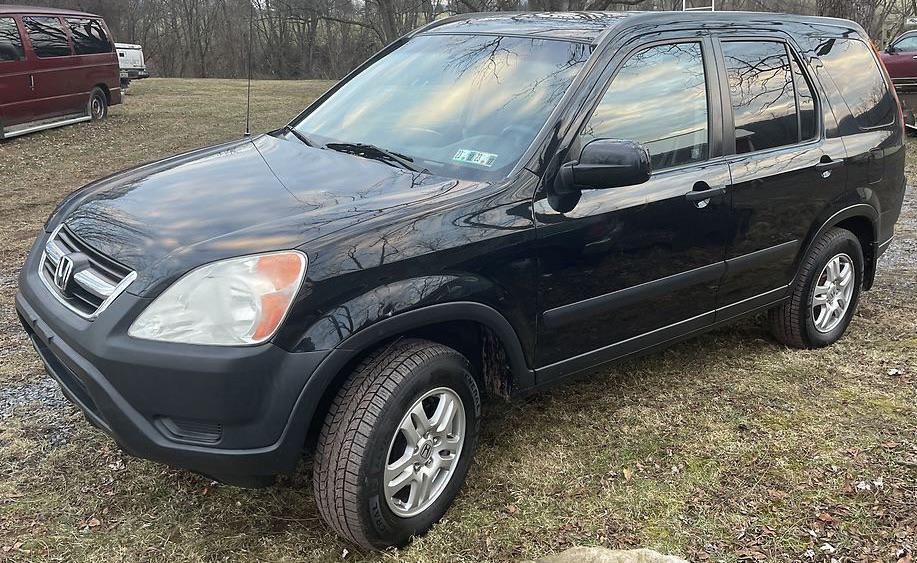
5. 2003 Honda CR-V – Recurring Defects, Engine Overheating, and Dangerous Acceleration
With 14 recalls and 491 complaints, the 2003 Honda CR-V carried over many of the 2002 model’s problems, including airbag defects, electrical fires, and headlight issues, while adding new mechanical failures.
Engine overheating became a frequent problem, often linked to failing radiator fans, malfunctioning thermostats, or heater core leaks that spilled hot coolant into the passenger area, posing burn risks. One severe case involved an engine fire caused by the A/C compressor, which melted drive belt components.
Air conditioning failures were widespread and costly, with compressor blowouts contaminating the entire system. Repairs often exceed $2,500. Most concerning, several owners reported sudden unintended acceleration, sometimes reaching speeds of 85–90 mph with unresponsive brakes.
During testing of a used model, erratic revving in reverse and momentary brake loss were observed, underscoring the unpredictability of this CR-V. Combined with its inherited safety defects, the 2003 model year stands out as both mechanically troublesome and potentially dangerous to operate.
Choosing the right Honda CR-V year can mean the difference between a stress-free ownership experience and years of frustrating repairs.
The standout models we’ve covered, like the 2014, 2013, 2007, 2008, and 2011, show how Honda’s design, engineering, and quality control can deliver vehicles that remain dependable long after rivals have faded.
On the other hand, problematic years such as 1997, 1998, 1999, 2002, and 2003 reveal how certain design flaws and component failures can severely undermine a vehicle’s long-term value.
By doing your research and focusing on proven model years, you can enjoy the CR-V’s signature blend of comfort, versatility, and reliability without the headaches of unexpected breakdowns.
Whether you prioritize fuel economy, cargo space, or all-weather capability, there’s a CR-V out there built to serve you faithfully for many miles to come.
Also Read: 10 Cars With Tricky Seatbelt Buckles for Elderly Passengers